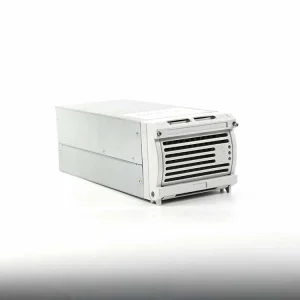
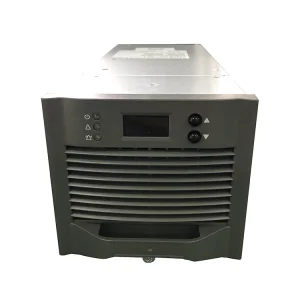
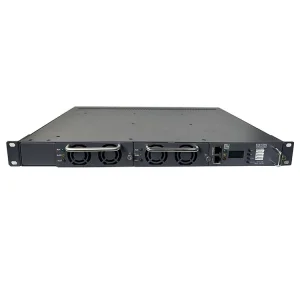
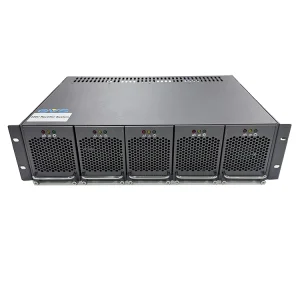
Engineered to integrate seamlessly with 19-inch racks. Built for high performance, reliability, and continuous operations during load shedding.
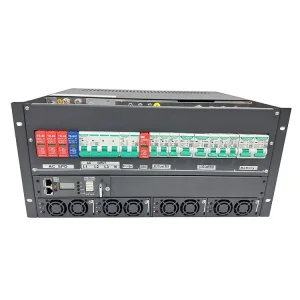
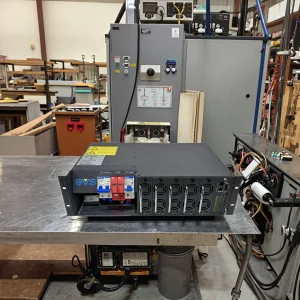
As South Africa accelerates its 5G deployments and expands its regional data center footprint across major economic hubs like Johannesburg, Cape Town, and Durban, the demand for highly resilient network cabinets and power infrastructure has reached unprecedented levels. Modern digital infrastructure cannot rely on standard configurations due to the unique structural and environment-specific challenges present on the South African grid.
The primary concern for network engineers and procurement managers in the region is utility instability, notably load shedding. This operational reality demands that network cabinets act as more than just steel enclosures. They must function as integrated thermodynamic and electrical units capable of housing advanced heat exchangers, hybrid solar-grid chargers, high-efficiency rectifiers, and high-density battery backups (both Lead-Acid and Lithium-ion chemistries).
Global engineering, procurement, and construction (EPC) firms operating in Africa require strict standardization. When designing macro telecom networks or industrial mining control hubs, the key considerations are modularity and interchangeability.
By adopting the 19-inch standard rack-mount format, operators can scale power capacity easily using N+1 hot-swappable modular rectifiers. This minimizes MTTR (Mean Time to Repair)—critical for remote installations in rural regions where skilled technicians might take hours to reach site locations.
A network cabinet is only as reliable as the power running through it. The transition to decentralized 5G small cells and edge data installations requires a combination of robust physical protection and highly efficient power translation:
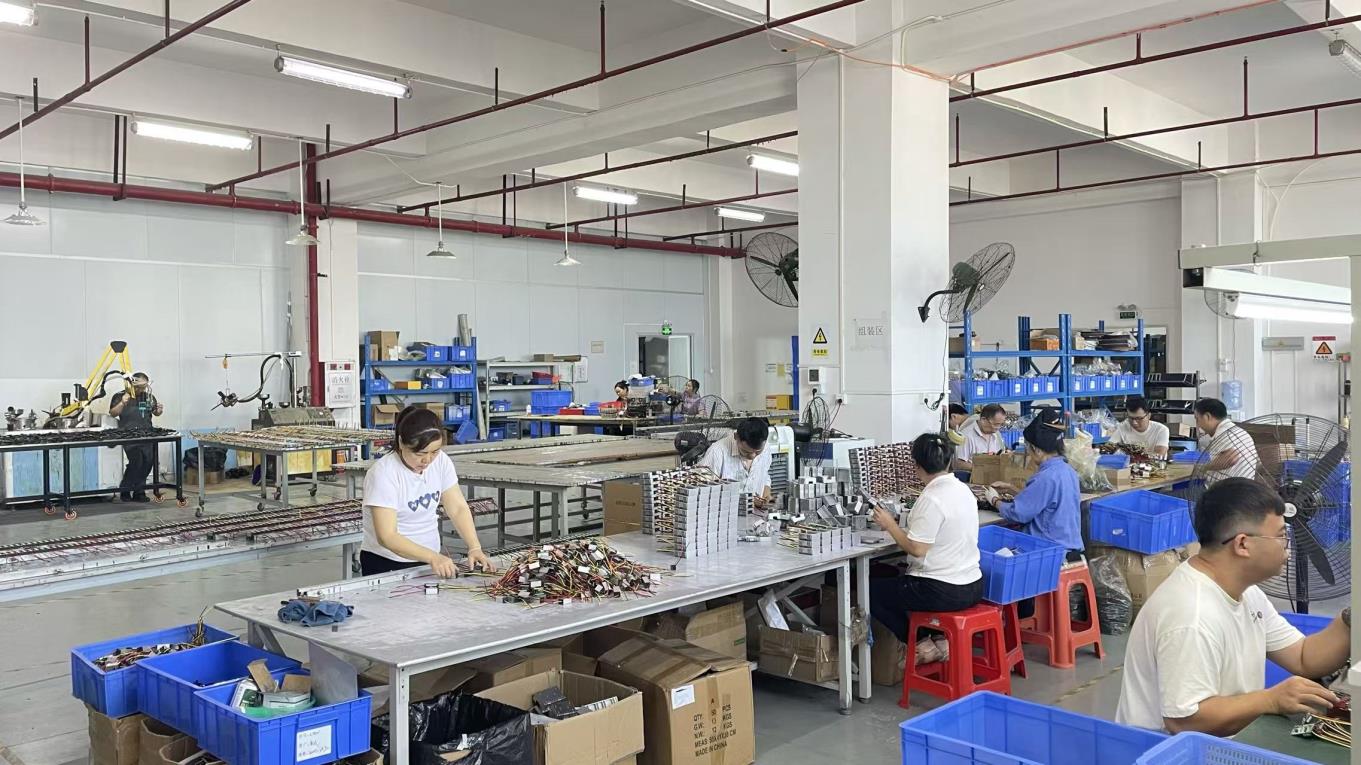
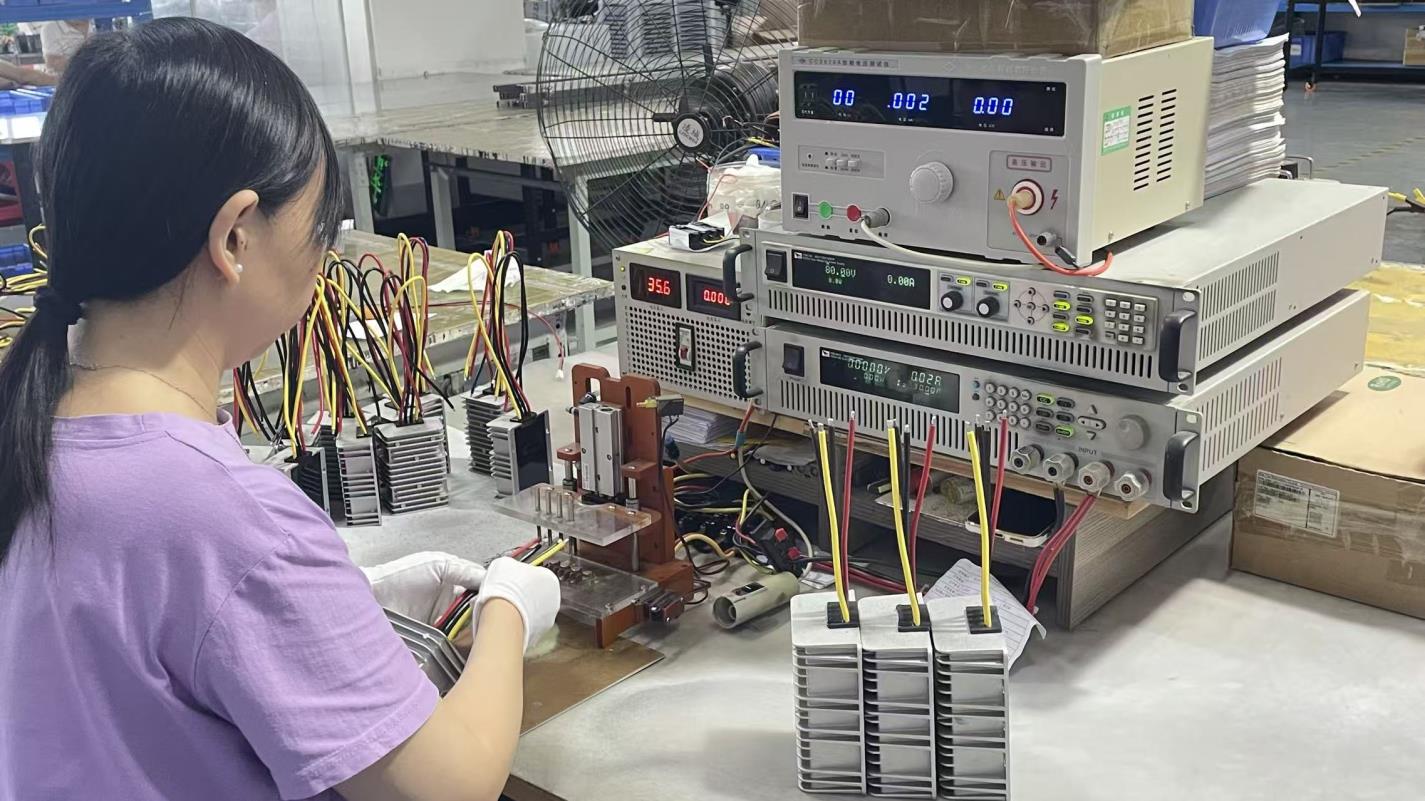
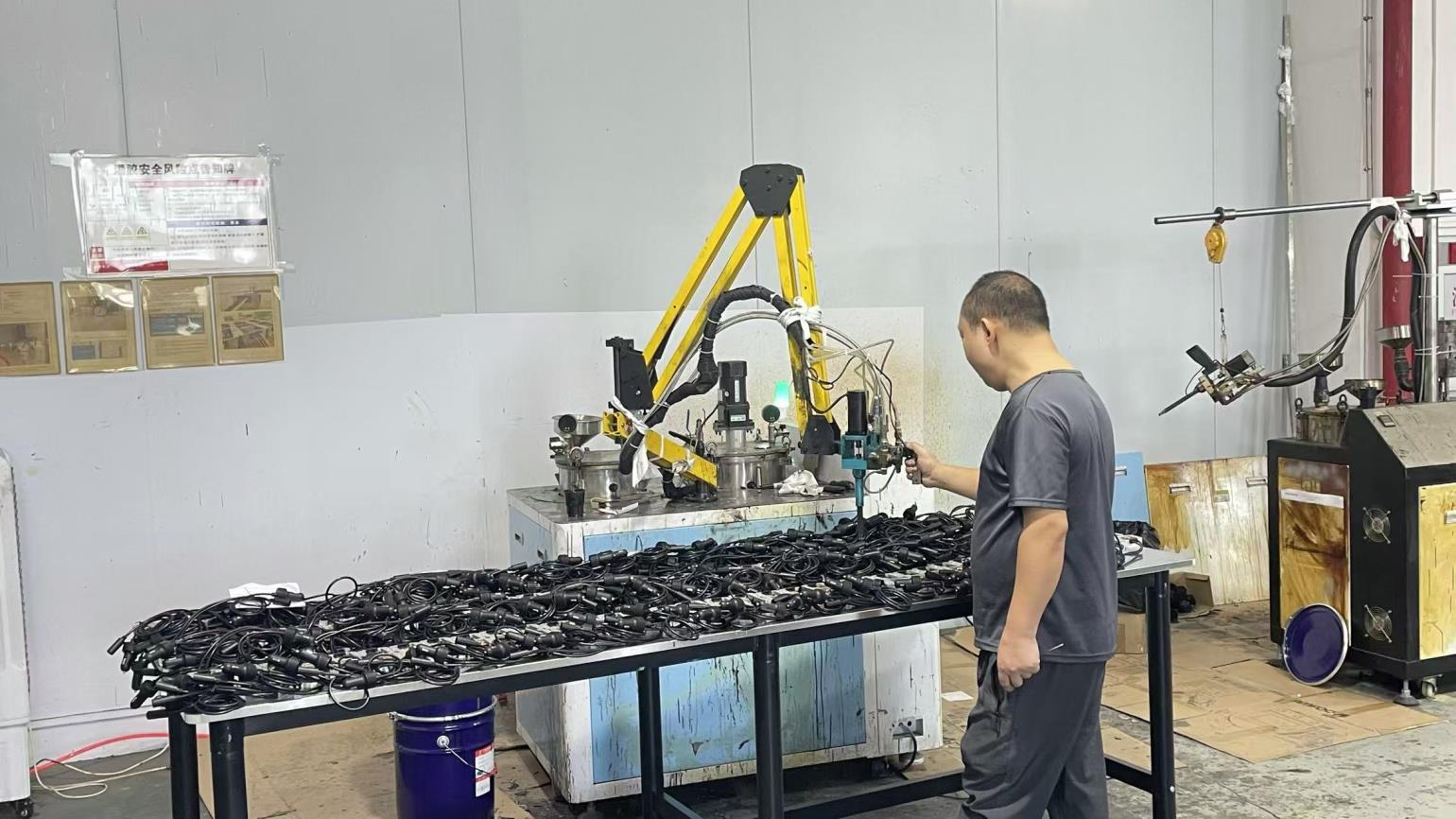
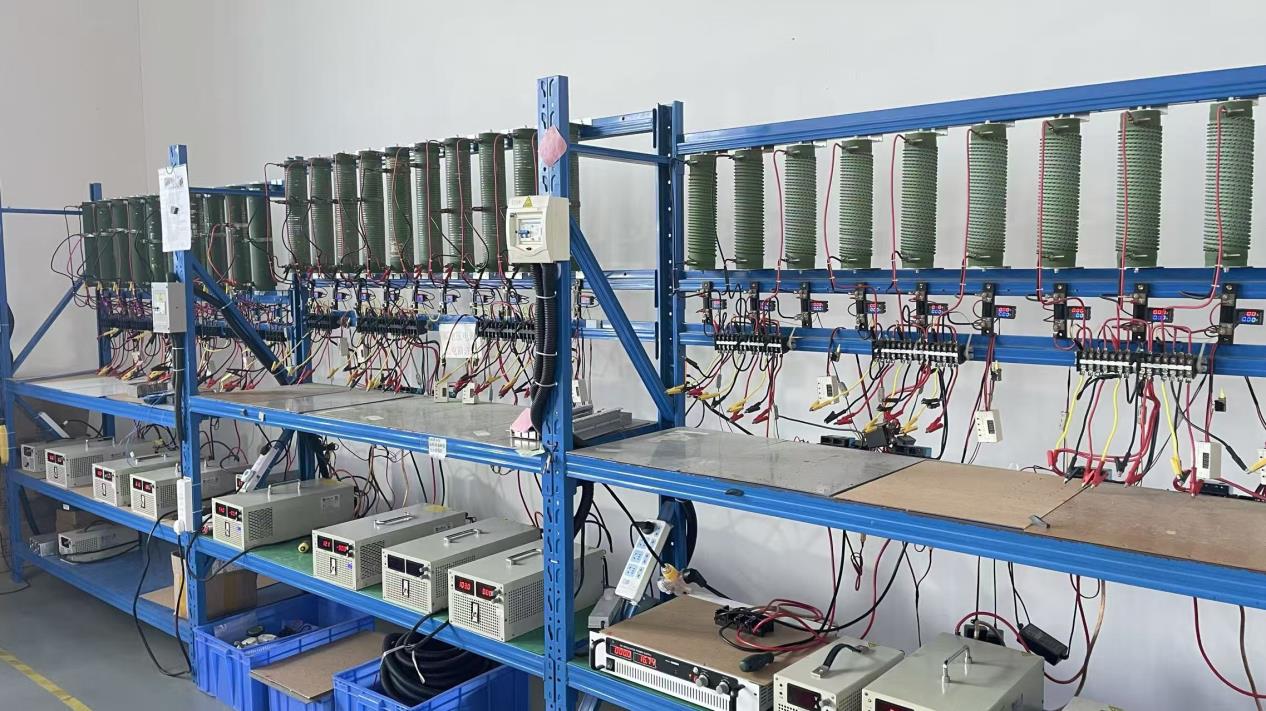
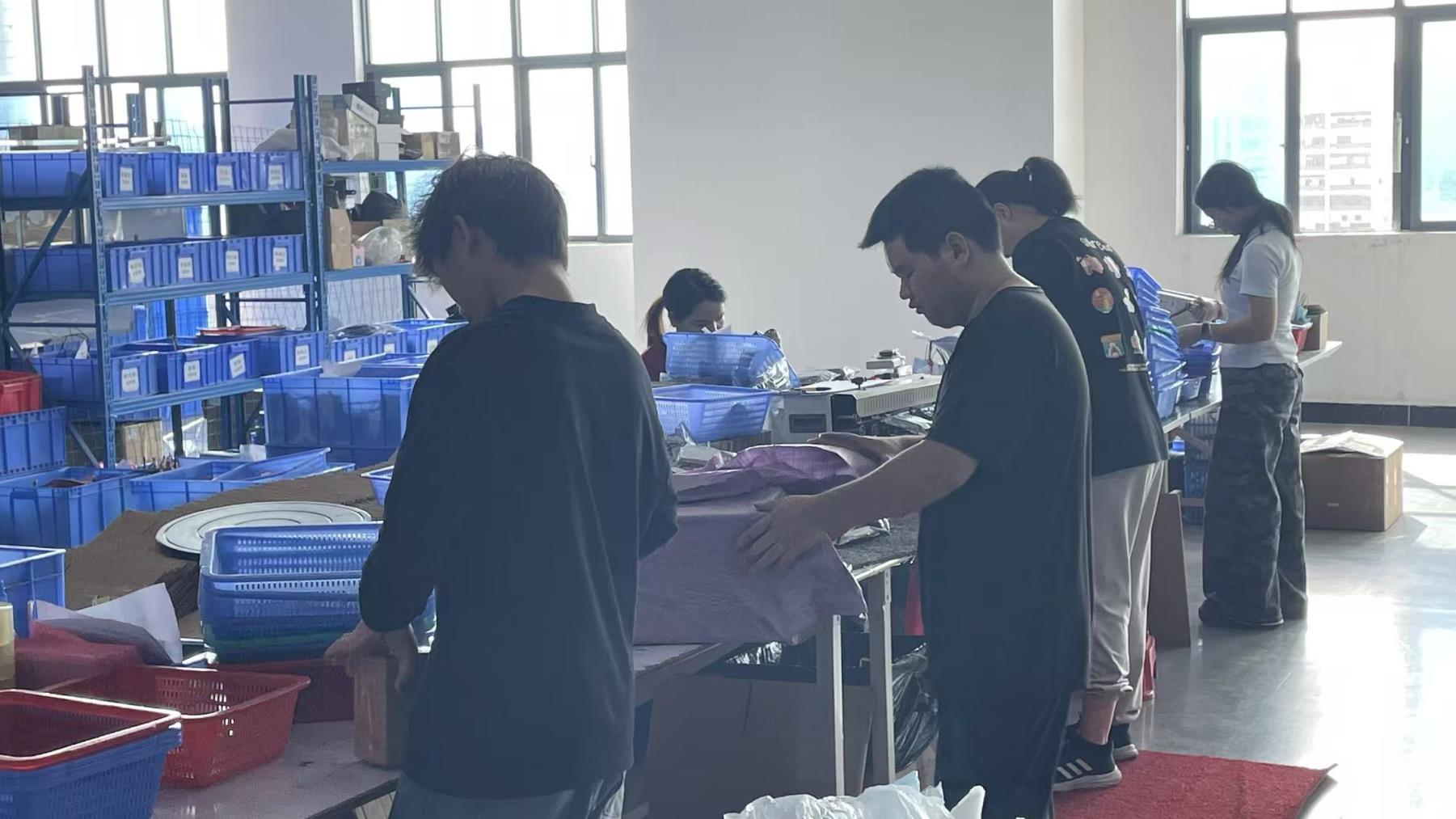
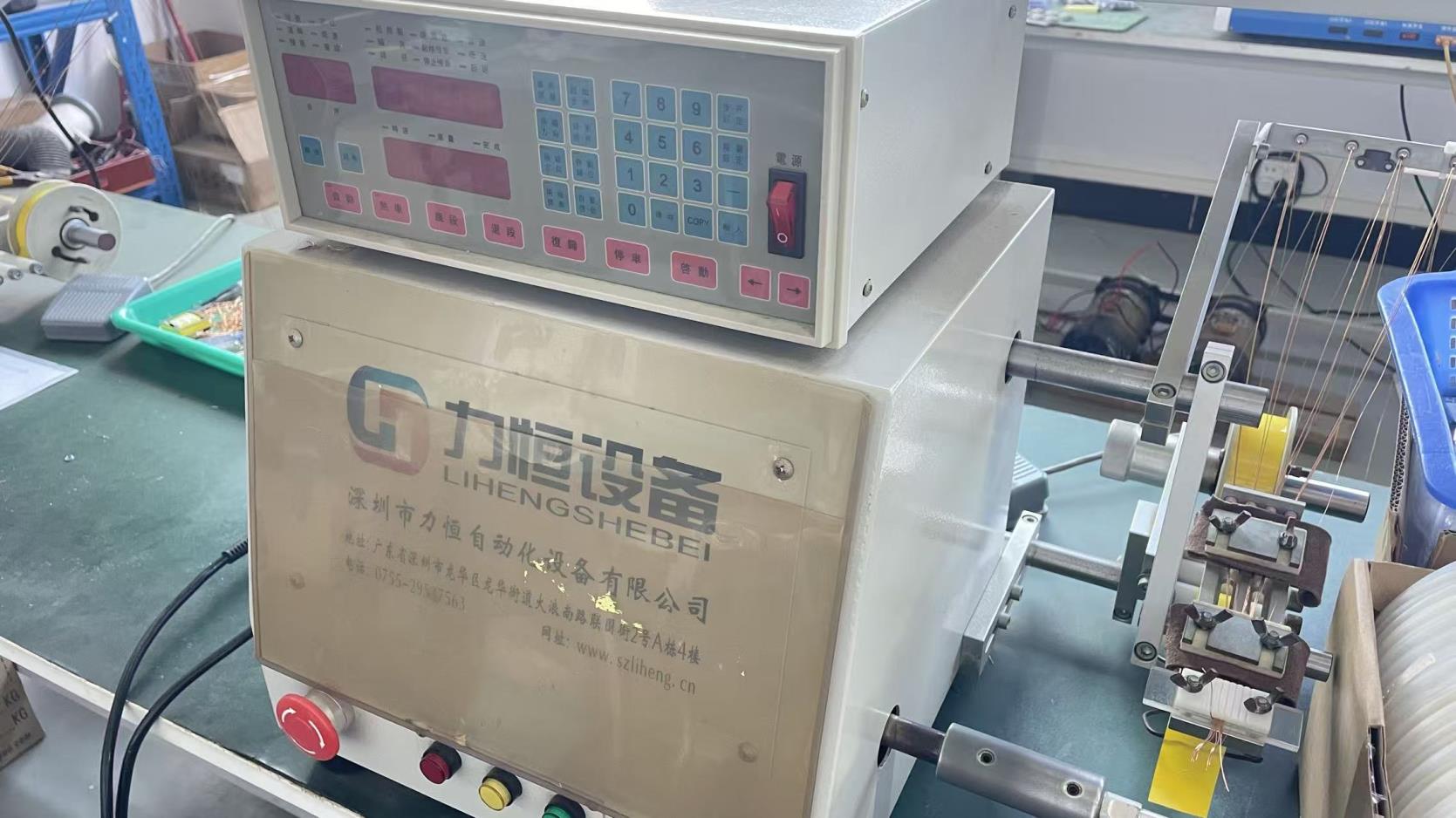
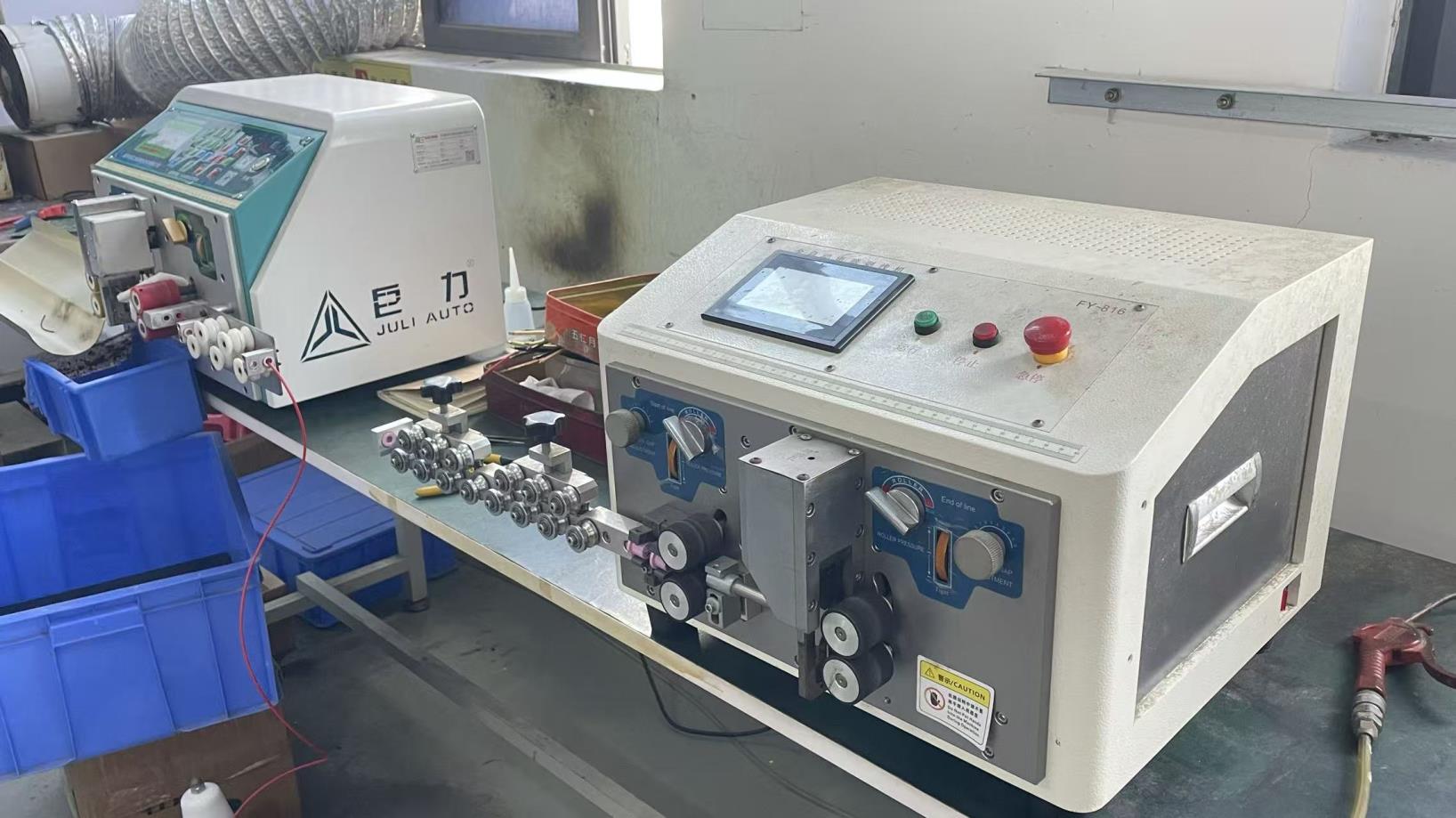
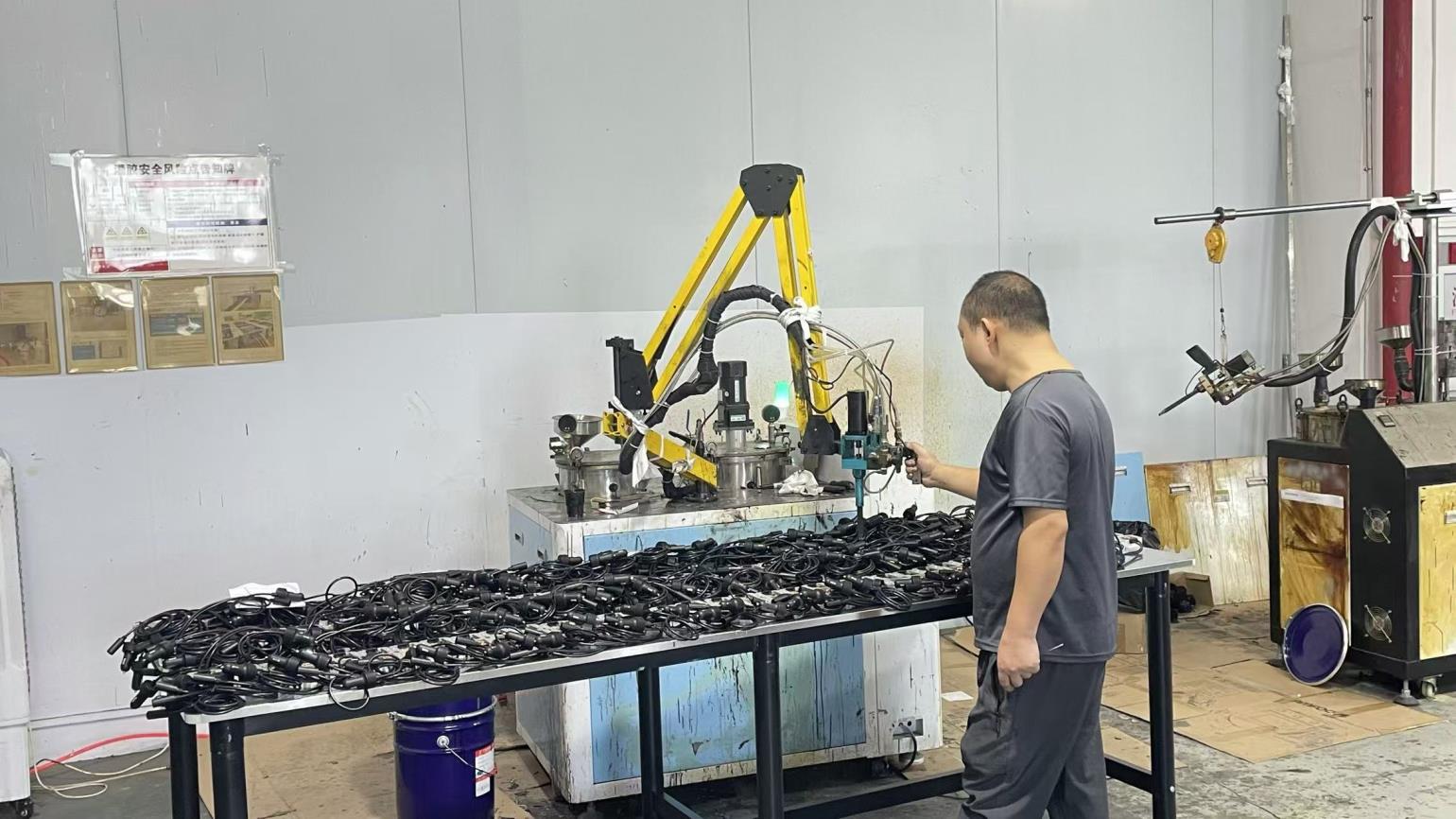
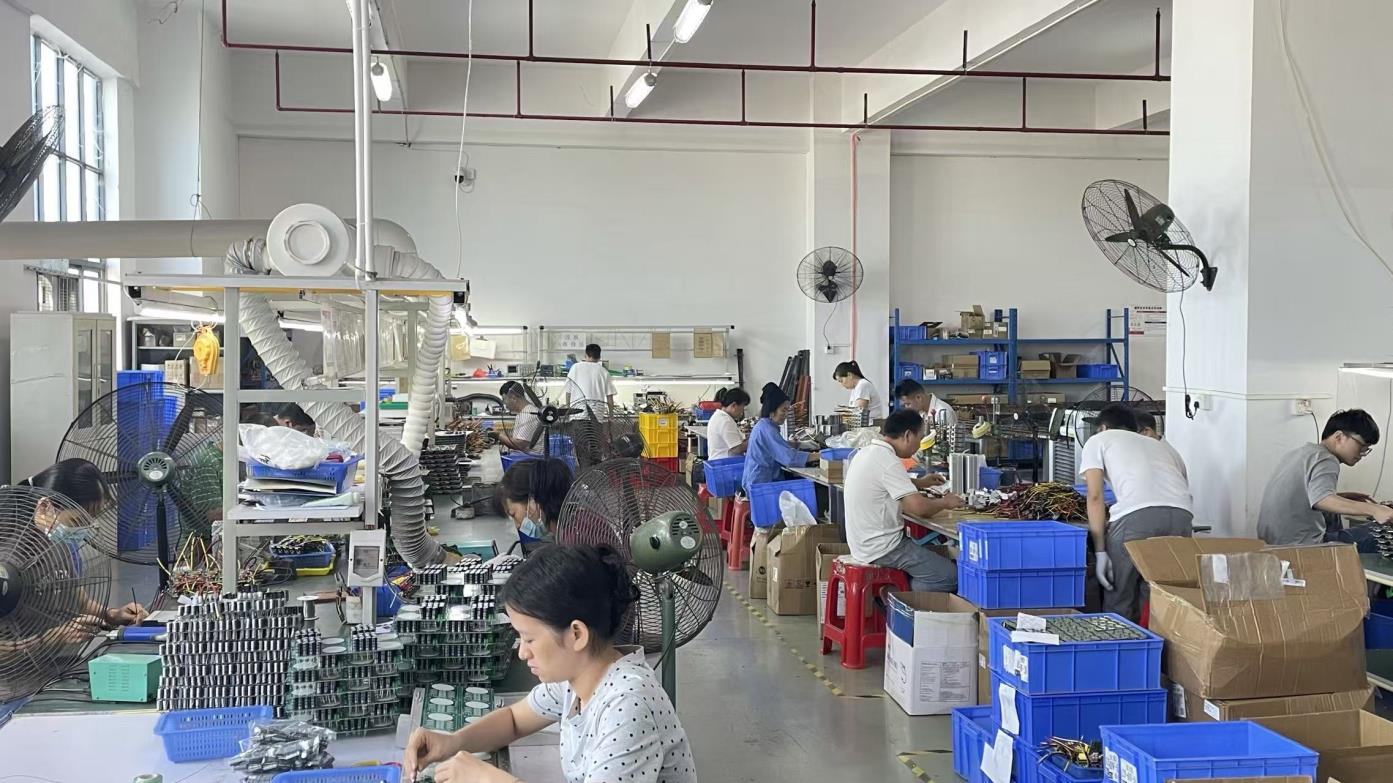
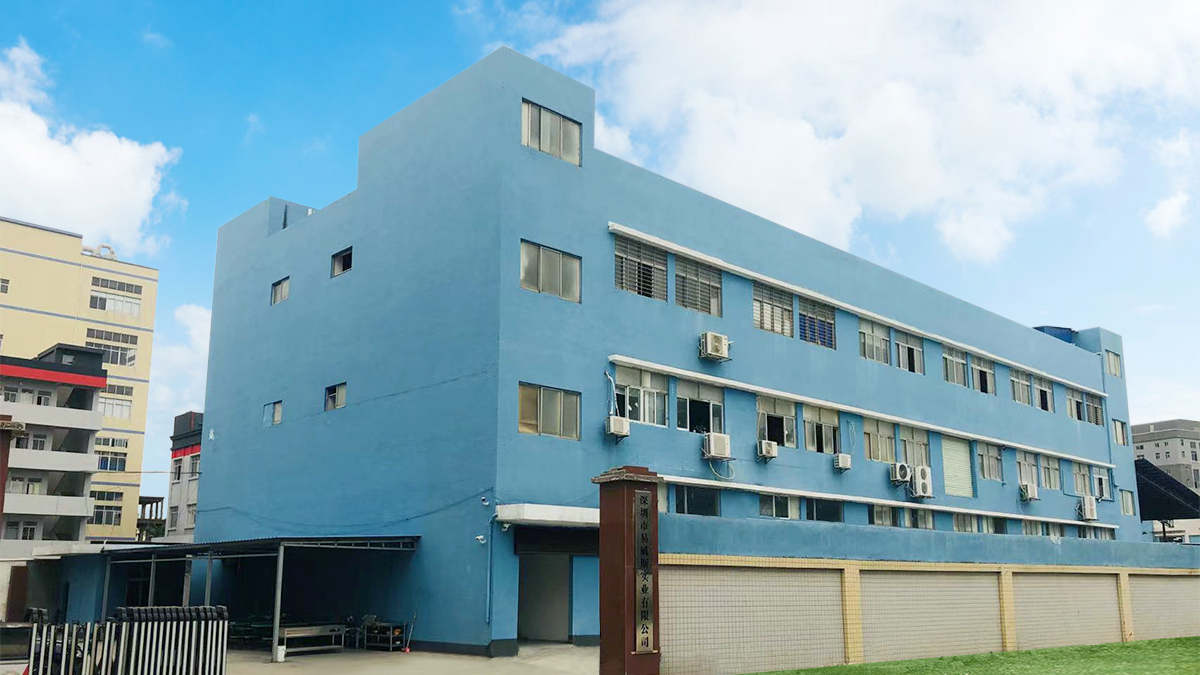
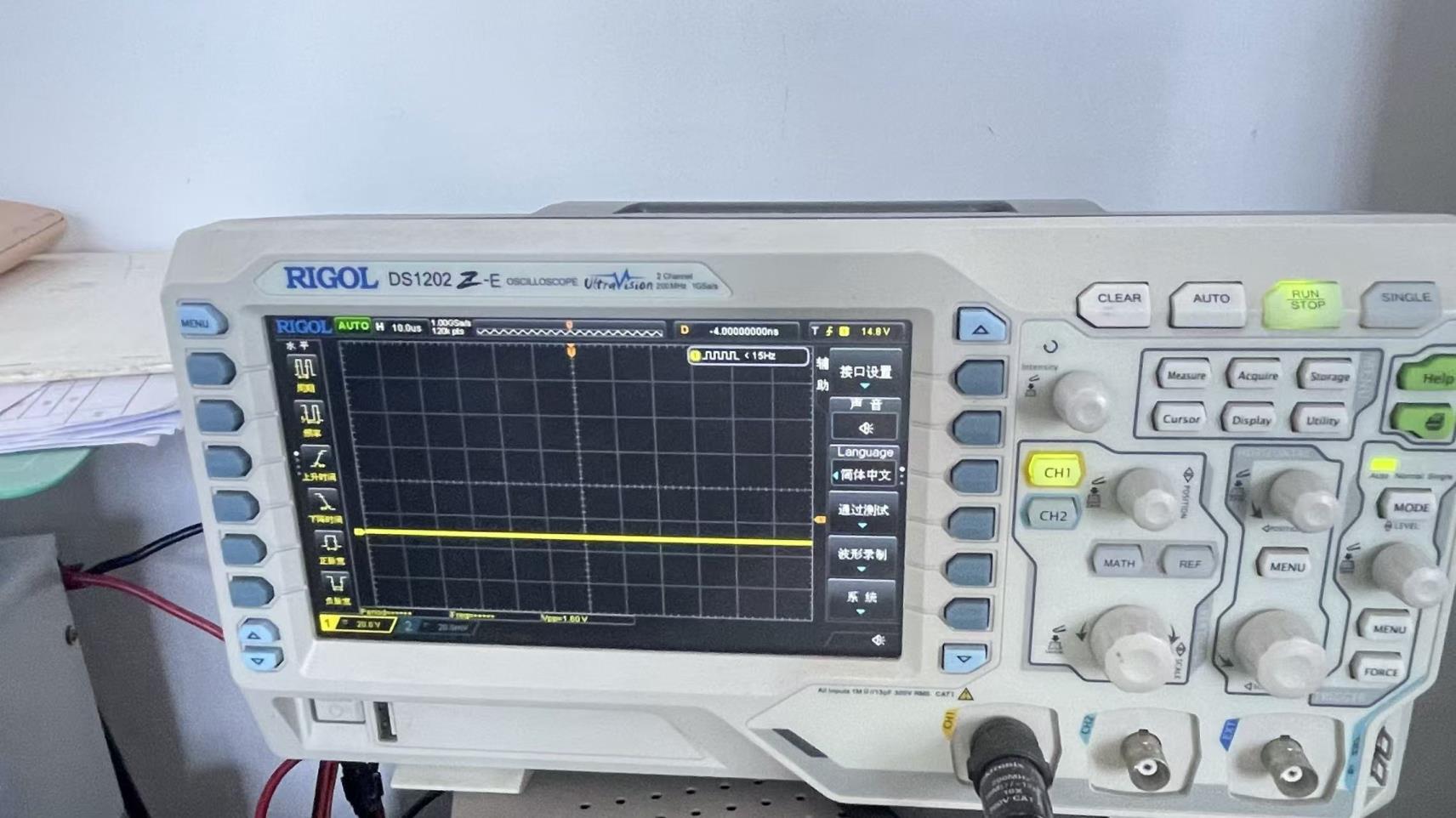
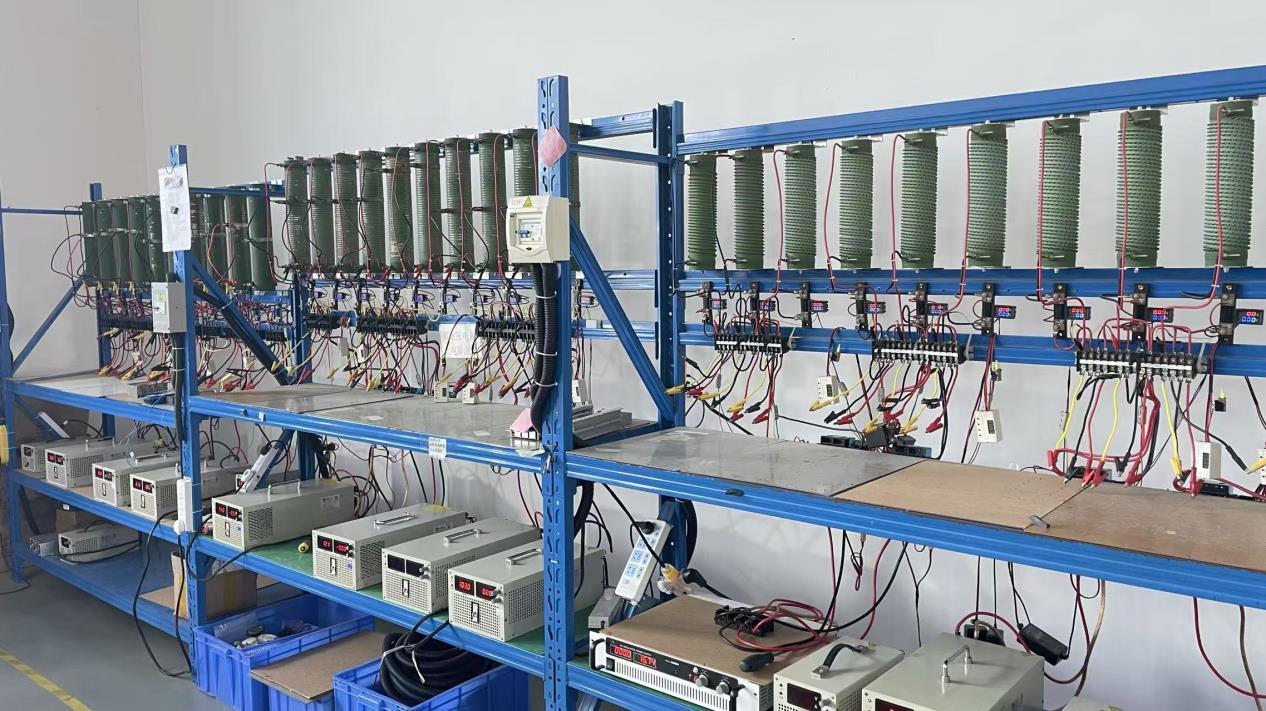
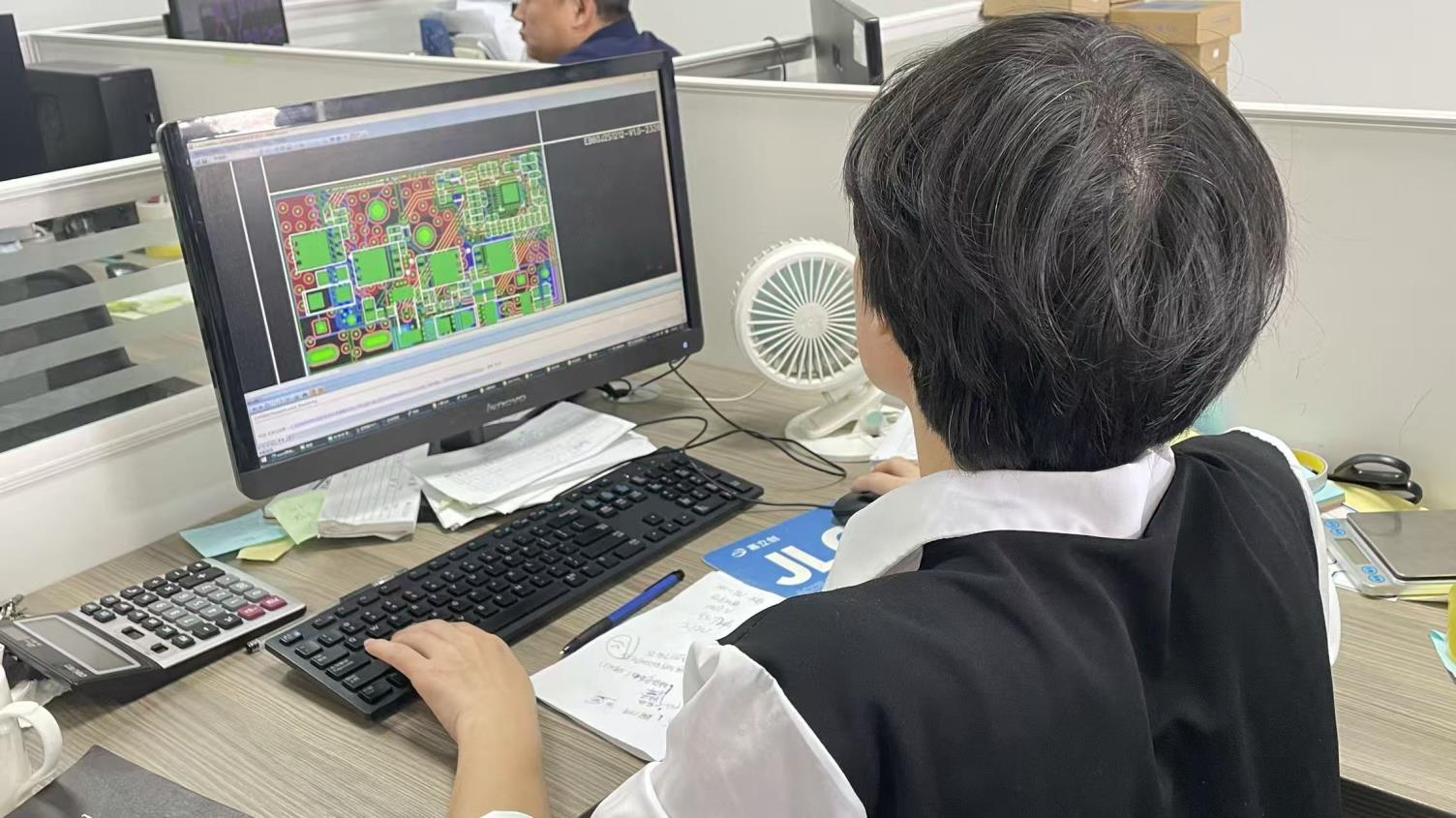
Rigorous quality control processes and automated assembly lines ensuring global standards for telecom and utility markets.
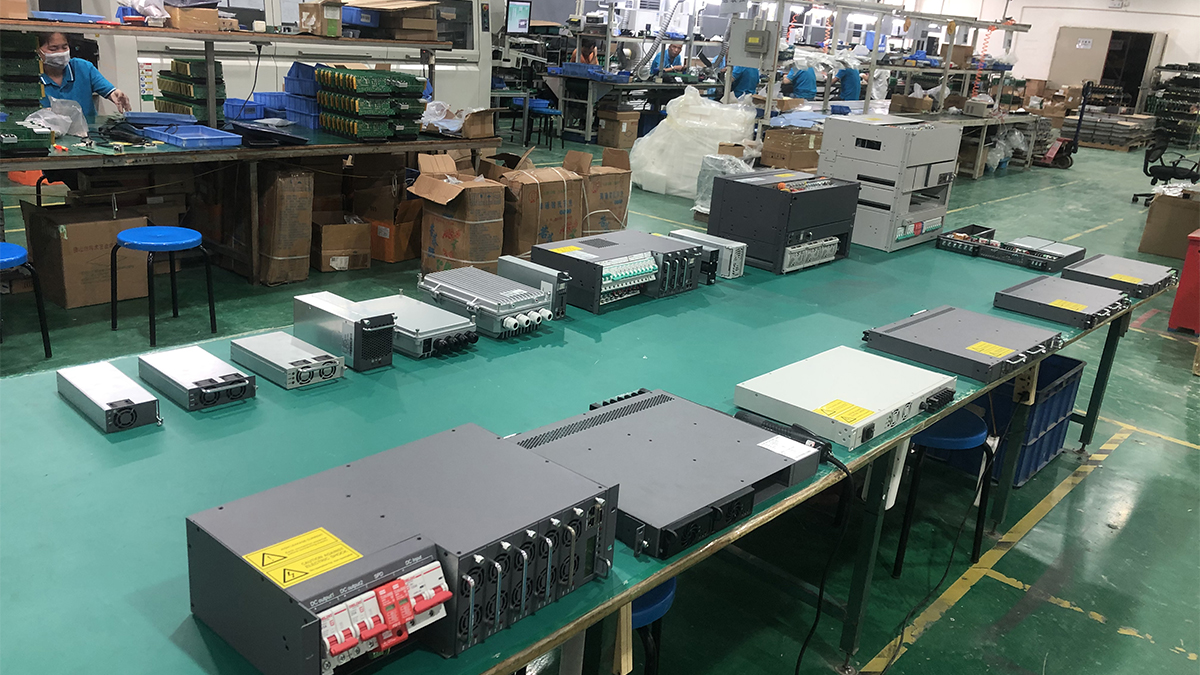
Guangzhou EVS Powers Co., Ltd. is located in the international trade city of Guangzhou. Our company is a professional manufacturer of switching power supplies, DC power systems, power supply units, DC-DC converters, power inverter series power system products, and custom OEM/ODM electronics products developed according to our clients' precise requests.
We regard clients' satisfaction as our top priority, product quality as the basis of development, and cost-saving as our competitive advantage. With excellent credit standing and premier service, we have won a high reputation and long-term cooperation from customers both domestically and internationally, including Europe, South and North America, Australia, the Middle East, Southeast Asia, and other areas.
With good faith as our foundation, we share our knowledge, technology, and experience with our partners to cooperate for mutual benefit and development. We do our best to provide high quality, premium service, and competitive pricing for both our old and new customers.
Connect with our Engineers Now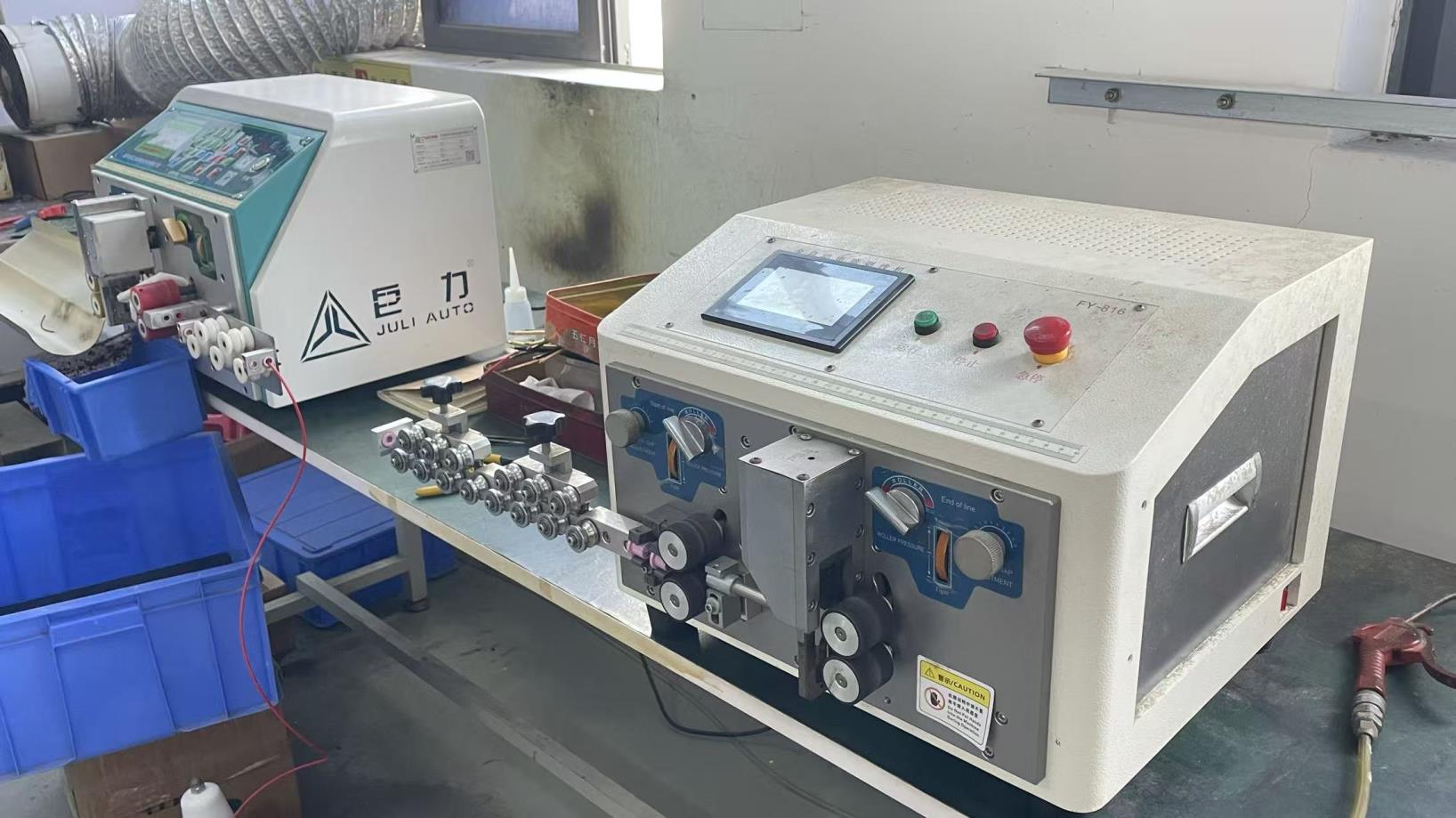



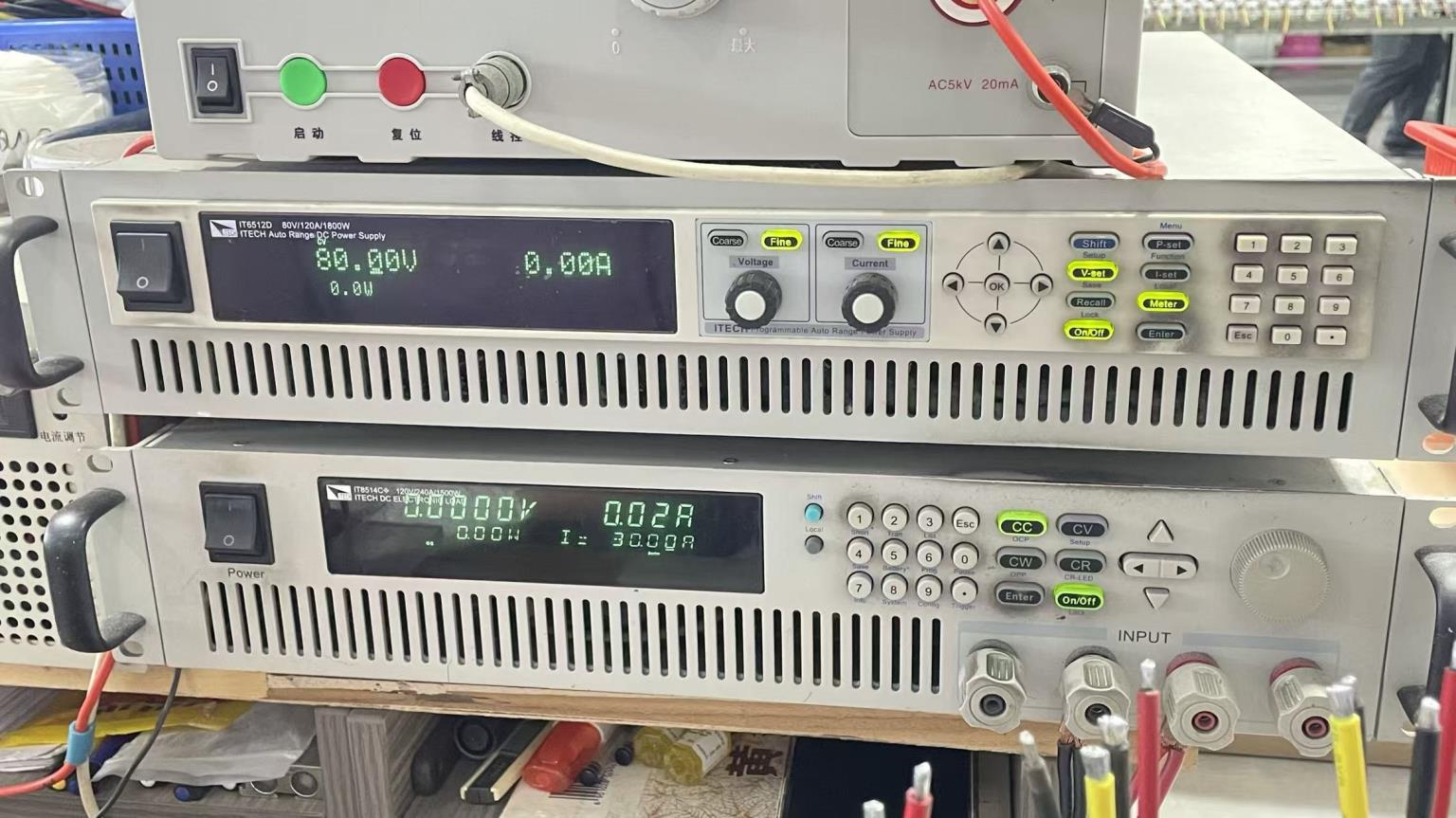
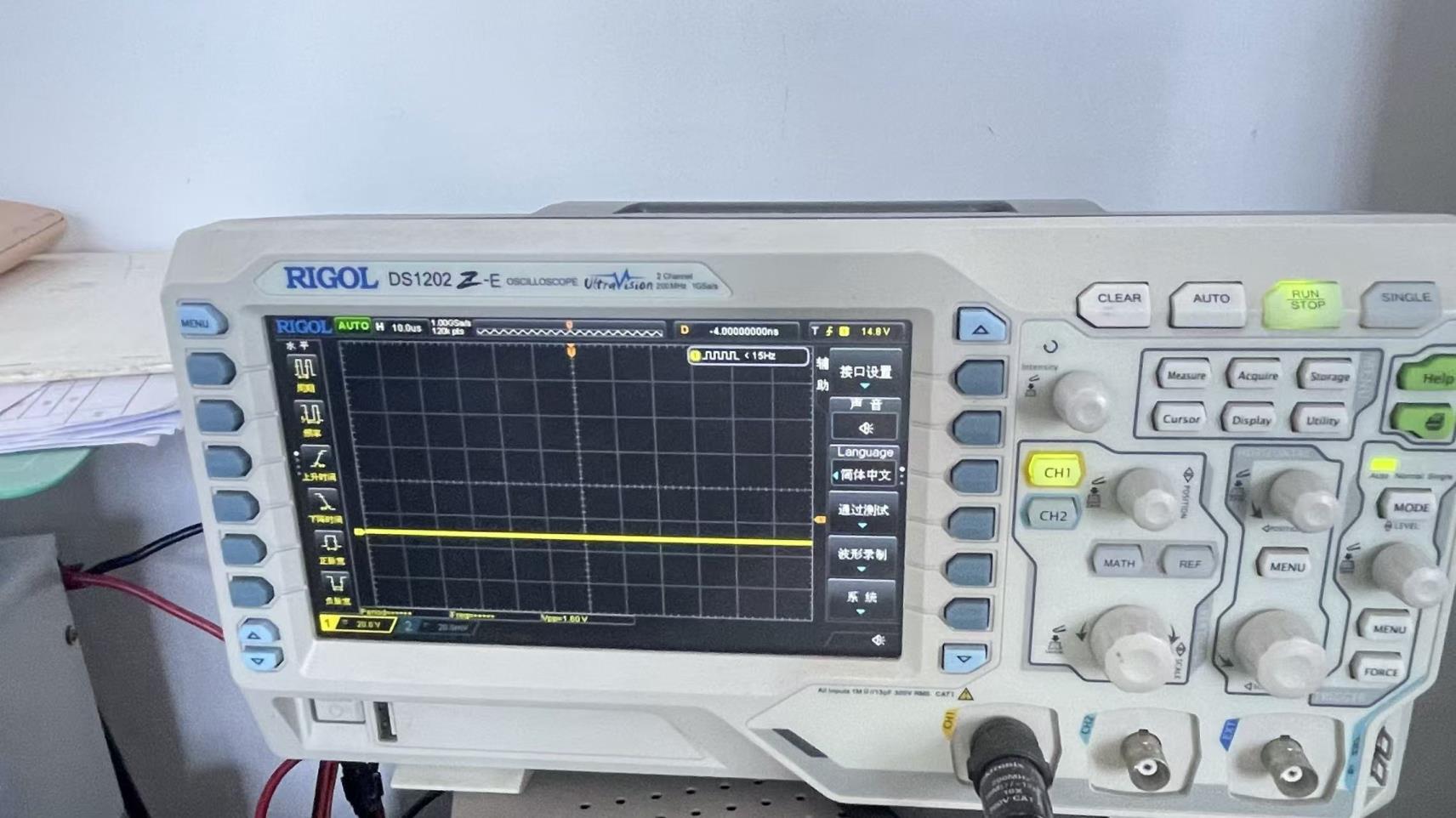
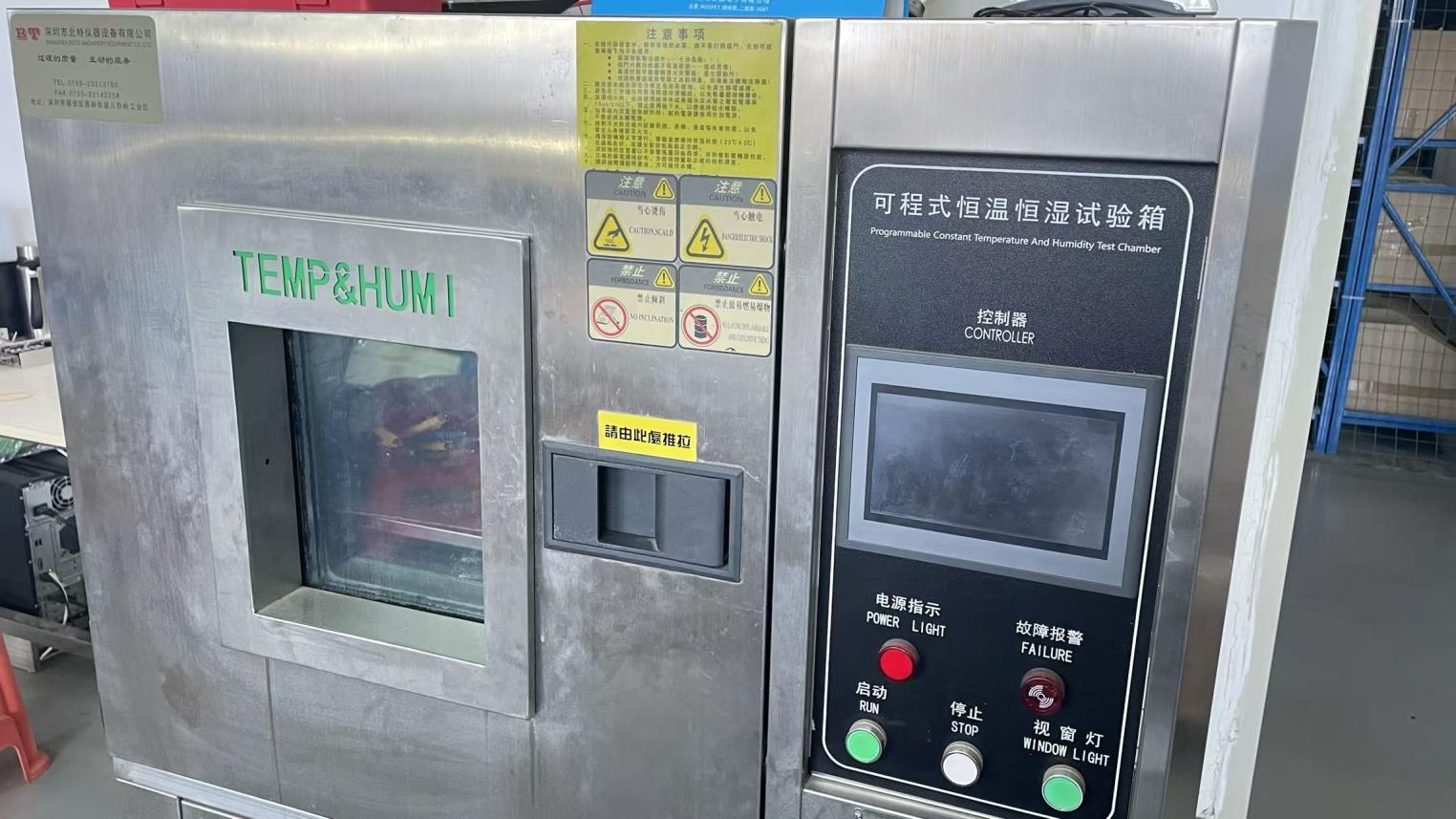
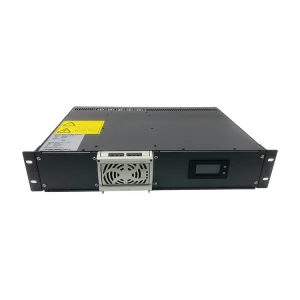
Designed for integration into IP-rated cabinet assemblies. Globally certified, field-tested components.
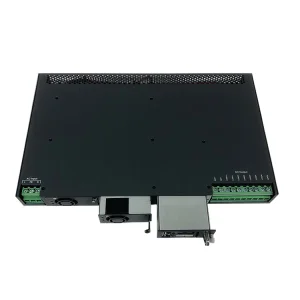
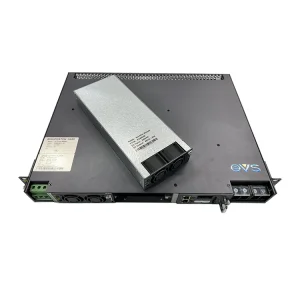

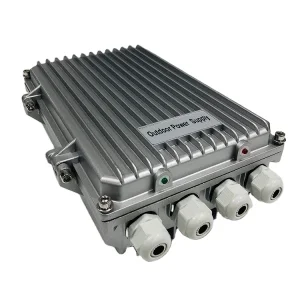
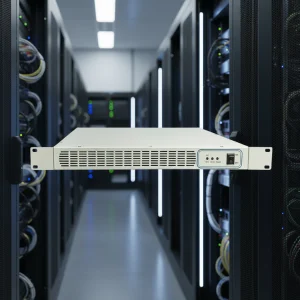
As industrial networking shifts toward Edge Compute and Industry 4.0, the traditional "dumb" metal cabinet is obsolete. South African utility operators and telecommunication companies require intelligent environmental and thermal awareness. Modern cabinet installations are moving toward integrated micro-data center architectures.
In coastal South African regions like Durban, humidity paired with high salinity speeds up rust and electrolytic degradation. In dry areas like the Karoo, dust and heat build-up are key challenges. Passive venting is insufficient for equipment generating over 10kW of thermal energy. Active cooling solutions (like compressor-based DC air conditioning or advanced heat exchangers) must be built directly into the cabinet doors, preserving IP55/65 ingress ratings.
Due to regular grid cycling, modern network enclosures are designed to interface directly with solar PV arrays. Integrated DC-DC converters manage dynamic voltage drops from photovoltaic strings, prioritising solar power storage before drawing from the utility grid or diesel generators. This hybrid control loop is managed by advanced communication power modules, reducing reliance on the unstable grid.
All electronic equipment housed and configured in South Africa must meet strict safety guidelines. Choosing cabinets and power architectures that comply with international standards (IEC, CE) ensures smooth integration with South African standards (SABS/SANS). This path guarantees safety, performance, and long-term durability under heavy loads.
Expert technical advice on deployment, power conversion, and enclosure thermodynamics in South Africa.
Whether you need a custom quote, dimensional blueprints, or technical consultation for South African projects, we are here to support your team.
Send Inquiry Now EVS Powers