Direct factory access to highly engineered rectification, conversion, and packaging components optimized for industrial power resilience.
The global rollout of 5G New Radio (NR) architectures has exponentially increased power requirements compared to legacy 3G/4G infrastructure. Due to high-frequency millimeter-wave signal attenuation, dense deployments of small cells and remote radio units (RRUs) are mandatory. These systems demand distributed DC power configurations, compact cabinet footprints, and integrated thermal management solutions capable of operating reliably in harsh environmental envelopes.
Network operators worldwide are transitioning away from traditional diesel generator standby configurations to meet aggressive Environmental, Social, and Governance (ESG) targets. Manufacturers are forced to deliver advanced hybrid energy controllers capable of seamlessly blending solar photovoltaic, wind turbine, and Grid AC power inputs while dynamically managing high-capacity battery storage systems to achieve off-grid site operation.
Operational costs represent up to 60% of network lifetime expenses. Modern telecom power solutions achieve mitigation through peak-shaving capabilities, automated load shedding, intelligent cooling algorithms, and highly efficient AC-to-DC rectification systems (exceeding 96% operational efficiency). Minimizing grid draw and cooling overhead directly translates to long-term profitability.
B2B procurement teams from major telecom operators (such as AT&T, Vodafone, China Mobile, and Orange) evaluate equipment manufacturers under strict technical and systemic validation protocols. When sourcing rectifier systems, custom DC-DC converters, and outdoor enclosures, the decision matrix relies on five crucial performance pillars:
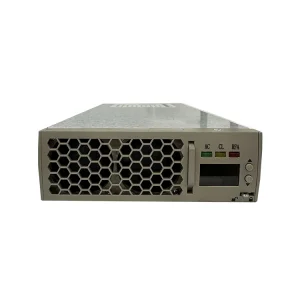
Base station downtime results in immediate service degradation and SLA penalties. Manufacturers must furnish Mean Time Between Failures (MTBF) verification data, typically requiring >300,000 operational hours for rectifier modules. System engineering must include true hot-swap capabilities and N+1 or N+2 module redundancy configurations.
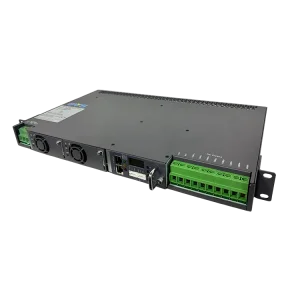
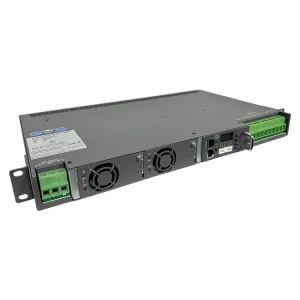
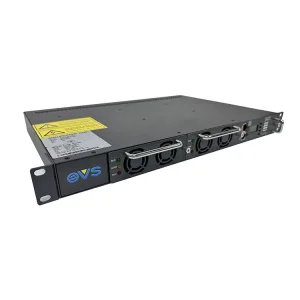
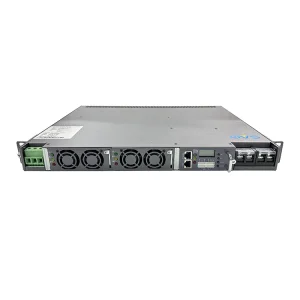
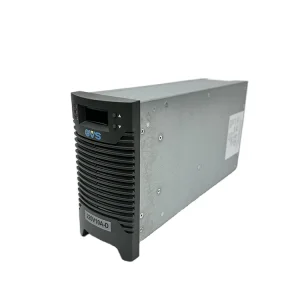
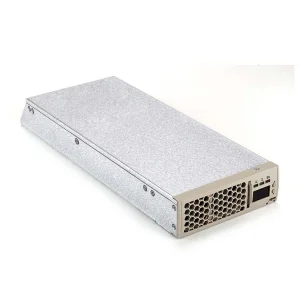
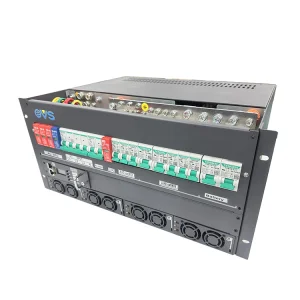
Network expansion demands scalable architectures. 19-inch subrack configurations allow technicians to insert additional rectifier modules (e.g., expanding from 50A to 200A systems) without disrupting live critical equipment. Standardized form factors reduce onsite labor costs and simplify inventory management.
Unattended telecom towers require advanced monitoring hardware. System controllers must support SNMP (Simple Network Management Protocol), Modbus, and integrated TCP/IP web interfaces. Real-time logging of battery health (SOH), state of charge (SOC), ambient temperature, and voltage ripples enables predictive maintenance cycles.
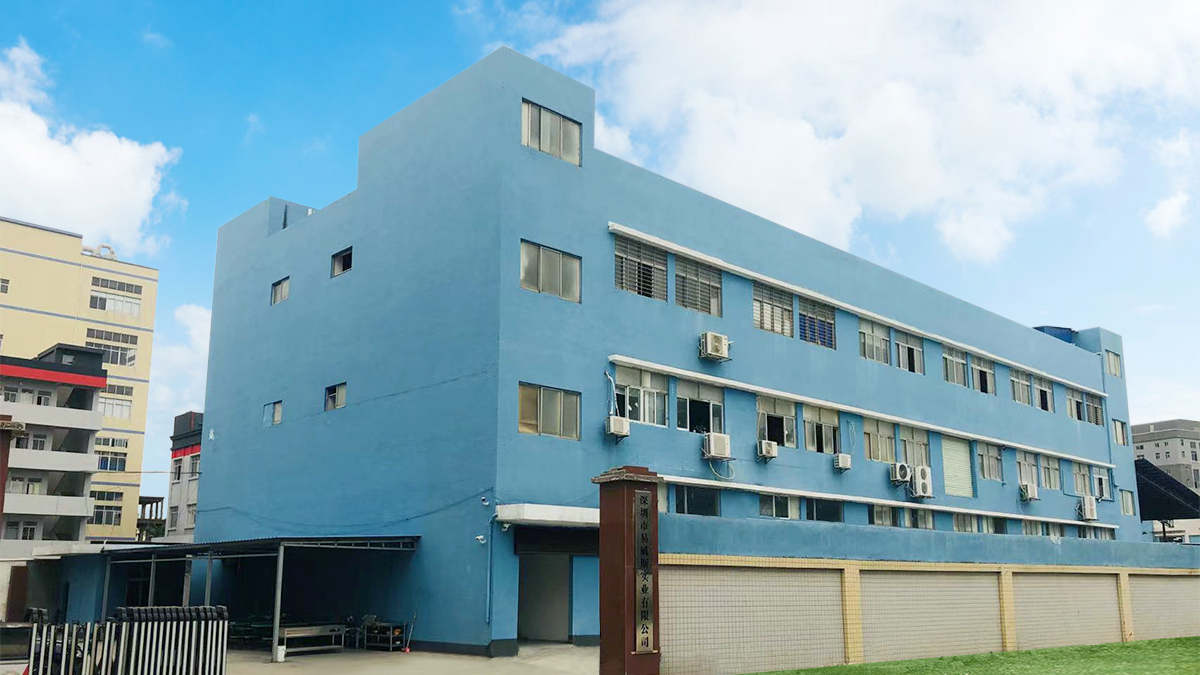
Guangzhou EVS Powers Co., Ltd., is located in the international trade hub of Guangzhou, China. EVS is a highly integrated, professional manufacturer specializing in switching power supplies, DC power systems, modular power supply units, DC-DC converters, and industrial power inverter series. Regarding client satisfaction as our highest mission, our growth strategy builds on superior product quality, cost efficiency, and end-to-end technical support. Through excellent credit standing and premier OEM/ODM services, we have developed long-term strategic relationships with customers across Europe, South and North America, Australia, the Middle East, and Southeast Asia. EVS Powers is committed to sharing our manufacturing expertise, technology, and engineering experience with global partners to foster mutual development and create a resilient electrical future.
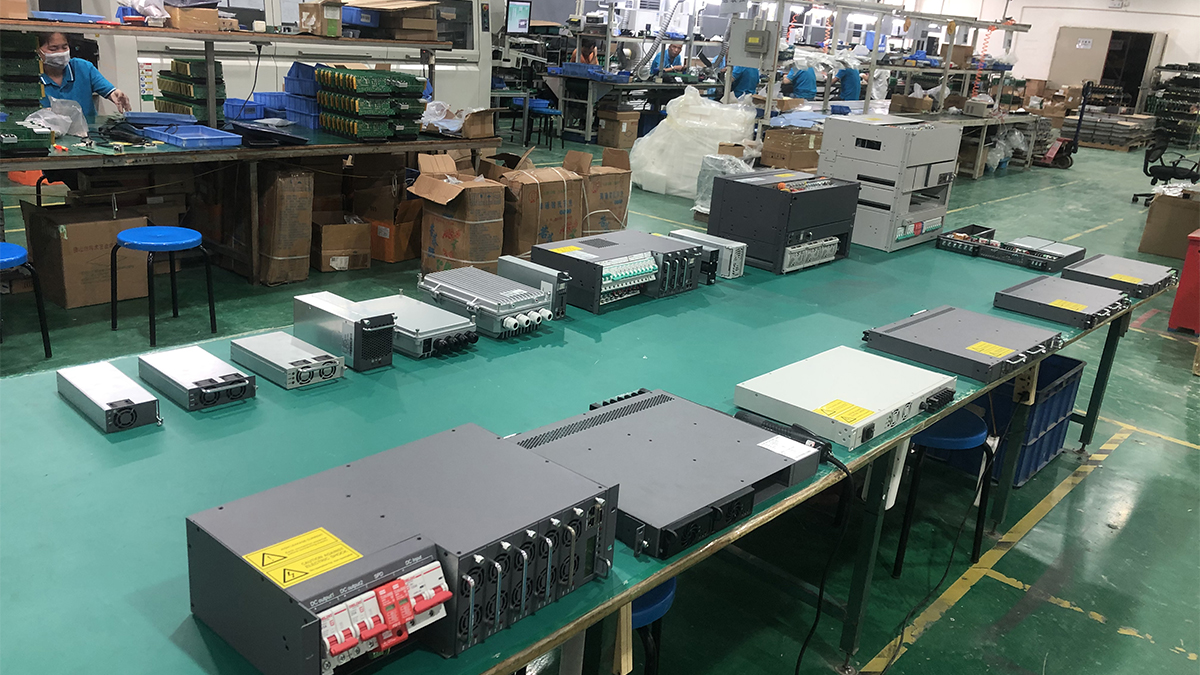
Our production floor is designed for high-throughput capability, deploying state-of-the-art automation and machinery. Below is the workflow that transforms raw copper and circuit boards into industrial-grade power solutions:
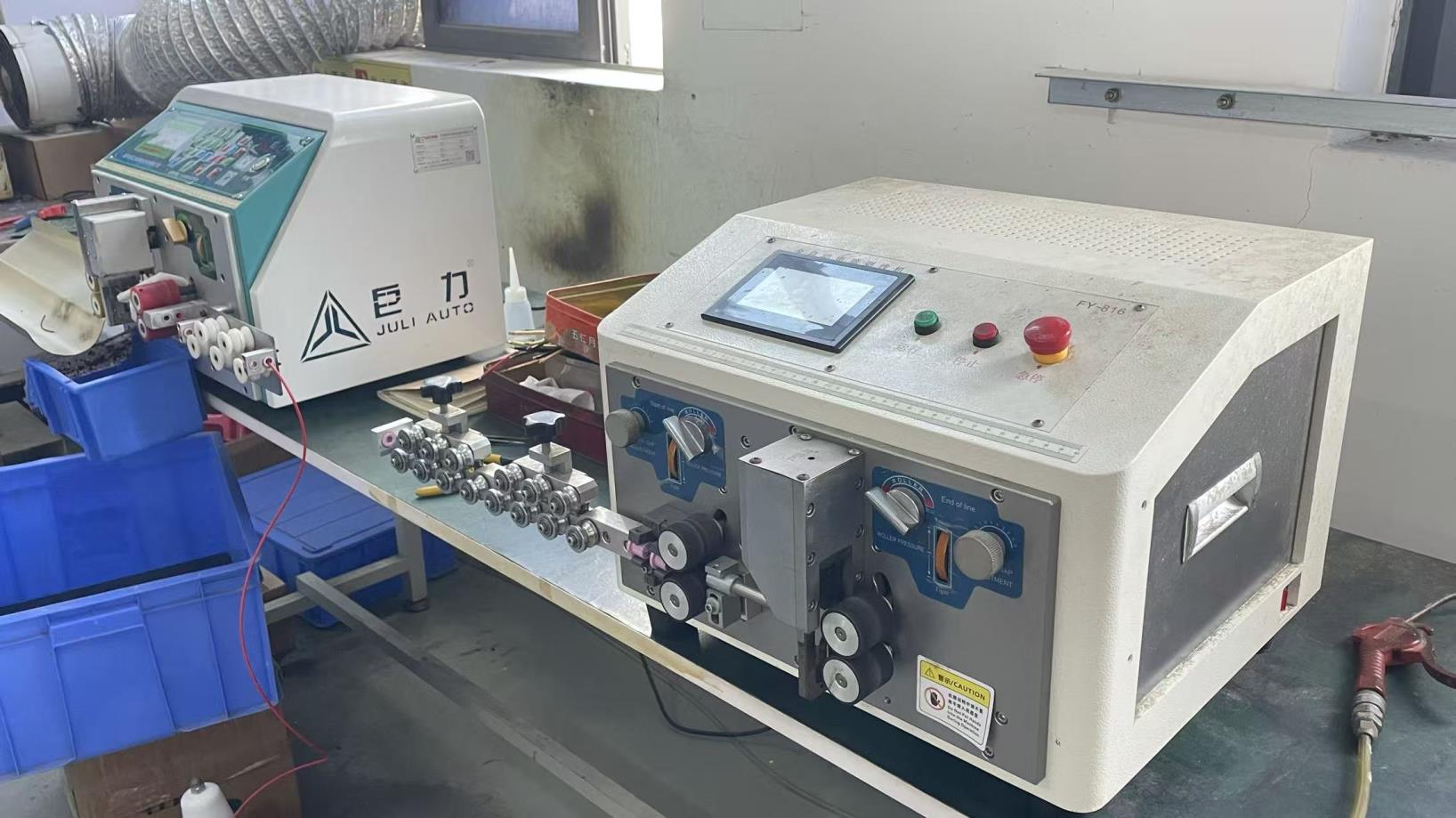
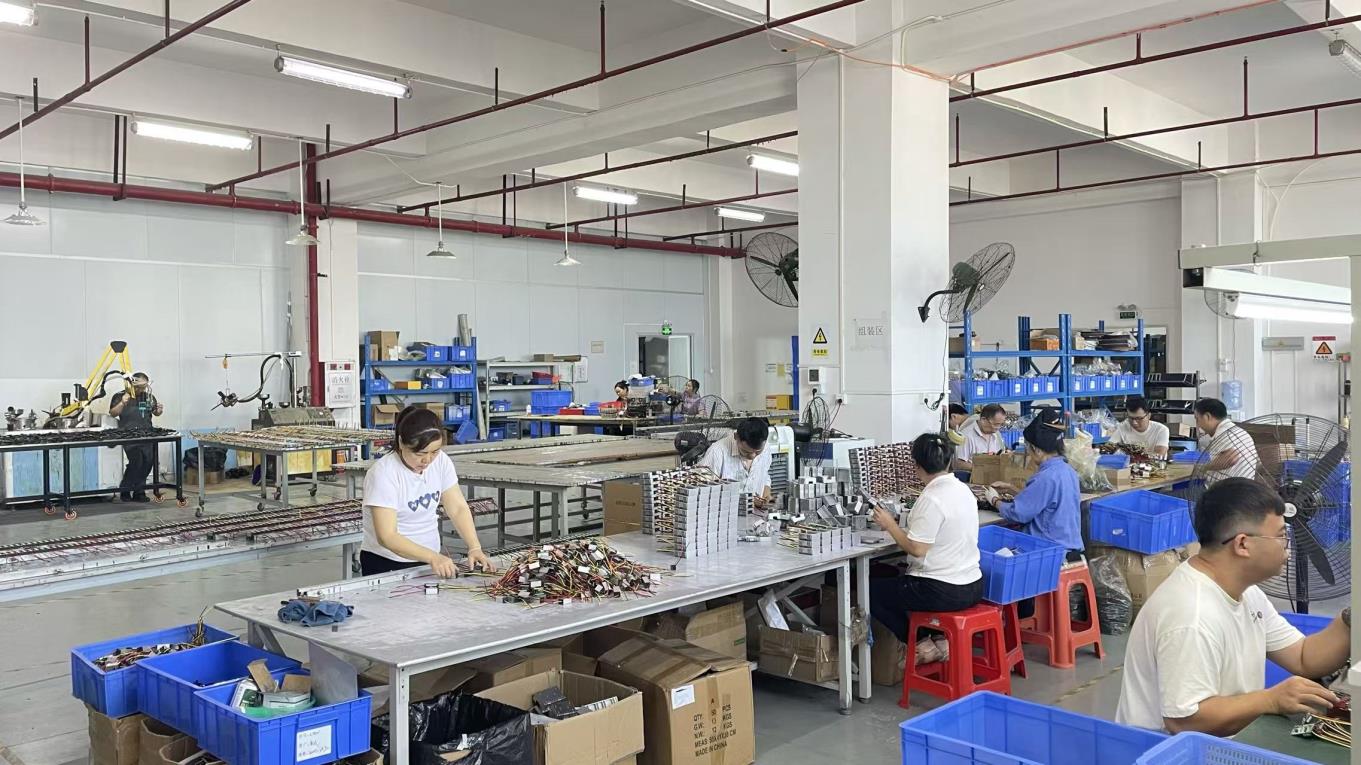

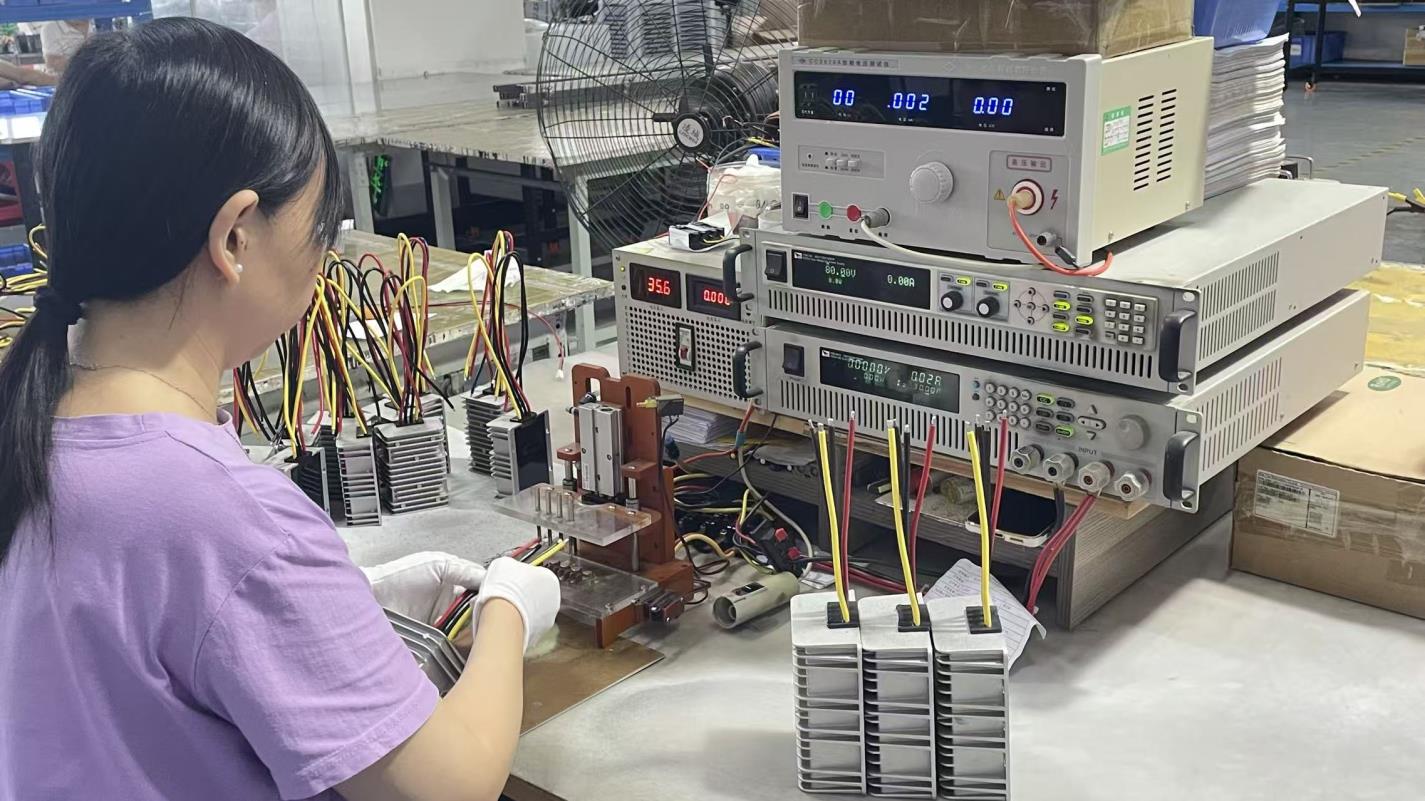
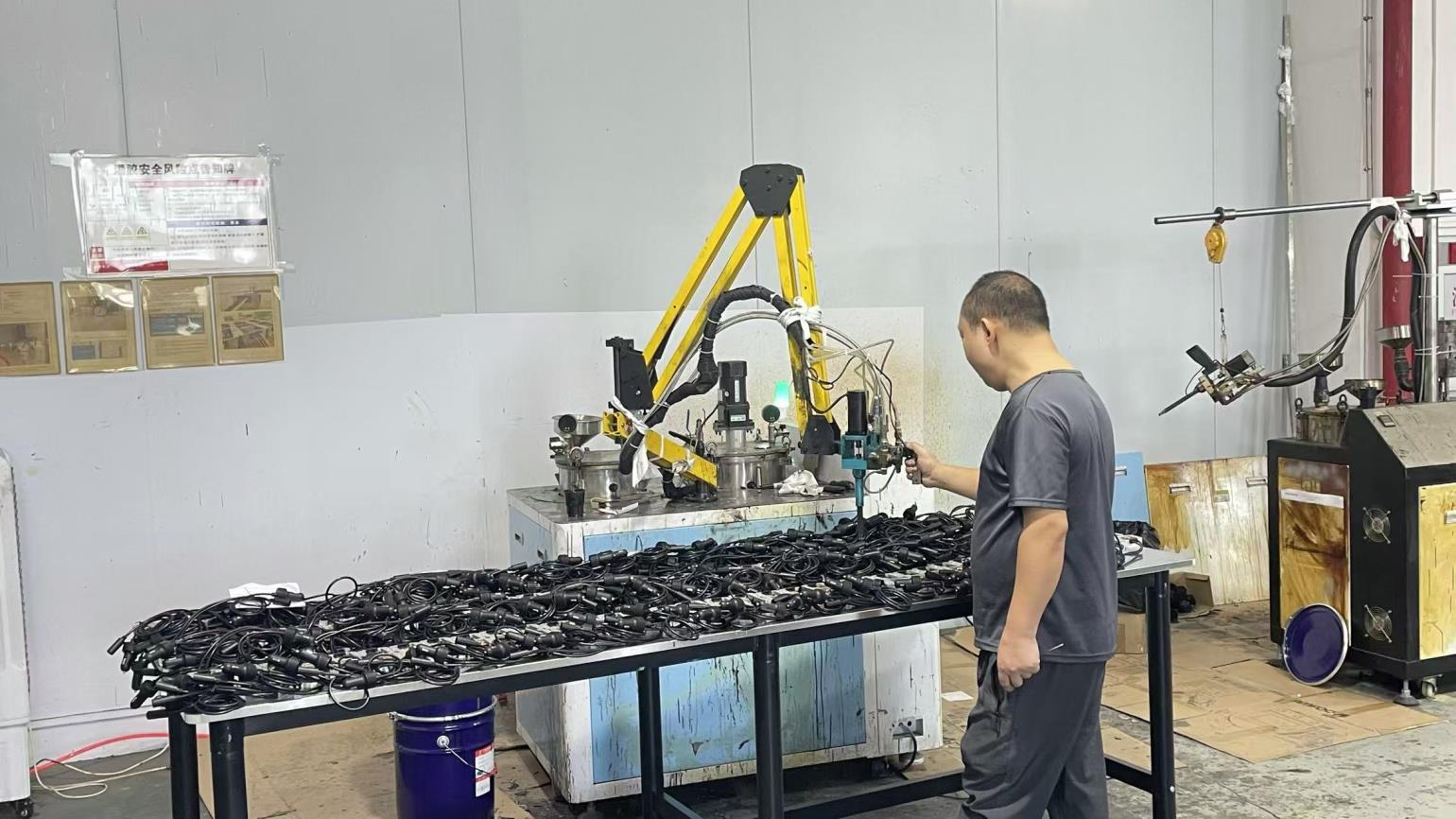
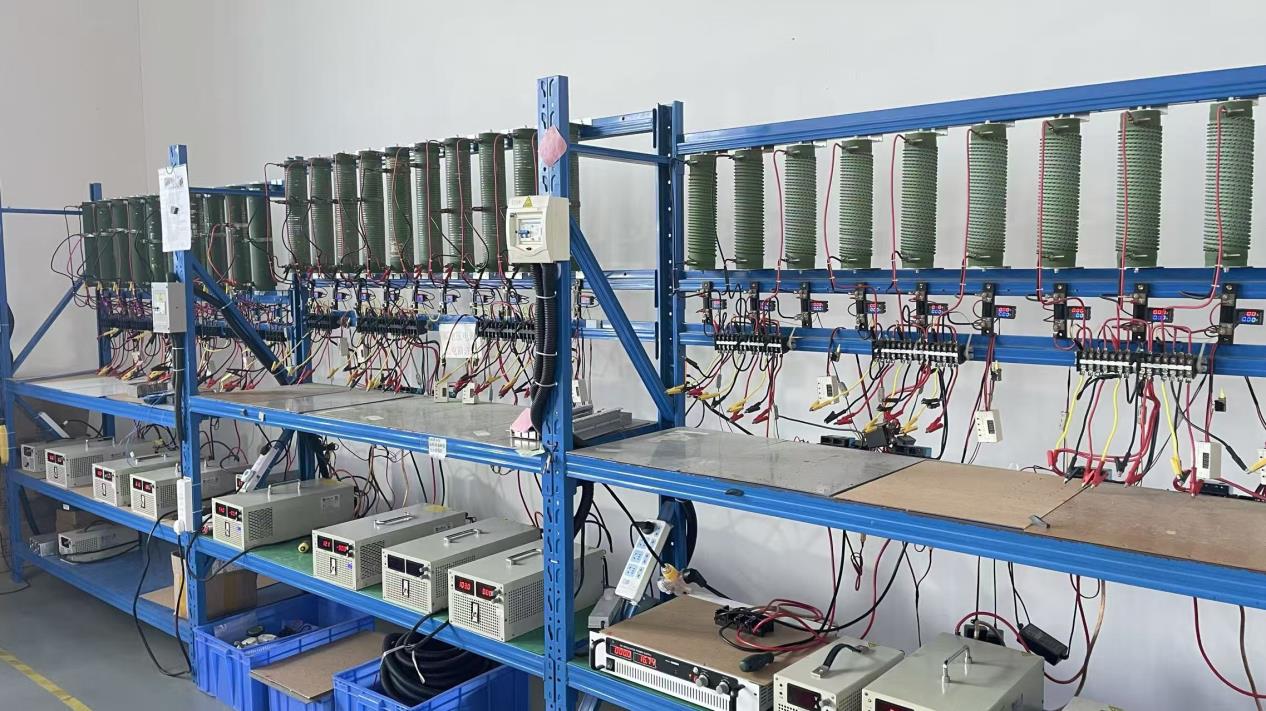

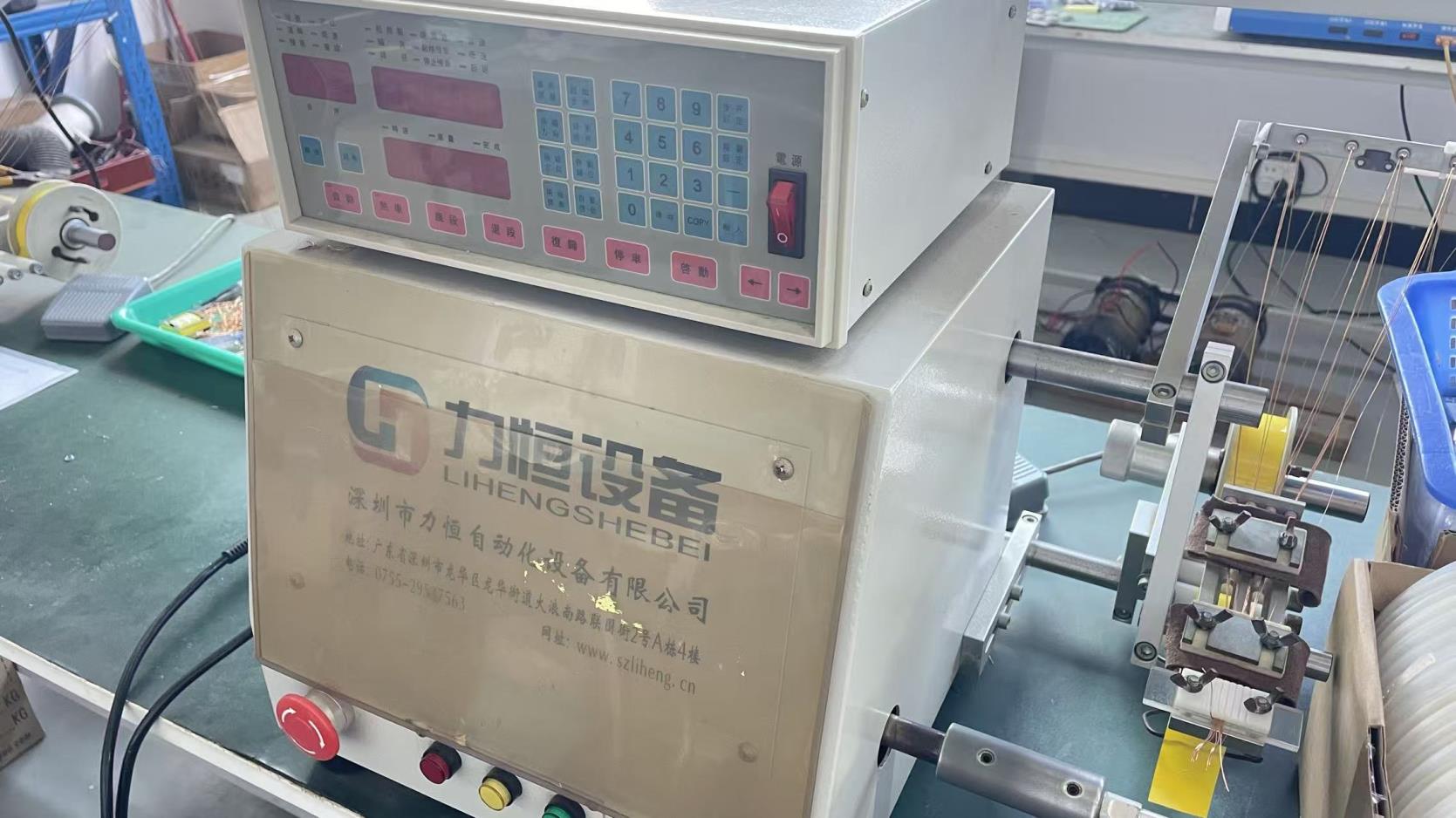
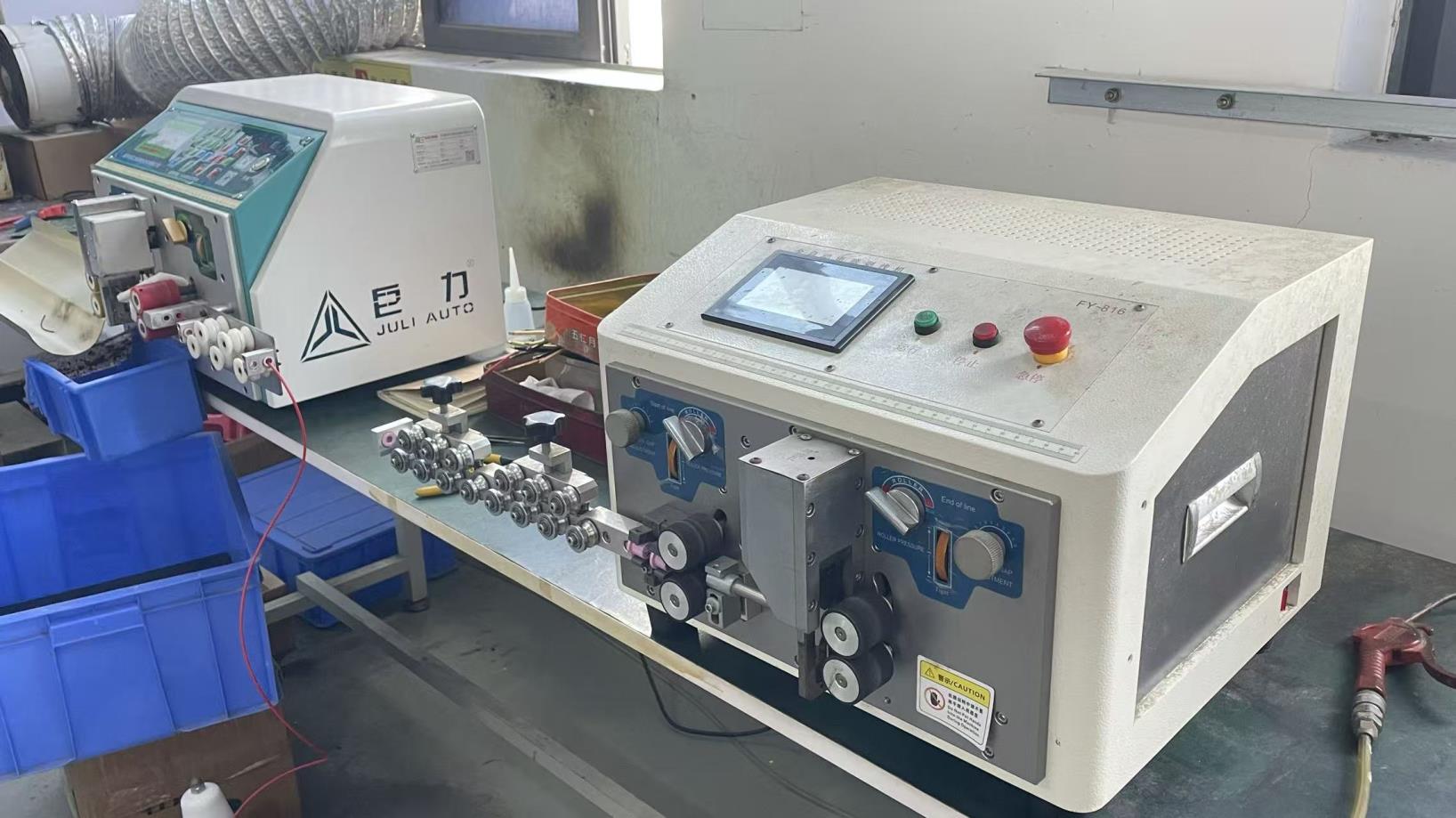


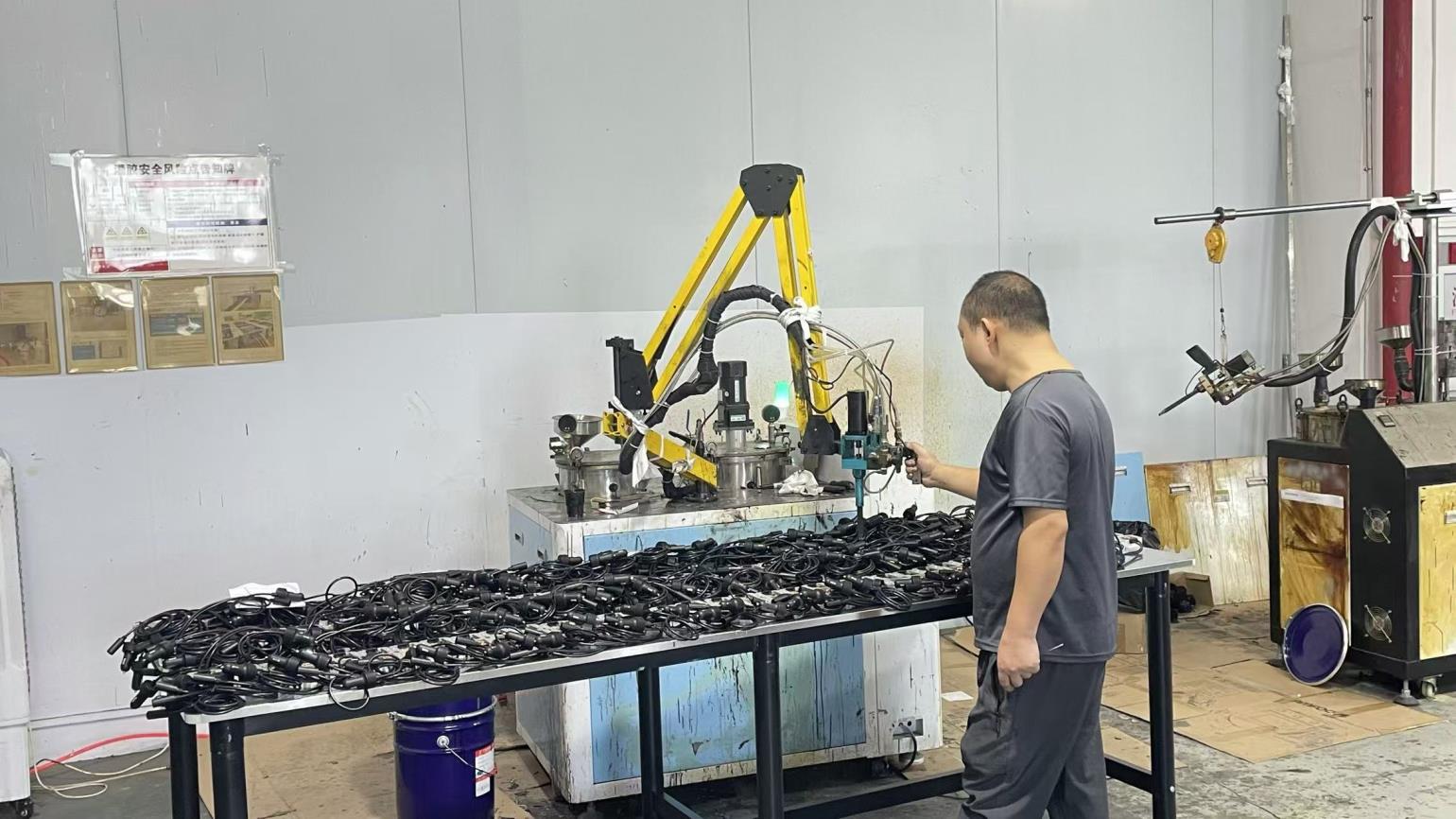
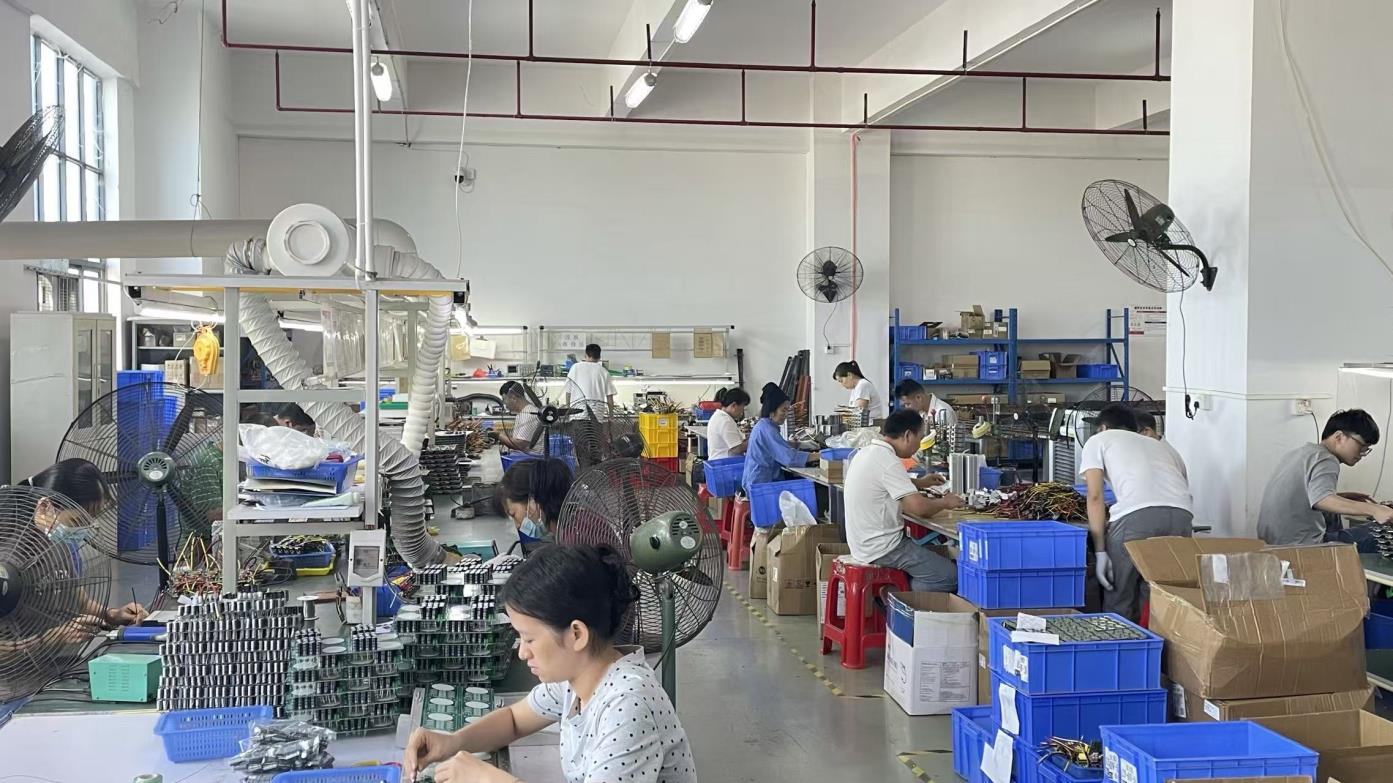
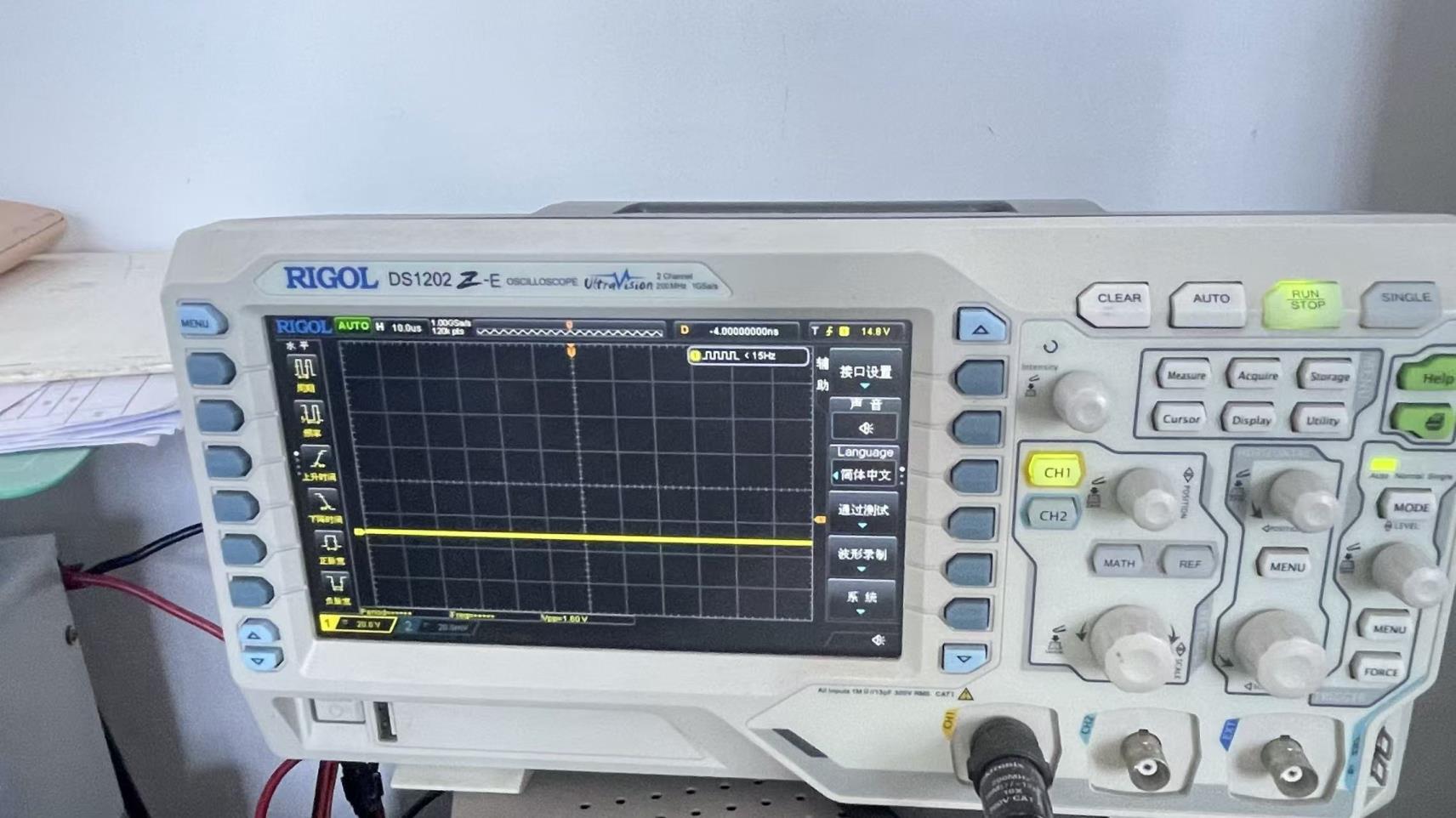
Quality reliability is not merely a production metric; it is the cornerstone of our company's survival and growth. At our dedicated quality assurance labs, every power module undergoes a suite of tests to verify operational safety margins, electrical insulation, and climatic resilience. Our test equipment includes:
Comprehensive verification instruments calibrated to international ISO/IEC testing parameters.
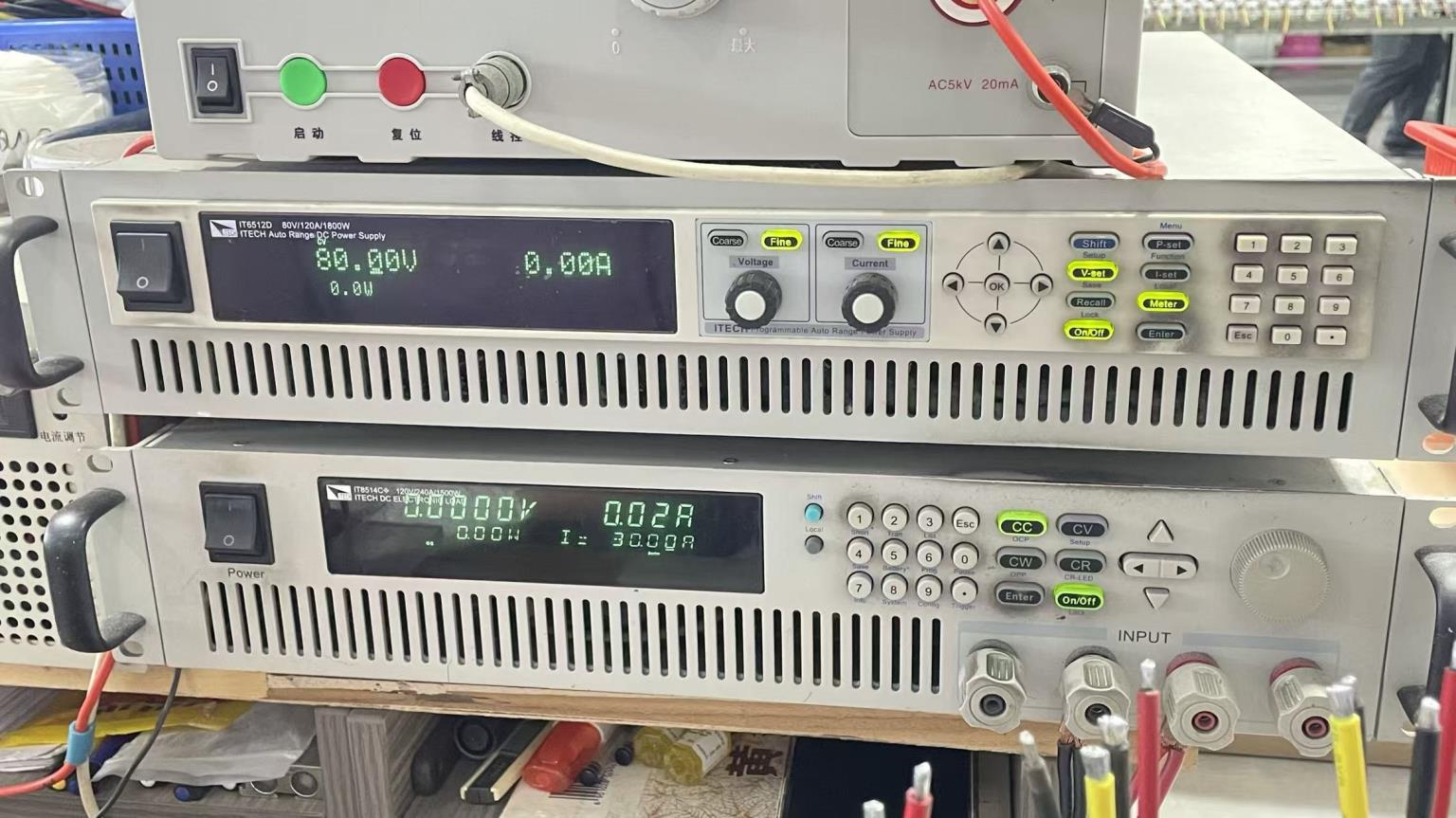
Simulates dynamic load variations, analyzing transient recovery responses and noise ripple parameters.
Executes high-potential isolation verification testing to guarantee surge and leakage current compliance.
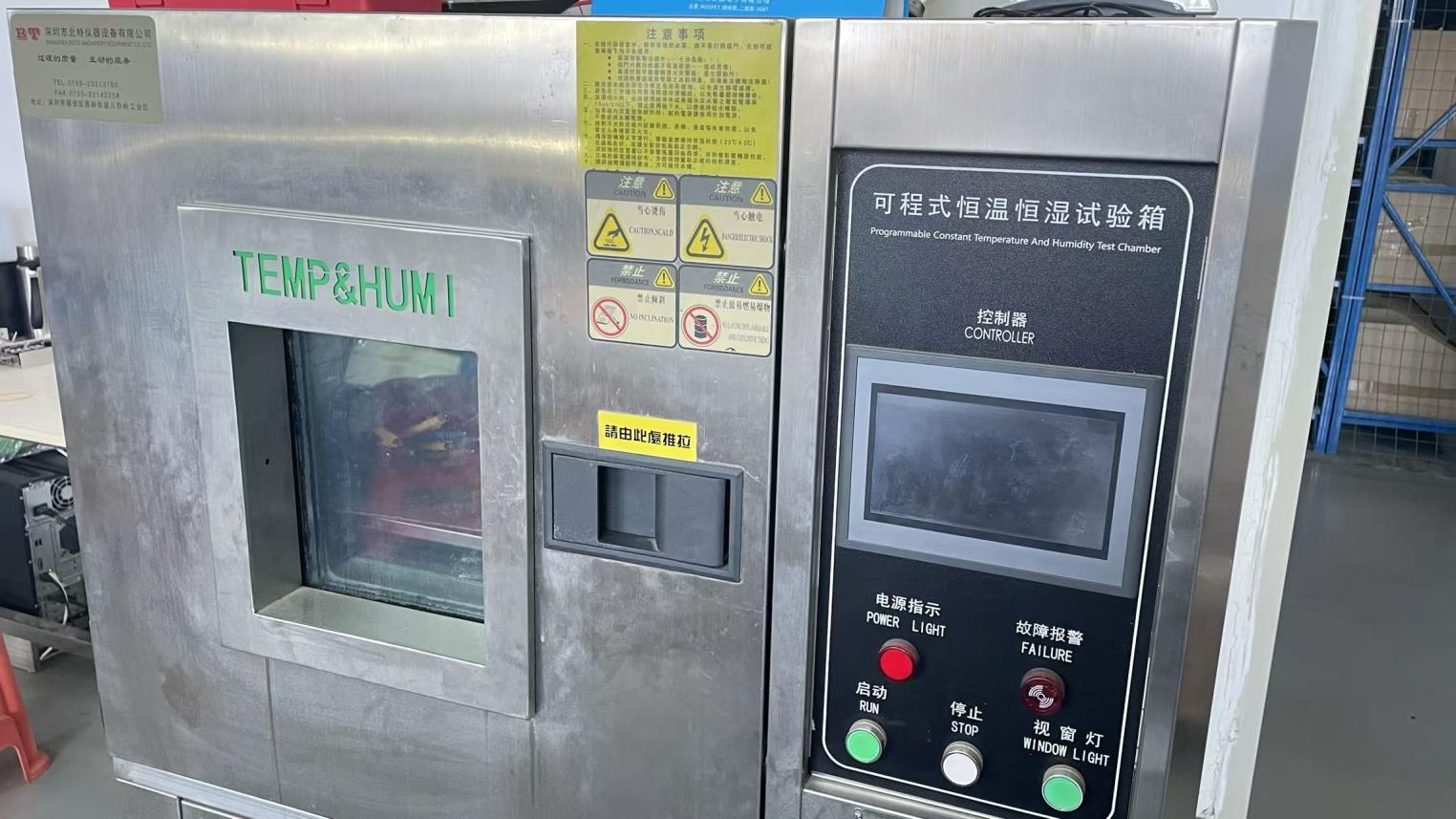
Validates cabinet and board functionality from -40°C to +85°C and under up to 95% non-condensing relative humidity.
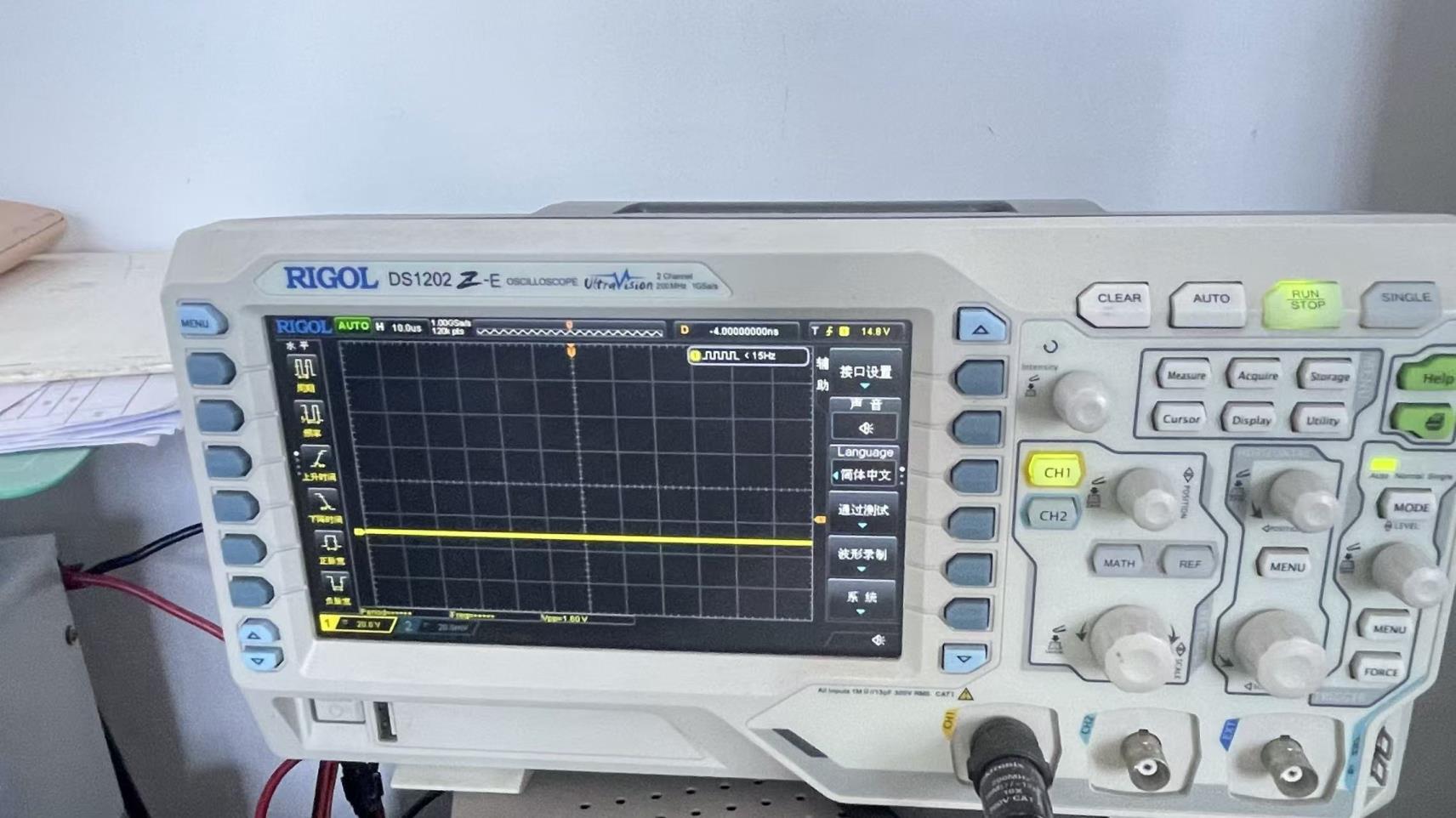
Inspects micro-solder alignments and traces micro-cracks in surface-mount components (SMT).
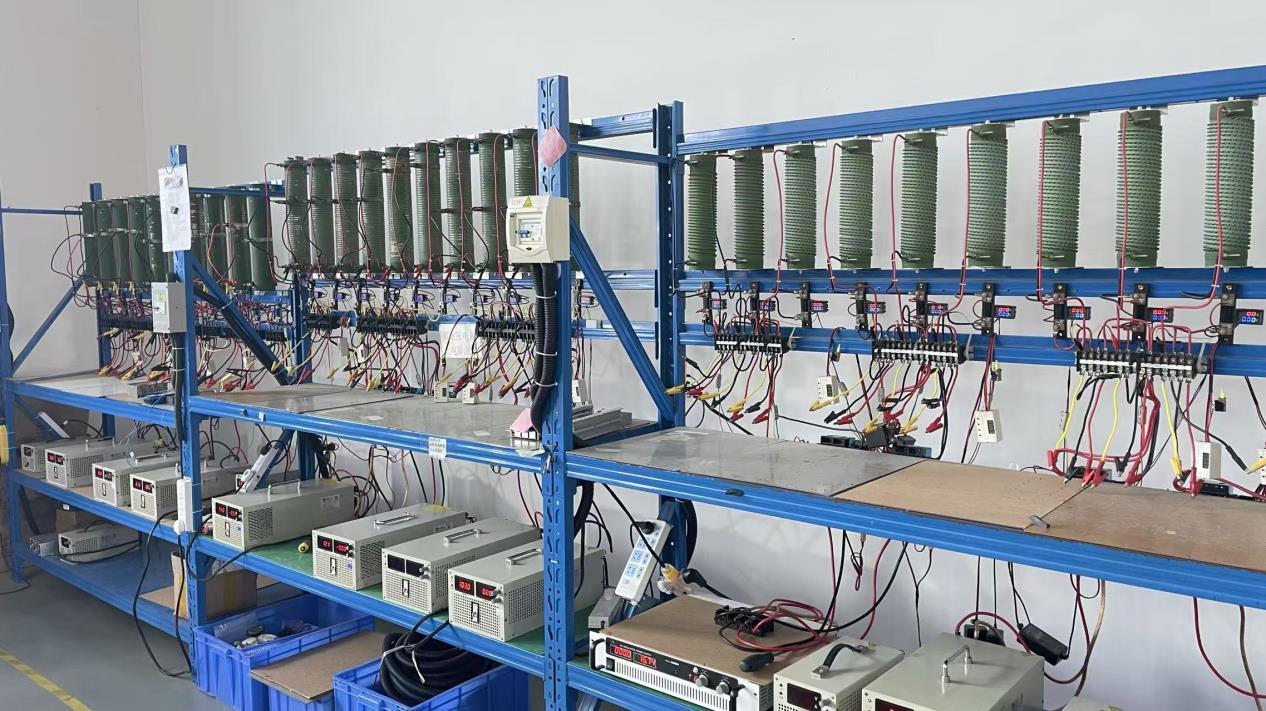
100% full-load thermal burn-in aging processes identify early failure anomalies before packaging.
Providing telecom power solutions globally requires stringent adherence to national electrical guidelines and international quality standards. The EVS Powers engineering team delivers tailored design variants that meet standard compliance and localization challenges:
For European Union deployment, EVS rectifiers are validated against EN 60950-1 and EN 62368-1 for information technology and audio/video equipment safety. Our products comply with EMC directive 2014/30/EU, mitigating electromagnetic interference across high-frequency bands.
Targeting North American markets, modular units offer component-level recognition under UL 60950 and UL 1801 for telecommunications power distribution systems. This simplifies final equipment integration and local electrical inspection clearance.
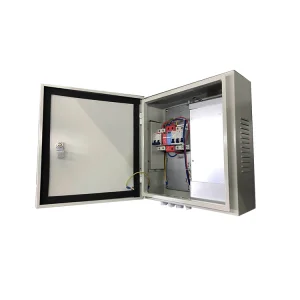
All cabinets and field enclosures comply with the GR-487-CORE standard for outdoor cabinet environments. Testing includes wind-driven rain, salt spray corrosion (ASTM B117), solar radiation degradation resistance, and seismic zone rating compliance.
Telecom infrastructure operates in every climate imaginable, from desert heat to coastal humidity. Our custom designs address localized application requirements:
In rural and remote mountain regions, connection to national power grids is cost-prohibitive. EVS Powers integrates 48V telecom rectifiers with smart solar controllers. If solar irradiation drops, the system starts a small generator or transitions to backup batteries, reducing diesel fuel consumption by up to 70%.
Densely populated cities require compact, quiet power distribution. Standard 19-inch 1U rectifiers operate silently at high power densities, fitting inside standard municipal street furniture or lamppost equipment boxes without generating excessive heat.
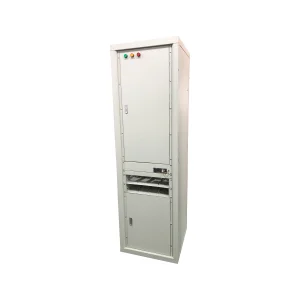
High relative humidity and corrosive sea breezes destroy unprotected electronics. EVS double-skin, heat-insulated IP55 and IP65 cabinets utilize specialized cooling heat exchangers. This keeps internal electronics dry and isolated from external salt-laden air, ensuring uninterrupted network performance.
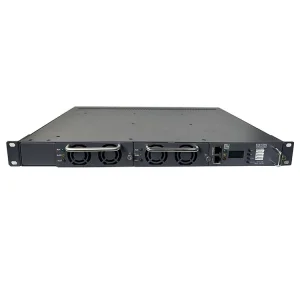
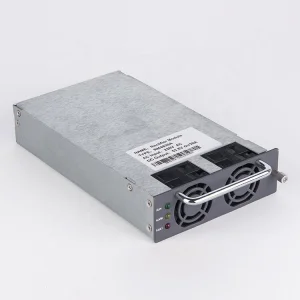
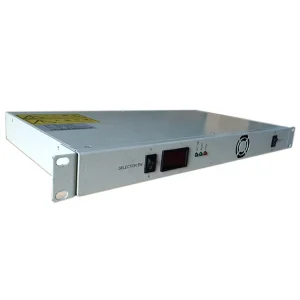
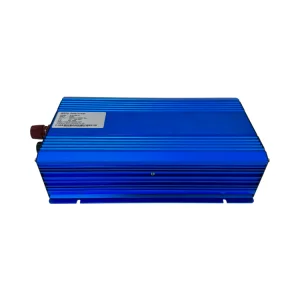
Industrial-grade switching chargers, rack-mount inverters, and high-efficiency converters designed for global telecommunications and network installations.
Get authoritative answers to complex technical and procurement questions from EVS Powers' engineering team.
Historically, legacy copper-wire networks and older telephone exchanges utilized 24VDC configurations. 48VDC is the modern standard for cellular telecommunications (3G, 4G, and 5G). At higher voltages, current (amperage) is reduced for the same power delivery. This reduces voltage drop over cable runs and allows for thinner, less expensive copper wiring. Most 5G transceivers and remote radio heads (RRHs) are designed for a nominal -48VDC supply input.
EVS Powers' system controllers utilize integrated SNMP (Simple Network Management Protocol) modules (V2/V3) to communicate with Network Operations Centers (NOC). Through Ethernet or GPRS, controllers transmit operational telemetry, including rectifier module output voltage, current load, battery health status, door open alarms, and ambient temperatures. This enables maintenance dispatch only when a fault is detected.
Thermal runaway typically occurs in backup battery installations when charging rates generate more heat than the cabinet can dissipate. EVS designs double-skin insulated walls with polyurethane filler to block direct solar load. Additionally, controllers use temperature-compensated charging, which automatically lowers the float charge voltage as the ambient temperature rises, keeping battery packs within safe operational limits.
Hot-swap capability allows technicians to slide an replacement rectifier module into an active, energized subrack without shutting down the system or dropping critical loads. The connector interface prevents arcing, ensuring the remaining active modules dynamically load-share during the maintenance swap, maintaining zero-downtime operations.
 EVS Powers