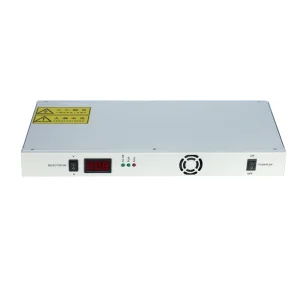
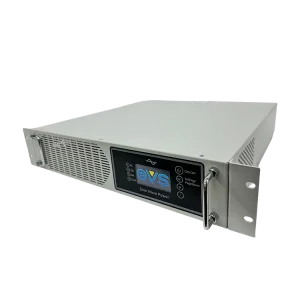
Explore our core selection of active power factor corrected (PFC) converters, switching units, and multi-phase electrical cabinets optimized for telecommunication and utility grids.
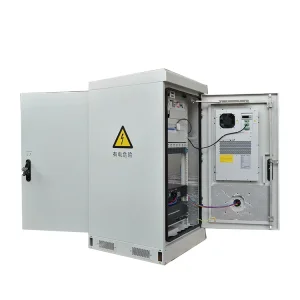
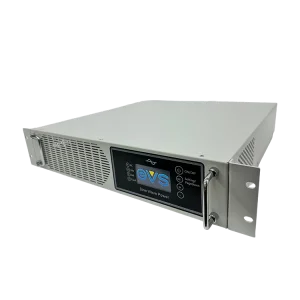
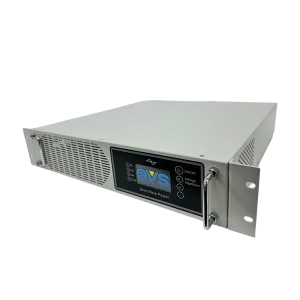
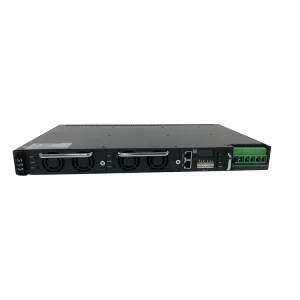
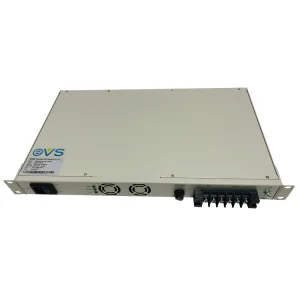

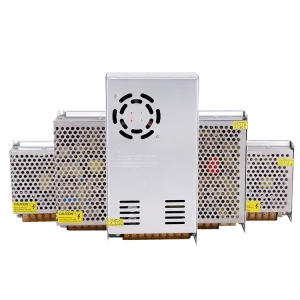
The global energy paradigm is witnessing an unprecedented transition from centralized fossil grids to high-efficiency, localized DC distribution networks. Low Voltage Power Supplies (LVPS) represent the foundational architecture underpinning this shifts. From cellular infrastructure base stations to automated distribution panels inside smart factories, the demand for precision low-voltage power converters is growing at a compound annual rate (CAGR) exceeding 8.4%.
In modern industrial plants, direct-current (DC) power architectures—particularly 12V, 24V, 48V, and 125V systems—are increasingly favored over standard AC lines. This transition minimizes transformation stages, thereby mitigating efficiency losses. Modern 5G telecommunication networks require reliable modular rectifiers and inverter cabinets (like the ETP48200P series) capable of continuous operational resilience under extreme ambient temperatures. EVS Powers addresses these demands by developing topologies configured for active load-sharing and high power density, minimizing site footprints while maximizing overall reliability.
Selecting a low-voltage power supply manufacturer requires auditing critical technical metrics that govern reliability, thermal integrity, and electromagnetic compatibility:
Established as a modern industrial powerhouse in the international trade hub of Guangzhou, EVS Powers specializes in the design, development, and manufacturing of custom switching power supplies, high-frequency DC rectifier modules, battery chargers, and pure sine wave inverter assemblies.
We focus on customer satisfaction through technological innovation, cost control, and reliable quality assurance systems. EVS Powers has established a robust international distribution footprint spanning Europe, North and South America, Australia, the Middle East, and Southeast Asia.
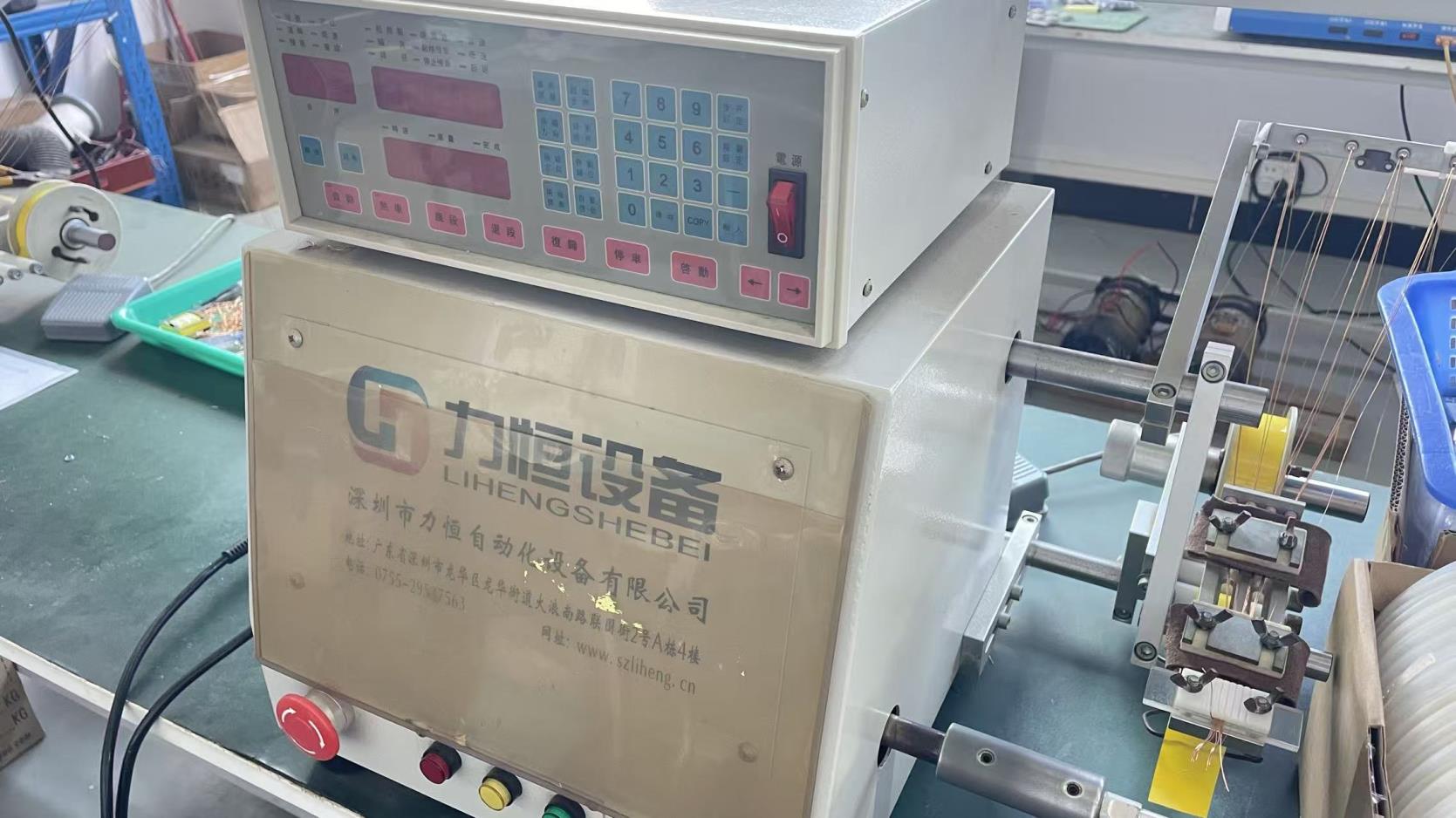
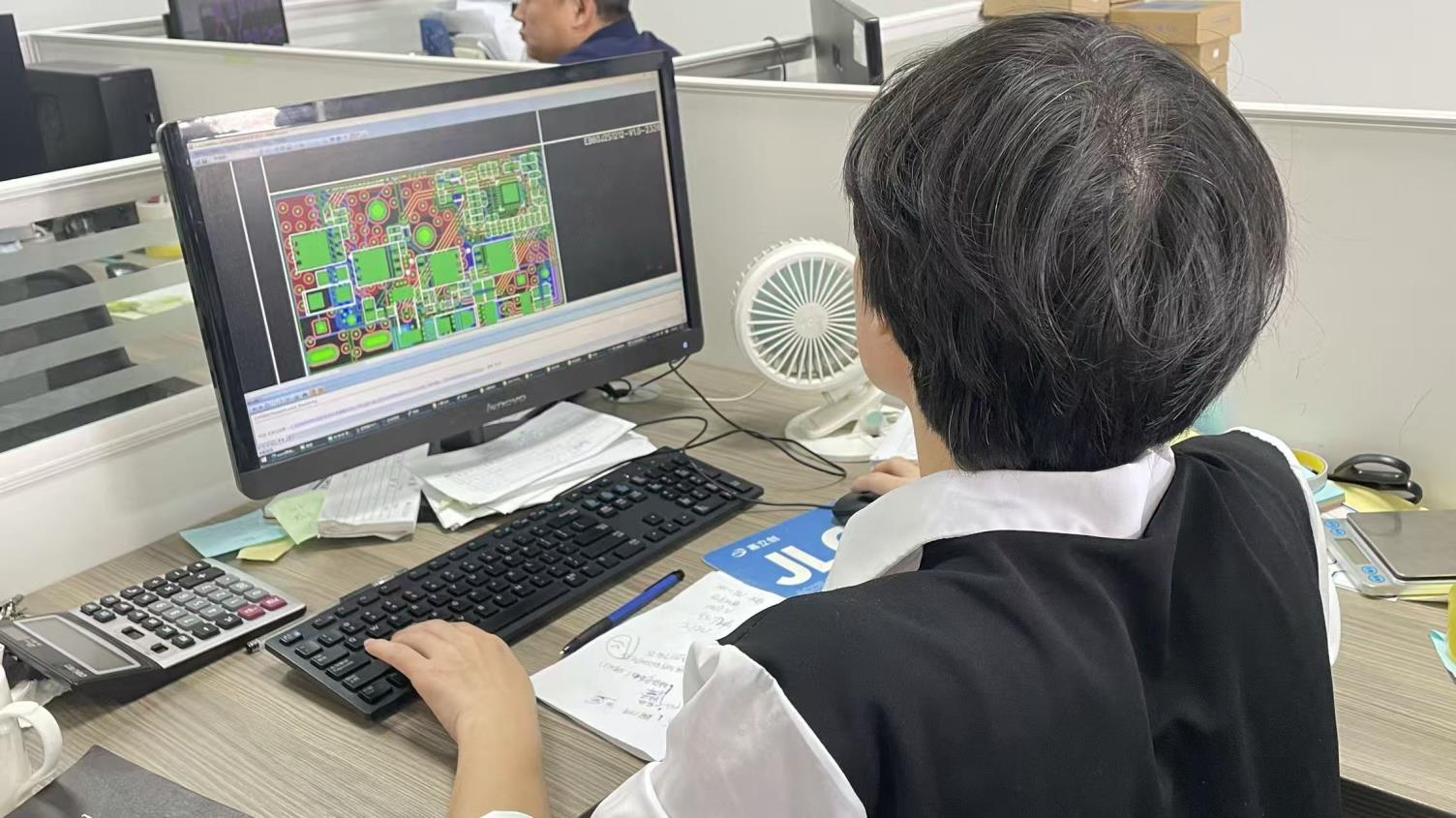
Our facility integrates end-to-end design verification, precision winding, automated soldering, thick-potted glue filling, and thermal burn-in protocols, delivering reliable power conversion solutions to industrial users worldwide.
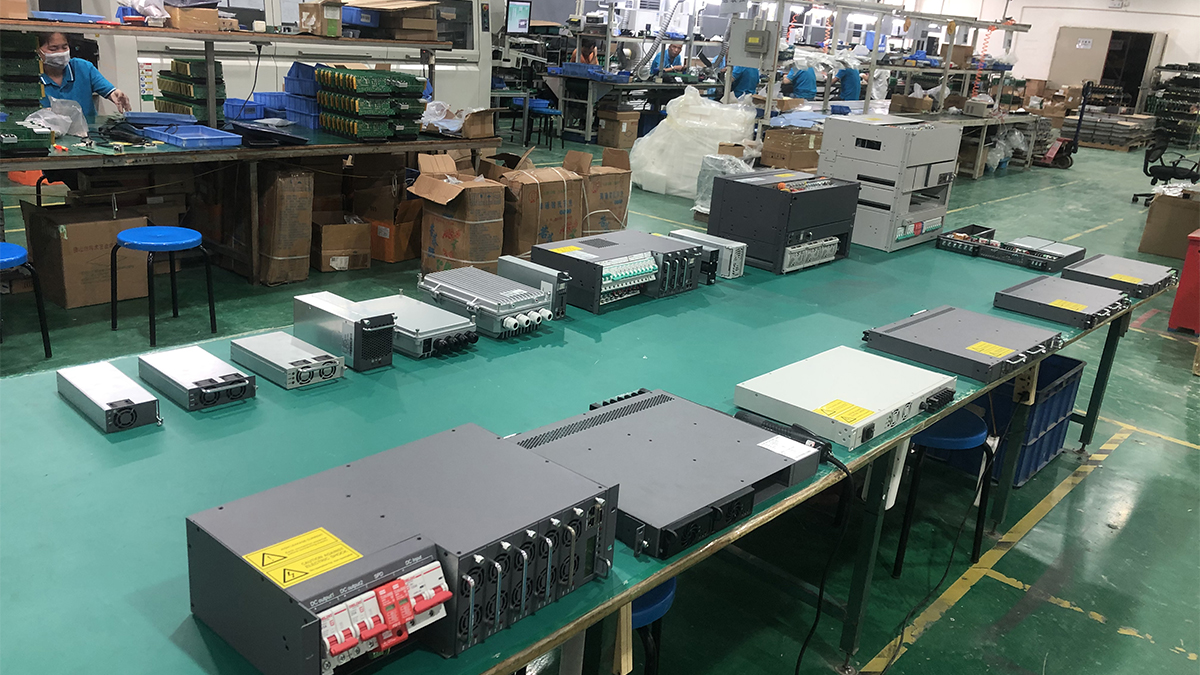
We combine advanced automation with strict quality controls to ensure each component delivers stable and reliable performance.
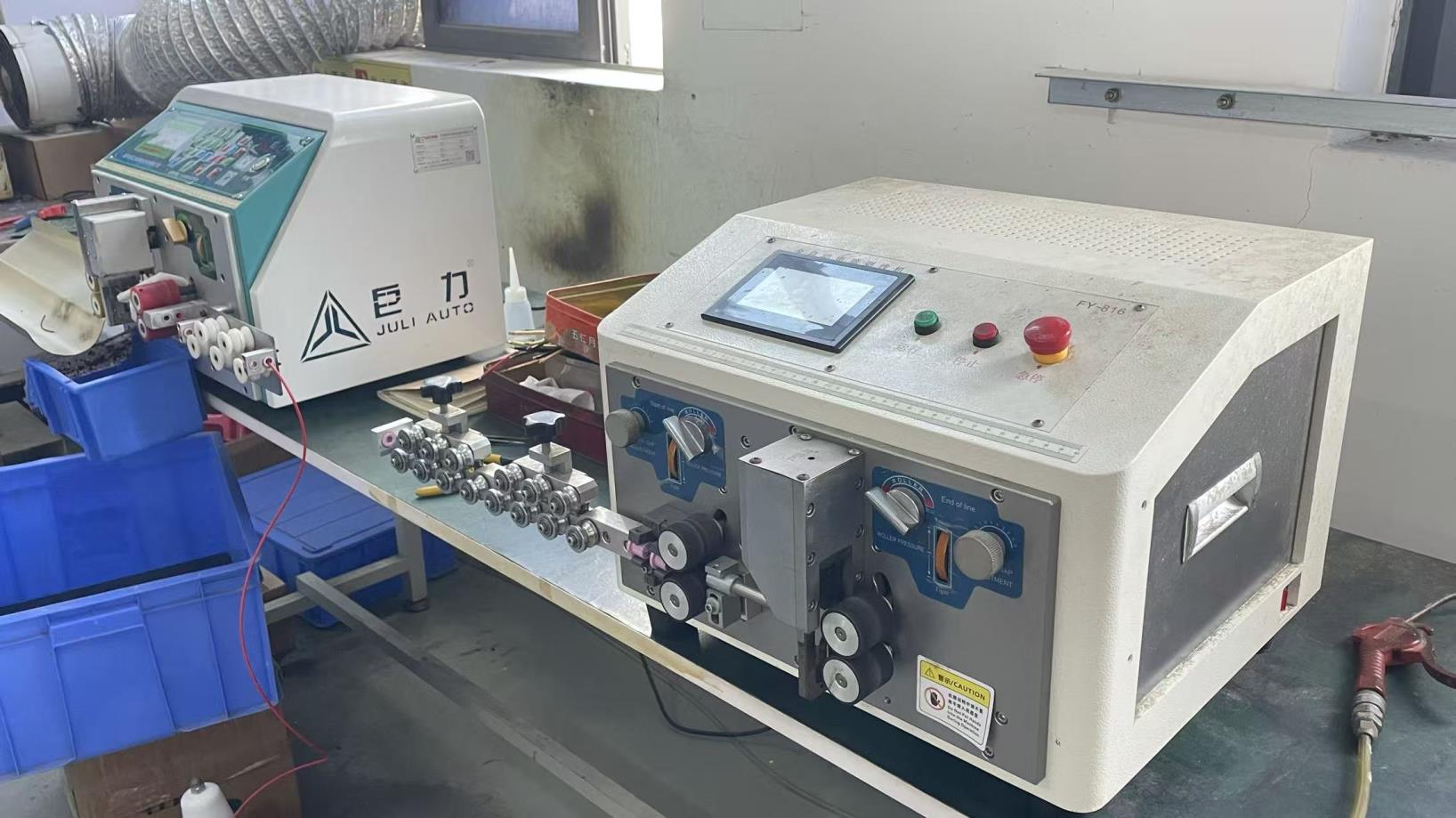
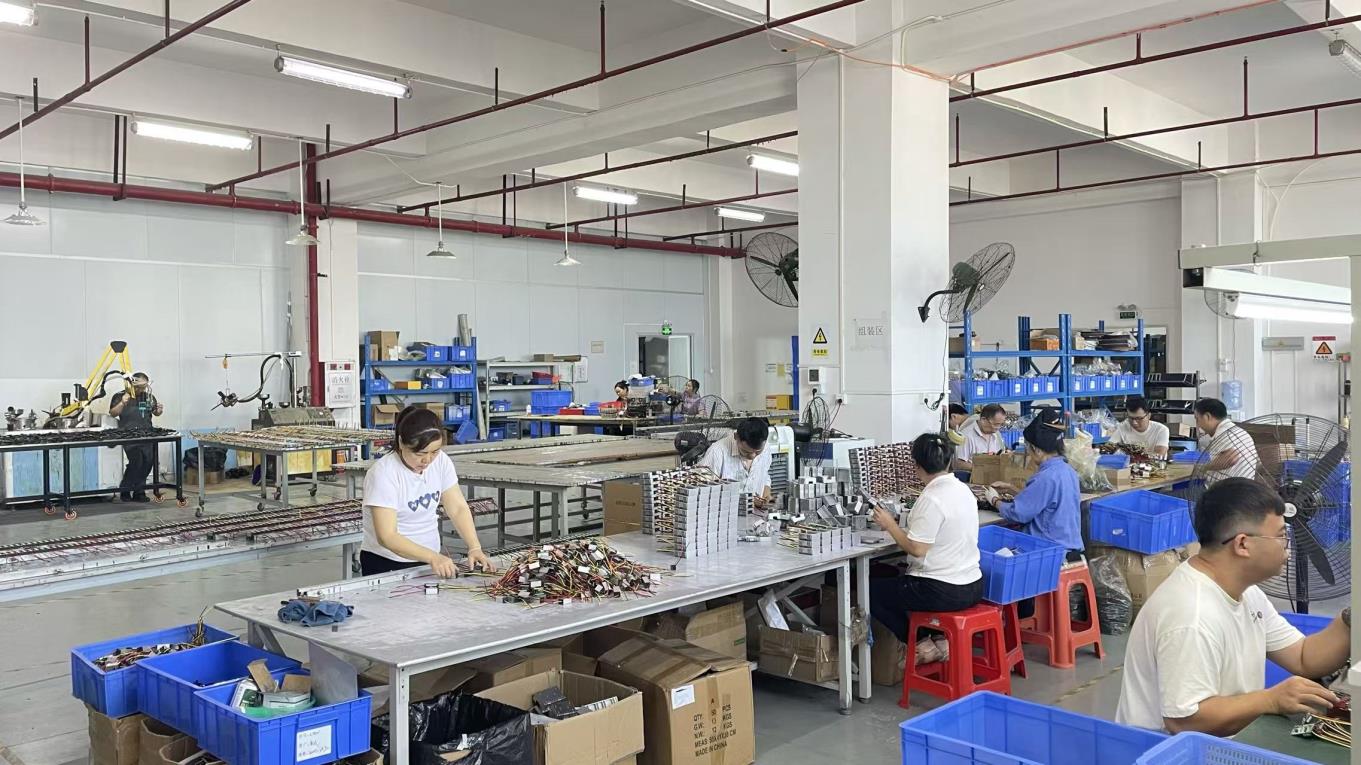

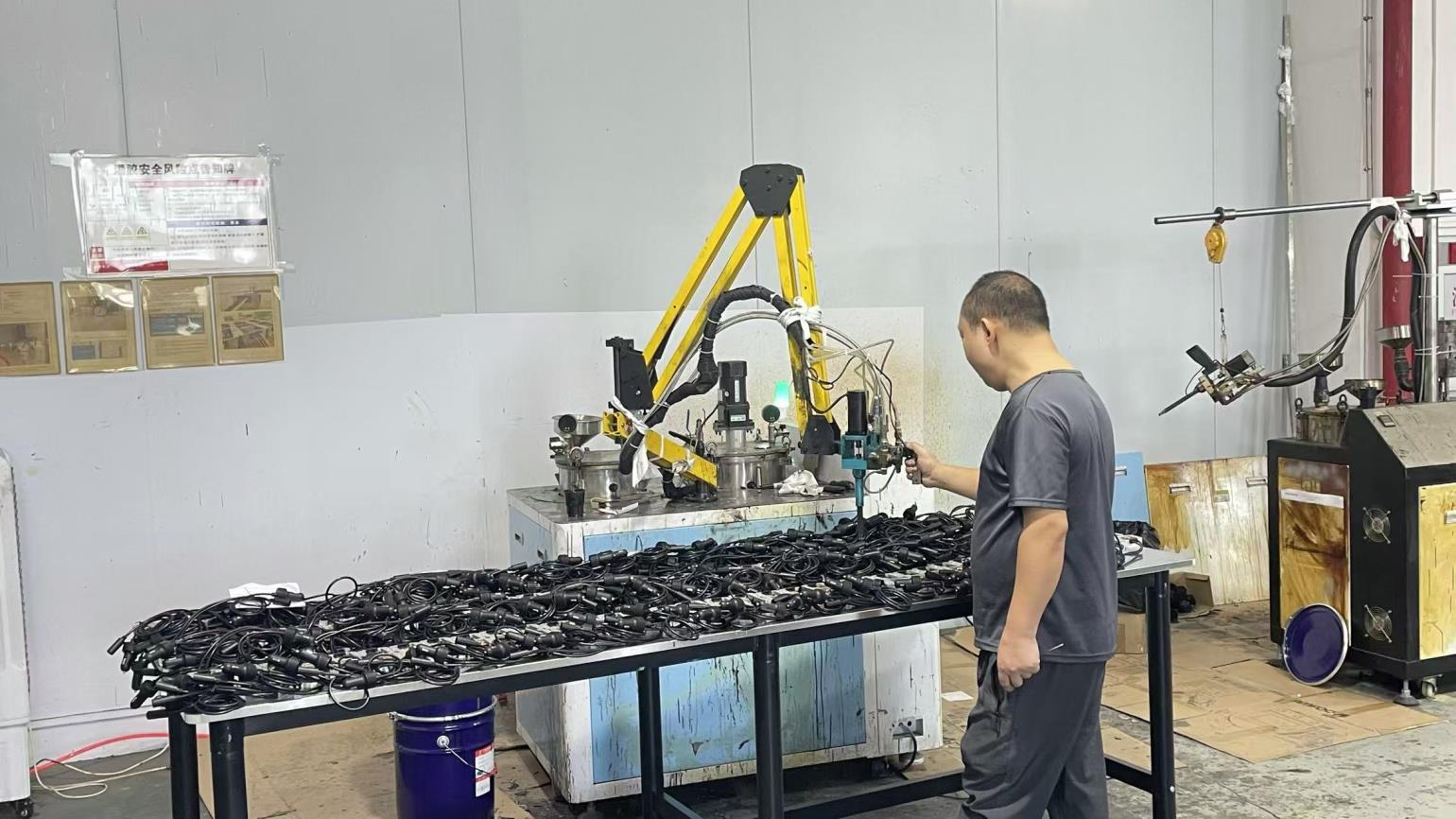
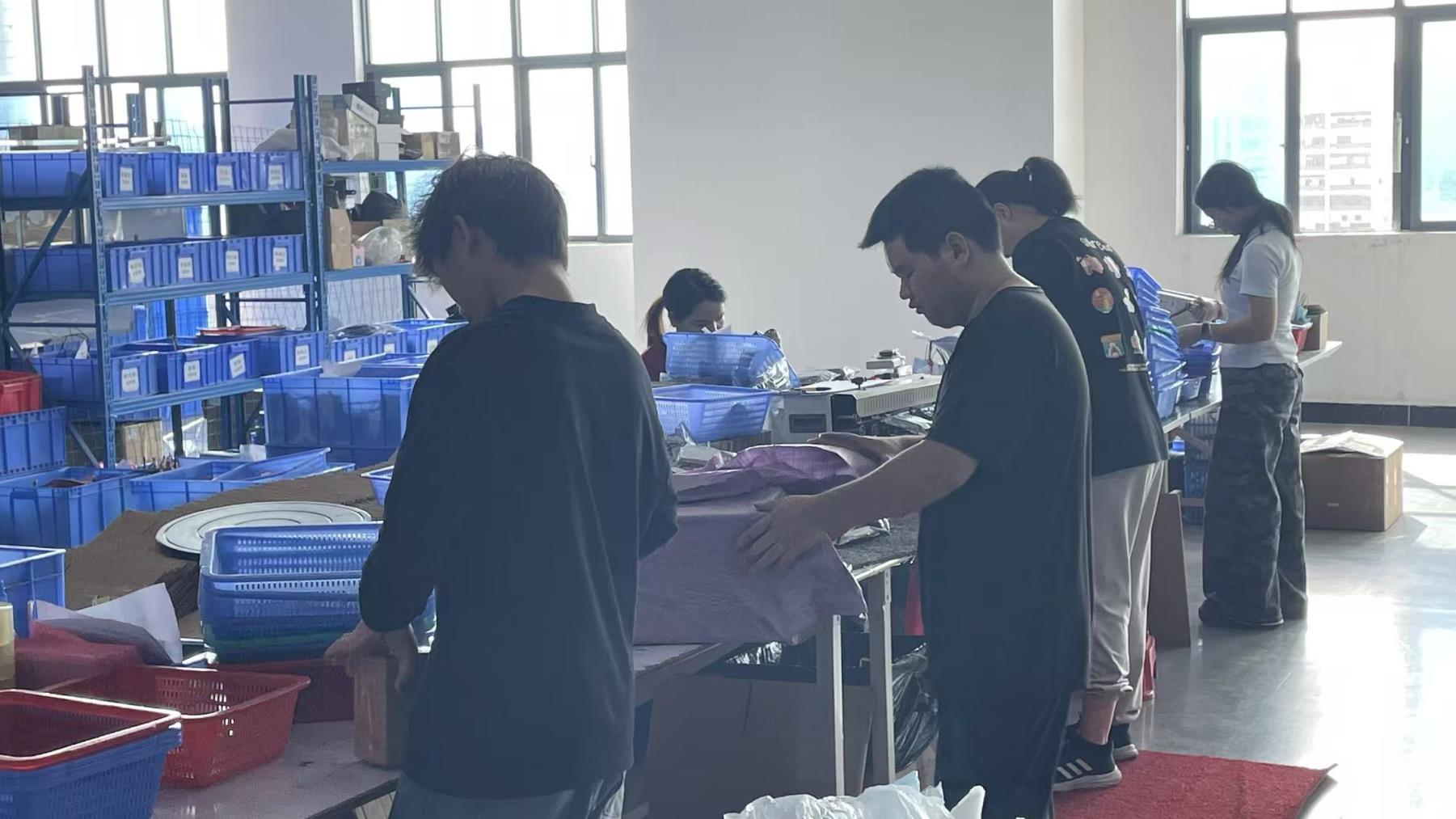
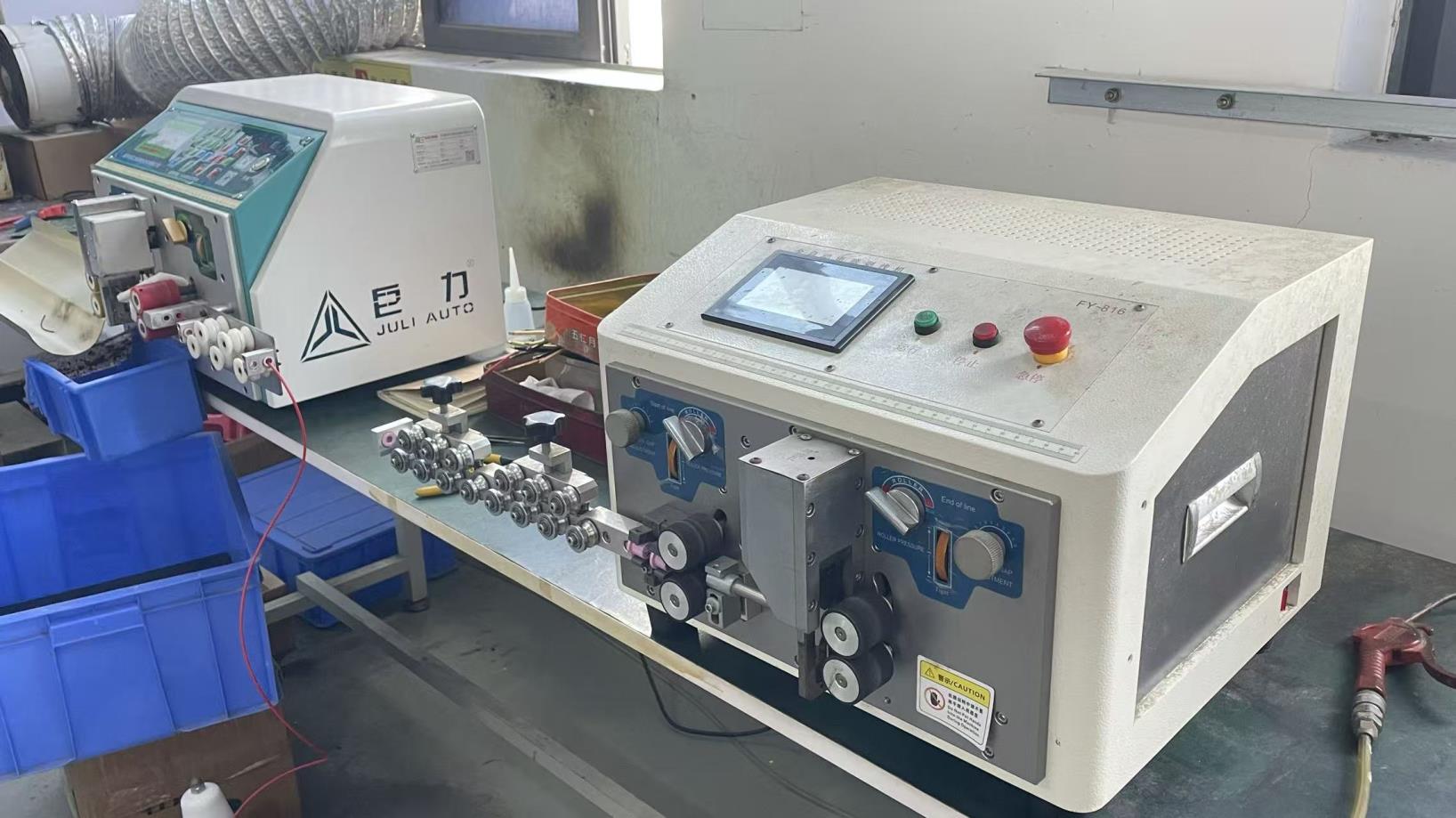


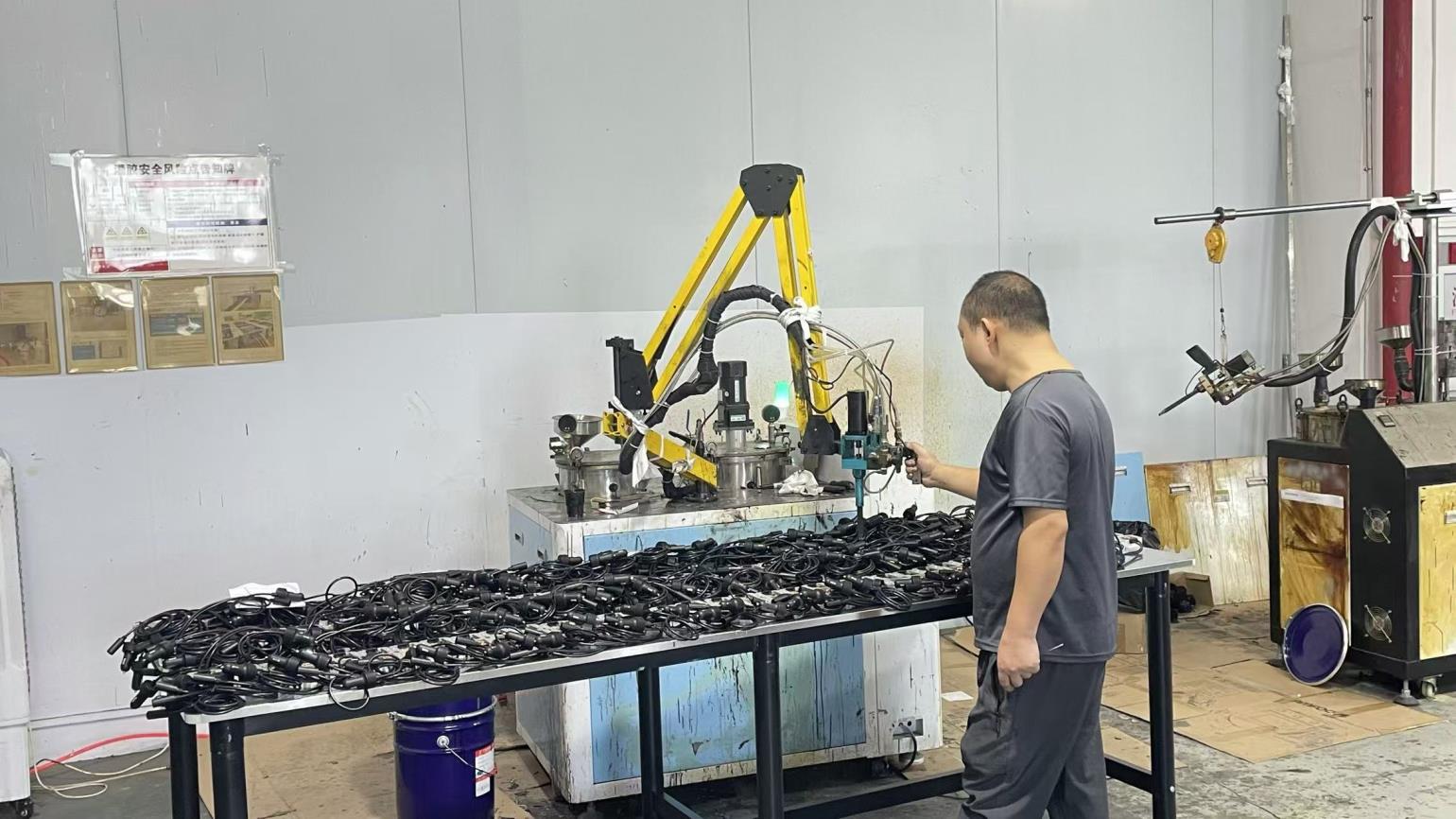
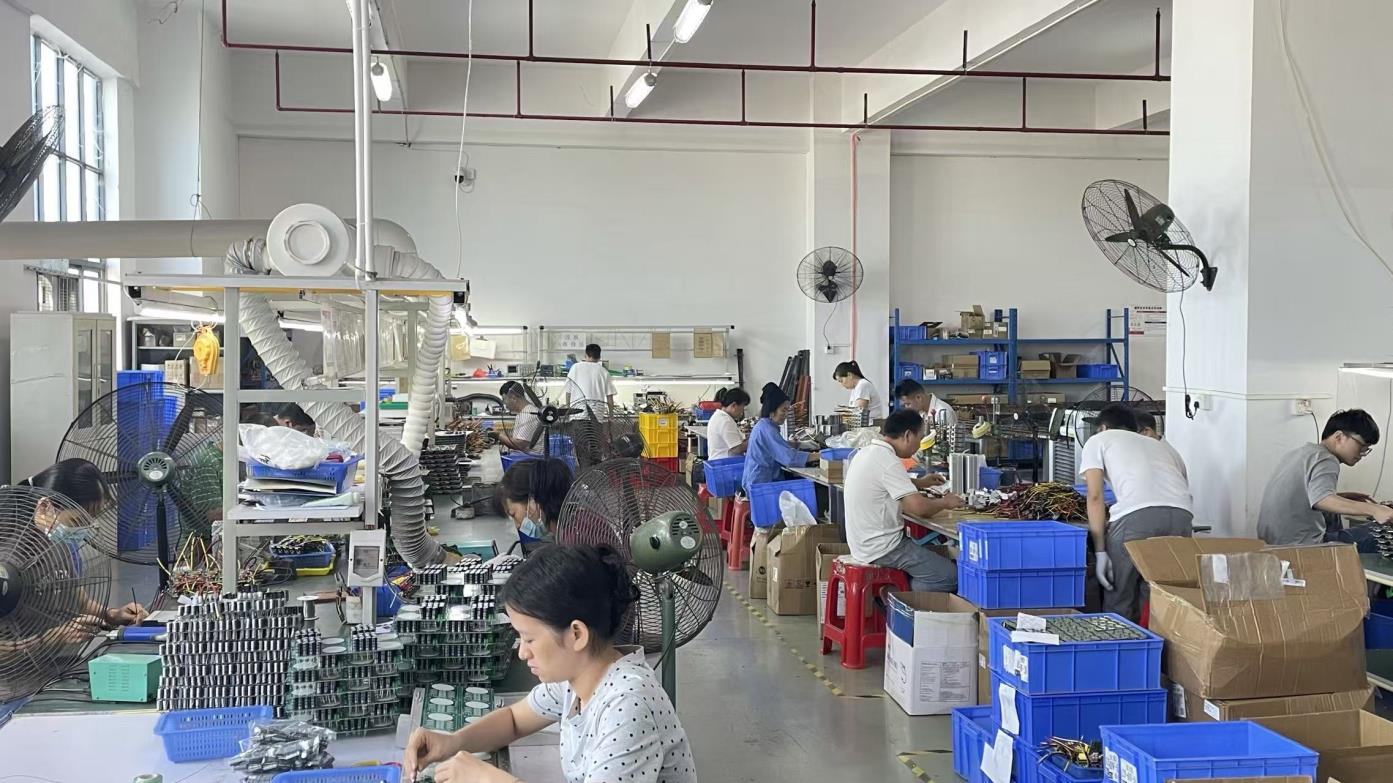
Guangzhou's logistics network and supply ecosystem allow EVS Powers to offer robust supply chain resilience. Our facility maintains vertically integrated raw-material and semi-finished buffer inventories, mitigating common component lead-time fluctuations.
By maintaining in-house copper winding facilities, chassis stamp mills, and automated SMT plug-in lines, we reduce external dependencies. This vertical integration allows us to implement design changes, such as custom chassis dimensions or modified output leads, in days rather than weeks. Additionally, our location in the Pearl River Delta provides efficient access to component ecosystems and international logistics channels.
Our engineering group is integrating wide-bandgap (WBG) semiconductors, such as Silicon Carbide (SiC) and Gallium Nitride (GaN), into our high-power converters and rectifiers. These materials enable higher switching frequencies, reducing the size of passive magnetic components and leading to lighter 1U rack-mount forms with greater power density.
Our design strategy also emphasizes digital power loop control. By replacing traditional analog control systems with high-speed DSPs, our power systems feature real-time telemetry, programmable voltage slopes, and predictive maintenance diagnostics via RS485 and SNMP. This technology allows remote stations to monitor temperature, ripple parameters, and phase health prior to a component fault.
Industrial power requirements differ significantly by region. EVS Powers designs systems to address these localized demands:
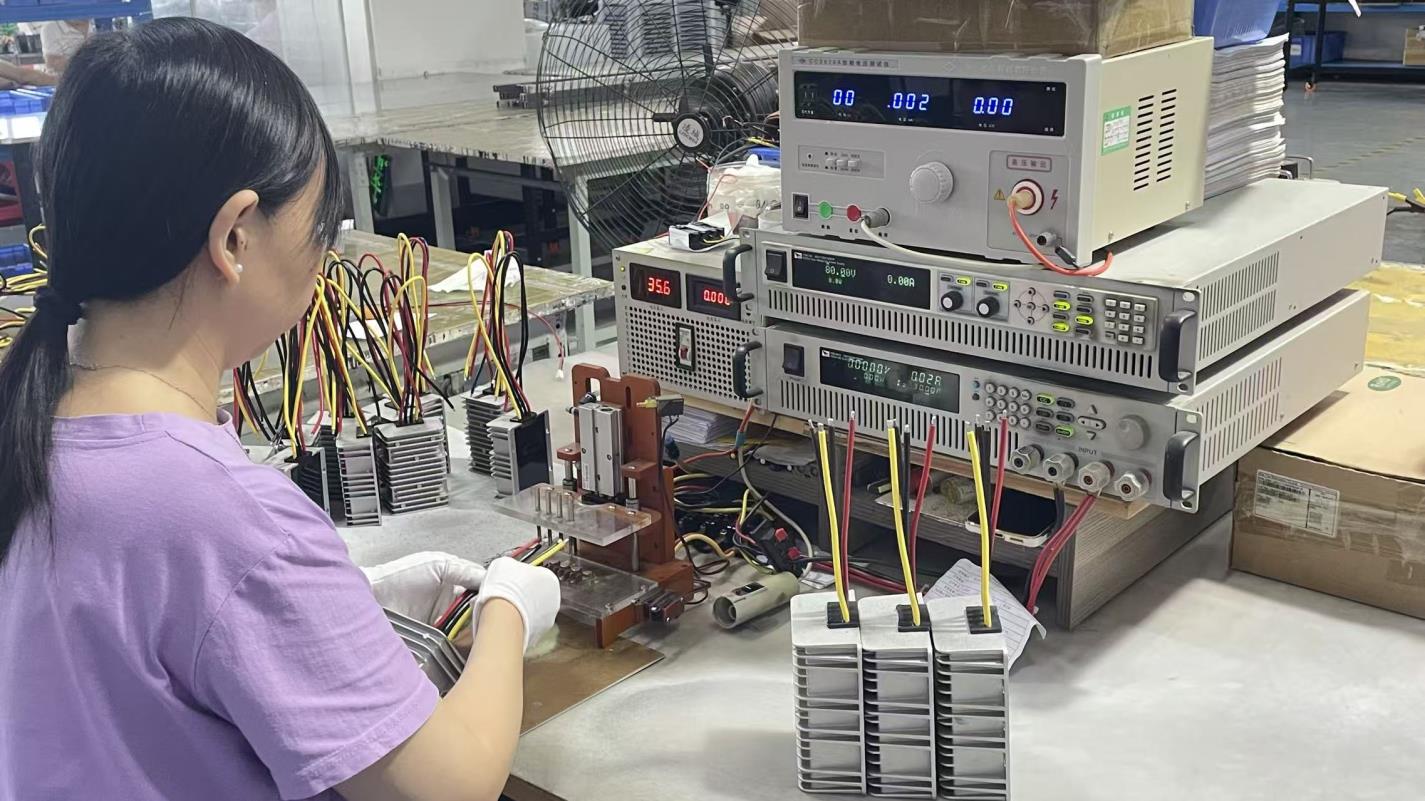
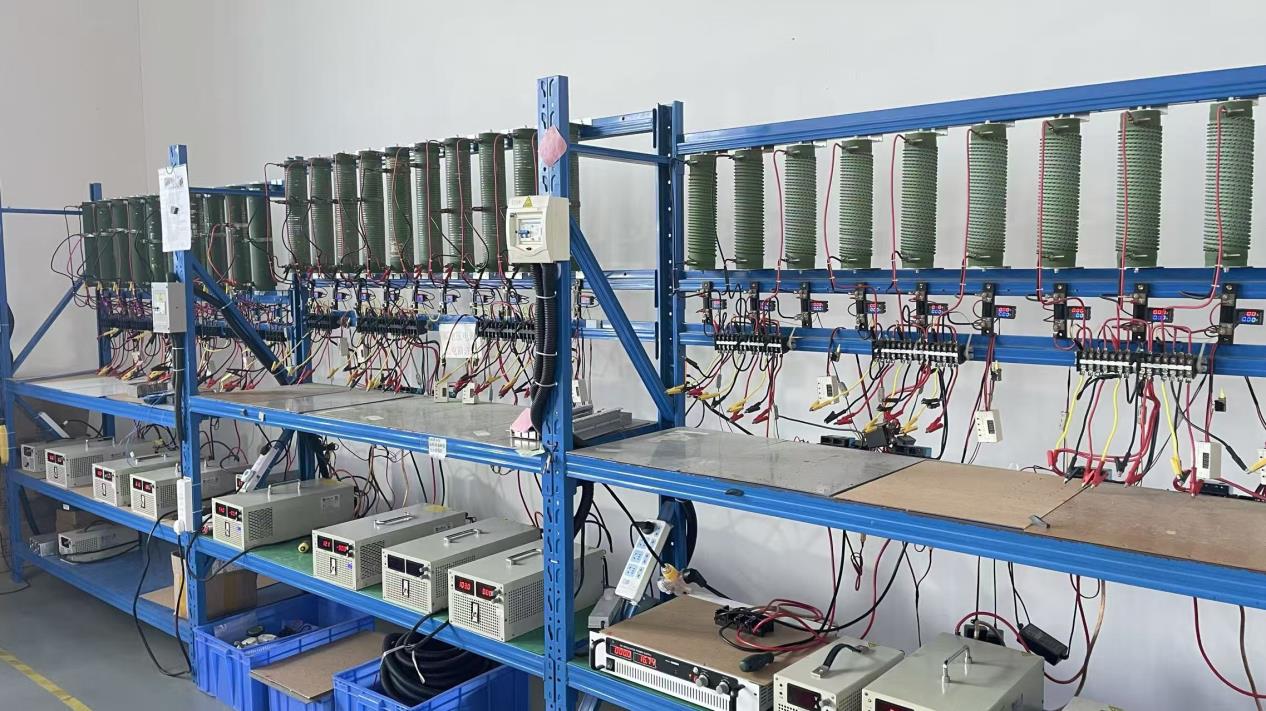
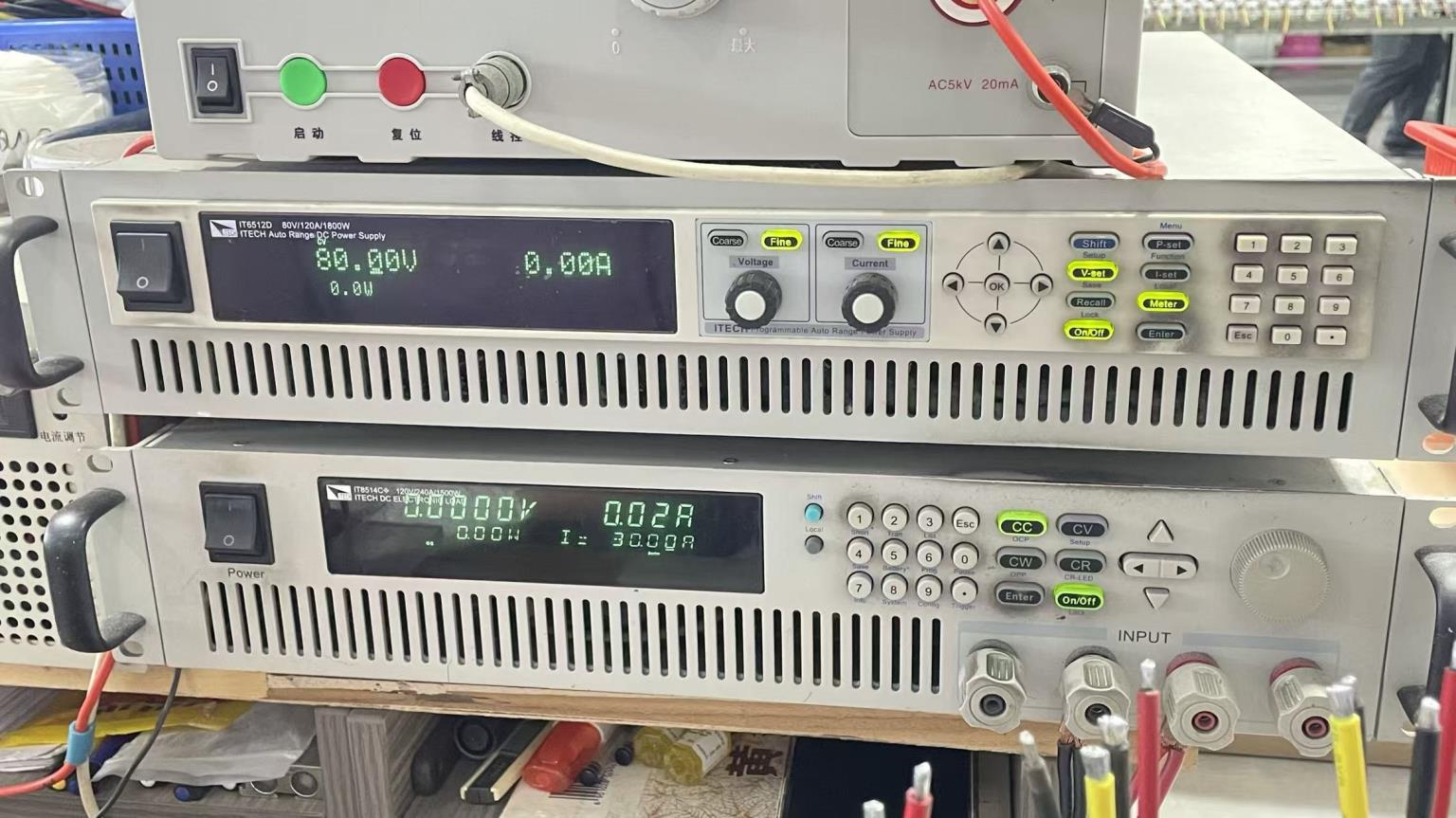
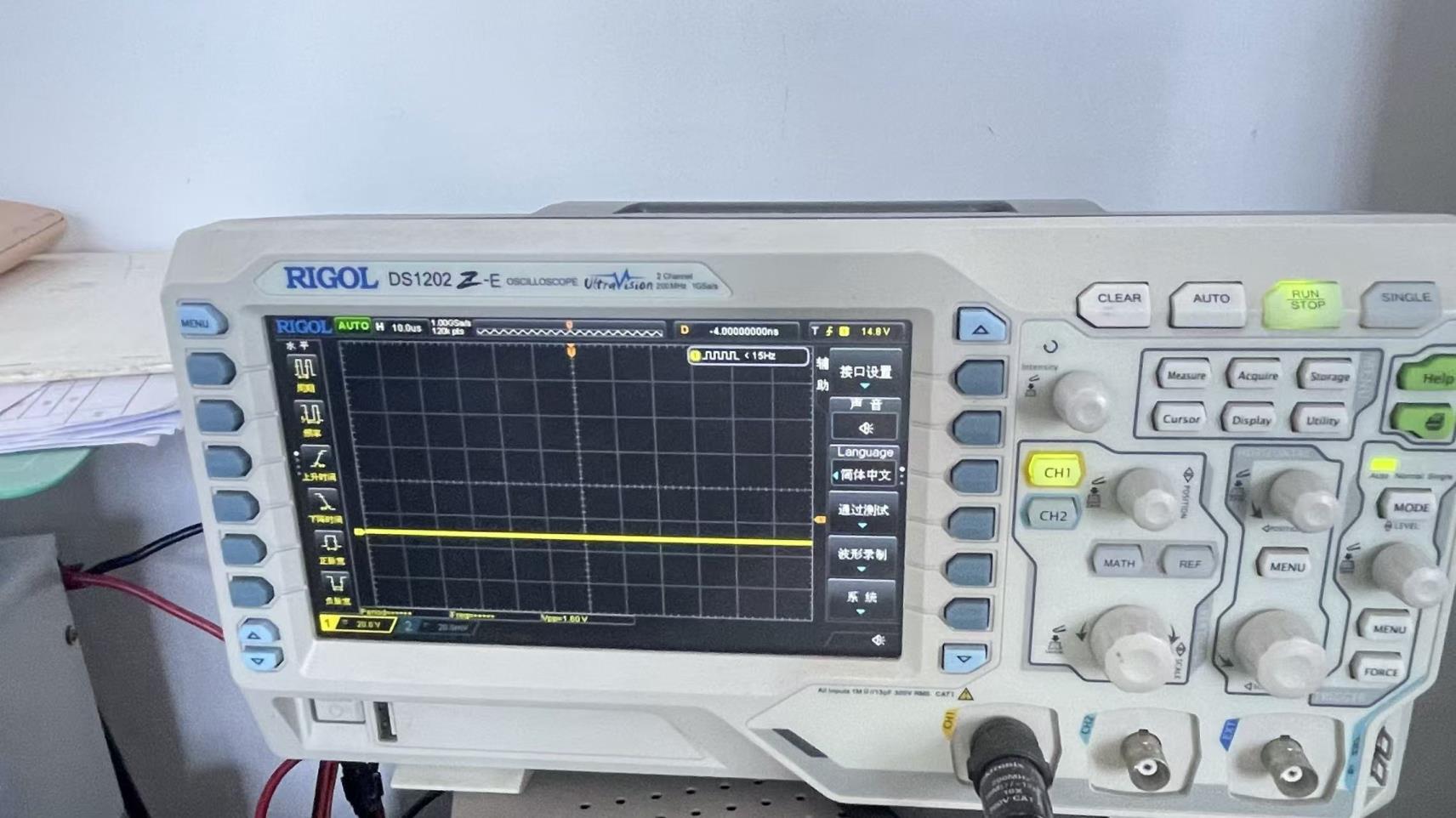
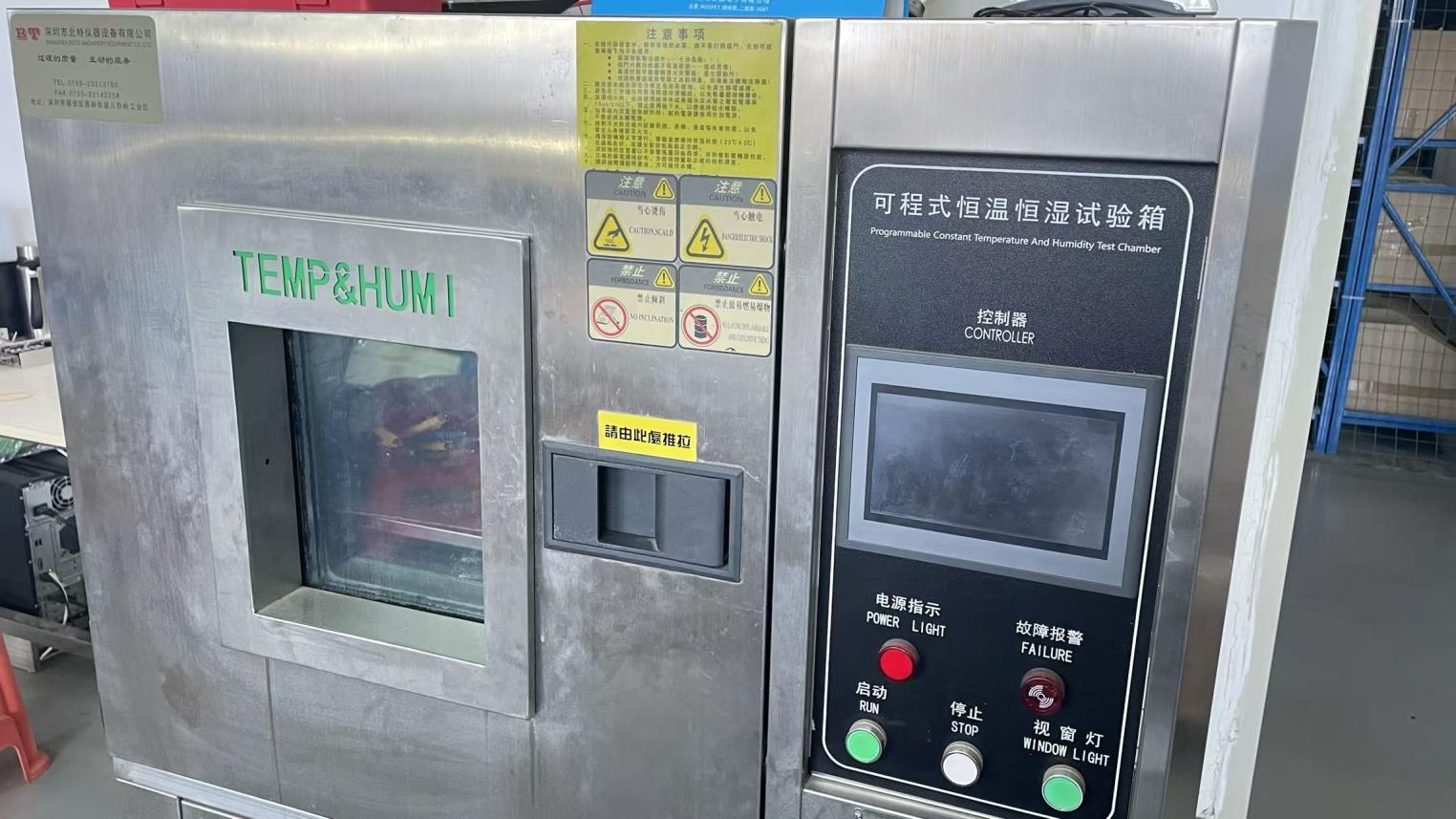
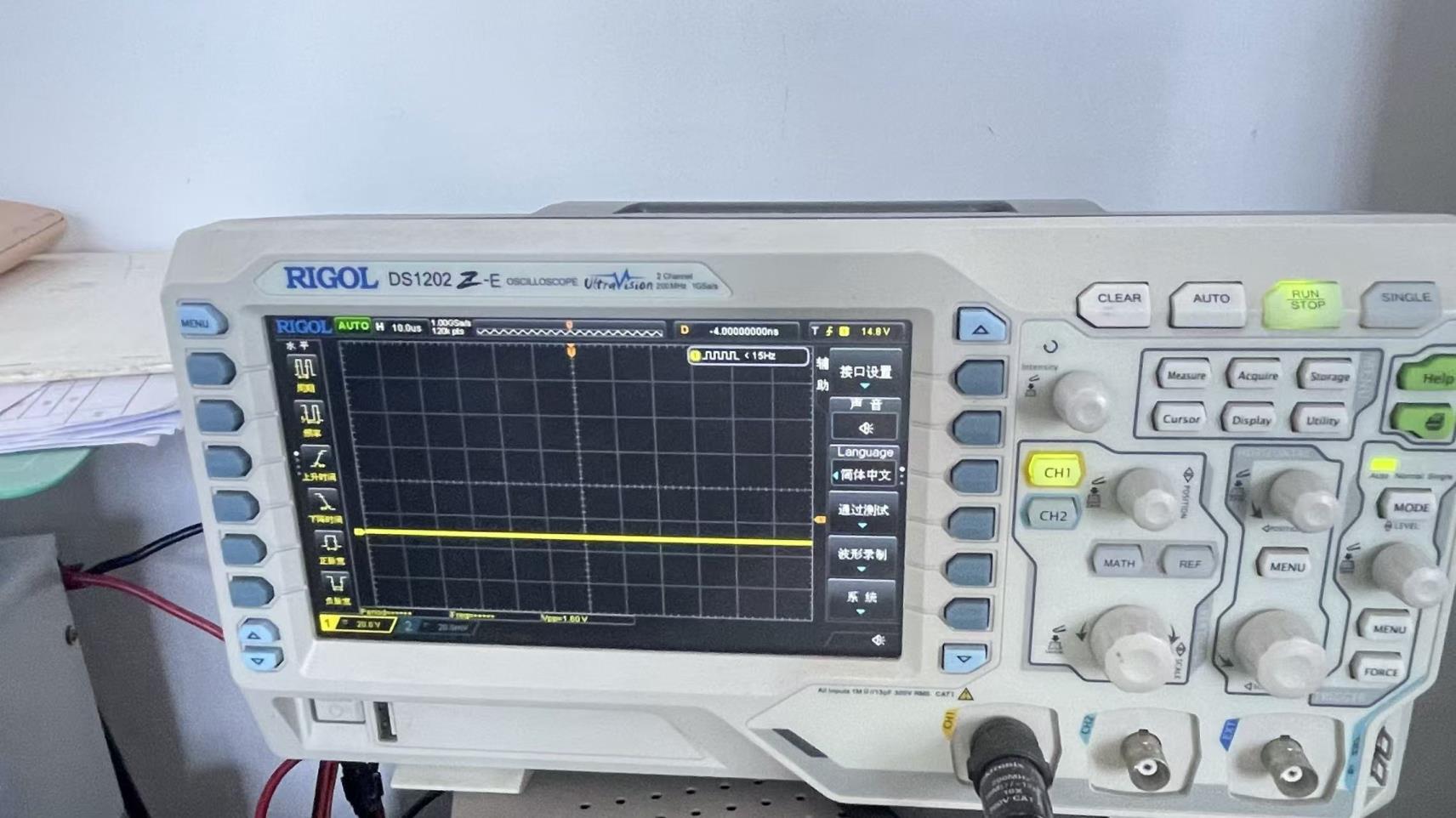
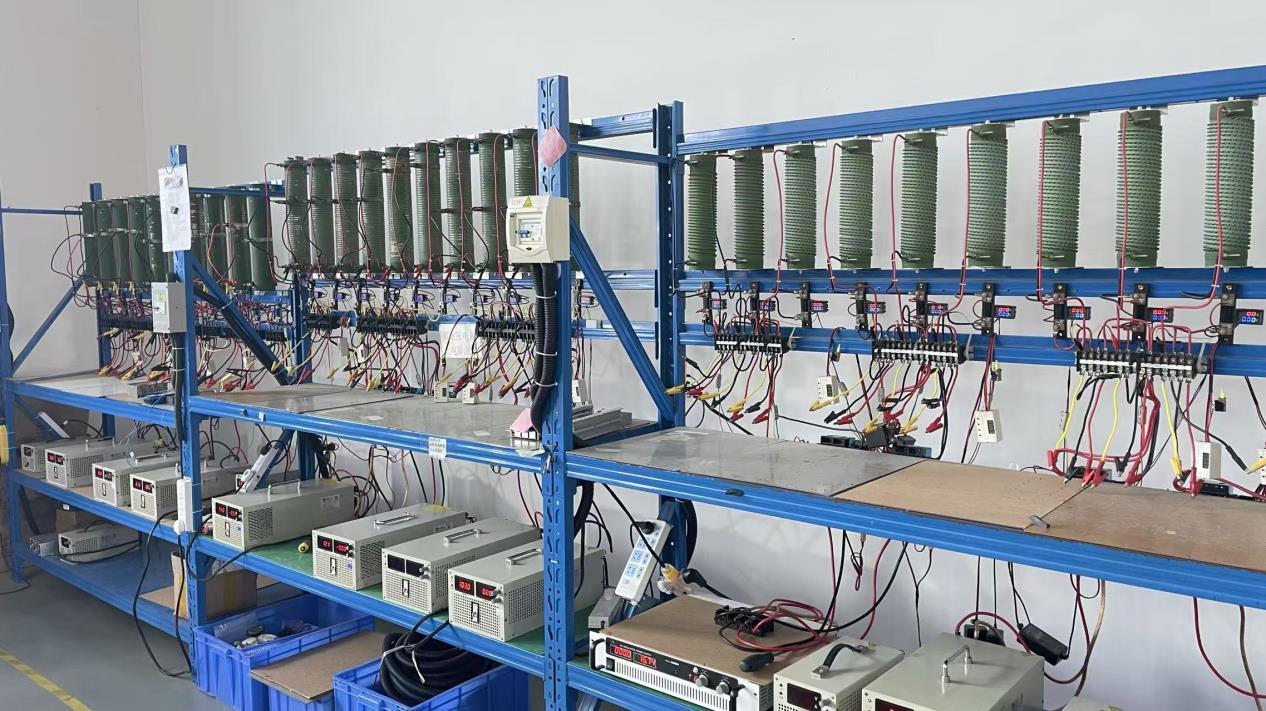
Guangzhou EVS Powers tests 100% of manufactured systems using advanced verification equipment in our testing facility.
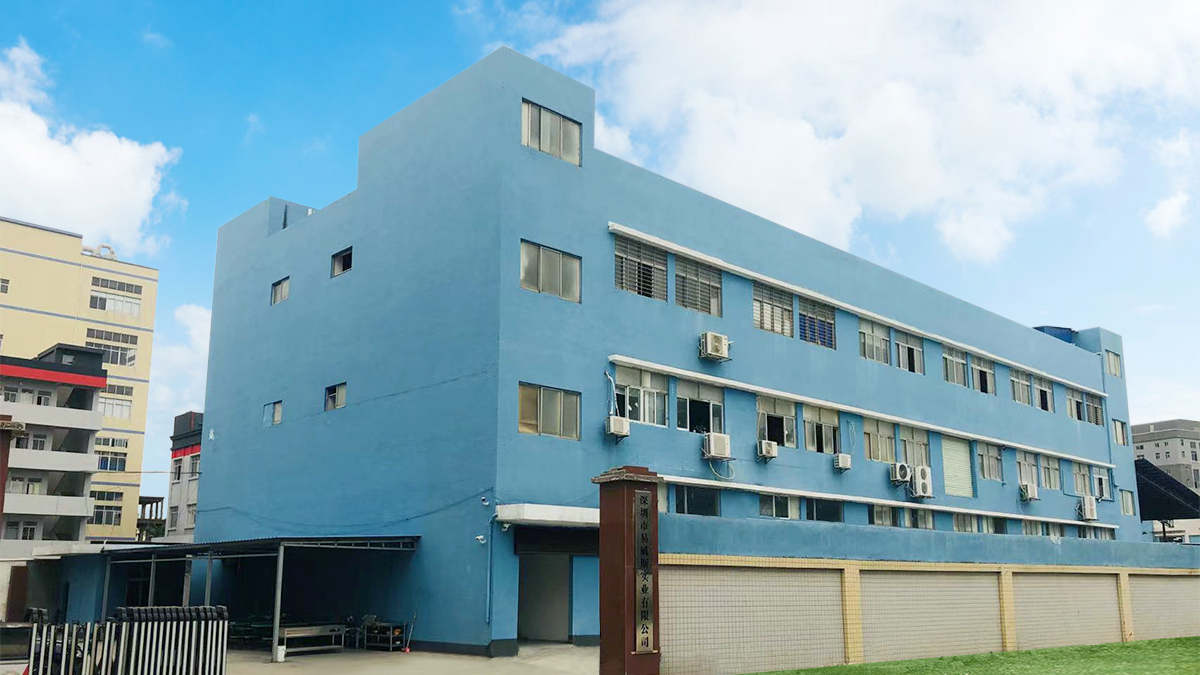
Our dedicated verification lab tests power units under simulated operational loads. Each power supply, converter, and inverter must pass electrical and thermal performance checks before leaving the factory.
By combining high-potential (Hi-Pot) insulation testers, precision DC loads, and environmental chambers, our technicians verify that products meet specified voltage tolerances and function reliably in diverse working conditions.
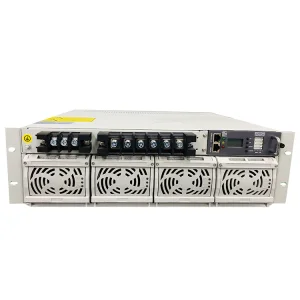
Explore our industrial battery chargers, N+1 modular rectifiers, and pure sine wave telecom power supplies.
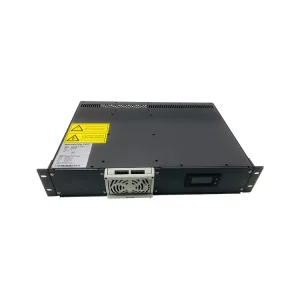
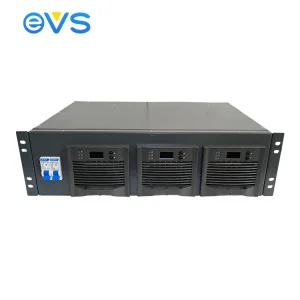
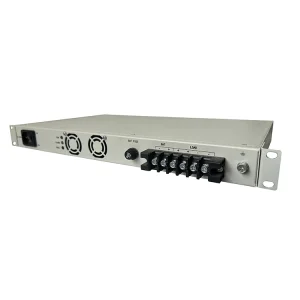
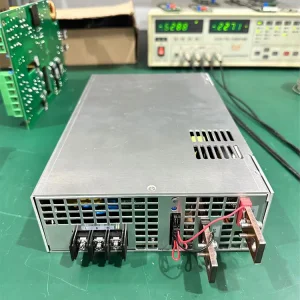
Technical guidance from our engineering department regarding power conversion efficiency, redundancy, and testing protocols.
N+1 redundancy utilizes parallel power modules to share the total load demand. If one module fails, the remaining active modules immediately take over the load share without interrupting system power output. This configuration ensures continuous uptime in critical applications like telecom hubs, cellular base stations, and automated manufacturing floors.
Our systems utilize Zero Voltage Switching (ZVS) and Zero Current Switching (ZCS) topologies, which minimize switching losses in the primary MOSFETs. When combined with active power factor correction (PFC) and synchronous rectification on the secondary side, our converters reduce waste heat and achieve high efficiency under nominal loads.
Each power unit is run under full electrical load inside a controlled-temperature chamber for several hours. This burn-in test is designed to expose early component failures (infant mortality) before shipping, ensuring that only fully verified power units are sent to customers.
Sensitive telecommunication and RF equipment require clean AC power with low harmonic distortion. Modified sine wave inverters produce switching noise that can disrupt delicate analog signals. Pure sine wave outputs deliver stable electrical waveforms, preventing equipment malfunction and reducing electromagnetic interference (EMI).
Glue filling involves potting the internal PCB components with thermally conductive polyurethane or silicone compounds. This process protects the circuit boards from dust, moisture, and corrosion, while improving thermal dissipation and physical vibration resistance in harsh environments.
EVS Powers products support a wide range of input voltages. Our industrial power supplies and rectifiers accept standard single-phase 110V/220VAC, three-phase 380VAC, and utility-level DC inputs (such as 110VDC, 125VDC, or 240VDC), ensuring compatibility with global electrical systems.
Yes. Our smart power units support standard Modbus protocols via RS485 and SNMP network interfaces. This compatibility allows our power supplies to integrate directly with centralized building management software, SCADA systems, or custom remote management tools for real-time status monitoring.
We use AC Withstand Voltage (Hi-Pot) testers to apply high-voltage stresses across the input, output, and chassis ground lines. This test verifies that the insulation meets dielectric requirements, preventing high-voltage breakdown and protecting downstream equipment.
 EVS Powers