EVS Powers
1 / 5

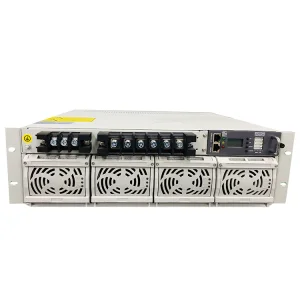
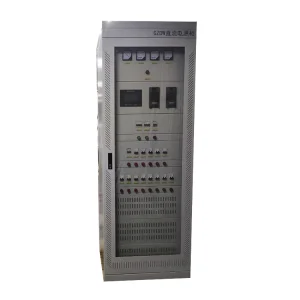
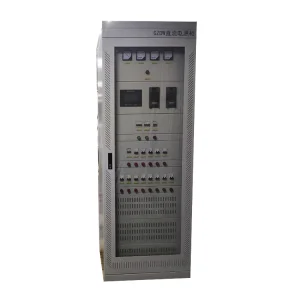
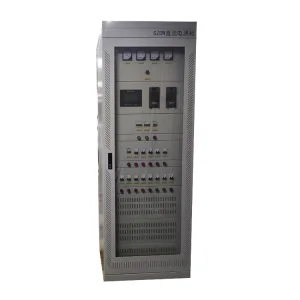
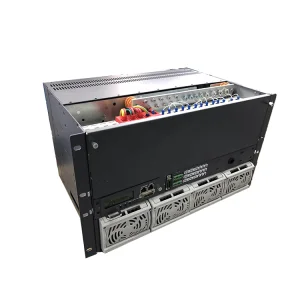
A direct-current switchgear assembly (DC power supply complete switchgear) consists of one or more low-voltage switchgear, converters, float chargers, and related control, measurement, signaling, protection, and regulation units. The manufacturer is responsible for completing all internal electrical and mechanical connections, assembling the entire assembly using structural components.
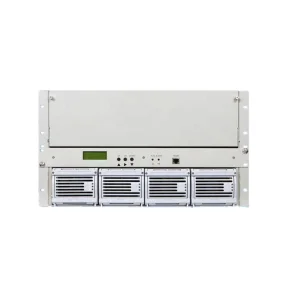
It mainly comprises the power input system (AC input), dual-path power transfer system, charger control system, charger, DC distribution system, insulation monitoring system, integrated controller (the system monitoring and control system, the brain of the DC power supply), flashing system, communication system, and battery. Among these, the integrated controller, dual-path power transfer, charger control, and charger selection are key aspects ensuring the reliability of the DC power supply.
The integrated controller is responsible for monitoring the operation of the DC power supply; that is, it must have a complete understanding of every aspect of the DC power supply's operation and ensure the system operates at its optimal state. Its controlled battery monitoring unit provides voltage monitoring for each battery cell, enabling early detection of battery deterioration and timely battery replacement. This prevents catastrophic consequences such as the system's inability to provide DC power in the event of a power outage due to battery problems.
The insulation monitoring system protects the DC power supply from damage caused by external devices or system grounding. The appropriate battery configuration and selection ensure normal system operation during power outages and prevent power interruptions due to damage to the DC power supply itself.
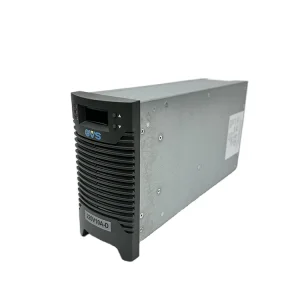
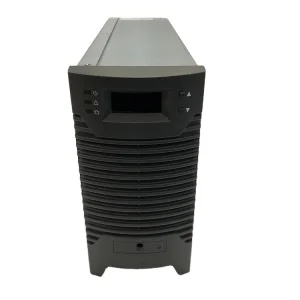
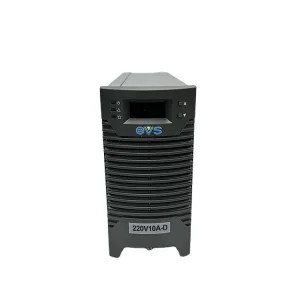
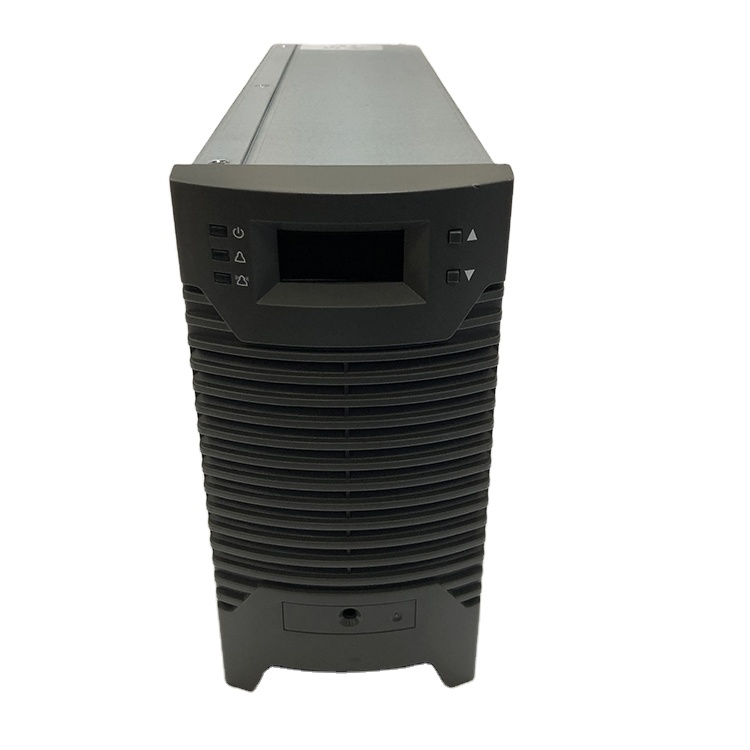
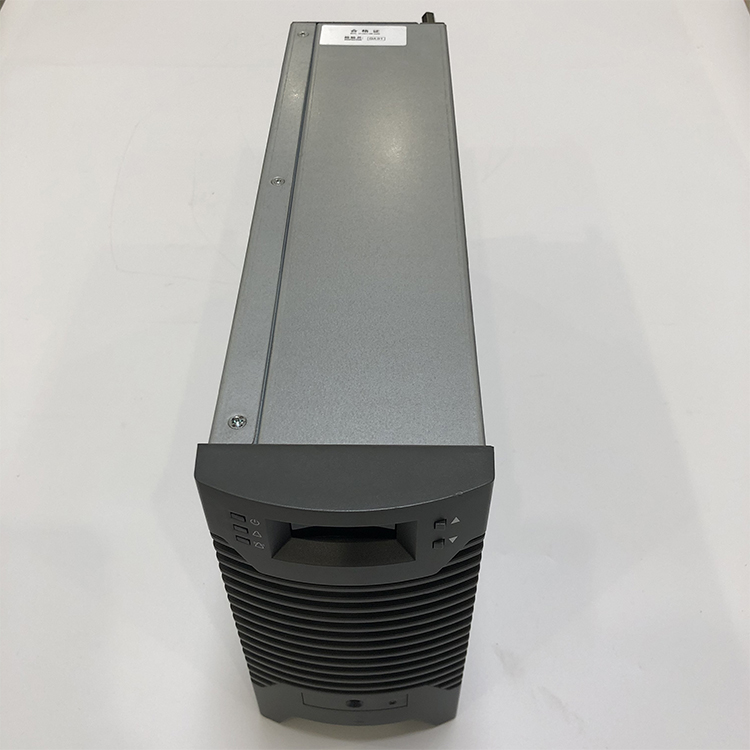
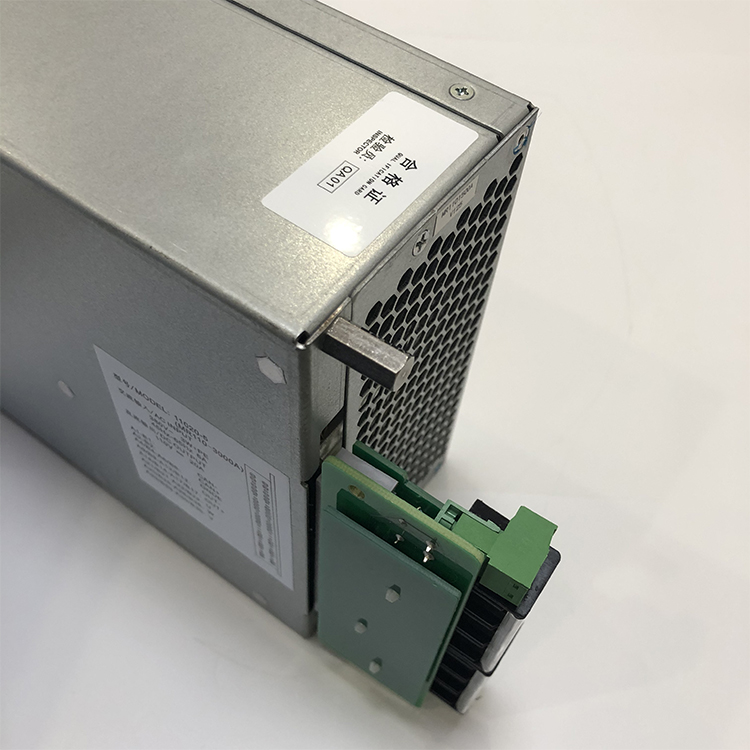
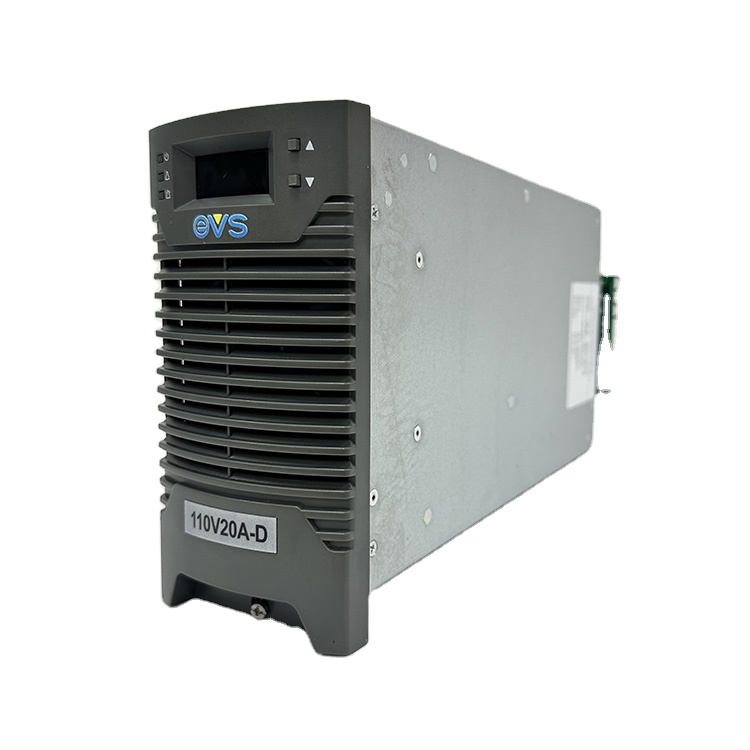
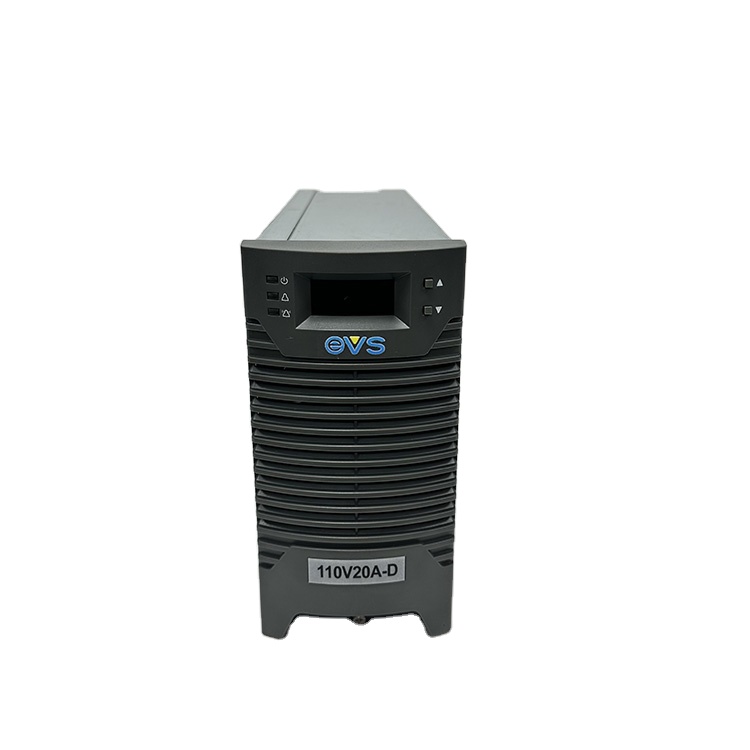
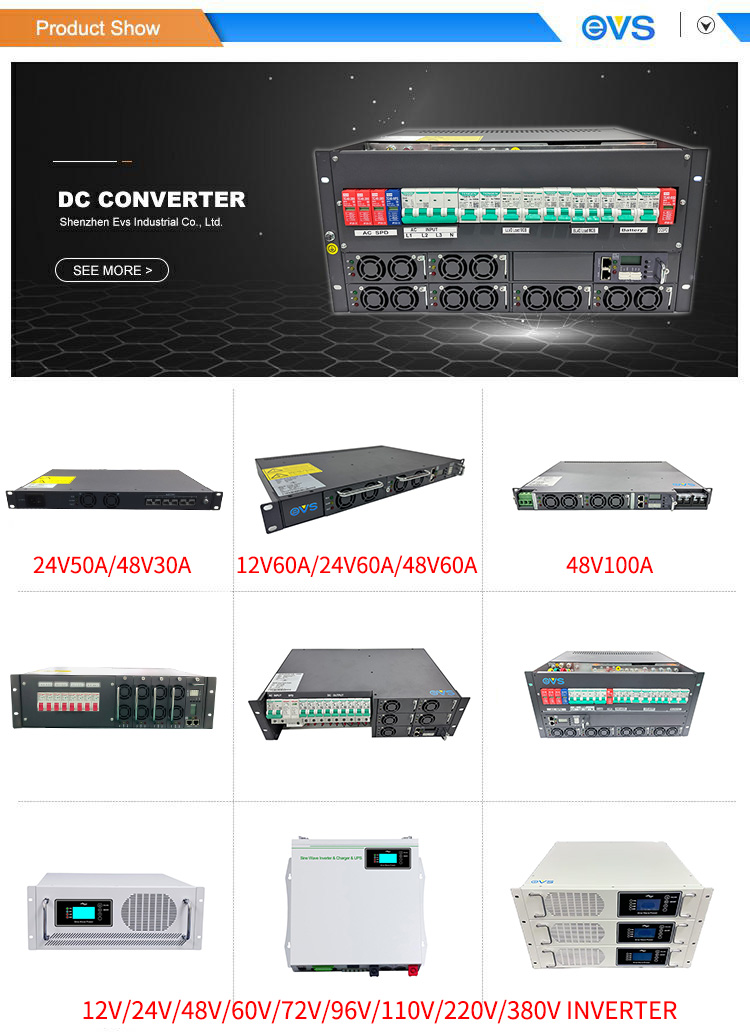
Chargers typically use dedicated high-frequency switching power supply modules. Their user-friendly design simplifies system design, offers excellent reliability, and is reasonably priced. DC power supplies of 110V 65Ah and below generally use the EVS11020 dedicated high-frequency switching power supply module; while DC power supplies above 110V 65Ah mostly use specialized high-performance industrial power modules.
The communication system can provide the host computer with detailed information on the operation of the DC power supply and can also provide local and remote alarm functions. In addition, a microcomputer insulation monitoring unit can be selected according to the user's requirements to realize the low current insulation monitoring of the feeder branch.
| Item | Index | Test Condition | ||
|---|---|---|---|---|
| Min Value | Typical Value | Max Value | ||
| Input voltage range (VAC) | 300 | 380 | 485 | Output 240VDC, full load |
| Output adjustable range (VDC) | 176 | 230 | 300 | Input 380VAC, full load |
| Stabilized voltage precision | - | 0.01% | 0.5% | Output 198~286VDC, 20~100% load, input 300~485VAC |
| Stabilized current precision | - | 0.08% | 0.5% | Output 198~286VDC, 20~100% load, input 300~485VAC |
| Dynamic response | 100uS | 150uS | 200uS | Rated output 20~75% load jumps |
| Charging efficiency | 90% | 92% | 93% | Output 240V, 5A, 10A, 20A |
| Maximum audible noise (dB) | - | 45 | 50 | Full load, environmental noise 40dB |
| Storage temperature (℃) | -40 | 25 | 60 | - |
| Working environment temperature (℃) | -10 | 25 | 45 | Output 240V, 5A, 10A, 20A |
| Broadband noise (mV) | 18 | 25 | 40 | Rated input and output, resistive load |
| Peak-to-peak noise (mV) | 100 | 300 | 400 | Rated input and output, resistive load |
| Un-equalizing current degree of parallel machine | ±0.5% | ±2% | ±5% | Rated input and output, monitor equilibrium flow |
| Start-up delay (s) | 3 | 5 | 8 | - |
| Ripple factor | 0.01%~0.1% | 0~20MHz bandwidth | ||
| Dielectric strength | 2000VAC 50Hz | Time is 1 minute, leak current is 10mA | ||
| Load grade | Grade I (100%) rated output current works continuously | In the range of float charging voltage | ||
| Automatic current limiting characteristic | The output current exceeds 110% of rated current | For the constant power protection, the output current shall not increase, and DC voltage shall drop | ||
| Input overvoltage/low-voltage protection | The module has overvoltage/low-voltage input protection. Less than 313±10Vac or greater than 485±10Vac, the module protects, no DC output, and yellow protection indicator light turns on. | After restoring voltage to 335±10Vac~460±15Vac, the module works automatically. | ||
| Input phase loss protection | When input lacks phase, the module limits power output. When output voltage is 260V, 5A current is output. | After fault clearance, it works automatically and normally. | ||
| Output overvoltage protection | The output stops automatically if output voltage exceeds 293±6VDC to prevent damaging the equipment. | Module cannot recover automatically; switch on the module again after switching it off. | ||
| Output low-voltage alarm | When output voltage is less than 198±1Vdc, the module alarms, with DC output, and the yellow protection indicator light turns on. | After voltage is recovered, the output low-voltage alarm disappears. | ||
| Output short circuit retraction function | When module output is shorted out, the output current shall not exceed 40% of rated current. | After fault clearance, it works automatically and normally. | ||
| Over-temperature protection | If internal temperature exceeds the set value, protection starts: yellow panel light turns on, and module has no voltage output. | After internal temperature returns to normal, the module resumes automatic and normal operation. | ||

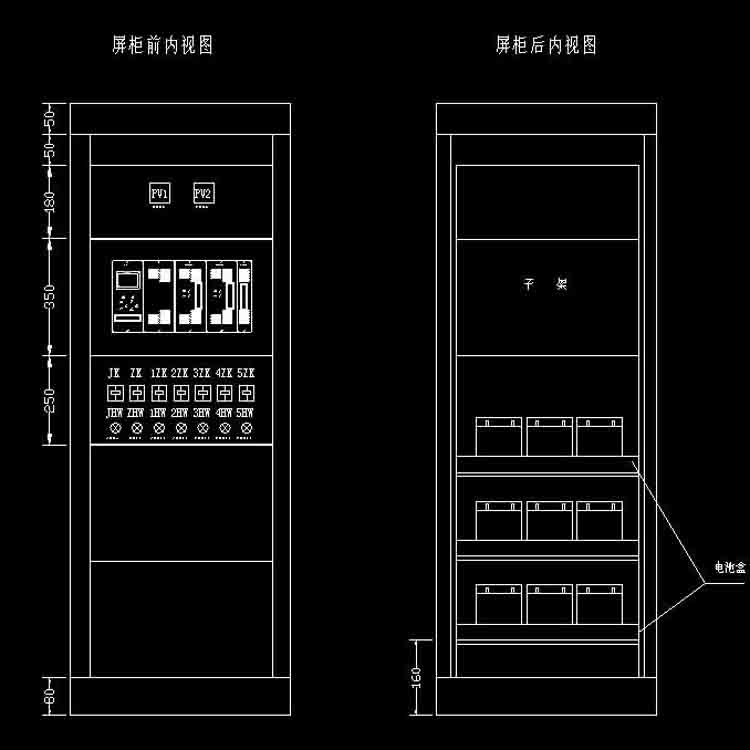
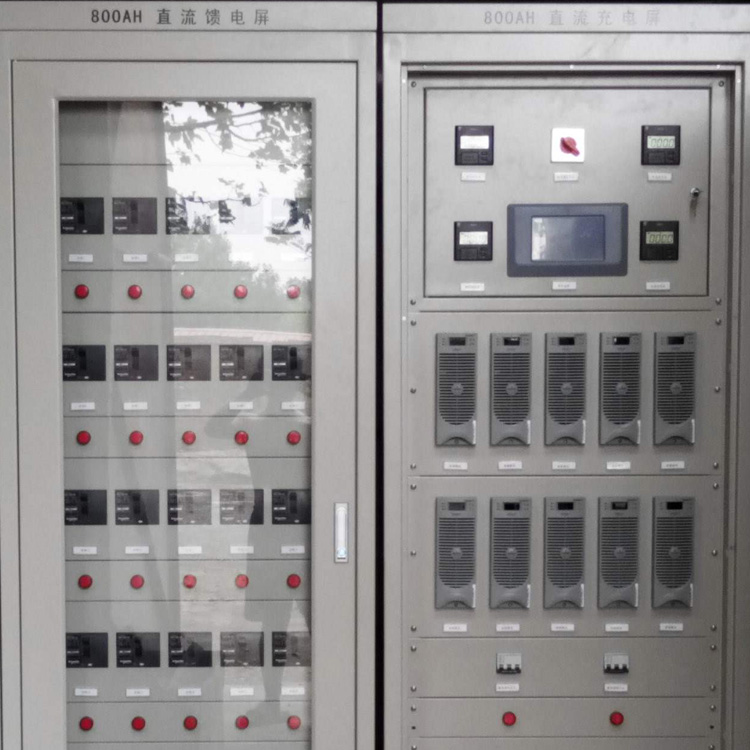
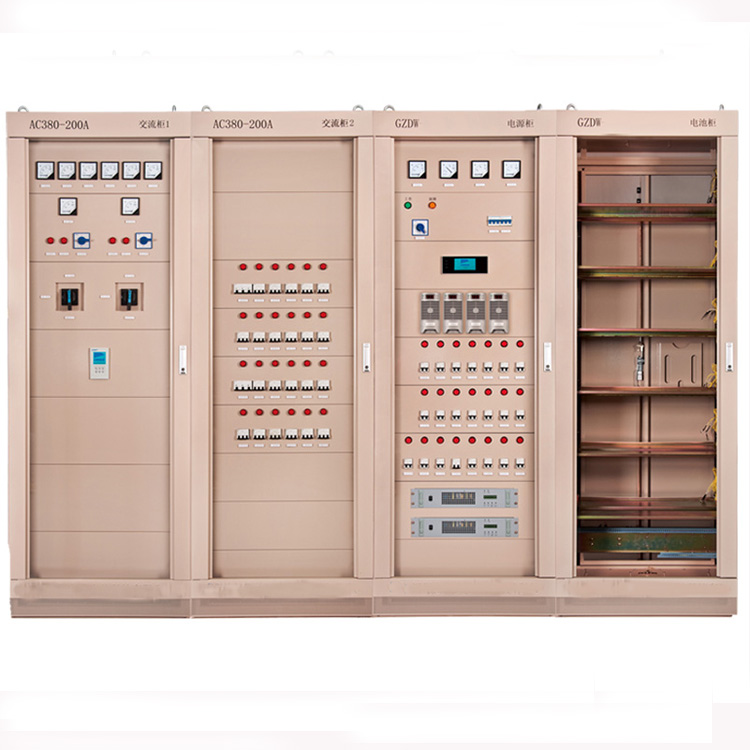
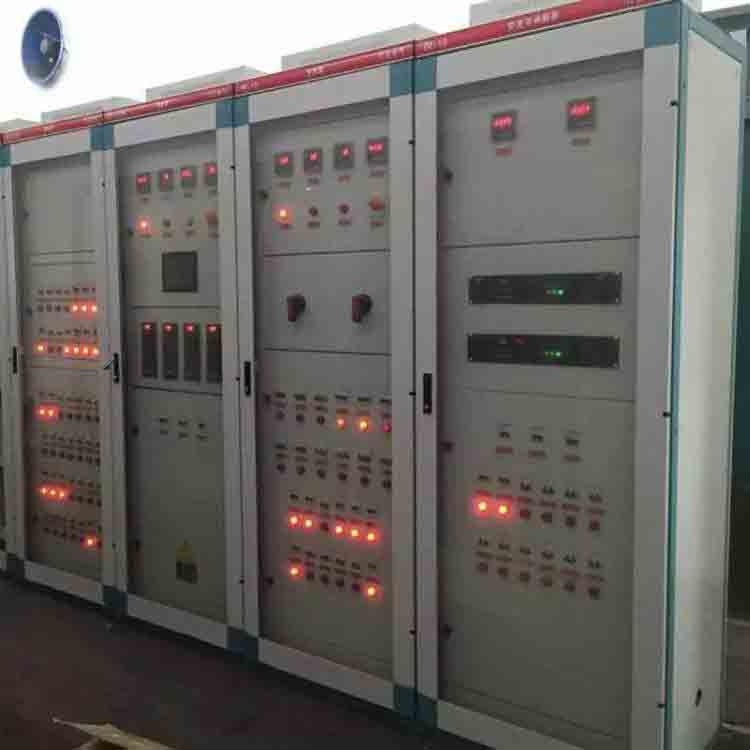
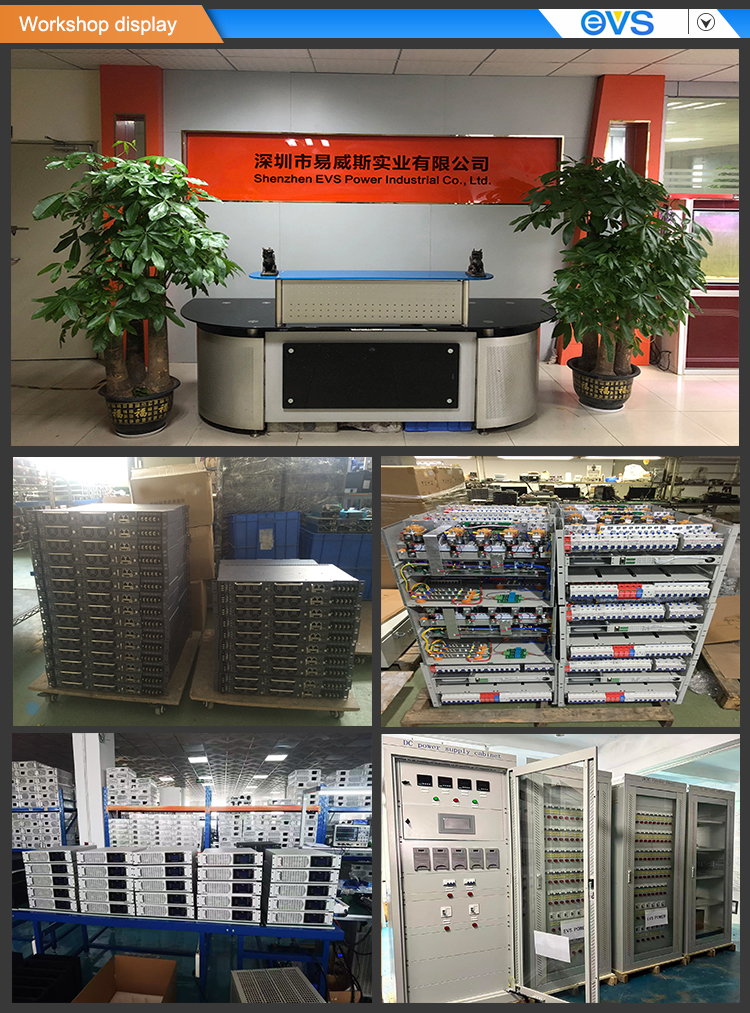
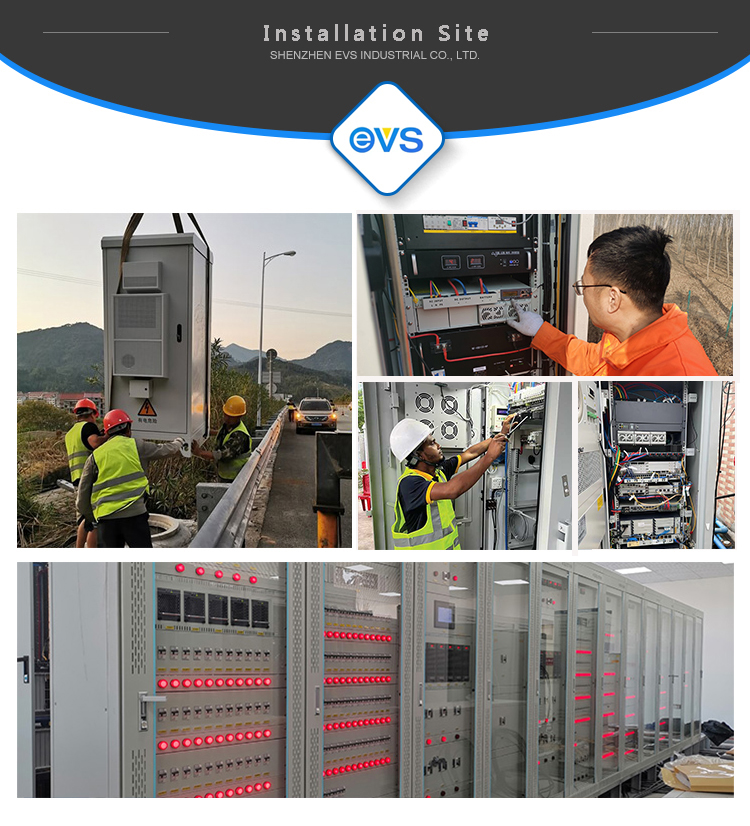



A DC switchgear assembly comprises low-voltage switchgear, converters, float chargers, control modules, measurement instruments, signaling/protection units, and the battery subsystem.
It serves as the system brain, monitoring all operating statuses, managing battery cell voltages to detect early stage deterioration, and ensuring optimal reliability during power outages.
It continuously monitors system grounding conditions, protecting the overall power supply from damage caused by external grounding faults or external connected device issues.
Chargers in these systems typically employ dedicated high-frequency switching power supply modules, offering simplified system design, high reliability, and cost efficiency.
Yes, the built-in communication system provides comprehensive operation data to host computers and triggers local and remote alarms as required.
In a phase loss, the module limits the output current. In case of output overvoltage exceeding 293±6VDC, the system shuts down output automatically to protect connected machinery, requiring a manual power reset to recover.