Engineered to meet the stringent demands of Nordic outdoor network expansion, municipal broadband networks, and sub-zero operations.
Peak Conversion Efficiency
Maximum Ingress Protection
Low Temp Operating Limit
Hours MTBF Rated Design
Sweden stands as a global vanguard of digital society, driven by early adoption of 5G mobile networks, comprehensive fiber-to-the-home (FTTH) programs, and smart public utility grids. However, deploying outdoor telecom systems in Sweden presents extreme engineering challenges that differ significantly from southern markets. The country’s geographic variation—ranging from the temperate coastal zones of Malmö and Gothenburg to the sub-arctic mountainous terrain of Norrland (such as Kiruna)—demands outdoor infrastructures capable of surviving intense environmental stressors.
Moreover, Sweden’s long coastlines expose telecommunication systems to high levels of airborne salinity and relative humidity. Corrosive maritime environments dictate the use of marine-grade materials like structural aluminum alloys or high-durability galvanized steel coated with C5-I grade industrial powder finishes. Municipal operators, system integrators, and major Swedish telcos like Telia, Tele2, and Telenor require ruggedized enclosures, efficient power supplies, and highly reliable DC backup systems that can guarantee unbroken operations in these demanding conditions.
Collaborating with a premium Chinese manufacturer like Guangzhou EVS Powers Co., Ltd. offers Swedish exporters and system integrators a balanced combination of cutting-edge hardware design, rapid scaling, and significant cost savings. The southern Chinese electronic manufacturing hub provides unique advantages in supply chain consolidation that cannot be easily replicated locally in Europe.
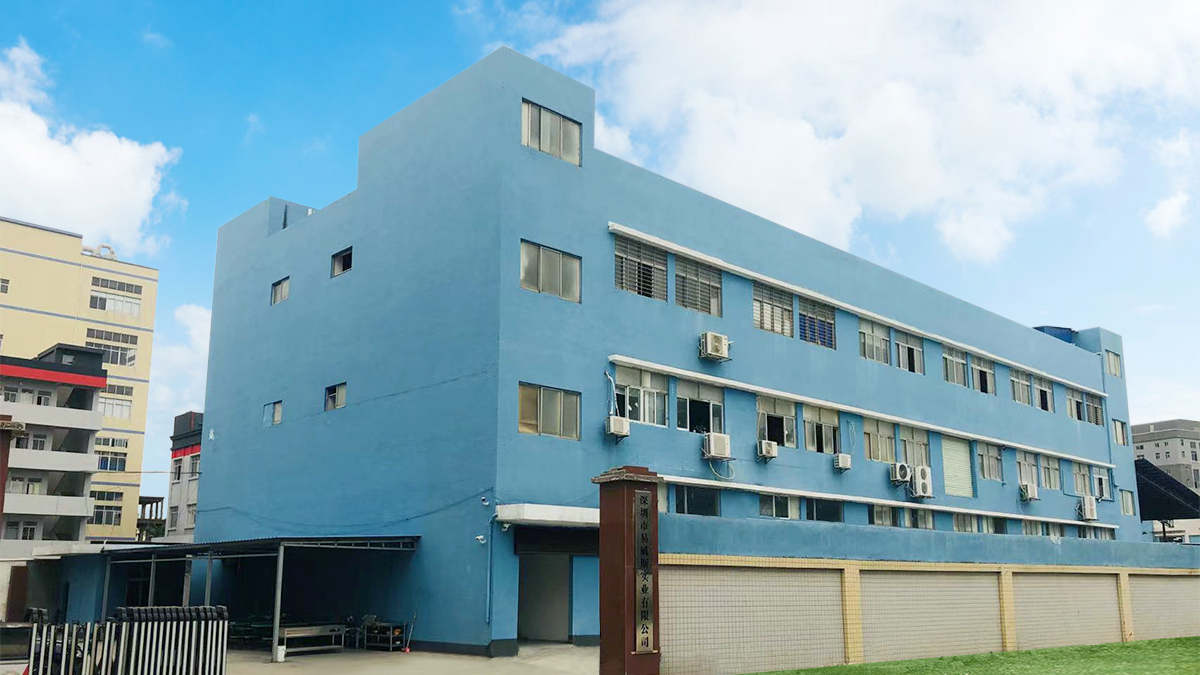
Guangzhou EVS Powers Co., Ltd., located in the prominent international trade center of Guangzhou, is a specialized manufacturer of high-performance switching power supplies, integrated DC power systems, rack-mount power supply units, DC-DC converters, and robust power inverter modules. We also offer comprehensive OEM and ODM electronics development based on custom client requirements.
We believe that client satisfaction is our highest priority, product quality is the foundation of long-term development, and manufacturing efficiency is our core competitive advantage. With an outstanding credit standing and dedicated service, we have built trusted partnerships and secured long-term contracts with industry clients across Europe, North and South America, Australia, the Middle East, and Southeast Asia.
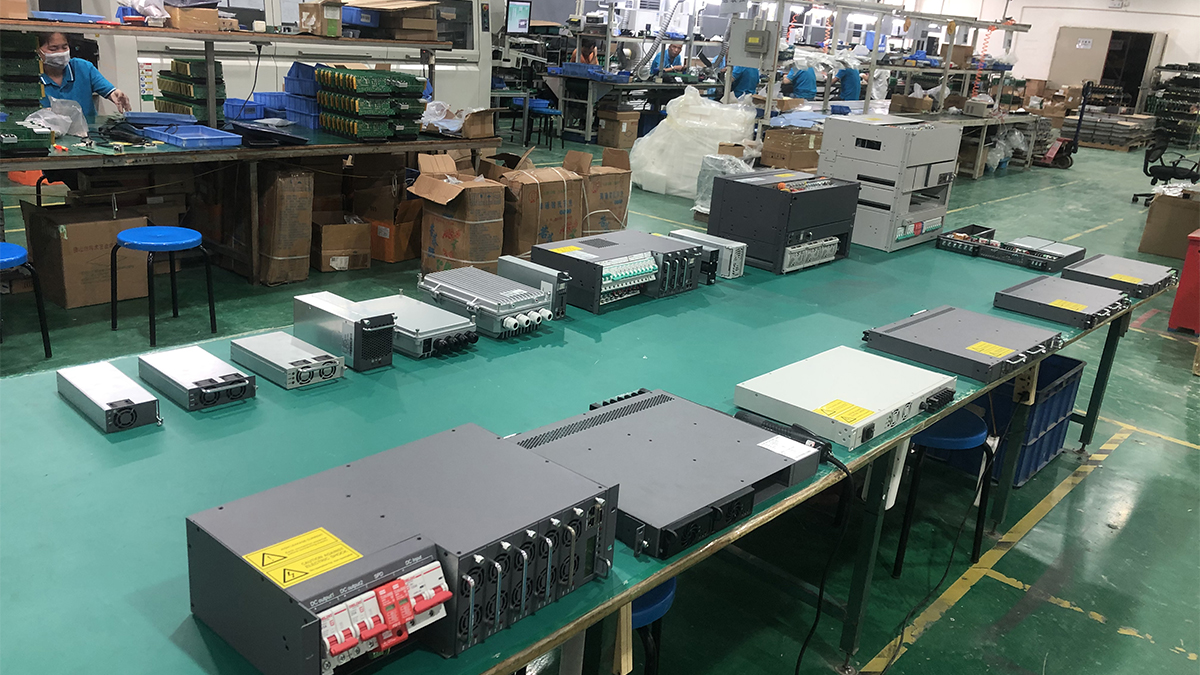
Our modern manufacturing facility relies on specialized, automated equipment and skilled manual processes to ensure that every outdoor telecom module achieves exceptional physical durability and electrical stability. Below is a step-by-step look at our core production processes:
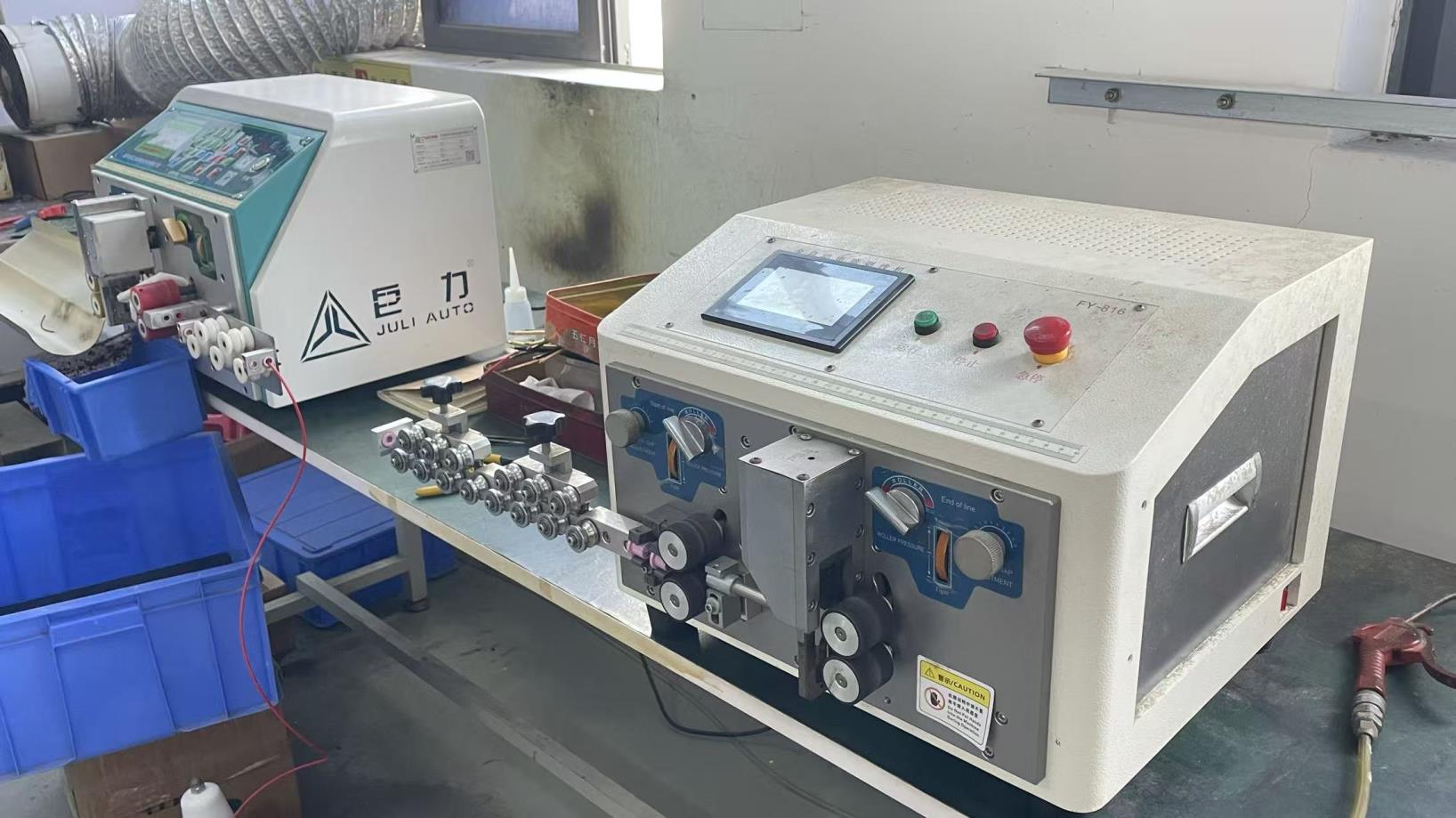 Wire Cutting
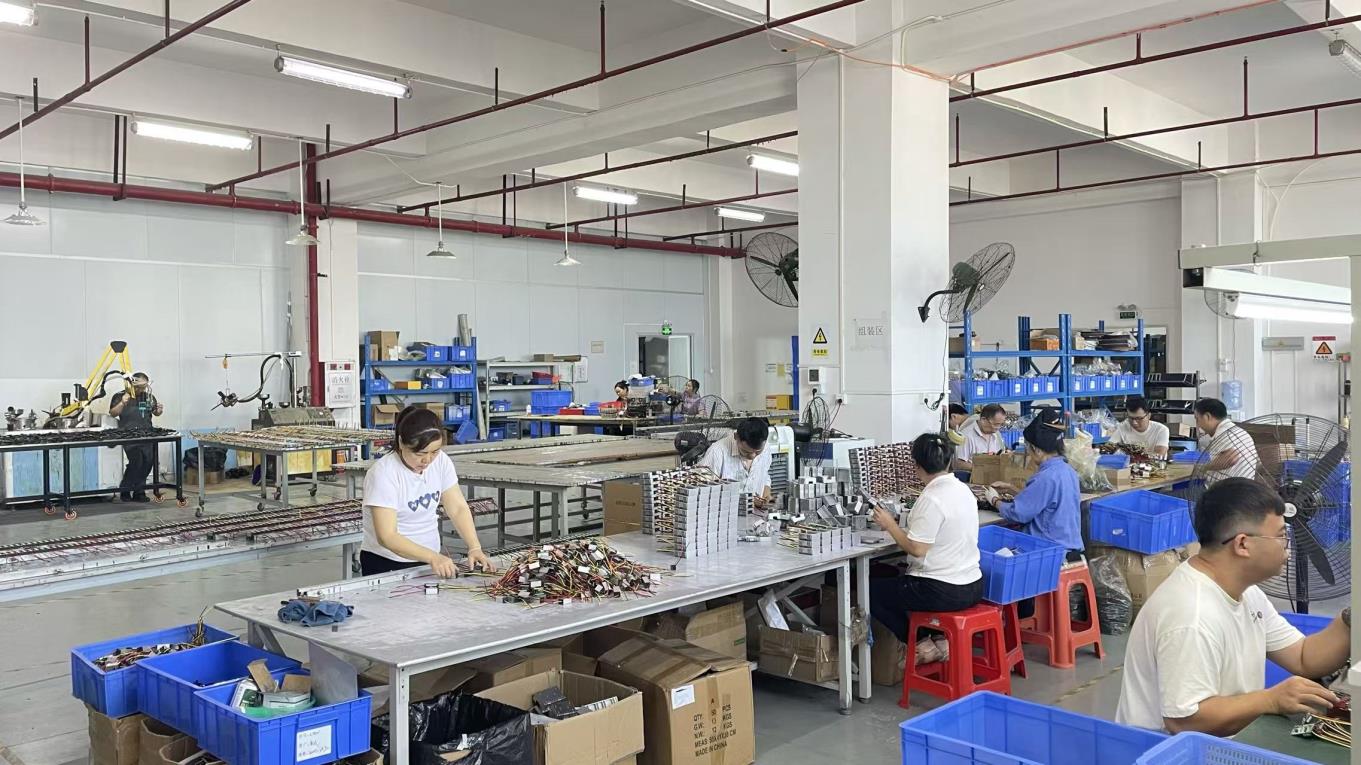 Plug-In
 Soldering Tin
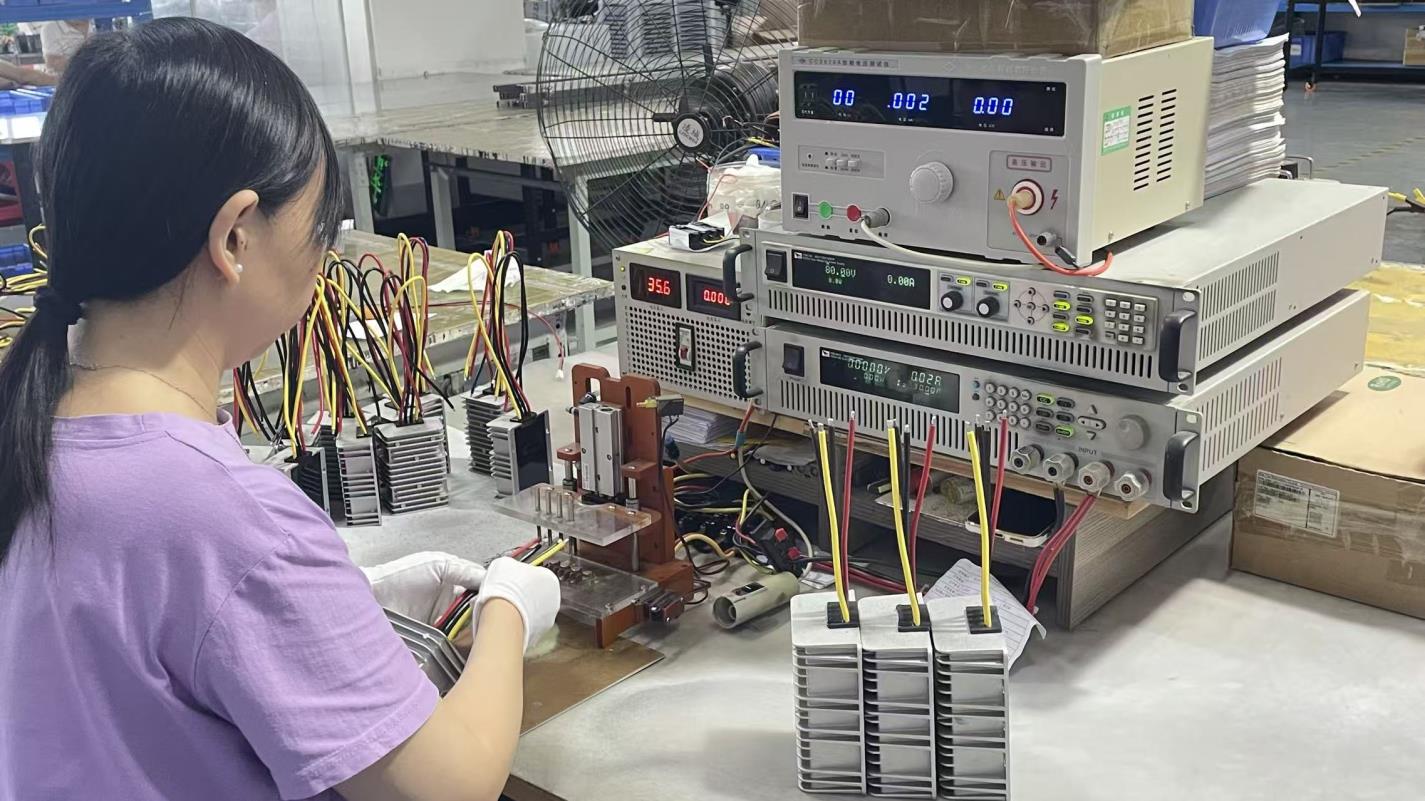 Testing
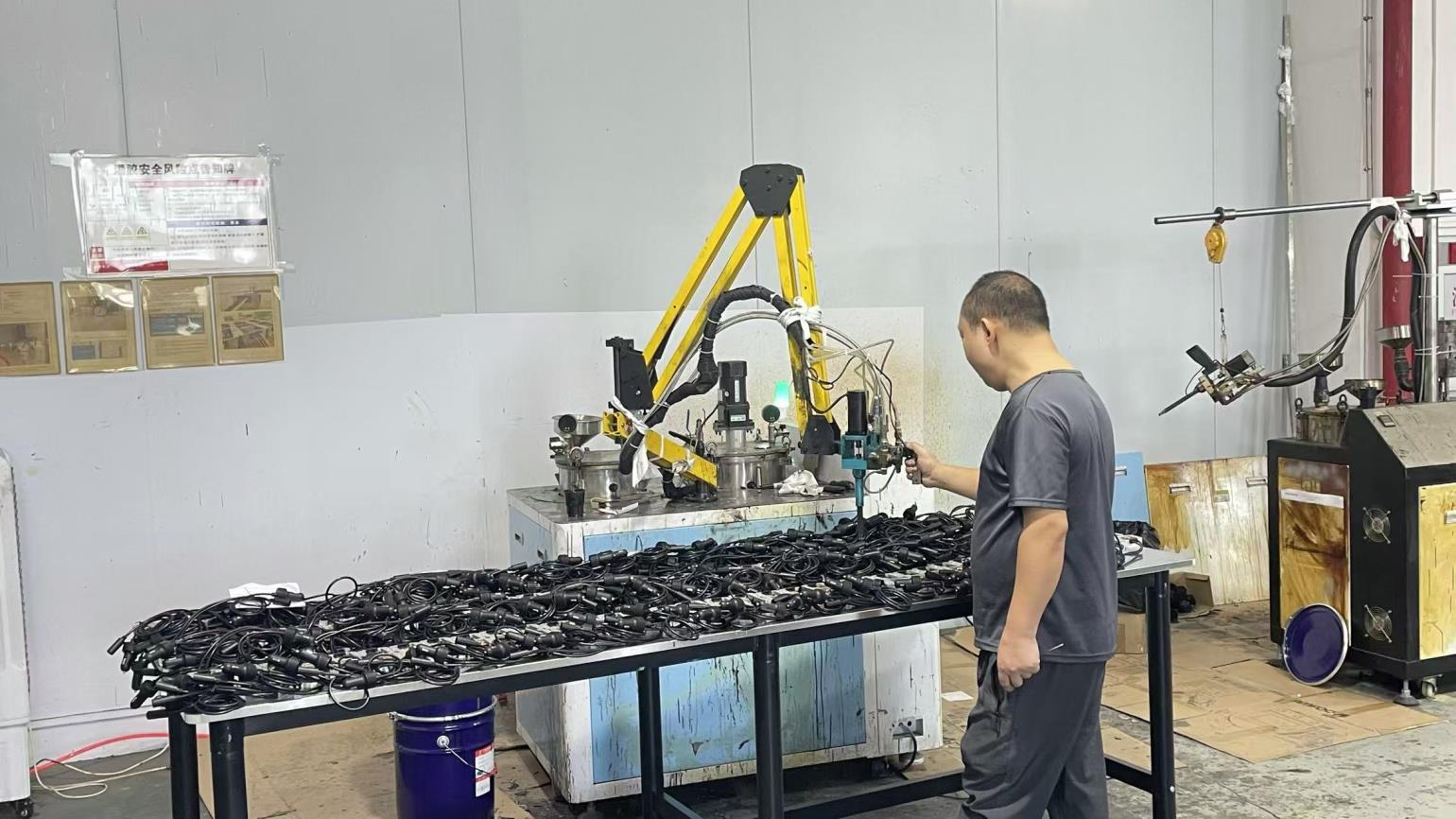 Glue Filling
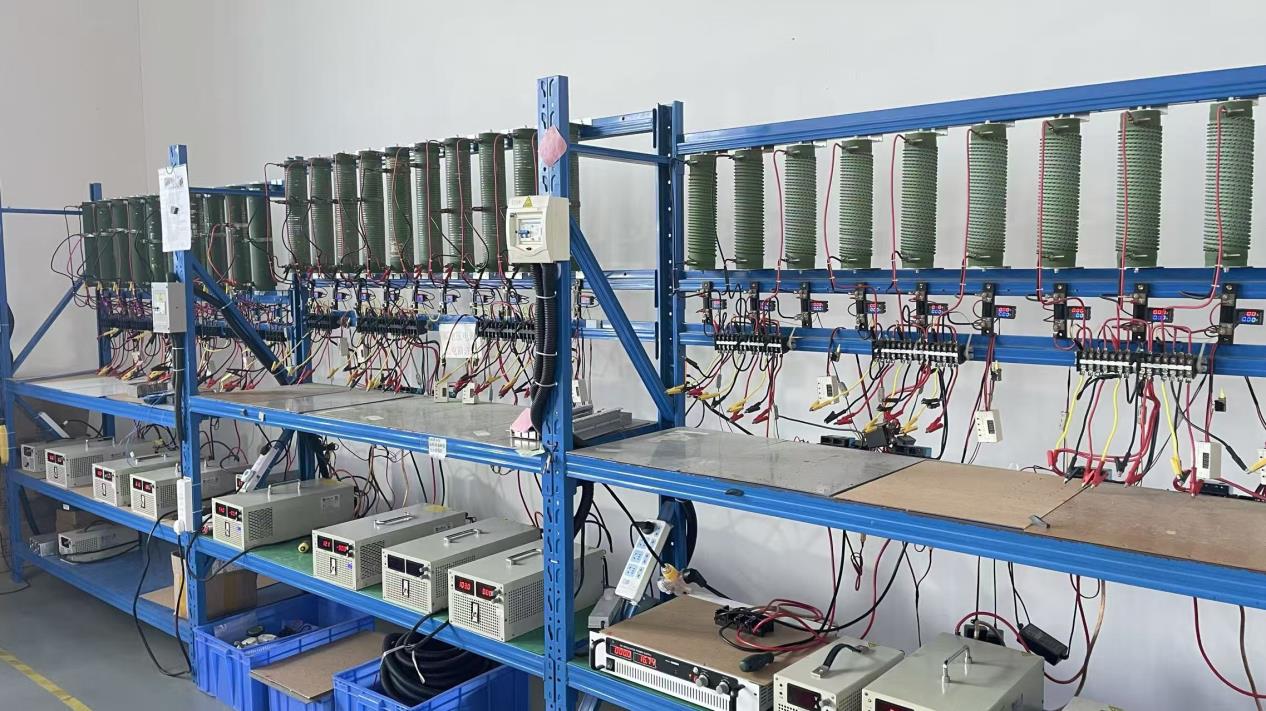 Burn-In Test
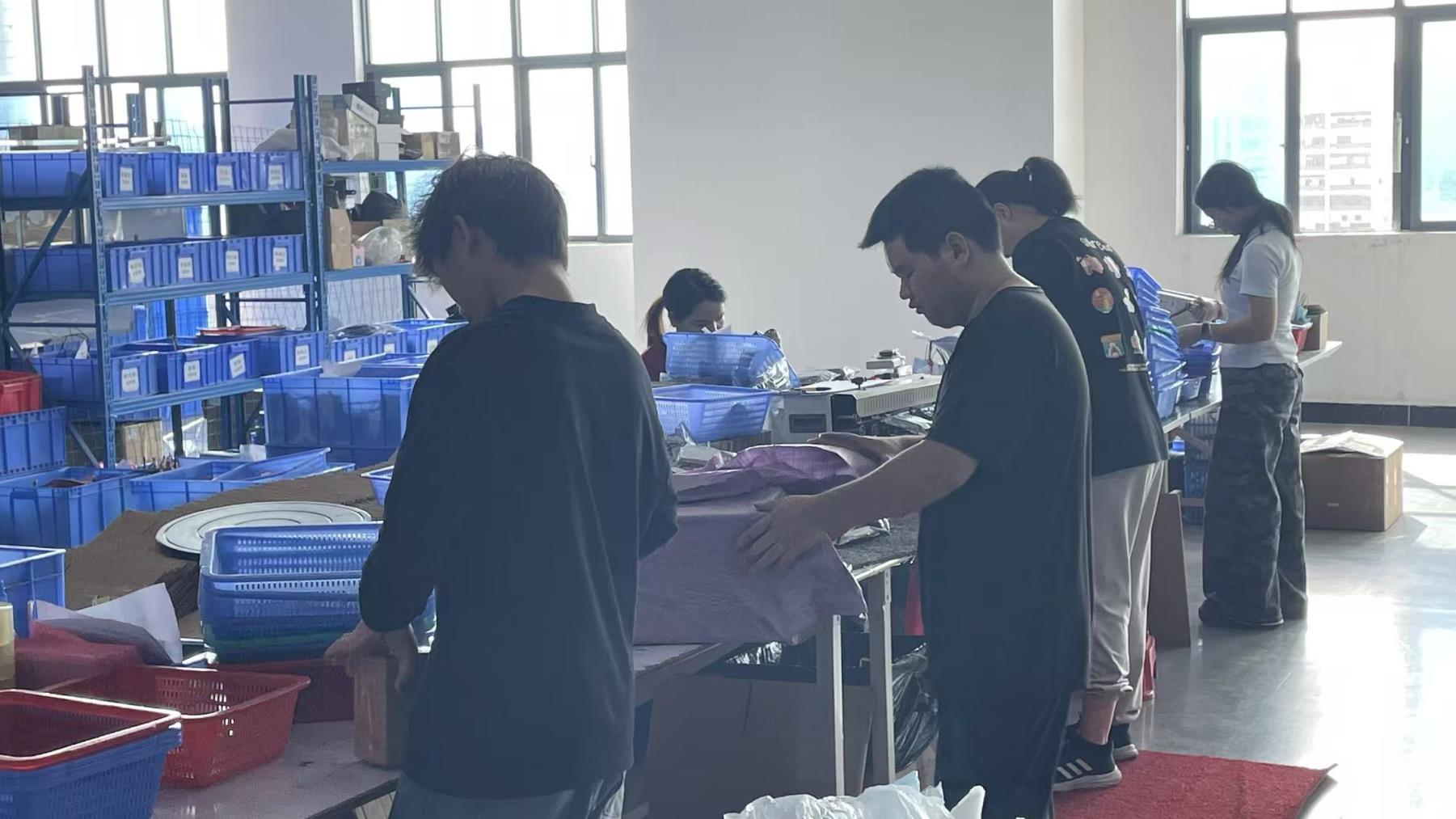 Packaging
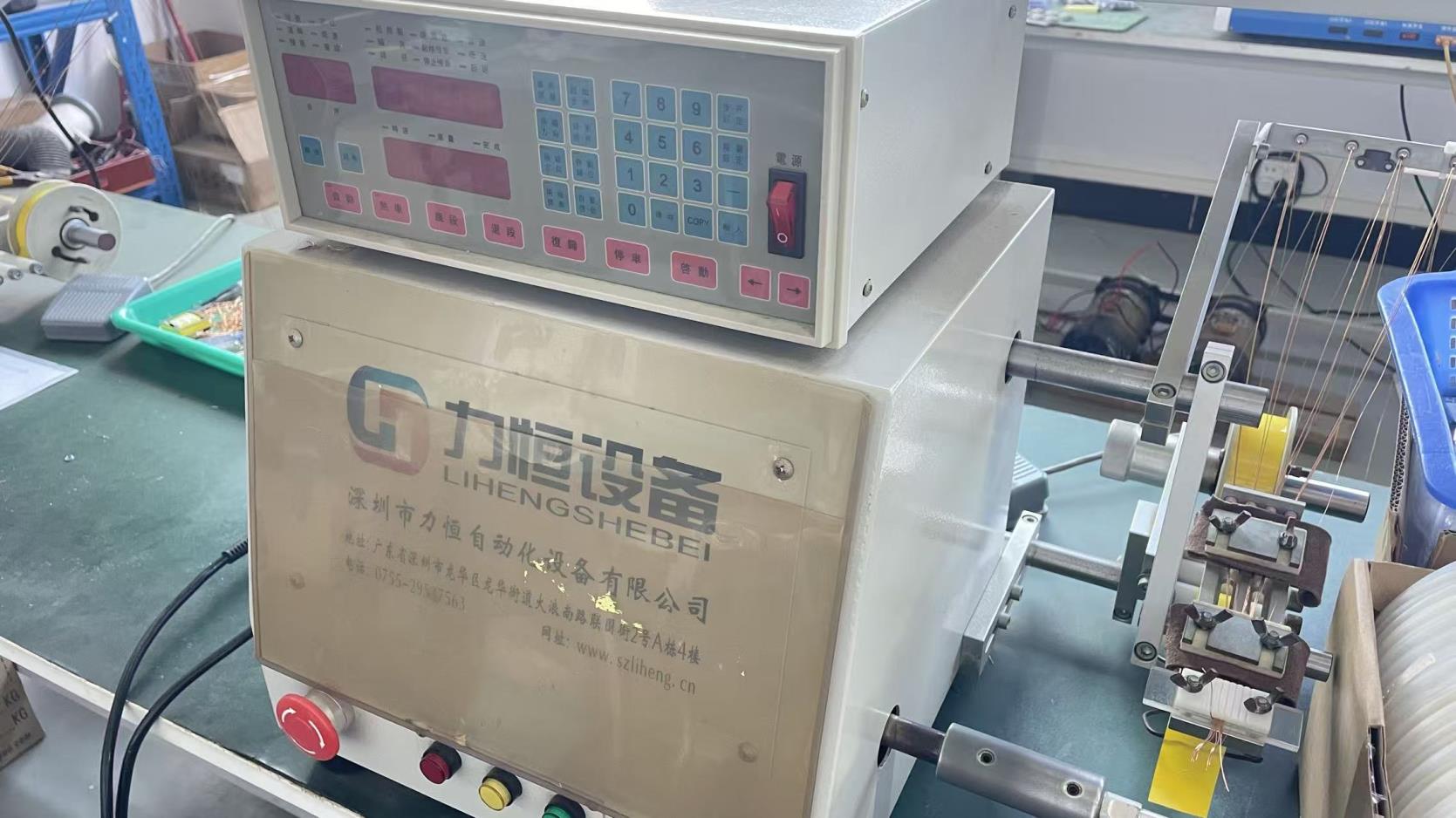 Winding Machine
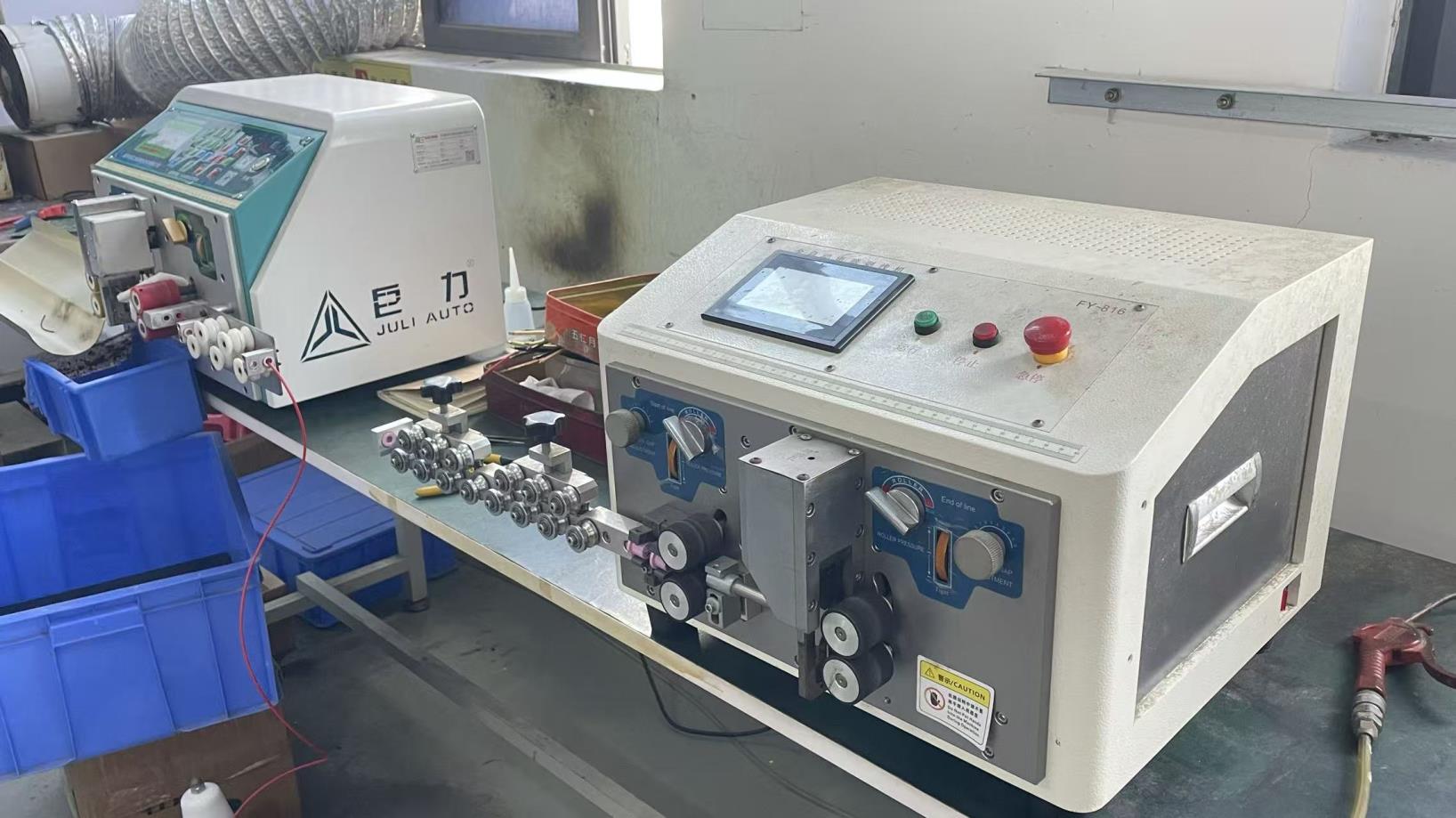 Wire Cutting Machine
 Auto-Soldering
 Laser Engraving
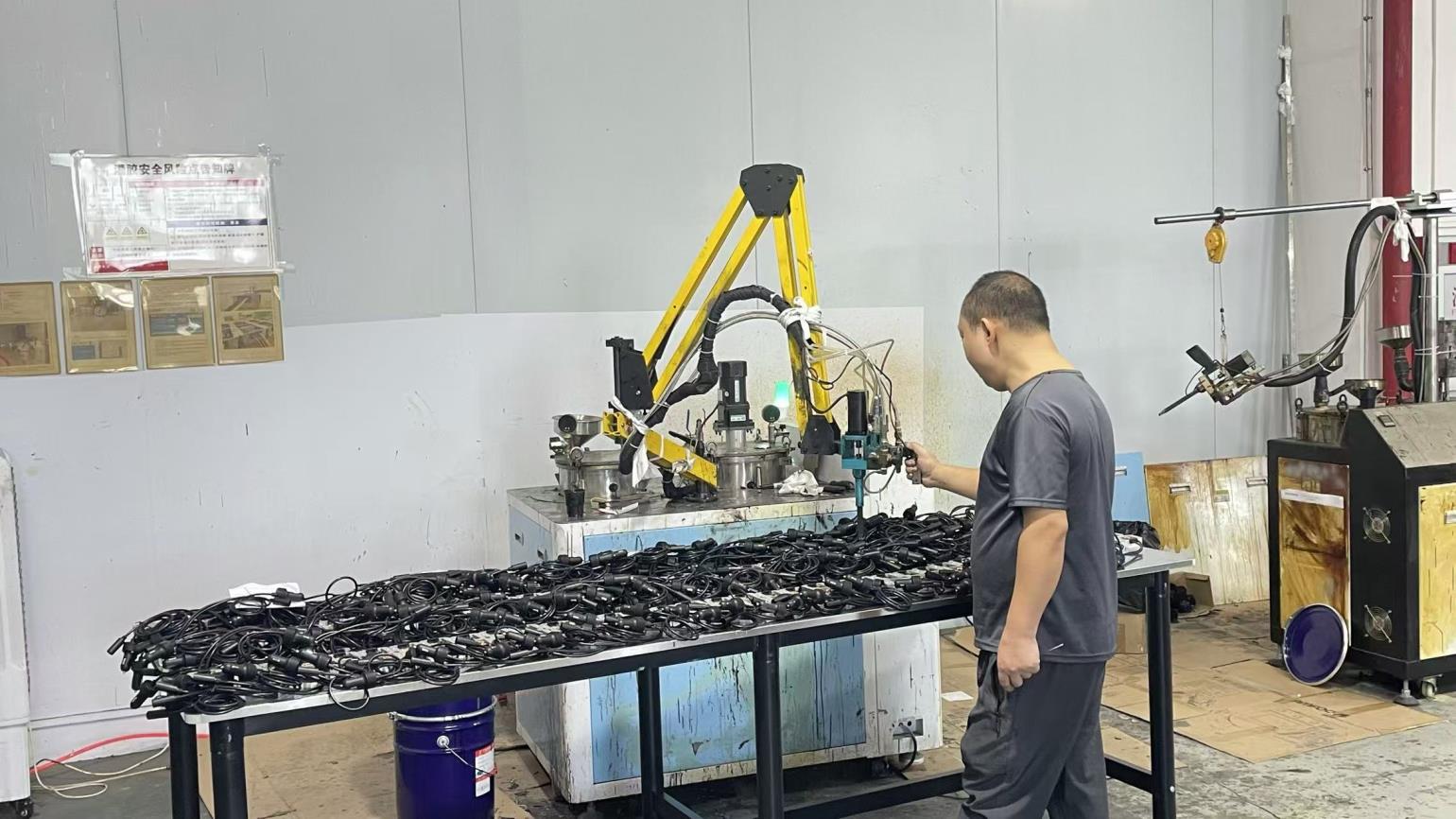 Canning Machine
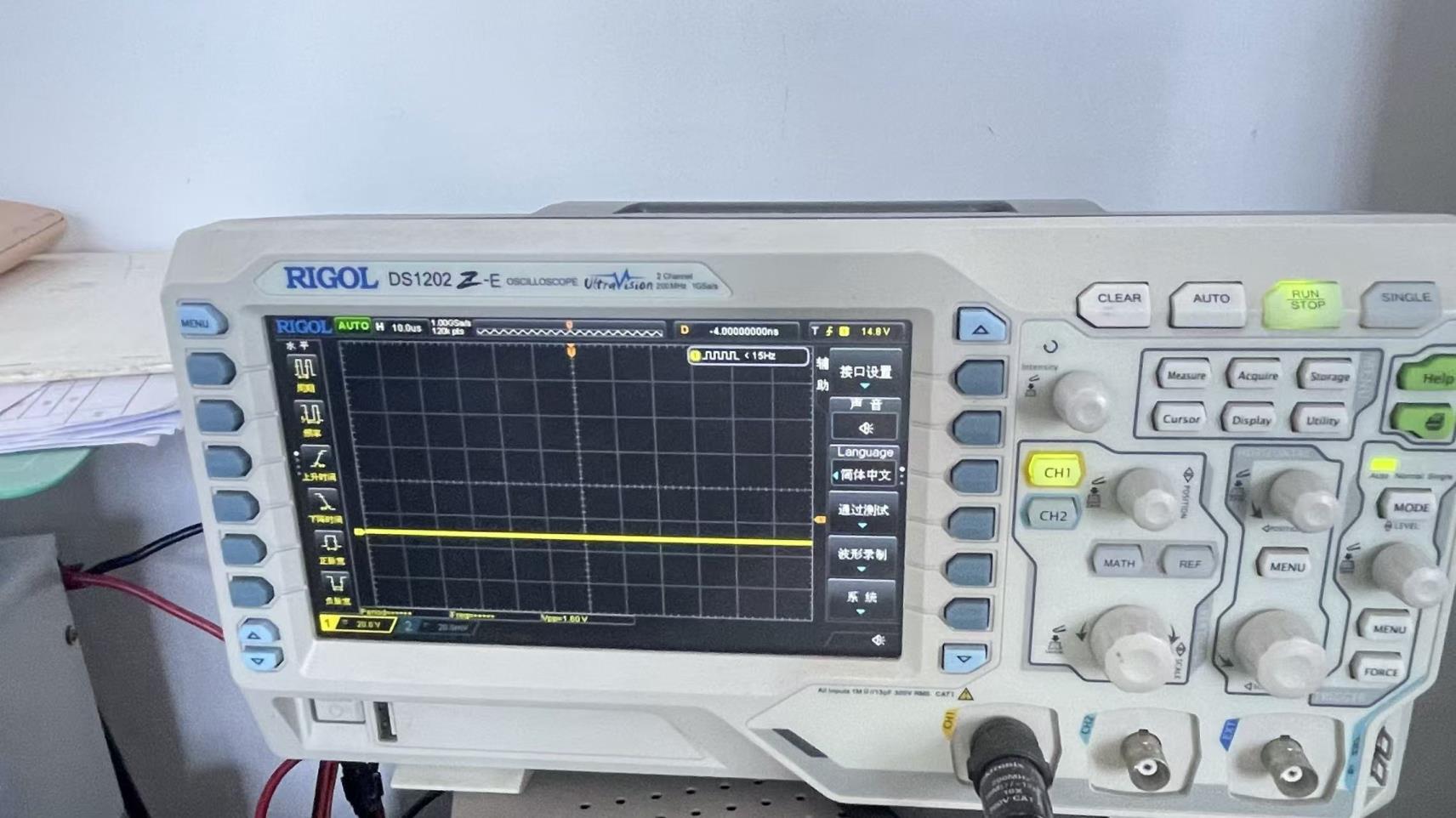
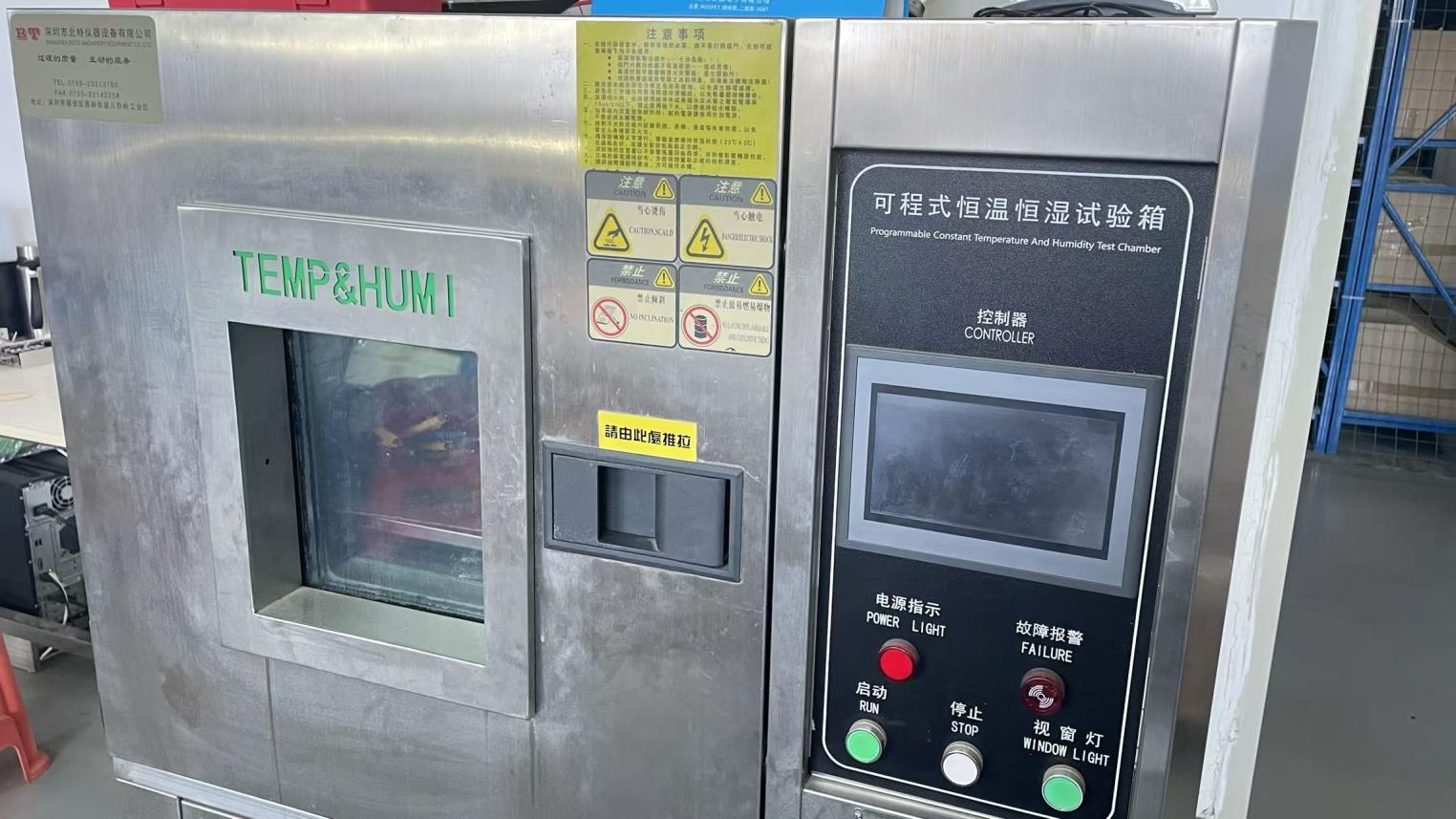
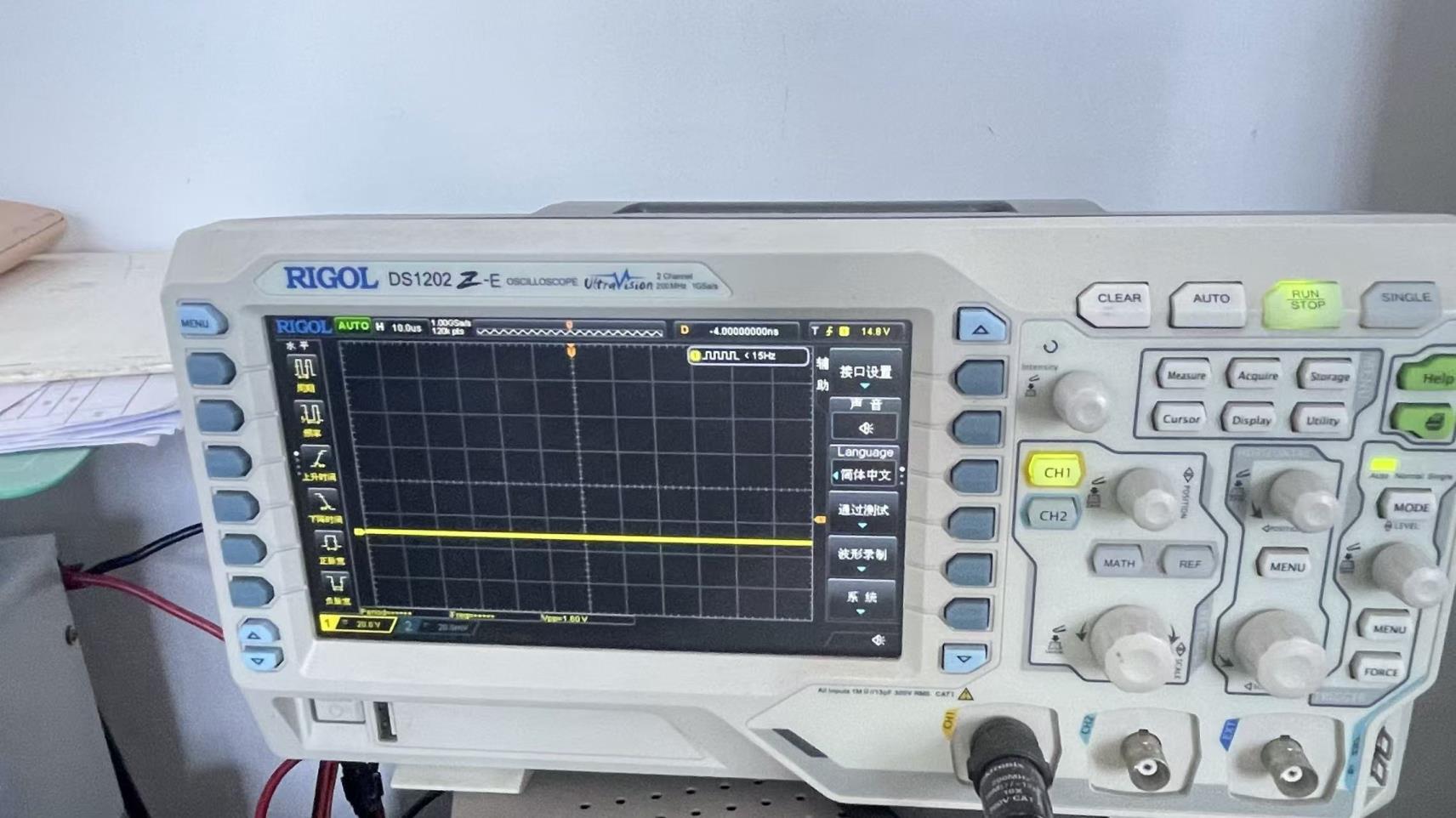
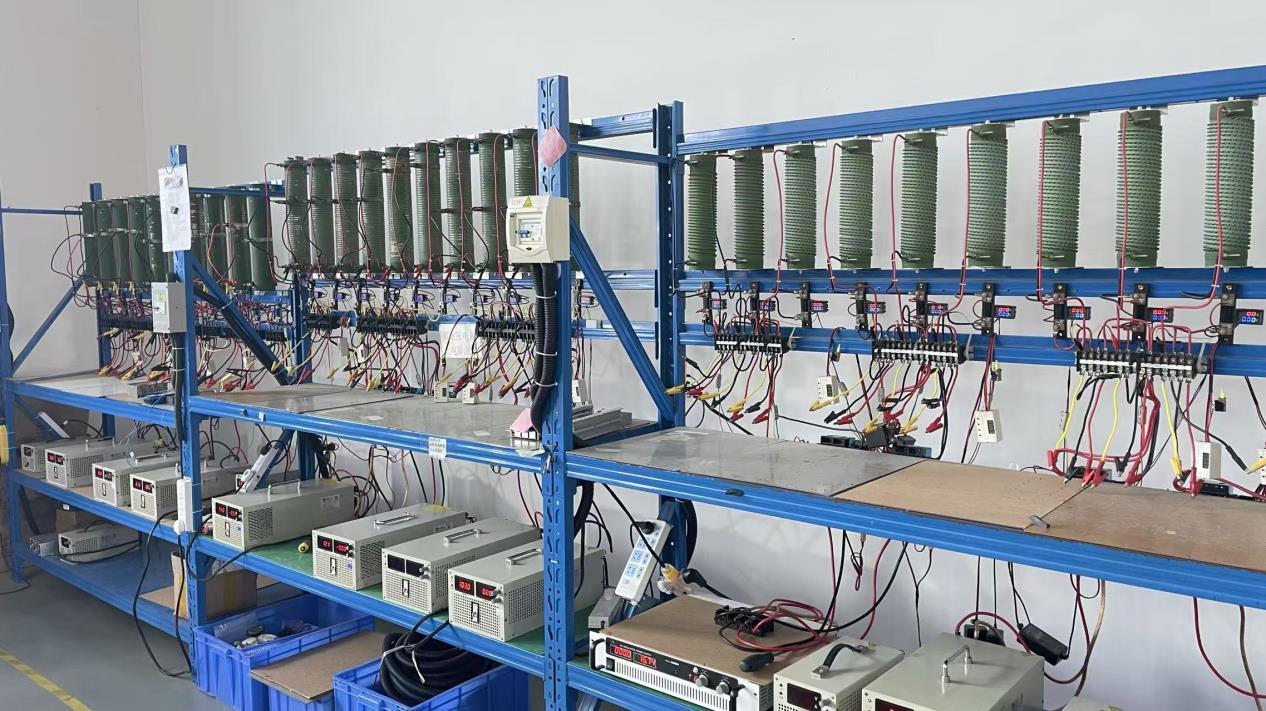
To operate reliably in harsh Northern European climates, outdoor equipment must undergo stringent quality testing. A power supply or enclosure cannot simply look the part—it must be proven to perform. EVS maintains a fully-equipped test lab to verify the mechanical integrity, thermal properties, and electrical stability of our products under extreme conditions.
Our quality assurance processes rely on a range of specialized testing systems:
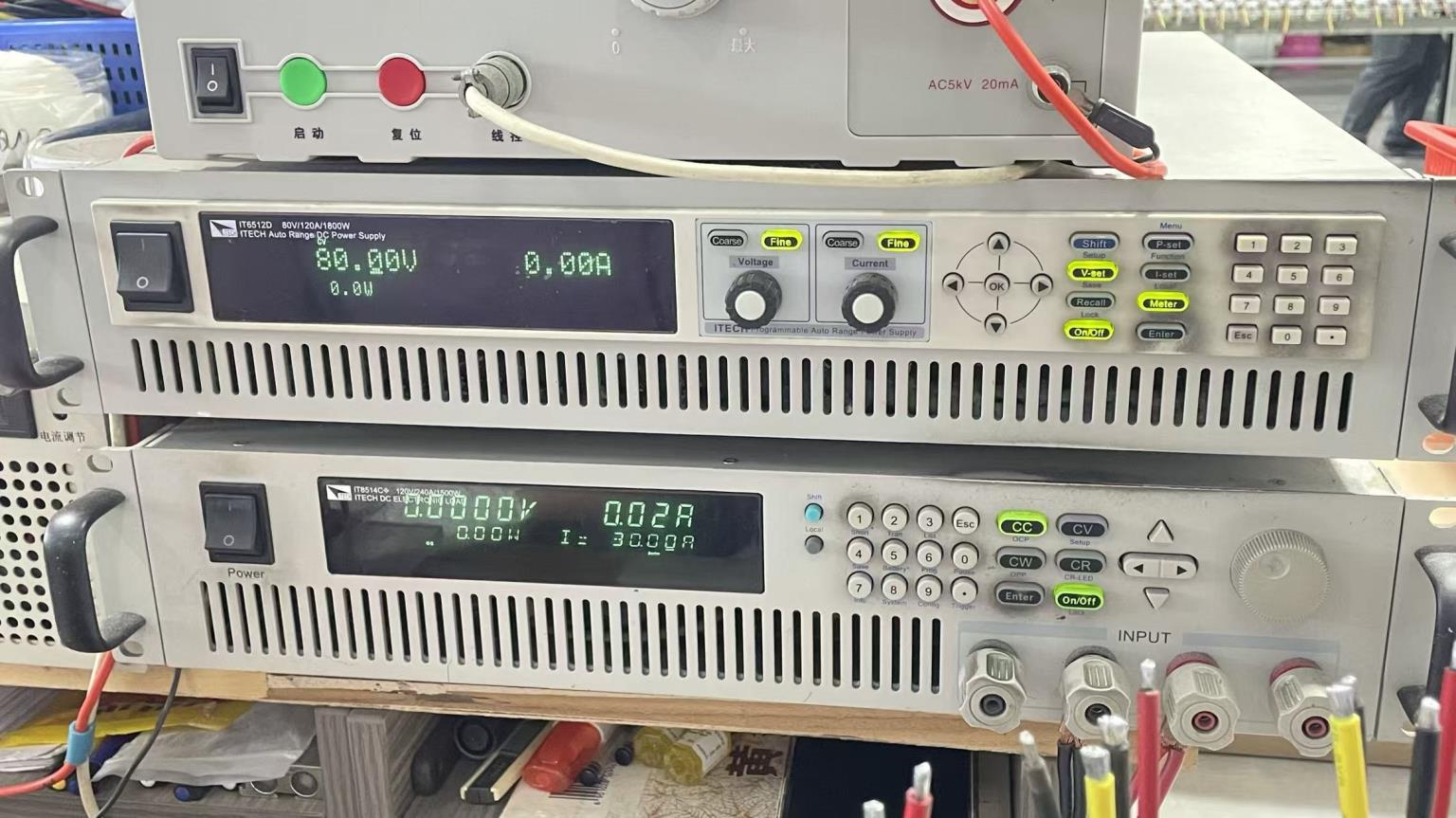 DC Power Tester
 AC Withstand Tester
 Temp & Humidity Chamber
 Optical Microscope
 Aging Test Line
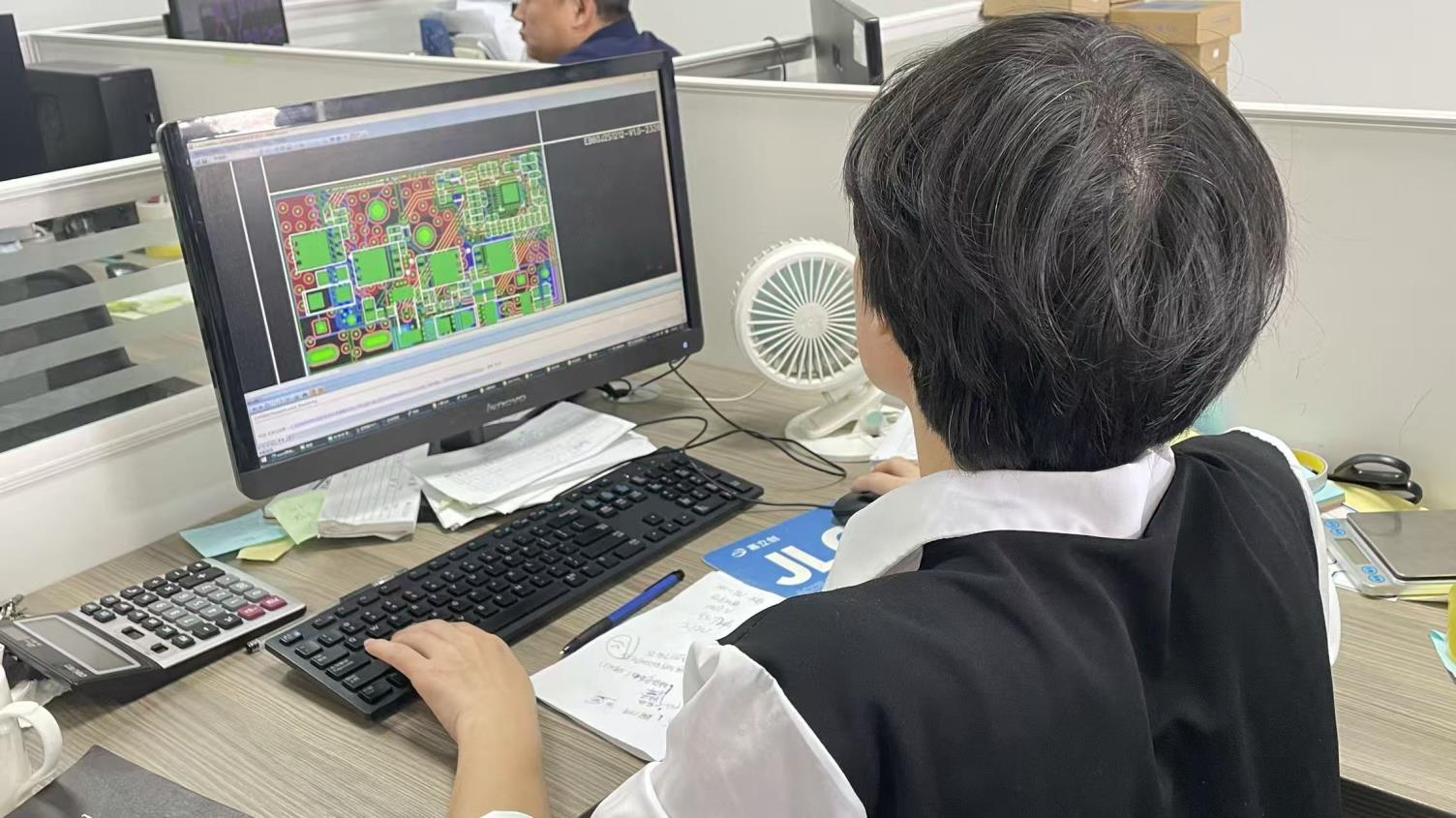 Design & CAD Center
Deploying telecommunication hardware in Sweden requires matching specific equipment features to the target environment. Typical deployment scenarios include:
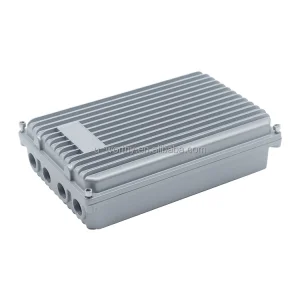
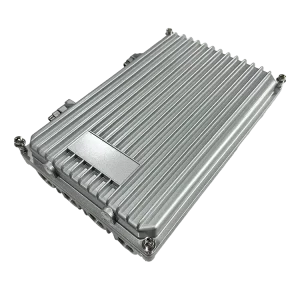
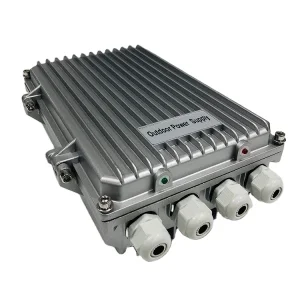
Sweden's archipelagos contain thousands of small, scattered islands that require wireless connectivity. Systems deployed here face continuous saltwater spray, wind-driven rain, and high humidity. Solution: Deploying high-efficiency rectifiers housed inside IP67 cast-aluminum enclosures prevents salt-crust accumulation on internal components, while external heatsinks manage thermal dissipation without requiring open-loop fans.
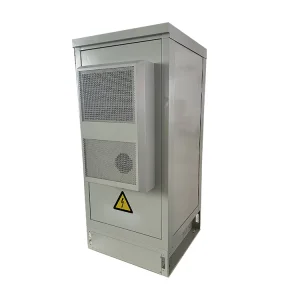
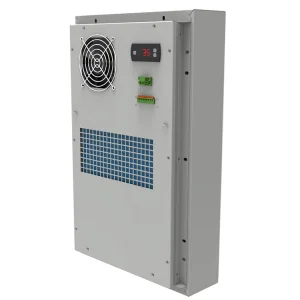
Fiber-optic distribution nodes in remote northern regions must operate in sub-zero temperatures. High-capacity active fiber routers generate considerable internal heat, but backup lithium-ion batteries cannot be safely charged below freezing without causing cell damage. Solution: 42U double-walled enclosures equipped with integrated AC220V intelligent climate control systems and supplementary heating strips keep the interior at a stable +10°C to +20°C, even when external temperatures fall below -40°C.
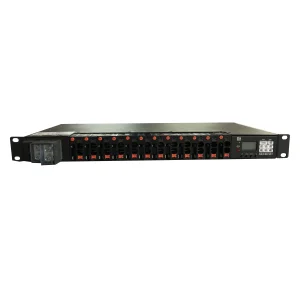
Cities like Stockholm, Gothenburg, and Malmö are integrating micro-telecom nodes and edge-compute gateways directly into municipal street lighting and EV charging posts. Solution: Compact, wall-mounted 48V power boxes with space-saving 1U PDU profiles deliver clean power distribution and remote status monitoring without taking up valuable pavement space.
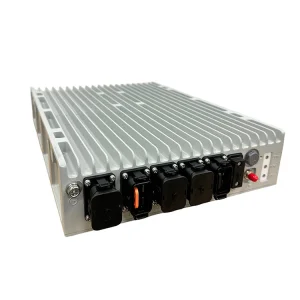
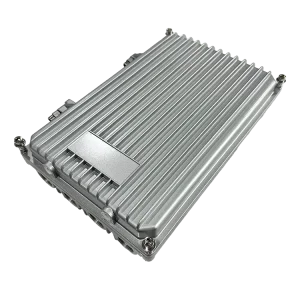
High-performance rectifiers, battery storage cabinets, ruggedized enclosures, and thermal management modules.
The outdoor power sector is undergoing a rapid technological evolution driven by energy cost control, environmental regulations, and structural transitions to high-bandwidth edge networks.
Traditional outdoor power systems operated at 88% to 92% electrical conversion efficiency. The remaining power was lost as heat, requiring additional cooling inside the enclosure. Modern switching power systems utilize synchronous rectification and wide-bandgap semiconductors (such as Gallium Nitride/Silicon Carbide) to push conversion efficiencies past 96%. For a network operator running thousands of base stations, a 4% efficiency boost across their infrastructure translates to thousands of megawatt-hours saved annually, matching Sweden's strict environmental policies.
Modern remote outdoor cabinets are designed to connect to mixed-mode power inputs. In addition to a standard AC grid line, these systems can connect directly to DC inputs from wind generators or solar arrays. This approach eliminates unnecessary DC-to-AC conversion steps, improving overall efficiency and keeping critical remote stations running even during primary grid failures.
Older lead-acid battery banks are heavy, sensitive to cold temperatures, and wear out quickly in deep-cycle setups. Compact Lithium Iron Phosphate (LiFePO4) batteries managed by intelligent battery monitoring systems (BMS) are rapidly replacing them. These newer batteries provide longer service lives, handle cold weather much better, and fit neatly inside standard 19-inch racks alongside communication hardware.
To ensure a smooth transition from sourcing to commissioning, procurement managers should evaluate suppliers against a few key engineering requirements:
Technical answers regarding outdoor telecom infrastructure, import logistics, and customization options.
 EVS Powers