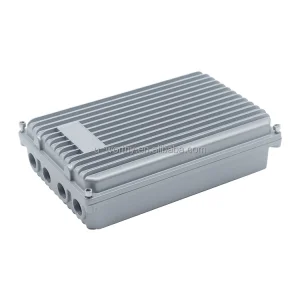
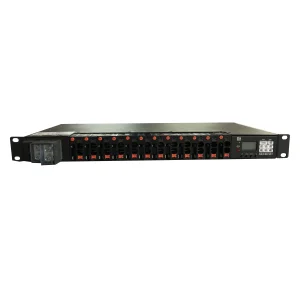
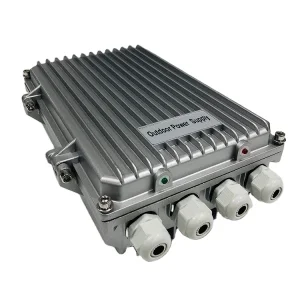
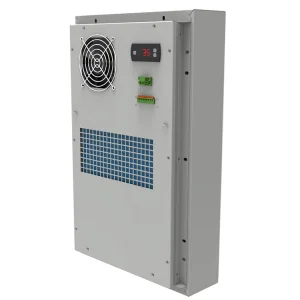
Featured outdoor rectifiers and weatherproof battery cabinets designed for smart municipal infrastructure and manufacturing corridor nodes
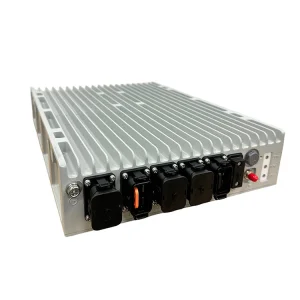

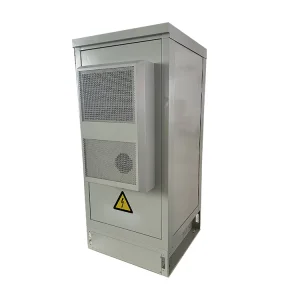
A comprehensive analysis of Chubu's unique operational challenges and global procurement metrics
Nagoya, the capital of Japan's Aichi Prefecture, represents the industrial heartland of the nation. Renowned for its highly advanced automotive, aviation, and precision machinery ecosystems (centering around Chubu's automotive giants and aerospace clusters), the region is pioneering the transition toward **Society 5.0** and fully automated smart manufacturing. This evolution requires massive high-bandwidth outdoor telecommunication arrays, IoT edge nodes, and automated guided vehicle (AGV) private LTE networks that operate without interruption.
Deploying infrastructure in the Nagoya region introduces severe engineering challenges. The Port of Nagoya, one of the busiest maritime hubs in Japan, is exposed to high salinity, persistent ocean moisture, and intense summer humidity. These environments demand outdoor telecom cabinets with high Ingress Protection (IP) ratings (minimum IP55 to IP67) and advanced anti-corrosion coatings to resist salt-spray damage over decade-long lifecycles.
Nagoya features a humid subtropical climate, marked by blistering summer temperatures that frequently exceed 38°C, alongside sudden localized downpours (Guerrilla Rainstorms) and severe typhoon exposure. Simultaneously, winter temperatures drop near freezing, creating high risk for equipment condensation. Standard indoor power units fail under these thermal fluctuations.
Additionally, Japan's seismic risk profile means every outdoor telecom structure must adhere to rigorous structural integrity and vibration-resistance criteria. Equipment must be lightweight yet rigid, featuring seismic base anchoring. Rectifiers and battery backup systems must maintain operational continuity during unexpected grid dropouts, bridging the critical seconds before localized backup diesel generators trigger or providing extended runtimes through advanced LiFePO4 chemistry.
Global operators mandate switching power supplies reaching 96%+ efficiency. Higher efficiency cuts thermal dissipation, lowering energy costs in dense, closed-enclosure environments in hot Nagoya summers.
To mitigate port-side salinity and coastal typhoons, enclosures are shifting to dual-chamber cooling architectures that isolate power electronics and high-capacity battery units from ambient outdoor air.
Eco-conscious mandates demand R134a ozone-friendly refrigerants and intelligent variable-speed cooling loops that dynamically scale power draw based on actual thermal load.
Engineered to protect critical signal lines and convert voltage lines in harsh outdoor settings
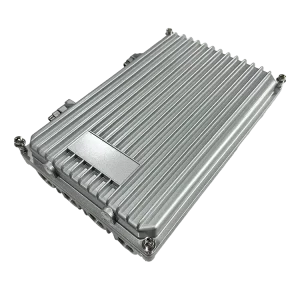
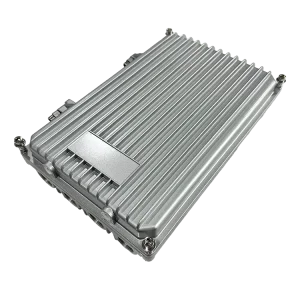

Unlocking extreme precision, rapid lead times, and global standard compliance through automated production
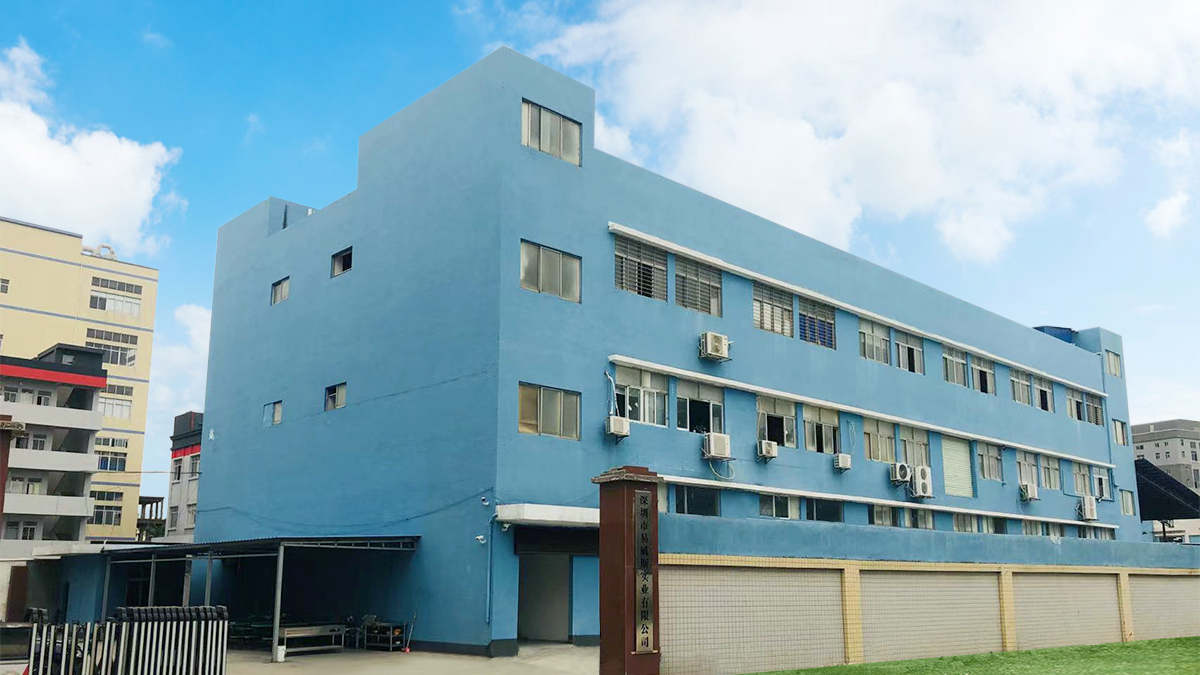
For Japanese industrial buyers and procurement officers in the Nagoya region, balancing extreme quality standards with cost-effectiveness is a primary driver. Guangzhou EVS Powers Co., Ltd. fills this market gap by operating an advanced manufacturing center in Guangzhou. EVS Powers fuses cutting-edge electronics manufacturing processes with high-quality components to produce reliable switching power systems, DC/DC converters, and integrated telecom enclosures.
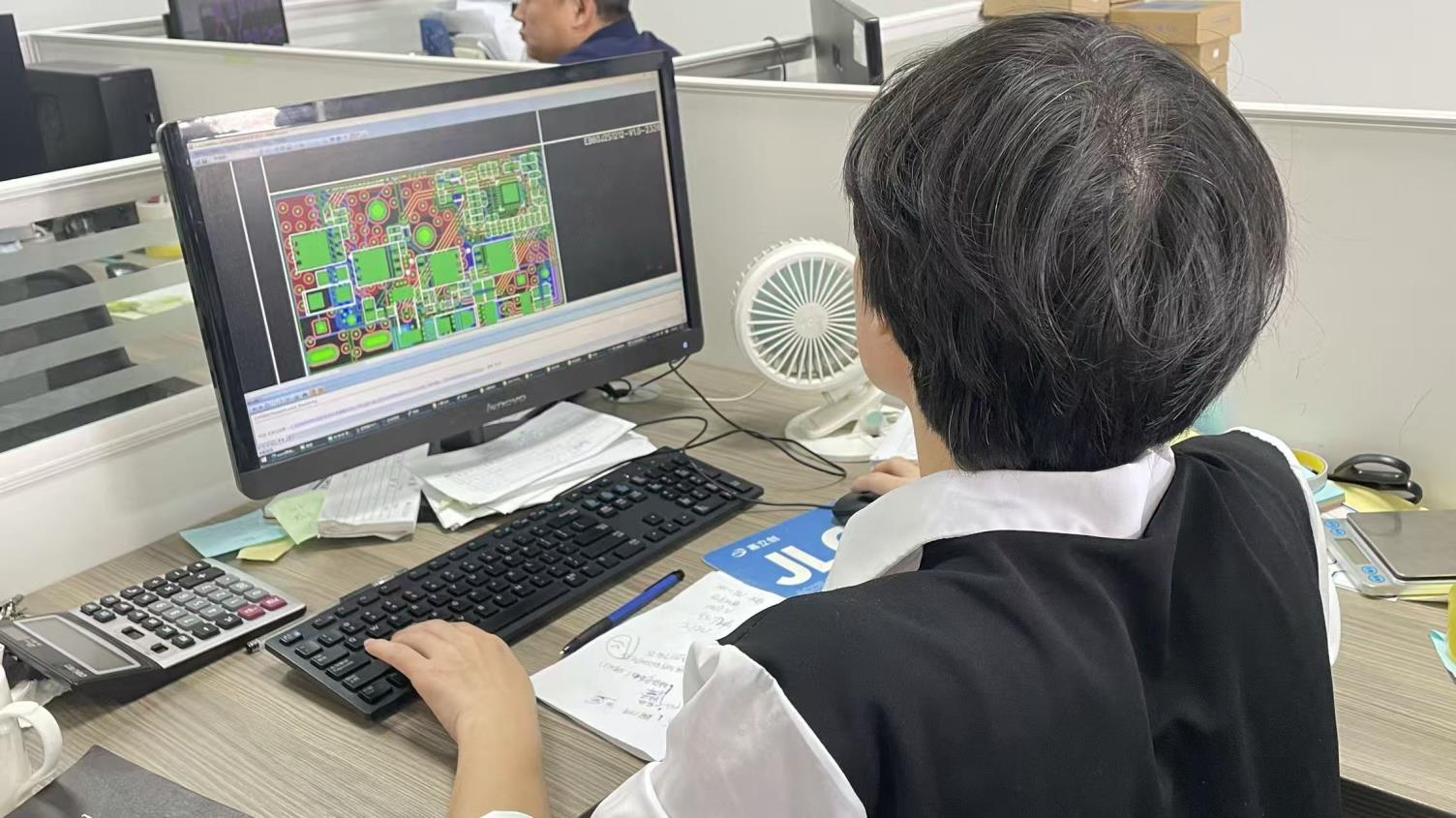
Our Factory 4.0 model emphasizes end-to-end automation, reducing manual variations. From automatic high-precision winding machines to automated wave soldering and hermetic glue-filling apparatus, each stage of manufacture is designed to maximize reliability. This is particularly crucial for outdoor subsystems operating in Nagoya's high-humidity zones, where slight manufacturing variances can cause moisture intrusion and premature circuit board shorts.
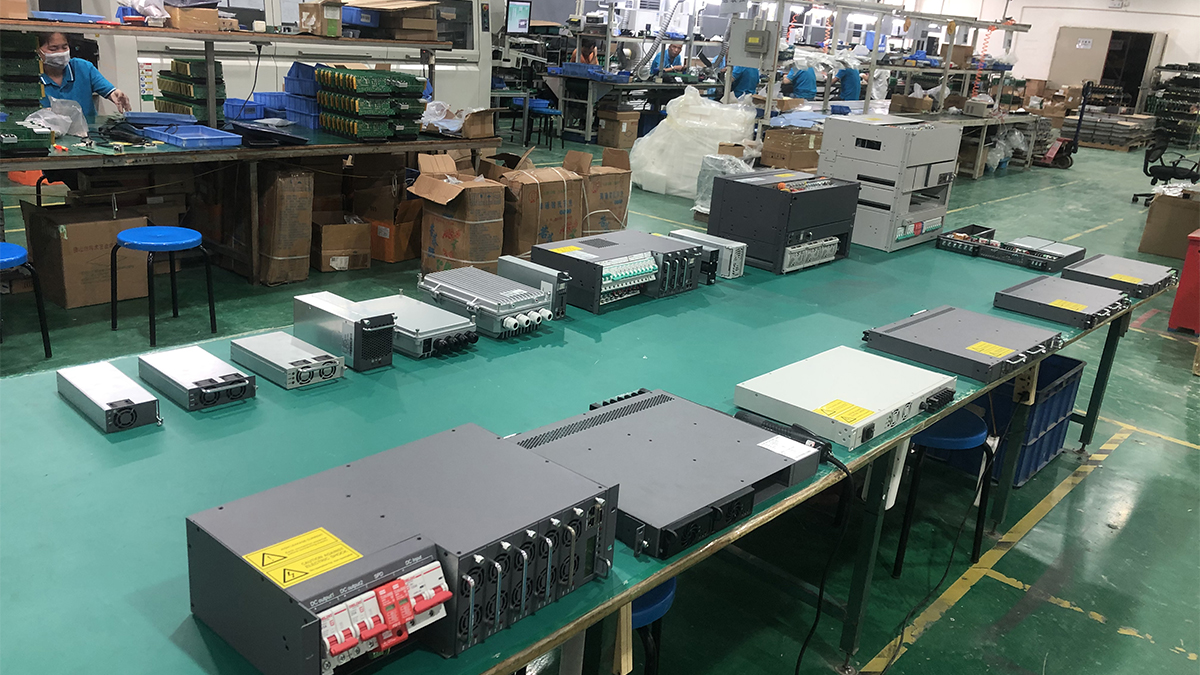
EVS Powers Overview: Located in the international trade hub of Guangzhou, Guangzhou EVS Powers Co., Ltd. is a specialized manufacturer of high-availability switching power supplies, DC power systems, custom power rectifiers, DC-DC converters, and power inverters. By prioritising client cost savings without compromising on base material quality, EVS has established a sterling reputation across Europe, the Americas, Australia, Southeast Asia, and the domestic market. We actively share engineering insights and technology with partners worldwide to build reliable, high-uptime power grids.
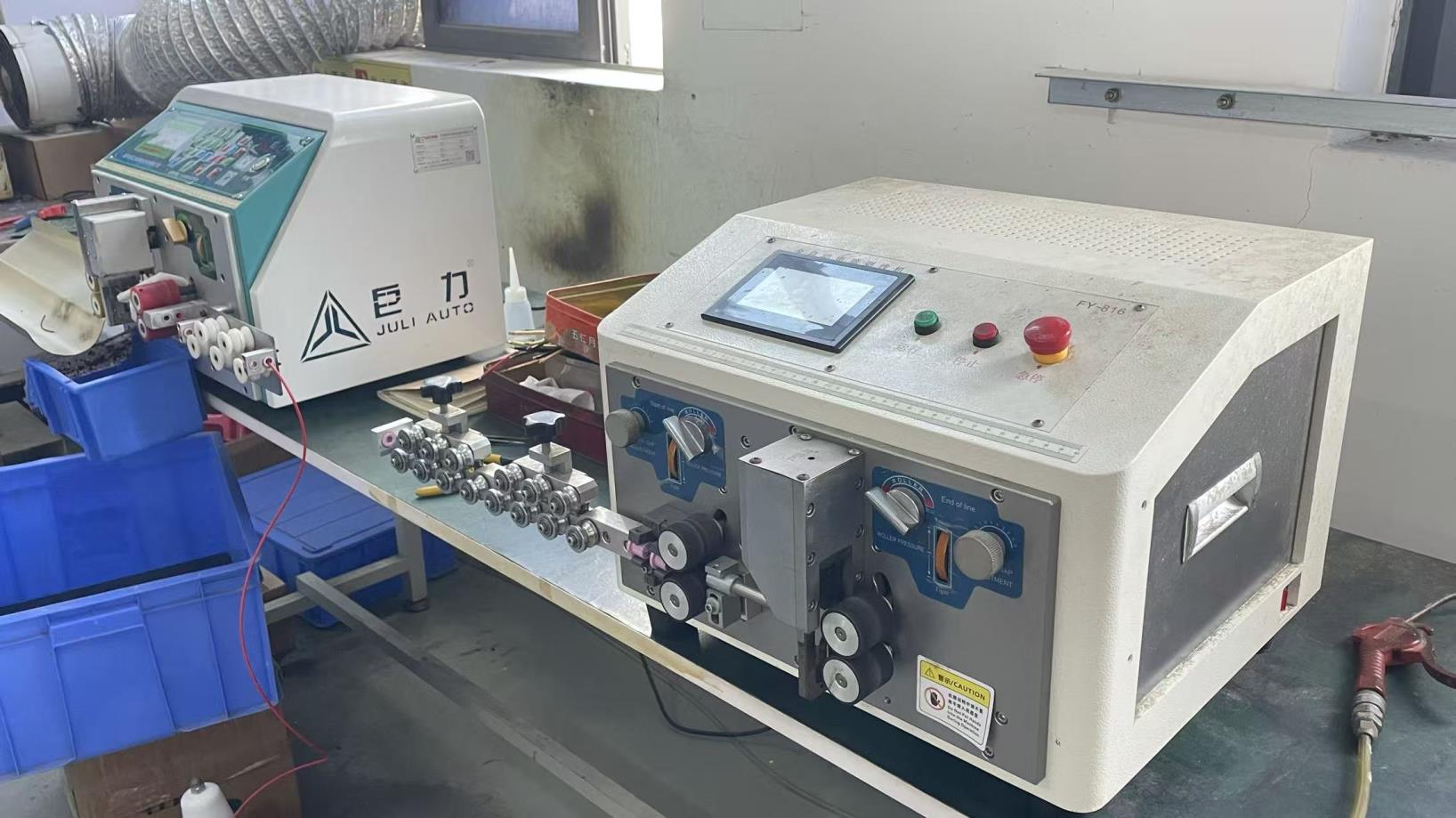
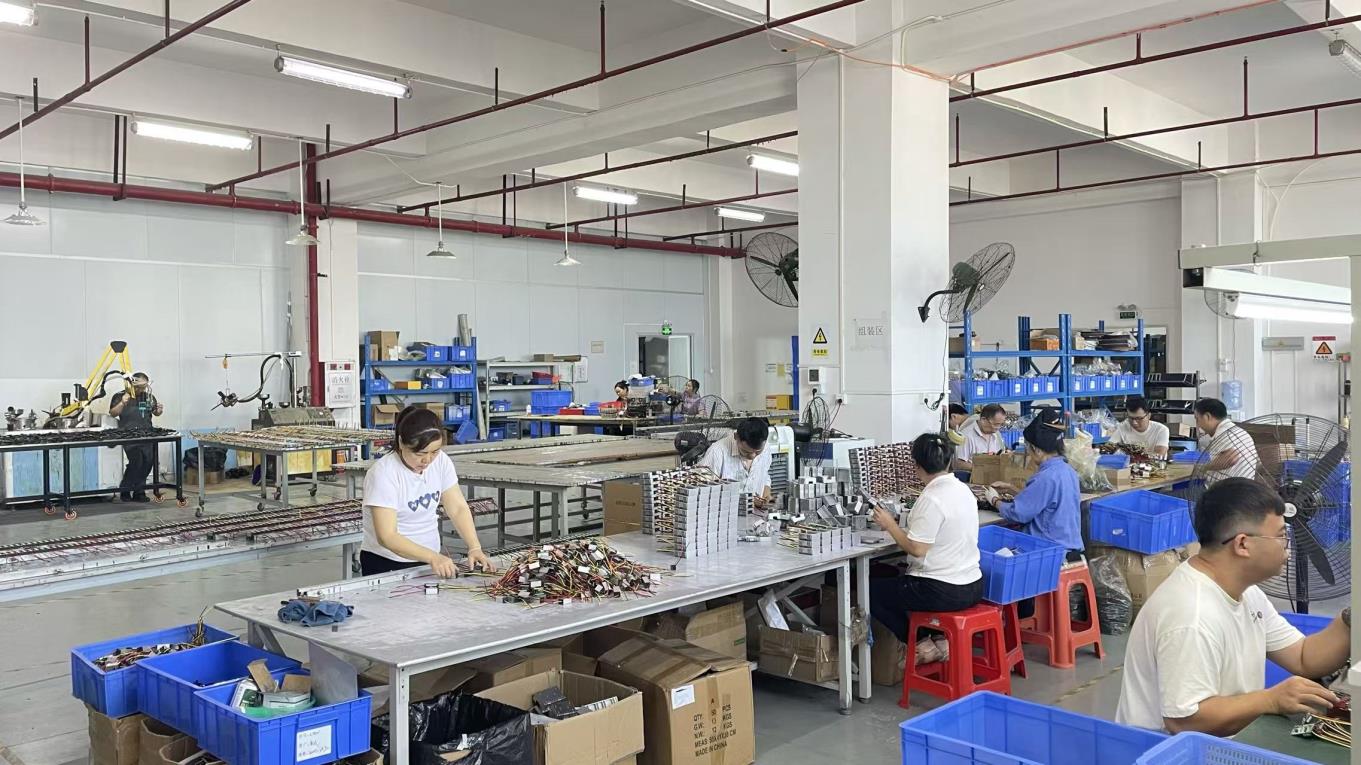

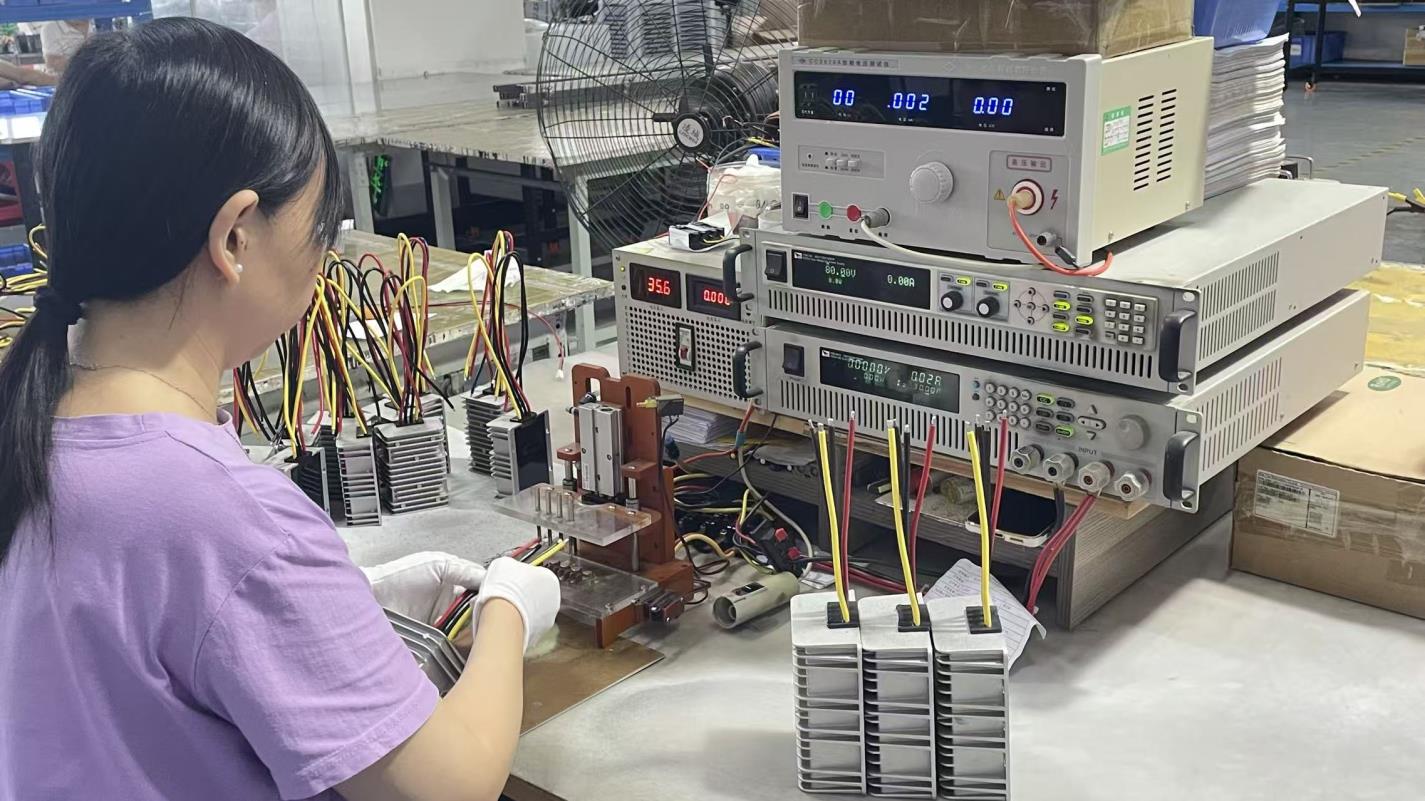
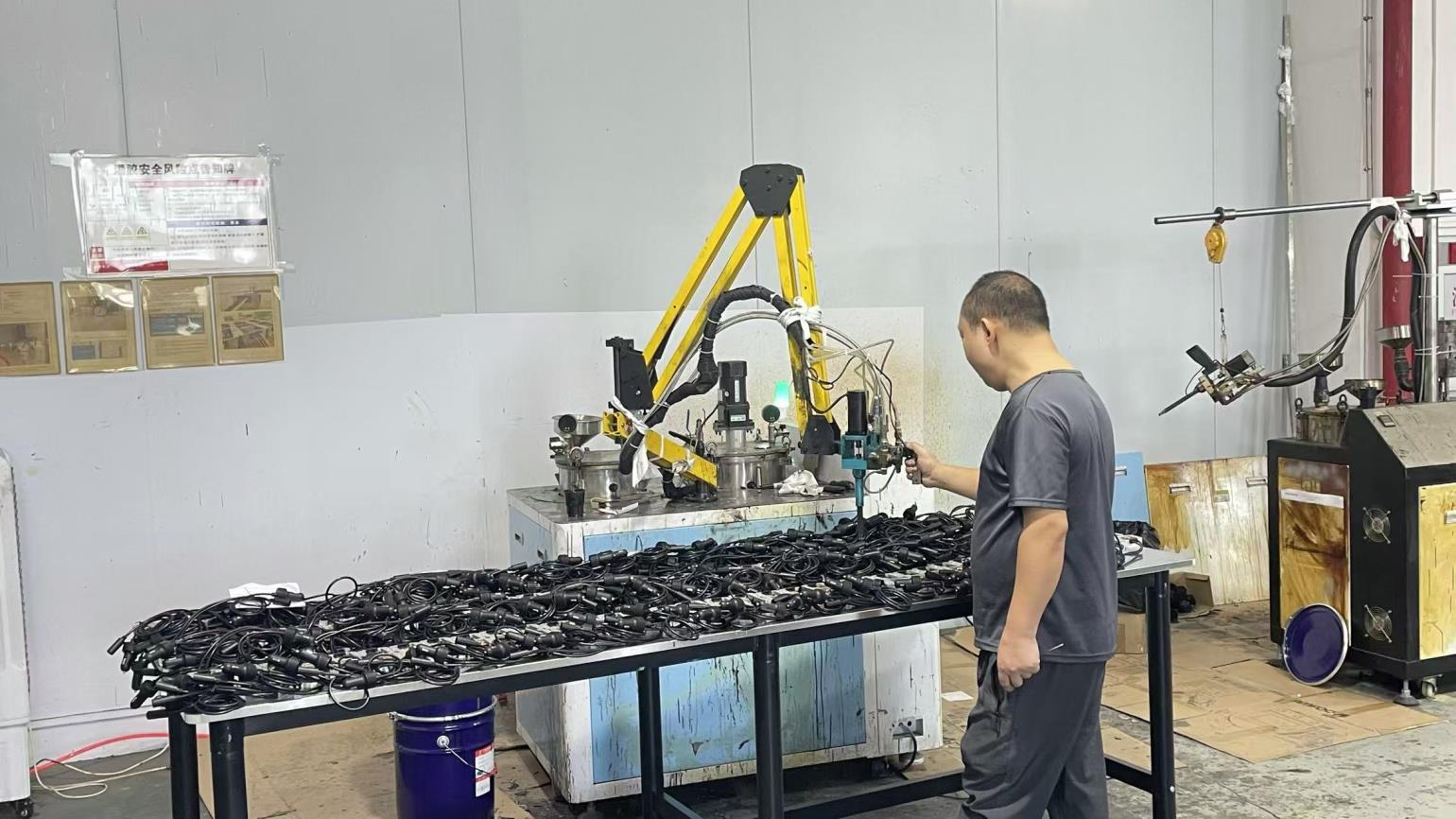
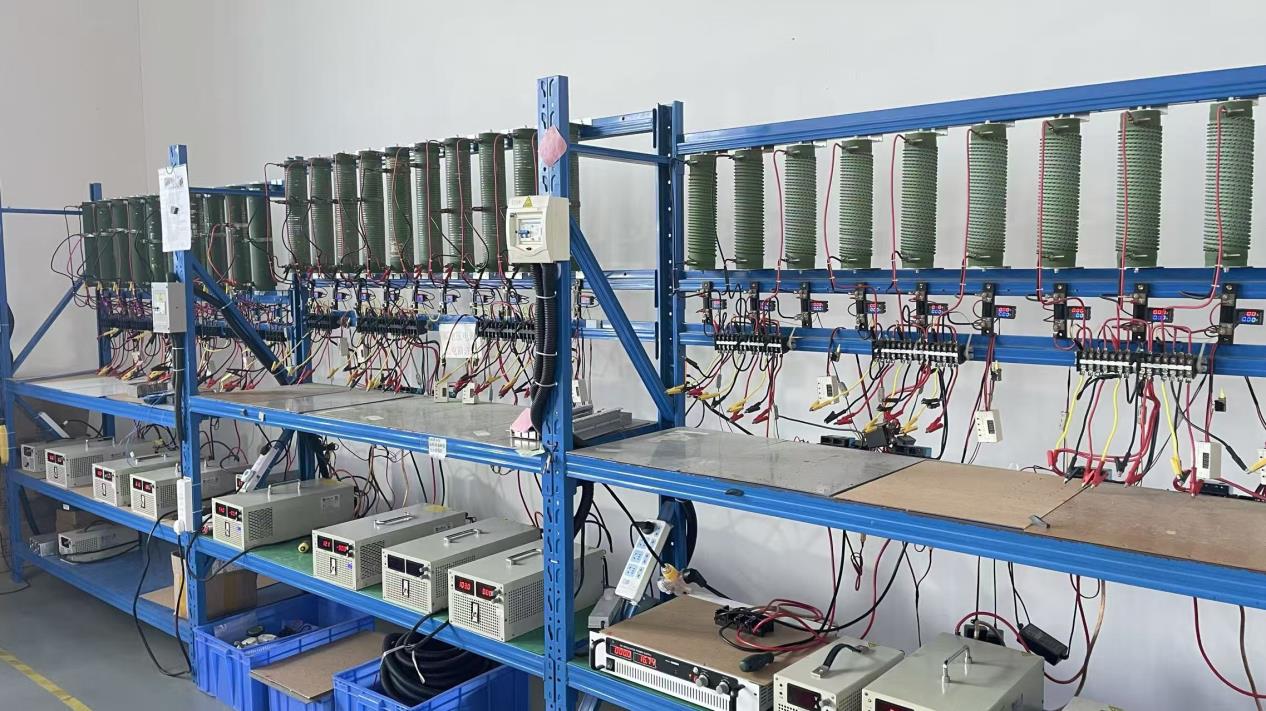
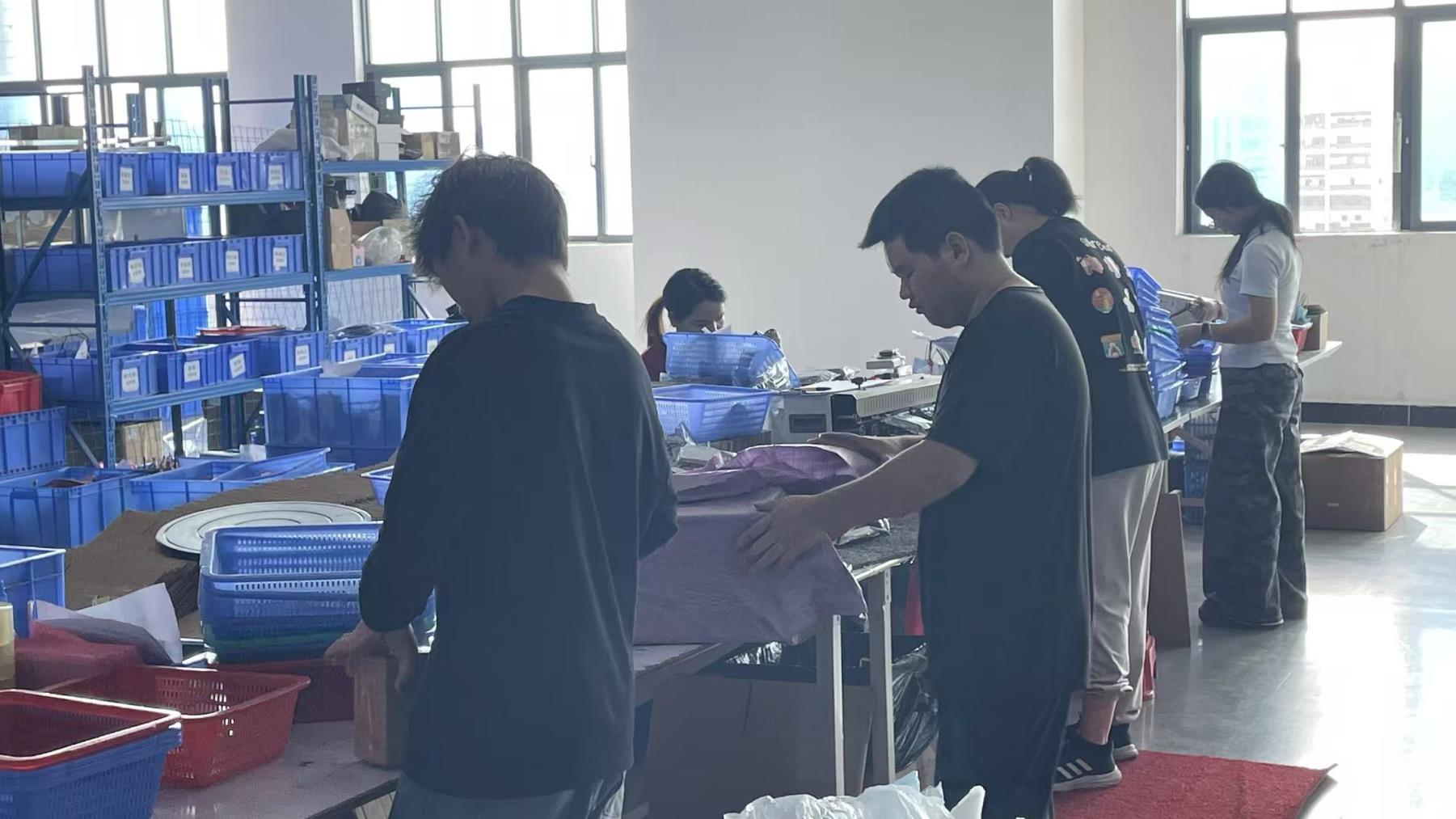
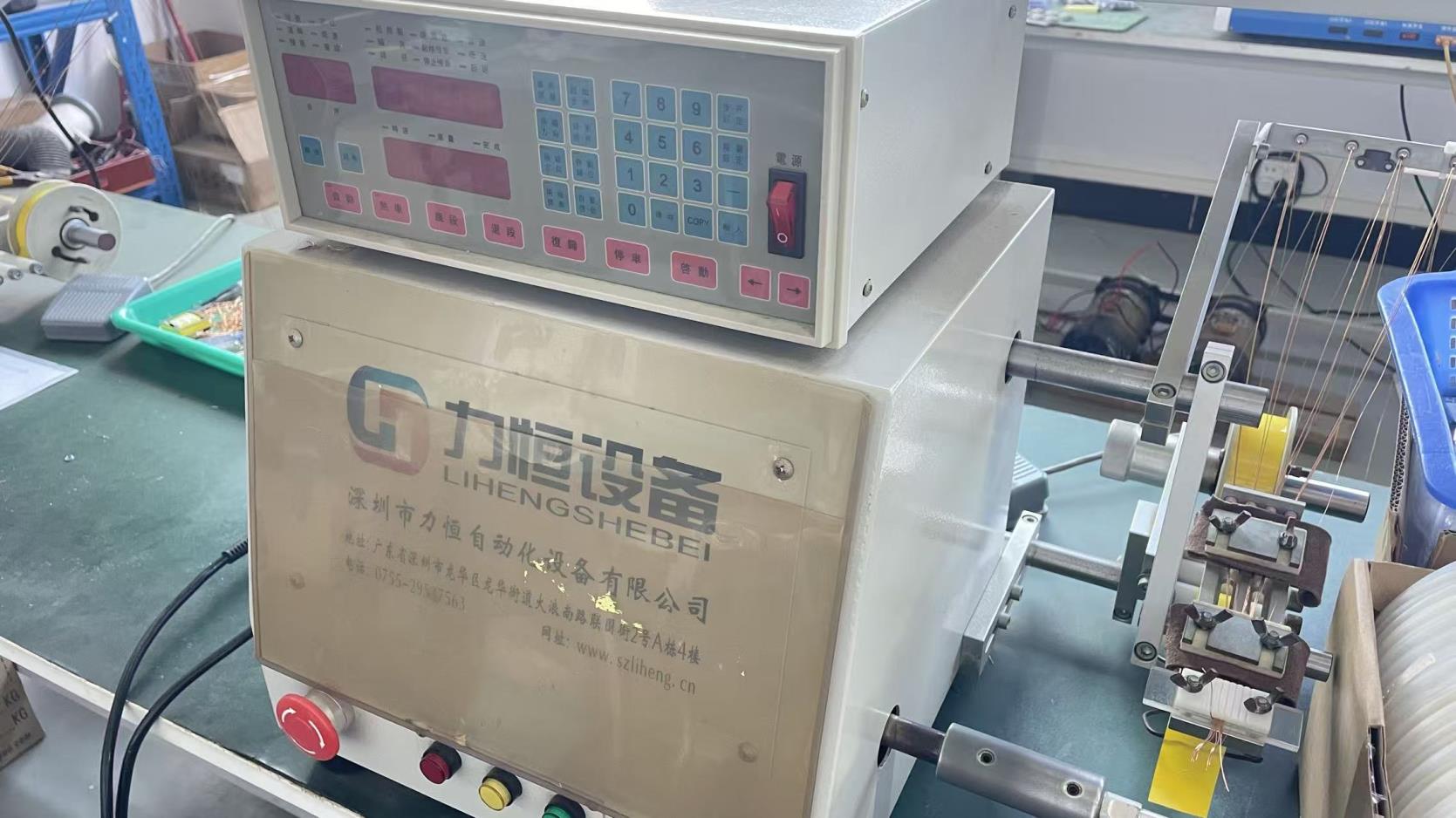
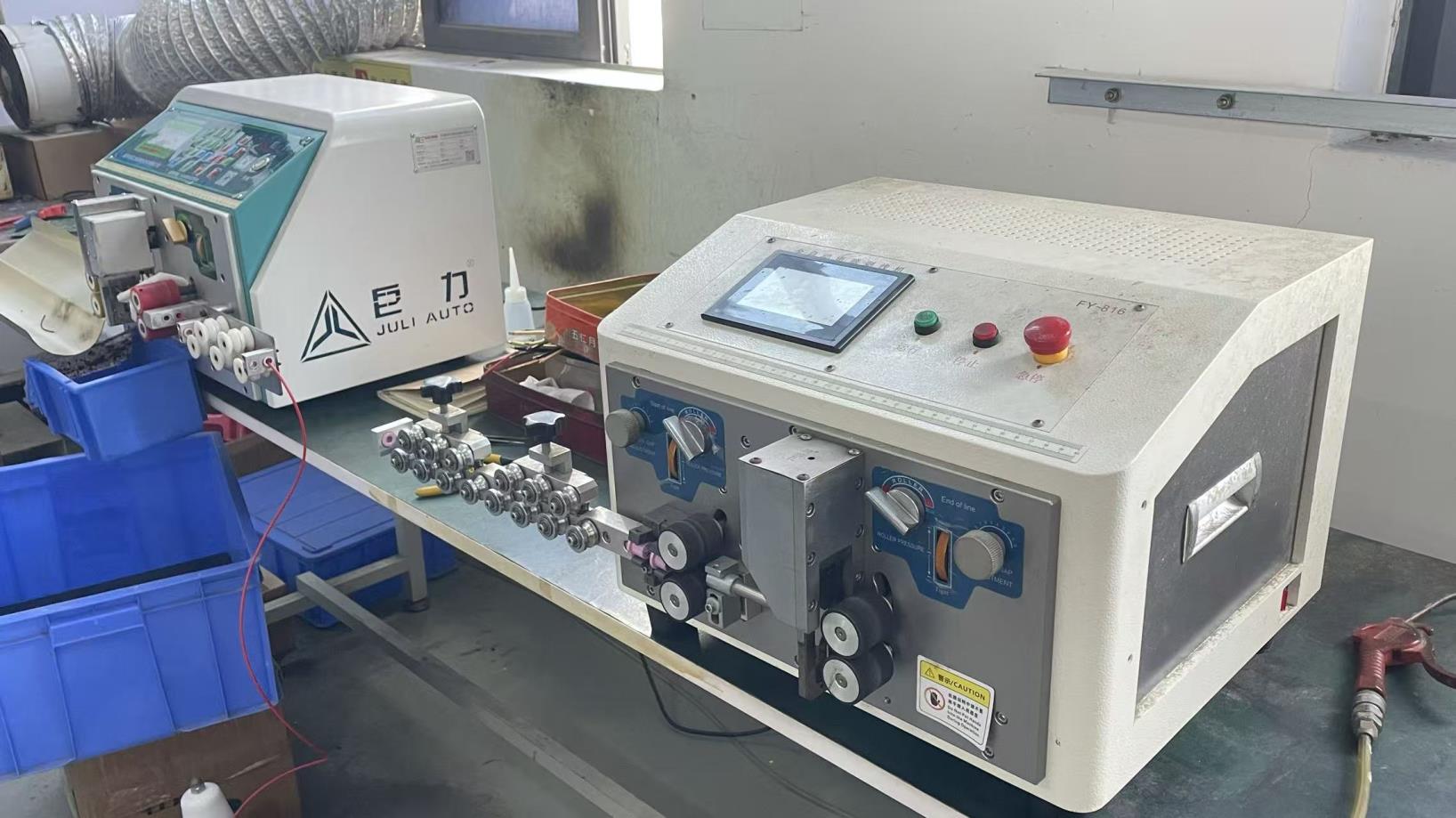


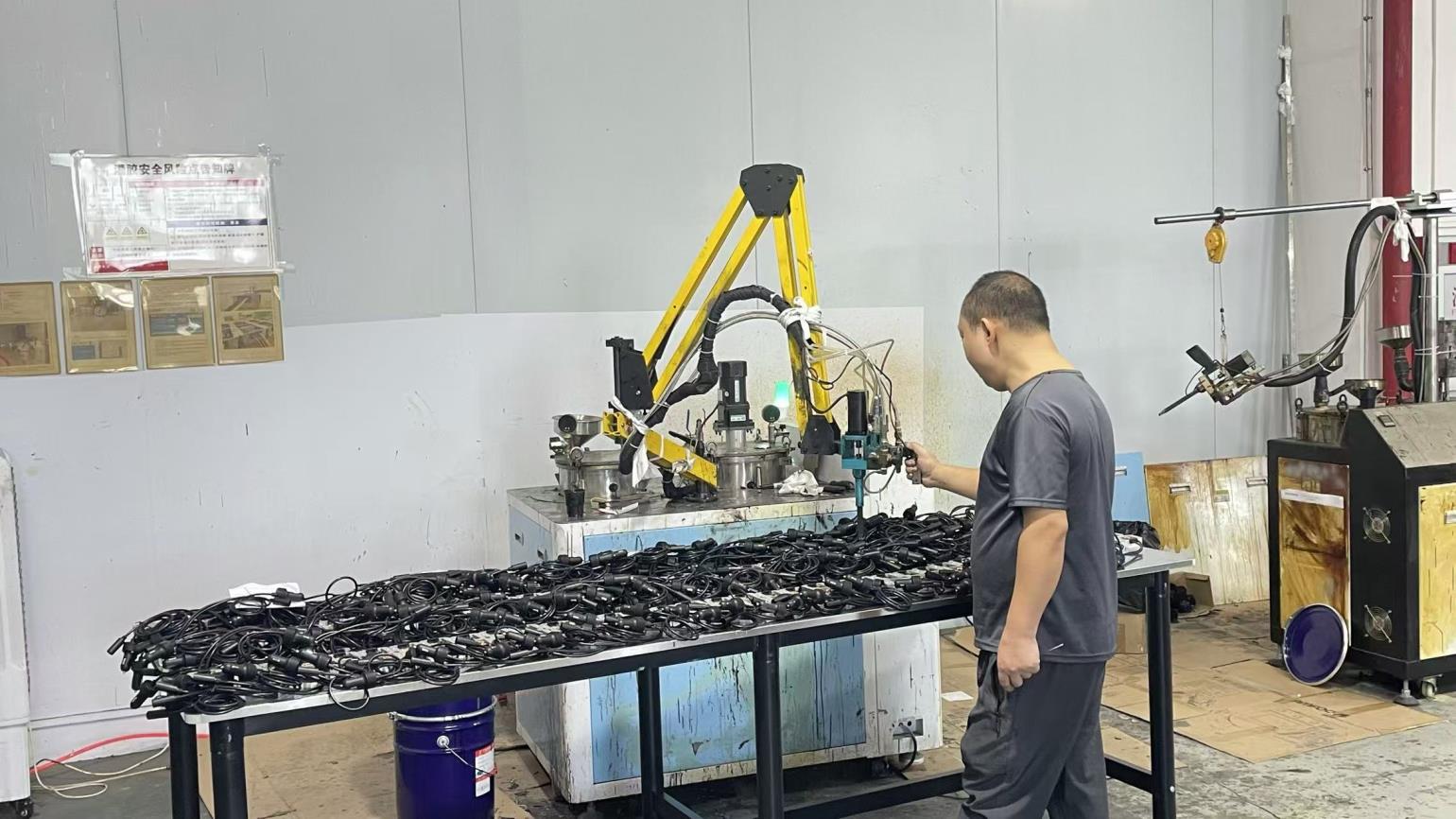
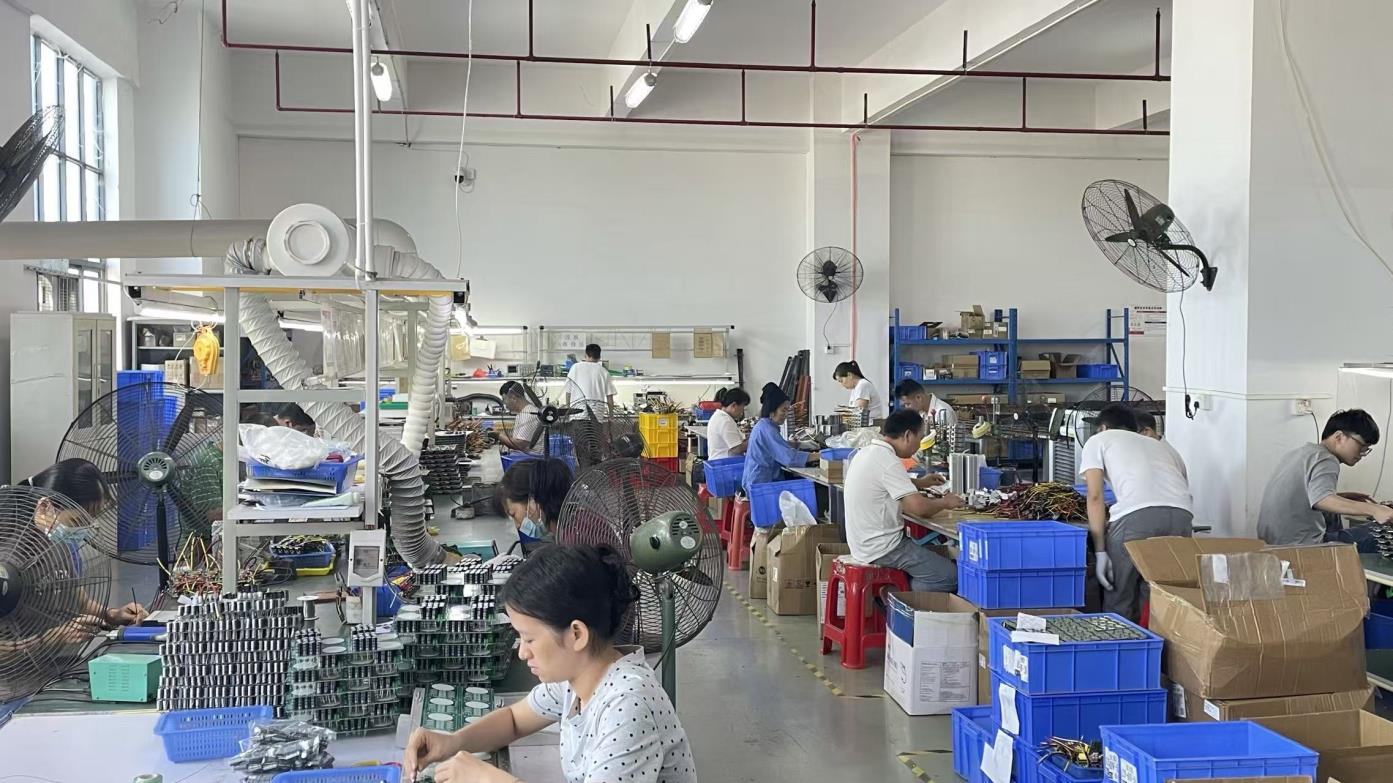
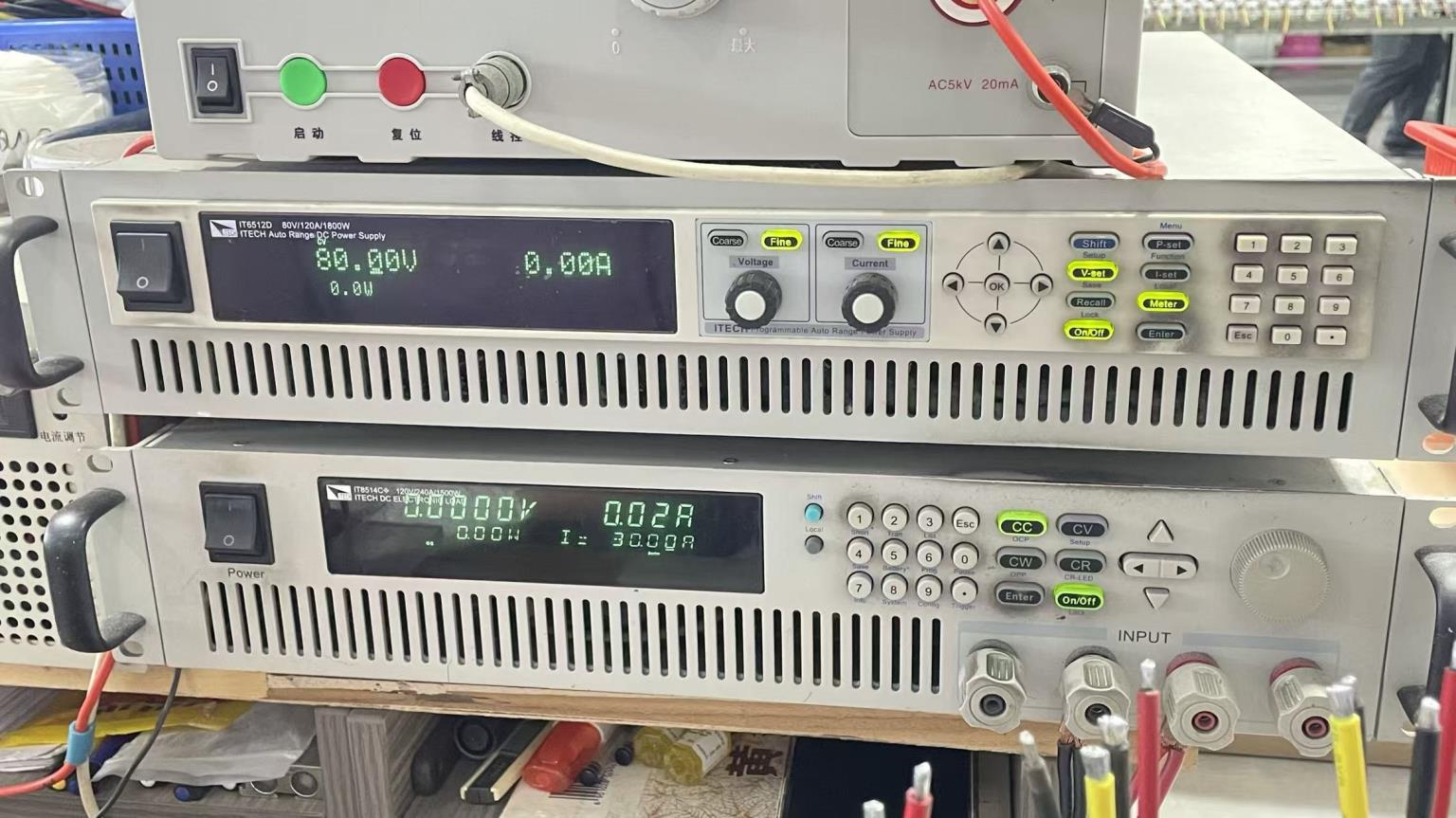
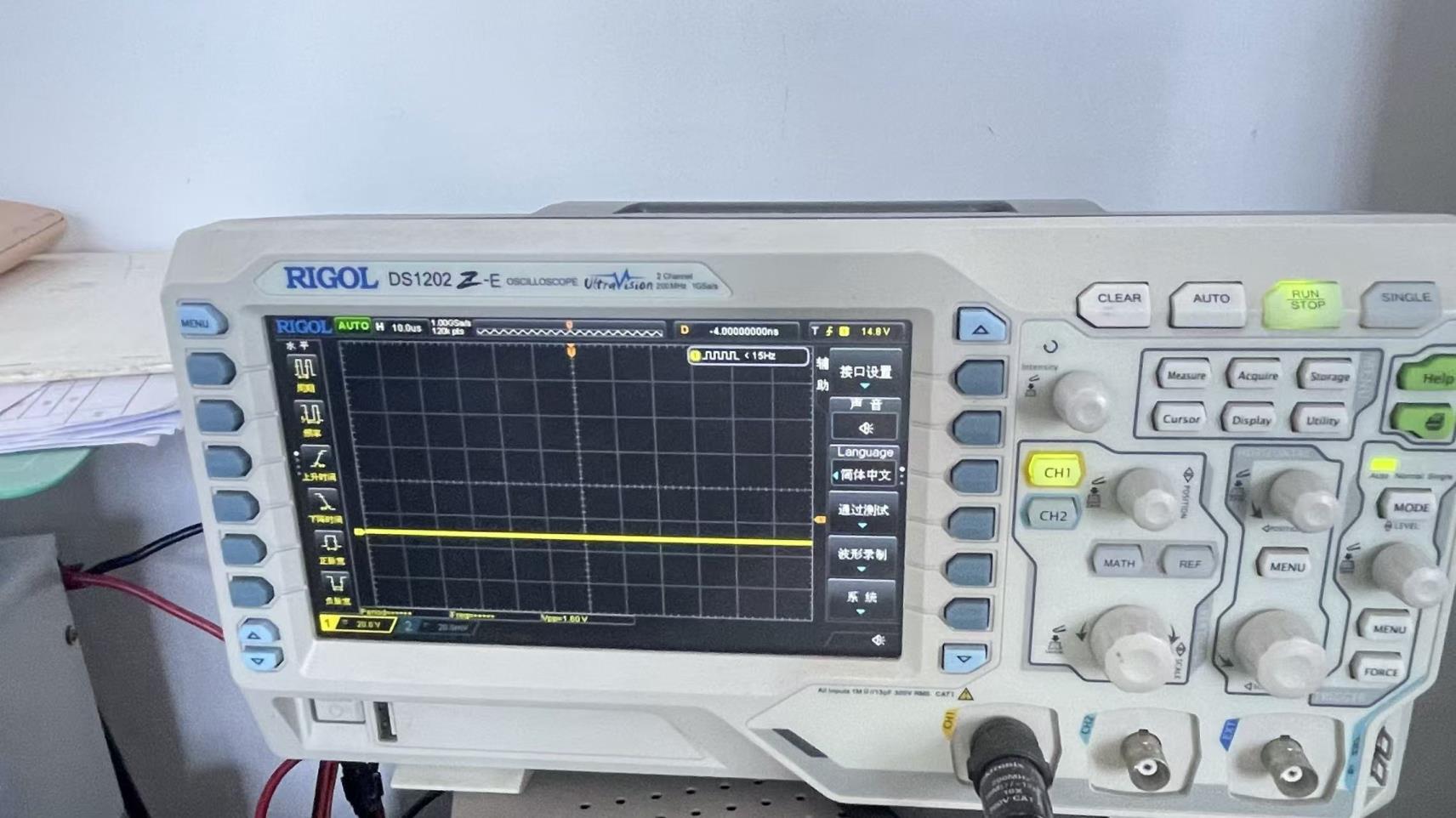
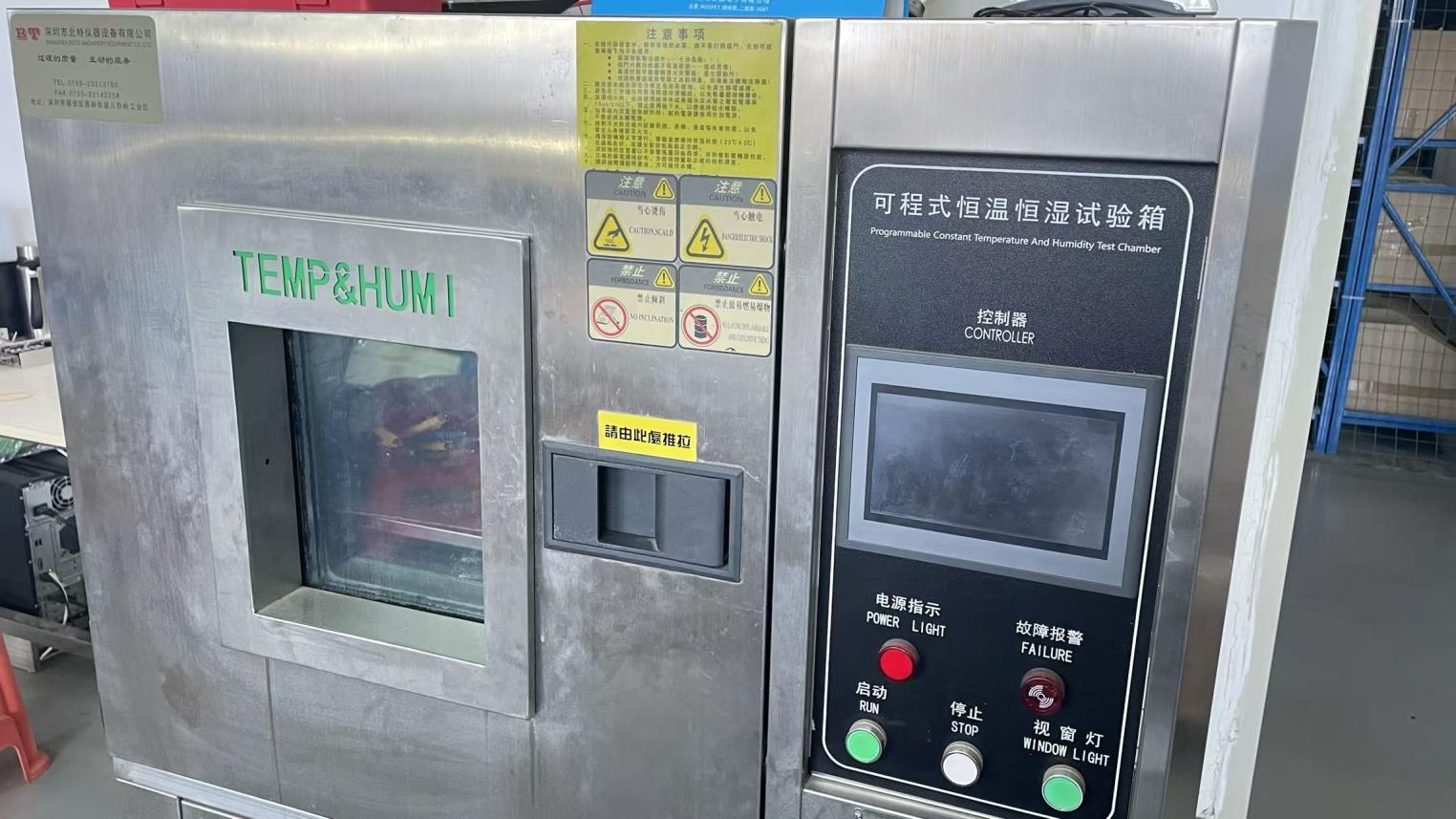
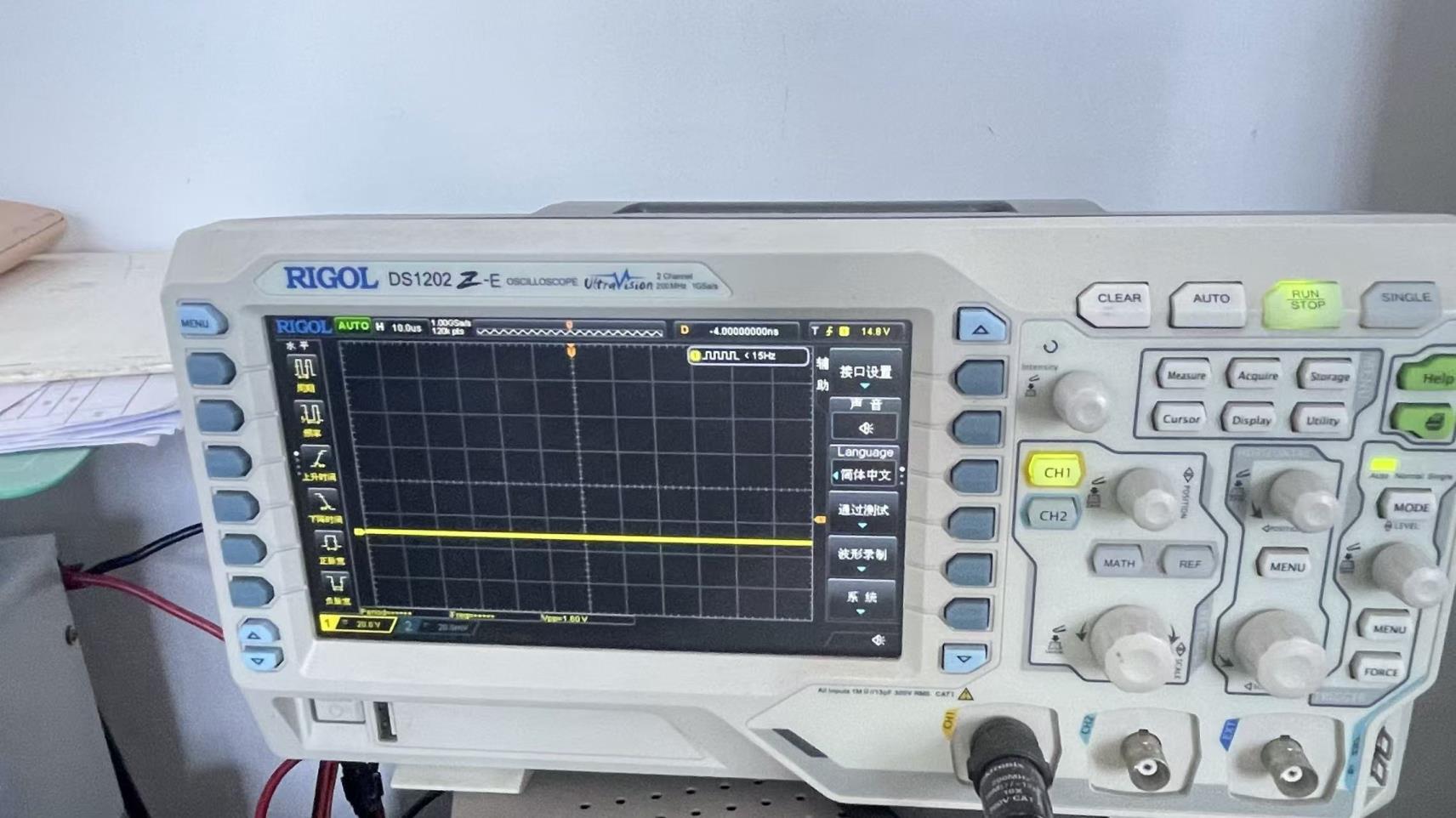
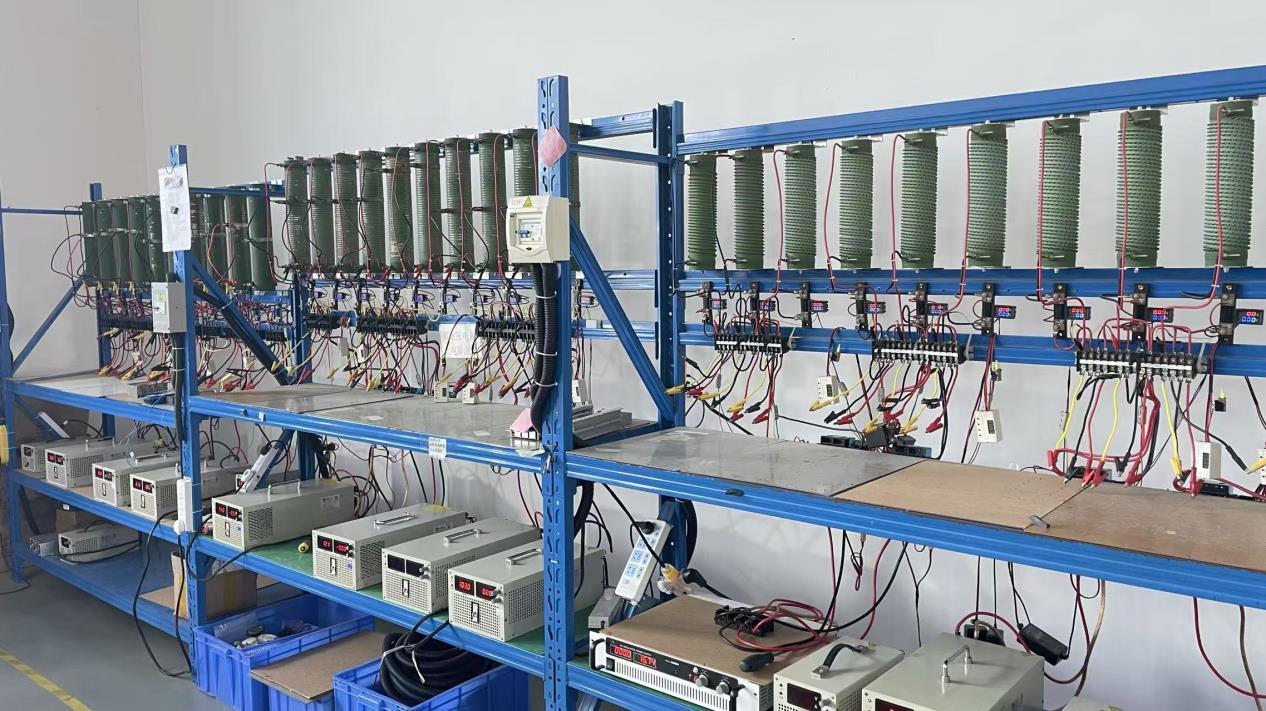
Guangzhou EVS Powers operates an internal testing and validation facility. Each model must pass electrical safety tests, environmental simulation stress cycles, and long-term durability evaluations before leaving our warehouse. This guarantees that outdoor telecom systems delivered to Nagoya withstand extreme humidity, rapid temperature transitions, and grid voltage spikes.
Rectifier Efficiency Rating
Ingress Protection Available
Burn-In & Load Chamber Tested
Years Global Supply Experience
Need custom IP55 enclosures, DC/DC converters, or power rectifiers compliant with Japanese electrical codes? Let's design the optimal infrastructure for the Chubu market.
Send Inquiry NowComplete range of outdoor backup systems, cooling modules, and high-amp distribution units for Nagoya projects




Technical guidance, climate adaptation advice, and procurement pathways for Nagoya network developers
 EVS Powers