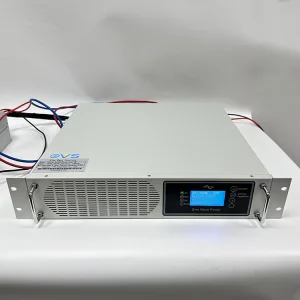
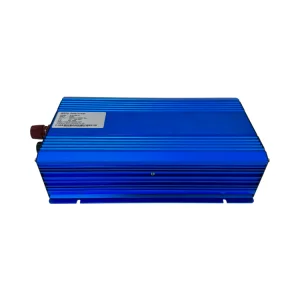
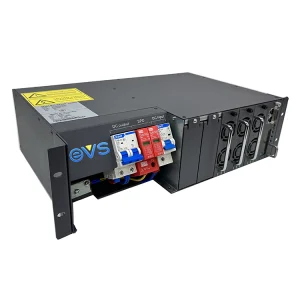
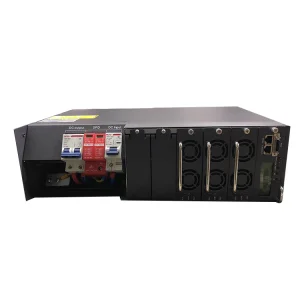
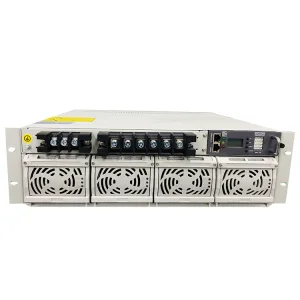
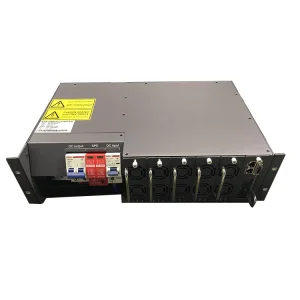
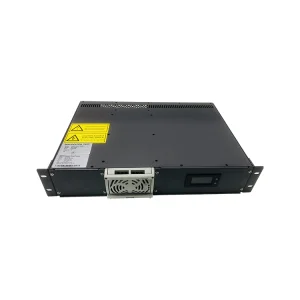
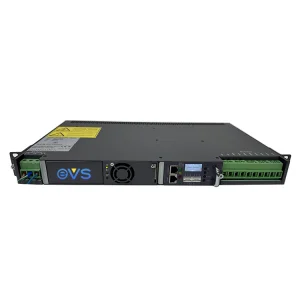
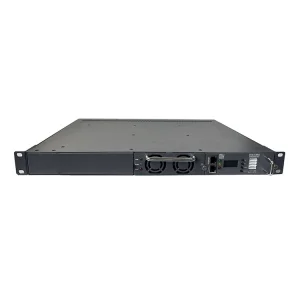
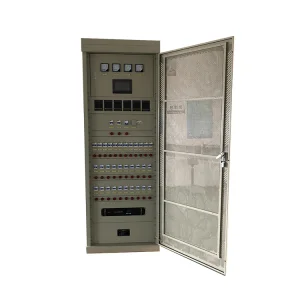
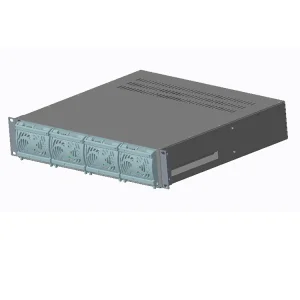
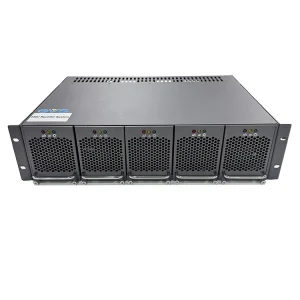
The global transition toward decentralized power grids and renewable energy integration has positioned the **Energy Storage System (ESS)** as the fundamental cornerstone of modern electrical infrastructure. Across utility-scale, commercial, industrial (C&I), and residential spaces, the demand for sophisticated OEM/ODM energy storage systems is accelerating at an unprecedented rate. Advancements in cell chemistries, notably Lithium Iron Phosphate (LFP) and sodium-ion configurations, coupled with sophisticated multi-tier Battery Management Systems (BMS), have drastically reduced the Levelized Cost of Storage (LCOS).
Today's industry relies on precise power conversion topologies capable of bidirectional flow. The transition toward high-voltage architectures—ranging up to 1500V DC link configurations—enables higher power density, reduced thermal loads, and higher round-trip efficiency (RTE). In parallel, global regulatory structures are demanding strict compliance with safety guidelines such as UL9540A and IEC 62619, putting the focus heavily on the design and production capabilities of contract OEM/ODM manufacturers.
Procuring industrial-grade energy storage components requires managing complex regional standards, environmental challenges, and supply chain variables. Global utility operators, data center infrastructure engineers, and EV charging station networks require tailored power solutions rather than standardized off-the-shelf equipment. Crucial challenges in international procurement include:
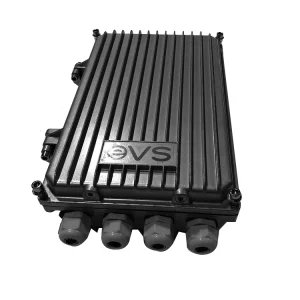
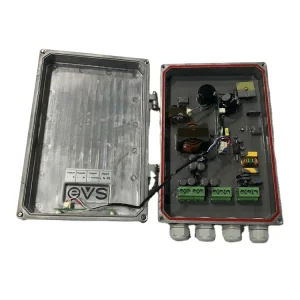
By bypassing middlemen and working directly with vertical factories like Guangzhou EVS Powers Co., Ltd., procurement managers gain complete transparency over manufacturing processes, access to raw material traceability, and customization of crucial sub-components such as rectifiers, inverters, and IP65 cabinet enclosures.
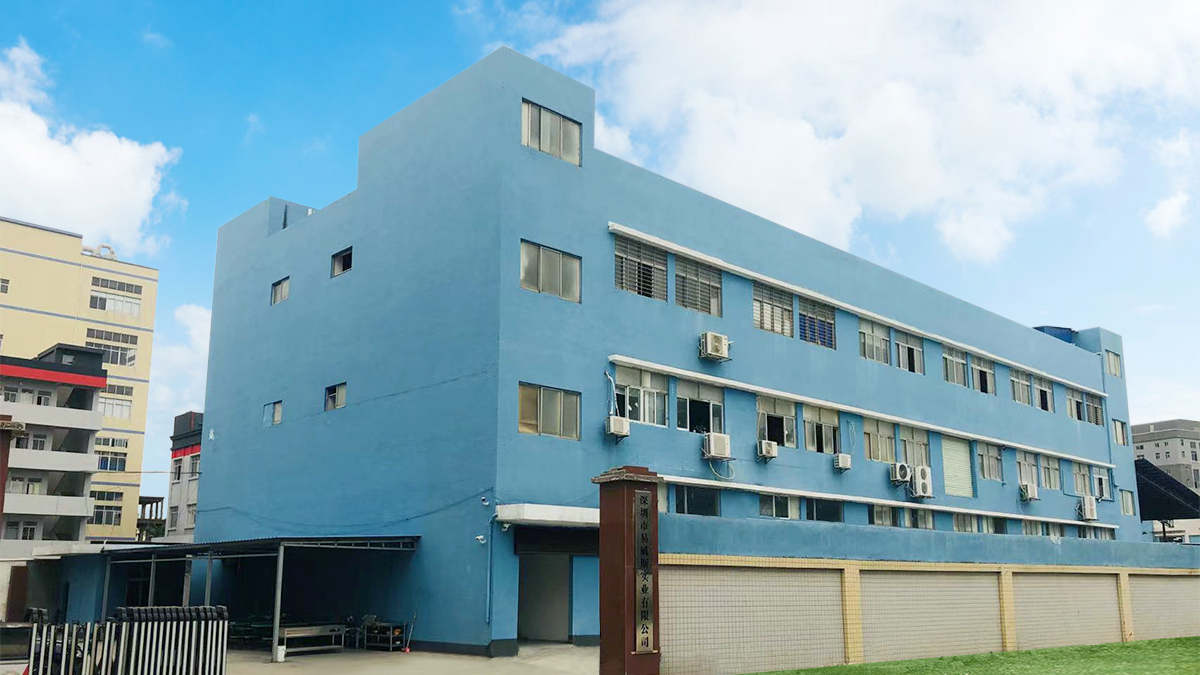
For enterprise procurement partners looking to verify factory scale and processing capability:
Guangzhou EVS Powers Co., Ltd., is located in international trade city Guangzhou. Our Company EVS is an professional manufacturer of switching power supply, DC power system, power supply units, DC DC converter, power inverter series power system product and other OEM ODM electronics products according to customer's request. We regard clients' satisfaction as our top task, products' quality as the basis of development, cost-saving as our competitive advantage. With the excellent credit standing and the premier service, we have won the high reputation and long term cooperation from customers between domestic and foreign, such like the Europe, South and North America, Australia, Middle East, Southeast Asia and other areas. With good faith oriented, we would like to share our knowledge, technology and experience with our partners so as to cooperate with more customers for mutual benefit and development. We will do our best to provide the good quality, the best service, the competitive price for our old and new customers. With the development of economy, we are looking forward to cooperating with you in the near future. Let's work together to create a new future of the electronic world.
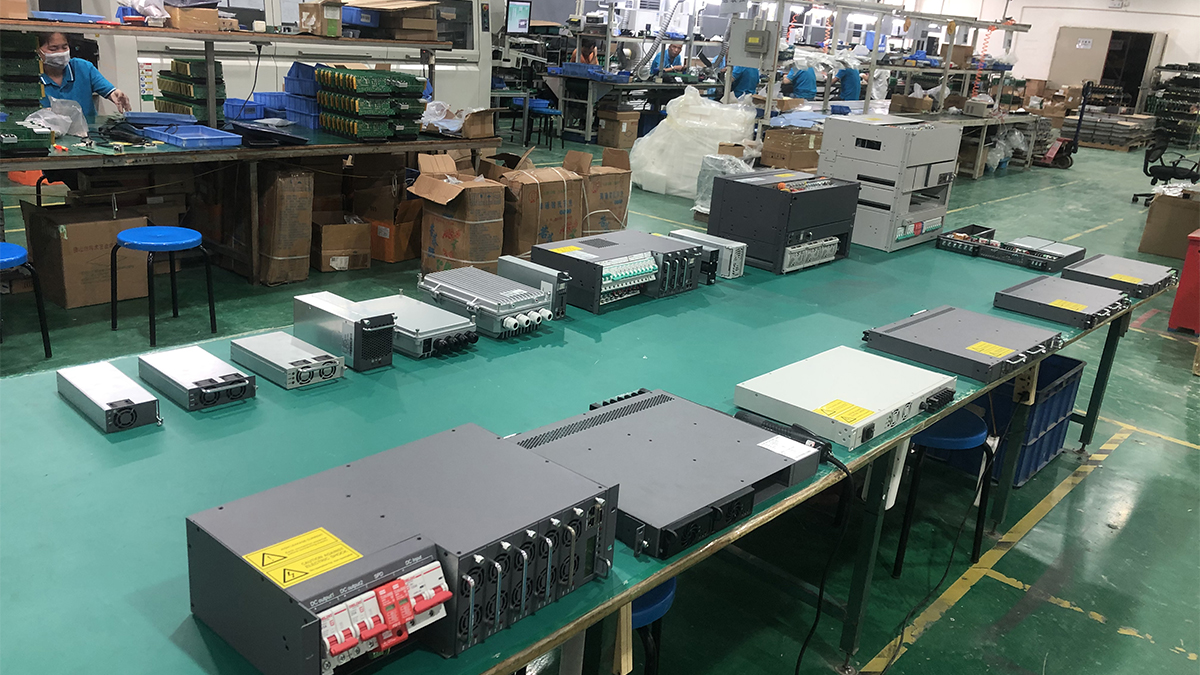
The Guangzhou EVS Powers production base runs on a refined manufacturing execution model. Every component—from transformer winding to complex multi-layer PCB boards and protective metal enclosure fabrication—is built under strict quality gates. The process flow is built on precision, automation, and continuous quality checks.
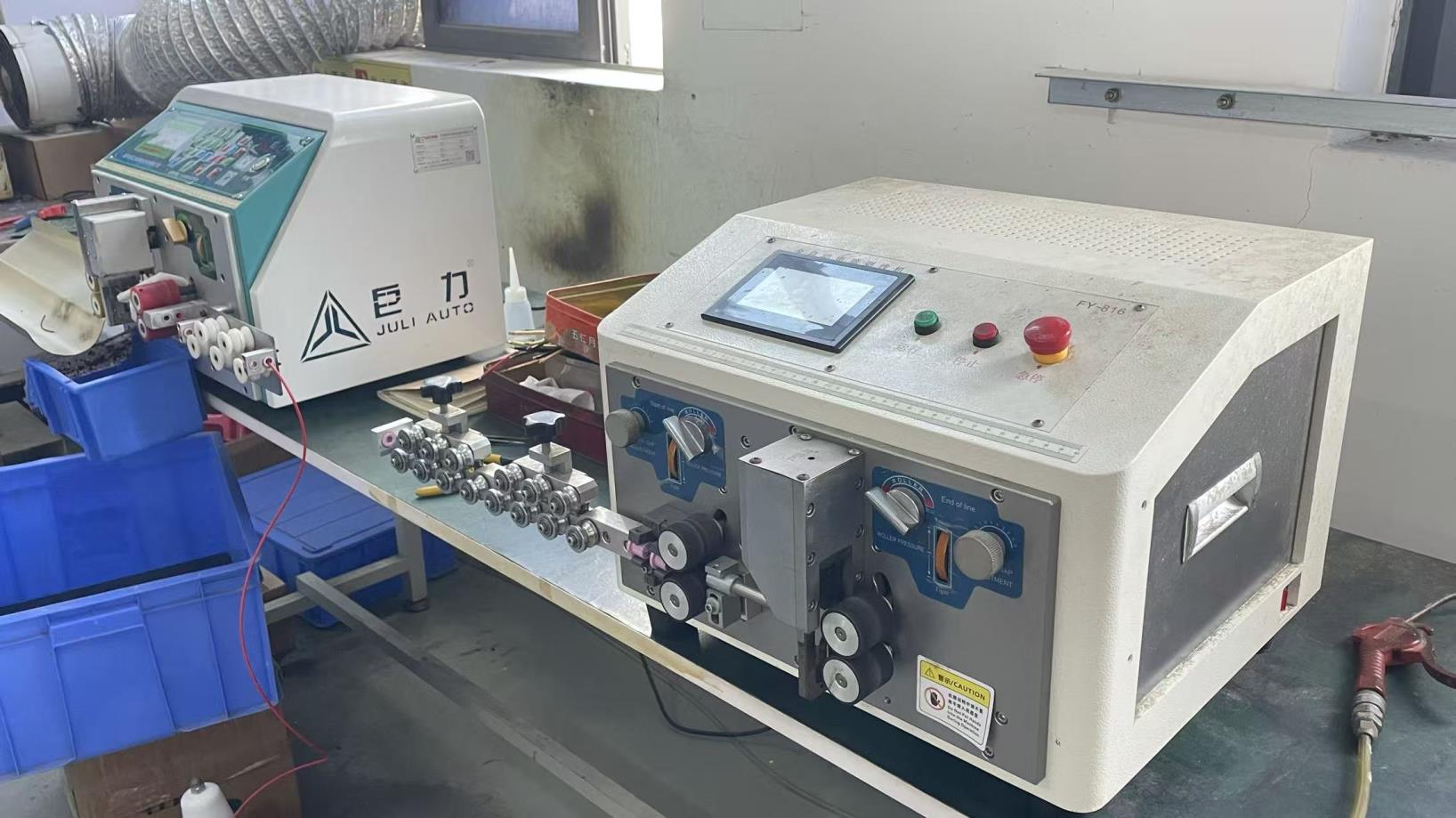 Wire Cutting
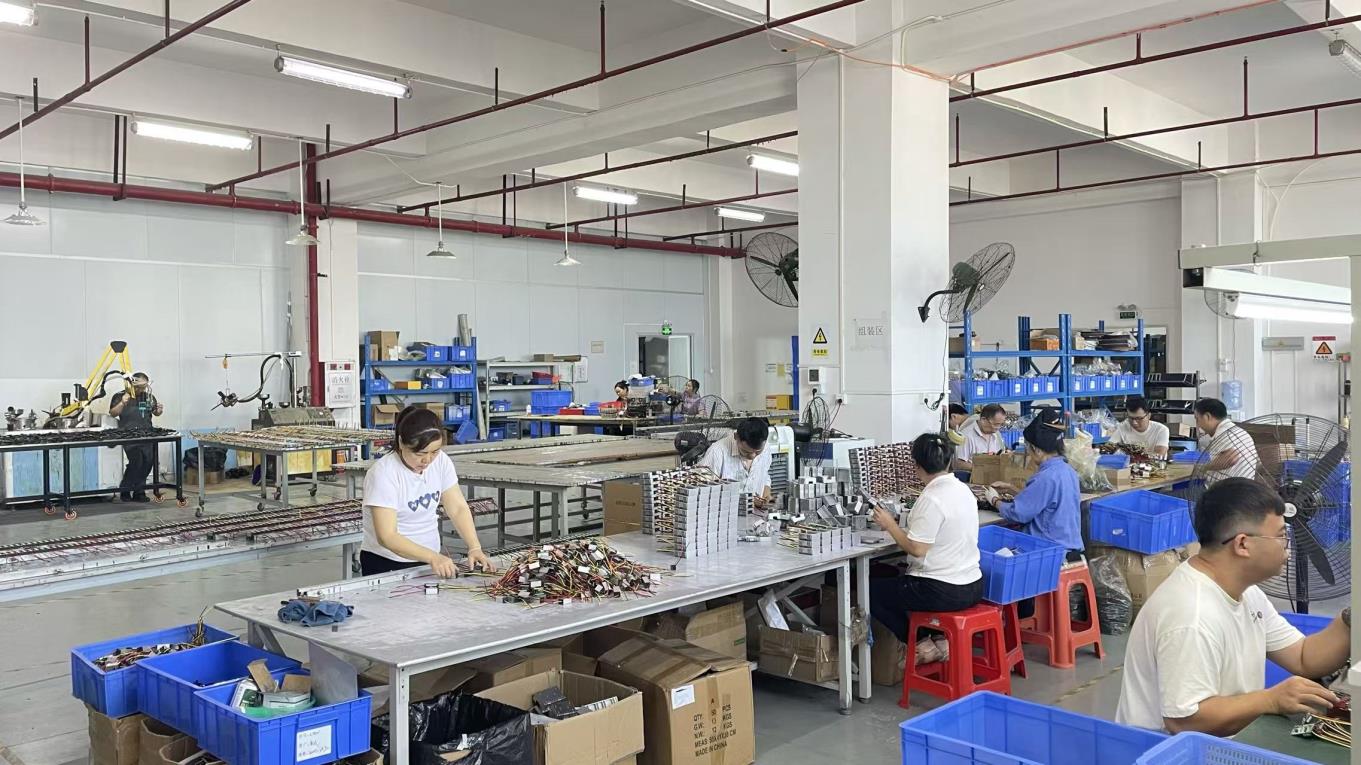 Plug-In
 Soldering Tin
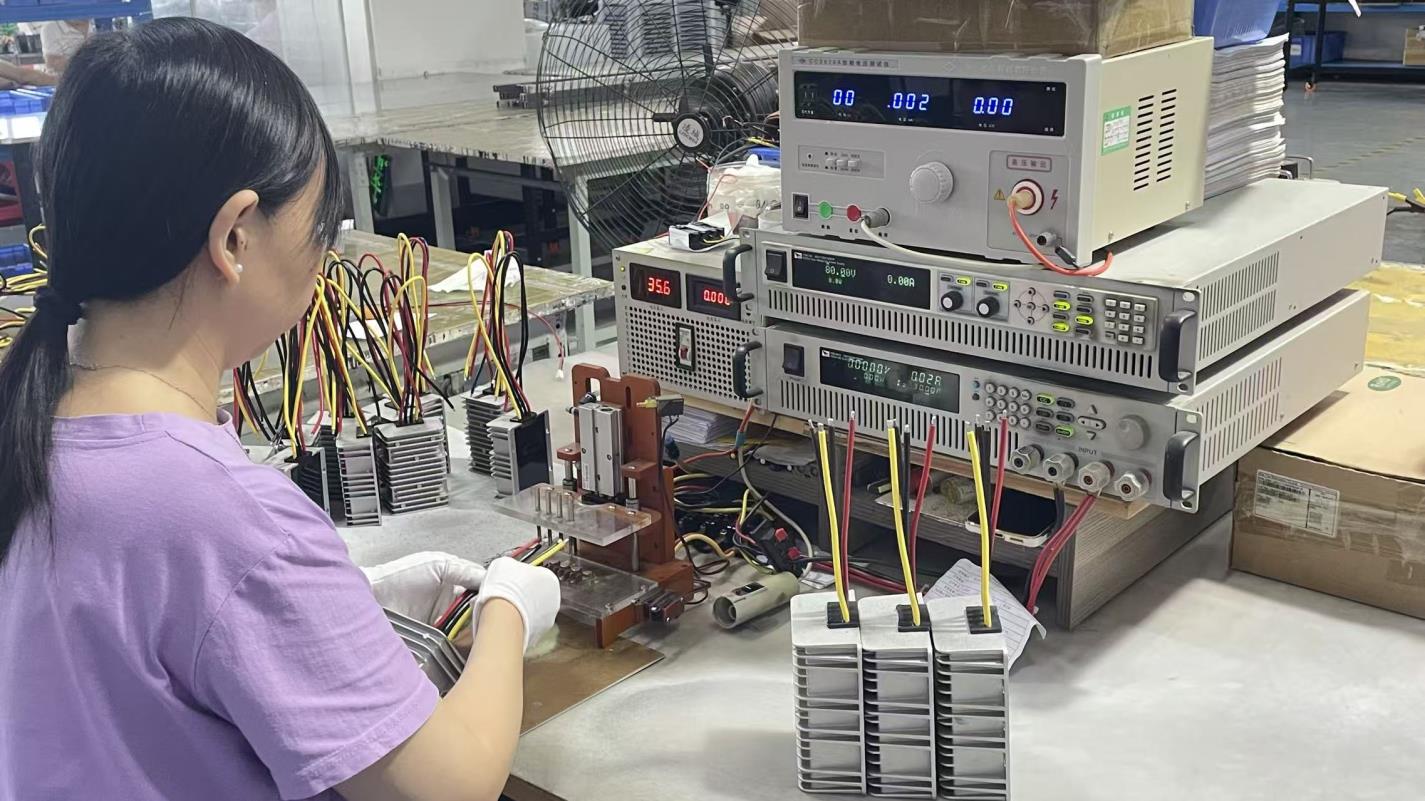 Test
Test
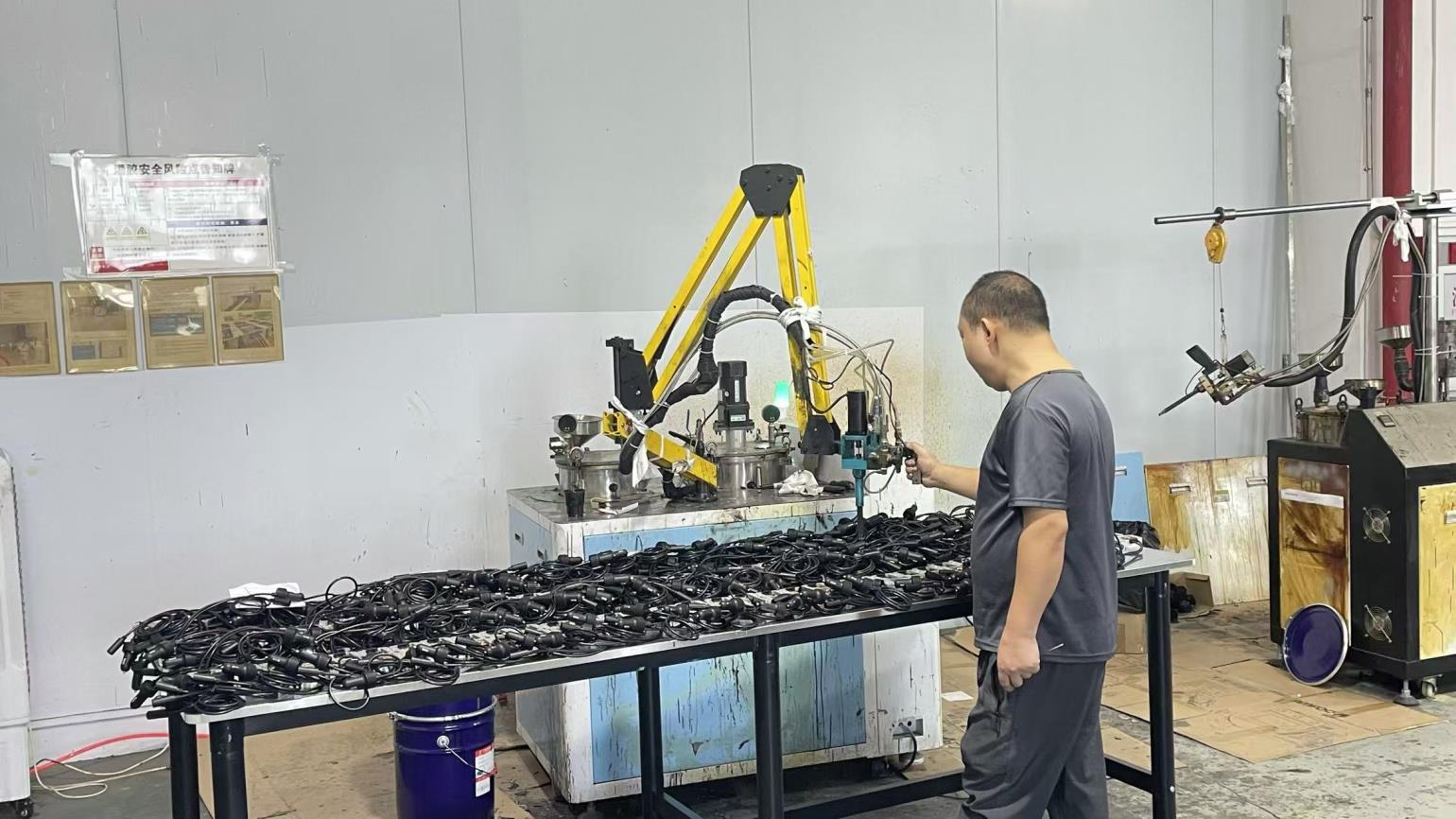 Glue Filling
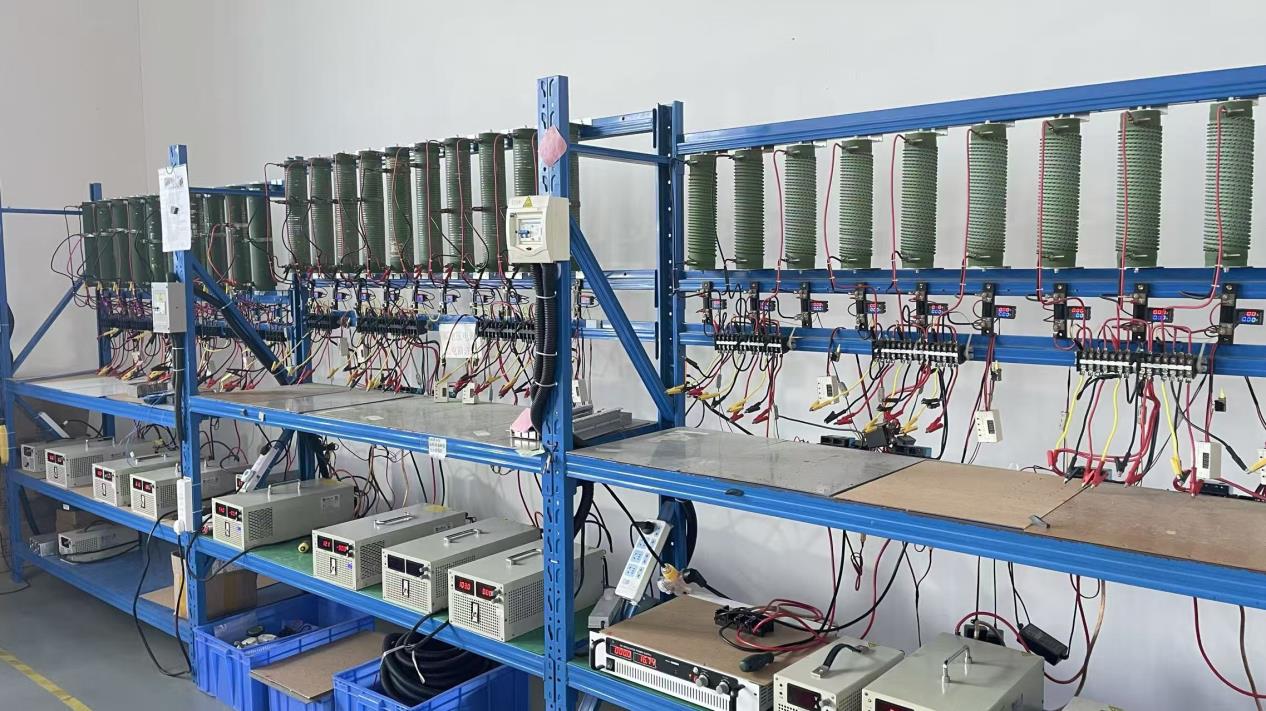 Burn-In Test
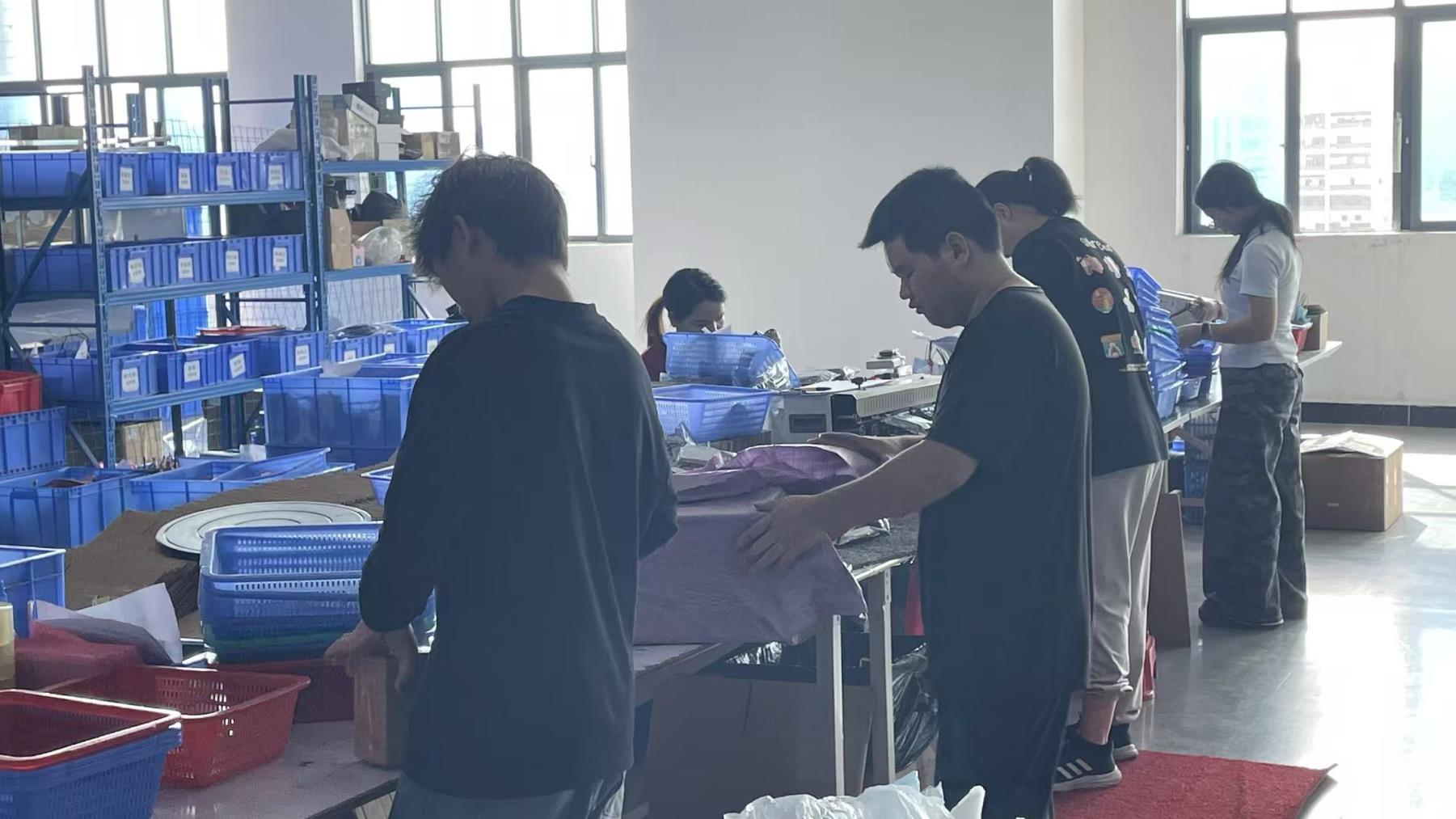 Packaging
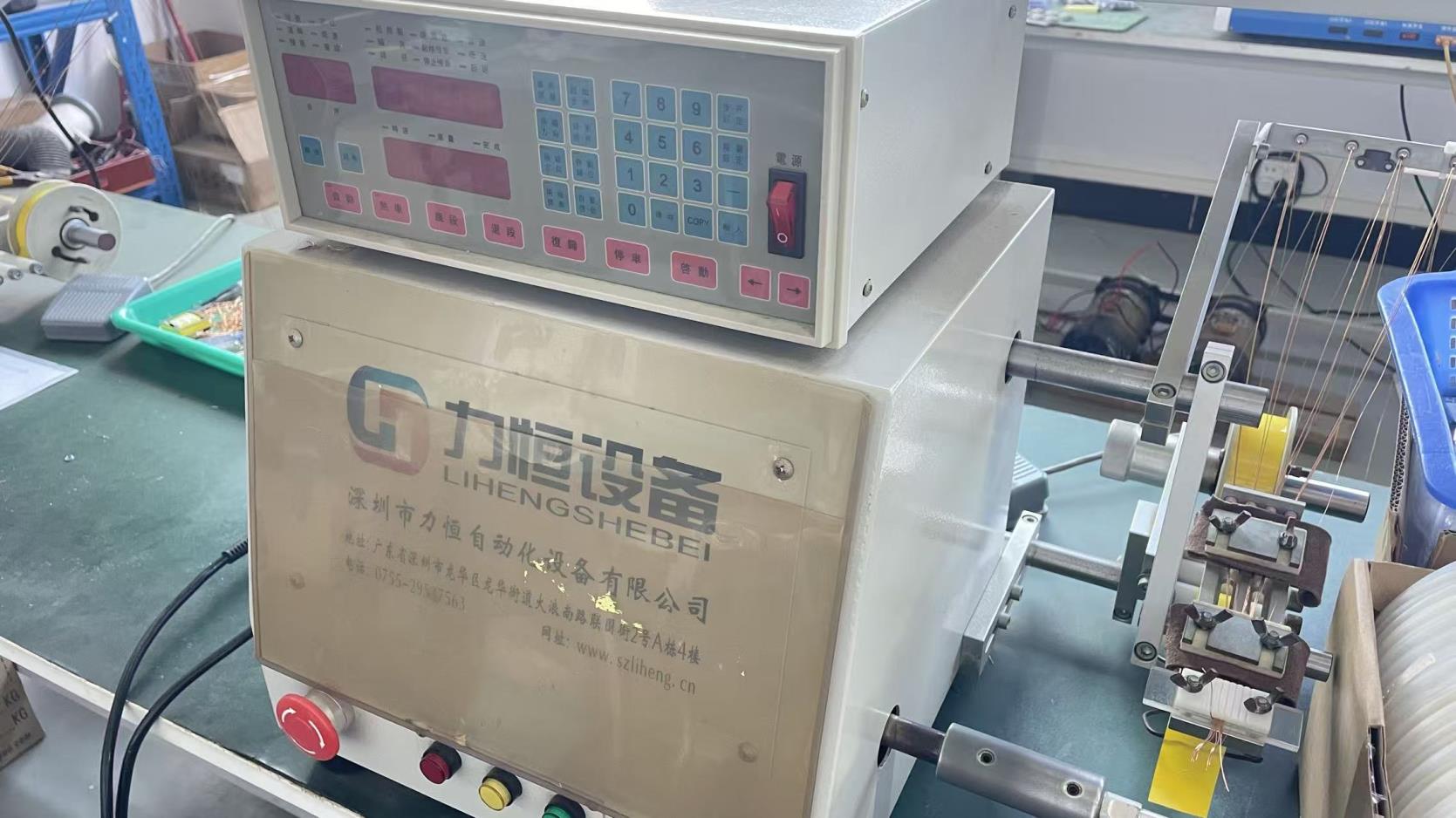 Winding Machine
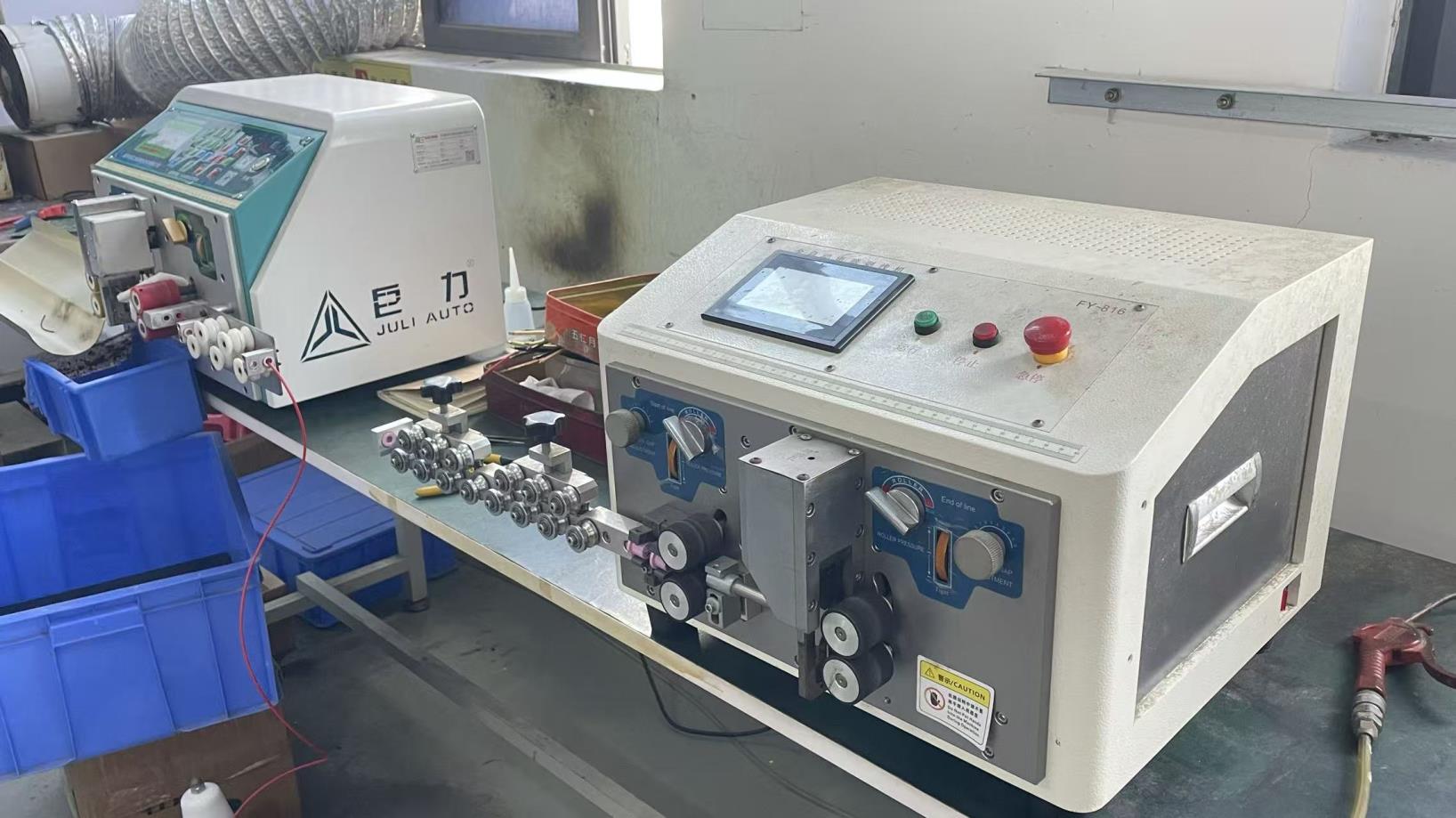 Wire Cutting Machine
 Automatic Soldering Machine
 Laser Engraving Machine
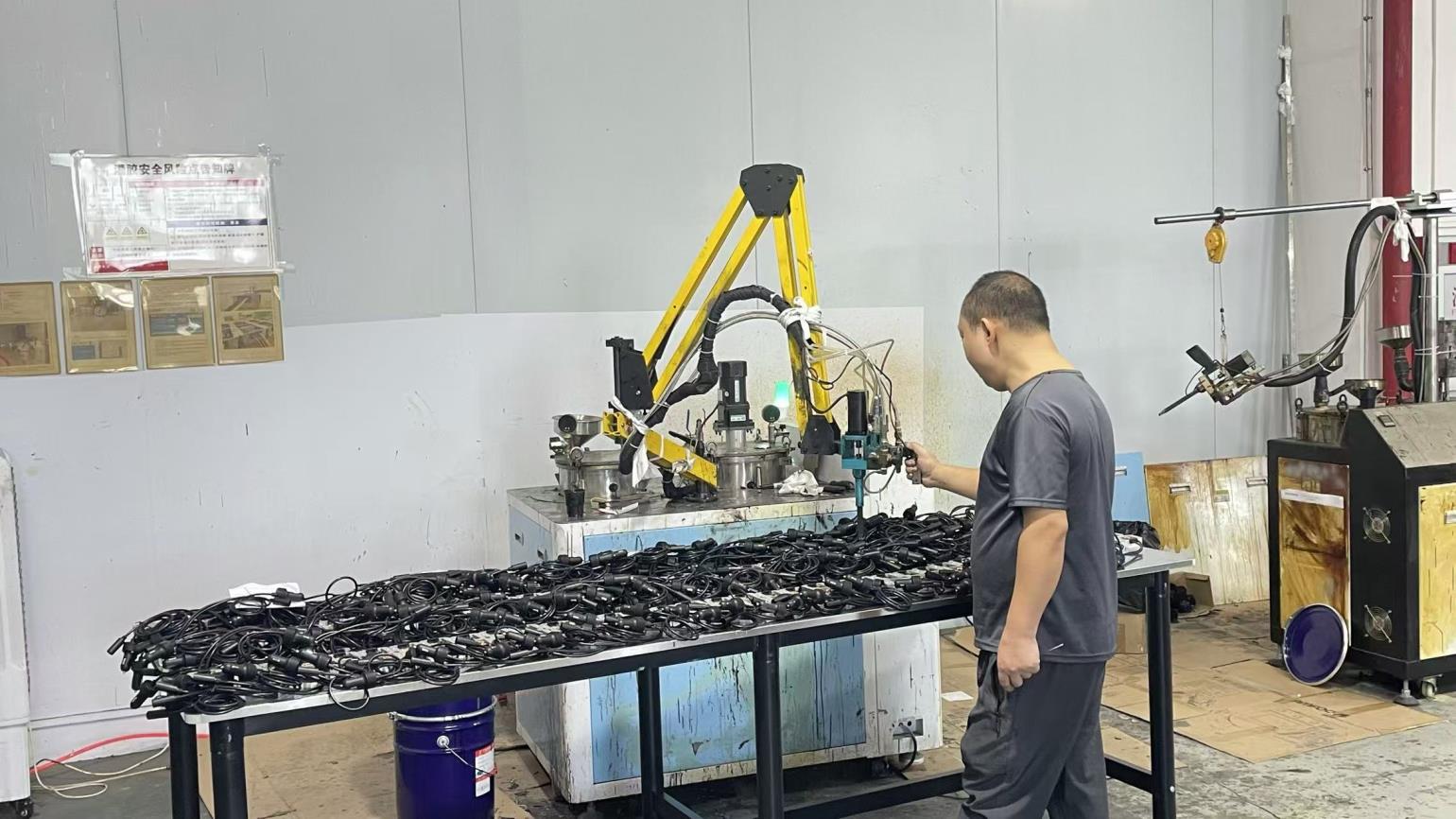 Canning machine
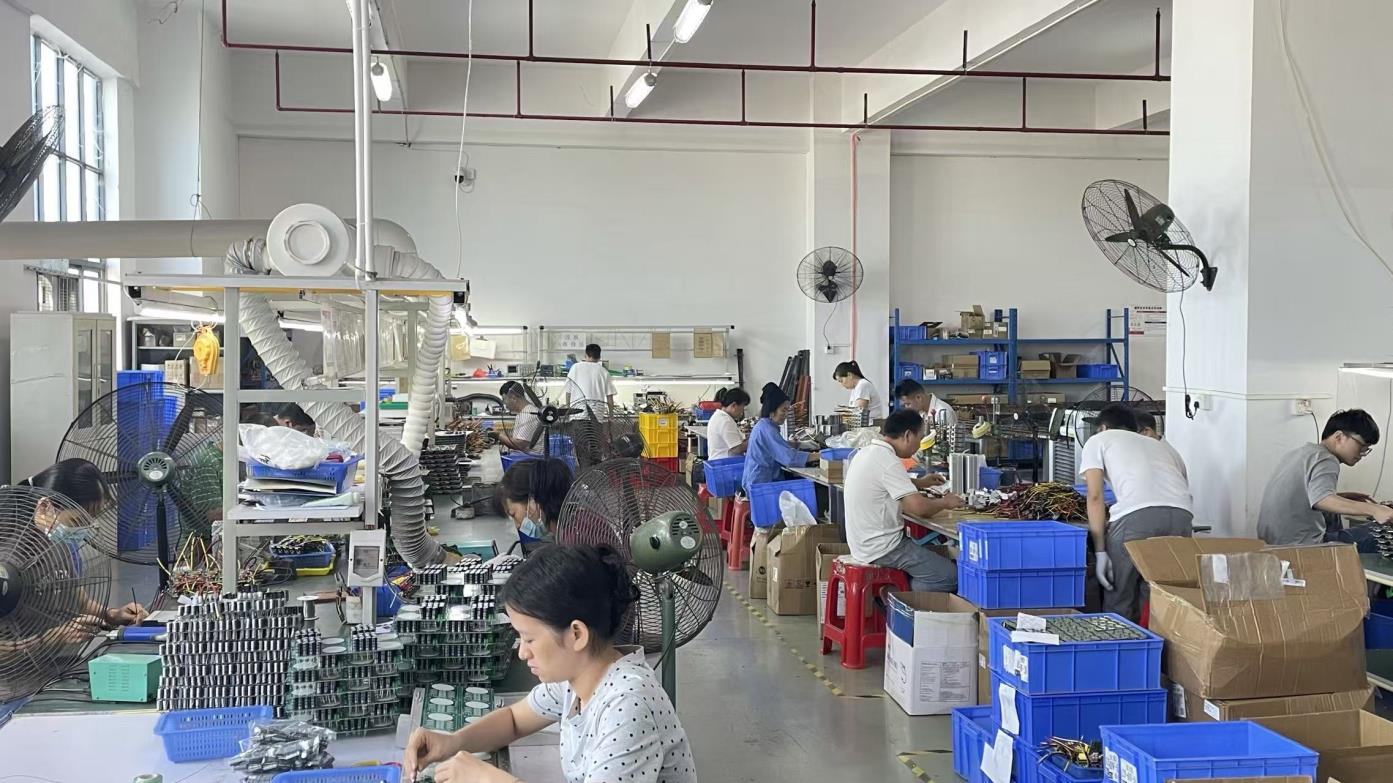 Assembly Line
System failures in base stations, data centers, or battery racks lead to costly downtime. The EVS testing laboratory ensures every rectifier, inverter, and system undergoes strict testing for electrical and environmental endurance before shipping.
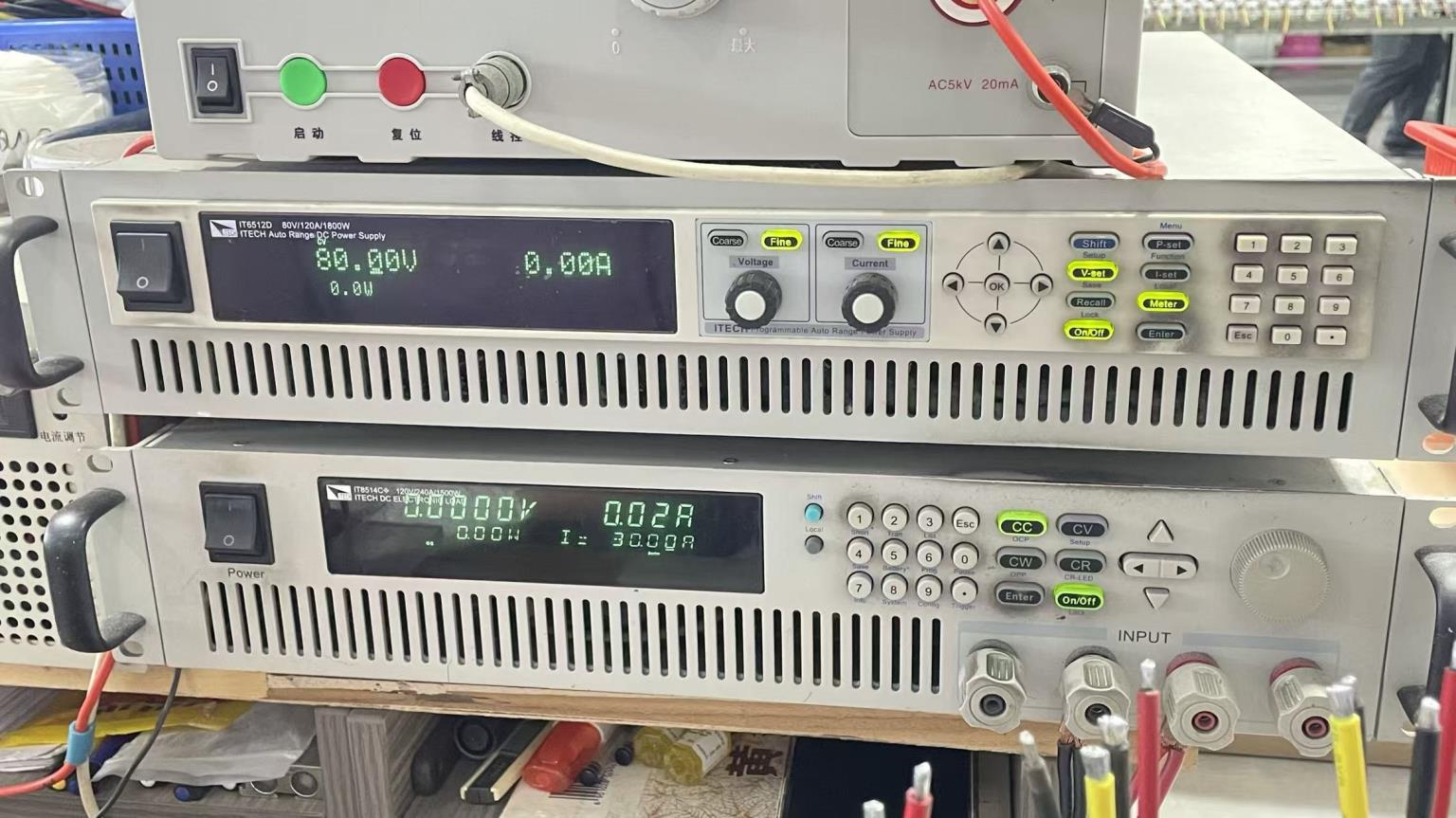 DC Power Supply Tester
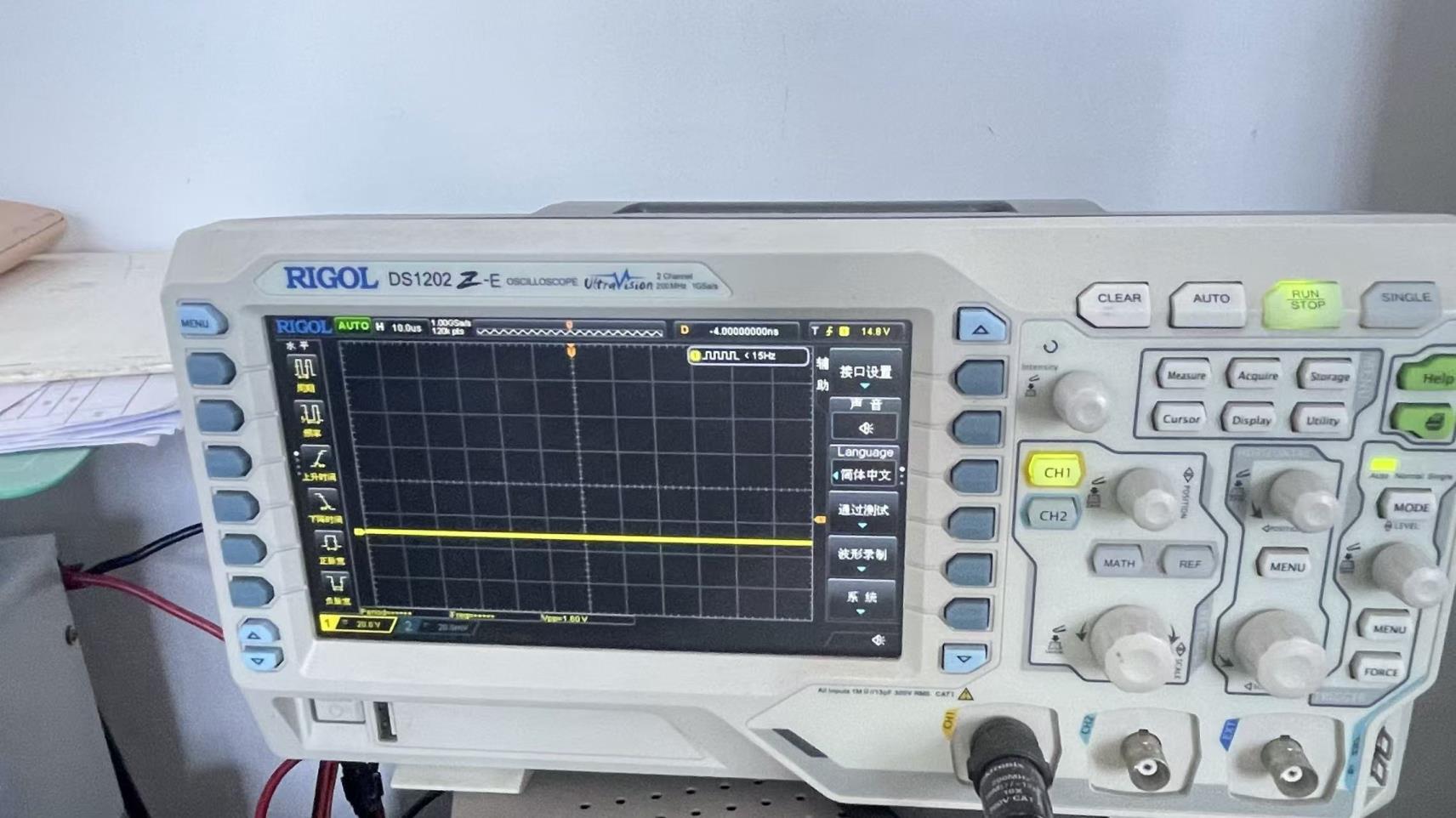 AC Withstand Voltage Tester
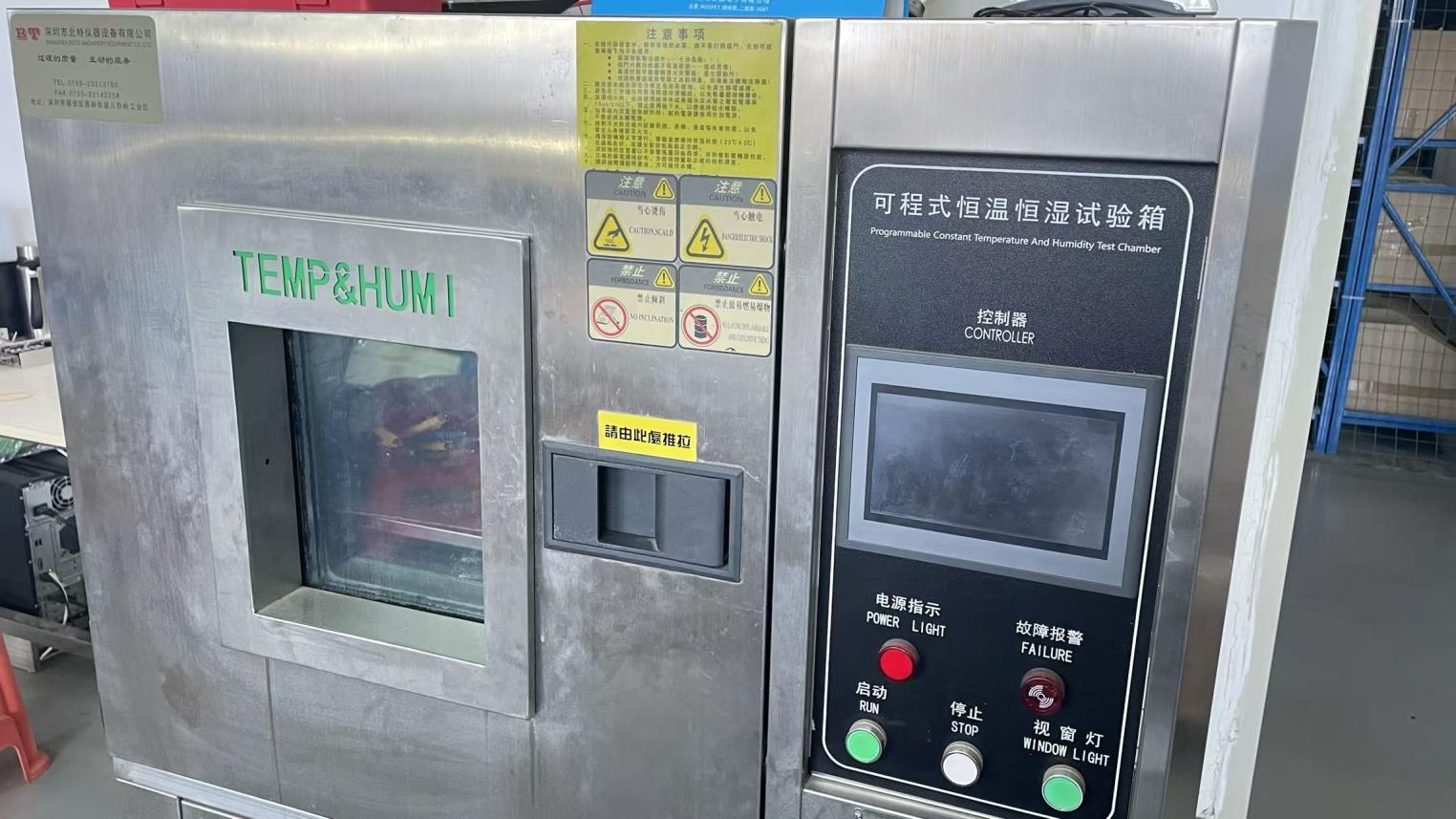 Constant temperature and humidity chamber
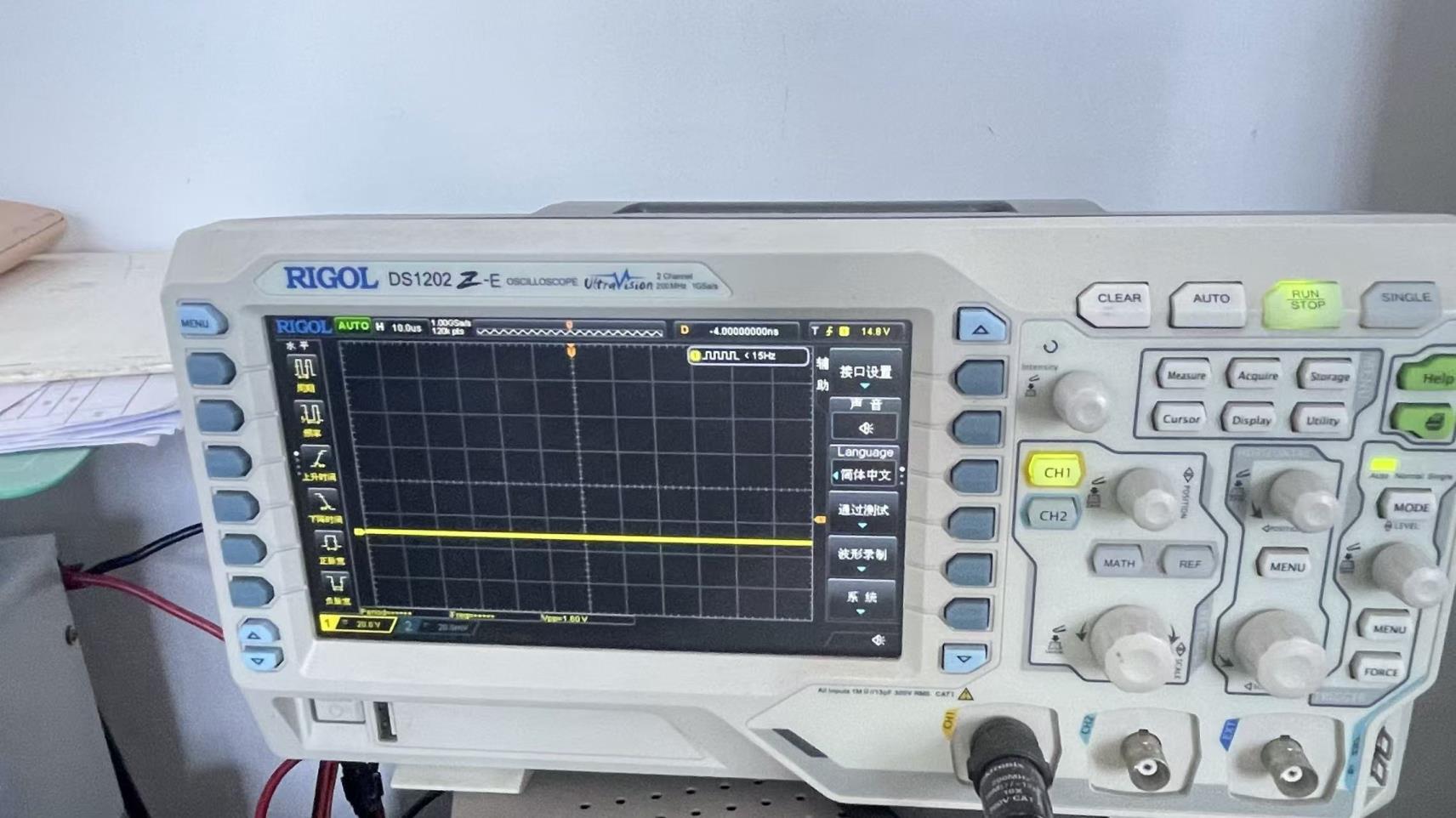 Optical microscope
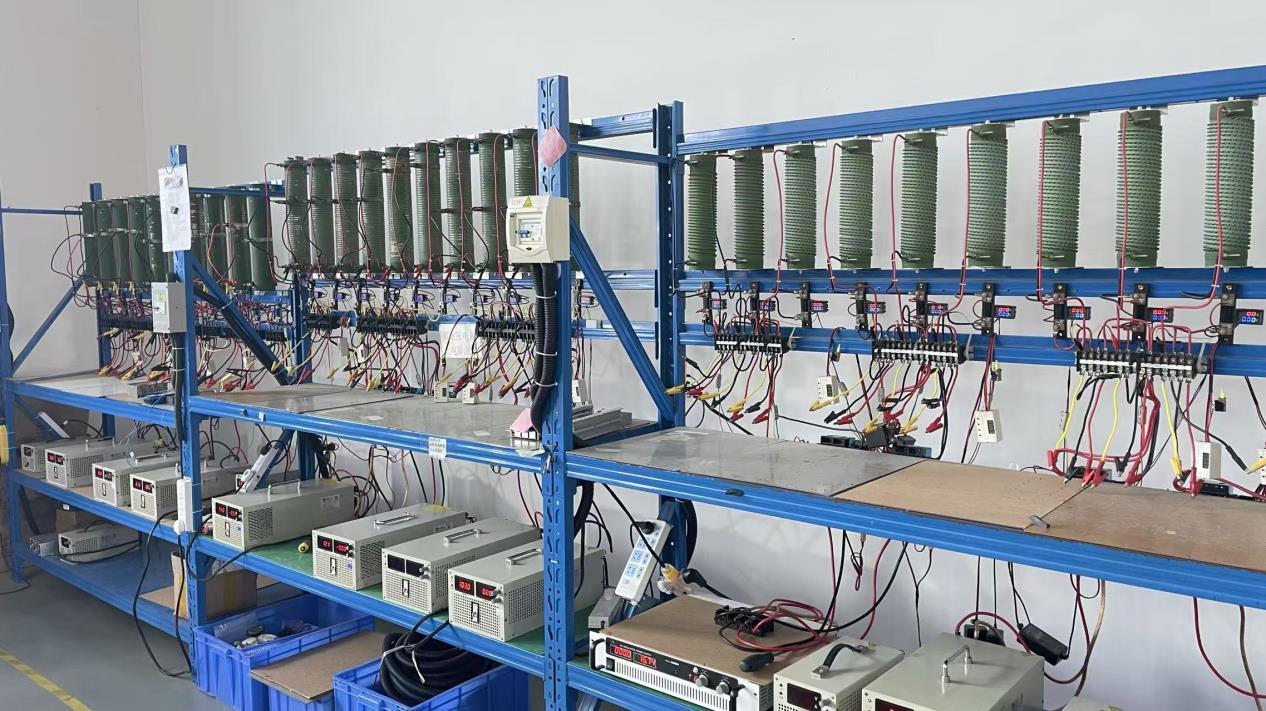 Aging test
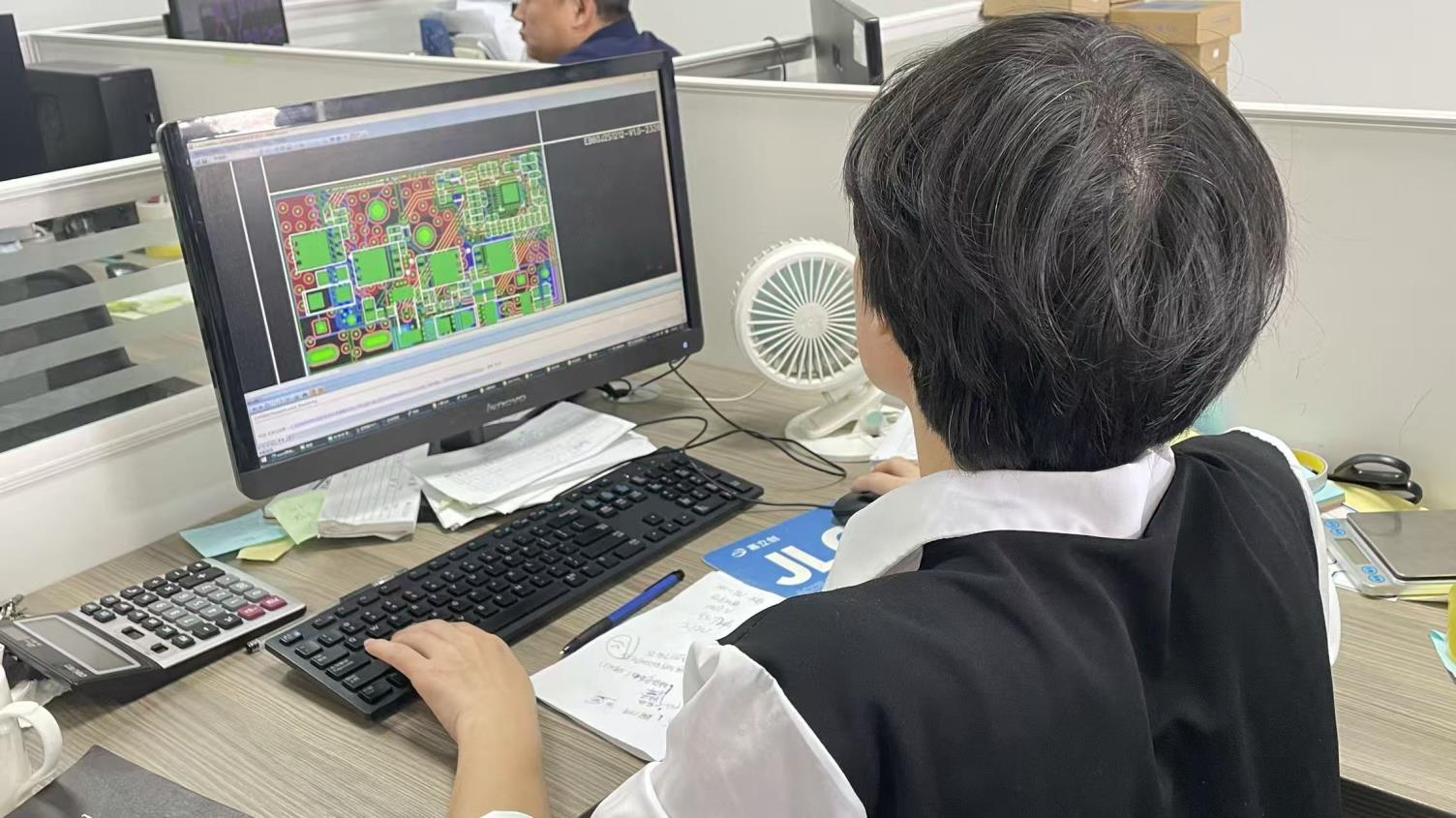 Design
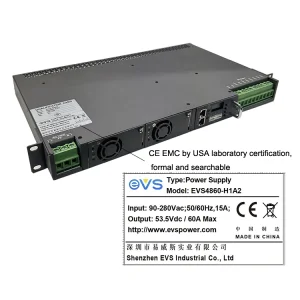
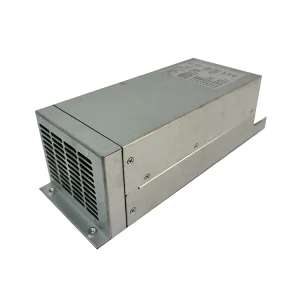
The modular configurations of our power rectifiers, DC-DC step-down converters, and pure sine-wave telecom inverters fit into modern energy systems globally:
Direct answers to structural engineering, sourcing, and OEM/ODM configuration questions.
 EVS Powers