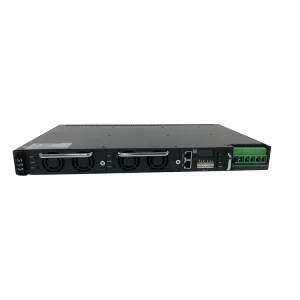
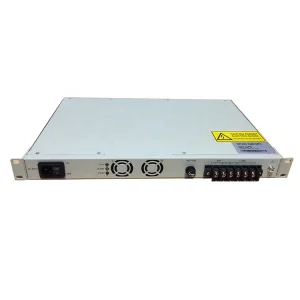
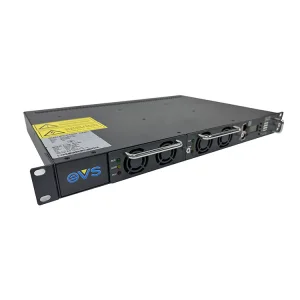
Pre-integrated rack-mount solutions engineered for high performance, standard size compatibility, and robust power conversion efficiencies targeting Canadian communications, power grids, and high-density computing clusters.

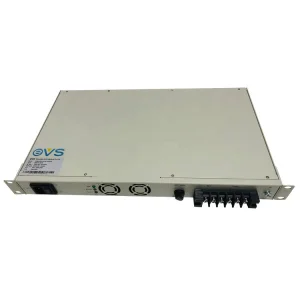
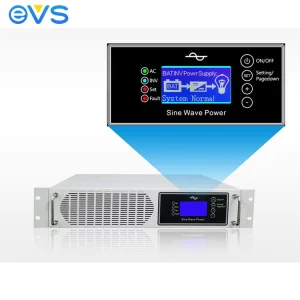
Canada’s diverse geography—stretching from high-density metropolitan zones like Toronto and Vancouver to remote regions in Nunavut and the Northwest Territories—creates unique infrastructure deployment challenges. As the country speeds up its 5G deployments and grid modernization, demand for high-performance network cabinet factories and localized manufacturing has surged.
These enclosures do more than just store hardware. They act as protective shields against Canada’s harsh weather: freezing winter temperatures, high humidity, and coastal salt mist. Industrial networks rely on integrated rack-mount power systems, such as advanced DC-DC converters, telecom-grade rectifiers, and high-efficiency inverters, to maintain uptime even when the main grid fluctuates.
Our research shows that Canadian procurement managers now prioritize units that combine structural durability with integrated, intelligent power electronics. This shift makes modular, pre-configured power cabinets a standard requirement for next-generation grid substations, telecom hubs, and resource-extraction field operations.
High-efficiency switching power supplies, hot-swappable telecom rectifiers, and custom DC-DC converters engineered to match standard Canadian network rack standards.
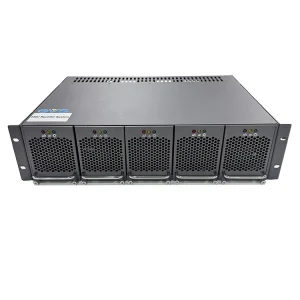
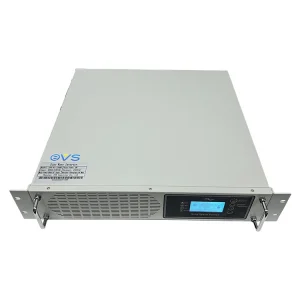
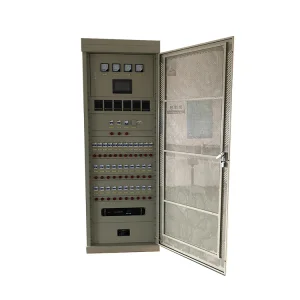
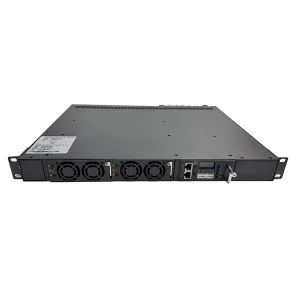
Our enclosures are built with heavy-duty cold-rolled steel or marine-grade aluminum. They feature welded configurations that handle static loads up to 1500kg. This strong structural integrity protects delicate internal electronics from ambient seismic activity and localized vibrations common in rail and heavy industrial zones.
To prevent localized heat build-up, our cabinets use smart cooling systems. These range from simple exhaust fan trays to intelligent heat exchangers and compact air conditioning units. This keeps the interior temperature within the optimal range of 15°C to 25°C, extending battery lifespan and system reliability.
For outdoor deployment in harsh environments, our cabinets undergo multi-stage powder coating. This provides resistance to UV rays and salt spray. Dual-gasket doors ensure reliable IP55 or NEMA 4X ingress protection, keeping out dust, melting ice, and wind-driven rain.
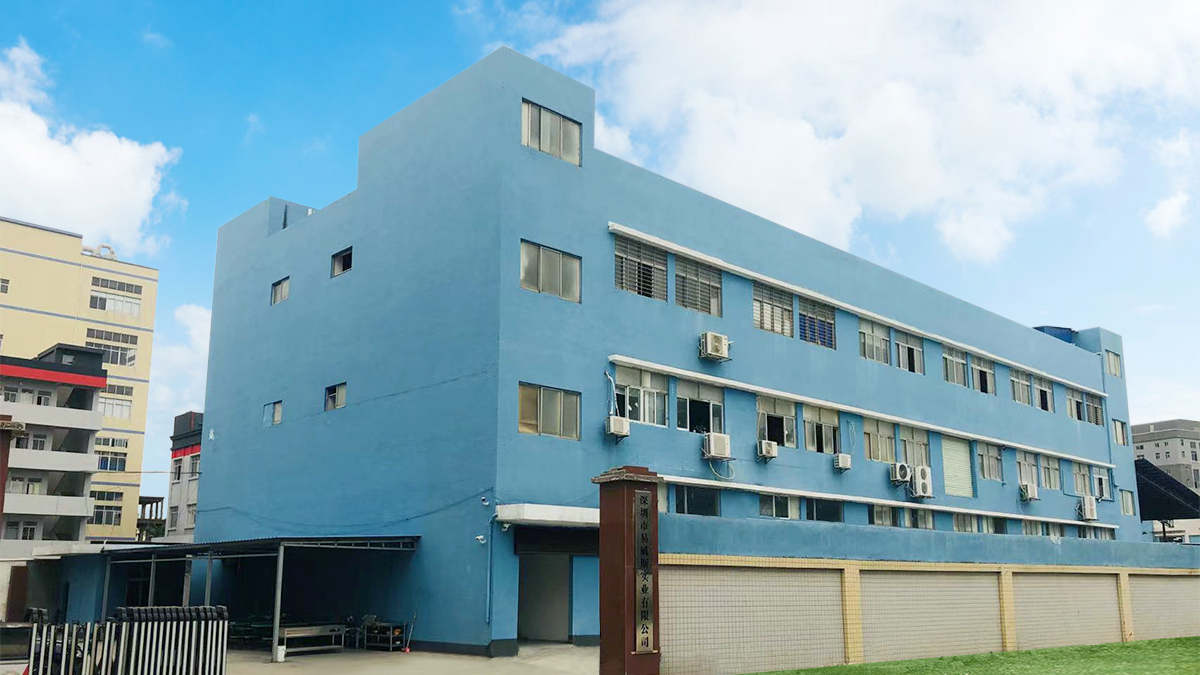
Guangzhou EVS Powers Co., Ltd., is located in the international trade city of Guangzhou, China. EVS is a professional manufacturer of switching power supplies, DC power systems, power supply units, DC-DC converters, and power inverter series. We also develop custom OEM/ODM electronics products tailored to unique customer requests.
We prioritize customer satisfaction, high product quality, and cost efficiency. Over years of focused manufacturing, our strong credit standing and premier services have earned us long-term partnerships in Europe, South and North America, Australia, the Middle East, and Southeast Asia.
We work closely with our partners to share technical expertise, helping us deliver reliable solutions at competitive prices. As global economies modernize, EVS Powers remains dedicated to supporting infrastructure projects worldwide with dependable, high-efficiency power electronics.
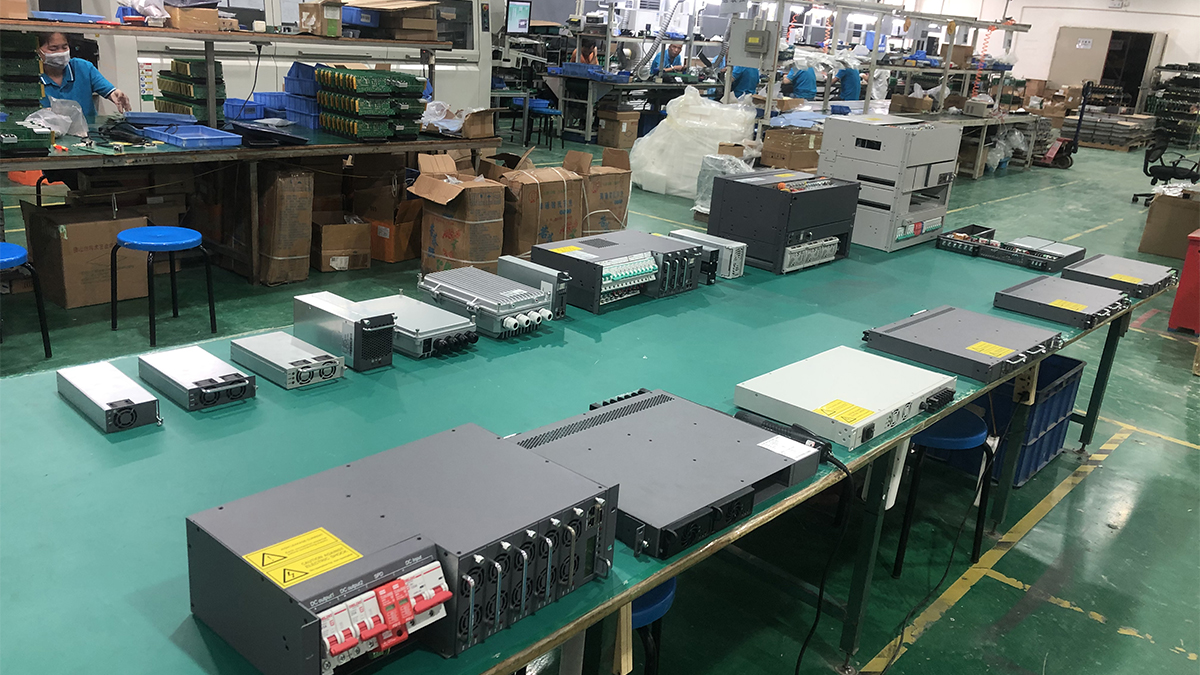
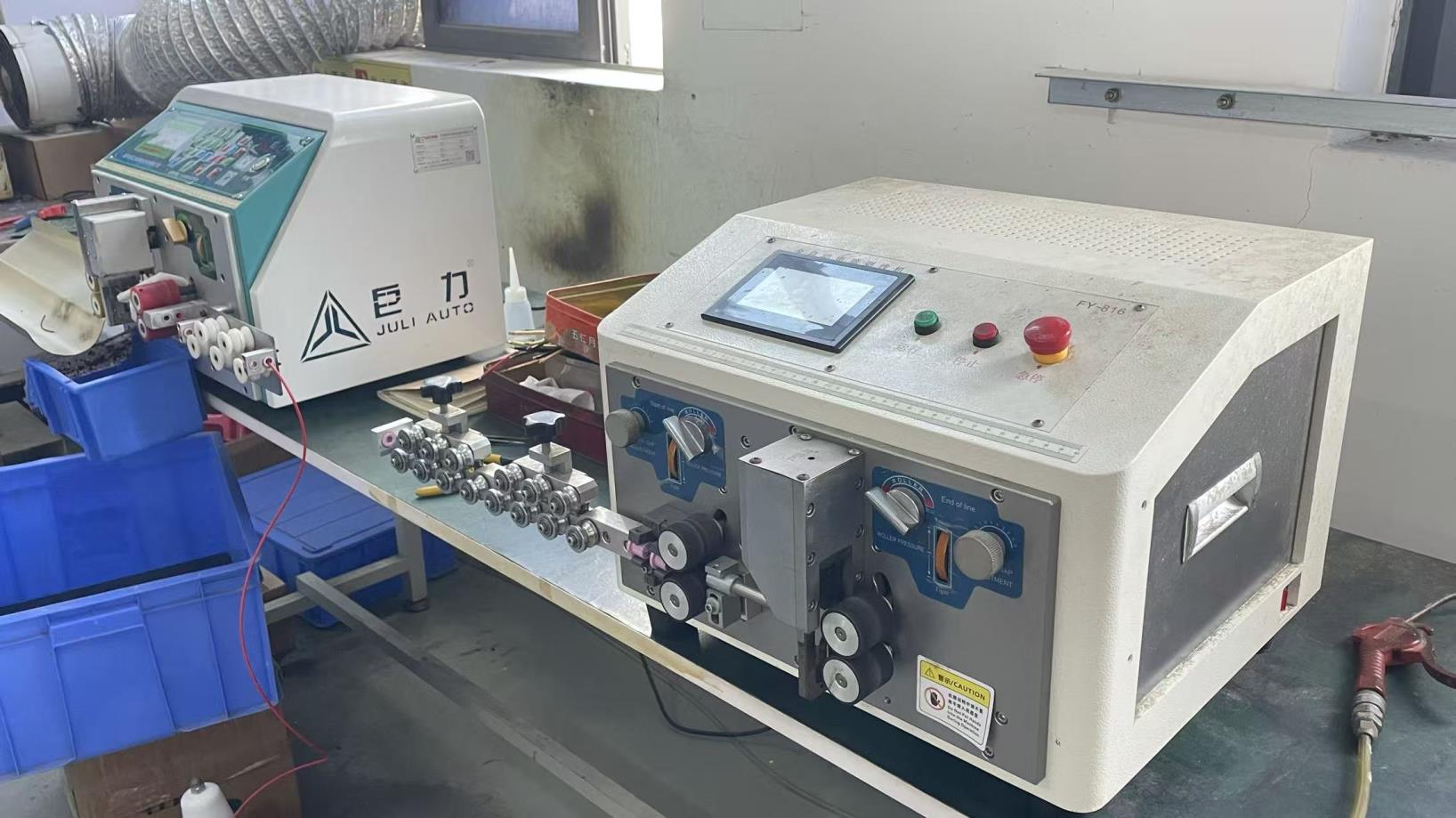
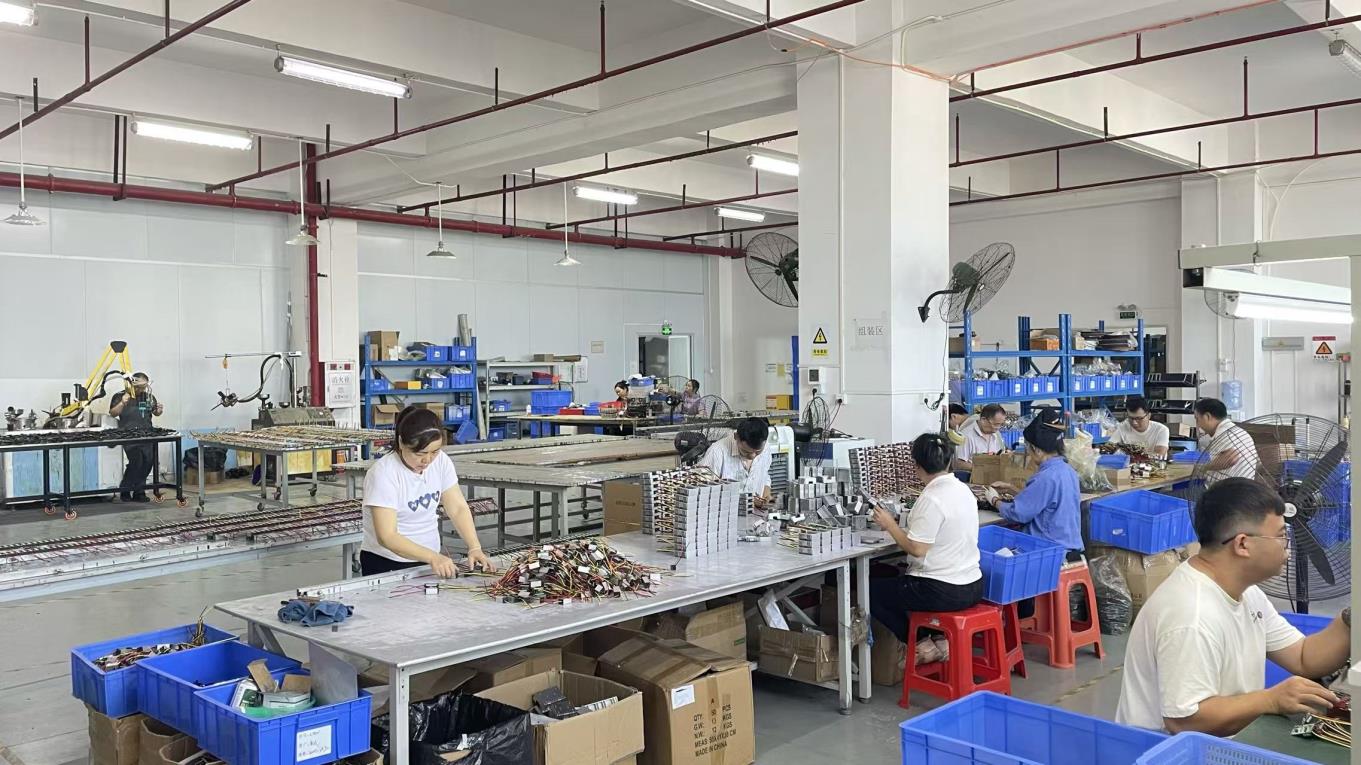

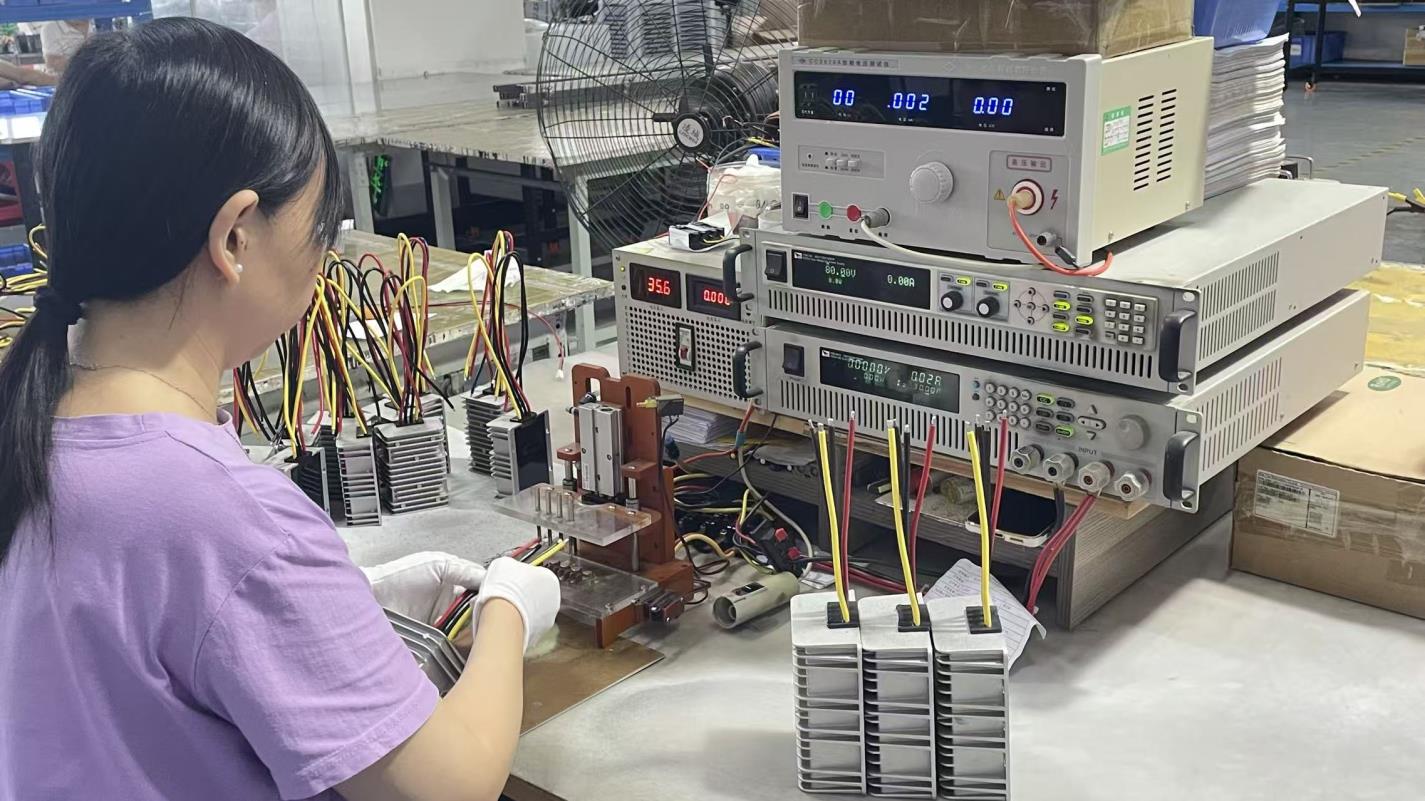
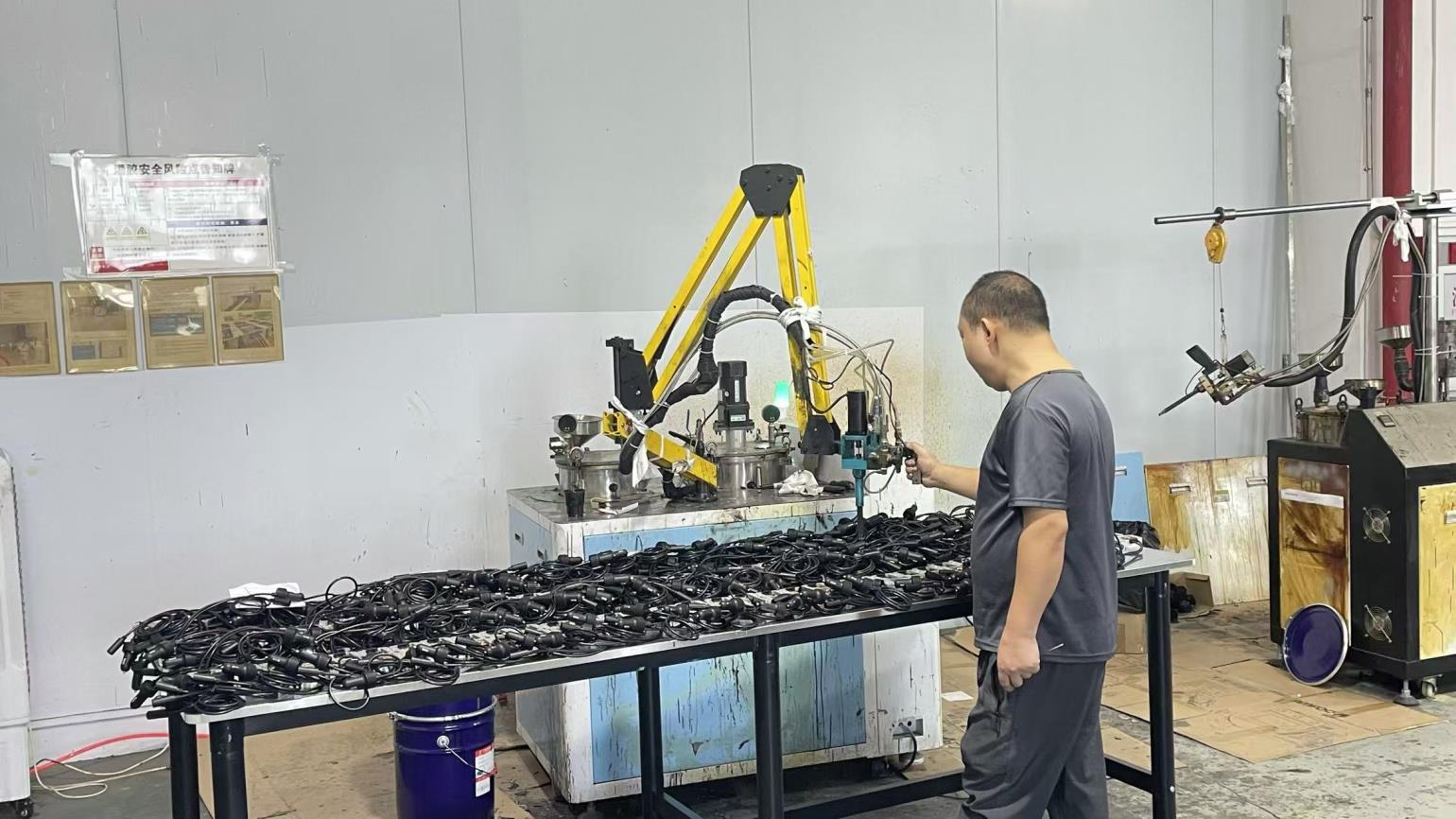
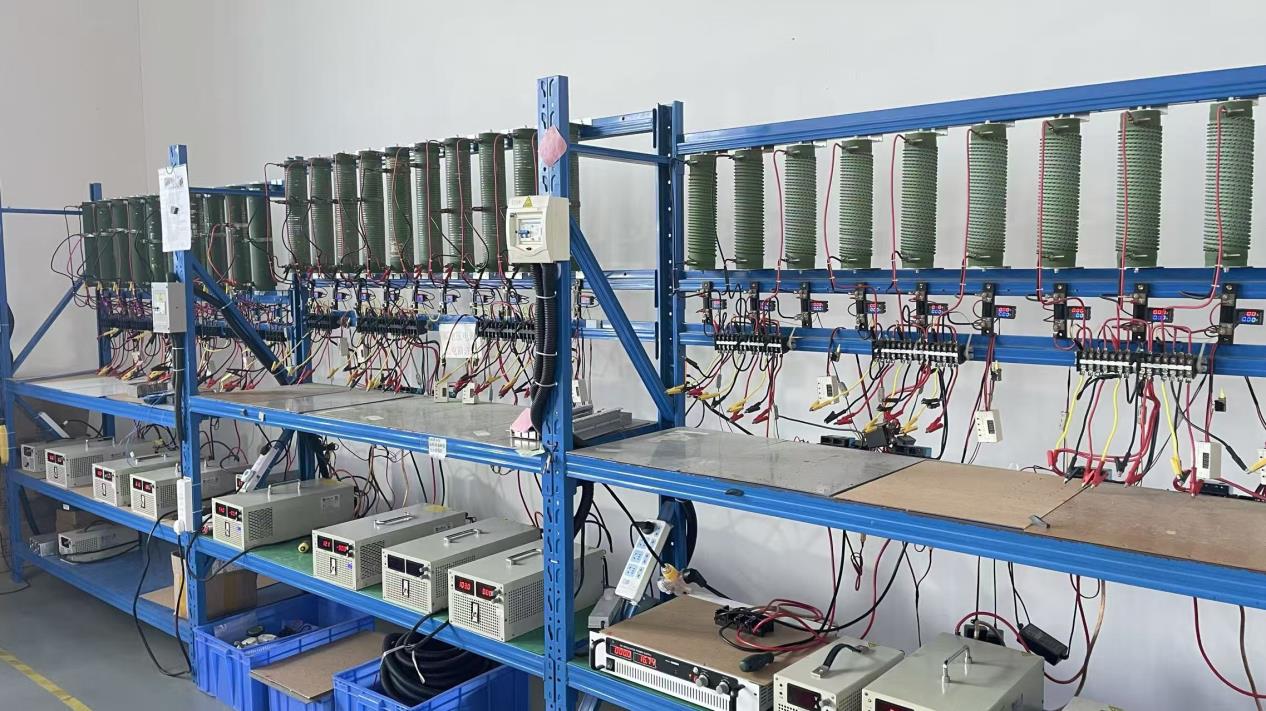
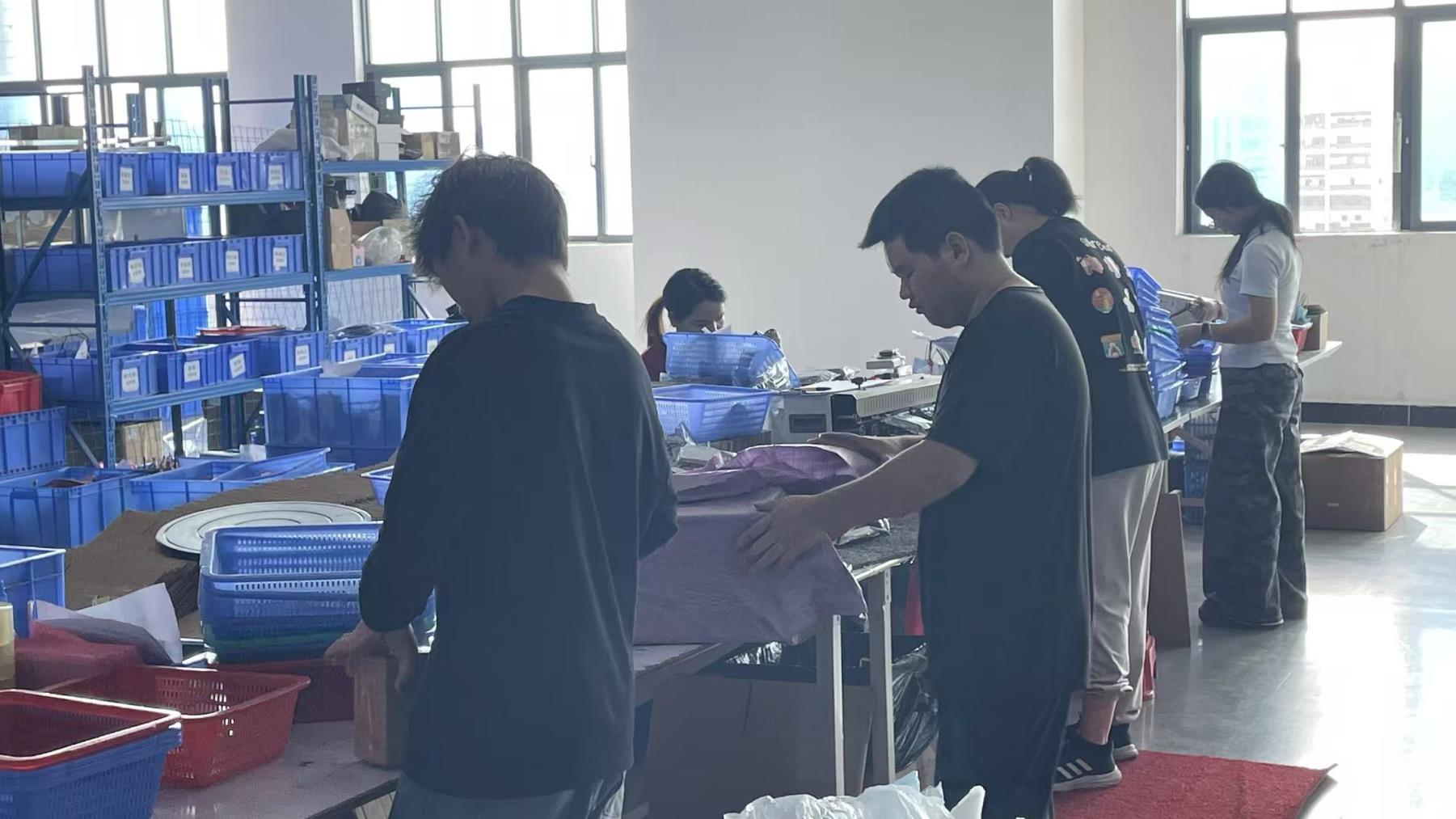
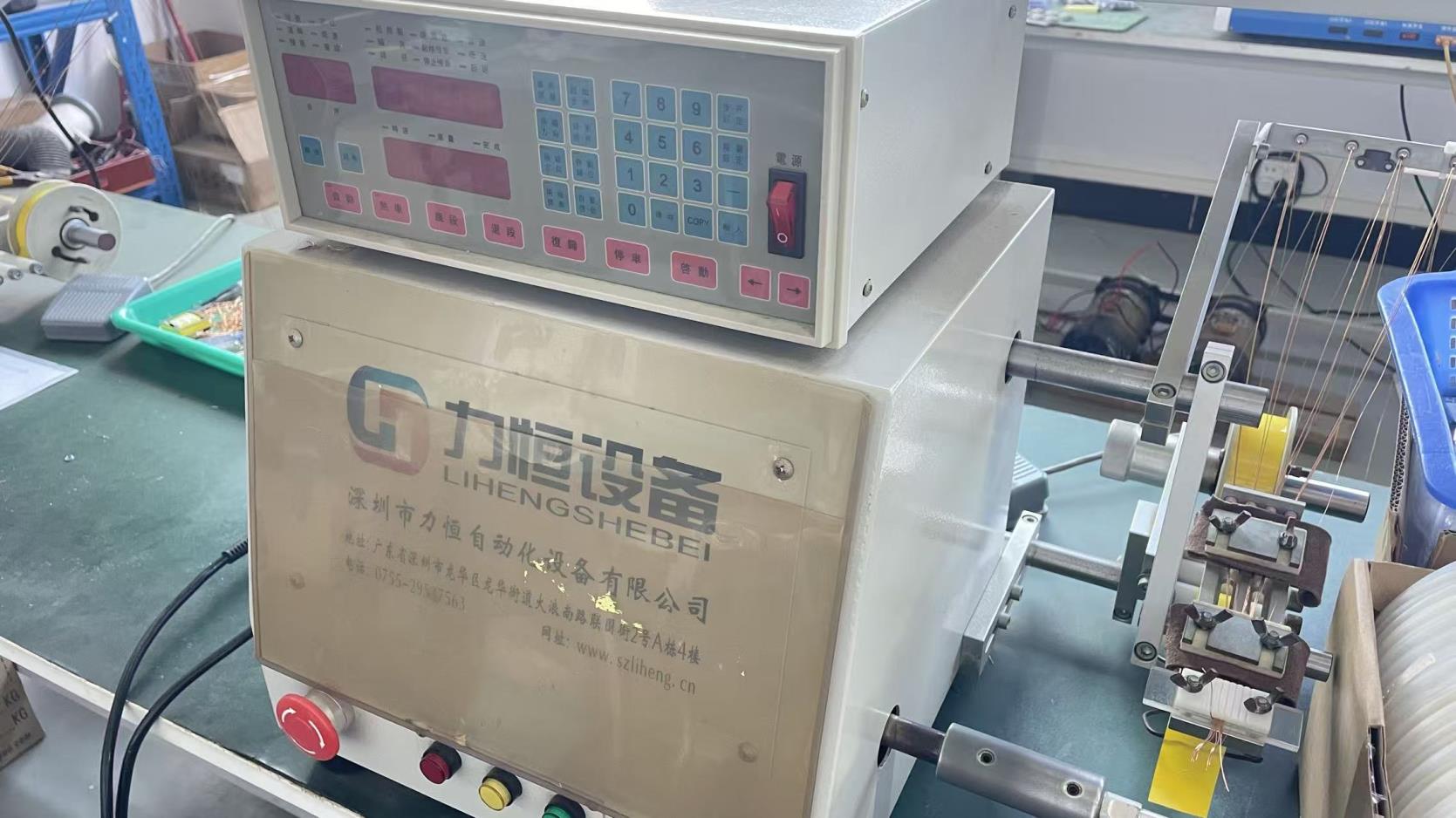
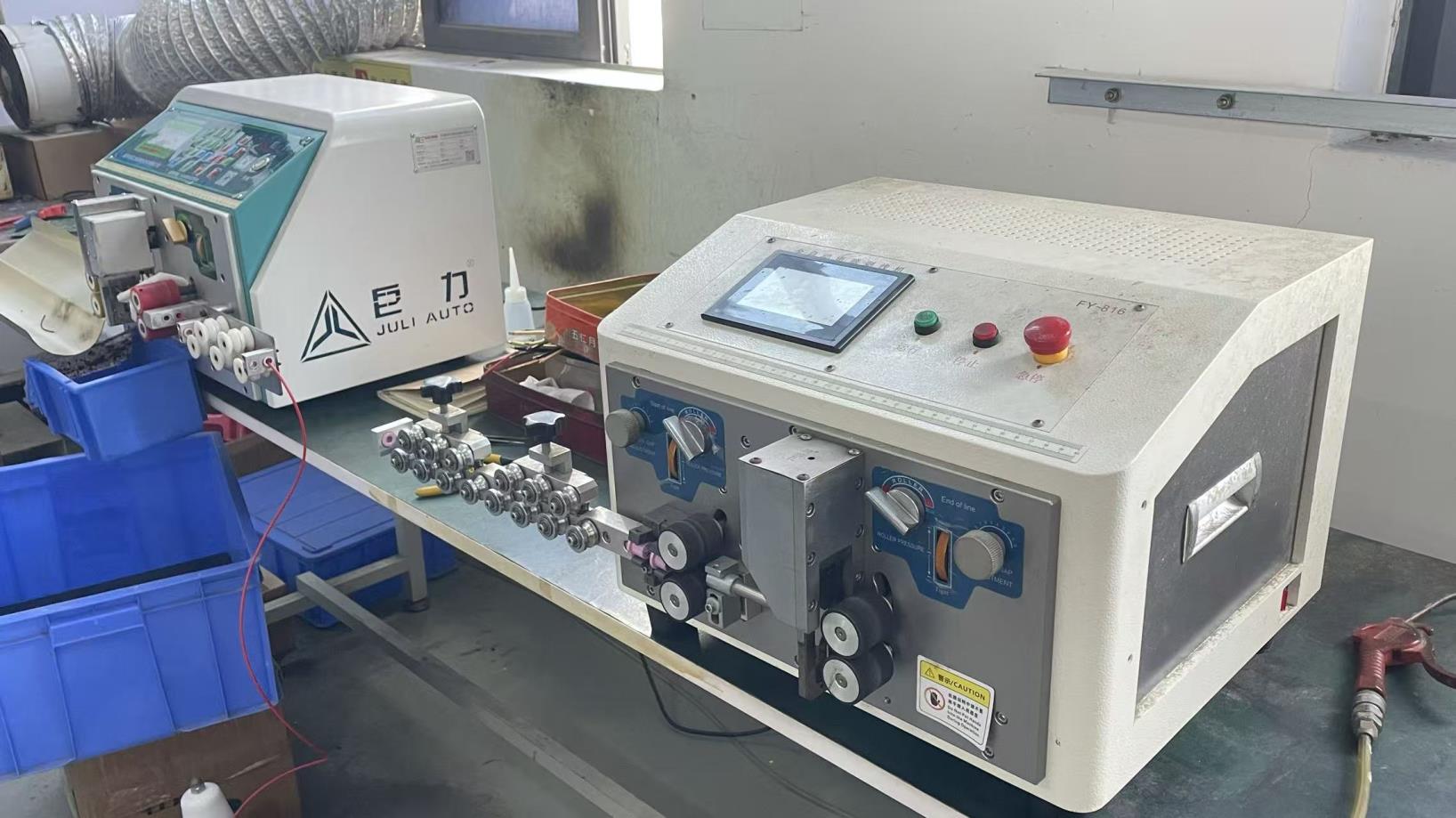


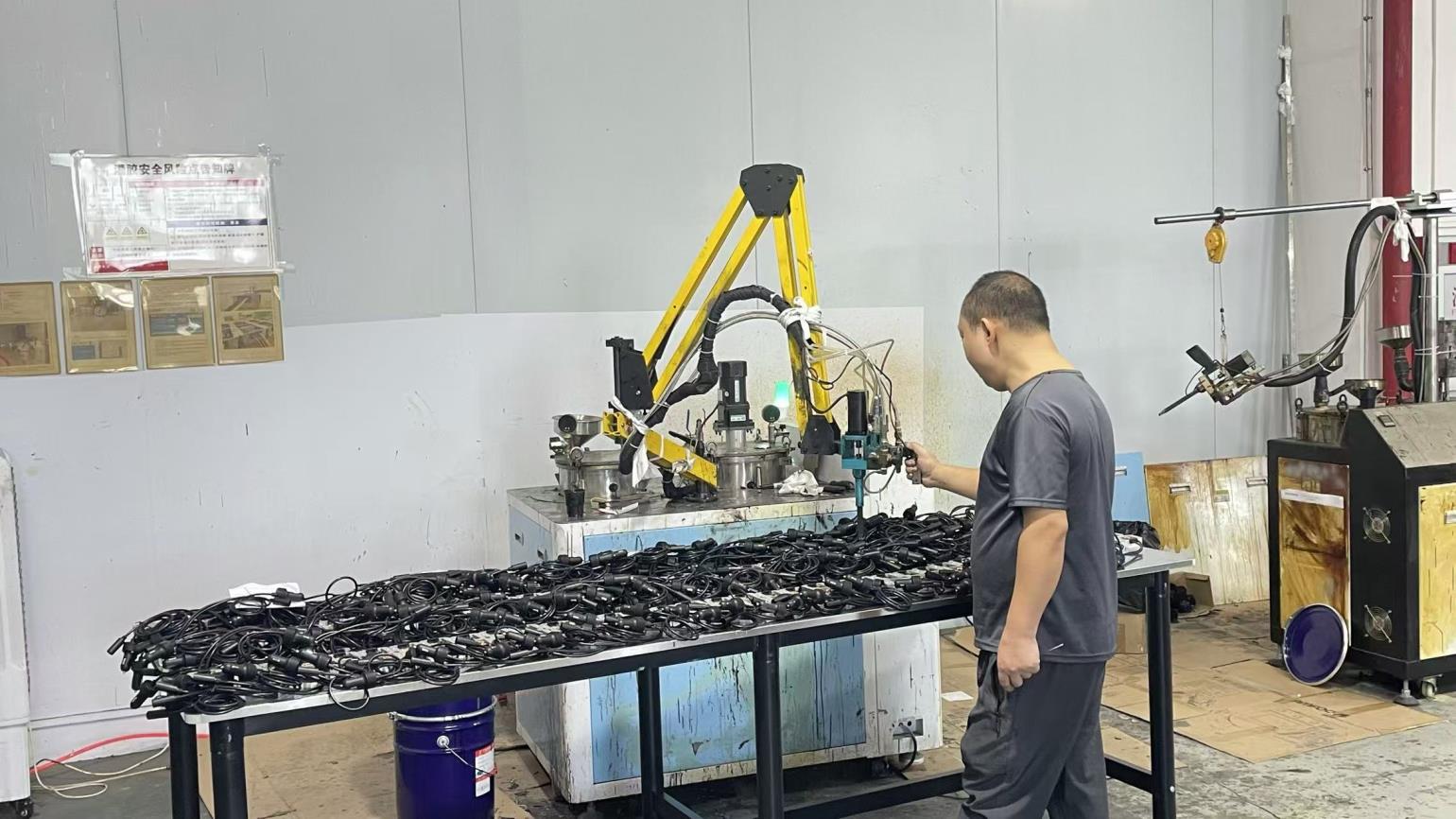
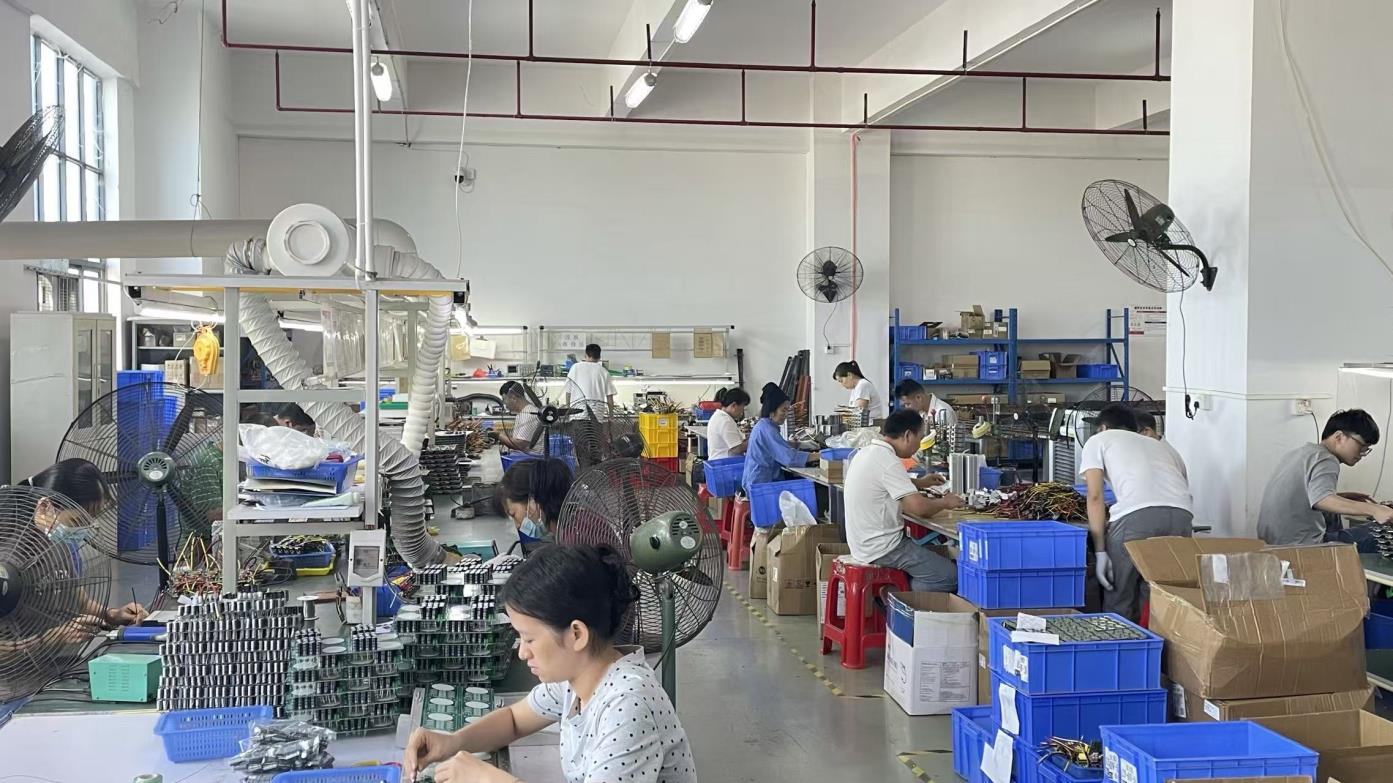
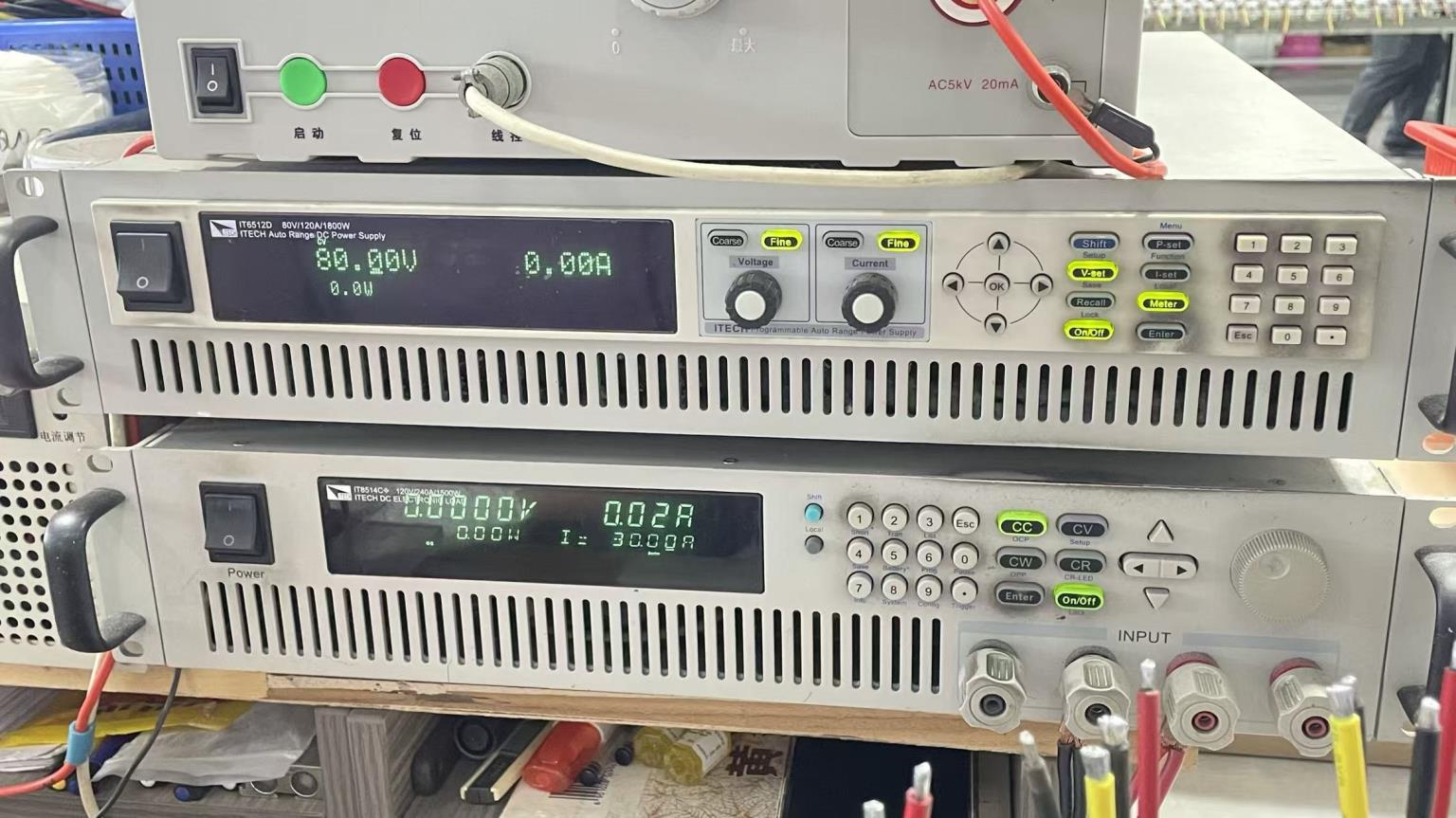
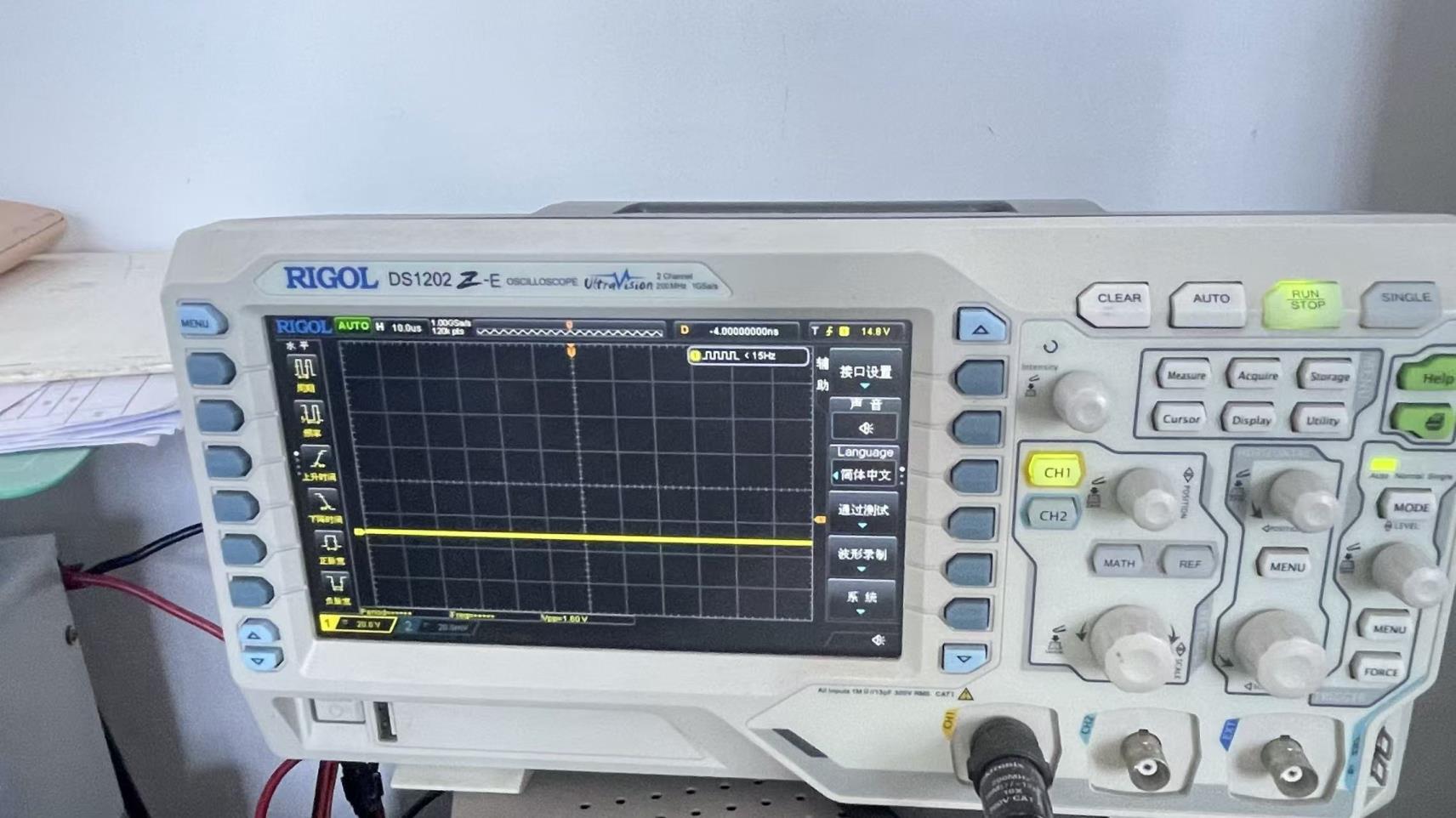
We maintain high reliability through systematic testing. Every power component and finished network enclosure undergoes strict QA procedures in our specialized validation lab before shipment.
From component stress testing to environmental simulation, our quality control process ensures that every system handles voltage drops, thermal extremes, and mechanical shock according to international industrial standards.
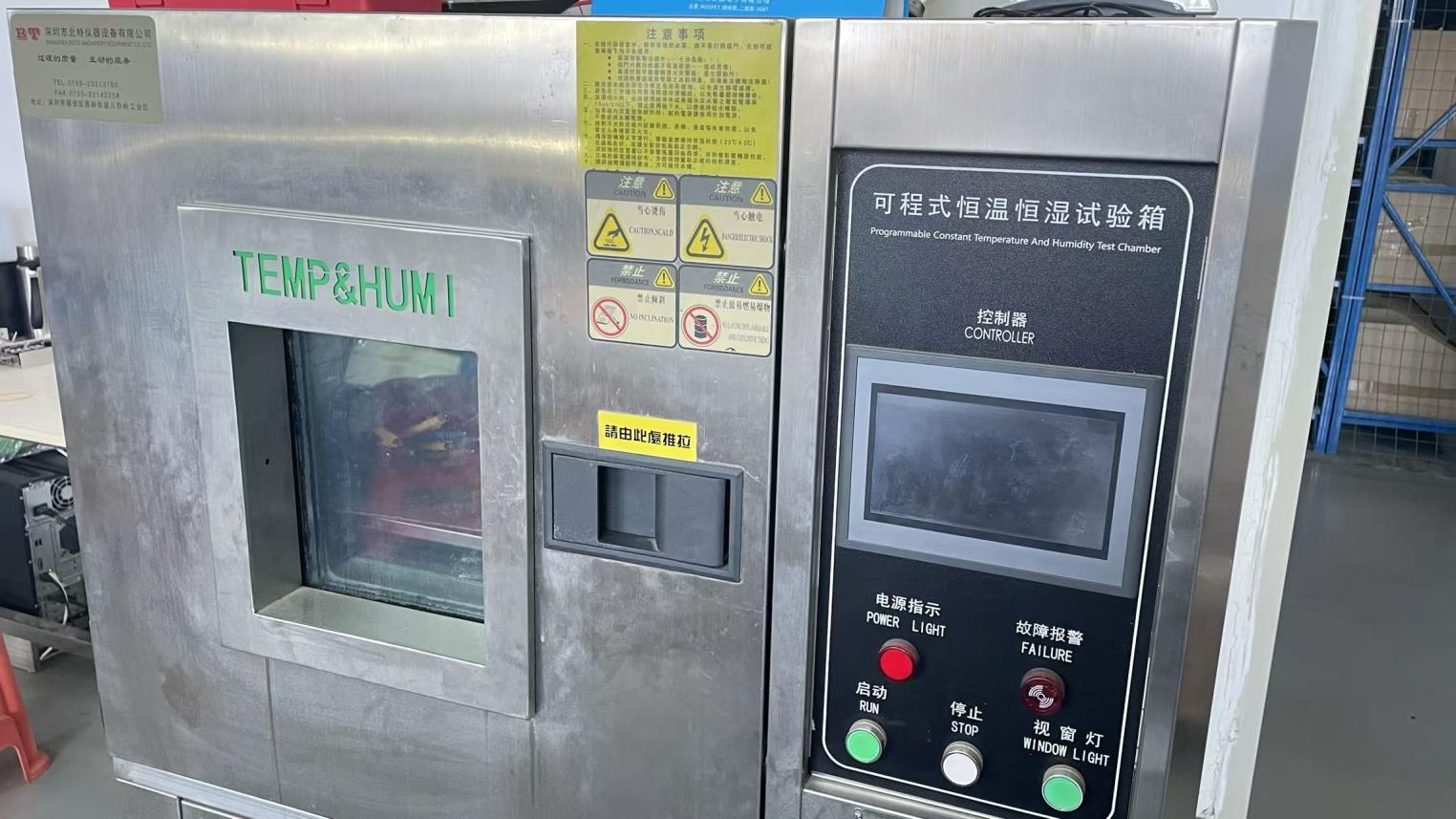
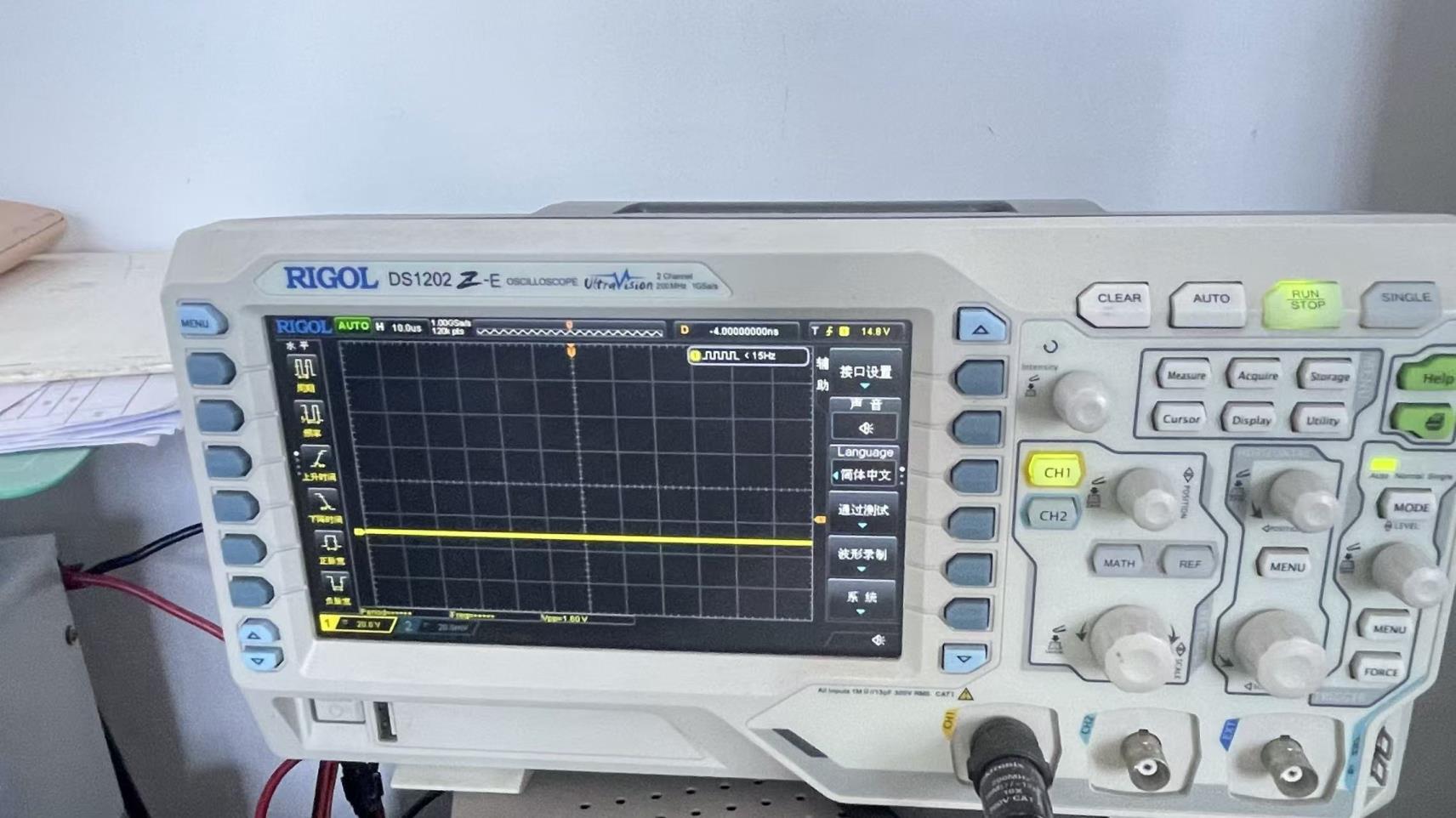
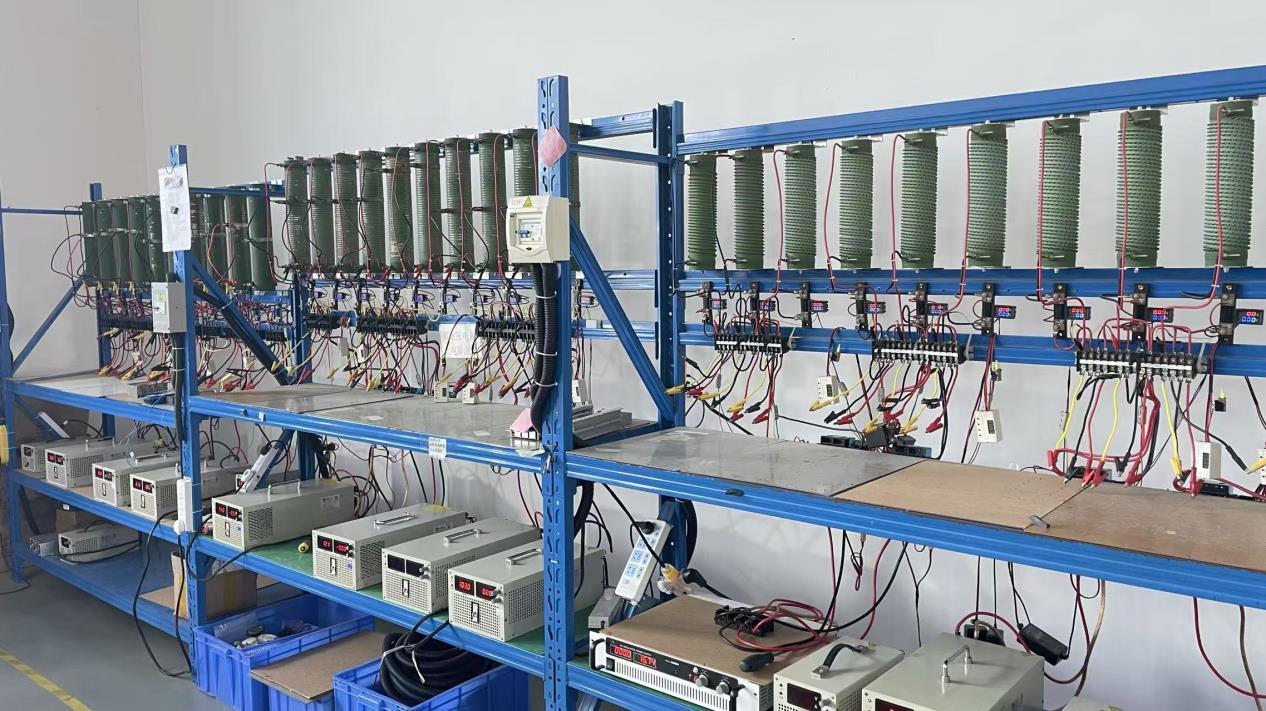
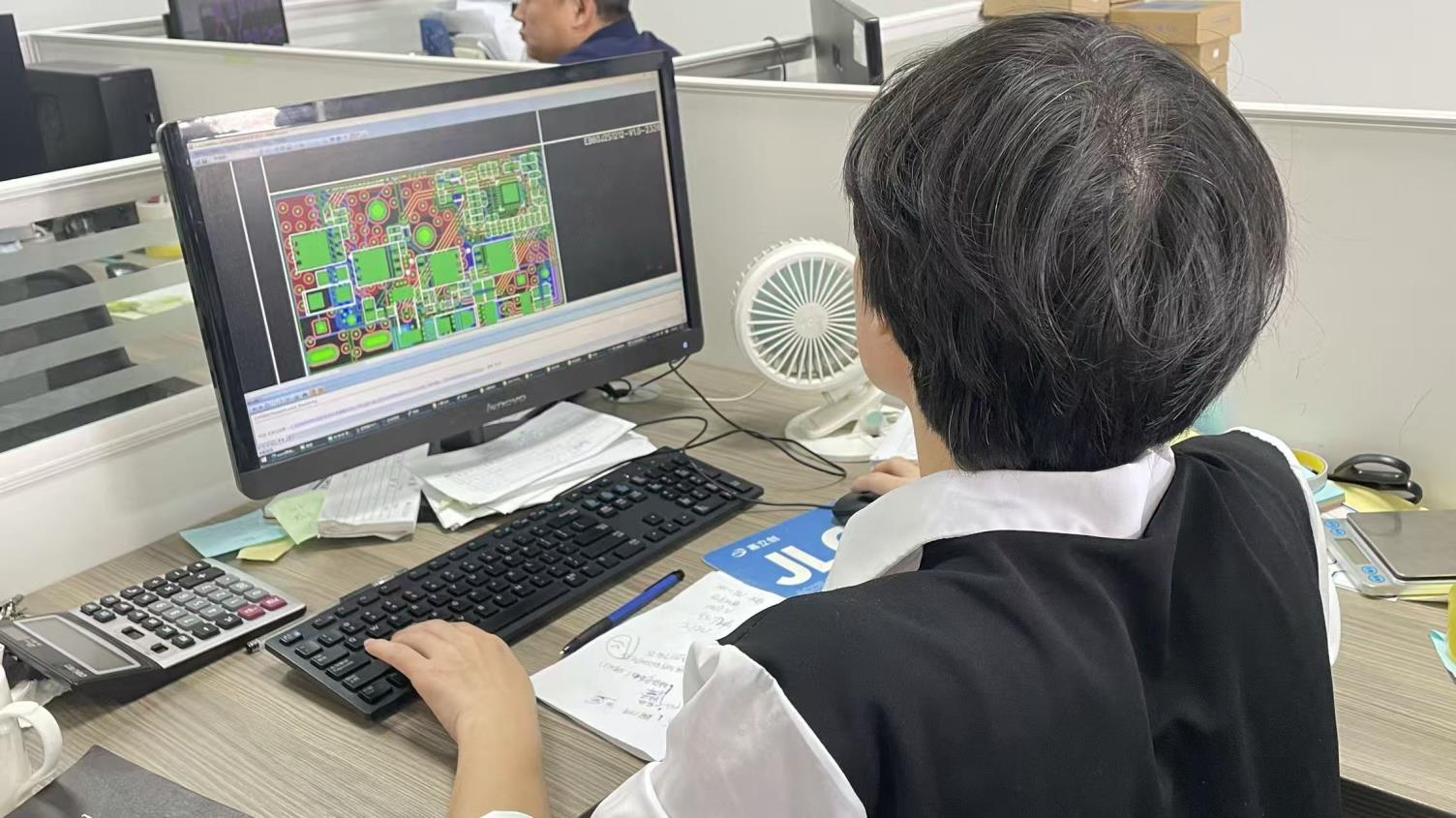
Modern telecommunication nodes require close integration between the physical rack structure and the active power conversion modules. Designing cabinets to house components like DC-DC converters, rectifiers, and inverters involves balancing spatial layout, thermal loads, and electrical safety.
Modern telecommunication systems run on DC voltage, typically 24V or 48V. Our high-efficiency industrial rectifiers convert AC grid power to stable DC. When powering AC-only peripheral gear, pure sine wave inverters convert the DC back to 110V/220V AC, protecting the system from power drops and harmonic distortion.
Different internal subsystems operate on various voltage levels. Our DC-DC step-down converters regulate voltage (e.g., from 48V down to 24V), delivering stable power to sensitive micro-controllers, network switches, and signaling elements even during battery discharge cycles.
For remote sites where maintenance is costly, monitoring is essential. Our cabinets integrate smart controllers that monitor currents, operational temperature, and battery health, reporting data via SNMP to Central Operations Centers in real time.
How Canadian engineering firms and telecom operators configure EVS Powers infrastructure for critical installations.
For remote transportation corridors, our smart traffic enclosures house robust 48V DC power supplies paired with off-grid pure sine wave inverters. This system runs on solar panels with battery backup, maintaining constant operation through winter storms and sub-zero temperatures.
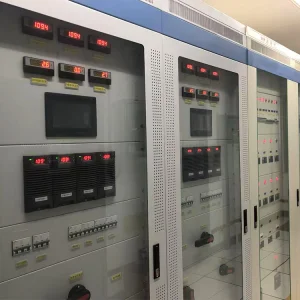
Utility providers in Western Canada use our heavy-duty steel network cabinets equipped with DC220V/DC110V rectifier cabinets. These provide backup power for critical protection relays and circuit breakers during grid faults.
For high-density facilities in Toronto and Montreal, our compact 19-inch 1U UPS systems and hot-swappable rectifiers deliver clean power to edge racks, maximizing space efficiency and reducing system downtime.
Canadian telecom companies and utility operators often face a choice: source network cabinets locally or work with global manufacturers. While domestic sourcing has short delivery times, global manufacturers based in Guangzhou offer advantages in design flexibility, integrated electronics, and cost-efficiency.
Guangzhou EVS Powers Co., Ltd. addresses common supply chain concerns like shipping delays, customs compliance, and safety standards for Canadian buyers. By maintaining strict control over our production, from sheet metal fabrication to testing rectifiers and inverters, we ensure that complete systems are ready for immediate installation upon arrival.
Additionally, we assist with shipping logistics, ocean freight routing to ports in Vancouver or Halifax, and customs documentation, helping minimize tariff costs and import delays. Our engineering team also coordinates closely with clients during design to ensure compliance with Canadian electrical codes.
High-efficiency switching systems, step-down converters, and rack-mounted charging systems designed for industrial networks.
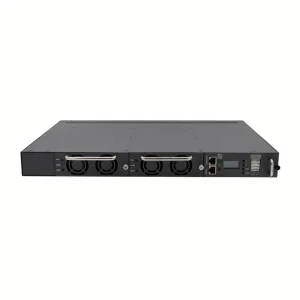
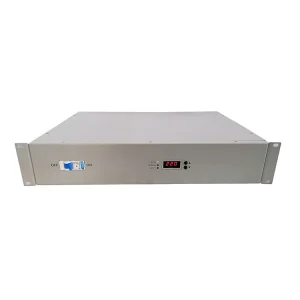
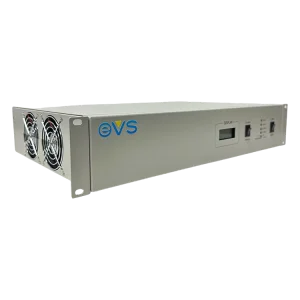
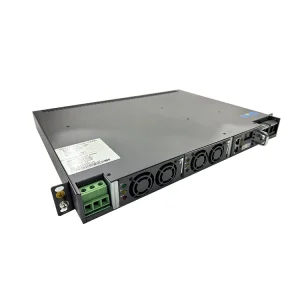
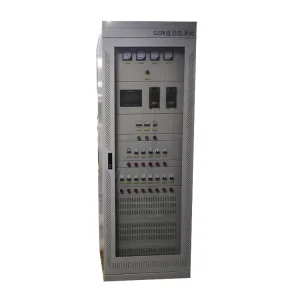
For outdoor installations in Canada, we recommend NEMA 3R, NEMA 4, or NEMA 4X (equivalent to IP55 through IP66). These configurations prevent the ingress of dust, rain, and snow, and protect against ice formation on the enclosure exterior. Dual-gasket seals and rainhoods are standard on EVS Powers outdoor cabinets to ensure environmental protection.
To prevent battery capacity loss and equipment failure in temperatures down to -40°C, our cabinets can be configured with internal heating units controlled by adjustable thermostats. We also offer double-walled insulated panels to retain heat, and heat exchangers or air conditioners for summer cooling.
Sourcing from our Guangzhou factory offers access to high-end engineering capabilities, rapid prototyping, and cost-effective production. By integrating structural manufacturing with in-house power electronics (rectifiers, converters, and inverters), EVS Powers provides pre-tested, turnkey systems at competitive prices compared to buying separate components domestically.
Yes, all EVS Powers products designed for North America support standard voltages (such as 120V or 220V/240V AC split-phase configurations) at 60Hz frequency. Our products also carry international compliance and safety certifications to ensure compatibility with local grids.
Standard ocean freight from Guangzhou to Vancouver takes approximately 18 to 22 days, with an additional 7 to 10 days for inland rail transport to hubs like Calgary, Toronto, or Montreal. For urgent custom development work, air transport options are available to reduce transit time to 5-7 days.
Consult our engineering team to design, manufacture, and validate a system tailored to your specific project needs.
Send Inquiry Now EVS Powers