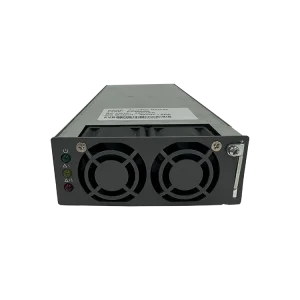
Highly optimized switch-mode rectifiers and modular battery chargers engineered for absolute power continuity in utility operations.
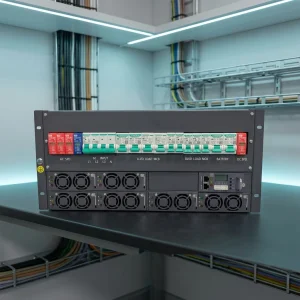
As New Zealand moves aggressively toward a net-zero carbon economy, its national electricity network operated by Transpower, along with local Electricity Distribution Businesses (EDBs) like Vector, Orion, and Powerco, faces a historic paradigm shift. The integration of localized wind farms in Manawatu, geothermal plants in the Taupo Volcanic Zone, and expanding grid-scale solar developments requires robust substation backup networks to maintain absolute system integrity.
At the heart of every electrical substation, hydropower asset, and heavy industrial plant is the auxiliary DC power system. A highly reliable 110VDC electric rectifier acts as the cornerstone, powering protection relays, switchgear tripping/closing coils, emergency lighting, and Supervisory Control and Data Acquisition (SCADA) systems during an unexpected AC blackout.
New Zealand's isolated geographical nature demands equipment designed for extreme reliability. Remote mountainous terrains, high seismic activities, and harsh marine environments in coastal regions demand rectifiers built with premium electrical insulation, resilient thermal management, and intelligent remote monitoring protocols (SNMP and Modbus RTU).
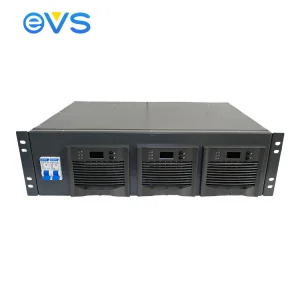
EVS modular switch-mode rectifiers combine high-frequency resonant soft-switching technology with digital signal processors (DSP) to deliver clean, stabilized DC power.
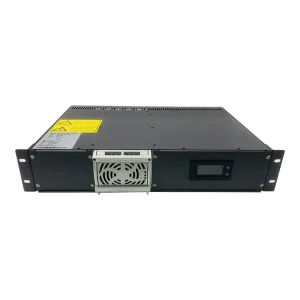
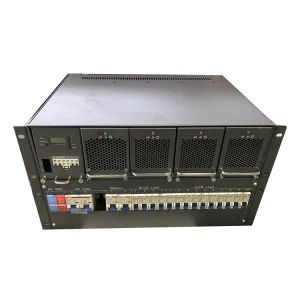
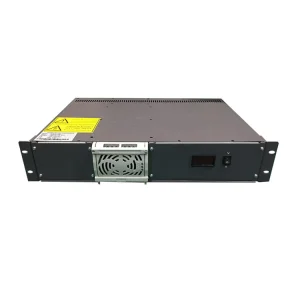
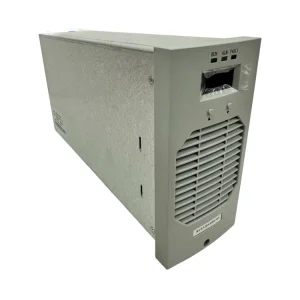
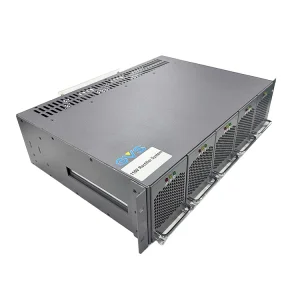
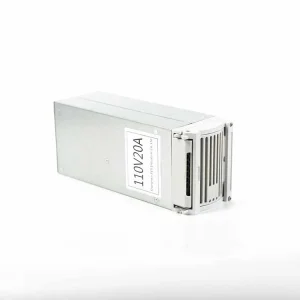
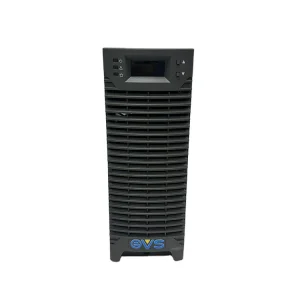
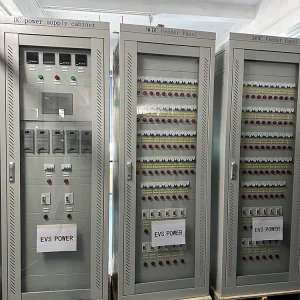
| Parameters | Modular Rectifier System (EVS RM1103000S-M) | High Capacity Industrial Cabinet (EVS110100-H5B5) | DIN Rail / Sub-rack Module |
|---|---|---|---|
| Nominal Output Voltage | 110VDC (Adjustable range: 90V - 145VDC) | 110VDC/125VDC nominal | 110VDC (stabilized) |
| Input Voltage Range | 180V - 275VAC (Single Phase) or 380V/415VAC (3-Phase) | 220V/380VAC ± 20%, 50Hz/60Hz | 220V/230VAC (50/60Hz) |
| Maximum Efficiency | ≥ 93.2% (Soft-Switching technology) | ≥ 95% peak efficiency | ≥ 92% efficiency |
| Cooling Method | Temperature-controlled forced-air cooling | Intelligent fan cooling or natural convection options | Convection or low-noise fan cooling |
| Communication Protocols | RS485, Modbus RTU, SNMP options | Integrated SNMP, RS485, CAN bus | Dry contacts, RS485 / Modbus |
| Protection Features | Overvoltage, Undervoltage, Short Circuit, Over-temp | Comprehensive battery overcharge, ground-fault detection | Input surge protection, current limiting |
Maintains an input Power Factor (PF) of ≥ 0.99, reducing harmonic distortion back into the local grid, complying with local electrical distribution limits and optimizing overall system power usage.
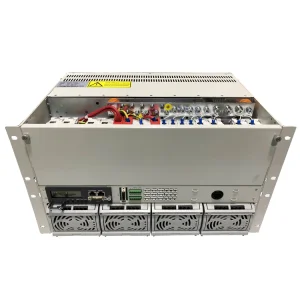
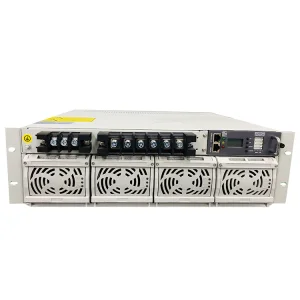
Minimize Mean Time to Repair (MTTR) with hot-swappable modular rectifiers. If a single module encounters a fault, it can be swapped live without powering down the primary utility control bus.
EVS rectifiers feature dual-rate charging capabilities (Boost and Float charge modes) and temperature-compensated charging profiles to maximize the life cycle of VRLA or LiFePO4 battery banks.
Procuring critical DC backup systems for New Zealand requires strict adherence to localized electrical, structural, and safety standards.
All EVS 110VDC electrical rectifiers are engineered to meet safety standards aligned with AS/NZS 60950 and IEC 62368-1. Electromagnetic compatibility (EMC) parameters satisfy the requirements of AS/NZS CISPR 32, ensuring minimal radio frequency interference (RFI) inside sensitive communications facilities.
New Zealand's high risk of tectonic movement makes structural integrity key. EVS offers customizable 2U, 4U rackmount frames, and floor-standing charging cabinets configured to withstand seismic shocks, securing structural stability and power continuity during major earthquakes.
Many of New Zealand's infrastructure components sit near coastal waters exposed to salt-laden wind. Our products offer optional conformal coating on PCBAs (Protection Class 3C2/3B2) and IP54 rated cabinet enclosures, protecting circuits from moisture and airborne contaminants.
For global engineering consultants (such as WSP, Beca, and AECOM) managing infrastructural designs in the South Pacific, procuring power supplies with reliable logistics is critical. Guangzhou EVS Powers Co., Ltd. addresses this through a robust supply chain footprint. Combining direct manufacturing in the high-tech hub of Guangzhou with experienced shipping partners, we guarantee streamlined customs processing, clear delivery timelines, and full compliance documentation (Factory Acceptance Testing - FAT records, Certificate of Conformity) required for immediate project approval.
A professional manufacturer specializing in high-performance switching power systems, industrial battery chargers, and custom power converters.
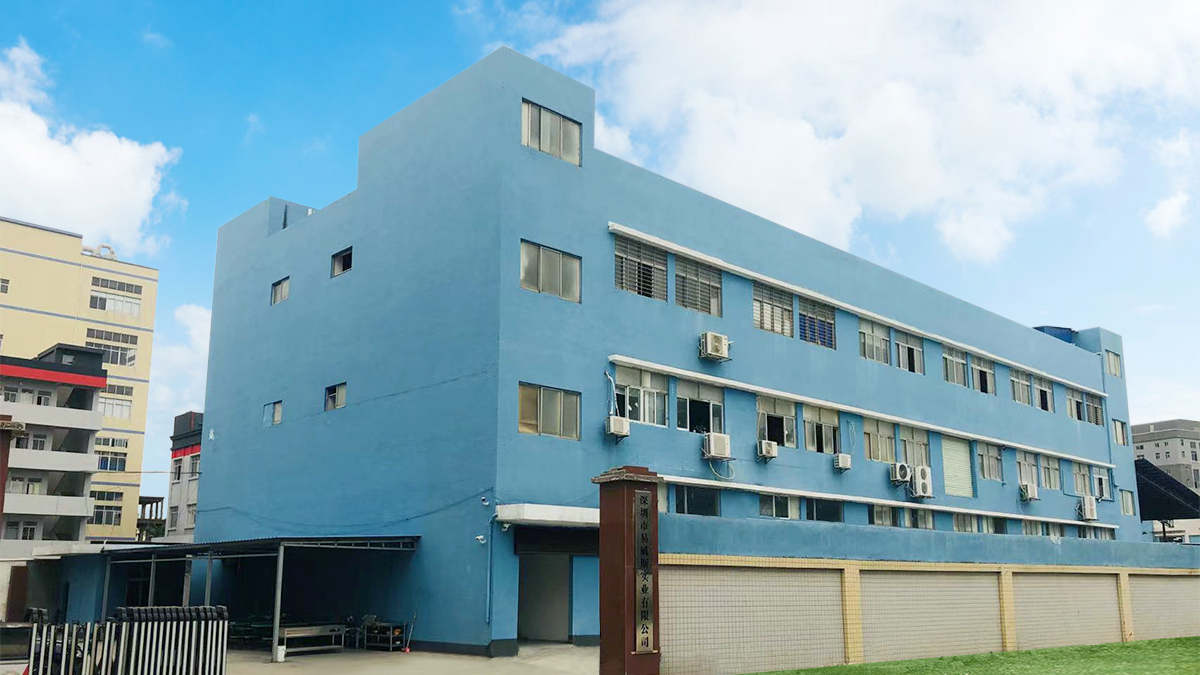
Located in the international trading hub of Guangzhou, Guangzhou EVS Powers Co., Ltd. is a leading manufacturer of switching power supplies, DC power systems, DC-DC converters, and power inverters. We manage our processes around three fundamental principles: uncompromised product reliability, client cost efficiency, and dedicated post-sales support.
By prioritizing rigorous engineering standards and implementing strict quality controls, we have earned a strong reputation among clients in Europe, North and South America, Australia, New Zealand, the Middle East, and Southeast Asia. We work closely with our partners to share technical expertise, co-develop customized electronics (OEM/ODM), and build reliable backup power systems.
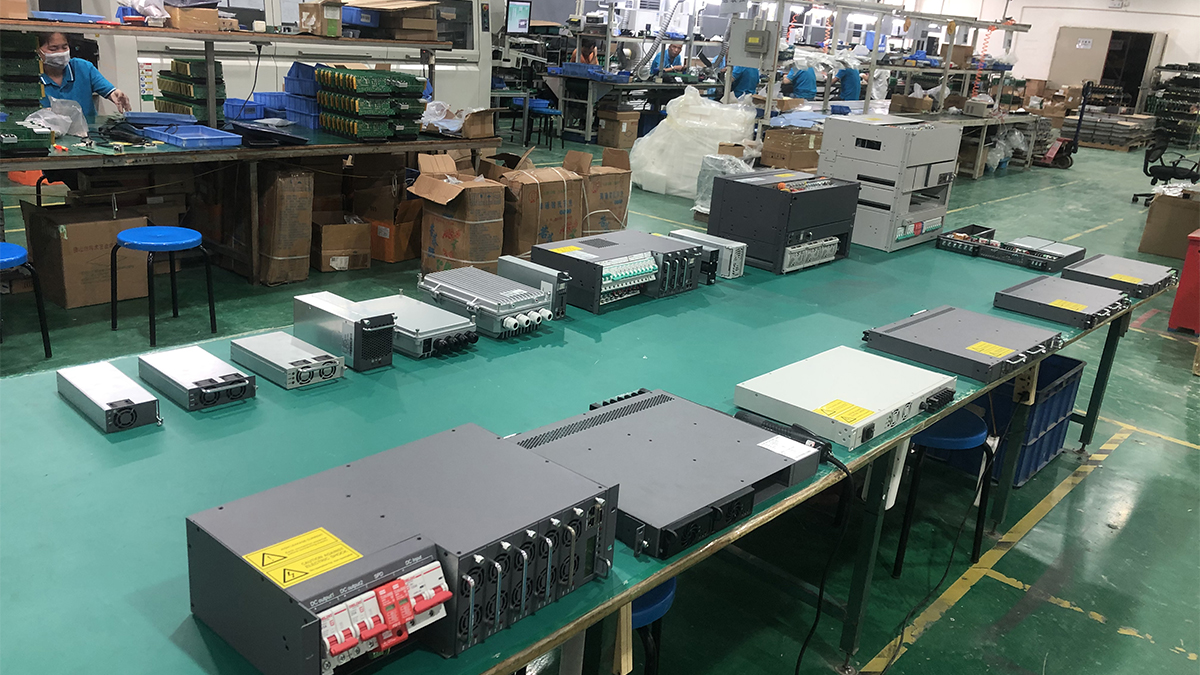
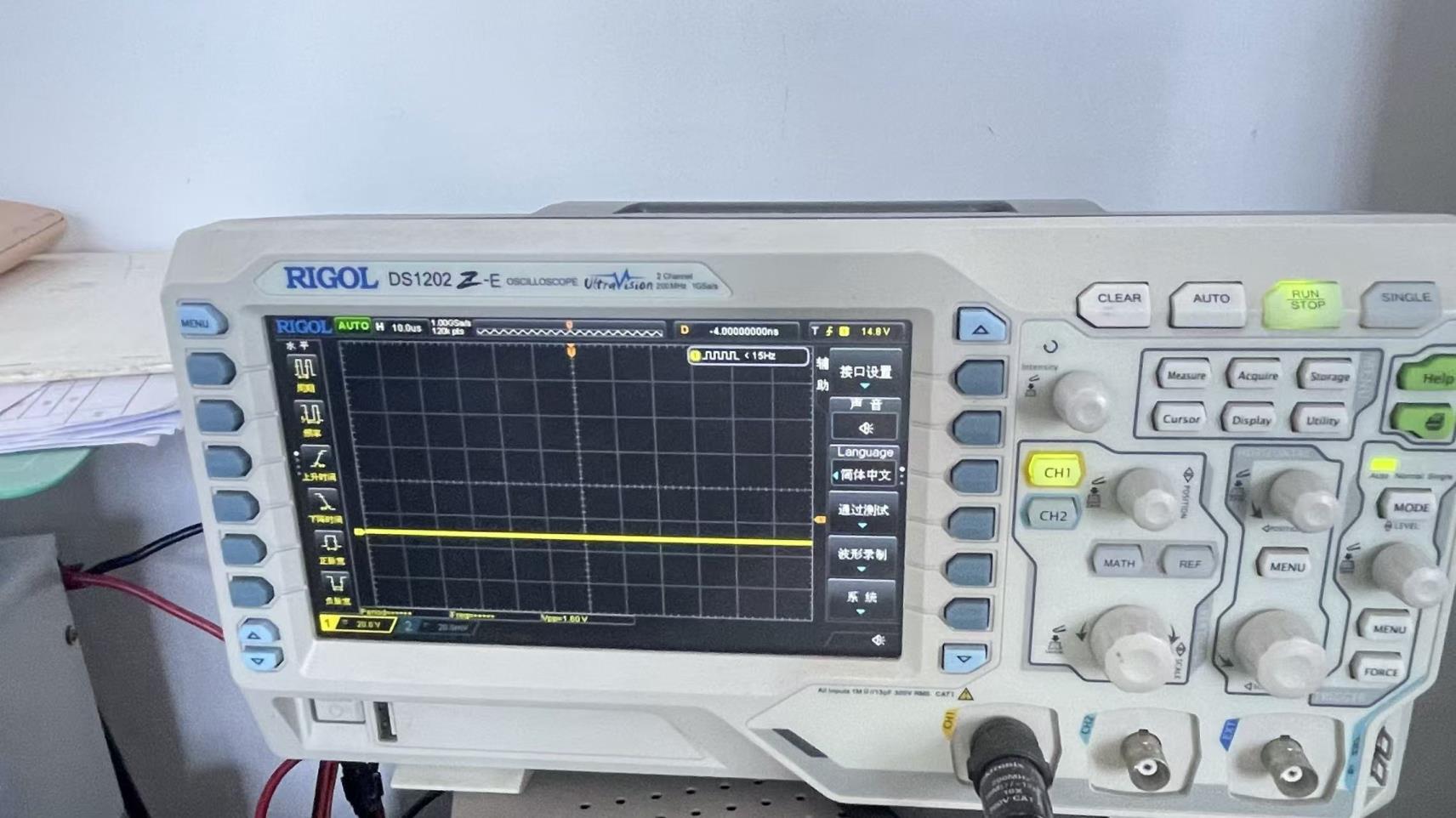
Every single 110VDC rectifier undergoes extensive electrical, thermal, and mechanical stress tests before dispatch. Our in-house labs are equipped with constant temperature-humidity chambers, AC withstand voltage testers, and automatic aging platforms to simulate harsh industrial environments.
 Wire Cutting
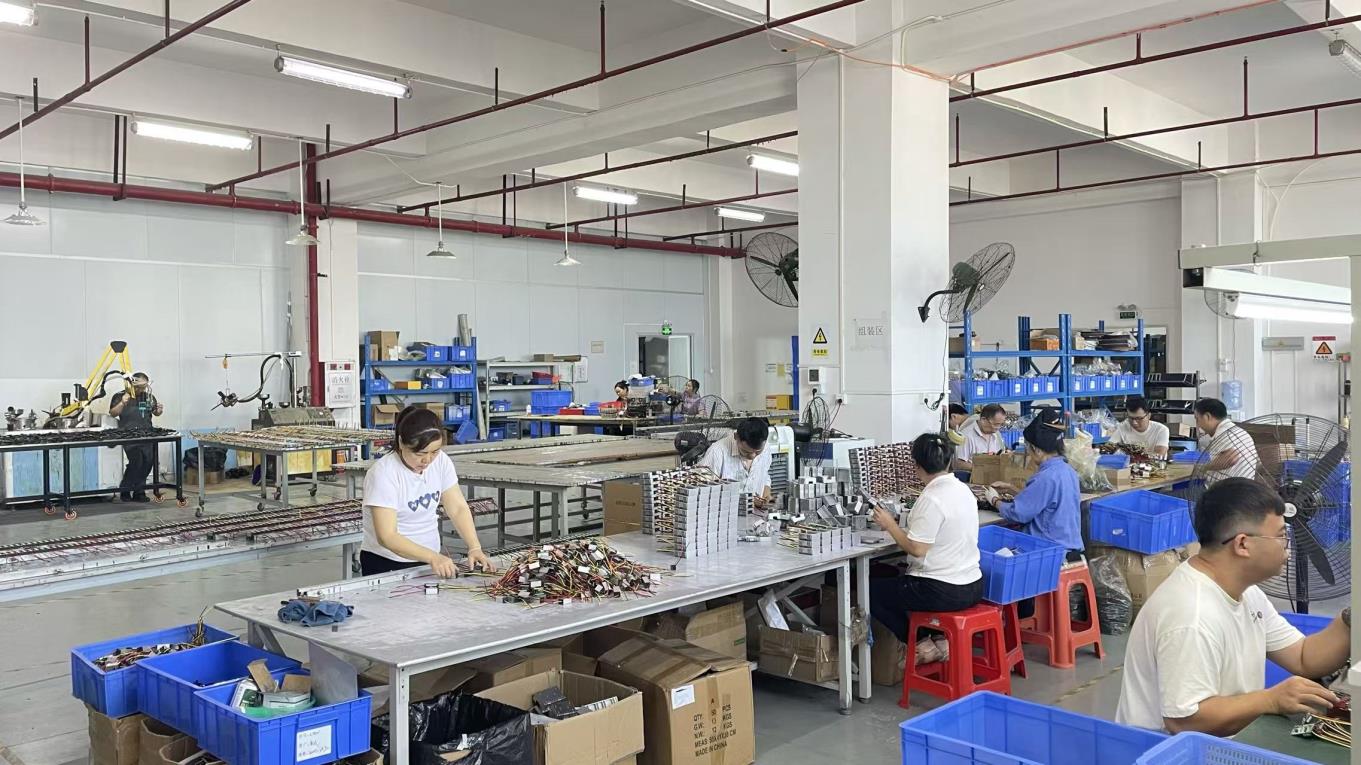 Plug-In
 Soldering Tin
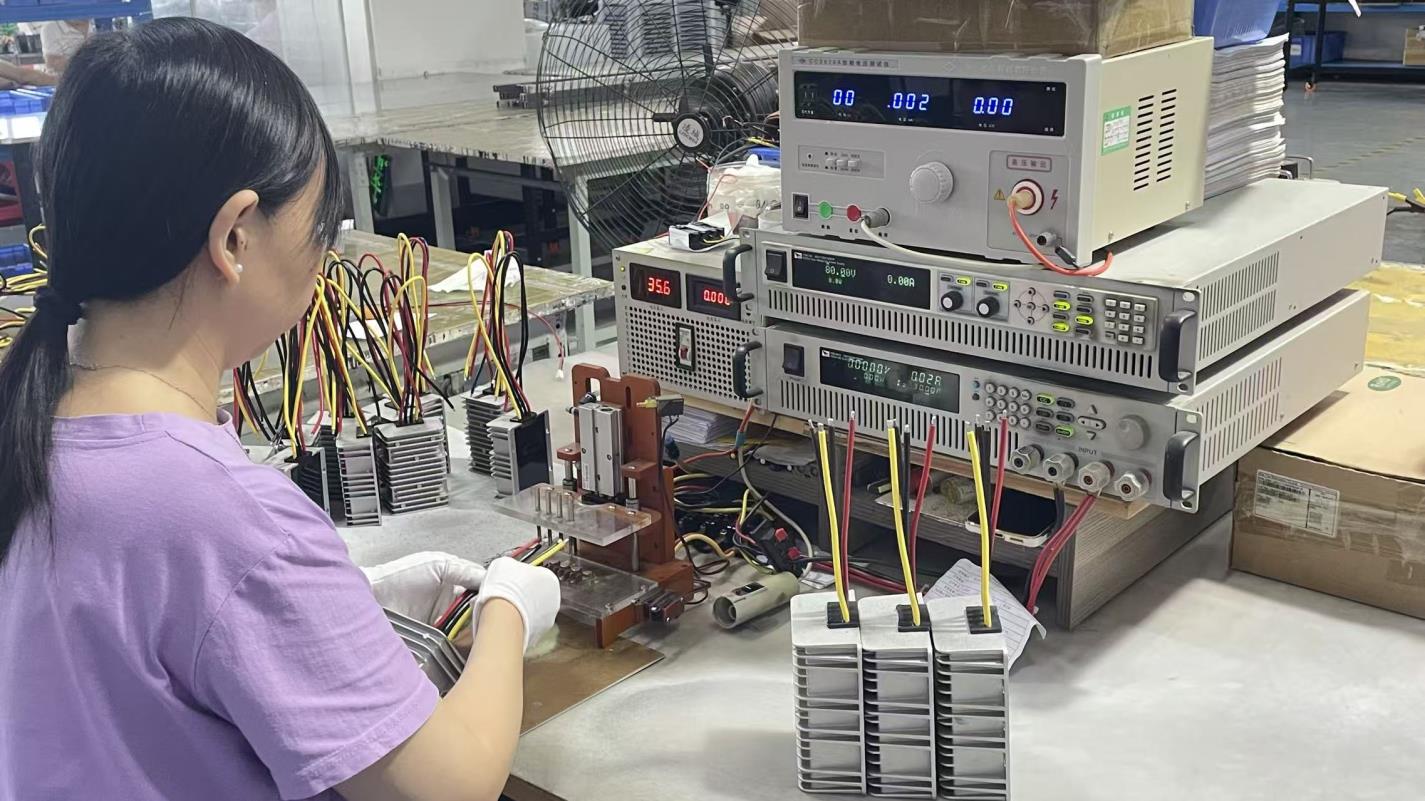 Test
Test
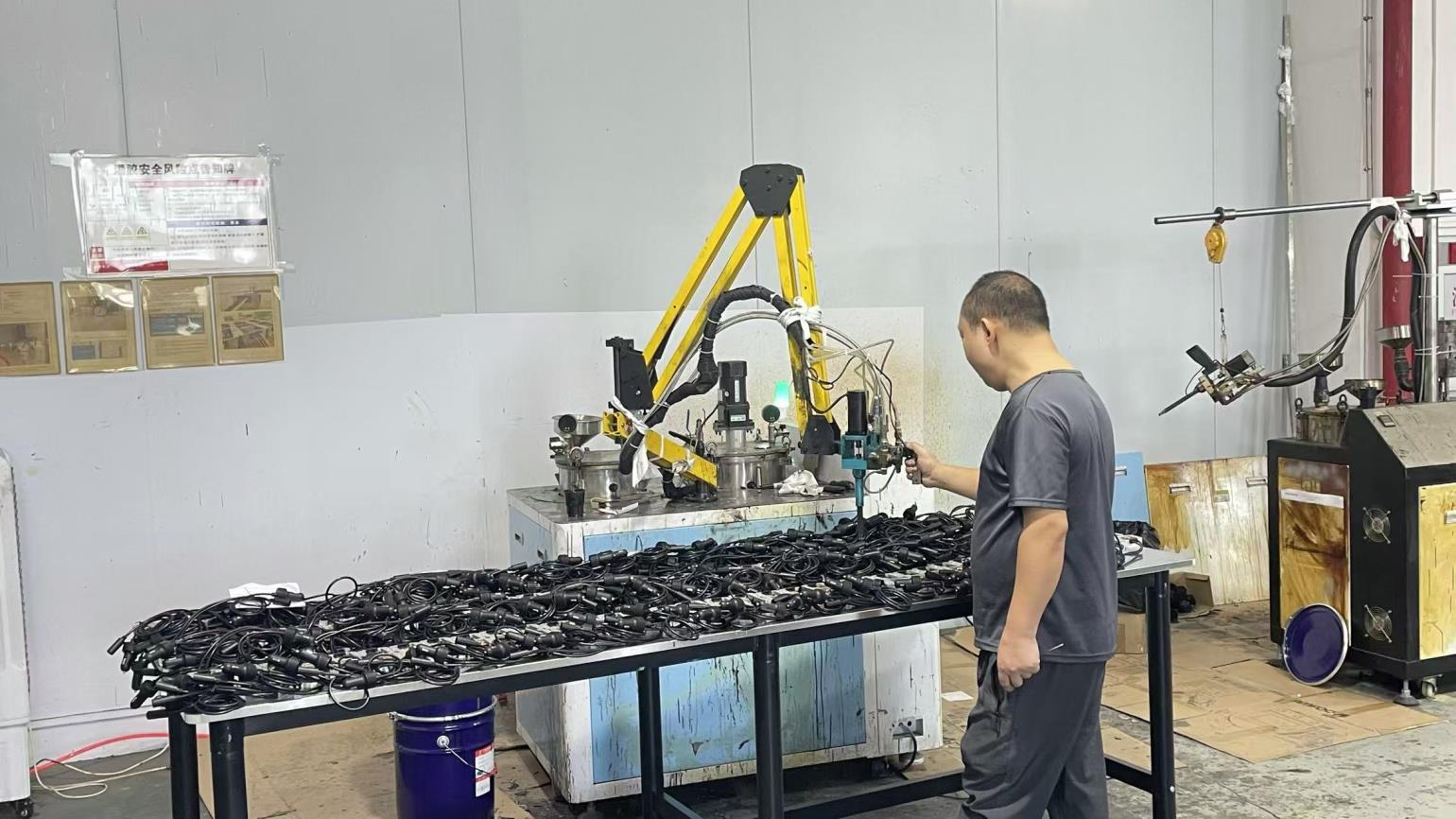 Glue Filling
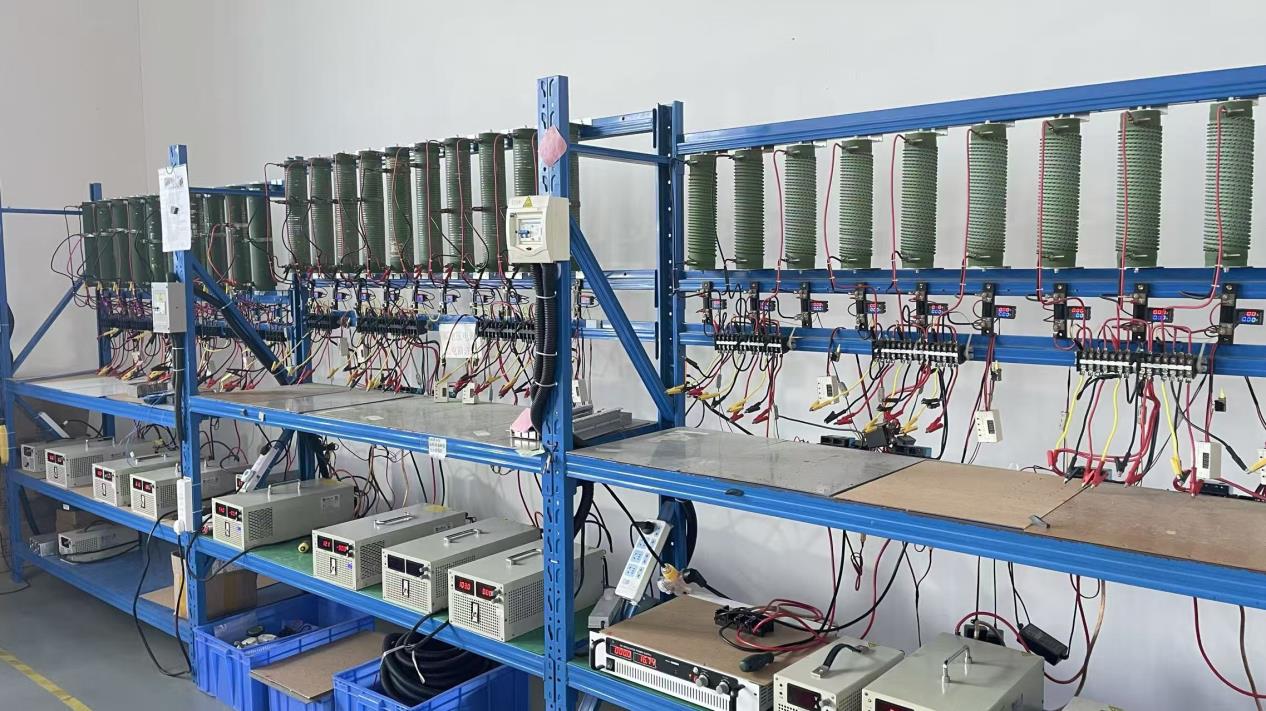 Burn-In Test
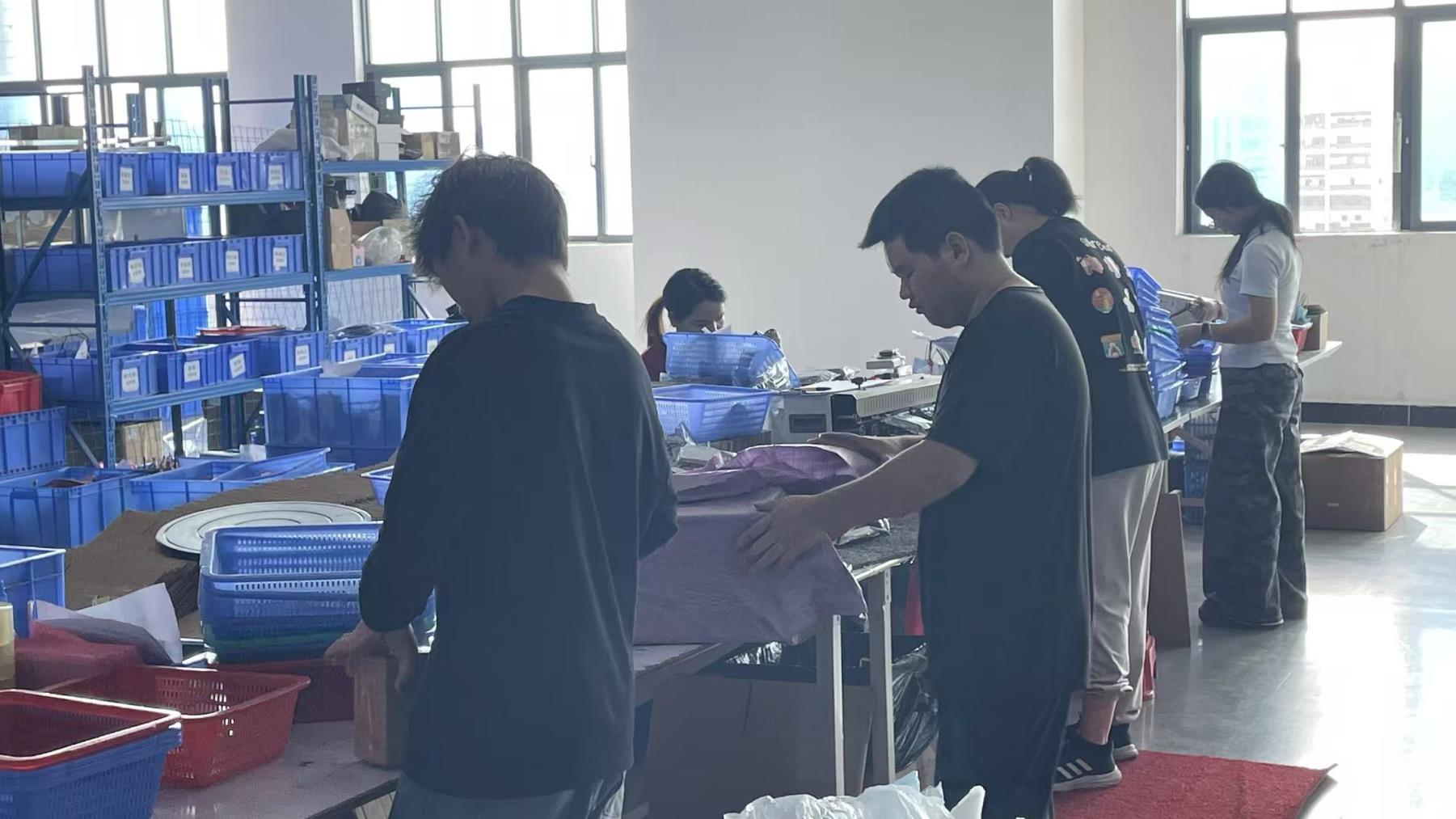 Packaging
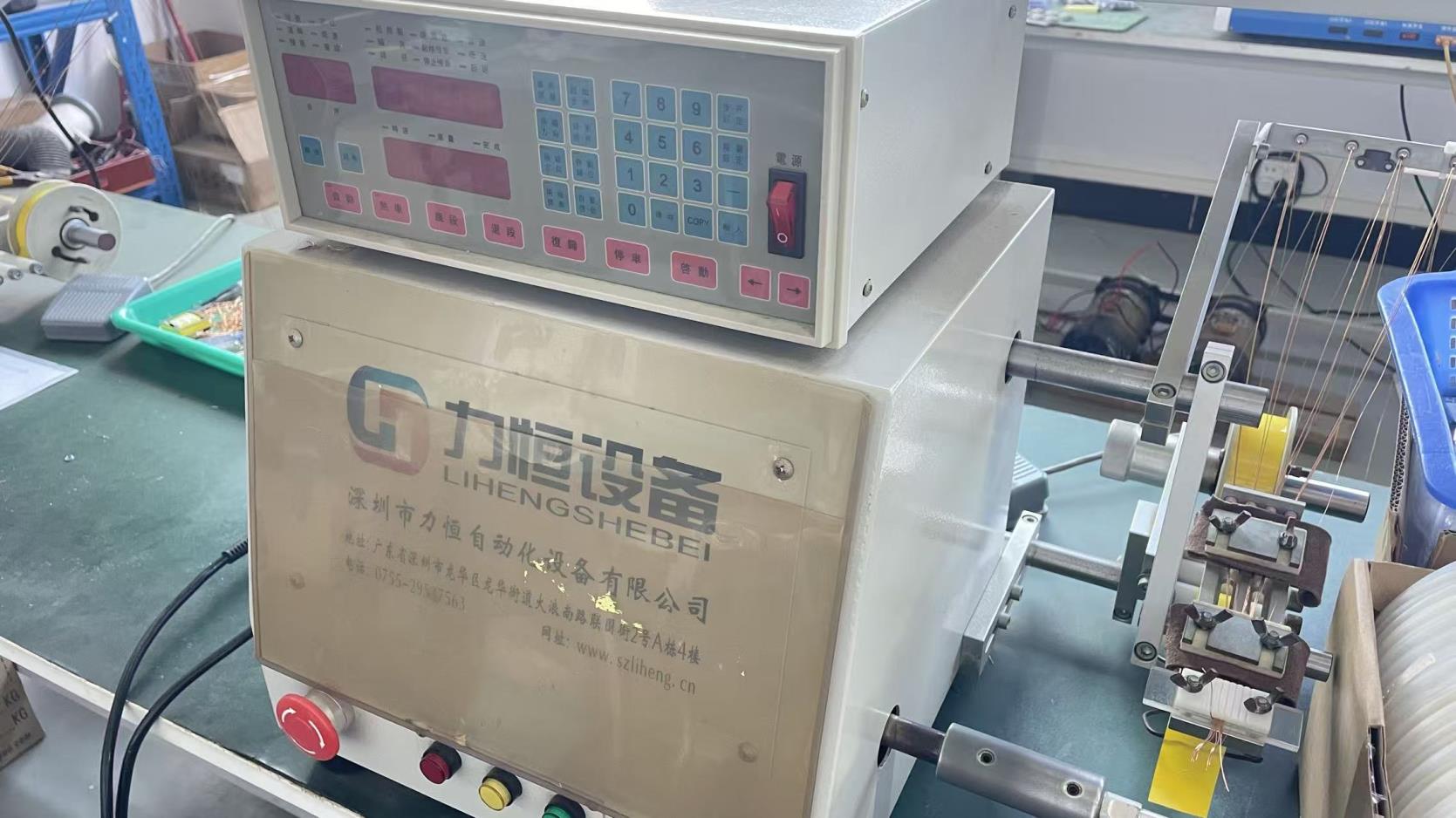 Winding Machine
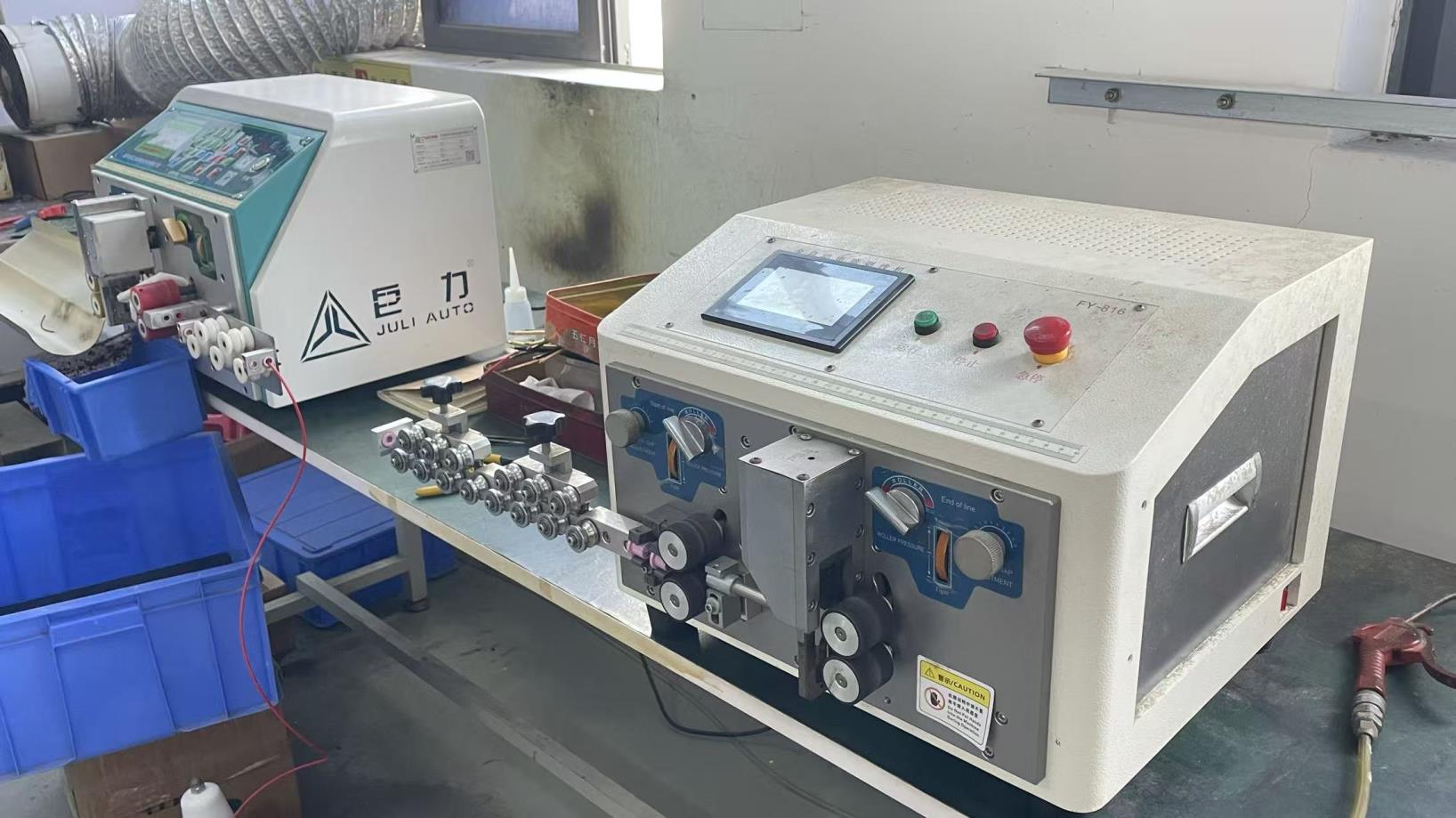
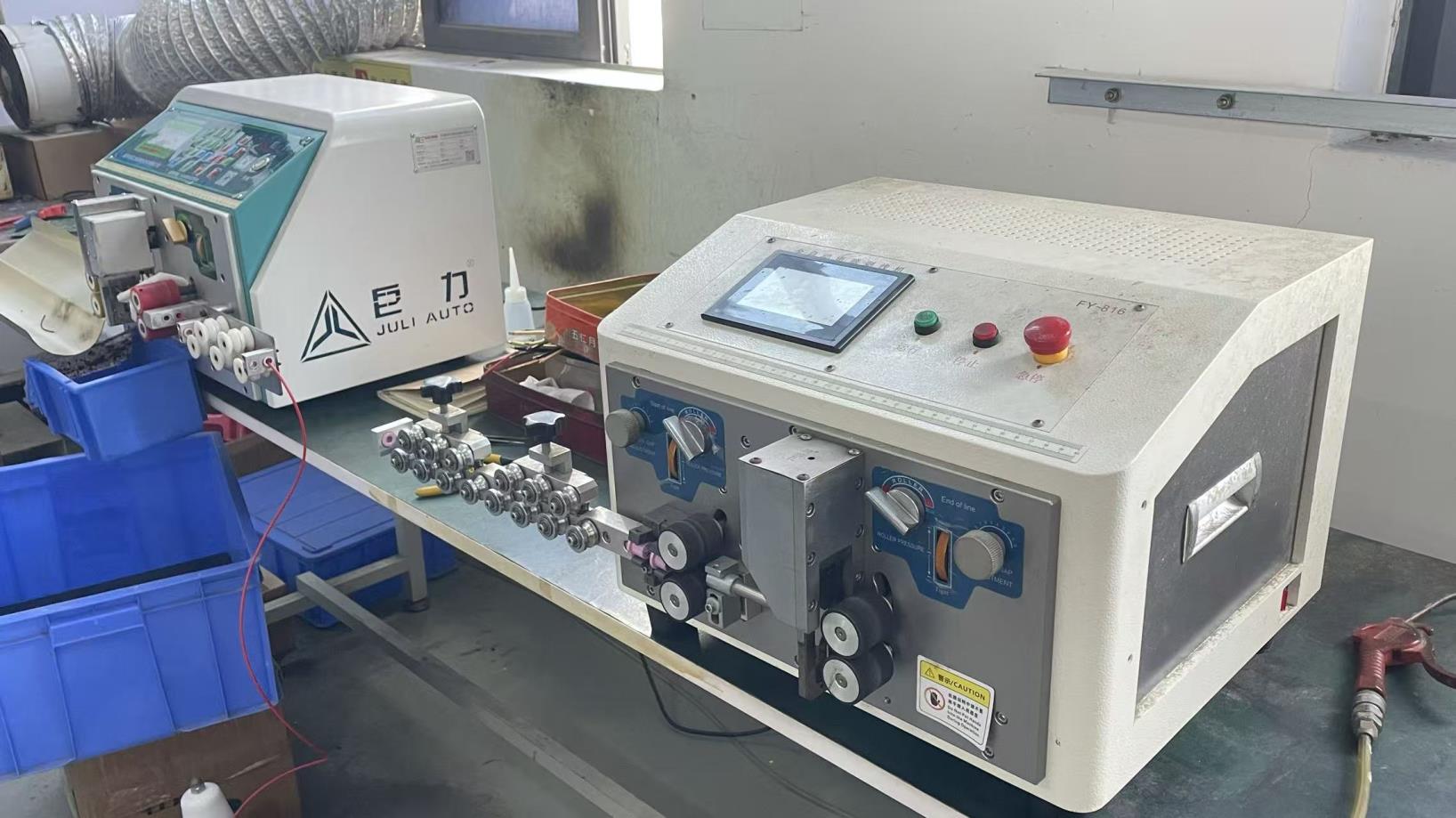 Wire Cutting Machine
 Automatic Soldering Machine
 Laser Engraving Machine
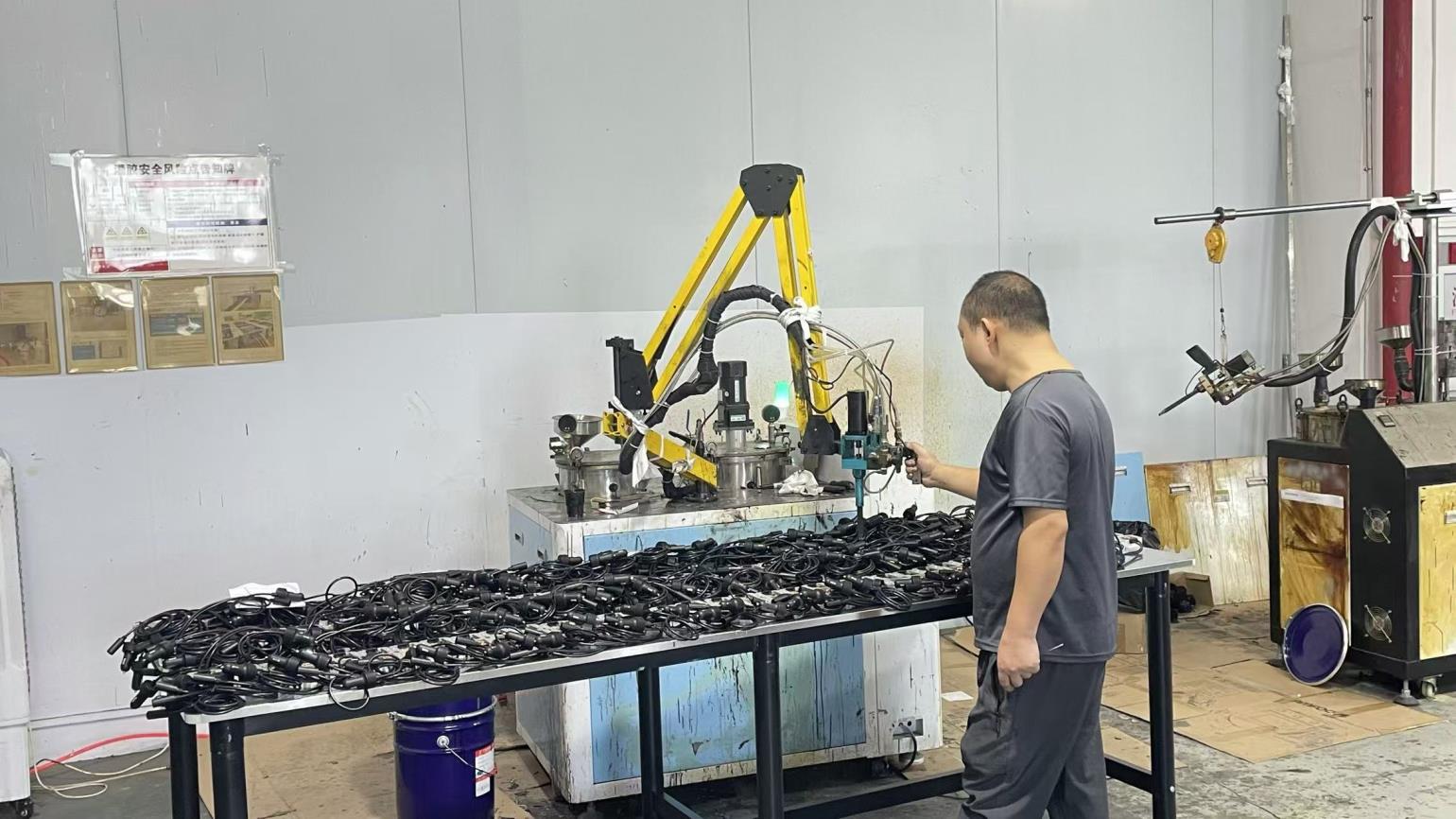 Canning machine
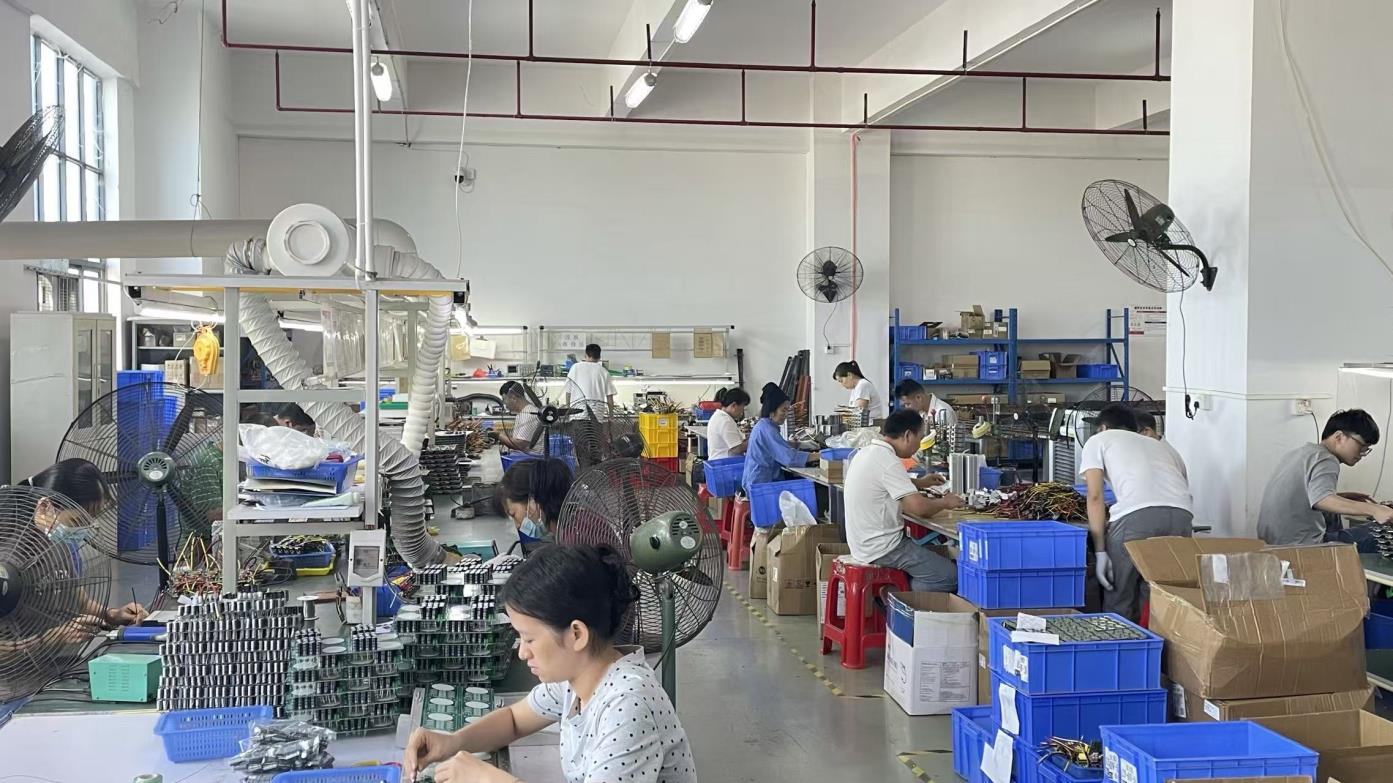 Assembly Line
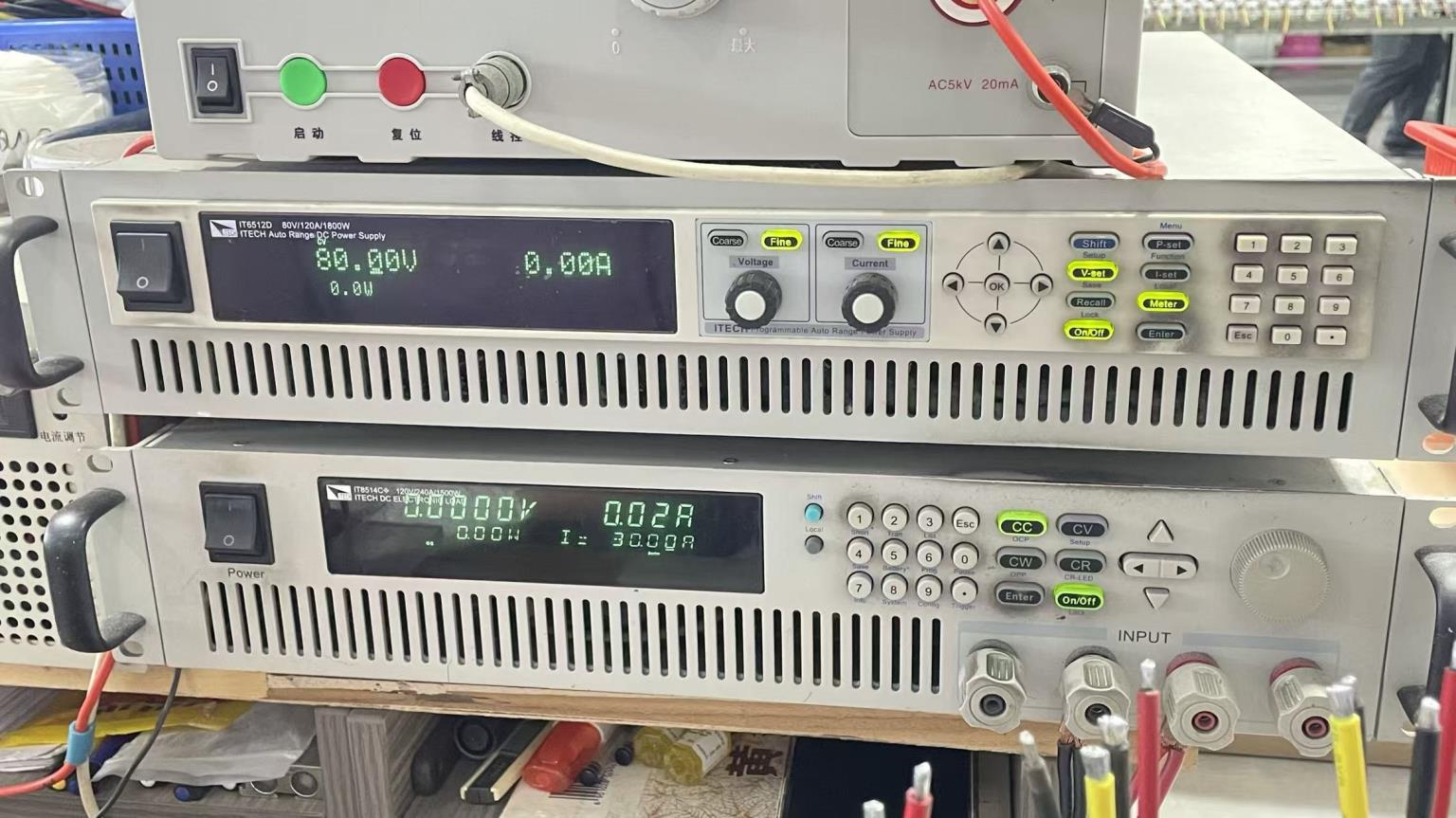 DC Power Supply Tester
 AC Withstand Voltage Tester
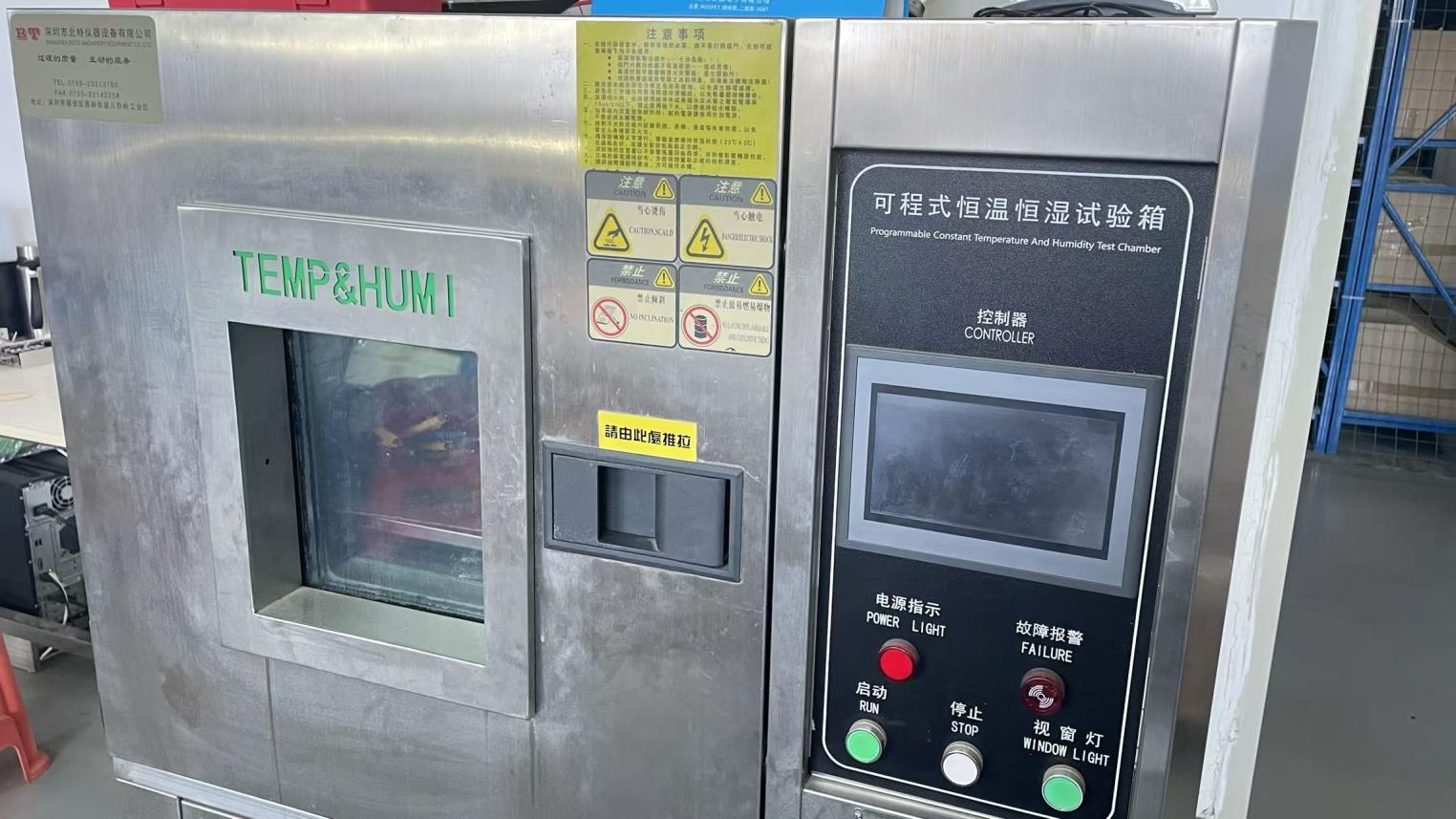 Constant temperature and humidity chamber
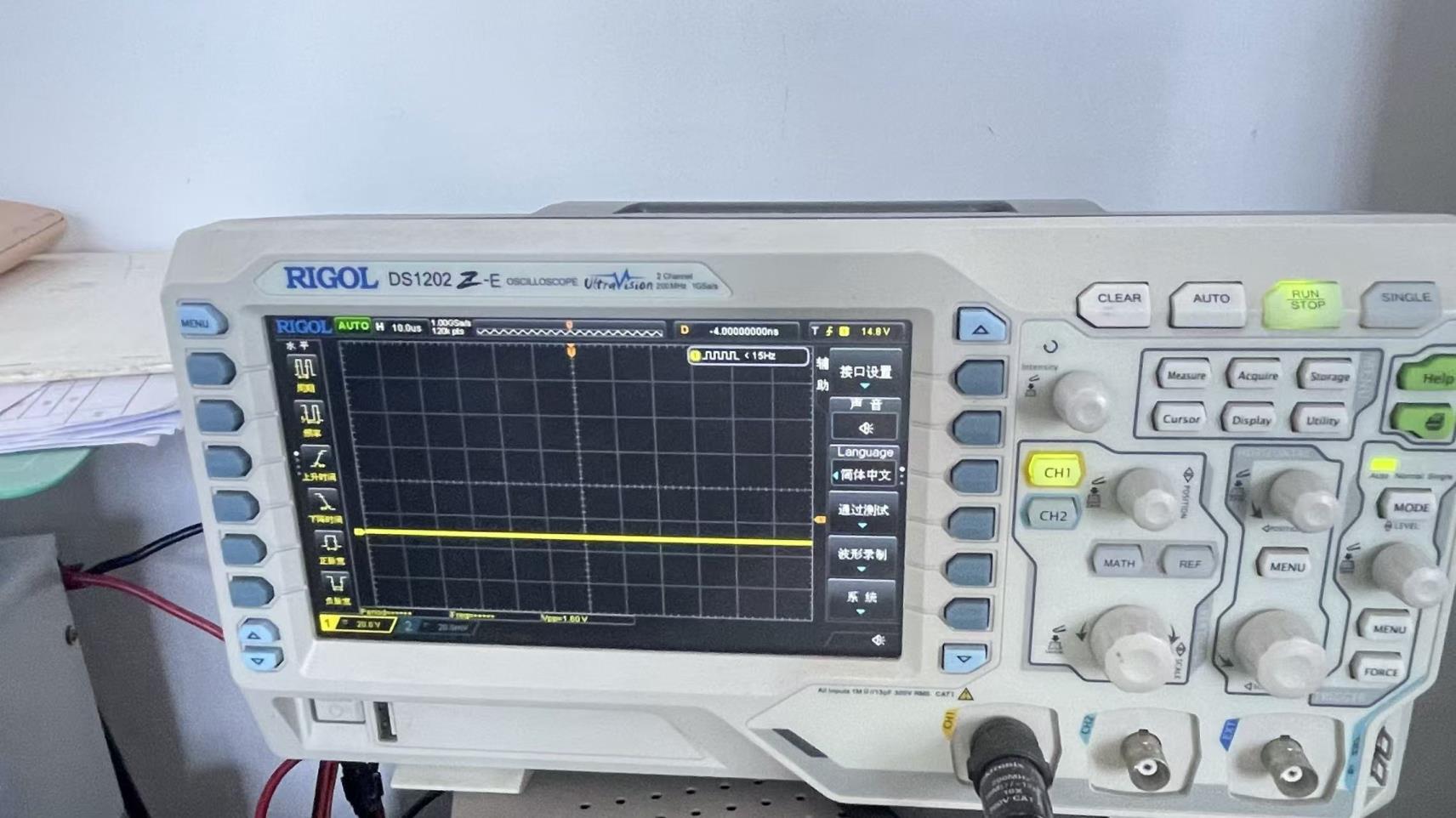 Optical microscope
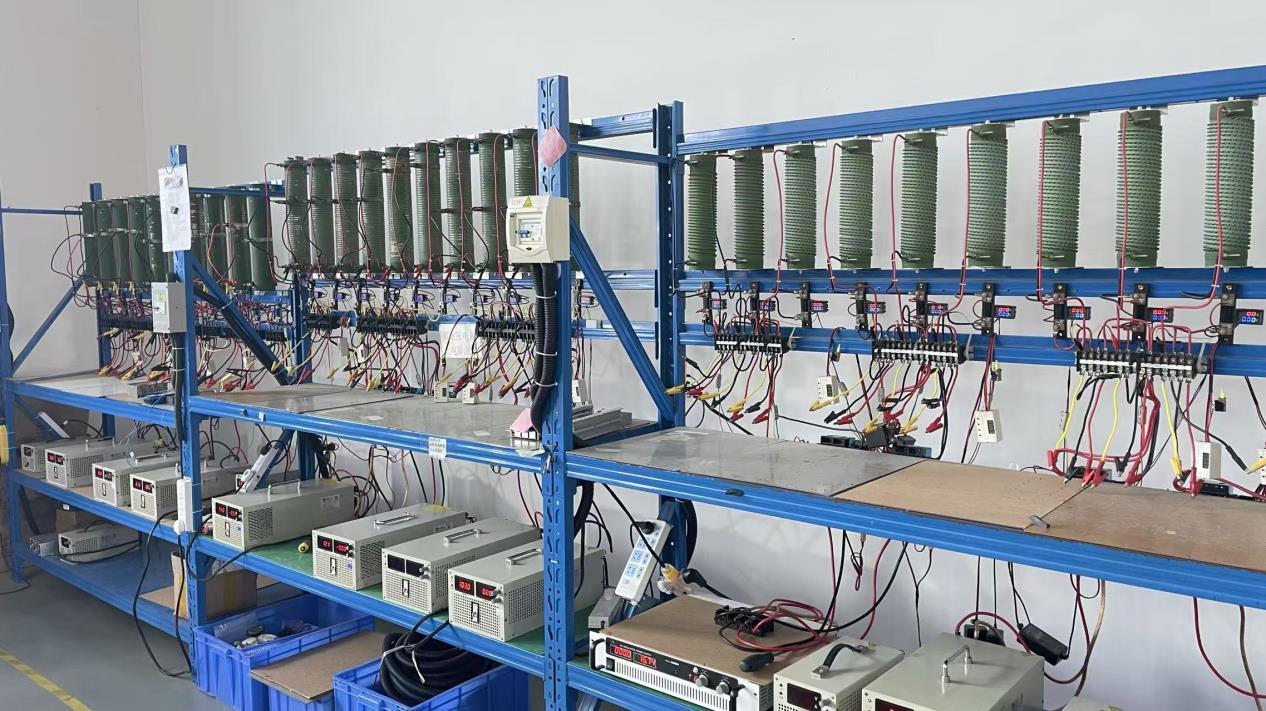 Aging test
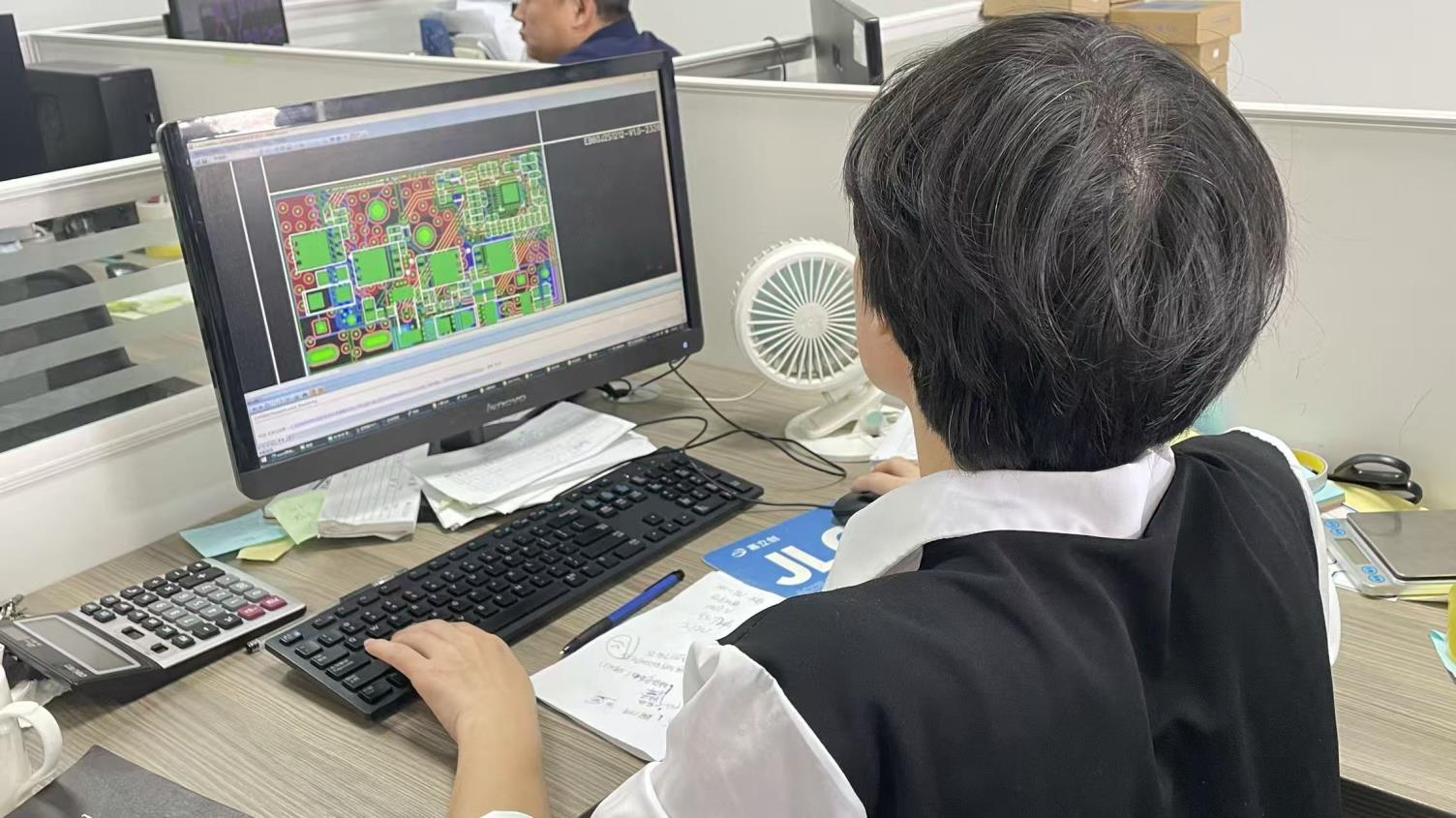 Design
Explore our full line of switch-mode power conversion modules, DC-DC converter topologies, and custom integrated systems.
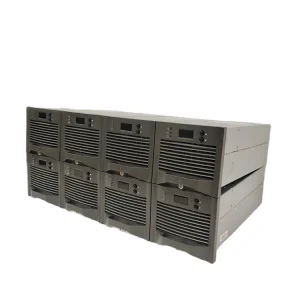
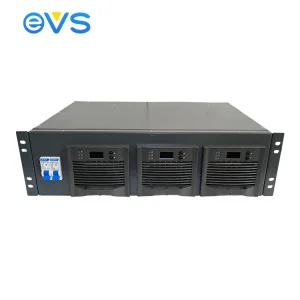
The future of substation DC auxiliary power systems lies in digitization, higher efficiency levels, and battery integration flexibility.
Modern electrical grids in New Zealand are moving away from traditional hardwired copper signaling. The integration of the IEC 61850 communications protocol directly into EVS's DSP controller boards allows rectifiers to feed real-time diagnostic parameters, fault codes, and battery state-of-health (SoH) metrics straight to the substation SCADA control room.
While Valve Regulated Lead-Acid (VRLA) batteries remain a reliable choice for substations, lithium chemistries are gaining traction due to their higher energy density and longer cycle life. EVS's latest smart battery chargers feature configurable charging profiles, enabling seamless switching between traditional lead-acid configurations and modern BMS-monitored LiFePO4 batteries.
EVS rectifiers feature power factor correction circuitry to keep total harmonic distortion (THD) under 5% at full load, preserving grid power quality.
Ripple voltage is limited to ≤ 0.1% RMS, protecting modern microprocessor-based protection relays from noise-induced malfunctions.
Tested up to 2kV AC input-to-output and input-to-ground, ensuring reliability during severe lightning surges and switching transients.
Essential insights for engineers and procurement managers seeking robust 110VDC industrial power solutions.
Whether you need standard 19-inch rack components or a fully integrated DC distribution cabinet, EVS Powers delivers high-efficiency, industrial-grade solution configurations.
Send Inquiry Now EVS Powers