Precision-engineered modular rectifiers, DC-DC step converters, and sine wave inverters ready for high-load application environments.
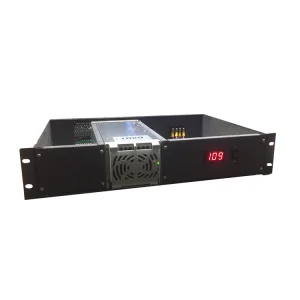
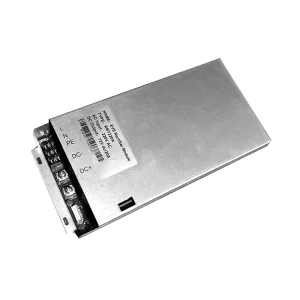
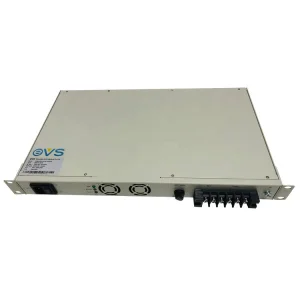
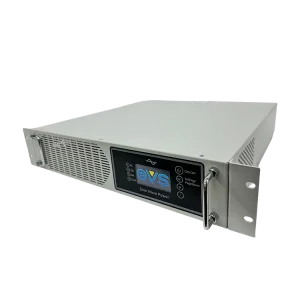
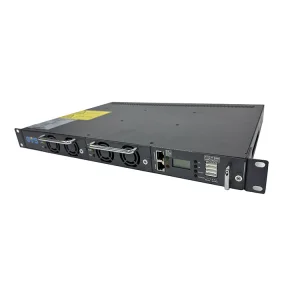
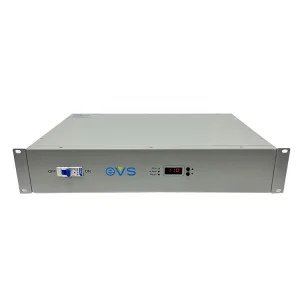
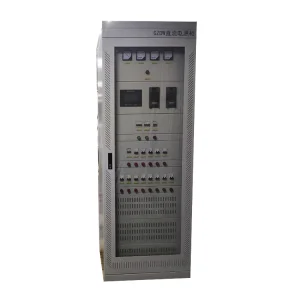
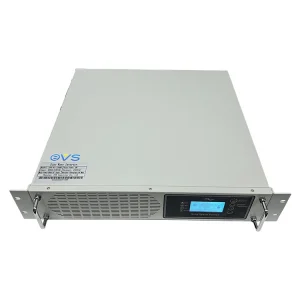
Technical whitepaper insight on the paradigm shift from centralized to decentralized high-density power distribution architectures.
Modern industrial modular power systems are undergoing a rapid transition driven by Gallium Nitride (GaN) and Silicon Carbide (SiC) power semiconductors. These wide-bandgap materials allow switching power supplies to operate at significantly higher frequencies. This minimizes the footprint of magnetic components (transformers and inductors), yielding unprecedented power densities exceeding 30W/in³.
Furthermore, topologies like Phase-Shifted Full-Bridge (PSFB) and LLC Resonant Converters have replaced older hard-switched architectures. This transition yields conversion efficiencies up to 96% and minimizes waste heat dissipation. Consequently, operational costs (OPEX) decrease, and the overall system lifetime increases.
Continuous uptime is a critical metric for tier-4 datacenters and modern telecommunication base stations. Modular power supply configurations address this via N+1 or N+2 hot-swappable redundancy. If an individual rectifier module fails, the remaining units load-share seamlessly, preventing system shutdown.
This design reduces the Mean Time to Repair (MTTR) from hours to minutes. Facility engineers can hot-swap a faulty rectifier module in under 60 seconds without disconnecting power from critical downstream server loads or telecom nodes.
How system integrators, telecom operators, and heavy industries qualify their supply partners.
Global procurement teams demand compliance with localized standards. Power systems operating in North America require UL certification and FCC Class B EMI/RFI limits. Meanwhile, European markets require CE compliance, RoHS material tracking, and EN 60950-1/EN 62368-1 safety guidelines.
Thermally, systems must operate within a broad temperature range of -40°C to +75°C. This standard is necessary for telecom base stations deployed in harsh outdoor enclosures. De-rating curves must remain minimal, and protective circuits (OTP, OVP, OCP, SCP) must react within microseconds to prevent cascading faults.
Off-the-shelf power modules rarely meet all requirements of complex industrial applications. Procurement managers look for factories with robust OEM and ODM capabilities. This enables customization of output currents, voltage ranges, communication protocols (PMBus, Modbus, SNMP), and mechanical rack dimensions (e.g., 1U, 2U, or 6U form factors).
Ensuring system-level compatibility requires deep engineering alignment. Our design and winding processes accommodate custom input/output specifications, specialized potting, and conformal coatings for high-humidity or marine applications.
How Guangzhou EVS Powers Co., Ltd. blends geographic supply advantages with modern smart factory automation.
Located in the international trade hub of Guangzhou, Guangzhou EVS Powers Co., Ltd. is a professional manufacturer of high-performance switching power supplies, DC power systems, modular power supply units, DC-DC converters, and power inverter series. We accommodate diverse industrial OEM and ODM electronic requests.
We focus on client satisfaction, product quality as our development foundation, and cost efficiency. Supported by an excellent credit standing and premier customer service, we have established long-term partnerships in Europe, North and South America, Australia, the Middle East, and Southeast Asia. We continuously share our technical experience with global partners to foster mutual development.
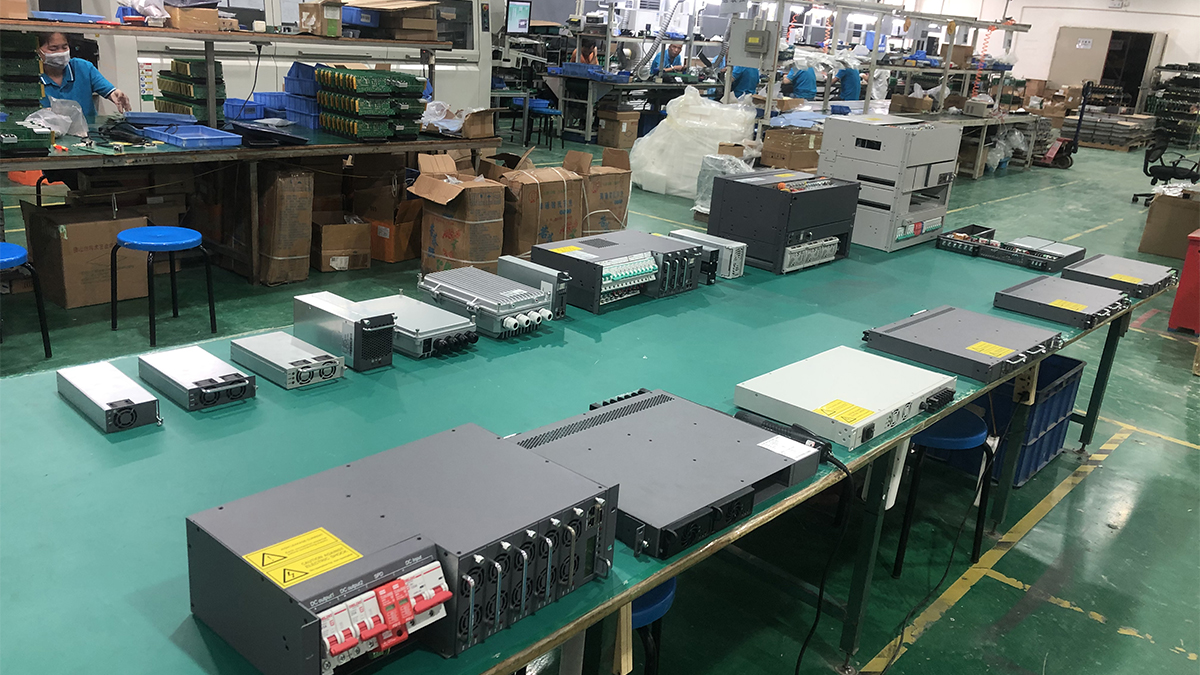
We manage each production step to maintain reliability across high-frequency transformers, PCBA assemblies, and power rack systems.
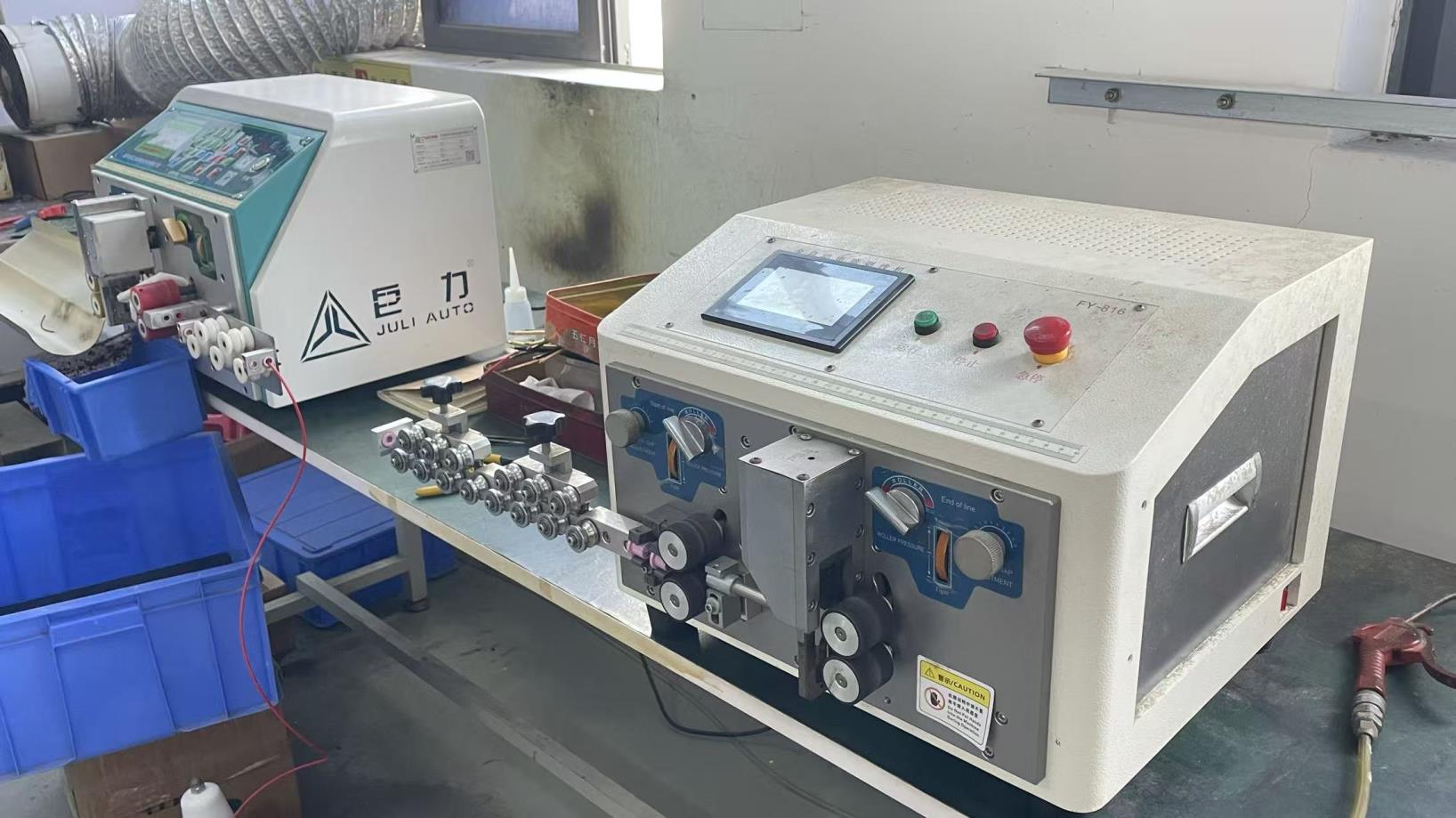 Wire Cutting
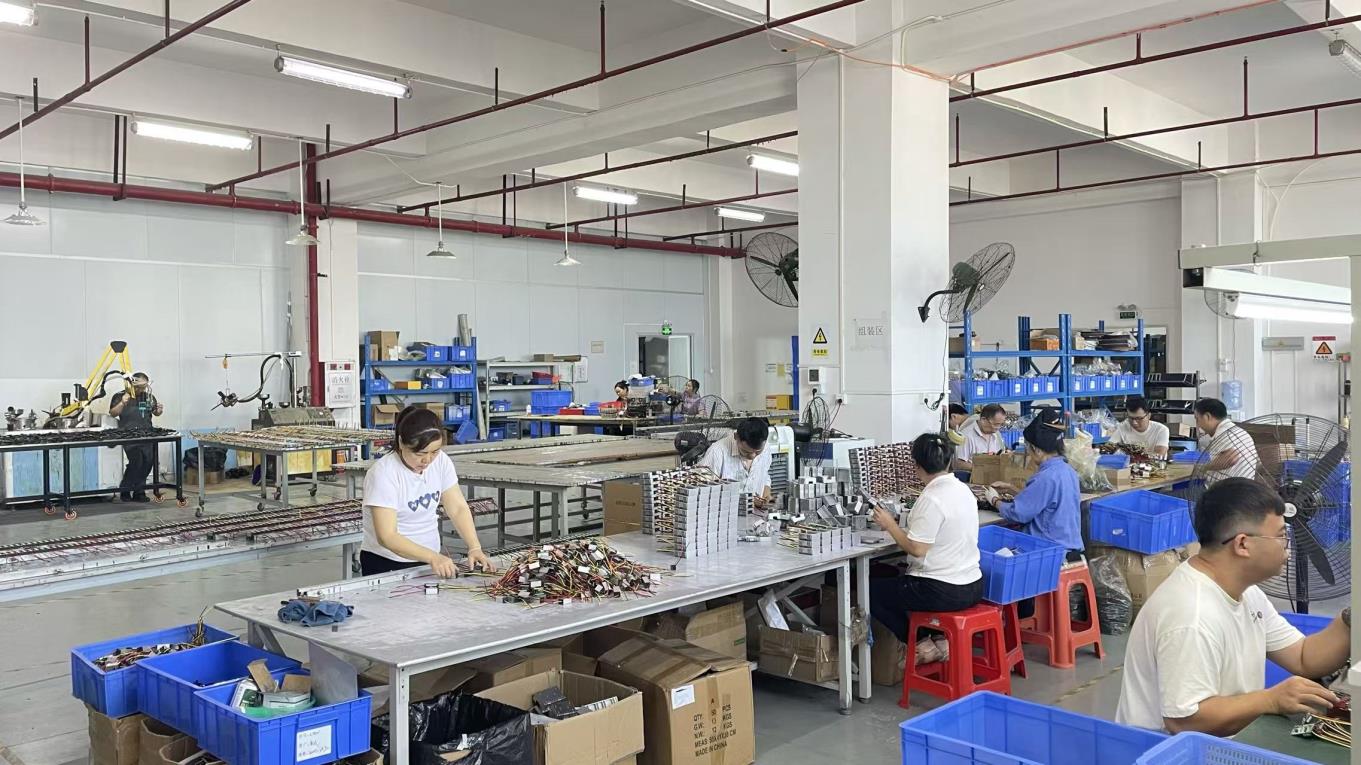 Plug-In
 Soldering Tin
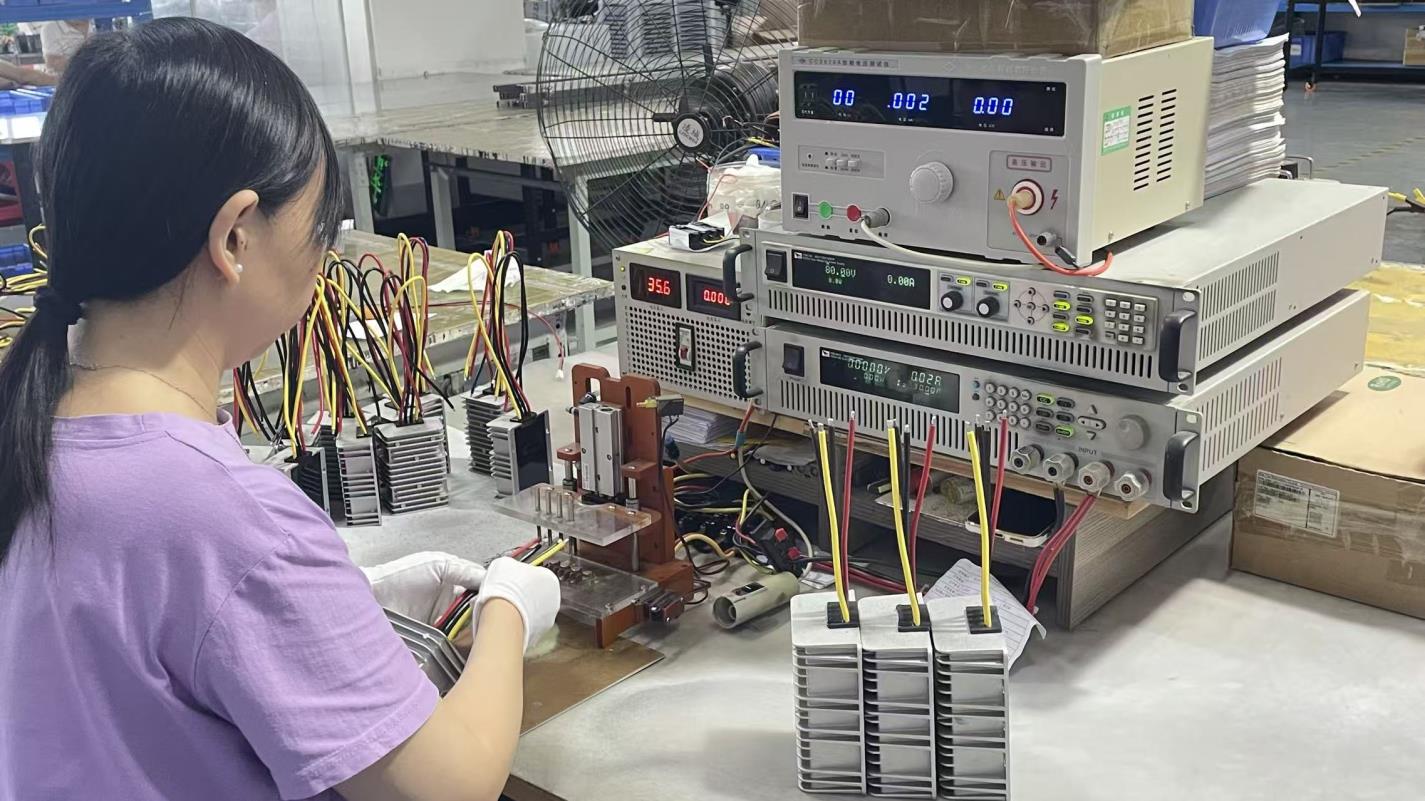 Test
Test
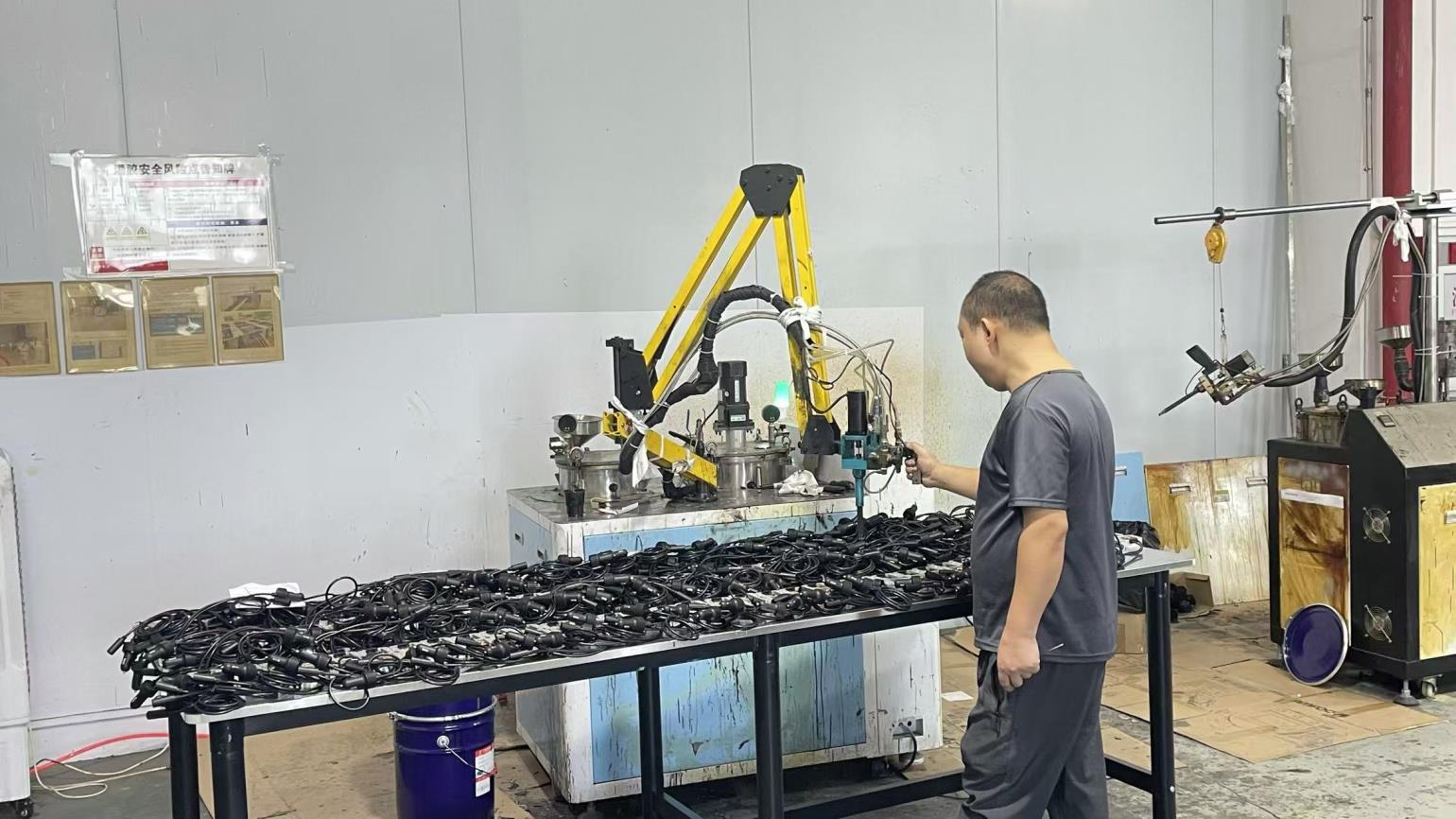 Glue Filling
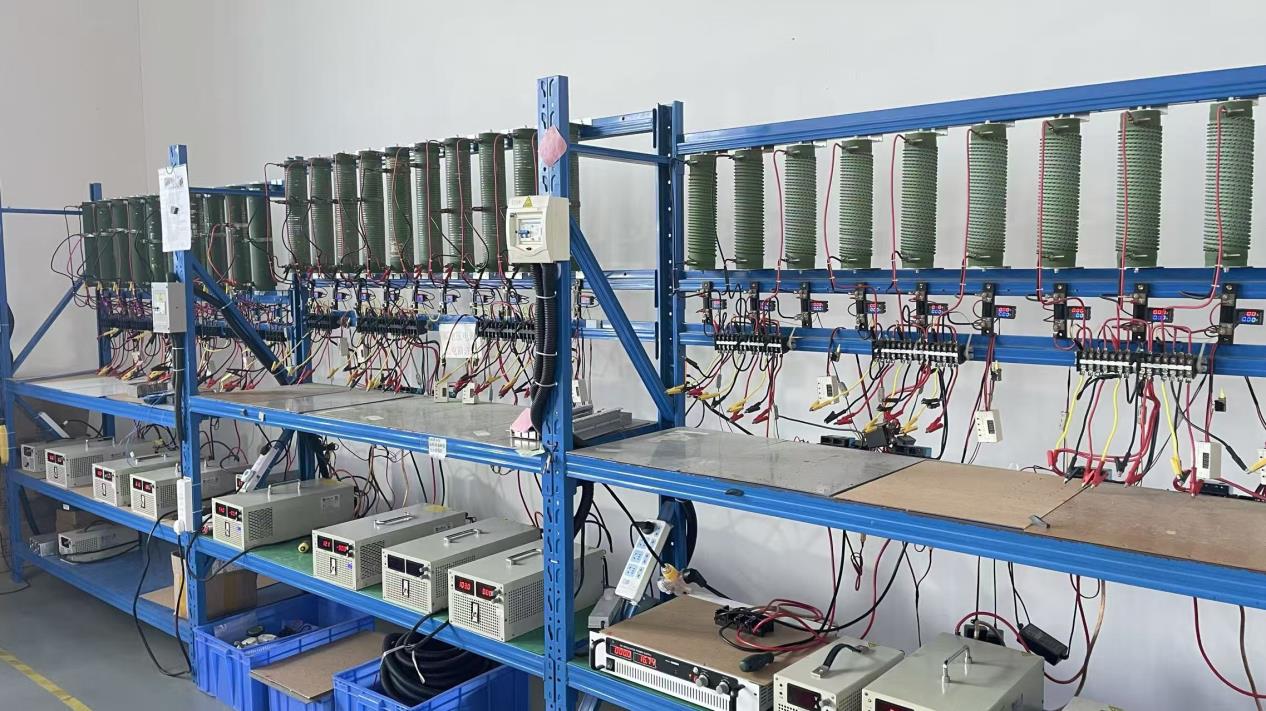 Burn-In Test
 Packaging
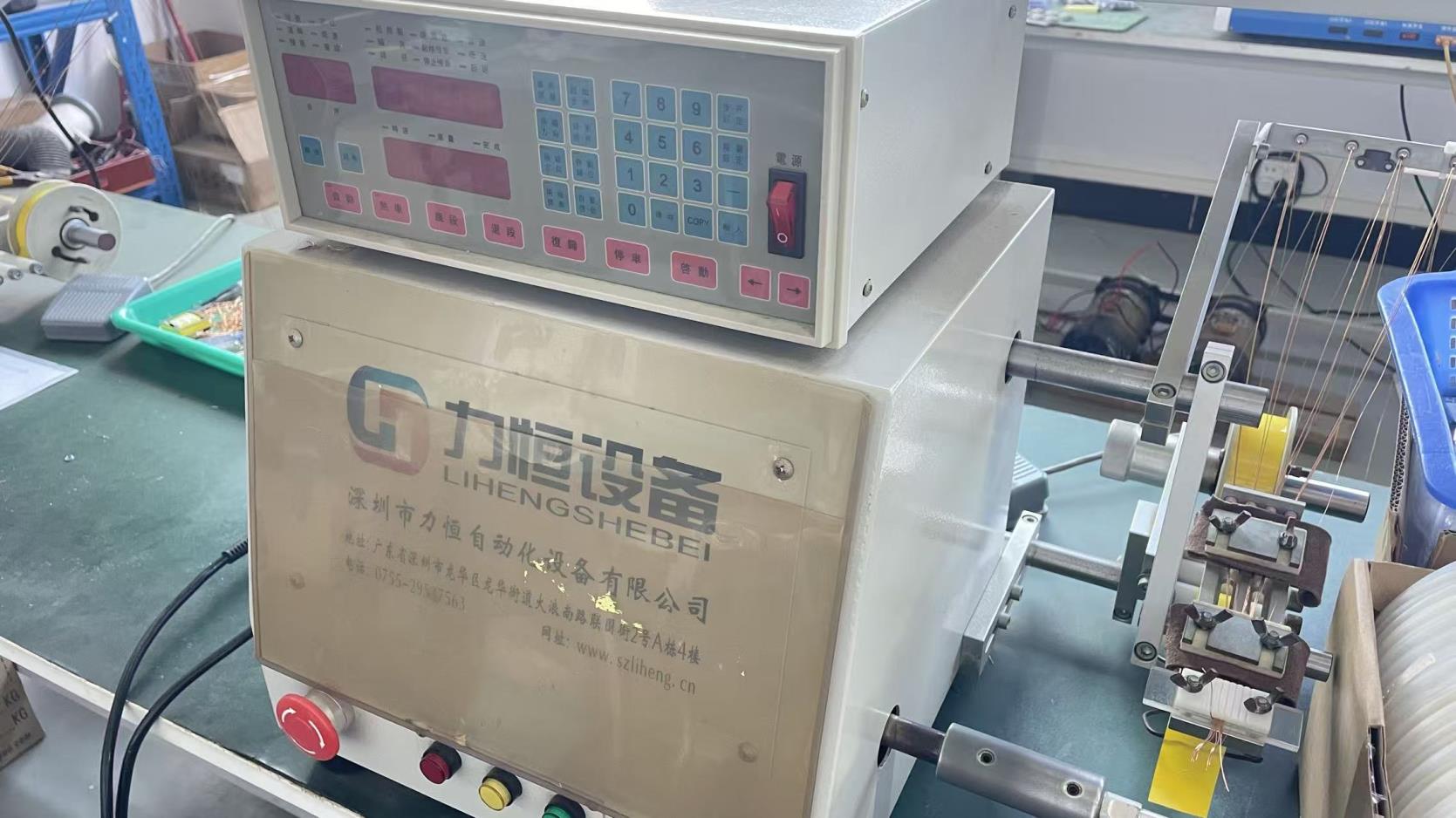 Winding Machine
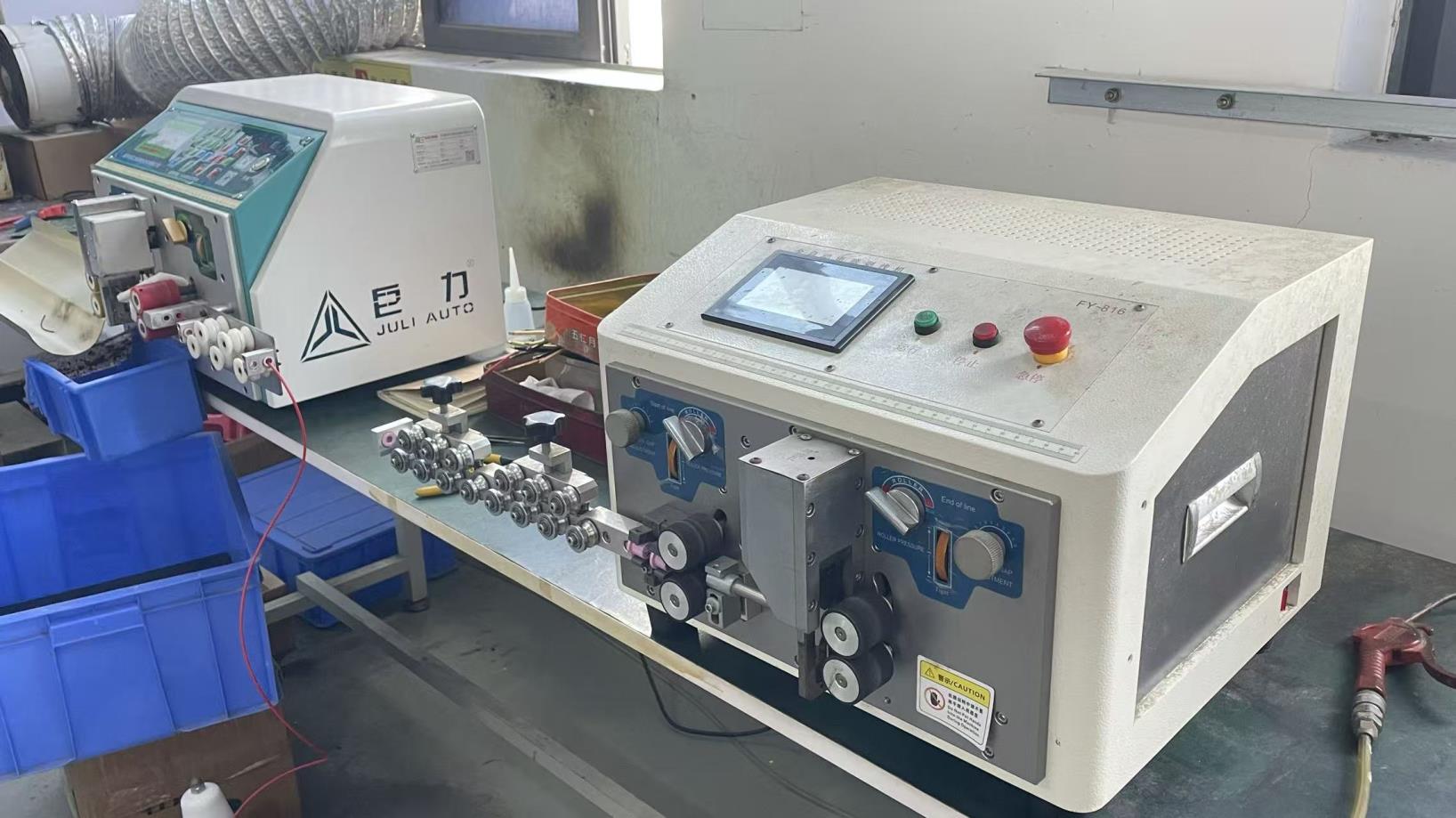 Wire Cutting Machine
 Automatic Soldering Machine
 Laser Engraving Machine
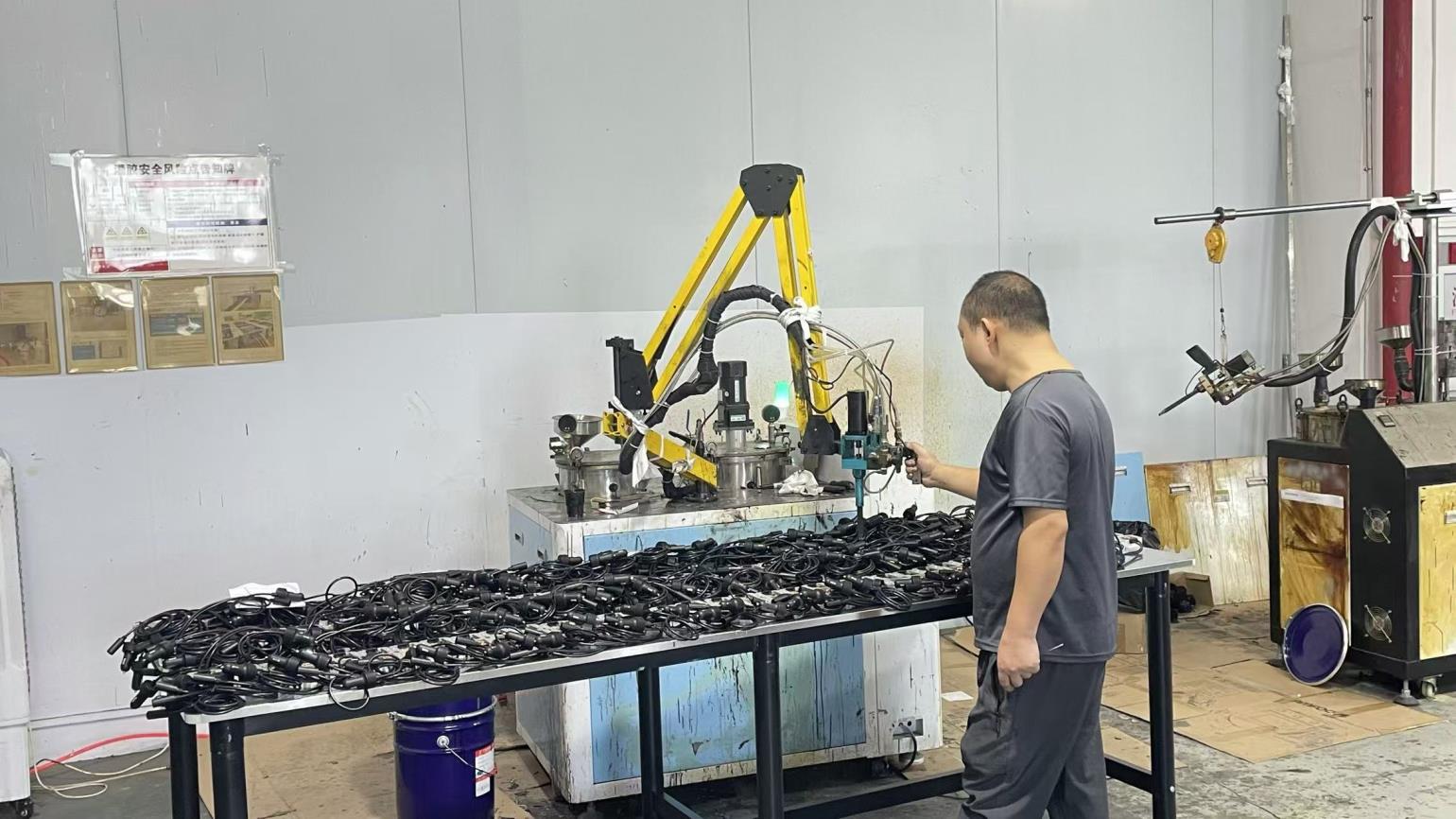 Canning Machine
 Assembly Line
Precision calibration equipment ensures stability and parameters compliance for all modules prior to dispatch.

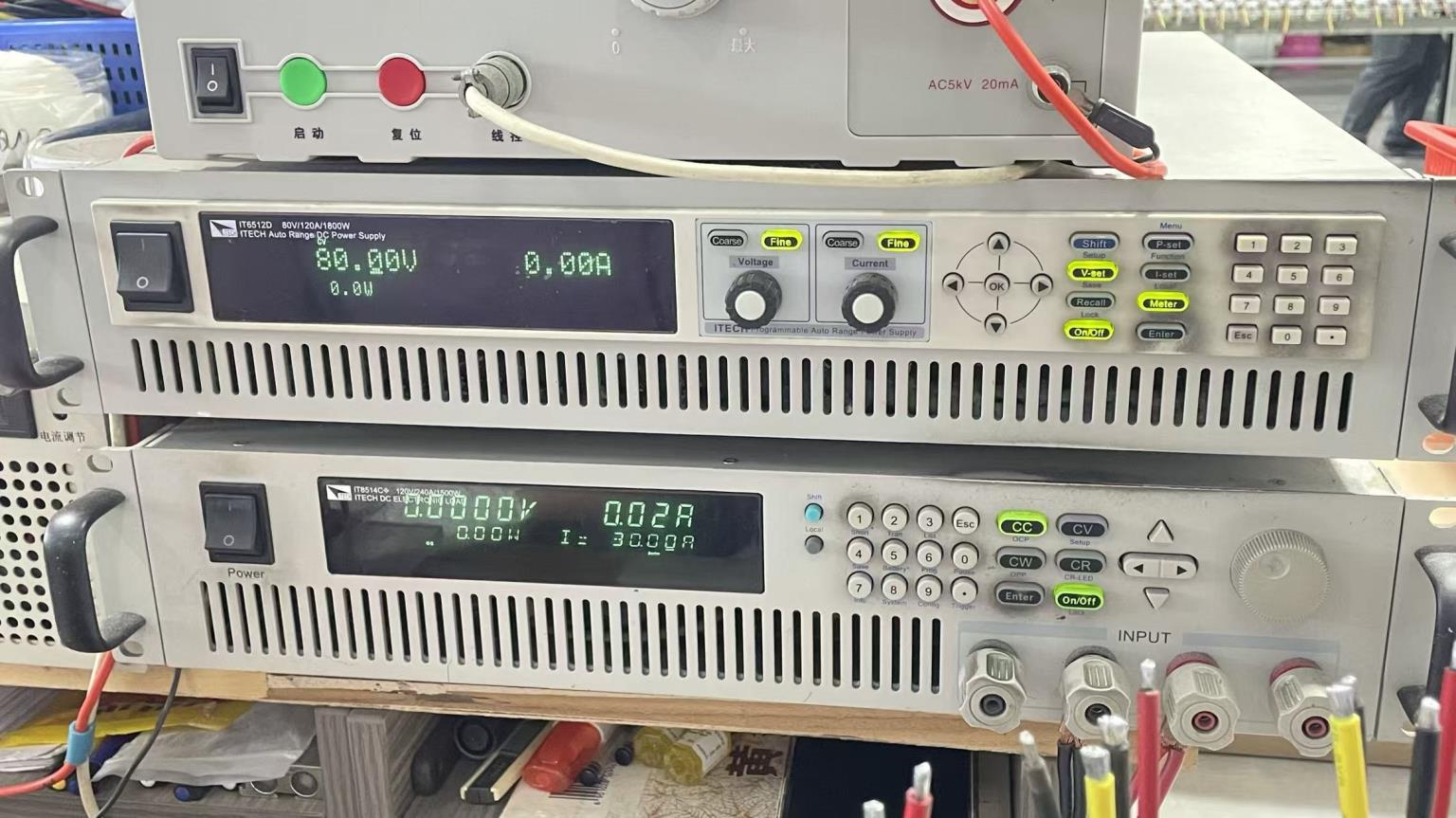 DC Power Supply Tester
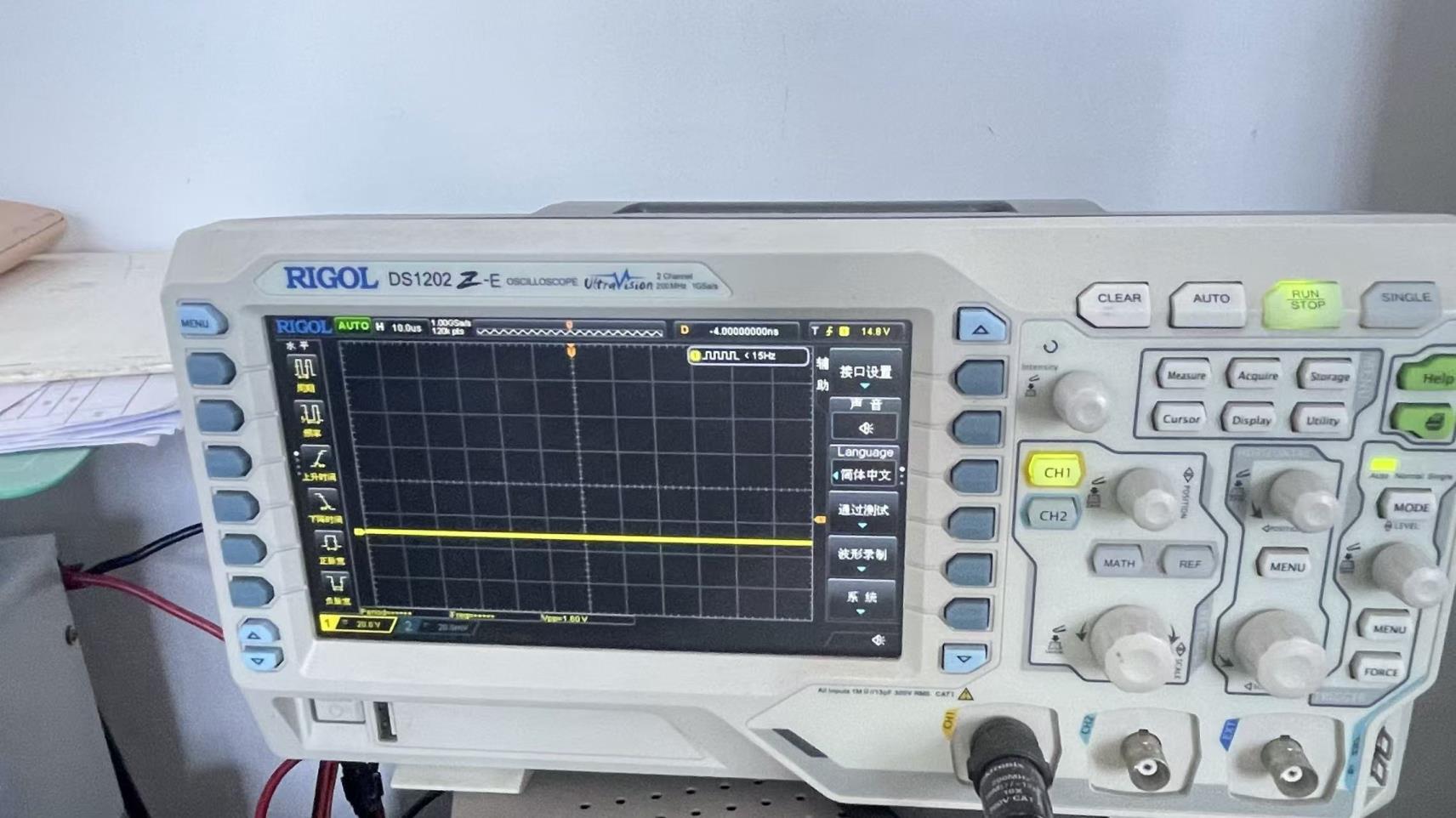 AC Withstand Voltage Tester
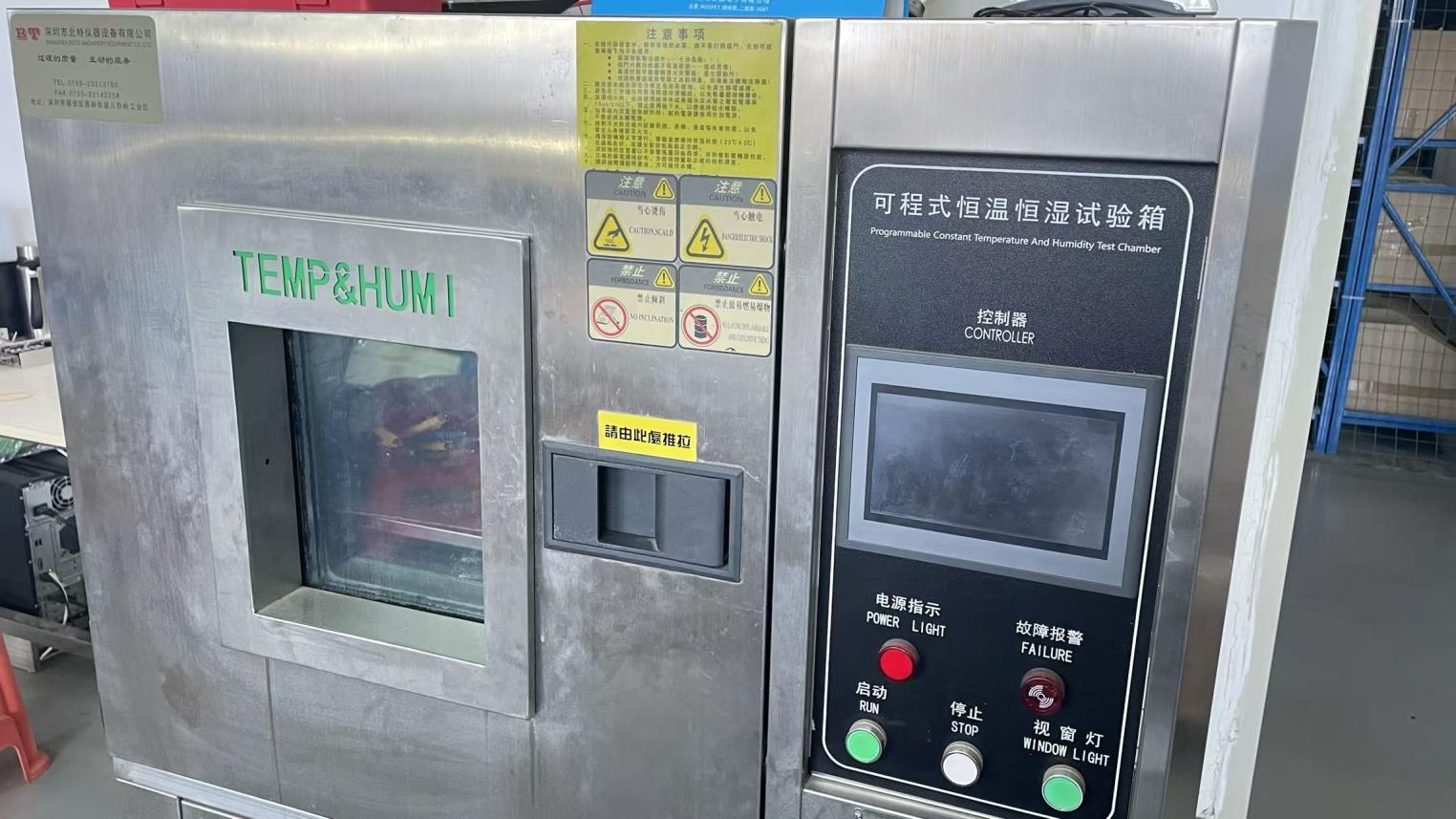 Temperature & Humidity Chamber
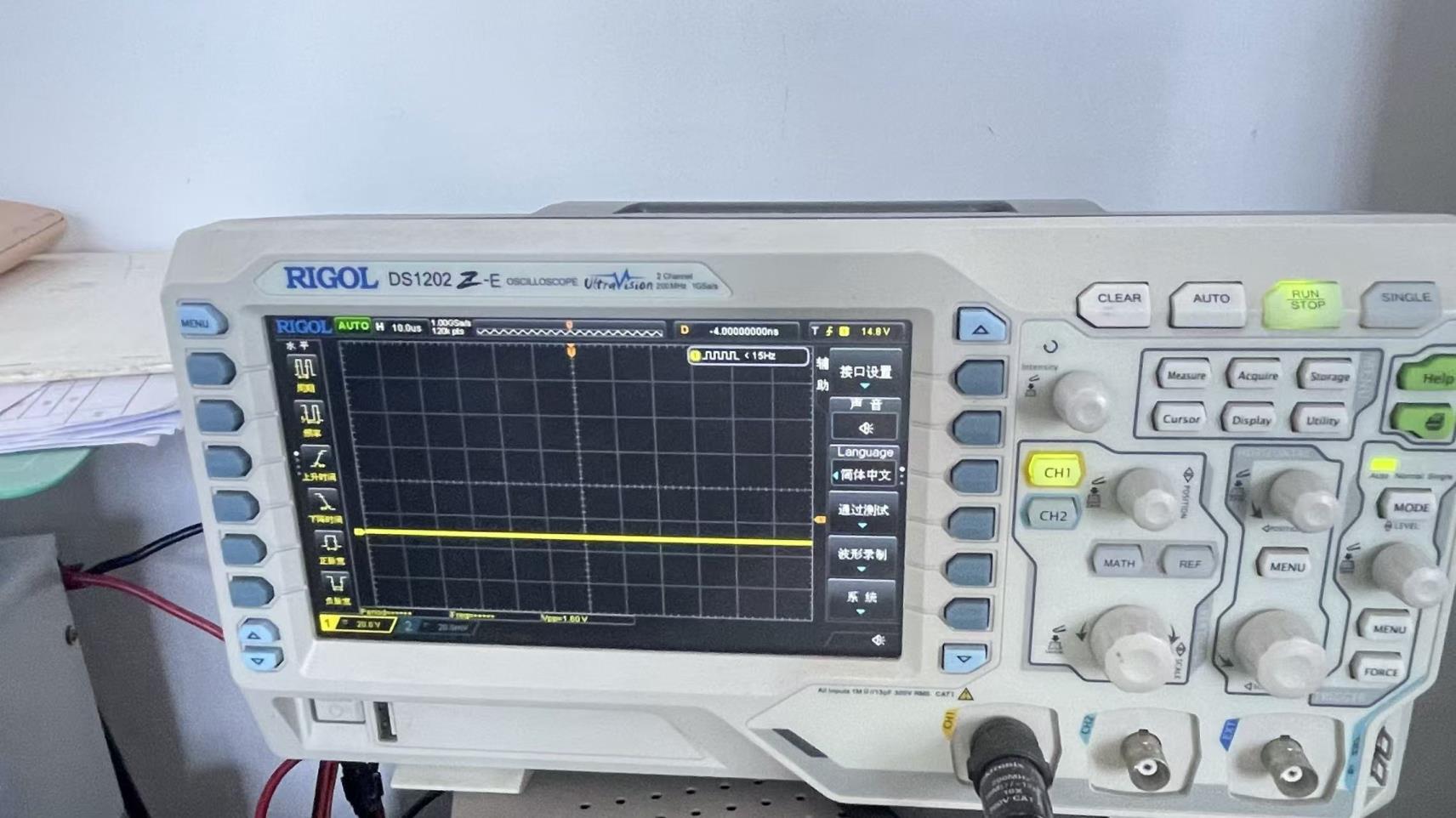 Optical Microscope Inspection
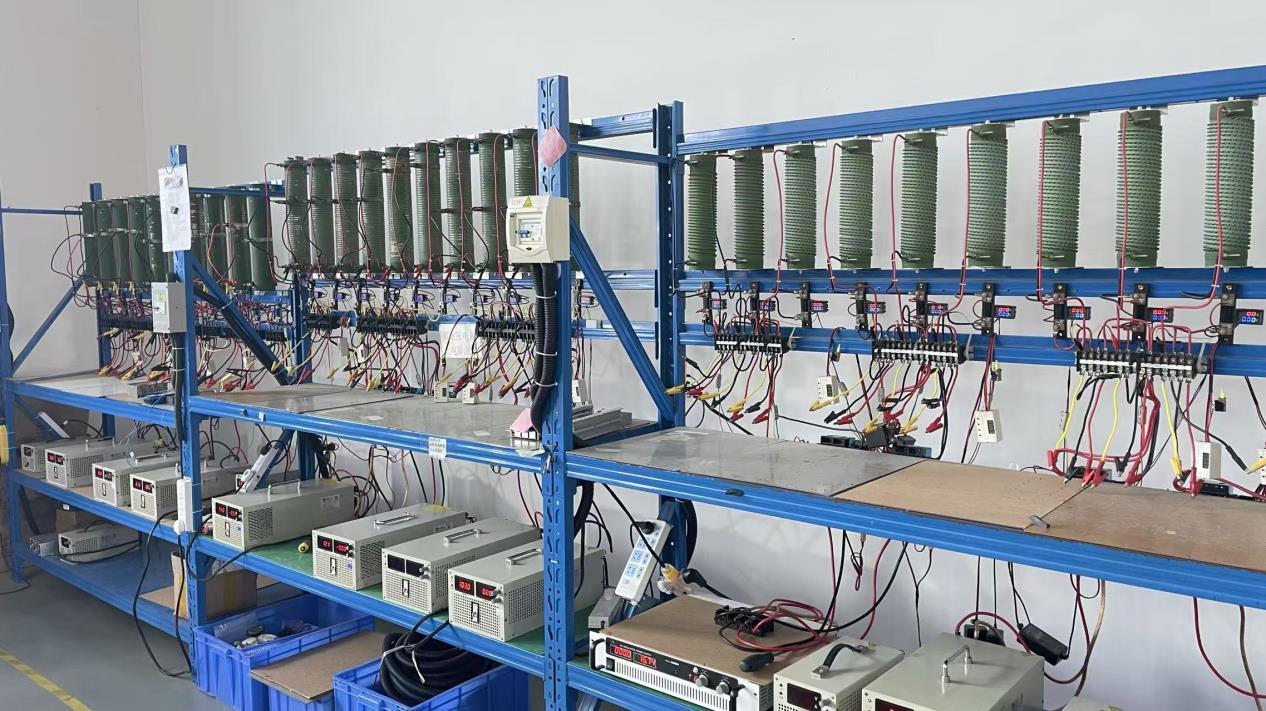 100% Full Load Aging Test
 R&D Schematic Design
How modular systems adapt to different operating environments around the globe.
Outdoor telecom base stations require reliable -48V DC power rectifiers. Operating in environments that range from humid sub-tropical zones to sub-zero high-altitude regions, our 19-inch rack-mounted power setups operate continuously despite grid voltage fluctuations. These systems integrate battery backup control units, managing charging curves to optimize the cycle life of onsite lithium storage systems.
Power transmission grids require stable, isolated DC voltage sources to run relays, circuit breakers, and telemetry equipment. Our GZDW series switch-mode AC-DC converters step down incoming mains voltages to clean 110V or 220V DC. They feature low ripple voltages, low electromagnetic emissions, and galvanic isolation, protecting microprocessors from high-voltage transient surges.
Factory automation floors use DIN-rail step converters and heavy-duty switching regulators. These components supply stable voltage to PLCs, sensors, actuator relays, and industrial PCs. Dynamic load regulation limits the voltage drop during high peak currents (such as when starting inductive motors), maintaining logic state stability and preventing line dropouts.
Off-grid systems utilize telecom-grade pure sine wave inverters and high-efficiency converters. These systems manage variable inputs from photovoltaic arrays and storage batteries, delivering steady, clean AC output to remote sites. The pure sine wave profile ensures low harmonic distortion (THD < 3%), protecting sensitive communication systems and measuring equipment.
Technical answers to common questions about modular power systems, engineering customizations, and factory operations.
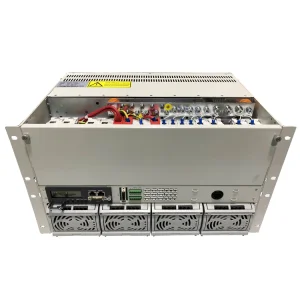
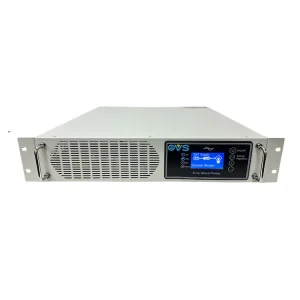
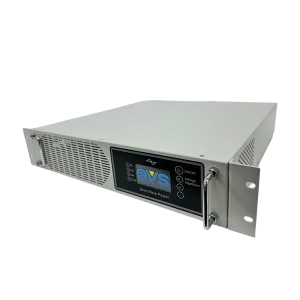
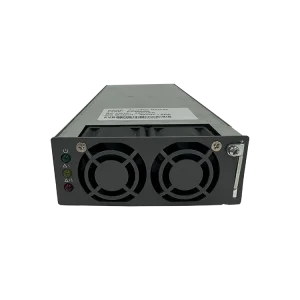
Explore our heavy-duty rack power units, multi-phase systems, and high-efficiency converters designed for continuous operation.

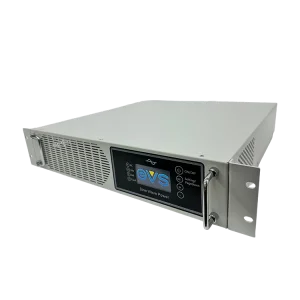
 EVS Powers