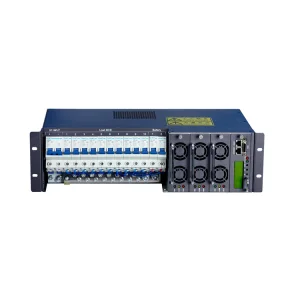
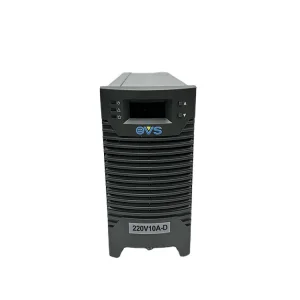
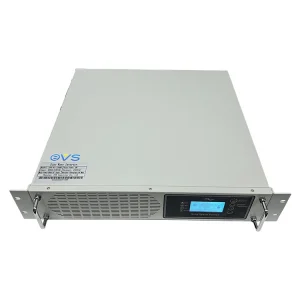
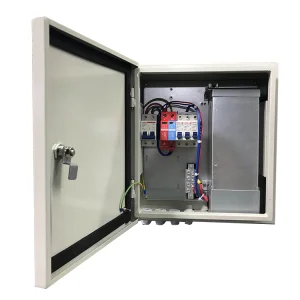
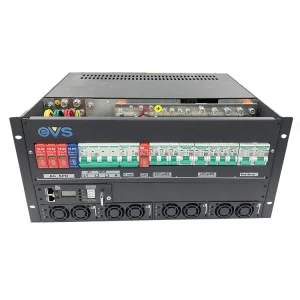
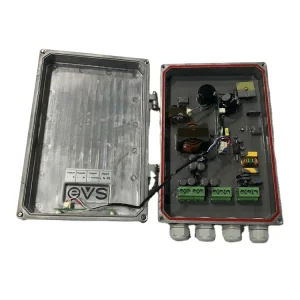
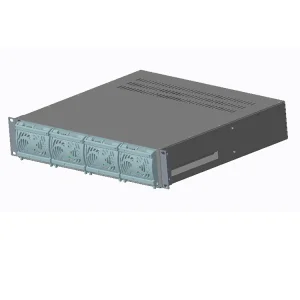
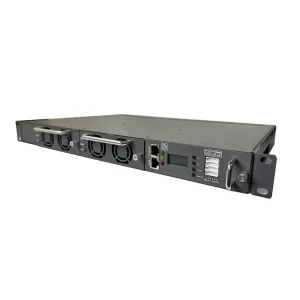
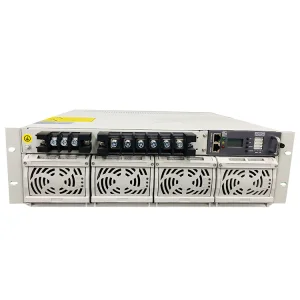
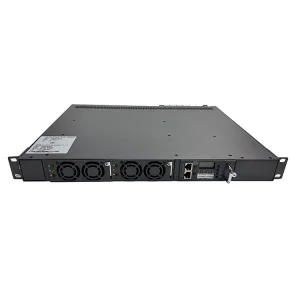
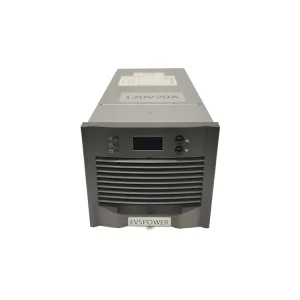
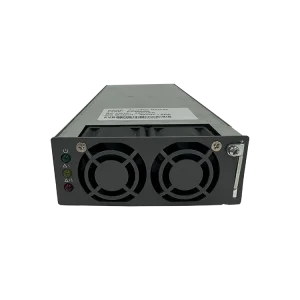
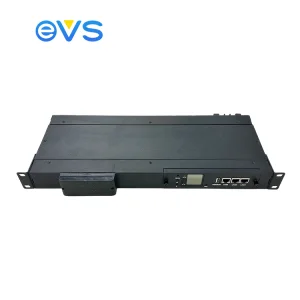
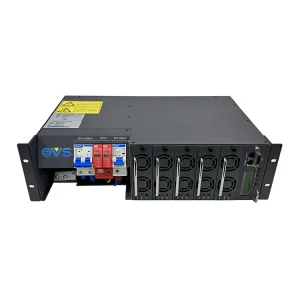
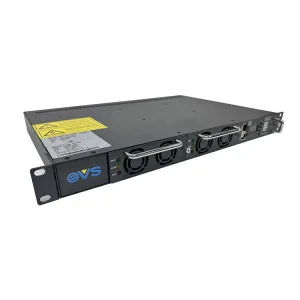
Premium energy systems, backup power modules, and rectifiers designed for industrial microgrids and modern digital infrastructures.
The global energy landscape is undergoing a structural paradigm shift driven by decarbonization, electrification, and decentralized grid architectures. Commercial and Industrial (C&I) sectors currently account for over 50% of global electricity consumption. Faced with volatile energy pricing, supply-chain instability, and strict net-zero mandates, modern enterprises are transitioning from passive consumers to active "prosumers."
An Energy Management System (EMS) serves as the digital brain of this transition. By aggregating field-level operational data from power conversion units, backup rectifier banks, battery storage systems, and renewable generation assets, the EMS enables real-time optimization of power flows. Modern architectures rely on highly robust, low-latency telemetry to execute algorithms like peak-shaving, dynamic load balancing, and demand response.
Furthermore, the convergence of telecom infrastructure with industrial grids has created new operational profiles. Telecom operators deploying 5G macro stations require robust, modular, and reliable DC power plants integrated directly into regional grids. In this context, decentralized energy conversion devices—such as industrial AC-DC rectifiers and bidirectional DC-DC converters—must function as smart nodes within the overarching enterprise energy management network.
Analyzing the performance benchmarks that determine system reliability and return on investment in industrial power conversion systems.
Three main technology vectors are currently reshaping the industrial power electronics and EMS markets:
Silicon (Si) power devices are rapidly approaching their physical material limits. Modern power supplies and DC-DC converters are increasingly adopting Silicon Carbide (SiC) and Gallium Nitride (GaN) technologies. The wider bandgap allows these components to operate at higher switching frequencies, drastically reducing the physical size of magnetic components and heat sinks. This design shift yields energy conversion efficiencies above 95%, reduces thermal management overhead, and achieves high power density—critical for space-constrained telecom rack configurations and industrial server enclosures.
Traditional industrial architectures separated energy generation, storage, and consumption into isolated pathways. Today's microgrids rely on bidirectional DC-DC converters to enable flexible, two-way power flow between battery energy storage systems (BESS) and high-voltage DC buses. These converters manage dynamic battery charging and discharging cycles while stabilizing local grid voltages during peak demand. This capability helps facilities optimize energy arbitrage and protect sensitive processes from grid voltage sags.
Modern power supply modules are no longer simple analog systems. They feature digital signal processors (DSPs) that support real-time communication via SNMP, Modbus, or CAN bus interfaces. By exporting diagnostic parameters such as current, voltage, internal operating temperatures, and ripple factors, these smart power supplies enable predictive maintenance capabilities. The centralized EMS can identify aging capacitors, monitor cooling fan health, and dynamically adjust load sharing across parallel rectifier modules before hardware failure occurs.
An inside look at our advanced production processes, testing laboratories, and strict quality control protocols.
Guangzhou EVS Powers Co., Ltd., is located in international trade city Guangzhou. Our Company EVS is a professional manufacturer of switching power supply, DC power system, power supply units, DC DC converter, power inverter series power system product and other OEM ODM electronics products according to customer's request. We regard clients' satisfaction as our top task, products' quality as the basis of development, cost-saving as our competitive advantage. With the excellent credit standing and the premier service, we have won the high reputation and long term cooperation from customers between domestic and foreign, such like the Europe, South and North America, Australia, Middle East, Southeast Asia and other areas. With good faith oriented, we would like to share our knowledge, technology and experience with our partners so as to cooperate with more customers for mutual benefit and development. We will do our best to provide the good quality, the best service, the competitive price for our old and new customers. With the development of economy, we are looking forward to cooperating with you in the near future. Let's work together to create a new future of the electronic world.
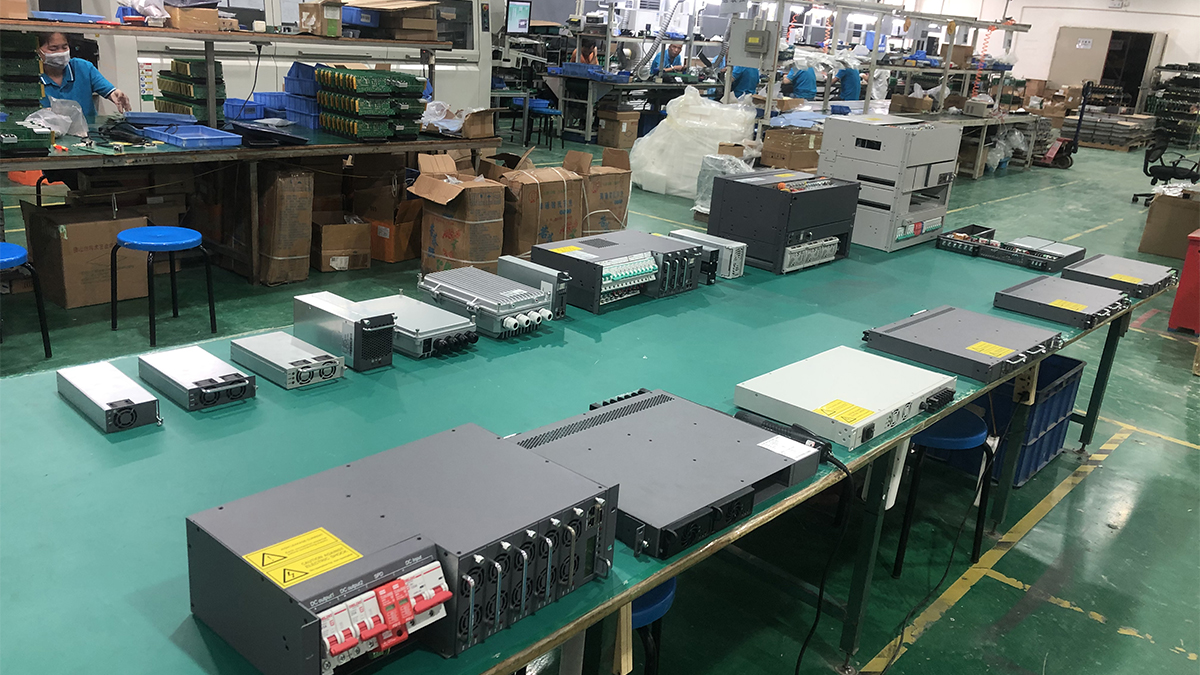
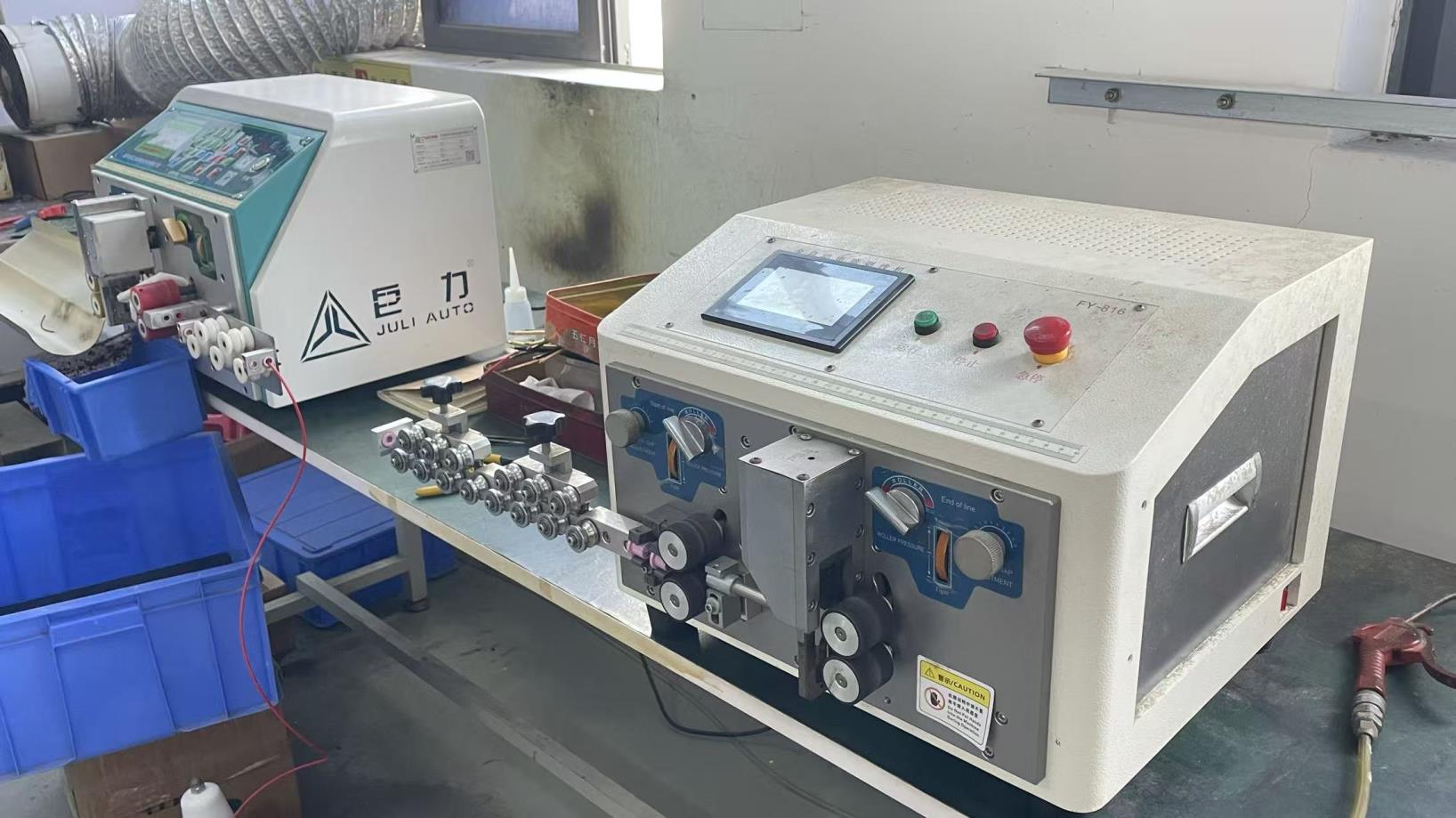
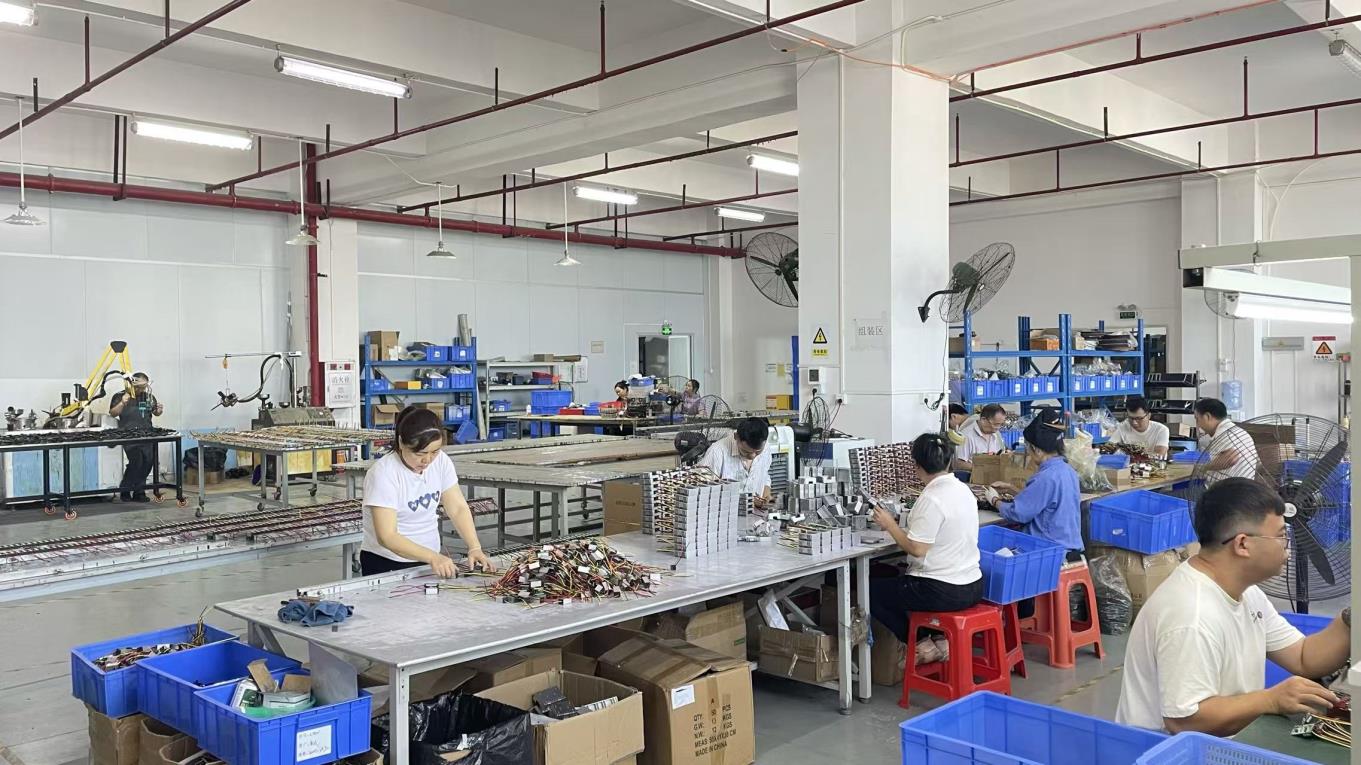

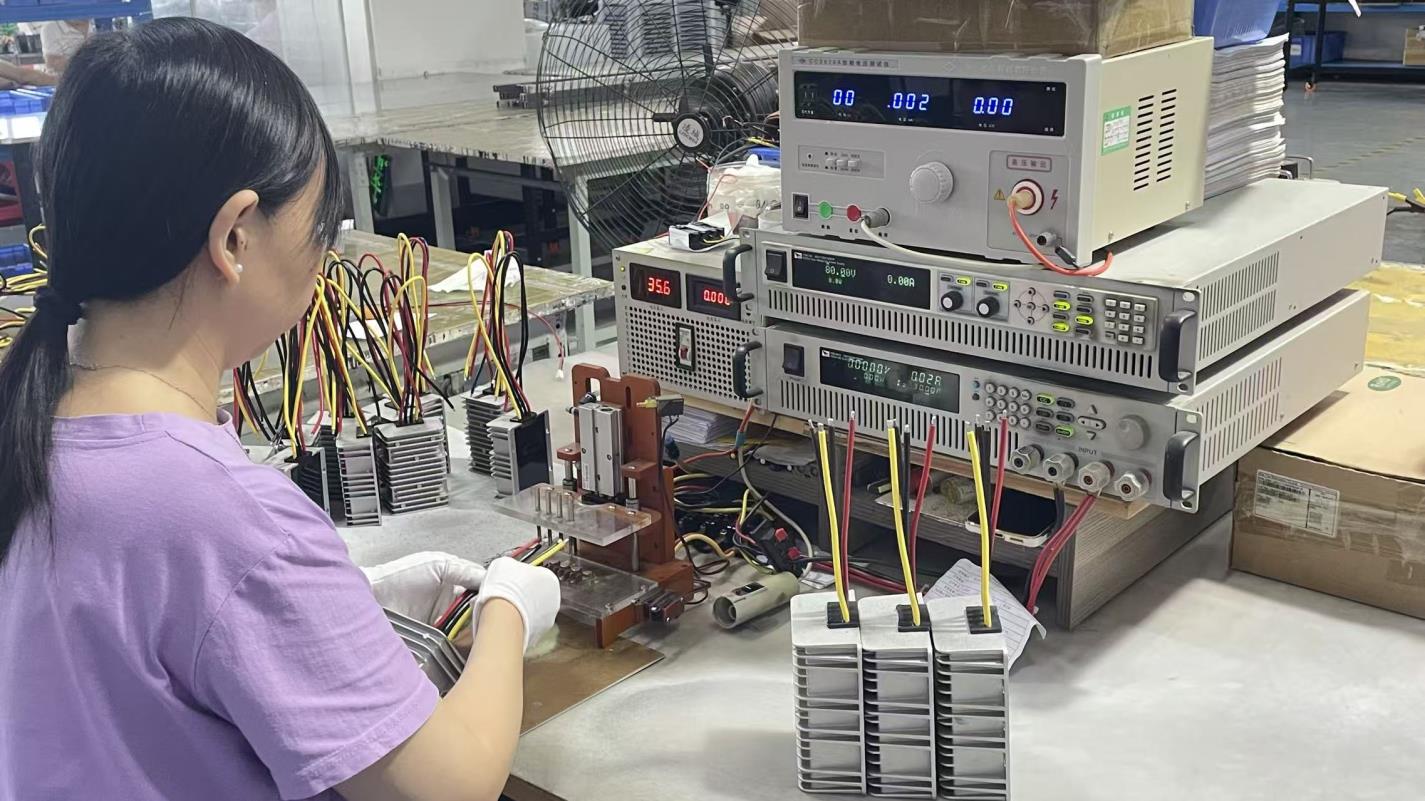
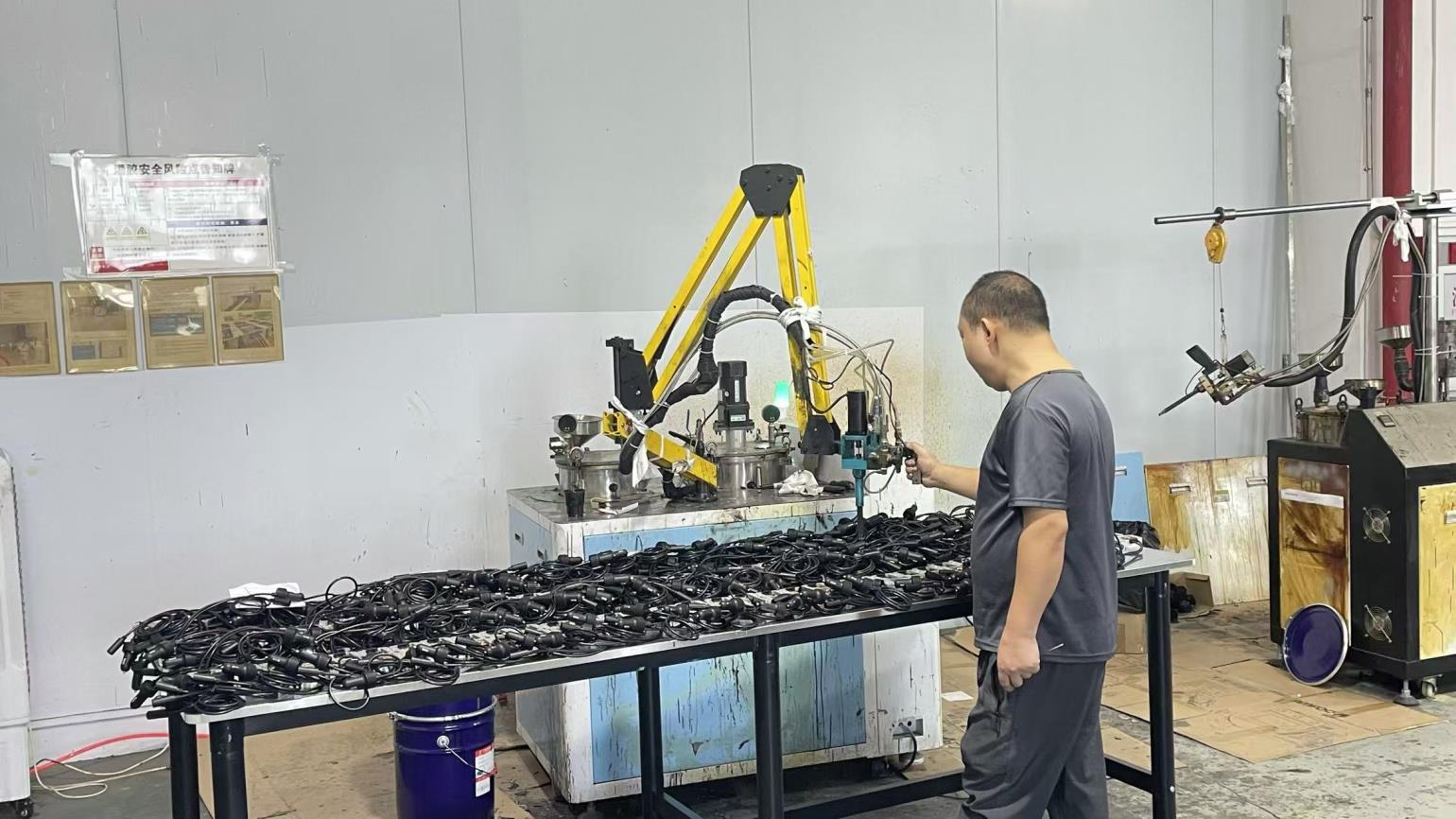
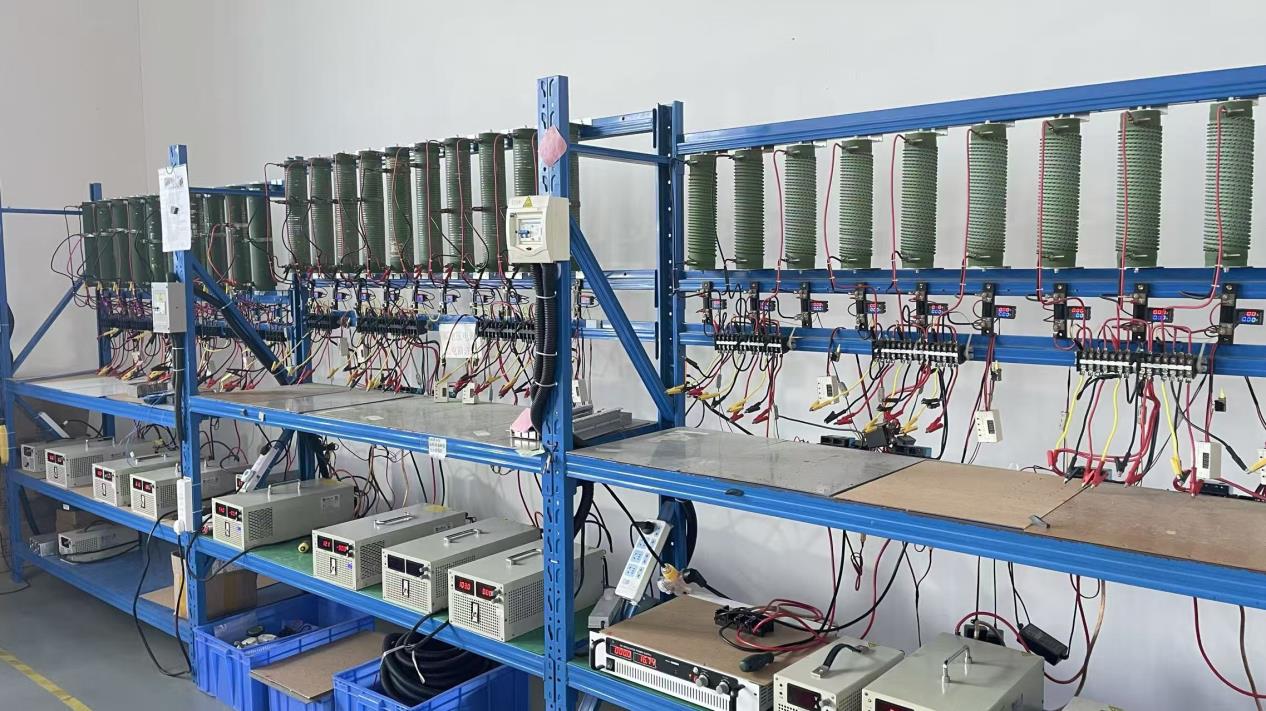

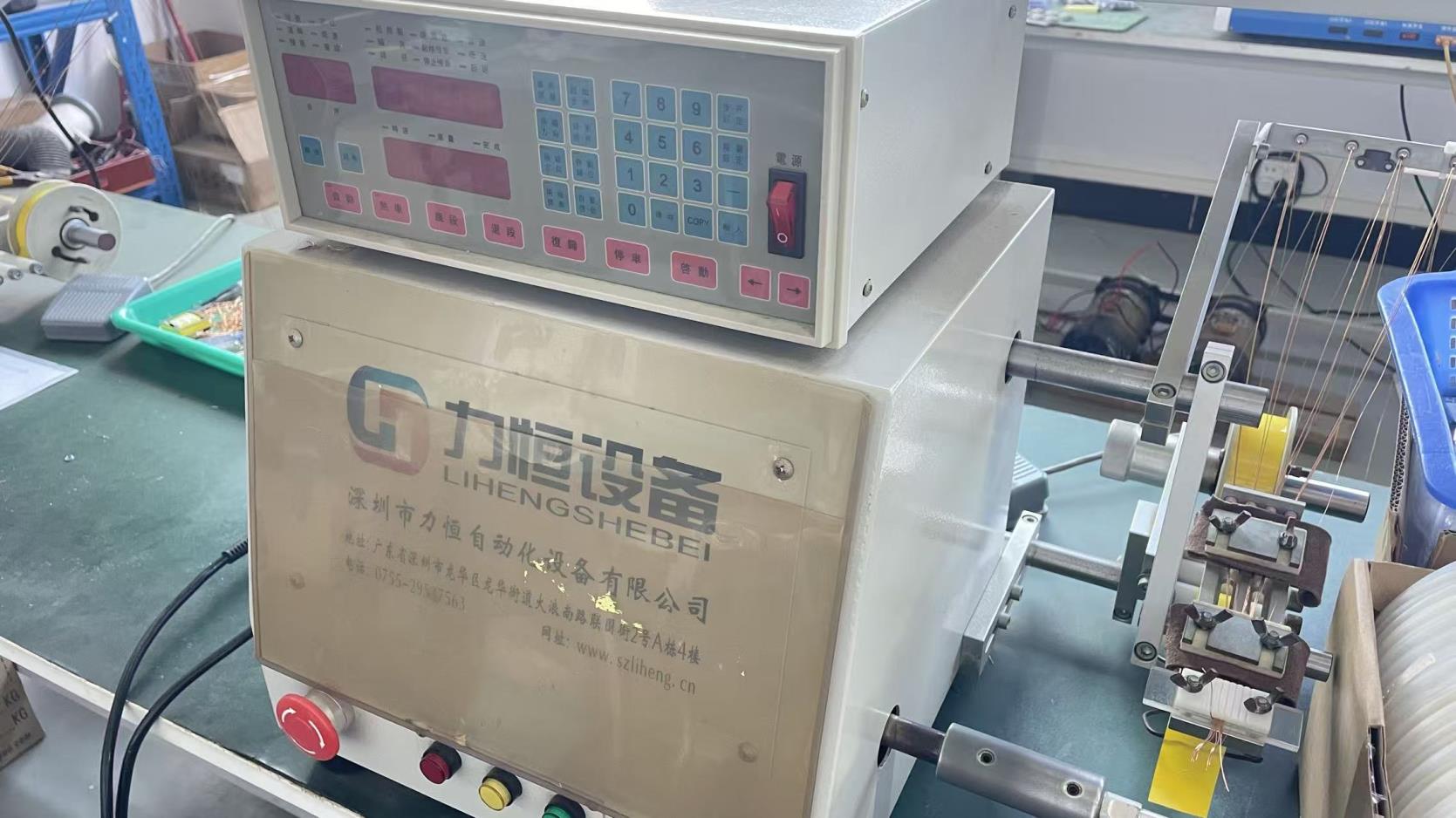
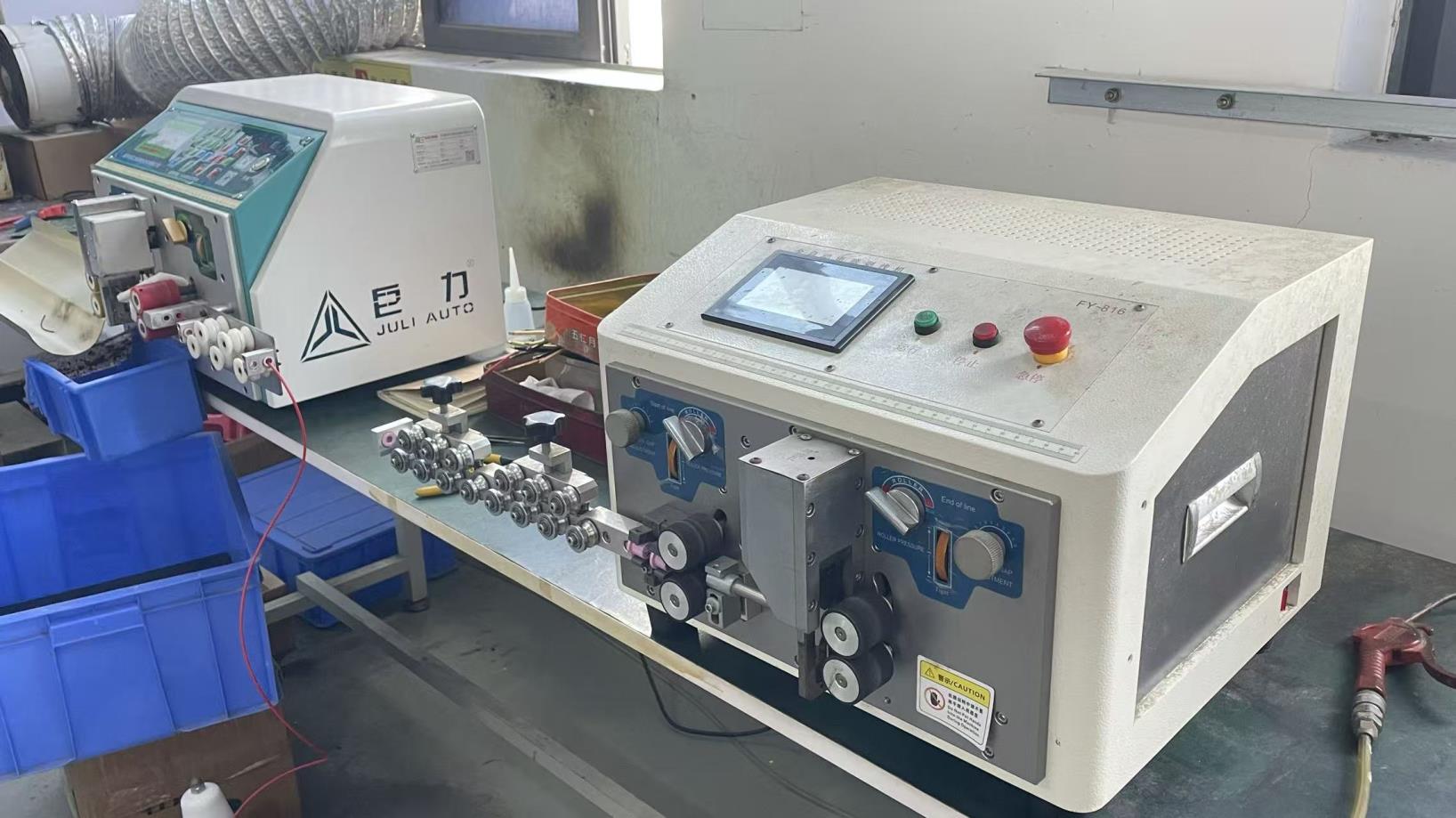


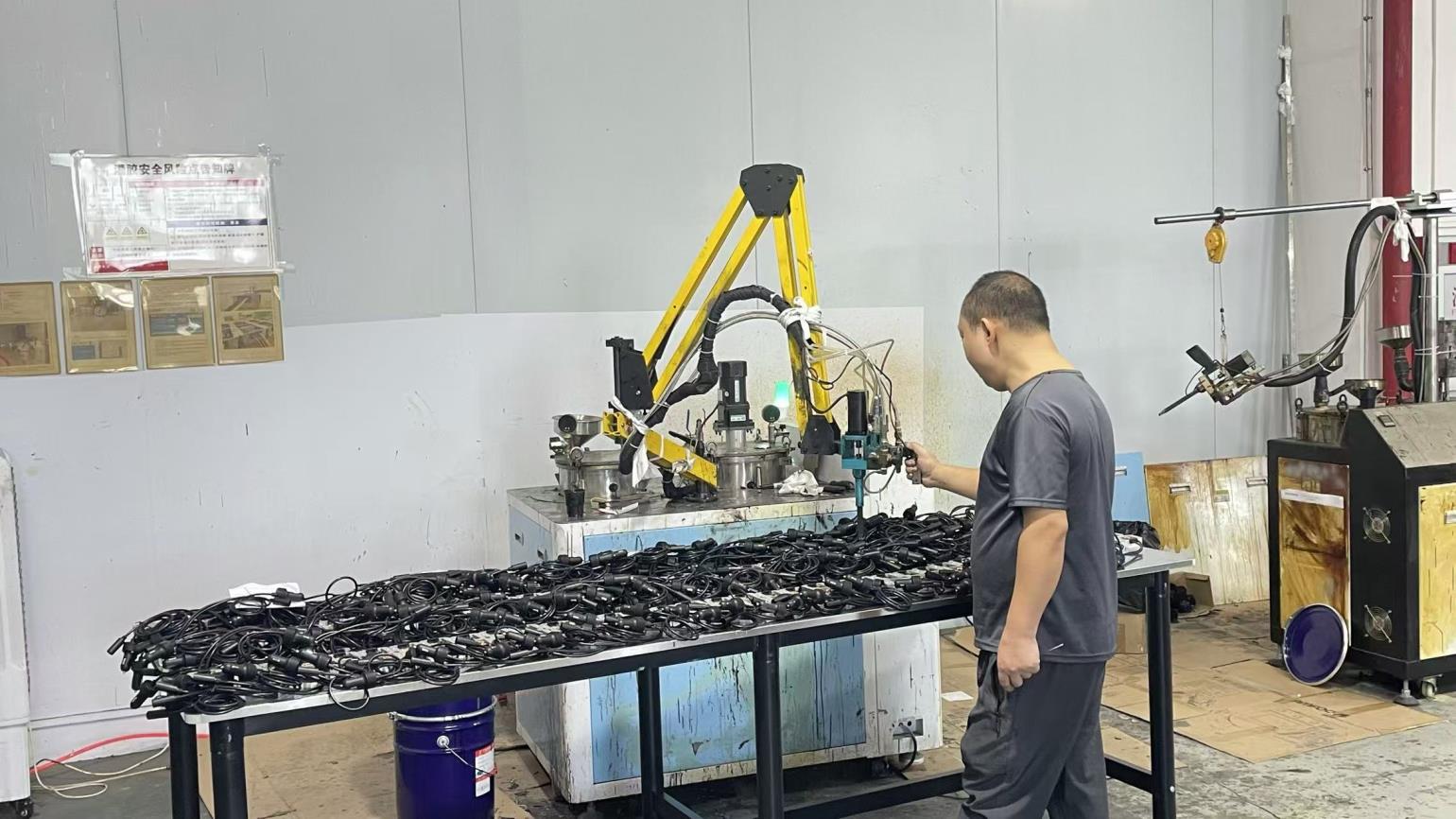
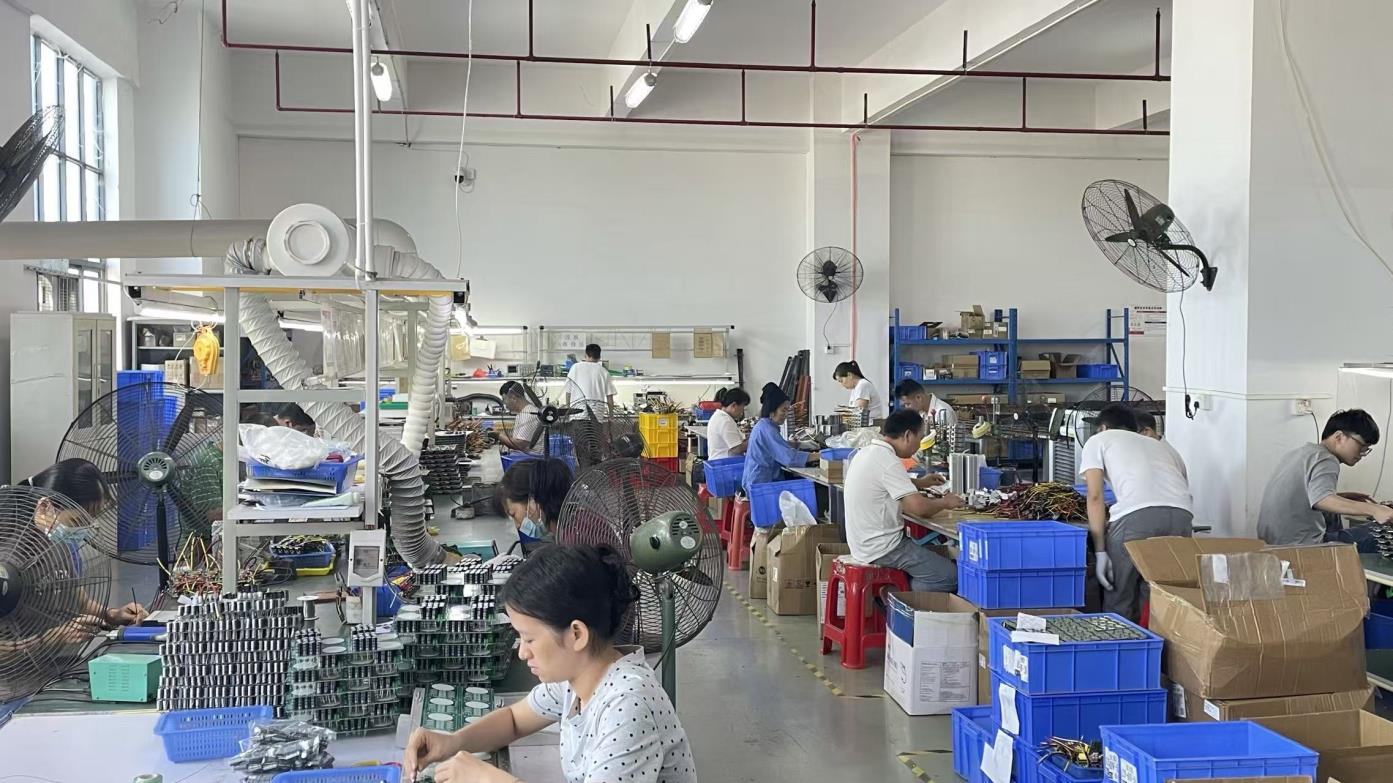

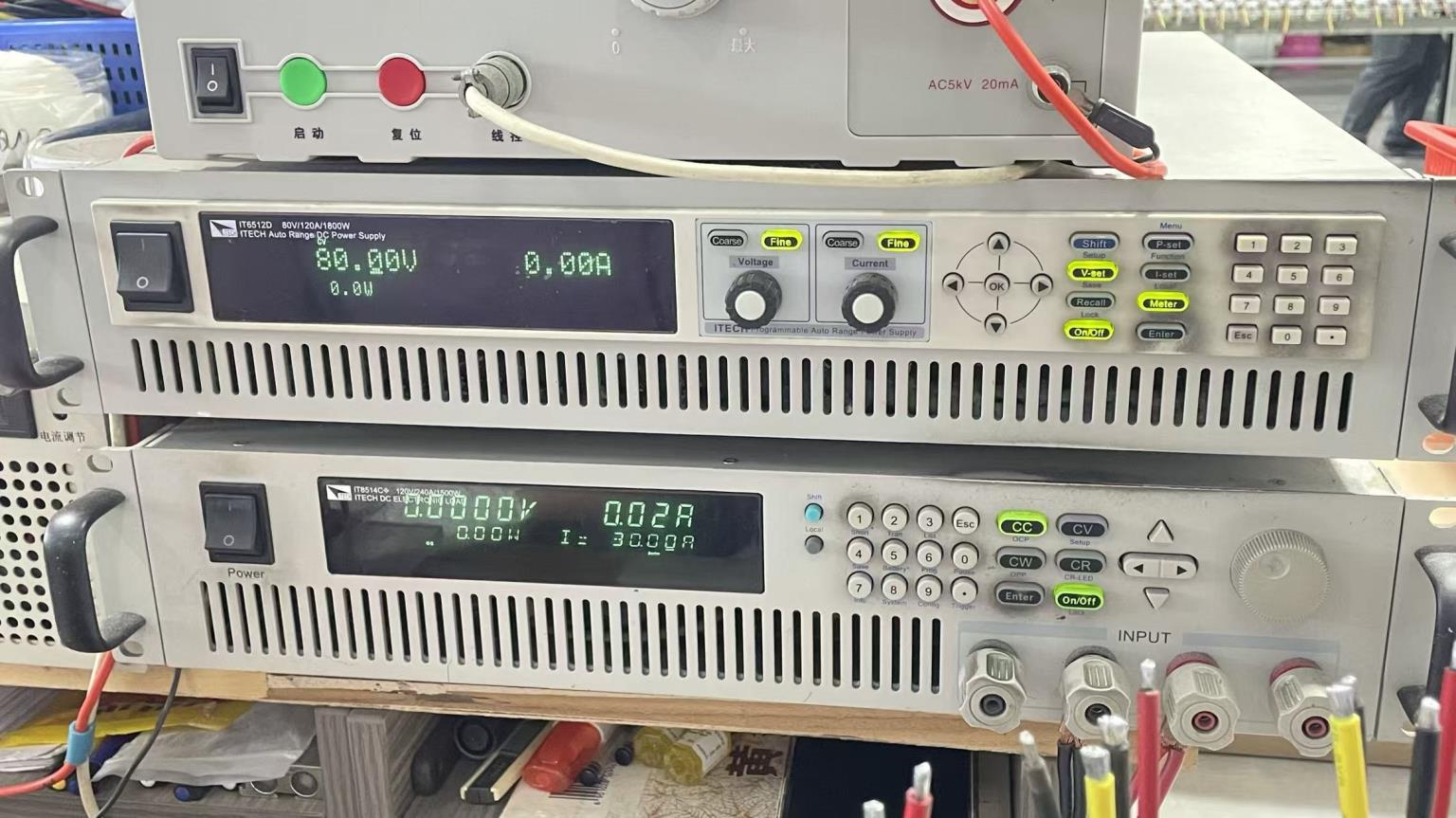
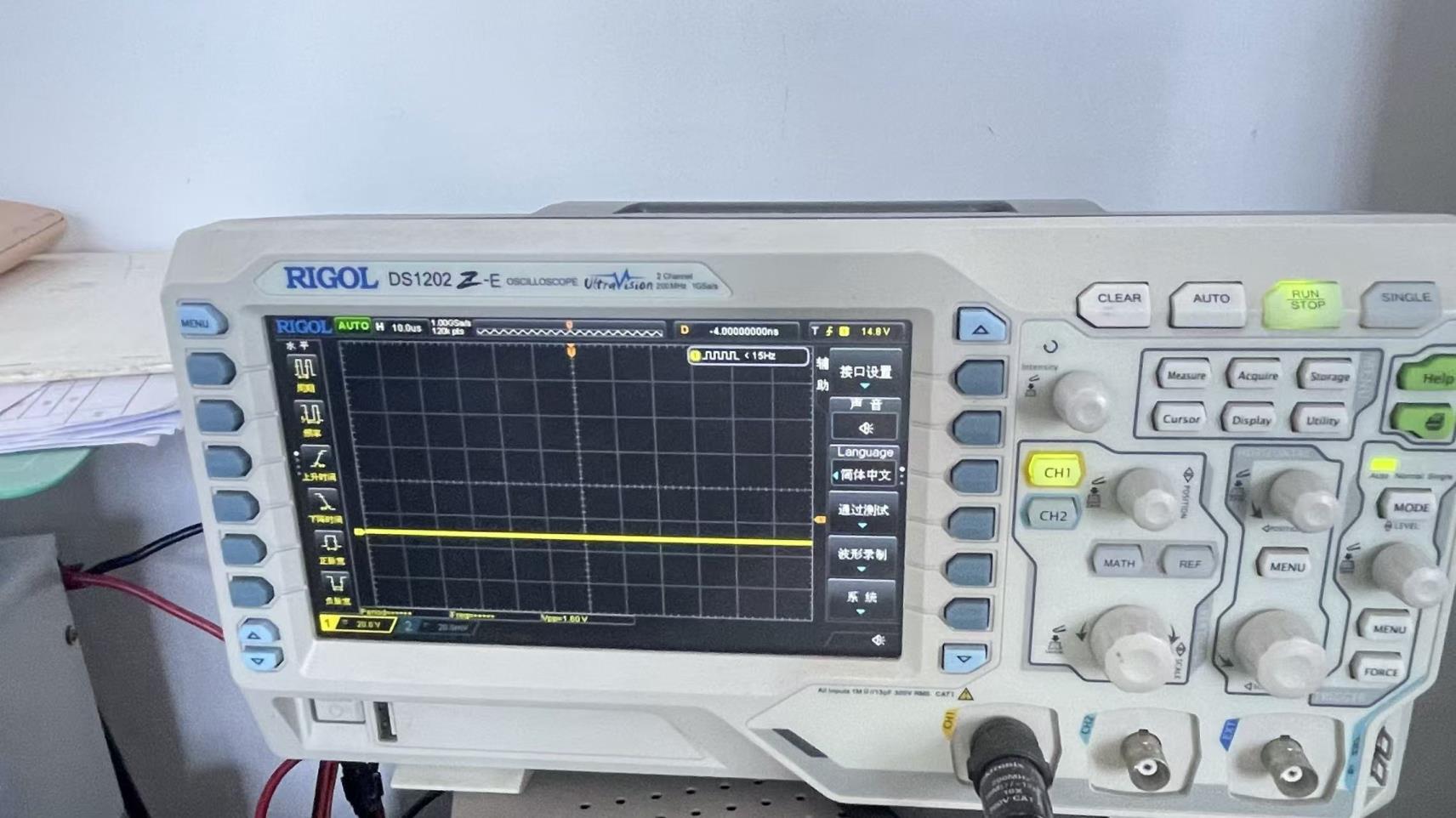
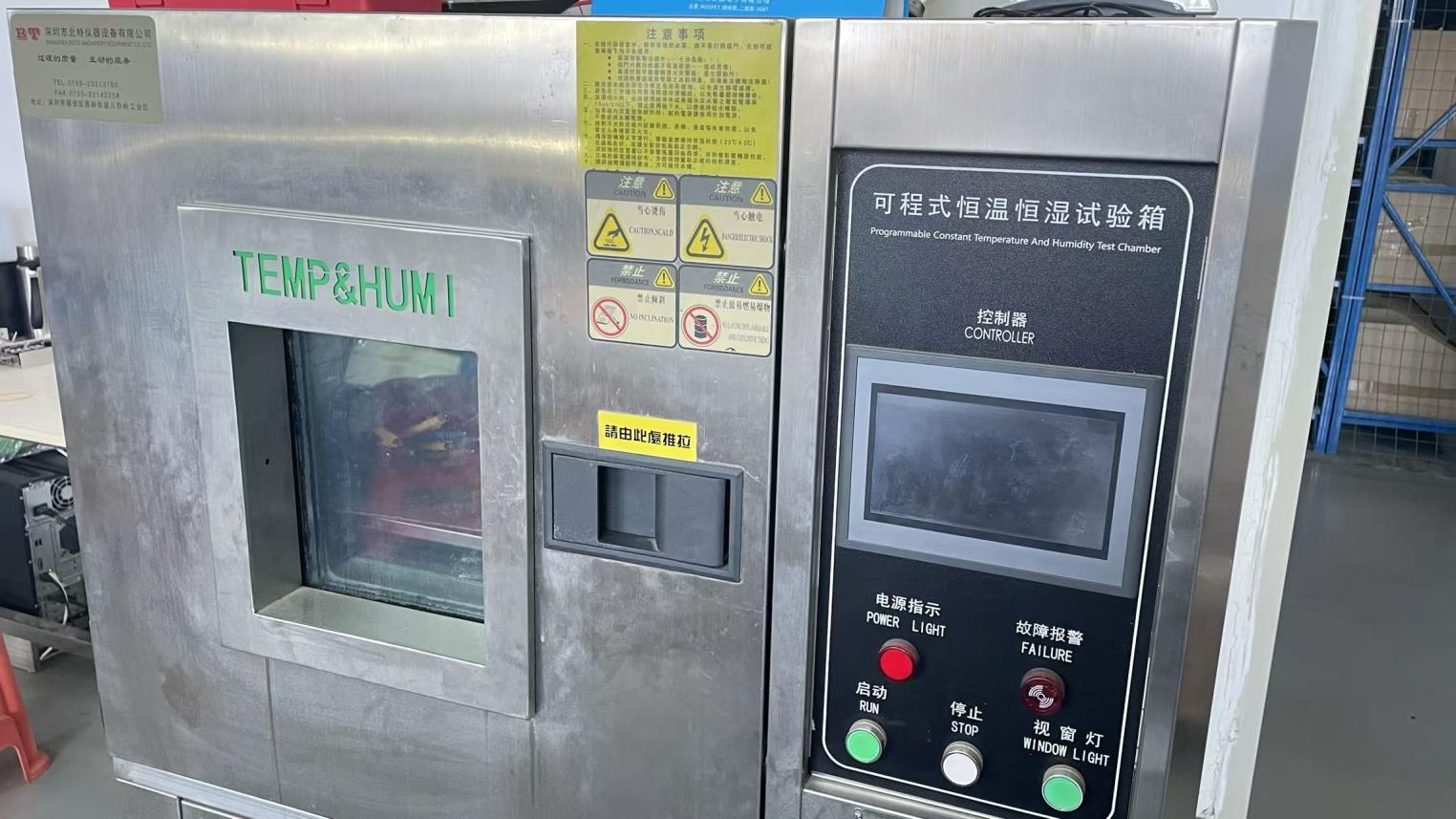
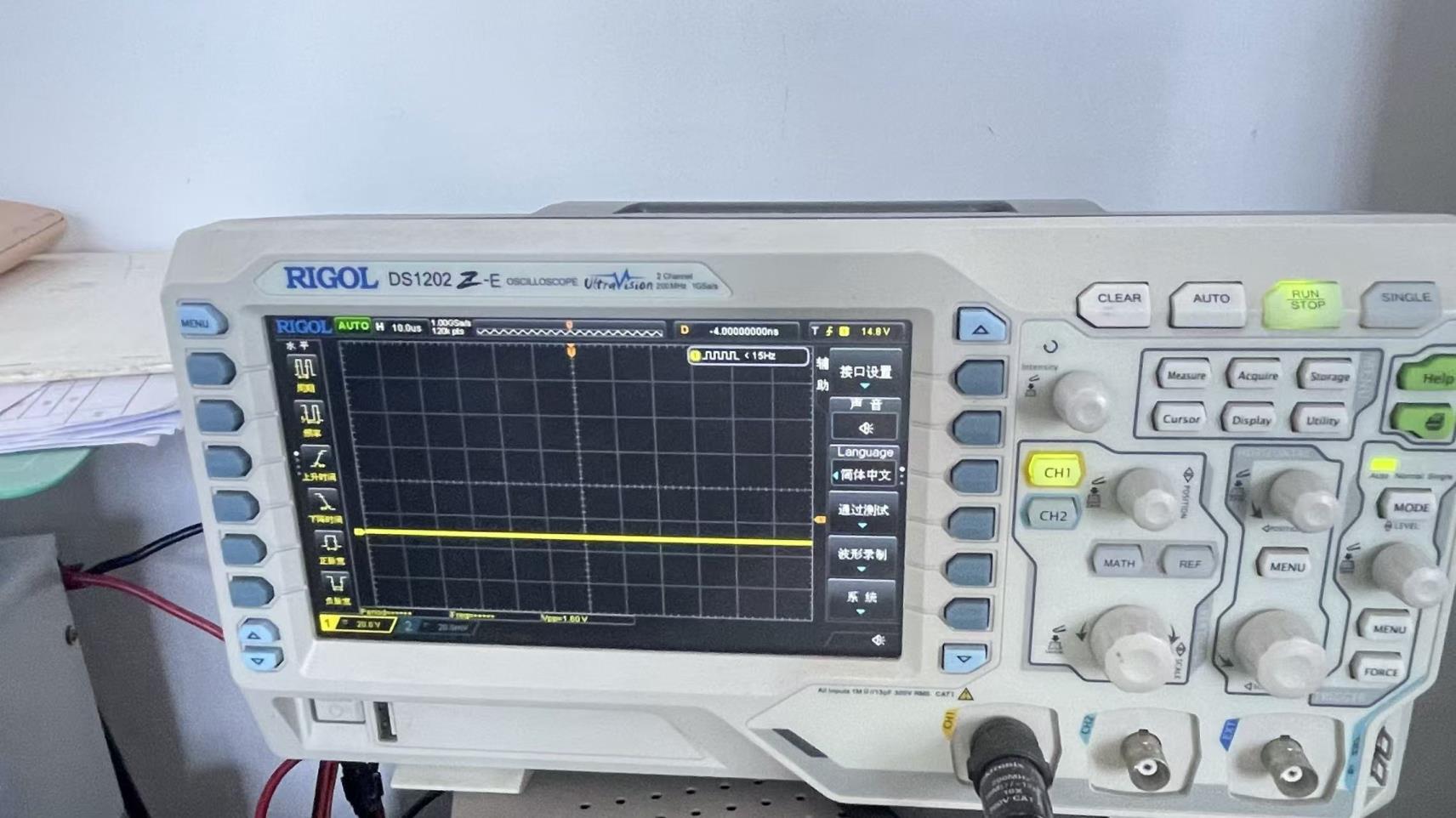
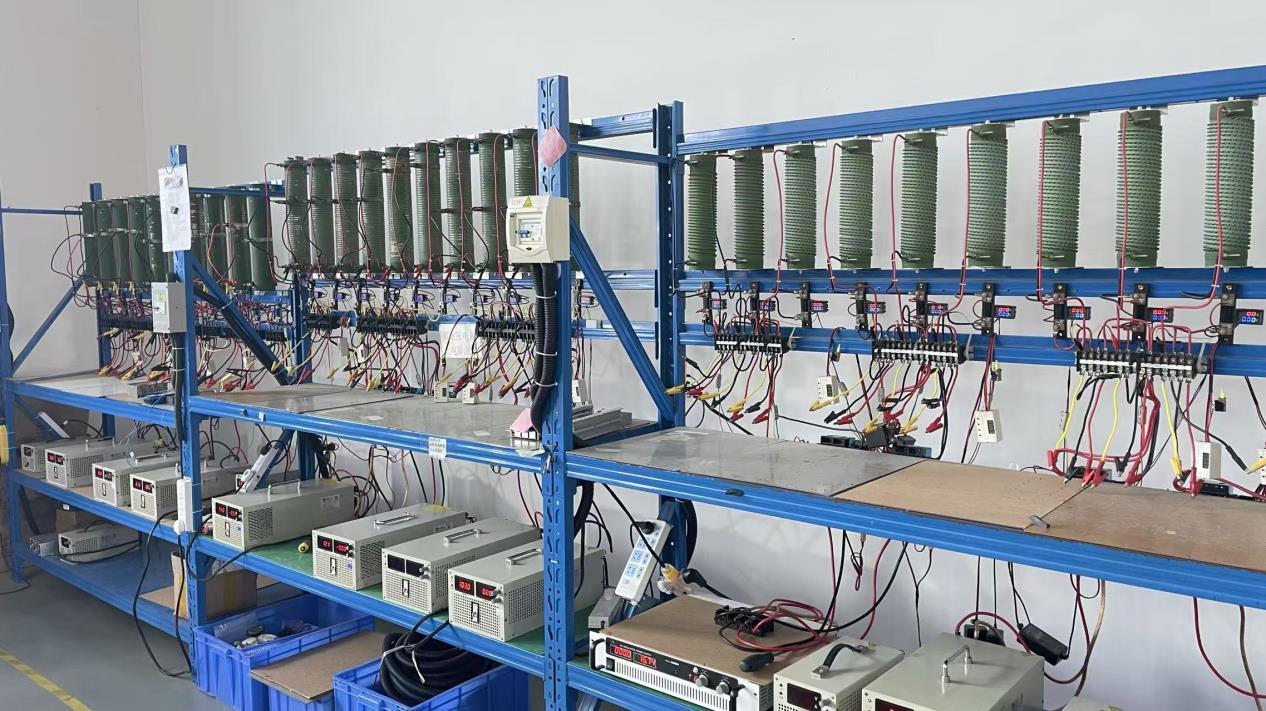
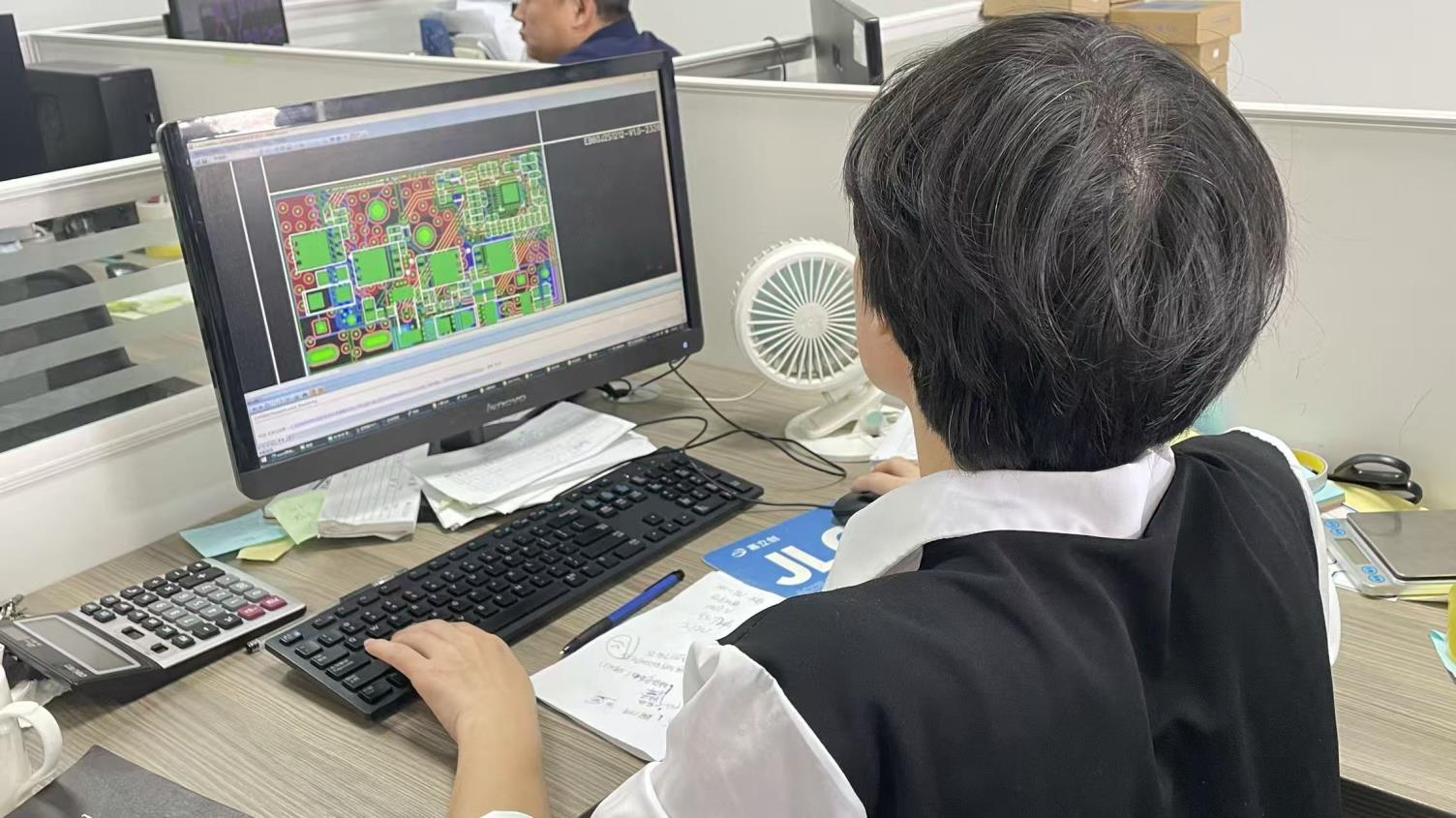
To support high levels of reliability in modern C&I microgrids, EVS Powers implements a forward-looking technological roadmap. Our R&D efforts focus on integrating software-defined power topologies with ruggedized power electronics hardware.
Addressing the technical considerations that engineers, system integrators, and industrial buyers evaluate when deploying power electronics.
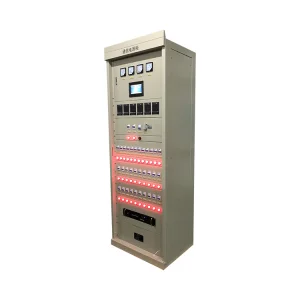
Heavy-duty power converters, high-voltage switching supplies, distribution boxes, and server cabinets for utility installations.
 EVS Powers