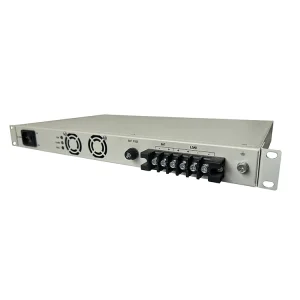
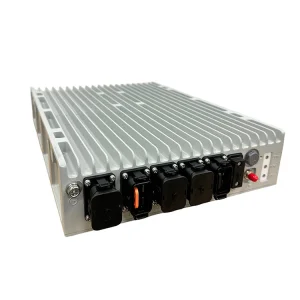
Explore our core engineering catalog featuring advanced high-frequency rectifiers, DC-DC step-up boosters, sine wave inverters, and climate-resilient outdoor telecom box solutions.
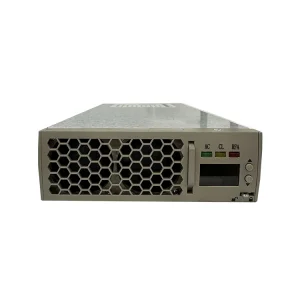
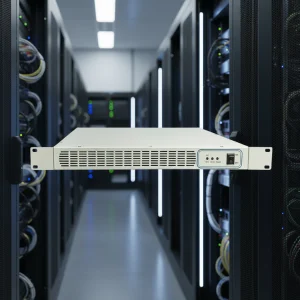
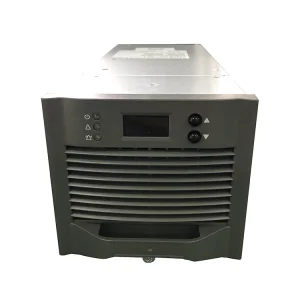
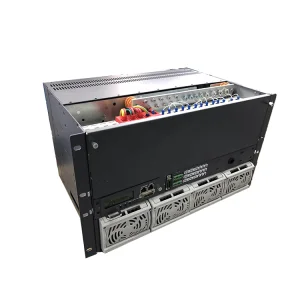
Deep insight into global telecom power architectural challenges, infrastructure demands, and technical solutions for modern network rollouts.
Modern wireless communication systems, heavily anchored in 5G and early 6G topologies, require unprecedented power densities and rigorous operational continuity. Standard telecom infrastructure relies on distributed base stations, remote radio heads (RRHs), microcells, and edge computing nodes that require steady, high-efficiency, ripple-free direct current (DC) systems. Historically, telecom grids focused purely on basic rectifying capabilities. Today, the focus has shifted towards integrated, modular, intelligent energy architectures capable of combining conventional utility grids, emergency energy reserves, and renewable sources.
Guangzhou EVS Powers Co., Ltd. leads this industry evolution. By utilizing advanced DC-DC boosting topologies, high-efficiency AC-DC rectifiers, and intelligent SNMP control interfaces, EVS Powers delivers high-performing infrastructure designed for extreme operational environments. This comprehensive industry analysis outlines critical purchasing guidelines, design trends, and manufacturing protocols necessary for selecting global telecom power exporters.
Network operators worldwide face the complex challenge of scaling capacity while lowering operational expenditure (OPEX). Selecting the right telecom power equipment requires evaluating four key technology vectors:
Real estate at telecom towers is at a premium. Outdoor micro base stations and dense city networks require 1U or 2U rackmount form factors. Modules must exhibit high power density, utilizing advanced materials like Silicon Carbide (SiC) or Gallium Nitride (GaN) to minimize thermal loss and physical volume.
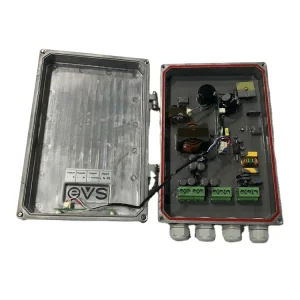
Base stations are increasingly deployed in harsh outdoor environments, from hyper-arid desert zones to sub-zero alpine heights. Industry-grade power supplies must have waterproof and dustproof cabinets (such as EVS's IP65 wall-mounted and DIN Rail series), ensuring continuous operation without external HVAC systems, which significantly reduces cooling costs.
Modern remote telecom stations cannot rely on physical visits for maintenance. Integrating SNMP (Simple Network Management Protocol) allows network operation centers (NOCs) to monitor metrics like input-output load curves, battery charge states, module temperatures, and circuit health dynamically, facilitating preventive troubleshooting.
The global transition to Lithium Iron Phosphate (LiFePO4) chemistries demands high-precision multi-stage charging algorithms. Telecommunication rectifiers must offer configurable charging profiles to maximize battery lifespan, balance internal cells, and prevent thermal runaway.
Located in the international trade hub of Guangzhou, China, Guangzhou EVS Powers Co., Ltd. operates a highly standardized electronic manufacturing and assembly plant.
At Guangzhou EVS Powers Co., Ltd., customer satisfaction, product reliability, and cost efficiency guide all design and production workflows. Specializing in high-frequency switching power supplies, modular DC power systems, high-efficiency DC-DC converters, and industrial sine-wave inverters, EVS Powers partners with EPC contractors, telecommunication operators, and marine developers worldwide. By maintaining complete control over our manufacturing processes, we ensure that every unit leaving our facility complies with international quality standards.
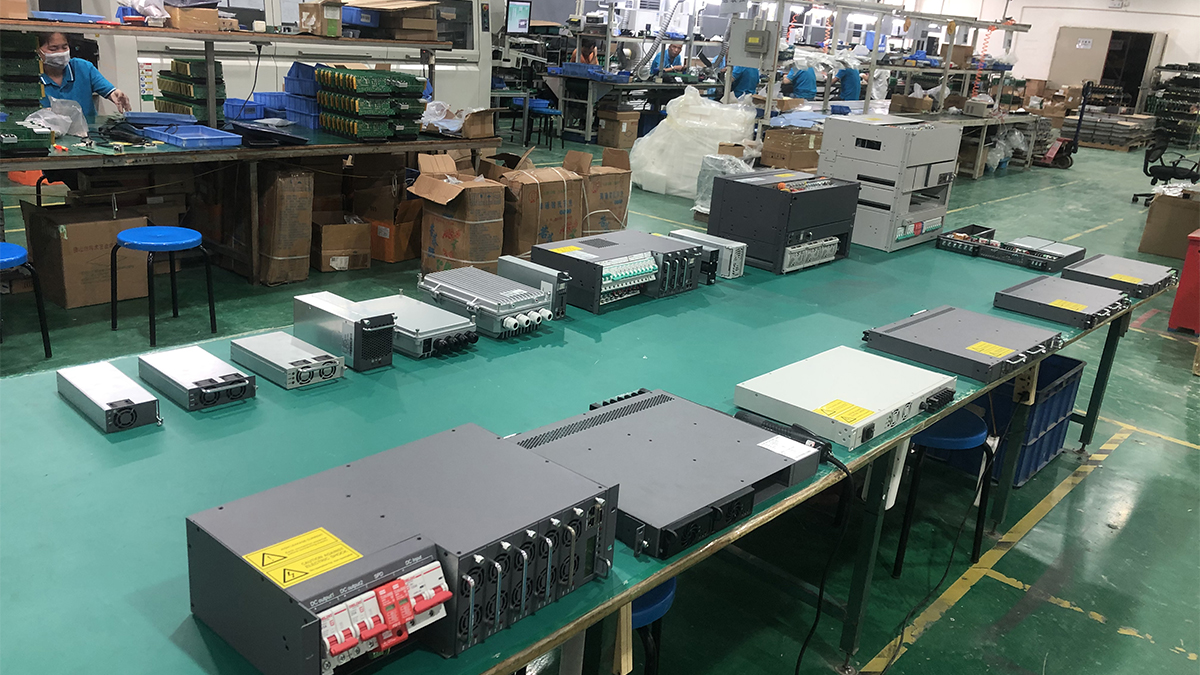
EVS Powers operates structured assembly and manufacturing lines. Through automation and manual inspections, each module undergoes detailed assembly phases, including:
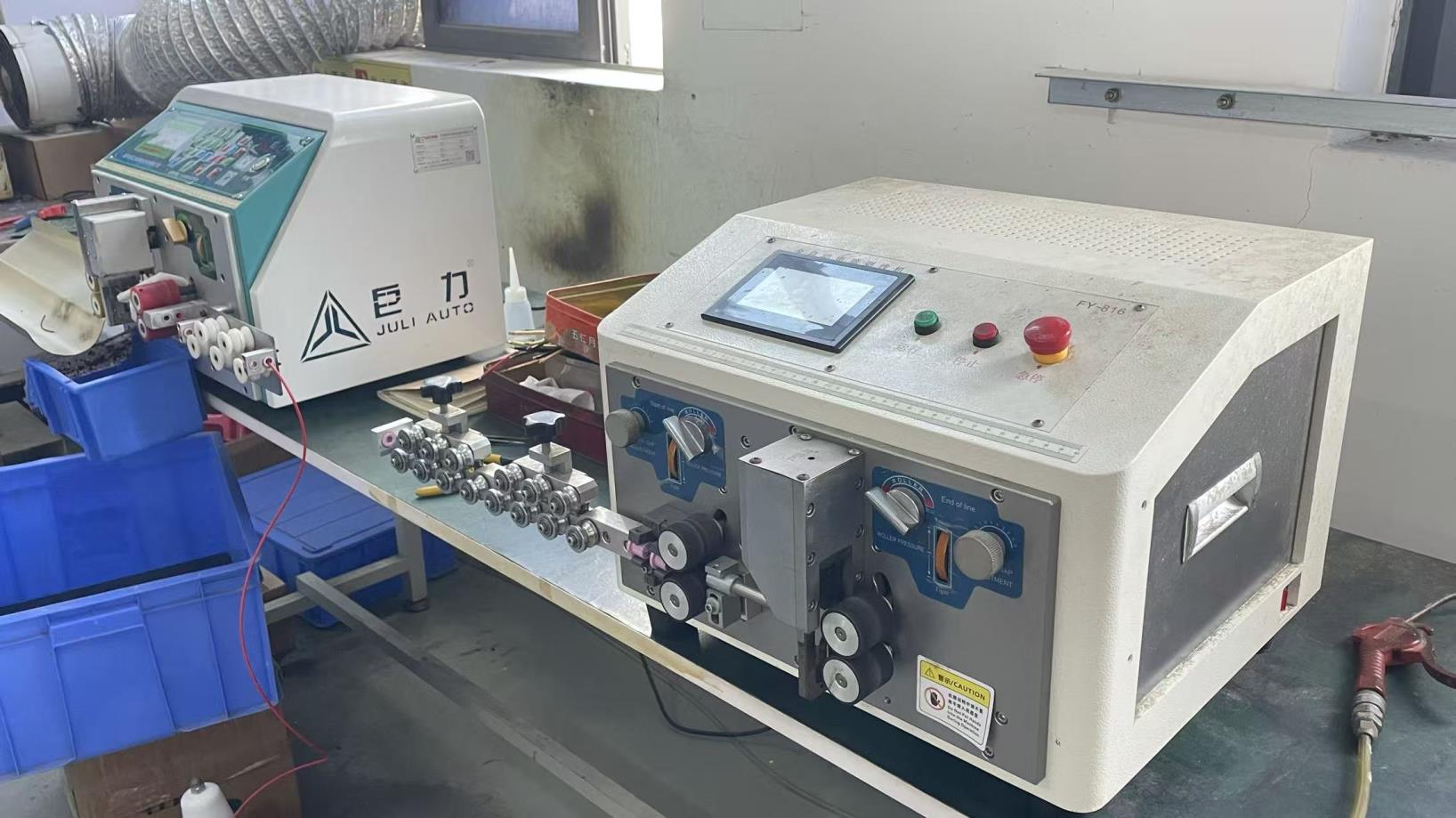 Wire Cutting
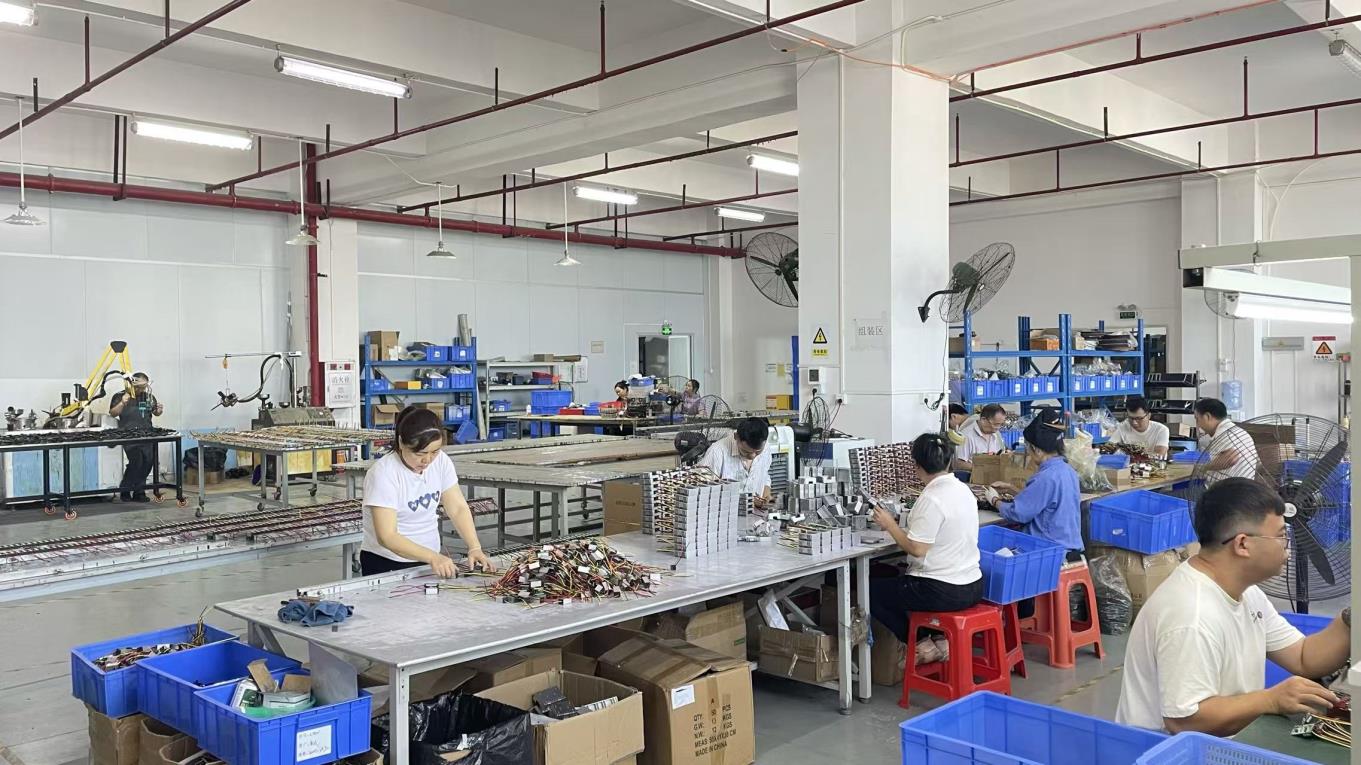 Plug-In
 Soldering Tin
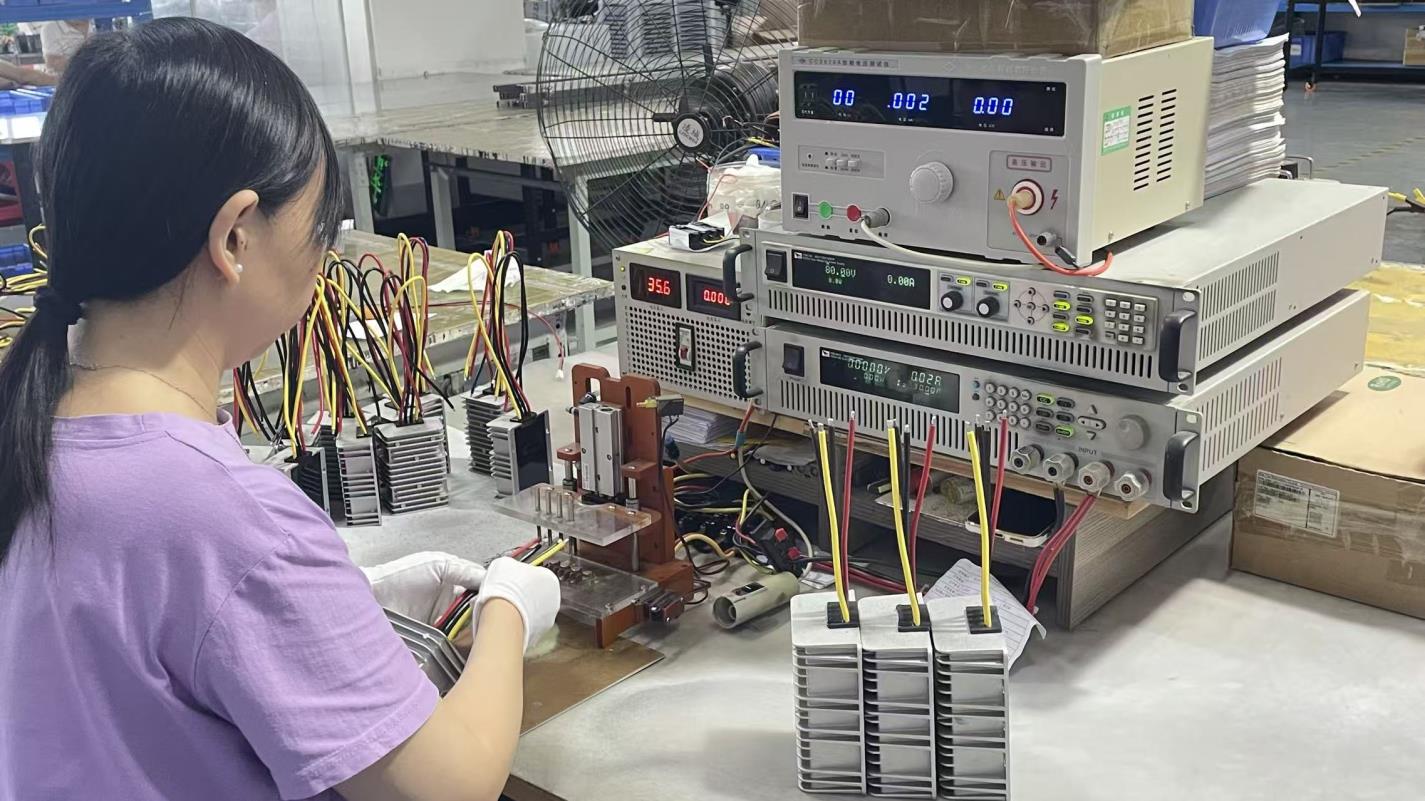 Test
Test
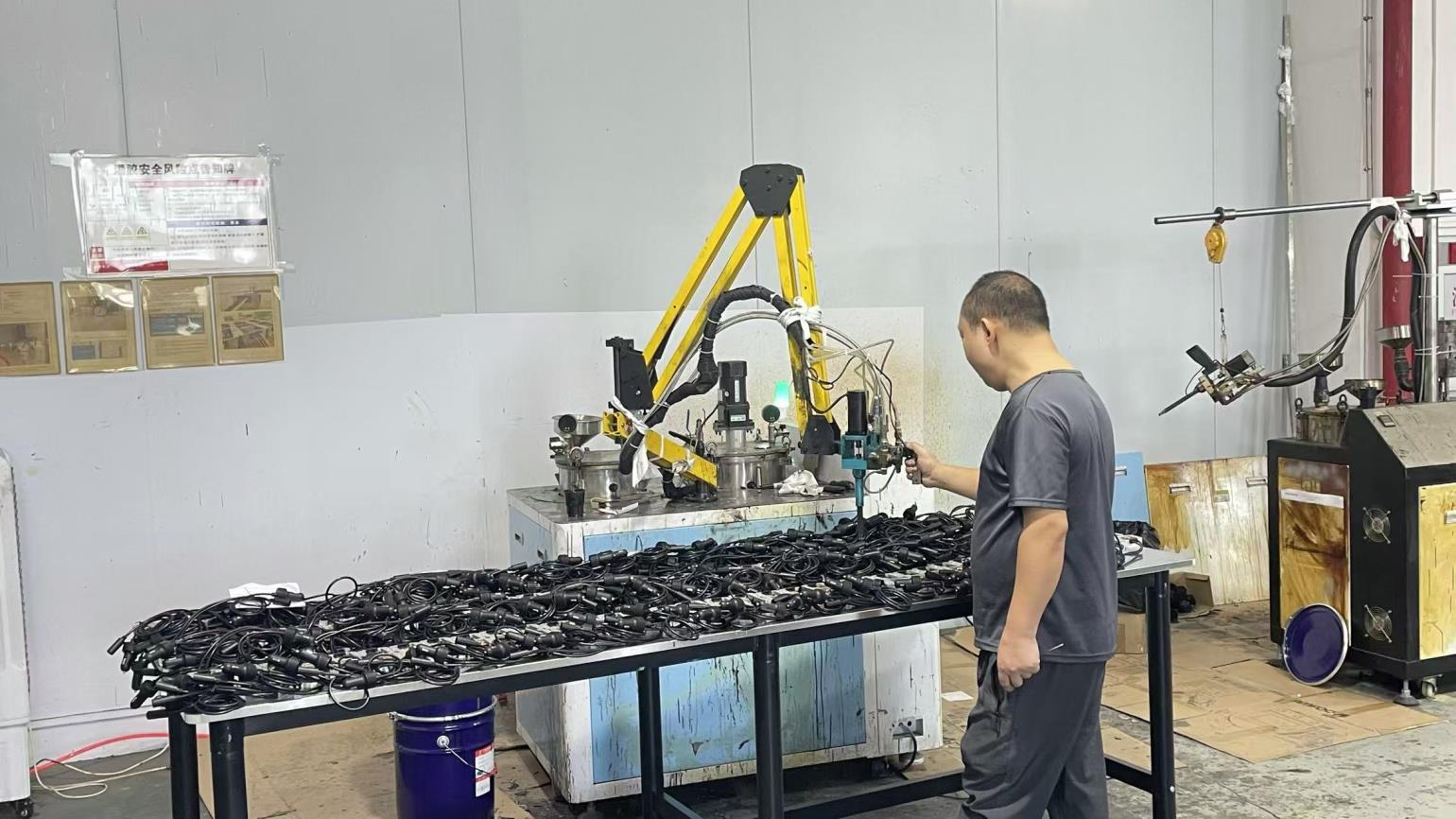 Glue Filling
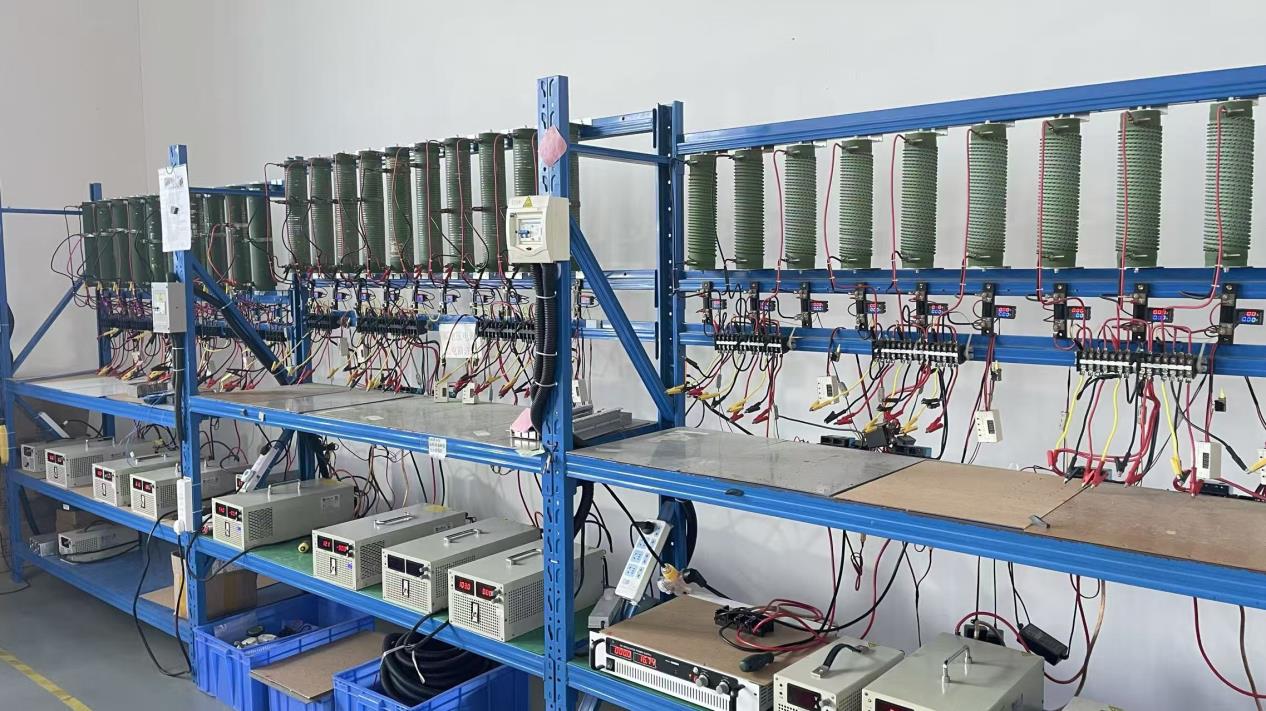 Burn-In Test
 Packaging
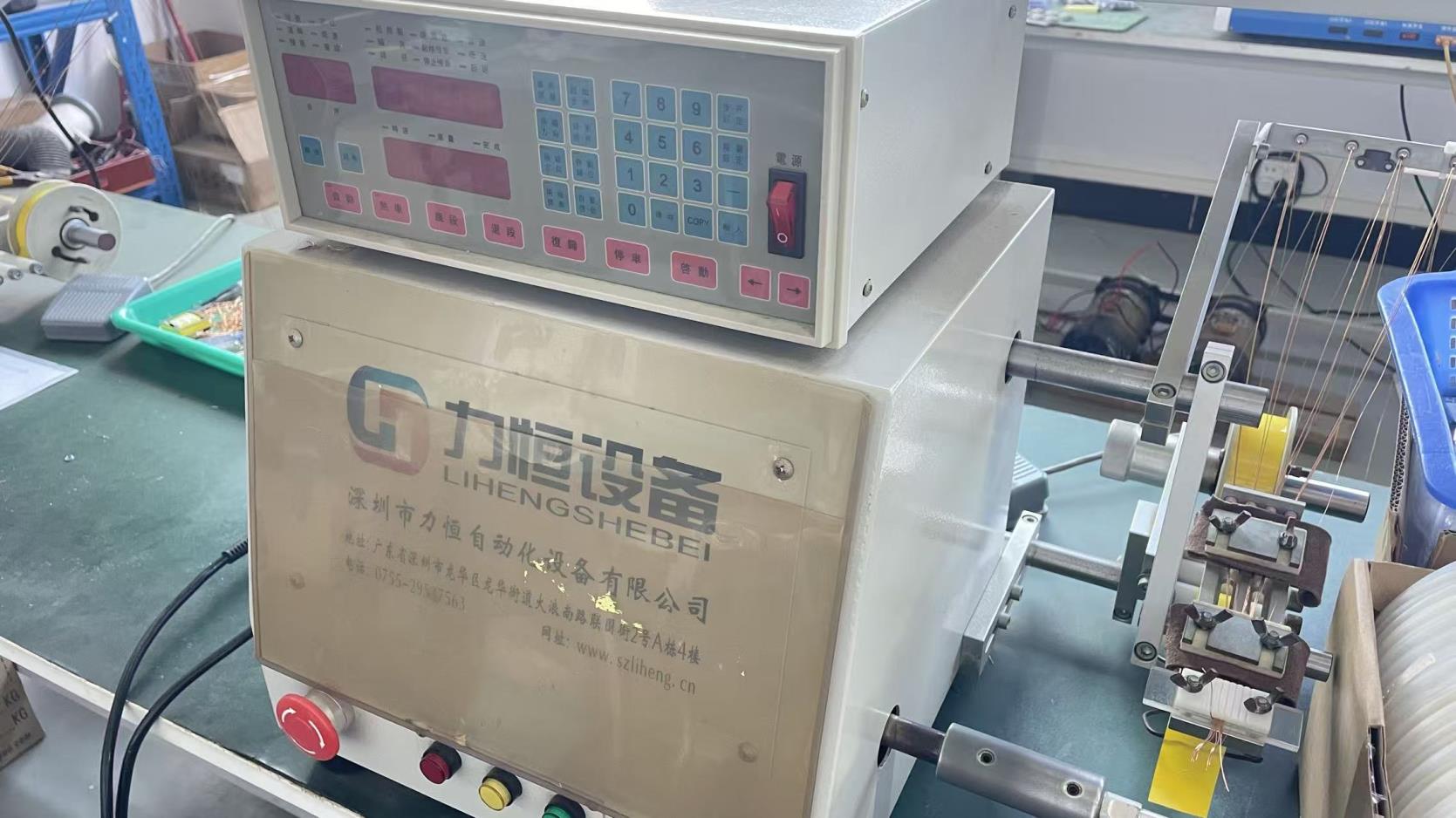 Winding Machine
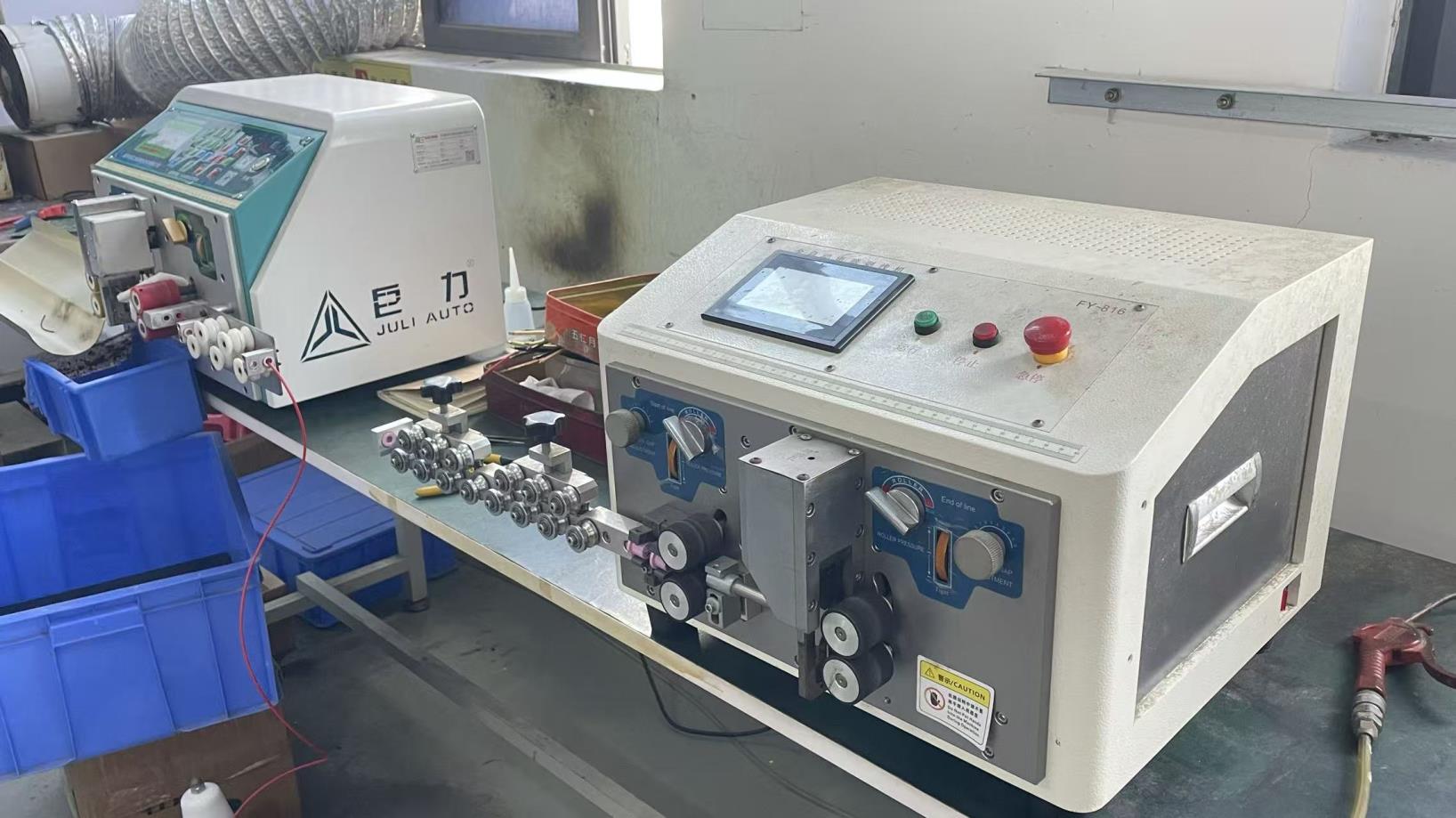 Wire Cutting Machine
 Automatic Soldering Machine
 Laser Engraving Machine
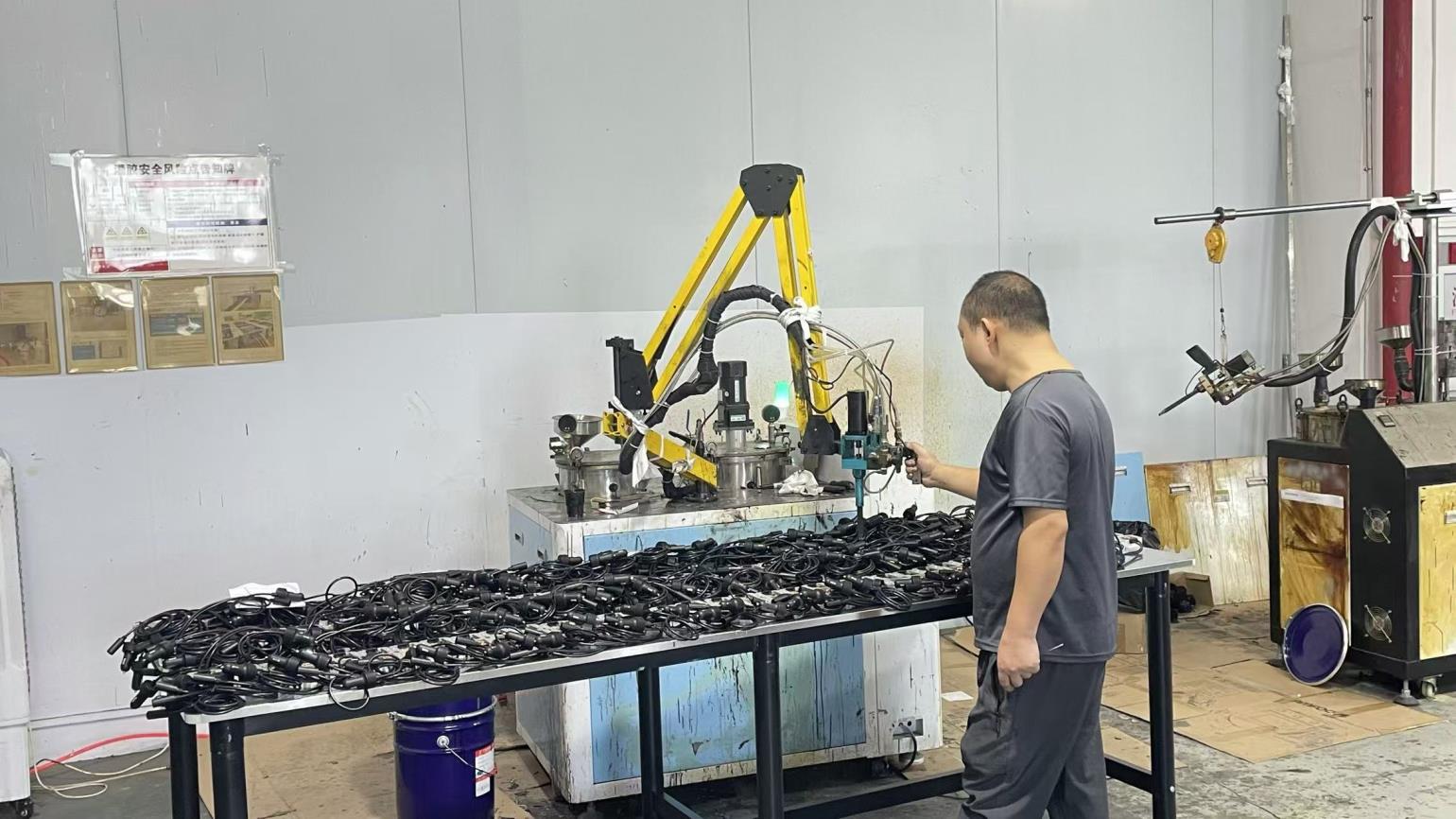 Canning machine
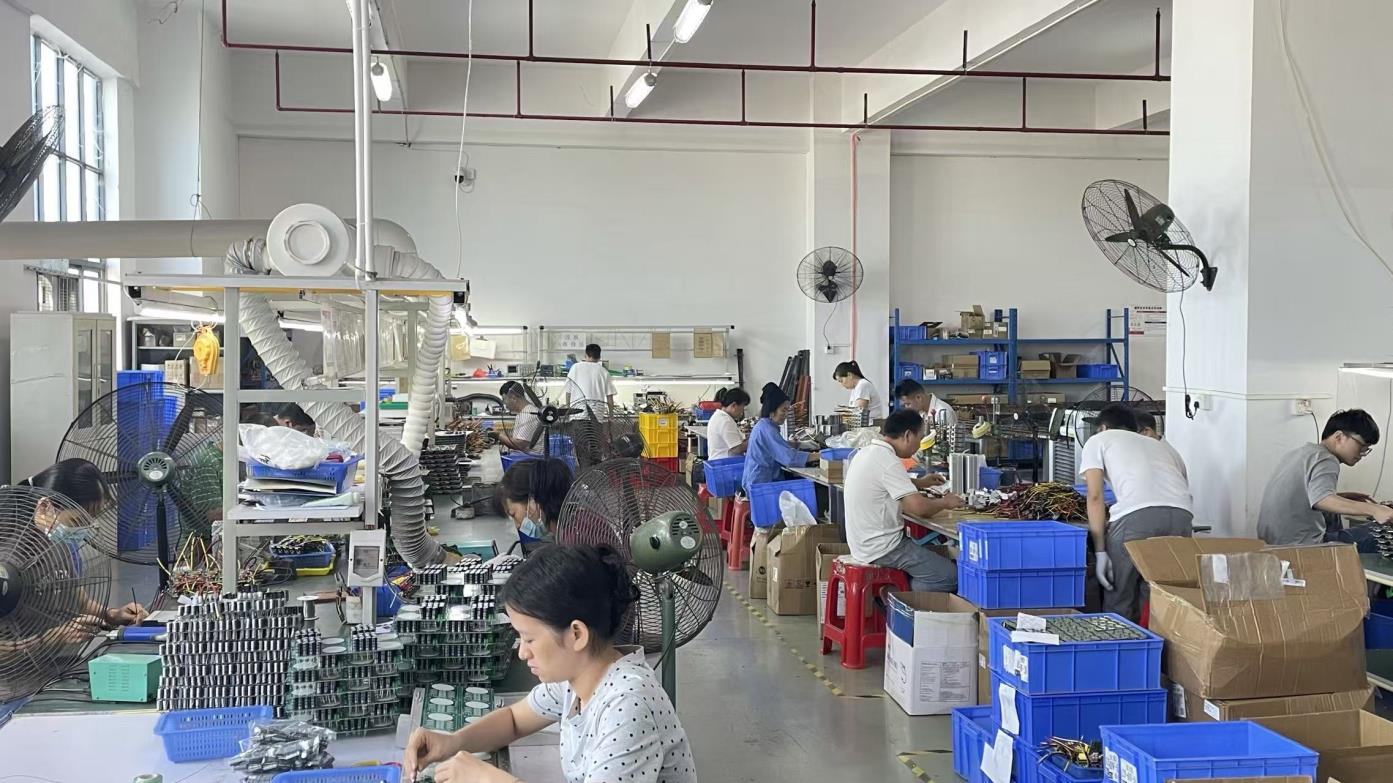 Assembly Line
Telecommunication grid systems demand zero downtime. EVS Powers maintains a state-of-the-art testing facility. Each batch undergoes rigorous testing to verify efficiency, load response, insulation resistance, and climate durability.

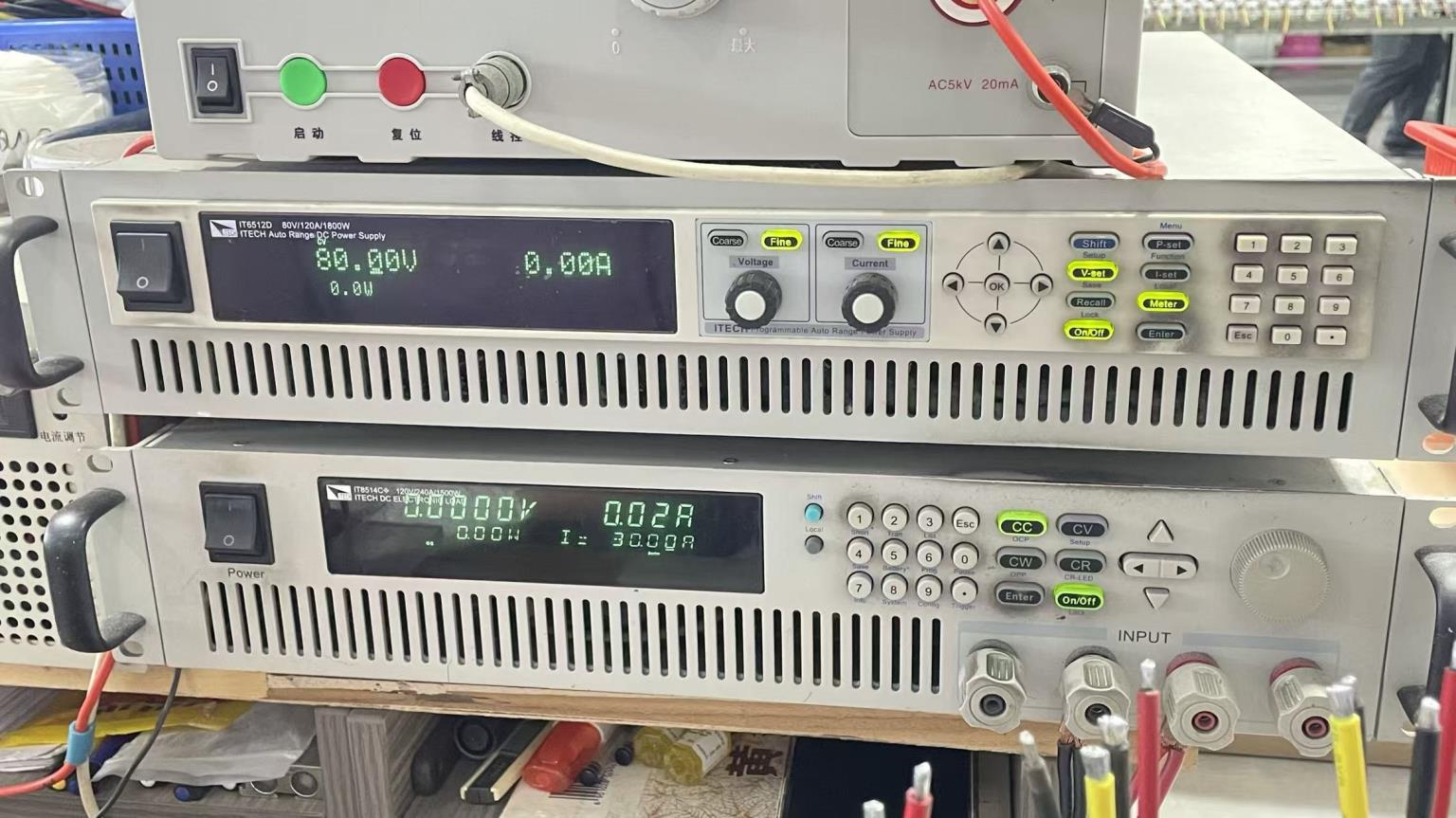 DC Power Supply Tester
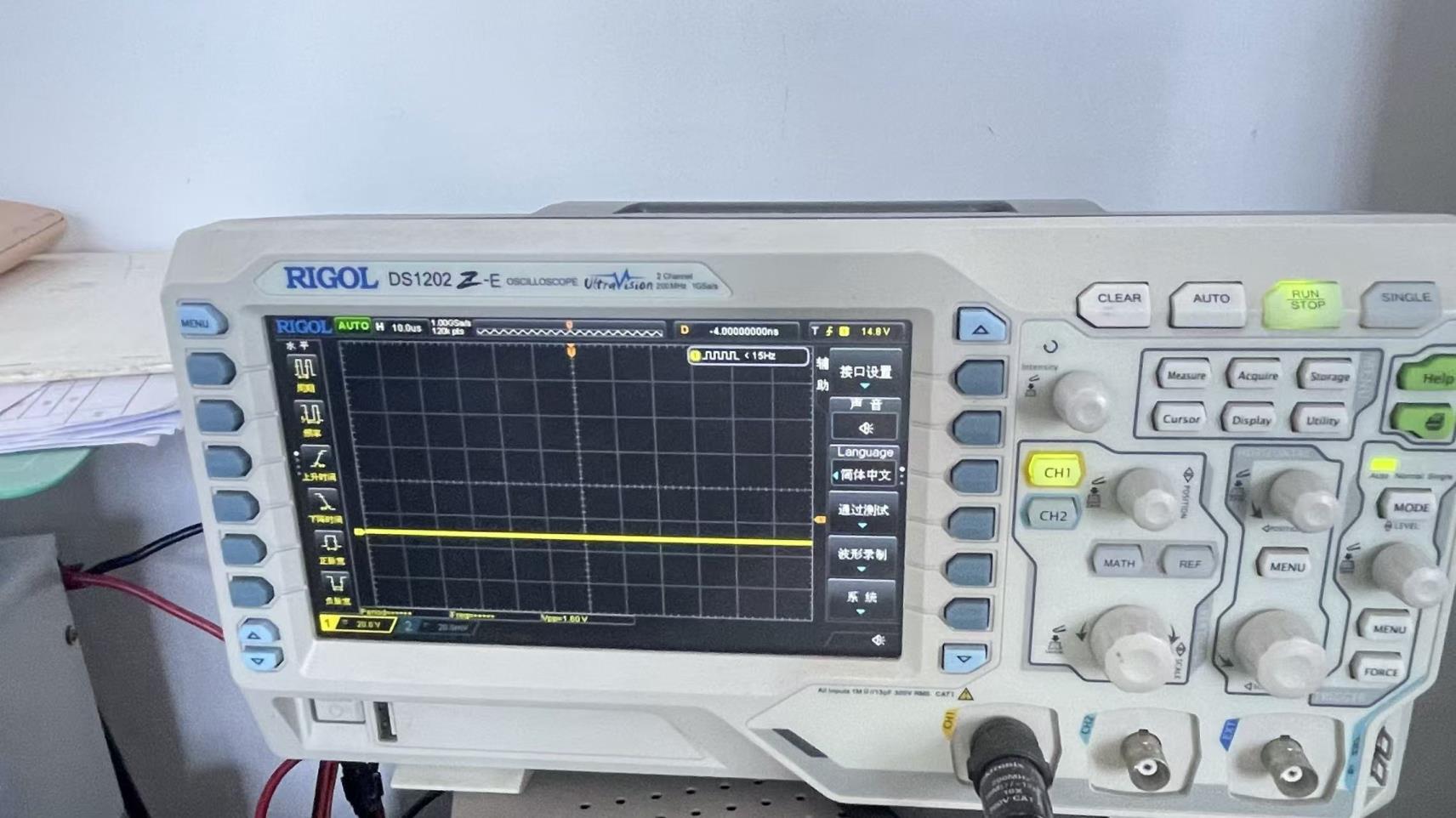 AC Withstand Voltage Tester
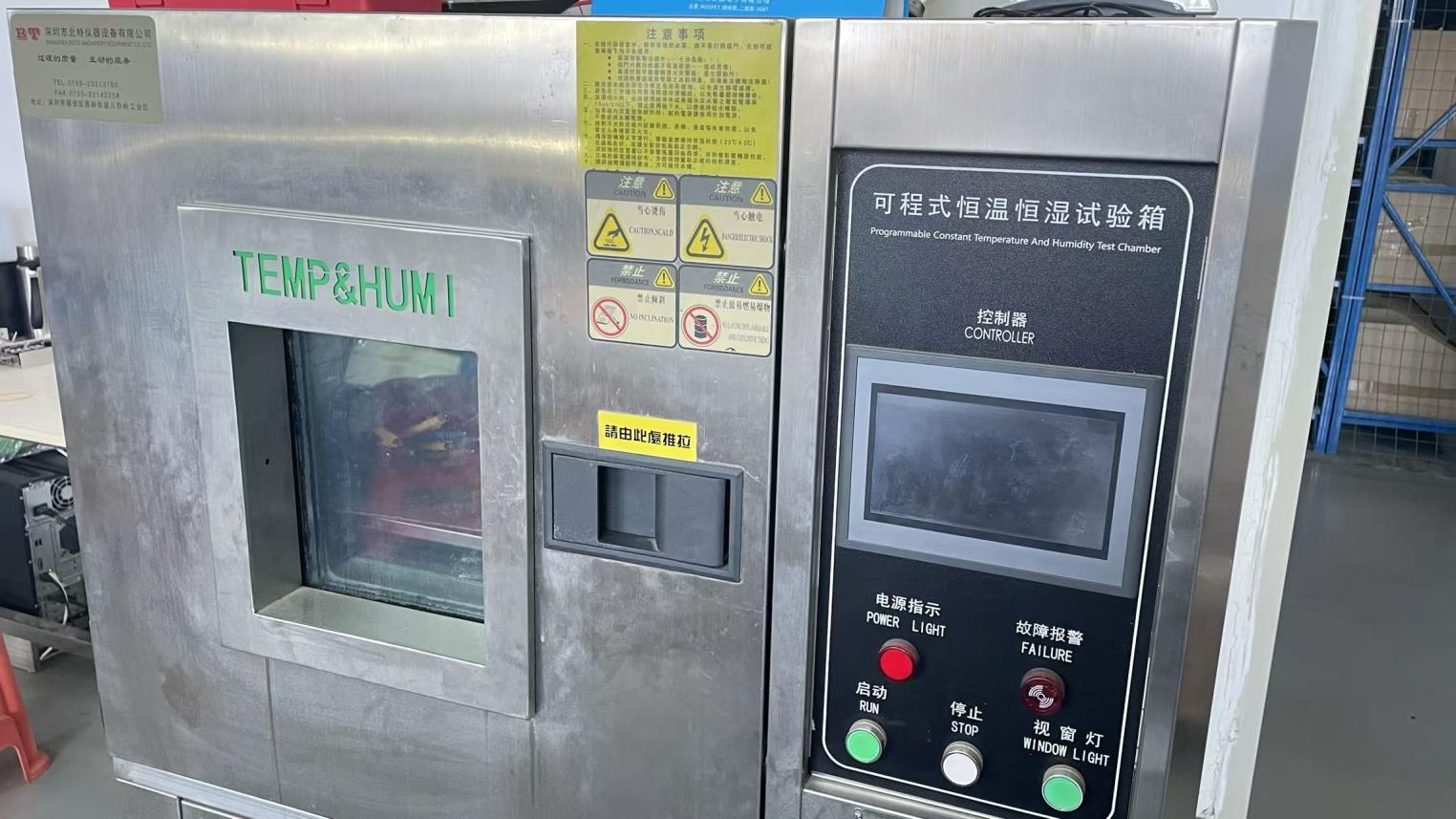 Constant temperature & humidity chamber
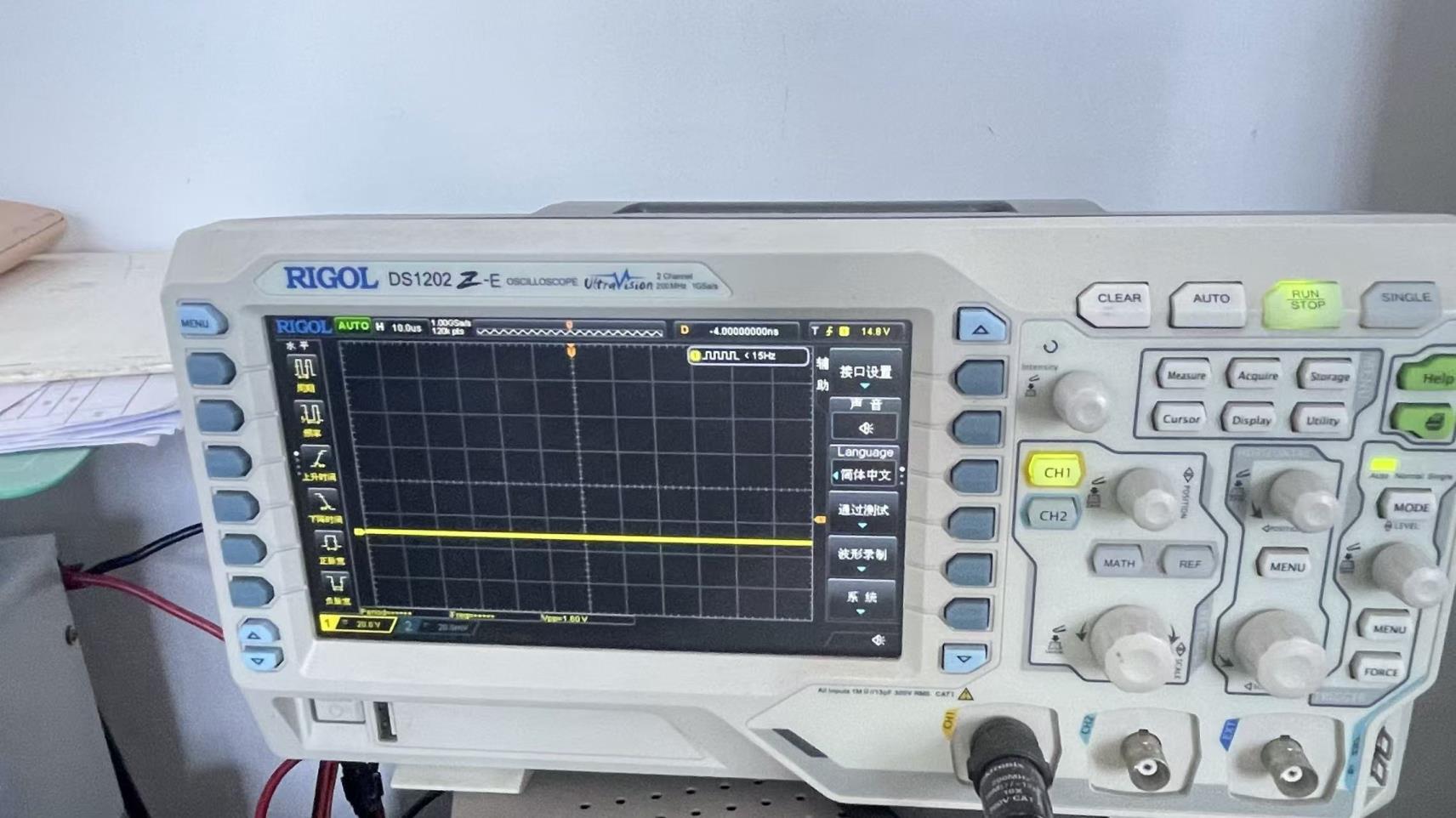 Optical microscope inspection
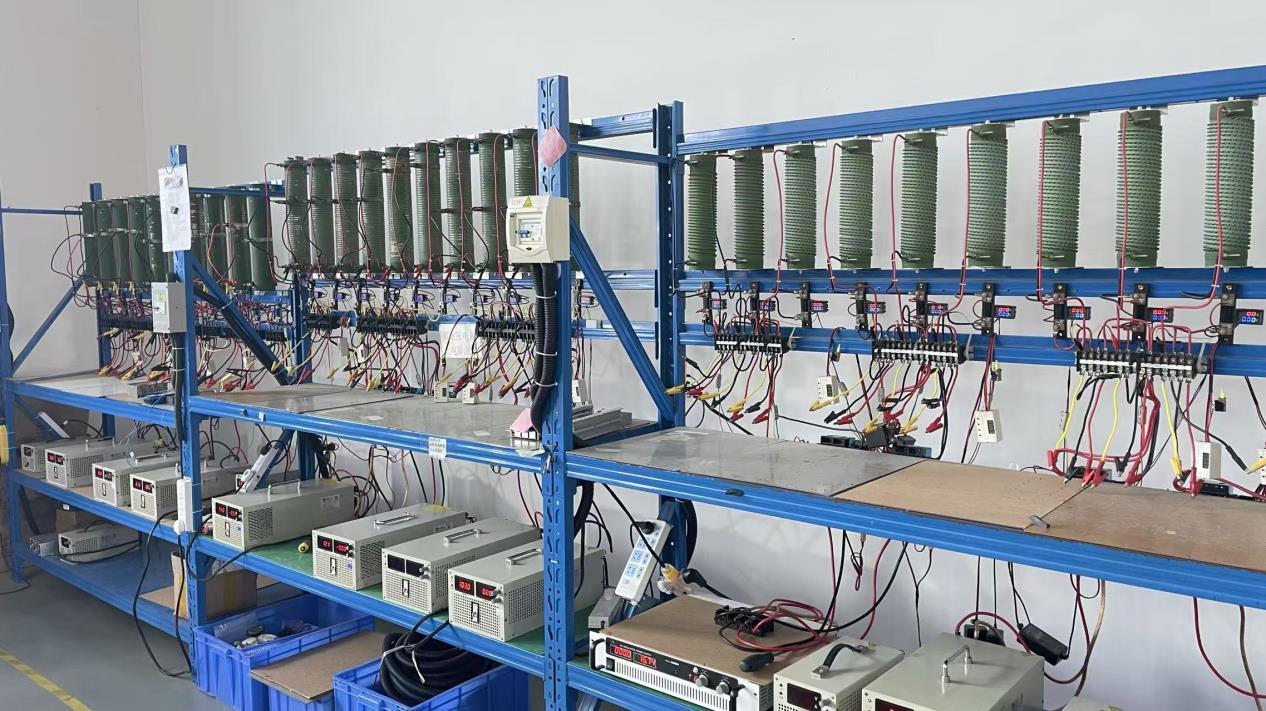 Aging test chamber
 Design & Engineering Lab
Telecom installations require customized configurations based on deployment environments. Below are three key architectural scenarios utilizing EVS power technologies:
Deploying wall-mounted, IP65 waterproof switching power supplies directly onto poles or concrete towers eliminates the need for expensive climate shelters. EVS's 1500W 48V AC-DC outdoor power supplies deliver stable, low-noise power directly to the RRH, ensuring high signal fidelity.
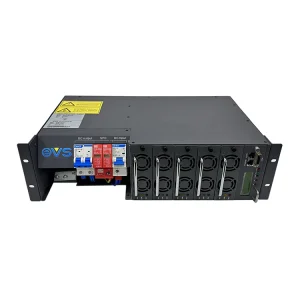
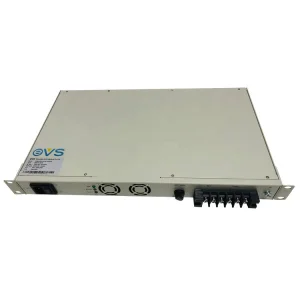
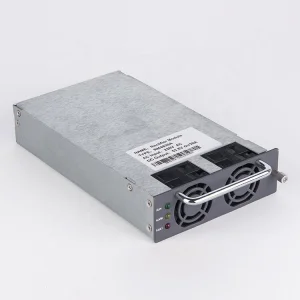
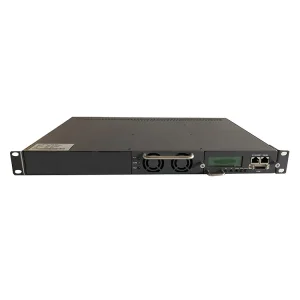
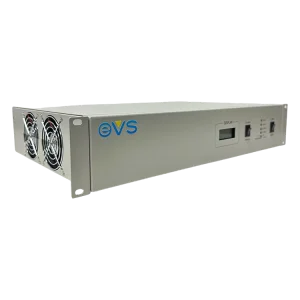
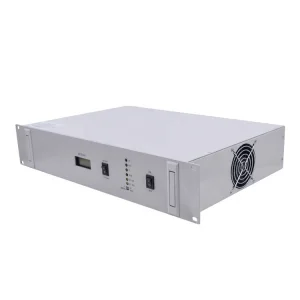
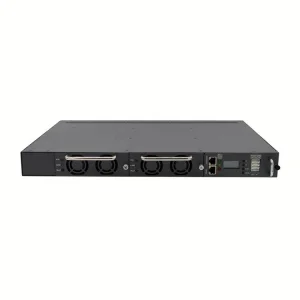
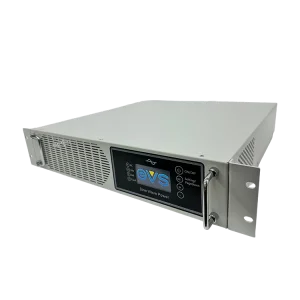
For high-capacity regional base stations, 1U and 2U rackmount rectifiers and inverters are installed in parallel configurations to enable N+1 hot-swappable redundancy. These setups integrate SNMP telemetry cards to report status updates to local control hubs in real time.
Exposed coastal stations, shipboard communication systems, and oil fields require power units with conformal coating protection. EVS's 92% high-efficiency rack-mount chargers are designed to operate reliably under constant vibration, humidity, and wide temperature swings.
Sourcing electronic systems internationally requires strict compliance with regulatory standards. Guangzhou EVS Powers ensures all products are built and certified according to the following benchmarks:
Addressing key technical and logistics questions raised by telecom operators, sourcing agents, and network deployment engineers.
Complete your layout with EVS's specialized industrial motor AC converters, high-capacity rack-mount UPS units, and customized high-efficiency step-up/step-down converters.
 EVS Powers