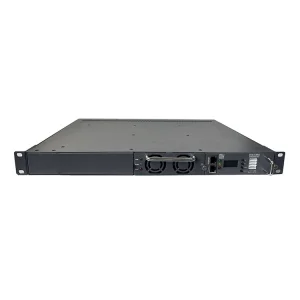
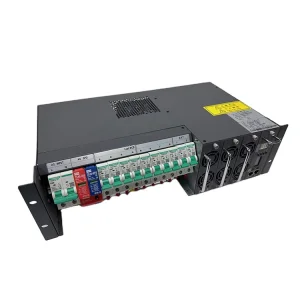
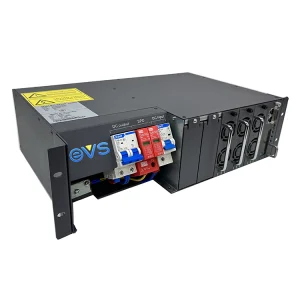
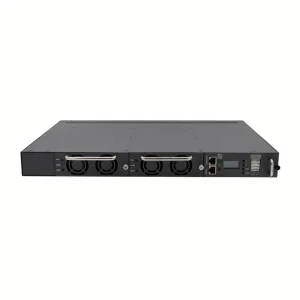
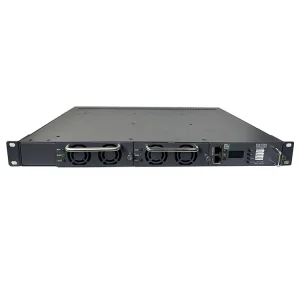
Features & Specifications
24V to 48V DC Converter Application
- Small size program-controlled switches
- Access network
- Transmission equipment
- Mobile communication
- Satellite communications ground station
- Microwave communication power supply
1. Environmental Conditions
- 24V to 48V DC converter working temperature: -25 to +55
- Storage temperature: -40 ~ +80
- Relative humidity: 10% ~ 90%
- Altitude: 3000m
- Atmospheric pressure: 70 ~ 106KPa
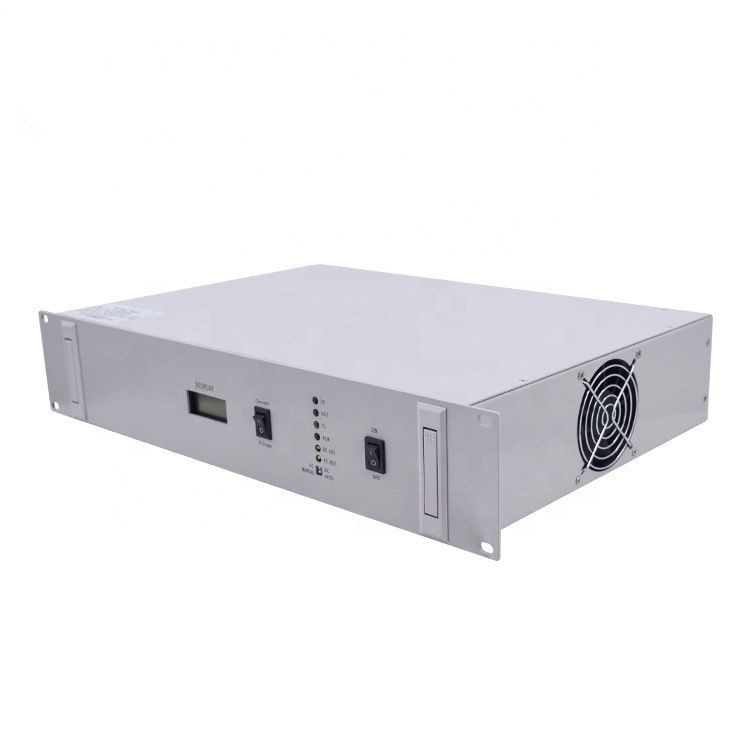
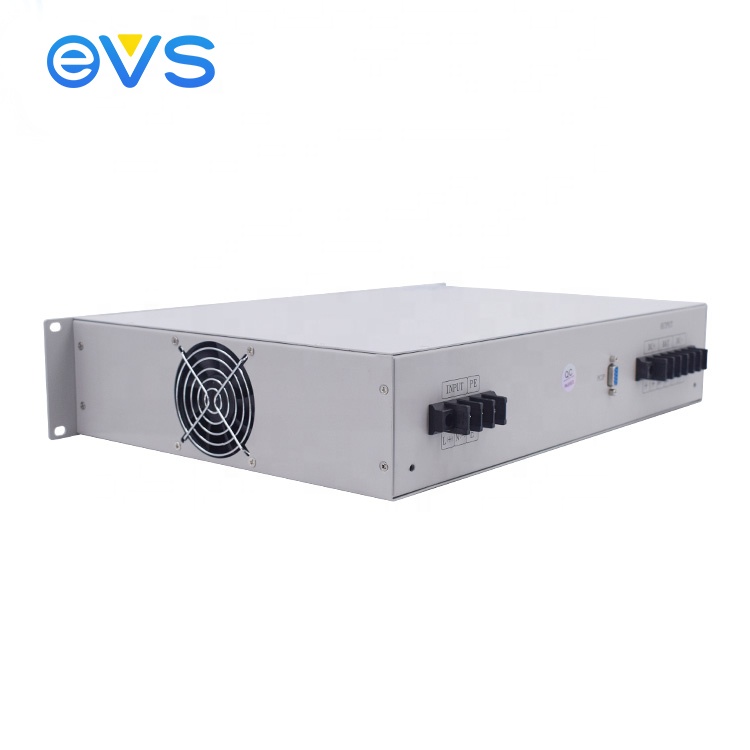
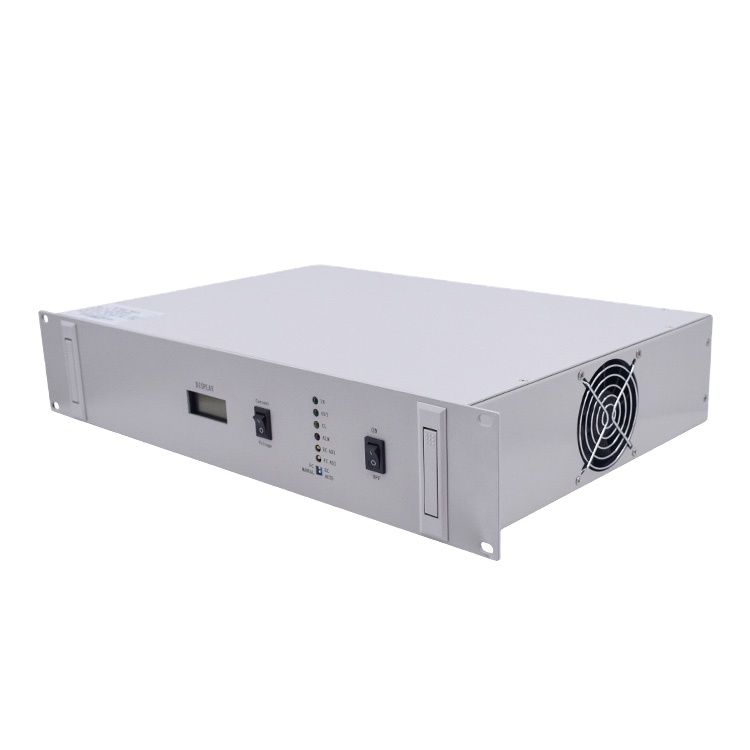
- The heat dissipation method: the wind turbine forced cooling
Frequently Asked Questions
Q1: What are the main applications of this DC-DC converter series?
A1: These industrial-grade converters are widely used in telecom and communication setups, including small-size program-controlled switches, access networks, transmission equipment, mobile communication systems, satellite ground stations, and microwave communication power supplies.
Q2: What is the operating temperature range for the 24V to 48V DC converter?
A2: The module is designed to operate reliably within a temperature range of -25°C to +55°C, and it can be stored safely in environments ranging from -40°C to +80°C.
Q3: How does the step-up converter manage heat dissipation?
A3: The module utilizes a wind turbine forced cooling system to ensure efficient airflow and heat dissipation, maintaining safe operational temperatures during high-load performance.
Q4: What is the input voltage range of the 48V to 110V DC step-up converter?
A4: The input voltage range spans from 42Vdc to 58Vdc, with a rated input of 48Vdc and a rated working voltage of 53.5Vdc.
Q5: What are the output voltage and current tolerances for the power system?
A5: The power system offers an output voltage range of 100Vdc to 132Vdc (rated at 127Vdc), with an output current capacity up to 10A, which operates in a derating manner under specific workloads.
Q6: What environmental conditions (altitude and pressure) are required for operation?
A6: The converter is rated for operations at altitudes up to 3000m, relative humidity between 10% and 90% (non-condensing), and atmospheric pressures ranging from 70 to 106 KPa.
 EVS Powers