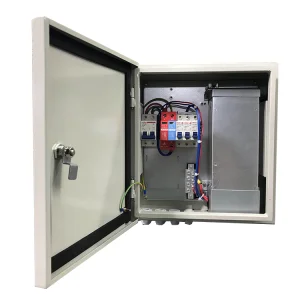
Explore EVS Powers' high-performance AC-DC switching power systems, telecom rectifiers, and modular converters engineered for optimal power factors and grid stability.
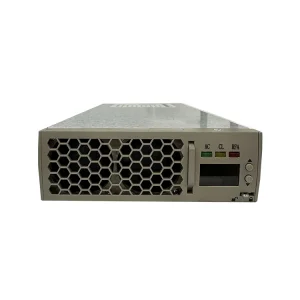
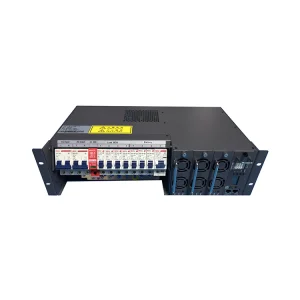
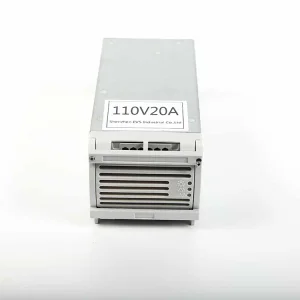
Understanding the critical role of power factor adjustment in modern utility, commercial, and heavy industrial infrastructures.
Modern electrical distribution grids face unprecedented challenges. With the proliferation of non-linear loads—ranging from micro-processors, server clusters, adjustable-speed motor drives, to EV fast-charging stations—electric currents have become increasingly harmonic and out of phase with input voltages. Power Factor Correction (PFC) serves as the primary system-level intervention to align phase angles, optimize grid performance, and mitigate financial penalties associated with low power factors.
Power factor is defined as the ratio of real power (kW) flowing to the load, to the apparent power (kVA) in the circuit. In an ideal system, the power factor is close to 1.0. However, when inductive and capacitive components introduce phase shifts, the apparent power increases, drawing more current than necessary to do the same amount of actual work. This excess current increases dynamic thermal stress on cables, distribution gear, switchgears, and power transformers.
Global regulatory bodies and utility operators enforce strict limits on Total Harmonic Distortion (THD) and low displacement power factors. For instance, IEEE 519 and EN 61000-3-2 standards define the permissible boundaries of harmonic pollution. Non-compliance results in heavy power quality surcharges, accelerated degradation of infrastructure, and unprogrammed system shutdowns.
A benchmark evaluation of leading manufacturers offering high-power rectifiers, converters, and industrial power management infrastructure.
| Rank | Company Name | Core Focus Areas | Efficiency Ratings | Primary Target Markets |
|---|---|---|---|---|
| 01 | Guangzhou EVS Powers Co., Ltd. | Modular AC-DC Rectifiers, DC-DC Converters, UPS Systems | 92% - 95.5% Efficiency | Telecom, Industrial Control, EV Charging, Renewable Energy |
| 02 | Delta Electronics | Telecom Power Systems, Industrial Automation Modules | 94% - 96% Efficiency | Hyperscale Data Centers, Automotive, Smart Grid |
| 03 | Vertiv (formerly Emerson Network Power) | Enterprise Power Quality, High-Capacity UPS, Cabinet Solutions | 95% - 97% Efficiency | Information Technology, Cloud Infrastructure, Telecom Hubs |
| 04 | Eltek (Delta Group) | High-Efficiency Power Conversion Systems, Rectifier Racks | Up to 96.5% (Flatpack Series) | Telecommunications, Offshore Energy, Marine Infrastructure |
| 05 | ABB (Electrification Business) | Capacitor Banks, Active Harmonic Filters, Grid Infrastructure | Varied by Grid Application | Heavy Utility Networks, Mining, Manufacturing Plants |
| 06 | Siemens Energy | High Voltage Power Quality Systems, SVC, STATCOM | High Utility Grade | Utility Grid Substations, Renewable Wind & Solar Parks |
| 07 | Mean Well Enterprise | Standard DIN-rail & Enclosed Power Supplies | 88% - 93% Efficiency | Automation, LED Signage, Medical Power Blocks |
| 08 | Eaton Corporation | Power Distribution Cabinets, Active PFC Harmonic Filters | 94% - 96% Efficiency | Commercial Buildings, Semiconductor Cleanrooms, Industrial |
| 09 | Schneider Electric | Low/Medium Voltage PFC Equipment, Power Logic Systems | Varied by Installation | Facility Management, Oil & Gas, Critical Data Systems |
| 10 | TDK-Lambda Corporation | Configurable AC-DC Power Units, Front-End PFC Rectifiers | 90% - 94% Efficiency | Precision Instrumentation, Defense, Automated Test Equipment |
Analyzing how Guangzhou EVS Powers and the Chinese electronics ecosystem deliver unparalleled speed, performance, and customization.
Sourcing power conversion systems from leading Chinese hubs provides strategic cost-to-performance advantages. Guangzhou, a major hub for global electronics and trade, offers a highly integrated component supply chain, bringing together top-tier copper magnetics, semiconductor dies, high-grade capacitors, and structural chassis manufacturing within a narrow geographical layout. This proximity reduces time-to-market and lowers material transport expenses.
Located in the international trade center of Guangzhou, Guangzhou EVS Powers Co., Ltd. is a specialized manufacturer of high-efficiency switching power supplies, DC power systems, modular rectifiers, DC-DC converters, and power inverter systems. We also offer robust OEM/ODM design services tailored to individual project specifications. Over years of development, we have established ourselves as a reliable partner for companies across Europe, North and South America, Australia, the Middle East, and Southeast Asia.
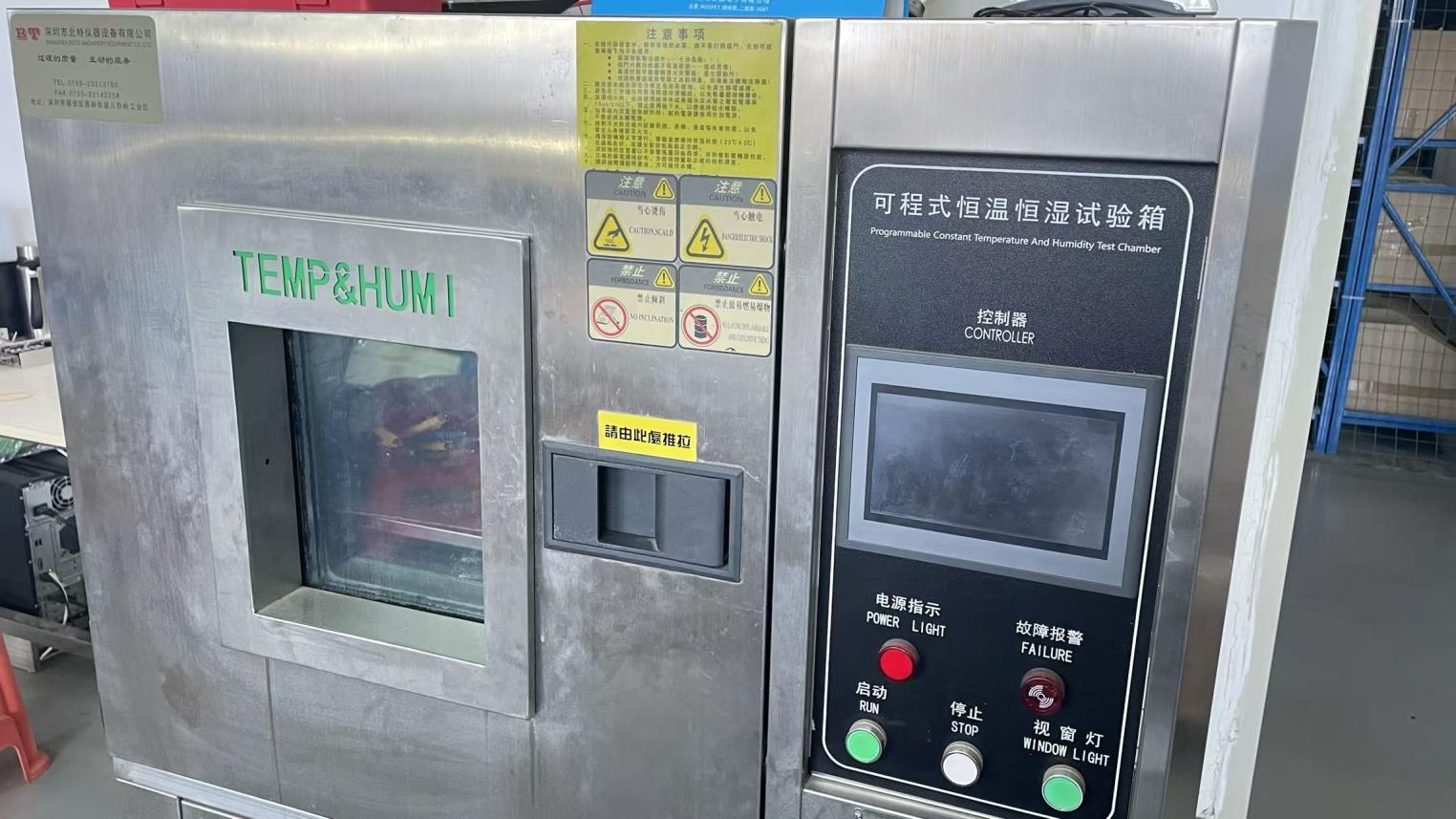
We prioritize customer satisfaction by focusing on product reliability and cost efficiency. Our production engineering leverages automated winding, high-precision wave soldering, and comprehensive environmental testing to deliver high-quality components. We cooperate with our clients by sharing our engineering expertise, technical diagnostics, and application support to ensure seamless integration and long-term performance.
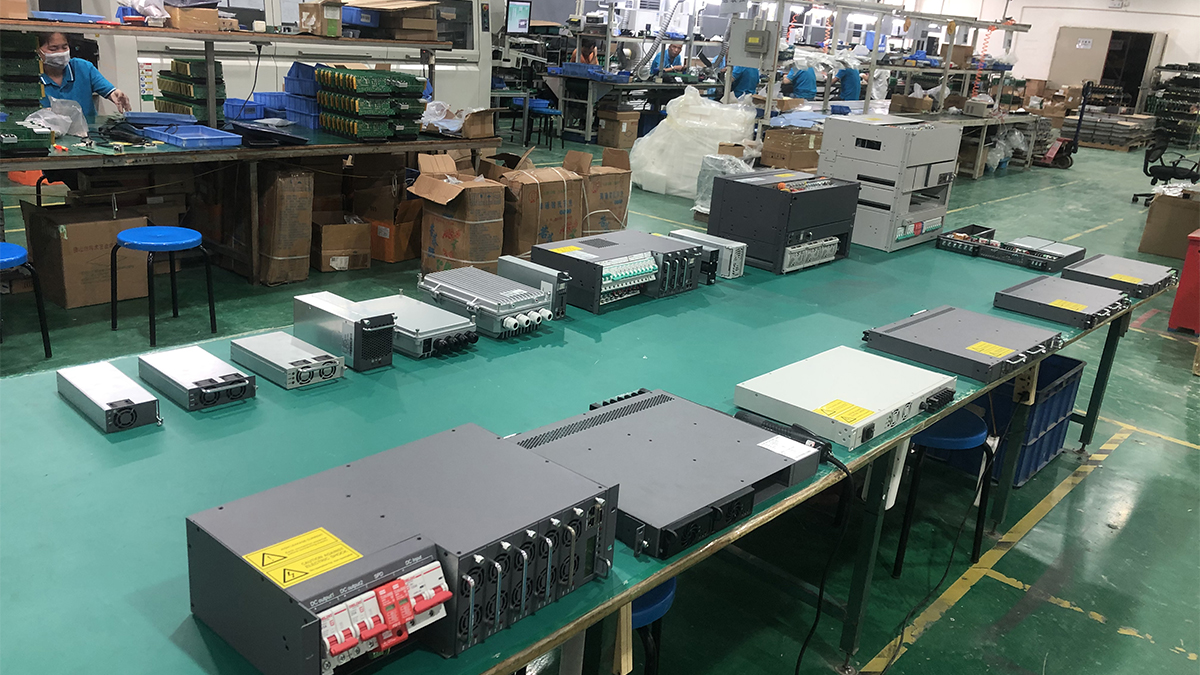
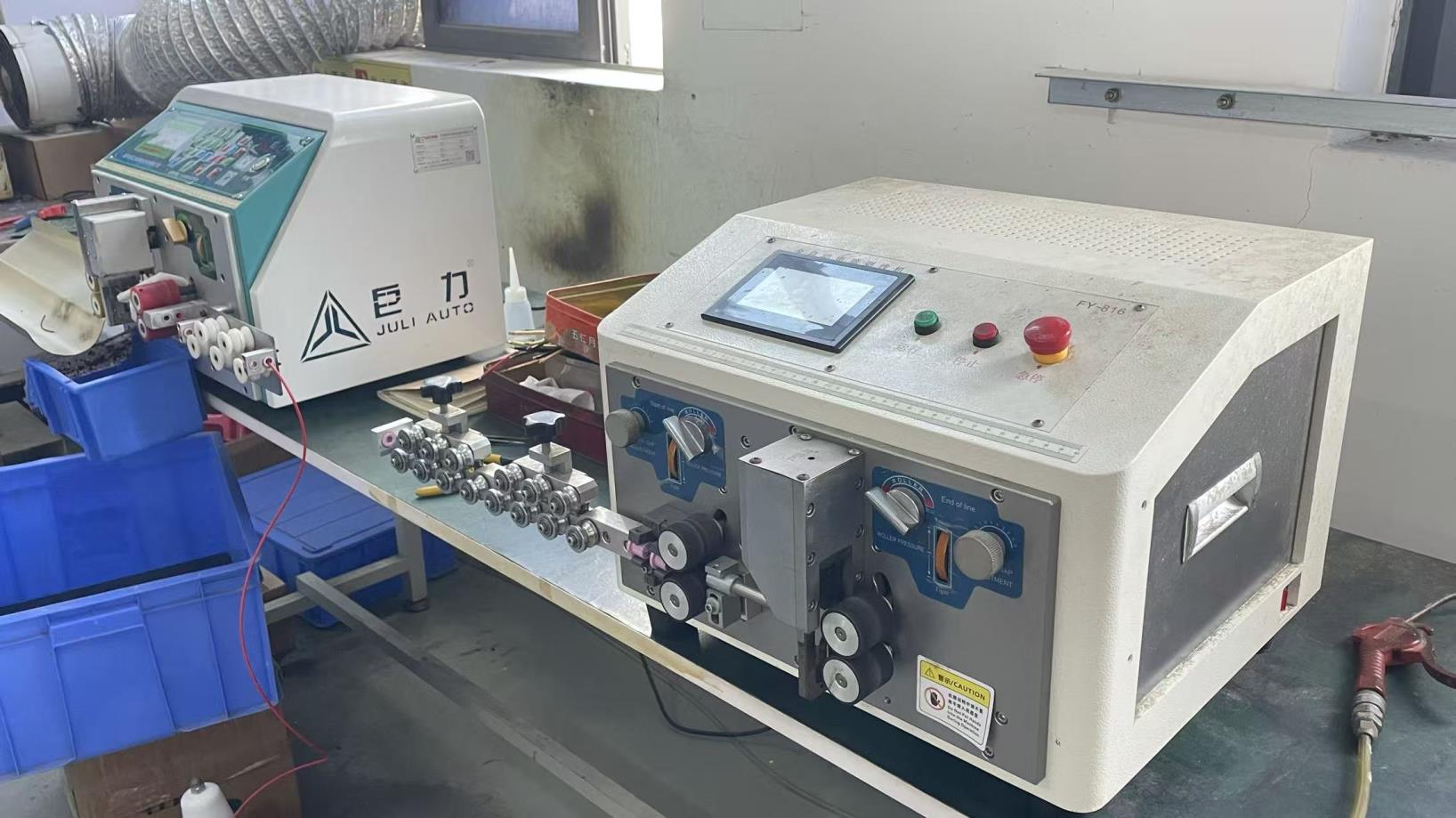
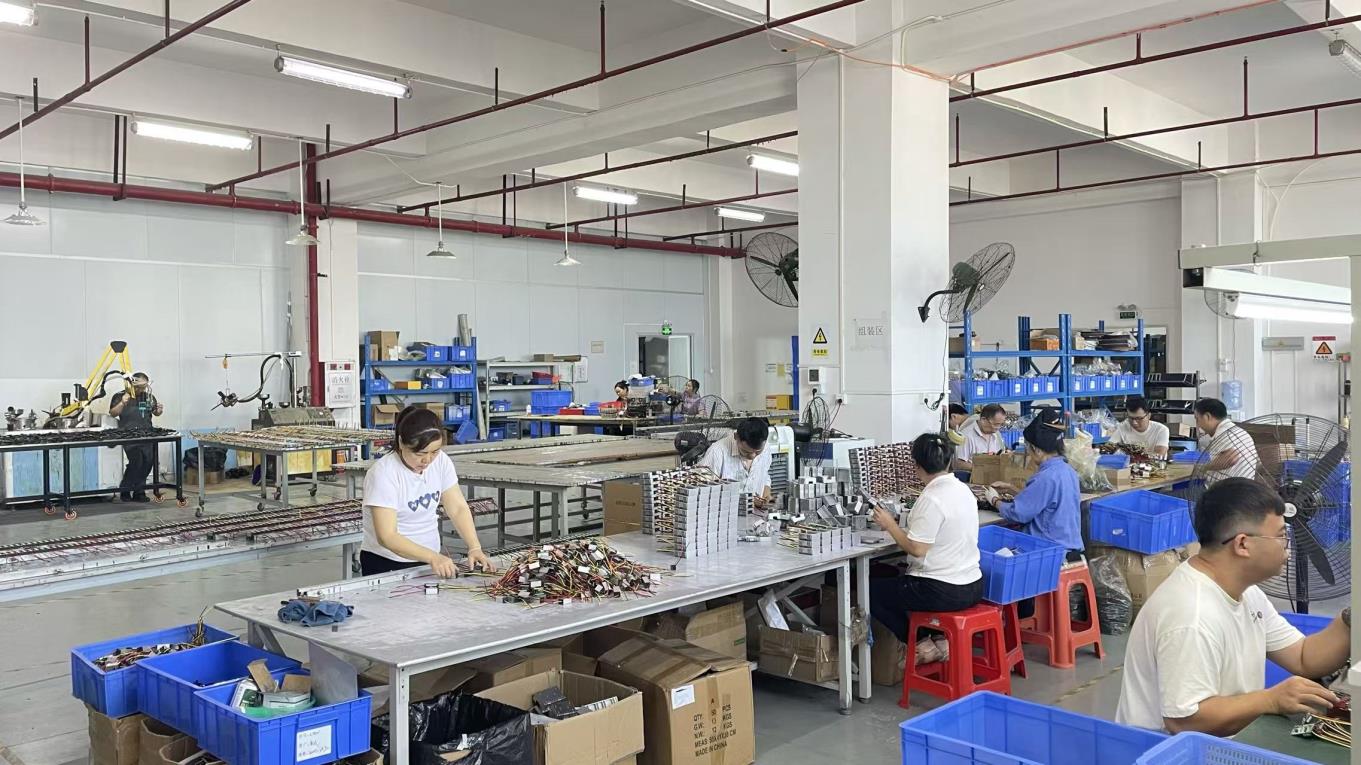
A step-by-step look at our automated assembly line, quality control stations, and precision processing machinery.

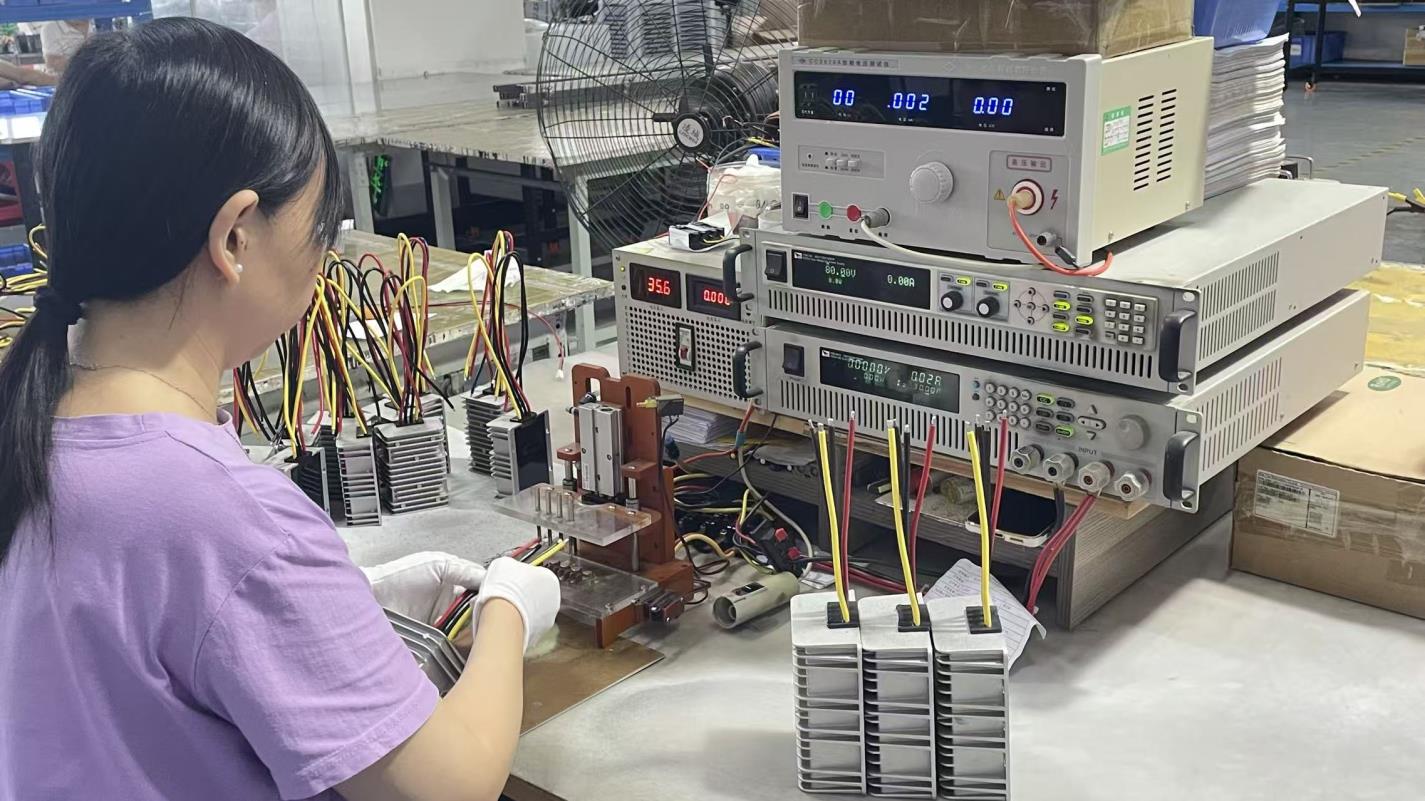
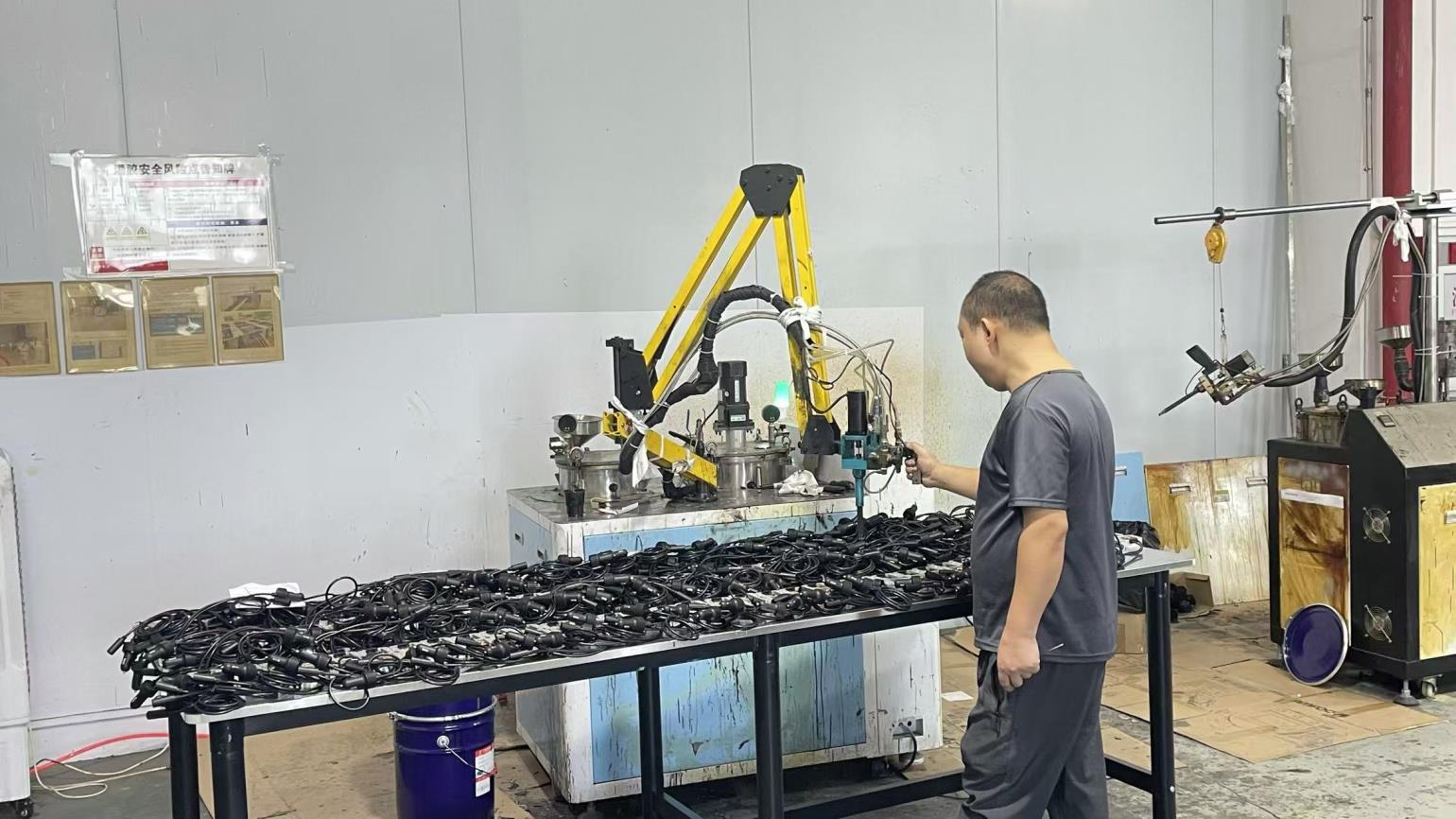
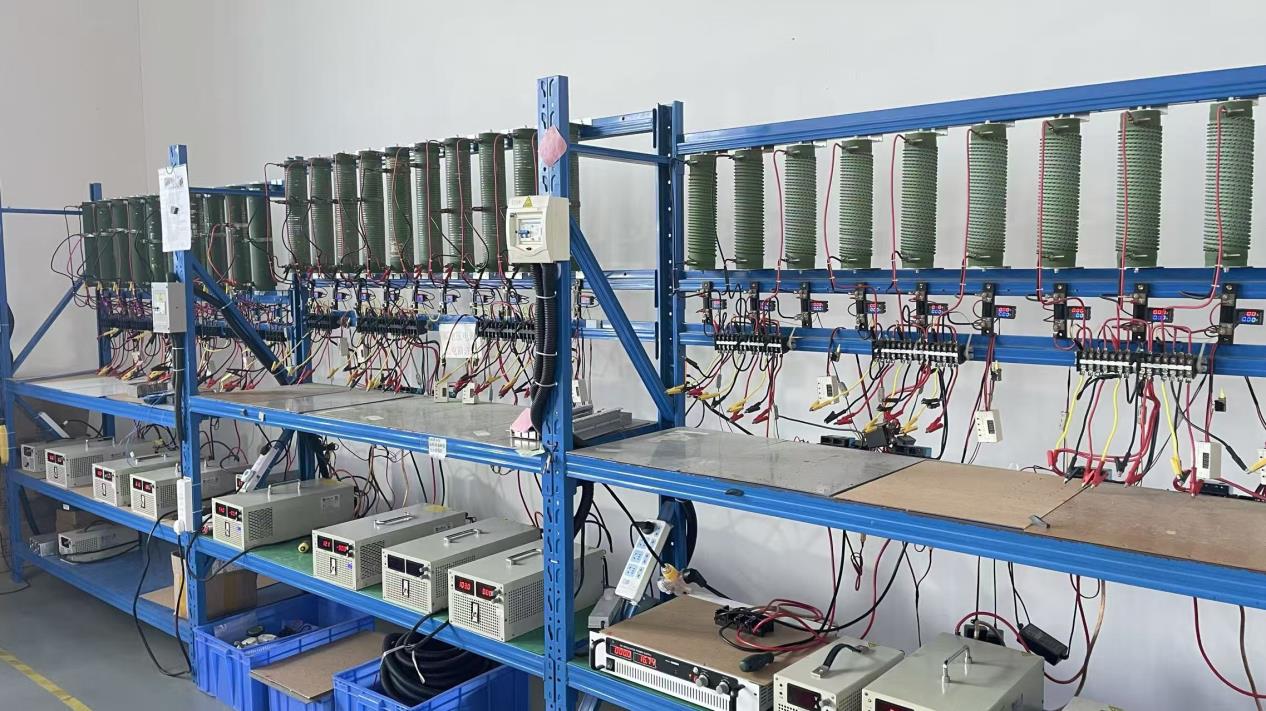

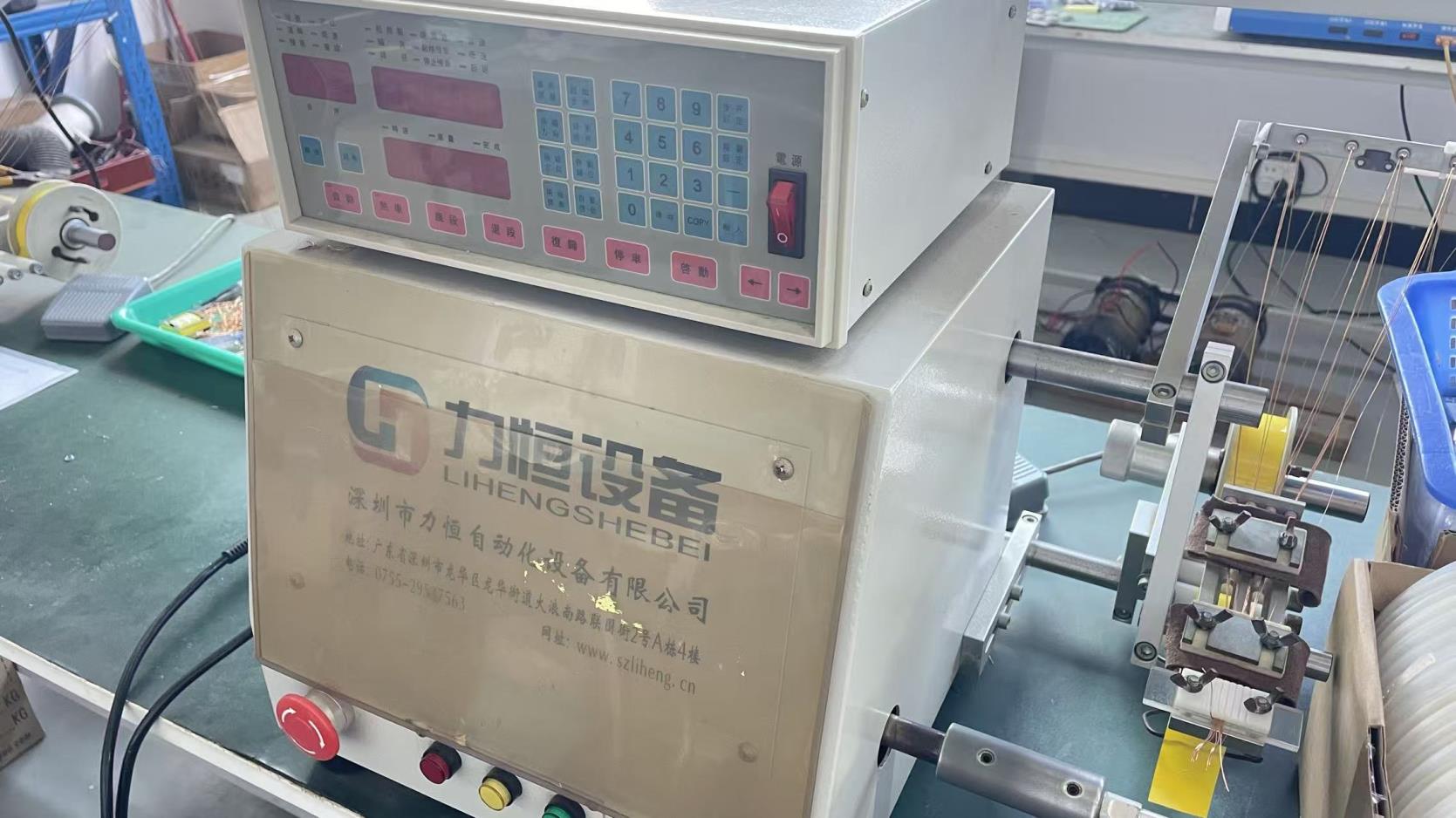
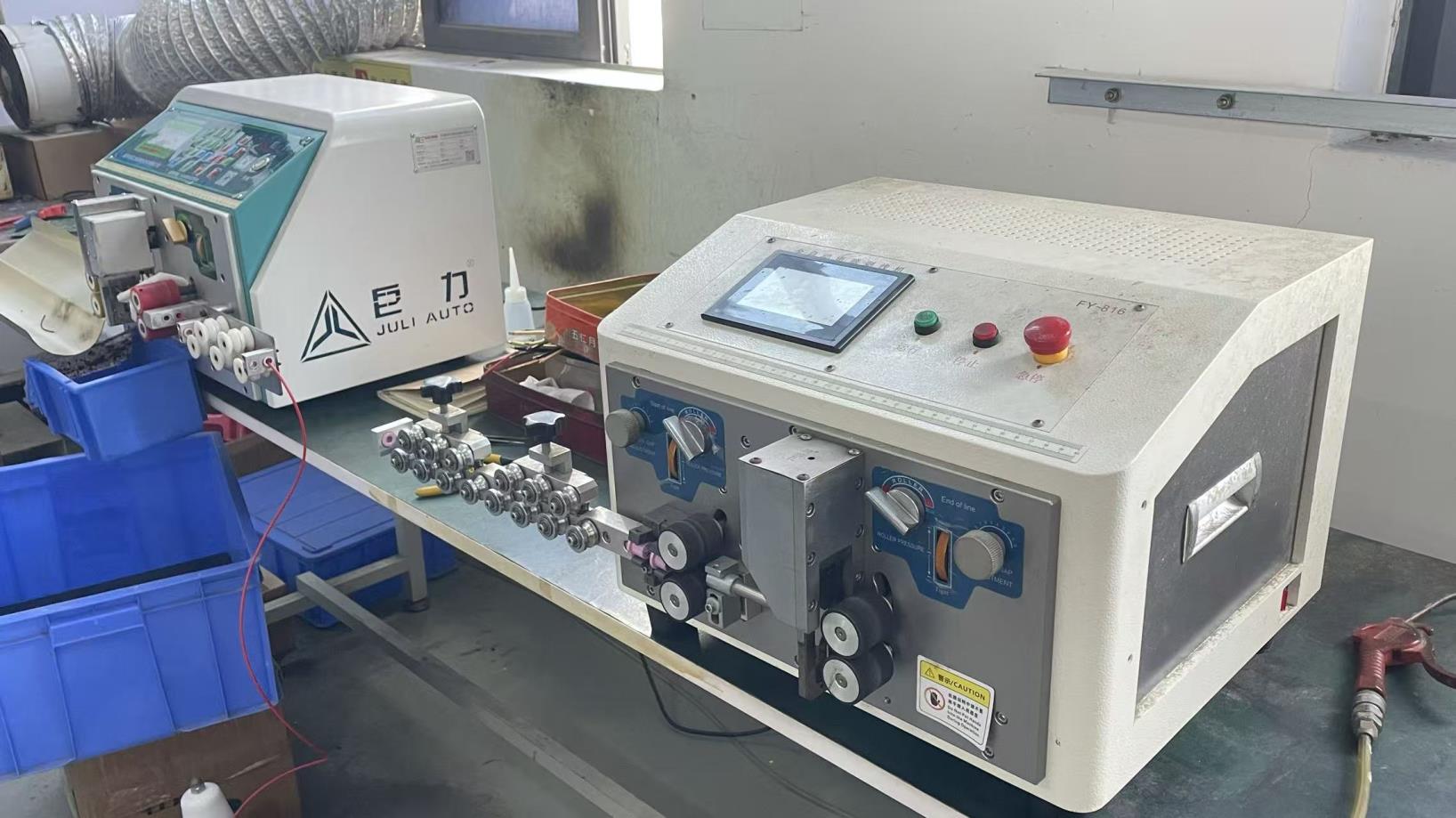


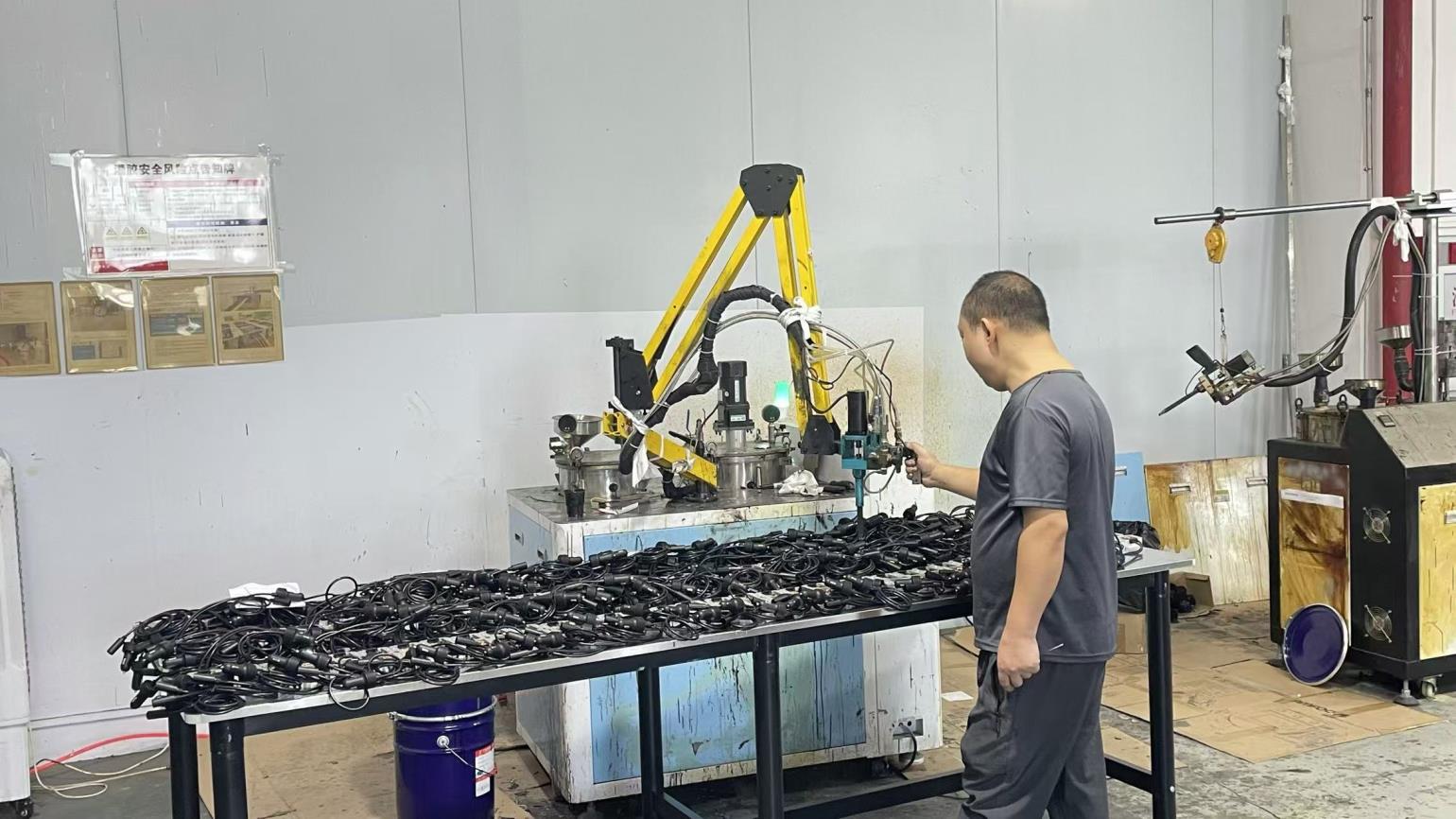
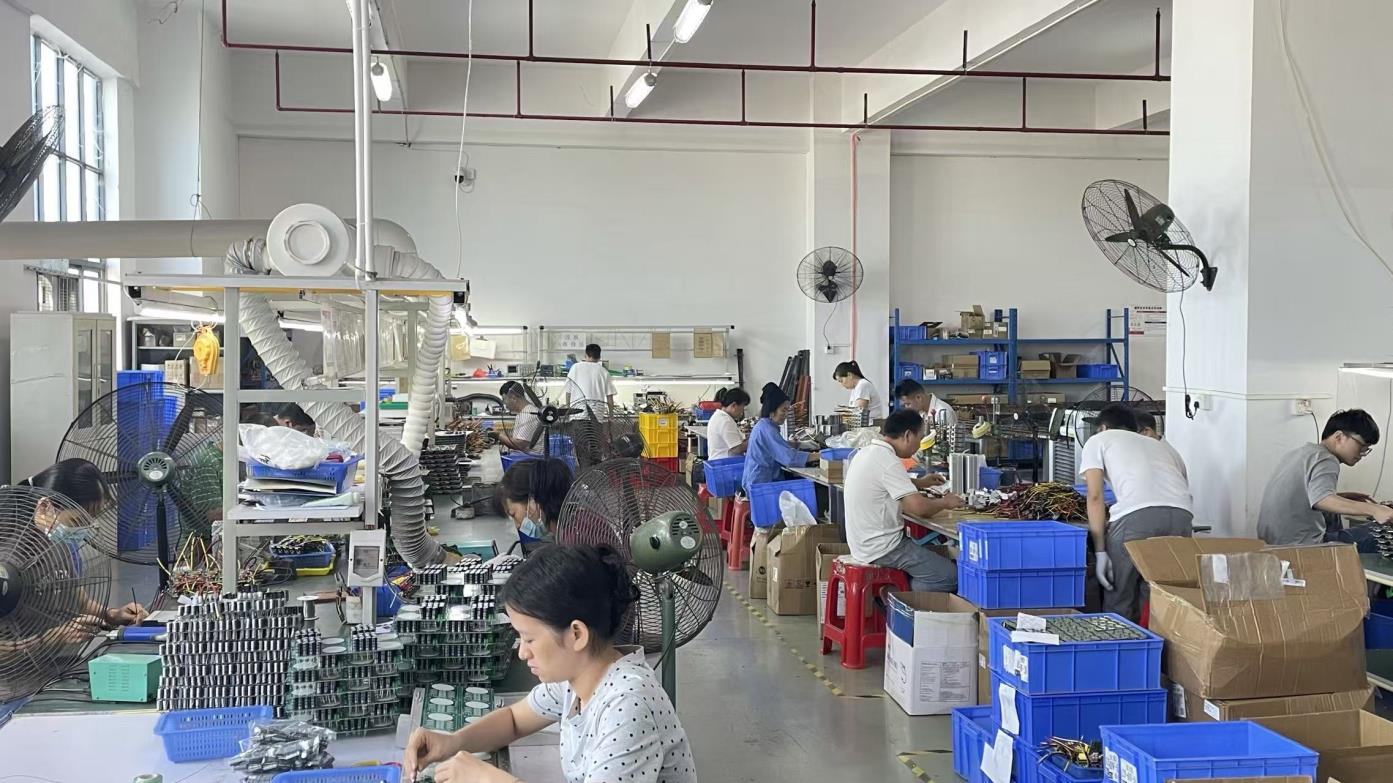
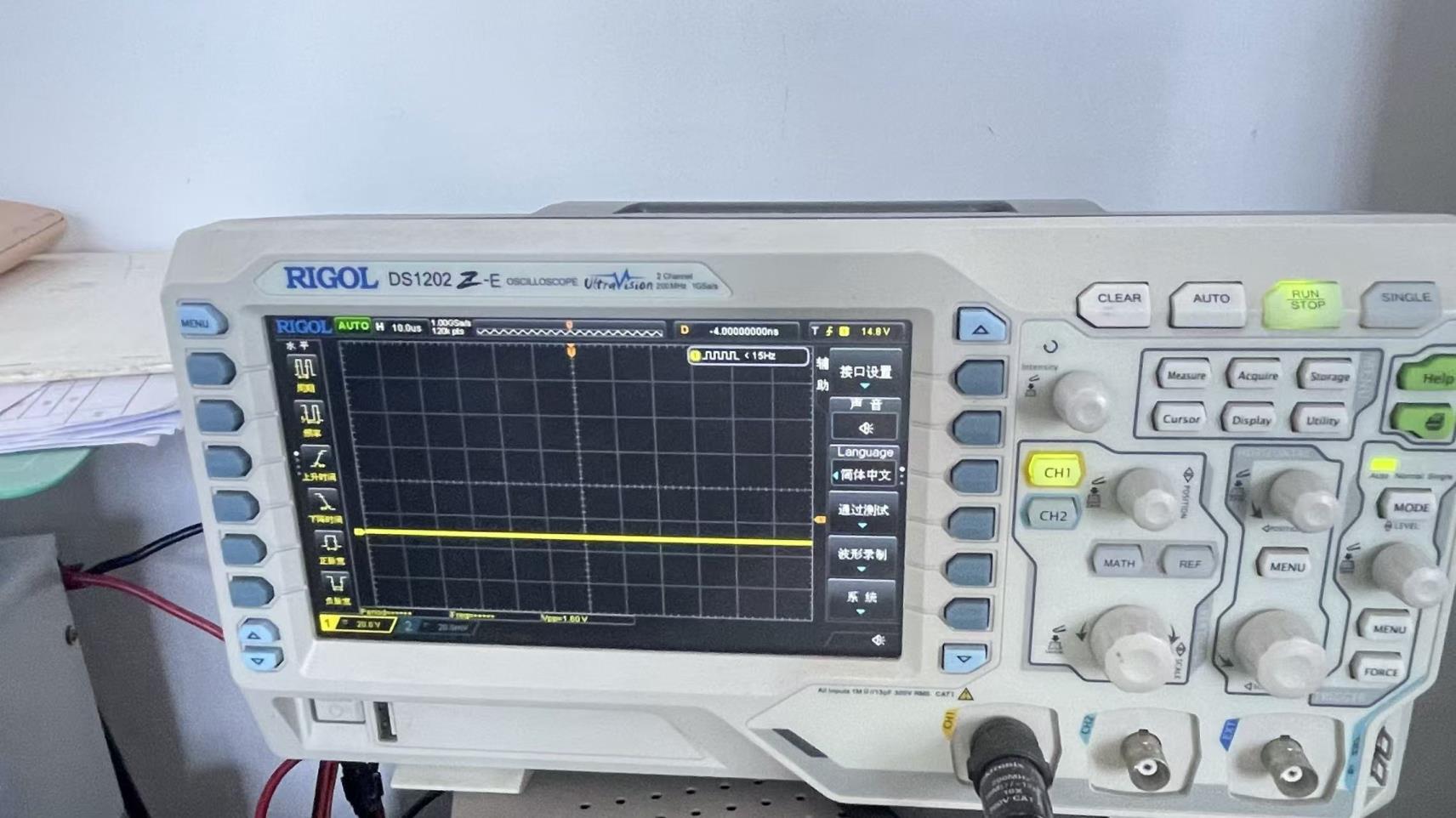
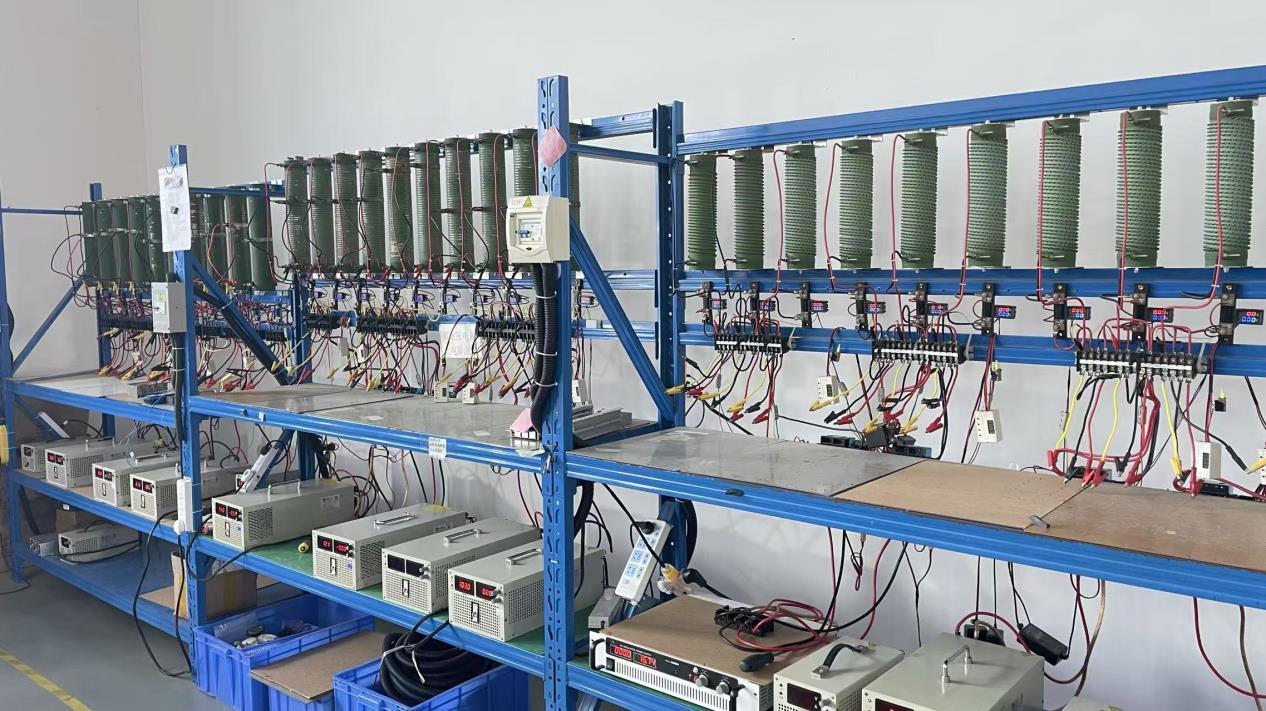
Our verification processes utilize high-precision testing equipment to validate load regulation, insulation limits, and thermal tolerances.

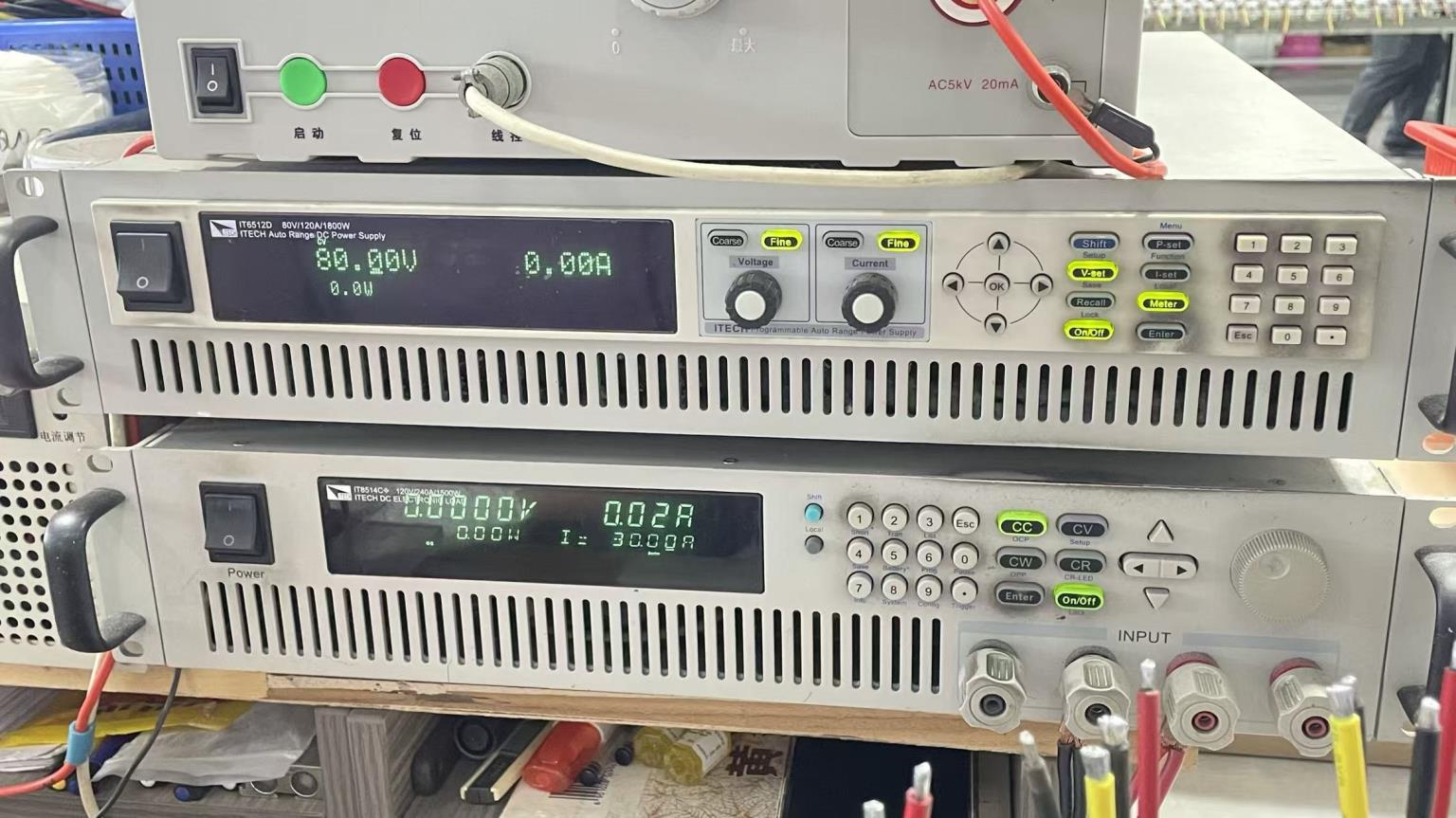
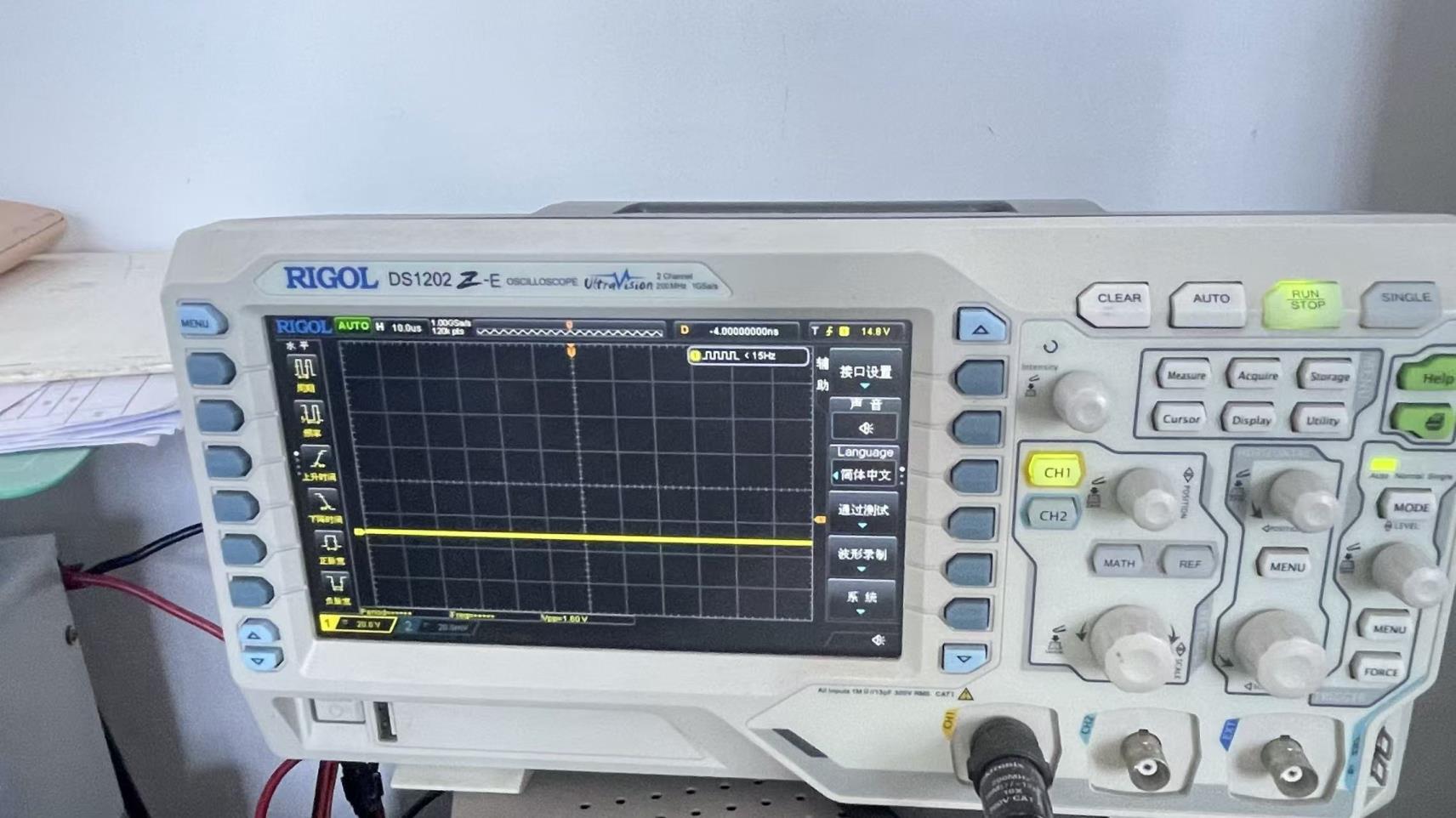

A guide for sourcing and electrical project engineers seeking to optimize power factors in high-demand environments.
When selecting a power factor correction system or high-efficiency rectifier, procurement managers must evaluate several technical criteria beyond standard kVA capacity:
Modern Active PFC designs utilize high-speed digital signal processors (DSPs) to dynamically adjust the input current waveform. This process minimizes harmonic distortion and helps maintain a near-unity power factor (up to 0.99) even during variable operational loads.
Expert insights addressing key design, application, and procurement queries regarding industrial PFC rectifiers.
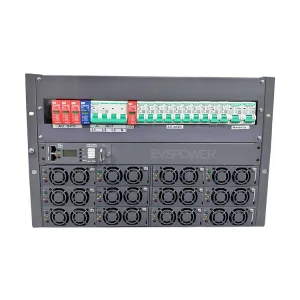
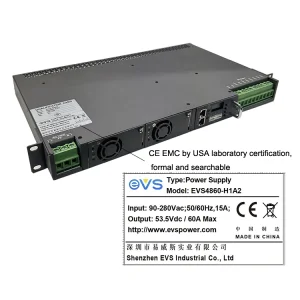
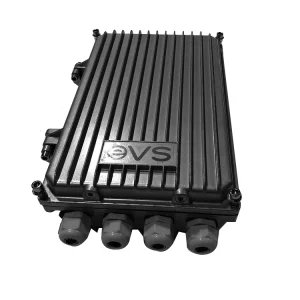
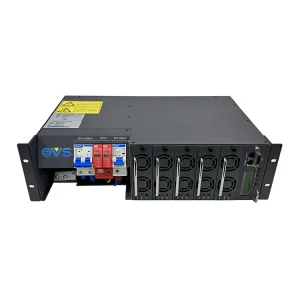
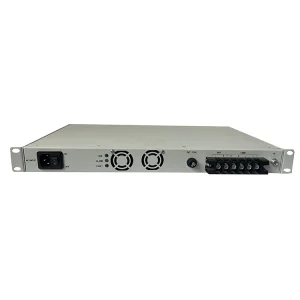
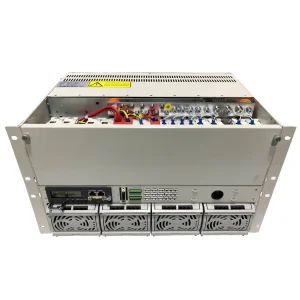
Explore EVS Powers' complete line of modular rack-mount power supplies, high-power DC-DC buck/boost converters, and AC power cabinets.
 EVS Powers