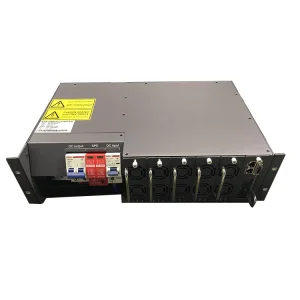
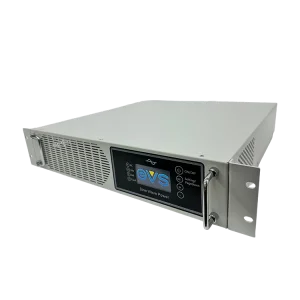
Explore high-performance converters, IP-rated outdoor enclosures, and parallelized battery chargers engineered for clean energy stability.
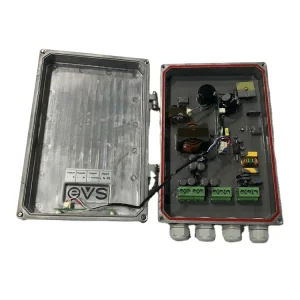
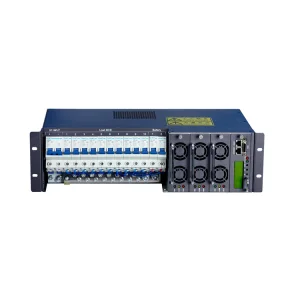
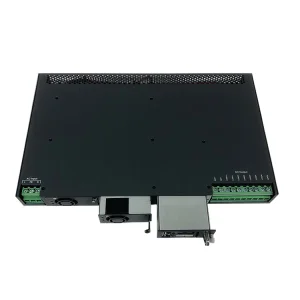
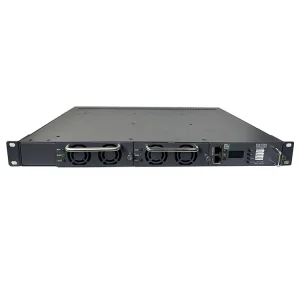
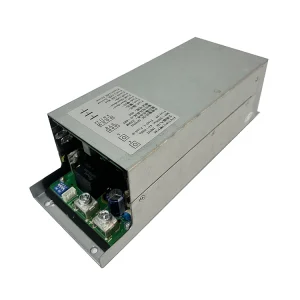
In the current industrial epoch, power quality has transitioned from a utility afterthought to a cornerstone of operational survivability. Microsecond voltage sags, harmonic distortions, and transient spikes—previously mitigated by rugged, mechanical load parameters—now present catastrophic risks to high-sensitivity machinery like semiconductor lithography lines, AI compute infrastructure, and automated packaging hubs.
The global power conditioning market is undergoing an unprecedented expansion, driven by three secular trends:
An objective comparison of design capabilities, custom manufacturing capacities, and specialized industries of leading OEM/ODM entities.
| Manufacturer Name | Core Technical Focus | Key Industries Served | Primary Topology / Feature |
|---|---|---|---|
| ABB Ltd. | Dynamic Voltage Restorers (DVR) & Grid Stabilizers | Automotive Manufacturing, Utility Grids | Medium-voltage active voltage conditioning |
| Schneider Electric | Modular UPS systems, Active Harmonic Filters | Hyperscale Data Centers, Commercial Infrastructure | EcoStruxure IoT integrated power management |
| Eaton Corporation | Double-conversion line-interactive conditioners | Healthcare Facilities, Telecom Networks | Advanced energy-saver (ESS) operating modes |
| Guangzhou EVS Powers Co., Ltd. | Highly customized DC-DC converters, industrial chargers, custom racks | Telecom Outpost Stations, Industrial Motors, ESS | High density (95%+ efficiency), Modbus/SNMP digitized controls |
| Siemens AG | Dynamic Reactive Power Compensation (STATCOM) | Renewable Farm Sub-stations, Steel Smelting | High-voltage reactive power injection |
| Vertiv Group Corp | Precision Power Distribution Units (PDU), Thermal Grid Cabinets | Data Cloud Nodes, Edge Computing Centers | Integrated climate-controlled cabinet topologies |
| Delta Electronics | Active Power Filters (APF), Static Var Generators | Precision Electronics Fabrication, Heavy Robotics | Digital signal processor (DSP) controlled grid correction |
| AMETEK Powervar | Low impedance isolation transformers | Medical Diagnostic Labs, Retail POS Systems | High common-mode noise attenuation |
| Mitsubishi Electric | Insulated Gate Bipolar Transistor (IGBT) UPS systems | Microchip Fabs, Transport Infrastructure | Three-level conversion topologies for ultra-low THD |
| Rockwell Automation | Servo drive conditioners and inline power choke systems | Heavy Assembly Lines, CNC Centers | Industrial Automation Fieldbus integration |
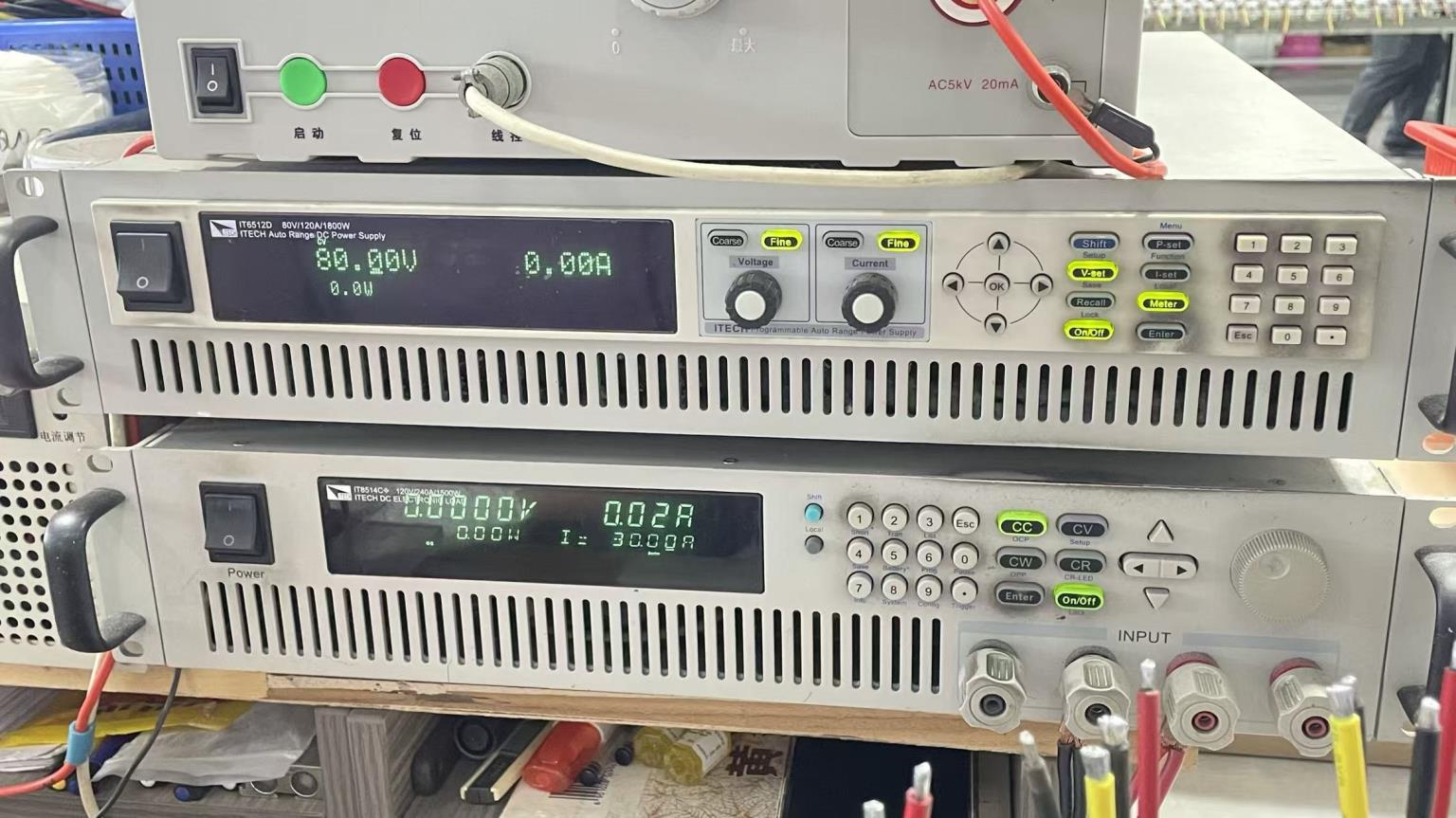
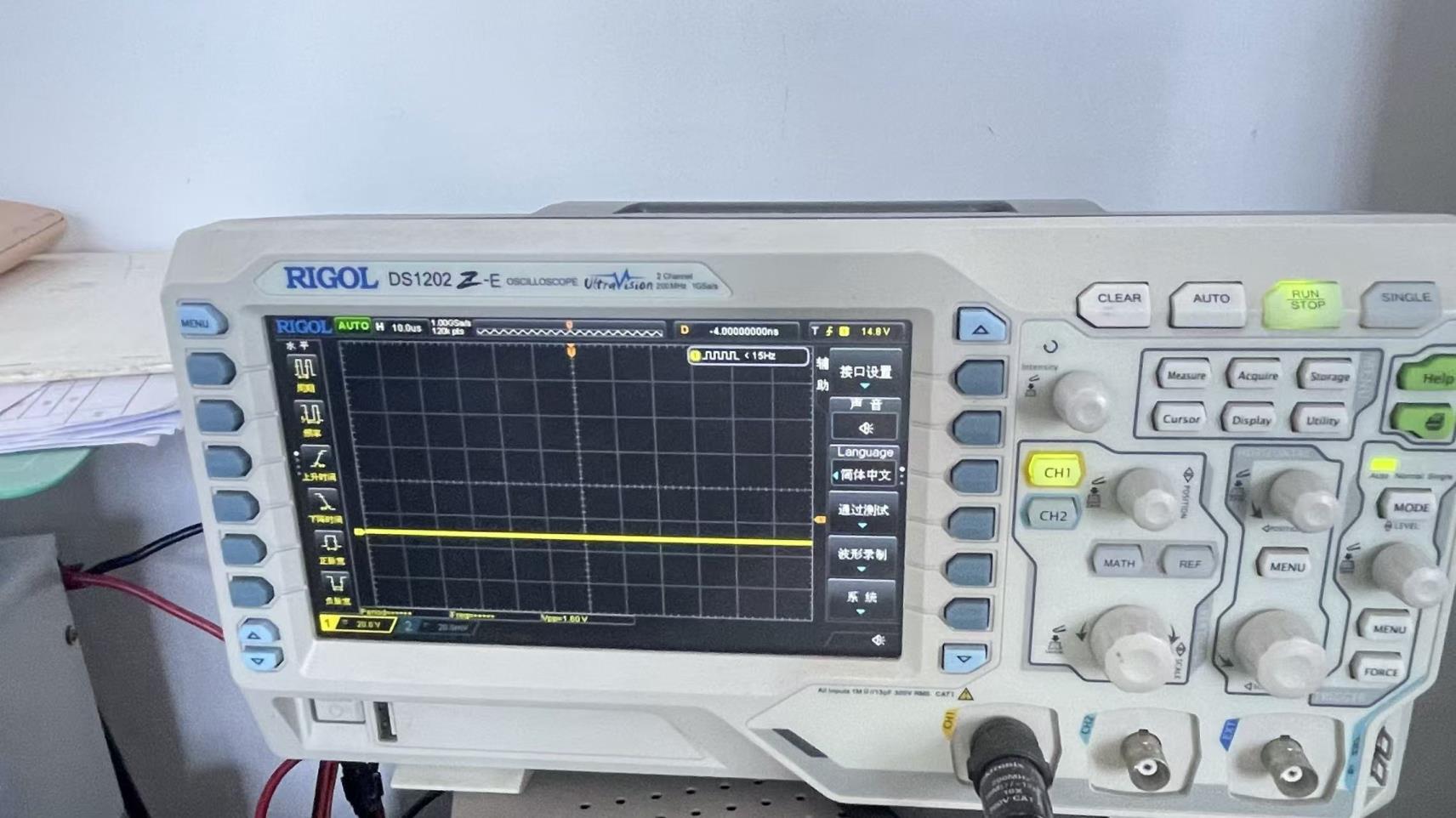
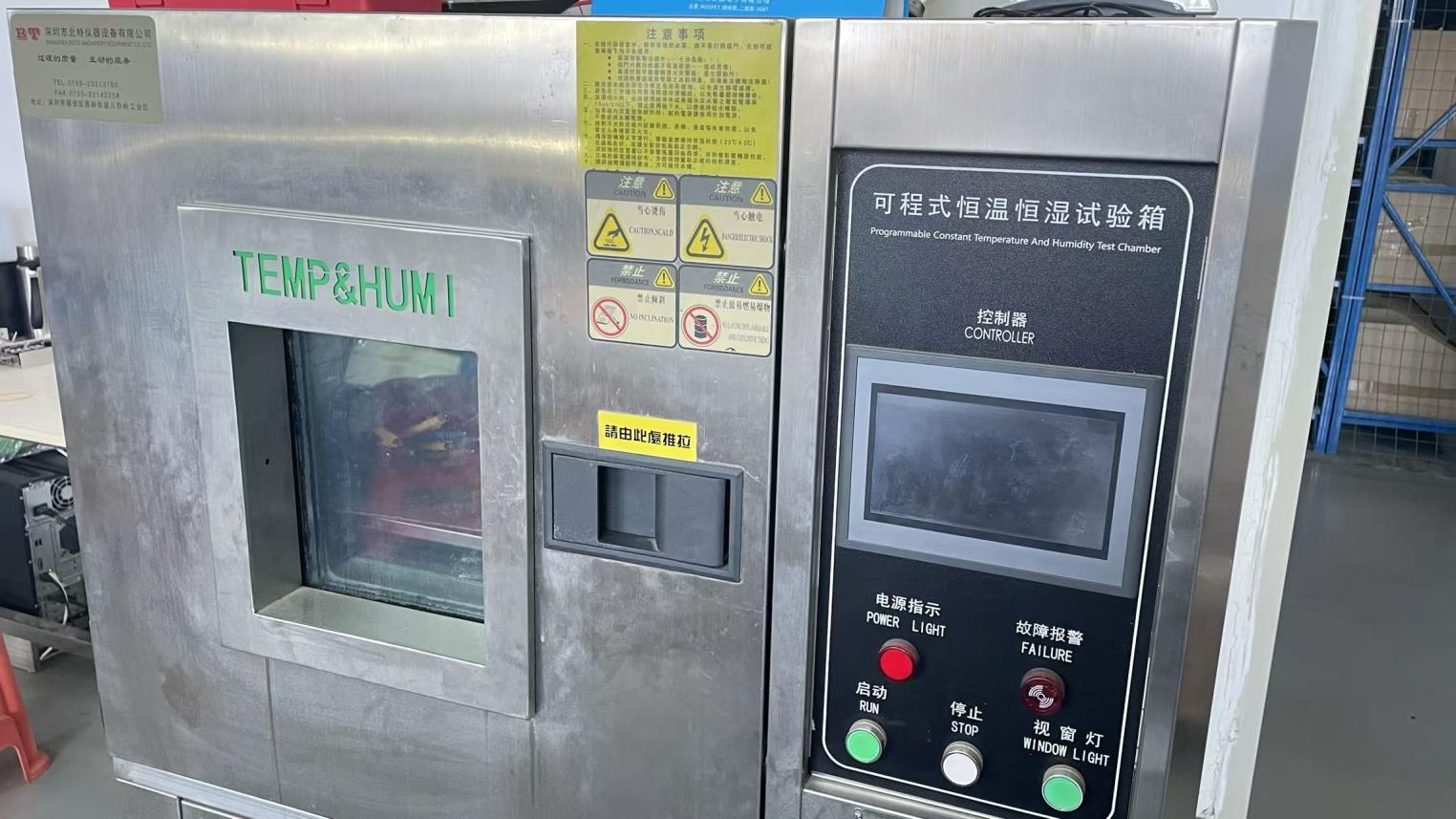
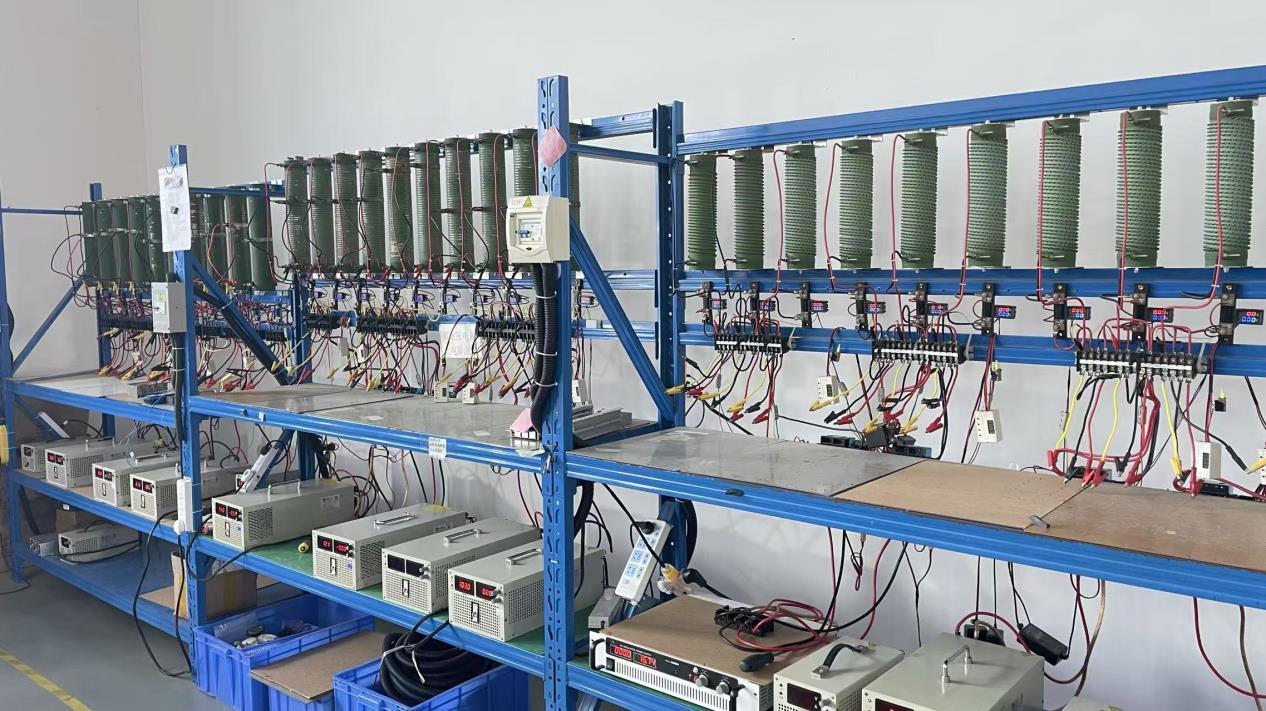
EVS Powers differentiates its operations through an uncompromising focus on structural energy efficiency, component thermal management, and rapid adaptation to client specifications (OEM/ODM). By integrating advanced assembly machinery with automated diagnostic equipment, the facility ensures consistent quality standards for industrial sectors in Europe, North and South America, Australia, the Middle East, and Southeast Asia.
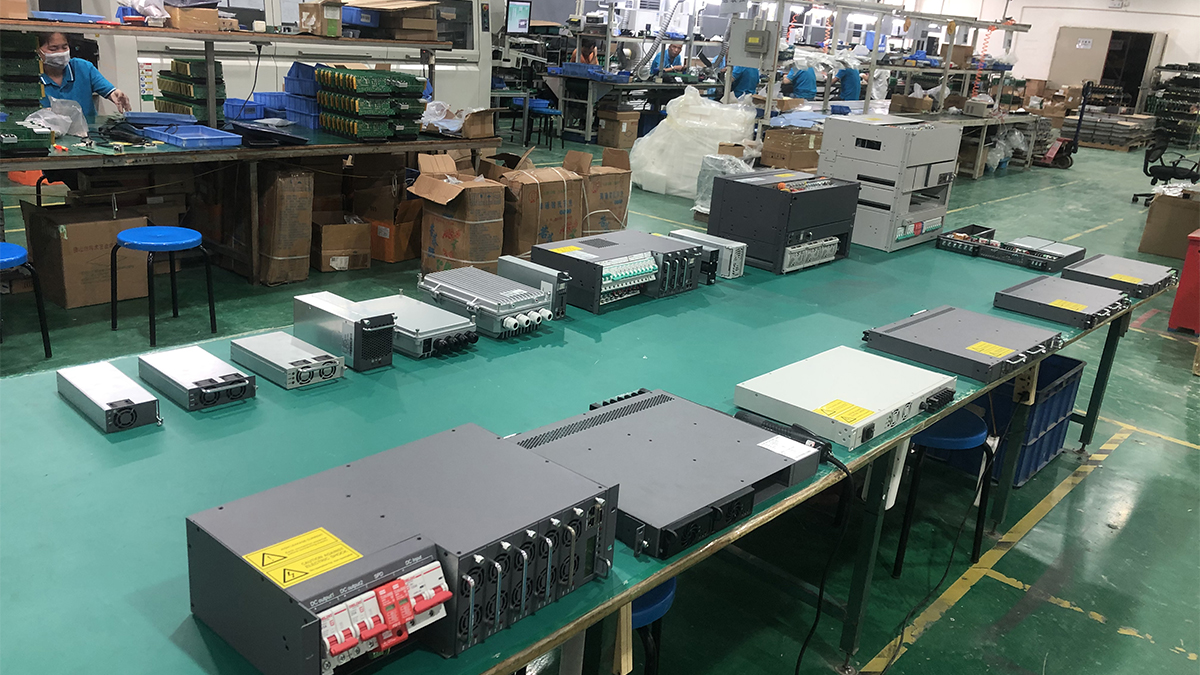
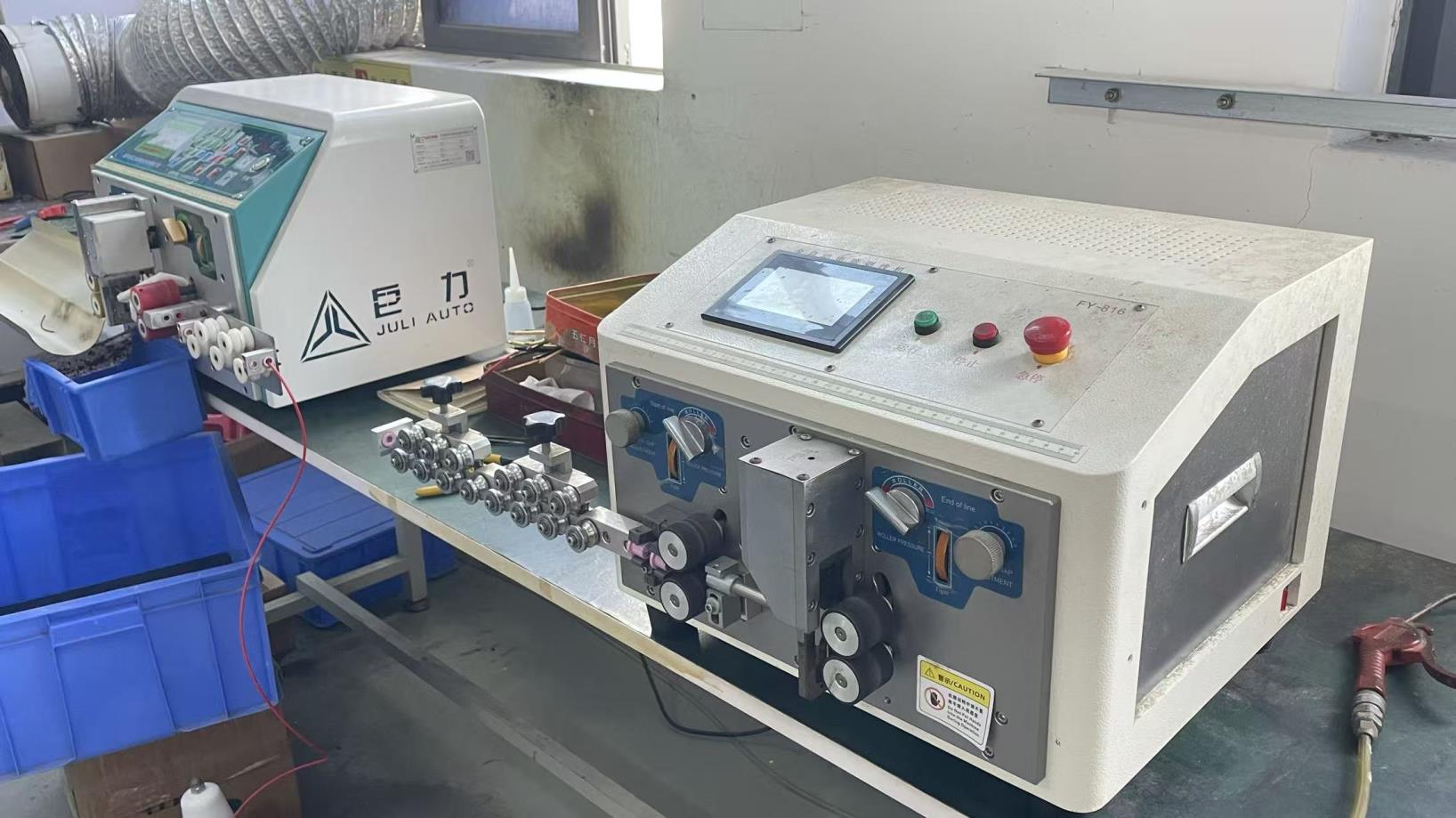
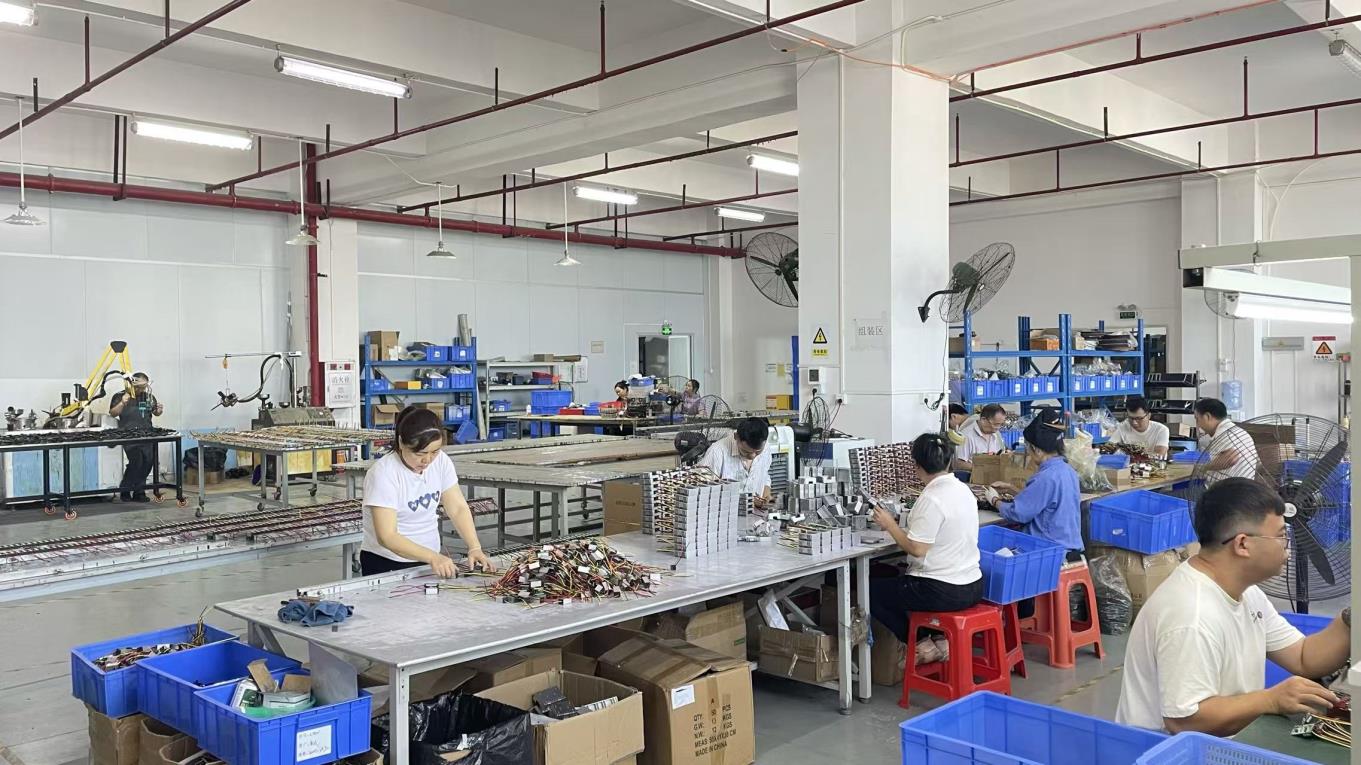

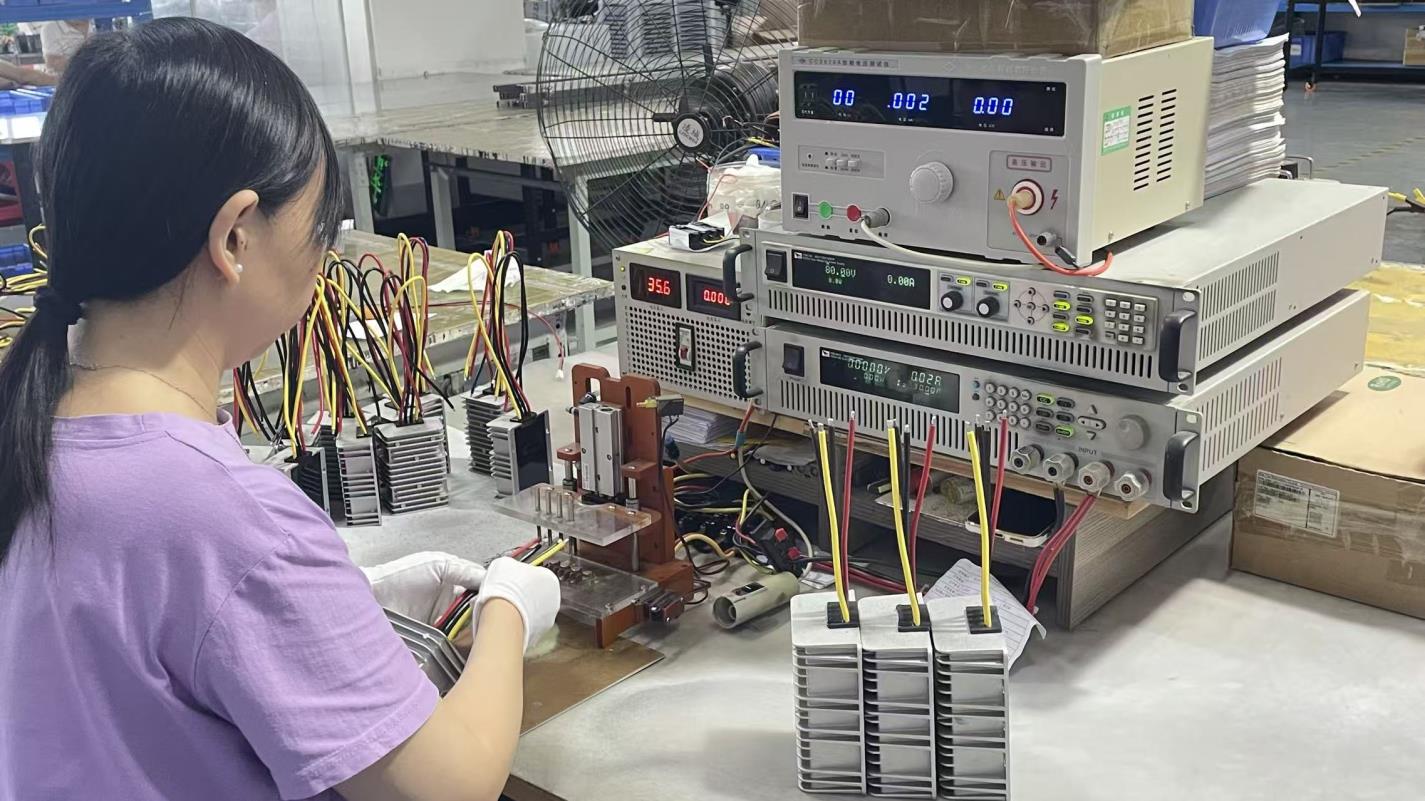
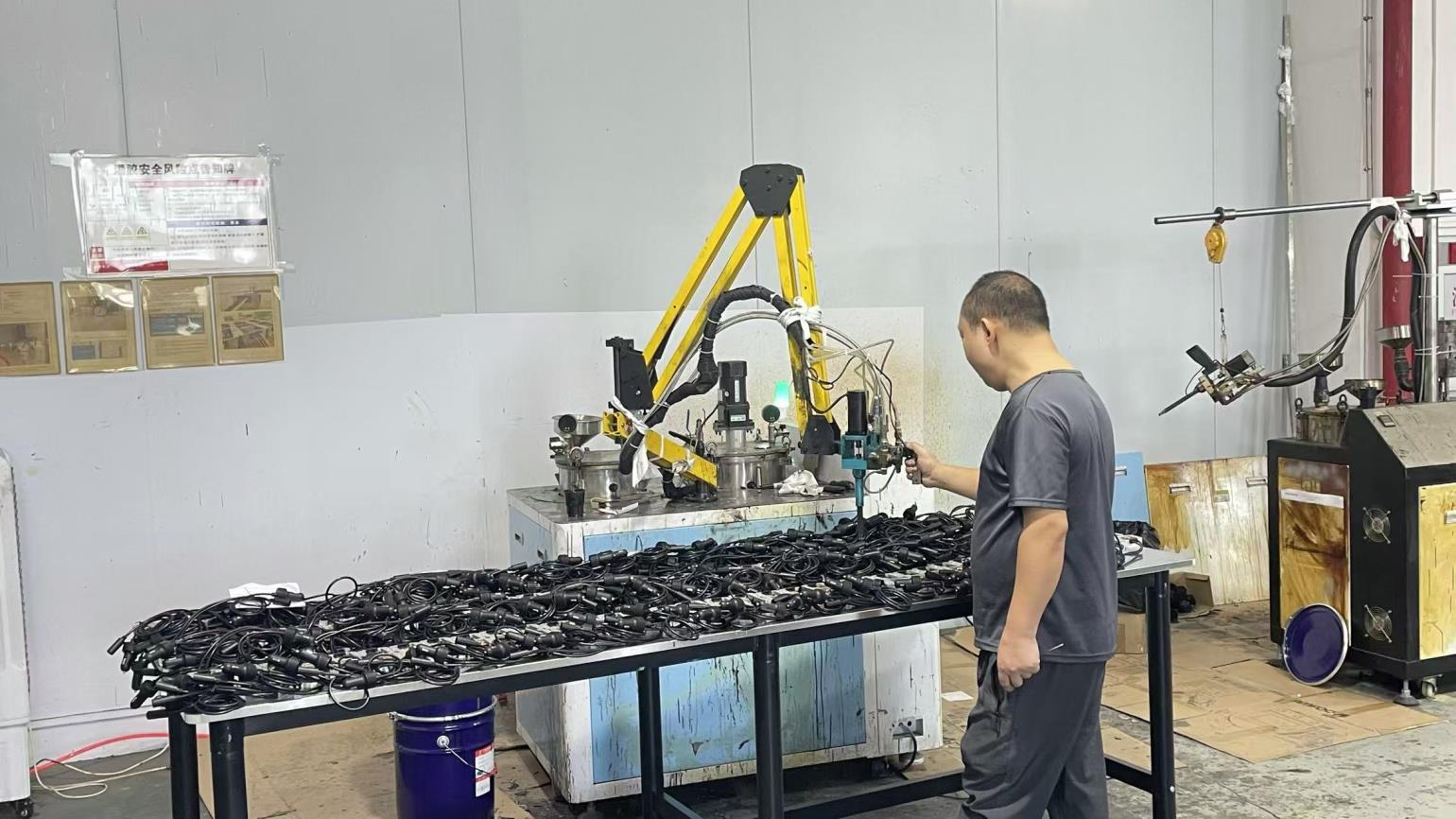
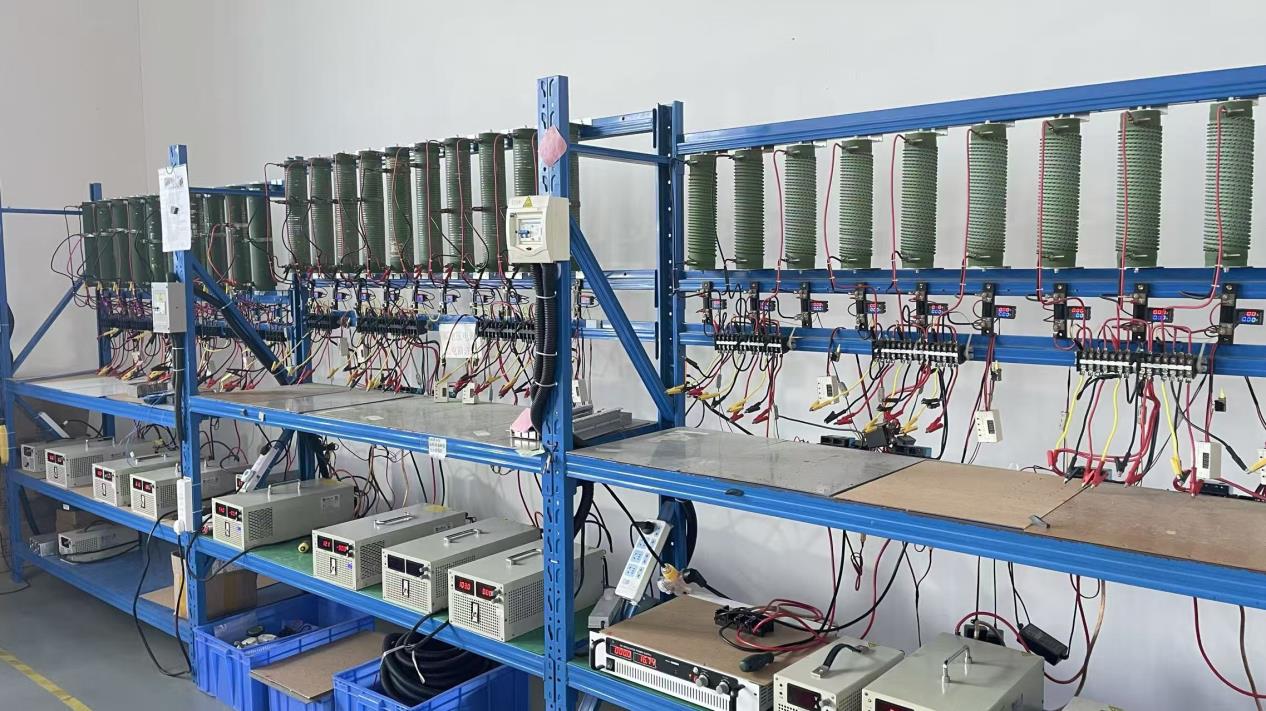

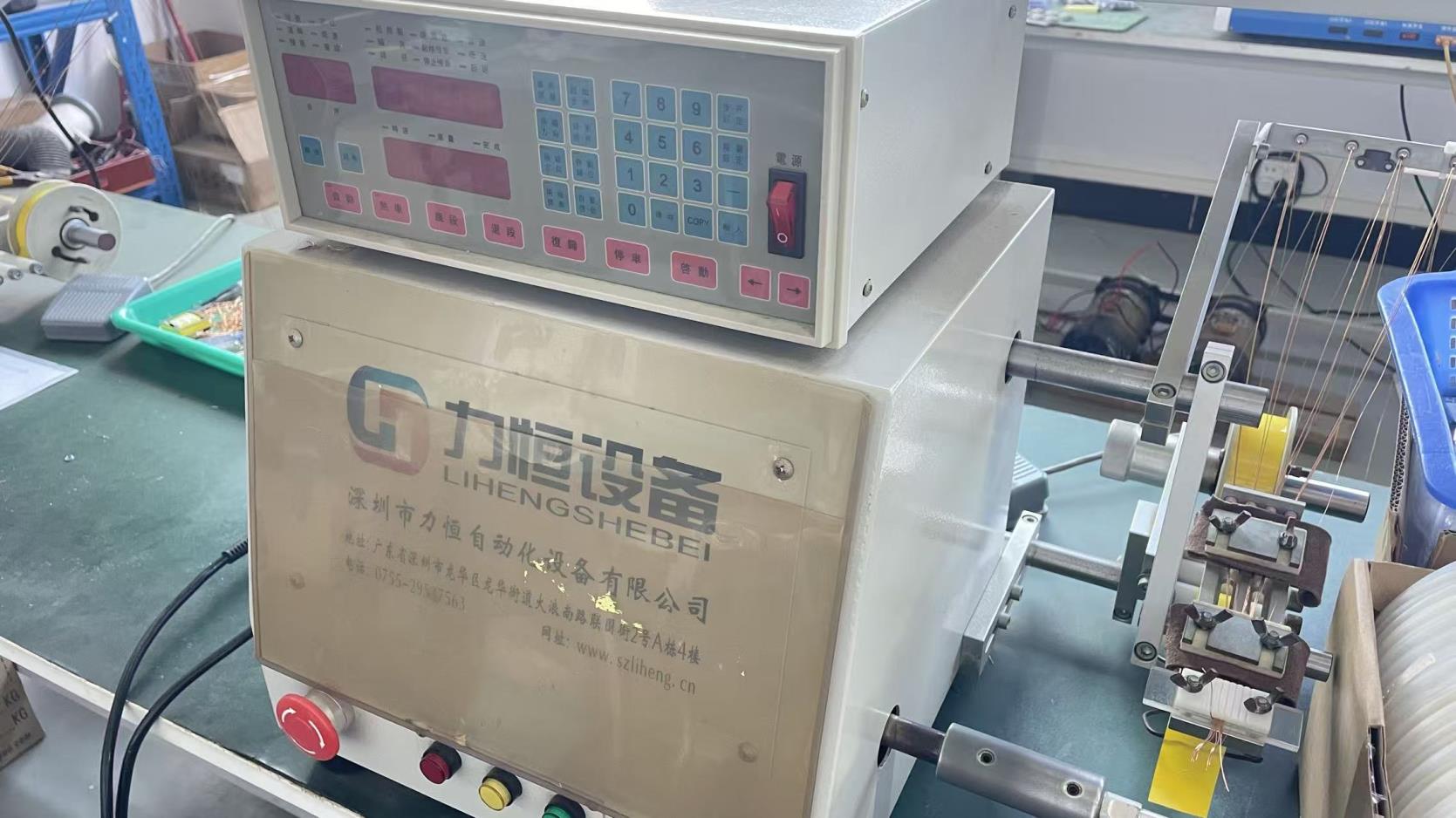
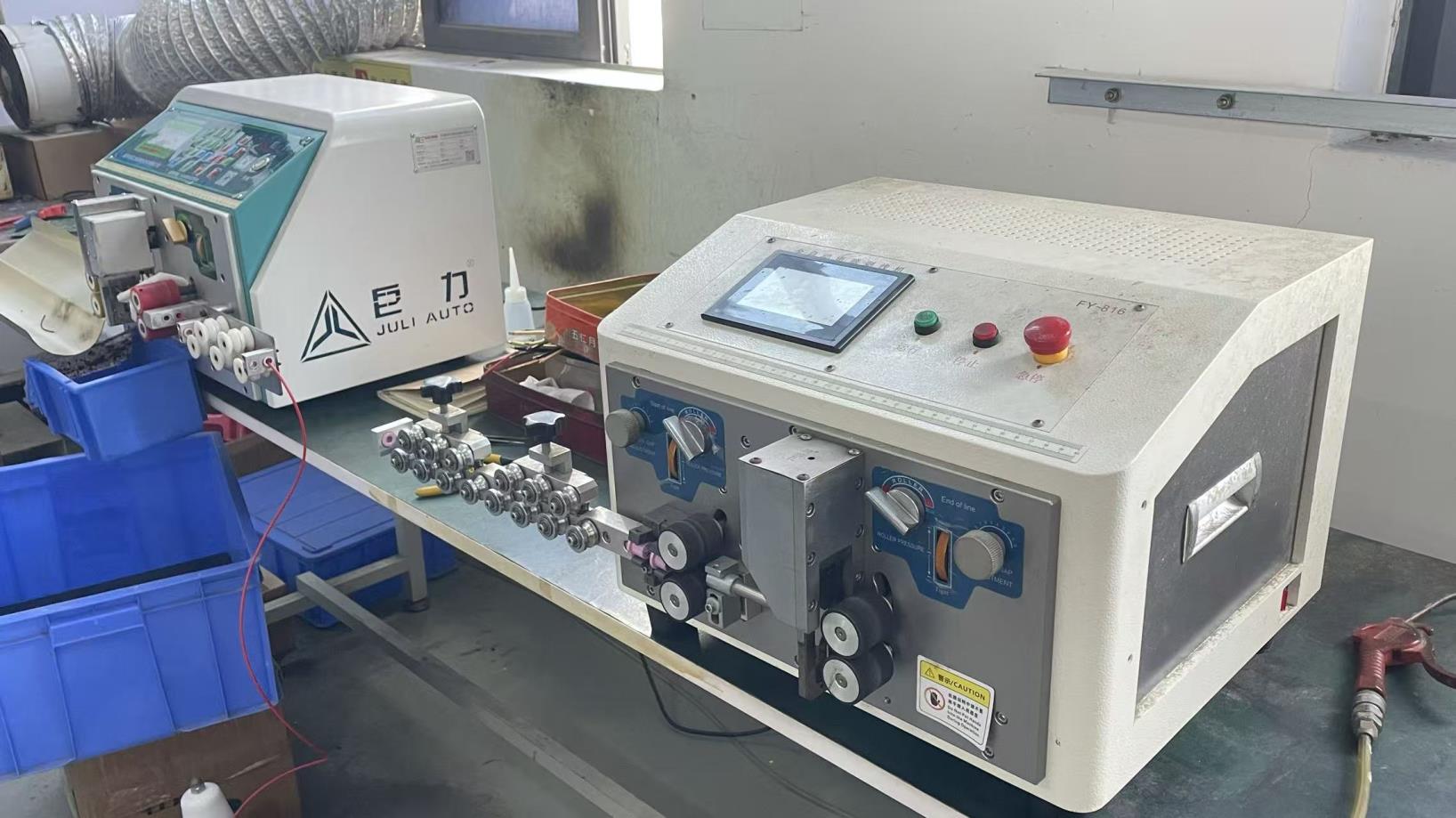


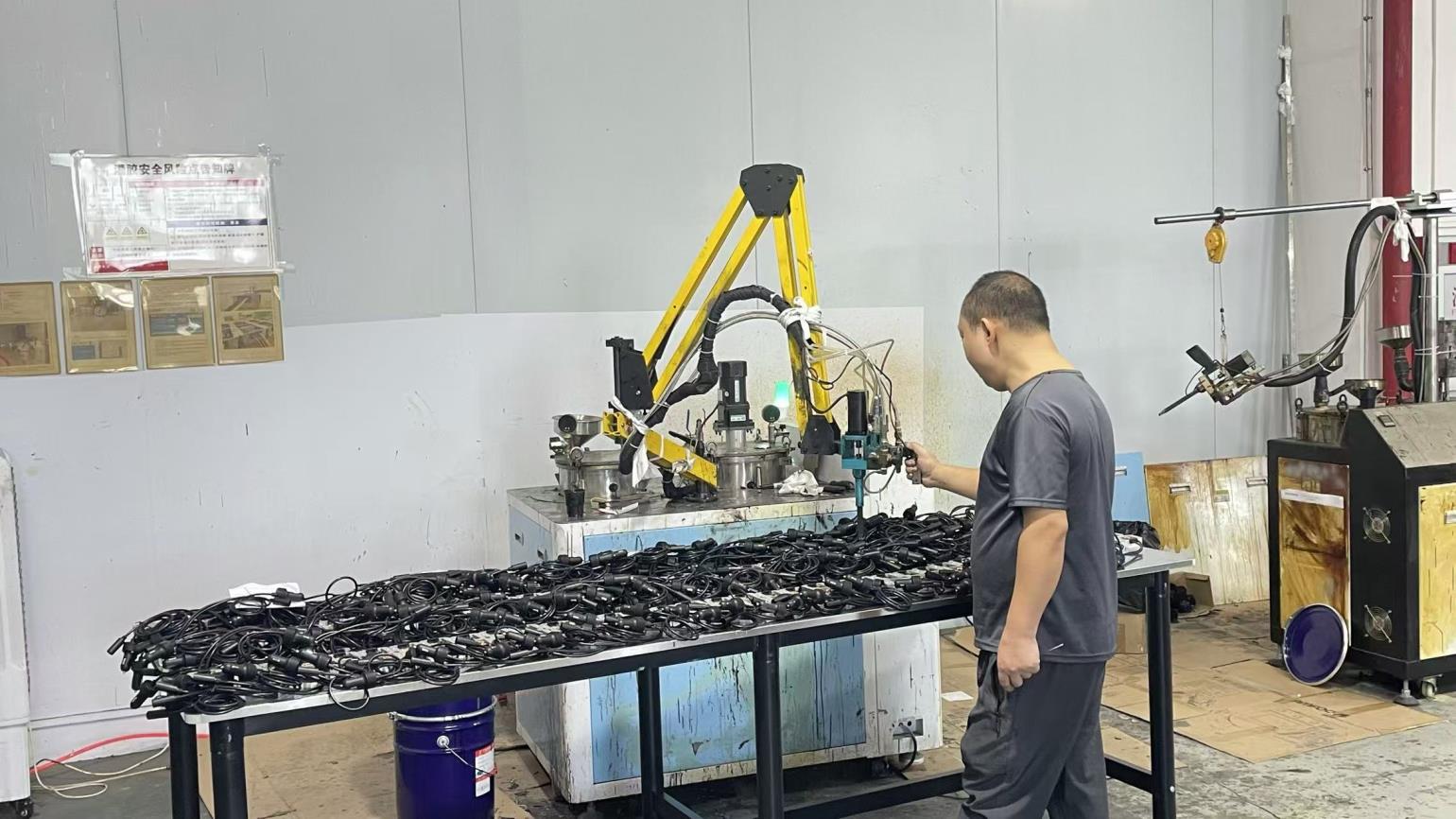
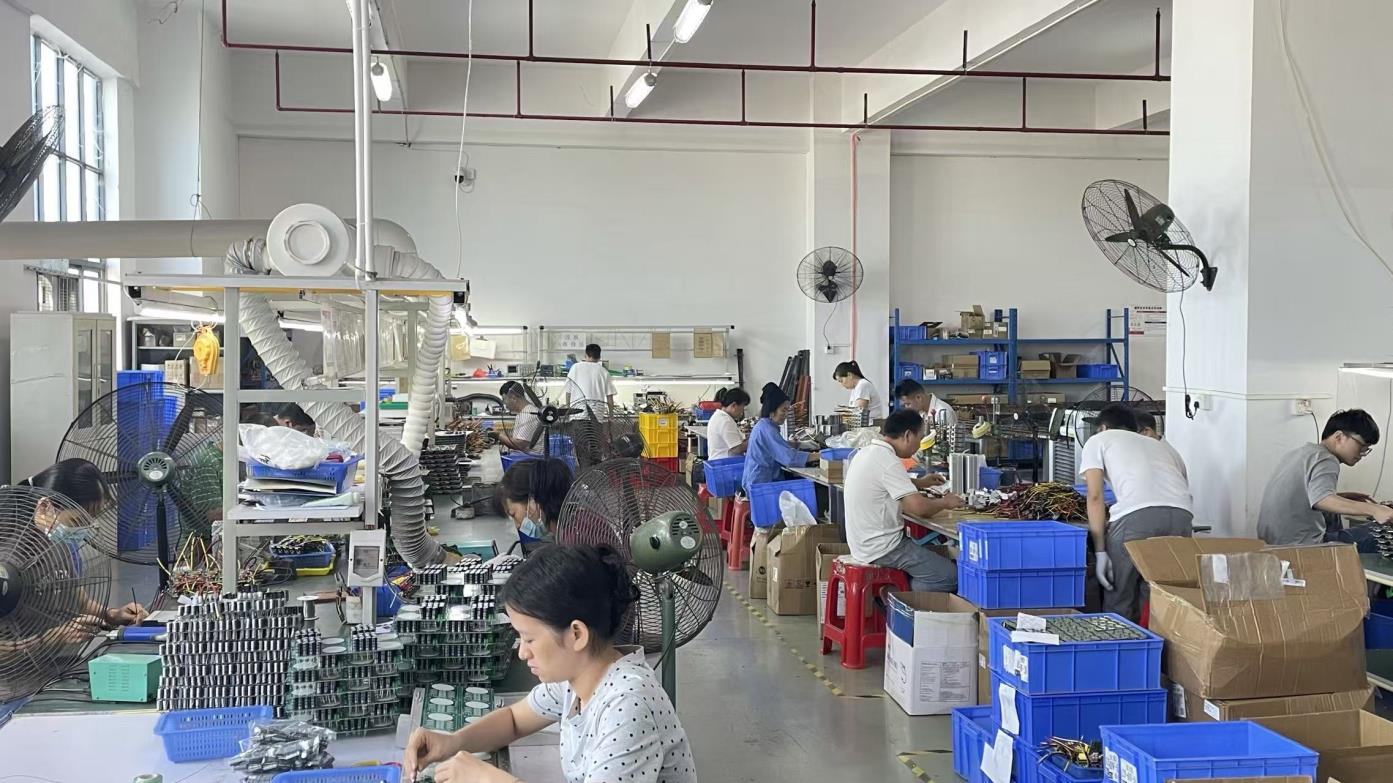
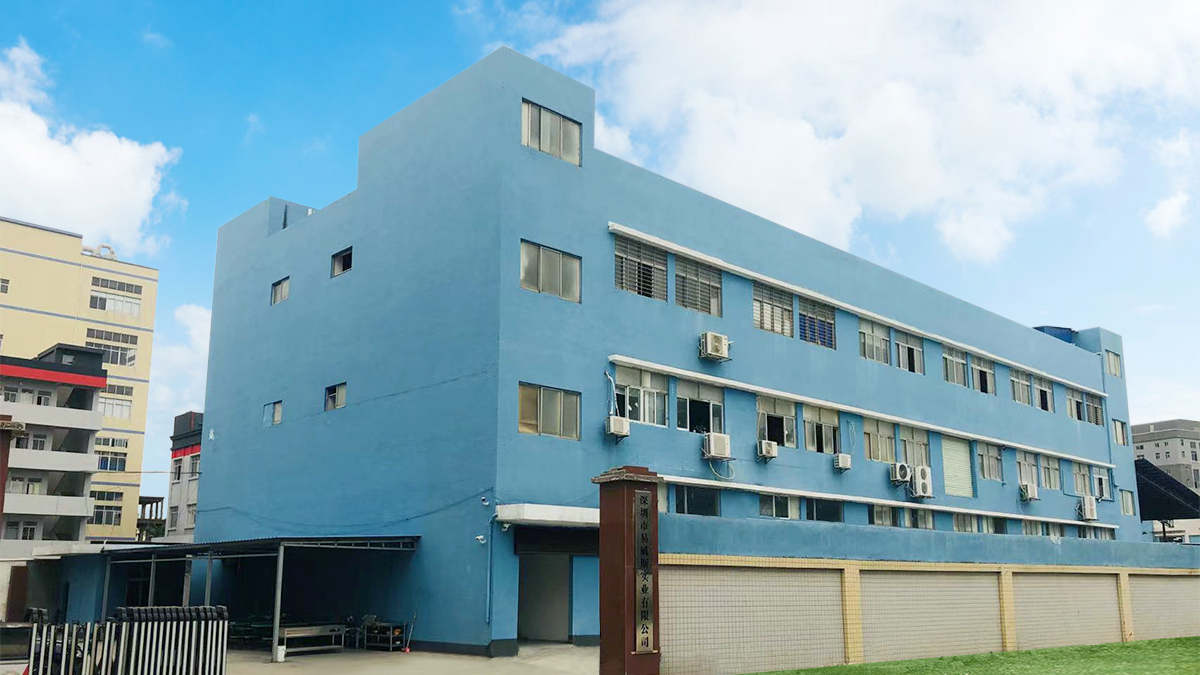
The laboratory infrastructure ensures that every batch of power units conform strictly to international specifications, preventing thermal runaway or transient breakdown in deployment zones.

From extreme sub-zero base stations to marine propulsion assemblies, power conditioners adapt to hostile environmental limits.
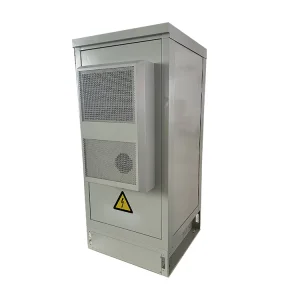
Off-grid base stations operate in environments ranging from high-humidity equatorial coastlines to arid deserts. Enclosures must feature IP55/IP65 ratings with internal thermal management systems, stabilizing fluctuating generator output to safeguard standard 48V DC busbars.
Commercial ESS networks rely on bidirectional AC-DC converters to buffer high-frequency load variations. High-efficiency dynamic conversion systems manage the transition between battery charging cycles and peak load shaving, reducing thermal stress on cell elements.
High-torque electric motors introduce substantial electrical back-EMF feedback into facility power distribution systems. Custom DC-DC regulators insulate internal electronics, preventing localized voltage sag from shutting down controller PLC configurations.
The evolutionary trajectory of switching conversion and grid conditioning topologies toward 2030.
Replacement of silicon switches with Silicon Carbide (SiC) and Gallium Nitride (GaN) equivalents. This transition enables switching frequencies above 100 kHz, downsizing inductive elements and raising thermal performance thresholds beyond 95% efficiency.
Implementation of telemetry APIs over Modbus, SNMP, and EtherCAT. Power conditioners will dynamically alter filter profiles in real-time, responding to machine learning models that predict local grid load fluctuations.
Grid stabilization elements will transition to dual-directional active power nodes. Factory power systems will function as backup energy units, redirecting clean, structured power back to utility channels during demand spikes.
Designing unified power protection layouts for mission-critical industrial facilities.
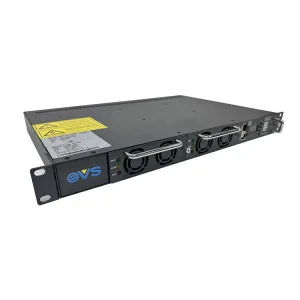
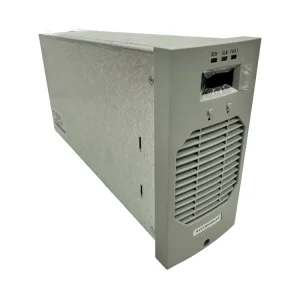
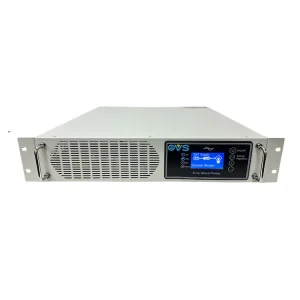
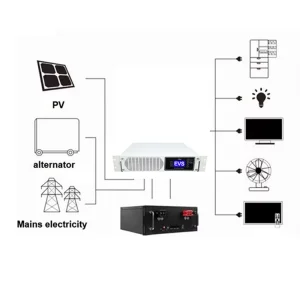
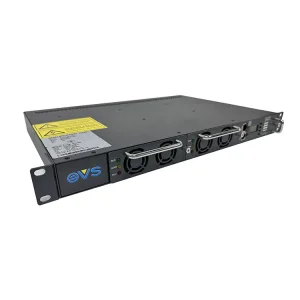
A typical telecom layout combines standard sub-rack rectifiers, modular DC-to-DC converters (converting 48V down to 24V or 12V outputs), and outdoor cabinet structures equipped with dynamic air conditioning. By using 1U sub-rack rectifiers operating at 95% efficiency, network providers can lower operating temperatures and extend battery lifecycle limits.
In processing facilities, inductive load feedback causes localized line voltage sag. A dedicated isolation topology, combining heavy-duty step-up/step-down converters and active power filters, isolates the motor's power loops. This layout ensures sensitive diagnostic systems on the same power loop receive clean power free of harmonics.
Clear, technically robust answers concerning power conditioning design, installation, and deployment factors.
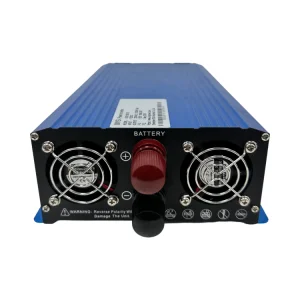
Discover high-efficiency power converters, rack-mount telecom inverters, and battery chargers designed for stable industrial output.
 EVS Powers