Robust, efficient, and highly integrated power converter designs engineered for telecom installations, high-voltage substations, and marine applications.
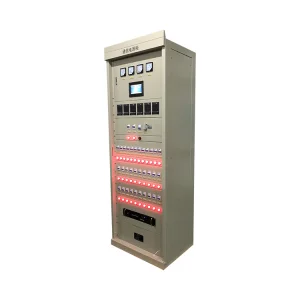
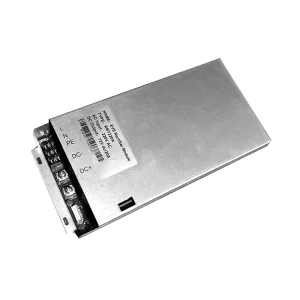
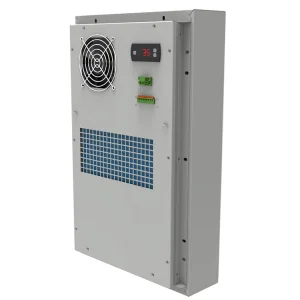
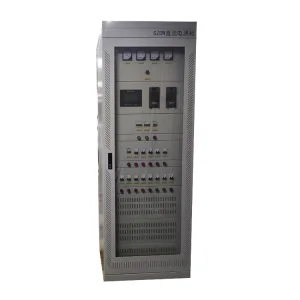
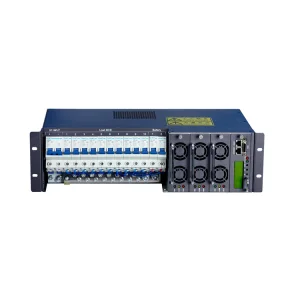
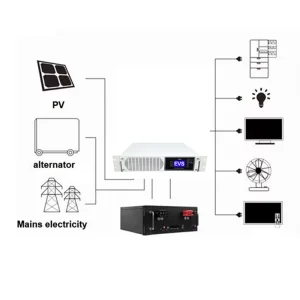
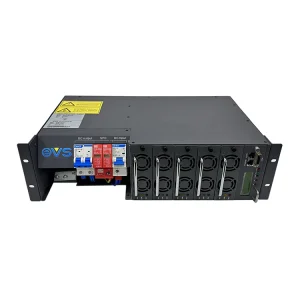
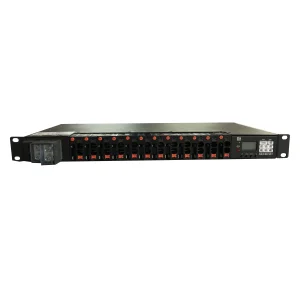
High-voltage DC distribution systems play a critical role in global utilities, industrial automation, and heavy transport. This analysis delves into the technical mechanisms, design considerations, and performance advantages of switch-mode rectifier technologies.
In modern industrial grid infrastructures, the 110VDC (Direct Current) system represents a cornerstone of electrical safety and operational reliability. Commonly used to drive protection relays, emergency control circuits, circuit breakers, and signal panels in substations, the dependability of 110VDC electric rectifiers cannot be compromised. Historically, heavy thyristor-based phase-controlled systems dominated this space. Today, the transition to High-Frequency Switch-Mode Power Supply (HF-SMPS) topologies provides higher thermal efficiency, modular redundancy, and digital telemetry integrations.
As grid complexity increases with the addition of renewable generation (solar PV, battery storage, and wind farms), the demands on rectifiers have shifted from basic AC-to-DC conversion to advanced active harmonic mitigation, smart battery management, and industrial IoT connectivity. Understanding the performance profiles of 110VDC systems is key to selecting the right China wholesale partner for direct procurement.
Ensures persistent tripping power for circuit breakers during utility outages. Galvanic isolation limits noise propagation, protecting high-cost SCADA and monitoring equipment.
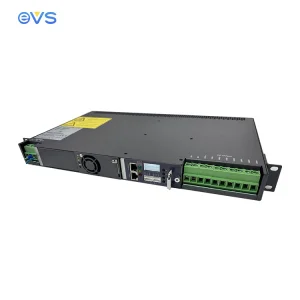
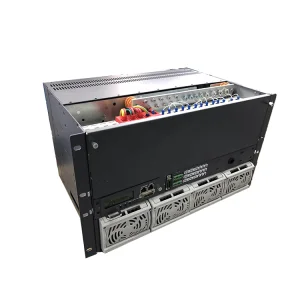
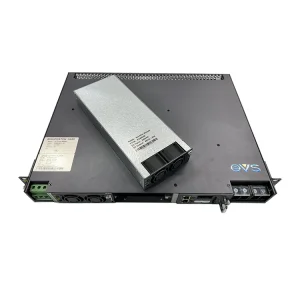
Combines rectifier, distribution, and battery charging capabilities into a cohesive rack footprint, ensuring immediate transition during primary power failure.
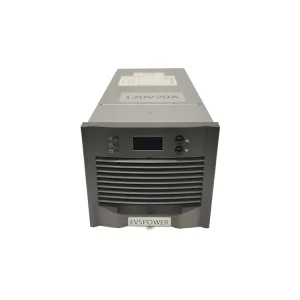
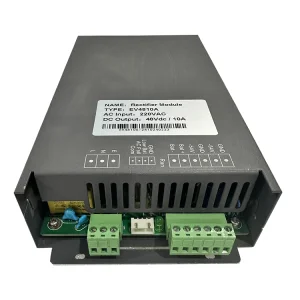
Configured with hot-swappable sub-modules. If one rectifier unit fails, the load is dynamically distributed among operational units without output interruption.
How engineering, procurement, and construction (EPC) firms, telecom operators, and heavy industries evaluate potential export manufacturers.
Industrial procurement departments focus on Total Cost of Ownership (TCO) and Mean Time Between Failures (MTBF). For power utilities, downtime translates directly into operational penalties. A dependable 110VDC electric rectifier must feature a design life exceeding 15 years, with modules rated for continuous output at high ambient temperatures.
Key considerations include Active Power Factor Correction (APFC) to reduce grid pollution, IP-rated enclosures for harsh environments (dust, salt mist, extreme humidity), and remote control compatibility via Modbus RTU, SNMP, or IEC 61850 protocols.
Additionally, modular architecture simplifies troubleshooting, reducing Mean Time to Repair (MTTR) to minutes, as local engineers can execute hot swaps without shutting down the system.
Importing power components requires adherence to safety and performance standards. Procurement agents must verify that products carry certifications like CE, RoHS, FCC, or relevant national standard clearances.
When sourcing from China, the ability of a manufacturer to customize input voltages (e.g., 3-phase 380VAC, 415VAC, or single-phase 220VAC/110VAC) to match local power grids is critical. Verification of structural thermal control through simulation and validation adds another layer of confidence.
EVS Powers addresses these criteria by combining certified manufacturing processes with customized design services to meet specific grid topologies globally.
| Feature Parameter | High-Frequency Switch-Mode Rectifier | Phase-Controlled Thyristor Rectifier | Advantage Factor |
|---|---|---|---|
| Efficiency Profile | Typically 92% – 95% at full load | Typically 80% – 85% | Energy saving, lower thermal dissipation |
| Power Factor (PF) | ≥ 0.99 (with Active PFC) | 0.70 – 0.85 (dependent on firing angle) | Higher grid efficiency, lower harmonics |
| Physical Footprint | Compact 1U/2U/4U Rackmount | Large, heavy floor-standing cabinets | Space-saving, easier installation |
| Output Ripple Voltage | < 0.5% RMS | 1% – 2% RMS (requires heavy filtering) | Cleaner DC output, longer battery life |
| System Redundancy | N+1 / N+X modular hot-swap | 1+1 Standby configuration only | High reliability, lower repair times |
The future of DC power distribution lies in digital integration, high-density topologies, and smart thermal design.
Industrial power requirements are moving toward wider dynamic range conversion. Wide-bandgap semiconductor devices like Silicon Carbide (SiC) and Gallium Nitride (GaN) are replacing silicon-based MOSFETs in rectifier stages. This shift allows for higher switching frequencies, reducing the physical footprint of magnetic components (inductors and transformers) while lifting peak conversion efficiencies above 97%.
In addition, advanced digital signal processing (DSP) enables modern rectifiers to execute complex real-time operations, including:
Through this technology path, the modern 110VDC electric rectifier operates as an active node within smart grid ecosystems, rather than just a passive converter unit.
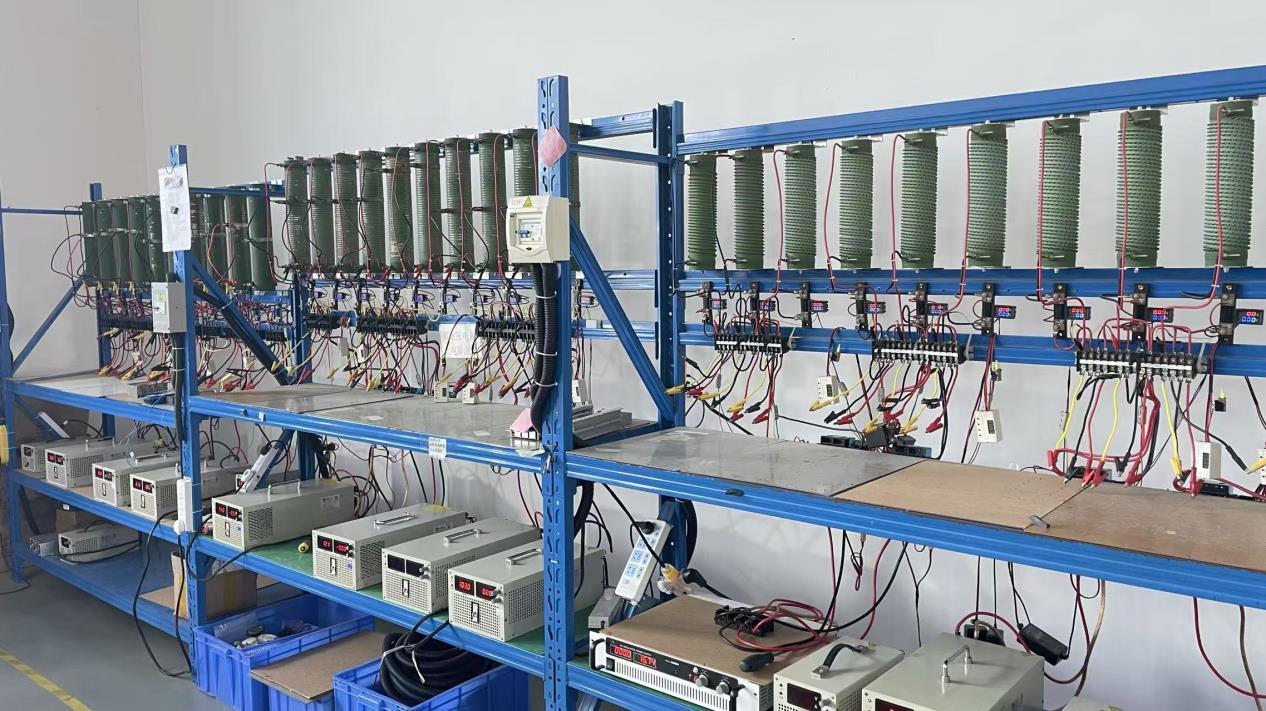
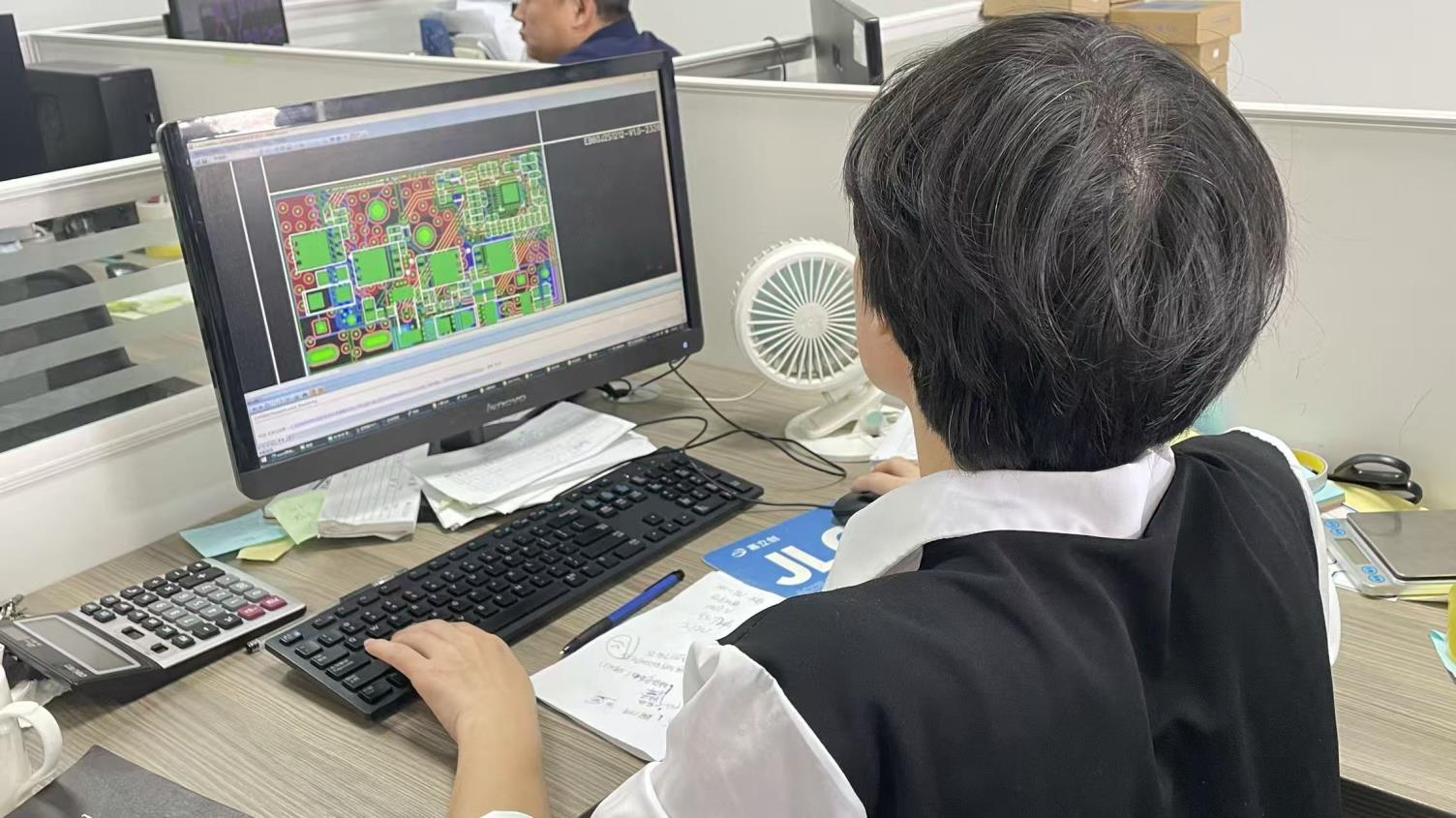
Direct factory overview, internal production controls, and validation procedures at Guangzhou EVS Powers Co., Ltd.
Guangzhou EVS Powers Co., Ltd. is located in the international trade hub of Guangzhou, China. EVS is a professional manufacturer of switching power supplies, DC power systems, power supply units, DC-DC converters, power inverter series, and custom OEM/ODM electronic products engineered to customer specifications.
We focus on customer satisfaction, product quality as our development foundation, and cost optimization as a key competitive advantage. With established credit standings and comprehensive service, we have built long-term relationships with clients across Europe, South and North America, Australia, the Middle East, and Southeast Asia.
Guided by our partnership philosophy, we share our technical expertise and manufacturing experience to drive mutual growth. We offer quality products, professional services, and competitive pricing for both long-term and new clients.
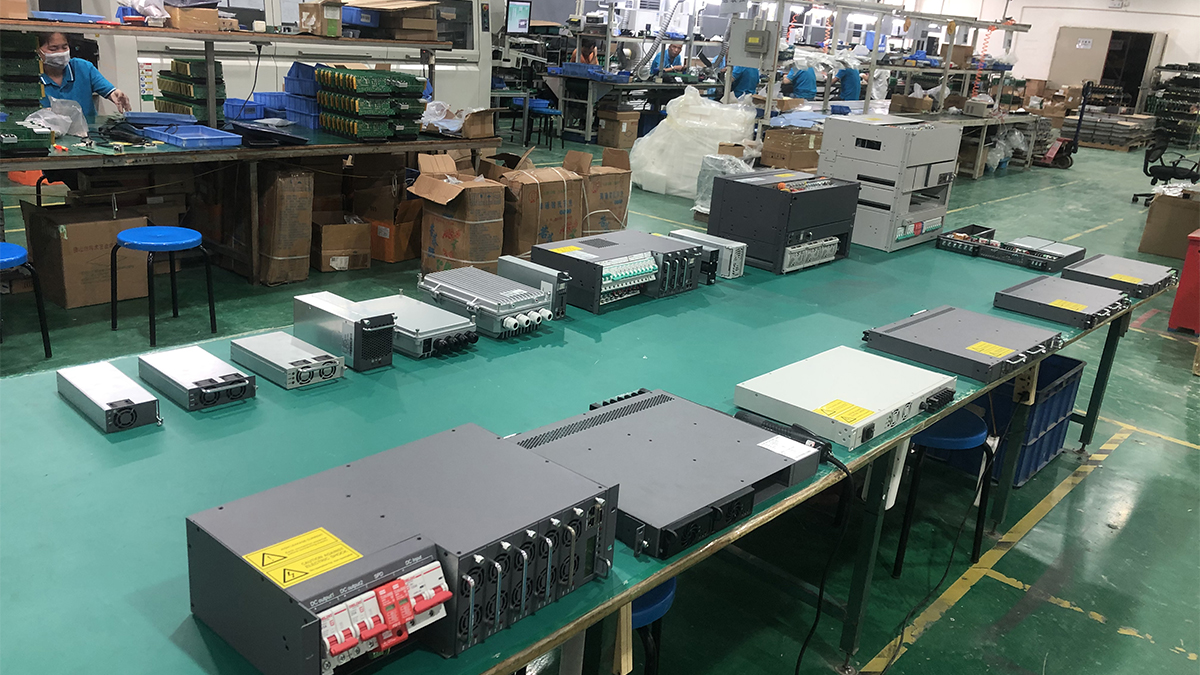
Our automated assembly, tracking, and staging processes maintain output consistency across production runs.
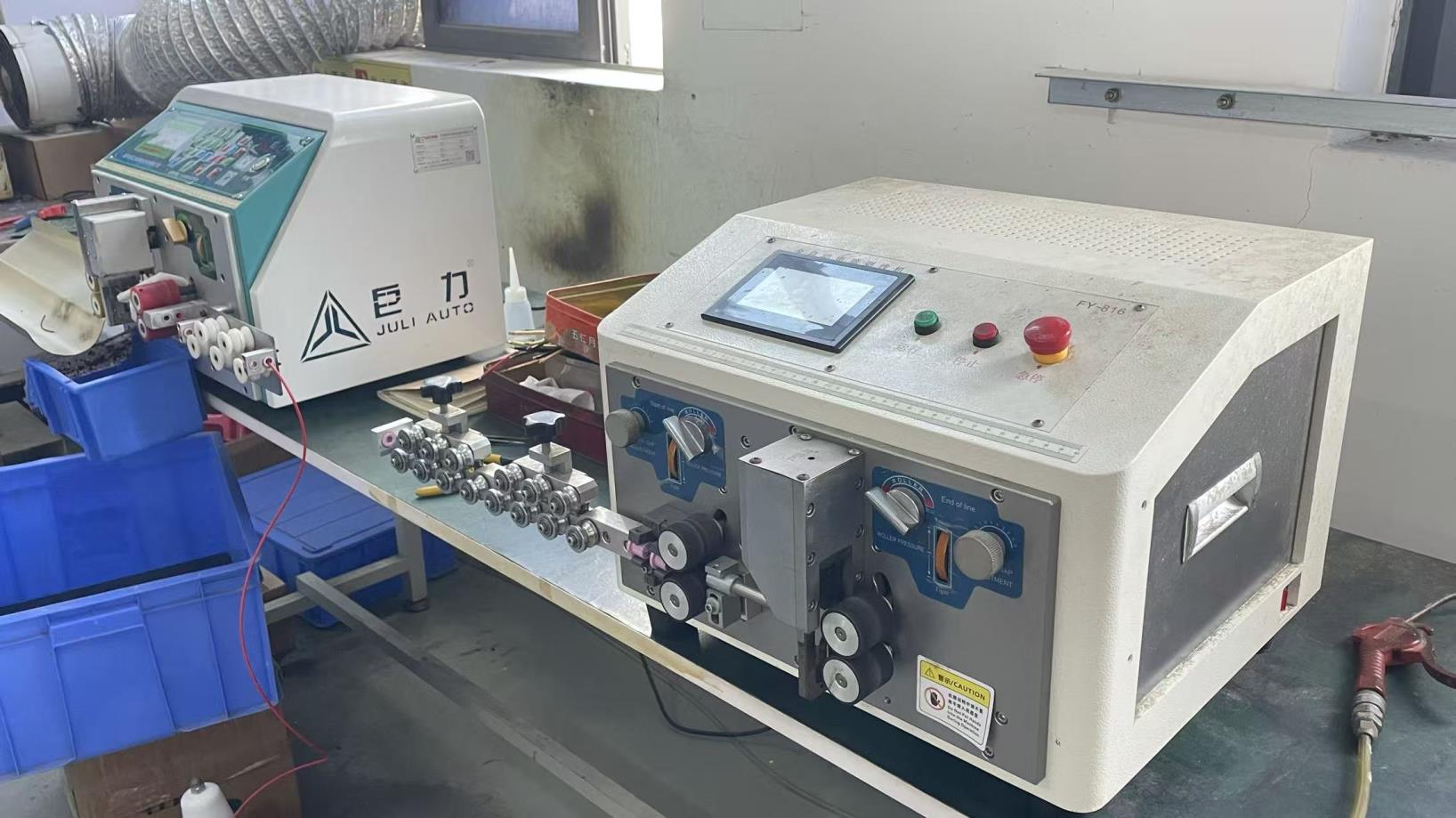
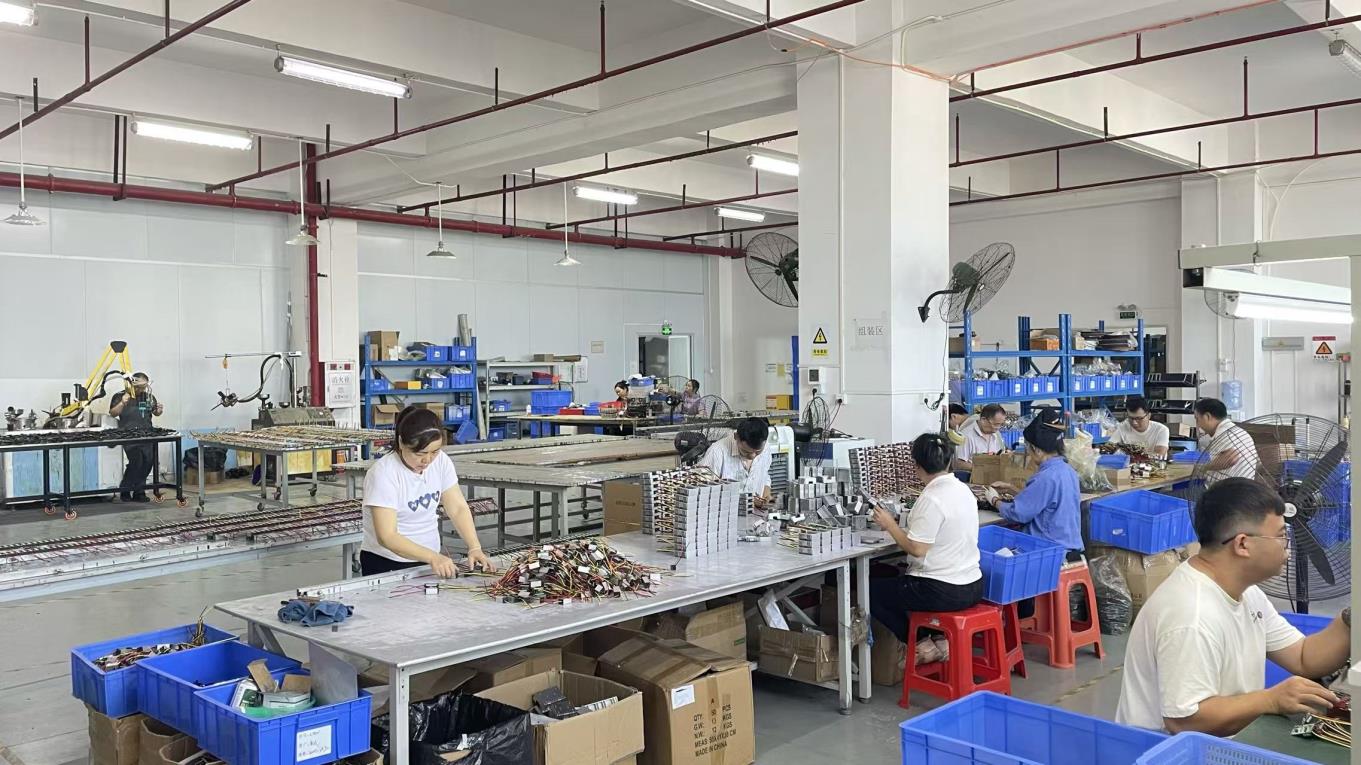

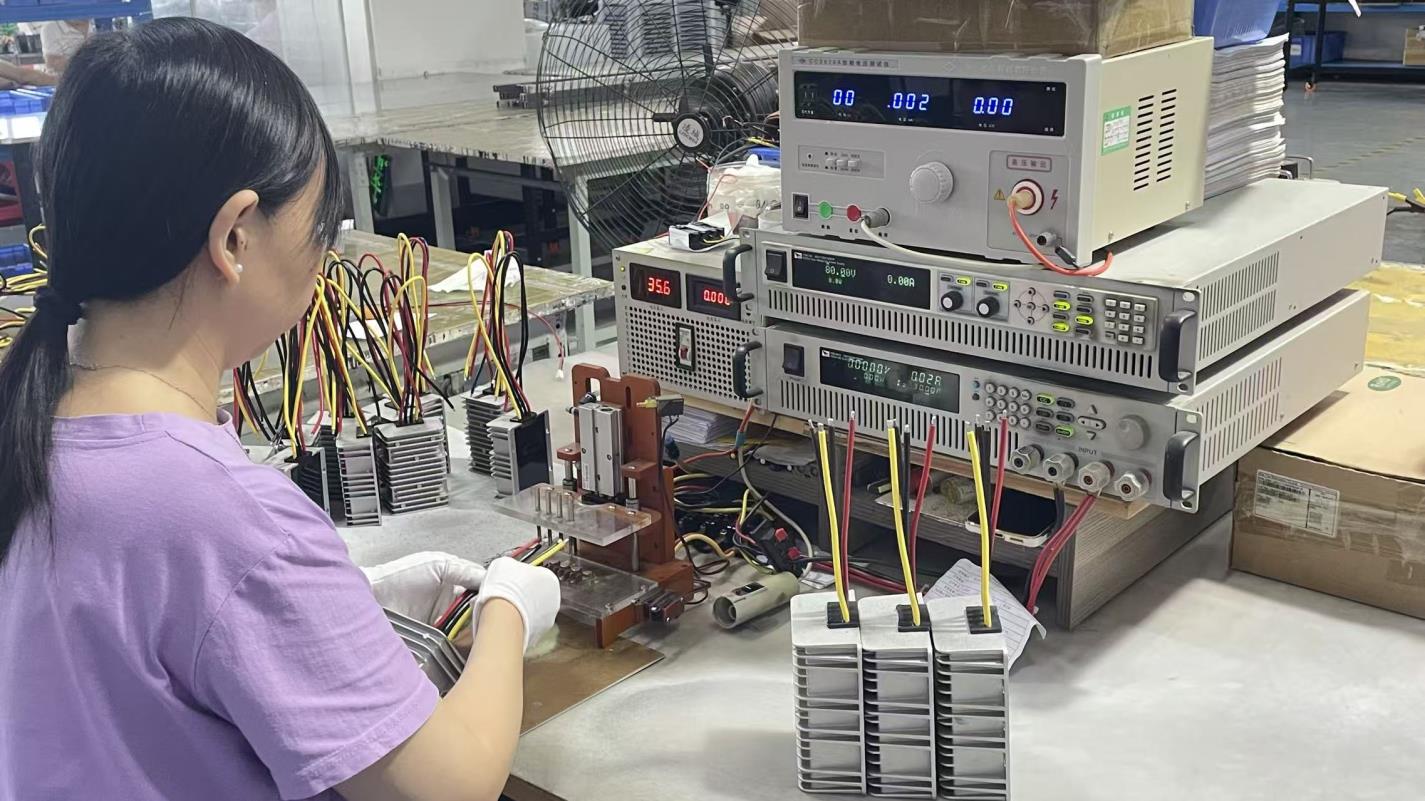
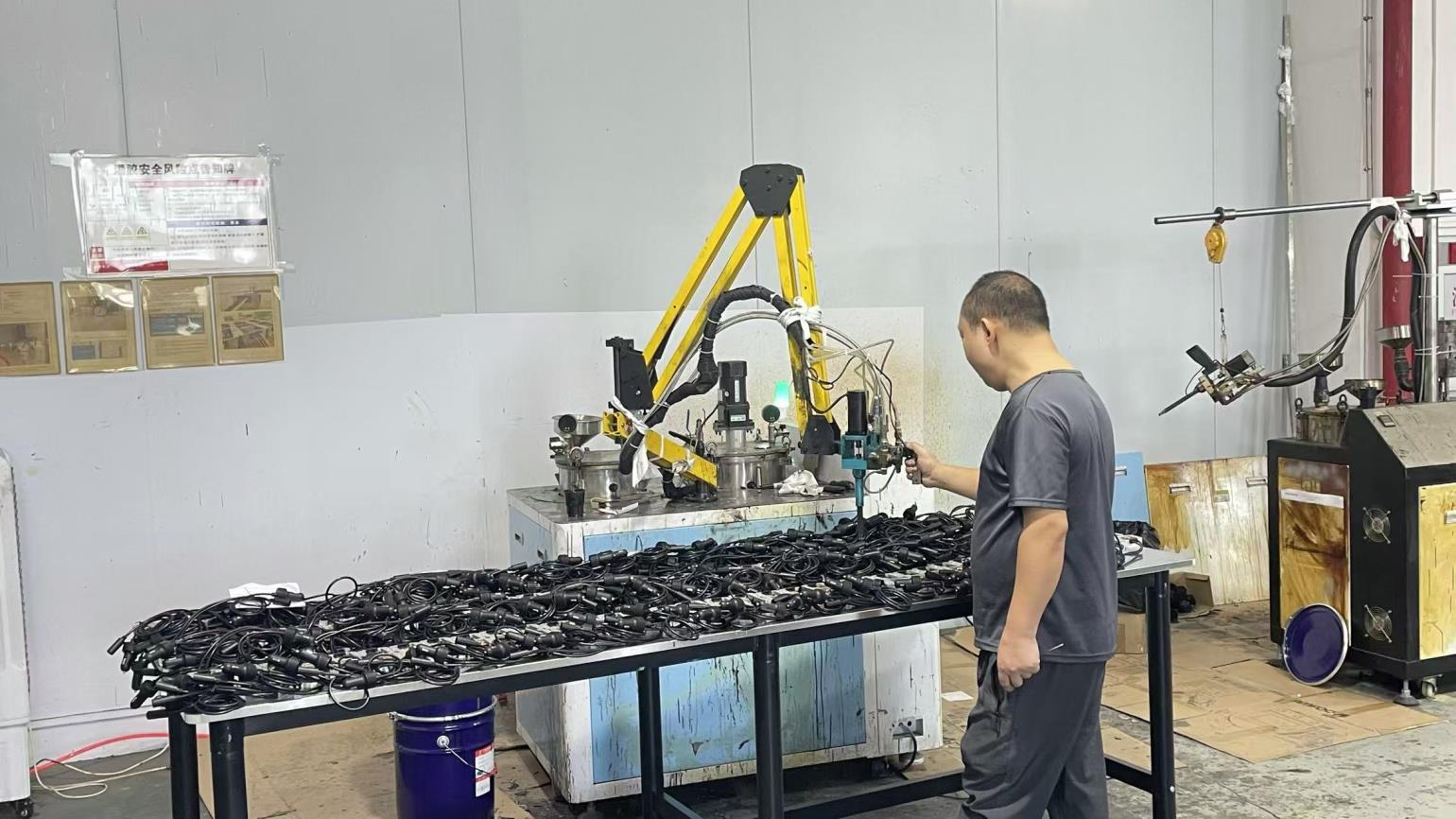
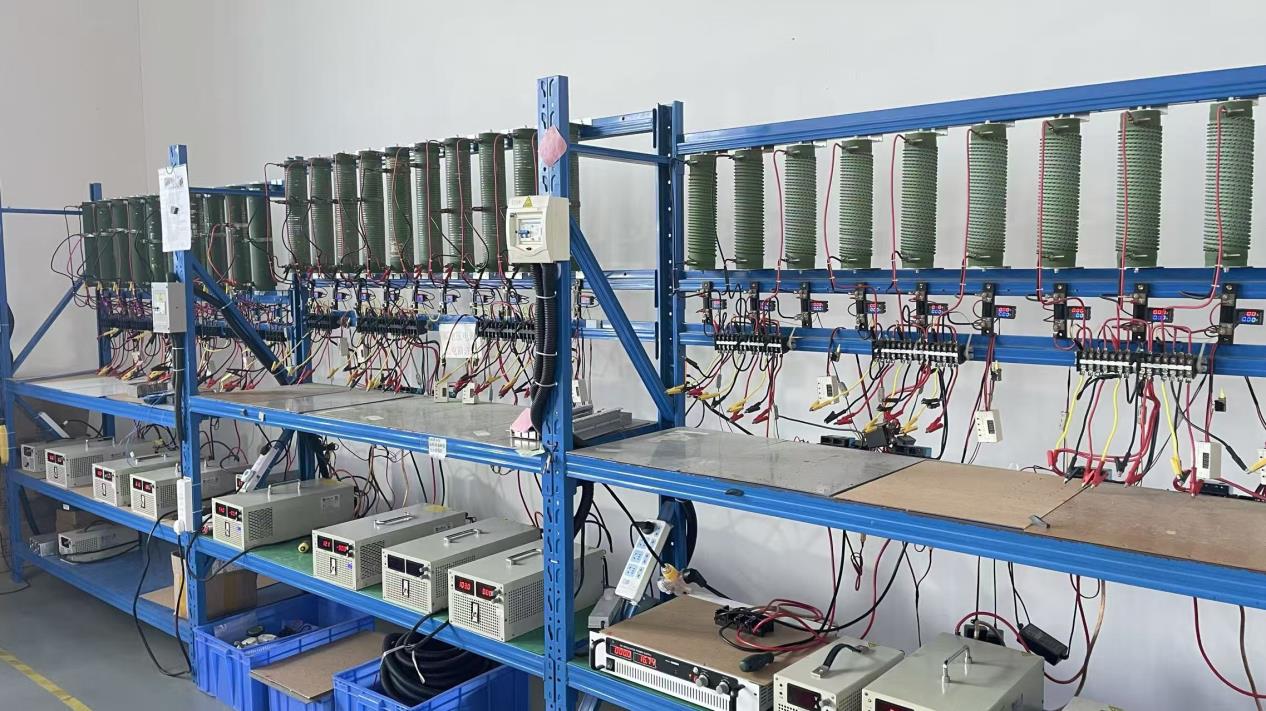
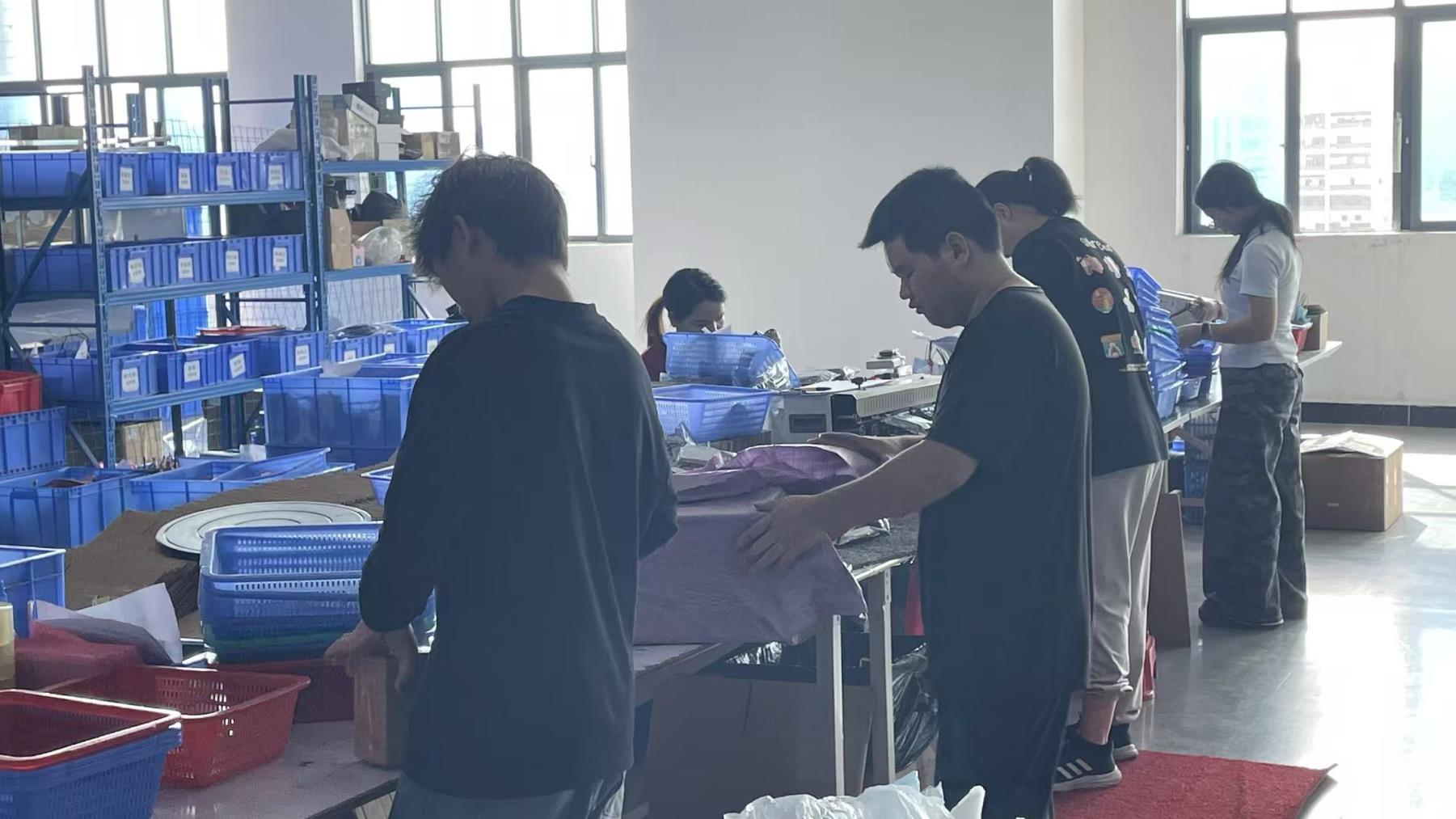
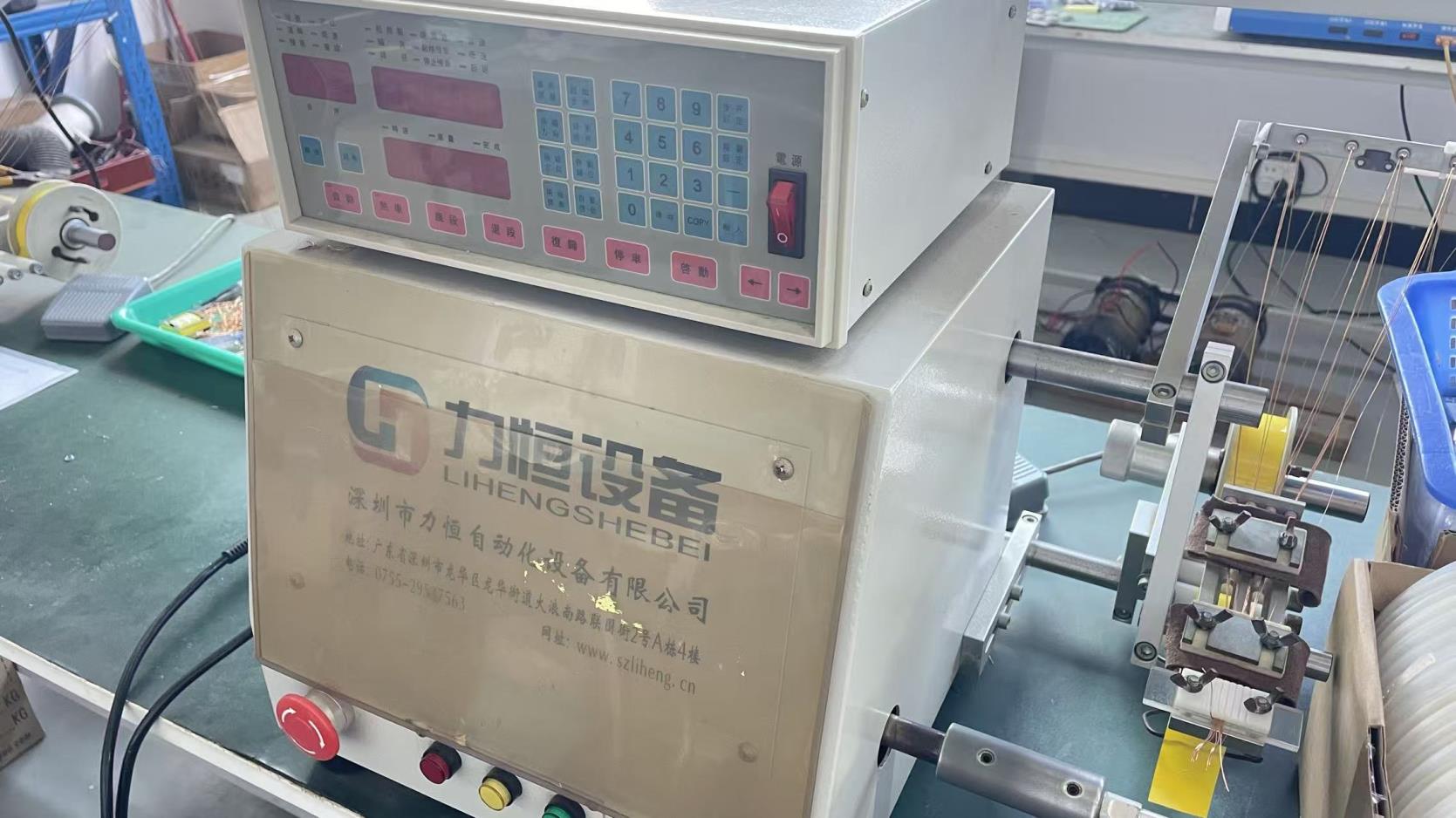
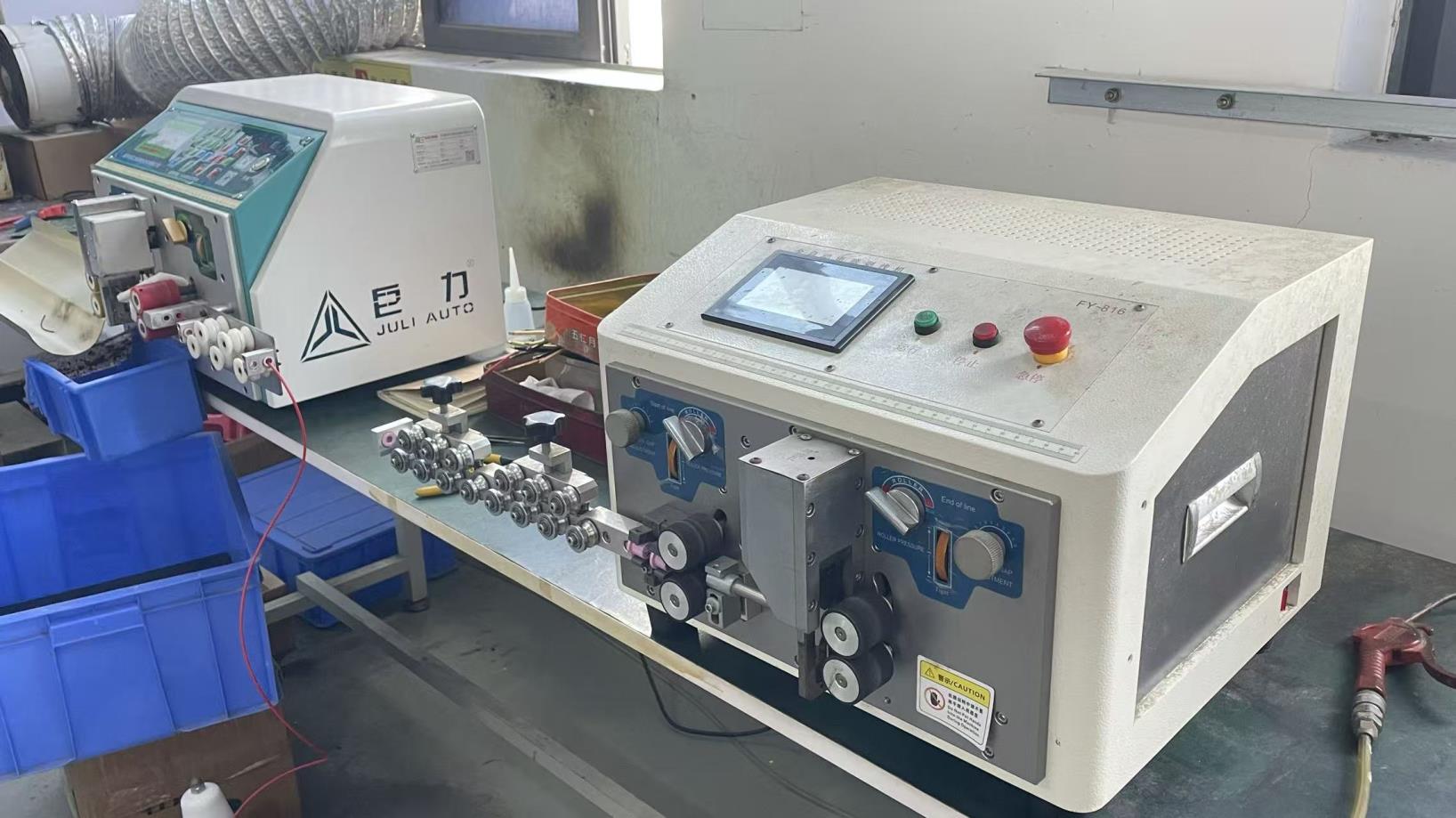


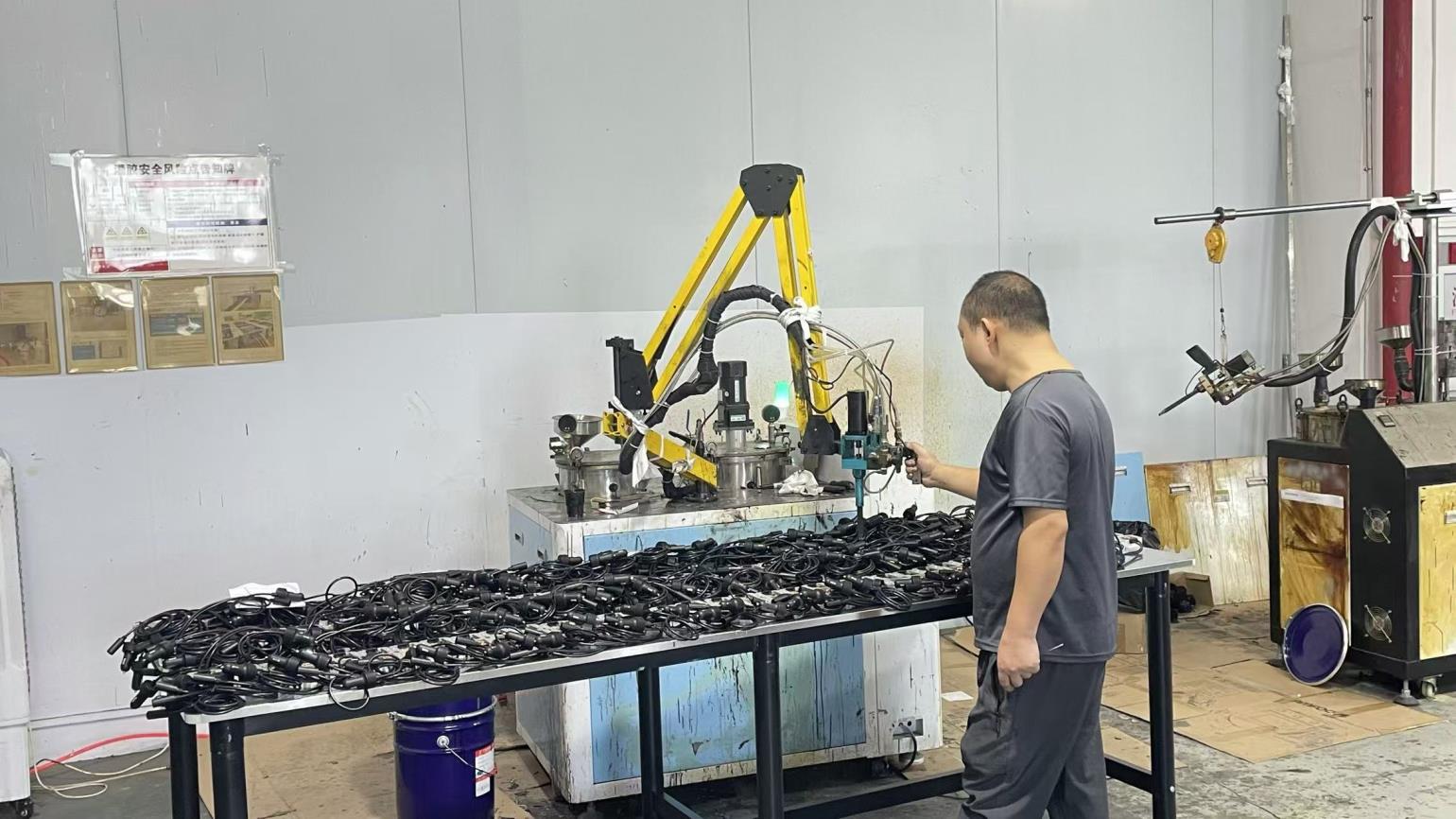
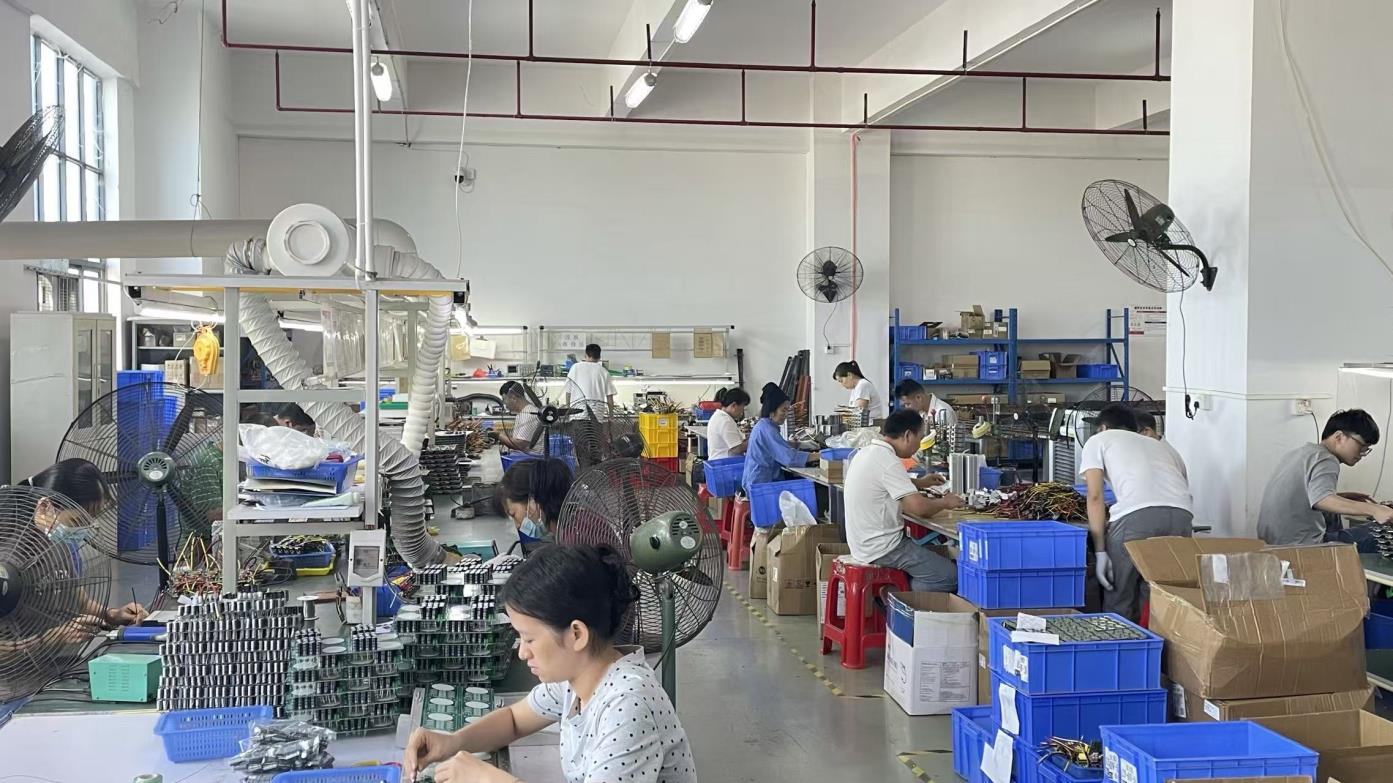
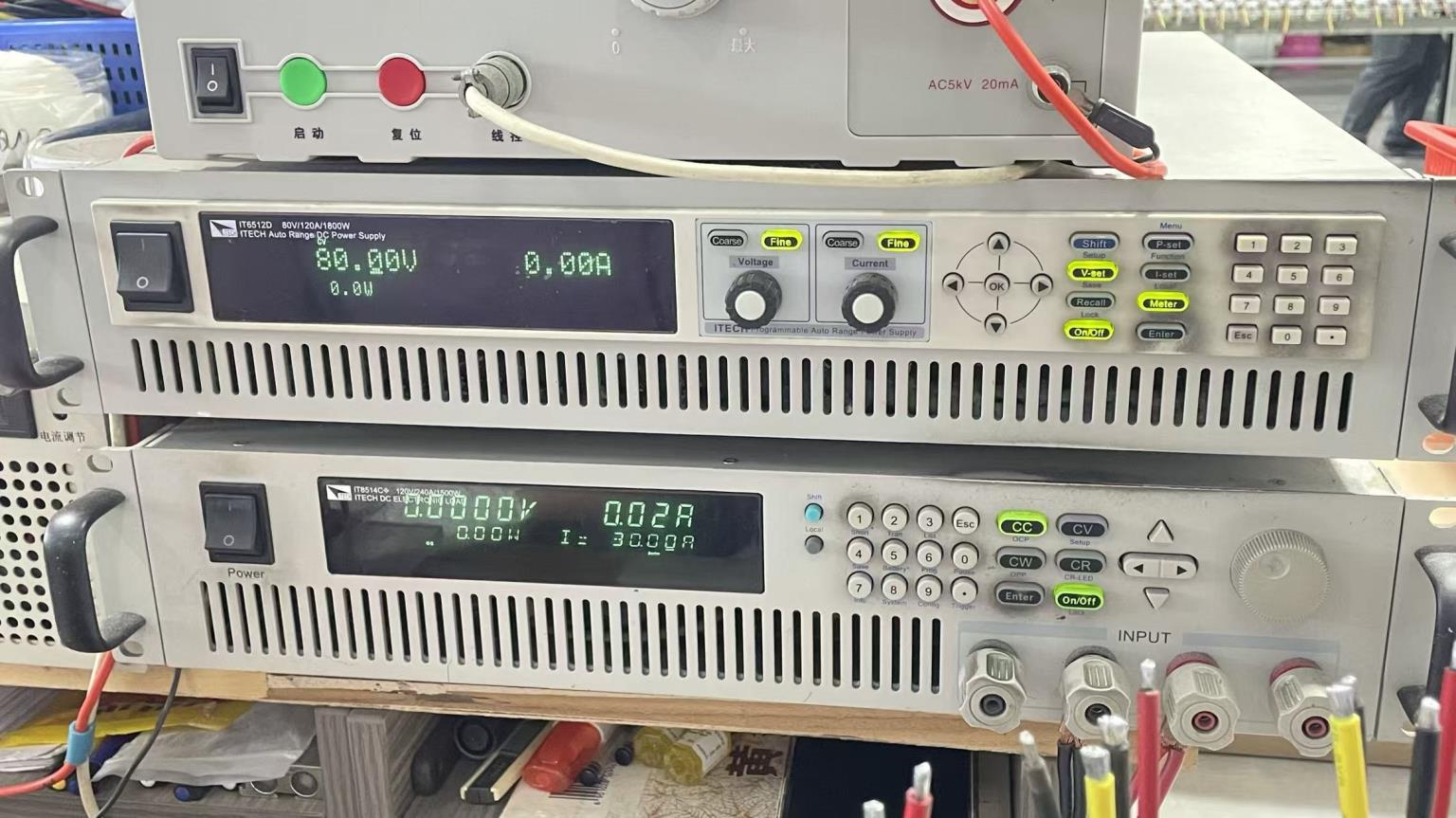
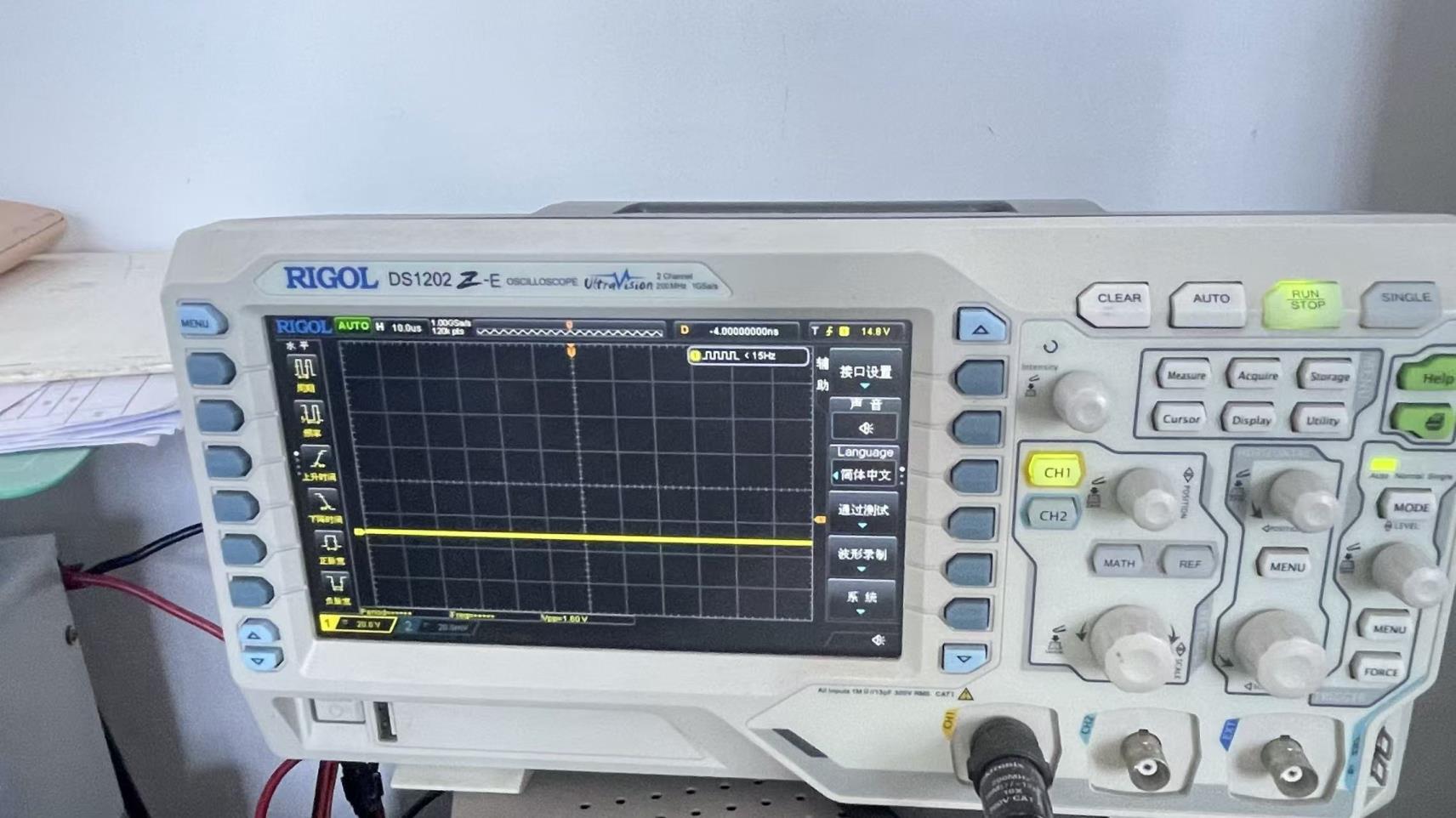
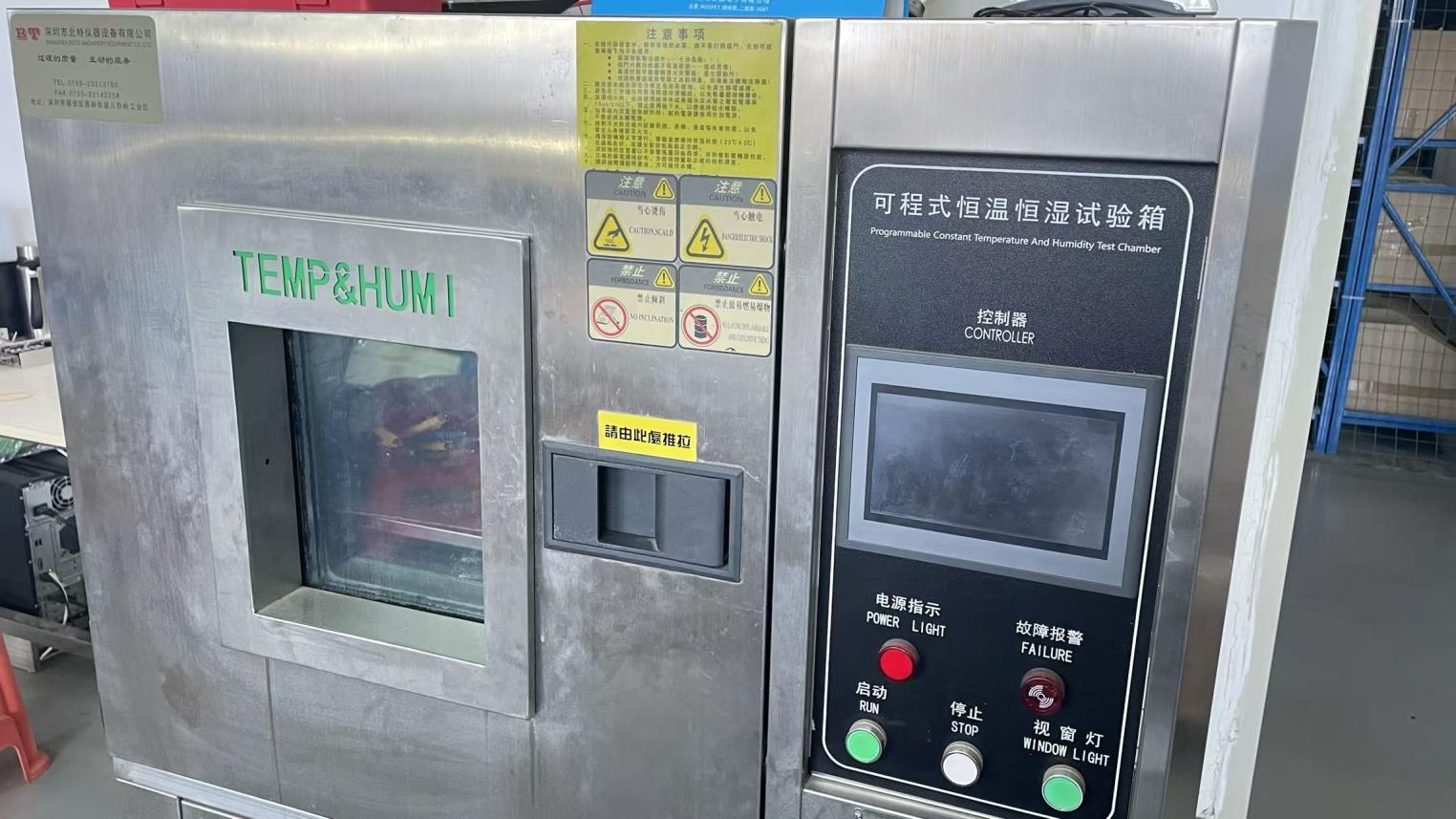
To ensure operational stability in industrial environments, every product undergoes testing in our internal laboratories.
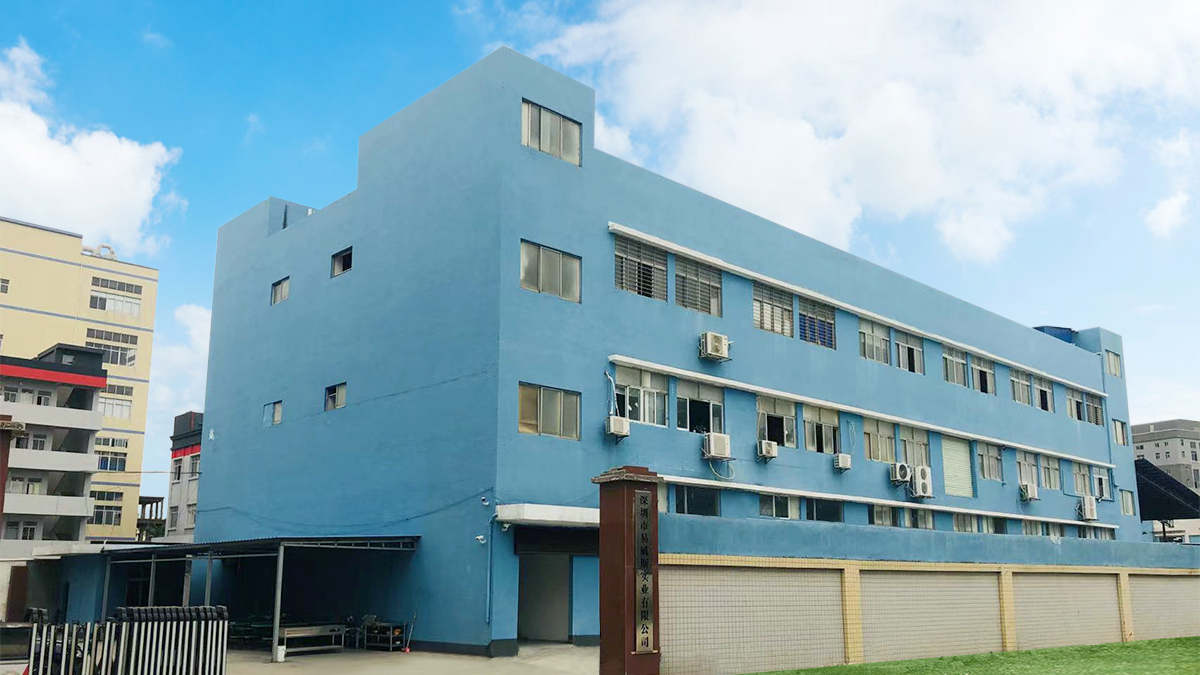
Mitigating procurement risks through engineering support and global safety standards compliance.
Procuring raw rectifier systems or custom industrial parts from overseas requires clear engineering alignment. The transition from technical specifications to on-site implementation demands clear communication, technical design documentation (CAD, electrical schematics), and prompt after-sales support.
EVS Powers supports clients' operational uptime through these service pathways:
Get answers to the common technical questions asked by system integrators, EPC engineers, and sourcing professionals.
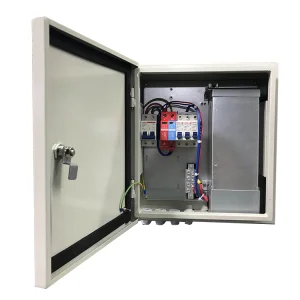
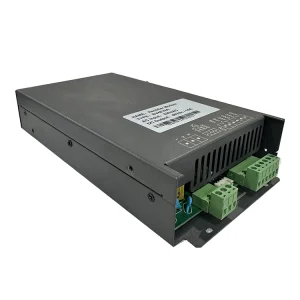
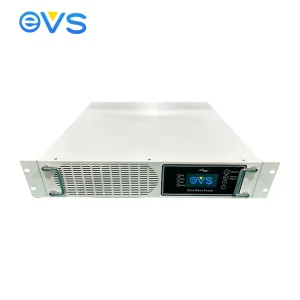
Explore our selection of converters, rectifiers, and custom UPS modules designed to support continuous industrial operations.
 EVS Powers