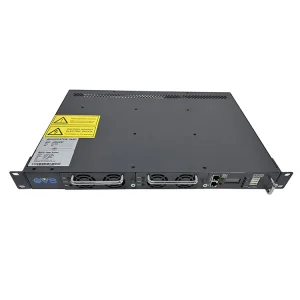
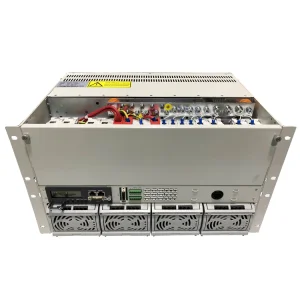
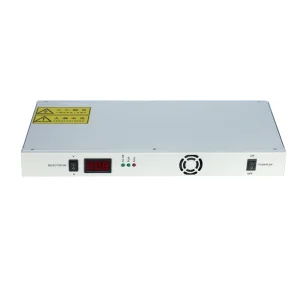
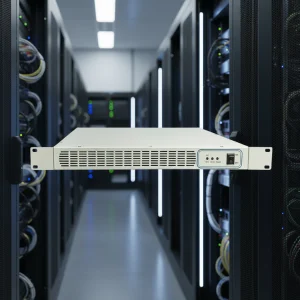
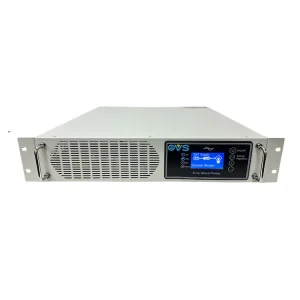
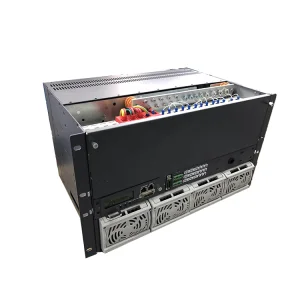
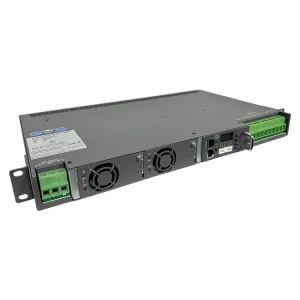
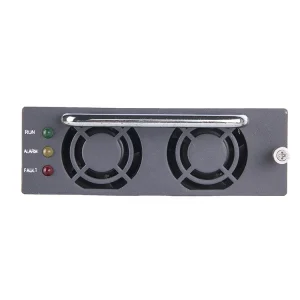
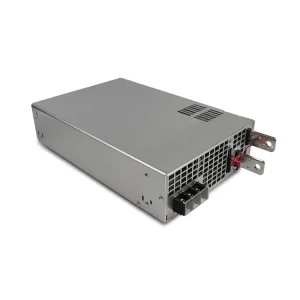
Explore our premium selection of Modbus/SNMP integrated power units, industrial rectifiers, and high-efficiency converters designed to synchronize with advanced battery management topologies.
Modern electrification demands intelligence at every node. As high-voltage and high-current power networks proliferate, the architecture of the Battery Management System (BMS) has transitioned from simple protection circuits to complex telemetry systems that communicate directly with switching rectifiers and DC-DC converters.
Integration of Modbus and SNMP enables direct communication between industrial rectifiers and battery controllers. Real-time logging of State of Charge (SoC) and State of Health (SoH) prevents thermal runaway and optimizes charging current curves dynamically.
Moving away from inefficient passive dissipative resistor circuits, global buyers favor smart active cell-balancing methods that redistribute charge rather than dumping it as waste heat, improving system lifespan by up to 35%.
High-capacity battery racks require integrated dynamic heating/cooling thresholds. Modern industrial controllers link variable speed fans and liquid pumps directly to BMS critical fault outputs, keeping operating temperatures under 45°C.
| BMS Architectural Metric | Passive Cell Balancing | Active Balancing Topology | Hybrid Micro-Grid Systems |
|---|---|---|---|
| Balancing Method | Resistor heat dissipation | Capacitive/Inductive charge transfer | Dynamic grid-tied load switching |
| Energy Efficiency | Low (heat generation) | High (>92% efficiency) | Optimized based on real-time demands |
| Thermal Footprint | Significant; requires heavy cooling | Minimal; preserves internal cell longevity | Distributed across external power modules |
| Integration Complexity | Simple / Low-cost | Complex MCU control required | Requires advanced SNMP / Modbus telemetry |
B2B procurement departments evaluating suppliers in China look beyond individual unit costs. Engineering, Procurement, and Construction (EPC) firms, telecom operators, and utilities require robust documentation, system compatibility, and operational reliability.
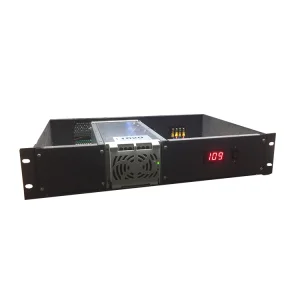
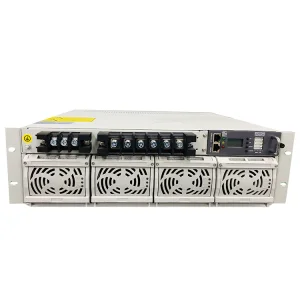
Global procurement teams favor modular, shelf-ready modules like our 2U Rack Mount Single Transformer Rectifiers that can easily scale from 10A to 80A setups in standardized rack structures without structural overhaul.
Compliance with IEC 62619, UL 1973, and CE regulations is mandatory for legal installation. Power systems must provide open communication SDKs and RS485 or CAN-bus hardware interfaces for smooth SCADA system integration.
With massive operational power overheads, a mere 2% improvement in conversion efficiency translates to thousands of dollars in savings annually. Our GZDW conversion and inverter technologies boast certified efficiencies of up to 94%.
Guangzhou EVS Powers Co., Ltd. sits in the heart of South China's key industrial electronics cluster. By implementing Factory 4.0 standards, we integrate automated component mounting, precision laser etching, automated soldering, and strict thermal validation, ensuring high supply reliability.
Guangzhou EVS Powers Co., Ltd., is located in the international trade hub of Guangzhou. As a professional, veteran manufacturer of switching power supplies, DC power systems, custom DC-DC converters, and power inverters, we integrate robust design methodology with raw industrial scale.
We regard clients' satisfaction as our top task, products' quality as the basis of development, and structural cost-saving as our primary competitive advantage. With excellent credit standing and premier OEM/ODM support, EVS has established long-term cooperation across Europe, North and South America, Australia, the Middle East, and Southeast Asia.
By using automated winding, wave soldering, and environmental burn-in rooms, we deliver uniform board designs with low defect rates, ensuring long-term performance under demanding operating conditions.
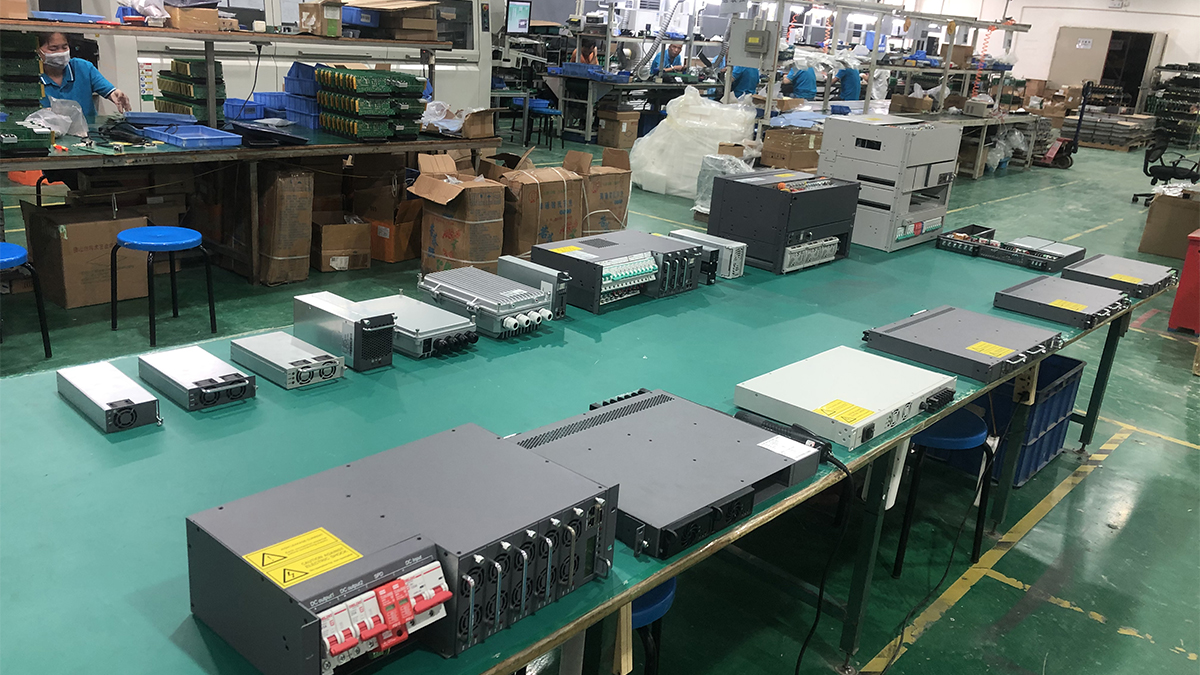
To guarantee consistent output across bulk OEM runs, we enforce a strict 13-step production workflow. Every stage is logged and verified.
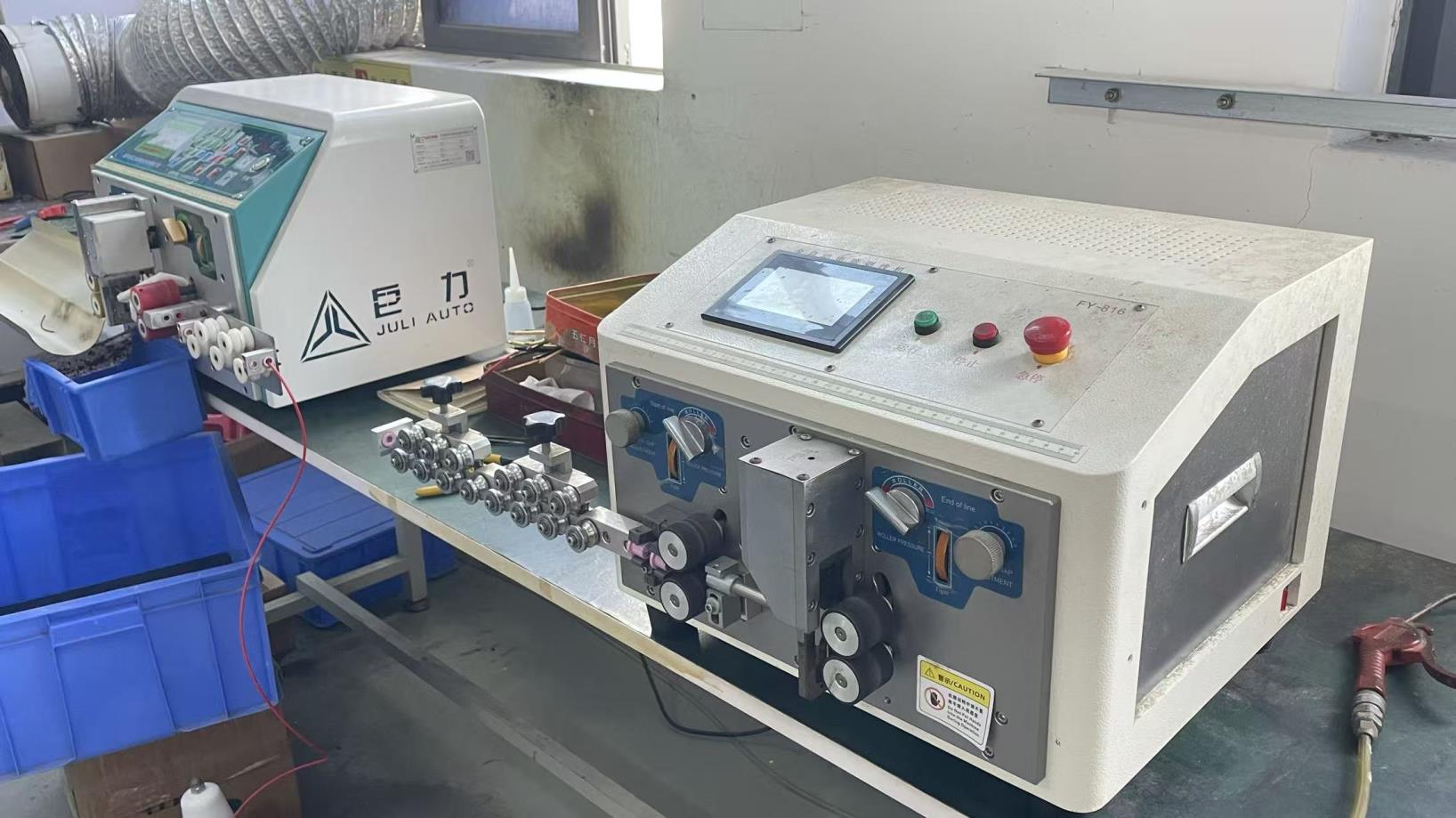
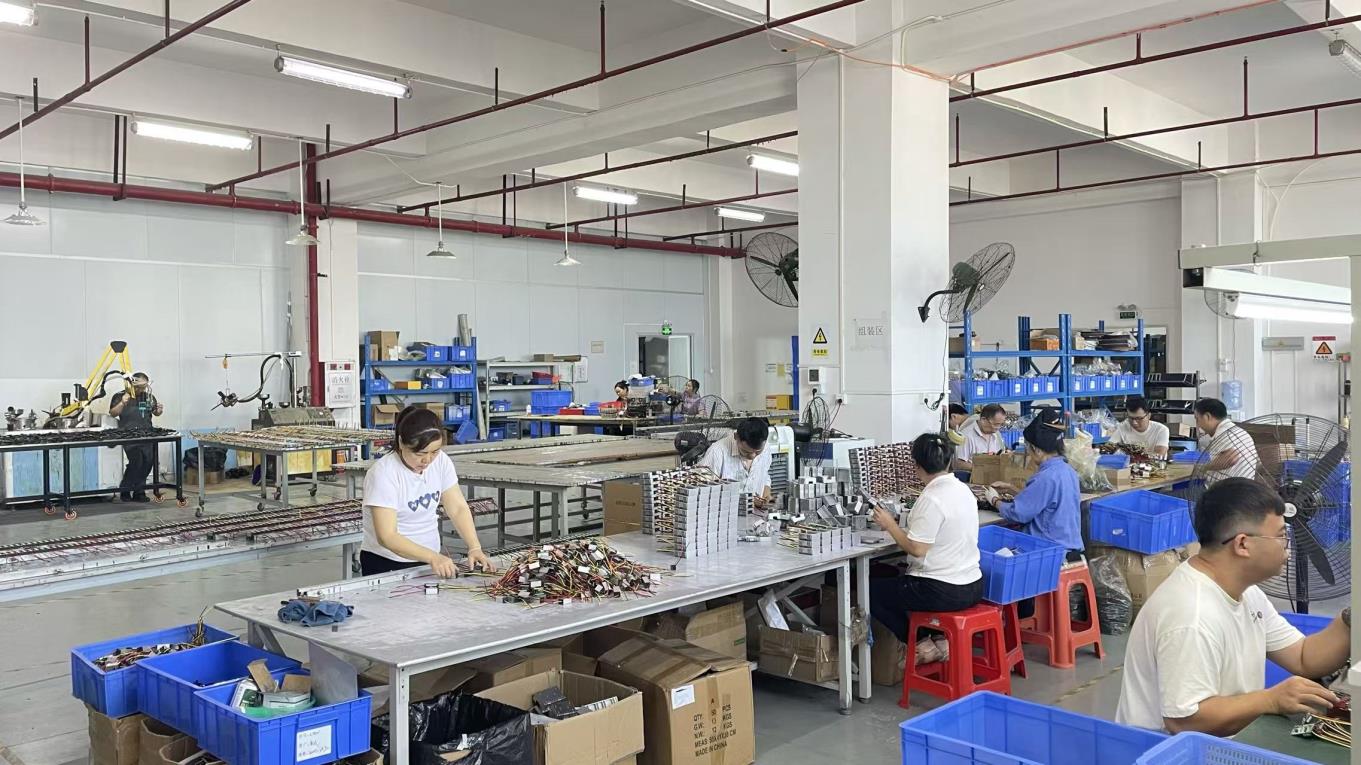

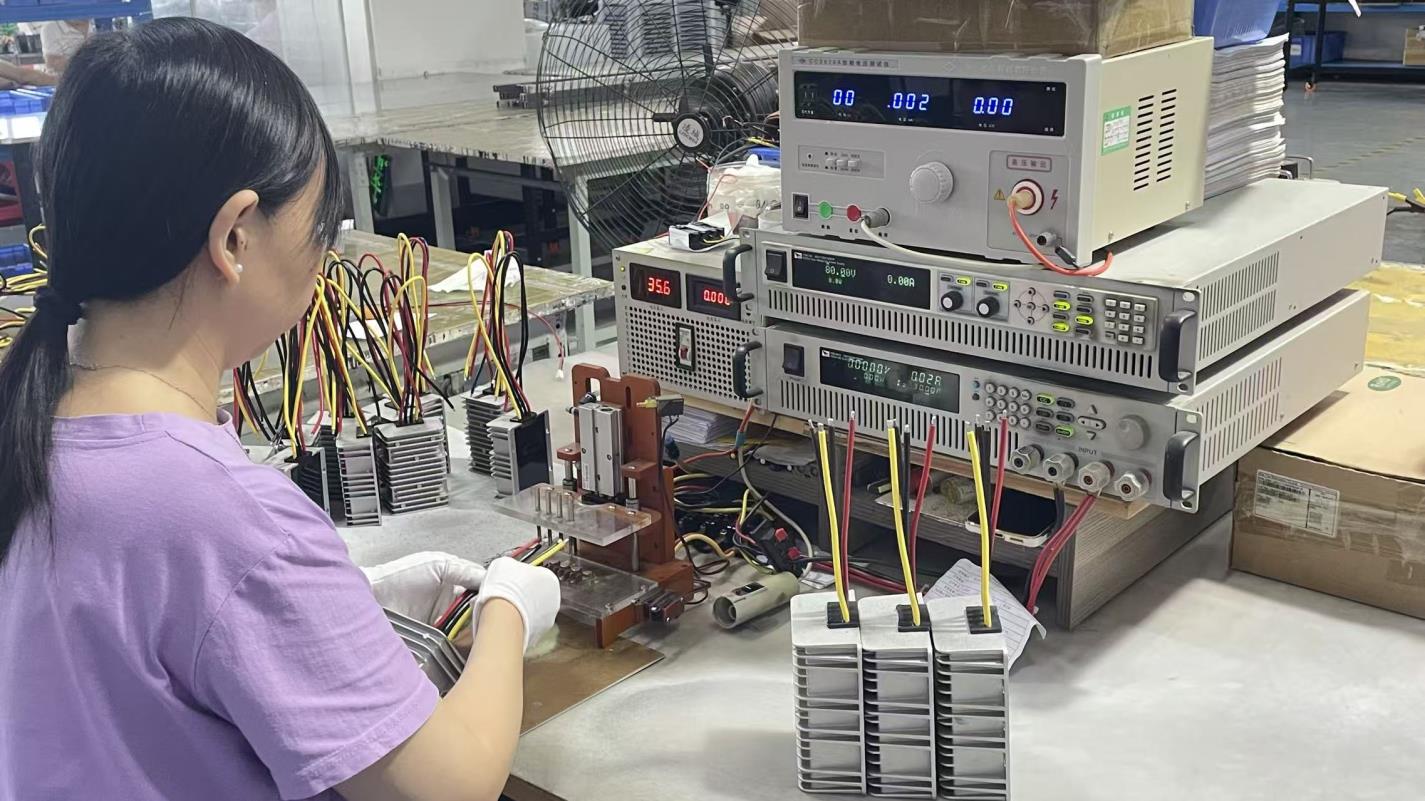
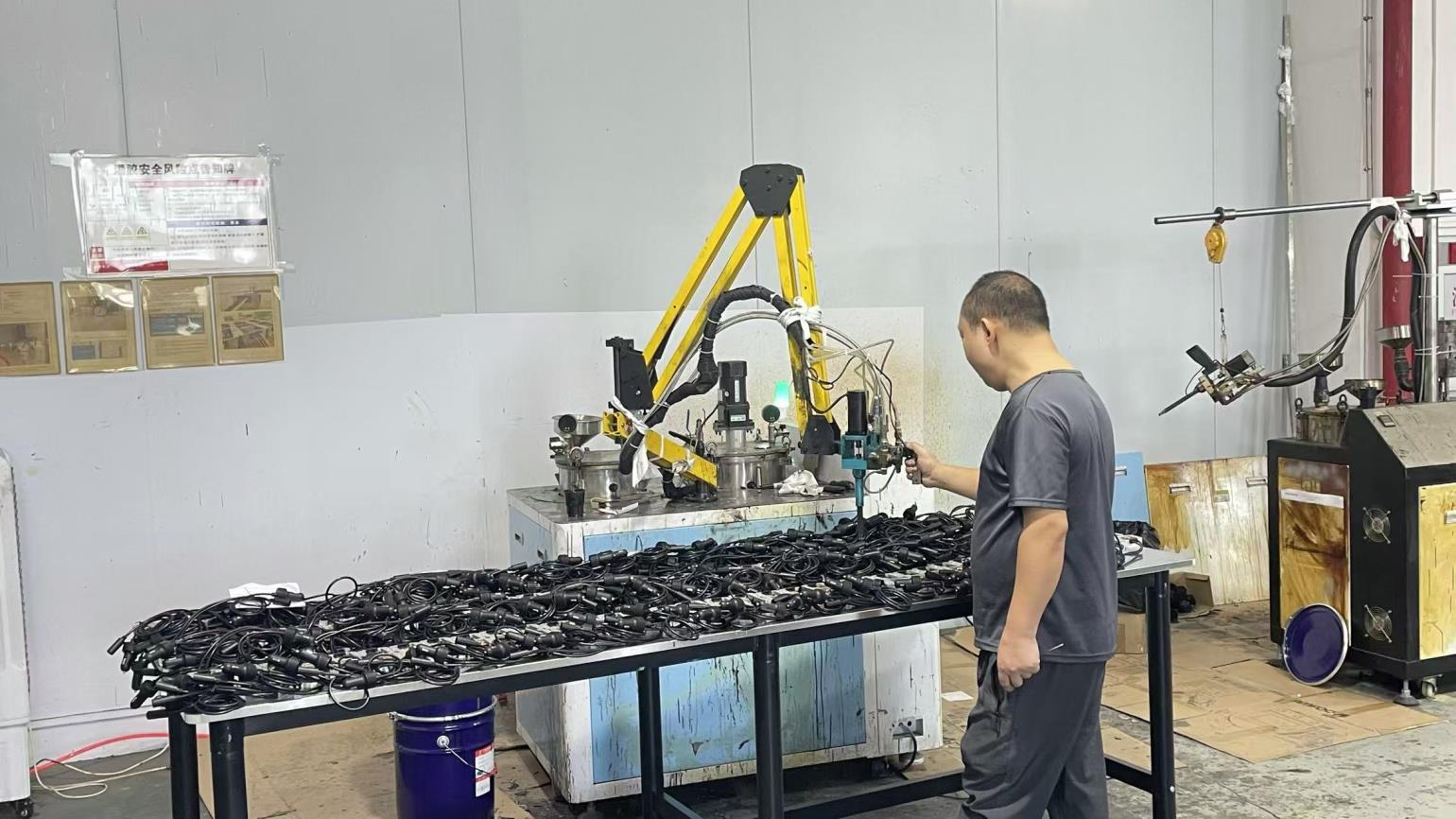
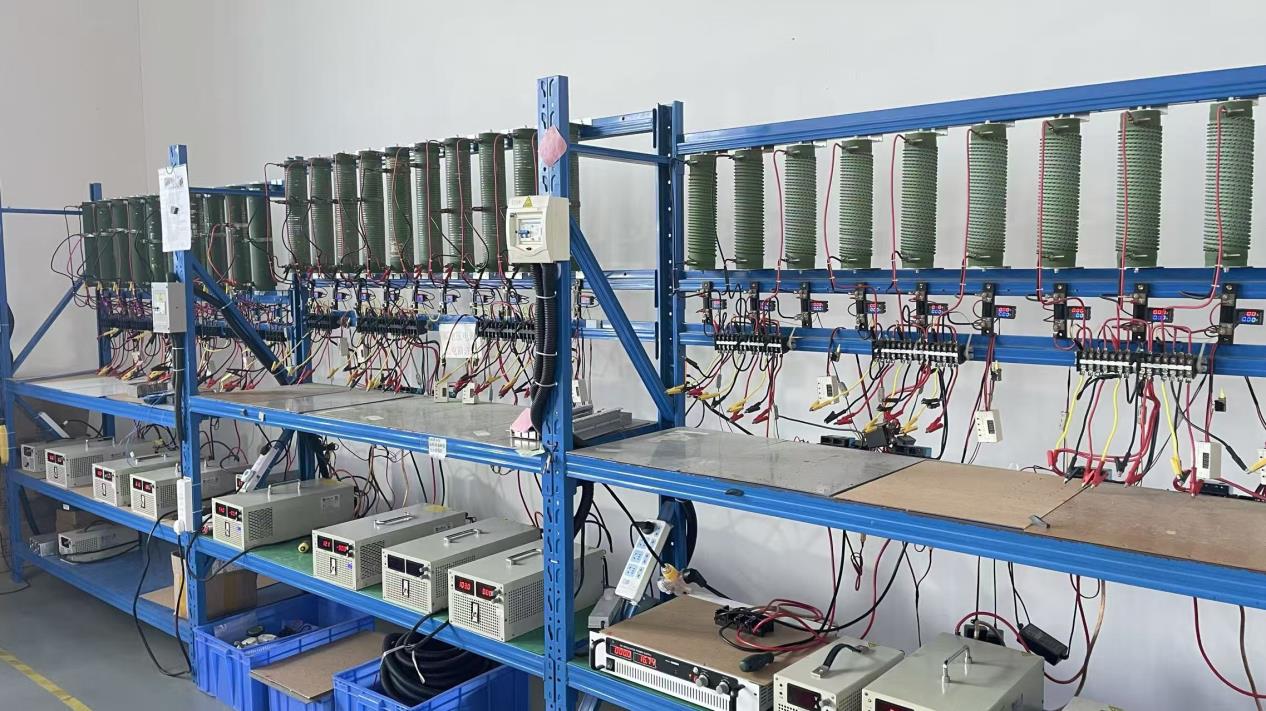

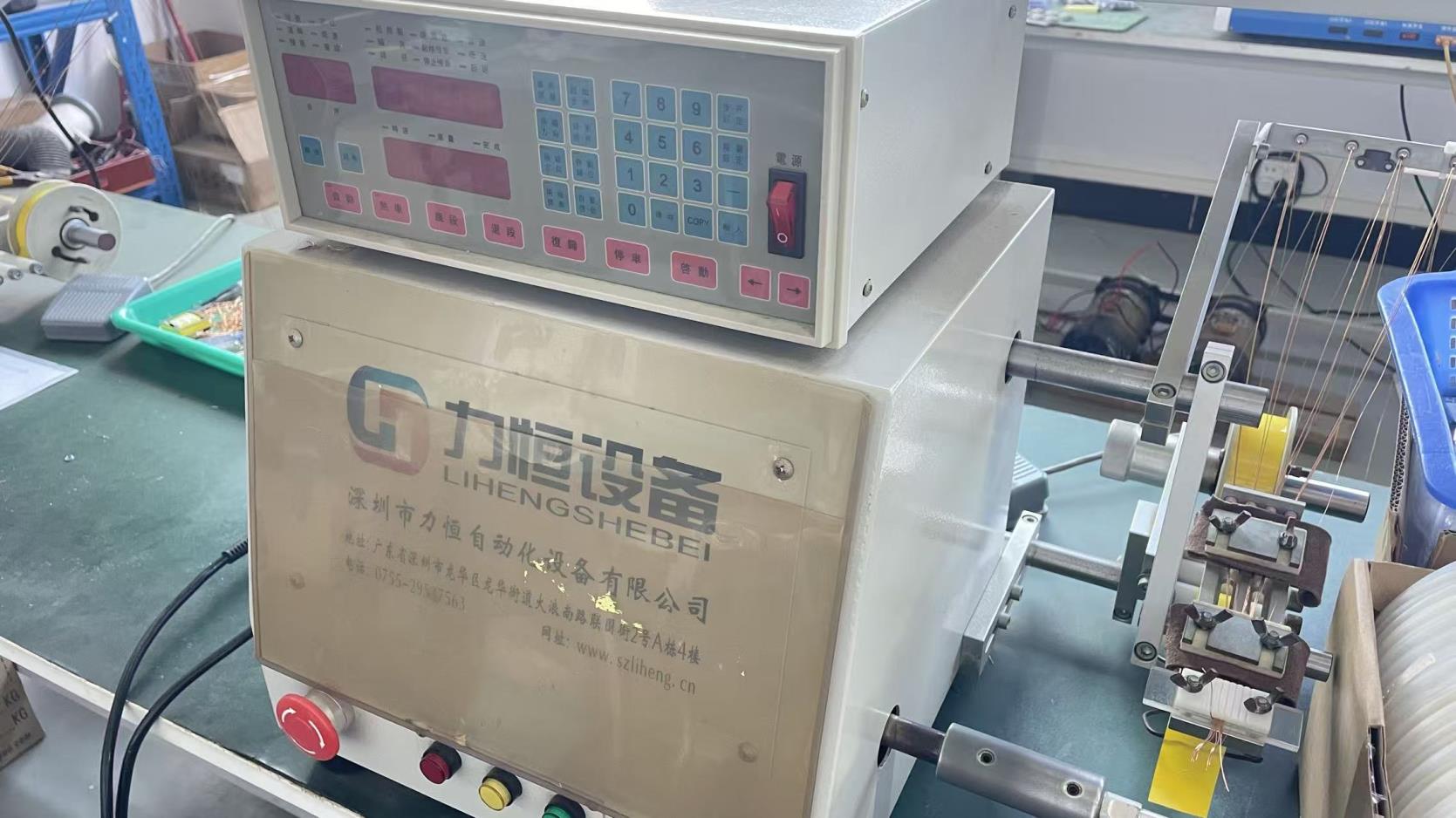
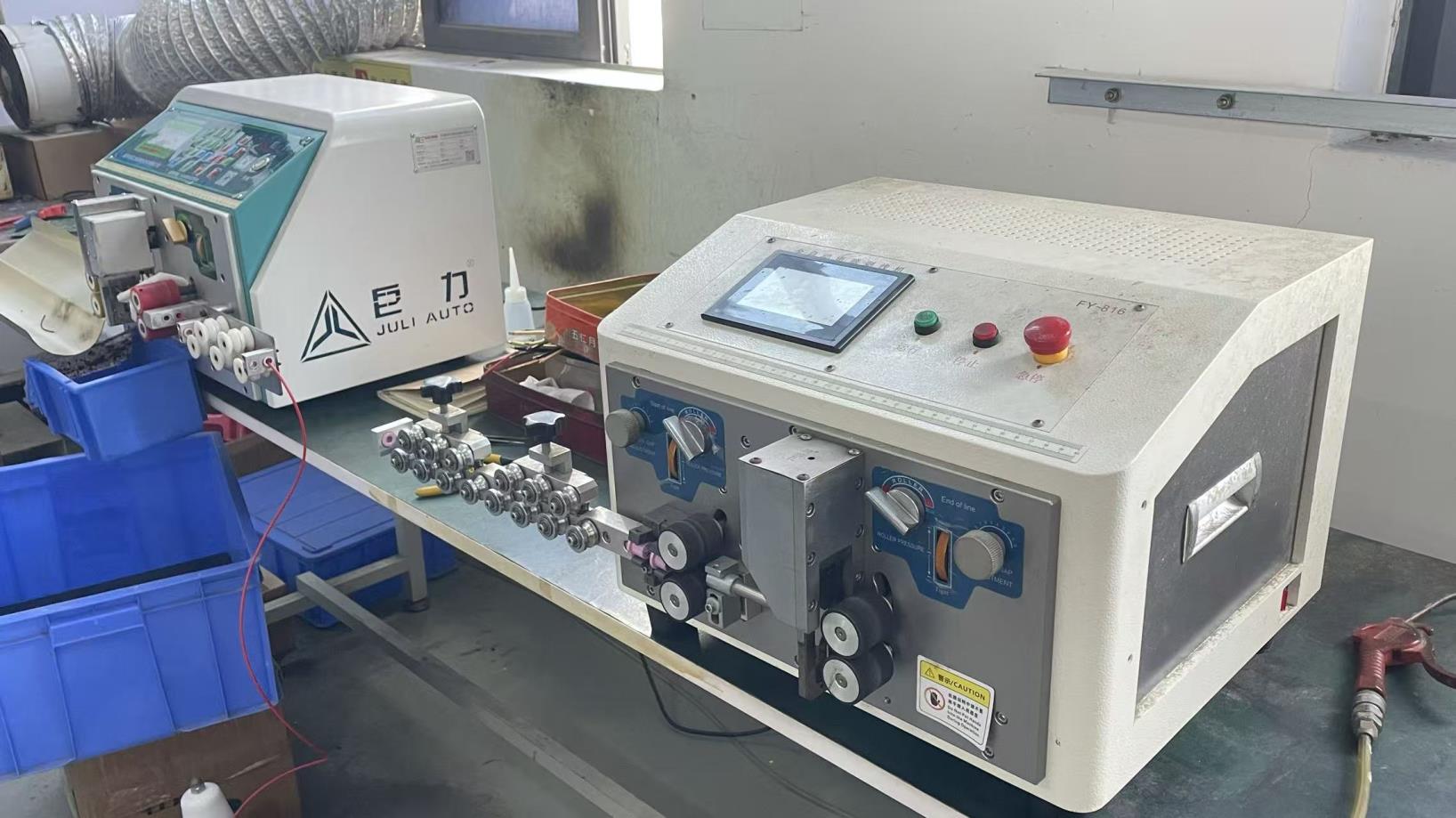


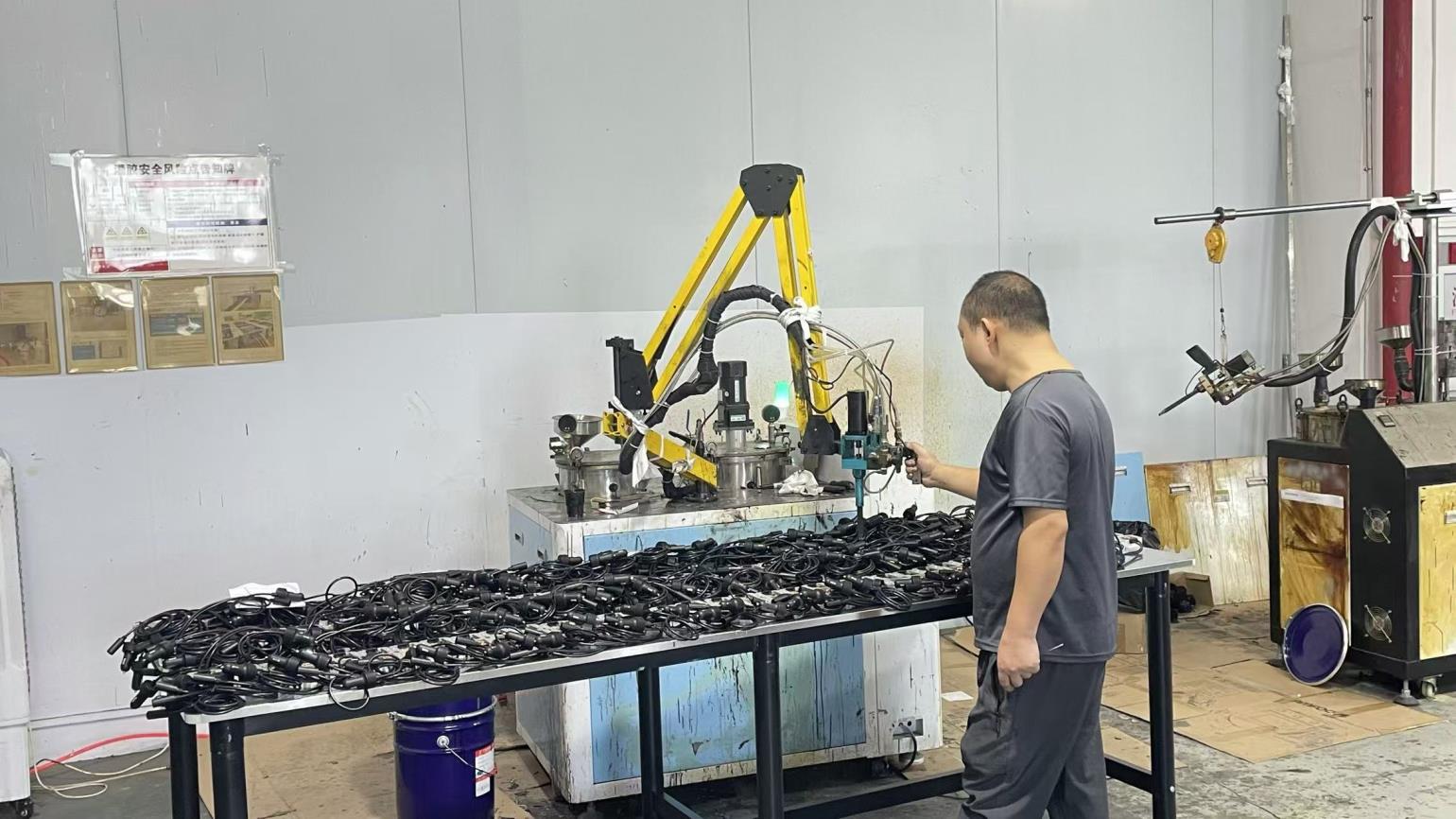

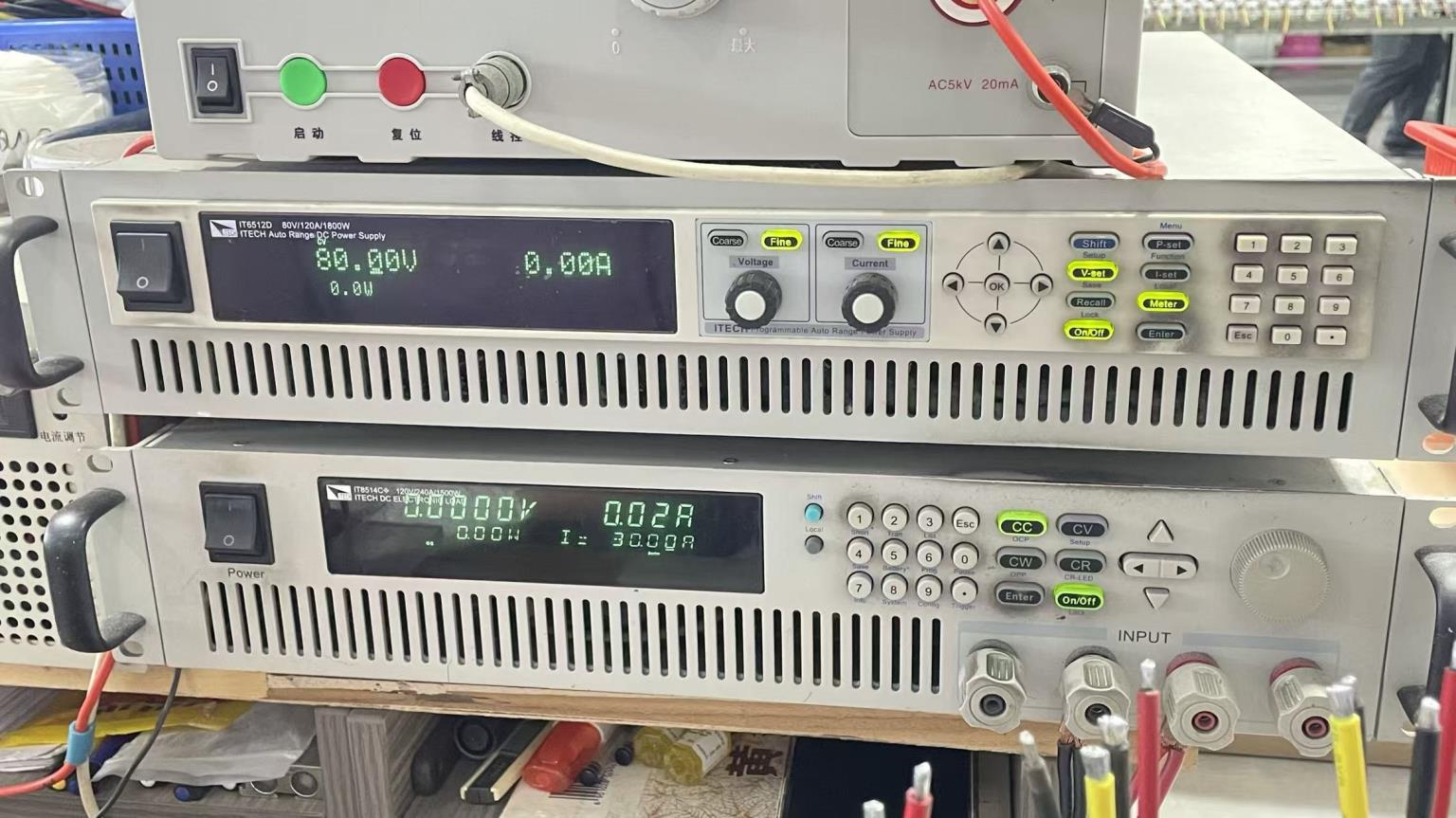
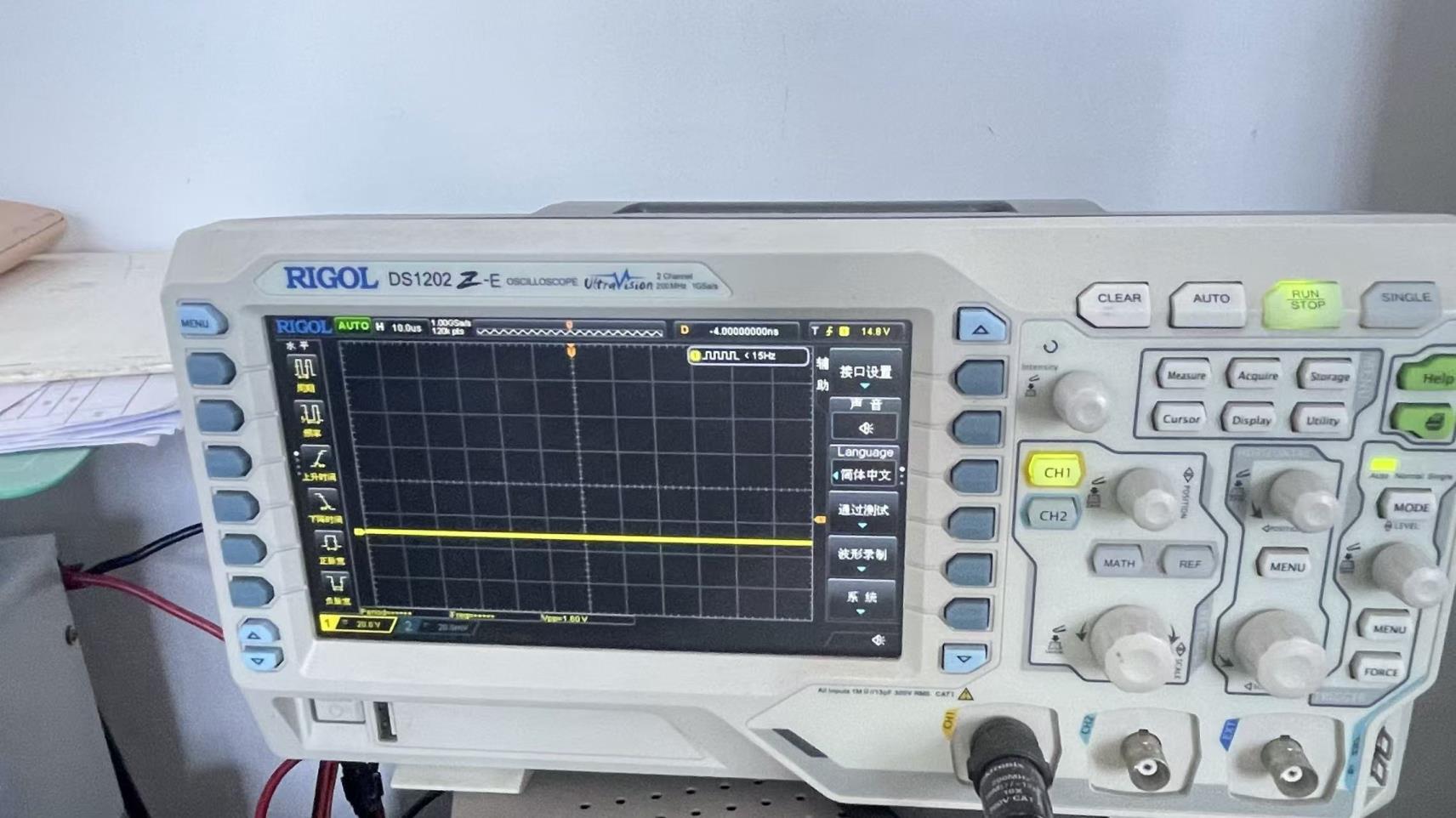
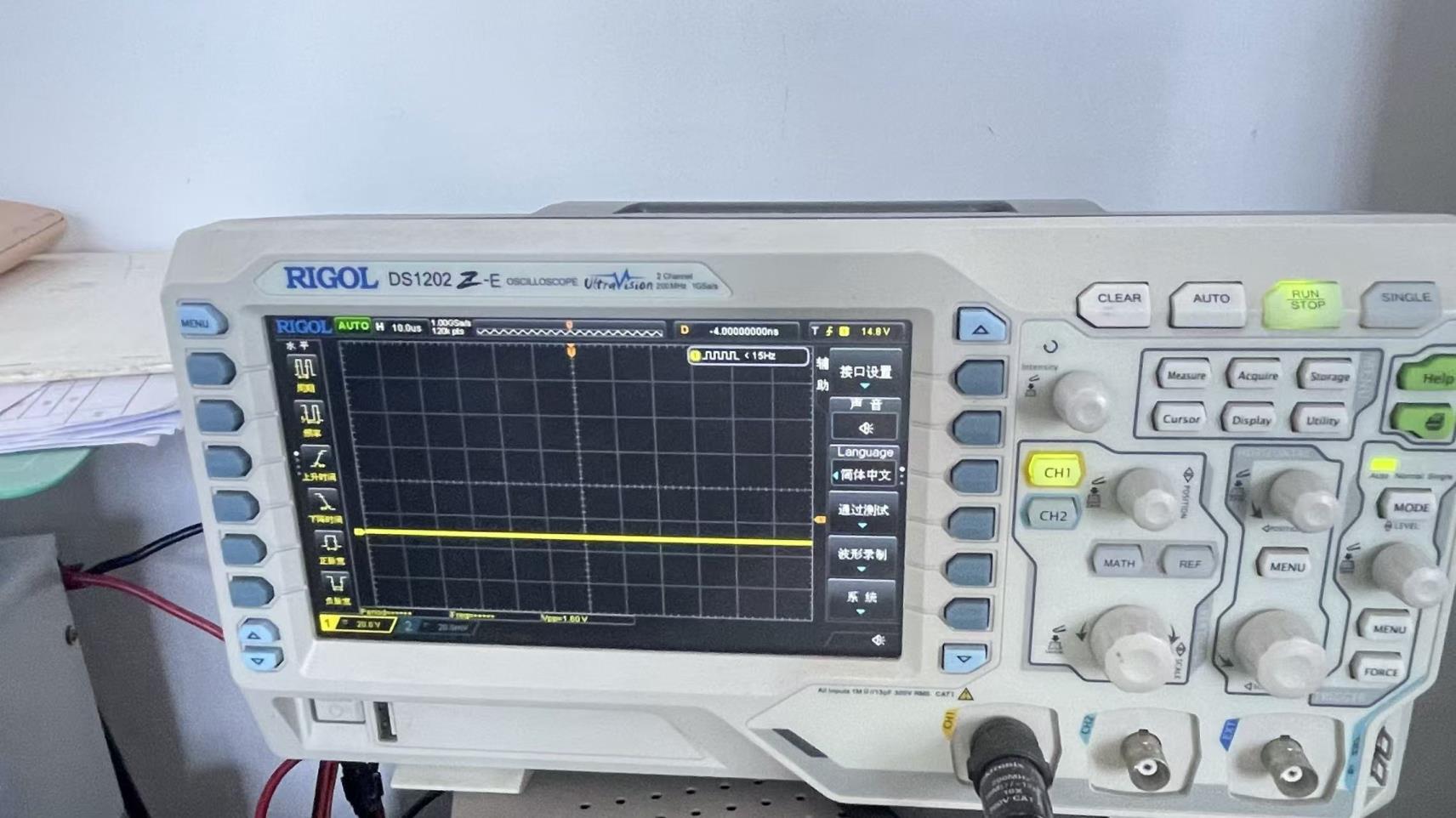
To ensure product reliability, we subject our rectifiers, inverters, and BMS power interfaces to a strict validation regime in our testing laboratory.

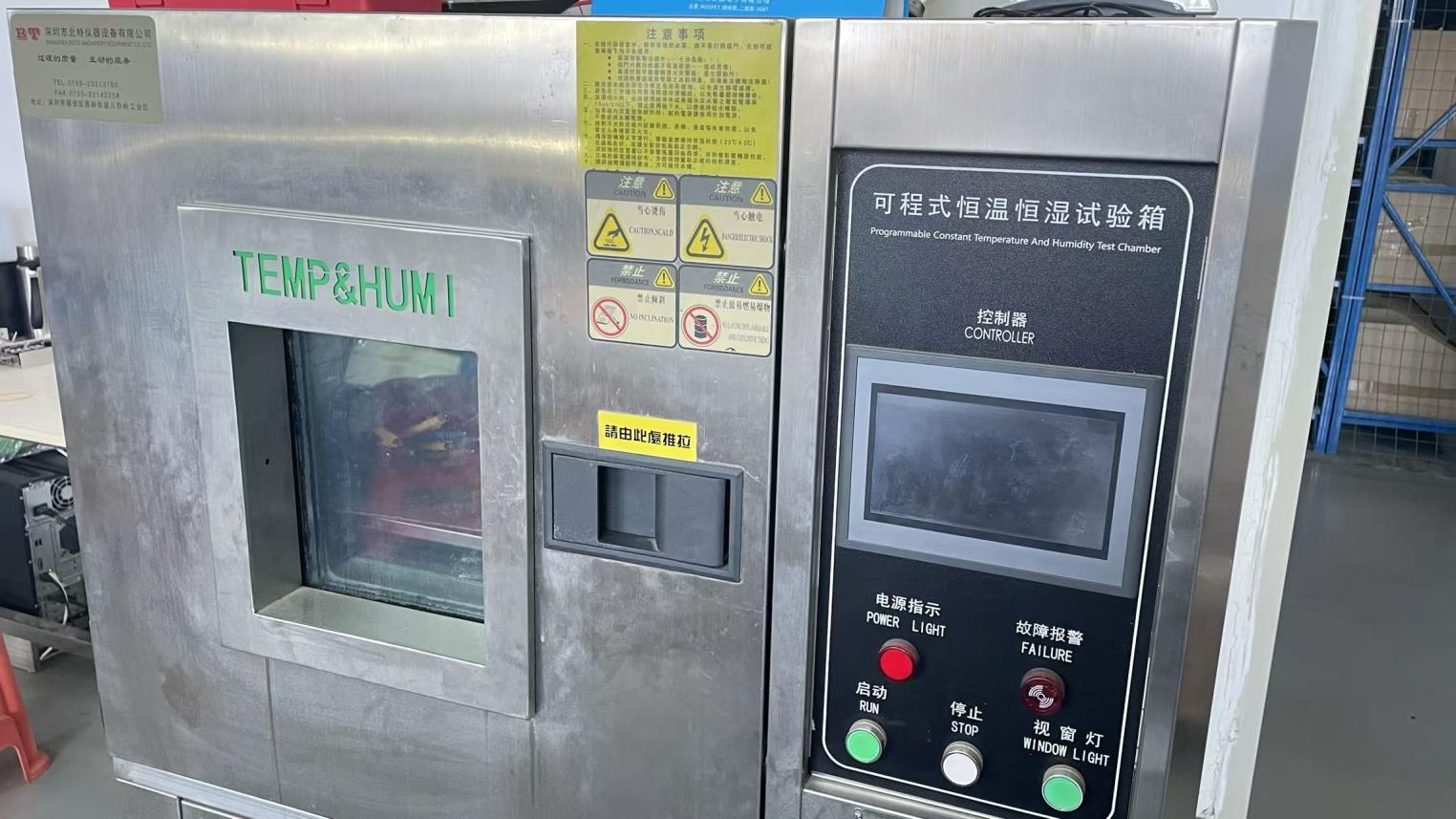
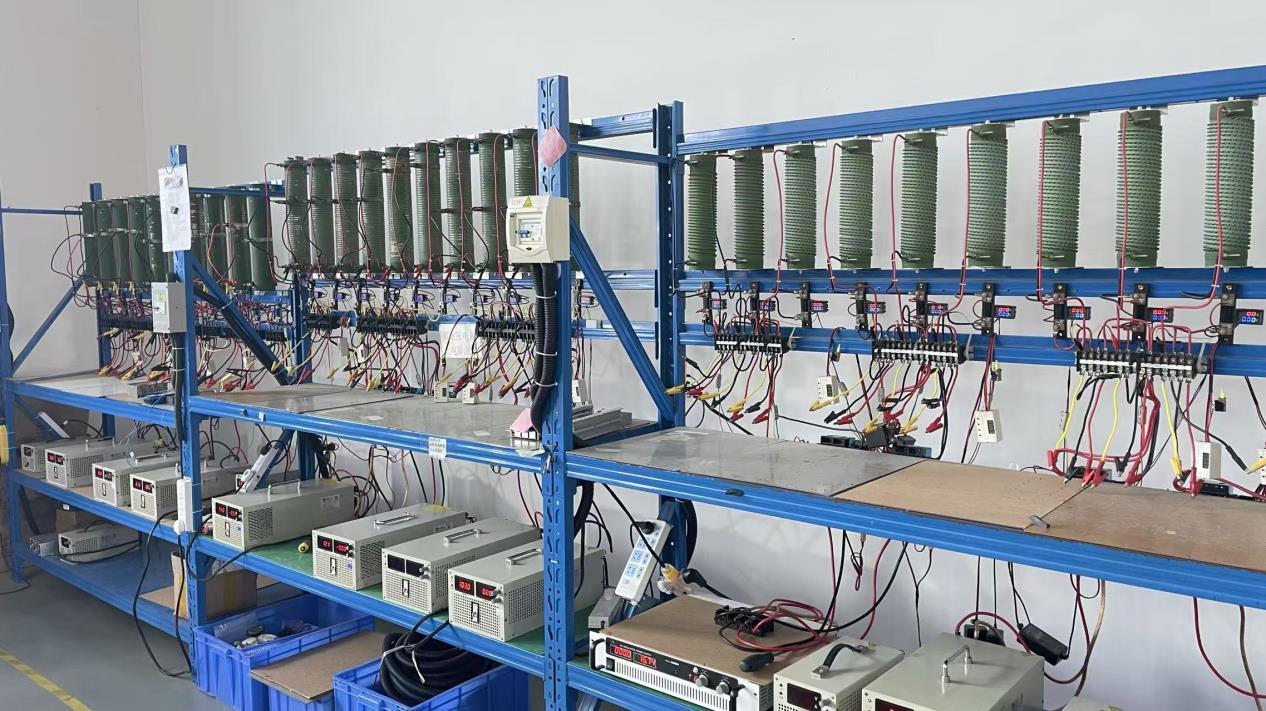
Our dedicated quality assurance facility is equipped to handle complex dynamic testing. Our systems undergo structural verification under extreme environmental conditions, ensuring high reliability in the field.
By simulating peak electrical loads, high humidity environments, and mechanical stresses, we ensure our power converters, switching rectifiers, and inverters meet the design specifications before shipping.

BMS and rectifier solutions are deployed in various settings, from remote telecom towers to utility-scale energy storage plants.
Requires redundant 48V telecom inverters and hot-swappable switching power systems. Smart SNMP interfaces transmit ambient battery temperatures and pack status to centralized control stations, preventing sudden outages.
Dynamic active balancing arrays manage battery cells under rapid charge-discharge profiles. Heavy-duty rectifier systems convert grid-level AC to high-voltage DC for efficient battery charging.
Online UPS architectures demand sub-millisecond switching speeds. SNMP monitors track performance metrics, while multi-phase inverters maintain clean sine-wave supply during grid transients.
Explore our secondary line of high-capacity DC rectifiers and switching converters engineered for clean electrical throughput.
Technical responses to the most common queries raised by international procurement managers and power design engineers.
 EVS Powers