EVS Powers
1 / 5
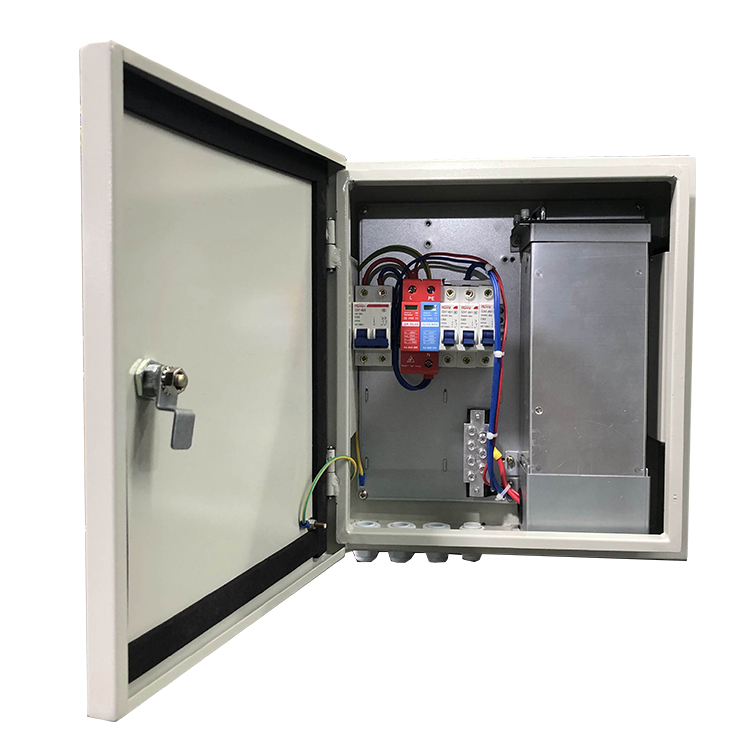
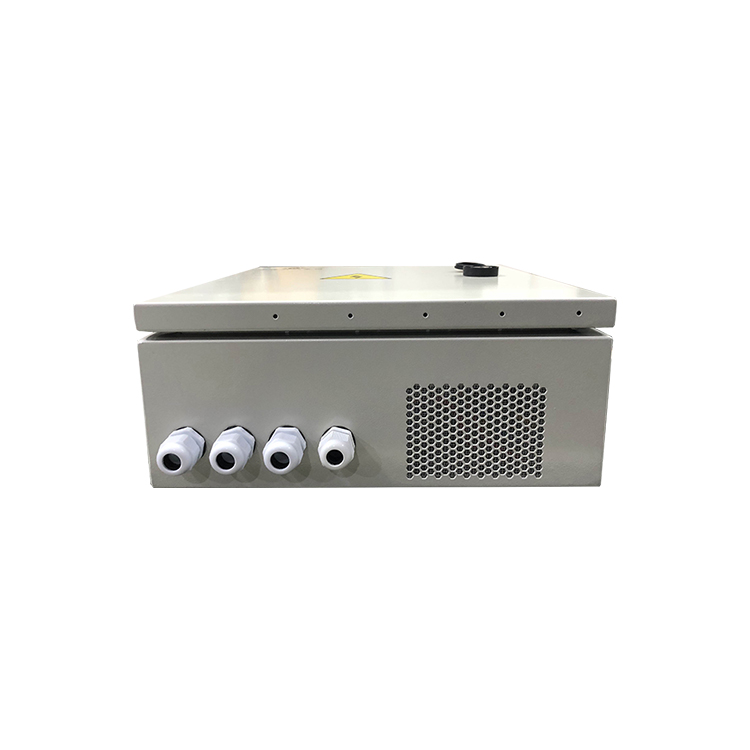
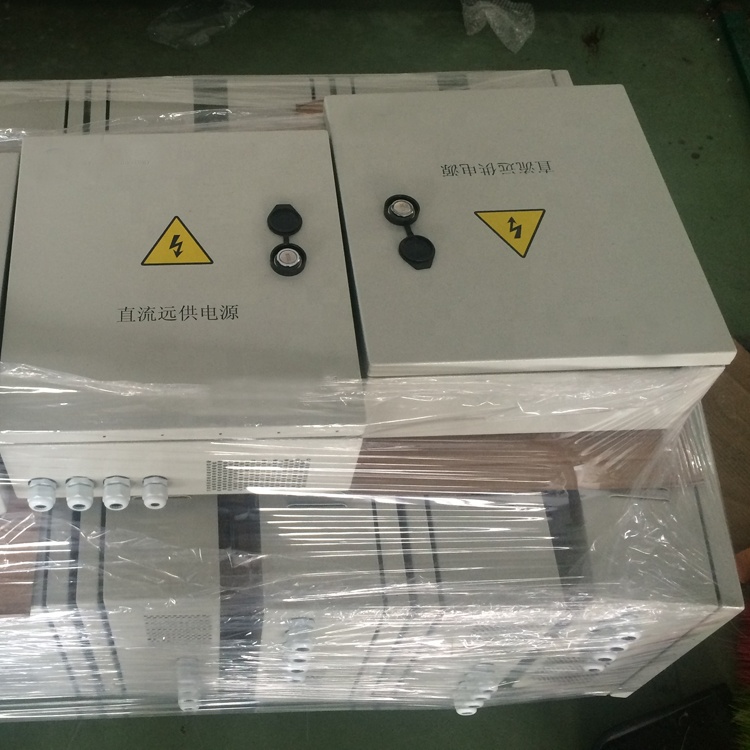
Features with the following specifications:
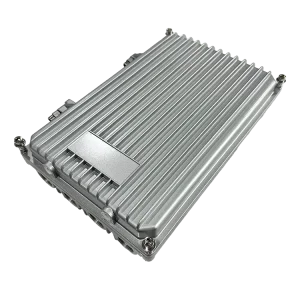
The main function of a rectifier module is to convert AC electrical signals into DC electrical signals. It typically consists of components such as diodes and capacitors. Its basic working principle is as follows: When the input is a sinusoidal voltage, the diode conducts during the positive half-cycle, charging the capacitor. During the negative half-cycle, the diode is cut off, and the capacitor discharges through the load. The charge stored in the capacitor remains constant during both positive and negative half-cycles, resulting in a unidirectional pulsating DC signal. Common rectifier module structures include half-wave rectification, full-wave rectification, and bridge rectification.
Rectifier modules are an important component of power supply circuits and are widely used in the power supply systems of various electrical devices, such as televisions, mobile phone chargers, and computer power supplies. In these applications, the rectifier module stably converts AC voltage into DC voltage, providing a stable power supply for subsequent circuits.
In addition, rectifier modules are often used as components in motor control circuits to convert AC electrical signals into DC electrical signals for motor power, thereby enabling motor starting and operation. Rectifier modules are also commonly used in power grid pollution control, where a converter is connected to the power grid, and the rectifier module converts the power into DC power for more stable control.
The rectifier module is one of the indispensable core components in power supply circuits. Its main function is to convert AC electrical signals into DC electrical signals, ensuring that all components in the circuit receive a stable power supply. It has a wide range of applications in the electrical industry, and also plays an important role in industrial automation and the energy sector.
| DC Power system performance index input | |||||
| Parameter | Min. | Rated | Max. | Unit | Note |
| Rated voltage range | - | 110/220 | - | Vac | - |
| Input voltage range | 90 | 220 | 290 | Vac | Three-phase five-wire input phase to phase 380V / relative zero line 220VAC |
| Output voltage range | 42 | 53.5 | 58 | Vdc | - |
| Battery input | 40 | 53.5 | 60 | Vdc | Battery pack’s positive and negative in parallel with DC output of rectifier module (polarity consistent) |


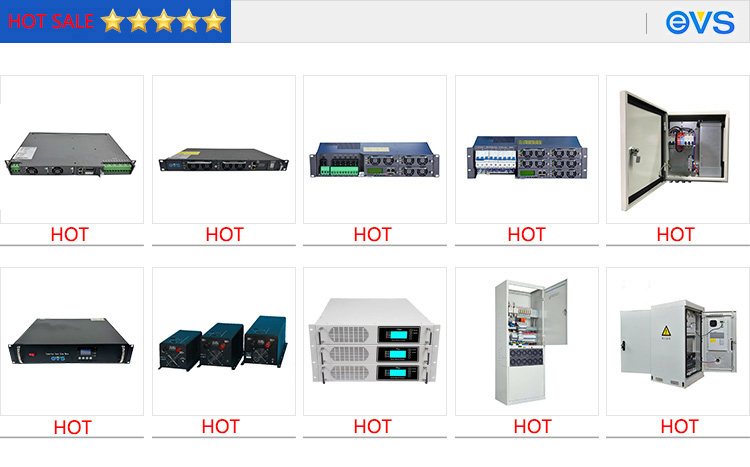
The primary function of a rectifier module is to convert Alternating Current (AC) electrical signals into stable Direct Current (DC) electrical signals, ensuring that electronic components receive a constant power supply.
Common structures used to achieve rectification in circuits include half-wave rectification, full-wave rectification, and bridge rectification designs.
They are widely applied in power supplies for televisions, chargers, computers, motor control systems, industrial automation, and power grid pollution control systems.
The input voltage range is from 90 Vac to 290 Vac, with a rated voltage range of 110/220 Vac, supporting three-phase five-wire setups.
The DC output voltage range is 42 Vdc to 58 Vdc (Rated 53.5 Vdc). The battery input voltage operates between 40 Vdc and 60 Vdc connected in parallel with consistent polarity.