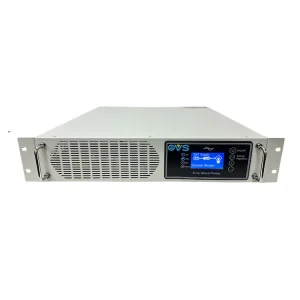
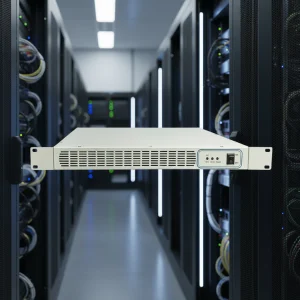
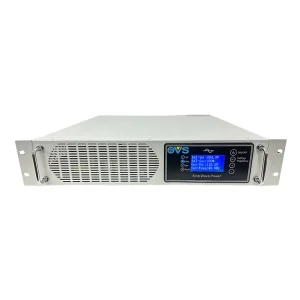
Highly stable DC-AC rack-mount inverters engineered for seamless integration with Ooredoo, Vodafone Qatar networks, and local industrial data centers.
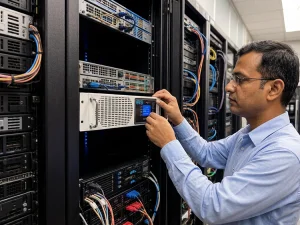
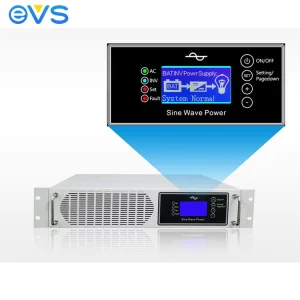
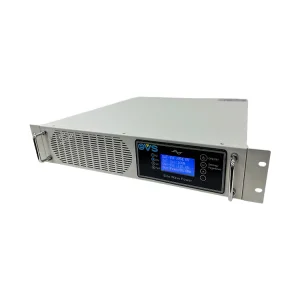
Doha, the hyper-modern capital of Qatar, has established itself as one of the world's most sophisticated digital landscapes. Under the framework of the Qatar National Vision 2030, Doha is undergoing a massive transformation powered by smart city rollouts (like Lusail City), extensive 5G networks, and oil & gas automation. Key telecommunications players such as Ooredoo Qatar and Vodafone Qatar require highly resilient grid systems to support outdoor micro-stations, remote telemetry units, and urban macro-sites.
However, Doha presents some of the most challenging operating conditions globally. Summer temperatures regularly exceed 50°C, and relative humidity near the Persian Gulf can reach 90%. Dust storms and high salinity levels accelerate thermal and chemical stress on electronic components. Standard commercial-grade power inverters quickly fail due to electrolytic capacitor dry-out and thermal overload. To prevent costly downtime, infrastructure operators require industrial-grade, pure sine wave rack-mount telecom inverters with active thermal management, wide DC input range tolerance, and conformal coatings.
Power Conversion Efficiency
R&D and Factory Experience
Ambient Temperature Tolerance
Field Defect Rate (MTBF 200k Hrs)
Analyzing the technological shift from legacy systems to highly integrated, software-defined power conversion architectures.
The global telecommunications landscape is experiencing a rapid transition to 5G, which requires three to four times the power consumption of 4G base stations. This surge has forced network operators to optimize their power chains, focusing heavily on total cost of ownership (TCO) and space conservation. High-density rack-mount designs (1U/2U/3U form factors) have become the industry standard, allowing modular integration directly into standard 19-inch cabinets along with telecom servers and backup lithium batteries.
Another key trend is the integration of green energy microgrids. In remote desert areas of Qatar, hybrid solar-battery systems are replacing noisy diesel generators. Our modern telecom inverters are designed to accept wide DC input fluctuations, ensuring compatibility with varying solar charger voltages and smart grid load-shedding configurations. Furthermore, the adoption of SNMP (Simple Network Management Protocol) and RS485 communication protocols has enabled central network operation centers in West Bay, Doha, to monitor real-time thermal telemetry, load ratios, and battery health remotely, eliminating the need for routine physical site visits.
How EVS Powers Telecom Inverters are configured for specific extreme environments in Qatar.
Offshore gas extraction platforms in Qatar's North Field require extremely reliable telemetry communication links. In these marine environments, salt-spray mist and high humidity can cause short circuits in standard power units. Our inverters feature double-layered conformal coating, IP54 enclosure options, and strict galvanic isolation between DC and AC circuits to prevent hazardous ground faults.
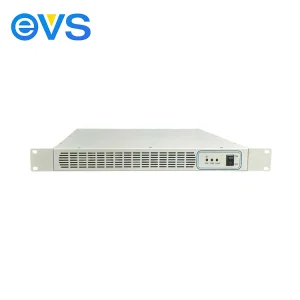
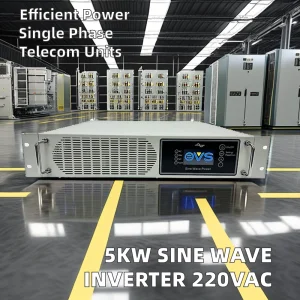
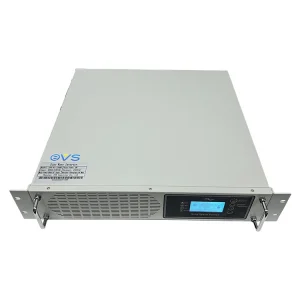
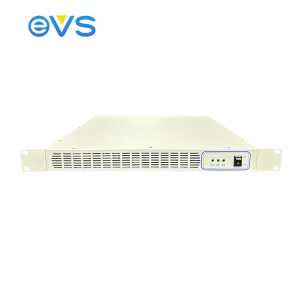
Lusail's smart city initiative uses thousands of localized 5G small cells integrated into multi-functional street lighting poles. These configurations require compact, low-profile 1U rack-mount inverters. The cooling system must be highly efficient yet quiet. EVS 1U and 2U pure sine wave inverters fit easily into small pole-mounted enclosures and provide stable power without generating excess acoustic noise.
Micro-sites located along arterial highways in Qatar's interior often run on solar panels during the day and batteries at night. The power source undergoes constant DC voltage swings. EVS telecom inverters feature wide DC input tolerance (e.g., 40V-60V DC for 48V systems) and include a built-in static transfer switch (STS) for seamless bypass to auxiliary utility power or backup generator lines within 4 milliseconds.
For large enterprise operations and central office exchange facilities, reliability is crucial. High capacity, dual phase, and N+1 redundancy systems are required. EVS offers customizable high-power 10000W 10KVA rack-mount configurations that support parallel expansion. This allows operators to easily scale their backup systems as server loads increase.


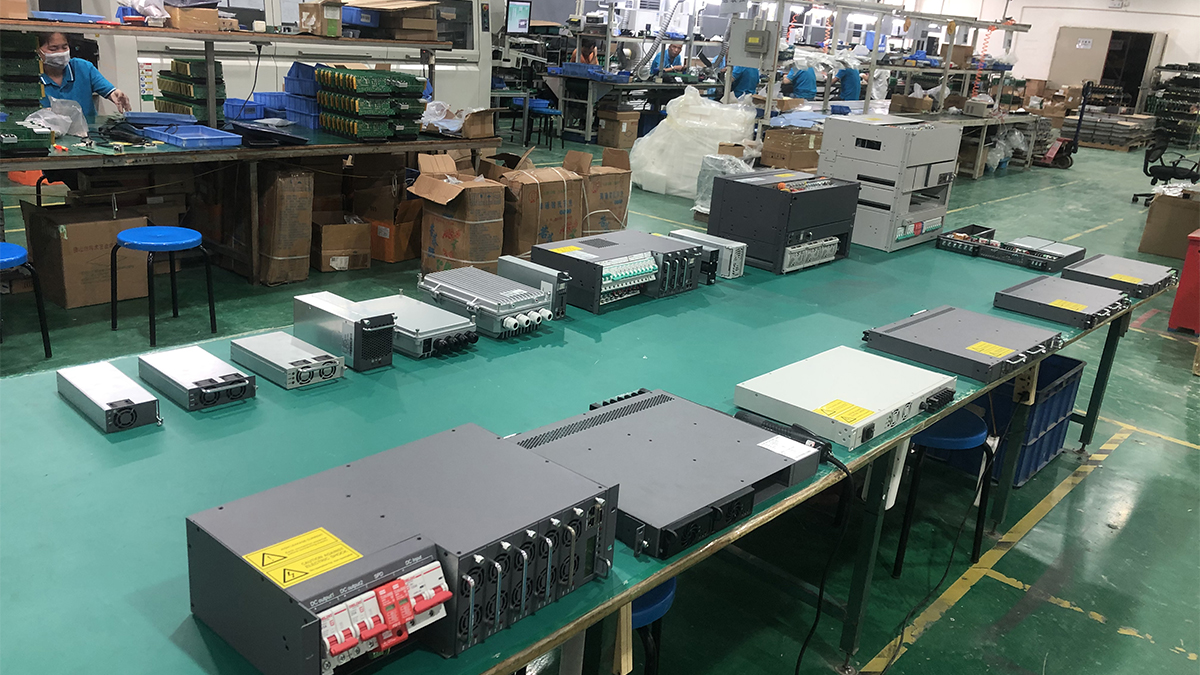
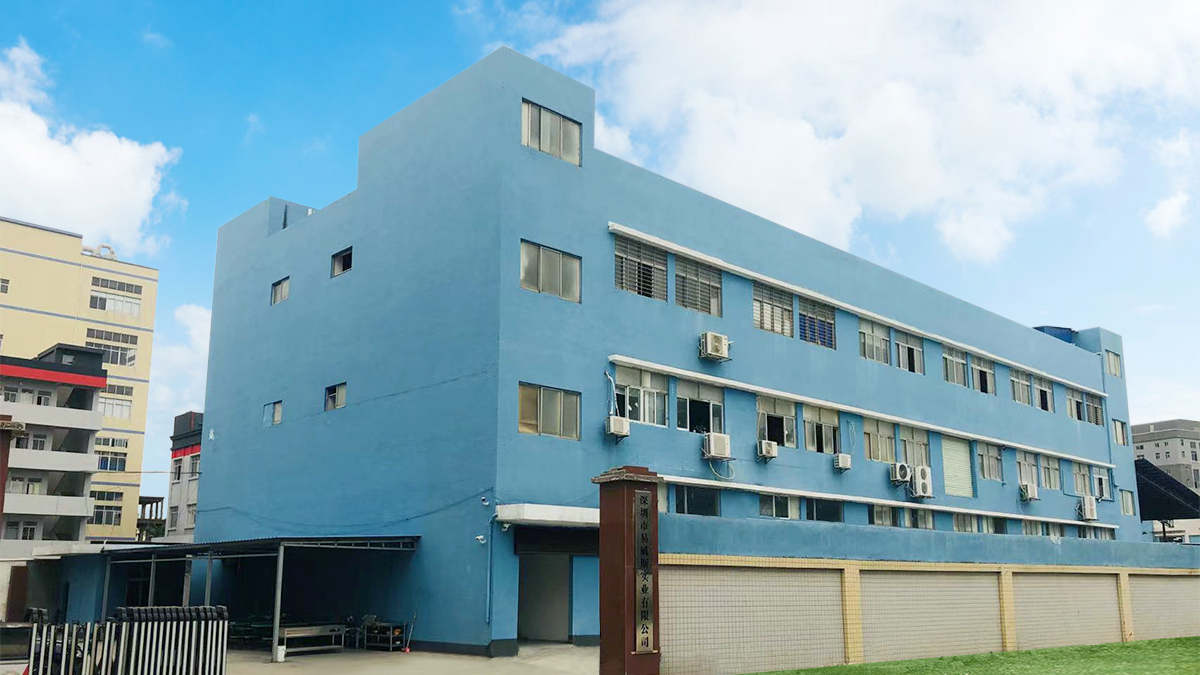
Based in Guangzhou's international trade hub, Guangzhou EVS Powers Co., Ltd. provides state-of-the-art manufacturing processes designed to deliver reliable power solutions globally.
Guangzhou EVS Powers Co., Ltd. is a professional manufacturer specializing in switching power supplies, DC power systems, power supply units, DC-DC converters, and power inverter series. EVS prioritizes customer satisfaction, high-quality standards, and cost-efficiency. Our reliable reputation and premier service have built long-term partnerships across Europe, North and South America, Australia, the Middle East, and Southeast Asia. We are dedicated to sharing our industry knowledge and technical expertise to develop mutually beneficial solutions with our partners.
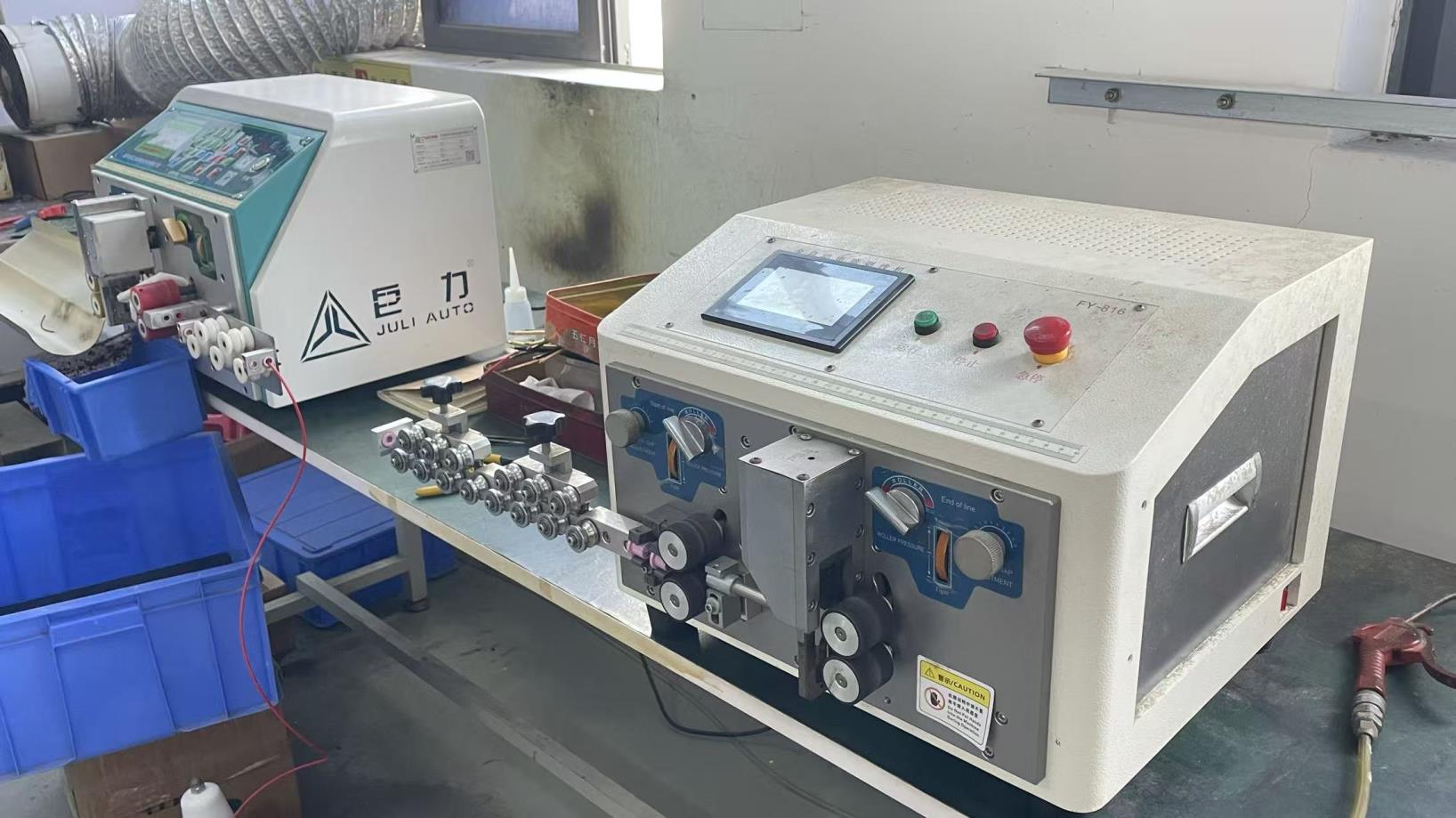 Wire Cutting
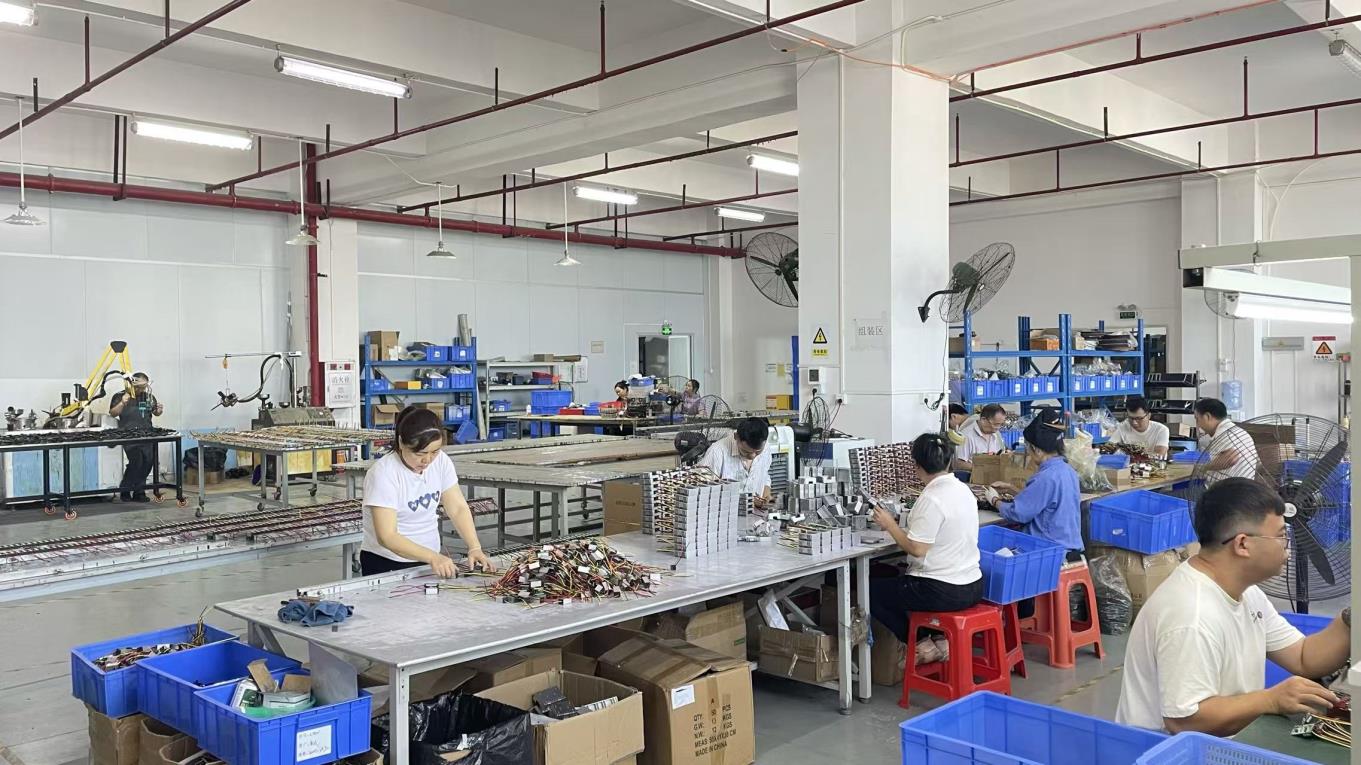 Plug-In
 Soldering Tin
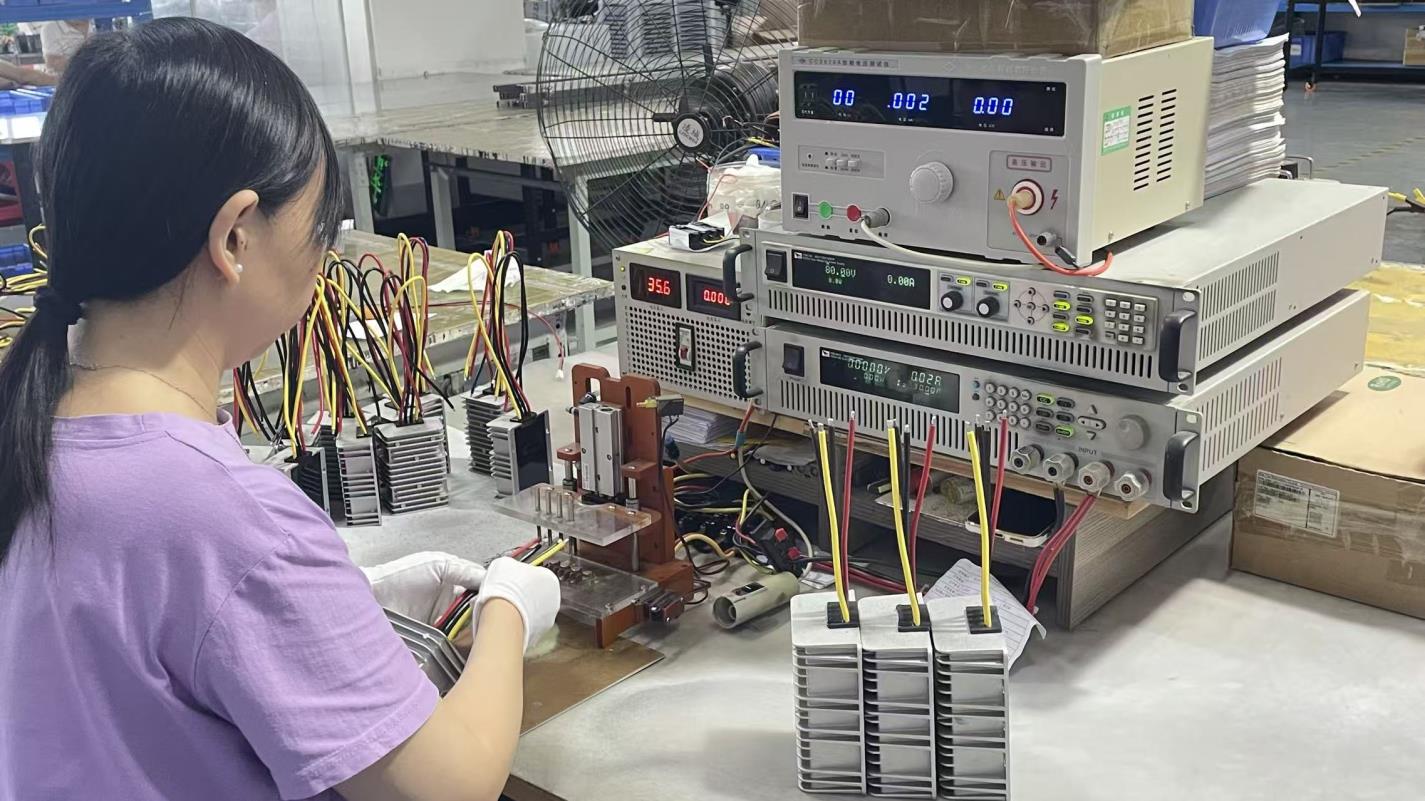 Test
Test
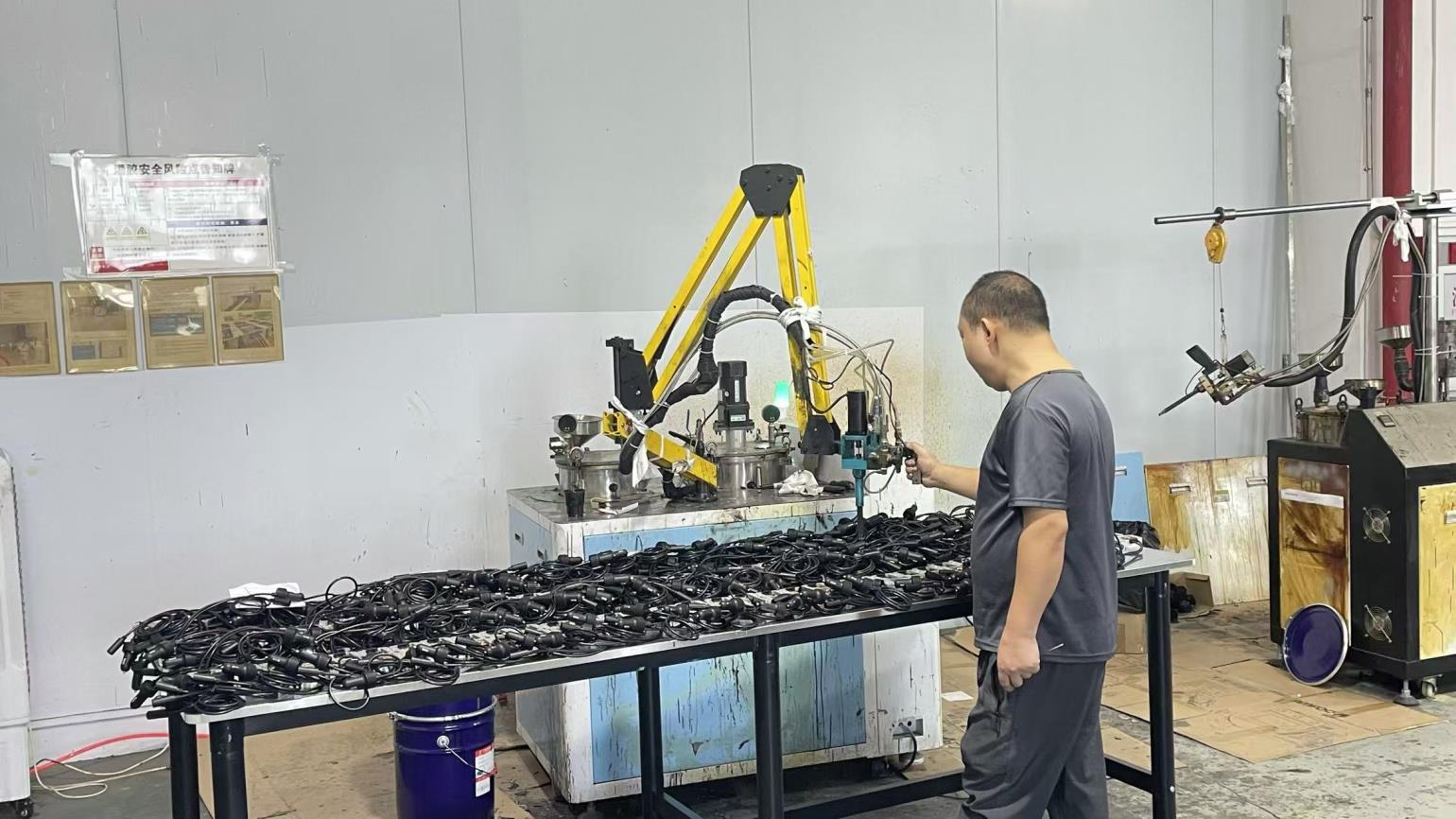 Glue Filling
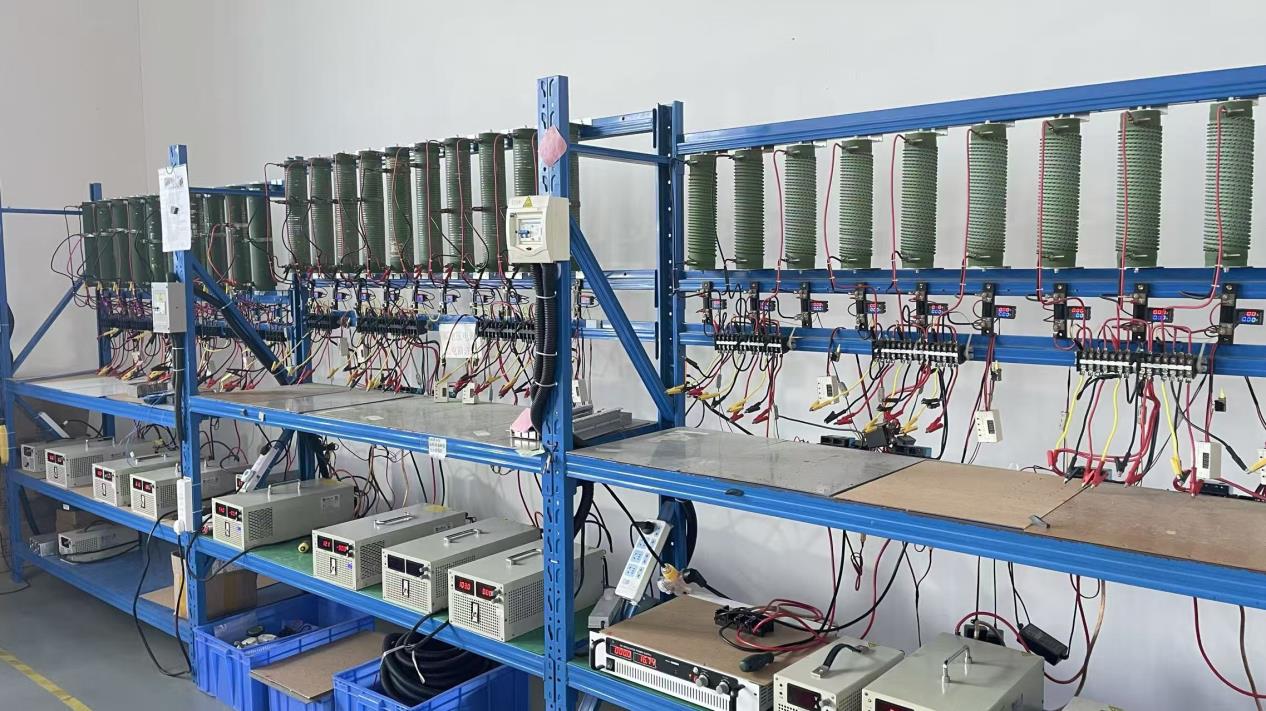 Burn-In Test
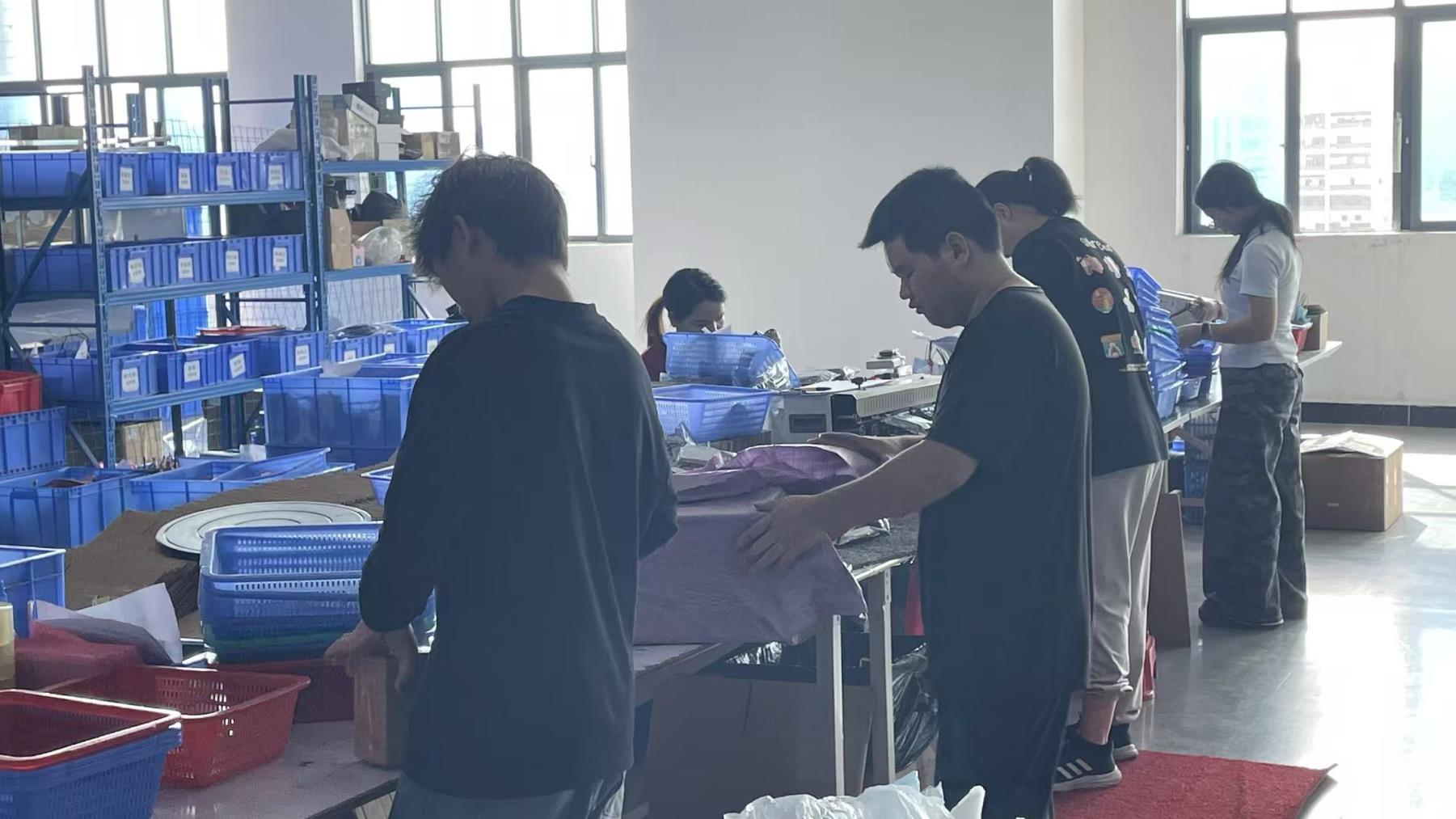 Packaging
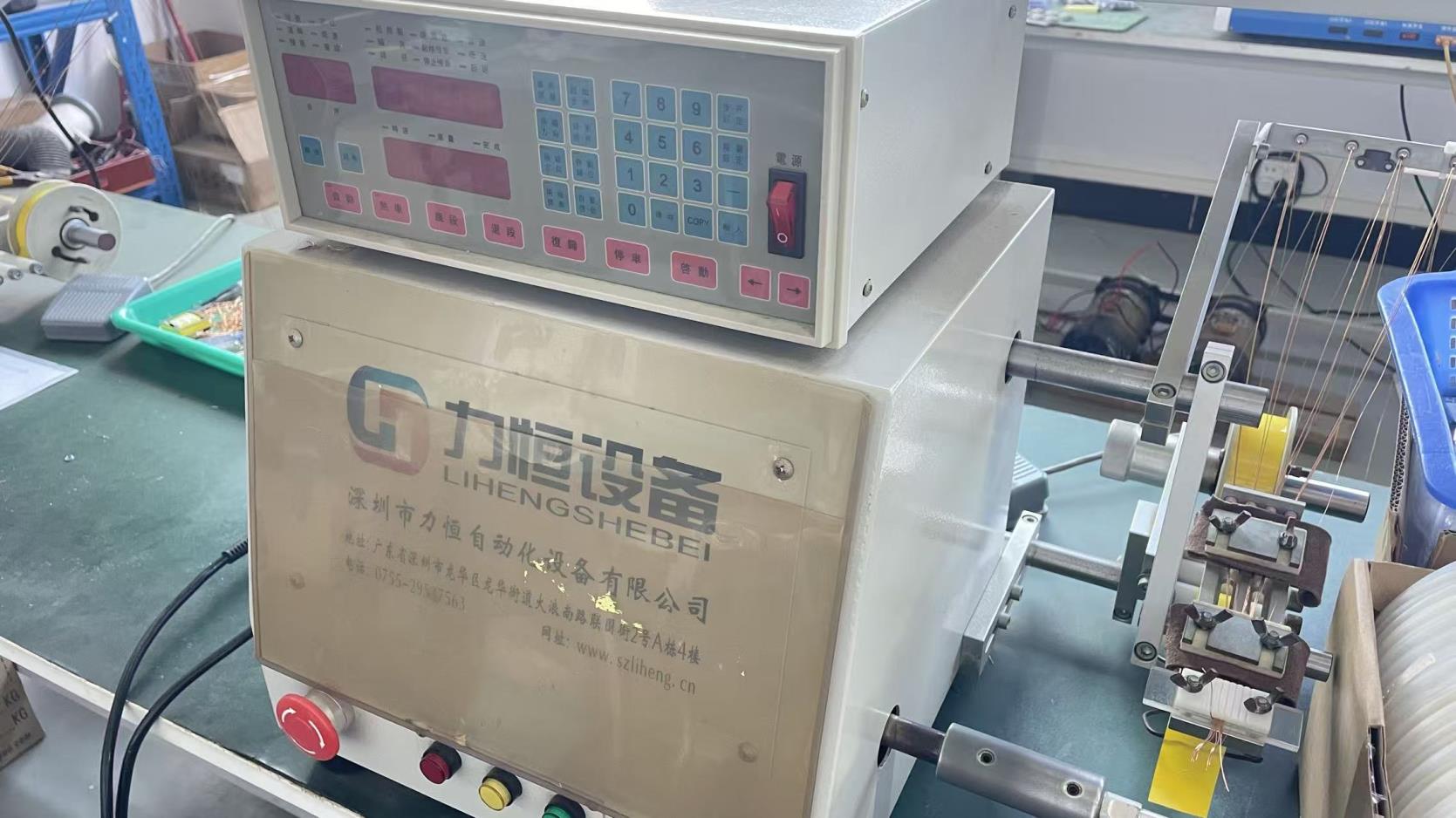 Winding Machine
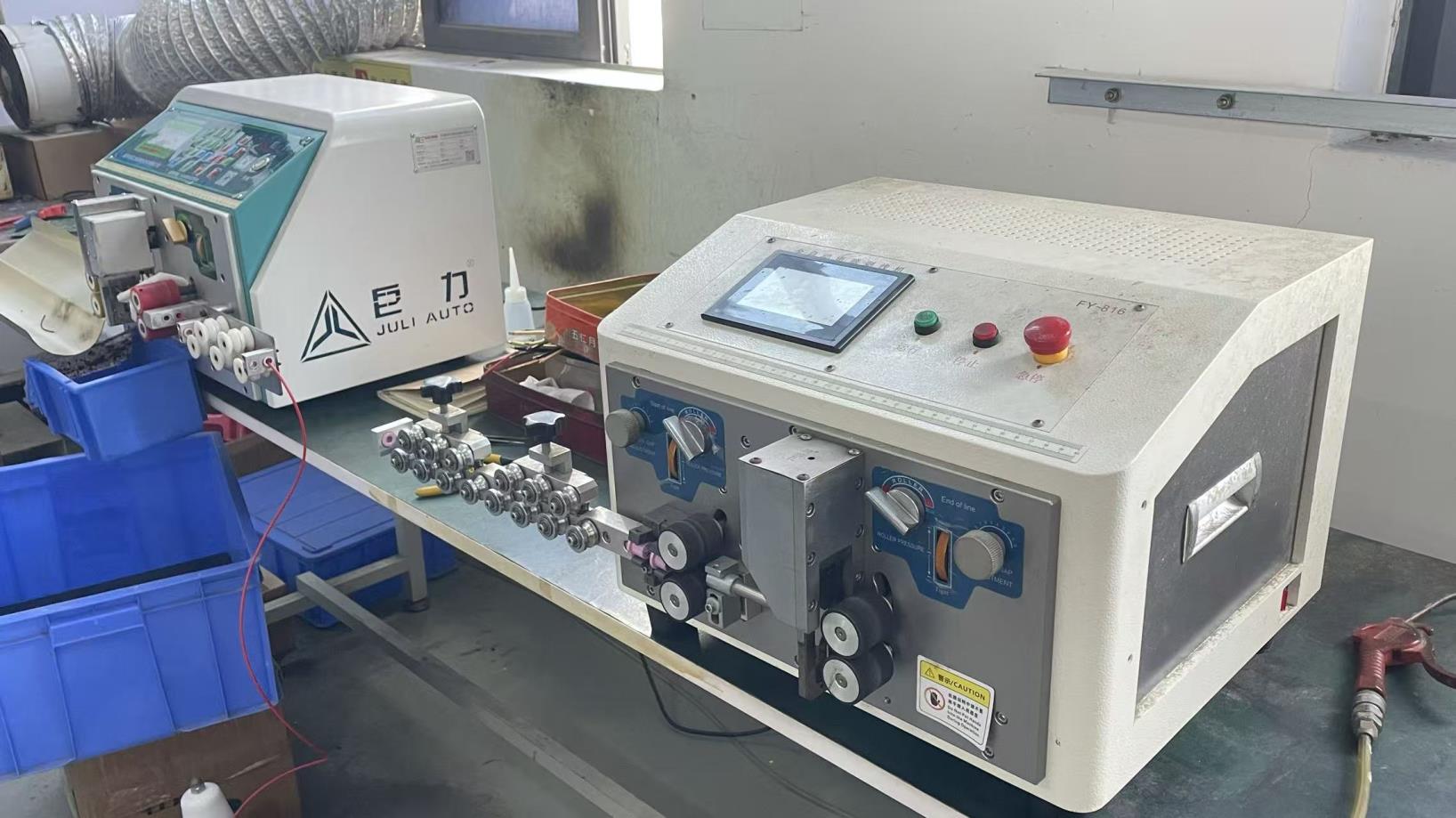 Wire Cutting Machine
 Automatic Soldering Machine
 Laser Engraving Machine
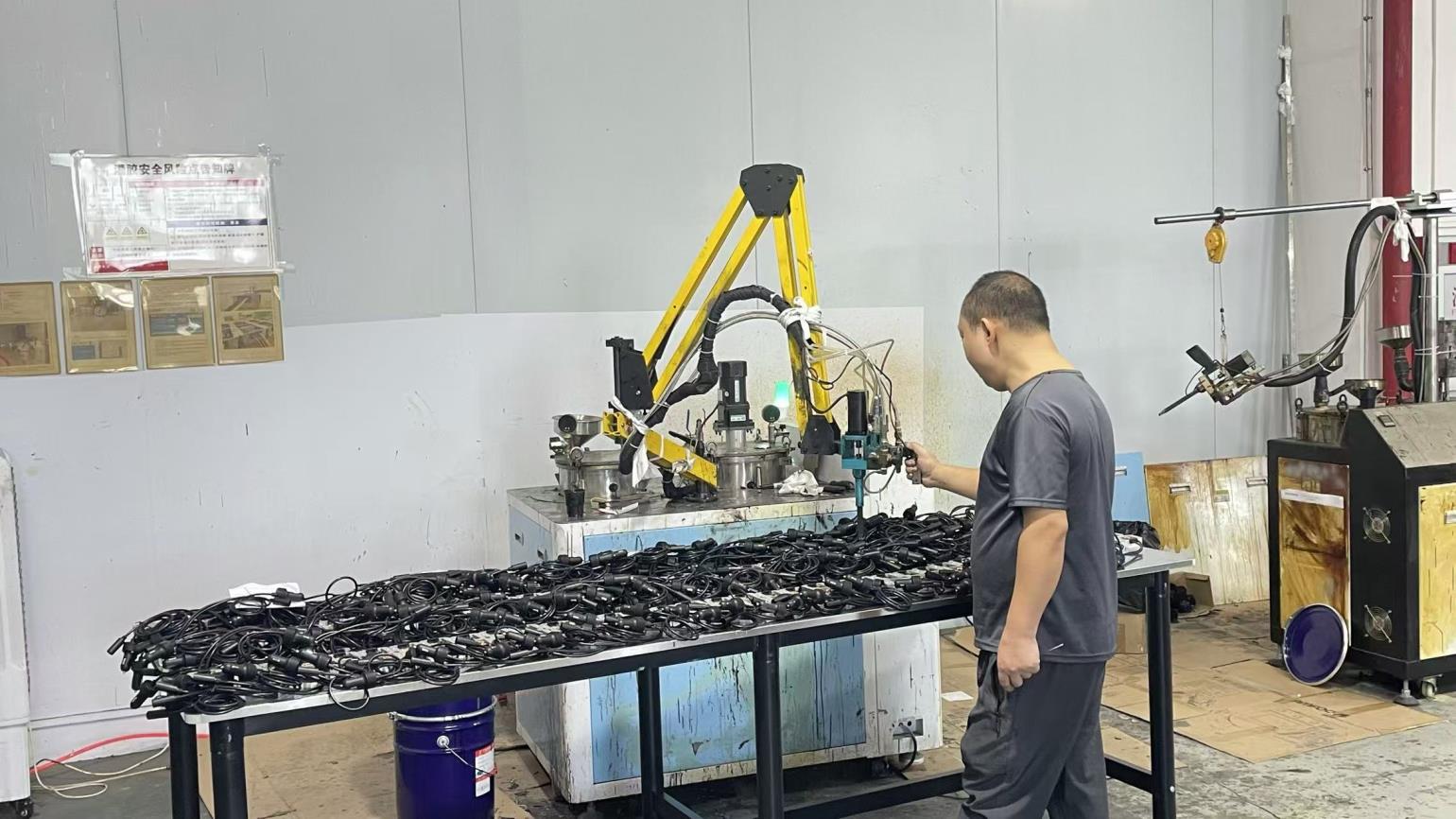 Canning Machine
EVS ensures every power inverter undergoes thorough safety and quality testing to maintain reliability in demanding environments.
Our quality control laboratory is equipped with advanced diagnostic equipment designed to simulate environmental stress. EVS power solutions undergo comprehensive voltage endurance tests, temperature fluctuation tests, and load stability analysis to ensure long-term performance under demanding operation conditions.
By simulating the extreme heat of Doha (up to 70°C inside outdoor cabinets) in our environmental chambers, we analyze and prevent thermal runaway, component degradation, and performance drops before shipping. This focus on reliability is key to maintaining our low field defect rate.
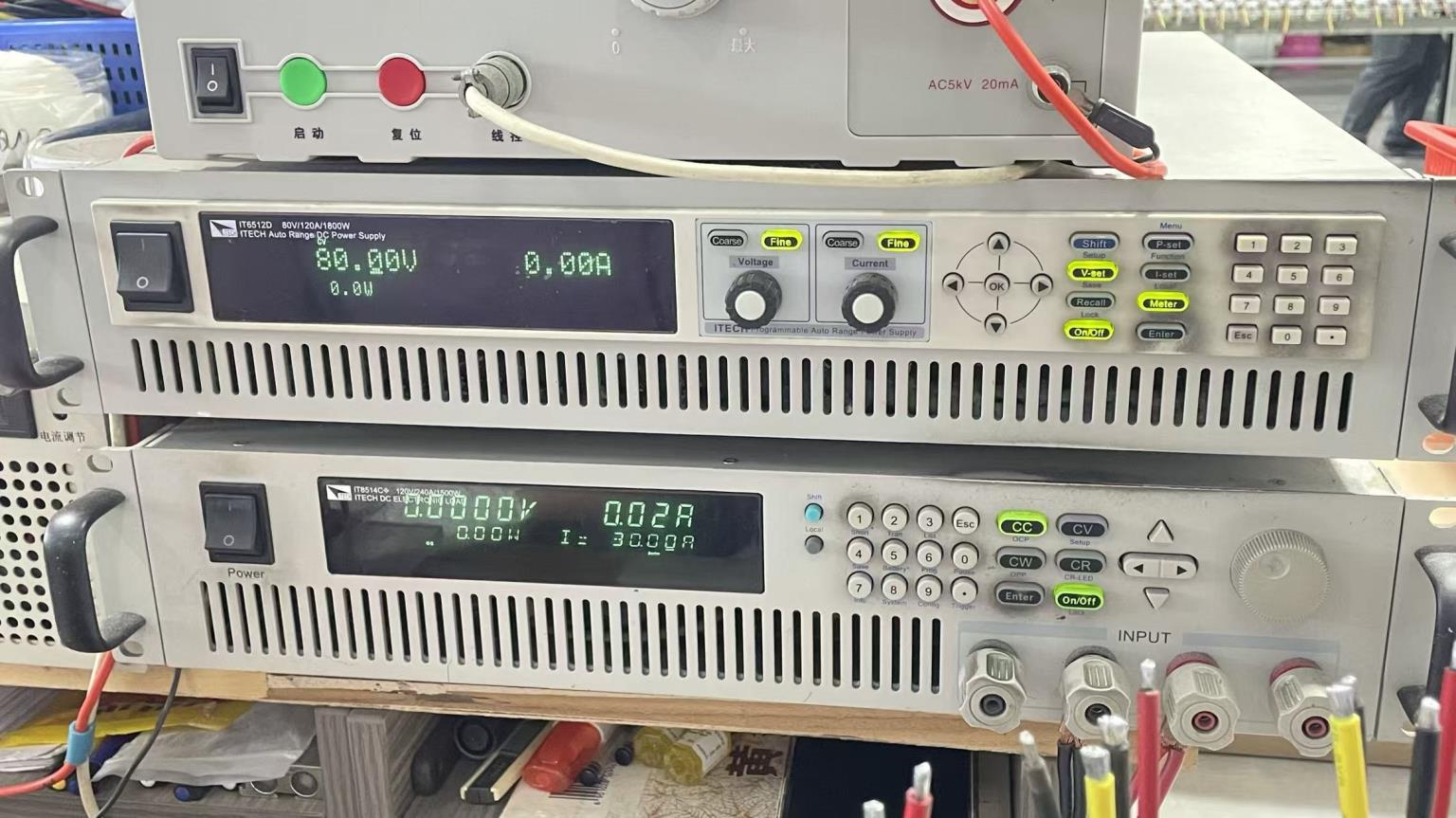 DC Power Supply Tester
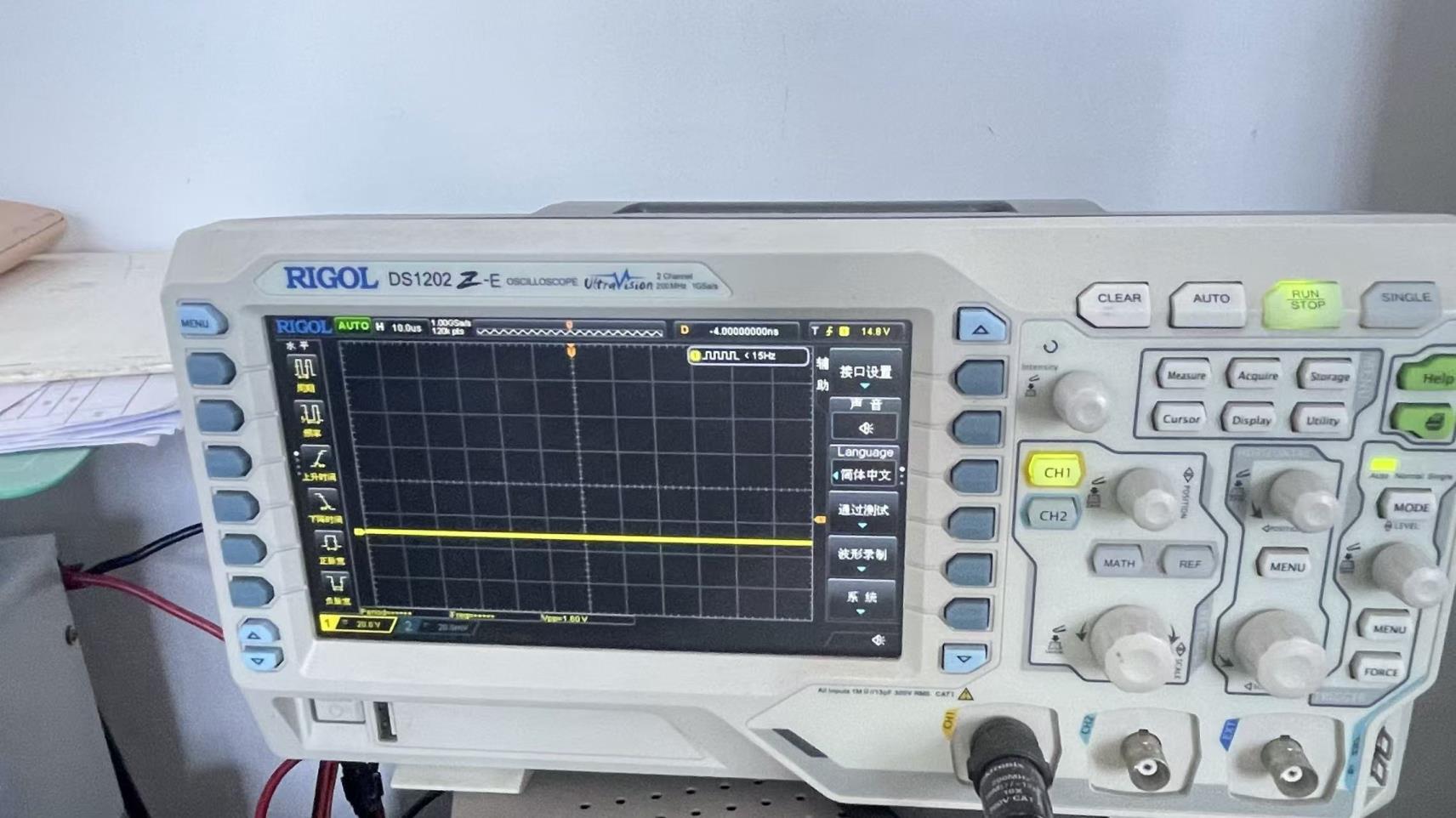 AC Withstand Voltage Tester
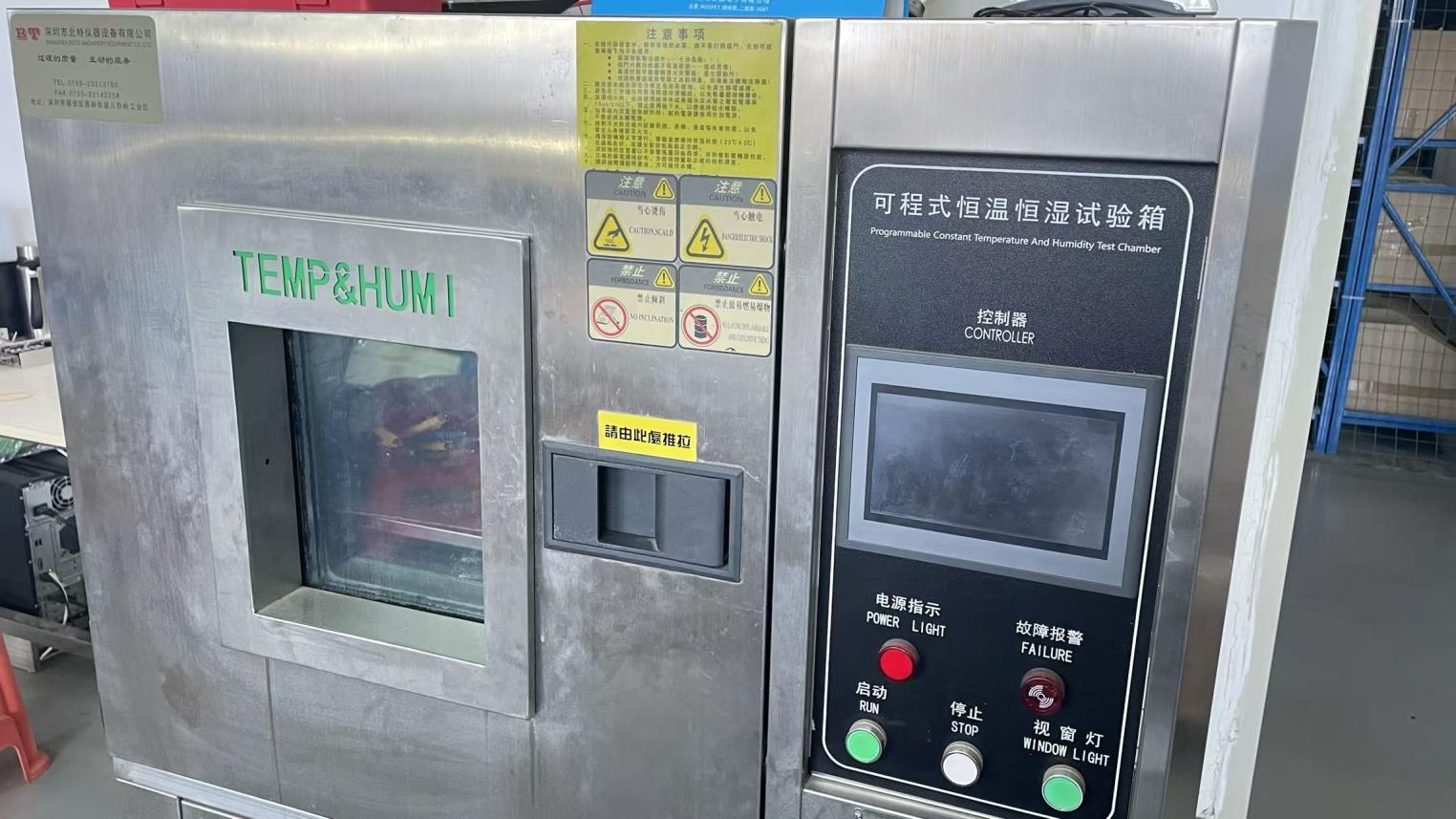 Climate Chamber
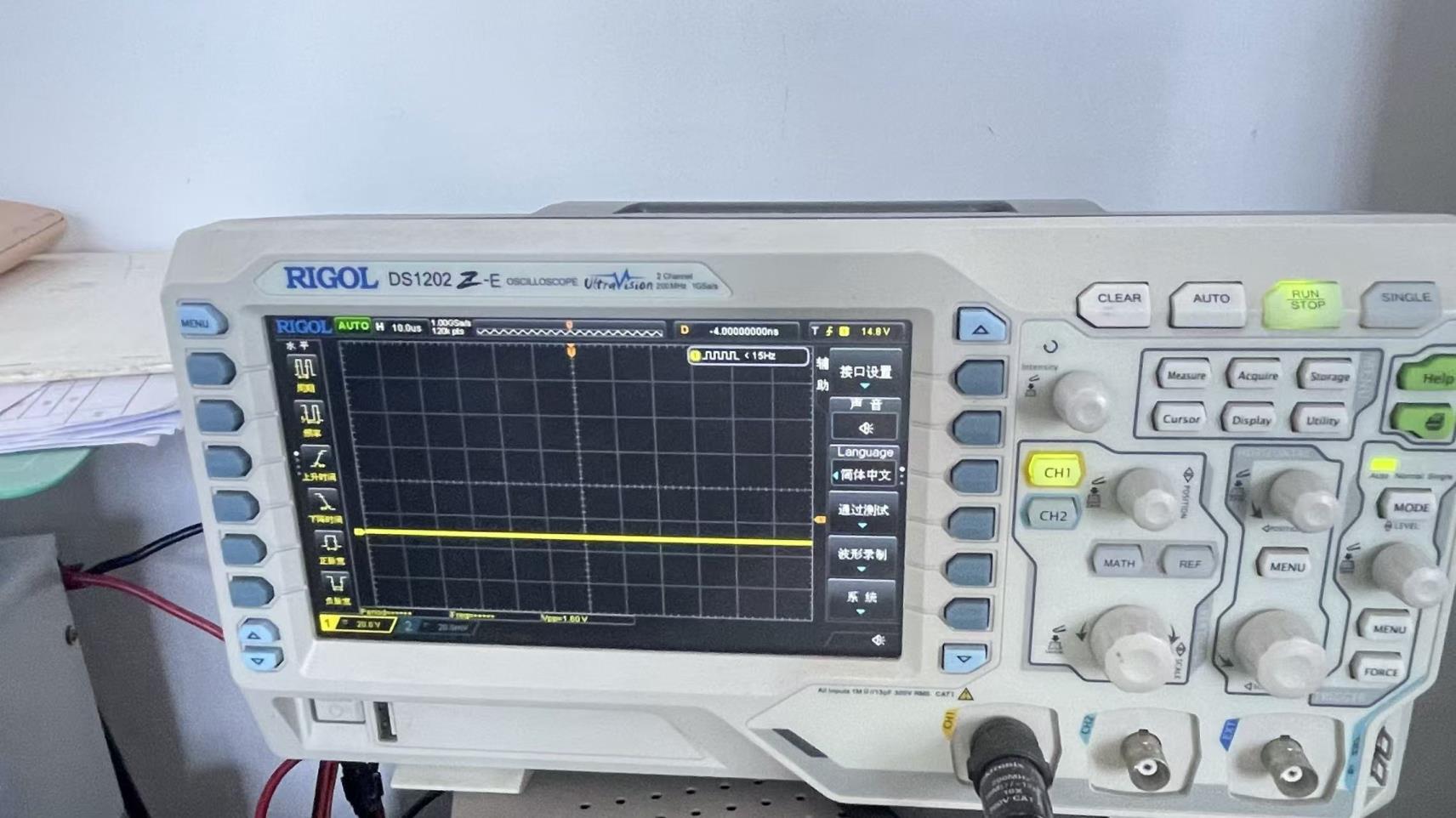 Optical Microscope QC
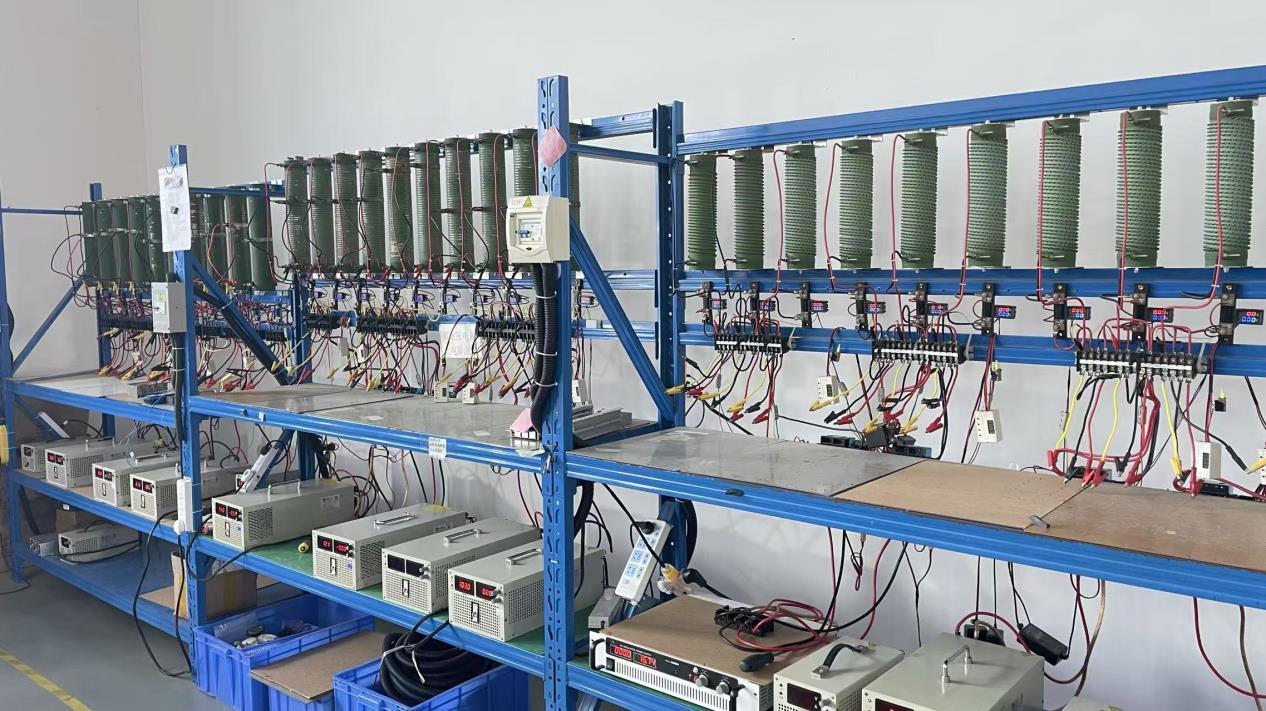 Aging Test Racks
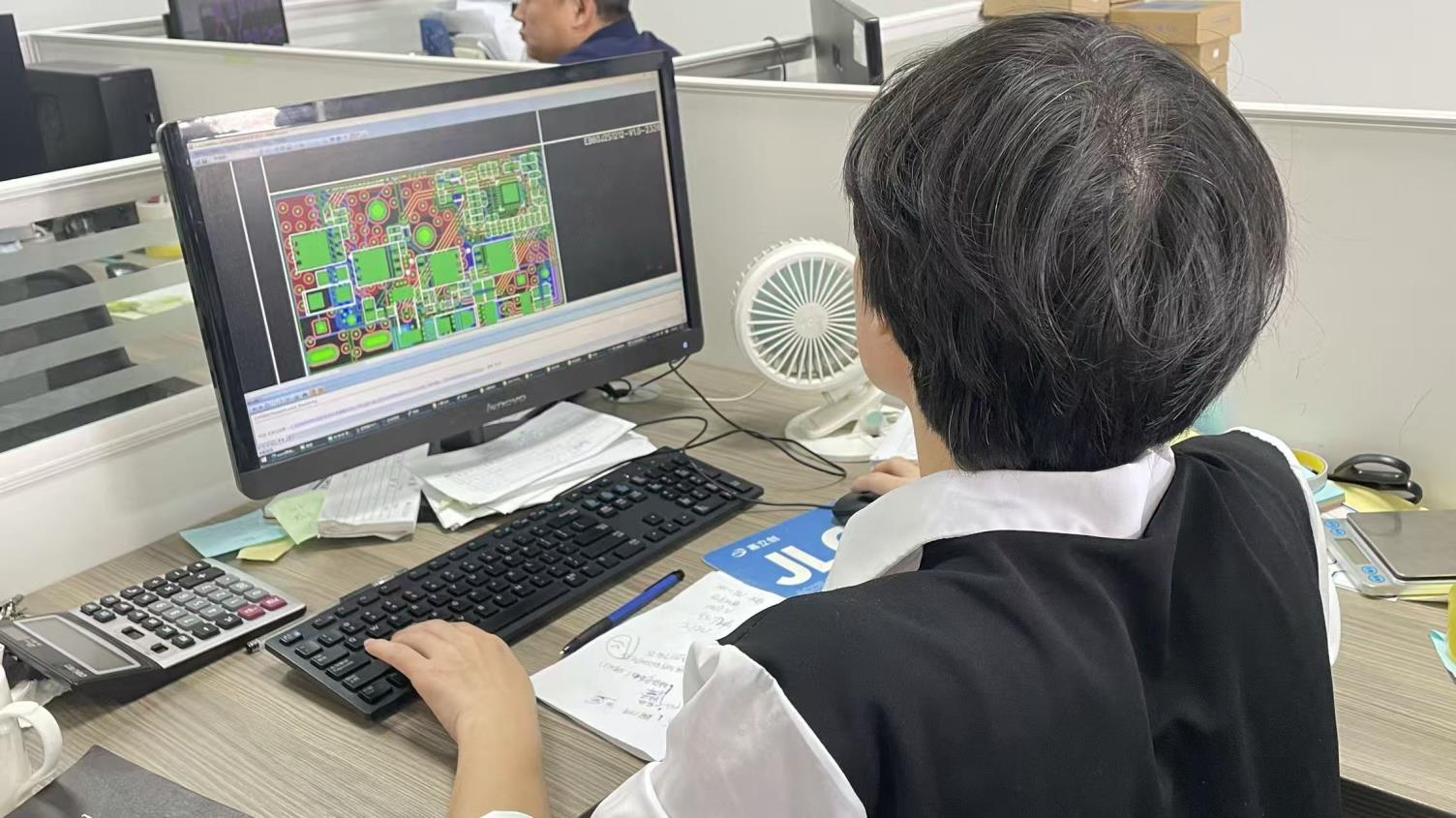 R&D Design
Preserving original product specifications and URLs, modified to support demanding requirements in the Doha infrastructure market.



Expert technical responses to common questions about deploying telecom inverters in demanding environments.
 EVS Powers