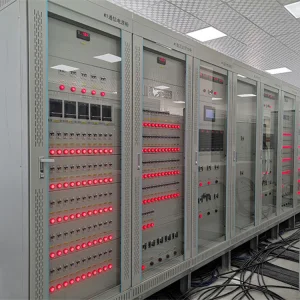
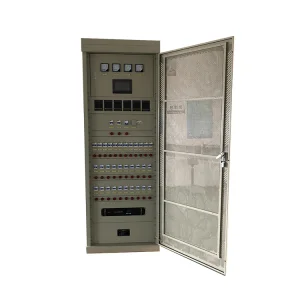
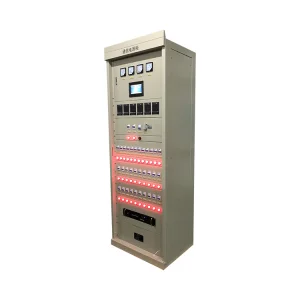
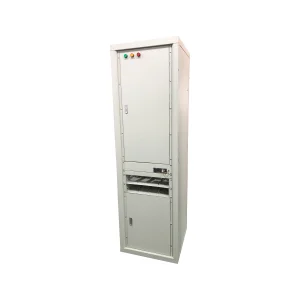
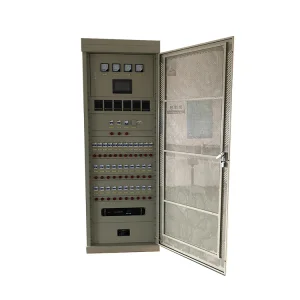
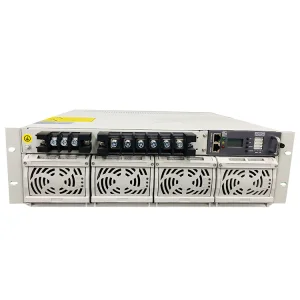
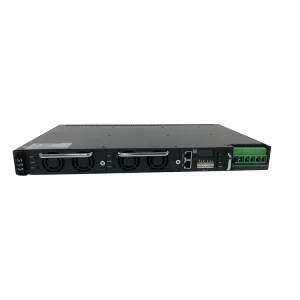
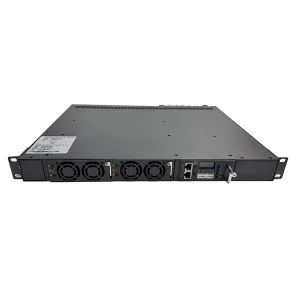
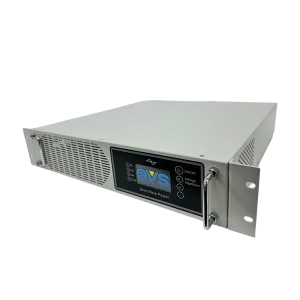
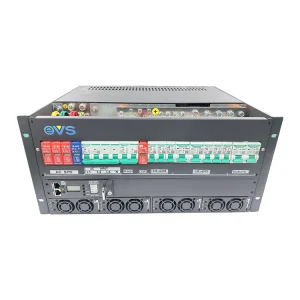
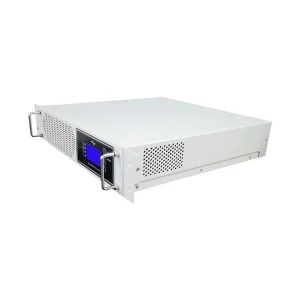
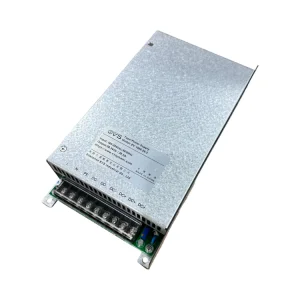
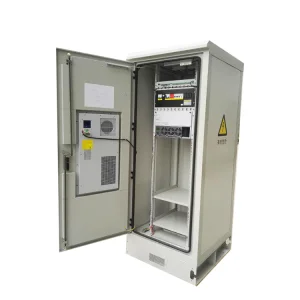
Compact configurations and seismically certified designs tailored for high-rise commercial structures and sub-metro telecom hubs in Tokyo.
As one of the world's most densely populated commercial hubs, Tokyo presents a unique operating landscape for power infrastructure. Real estate valuations in districts like Marunouchi, Shinjuku, and Otemachi force data centers, telecommunications nodes, and industrial networks to optimize footprint down to the square millimeter. Furthermore, critical infrastructure in Japan must operate continuously through severe seismic activity.
Our indoor power cabinets are structurally optimized for high-density deployments. Integrated with lightweight structural alloys and reinforced base framing, our designs meet the JIS C 60068-2-6 vibrational tolerances and the strict Building Standard Act of Japan for horizontal seismic acceleration. This ensures that telecommunication relays, high-frequency switching operations, and critical hospital networks continue to run uninterrupted during utility drops and tremor events.
How modern technological paths are shaping high-efficiency power distribution frameworks worldwide.
The global shift from traditional silicon power switches to Silicon Carbide (SiC) and Gallium Nitride (GaN) components is revolutionizing rectifier performance. By operating at higher switching frequencies with significantly lower thermal dissipation, these modules allow indoor cabinets to achieve power densities previously deemed impossible.
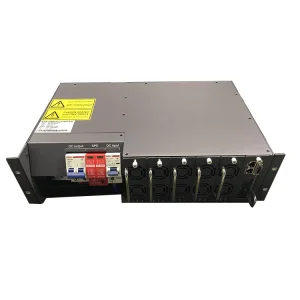
Modern service level agreements (SLAs) require near-zero Downtime. Modular rectifier systems and DC distribution panels with hot-swappable architectures ensure that failed components can be replaced within minutes without shutting down the load, maintaining critical reliability metrics in enterprise colocation hubs.
Continuous monitoring of ambient temperature, battery state-of-charge, and rectifier conversion efficiency has become standard practice. Leveraging remote telemetry protocol integrations like SNMPv3 and Modbus TCP allows automated building management systems to flag power quality anomalies before they lead to hardware failures.
Deploying power infrastructure in Tokyo requires localized insight into regulatory policies, environmental variables, and space constraints:
High-rise commercial properties require whisper-quiet indoor cabinets that can fit into shallow wall cavities or shared IT closets. Optimized cooling configurations (front-to-back airflow) and integrated low-acoustic fan controllers ensure that server stacks and routing gear remain powered without disturbing working zones.
Marine and industrial environments near Tokyo Bay pose issues with humidity and airborne particulate contamination. Custom configurations of our IP45 and IP55 cabinets feature dual-skin thermal isolation, heat exchanger units, and specialized anti-corrosive powder coatings to isolate sensitive electronics from ambient coastal salt air.
Serving the expansive JR East and Tokyo Metro lines demands heavy-duty industrial switchgear. Our 110V GZDW system operates as the centralized DC control core for emergency signal systems and substation relays, ensuring safe shutdown procedures and auxiliary communication in the event of grid interruptions.
As carbon neutrality goals by the Tokyo Metropolitan Government target 2050, infrastructure efficiency must keep pace. The integration of renewable co-generation systems demands bidirectional DC-DC conversion capabilities directly inside the power cabinet. Over the next decade, we are steering our designs toward:
EVS Powers maintains state-of-the-art production assets to ensure that every cabinet meets industrial and telecommunication requirements.
Guangzhou EVS Powers Co., Ltd., is located in the international trade hub of Guangzhou. As a professional manufacturer, EVS specializes in the engineering and production of switching power supplies, DC power systems, integrated DC-DC converters, and heavy-duty power inverters.
Our primary production facilities are geared towards fast-turnaround OEM and ODM cycles, allowing us to customize the layout, finish, monitoring protocols, and internal component configuration of our indoor cabinets to match the exact project specs of partners in Tokyo and globally.
By prioritizing structural material selection, component rating parameters, and automated manufacturing pipelines, we provide systems that dramatically reduce operational downtime and lifecycle costs.
Consult Our Engineering Team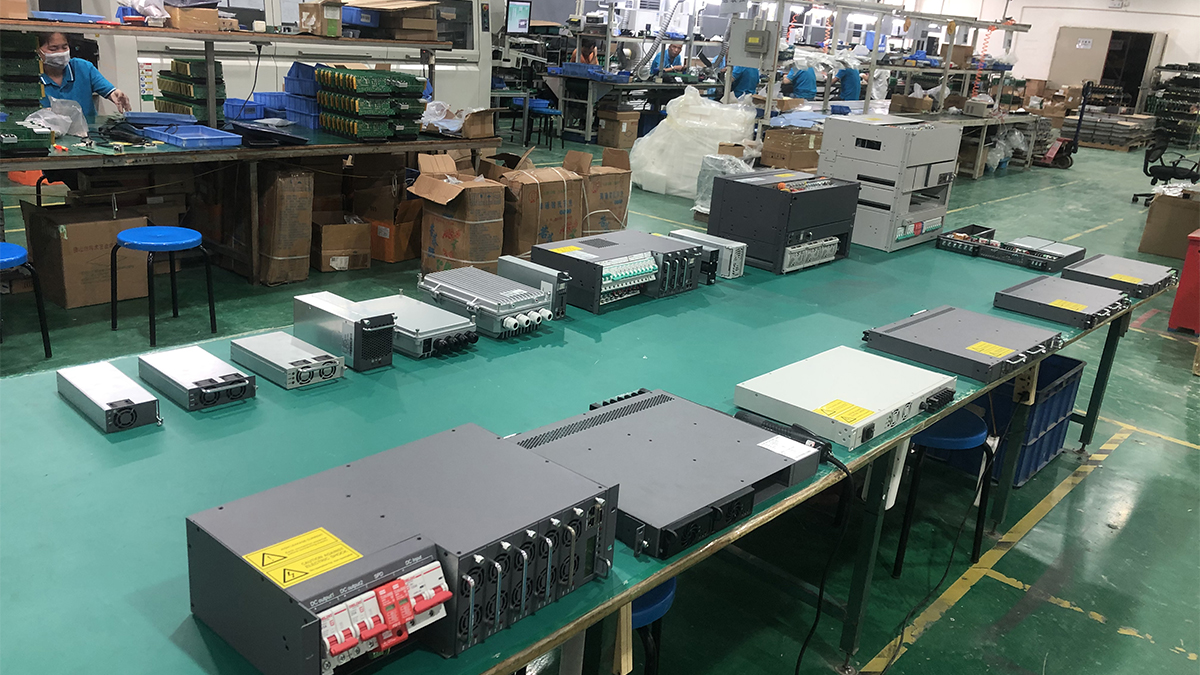
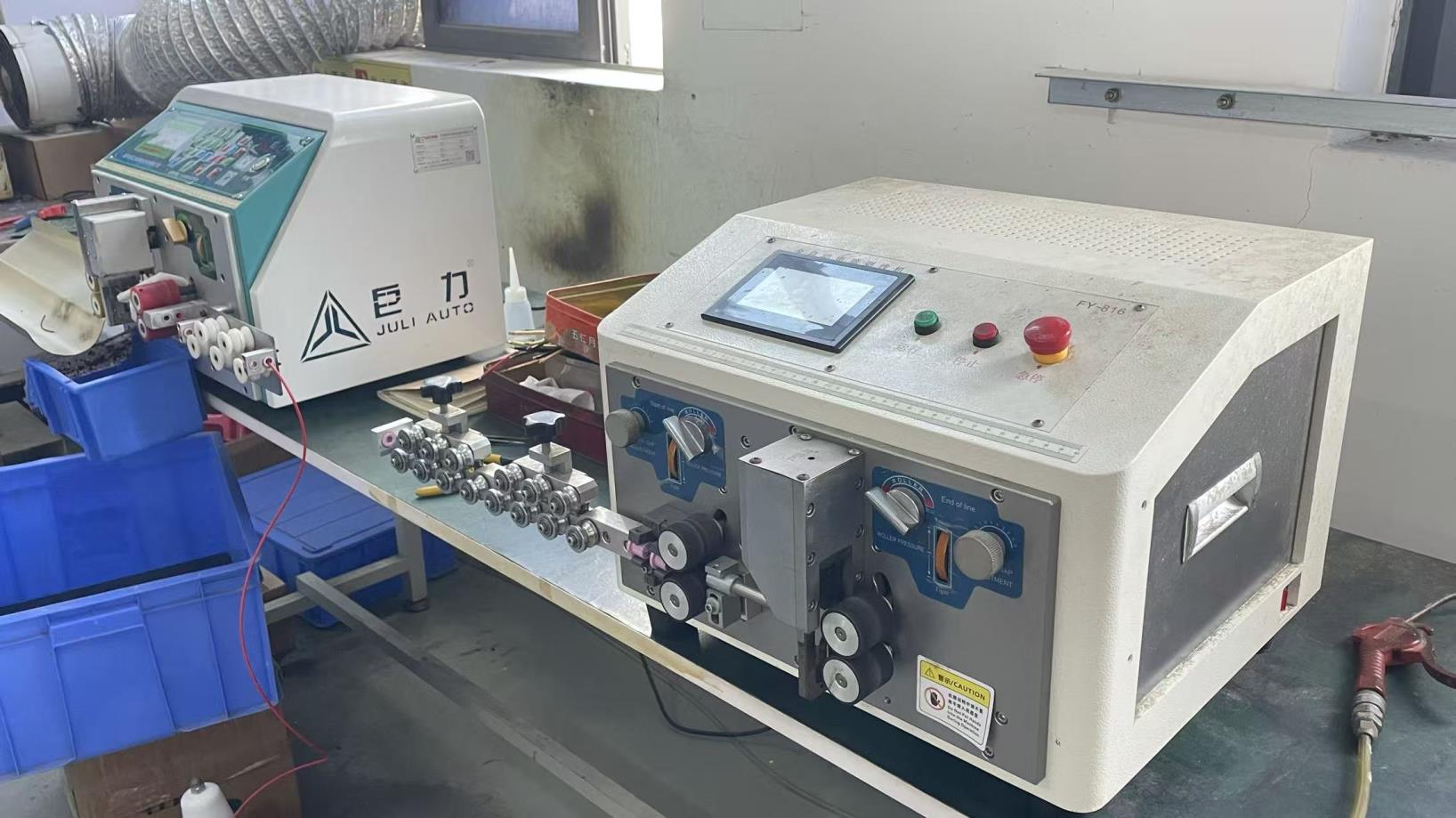 Wire Cutting
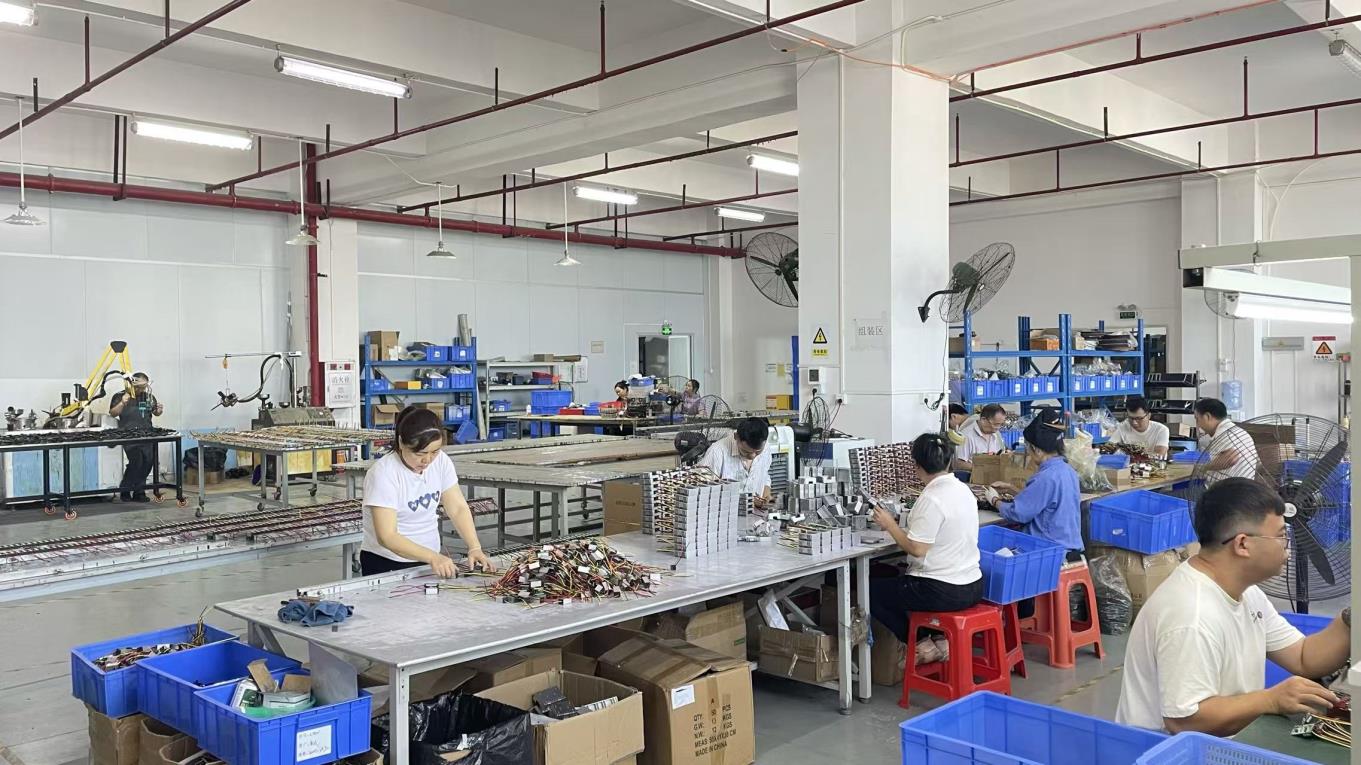 Plug-In
 Soldering Tin
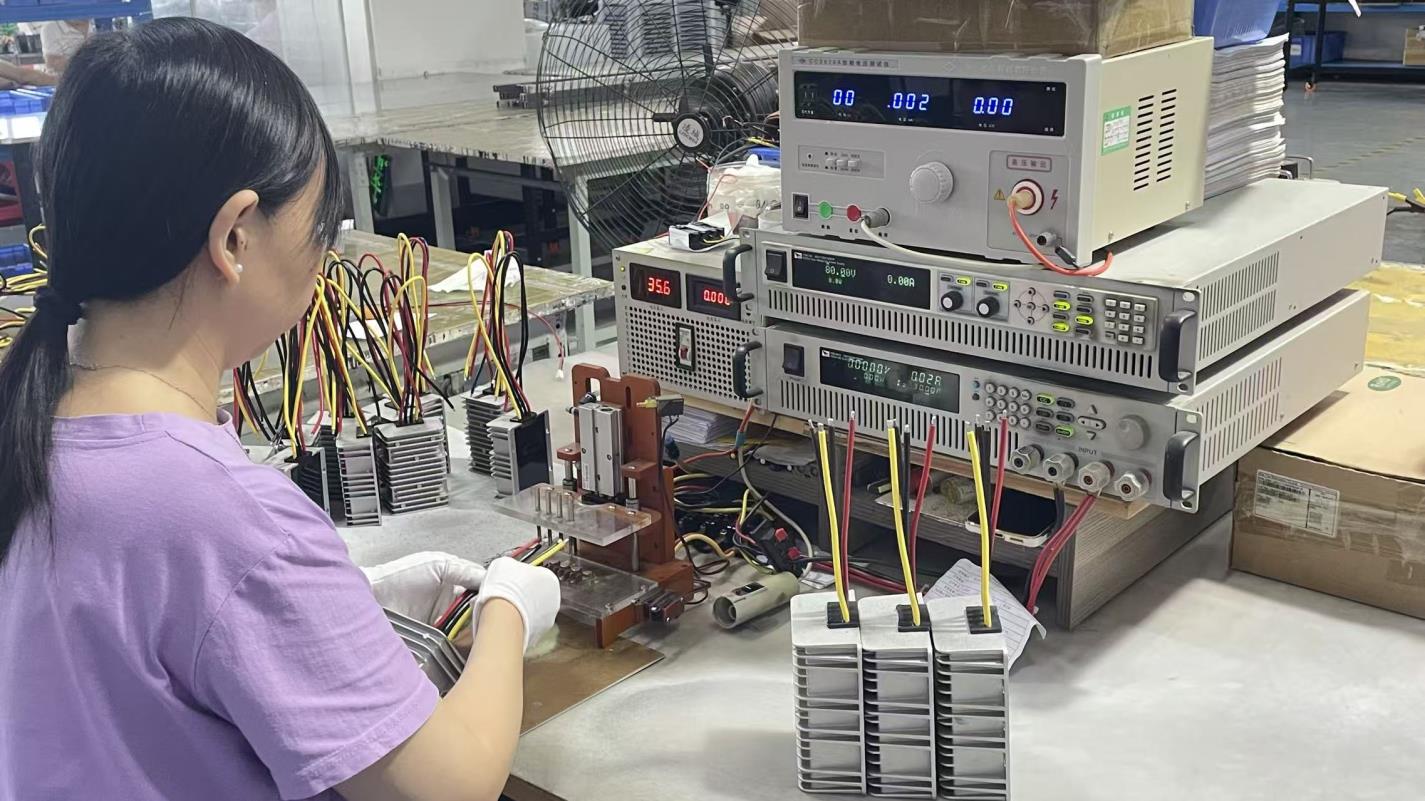 Test
Test
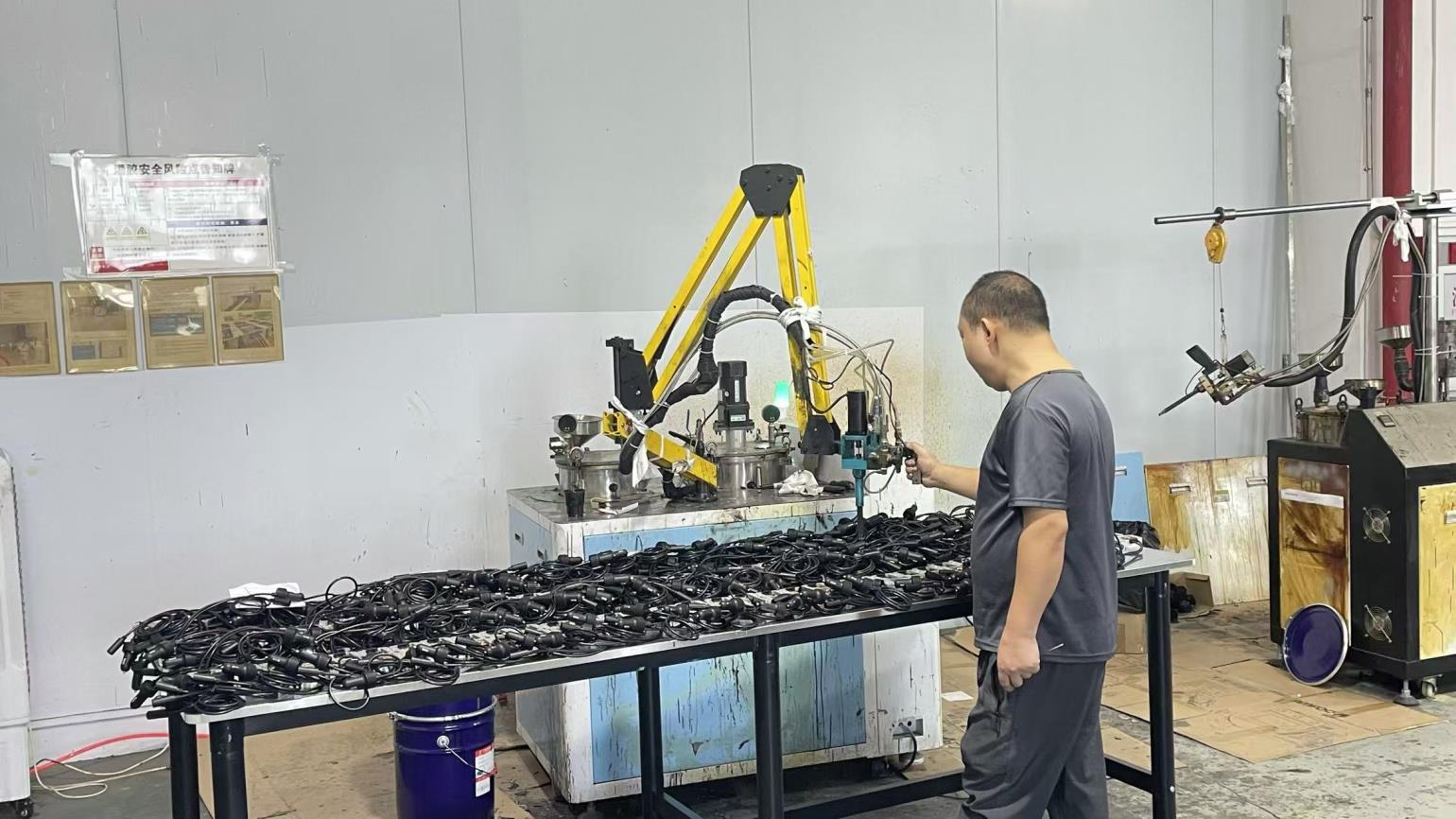 Glue Filling
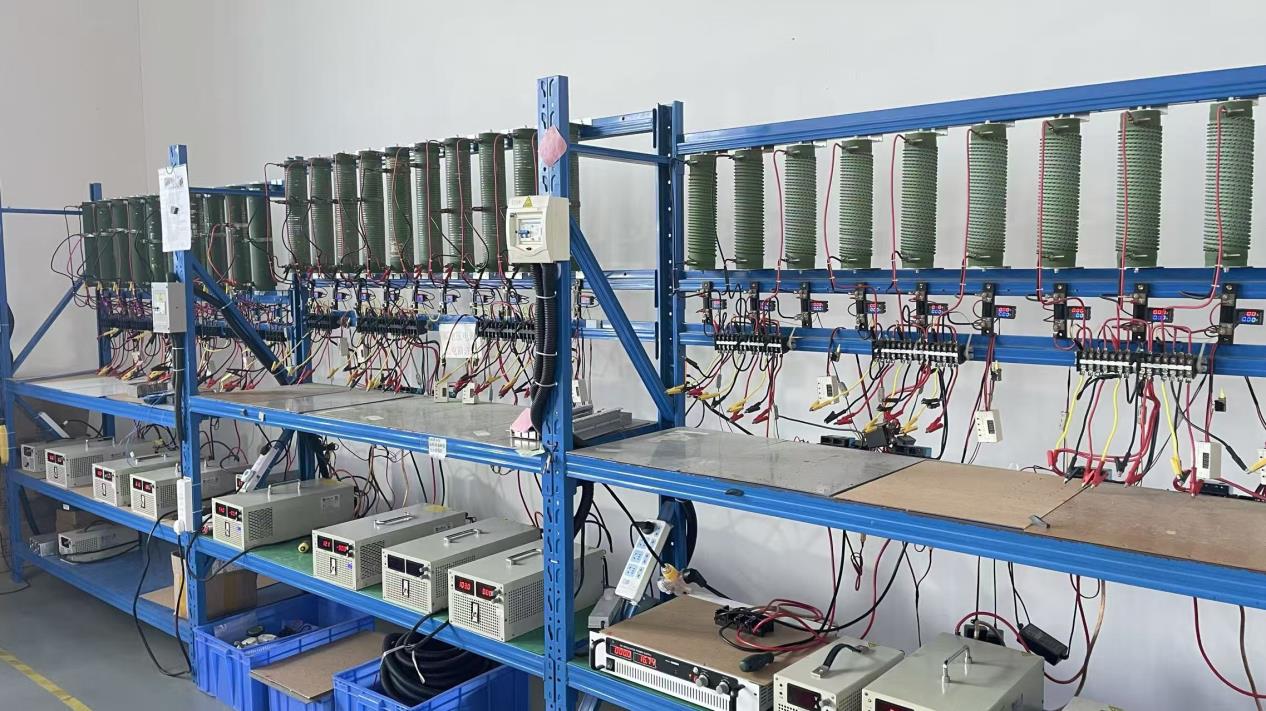 Burn-In Test
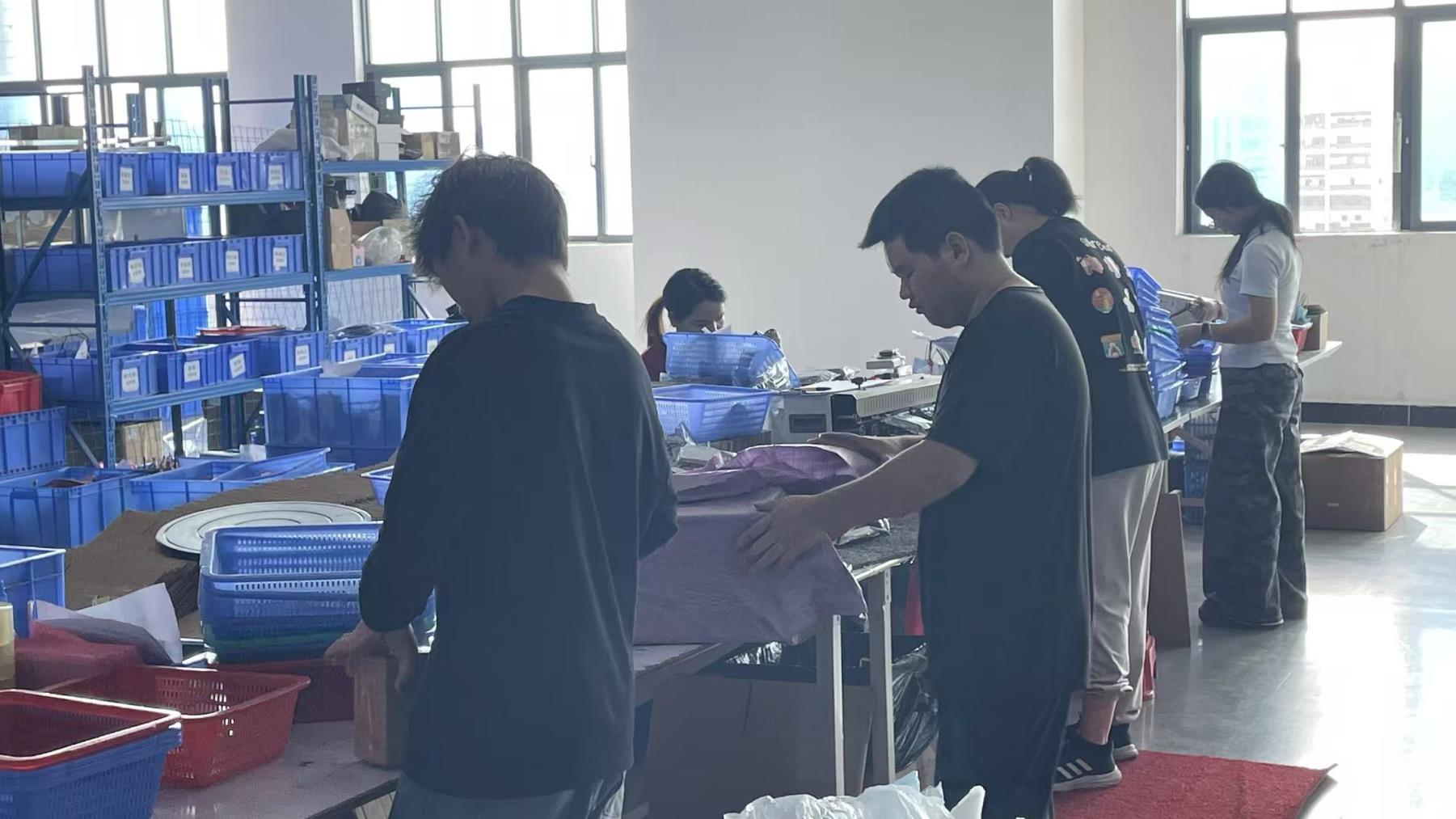 Packaging
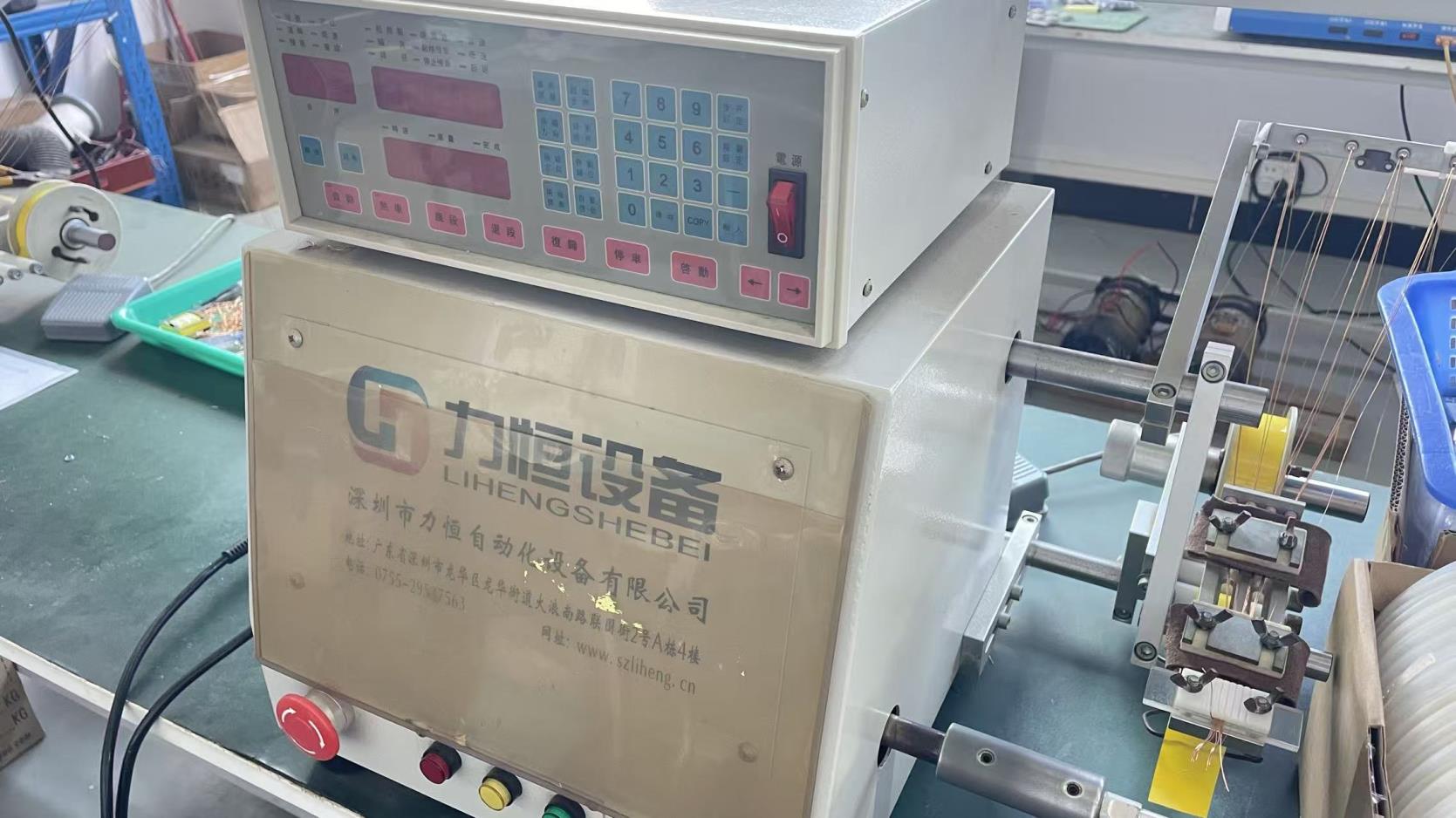 Winding Machine
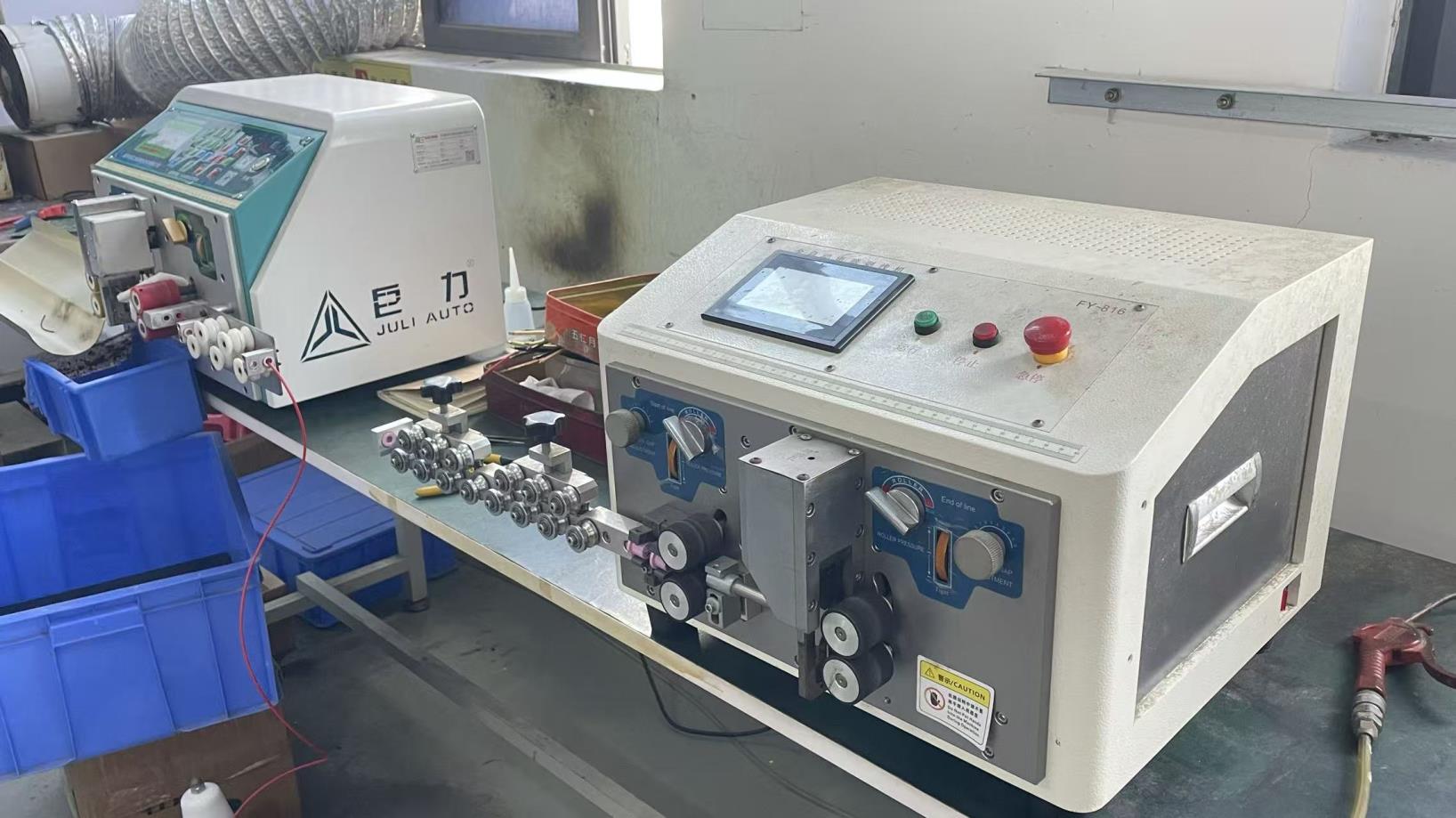 Wire Cutting Machine
 Automatic Soldering
 Laser Engraving
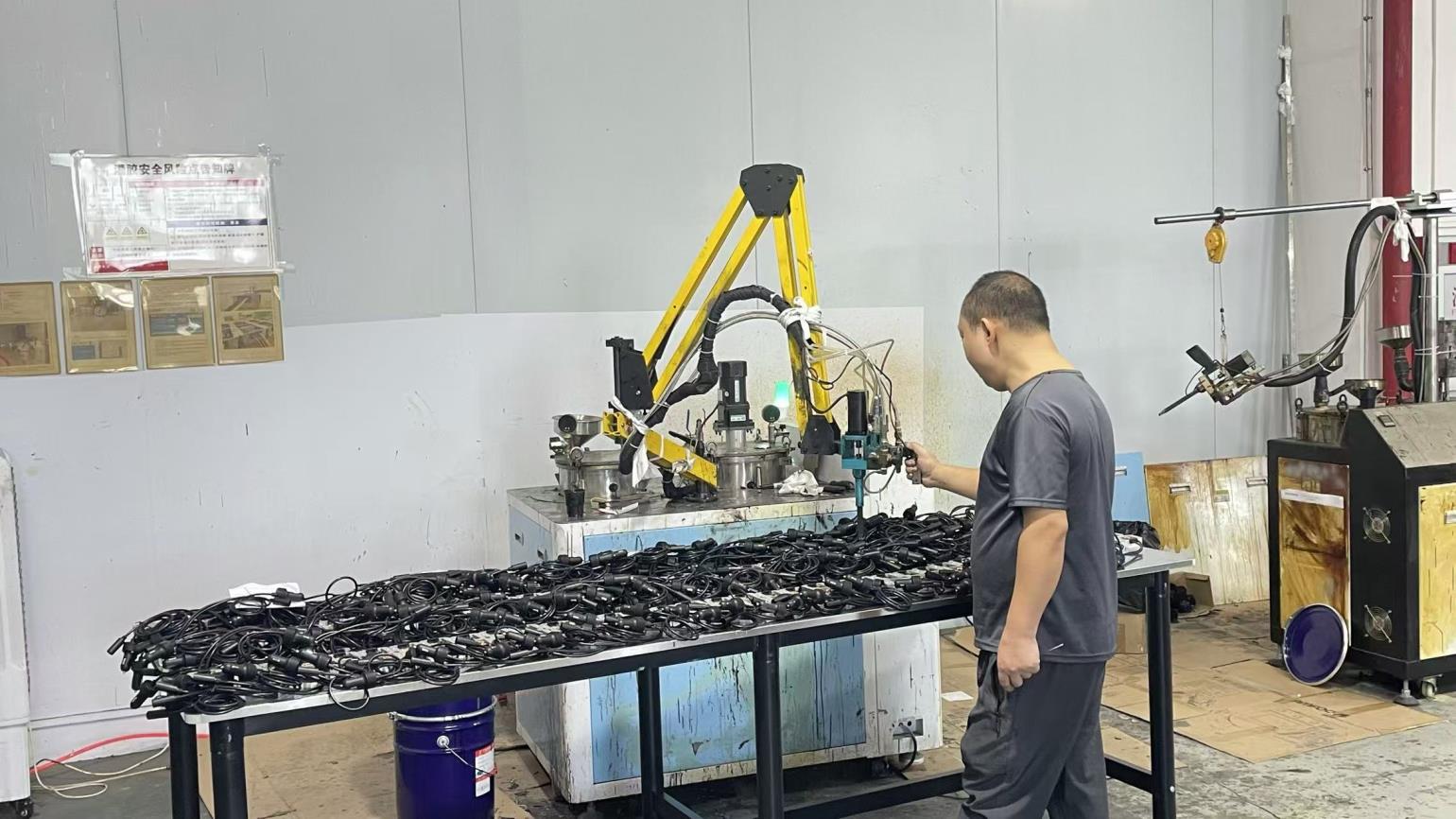 Canning Machine
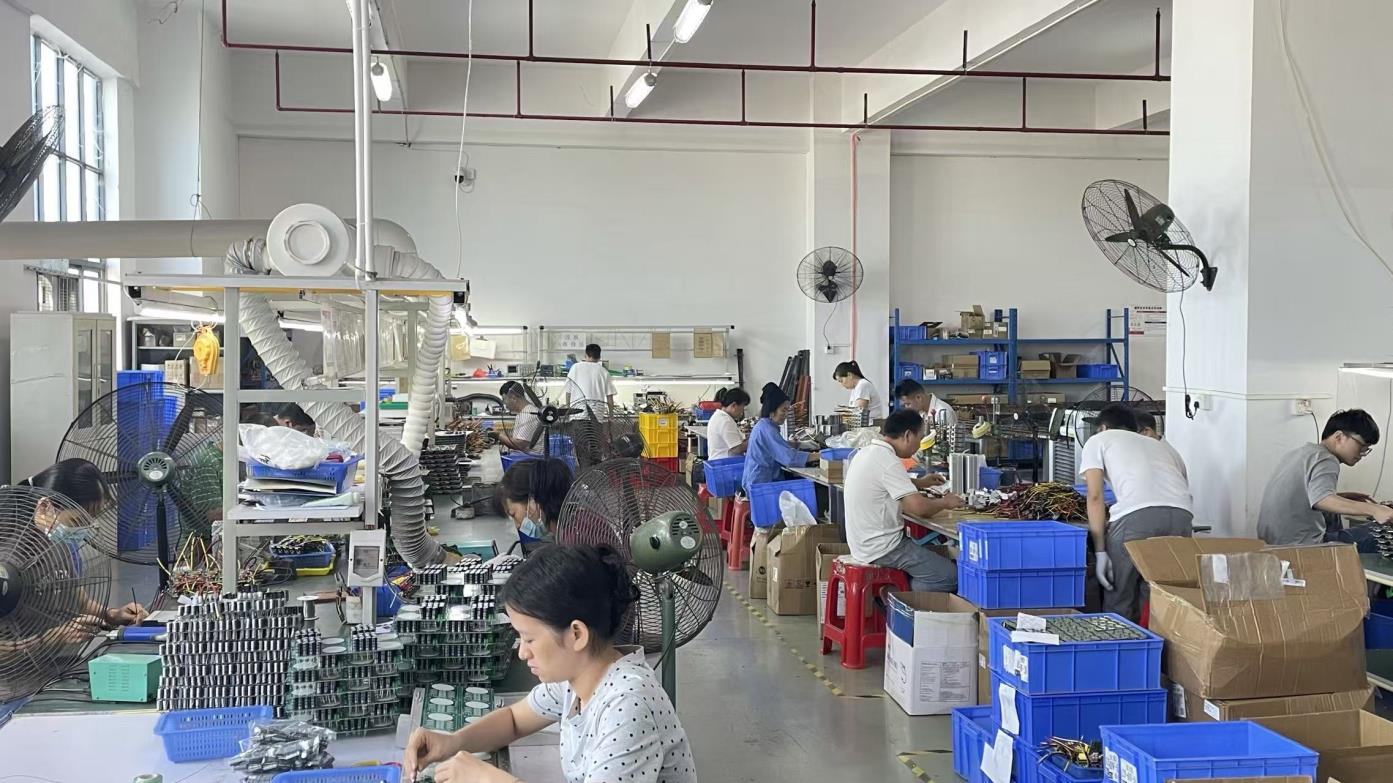 Assembly Line
Reliability cannot be superficial. Every system variant must pass standardized stress checks before being released for shipment. This is especially true for the Tokyo market where sub-optimal cooling or voltage fluctuations can result in catastrophic downtime.
Our localized laboratory is equipped to perform insulation stress, functional limits verification under environmental extremes, and precise circuit analyses under heavy thermal loads.
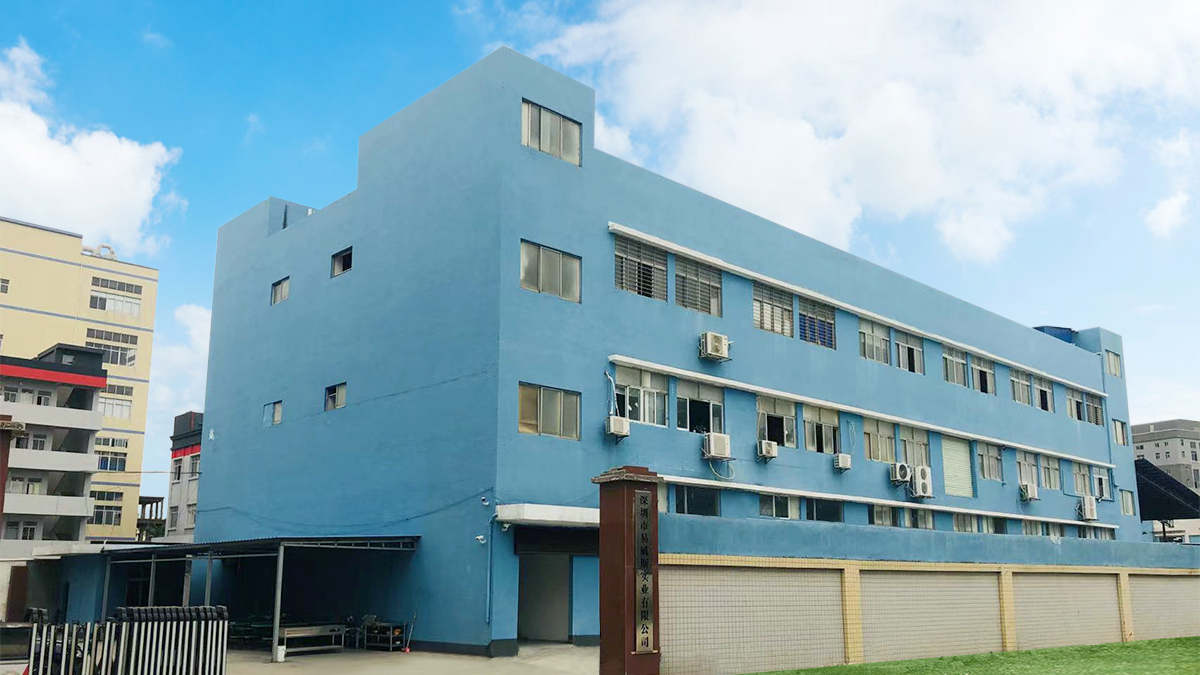
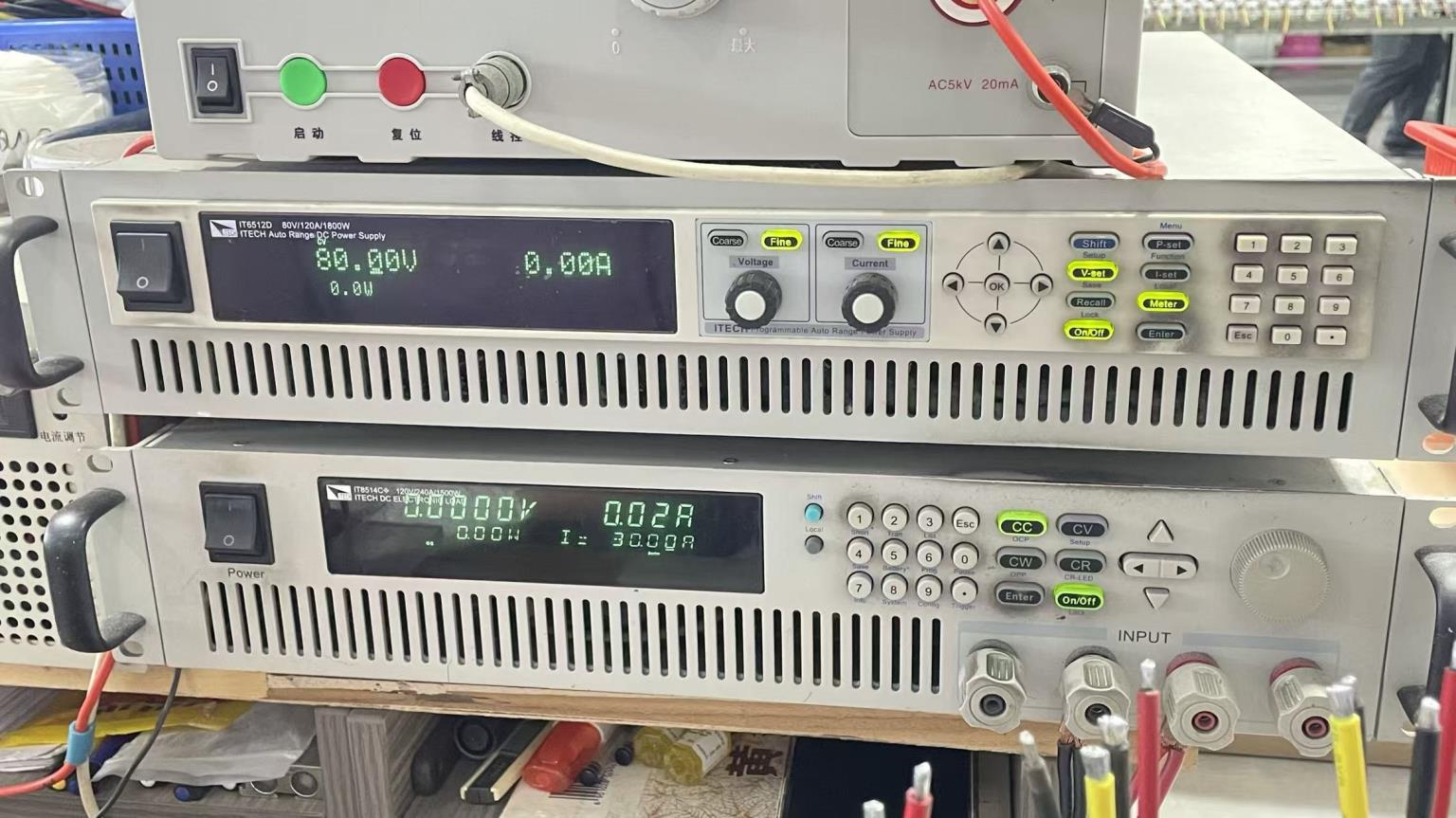 DC Power Supply Tester
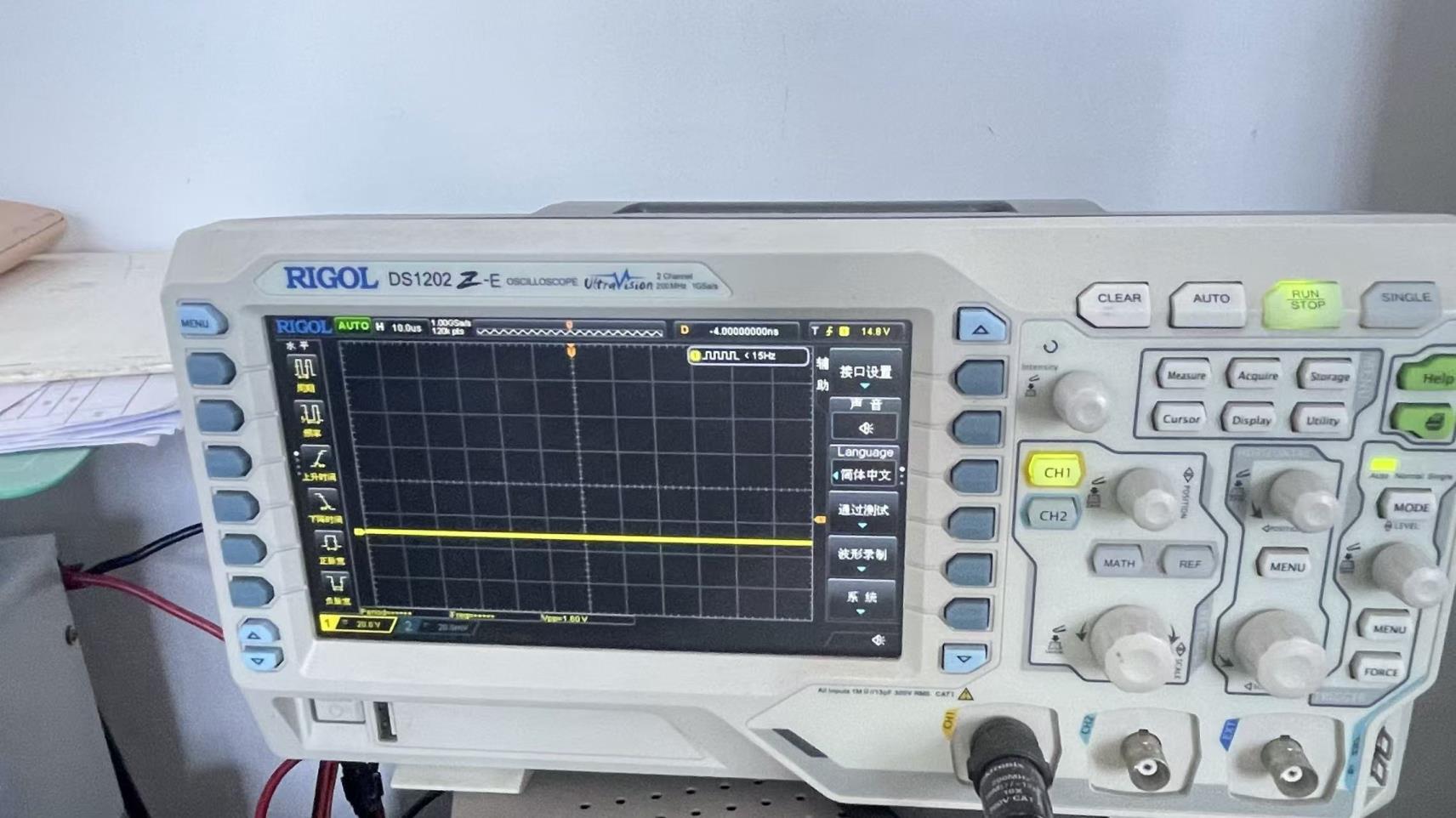 AC Withstand Voltage
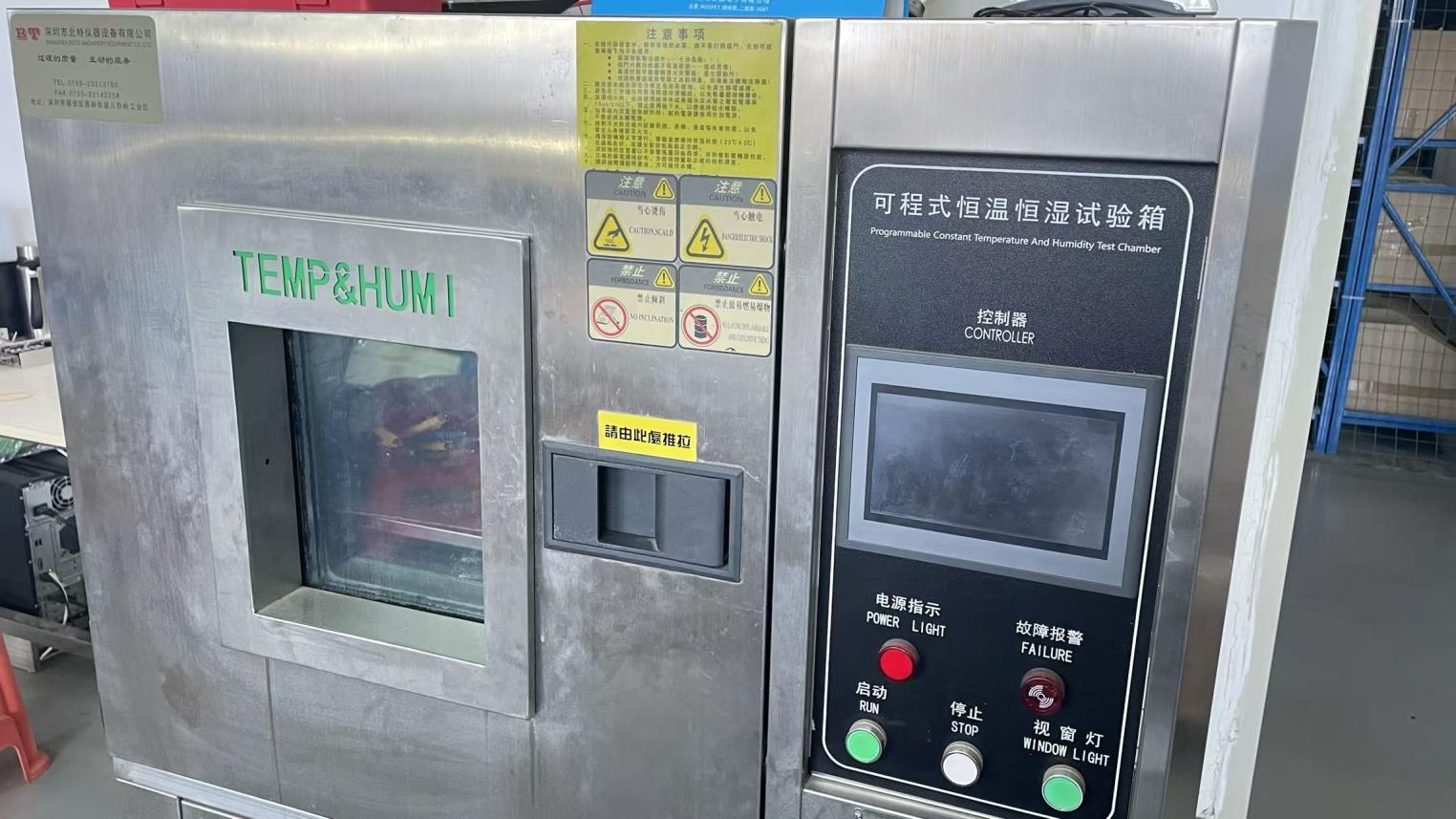 Climate Chamber
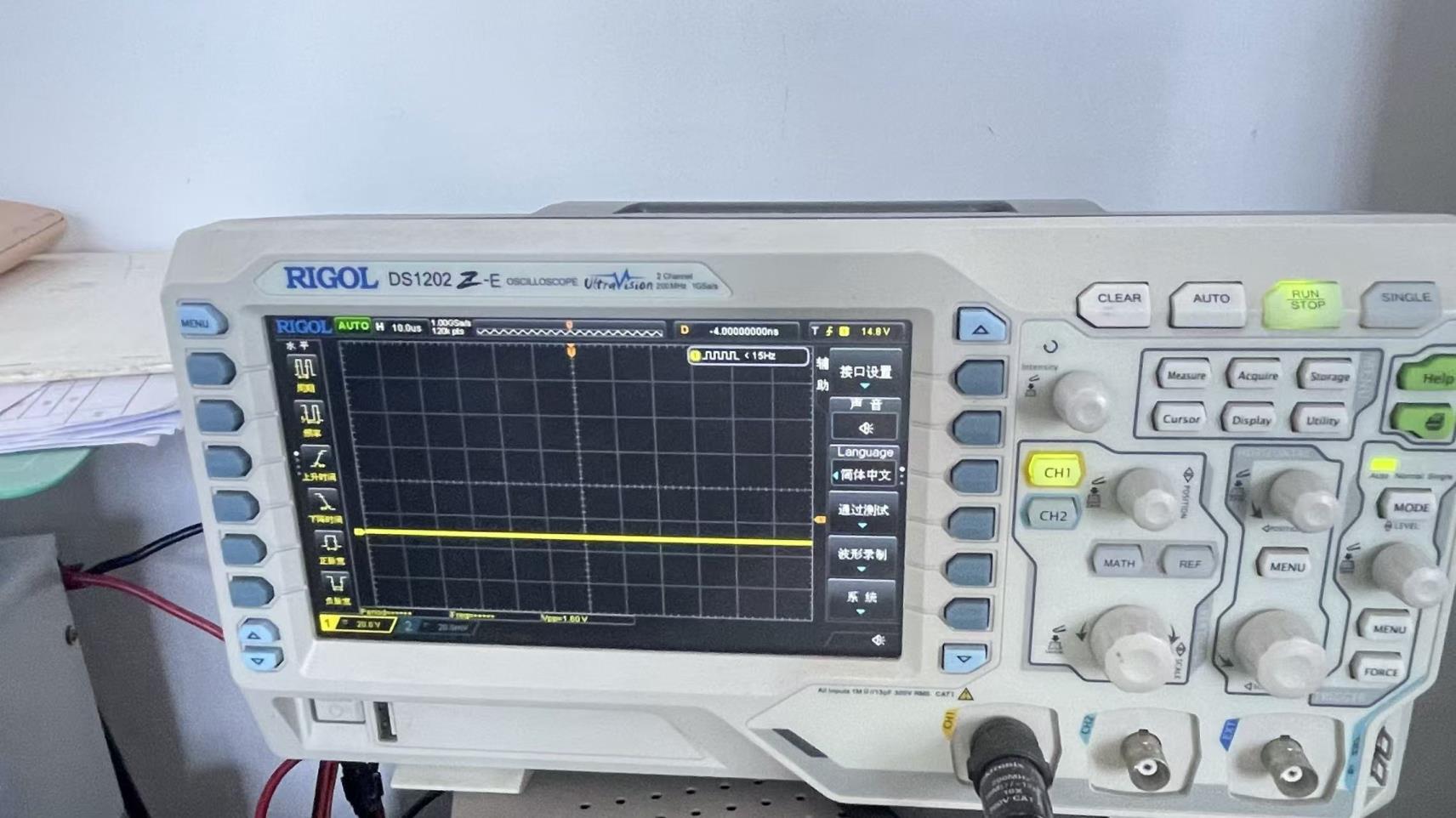 Optical Microscope
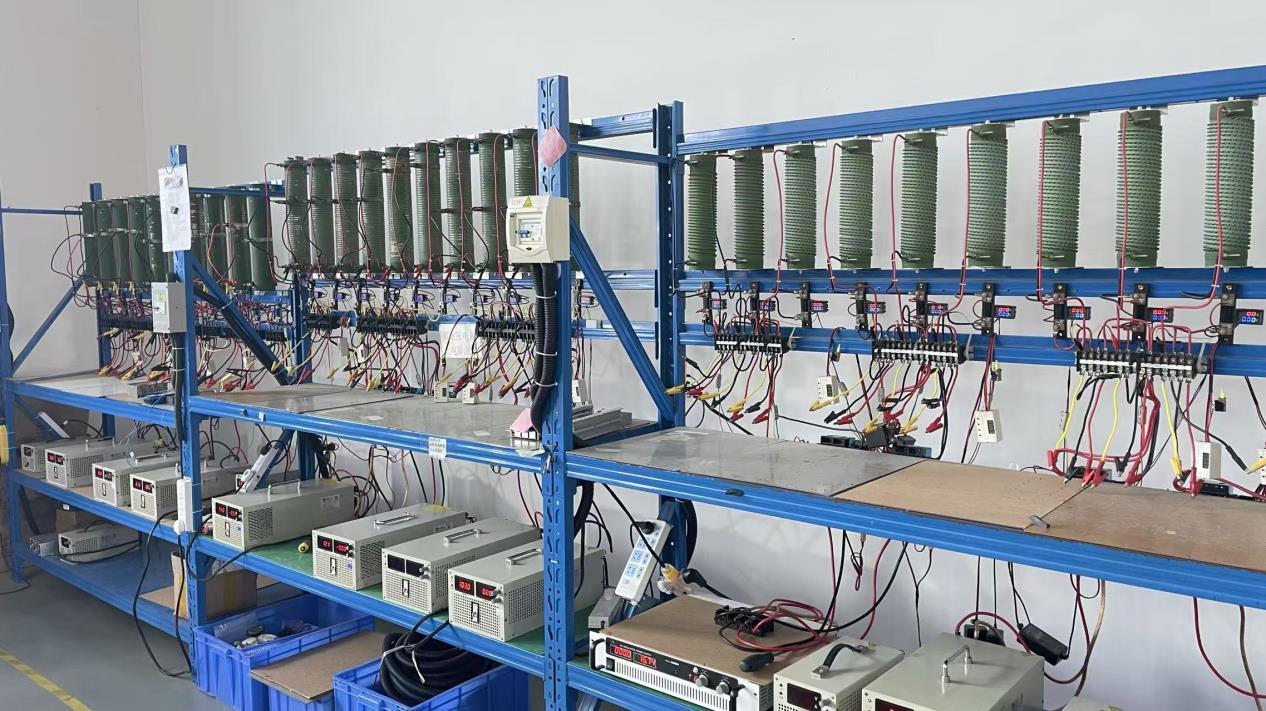 Aging Test Bench
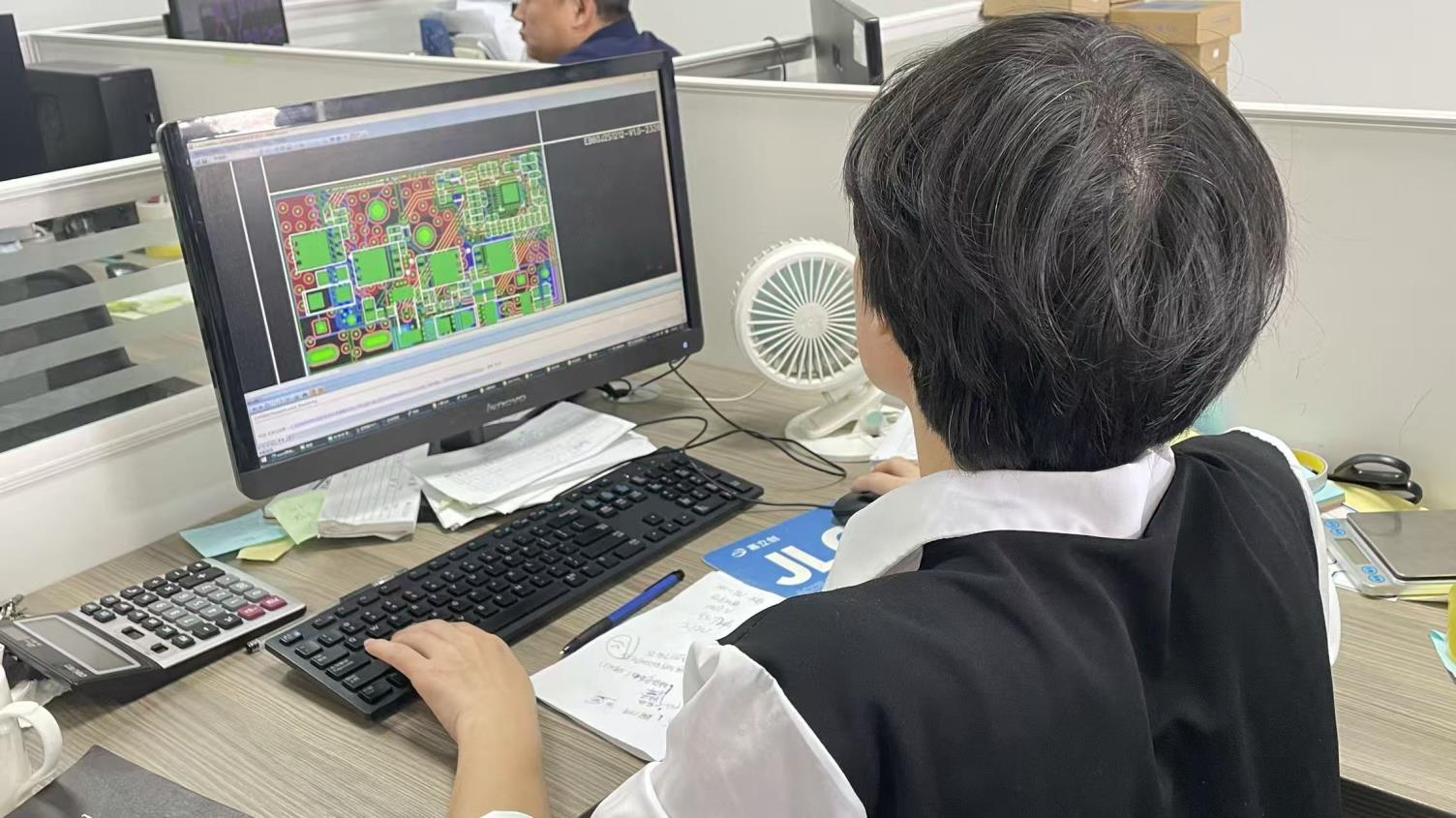 Design Studio
Browse our comprehensive lineup of DC power systems, hot-swap modules, and converter chassis deployed across networks worldwide.
Addressing key implementation considerations for Japanese industrial power grids and colocation standards.
Our indoor enclosures feature reinforced cold-rolled steel frames and structural bracing anchor points conforming to JIS standards. We design structures to absorb low-frequency vibrations and withstand high lateral seismic accelerations (up to 1.5G), avoiding physical chassis stress on terminal connections.
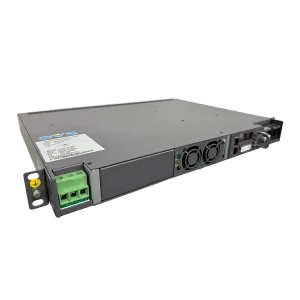
We highly recommend EVS48100-H1B1 modules (48V 1U rectifiers). They offer high power density with 95% efficiency, minimizing thermal loads in confined cabinets. They support hot-swapping to ensure maintenance runs do not affect live systems.
Yes. The GZDW 110V DC system includes an intelligent monitoring unit supporting SNMP, Modbus, and Profibus protocol interfaces. It seamlessly links to centralized building management systems (BMS) and substation automation architectures common across Japanese utility stations.
For outdoor applications or high-density indoor rooms with poor HVAC loops, EVS uses double-skin structural framing containing air-gap insulation. Coupled with specialized heat exchangers or active fans, heat is efficiently pulled away from rectifiers without letting damp or particulate-laden air into inner components.
Yes. Our factory supports bespoke configuration setups. We regularly customize dimensions, paint finishes, distribution bus layouts, breaker counts, and battery rack integrations according to the client's detailed structural drawings.
Partner with EVS Powers for rugged, highly efficient power distribution systems. Our engineering staff is standing by to evaluate your structural designs and electrical schematics.
Initiate Engineering Consult EVS Powers