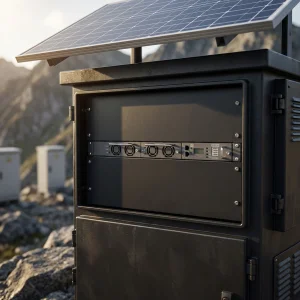
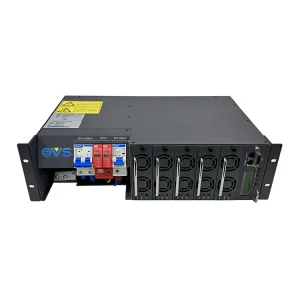
High-power density conversion modules engineered for integration into Southern California's heavy electrification infrastructure, offering superior thermal management and compliance.
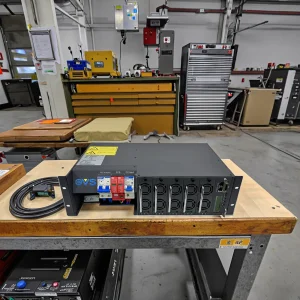
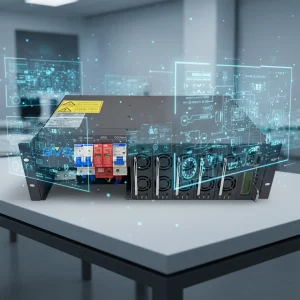
Exploring the macroeconomic drivers, regulatory environments, and grid updates pushing the demand for next-generation DC-DC converters in Southern California.
Los Angeles is rapidly transitioning into a primary hub for green tech innovation. Driven by aggressive legislative mandates like California's Title 24, SB 100, and the LA100 initiative (aiming for 100% clean energy by 2035), municipal utilities and private enterprises are rebuilding their energy infrastructure. The electrification of the Port of Los Angeles and Port of Long Beach requires heavy-duty automated guided vehicles (AGVs), drayage trucks, and material handling systems that rely on highly stable, high-voltage DC-DC converters to step down mega-watt grids to control levels.
Additionally, the South Bay aerospace corridor (spanning El Segundo, Hawthorne, and Torrance) demands extreme levels of electromagnetic compatibility (EMC) and thermal reliability for military-grade power supplies. As local assembly networks upgrade their technology stacks, standard commercial power supplies no longer suffice. System integrators require ruggedized, isolated step-down and step-up modules capable of operating under high ambient temperatures without thermal runaway.
For procurement directors in Fortune 500 aerospace, telecom, and automotive divisions based in California, sourcing power electronics involves mitigating geopolitical tariffs, assuring component origin traceability, and certifying compliance with UL, CE, and FCC Class A/B regulations. A reliable DC-DC converter exporter must offer more than just catalog products; they must provide full engineering transparency, including complete Mean Time Between Failures (MTBF) calculations, heat dissipation schematics, and customized PCB design-in support.
Guangzhou EVS Powers Co., Ltd. addresses these demands directly. By maintaining deep vertical integration—encompassing magnetics winding, automatic soldering, and multi-stage environmental chambers—we bridge the gap between cost-effective production scales and the rigorous performance metrics expected by engineering departments in Los Angeles. This ensures that every product, from telecom converters to high-power industrial rectifiers, arrives with verified testing documentation.
An analysis of power conversion topologies, magnetic design, and system-level thermal considerations for modern engineers.
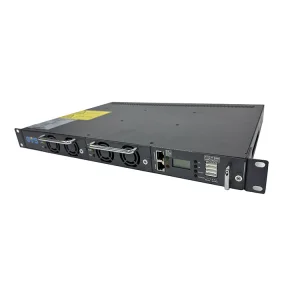
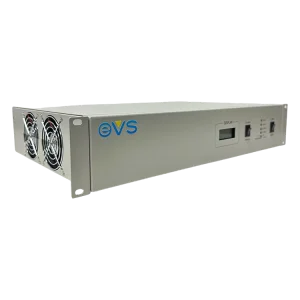
For applications where input voltage spans both above and below the required output threshold (such as battery-backed telecom towers or hydrogen fuel cell drivetrains), traditional linear or simple switching designs introduce unacceptable losses. The EVS Power EVS48S500-15 6KW Converter uses an interleaved synchronous buck-boost topology. By shifting the switching phase of parallel power stages, we significantly reduce input and output ripple currents, which allows for smaller filtering capacitors and prolongs the lifespan of connected energy storage units.
Key parameters for industrial integrations in Los Angeles projects include:
1. Telecommunications Infrastructure: 48V DC power rectifiers stepping down to 24V or stepping up to 380VDC for centralized optical transport and remote radio heads (RRH).
2. EV Charging Infrastructure: Bi-directional converter systems that allow local commercial energy storage systems to dump power back to heavy electric vehicle batteries or feed energy back into microgrids.
3. Automation & Robotics: DIN rail and rack-mounted converter units feeding robotic arms and conveyors in Los Angeles logistics distribution centers with stable voltages free of line spikes.
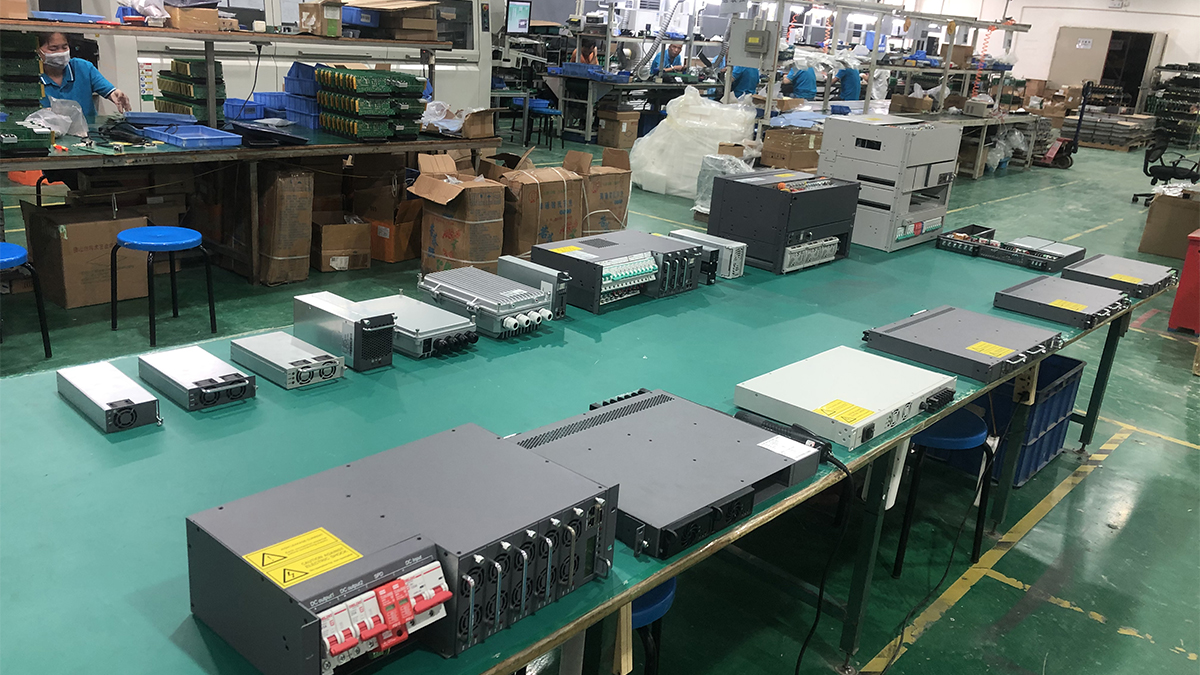
Every converter undergoes rigid, multi-point validation tests to meet the highest safety, reliability, and export quality standards for North American deployment.
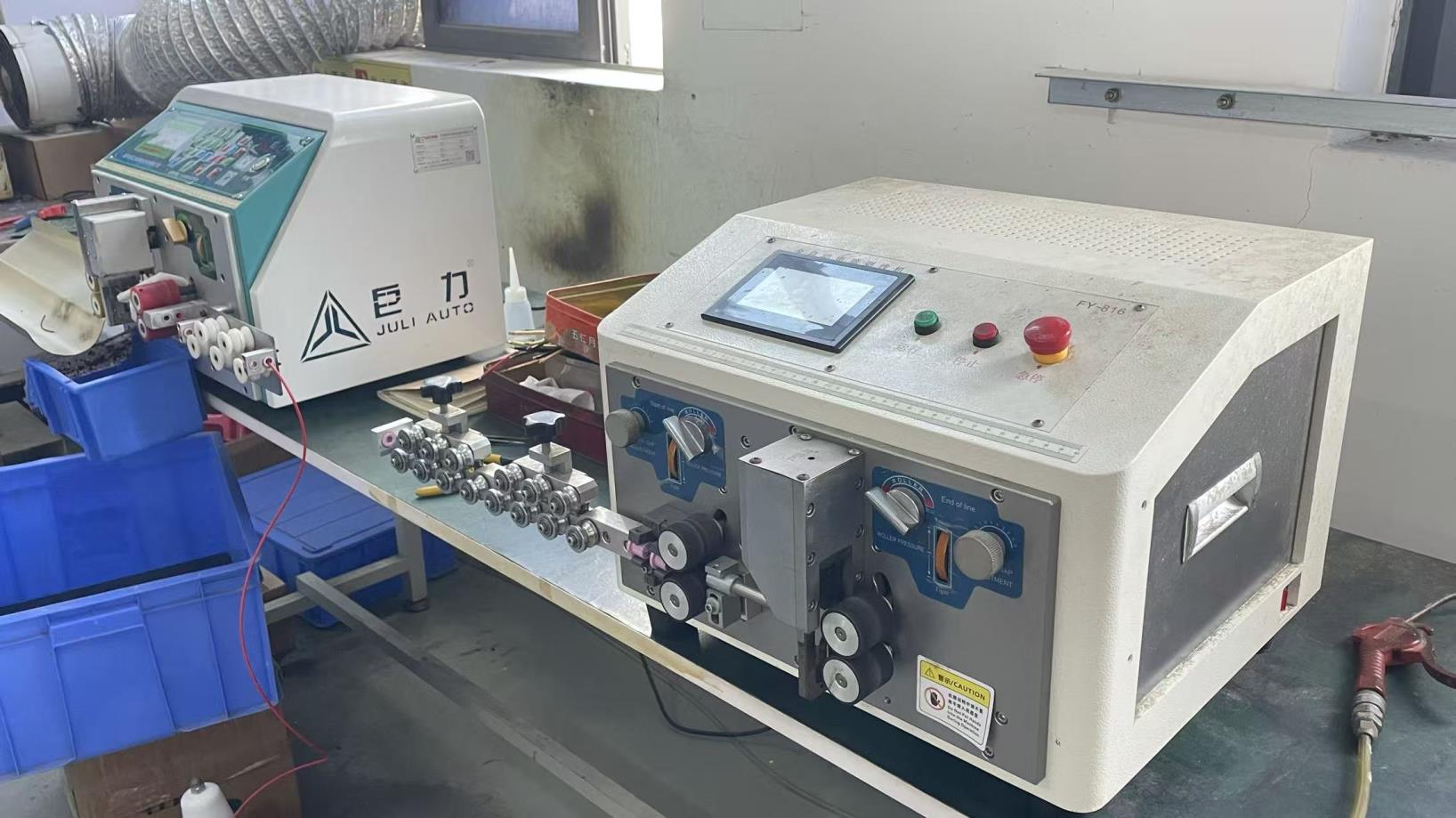 Wire Cutting
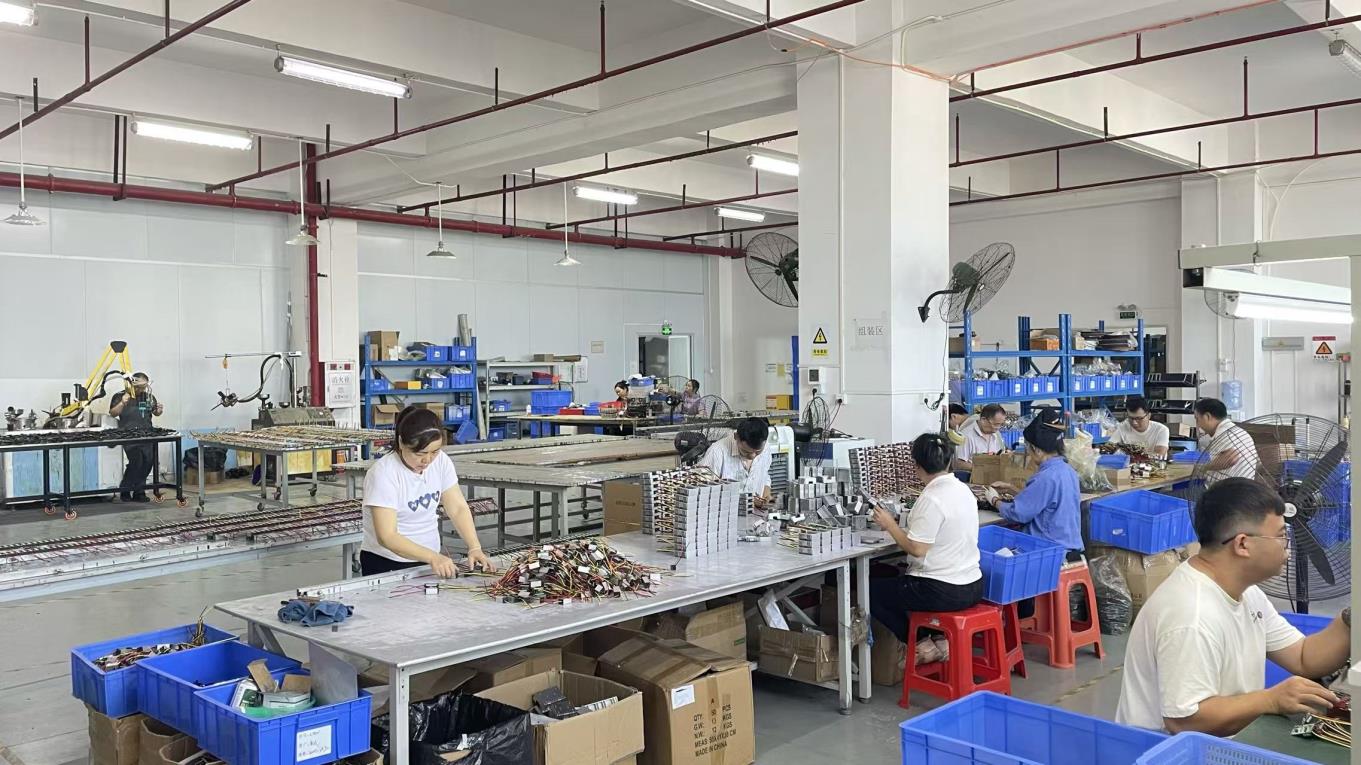 Plug-In
 Soldering Tin
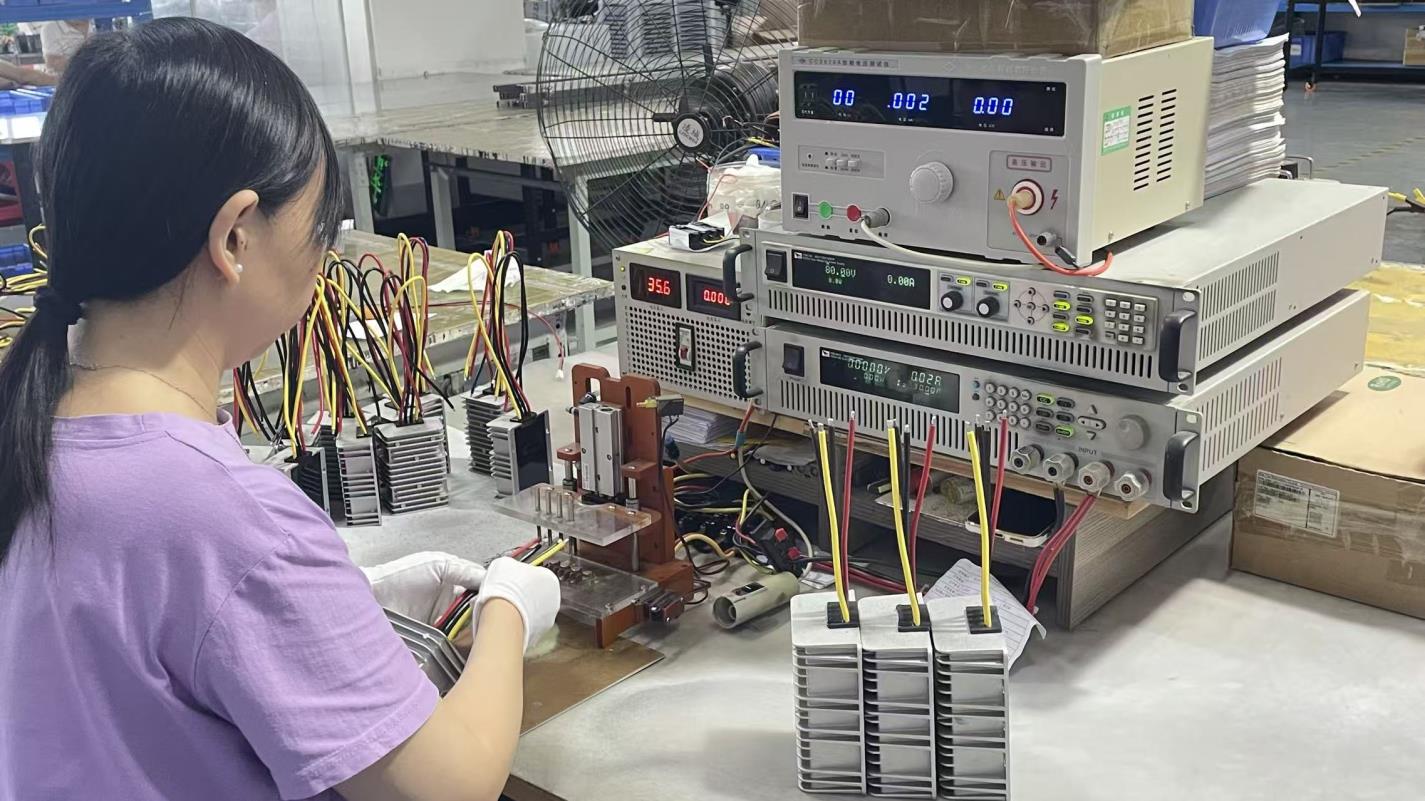 Test
Test
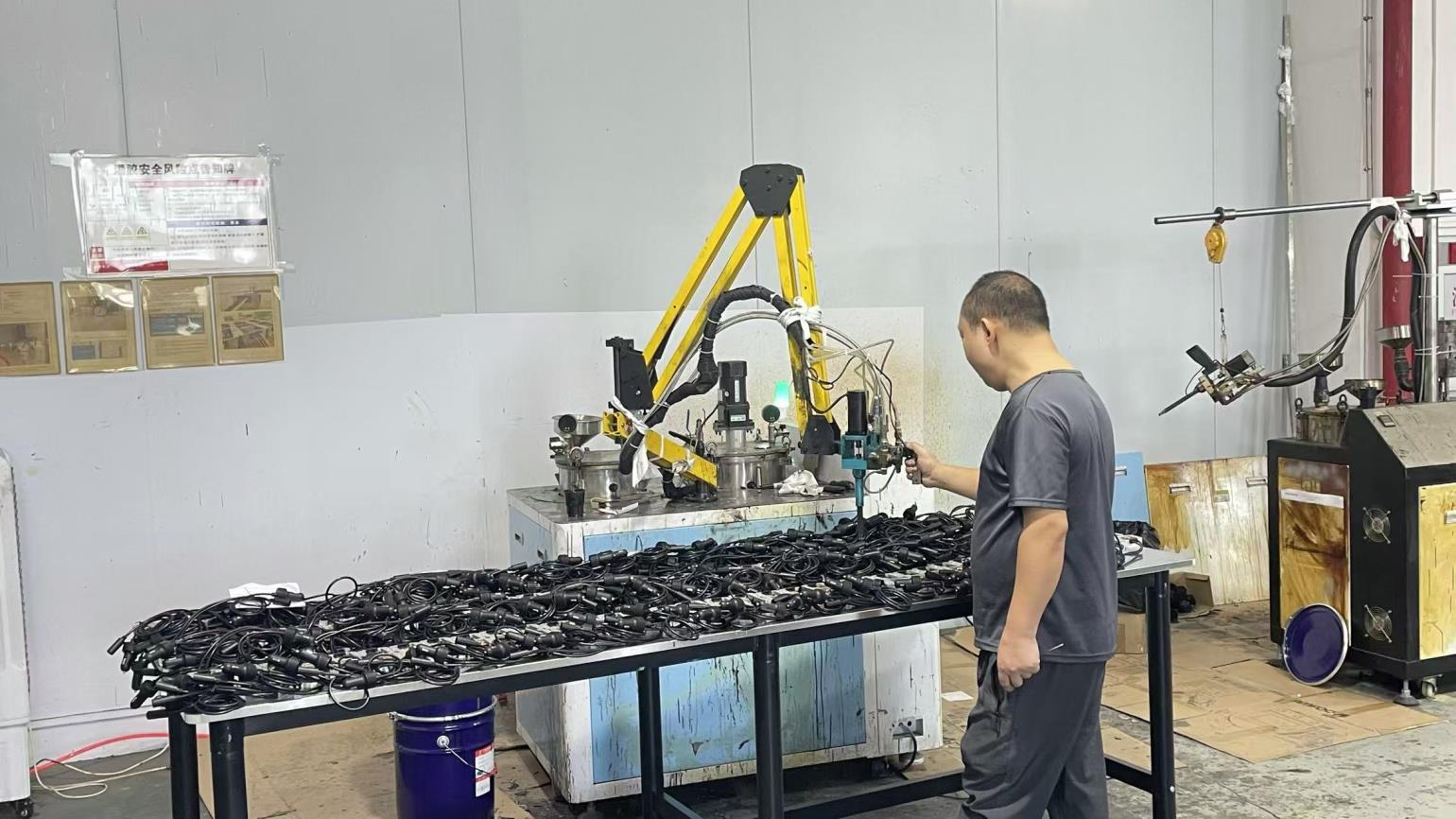 Glue Filling
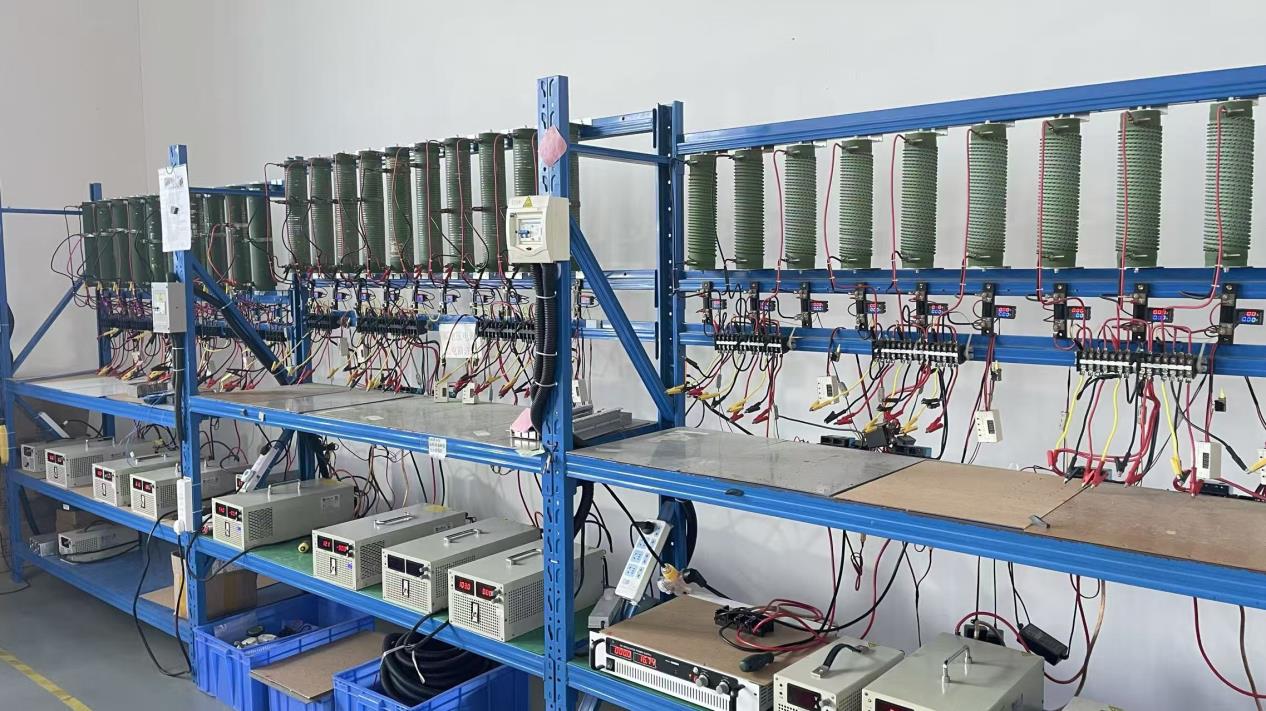 Burn-In Test
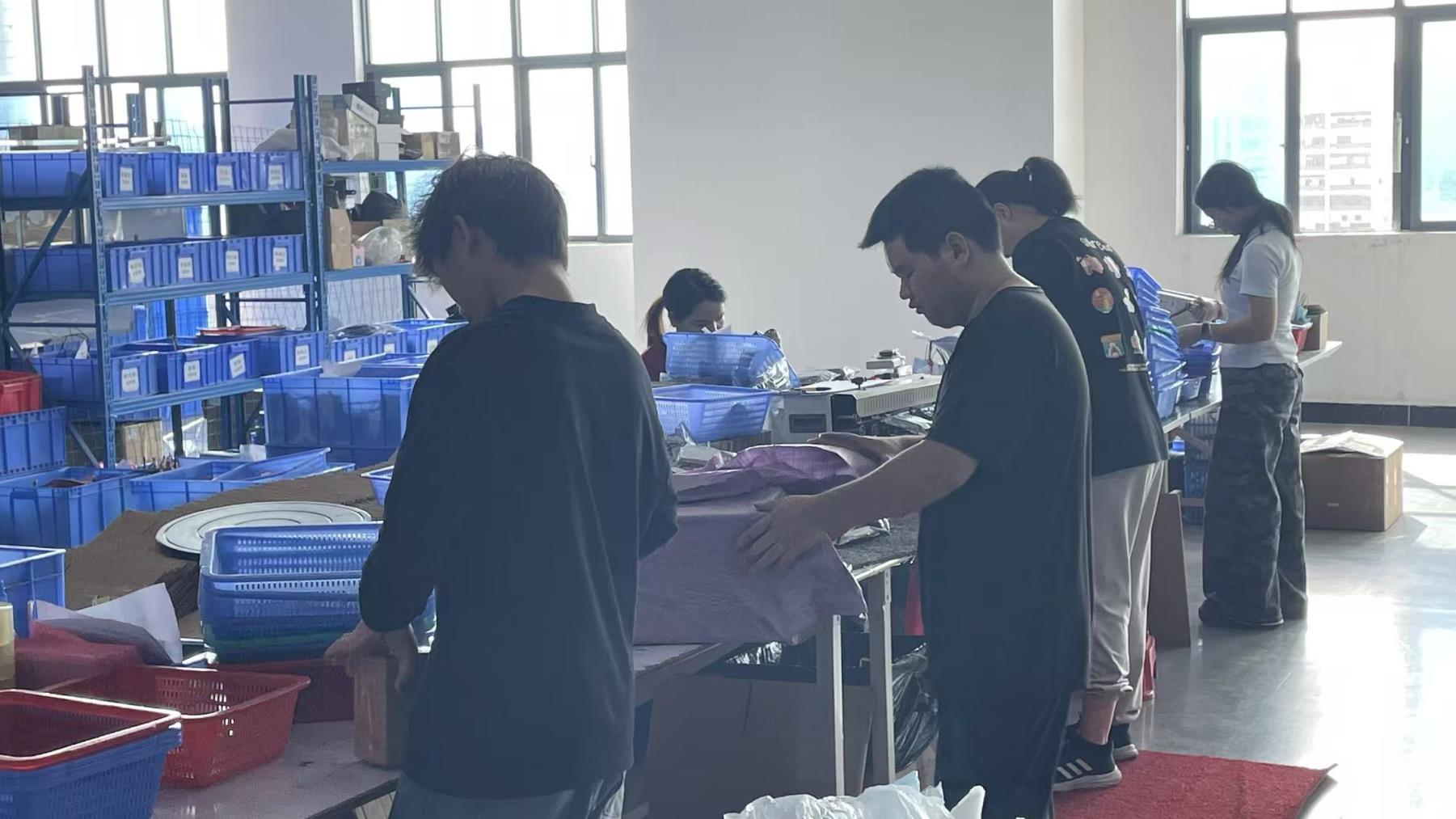 Packaging
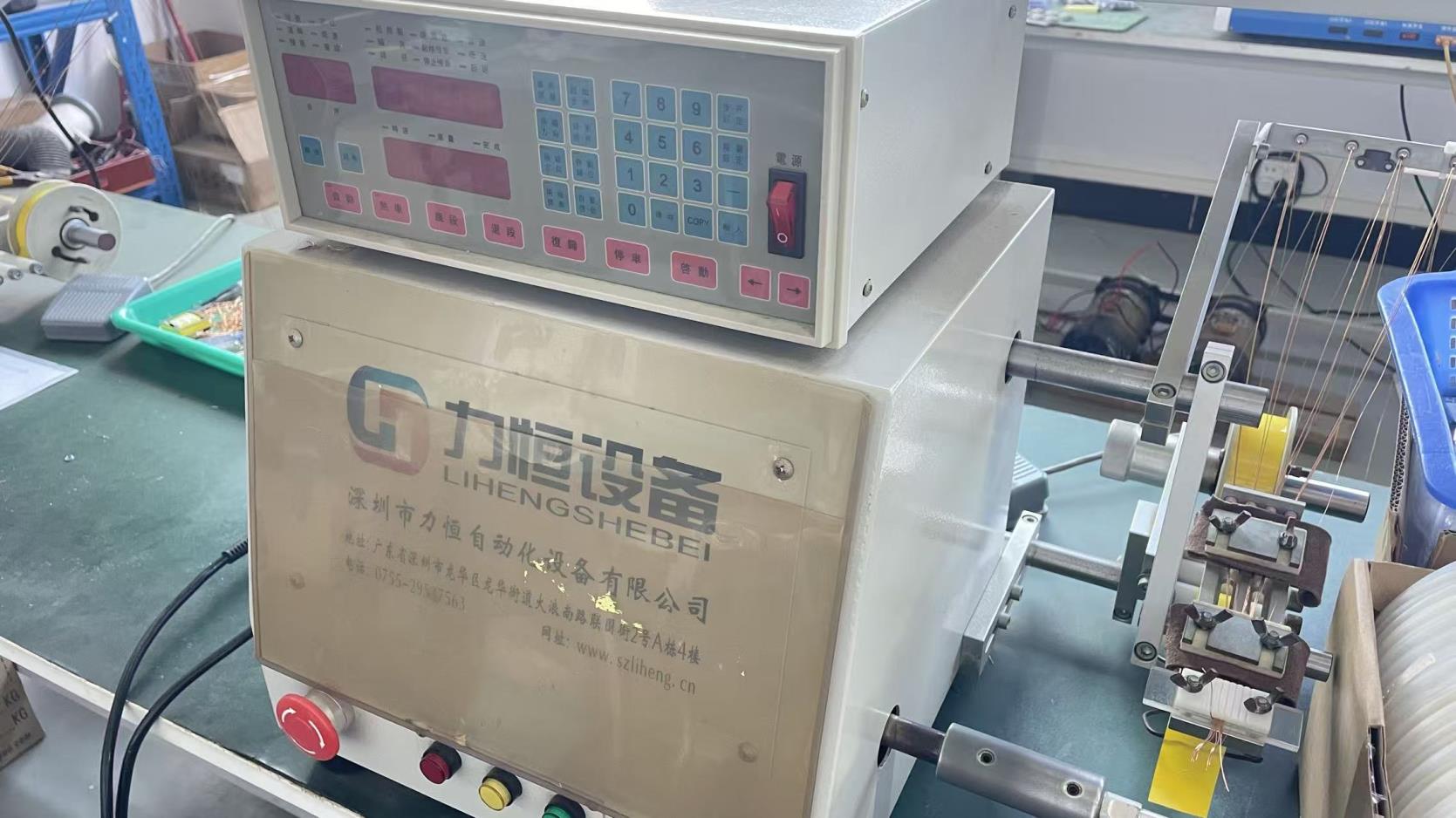 Winding Machine
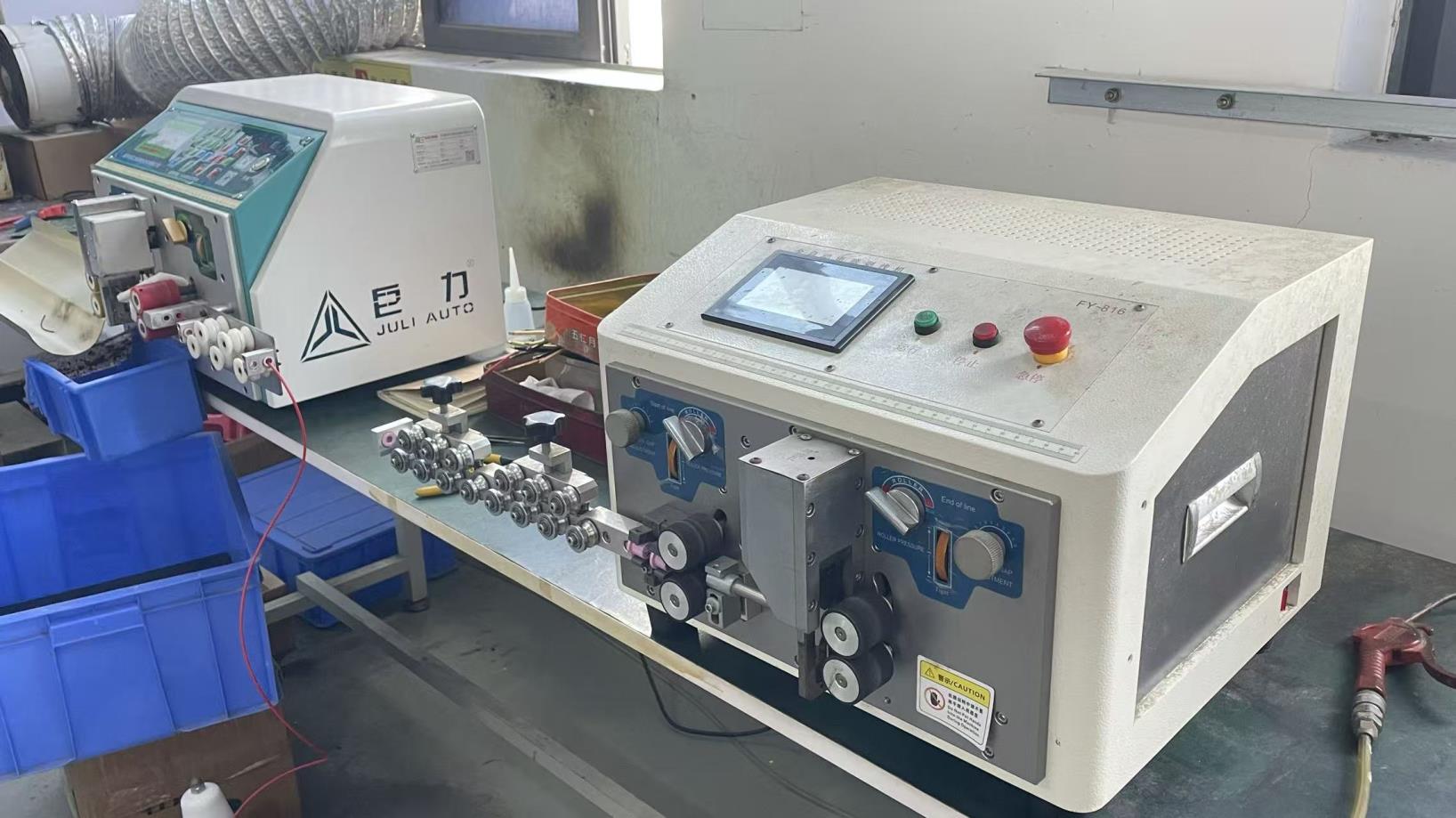 Wire Cutting Machine
 Automatic Soldering Machine
 Laser Engraving Machine
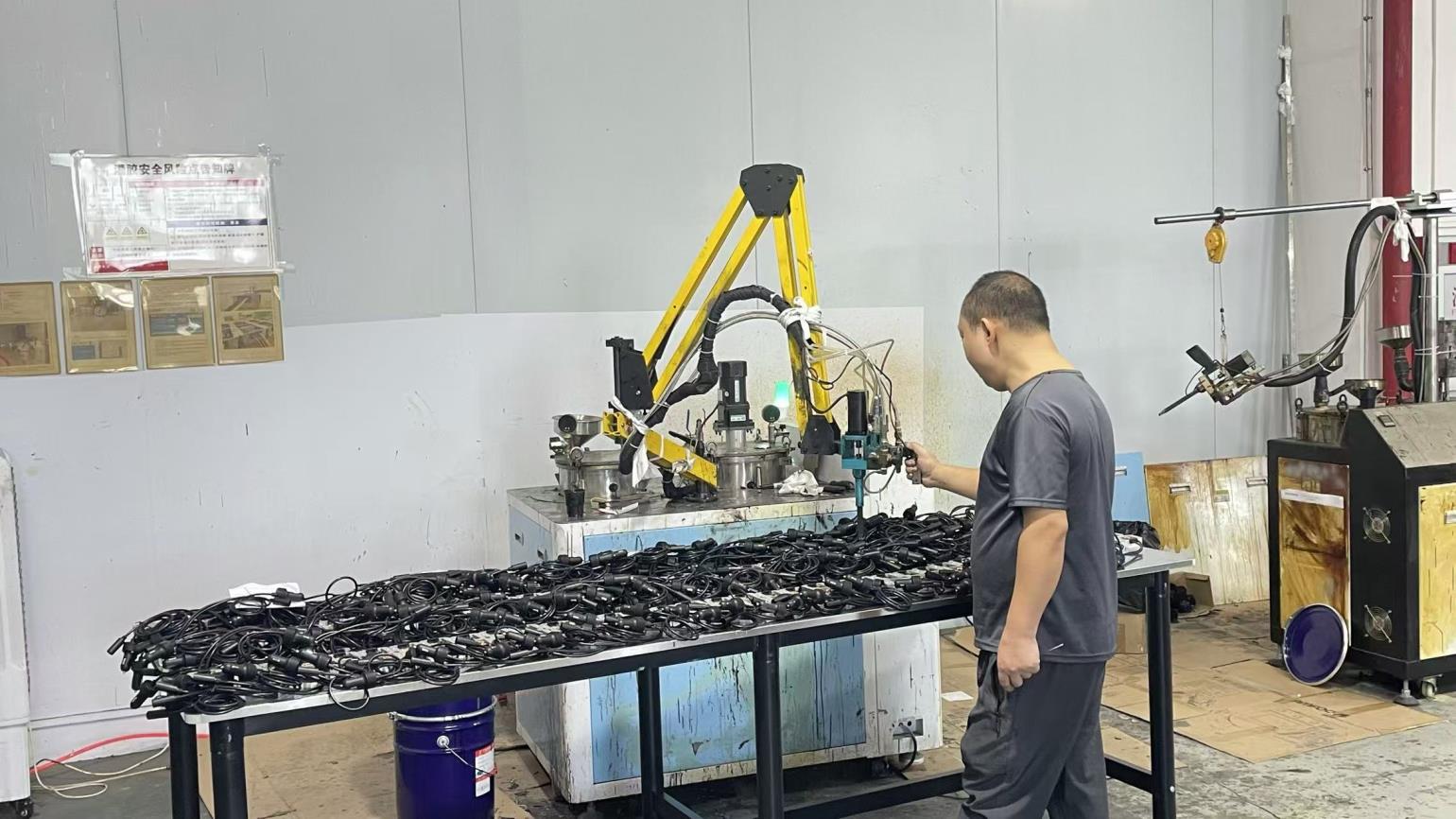 Canning machine
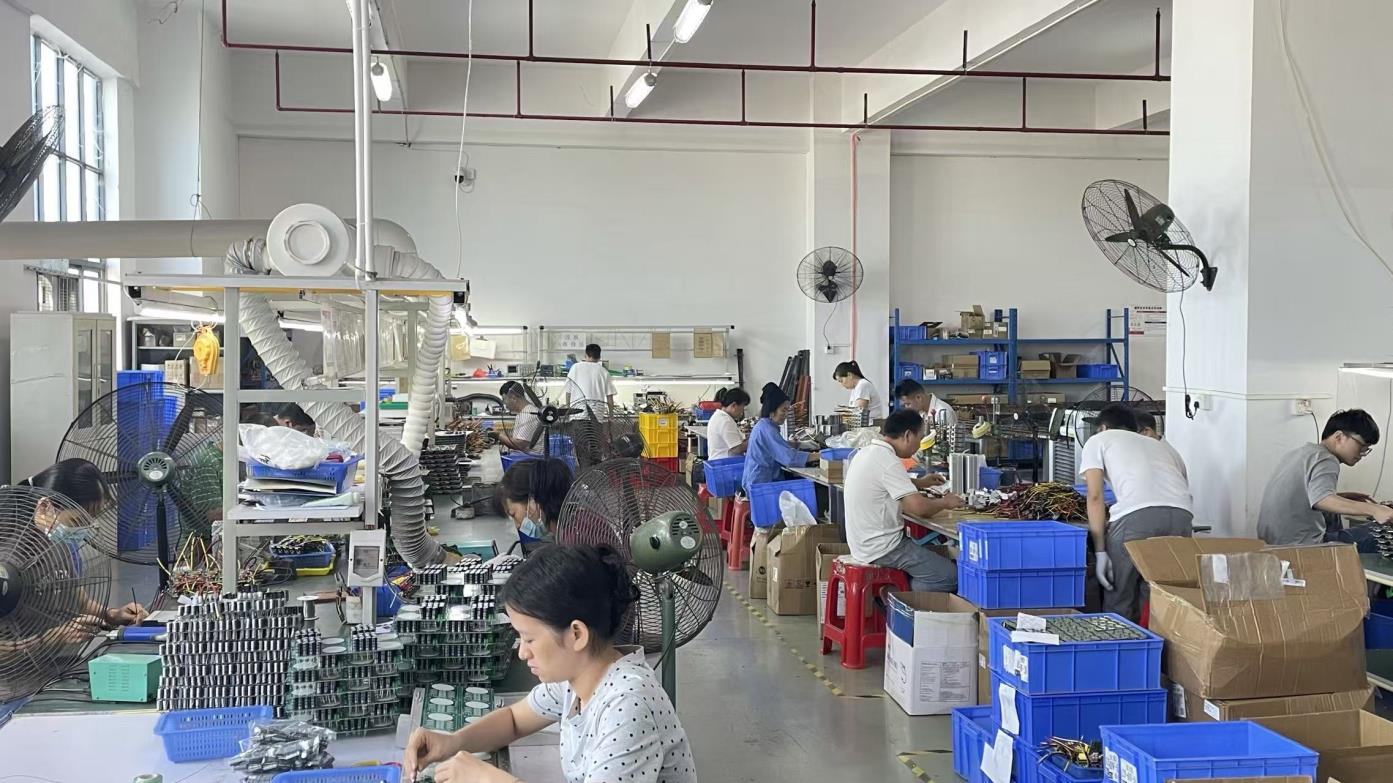 Assembly Line
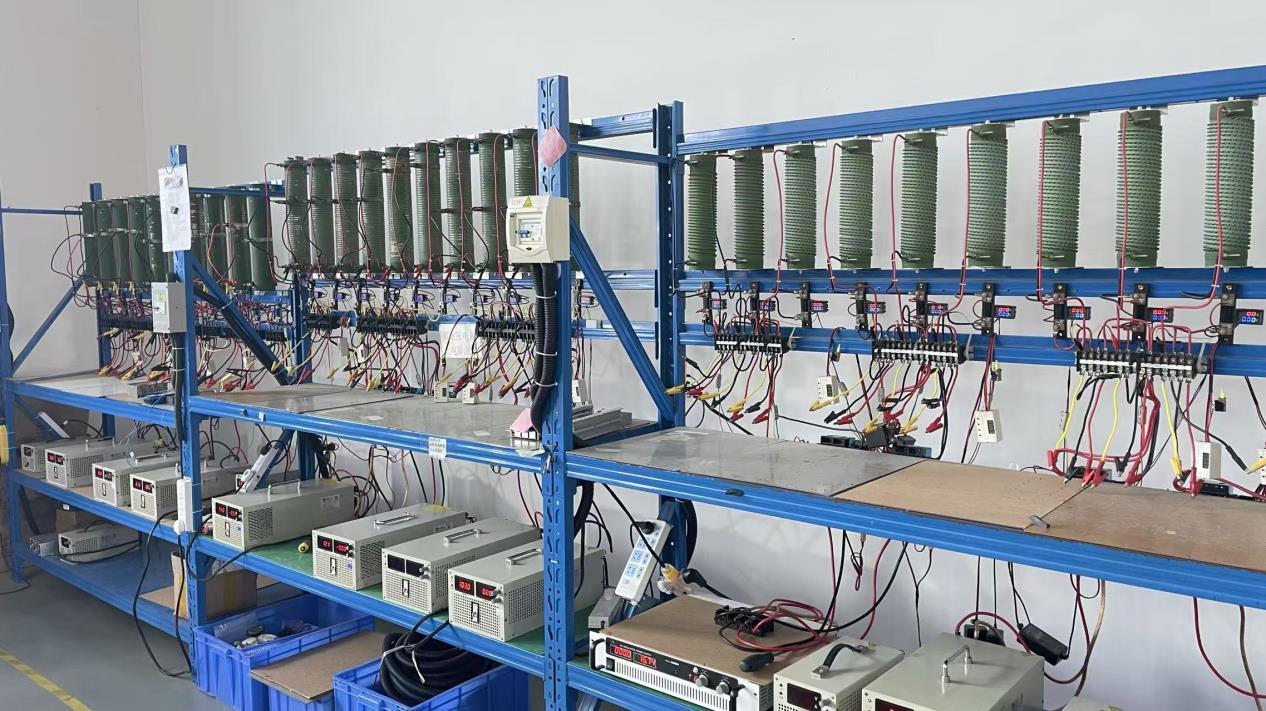
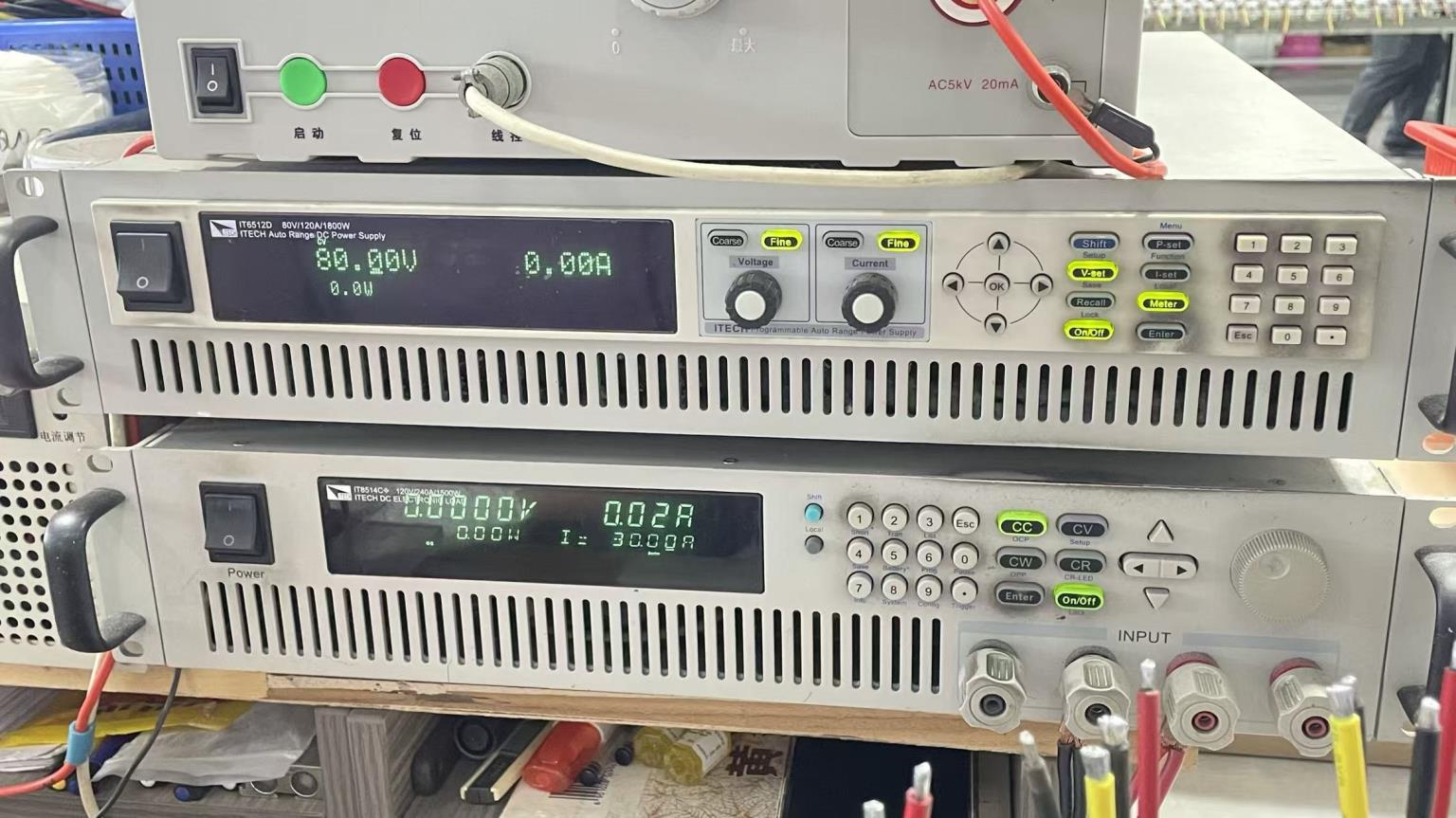 DC Power Supply Tester
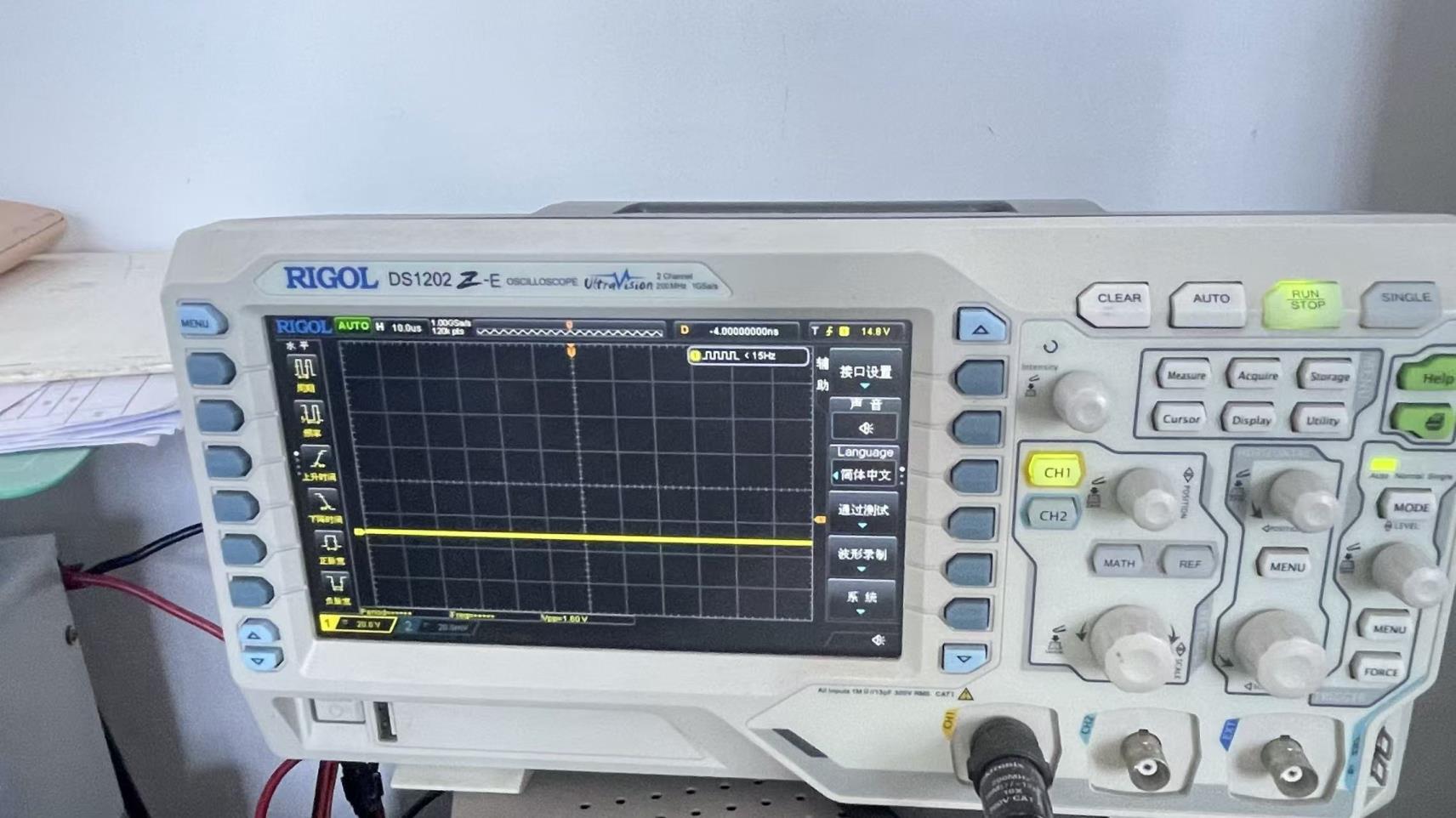 AC Withstand Voltage Tester
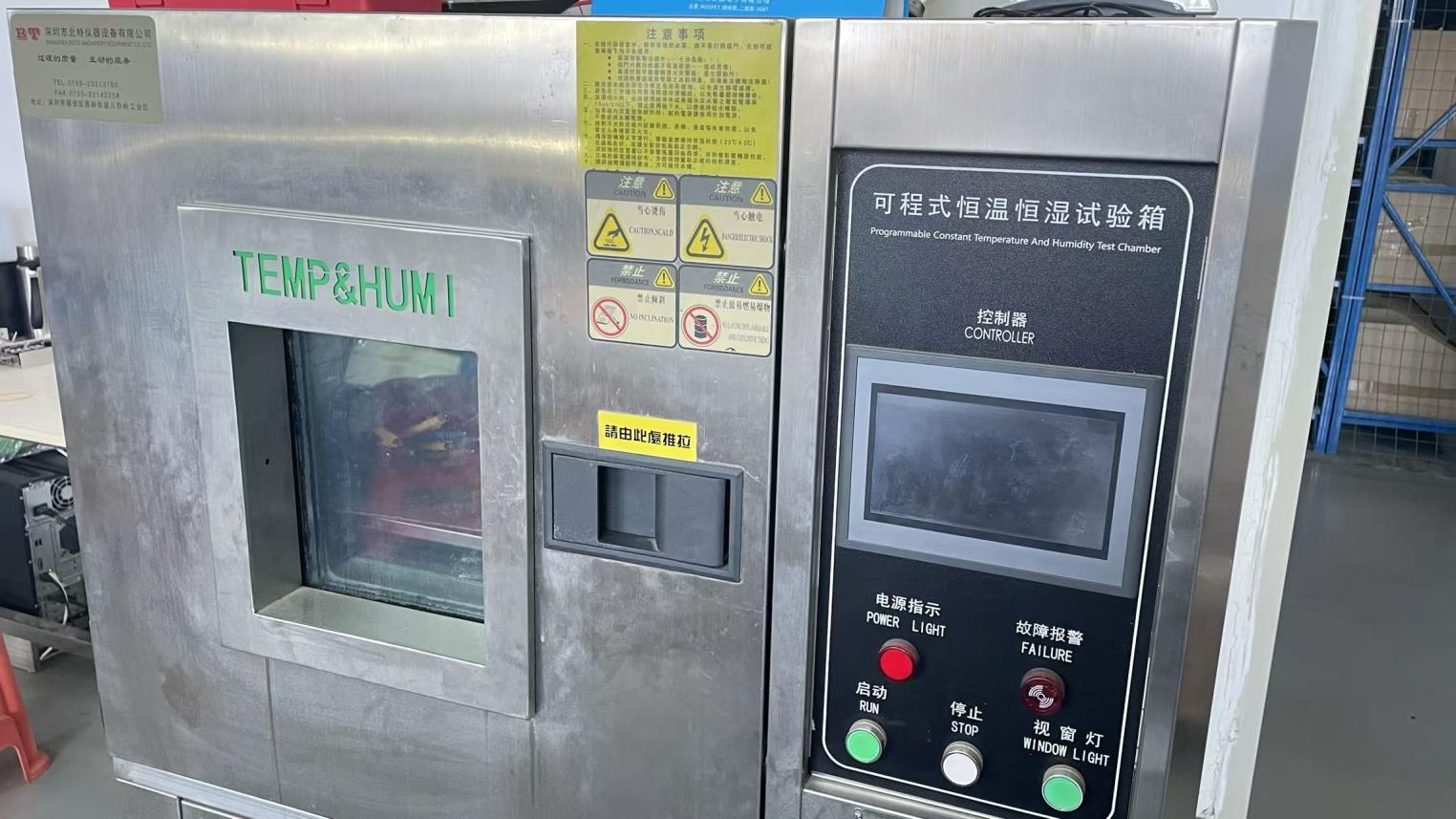 Constant temperature & humidity chamber
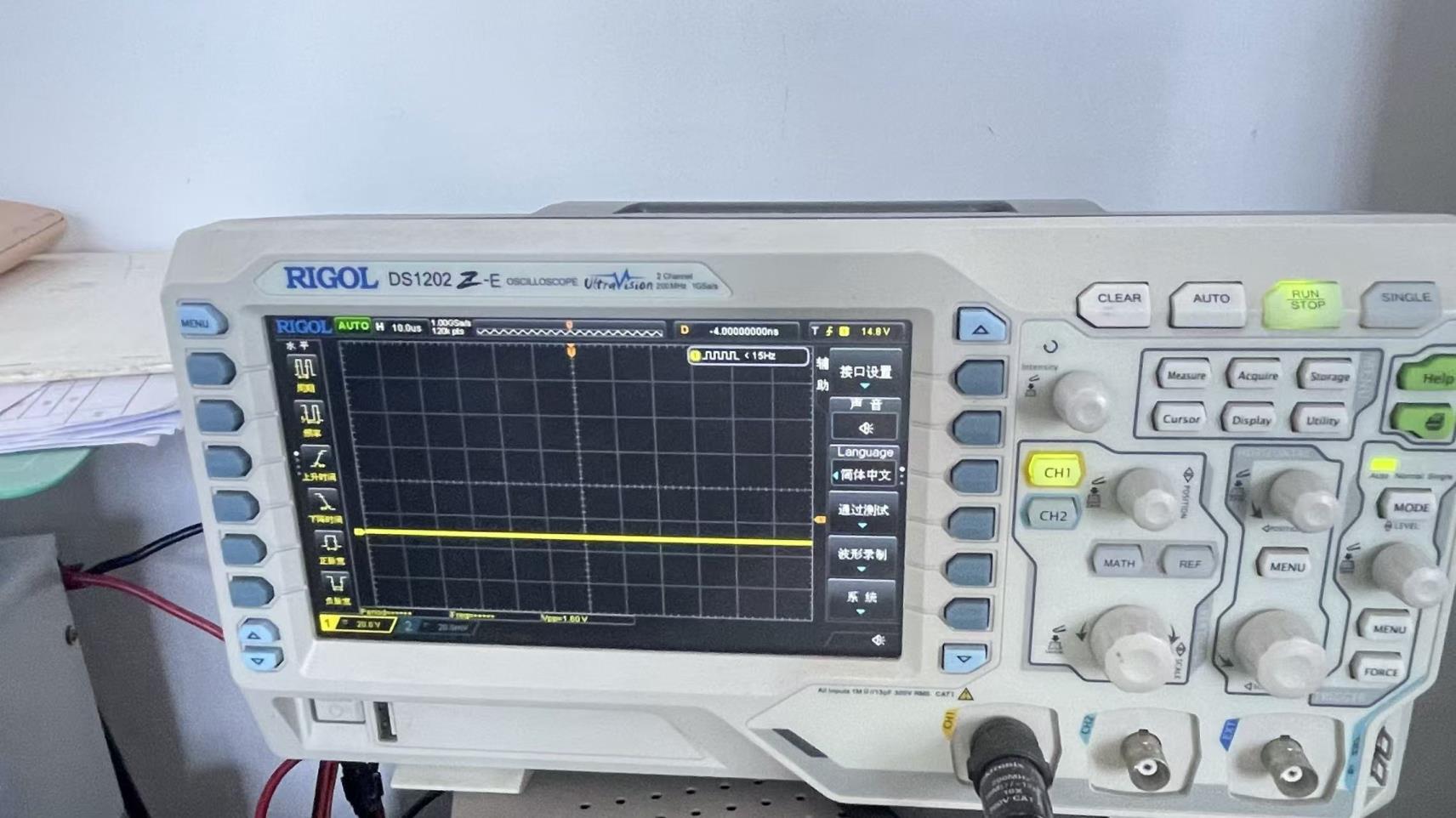 Optical microscope
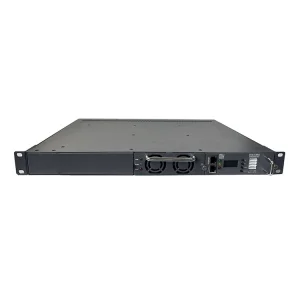
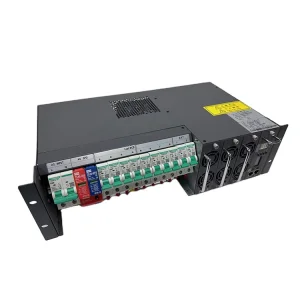
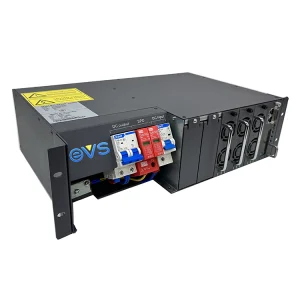
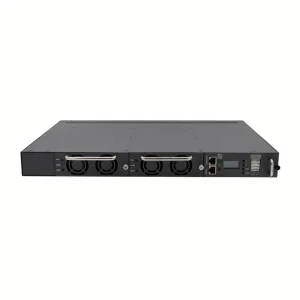
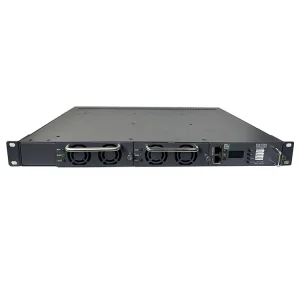
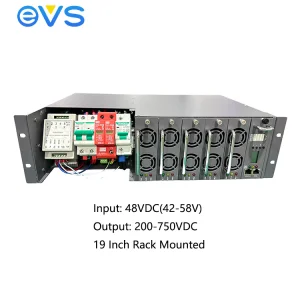
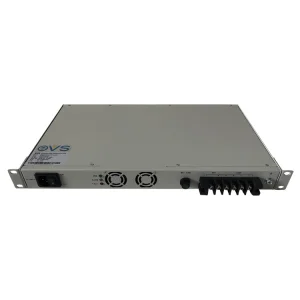
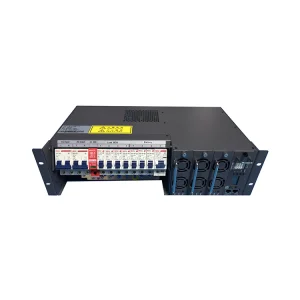
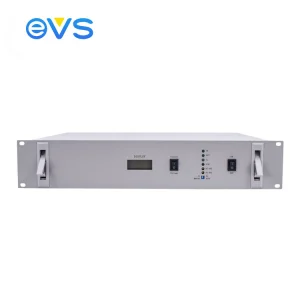
High-efficiency, isolated, and non-isolated DC-DC step-down and step-up rectifiers designed for industrial deployment.
Essential technical information for power systems integrators and engineering departments in Los Angeles.
In automated ports and aerospace test setups, electrical noise and high potential differences between structural grounds can lead to severe data corruption or control system failure. Galvanic isolation (using physical transformer cores to decouple the input and output electrical pathways) eliminates ground loop paths, isolates high-voltage battery banks (up to 800VDC) from low-voltage microcontrollers, and protects equipment from high-voltage spikes.
We specialize in custom voltage mappings (such as 220VDC to 24V or 48V to 500V combinations). Our design engineers can modify the transformer coil turns ratio, update the control firmware parameters, and adjust the enclosure profile (DIN rail, rackmount, or chassis-mount) to align with your mechanical drawings and electrical architecture.
Our products are designed and tested to satisfy international safety and performance criteria, including CE marking for European markets, and are engineered to meet UL 62368-1 for IT and AV equipment safety, along with FCC Class A requirements for electromagnetic interference (EMI) containment.
We offer structured technical consultations and ship documentation and prototype units directly to Southern California. Standard product lines can be evaluated and dispatched within short lead times, while highly customized OEM designs are supported by our engineering department from initial schematic sign-off through production tooling and final shipping clearance.
Contact our engineering support team to discuss custom voltage topologies, thermal performance requirements, or bulk pricing parameters for your Los Angeles operation.
Send Inquiry Now EVS Powers