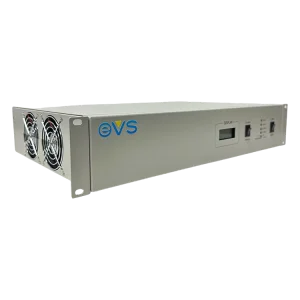
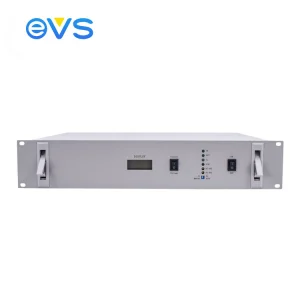
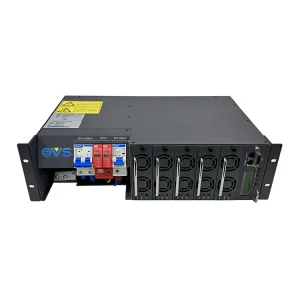
Advanced high-voltage buck-boost topologies customized for the Berlin metropolitan zone and European power grids
The metropolitan region of Berlin-Brandenburg is experiencing a profound technological transition, turning into one of Europe's premier clusters for electromobility, renewable energy conversion, and smart grid automation. Powered by initiatives like the CleanTech Business Park Berlin-Marzahn and the innovation hub at Siemensstadt Square, local machinery engineering, public transportation infrastructure (BVG), and energy utilities demand highly reliable power conversion units. In this high-stakes landscape, direct current (DC) distribution is rapidly replacing traditional alternating current (AC) architecture in energy storage plants, electric vehicle charging hubs, and industrial automation networks.
At the core of these infrastructures sits the industrial-grade DC-DC converter. By stepping voltage up or down dynamically, these modules bridge the gap between variable battery storage banks, PV generators, hydrogen fuel cells, and stable DC bus architectures. As global supply chains shift towards localization and regional resilience, European engineering offices and German project planners seek manufacturers capable of combining global cost advantages with rigorous Western technical specifications, including EN 55032 electromagnetic compatibility, DIN-rail deployment flexibility, and robust thermal performance profiles.
Legacy converters rely heavily on Silicon (Si) MOSFETs. While reliable, silicon-based architectures suffer from physical limits regarding switching frequency and thermal management. Our latest research and development efforts focus on implementing Silicon Carbide (SiC) and Gallium Nitride (GaN) switching components. In Berlin’s municipal fleet charging applications, SiC allows converters to operate at higher frequencies, shrinking magnetic components such as inductors and transformers. This reduces the device's weight by up to 40% while pushing conversion efficiencies beyond 95%.
High-isolation converters designed to transform high-voltage vehicle traction batteries (up to 800VDC) down to stable 12V/24V levels for auxiliary systems.
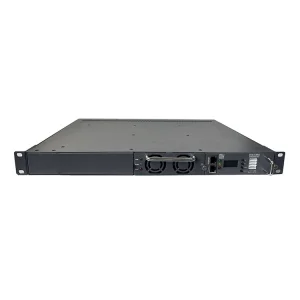
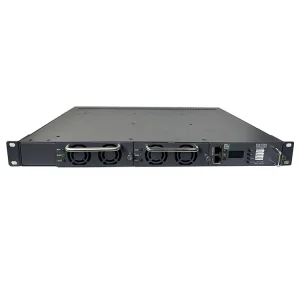
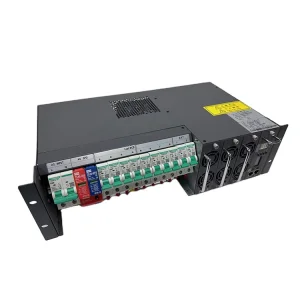
Ultra-low noise, high-efficiency rectifiers and converters bridging 380VDC utility lines to legacy 48VDC telecommunications distribution nodes.
Bidirectional converters facilitating controlled charging and discharging cycles in decentralized battery energy storage systems (BESS).
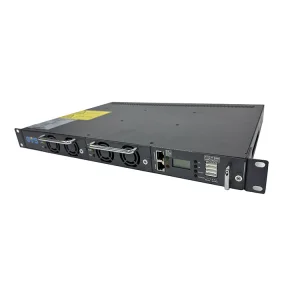
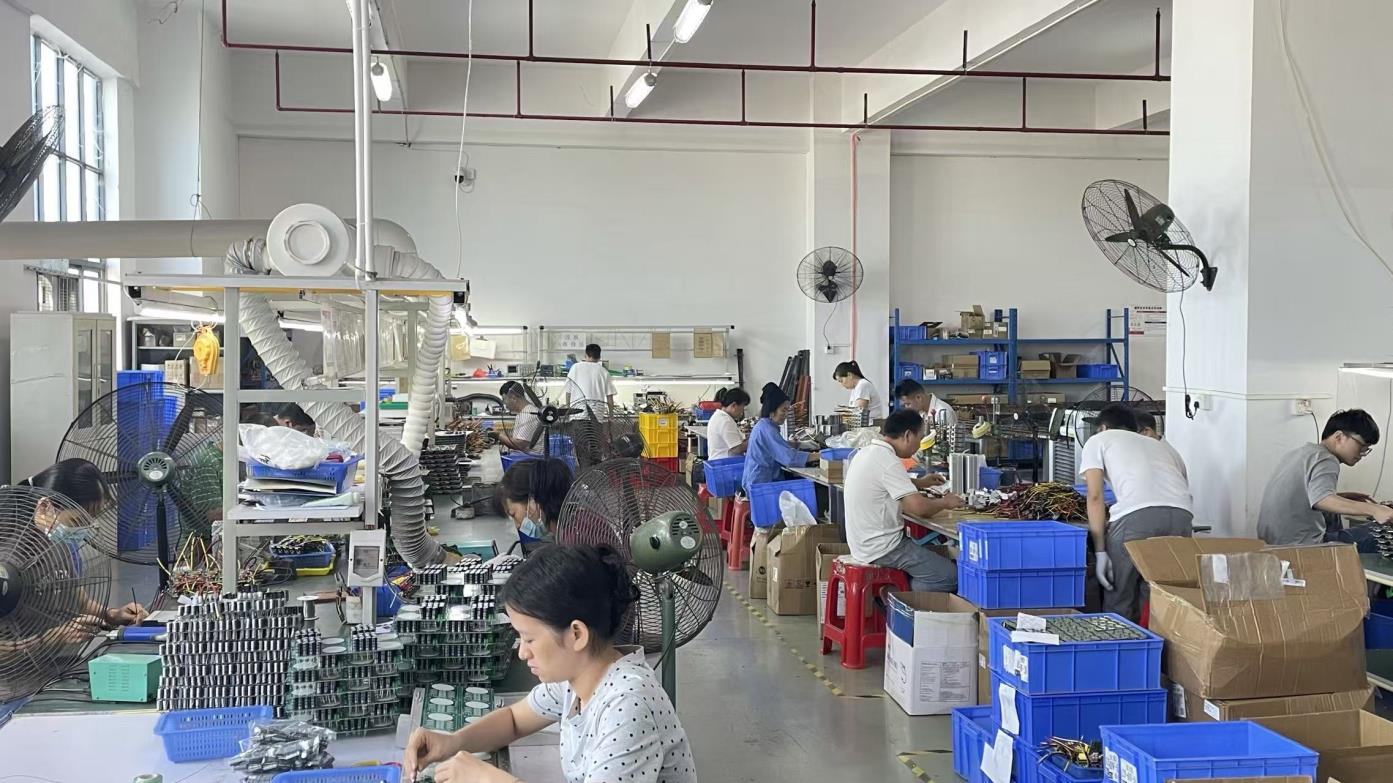
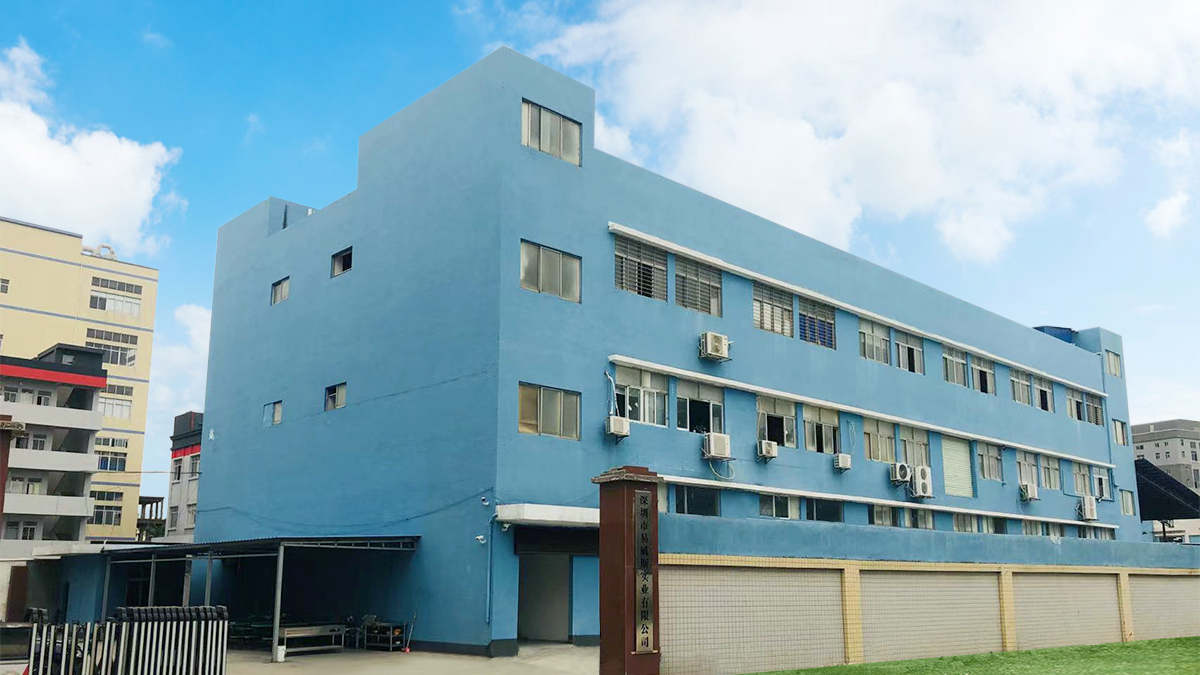
Precision execution at Guangzhou EVS Powers Co., Ltd. – Delivering premium global output with optimized logistics
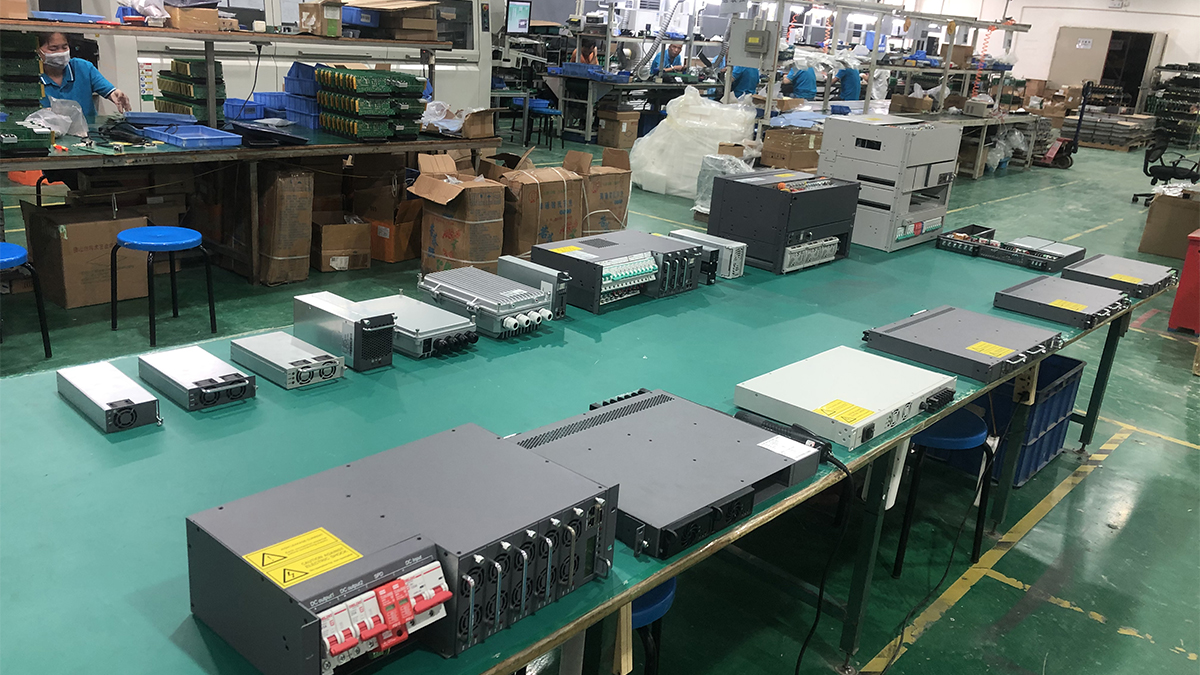
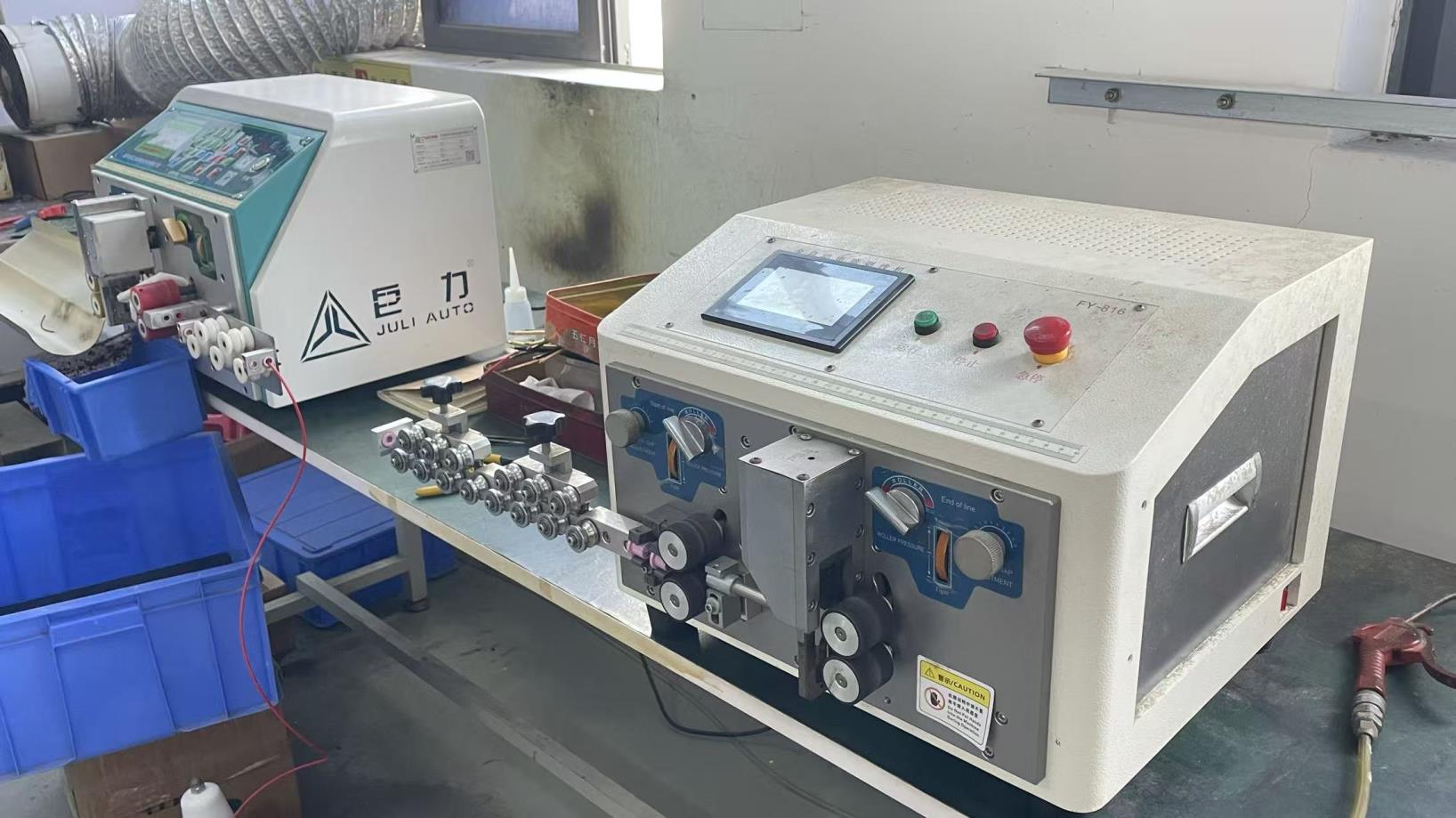
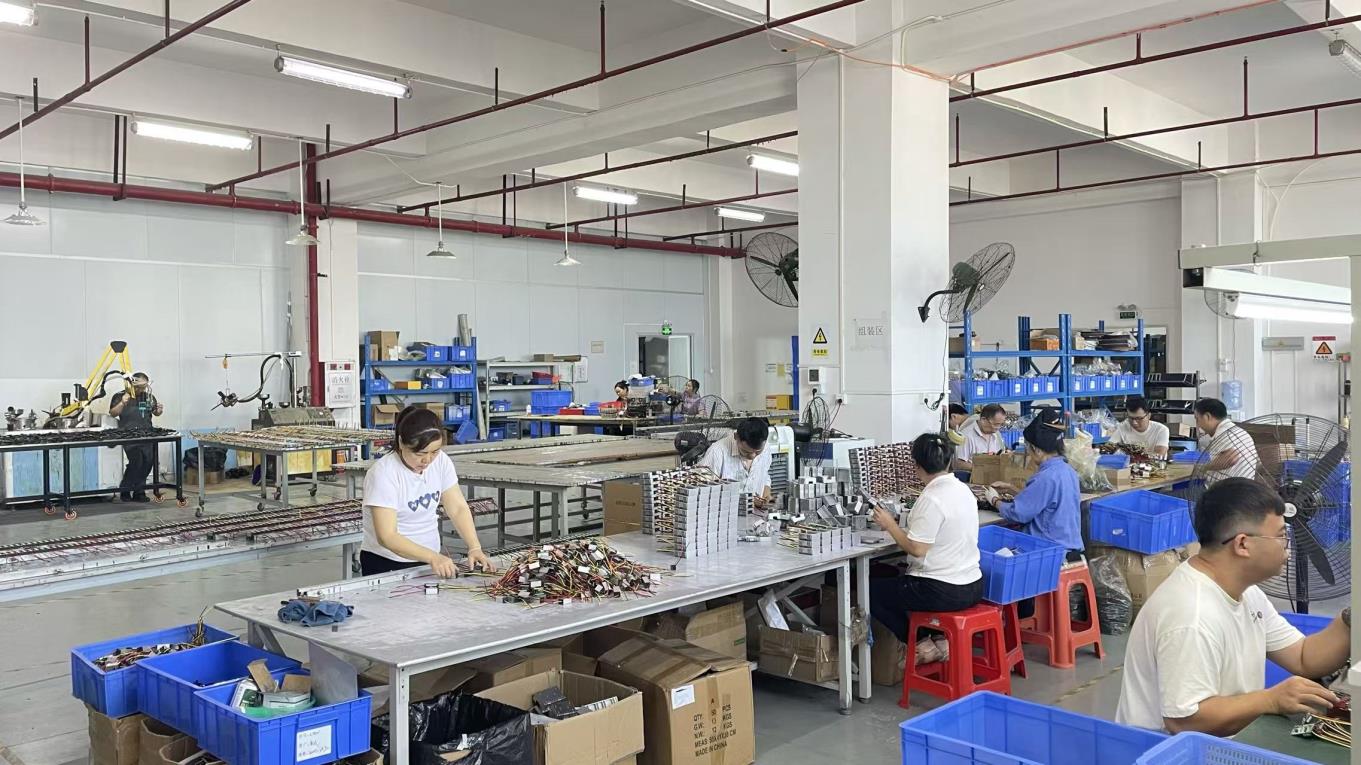

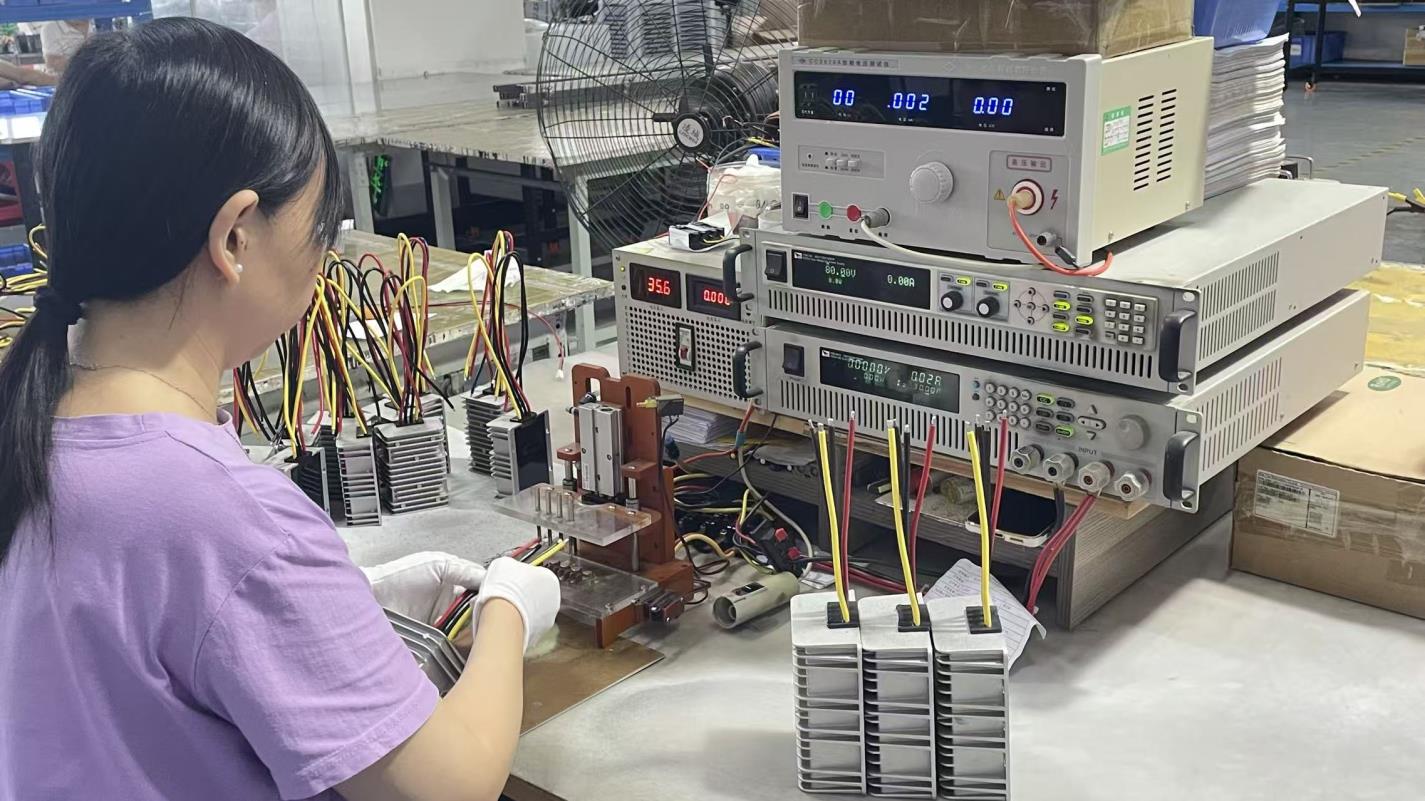
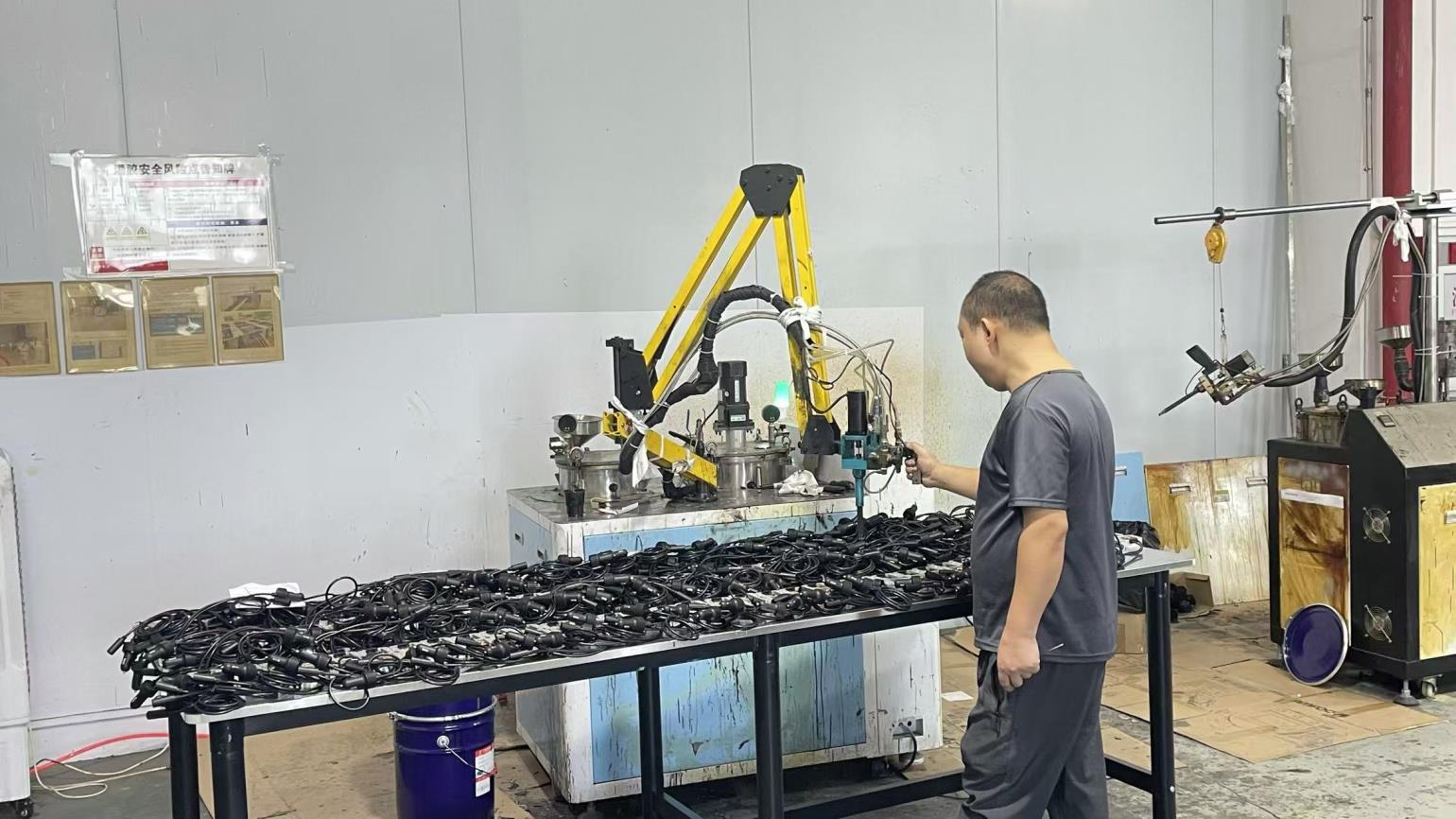
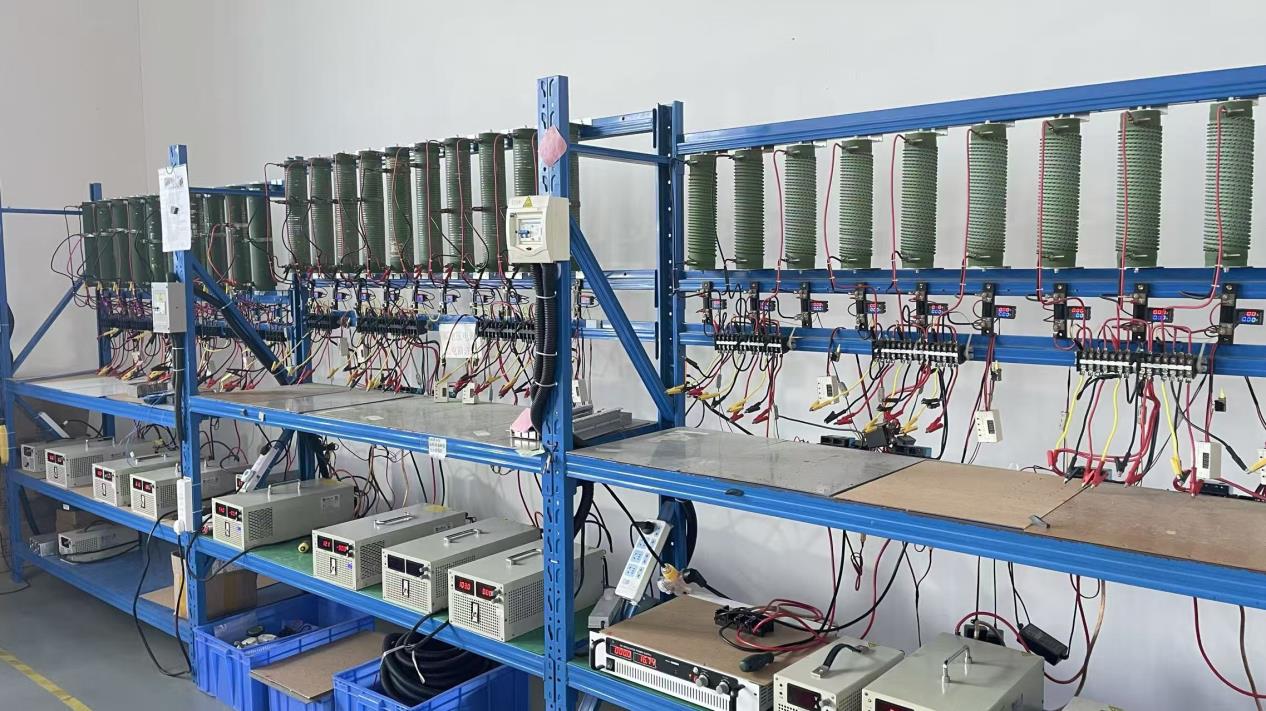

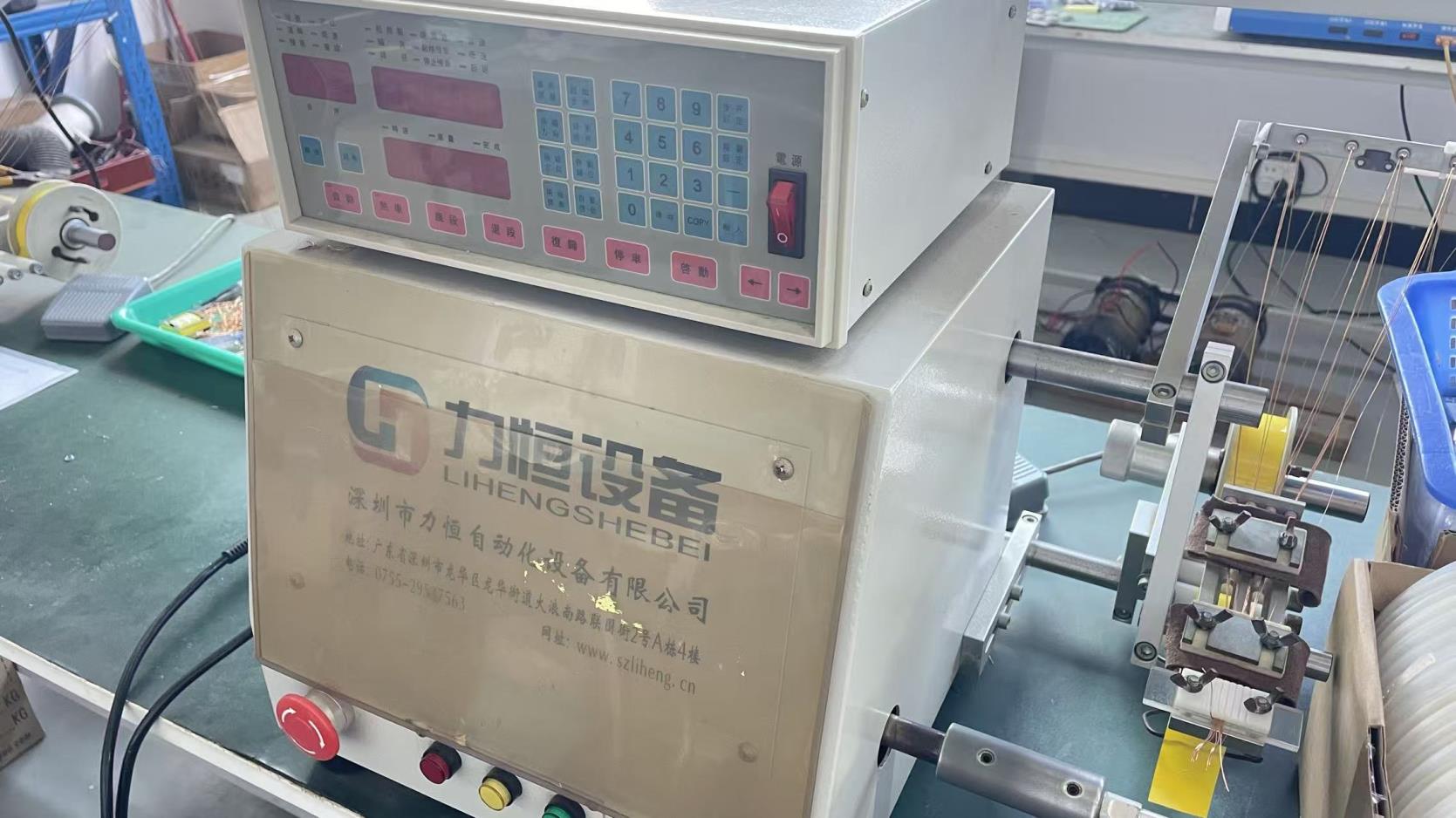
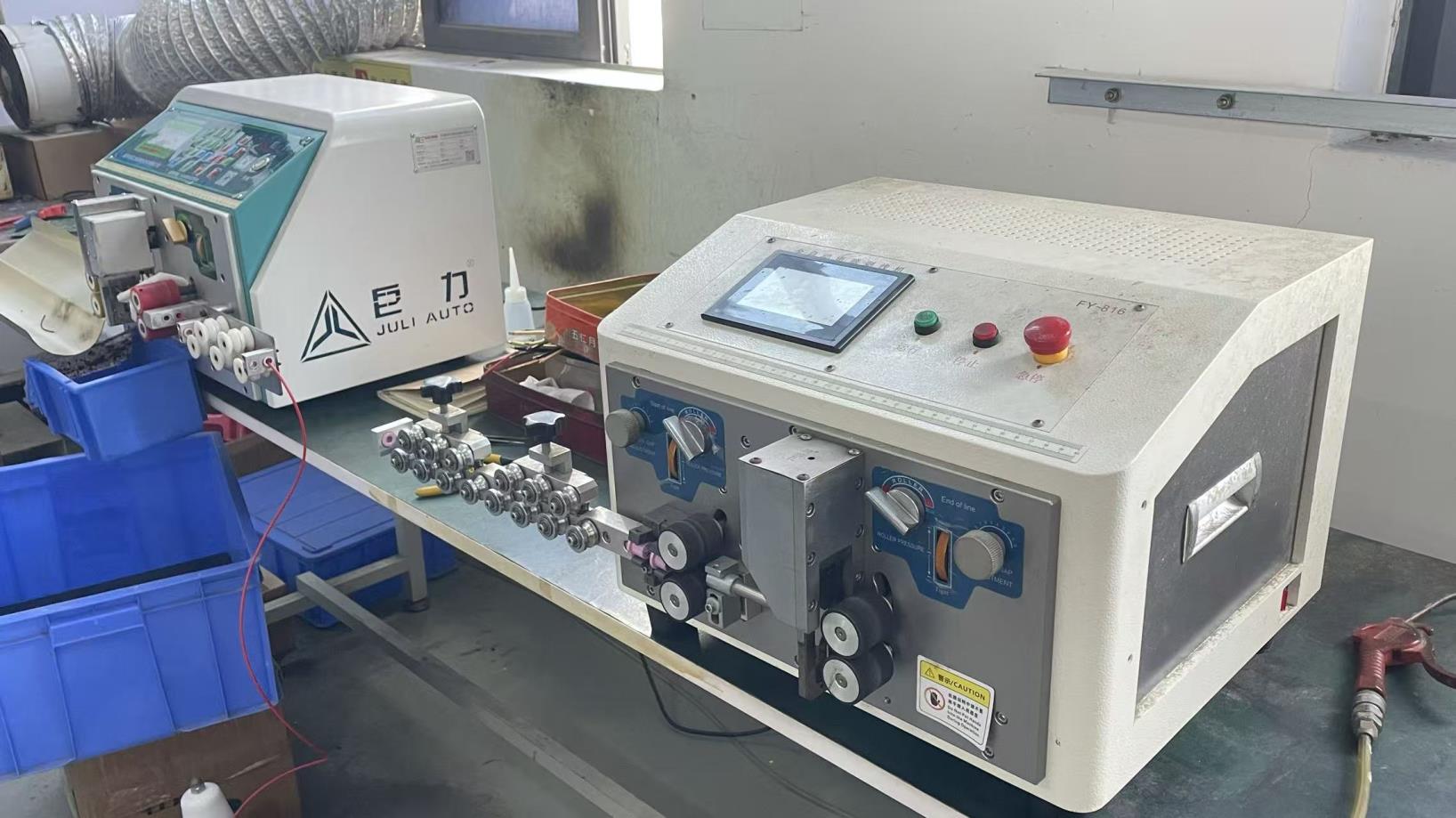


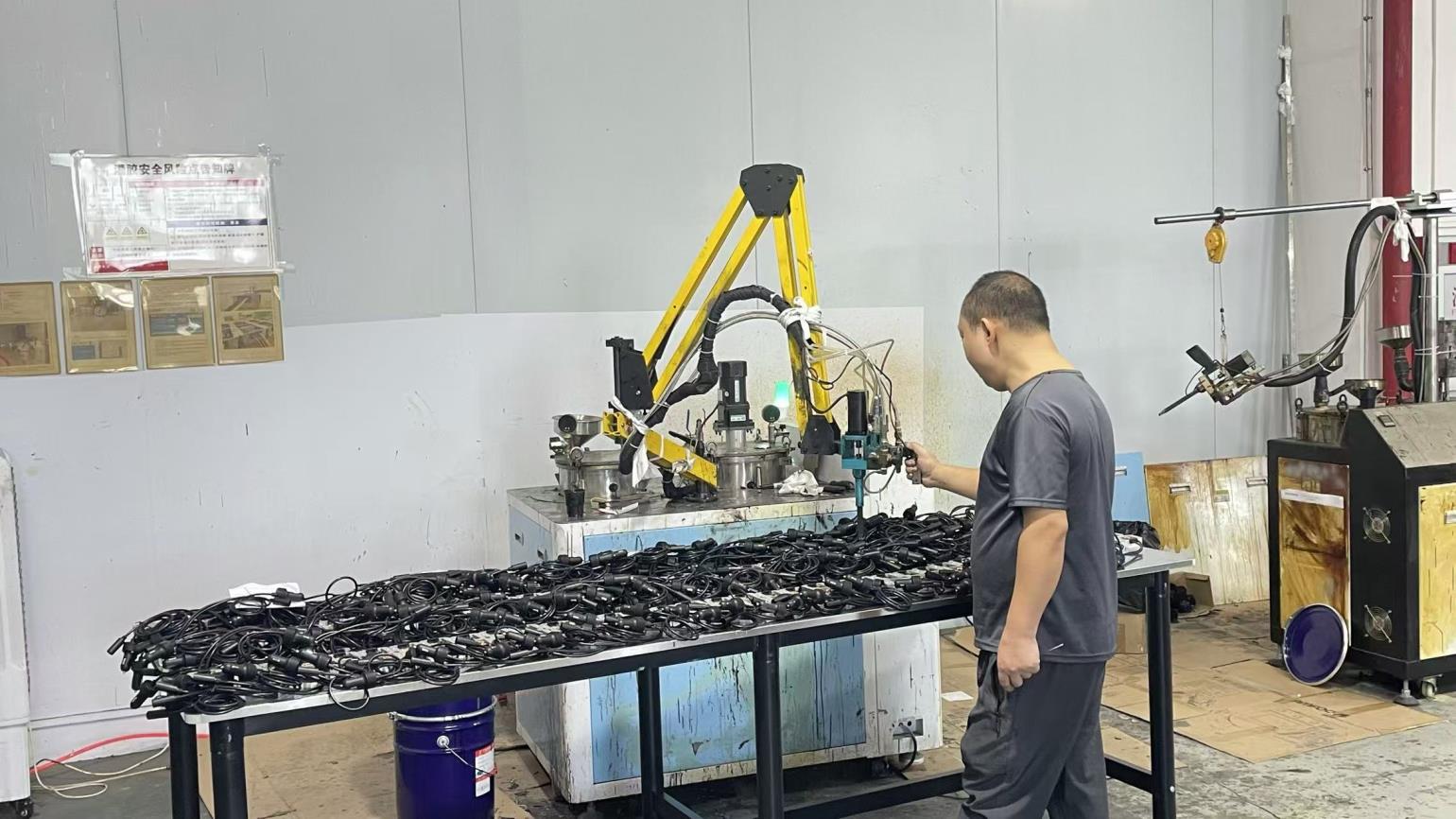
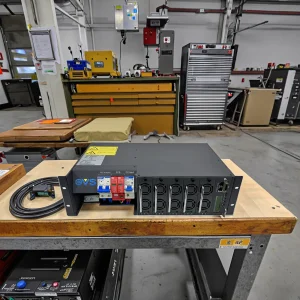
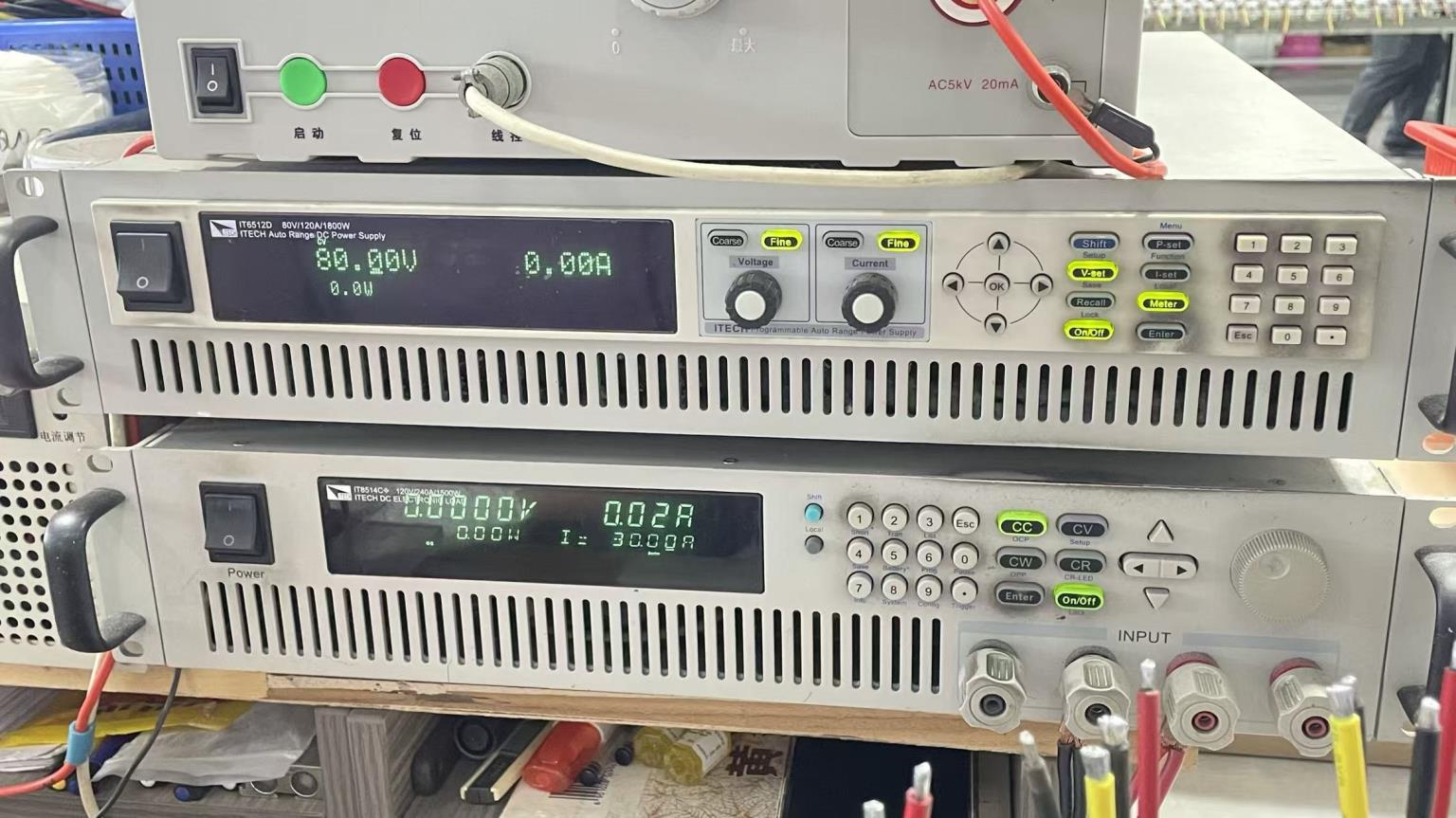
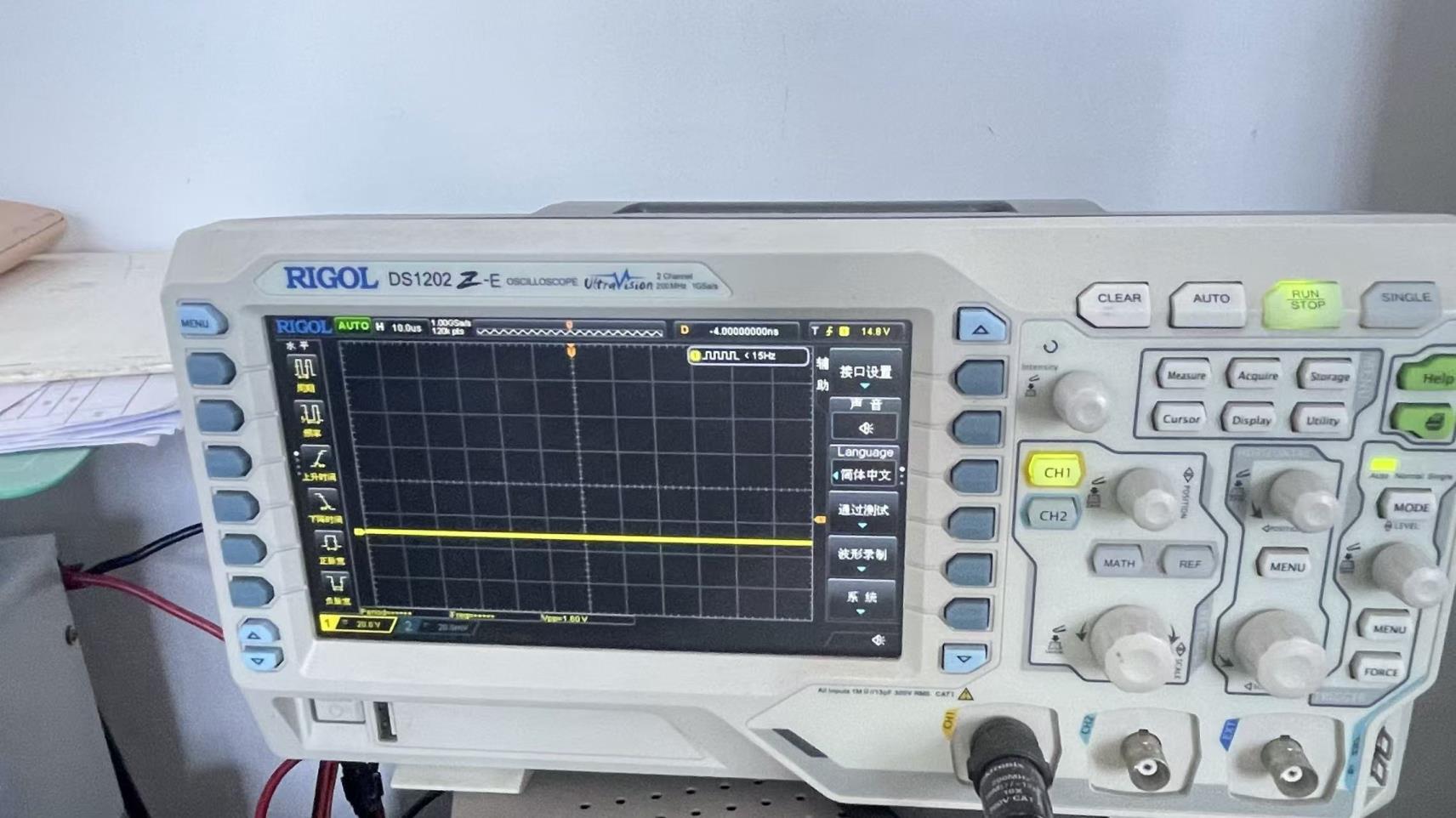
Testing hardware performance under extreme conditions to guarantee reliability in heavy industries
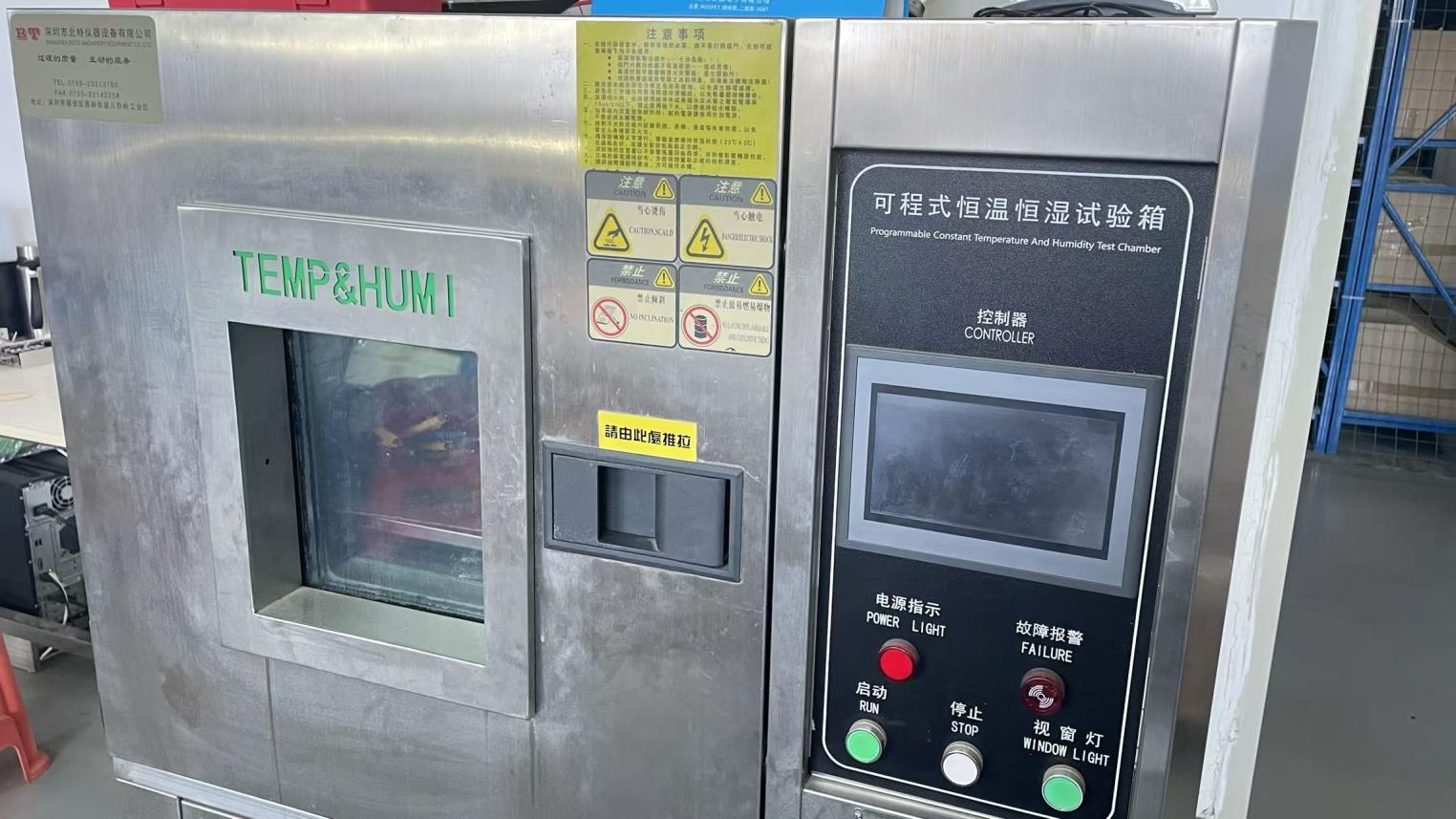
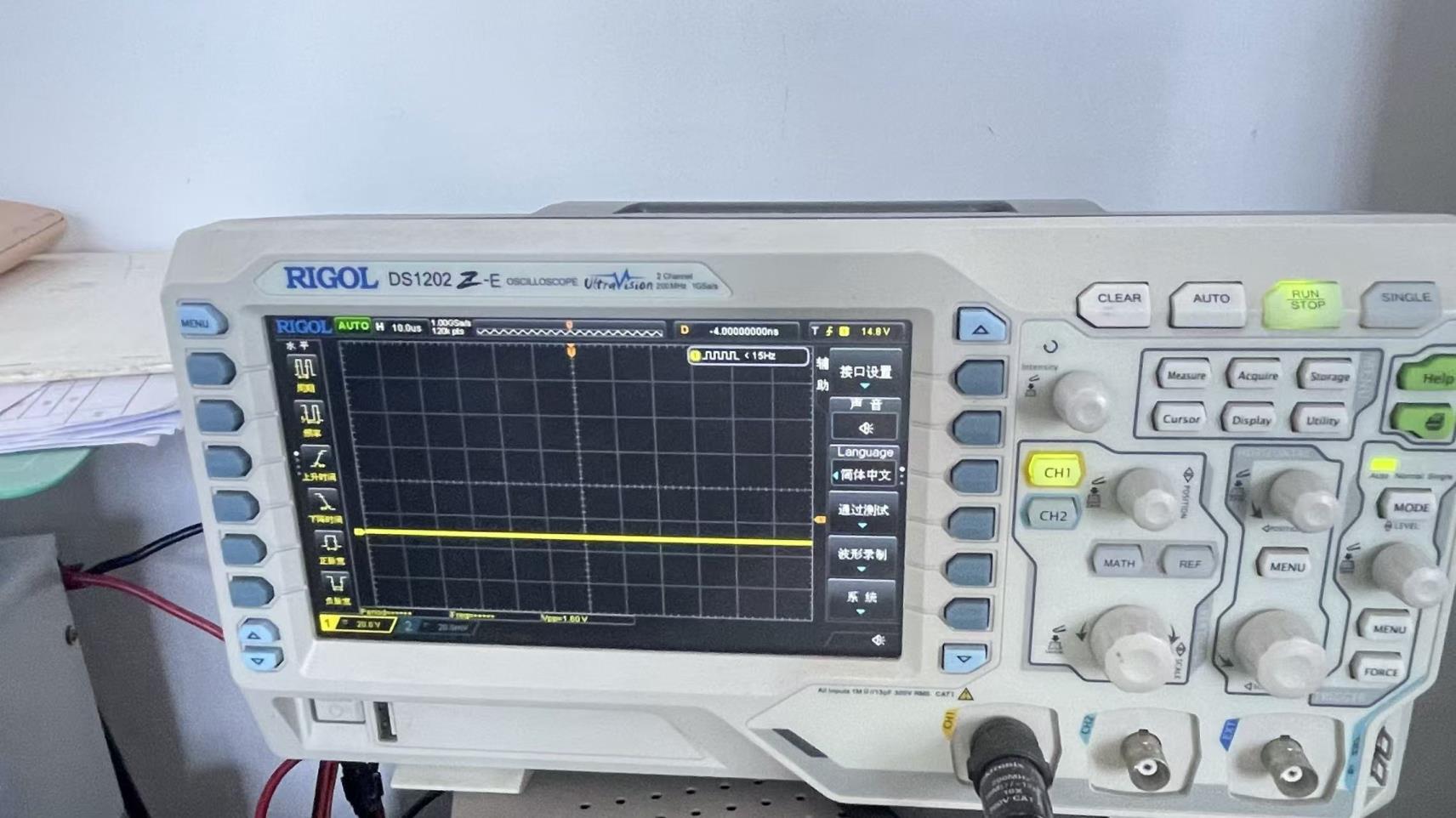
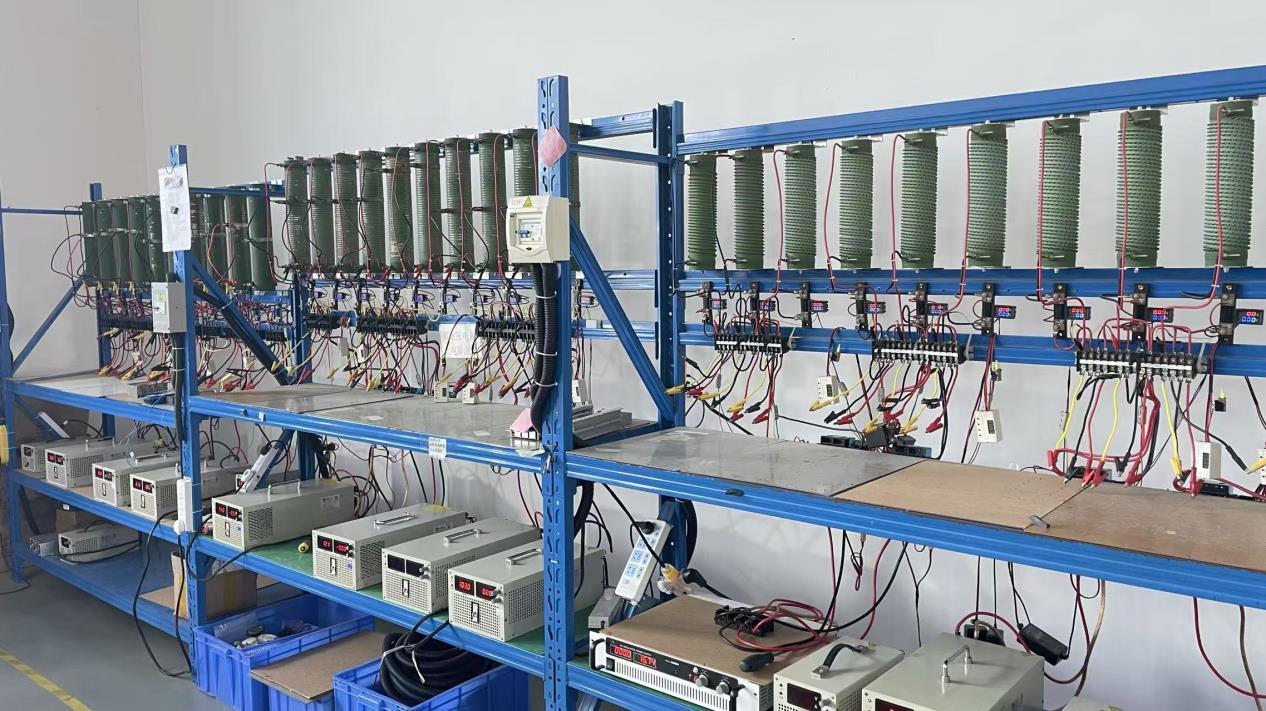

Selecting the optimal DC-DC configuration based on efficiency, isolation, and thermal demands
| Converter Topology | Isolation Level | Common Voltage Ranges | Efficiency Limit | Primary Industrial Use Cases |
|---|---|---|---|---|
| Non-Isolated Buck | None | 48V to 12V, 24V to 12V | ~96.5% | Logic board supplies, auxiliary fans, sensors |
| Isolated Phase-Shift Full Bridge | Galvanic (Up to 3kVAC) | 380VDC to 48VDC, 400VDC to 24VDC | ~94.8% | Telecom rectifiers, heavy machinery motor controllers |
| Bidirectional Buck-Boost | Optional | 48V to 500V, 24V to 800V | ~95.2% | Battery energy storage (BESS), EV regenerative drives |
| Resonant LLC | Galvanic (Reinforced) | 380VDC to 12VDC/24VDC | ~97.2% | Server power units, hyper-scale cloud data centers |
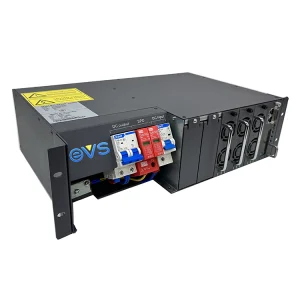
Explore EVS Power’s comprehensive range of industrial power converters and telecom rectifiers
Urban transport networks face the challenge of running zero-emission electric buses while maintaining standard passenger systems (Wi-Fi routers, ticket terminals, air conditioning, and LED displays). These auxiliary systems run on low-voltage 12VDC or 24VDC circuits. EVS Power’s high-voltage DC-DC step-down converters take power directly from the 600V-800V traction batteries and convert it to highly regulated low-voltage outputs. This removes the need for bulky extra lead-acid batteries, maximizing driving range and reducing vehicle weight.
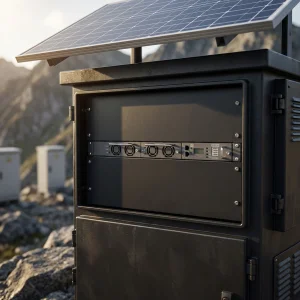
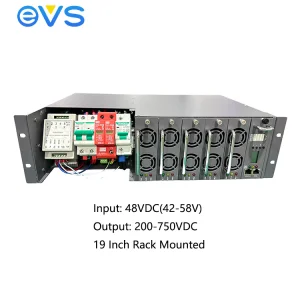
In Brandenburg's commercial zones, regional industrial parks run large solar arrays coupled with battery energy storage systems (BESS). EVS Power's bidirectional step-up/step-down converters connect the low-voltage battery banks (48VDC) directly to high-voltage inverters (380VDC-800VDC). By managing dynamic bidirectional power flow, these units stabilize grid voltages during peak load events, enabling industrial operators to reduce grid dependency and cut carbon emissions.
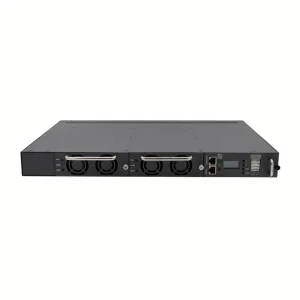
With the expansion of 5G infrastructure, cellular base stations require decentralized edge nodes. These facilities run on 48VDC systems to maintain power during outages. However, transmitting low-voltage power over long cable runs causes significant resistive loss. Our 2400W and 5000W step-up rectifiers allow local telecommunications companies to distribute power at 380VDC before stepping it back down to 48VDC near the antennas. This design cuts transmission losses by up to 80% while improving system thermal performance.
Answering key technical questions regarding efficiency, thermal management, and safety parameters
Get in touch with our applications engineering team to receive a comprehensive technical proposal, electrical schematics, and an optimized pricing estimate.
Send Inquiry Now EVS Powers