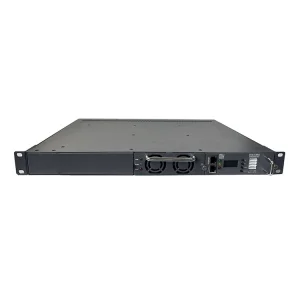
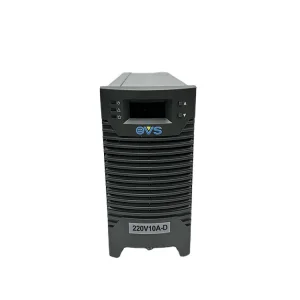
Explore our top-performing industrial rectifiers, switching modules, and DC-AC sine wave inverters engineered for high continuous workloads.
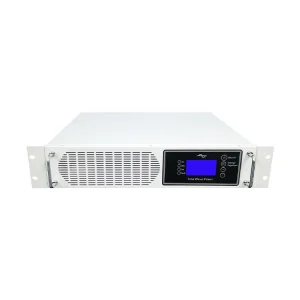
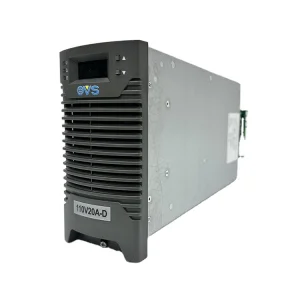
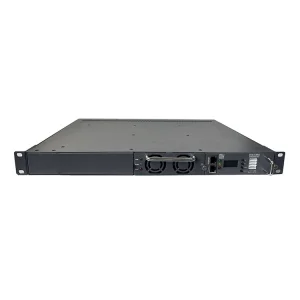


The global medical sector is undergoing a profound technological transformation. Modern medical apparatuses—ranging from high-resolution medical imaging systems (MRI, CT, PET-CT) and clinical ventilators, to robotic surgery suites and point-of-care diagnostics—require electrical conversion hardware that offers zero failure tolerance, minimal electromagnetic interference (EMI), and maximum electrical isolation. The demand for medical power supplies is dictated by patient-centric safety paradigms, specifically governed by strict regulatory frameworks like IEC 60601-1.
Currently, manufacturers must design converters that mitigate the risk of microshocks and macroshocks. Power delivery units must offer 2xMOPP (Means of Patient Protection) rating to ensure that even under a dual-fault condition, the leakage current flowing to the patient is virtually zero. Additionally, as healthcare systems move towards decentralized remote monitoring and portable diagnostic systems, miniaturization with high energy efficiency (above 92-95%) has transitioned from an option to a rigid prerequisite.
Designing and manufacturing power components for clinical environments requires compliance with international safety guidelines. Unlike general-purpose IT power supplies (IEC 62368-1), medical-grade conversion units operate under the strict supervision of global regulatory bodies (FDA, CE, PMDA).
The baseline standard IEC 60601-1 (3rd and 4th Editions) outlines mechanical, electrical, thermal, and functional safety parameters:
By integrating isolated DC-DC converters and high-efficiency sine-wave inverters, equipment designers can establish a decentralized power distribution network within the medical device. This localized regulation safeguards sensitive digital signal processors (DSPs) from high-voltage transients generated by motors or cooling fans.
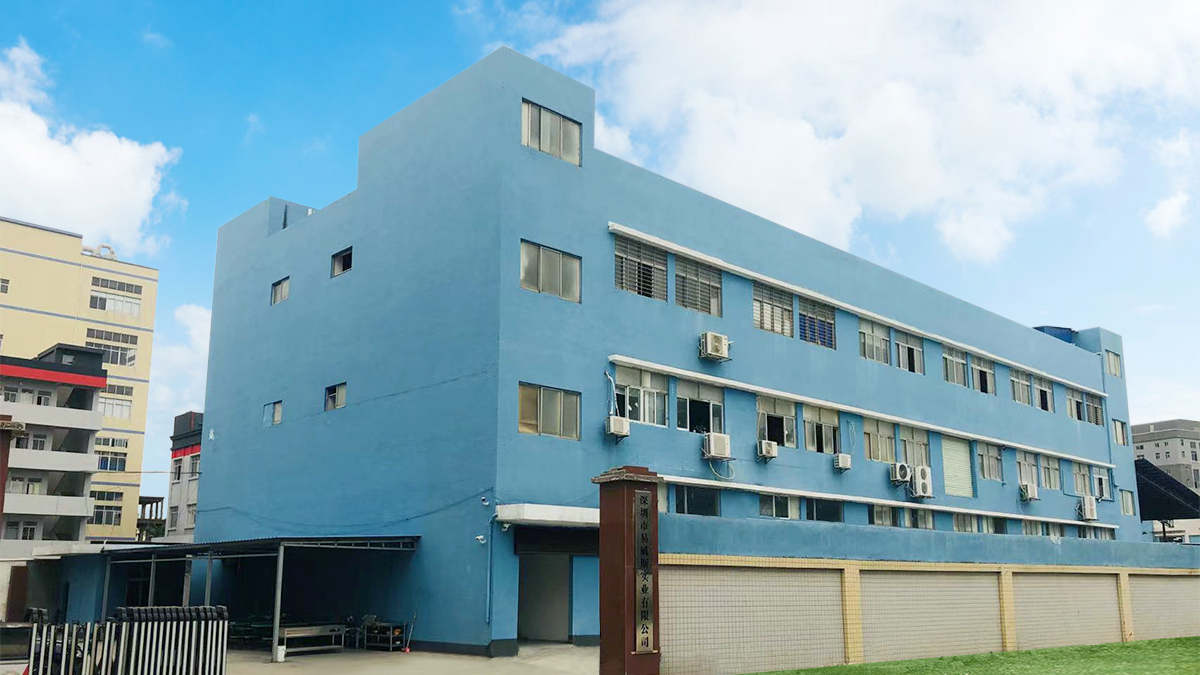
Guangzhou EVS Powers Co., Ltd., located in the prominent international trade center of Guangzhou, China, is a professional manufacturer of high-reliability switching power supplies, DC power systems, custom power supply units, DC-DC converters, and heavy-duty power inverter series. We prioritize customer satisfaction, operational safety, and cost efficiency.
With years of experience, we have built a solid reputation and fostered long-term partnerships in Europe, North and South America, Australia, the Middle East, and Southeast Asia. EVS Powers combines technology, engineering expertise, and modern manufacturing practices to deliver custom OEM and ODM solutions.
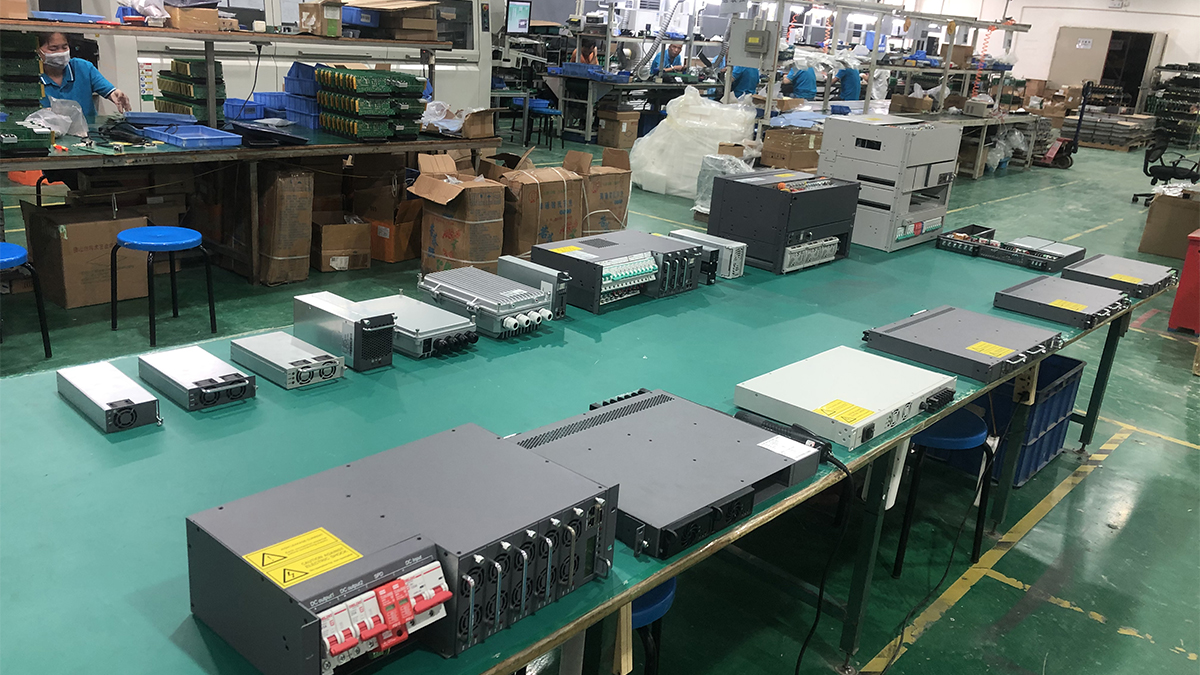
From raw wire cutting to the final thermal burn-in tests, every process at EVS Powers is meticulously managed to meet high quality standards.
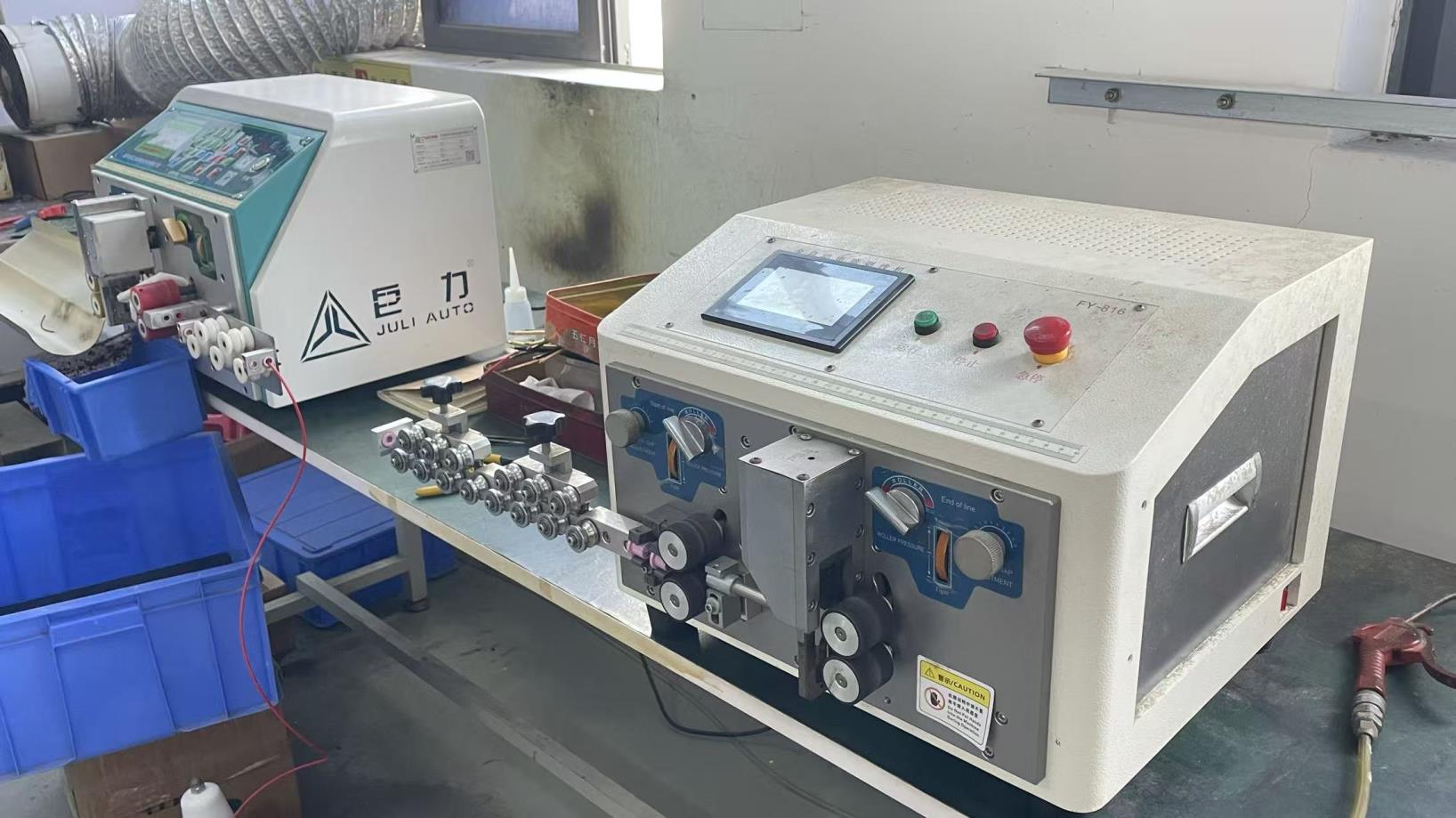 Wire Cutting
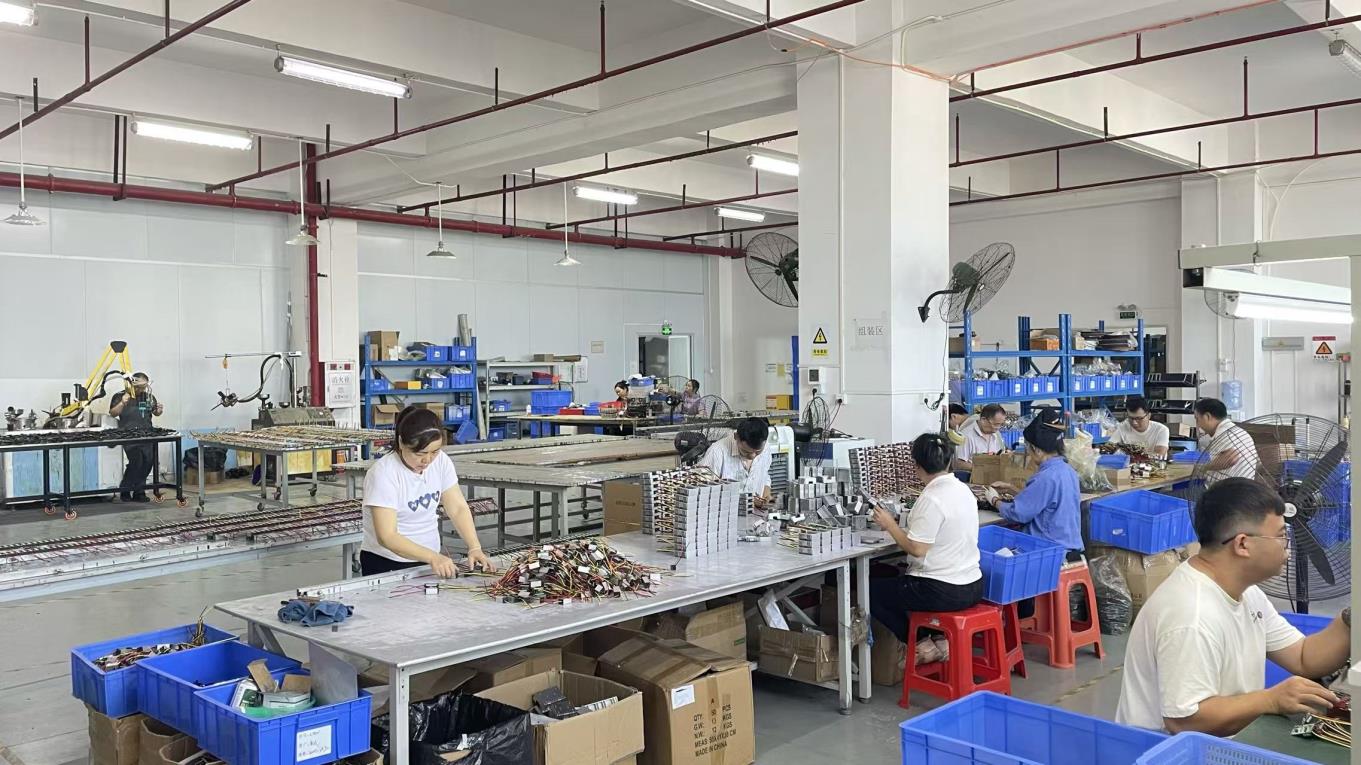 Plug-In
 Soldering Tin
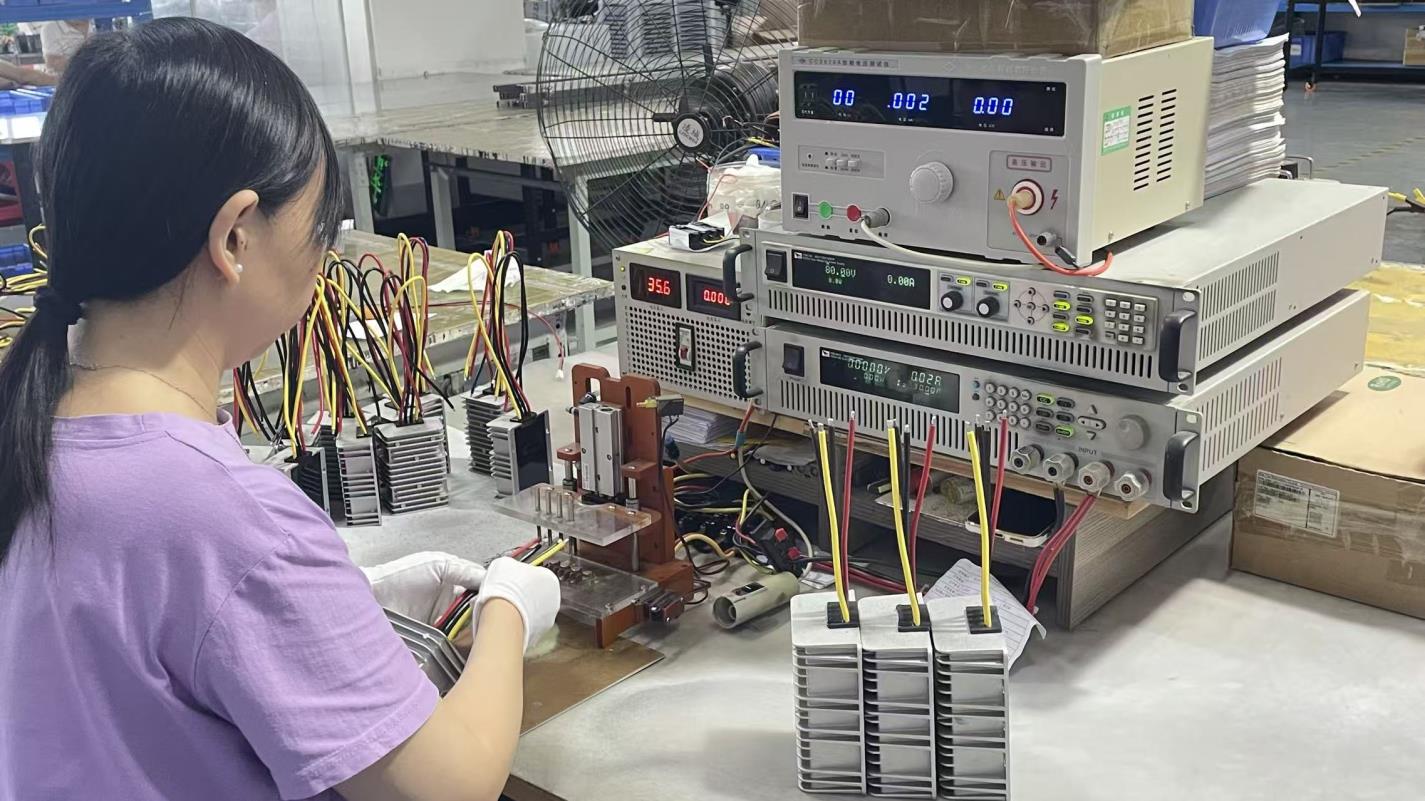 Test
Test
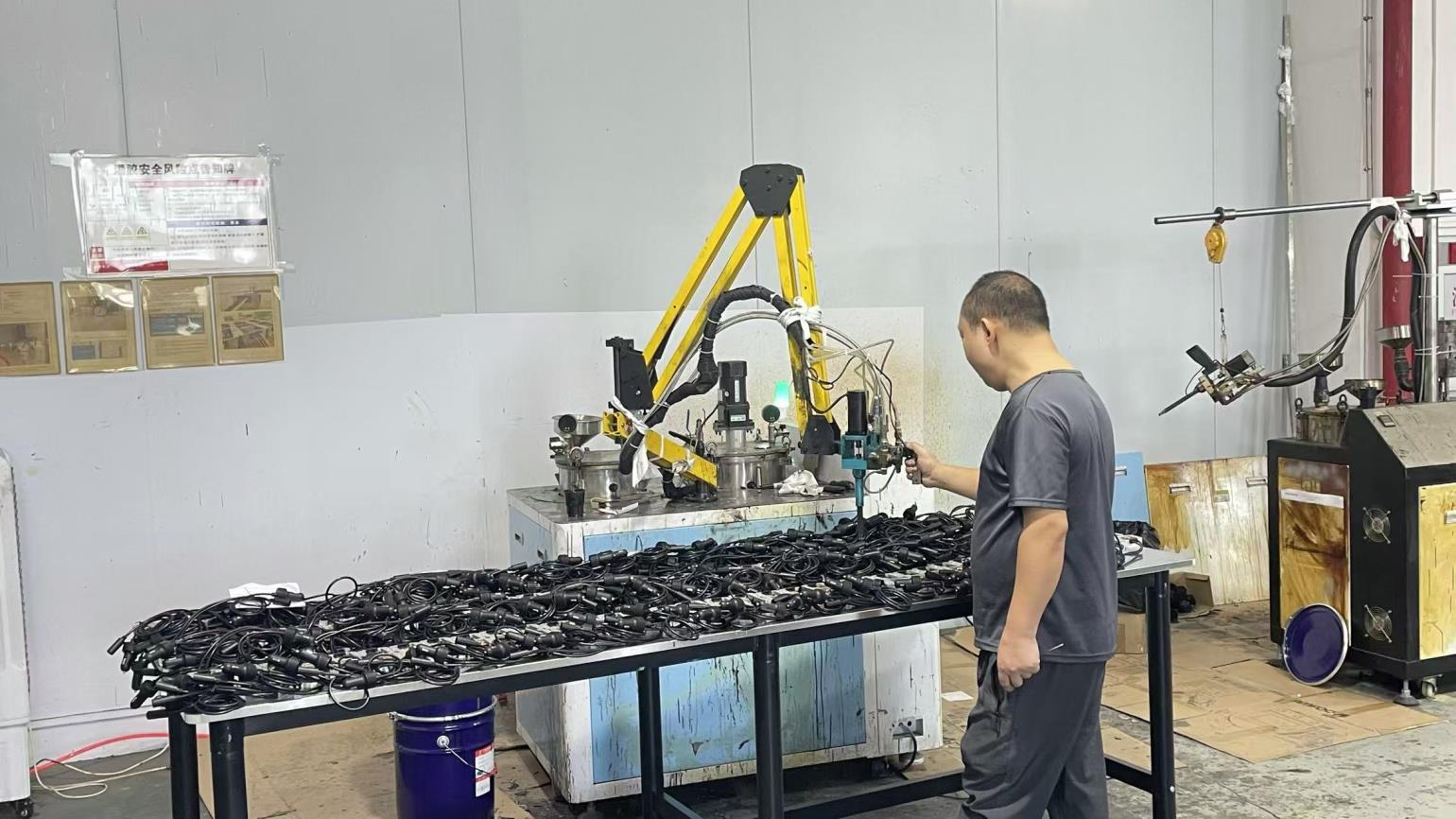 Glue Filling
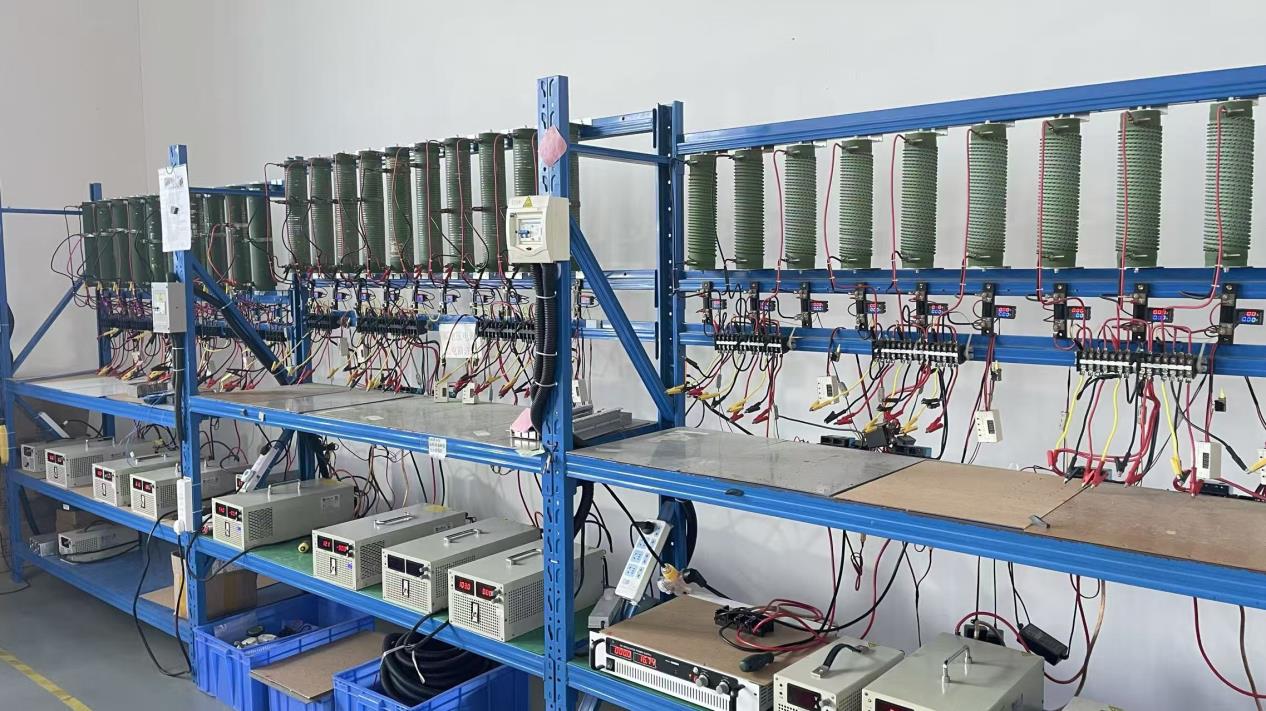 Burn-In Test
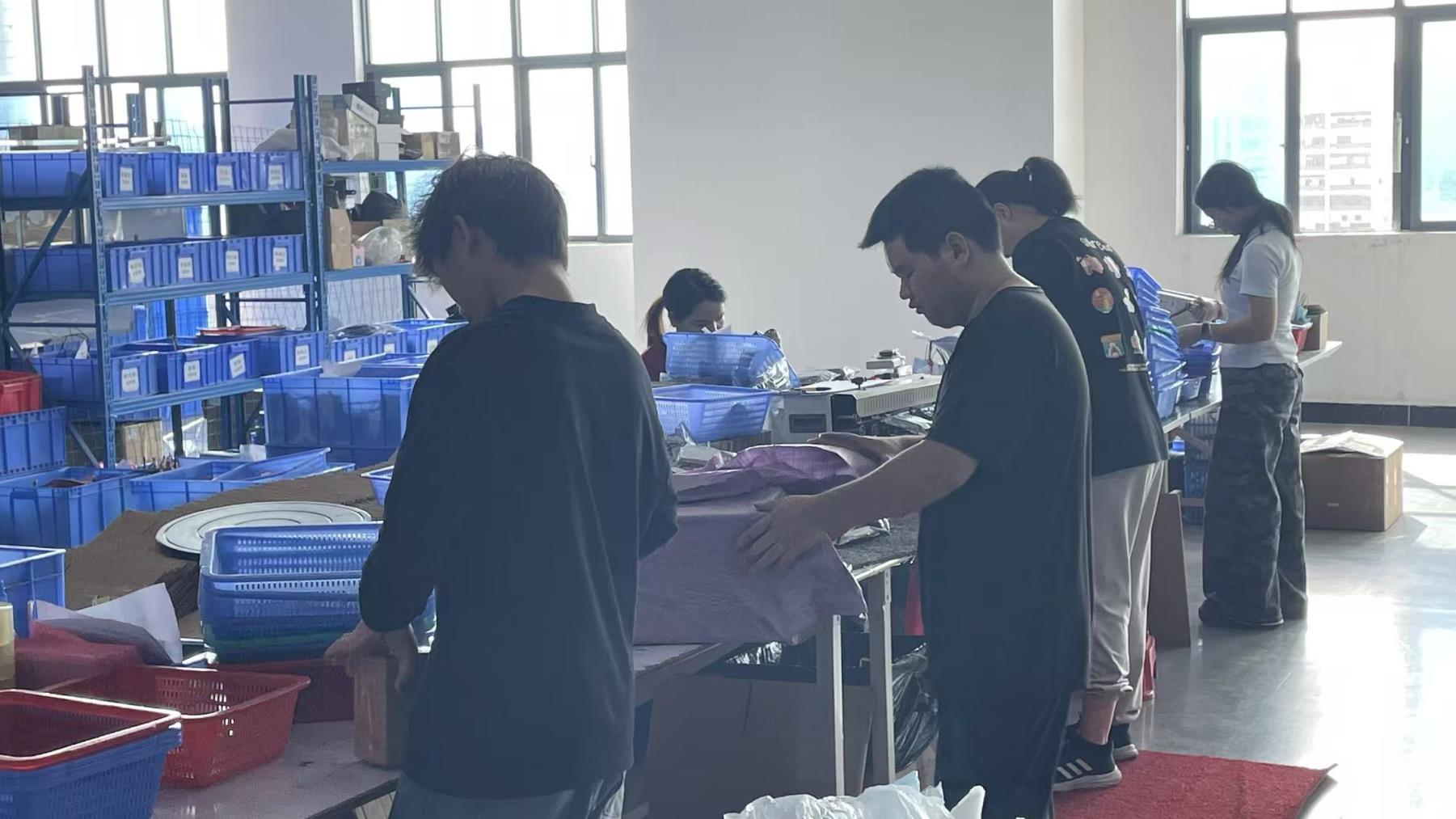 Packaging
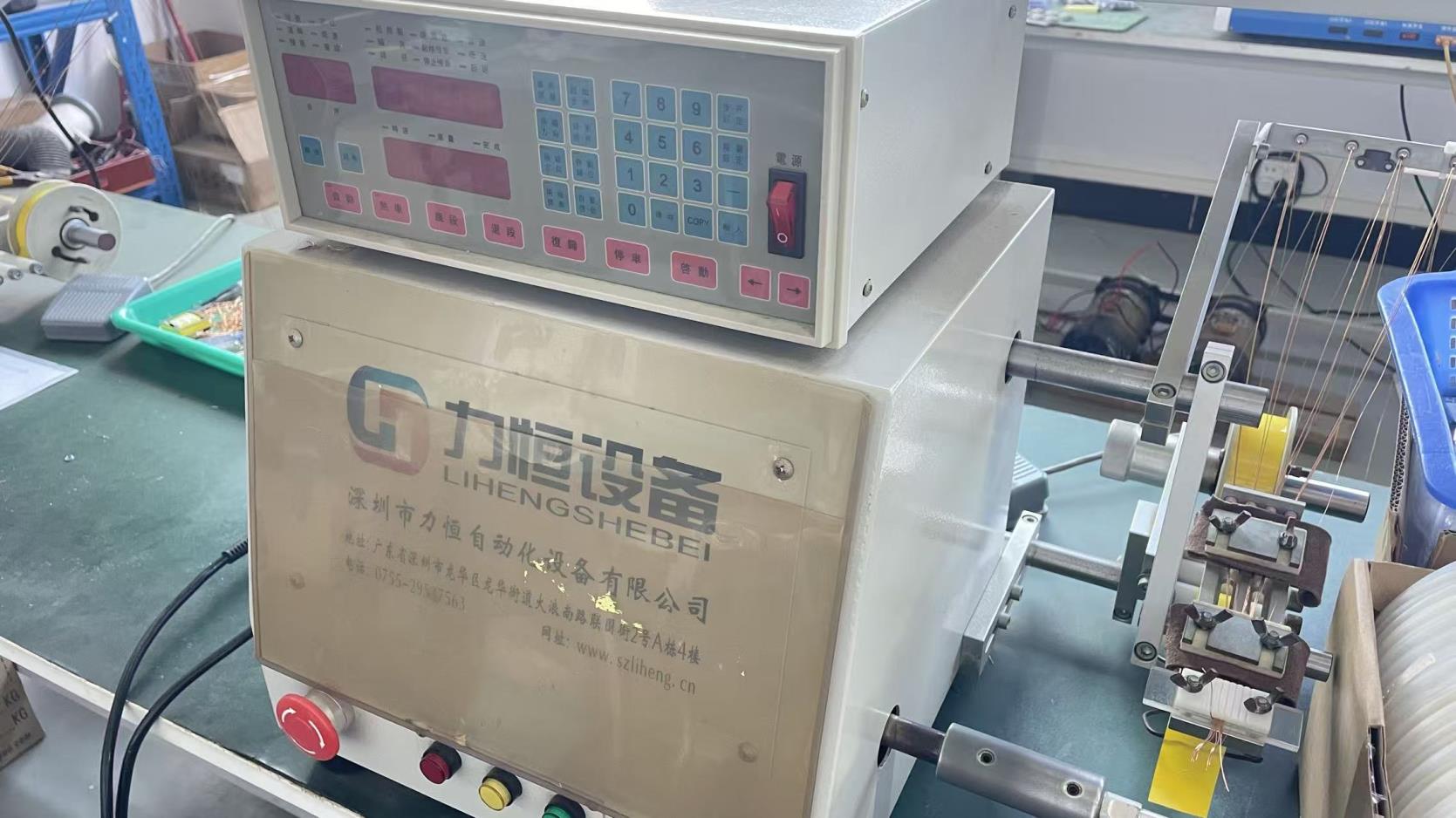 Winding Machine
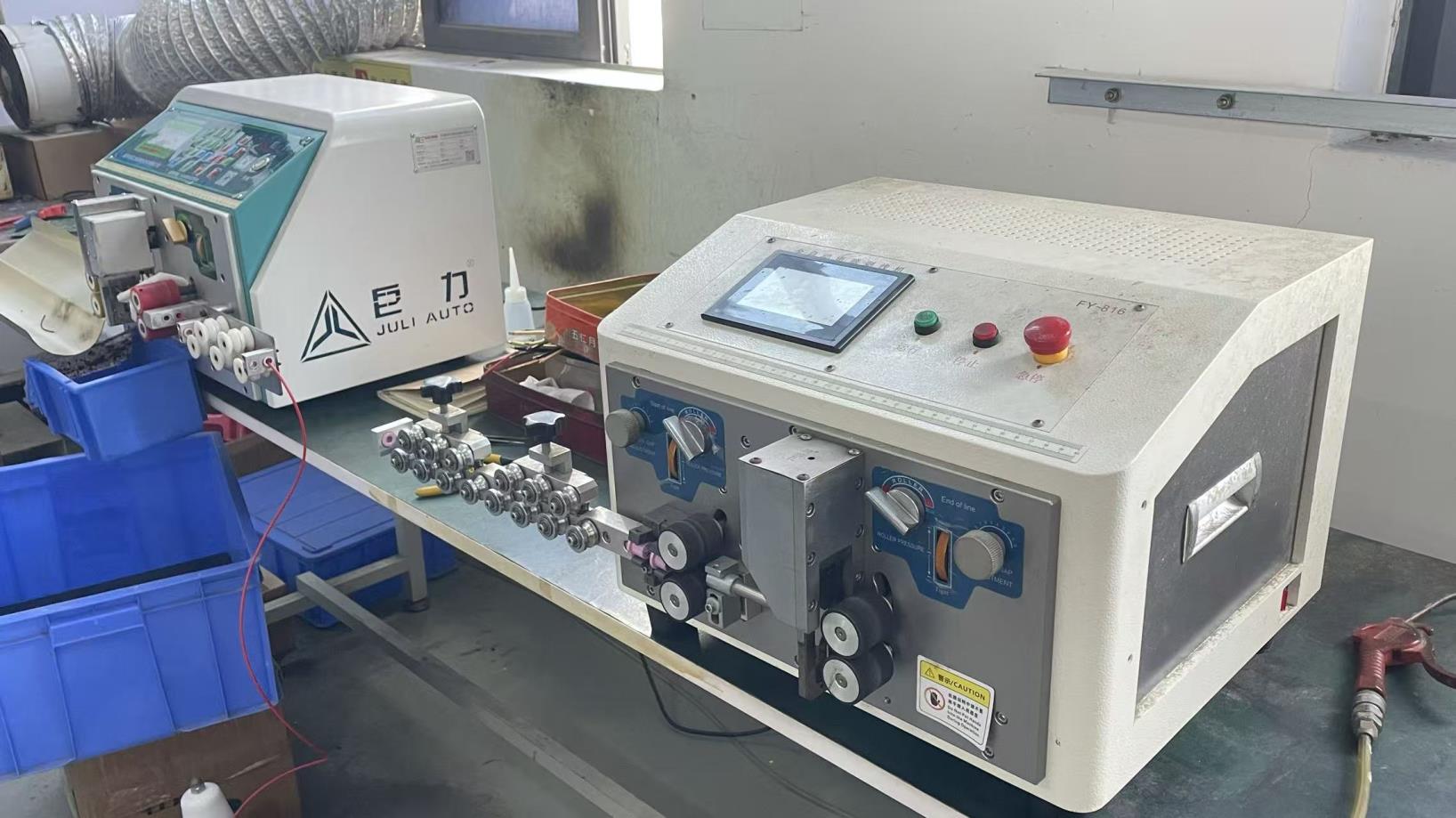 Wire Cutting Machine
 Automatic Soldering Machine
 Laser Engraving Machine
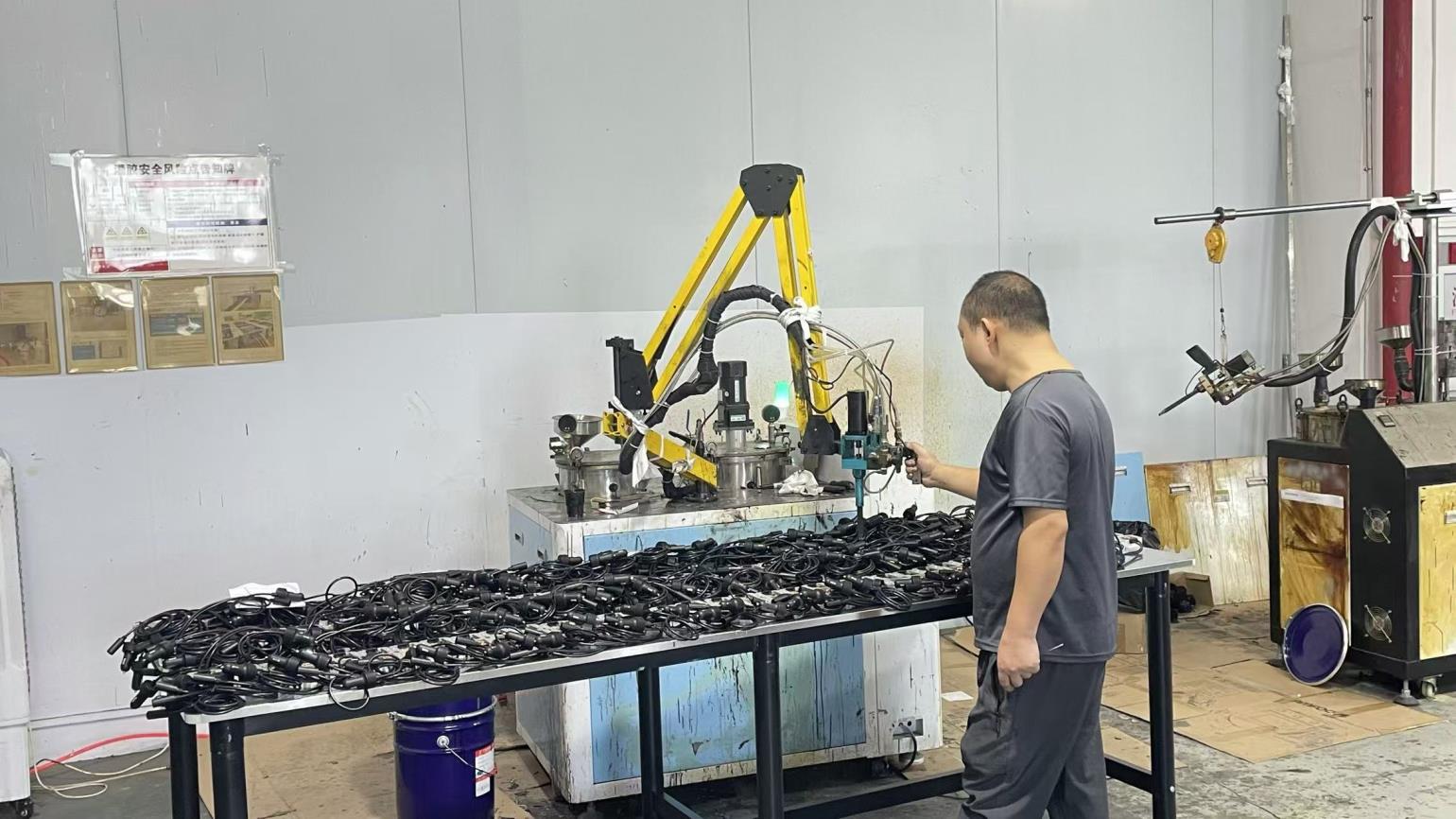 Canning machine
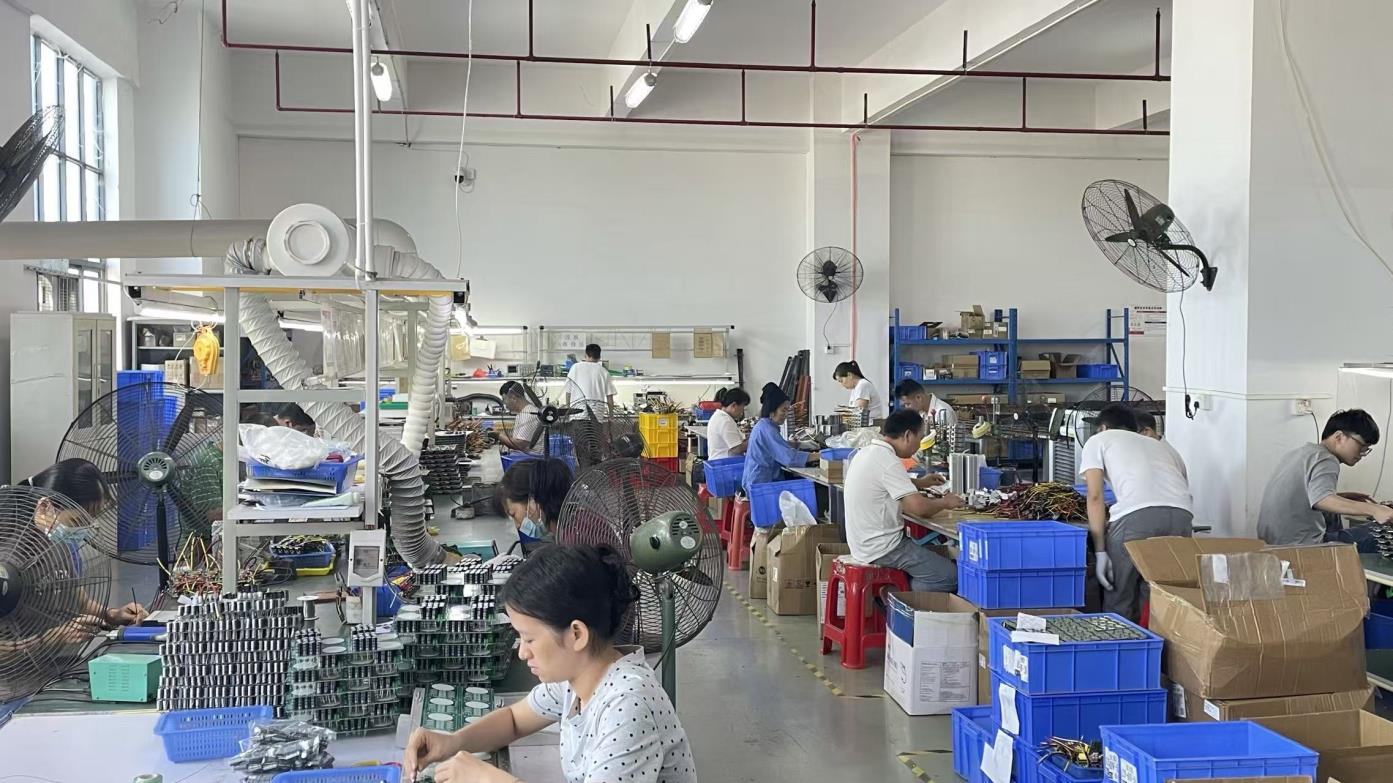 Assembly Line
Before any power converter leaves our facility, it undergoes rigorous inspection to verify its efficiency, insulation resistance, and thermal tolerance.
Reliable power delivery systems require empirical testing. EVS Powers maintains a fully equipped laboratory to simulate operational stresses. Our testing protocols address:
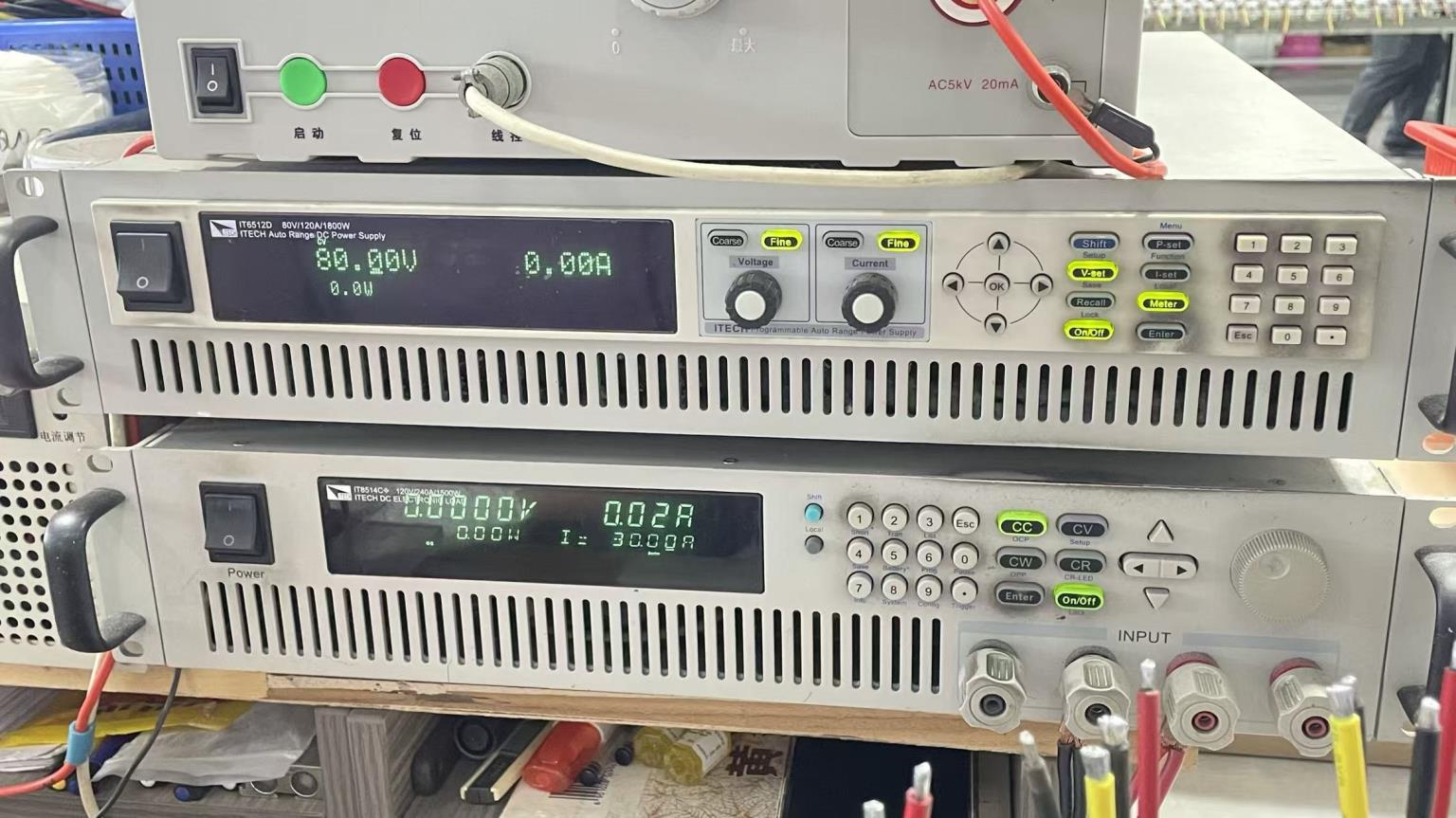 DC Power Supply Tester
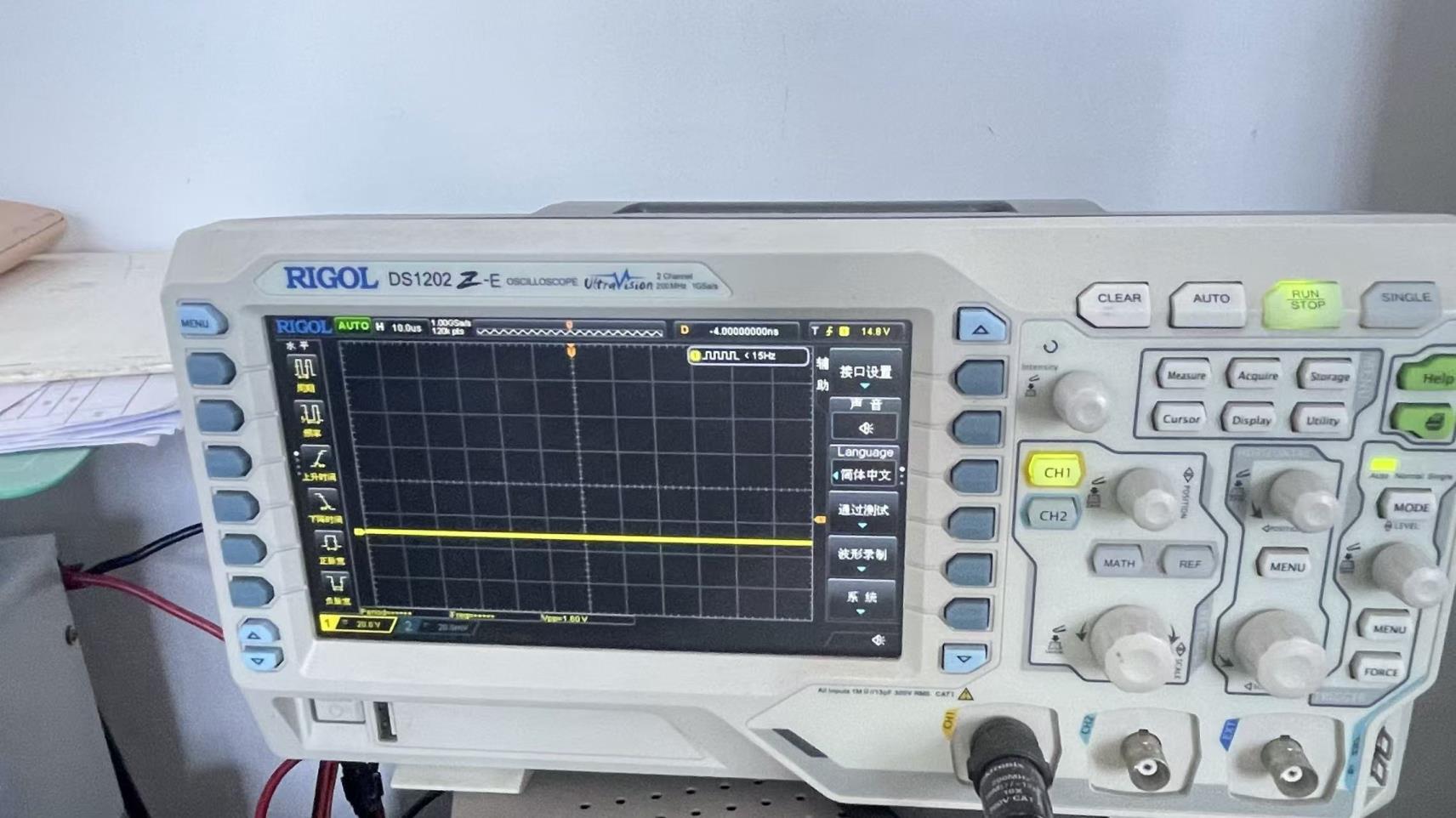 AC Withstand Voltage Tester
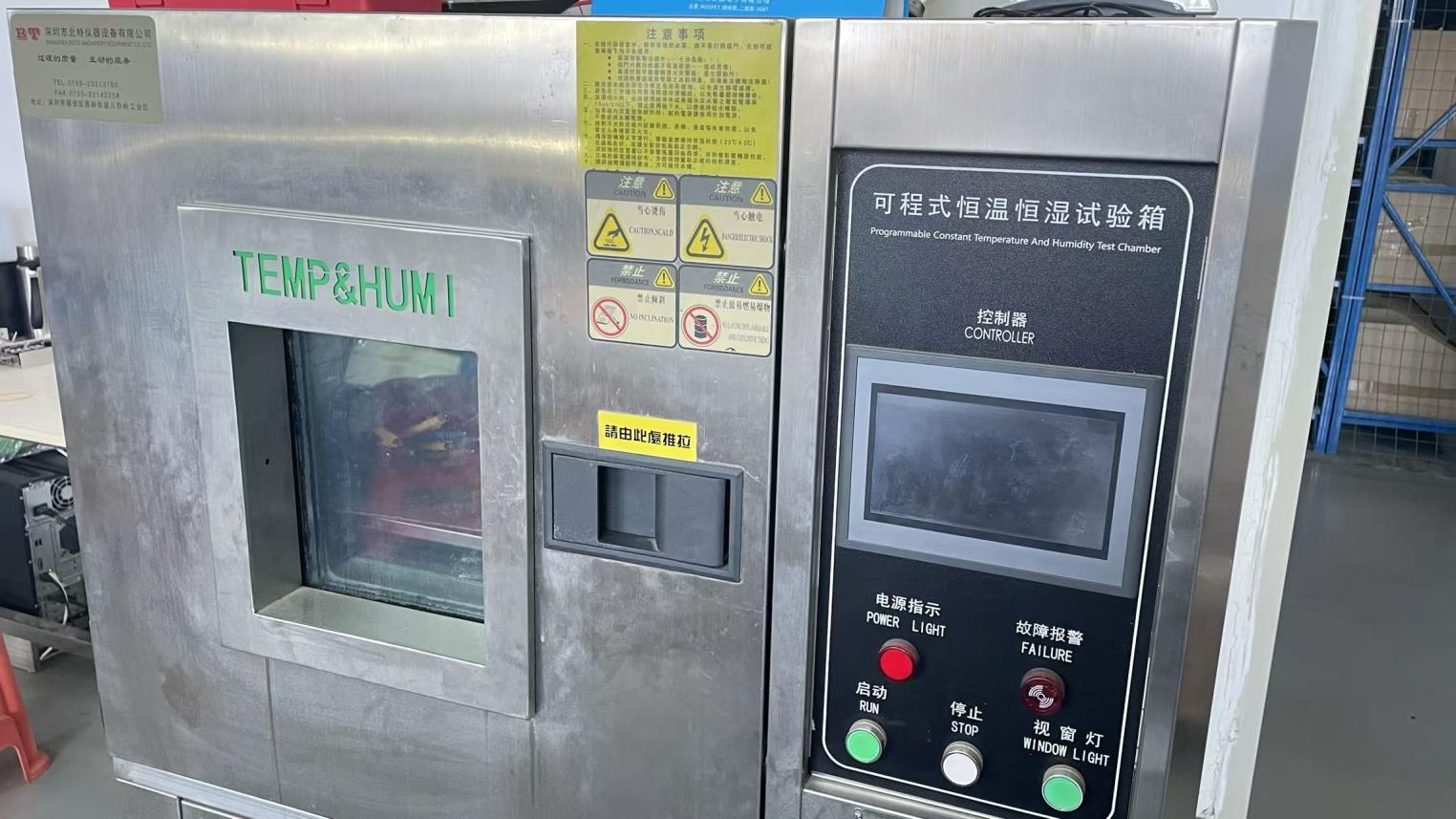 Constant temperature and humidity chamber
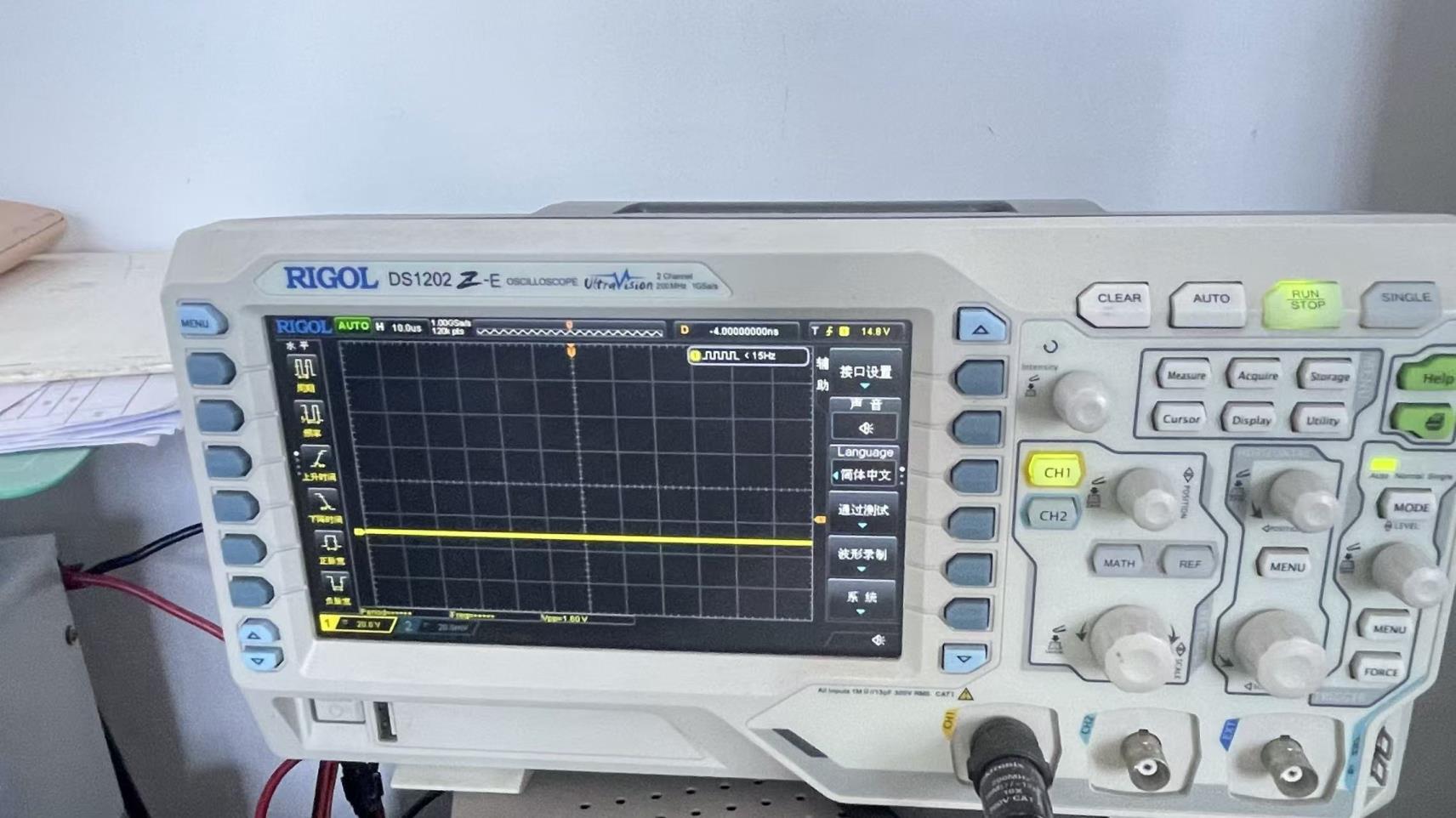 Optical microscope
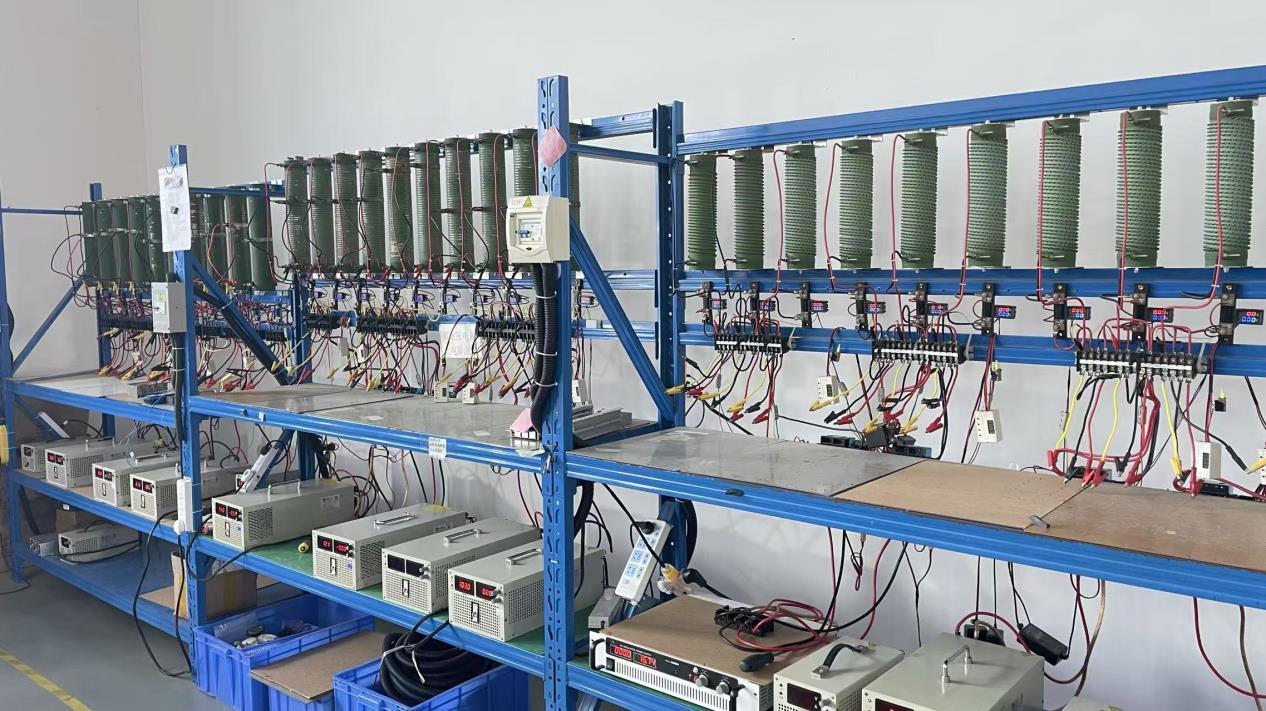 Aging test
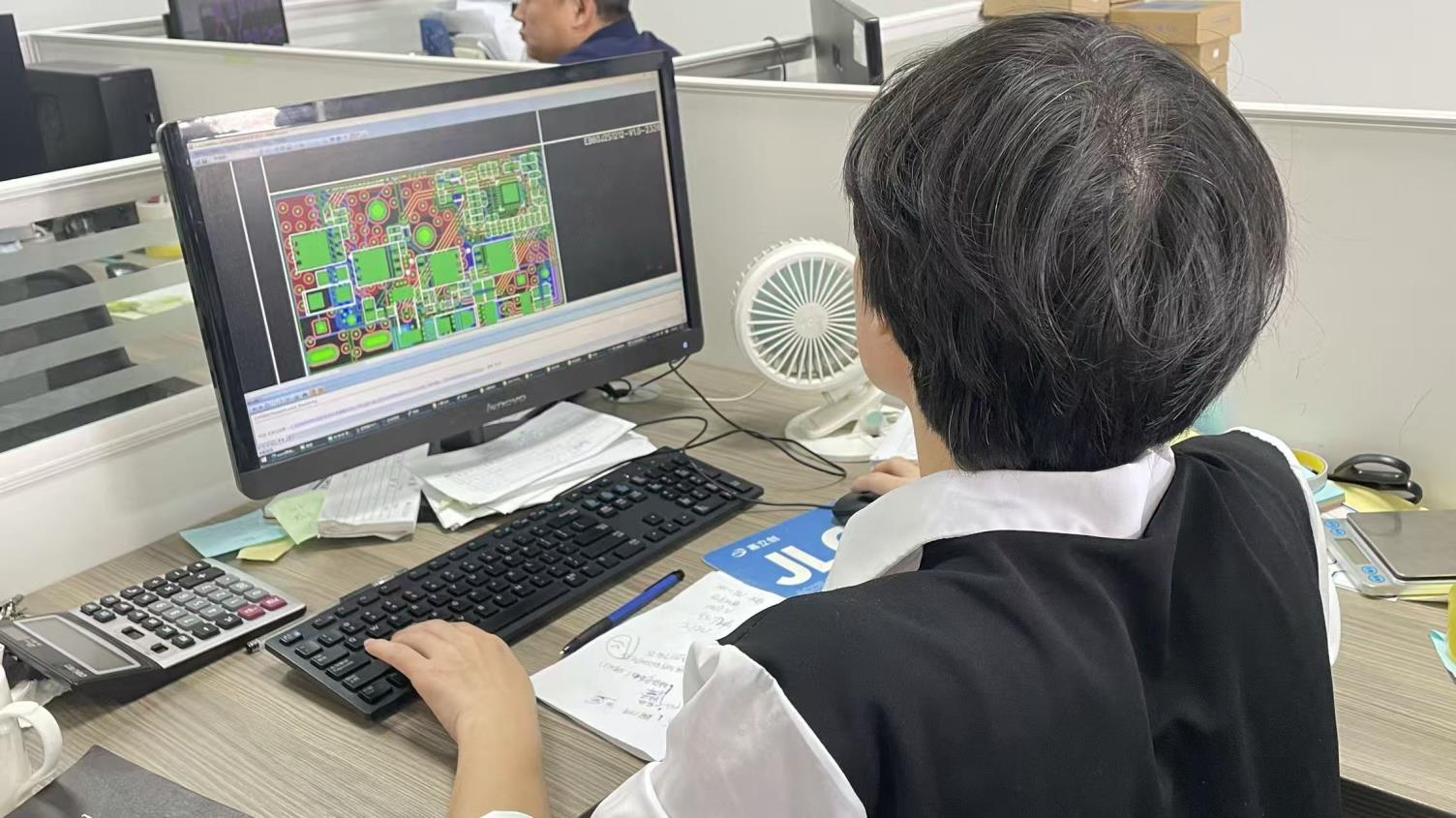 Design
The field of power conversion is changing rapidly with the introduction of new semiconductor materials and digital controls. We track three primary trends to guide our product development:
Integrating Gallium Nitride (GaN) and Silicon Carbide (SiC) switches allows for higher switching frequencies. This reduces transformer size and filter requirements, helping to achieve over 95% efficiency in smaller form factors.
Modern systems benefit from telemetry. Integrating communication protocols like RS485 or CAN bus, supported by custom software development kits (SDKs), allows for real-time monitoring of voltage, current, and temperature to enable predictive maintenance.
For devices used in harsh environments or requiring chemical sanitation, IP65-rated enclosures and automated silicone potting provide protection against dust, humidity, and liquid ingress.
Procurement specialists and system integrators face challenges such as component supply disruptions, changing regulatory requirements, and varying voltage grids. A reliable partner must offer:
Common questions answered by EVS Powers' engineering division regarding certification, configuration, and implementation.
2xMOPP (Means of Patient Protection) specifies stricter safety margins, including 4000V AC isolation and larger creepage distances, because the equipment may contact the patient directly. 2xMOOP (Means of Operator Protection) applies to lab or control systems that operators touch, allowing for slightly lower isolation parameters (3000V AC).
We use multi-stage EMI filters, high-permeability magnetic cores, and shielding enclosures. Our designs are optimized to reduce switching noise, helping systems pass FCC Part 15 Class B and EN 55011 requirements.
Yes. We offer OEM and ODM services. Customizations include input/output voltages, custom connectors, sheet metal enclosures, and software protocols like CAN Bus or RS485.
Burn-in testing operates components at full capacity in high-temperature environments. This process helps identify early failures (infant mortality) before shipping, improving overall reliability.
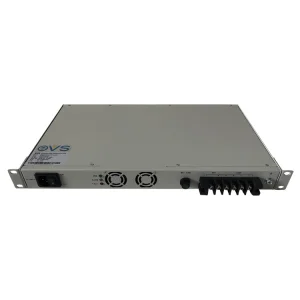
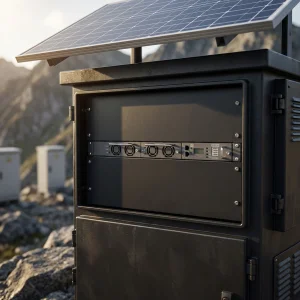
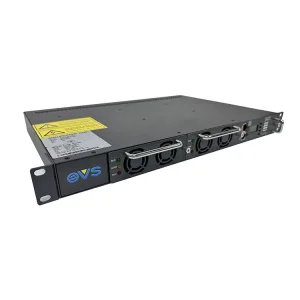
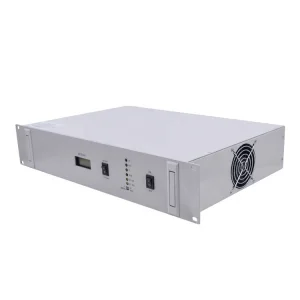
19-inch rack-mount structures allow for standard installation in standard cabinets. This configuration simplifies wire routing, improves thermal management, and supports hot-swapping in redundant N+1 power setups.
Browse our selection of specialized high-voltage converters, rack-mounted rectifiers, and backup power supplies.

 EVS Powers