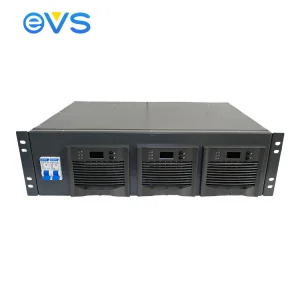
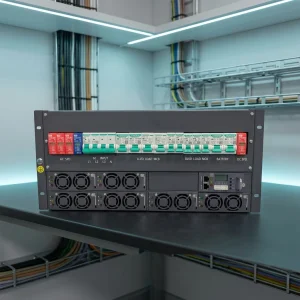
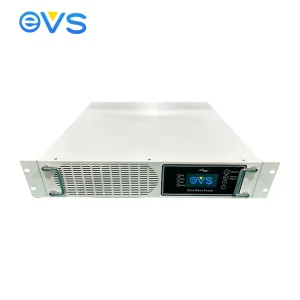
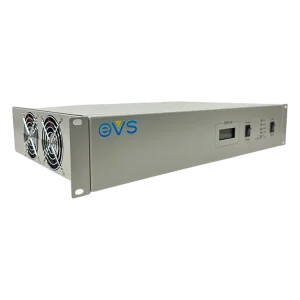
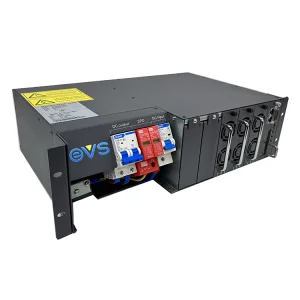
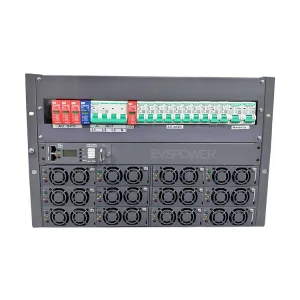
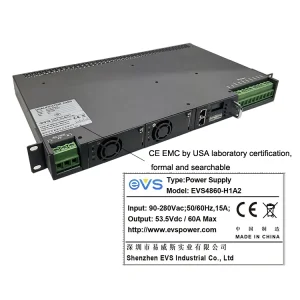
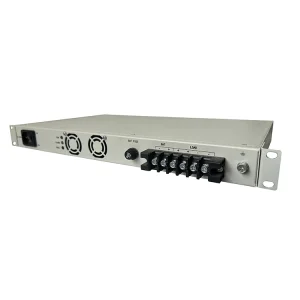
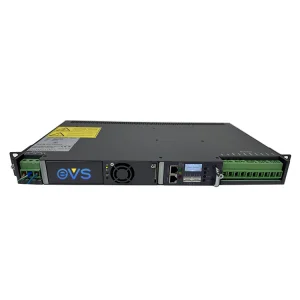
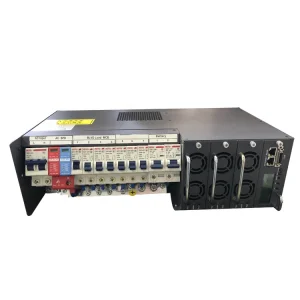
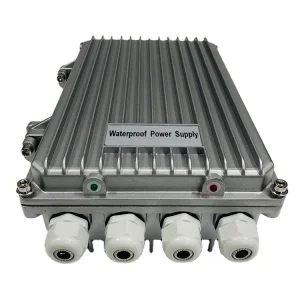
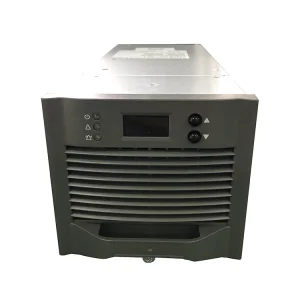
Explore our high-performance industrial power modules engineered for unmatched efficiency, thermal stability, and integrated digital monitoring protocols.
Analyzing high-reliability direct current frameworks in global infrastructure, power distribution, and telecom processing hubs.
In modern industrial electrical distribution, the 220VDC electric rectifier serves as a vital component for high-availability backup systems, switchgear actuation, control circuitry, and telecom base networks. Unlike conventional low-voltage systems (e.g., 24V or 48V), a 220VDC topology dramatically reduces conductive copper losses over long distances, making it the preferred electrical architecture for sprawling utility substations, generation plants, metallurgical hubs, and heavy railway transport lines.
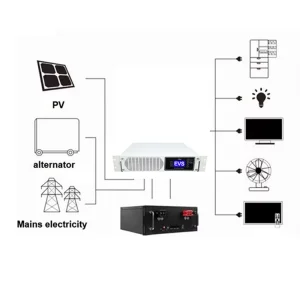
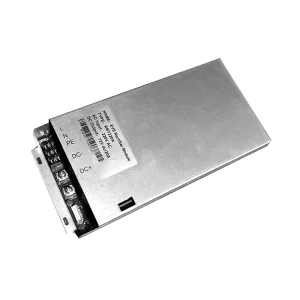
An electric rectifier functions by converting alternating current (AC)—originating from either municipal utility grids or backup diesel generator configurations—into smooth, regulated direct current (DC). This direct current simultaneously supplies continuous power to critical connected operational loads and acts as an online float charger for high-capacity lead-acid or lithium-ion backup battery banks. The architectural integrity of this conversion module directly determines system MTBF (Mean Time Between Failures) and guarantees protection against upstream transient voltages.
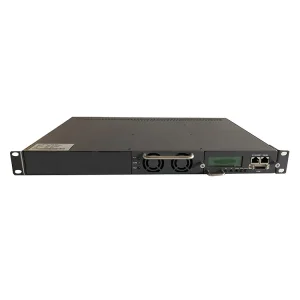
SEO Insight & Information Gain: When sourcing 220VDC power systems, procurement engineers must look beyond simple rating labels. True system robustness is determined by thermal management engineering, input power factor correction (PFC), total harmonic distortion (THD), and modular galvanic isolation. EVS Powers incorporates high-frequency switching technology (HFPS) to ensure efficiency rates exceed 95% while minimizing physical rack footprints.
The industrial power conversion industry is undergoing a significant transition. Traditional Silicon-controlled (SCR) phase-controlled rectifiers are increasingly being replaced by high-frequency switching mode power supplies (SMPS). This transition is driven by three main factors: high power density requirements, digital monitoring integrations, and advanced wide-bandgap semiconductor materials.
By leveraging SiC and GaN diodes and MOSFETs, next-generation 220VDC rectifiers can operate at higher switching frequencies with minimized thermal losses. This reduces inductor sizing by up to 40%.
Modern rectifiers integrate digital signal processors (DSPs) to communicate via SNMPv3, Modbus RTU, or CAN Bus. This enables continuous tracking of internal component health, ripple voltages, and insulation resistance.
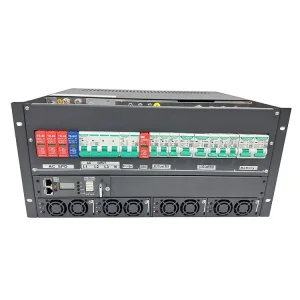
System availability is maximized through N+1 or N+2 parallel redundancy configurations. Hot-swappable module slots allow technicians to replace units online without power interruptions.
Looking ahead, integrating decentralized renewable energy microgrids will require bi-directional rectifier-inverter topologies. These topologies will enable direct battery storage interaction while maintaining complete galvanic isolation to protect delicate digital controls from grid transients.
The operational environment dictates specific design characteristics for rectifiers. Standard installations must be customized to handle environmental challenges such as ambient temperatures, moisture, dust, and electrical noise.
| Sector / Application | Technical Challenges | Critical Rectifier Feature Requirement | Optimal Solution / Topology |
|---|---|---|---|
| Power Transmission Substations | High inductive kickback, electromagnetic interference (EMI), switchgear tripping loads. | Extreme transient surge absorption, strict isolation resistance monitoring. | 220VDC Rectifier with high-voltage impulse tolerance and integrated earth fault detectors. |
| Telecom Transmission Hubs | Continuous thermal loads, high-density component layout, signal noise requirements. | Ultralow electrical noise (low ripple factor <0.5%), SNMP telemetry integrations. | Modular high-frequency switching rectifiers with active cooling and hot-swap modules. |
| Oil, Gas & Chemical Facilities | Corrosive gases, ambient humidity, dust buildup, explosive atmospheres. | Conformal coating on PCB boards, high ingress protection (IP55/IP65 enclosures). | Ruggedized, fully sealed fanless rectifiers with external liquid cooling or heavy heat sinks. |
| Railway Electrification Systems | Varying load profiles, high mechanical vibrations, variable input power quality. | Robust chassis design, wide input voltage window (up to ±25% fluctuation). | Vibration-resistant structural mounting, wide-input range AC-DC rectifiers. |
Below is a comparative analysis of the leading global manufacturers of industrial 220VDC rectifiers, based on engineering capability, customization flexibility, and supply chain strength.
Your strategic partner in advanced power electronics manufacturing, offering end-to-end design, production, and rigorous validation capabilities.
Located in the international trade hub of Guangzhou, Guangzhou EVS Powers Co., Ltd. is a professional manufacturer specializing in switching power supplies, DC power systems, power supply units, DC-DC converters, and power inverter series. EVS provides robust OEM/ODM production tailored to demanding custom specifications.
We prioritize customer satisfaction, high product quality, and manufacturing efficiency to deliver reliable solutions. Our company has earned a strong reputation and established long-term partnerships across Europe, North and South America, Australia, the Middle East, and Southeast Asia.
We are committed to sharing our technical expertise and manufacturing experience to support mutual growth. Contact our engineering team today to discuss your project requirements.
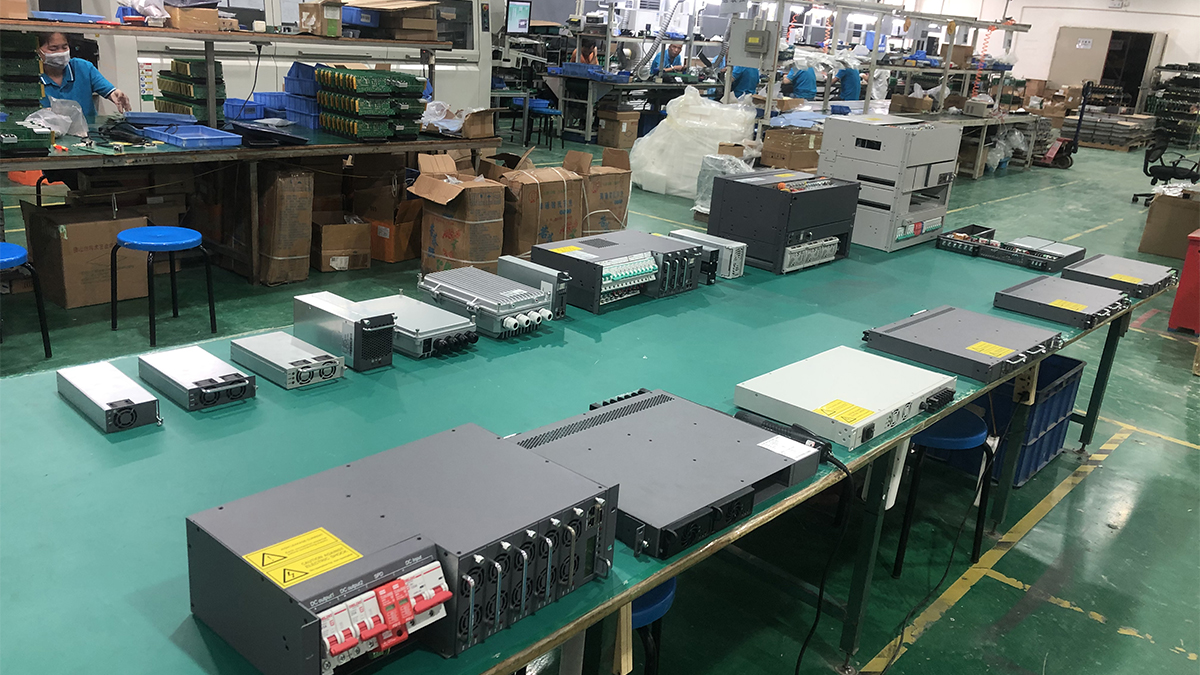
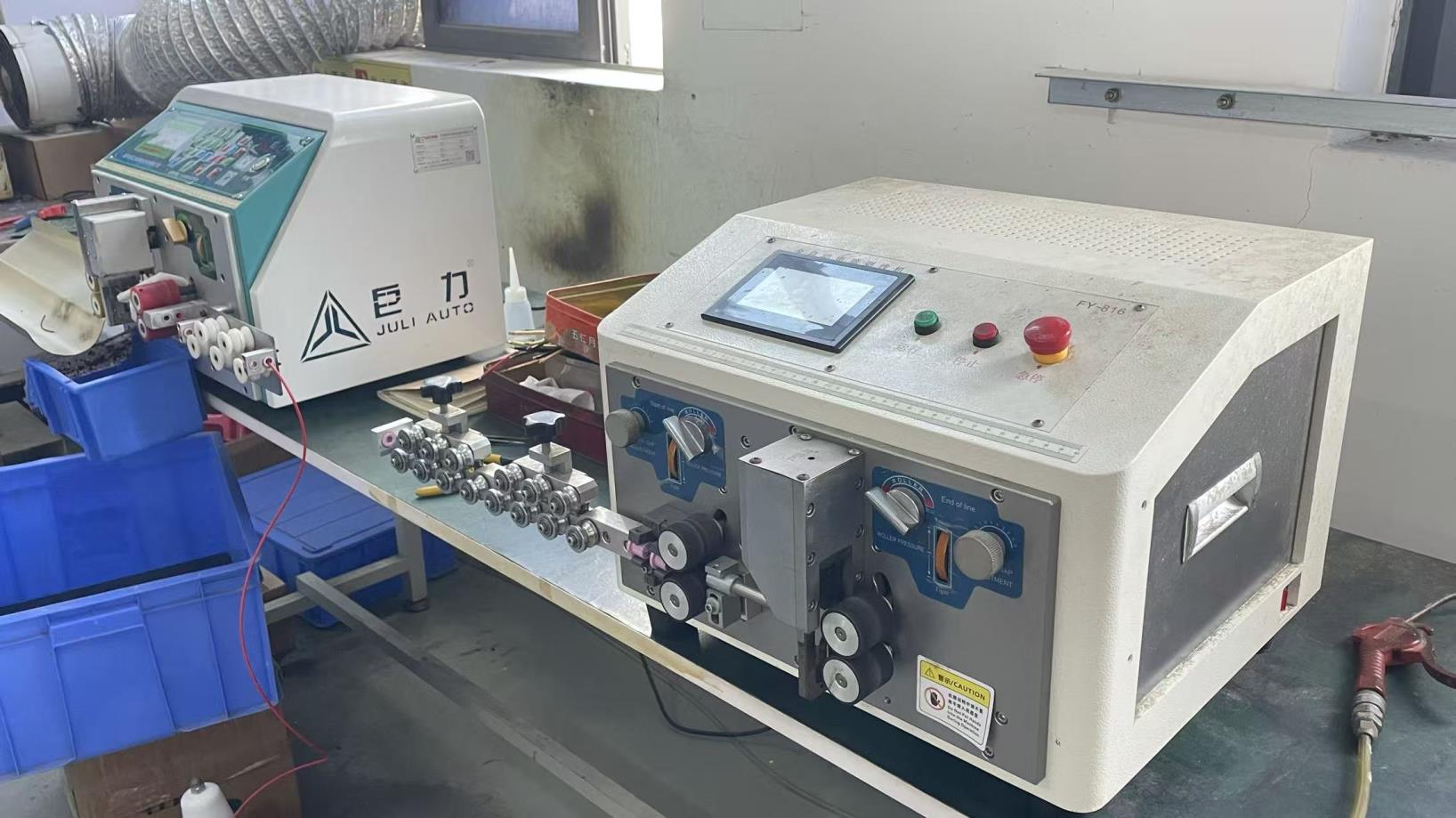
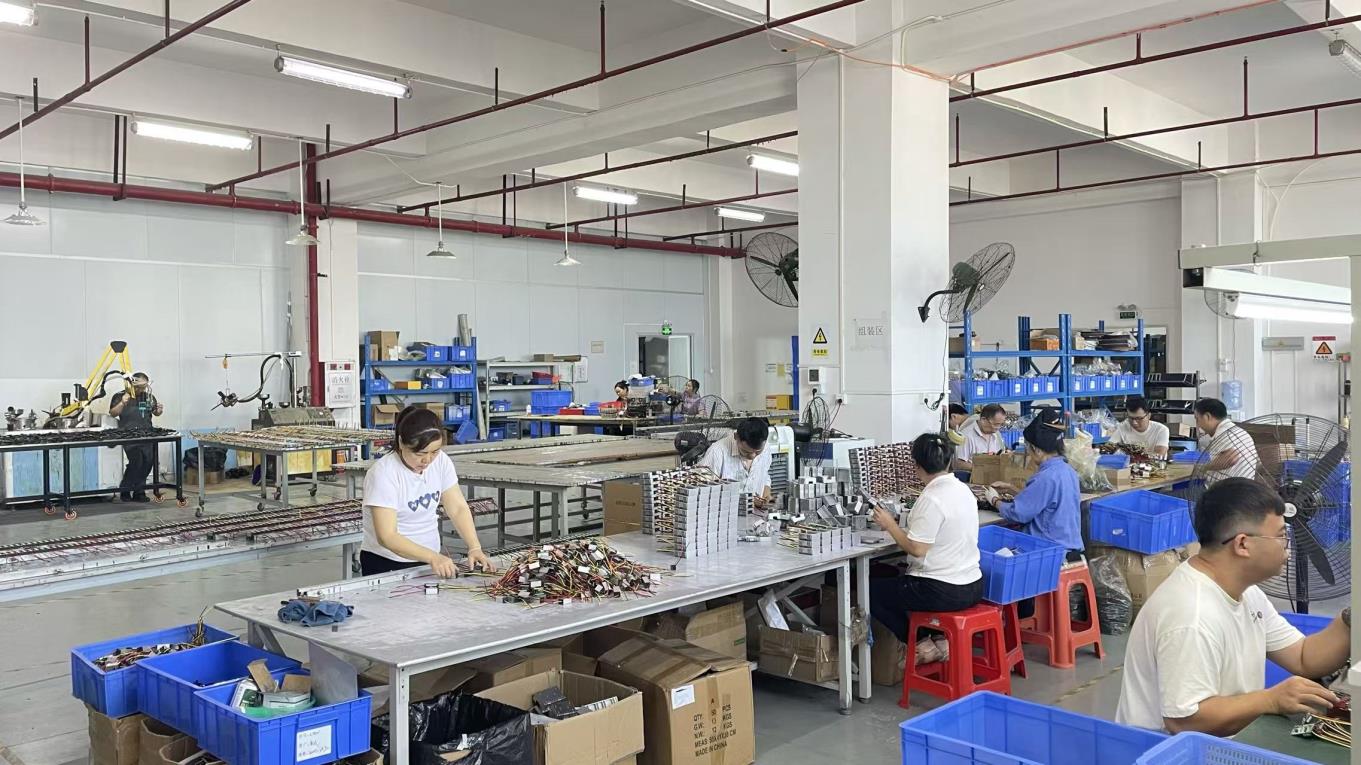
A structured look at our standardized production steps, combining automation with quality control checks.

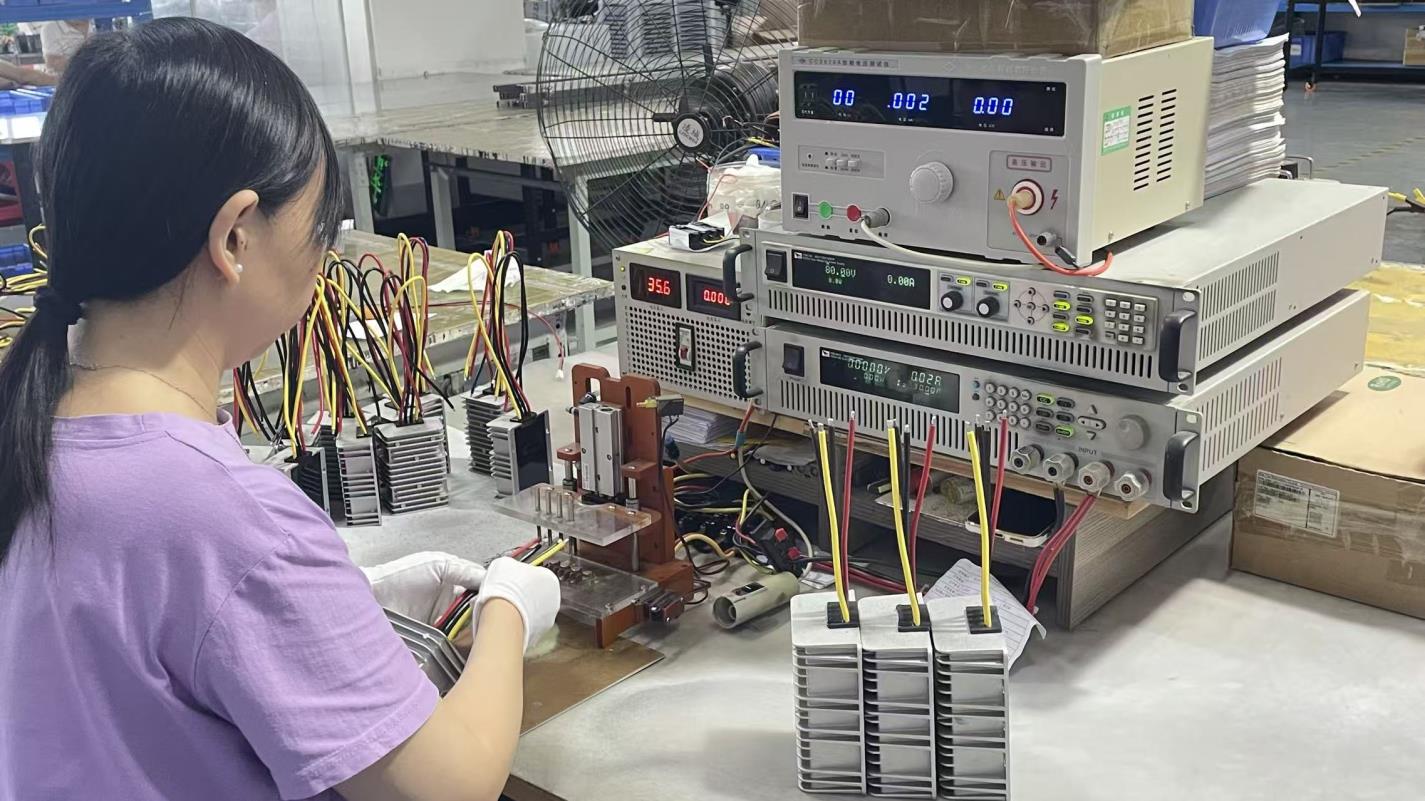
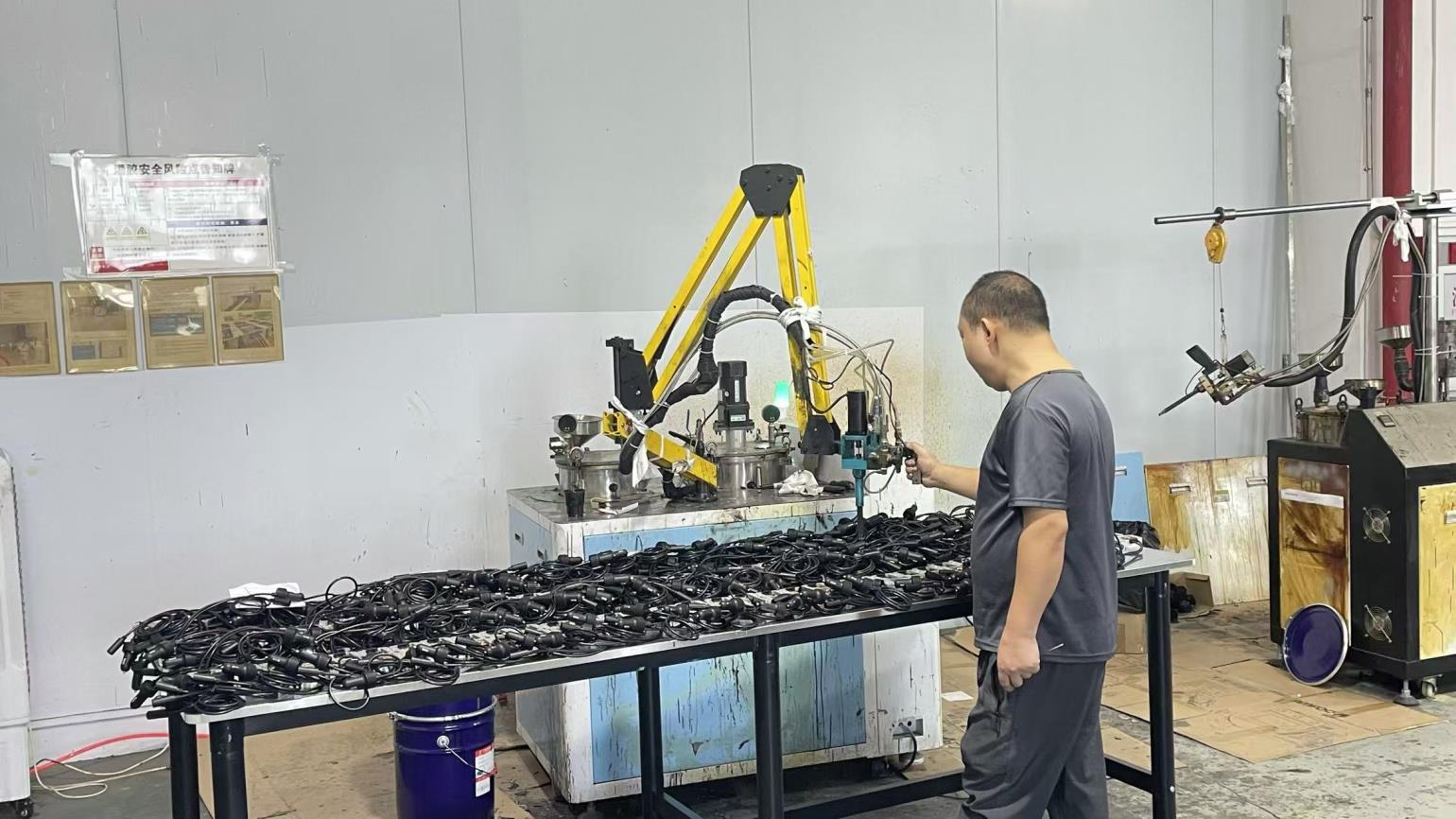
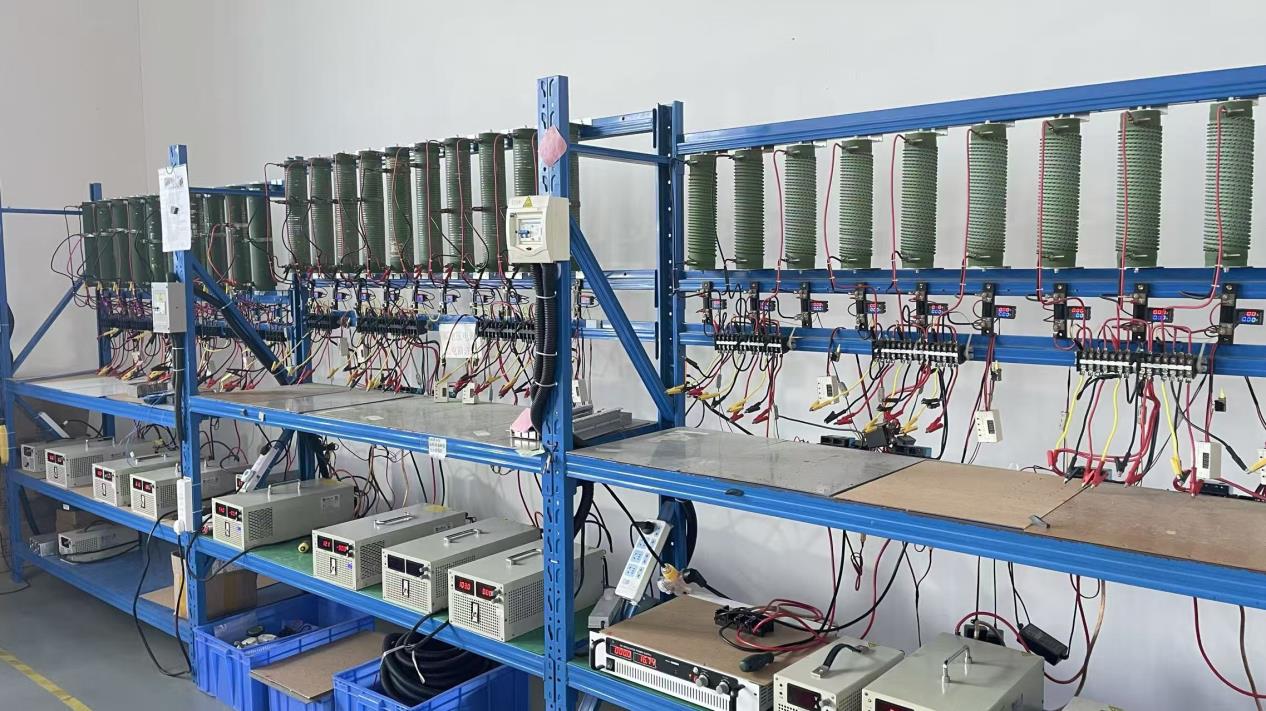

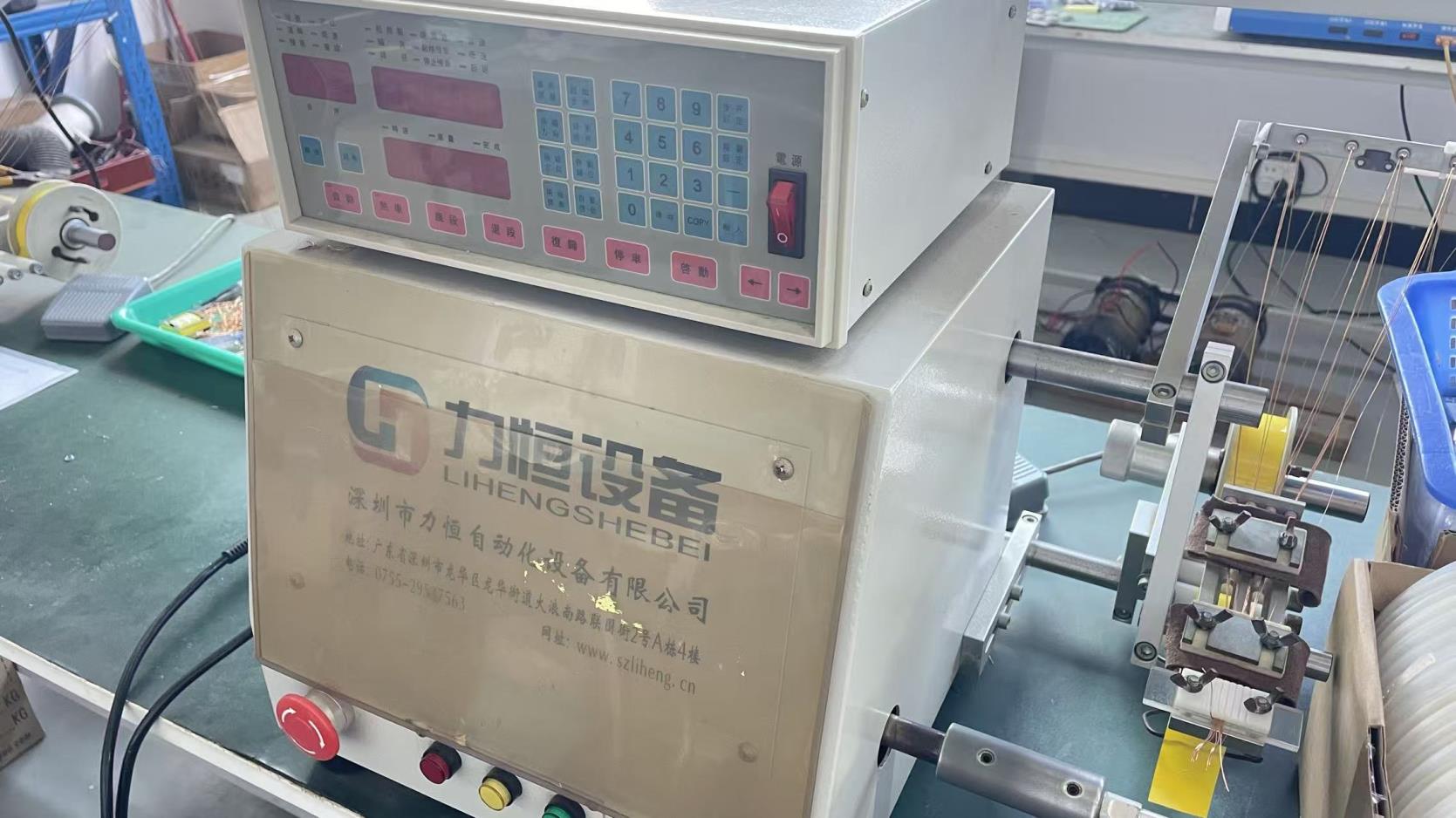
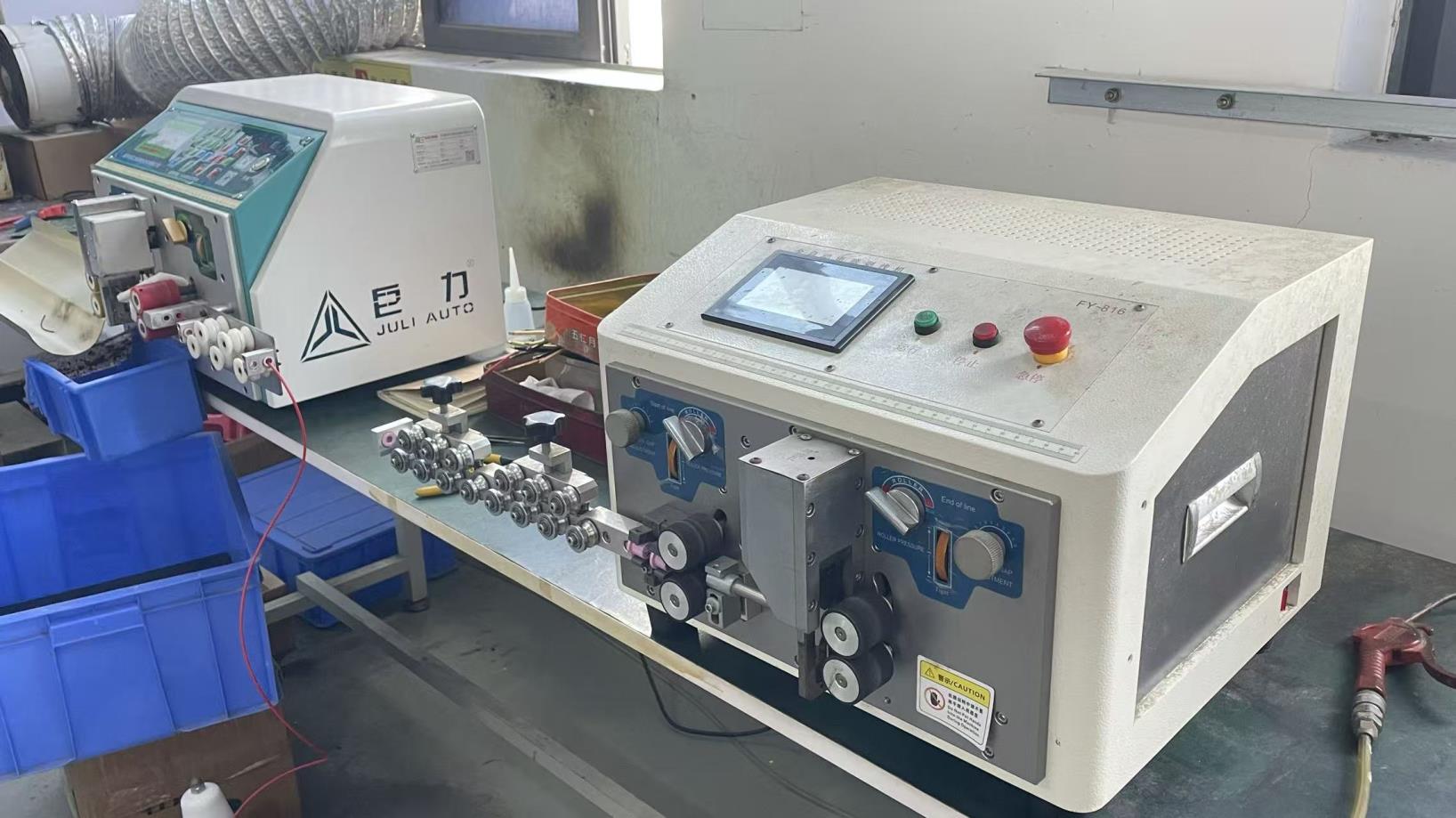


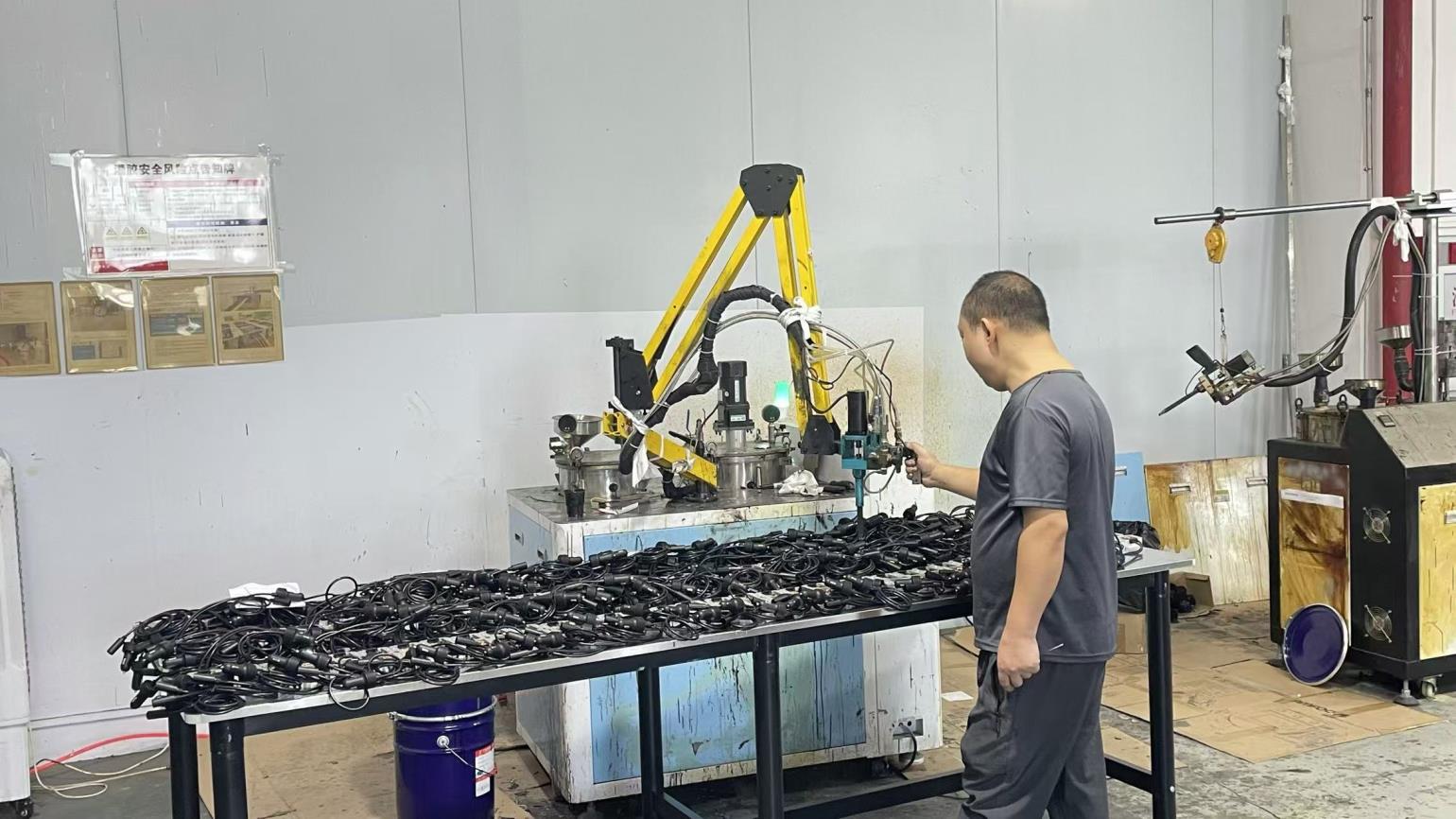
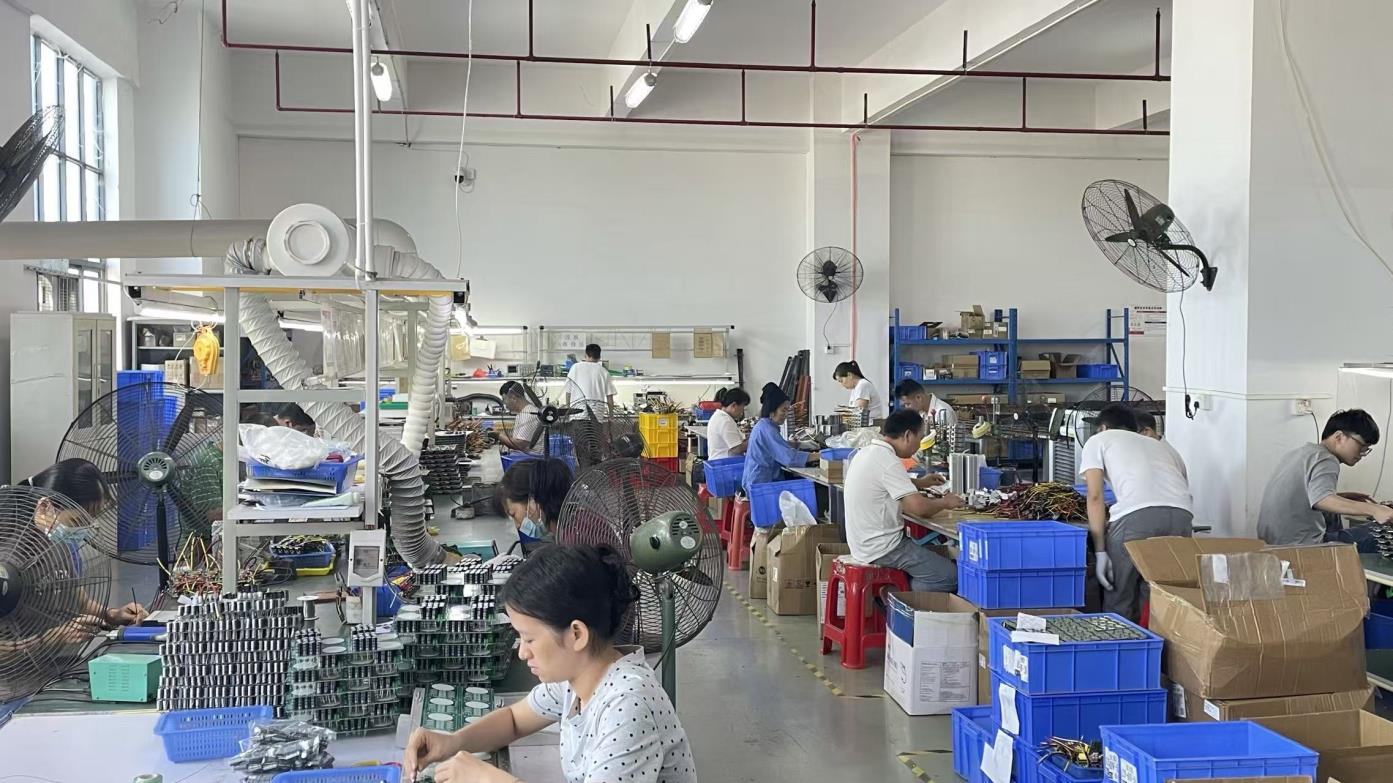
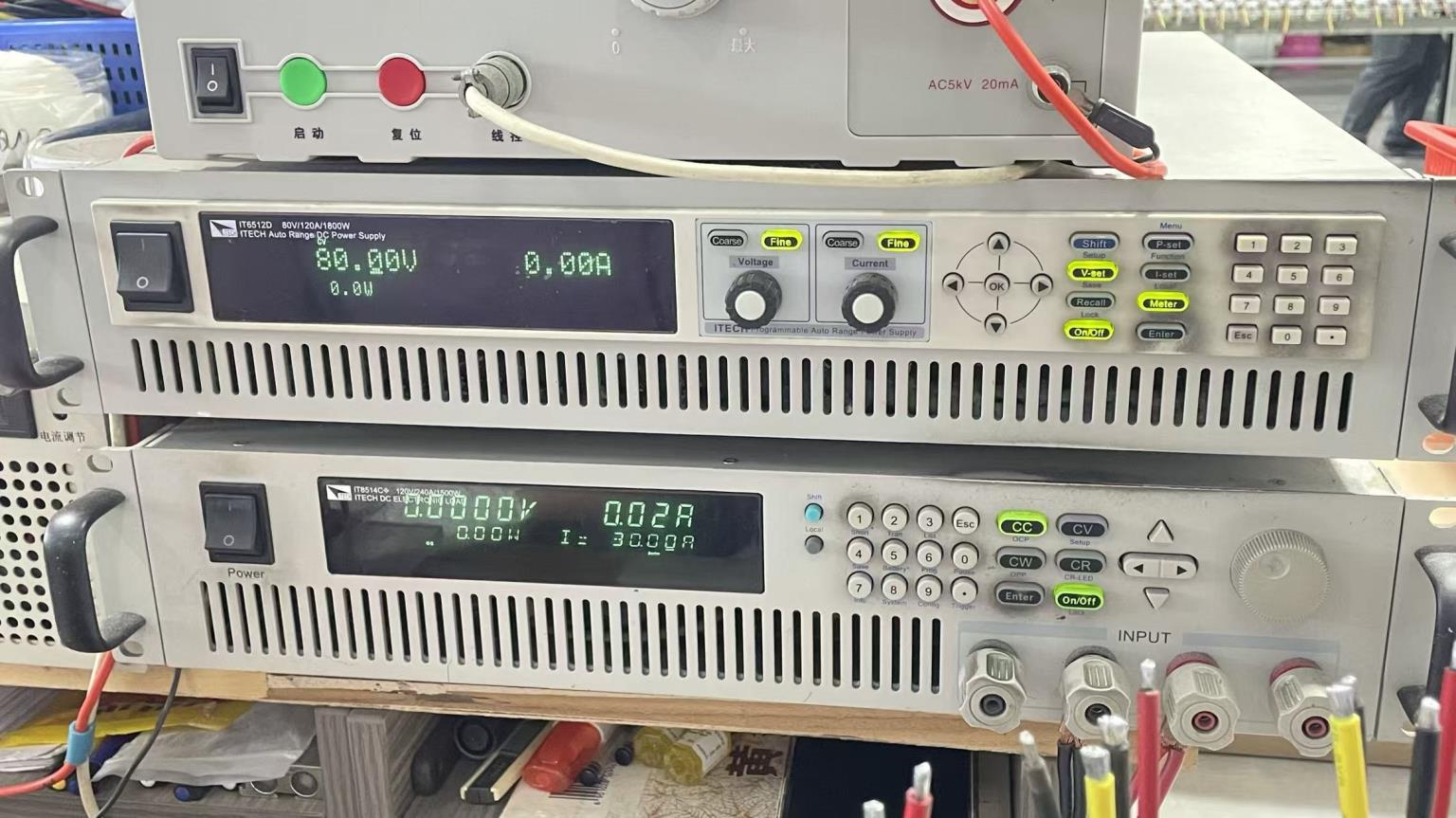
Our quality assurance laboratory is equipped with specialized instruments to verify compliance with international electrical standards.
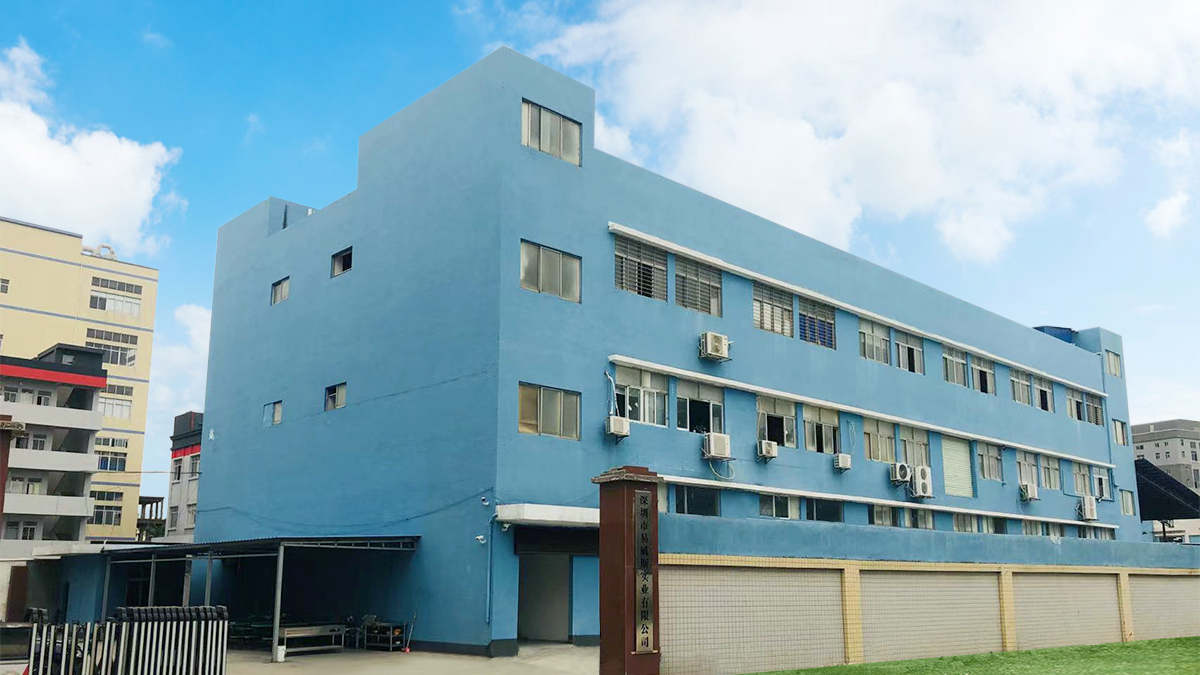
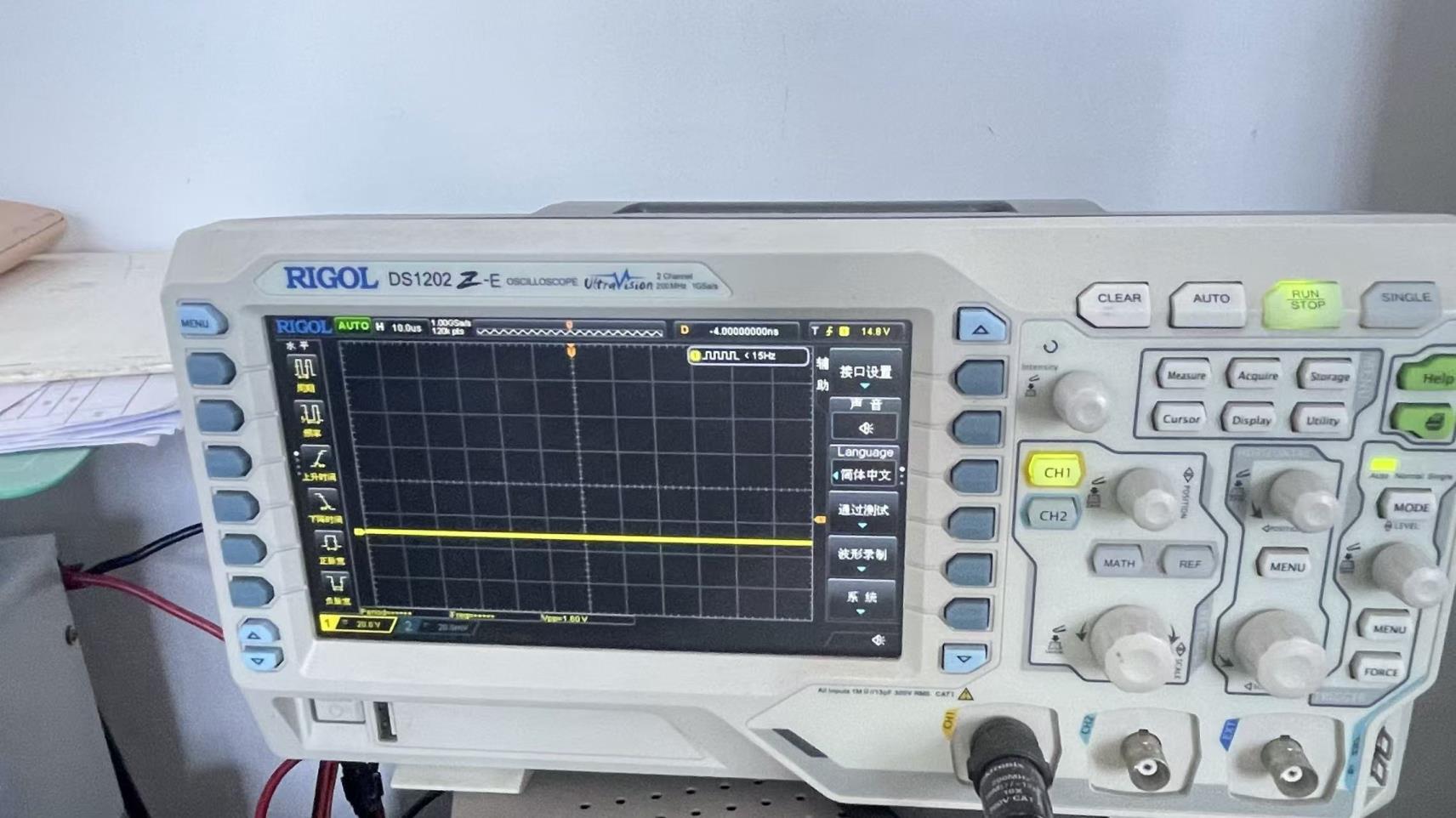
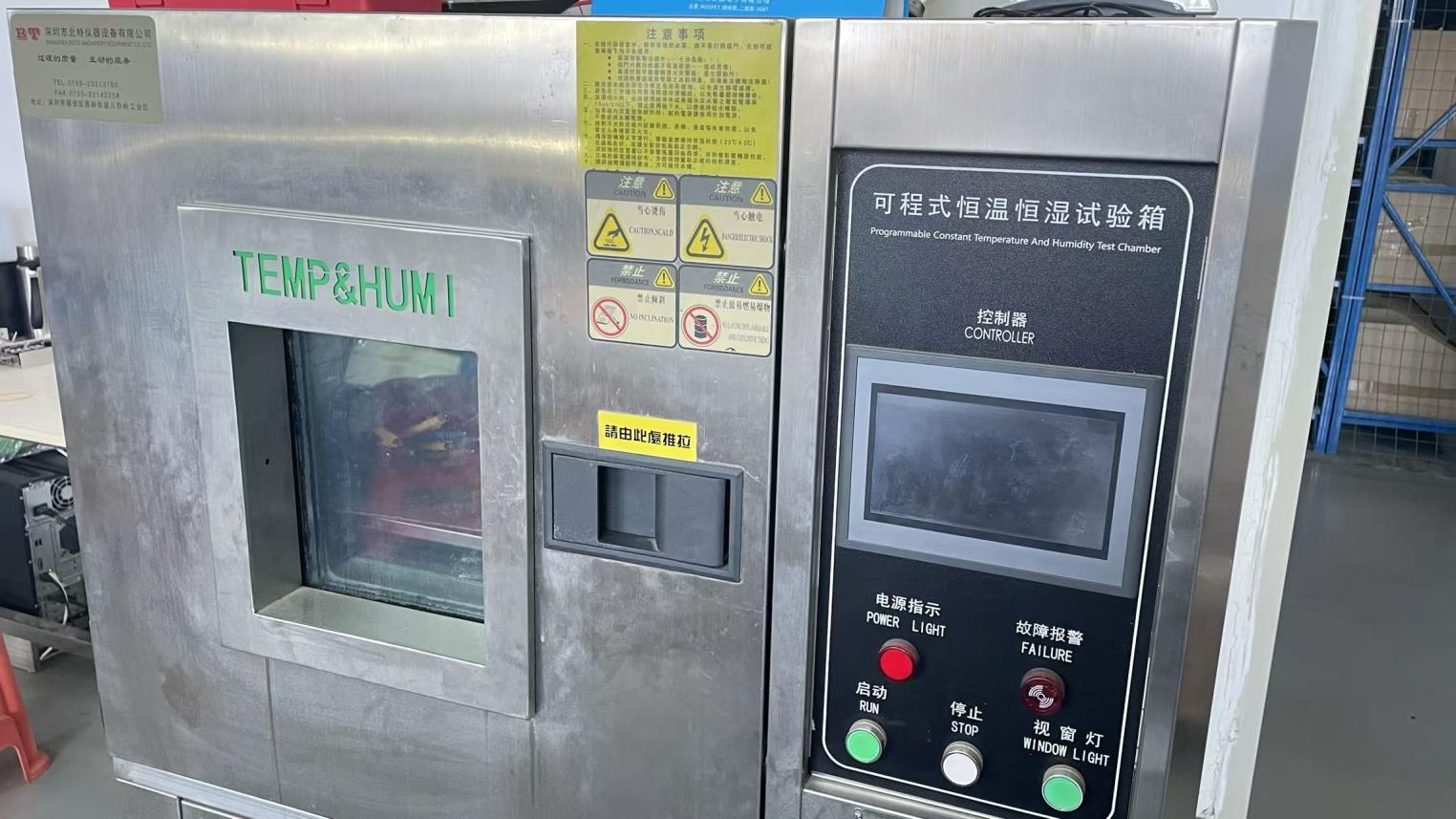
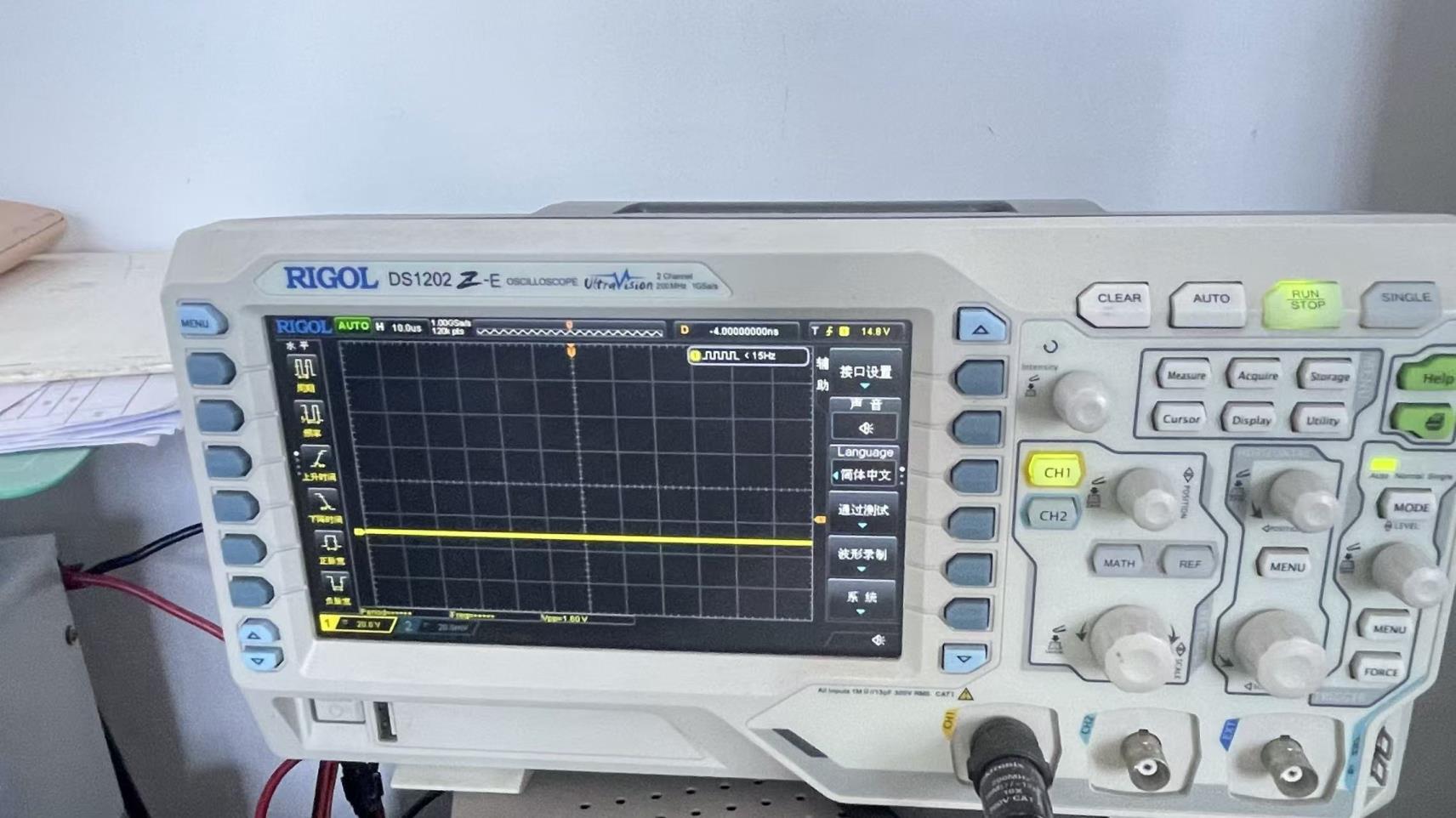
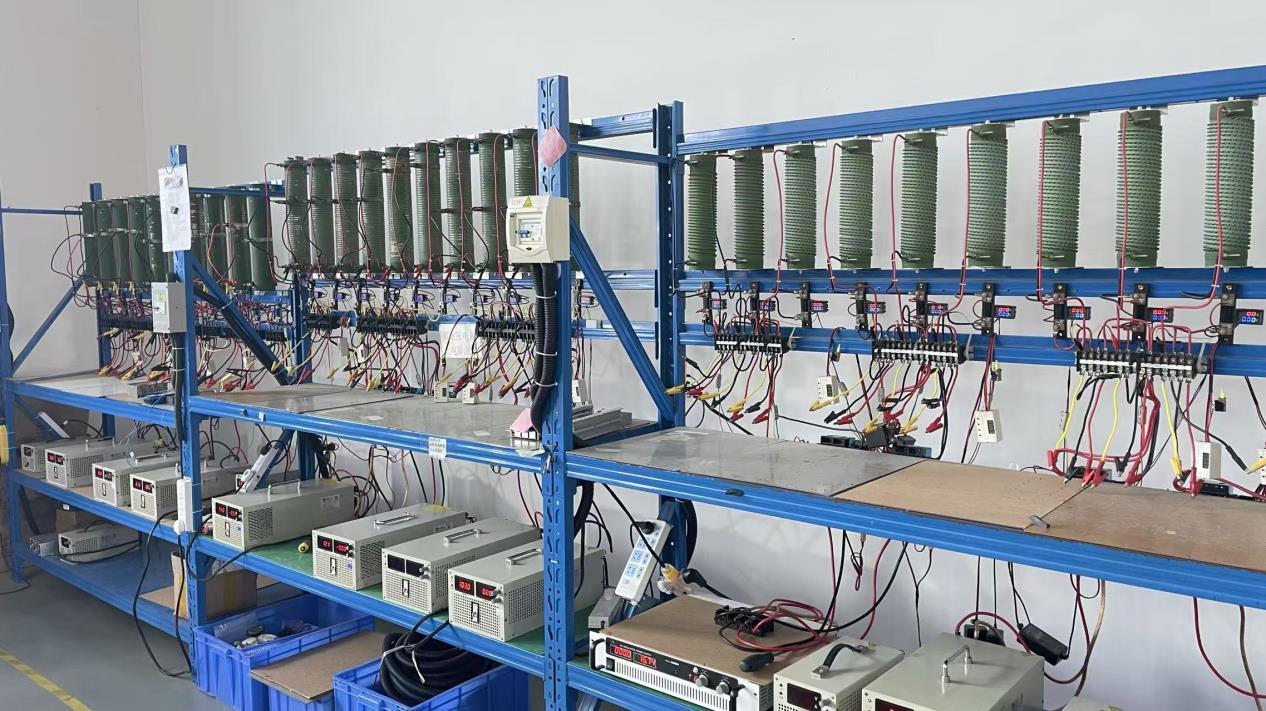
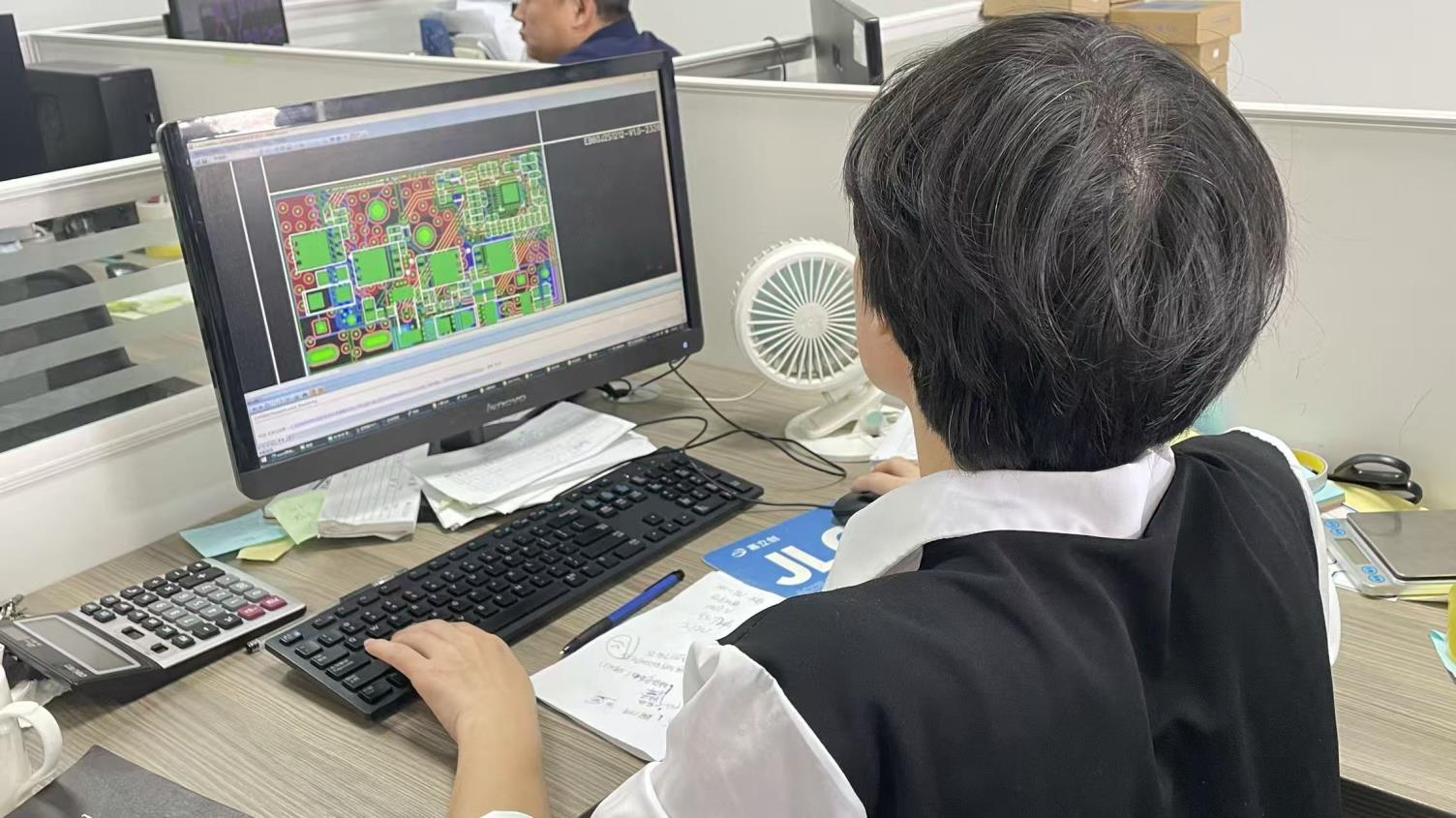
Sourcing electronic components from Guangzhou, China, offers significant efficiency and scale benefits. The Pearl River Delta hosts an integrated supply ecosystem, from raw magnetic materials and bare PCBs to advanced semiconductor packaging. This geographic concentration reduces lead times for complex, custom industrial power supplies compared to other regions.
To operate reliably in harsh grid environments, power modules must adhere to key international quality standards. Critical benchmarks for high-frequency rectifiers include:
Find answers to common technical and integration questions regarding industrial DC power architectures.
Explore our high-efficiency buck converters, modular rectifier systems, and rugged outdoor-rated power modules.
 EVS Powers