Deploying advanced topologies and thermal optimization across core enterprise products
Understanding the critical junction of power electronics efficiency and heat rejection
In the modern industrial landscape, the surge in high-performance computing, telecom electrification, and data storage systems has created unprecedented challenges. At the heart of these facilities are industrial switching power supplies, DC-DC converters, and rectifiers that operate continuously under demanding environmental conditions. Without integrated OEM/ODM thermal management solutions, thermal saturation degrades system performance, causes component failure, and ultimately triggers costly downtime.
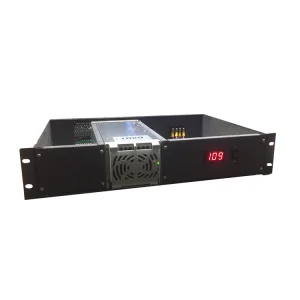
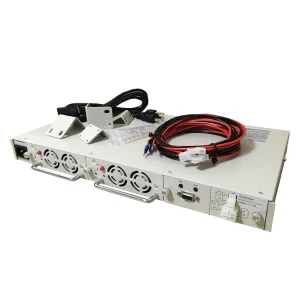
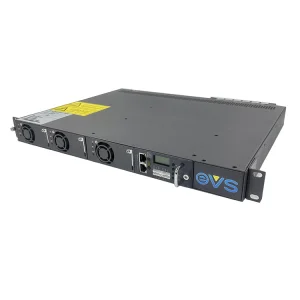
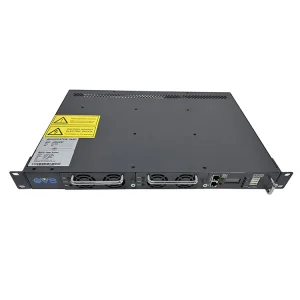
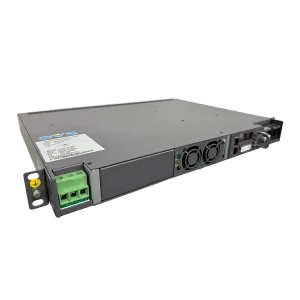
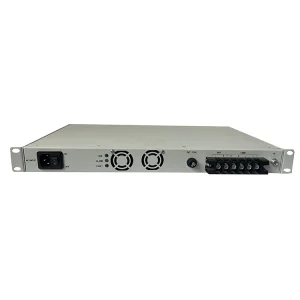
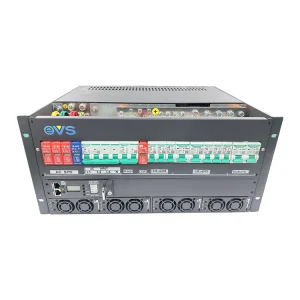
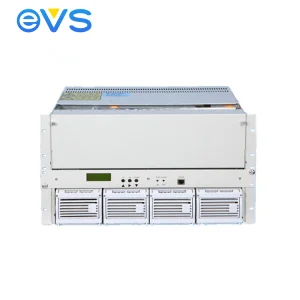
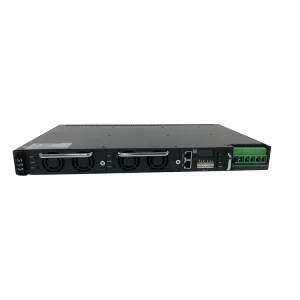
Historically, power conversion and thermal dissipation were treated as isolated modules. Today, they are co-designed. Highly efficient topologies—such as those found in our EVS series rectifiers (achieving up to 95.5% efficiency)—directly translate to reduced waste heat. Less waste heat translates into simplified thermal extraction requirements, enabling smaller footprints, higher rack densities (e.g., 1U embedded forms), and lower operational expenditures (OPEX) for operators worldwide.
Globally, telecom base stations, cloud storage hubs, and automated manufacturing floors demand custom cooling architectures. OEM configurations focus heavily on custom heatsink profiles, forced-air cooling ducts, and Phase Change Materials (PCM). The target is simple: maintain junction temperatures of high-power semiconductor devices below critical thresholds (often 125°C) while maintaining extreme efficiency. As a seasoned thermal management solutions manufacturer, Guangzhou EVS Powers Co., Ltd. addresses this paradigm by combining precision power conversion designs with advanced thermodynamics engineering.
Bridging power density with thermodynamic stability
Integrating Modbus and SNMP protocols allows real-time monitoring of internal thermal thresholds and output metrics. Dynamic fan control optimizes airflow based on actual load profiles, saving energy and extending cooling hardware lifespans.
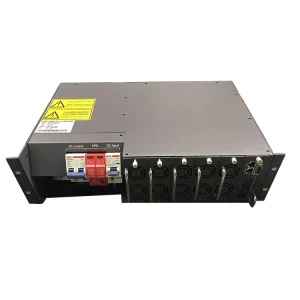
Modular systems—like our EVS48200-H5B4 hot-swap rectifiers—enable hot swapping under loaded states. This feature demands meticulous mechanical tolerances and safety-first thermal paths to prevent local overheating during extraction or insertion.
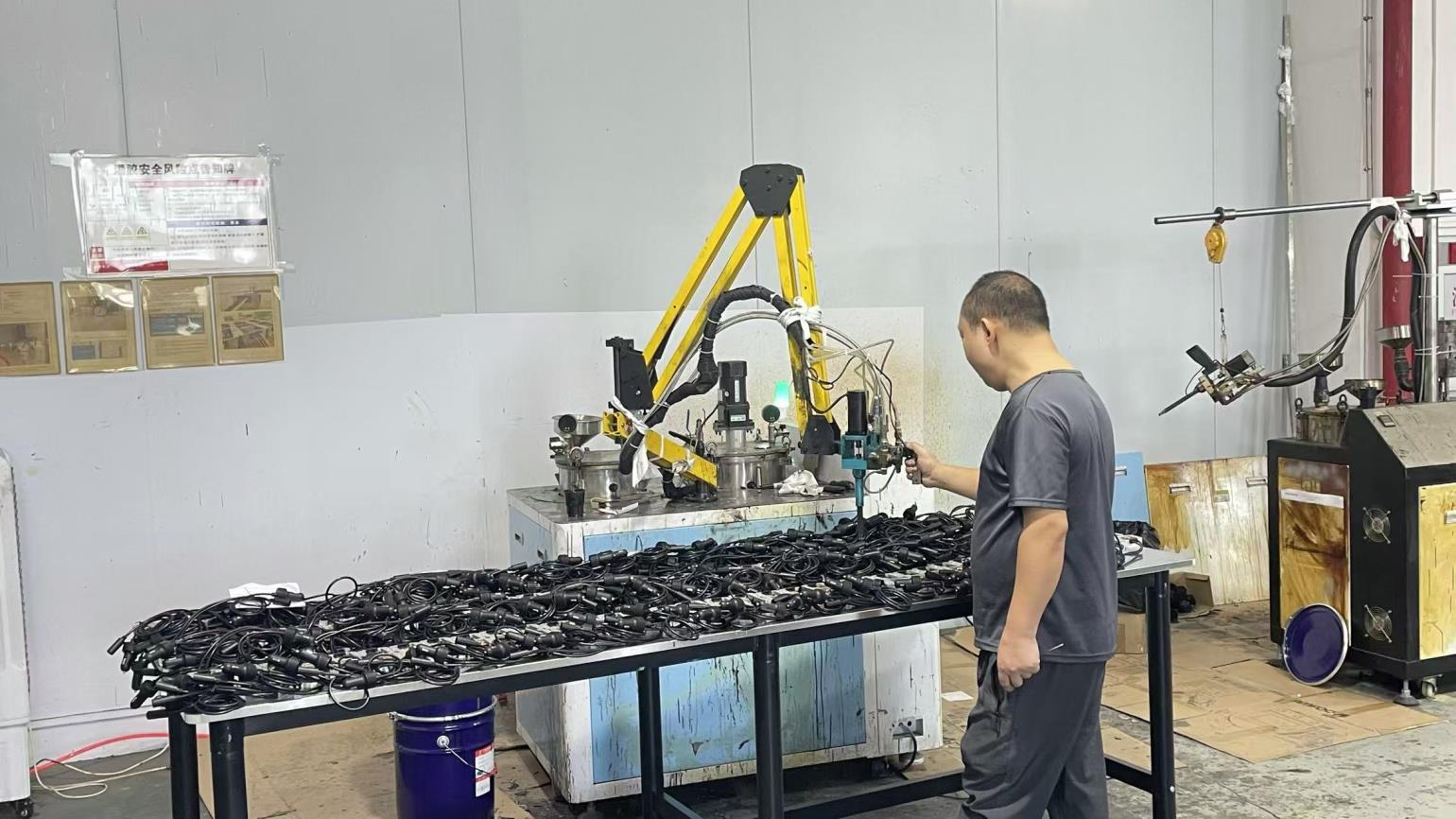
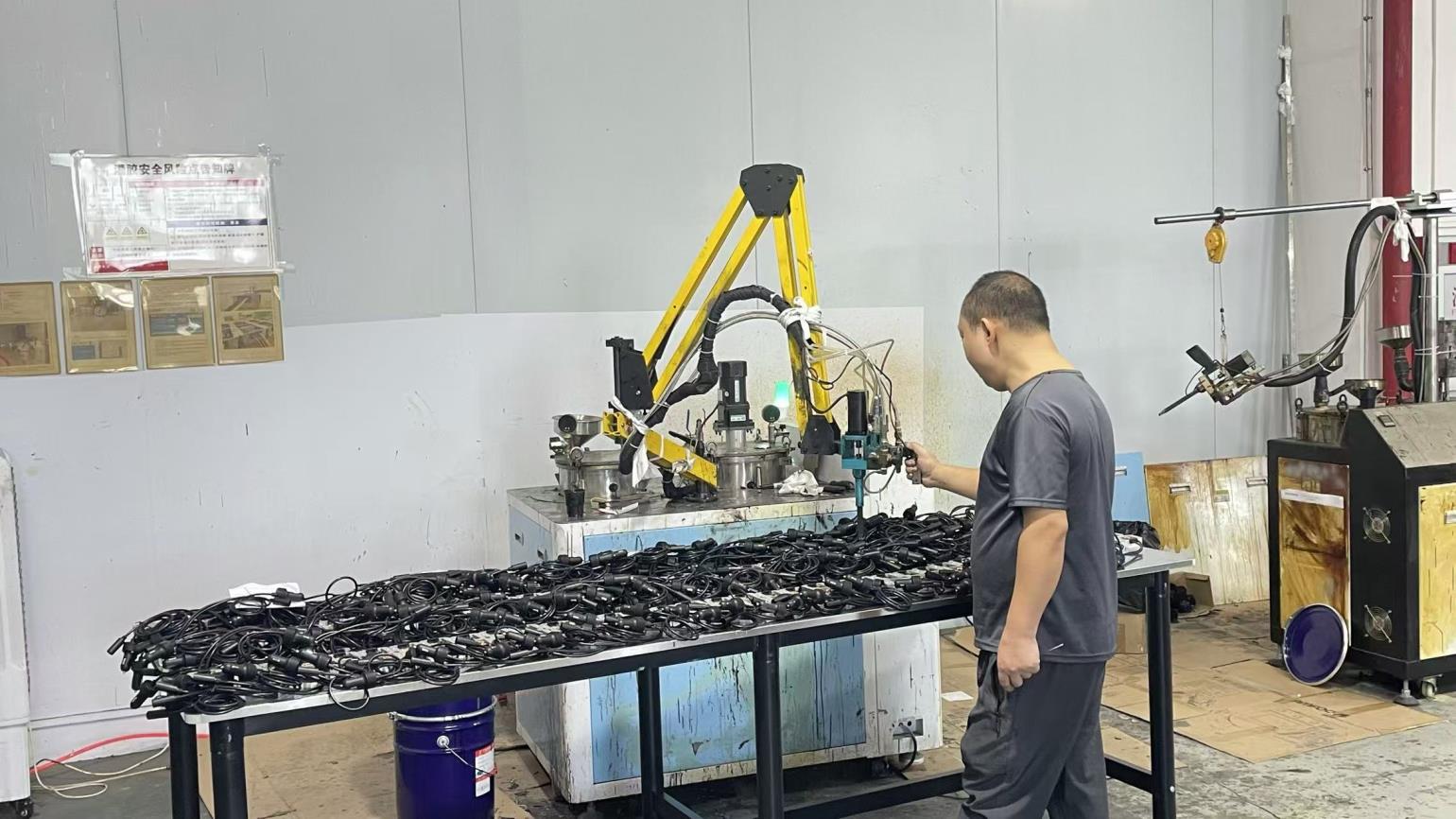
Leveraging high thermal conductivity materials, high-density copper fins, and custom-dispensed thermal potting compounds. Potting compound encapsulation protects electronics from humidity (IP65 ratings) while distributing heat evenly to the outer shell.
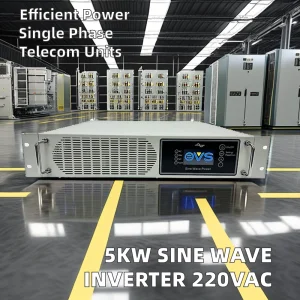
Reducing thermal resistance (Rθ) from the silicon junction to the ambient air is the primary focus of modern power engineering. By utilizing advanced planar transformers and metal-core PCBs (MCPCB), EVS engineers minimize physical thermal resistance, paving the way for ultra-compact 1500W to 5000W conversions in demanding applications.
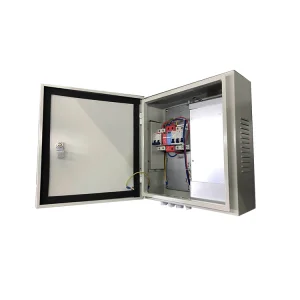
Telecom Cabinets & Micro-Grids: Standard outdoor enclosures face challenges from solar loading and restricted airflow. EVS integrates AC/DC cooling systems directly with the power rectifier stack. This creates a unified climate loop that prevents localized heat pockets and ensures consistent output delivery in high-ambient environments like the Middle East or tropical regions.
Industrial Charging & Motor Control: Systems like the 5000W DC-DC booster converter operate under harsh transient loads. These loads demand highly responsive thermal designs. Massive heat dissipation blocks, supplemented by embedded heat pipes, absorb instantaneous heat loads to prevent thermal runaway in heavy machinery environments.
Your Strategic OEM/ODM Electronics & Thermal Management Partner
Guangzhou EVS Powers Co., Ltd., located in the international trade city of Guangzhou, is a professional manufacturer of switching power supplies, DC power systems, power supply units, DC-DC converters, power inverter series power system products, and custom OEM/ODM electronics. We prioritize customer satisfaction, product quality, and cost-effective competitive advantages.
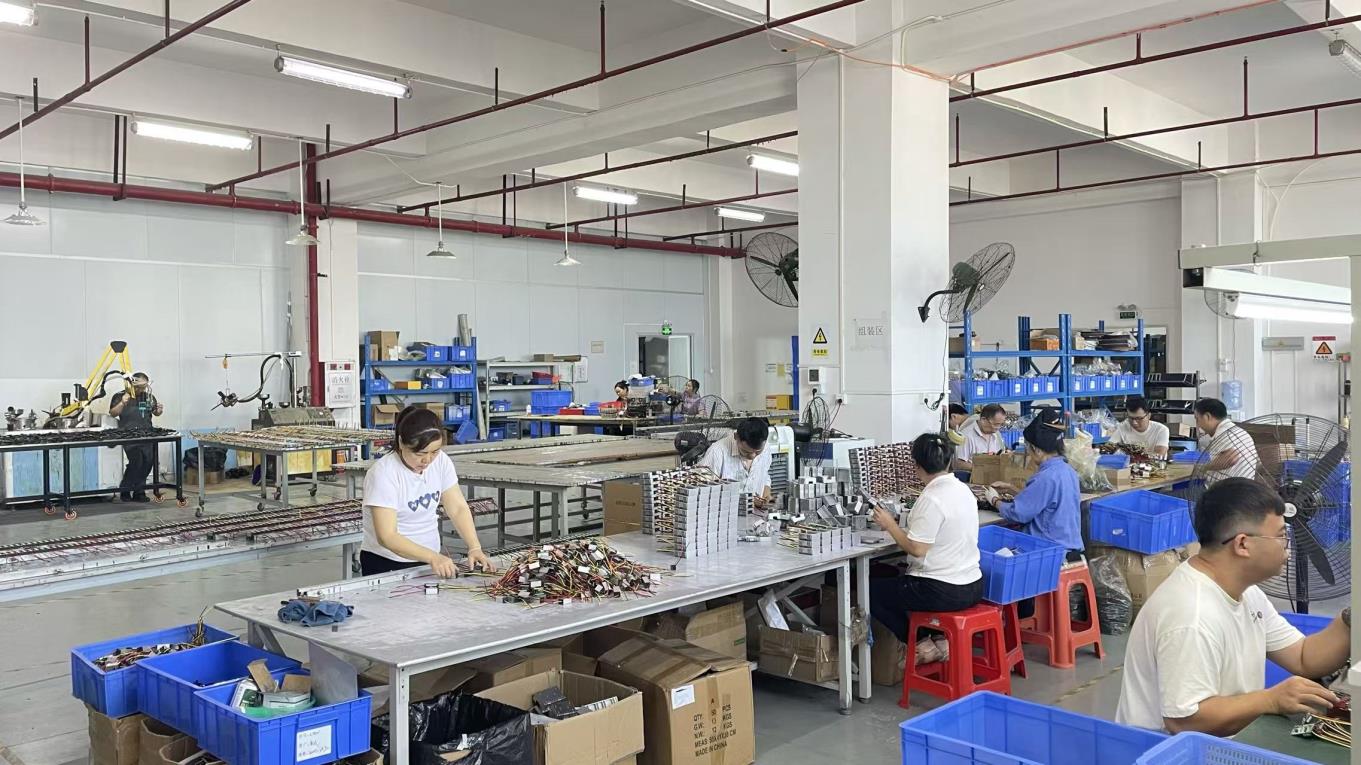
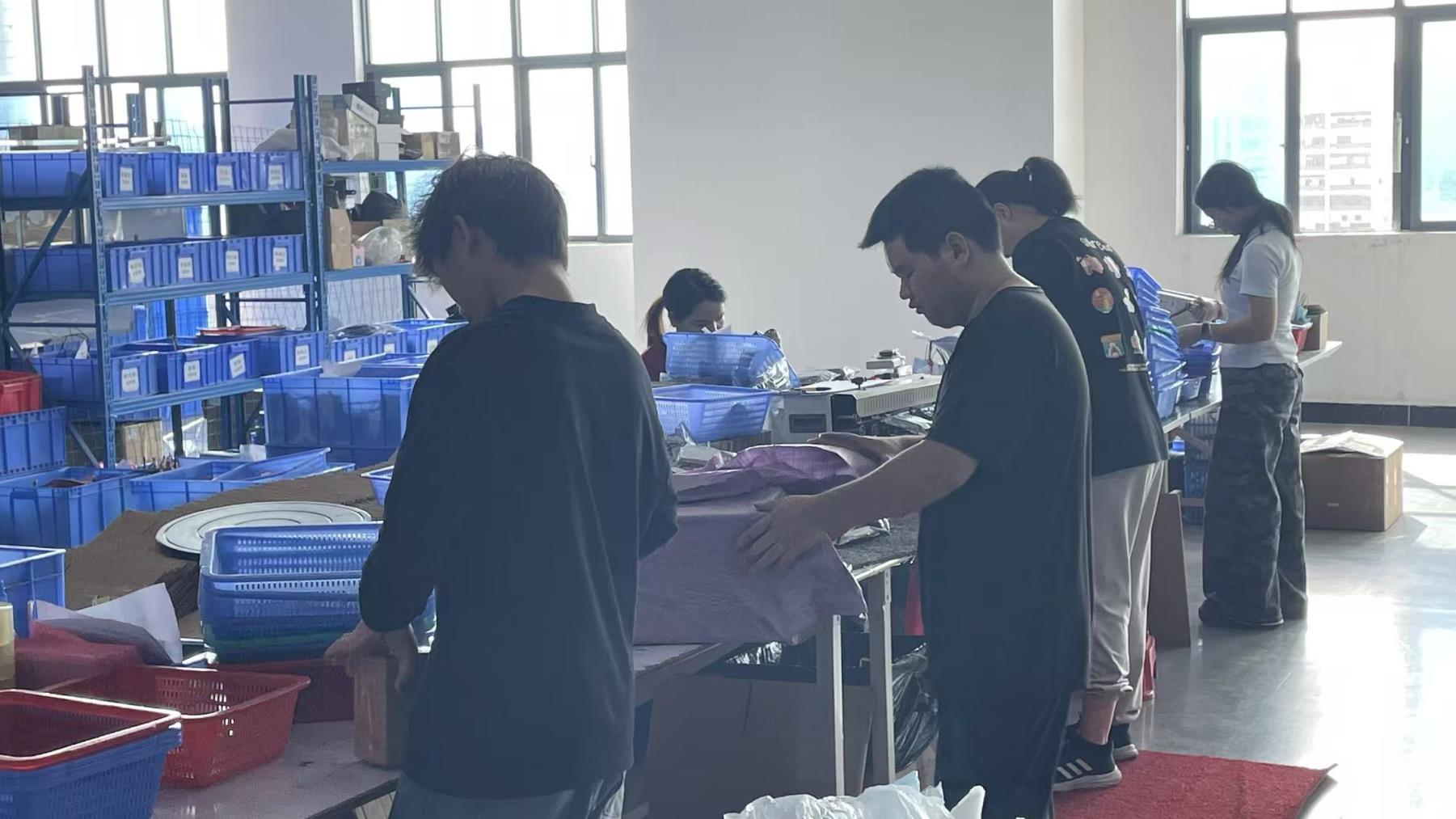
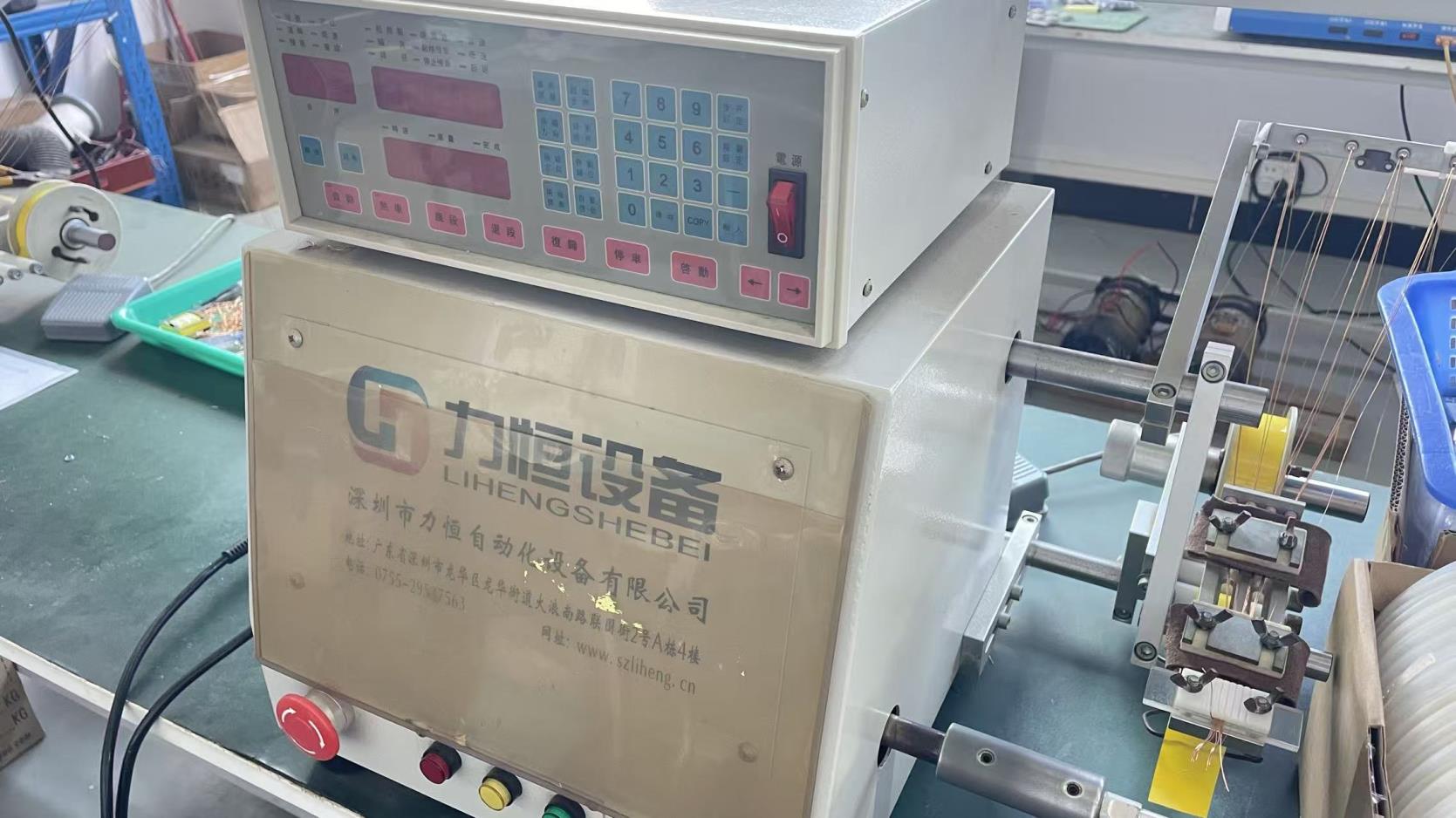
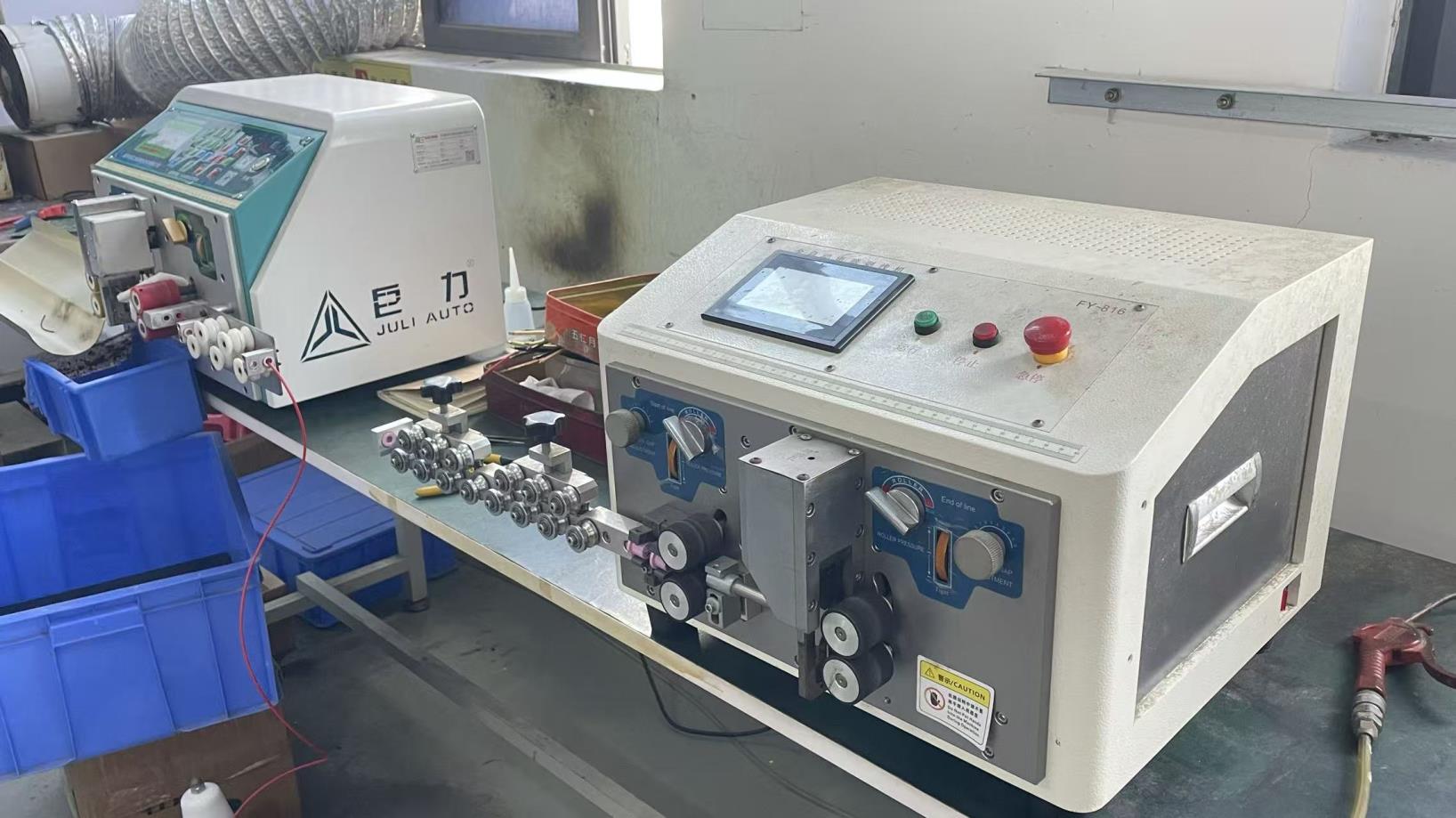
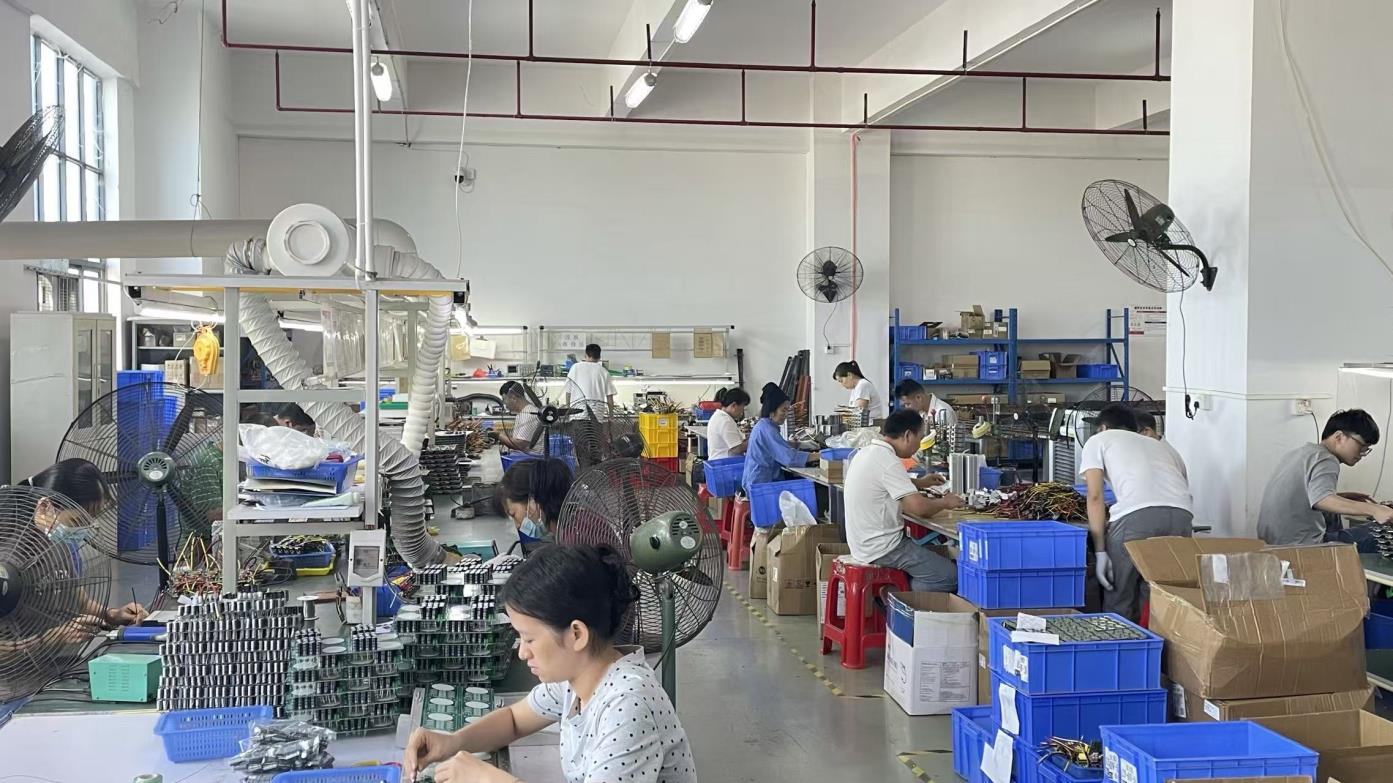
By prioritizing long-term collaboration, technical transparency, and mutual development, we share our knowledge, technologies, and manufacturing experience with partners across Europe, North and South America, Australia, the Middle East, and Southeast Asia. Our modern facility integrates specialized machinery to maintain high throughput and reliability across all production lines.
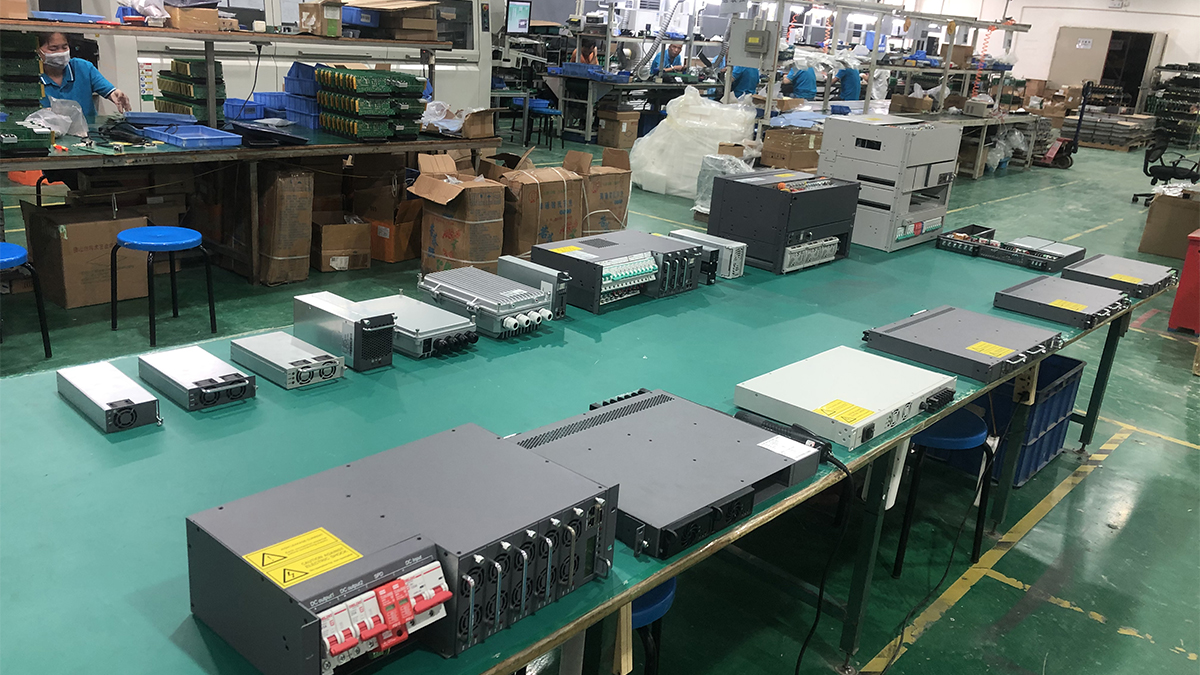
Our manufacturing process maintains rigorous quality standards from component preparation to shipment
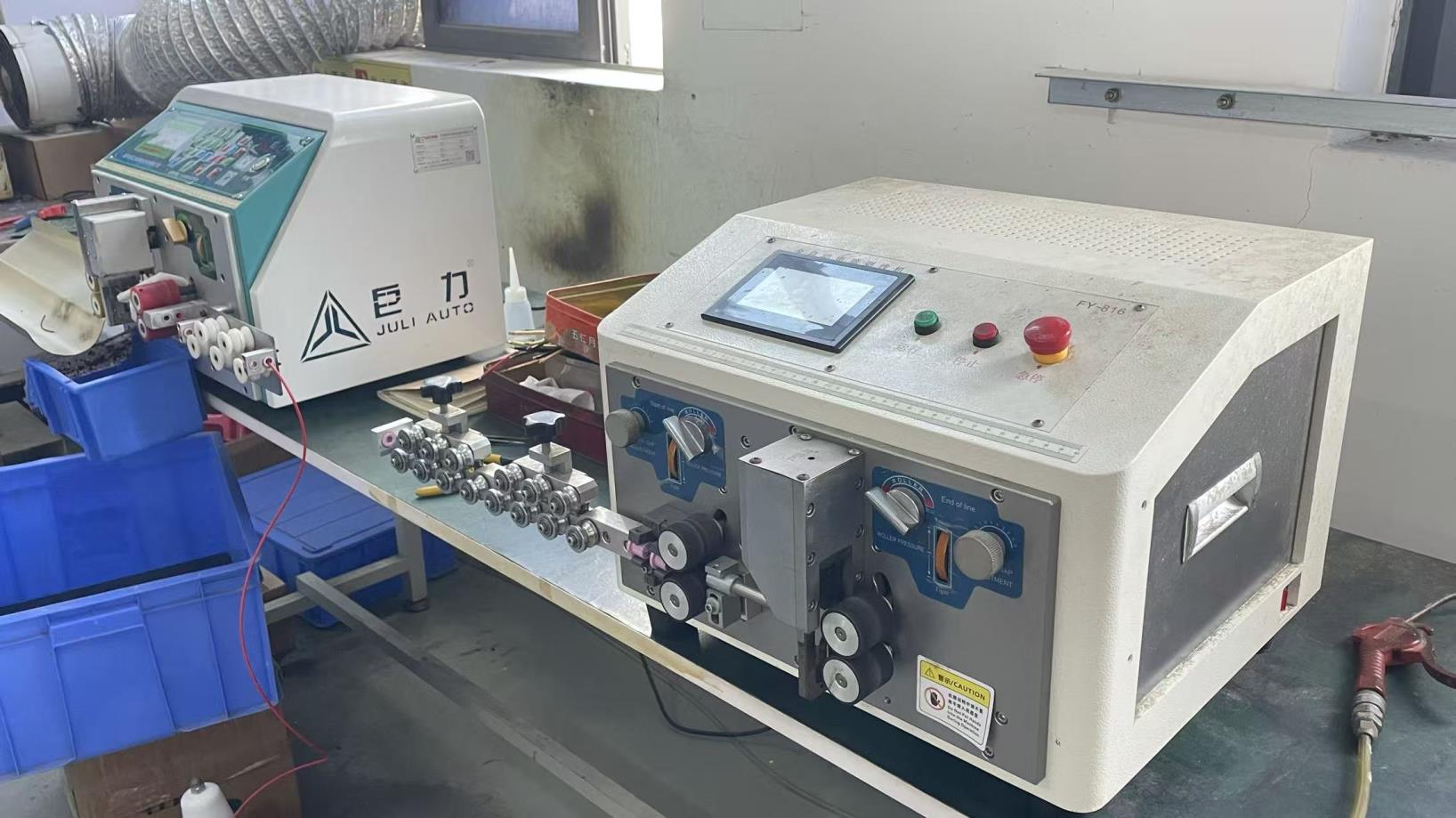



Enforcing reliability through multi-stage physical, electrical, and thermal stress tests
To comply with Google’s E-E-A-T principles (Experience, Expertise, Authoritativeness, and Trustworthiness), we focus on rigorous validation. Power conversion hardware operating in severe settings requires proven verification. From our AC input stages to high-frequency transformer windings, every batch undergoes thermal, load, and safety compliance checks.

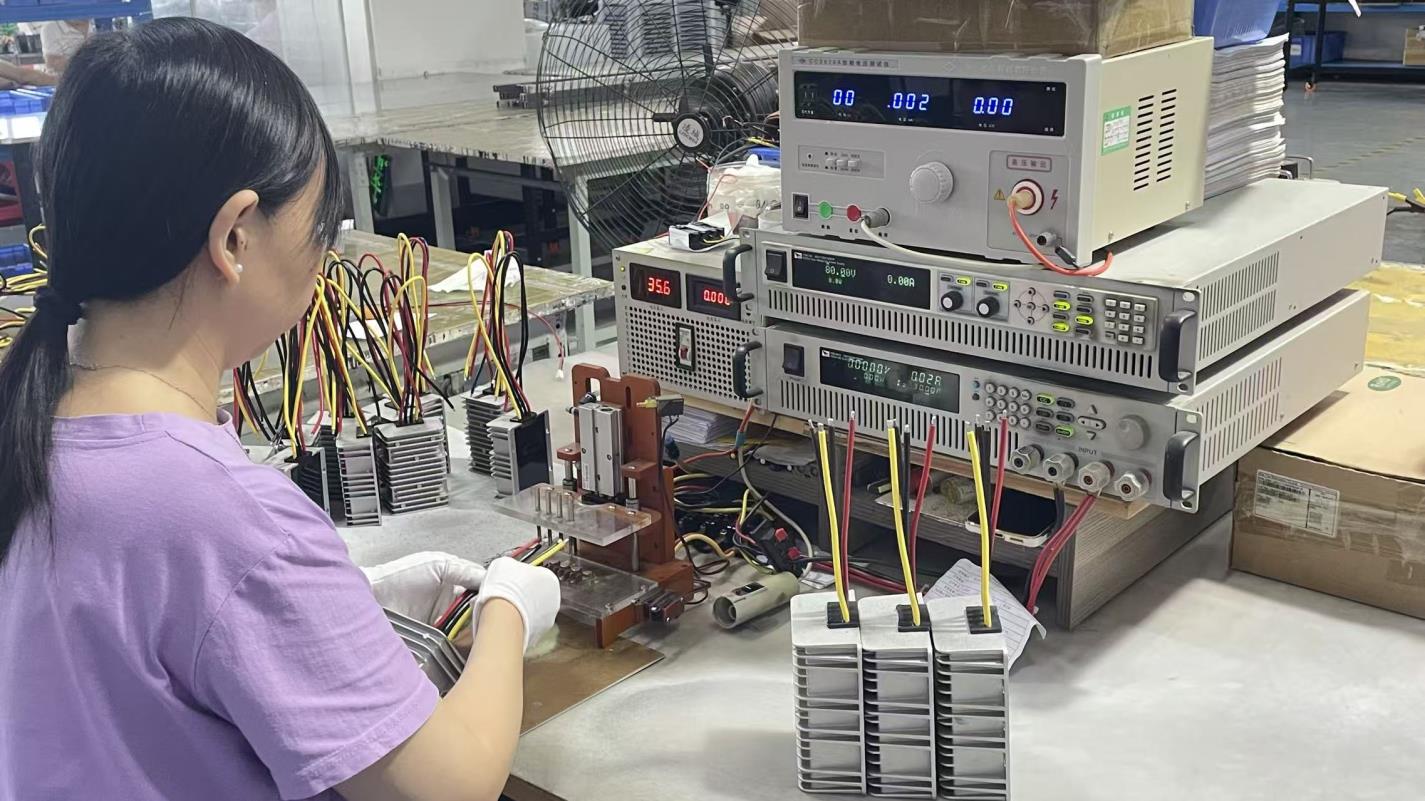
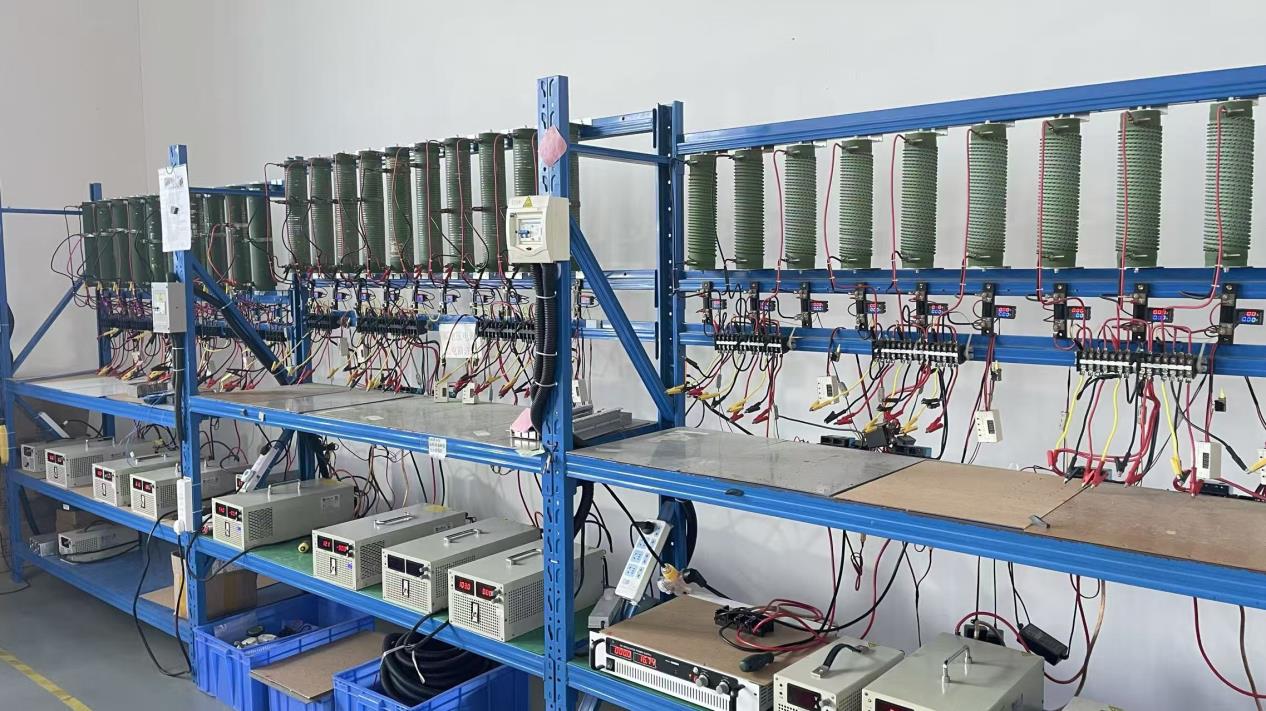
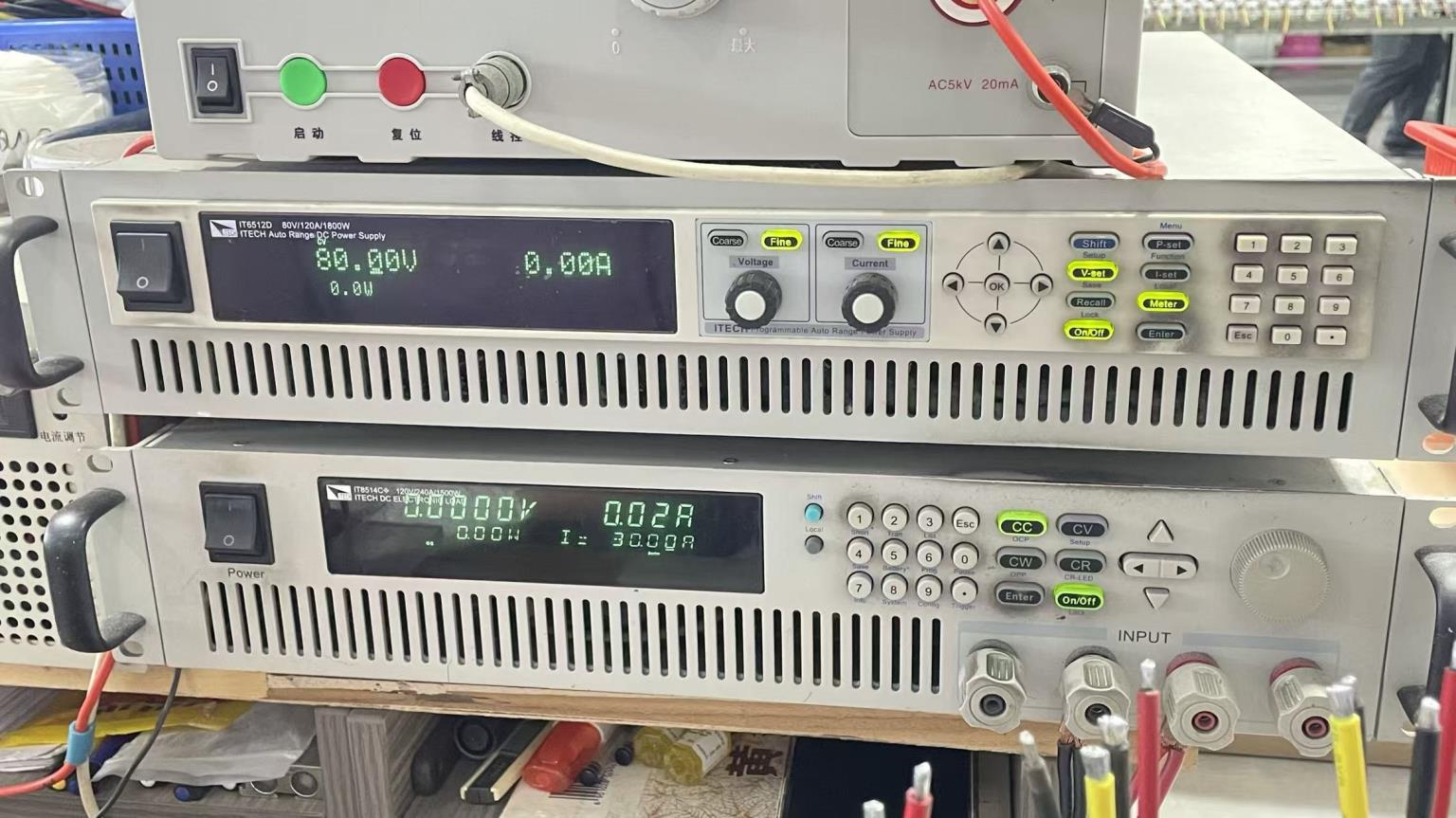
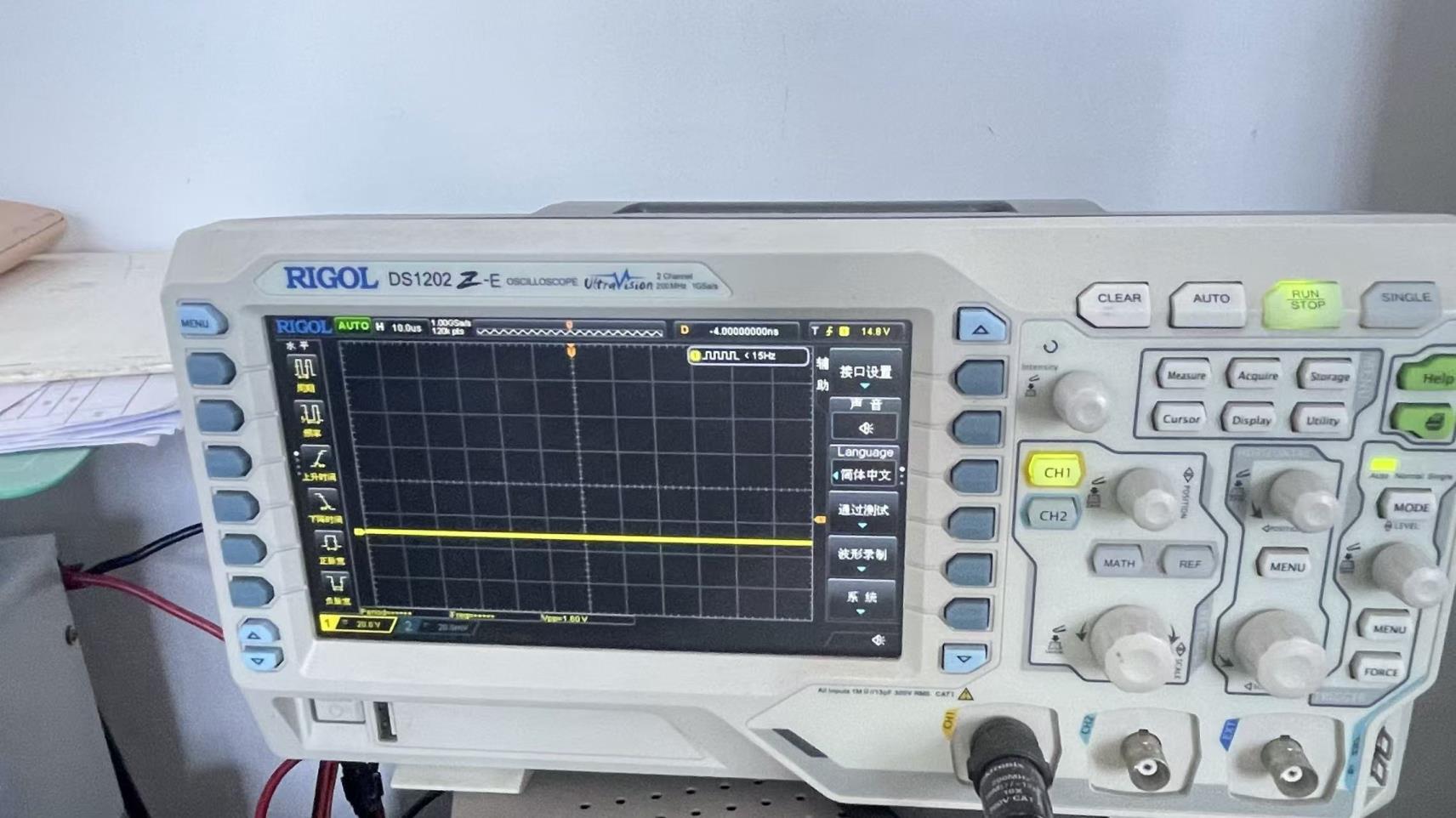
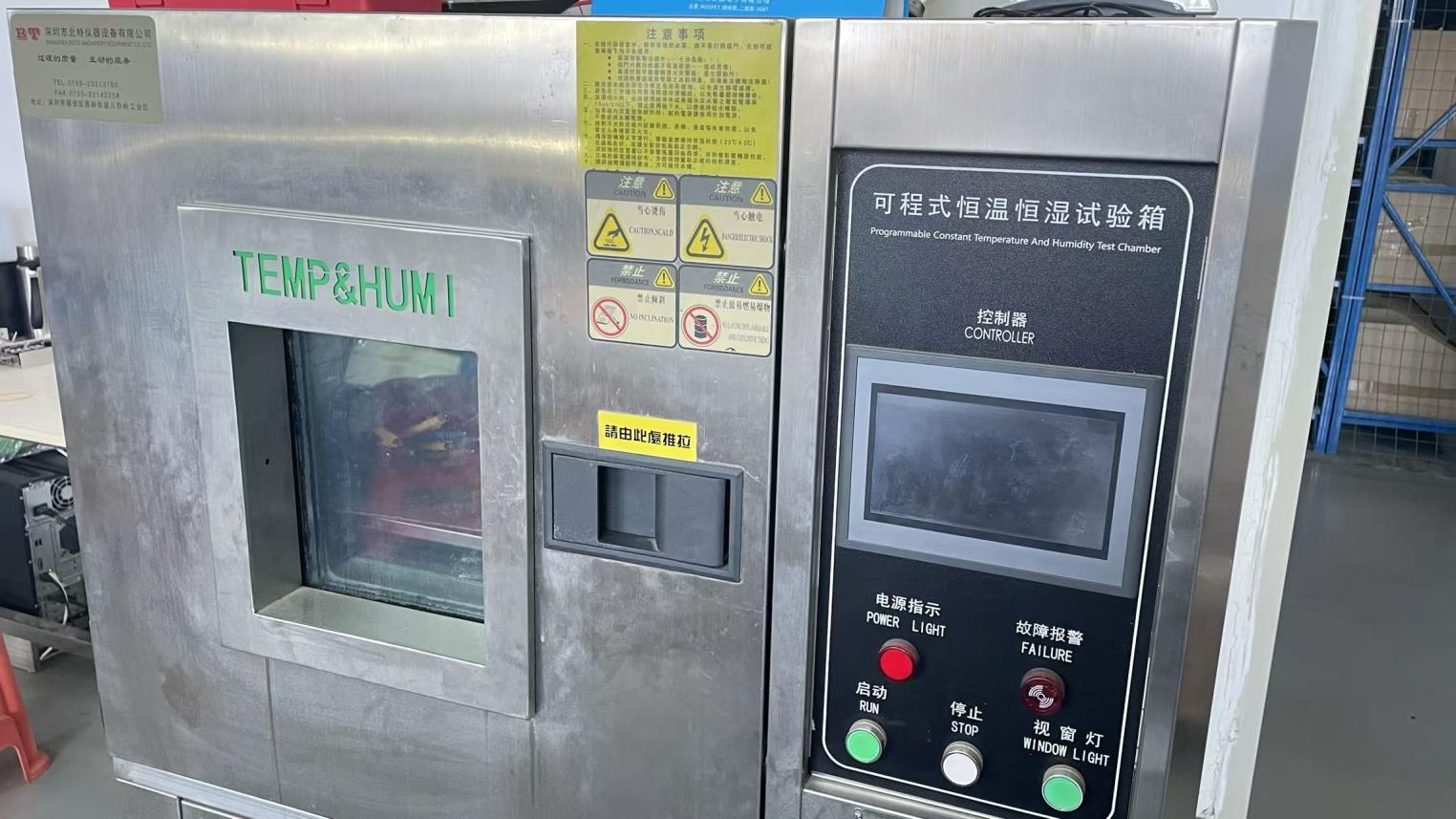
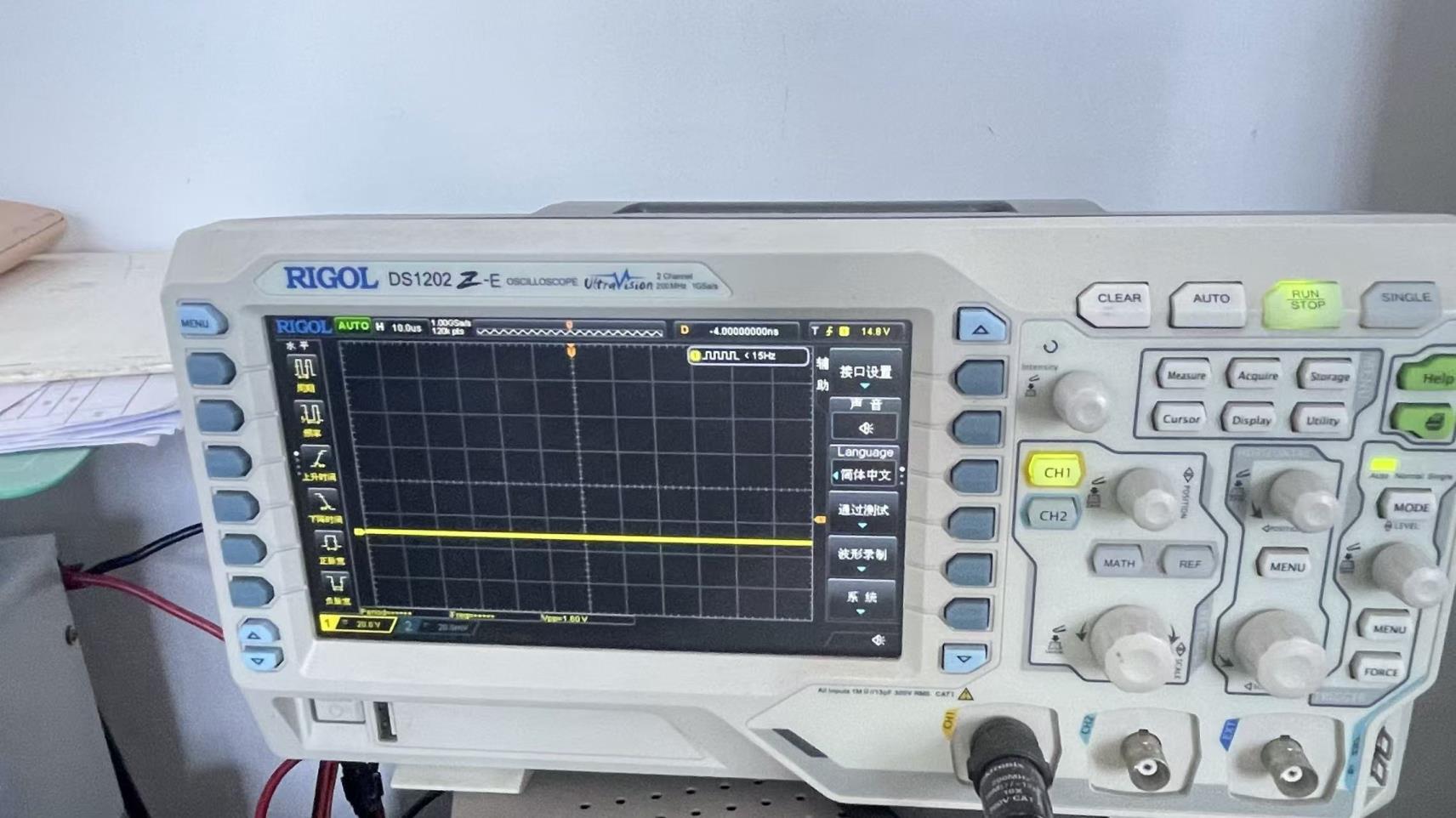
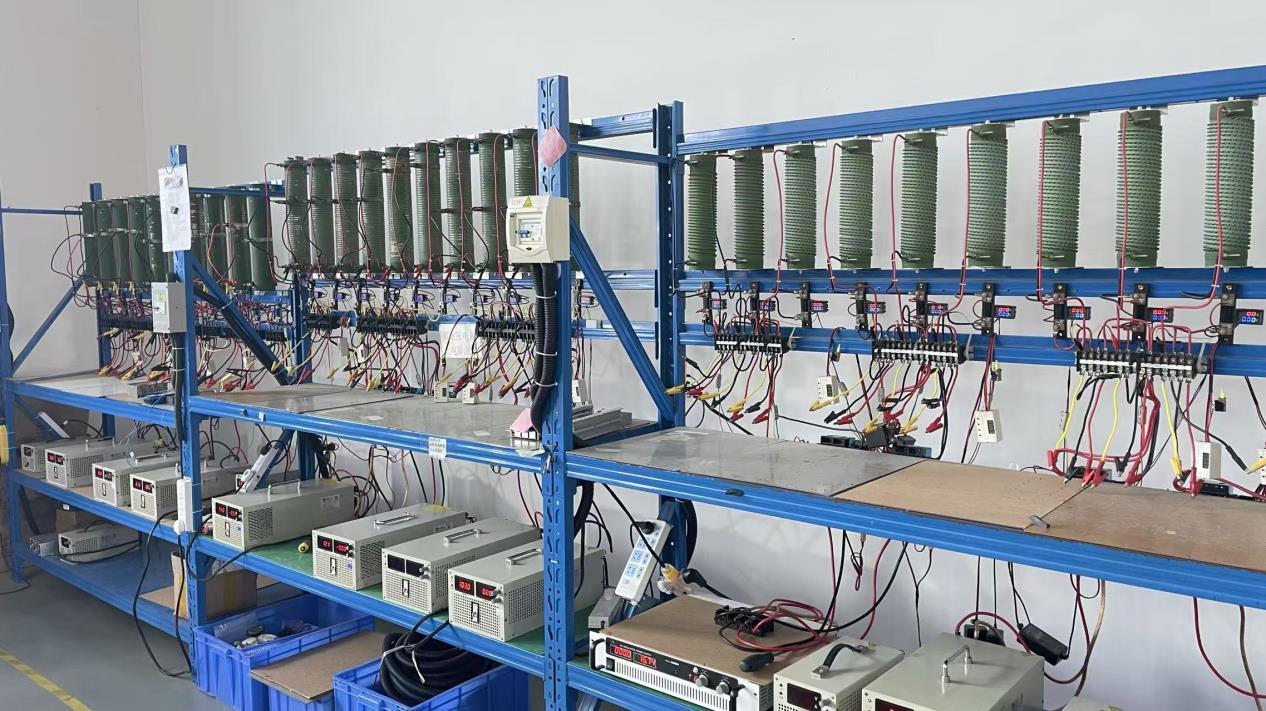
Our specialized testing equipment allows EVS to simulate extreme physical and electrical environments, verifying the performance and durability of our systems.
Leveraging direct raw material ecosystems and specialized clusters in Guangzhou
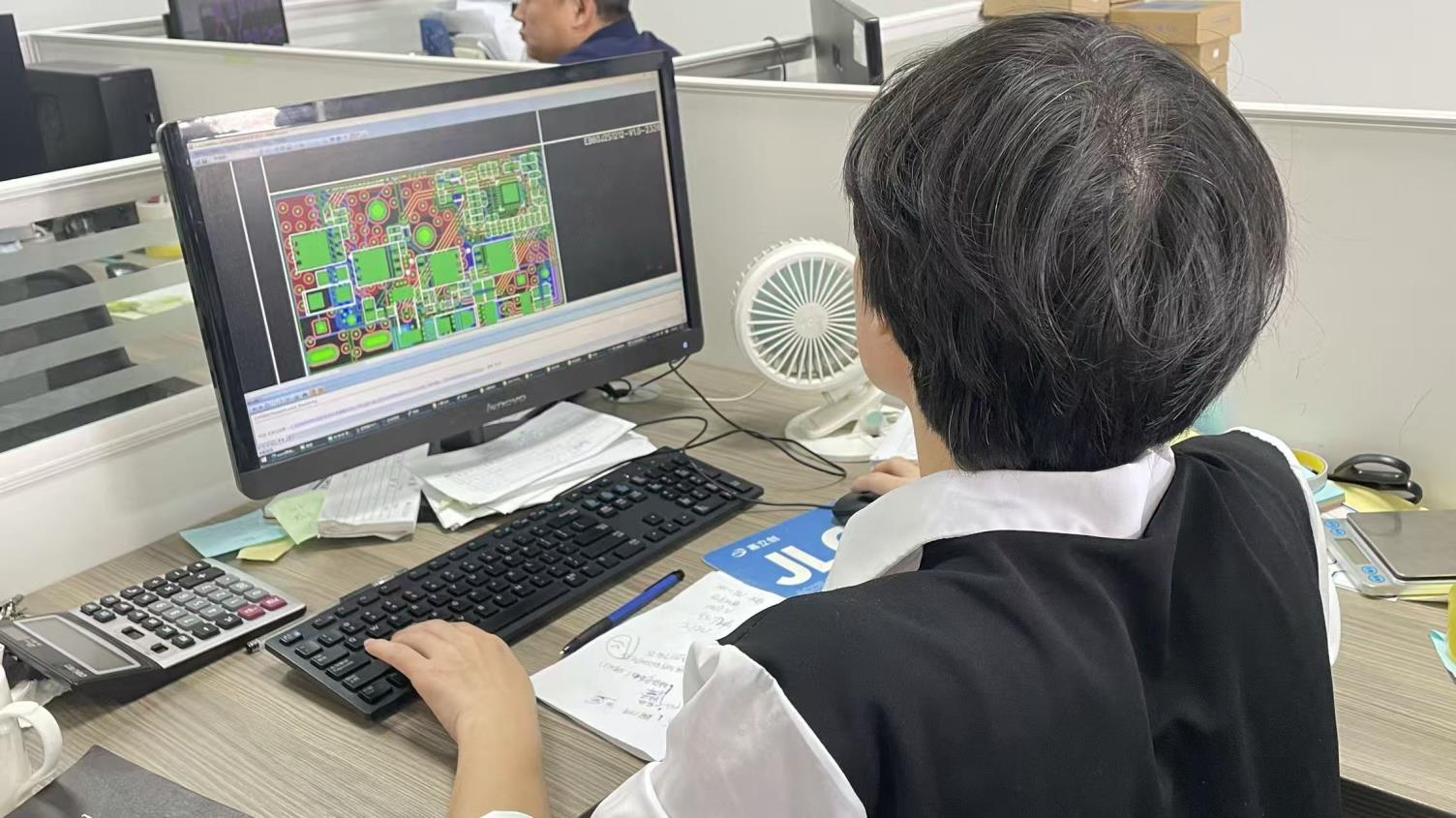
Guangzhou’s electronics manufacturing cluster offers access to raw materials, PCB fabrication, custom magnetic cores, and high-conductivity thermal interface materials. By integrating the local supply chain, EVS reduces prototyping lead times and lowers manufacturing costs compared to regional alternatives. We transfer these cost savings directly to our clients through optimized pricing.
Our proximity to major global logistics hubs ensures smooth logistics for our clients. Whether shipping to European distribution networks, North American integrators, or telecom projects across Australia and Southeast Asia, our team coordinates customs clearance, compliance documentation, and secure packaging to ensure on-time delivery.
Our OEM/ODM process supports modifications at every step. From adjusting DC output levels, implementing custom SNMP variables, designing mounting brackets, to engineering specialized heatsinks, our team supports projects from design to high-volume production.
Expert answers on thermal thresholds, system customization, and procurement
Our standard telecom rectifiers and power converters—such as the EVS48100-H1B1—deliver 100% rated output up to 50°C (122°F) ambient temperature. Above this limit, a controlled linear derating curve applies, allowing operation up to 70°C. Custom thermal dissipation profiles, heatsinks, or forced-air integrations can be developed during the design phase to shift this curve upwards based on application requirements.
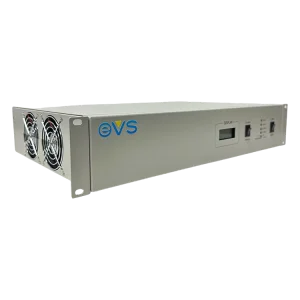
We achieve this high efficiency by utilizing active power factor correction (PFC), zero-voltage switching (ZVS) resonant topology, and synchronous rectification. High-frequency magnetic design and low-impedance copper pathways reduce conduction and switching losses, which minimizes the physical footprint and reduces heat output.
Yes. As an OEM/ODM provider, EVS Powers can flash customized firmware to support custom MIB (Management Information Base) structures, Modbus registers, or CAN-bus protocols. This allows our power supplies to integrate with your existing Supervisory Control and Data Acquisition (SCADA) platforms or network management systems.
Every unit undergoes high-voltage isolation checks using AC Withstand Voltage Testers, continuous load testing, and environmental simulation in our constant temperature and humidity chambers. We also conduct a 100% full-load burn-in test to screen for early life failures, ensuring reliability prior to packaging.
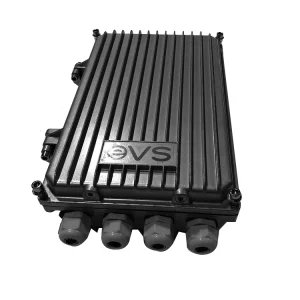
For outdoor cabinets and micro-base stations, we use a fully enclosed, potted design. The electronics are encapsulated in a high-thermal-conductivity silicone or epoxy resin. This transfers internal heat to the exterior enclosure while sealing out dust, humidity, and atmospheric contaminants.
Standard design modifications typically take 2 to 4 weeks for prototype delivery. This includes design, mechanical layout adjustment, thermal simulation, component assembly, and laboratory validation. High-volume production schedules are finalized after prototype approval.
Additional systems for industrial, telecom, and renewable energy grids
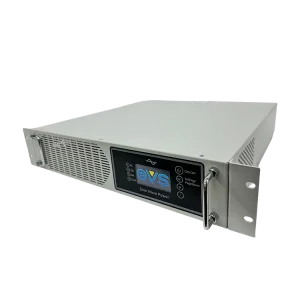

 EVS Powers