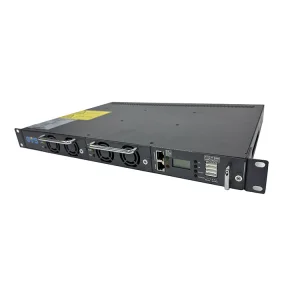
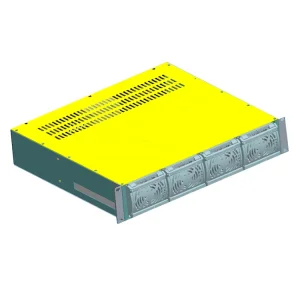
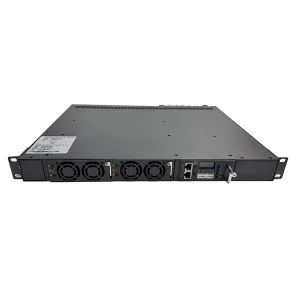
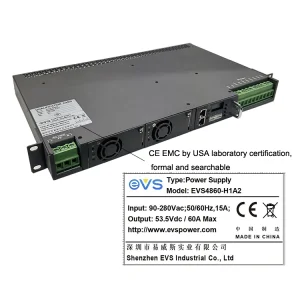
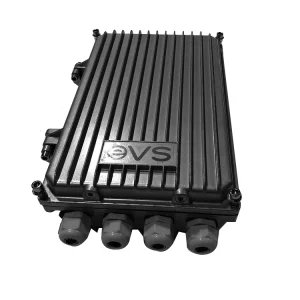
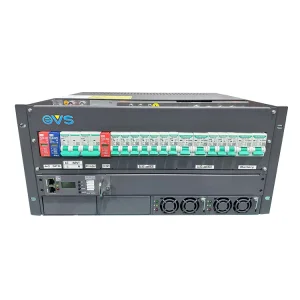
Premium 48V/24V/110V components directly from the manufacturing floor.
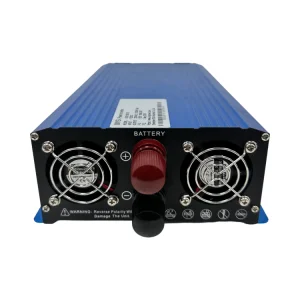
In the rapidly shifting architecture of global telecommunications, maintaining zero-downtime is a operational imperative. As network sites expand into remote and harsh environments, telecom inverters serve as the cornerstone of utility configuration, converting direct current (DC) harvested from battery banks and solar arrays into pure, stable alternating current (AC). Without robust inversion systems, the critical networking units—including Base Transceiver Stations (BTS), optical line terminals, and microwave backhauls—remain highly vulnerable to line grid fluctuations.
Modern telecom networks require inverters to operate with efficiencies exceeding 90%. This minimizes thermal loading and prevents system failures. The migration from standard modified sine wave inverters to high-frequency pure sine wave units has significantly reduced Total Harmonic Distortion (THD), allowing sensitive processing equipment to run cooler, run longer, and operate predictably.
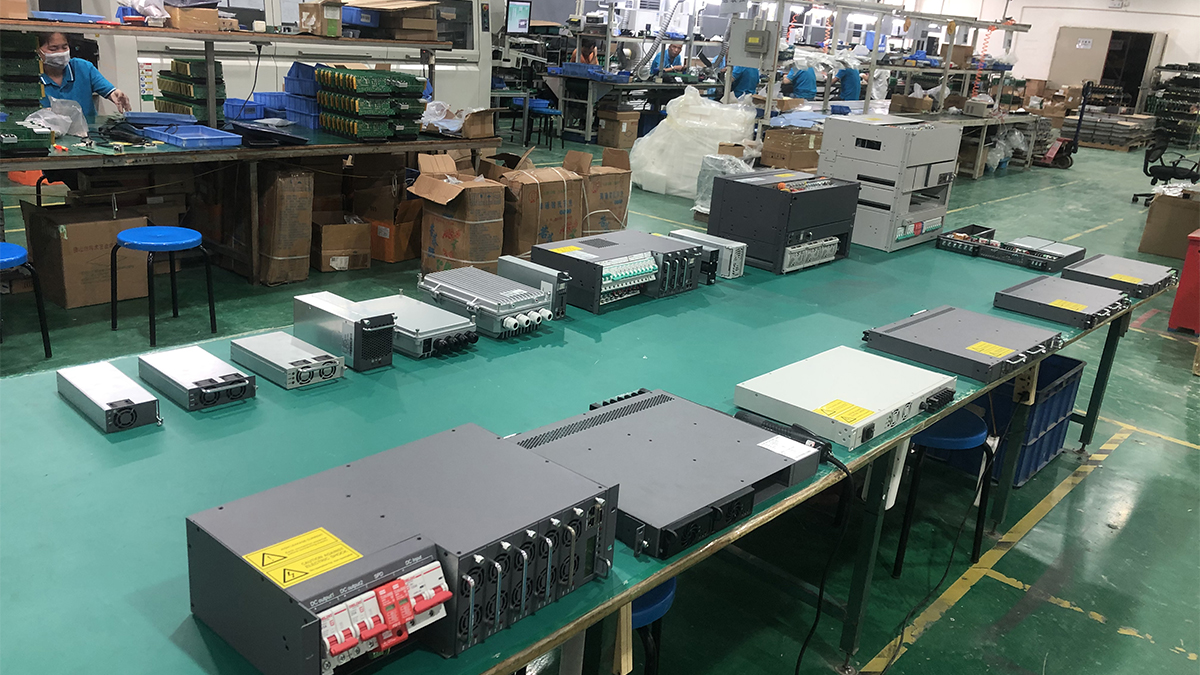
Guangzhou EVS Powers Co., Ltd., is located in the international trade city of Guangzhou. Our Company EVS is a professional manufacturer of switching power supplies, DC power systems, power supply units, DC-DC converters, power inverter series power system products, and other OEM/ODM electronics products tailored to the customer's request. We regard clients' satisfaction as our top task, products' quality as the basis of development, and cost-saving as our competitive advantage.
With an excellent credit standing and premier service, we have won a high reputation and secured long-term cooperation from customers across domestic and foreign markets—including Europe, South and North America, Australia, the Middle East, Southeast Asia, and beyond. Guided by good faith, we share our knowledge, technology, and experience with our partners to cooperate with more customers for mutual benefit and development. We do our best to provide premium quality, exceptional service, and competitive pricing for both our established and new customers. As the global economy develops, we look forward to cooperating with you in the near future. Let's work together to create a new future in the electronic industry. Contact us today.
A transparent overview of our physical assembly lines and automated technology deployments.
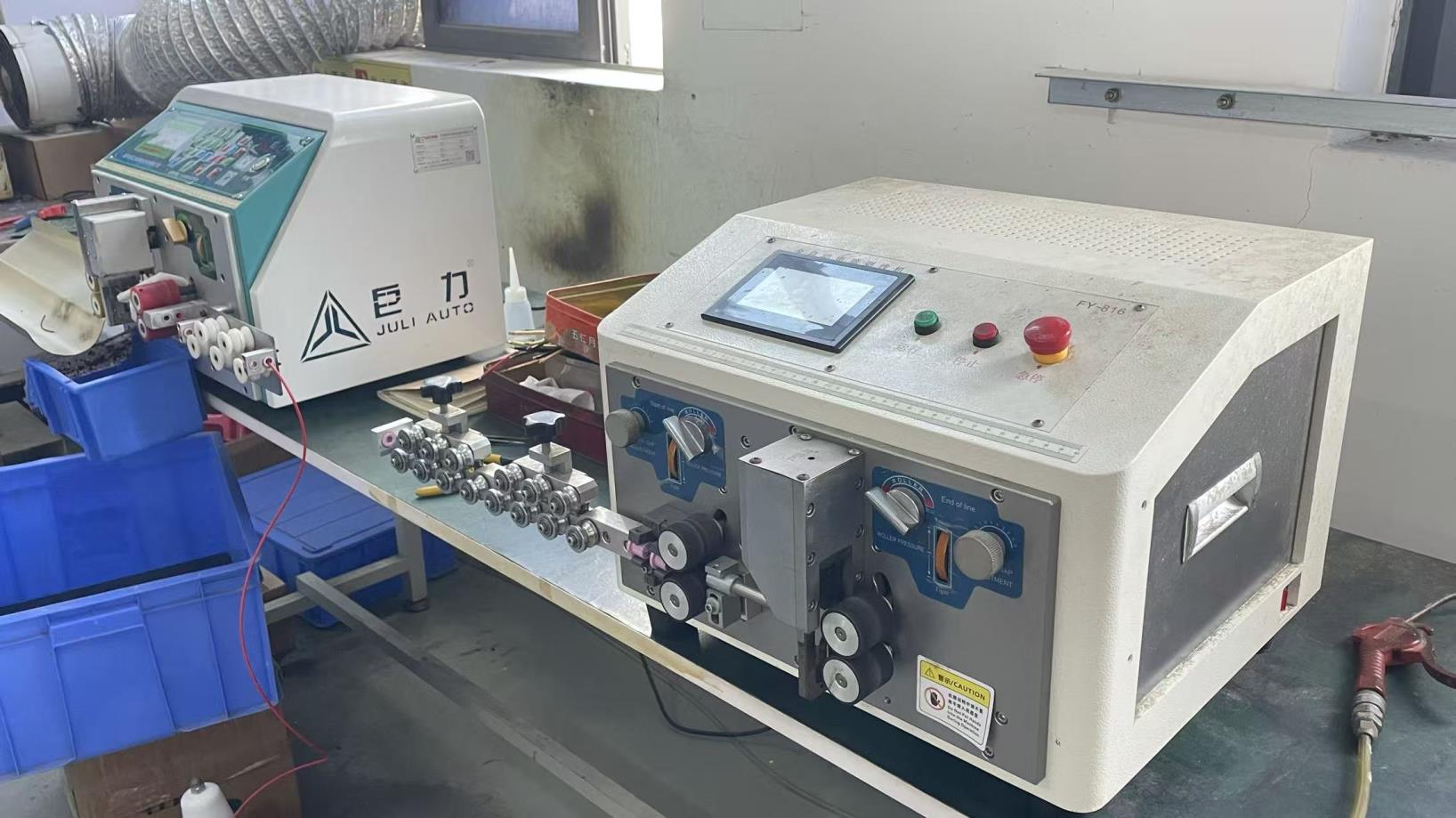 Wire Cutting
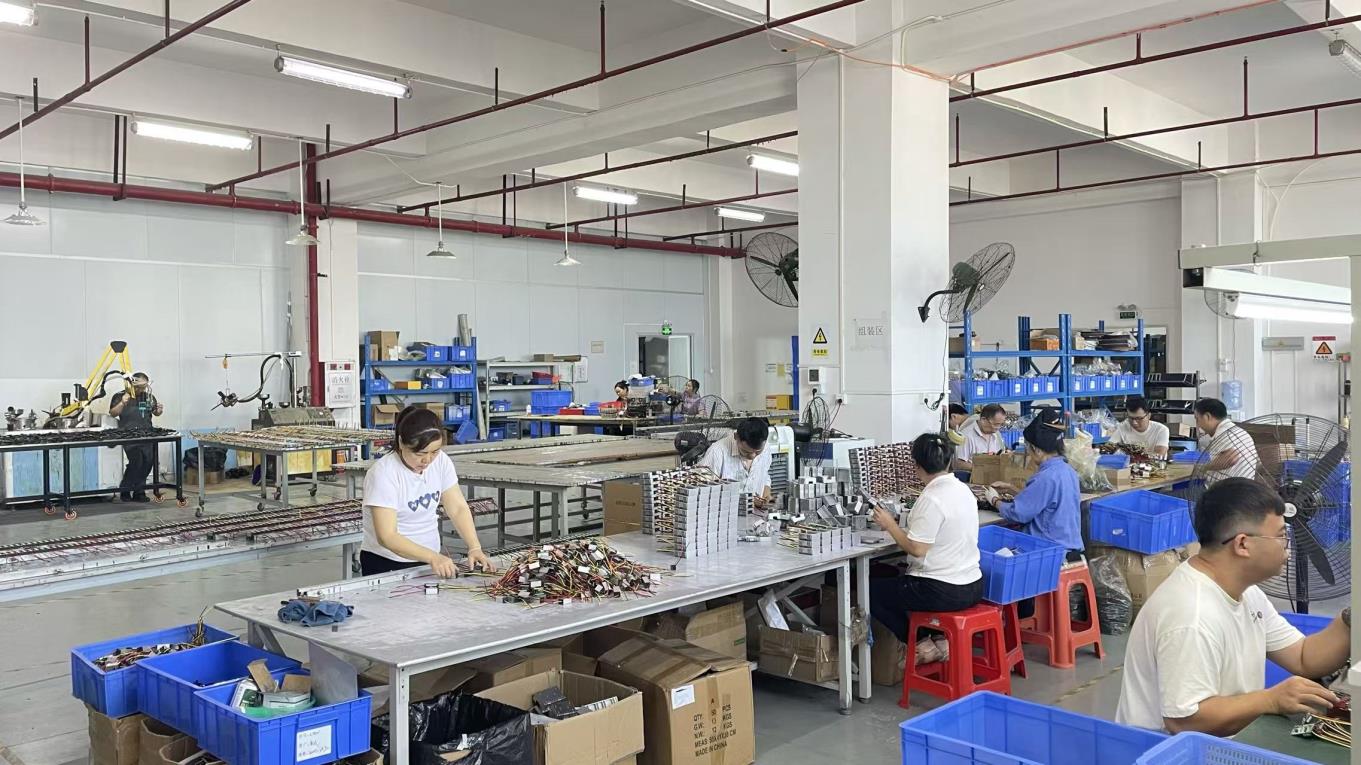 Plug-In
 Soldering Tin
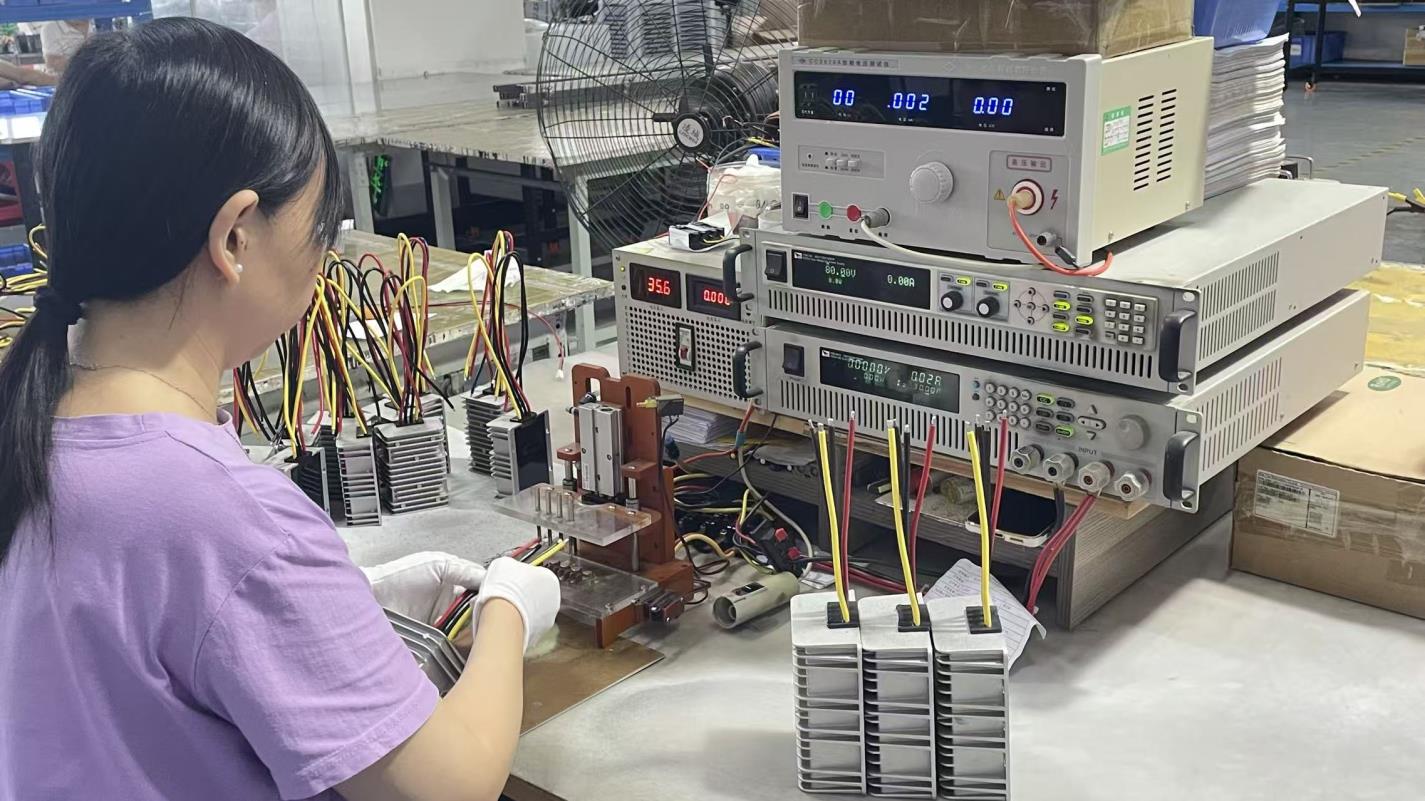 Test
Test
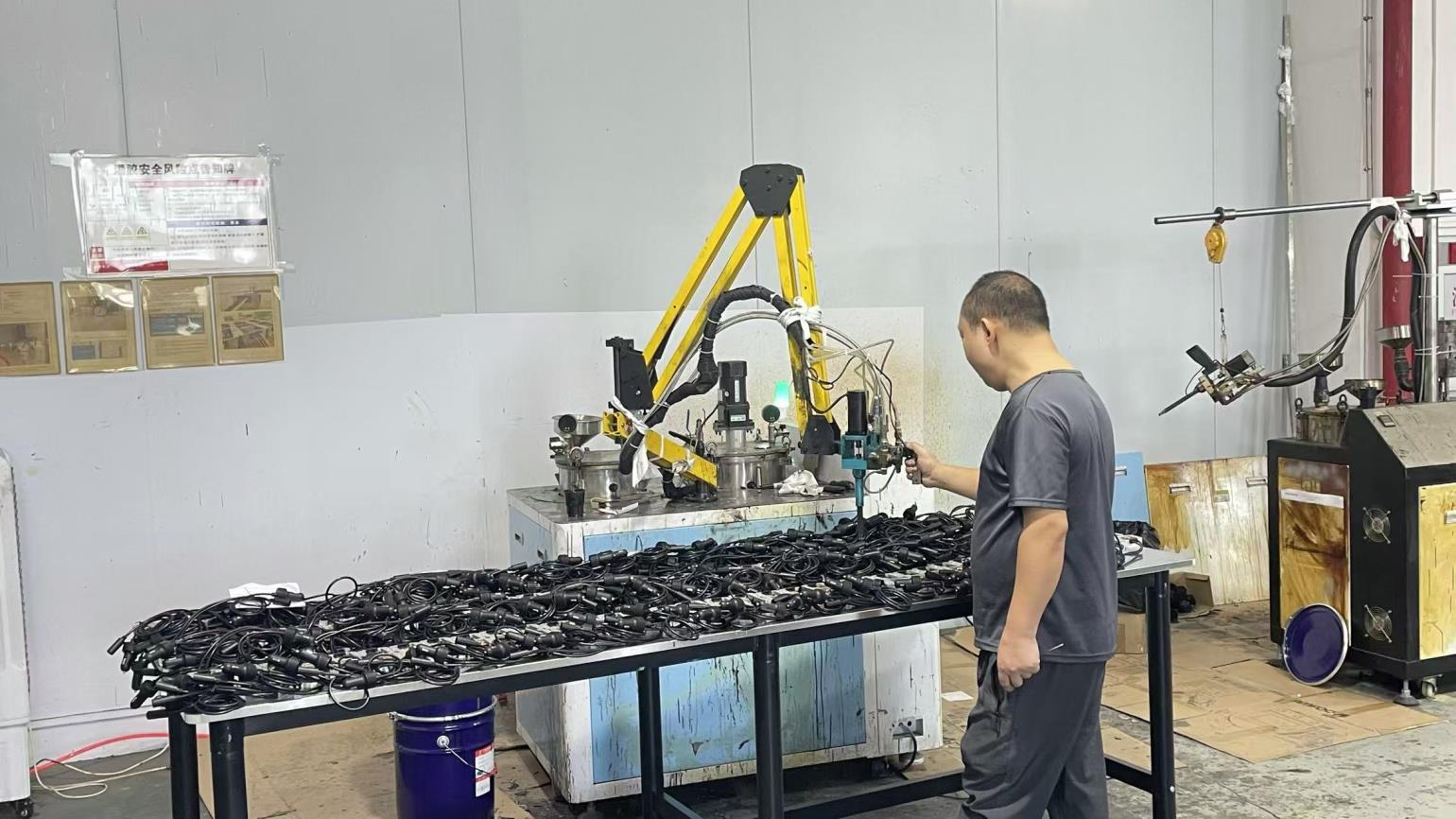 Glue Filling
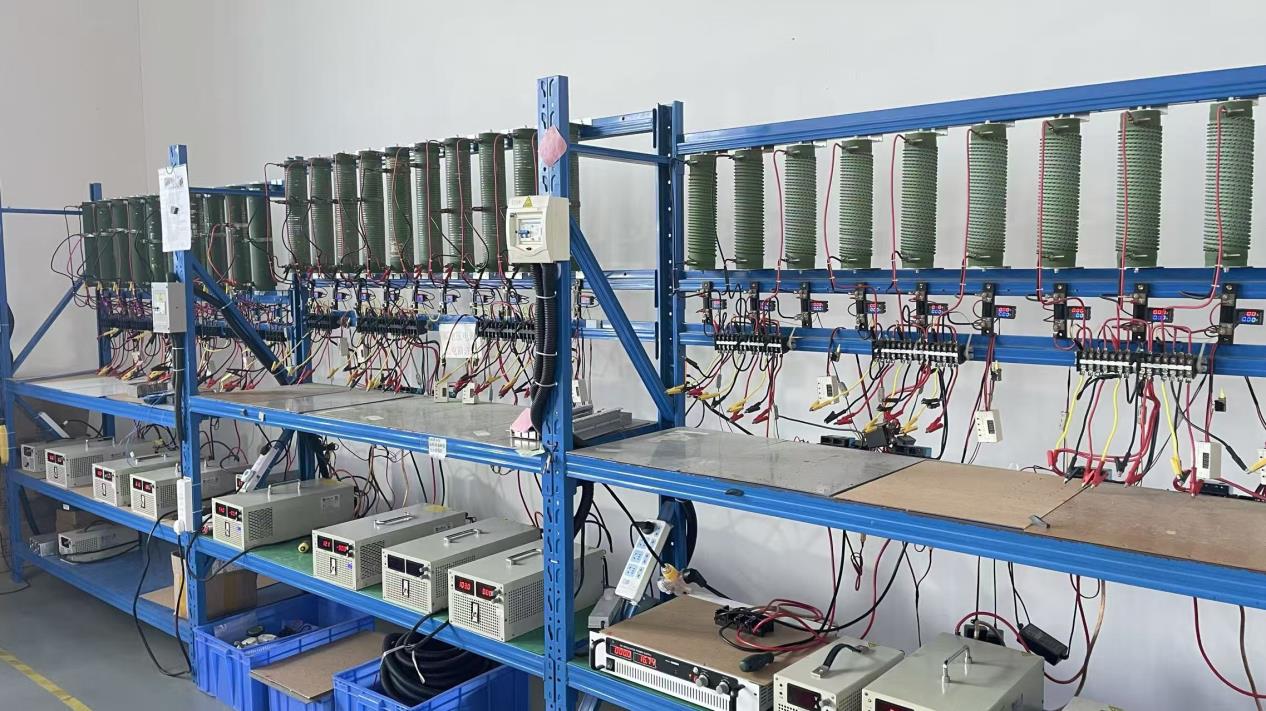 Burn-In Test
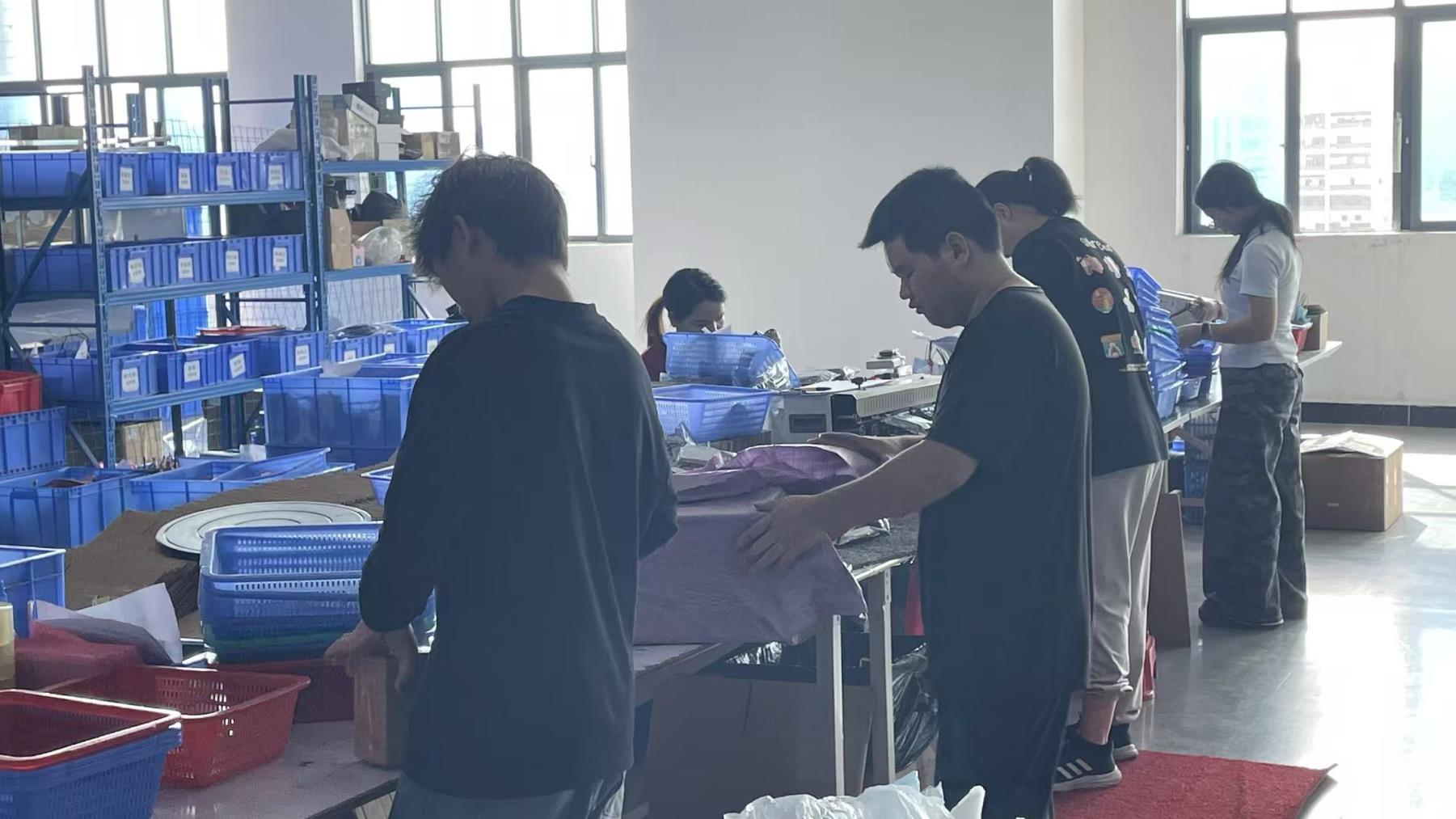 Packaging
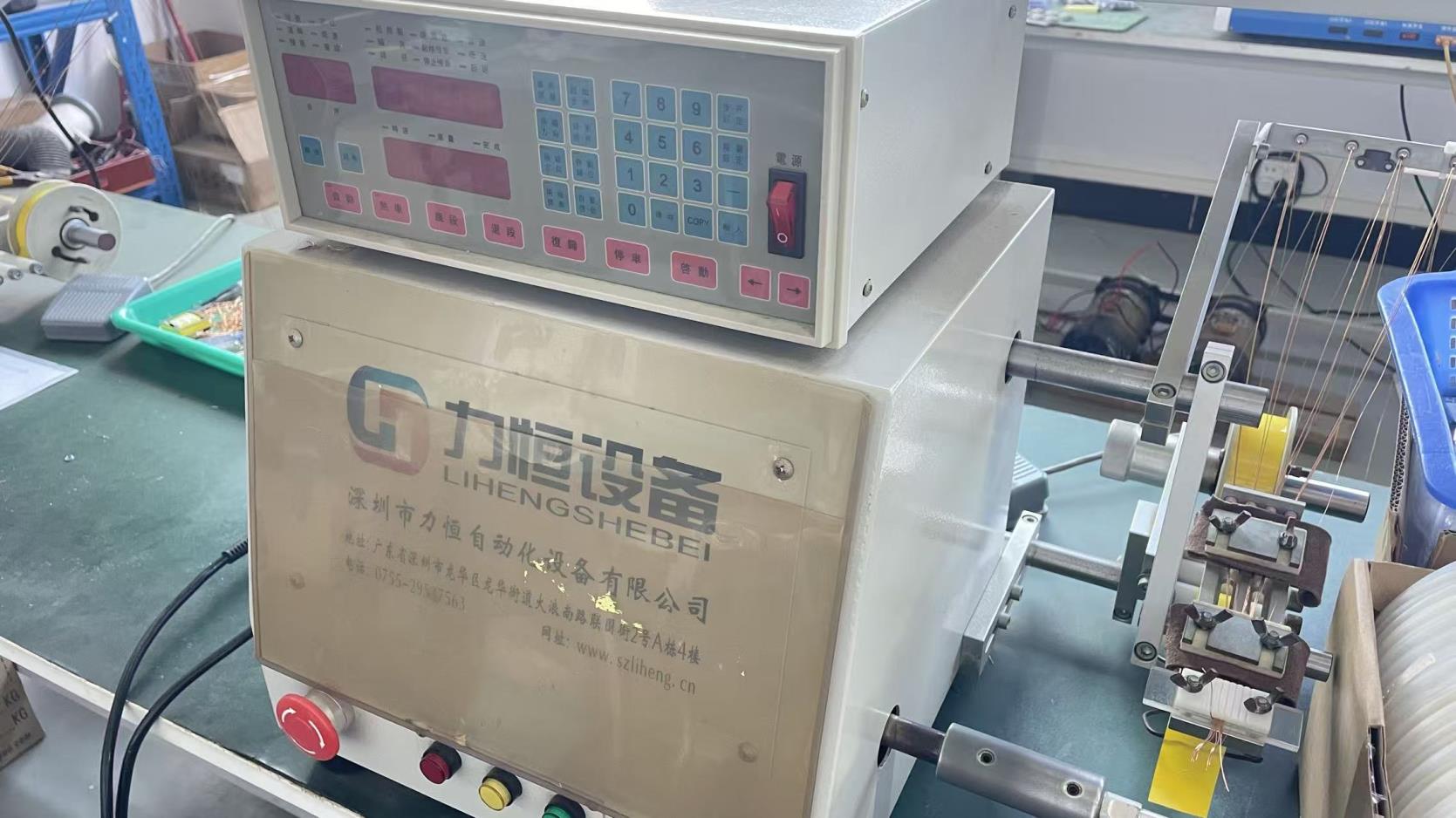 Winding Machine
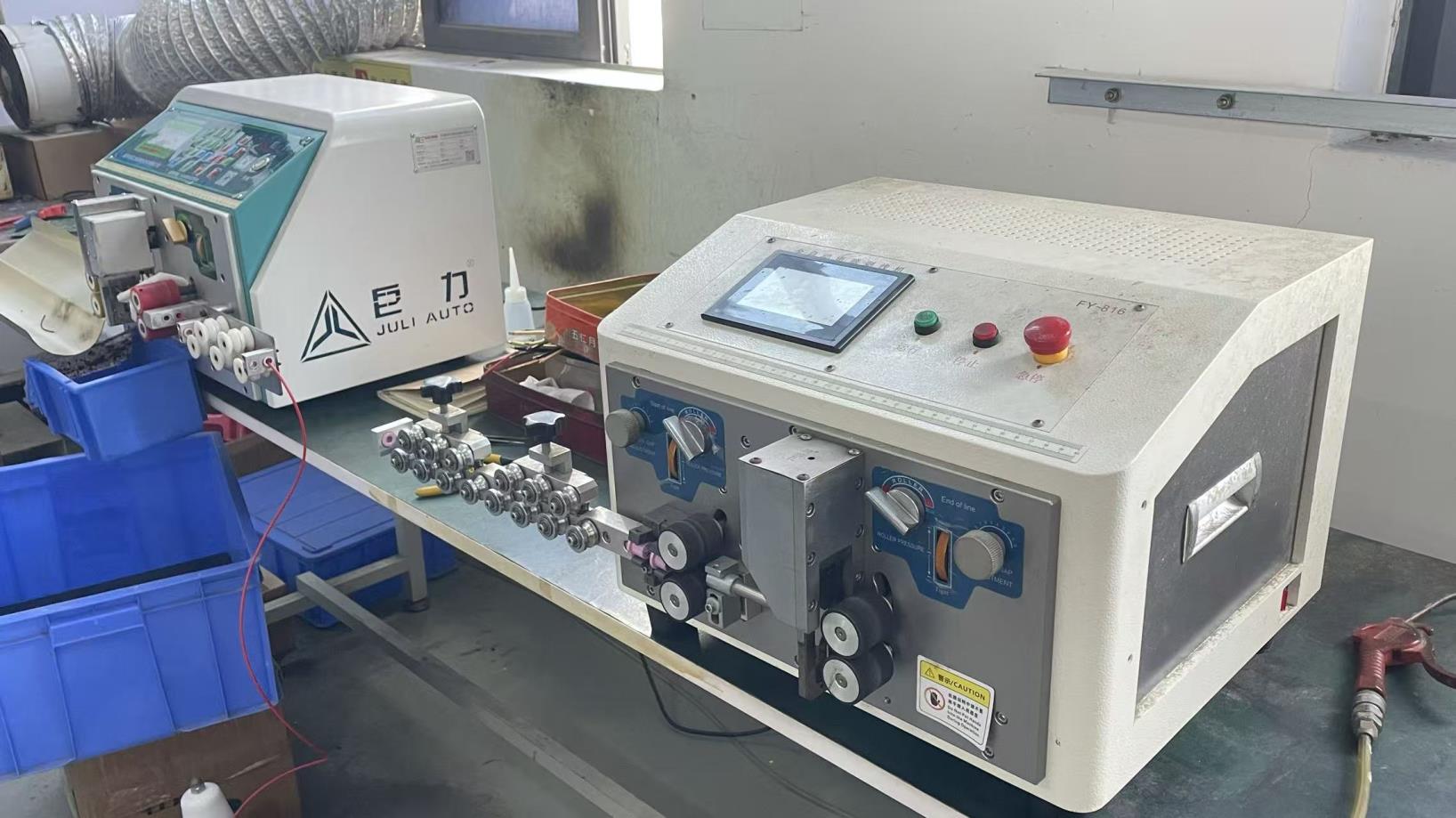 Wire Cutting Machine
 Automatic Soldering Machine
 Laser Engraving Machine
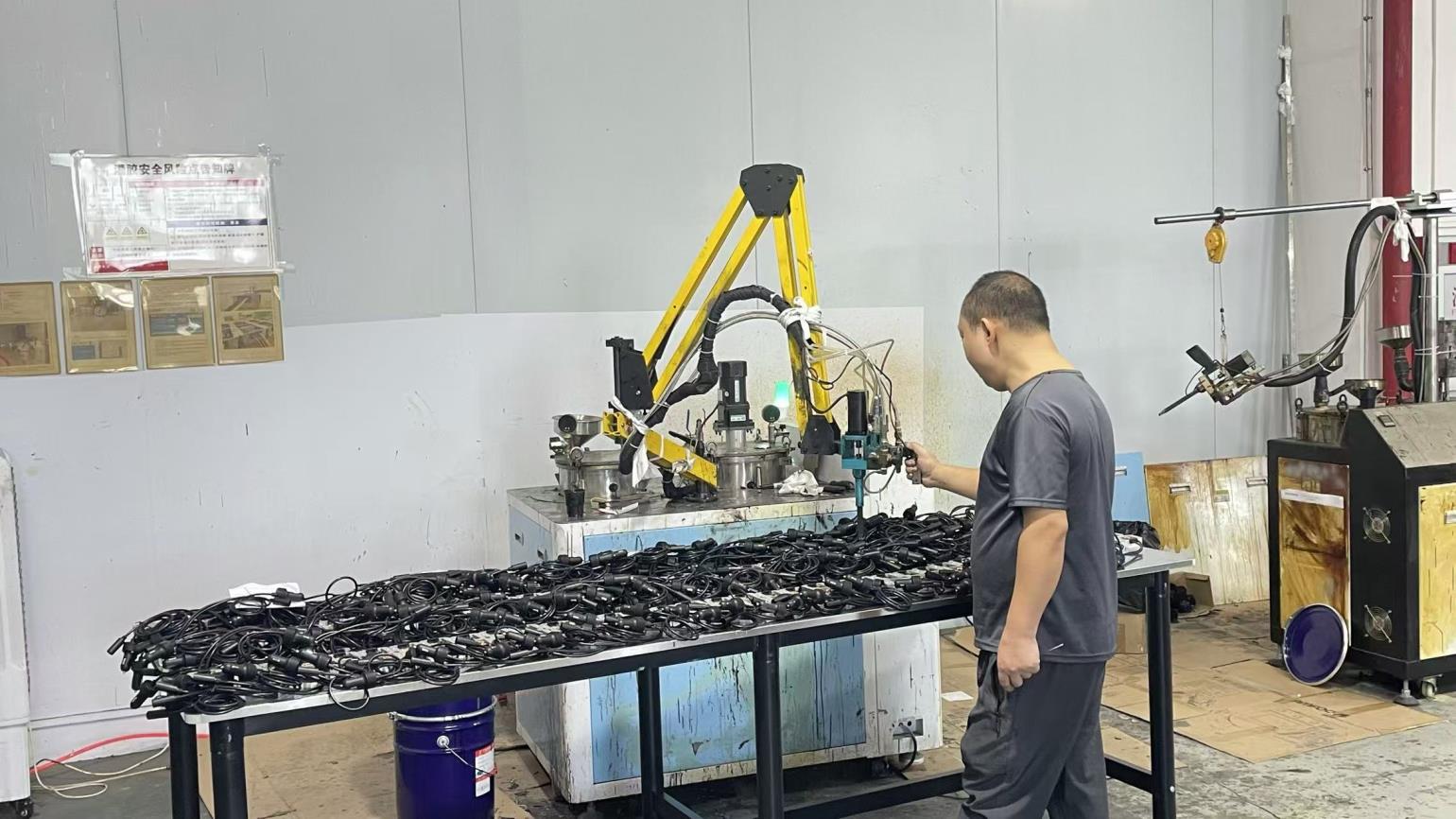 Canning machine
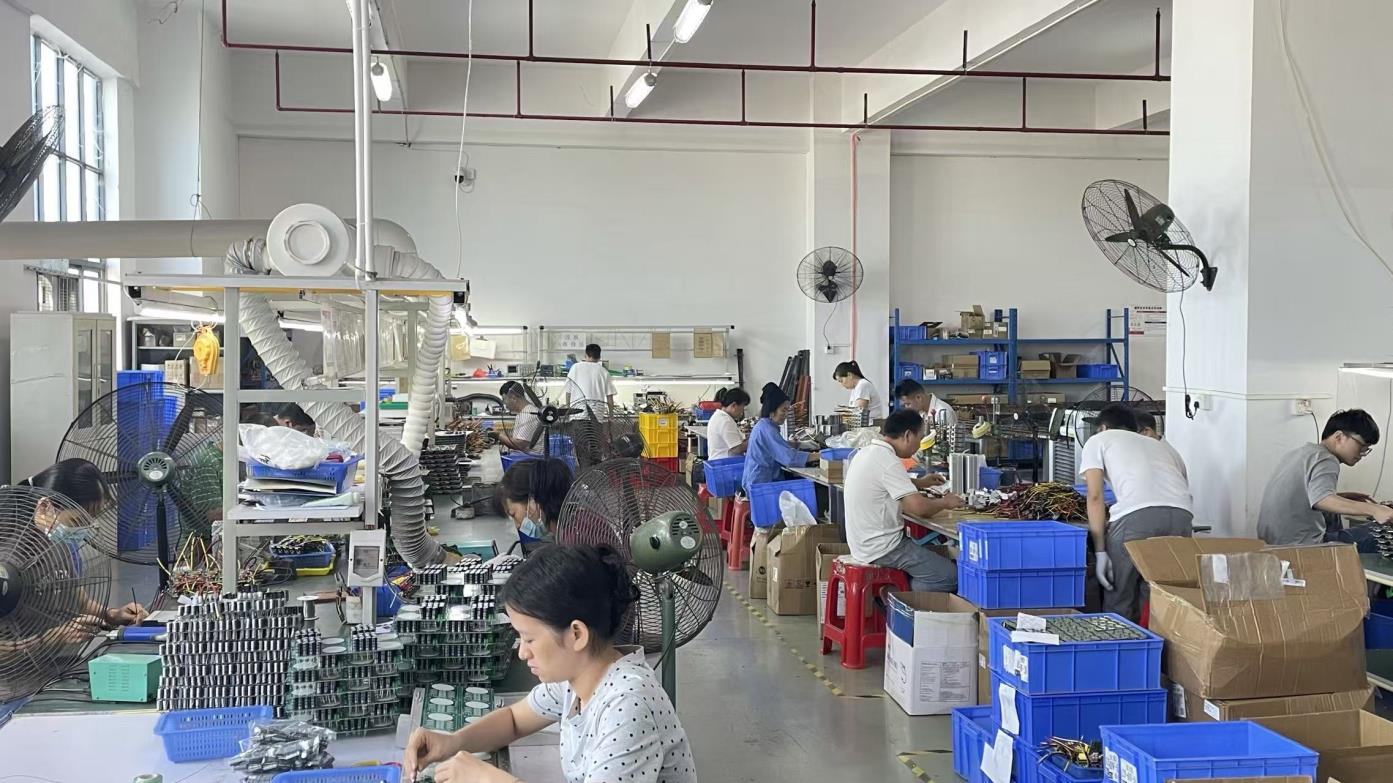 Assembly Line
Providing structural reliability and verification through precise hardware diagnostics.
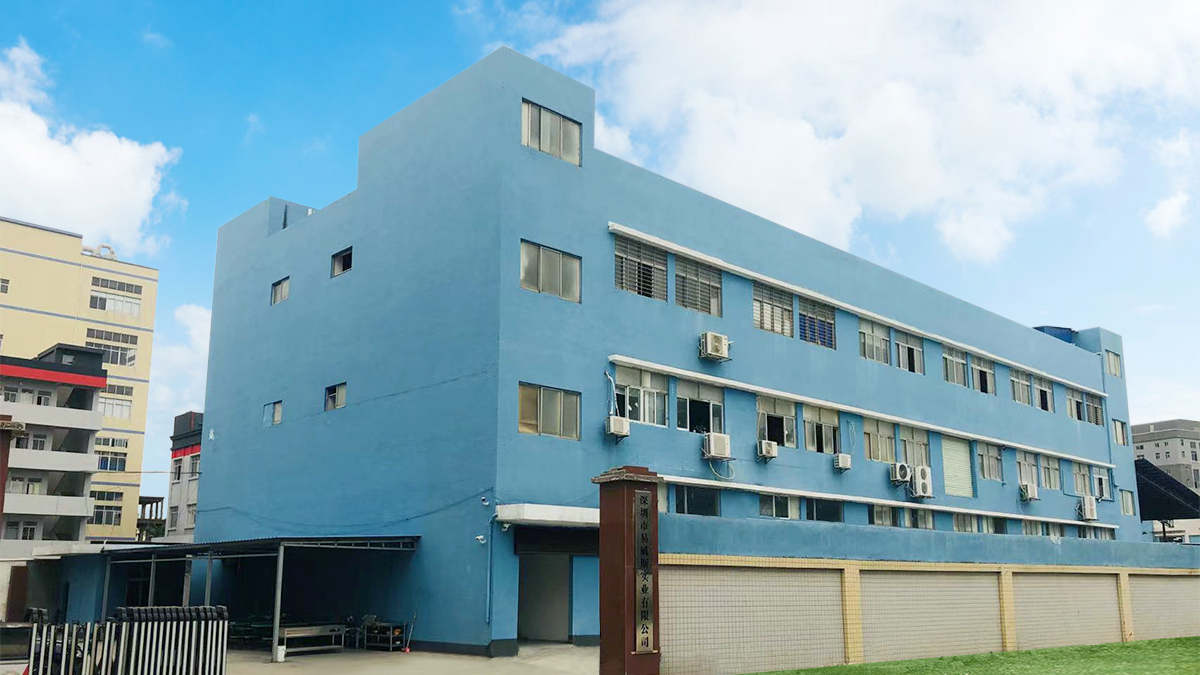 Testing Overview Lab
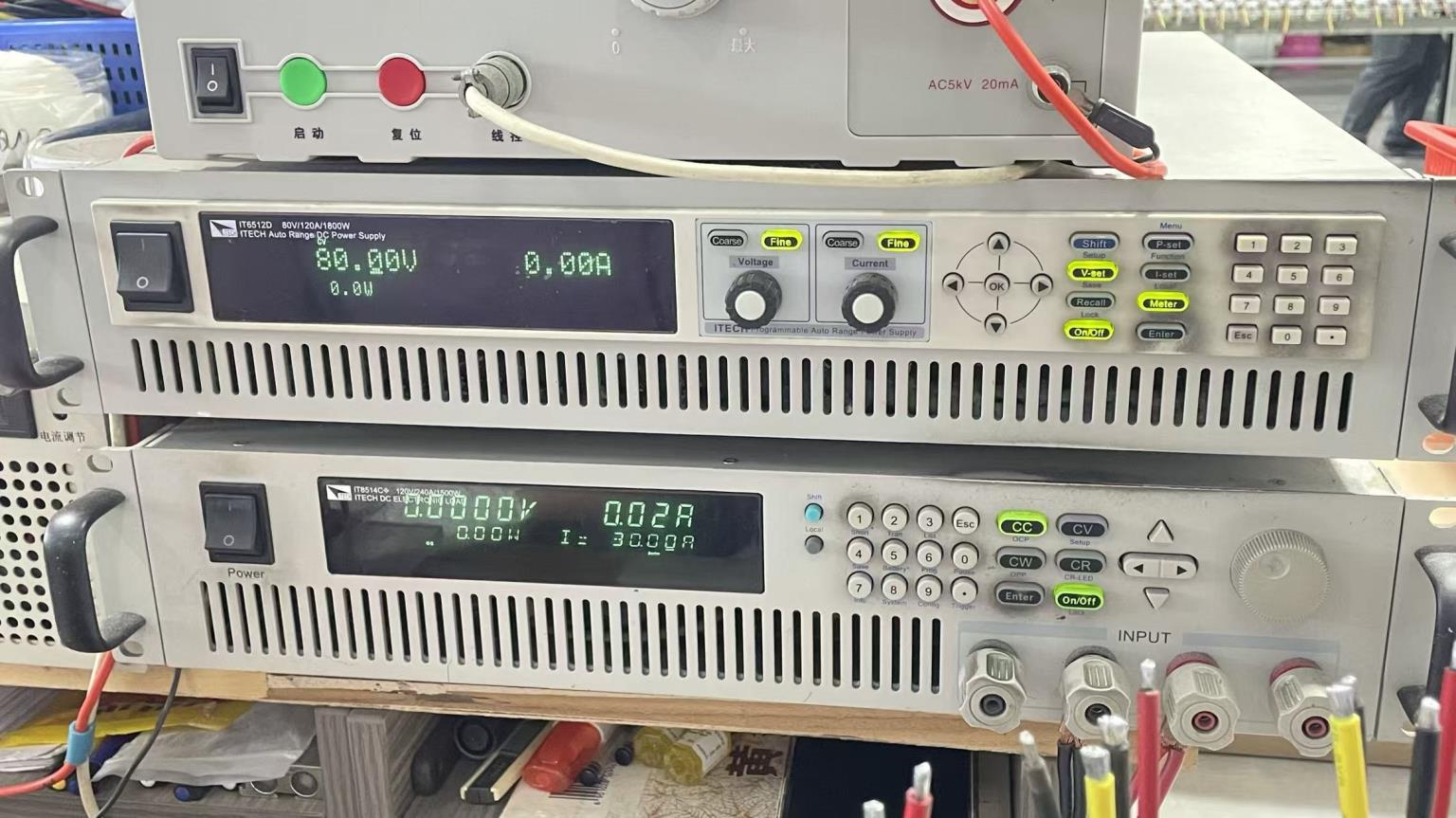 DC Power Supply Tester
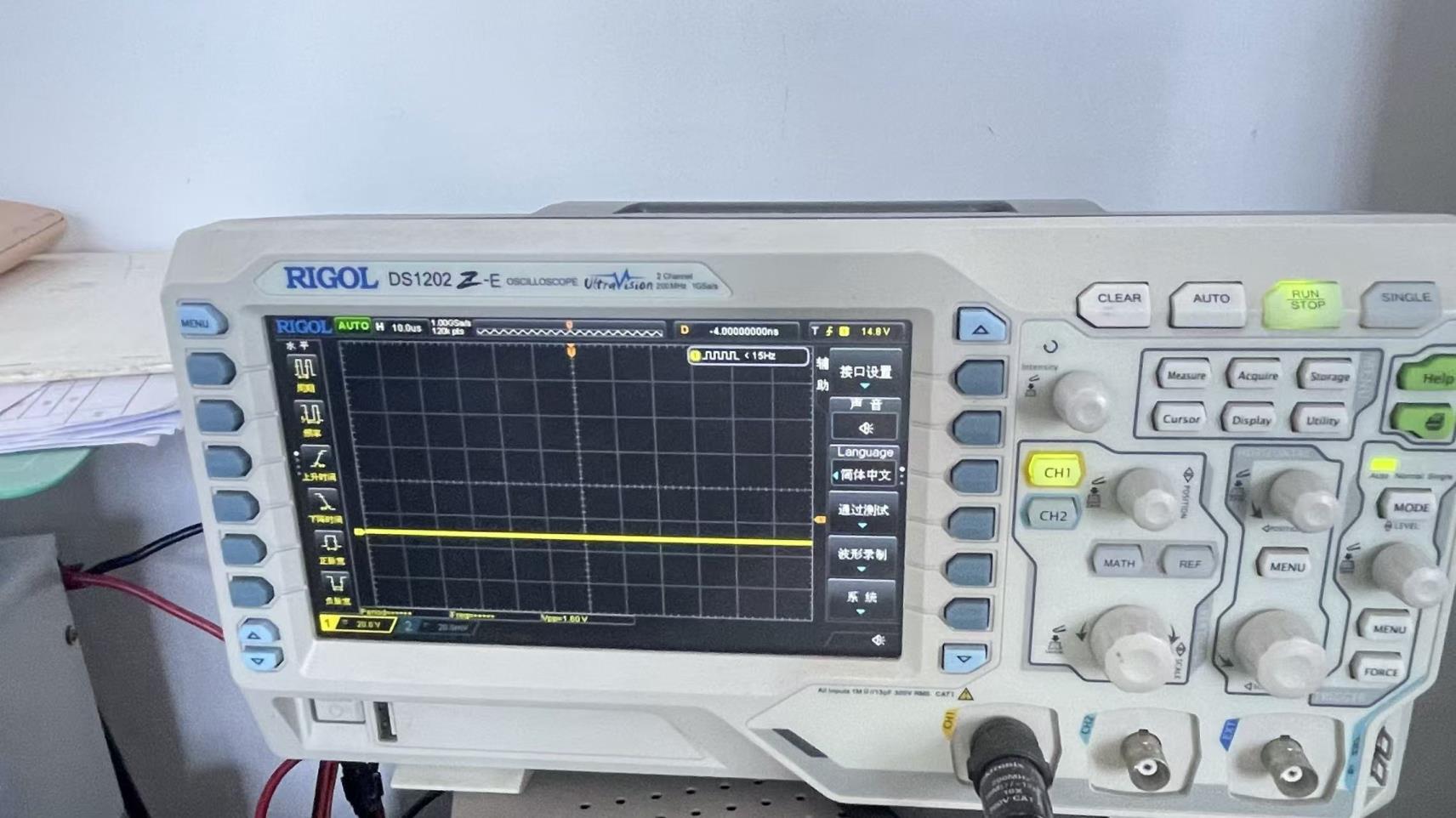 AC Withstand Voltage Tester
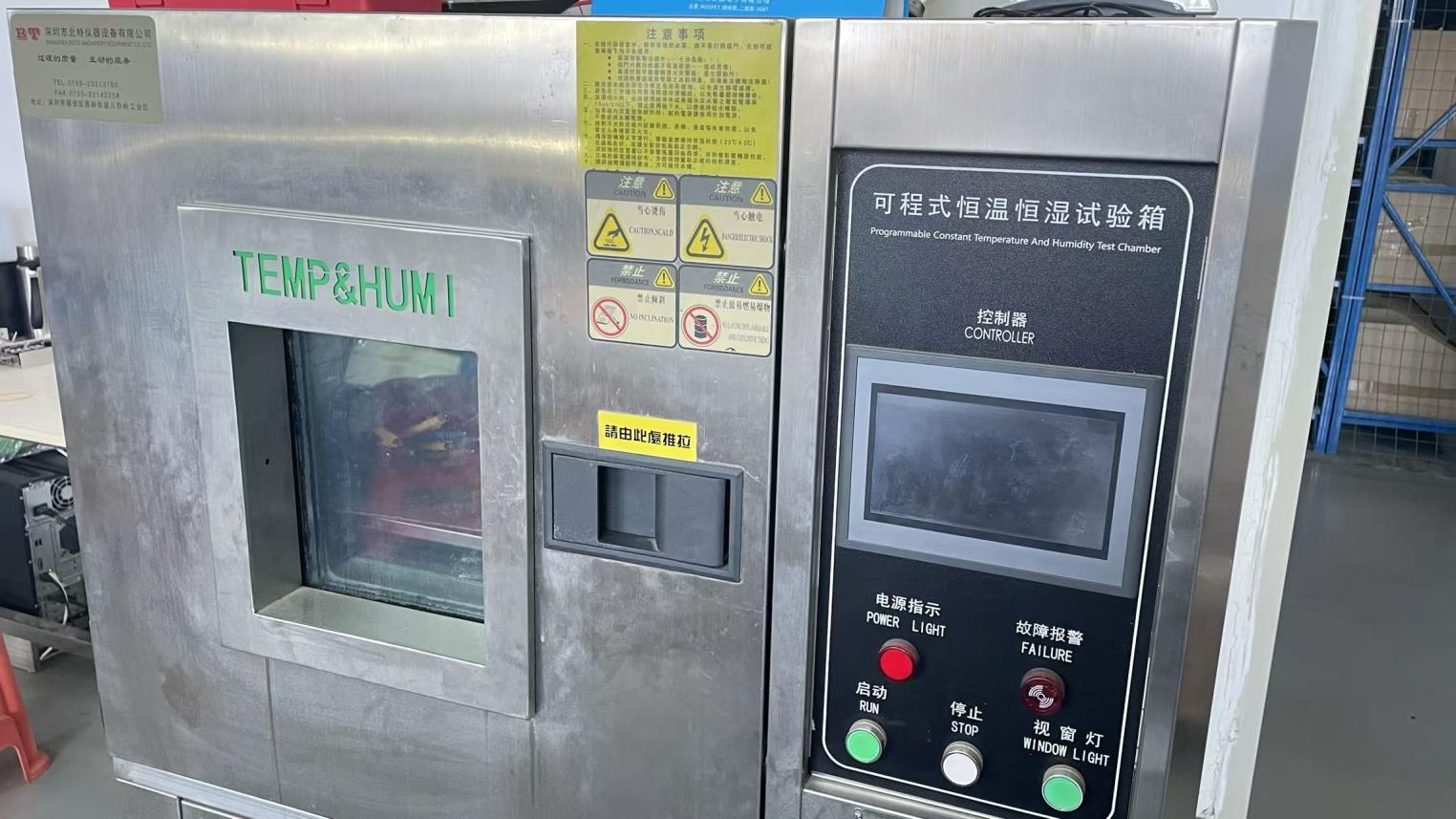 Constant Temp & Humidity Chamber
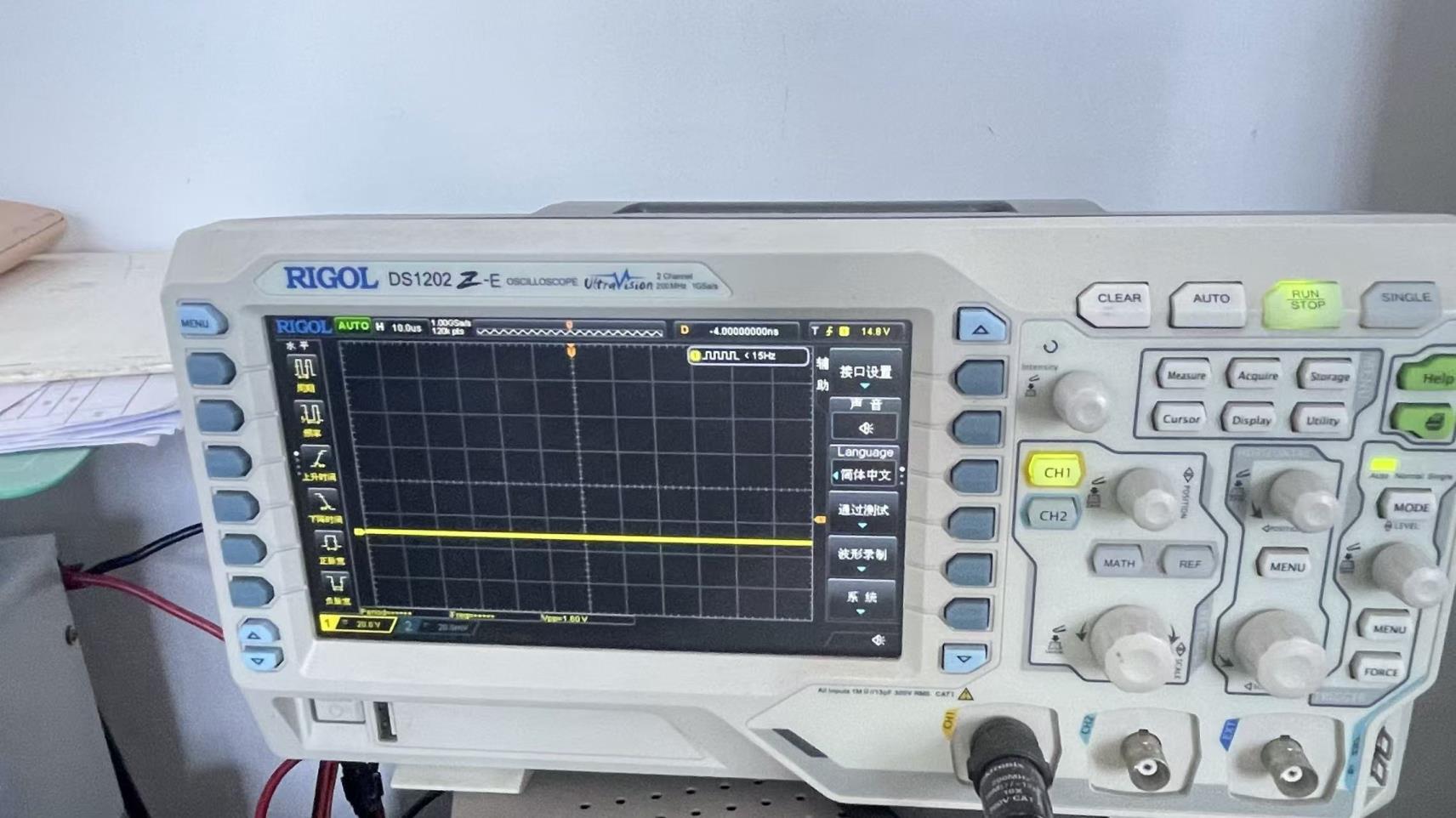 Optical Microscope Analysis
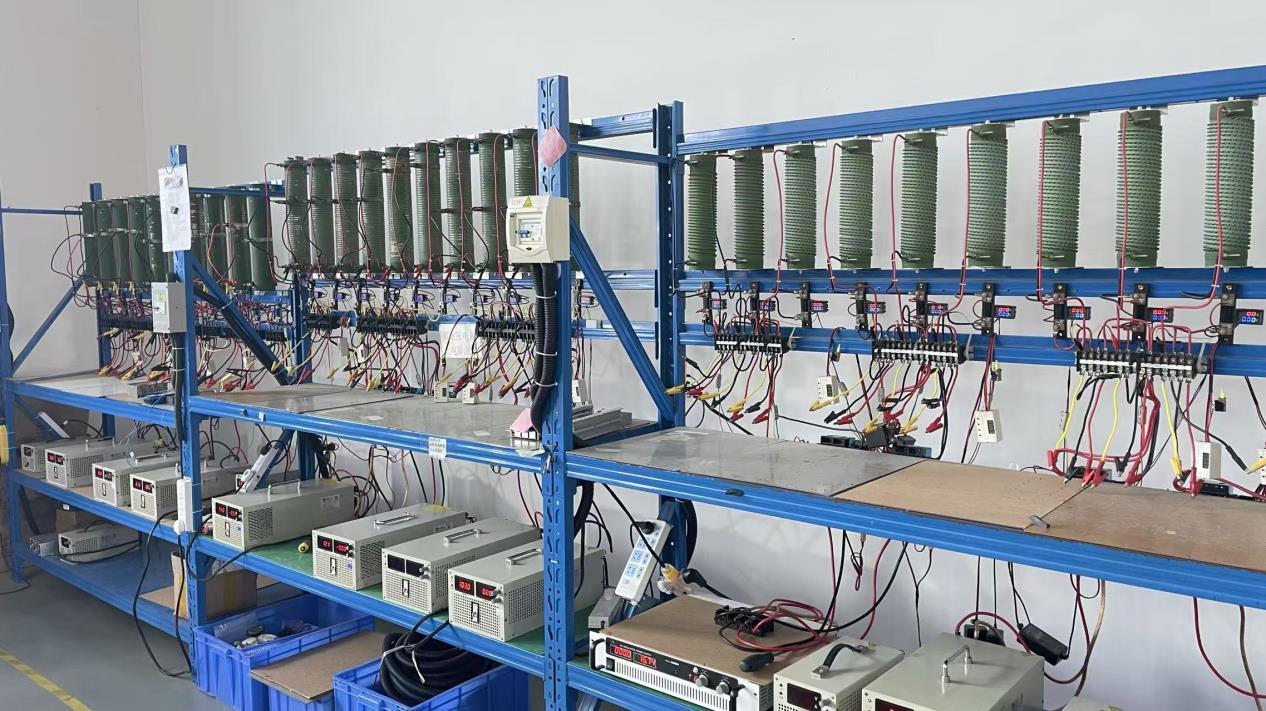 Aging Test Station
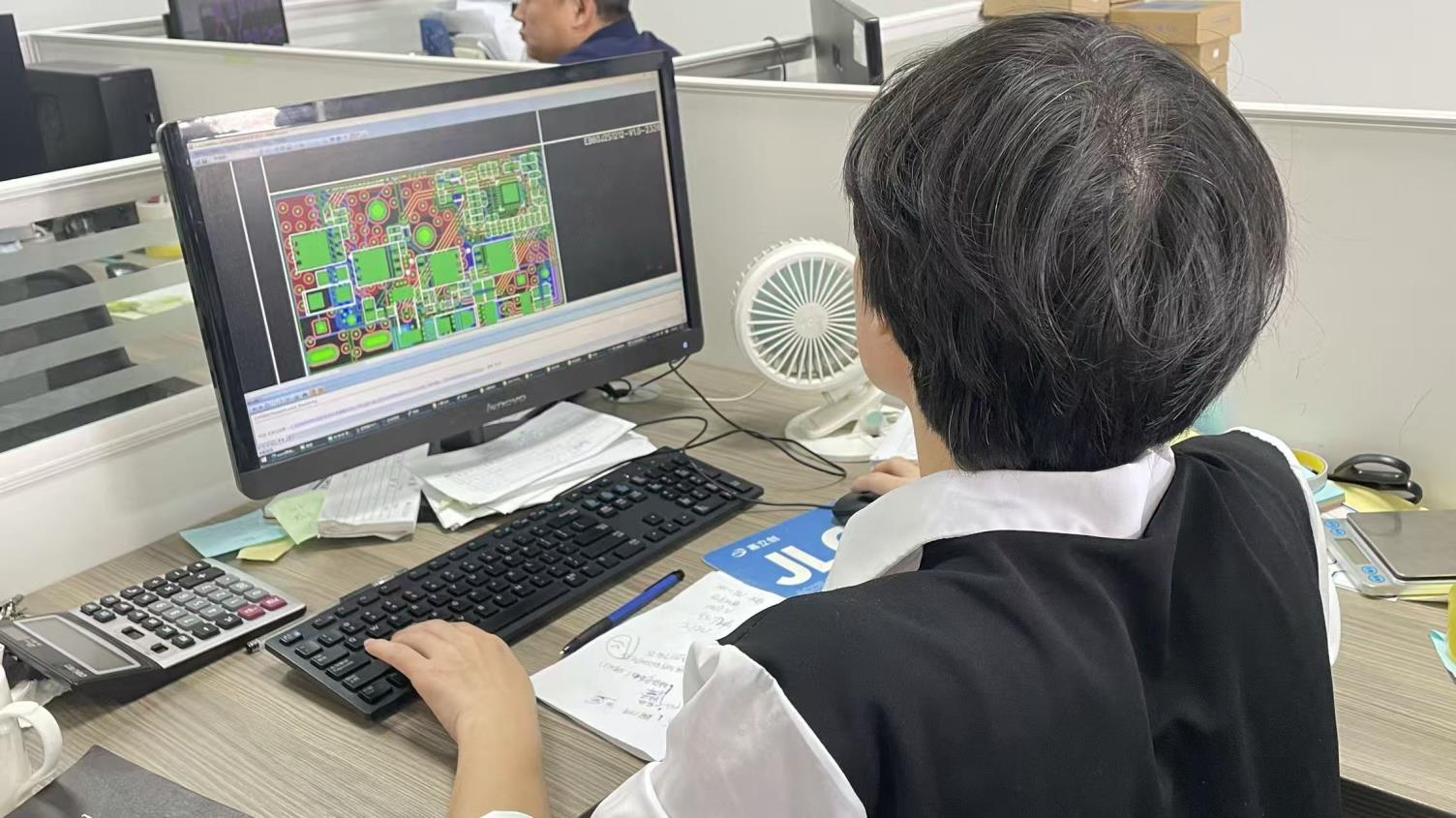 CAD Engineering & Design
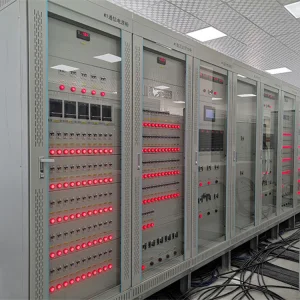
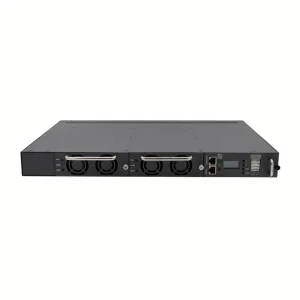
The deployment of 5G networks has radically modified base station topologies. The exponential increase in data transmission rates forces base stations to process heavier computation loads. Consequently, power requirements have risen from traditional 1 kW-3 kW ranges to upwards of 6 kW-12 kW per site. High-power rectifiers and intelligent sub-rack power modules are essential to support these dense architectures.
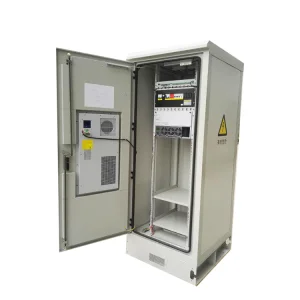
In response, global procurement managers are shifting away from standalone components toward unified communication power cabinets (such as IP55 rack-mount configurations). These integrated systems feature built-in smart SNMP/Modbus communication modules, enabling operators to remotely monitor efficiency levels, battery status, and ambient cabinet temperatures. Real-time data streams protect base stations from utility failures, especially in remote regions with unstable power grids.
Furthermore, environmental sustainability and energy efficiency regulations (such as CE and RoHS compliance) mandate switching power supplies to optimize operational efficiency. Even a 2% improvement in power conversion efficiency (shifting from 90% to 92%-95%) represents significant cost savings over a fleet of thousands of remote telecommunications sites.
Insights from our engineering and design teams for international buyers.
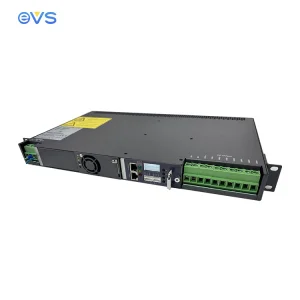
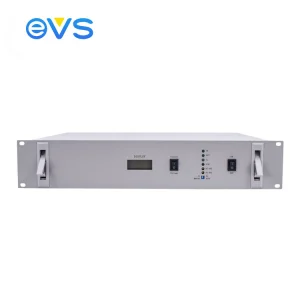
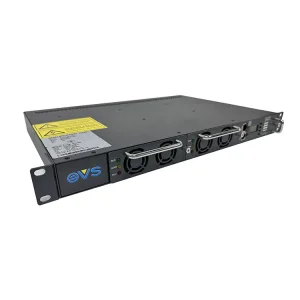
High-efficiency rectifiers, sub-racks, and outdoor power cabinets for telecommunications infrastructure.
 EVS Powers