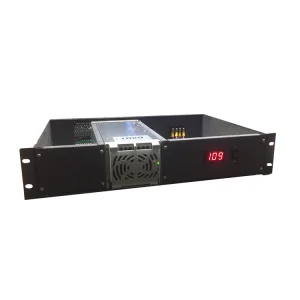
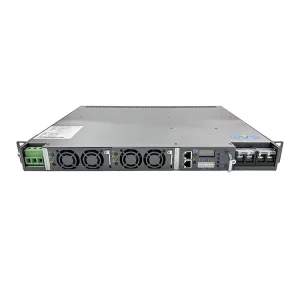
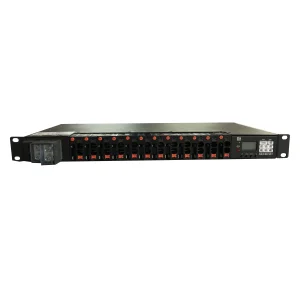
Explore our high-efficiency rectification systems, outdoor battery cabinets, and DC-DC step-up boosters optimized for standard 19-inch racks and extreme environments.
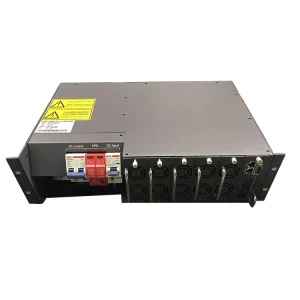
Deep-dive analysis on spatial efficiency, thermal performance, and global supply chain strategies for modern networks.
As 5G architectures move toward higher frequency bands (mmWave and Sub-6GHz) and compute resources shift closer to the network edge, the demand for sophisticated, resilient physical environments has surged. The integration of China Telecom Equipment Racks with optimized power electronics is no longer just a structural requirement; it is a foundational component of system reliability, heat dissipation, and Overall Power Usage Effectiveness (PUE).
Modern telecommunication equipment racks are evolving along three technical trajectories: structural modularity, intelligent thermal isolation, and smart power distribution. Standard 19-inch and 23-inch architectures must support variable heat loads while maintaining structural stability against seismic and mechanical stresses.
Enclosures designed to house compute hardware in dust-heavy, high-humidity external stations. Feature robust environmental seals (IP55/IP65).
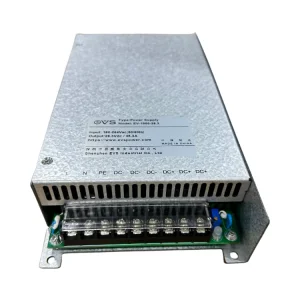
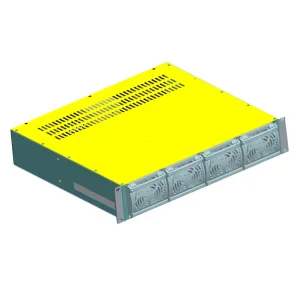
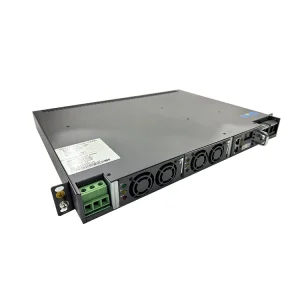
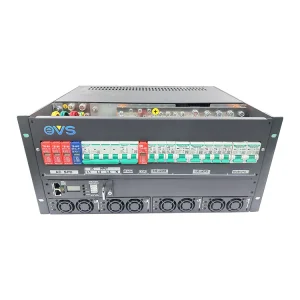
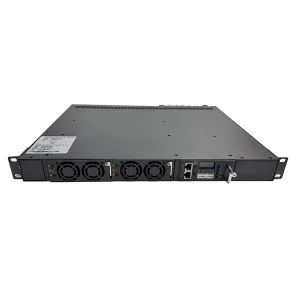
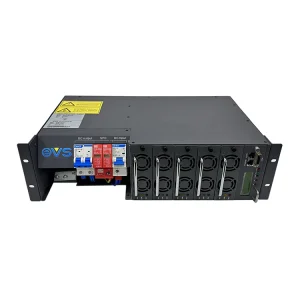
EVSPOWER hot-swappable sub-systems provide system redundancy (N+1, N+2) with efficiency rates exceeding 95% to minimize heat dissipation.
PDU systems with digital monitoring track voltage drop, current spikes, and terminal temperatures, integrating directly with central management software.
Procuring network enclosure systems and conversion components internationally involves navigating logistical, regulatory, and electrical challenges. Enterprise buyers demand assurance regarding structural safety, electrical isolations, and production reliability.
Guangzhou EVS Powers Co., Ltd. addresses these challenges by offering customizable OEM/ODM solutions tailored to exact specifications. From single 1U distribution modules to comprehensive outdoor enclosures, our structural and electrical engineers support the entire project life cycle—ensuring that power factor correction (PFC), total harmonic distortion (THD), and mechanical stress test requirements conform to localized requirements (CE, RoHS, FCC, UL).
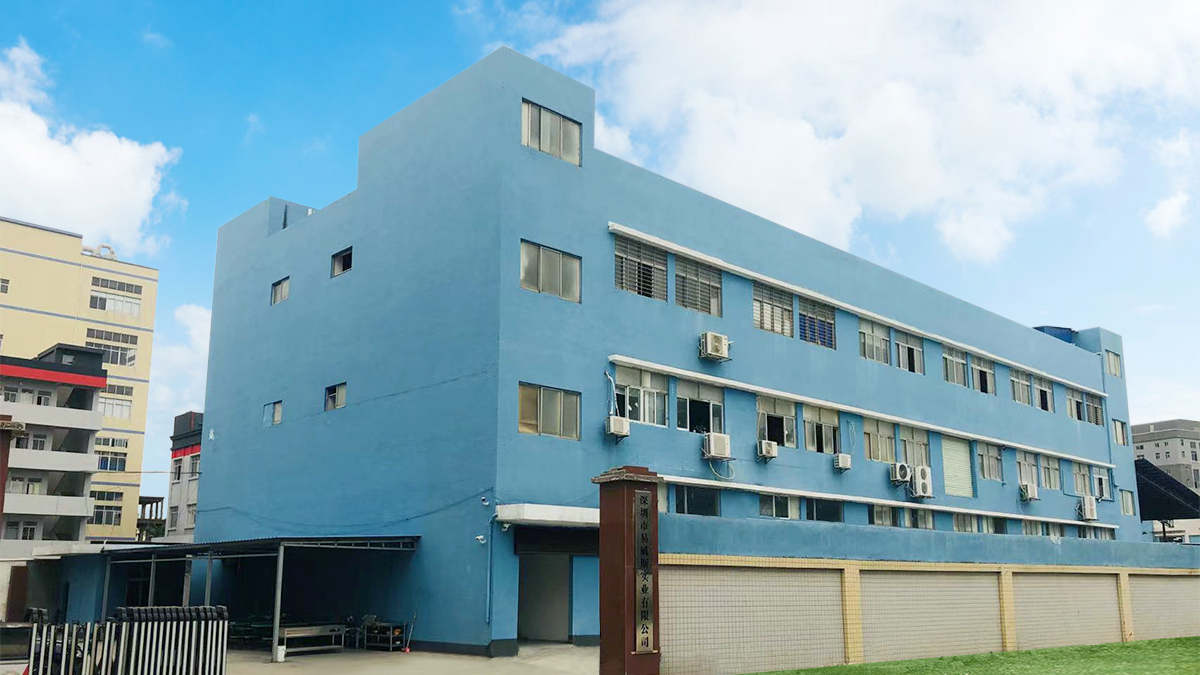
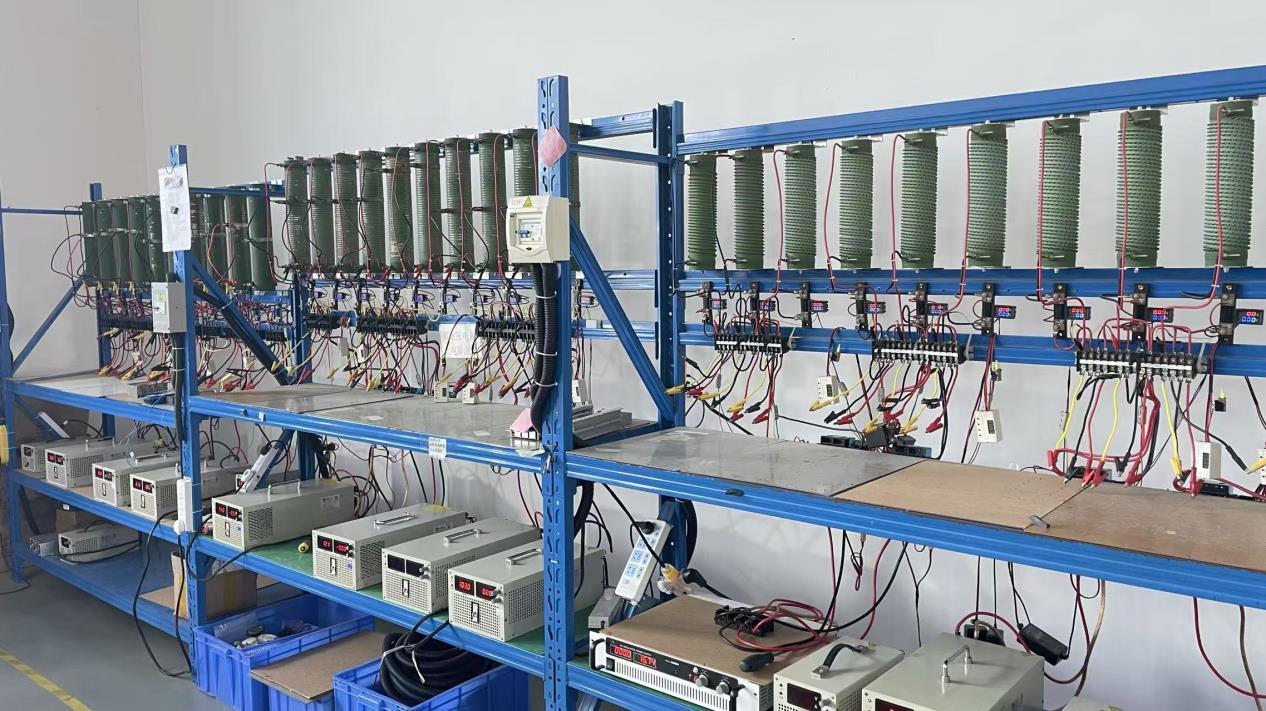
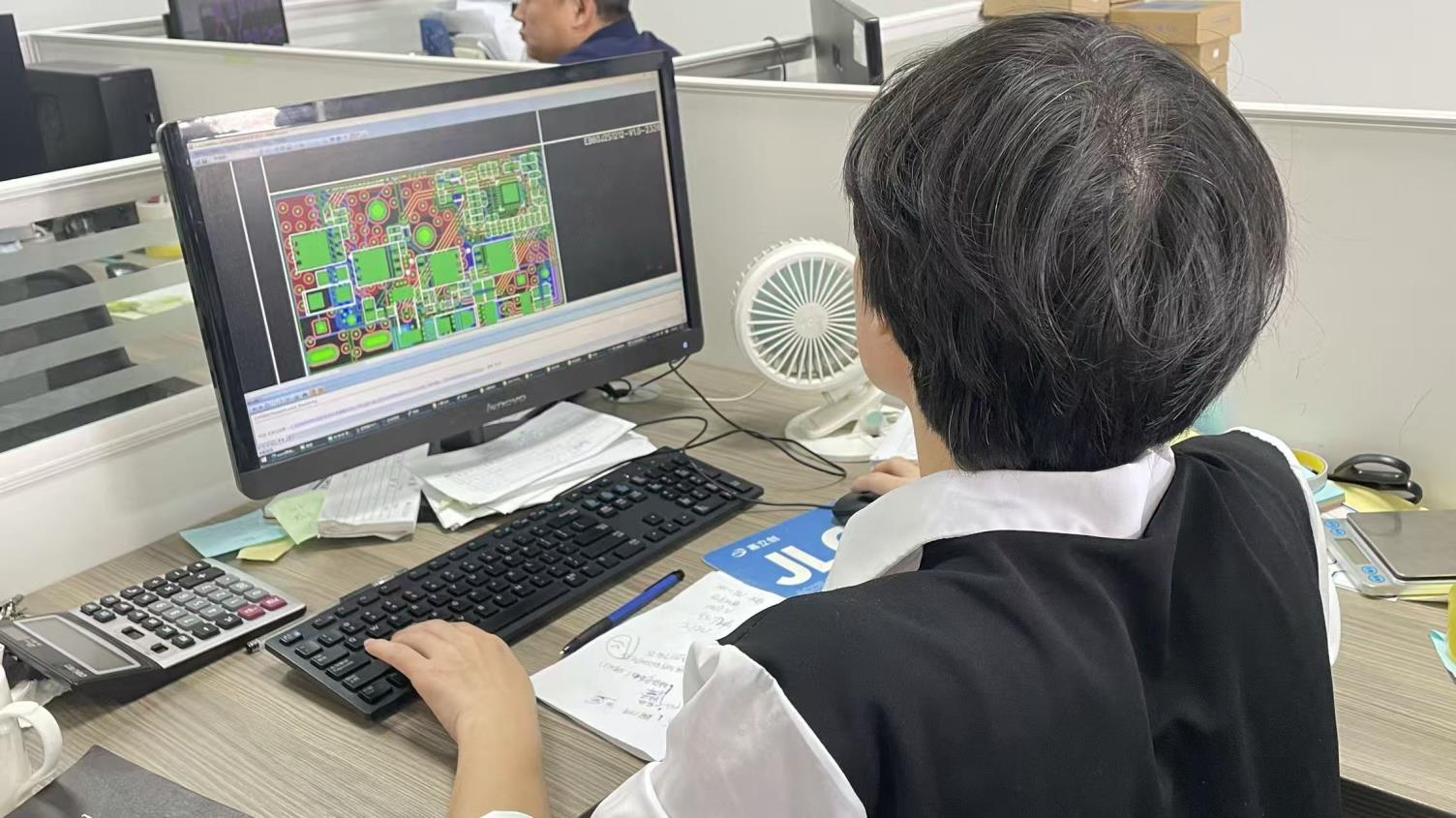
Take an inside look at our Guangzhou facility where high-performance switching power supplies and rugged cabinets are processed, assembled, and verified.
Located in the international trade hub of Guangzhou, EVS Powers is a specialized manufacturer of high-efficiency switching power supplies, DC power systems, modular rectifiers, DC-DC converters, and rack-mounted power inverters. Our operational principles center on strict quality control, structural customization, and efficient cost management.
By integrating automation tools—such as automatic soldering, computer-guided wire cutting, and specialized burn-in chambers—we deliver reliable power equipment that meets the demands of European, American, Australian, Middle Eastern, and Asian networks.
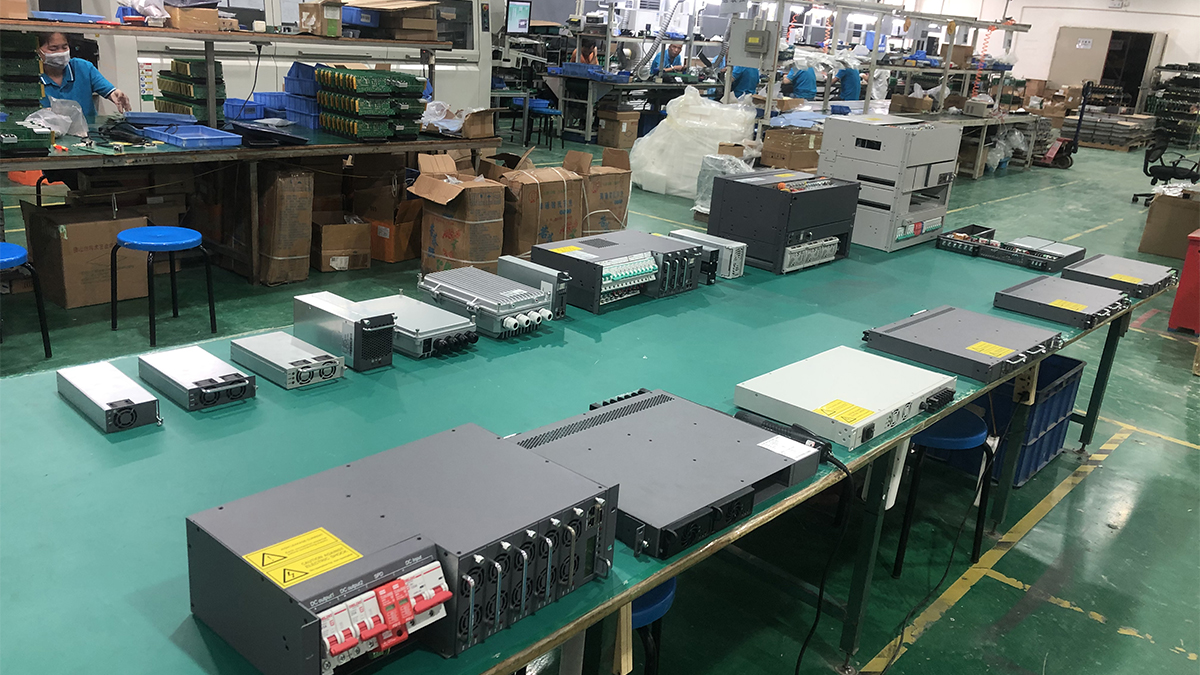
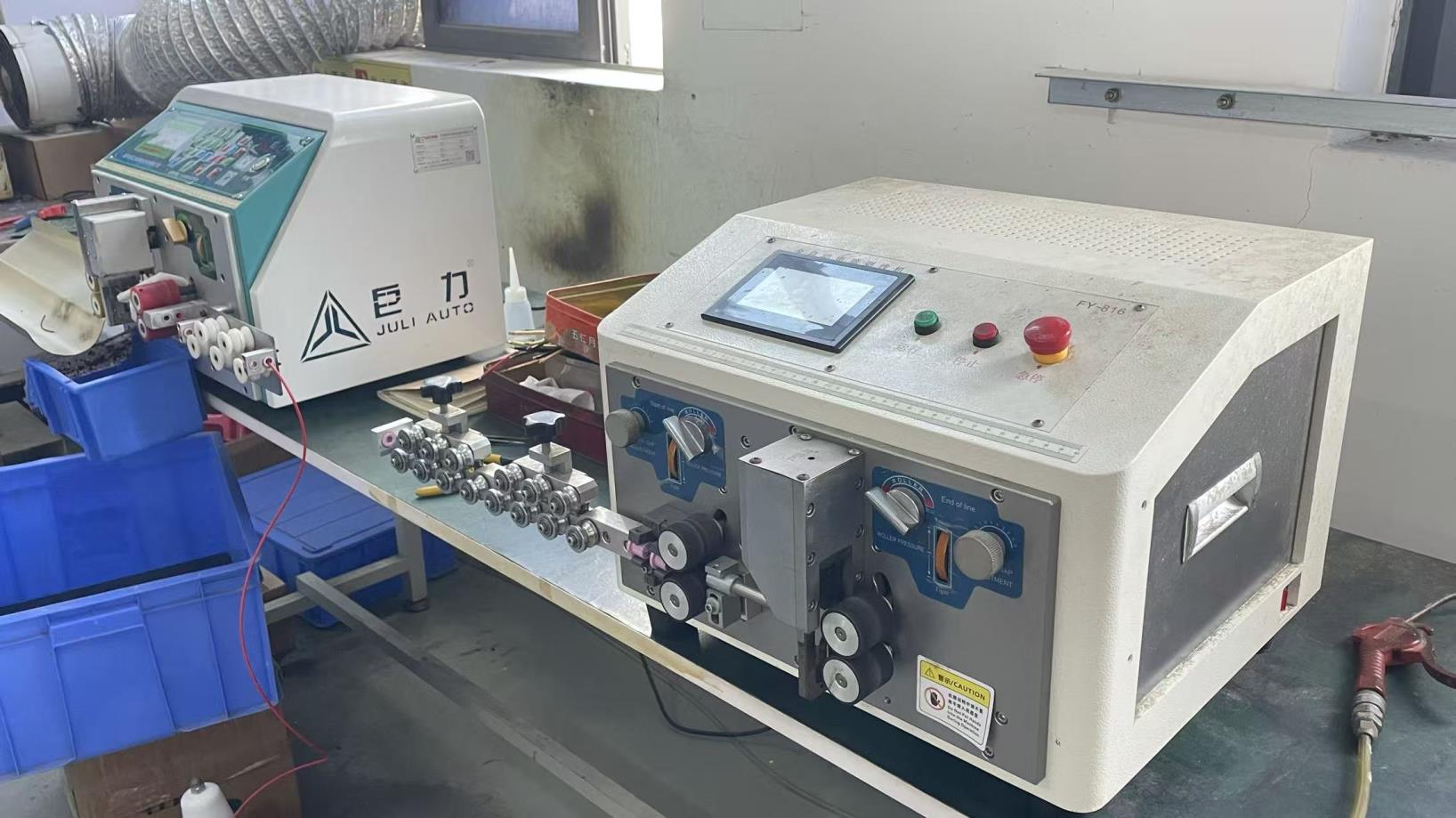
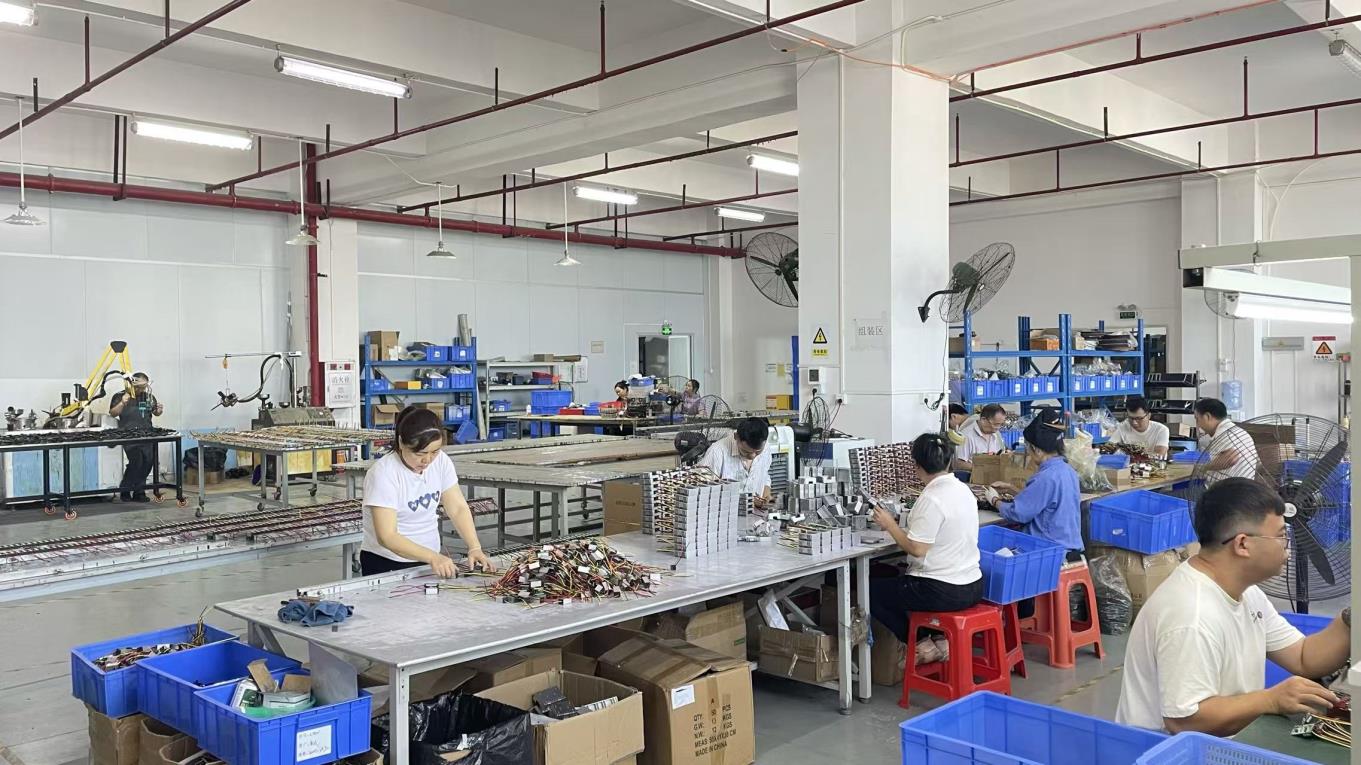

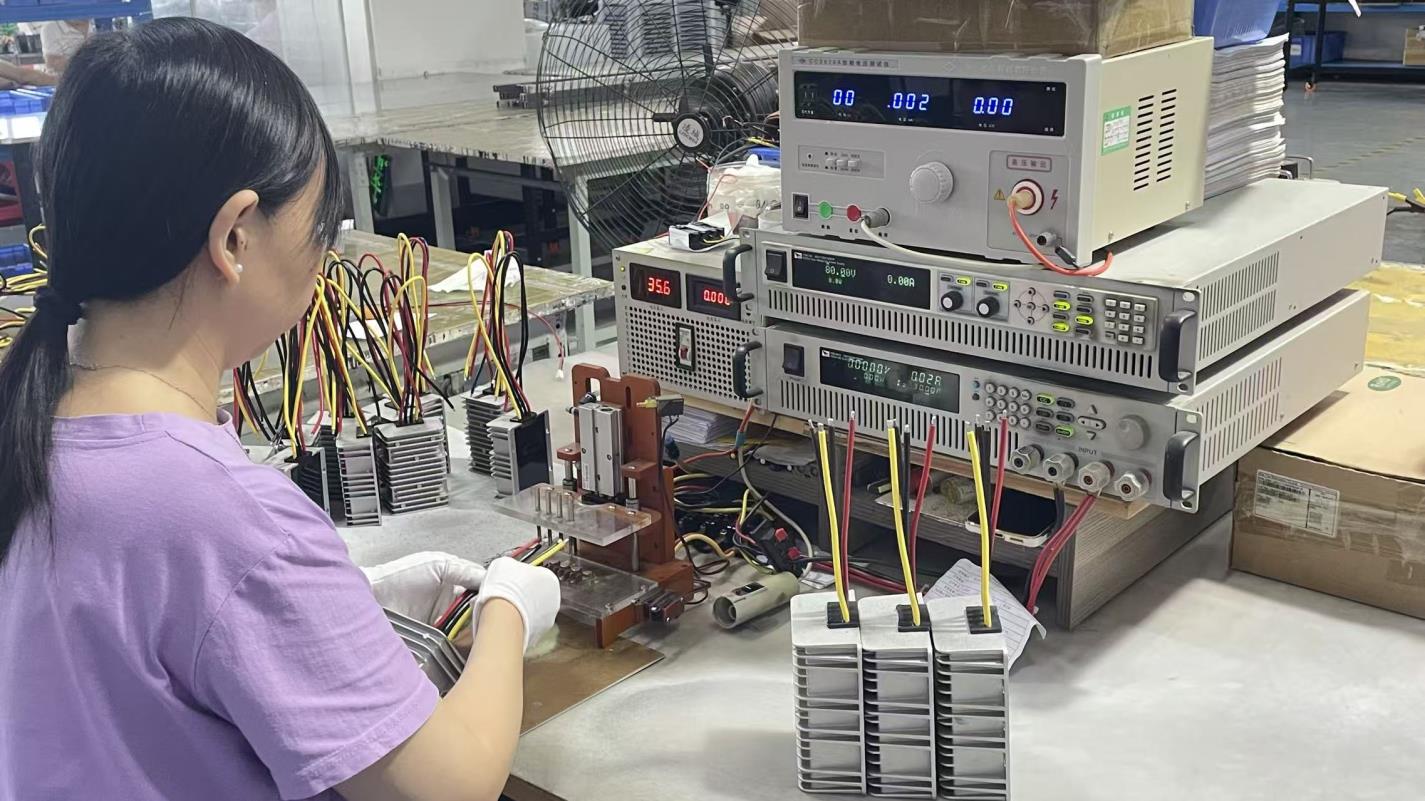
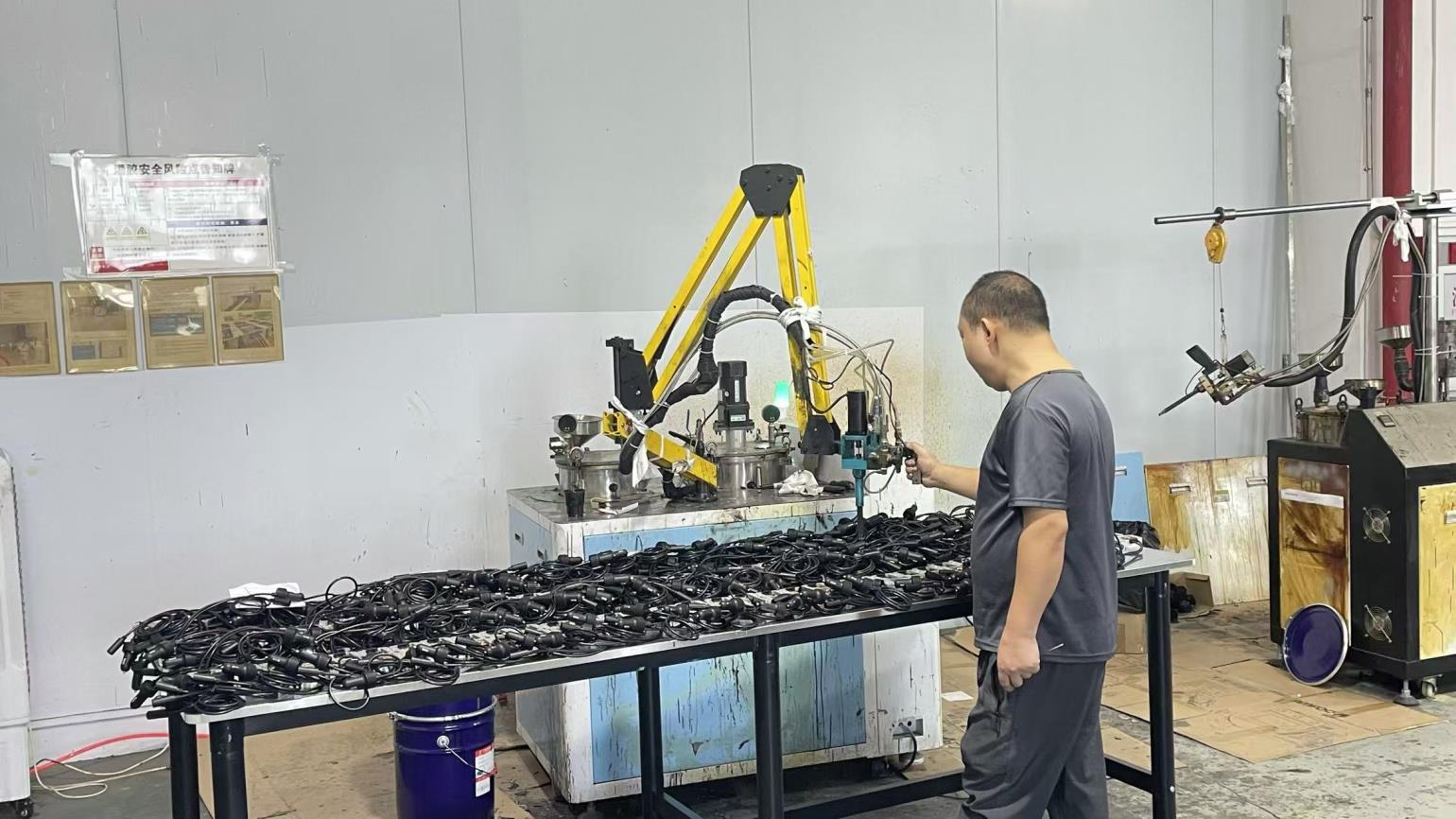
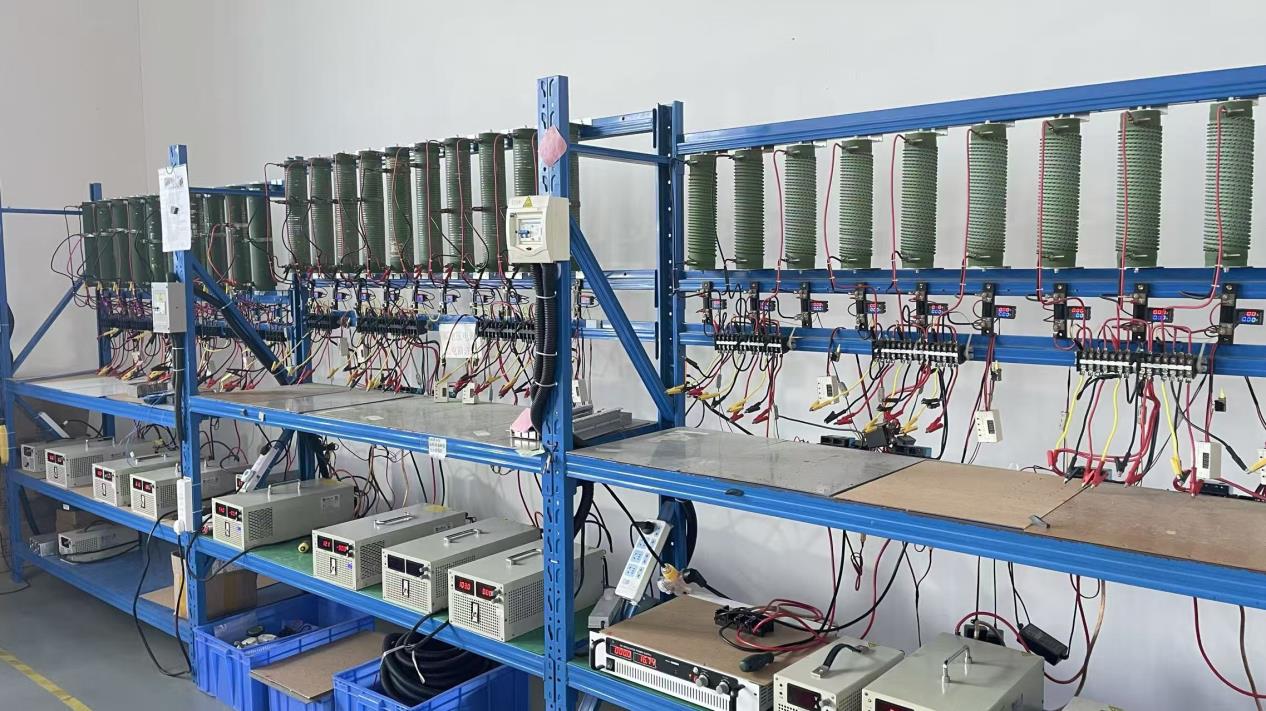
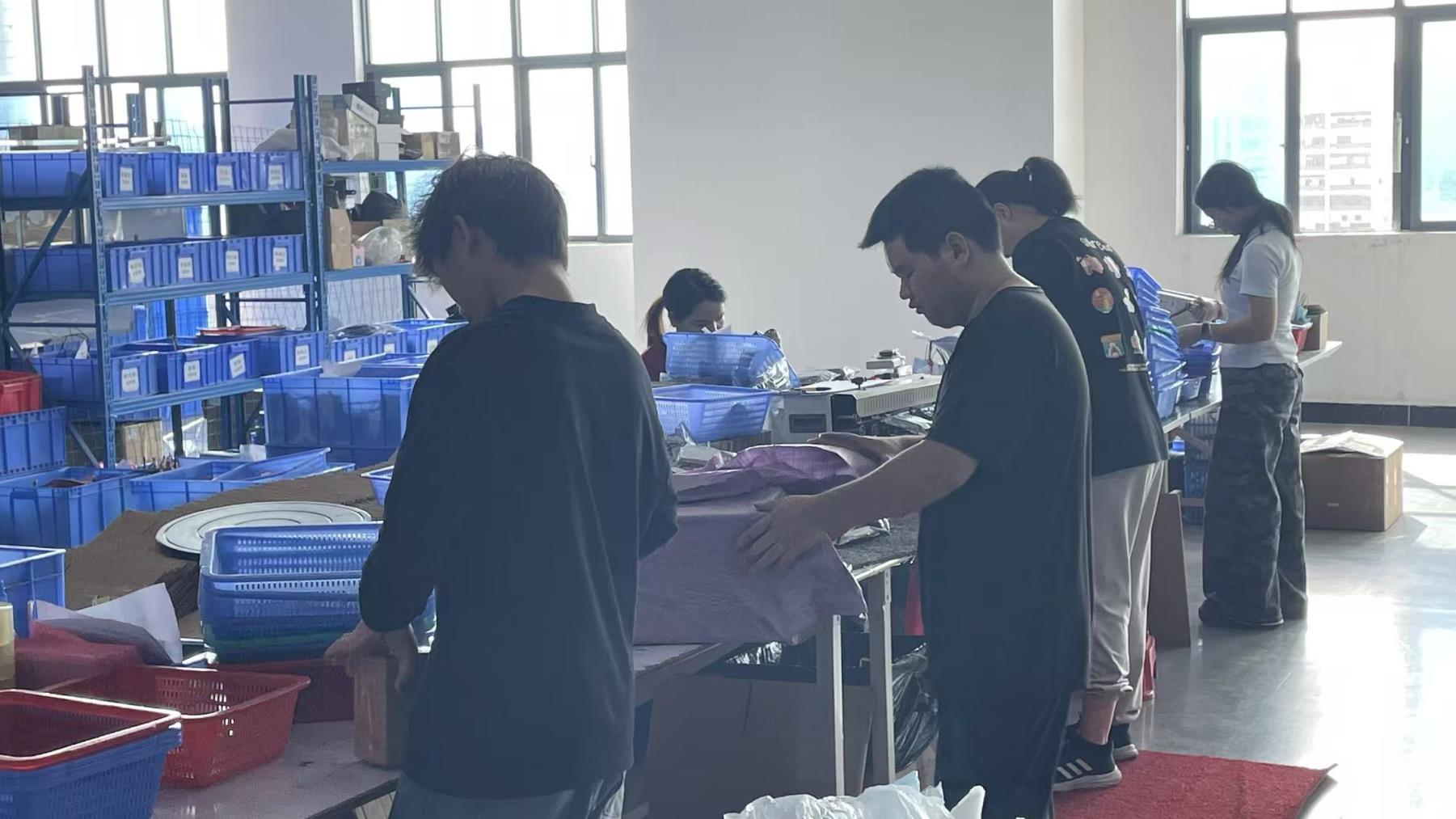
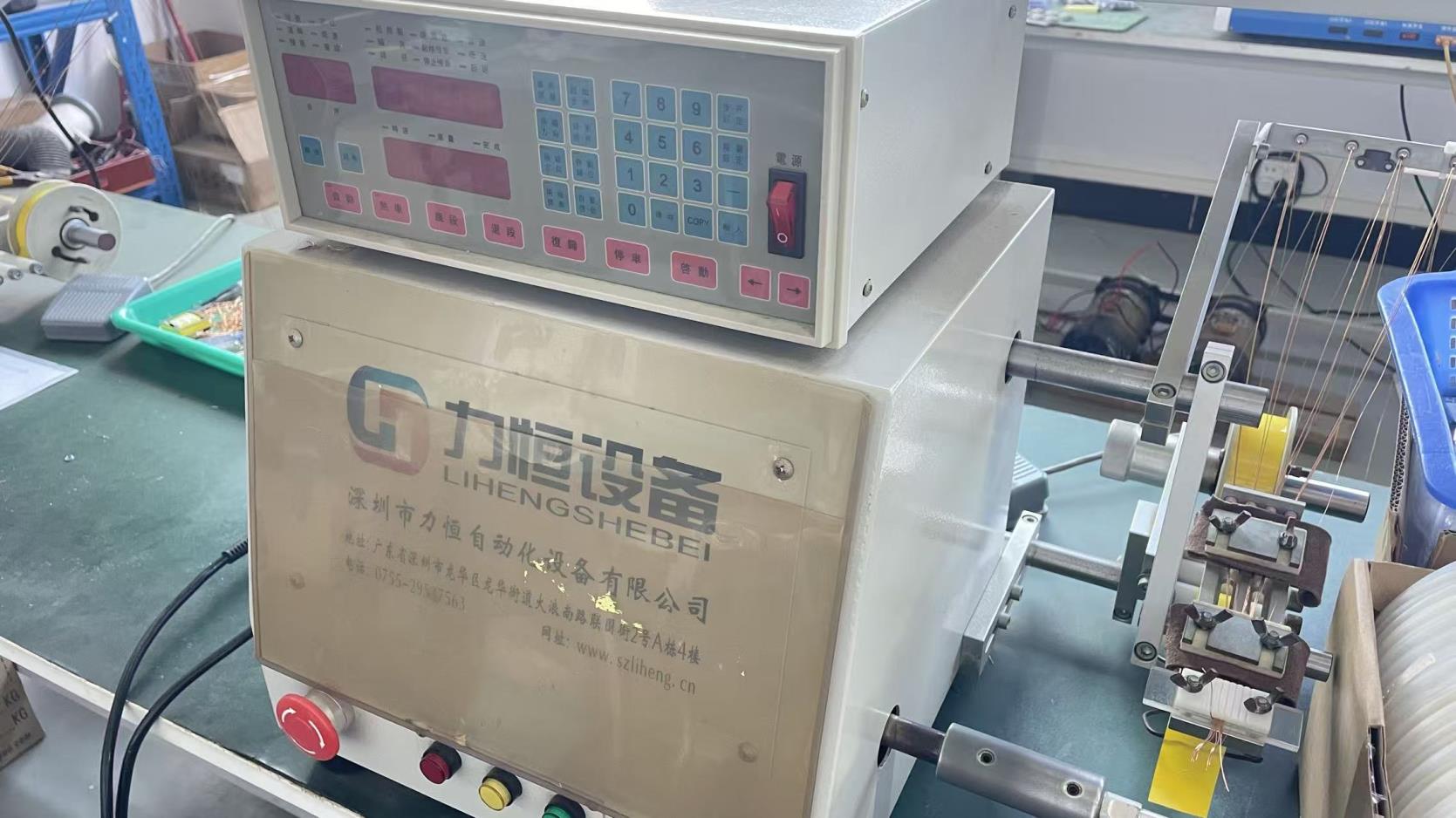
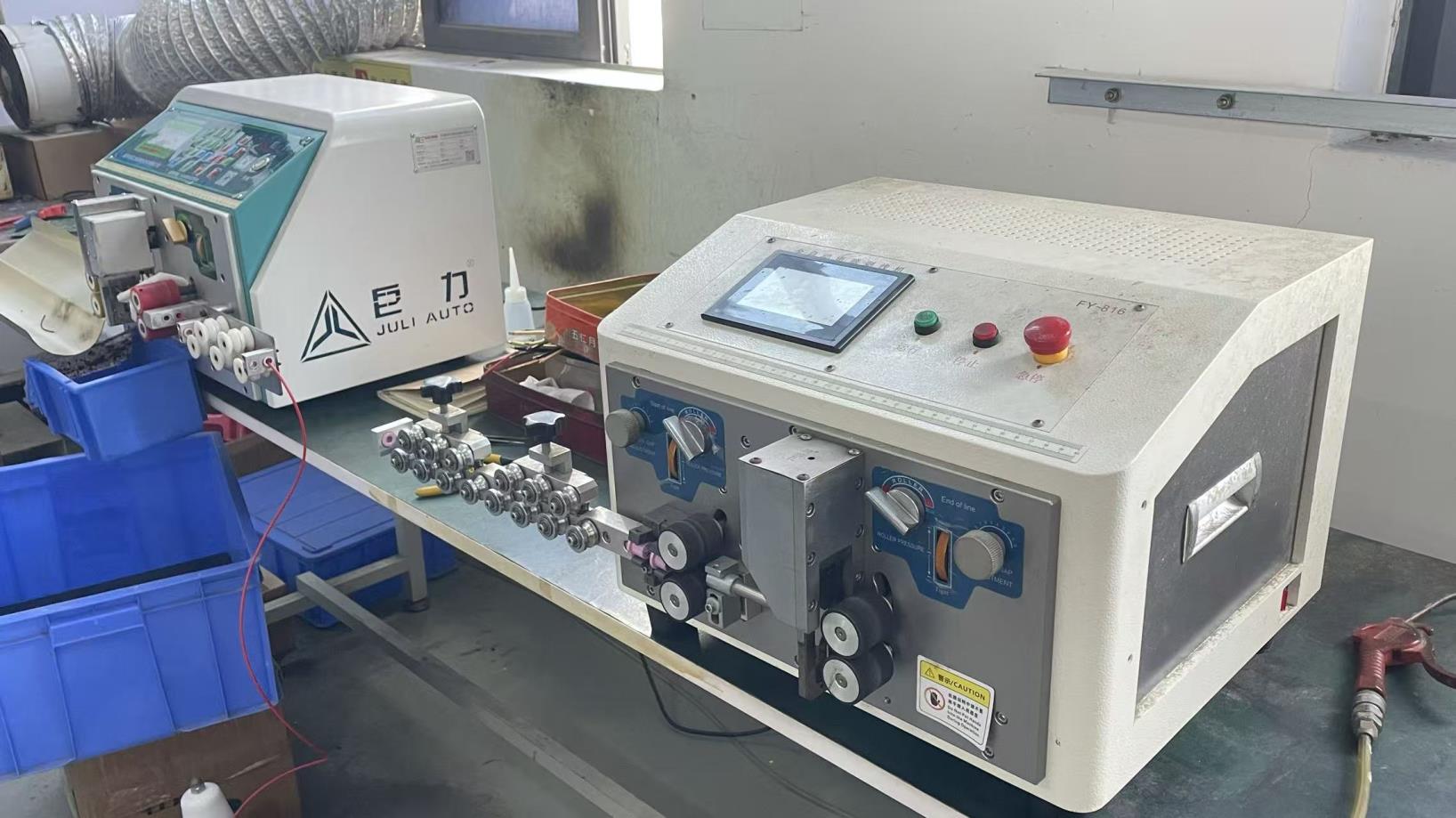


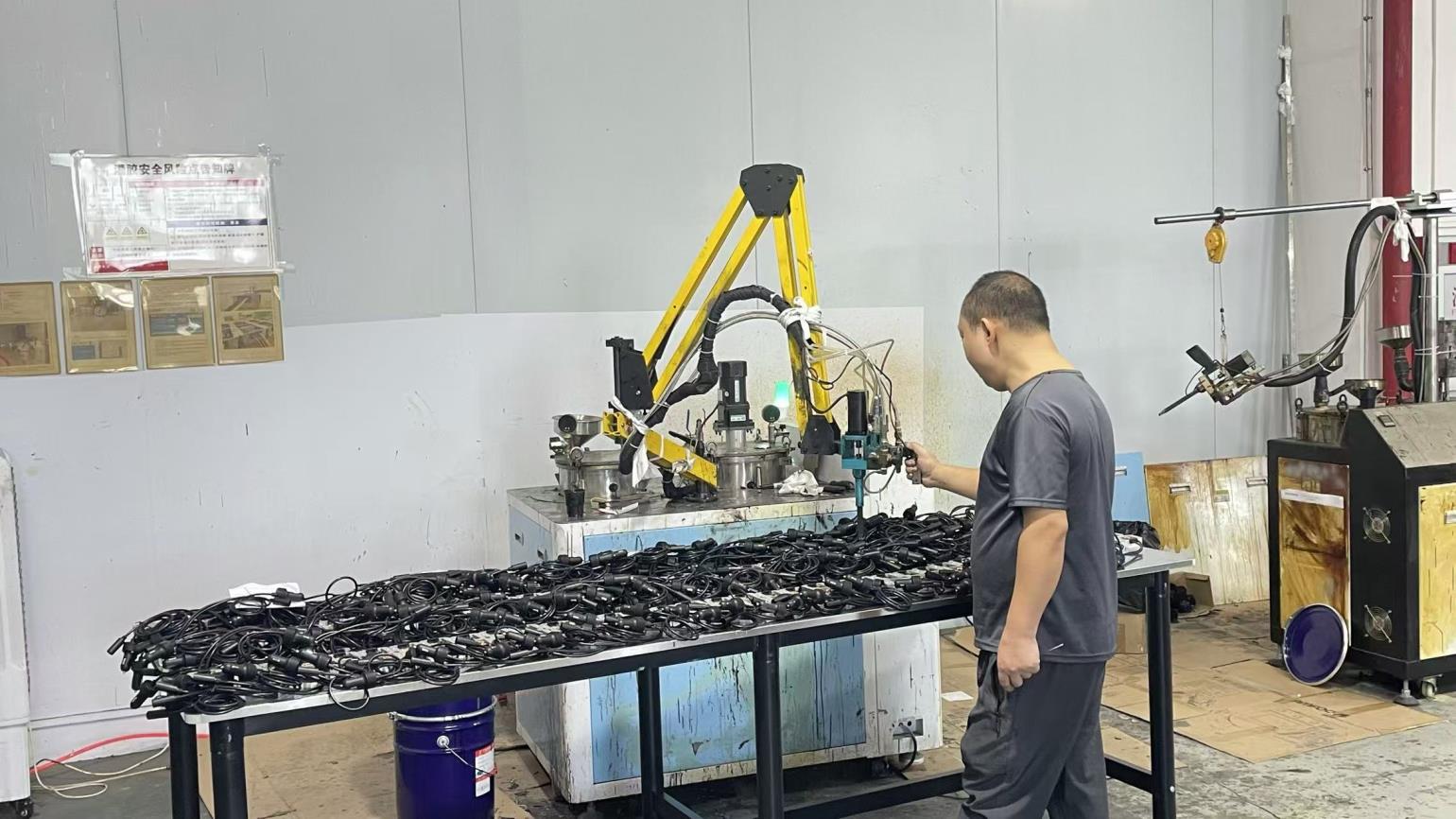
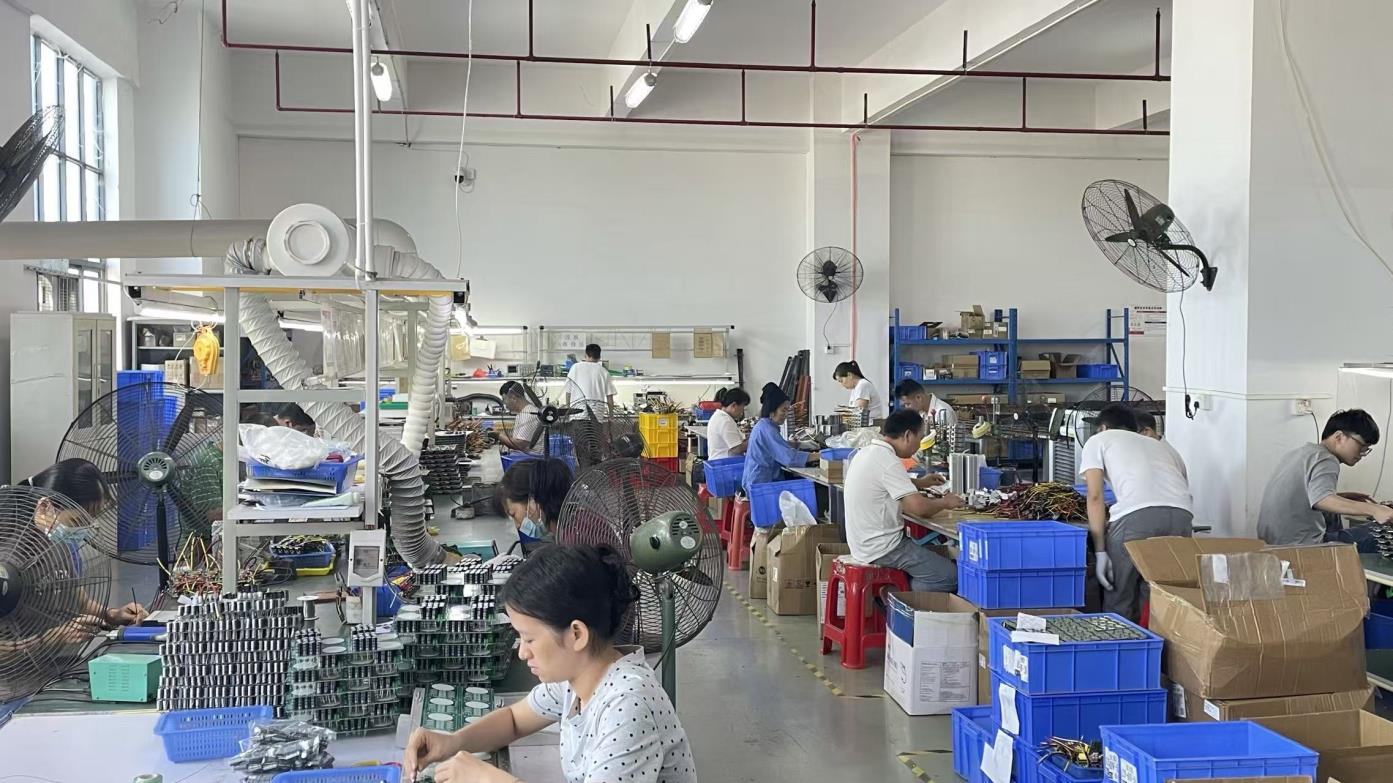
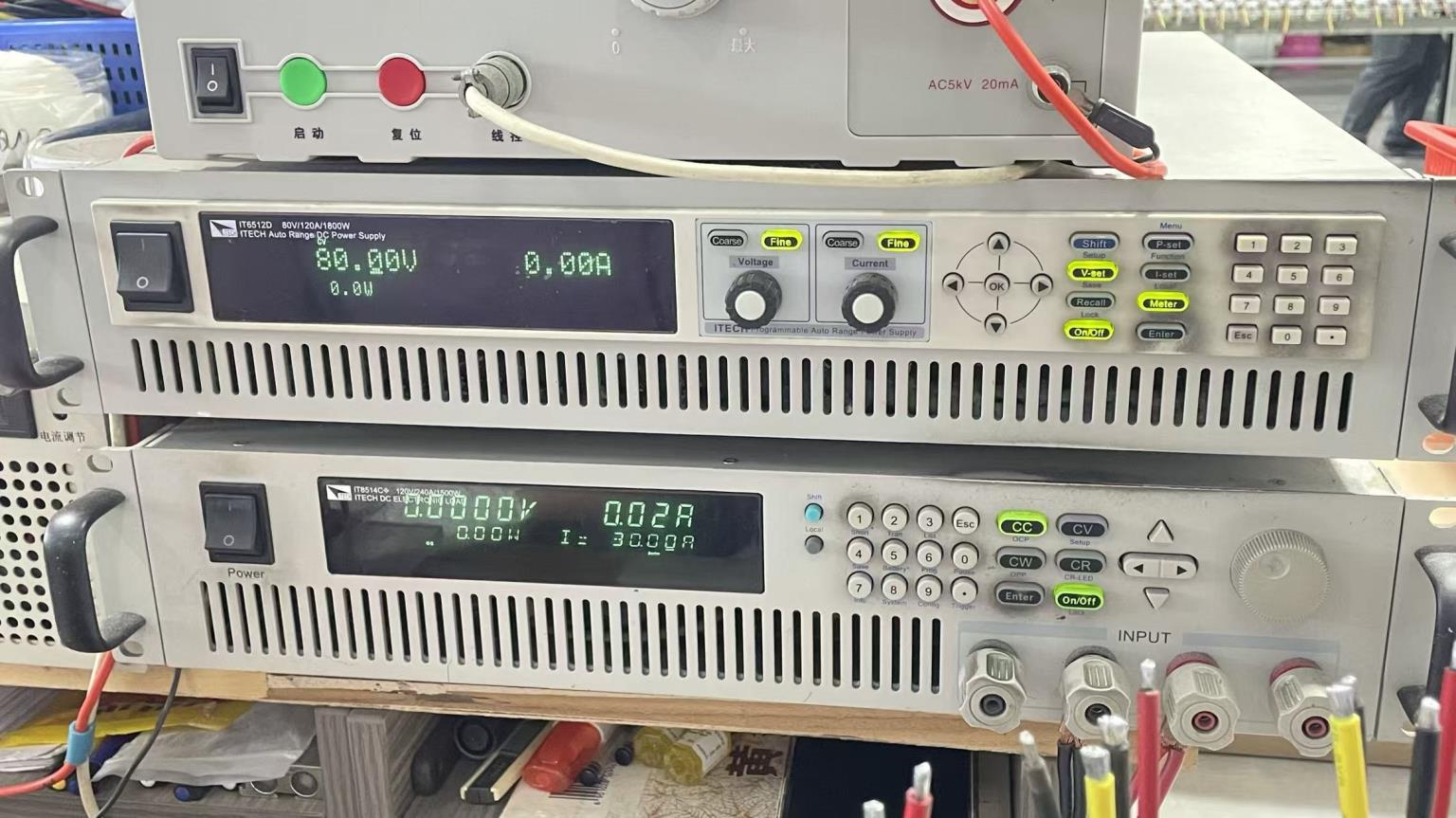
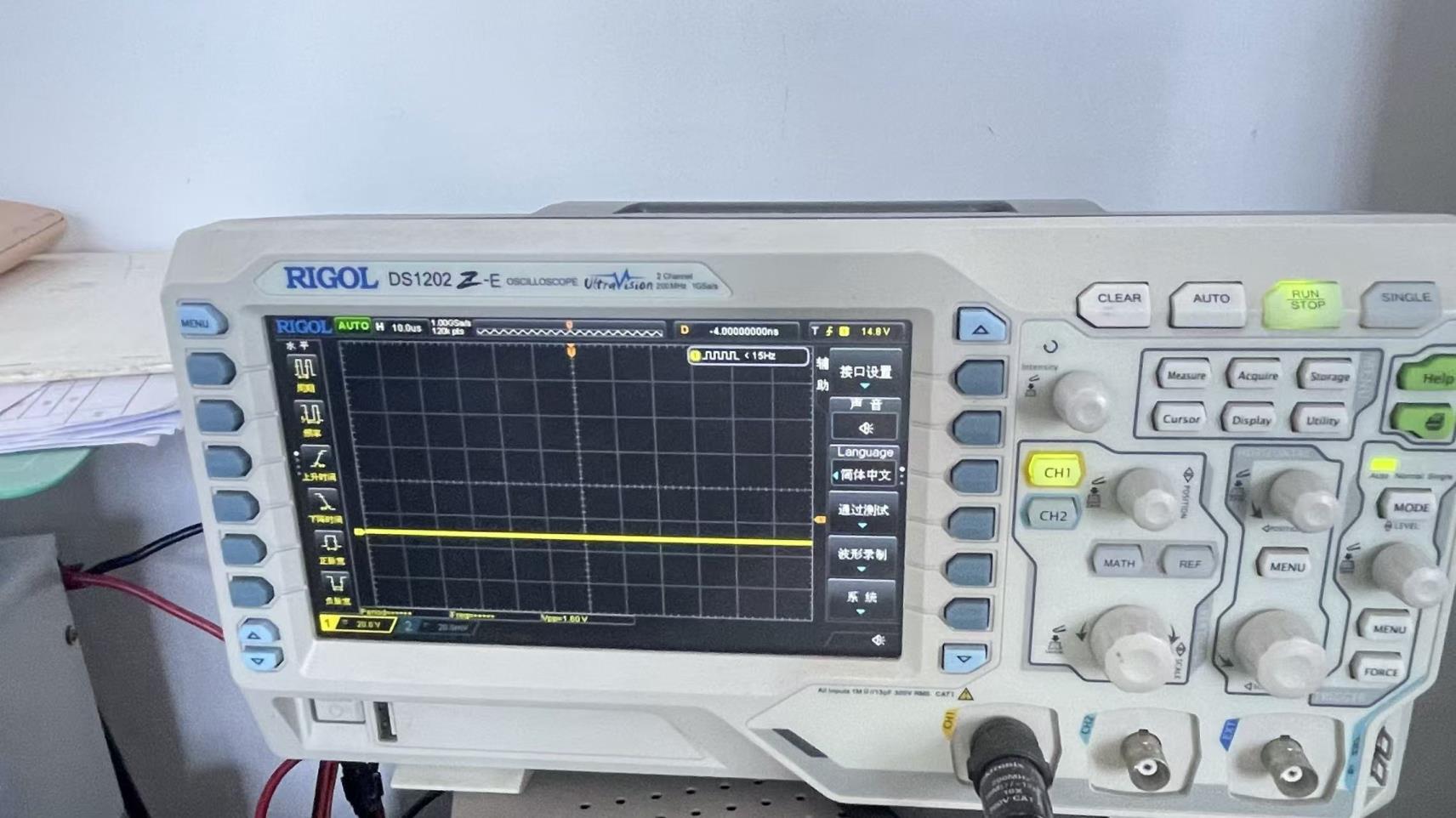
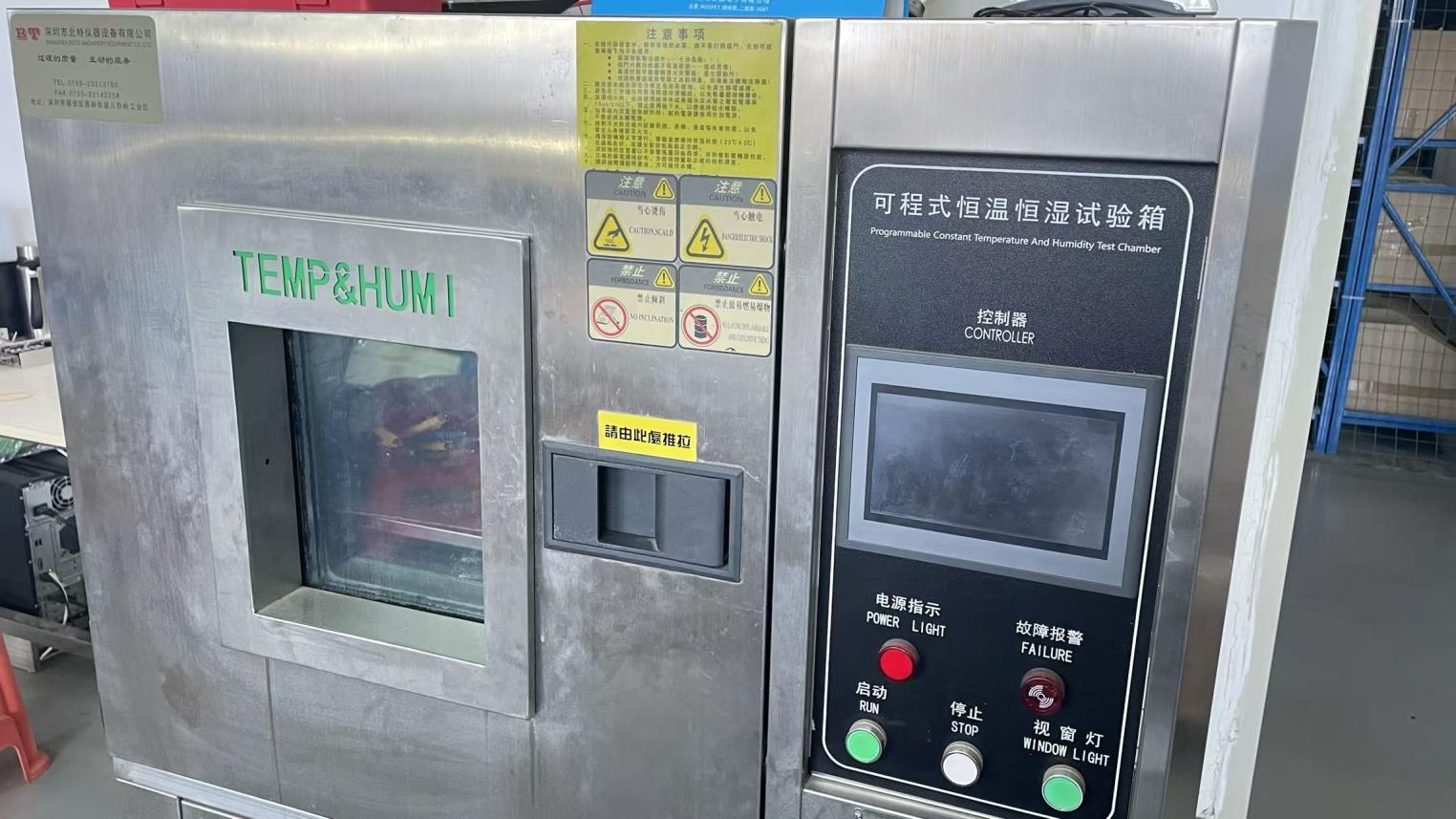
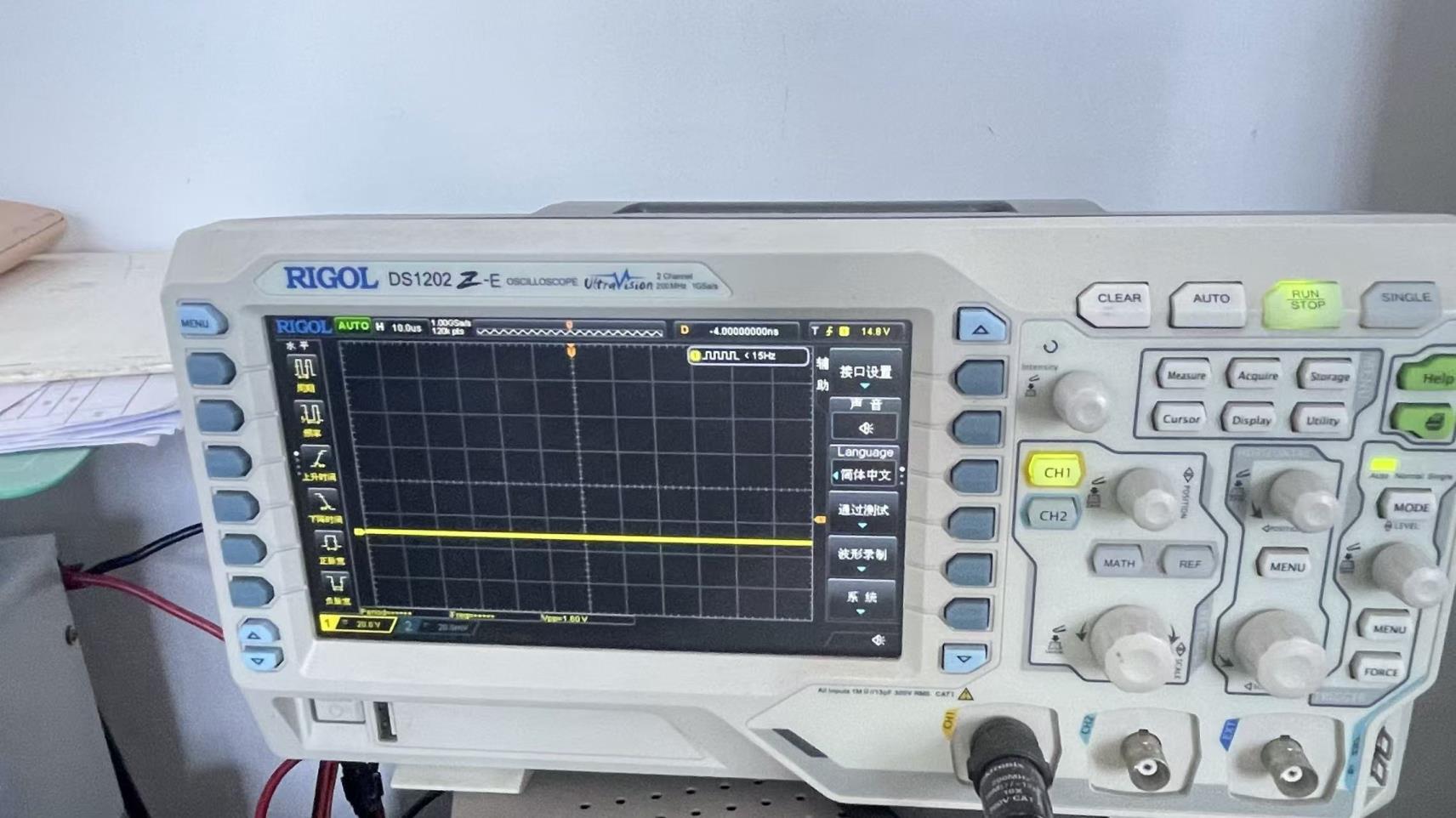
Our commitment to reliability is backed by scientific testing. Every batch of rectifiers, DC-DC converters, and custom telecom racks undergoes validation under simulated operating environments to measure thermals, electrical safety tolerances, and load performance.
These tests are performed with advanced tools, including environmental chambers for humidity cycle simulation, high-voltage isolation testers, and micro-analysis stations for solder structural inspections.
Where the future of telecom infrastructure is heading: Power Density, Green Energy, & AI Monitoring.
As telecom networks process massive data sets, the physical frame must evolve from a passive sheet-metal structure to an active, smart enclosure. Our technology roadmap targets three primary focus areas:
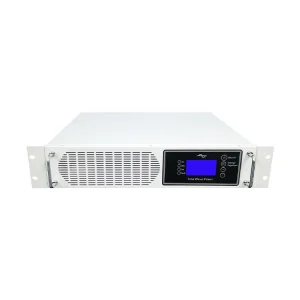
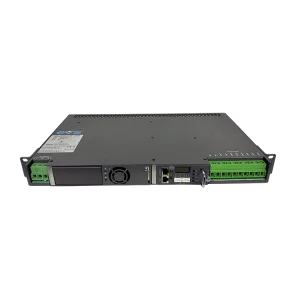
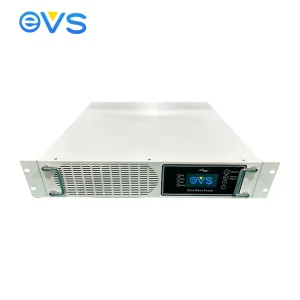
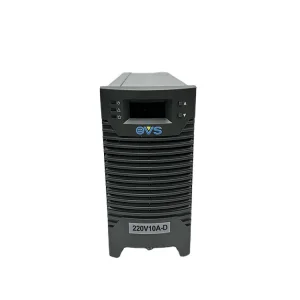
Browse our selection of specialized high-efficiency step-up converters, pure sine wave power inverters, and hot-swappable modular rectifiers.
Comprehensive technical answers to critical sourcing, standard compliance, and hardware integration questions.
 EVS Powers