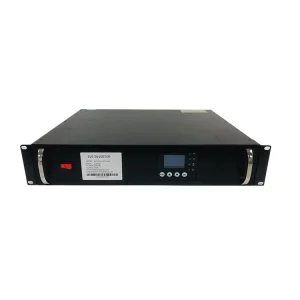
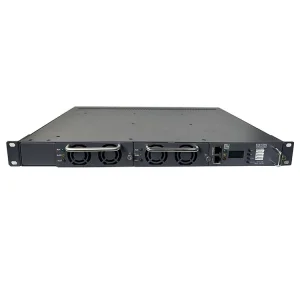
Highly engineered switching power modules featuring high power density, superior efficiency, and unmatched reliability across telecom, automotive, and heavy industry sectors.
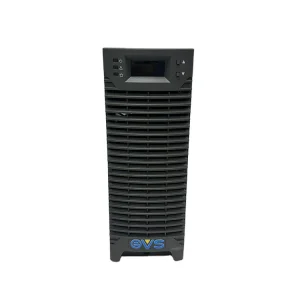
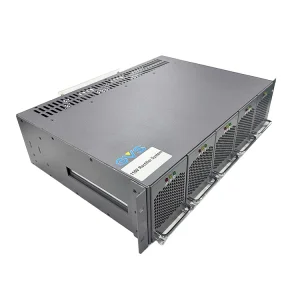
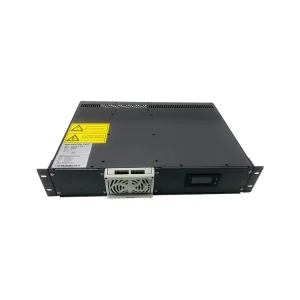
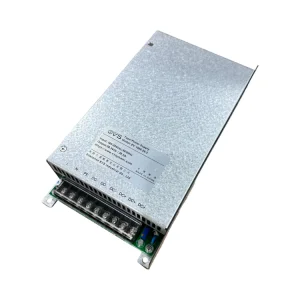

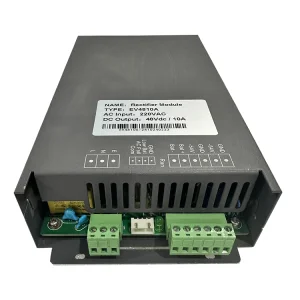
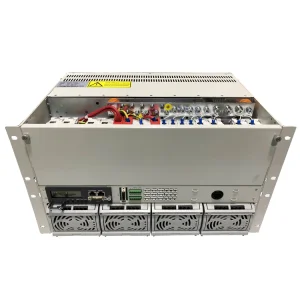
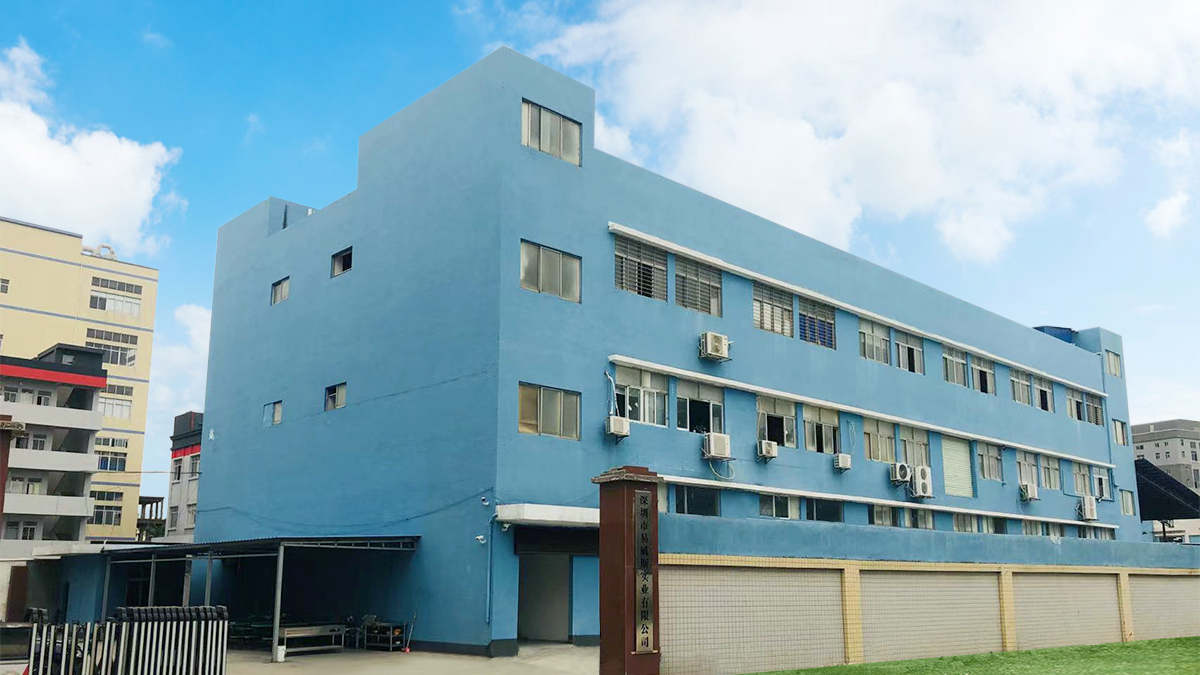
Located in the heart of China's premier international trade city, Guangzhou, EVS Powers Co., Ltd. has established itself as an authoritative manufacturer and engineering powerhouse of high-performance switching power systems. Our core specialization spans the full design, manufacture, and deployment of DC power cabinets, high-power DC-DC converters, custom transformer rectifiers, and grid-tie micro-inverters.
We operate under three foundational pillars that deliver a definitive competitive advantage to our global clients: Client Satisfaction as our supreme objective, Production Quality as the rock-solid base of our survival, and Structural Cost-Efficiency to maximize project ROI. Over decades of dedicated service, EVS has built a stellar international reputation, establishing long-term technological and supply partnerships with system integrators across Europe, North and South America, Australia, the Middle East, and Southeast Asia.
Our collaborative philosophy focuses on sharing our advanced technological stack, engineering innovations, and production processes directly with global buyers. By integrating design expertise with high-volume production control, we create shared growth in the high-power electronics market.
A comprehensive overview of high-efficiency topology design, thermal physics, industrial procurement trends, and local compliance matrices.
Full-Bridge converters remain the topology of choice for high-power DC-DC conversion (typically from 1 kW up to hundreds of kWs) because they offer galvanic isolation, excellent switch voltage utilization, and optimized transformer core performance. While half-bridge and push-pull topologies operate effectively in low-to-medium power zones, the Full-Bridge configuration excels in managing large currents and wide voltage spans with minimum switch stress.
The industry is transitioning toward Phase-Shifted Full-Bridge (PSFB) converters. Unlike traditional hard-switched Full-Bridge systems, PSFB employs Phase-Shift Control to achieve Zero Voltage Switching (ZVS) for the primary switches. This soft-switching reduces turn-on and turn-off losses to almost zero. In addition, using Silicon Carbide (SiC) and Gallium Nitride (GaN) power transistors instead of standard silicon MOSFETs has revolutionized performance. Wide-bandgap (WBG) semiconductors allow higher switching frequencies (over 100 kHz), reducing the size of passive components like inductors and transformers while keeping efficiency above 95%.
For applications such as telecom power cabinets, EV substation chargers, and renewable energy inverters, this high-frequency capability translates directly into high power density. Modern systems pack up to 30W/in³ of power into a compact footprint, making 1U and 2U rack integrations the norm for advanced data center and telecom facilities.
Procurement teams sourcing power systems face a complex set of operational requirements. When evaluating high-frequency switching power supplies, professional buyers look at three key performance indicators: Total Cost of Ownership (TCO), Mean Time Between Failures (MTBF), and Thermal Management.
Industrial power requirements vary widely across different application fields. Custom power solutions must match these specific operational needs:
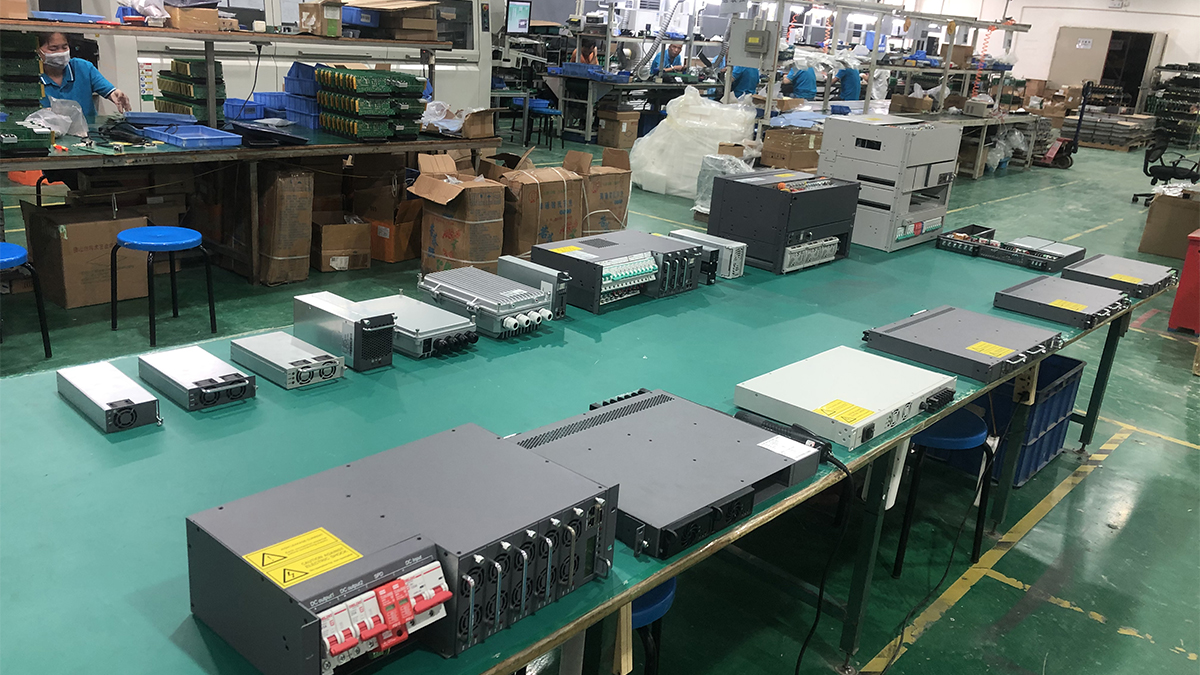
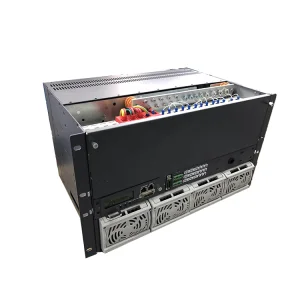
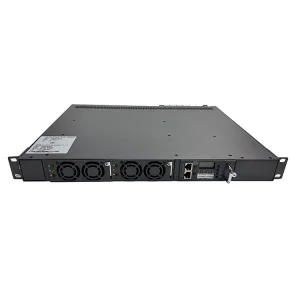
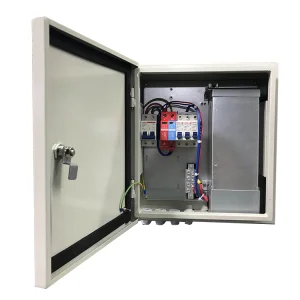
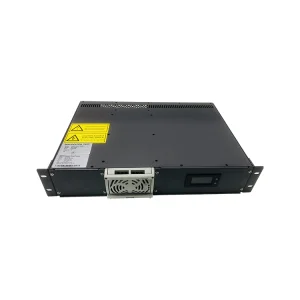
Telecommunications: Telecom base stations demand clean, noise-free DC power (typically 48V). The systems must handle wide temperature fluctuations, input grid surges, and run hot-swappable modular rectifiers in parallel. EVS rack-mount systems (such as the Customizable 2U Rack Mount Rectifier and the EVS-4890EPS Outdoor IP55 Cabinet) protect sensitive communication equipment from grid noise and lightning strikes.
EV Substation Charging & Utility Power: High-voltage DC charging networks rely on robust AC-to-DC converters to step down utility grid voltage to battery-compatible levels (125VDC to 220VDC). Our GZDW-100AH/125V charging cabinets provide constant-current, constant-voltage charging algorithms, ensuring safe and efficient power transfer for utility-scale nickel-chromium and lithium battery systems.
Industrial Machinery: Heavy industrial environments feature electrical noise, metal particles, and high vibration. Ruggedized DIN-rail switch-mode rectifiers (such as our 220VDC 40A models) are built with vibration-resistant mounts and dust-proof enclosures. This guarantees continuous power for factory automation, control panels, and large motors.
As the power industry moves toward smarter grids, the next generation of converters is evolving rapidly. Key developments in our engineering roadmap include:
Bidirectional Power Topologies: Modern solar, wind, and EV battery systems require power to flow in both directions. Bidirectional Full-Bridge topologies (such as Dual Active Bridge configurations) let energy move seamlessly between the grid and local battery storage, enabling smart grid integration and vehicle-to-grid (V2G) applications.
Digital Power Control: Analog control loops are being replaced by digital signal processors (DSPs) and microcontrollers. Digital control allows real-time tuning of switching algorithms, predictive fault detection, and remote system updates, improving performance under changing loads.
IoT Telemetry & Remote Diagnostics: Industrial installations require continuous monitoring. Integrated communications (Modbus, CAN bus, SNMP) connect power systems to cloud diagnostics. Maintenance crews can track efficiency metrics, monitor component temperatures, and predict component wear before a failure occurs, reducing downtime.
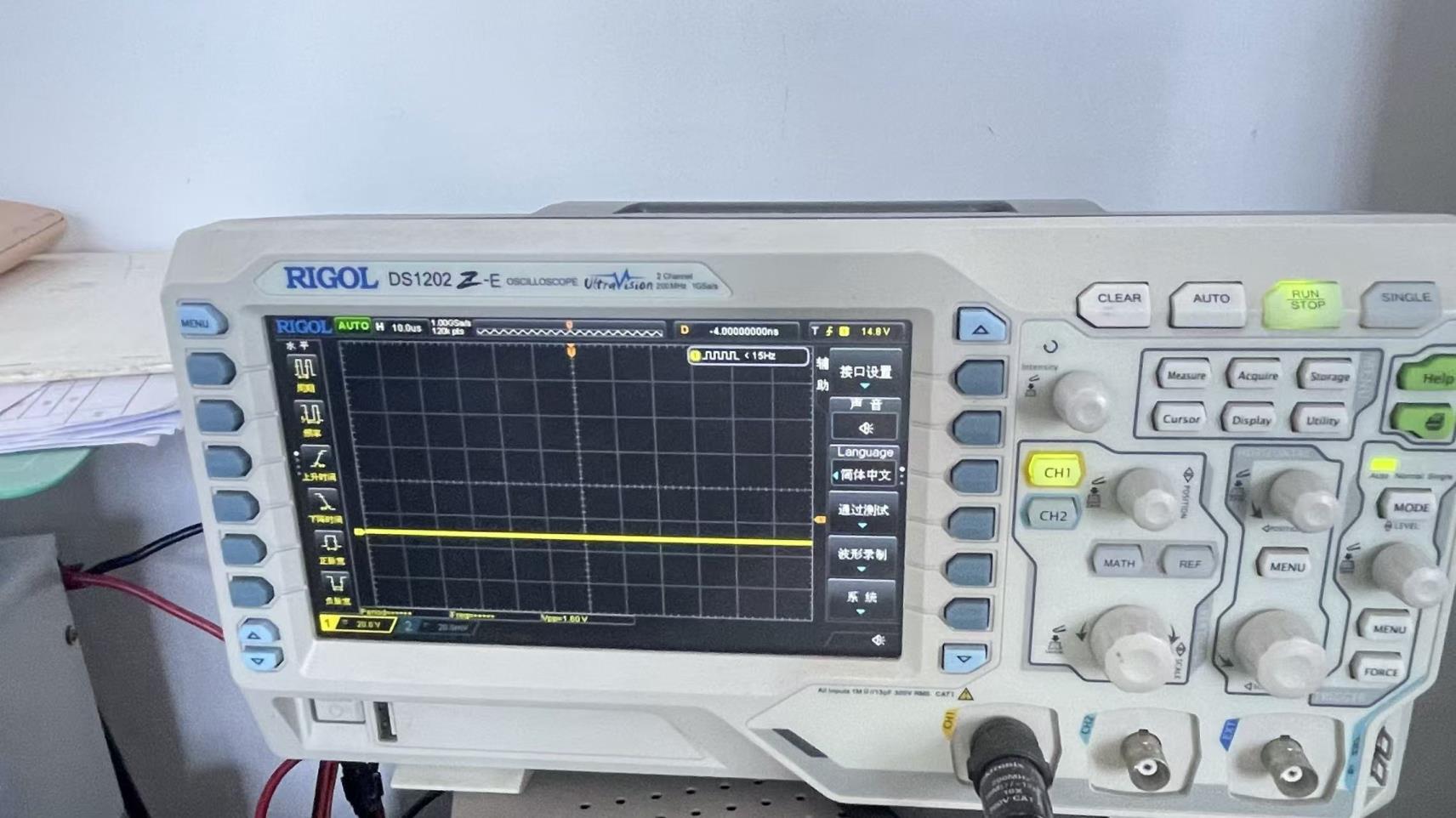
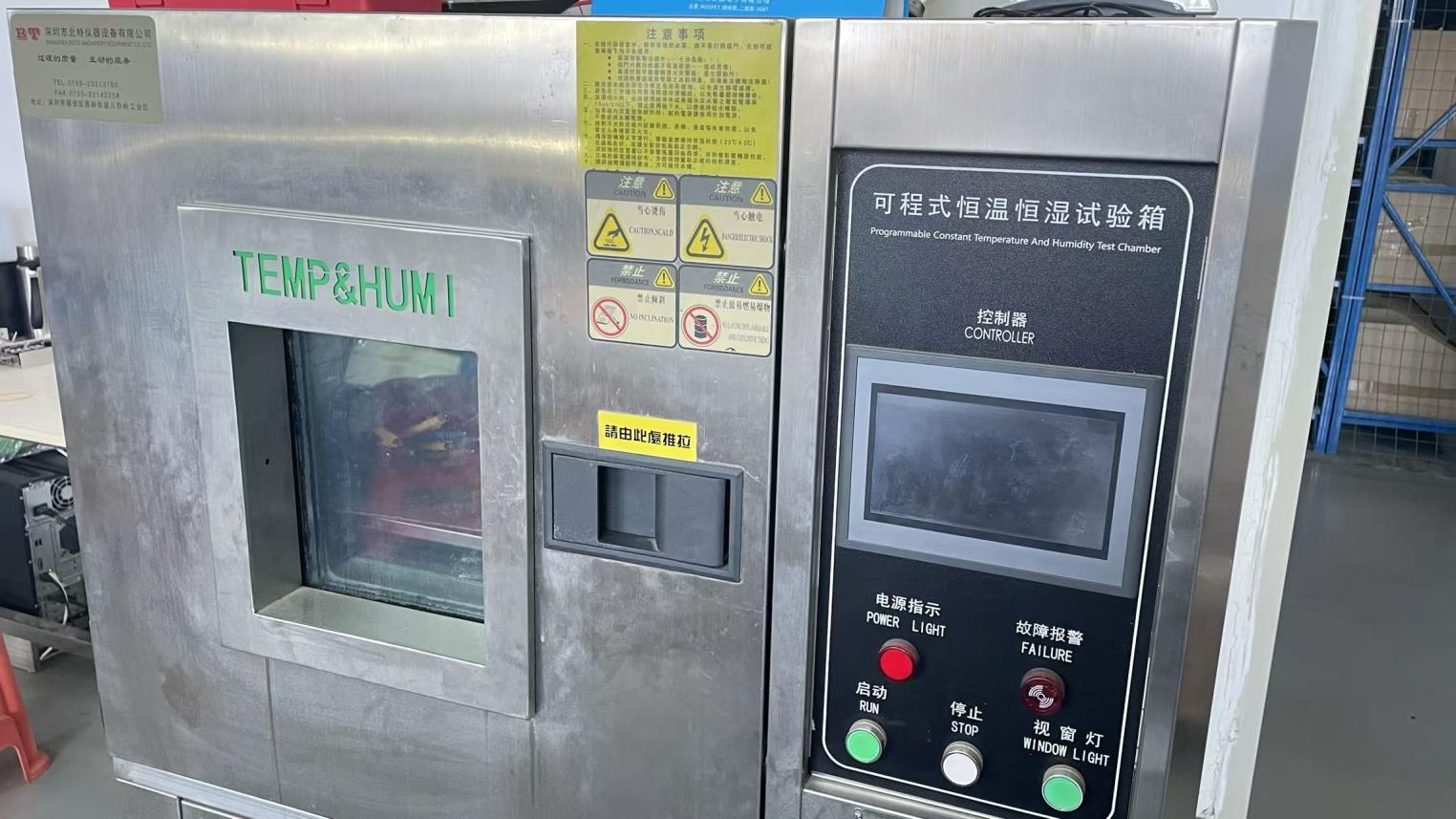
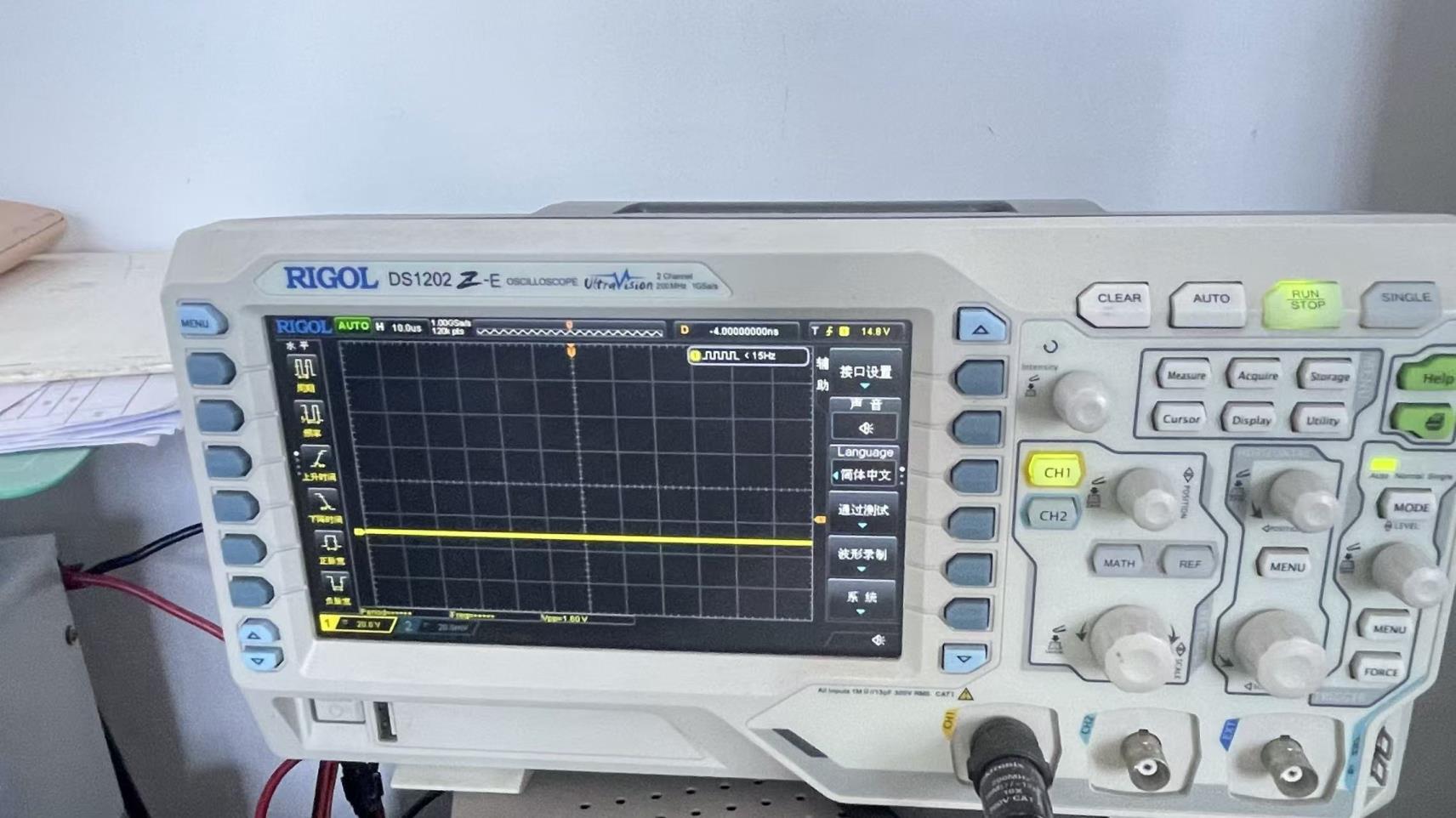
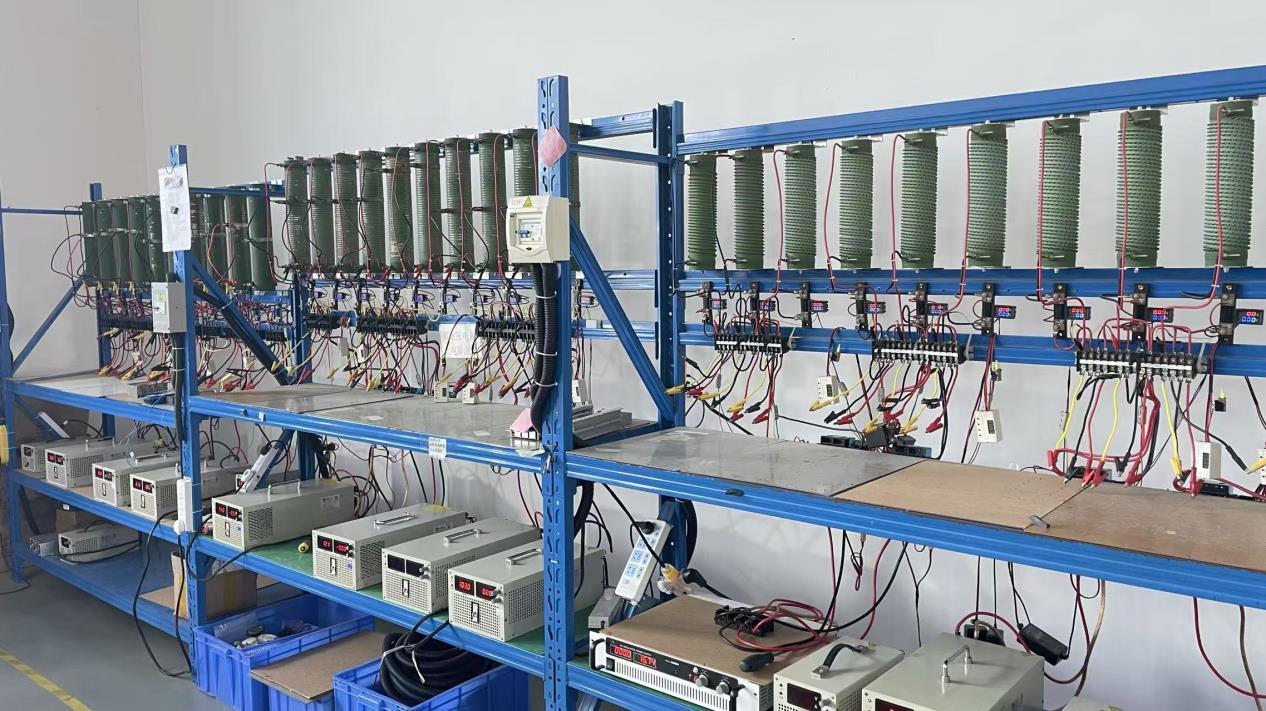
Our modern manufacturing facility utilizes automated machinery and strict quality control processes to ensure every unit is built to last.
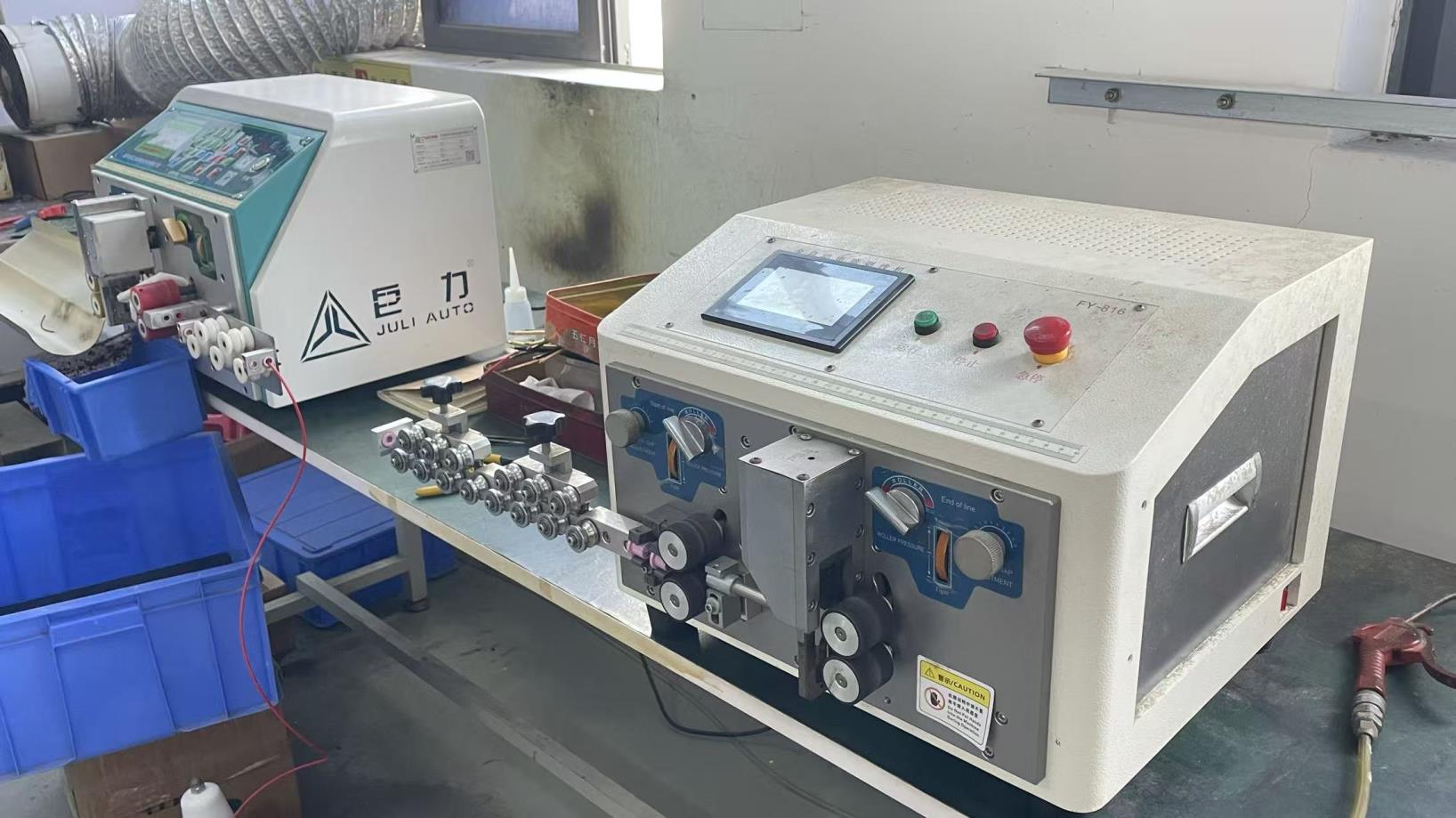
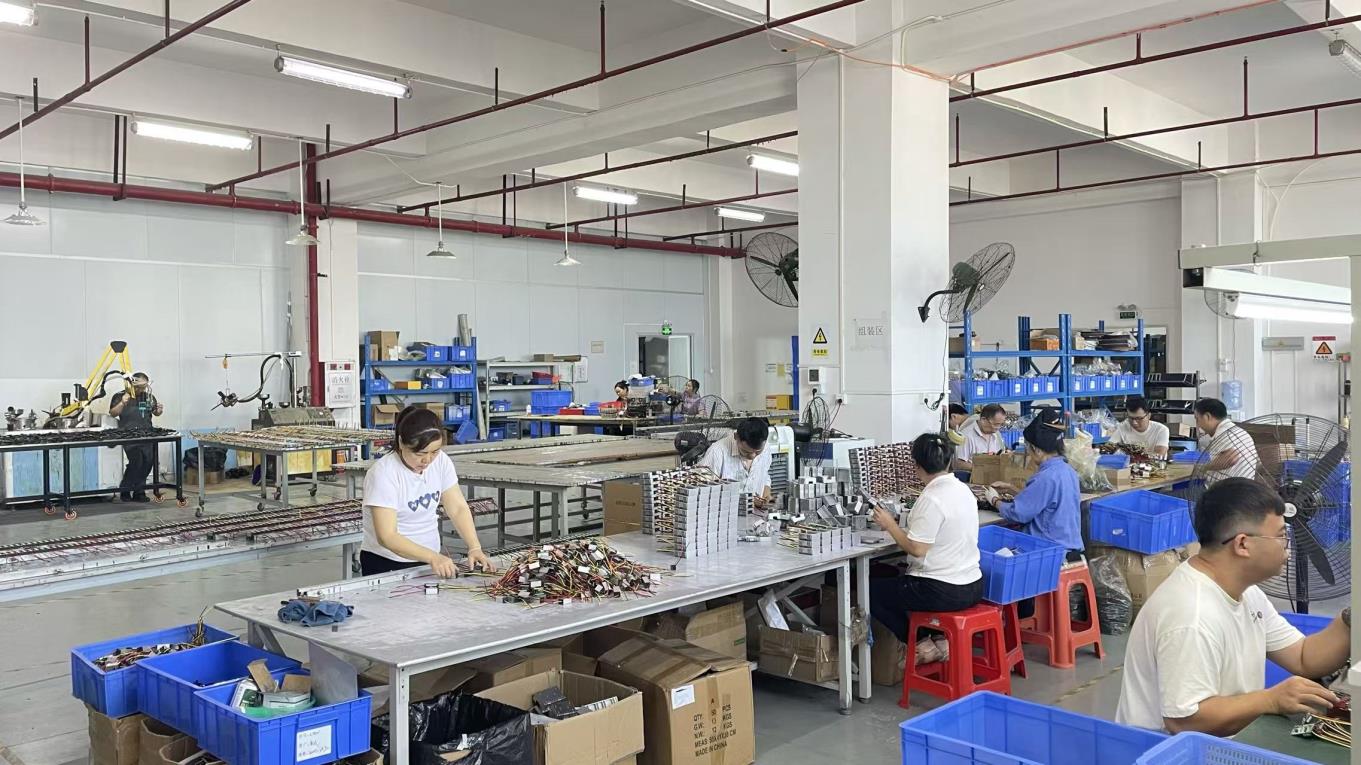

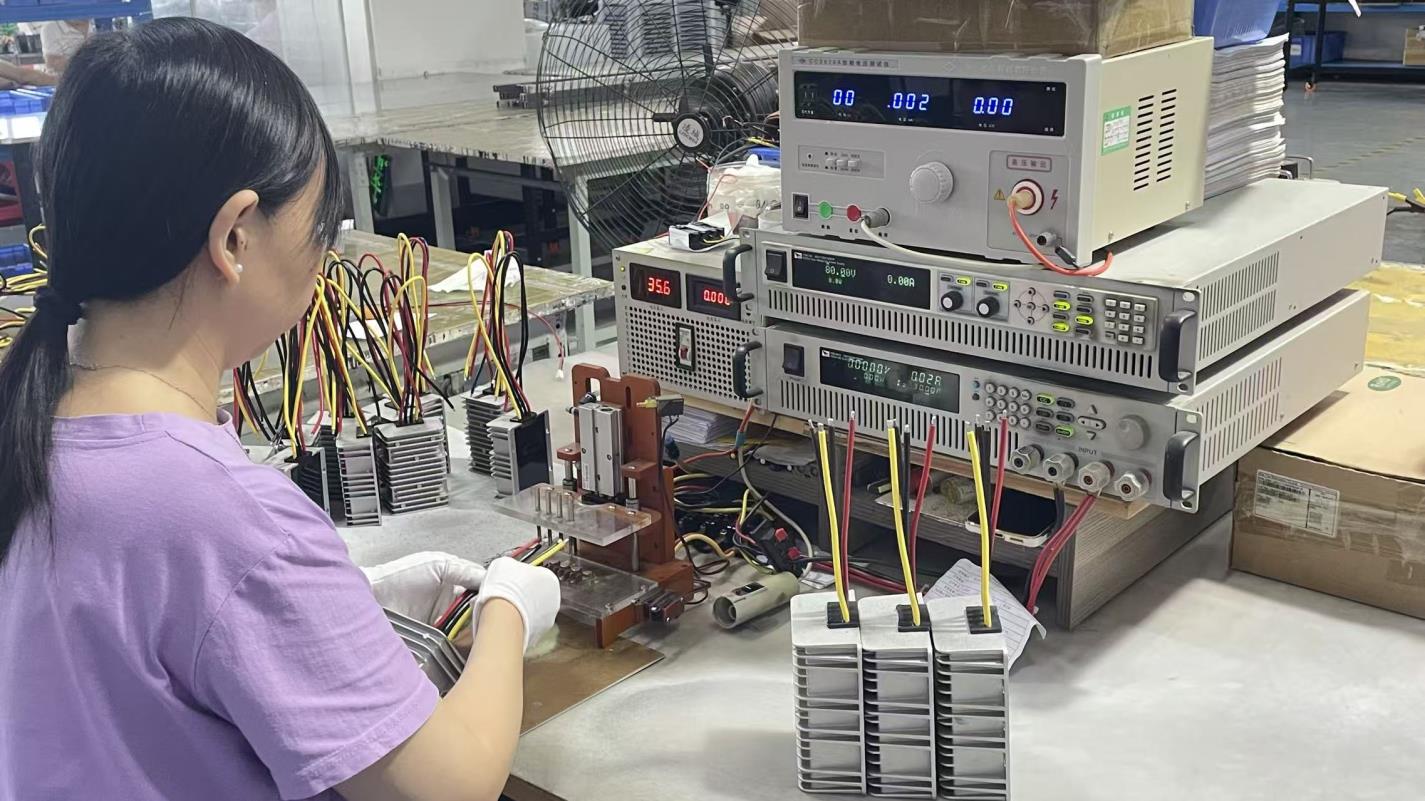
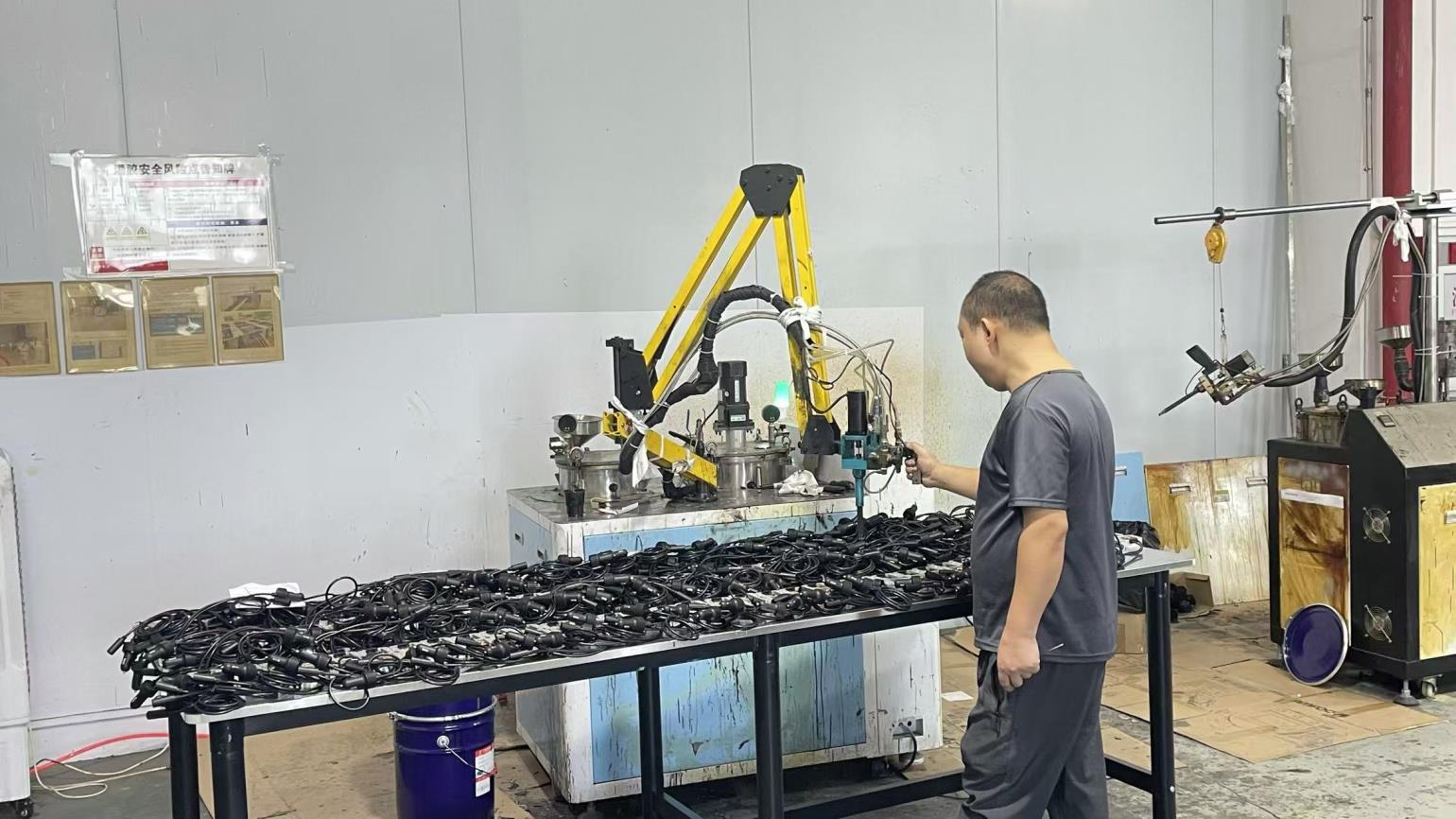
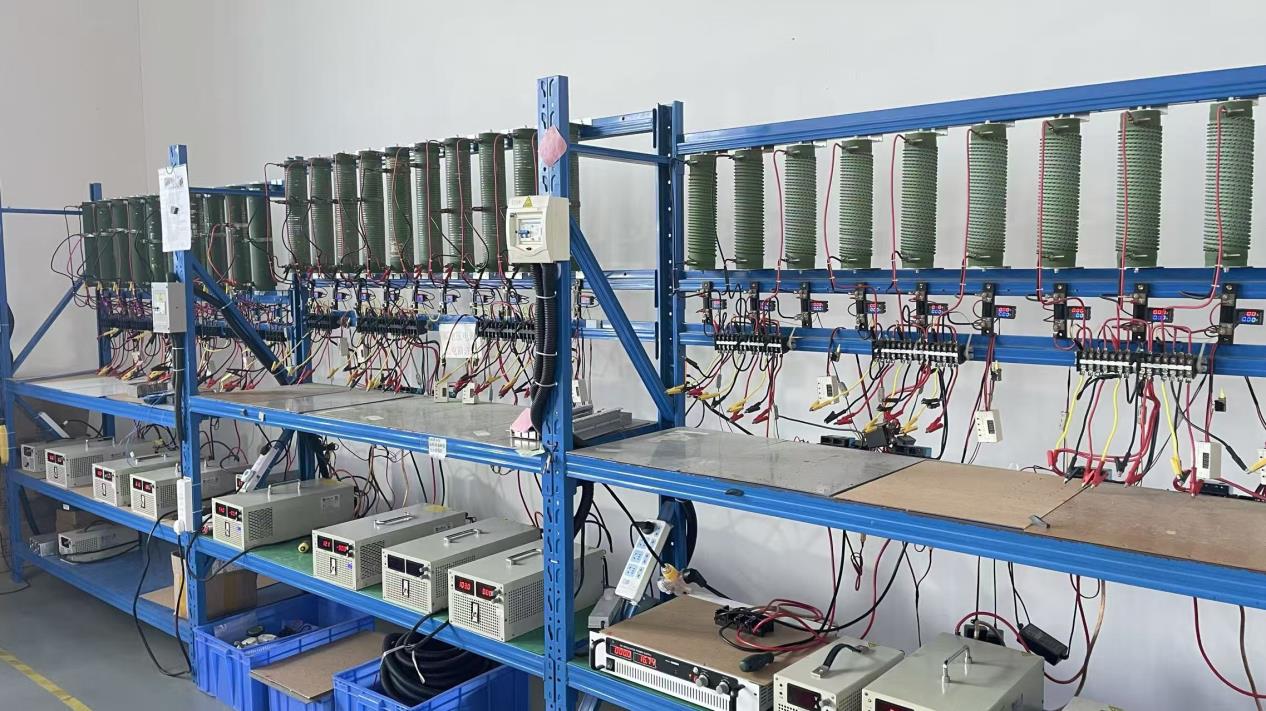

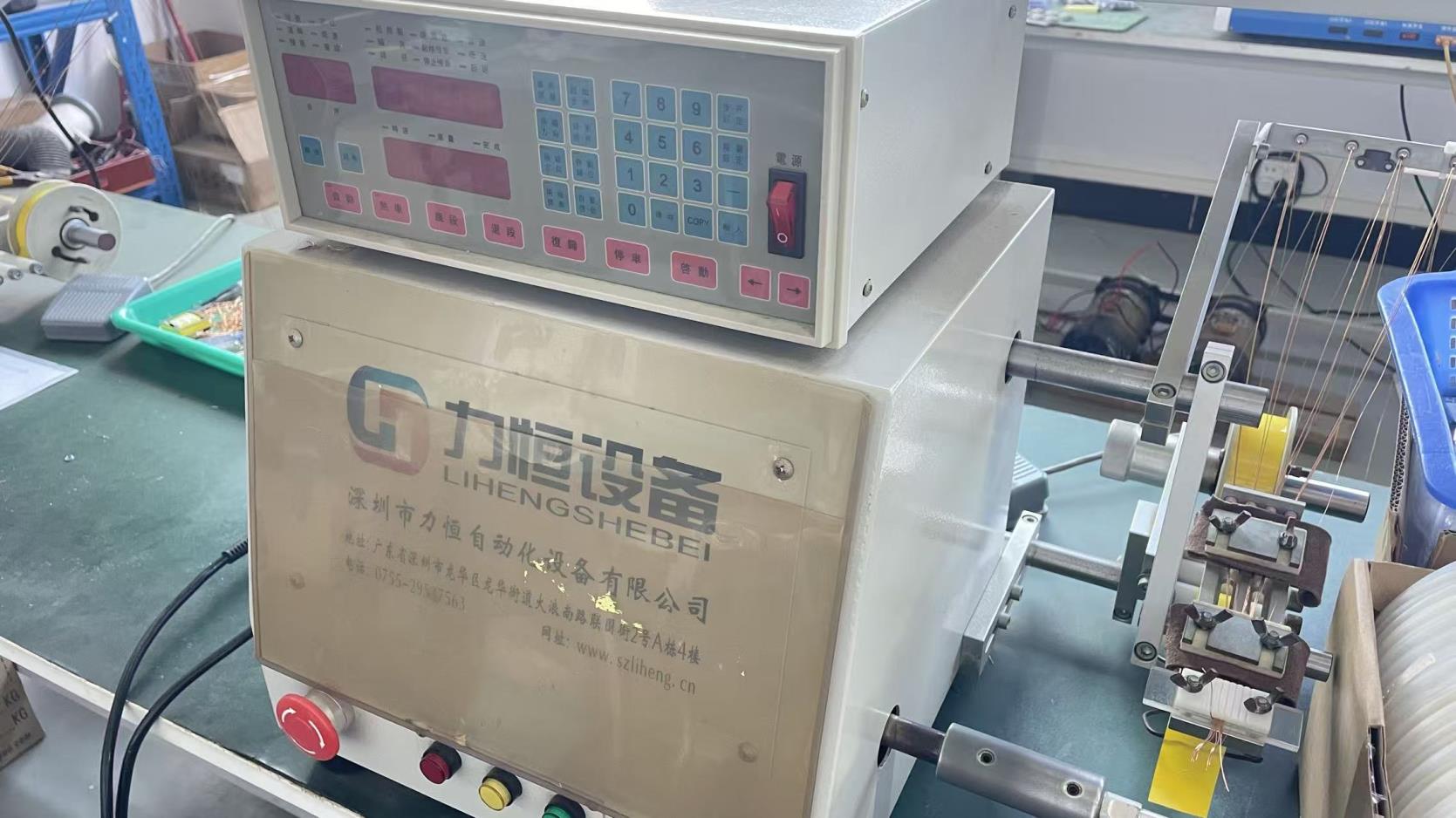
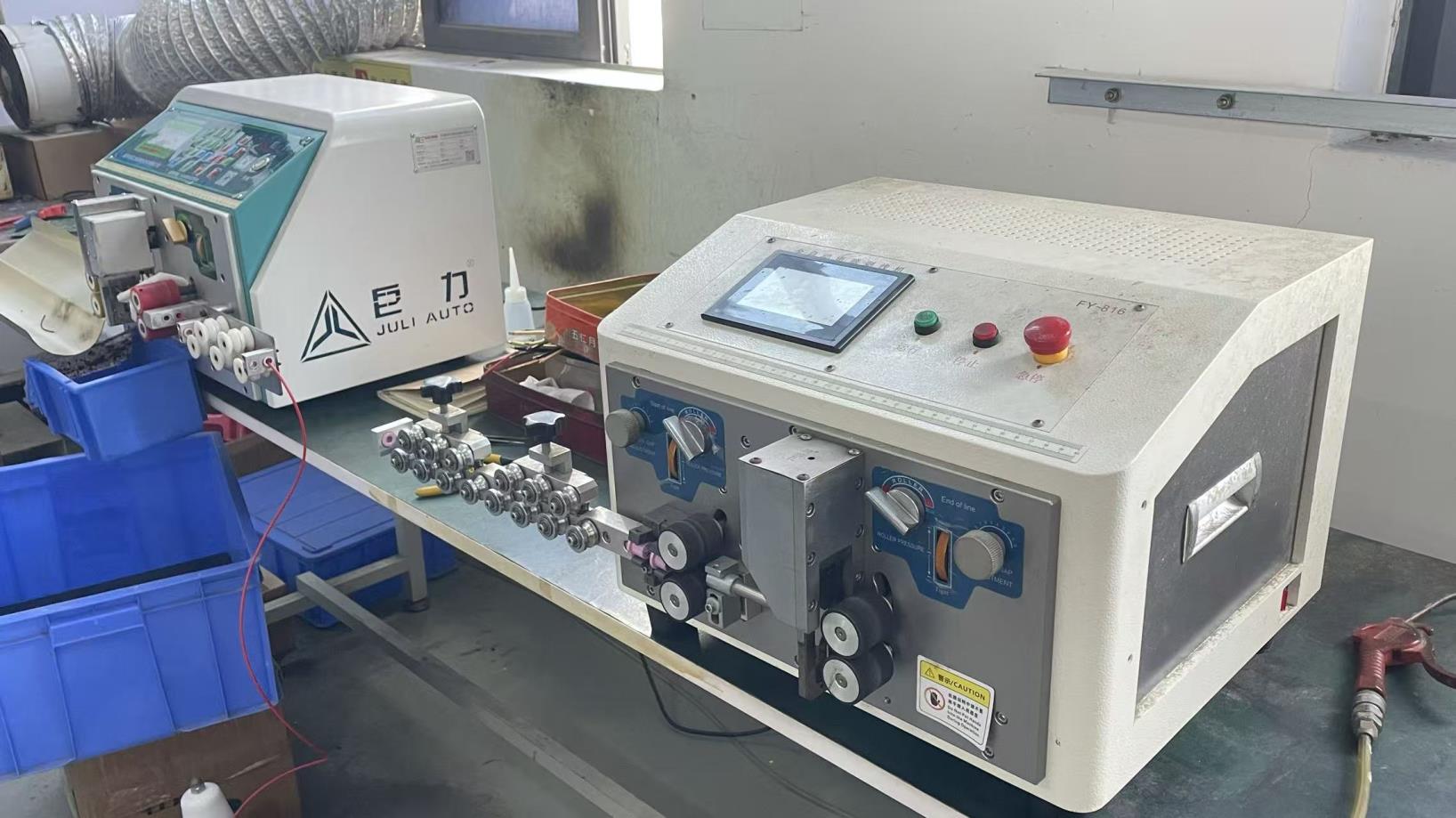


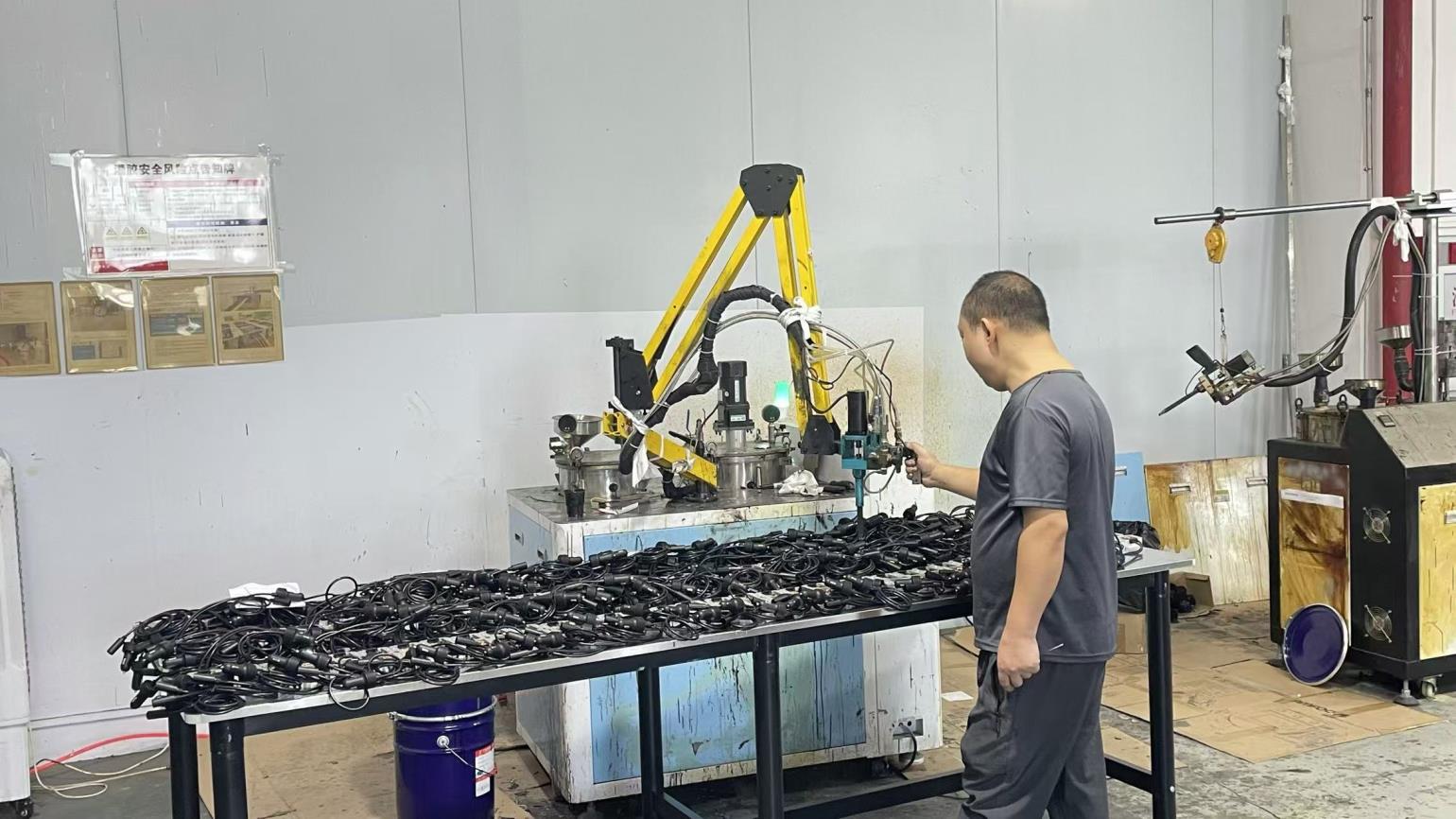
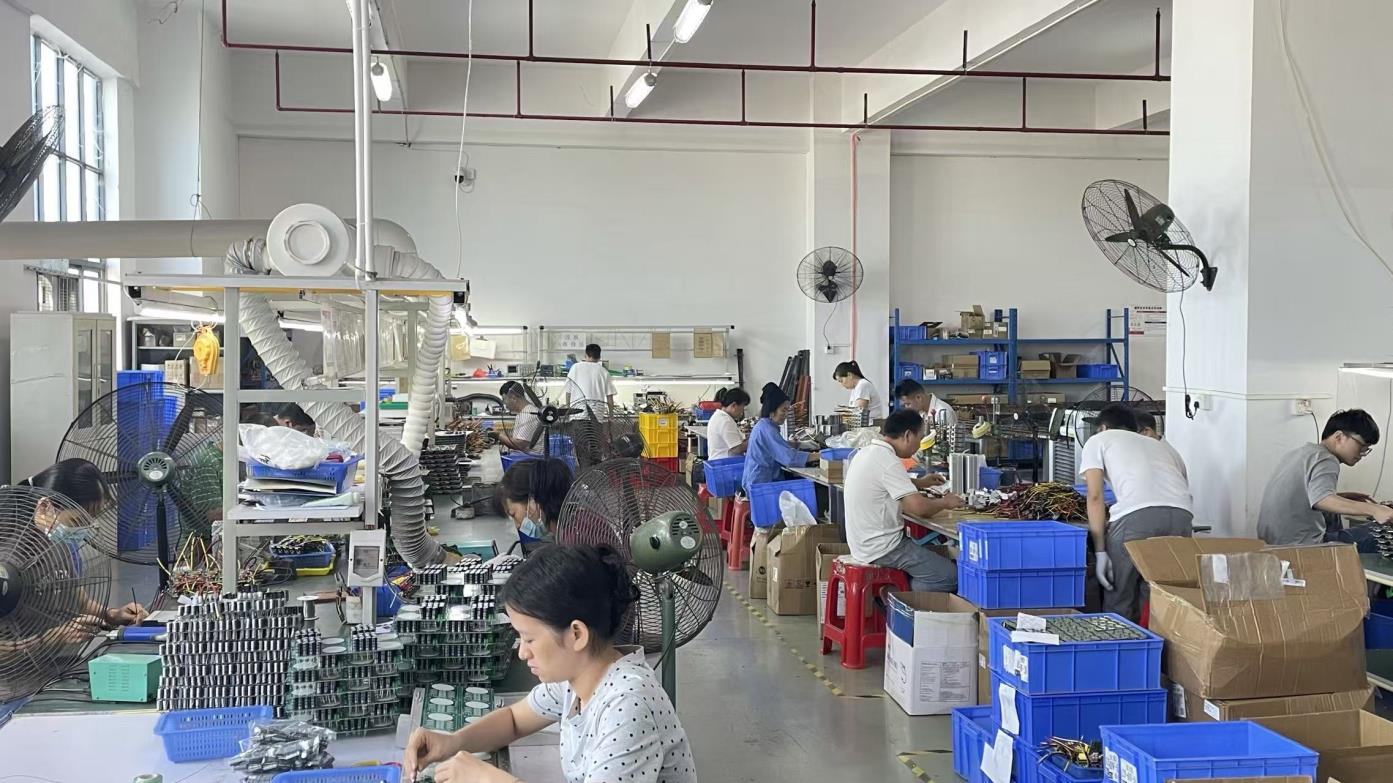
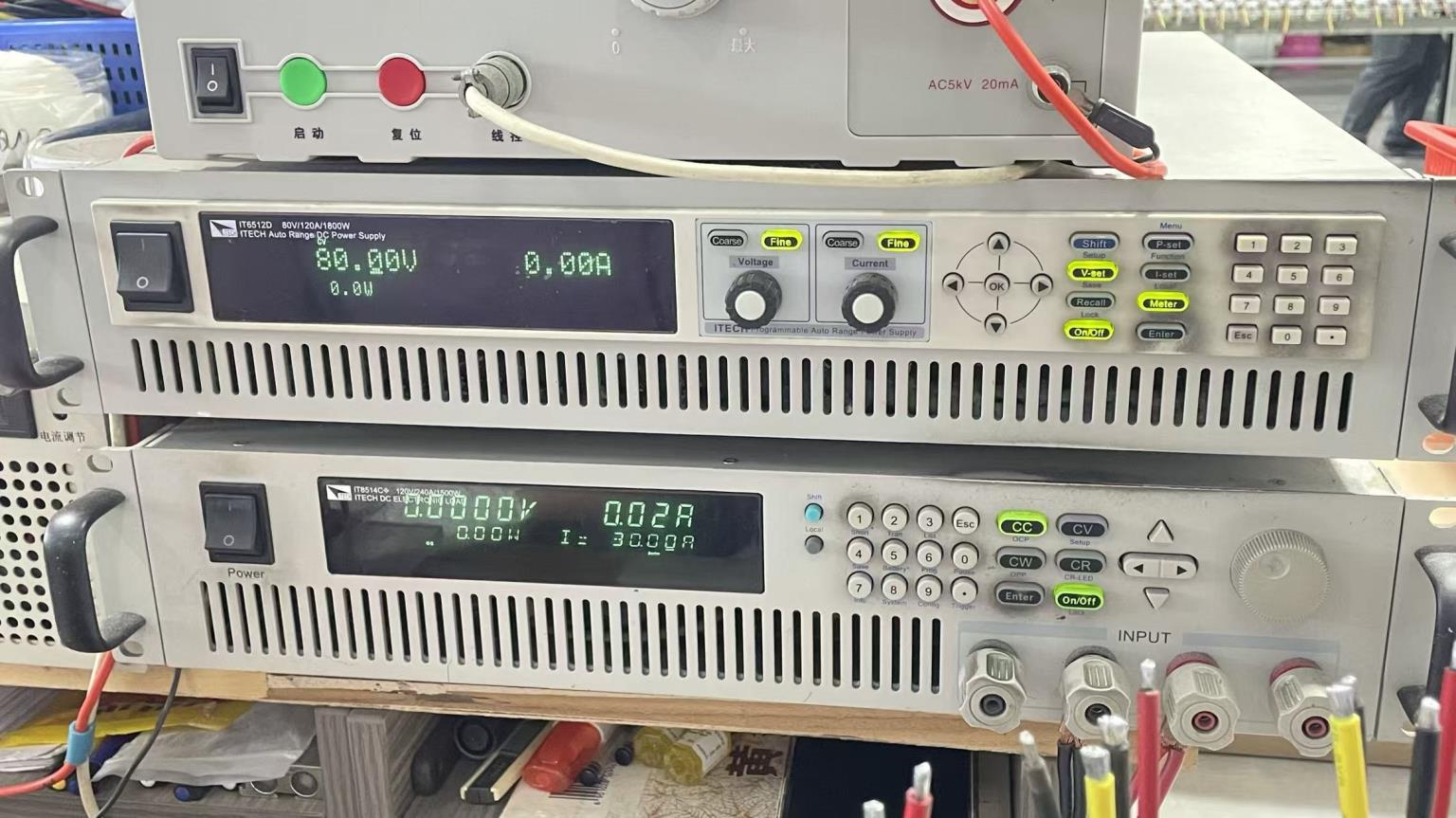
We verify safety, electrical stability, and thermal limits at every step of development. No unit leaves our facility without passing our comprehensive testing suite.
Expert answers to common engineering and sourcing questions about industrial power converters.
Explore our extensive catalog of telecom power supplies, wall-mounted battery chargers, and custom power systems built to meet rigorous global standards.

 EVS Powers