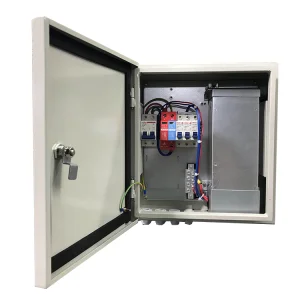
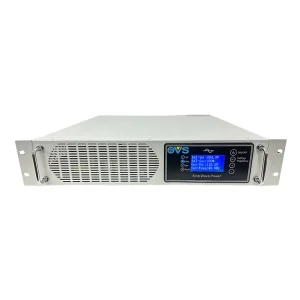
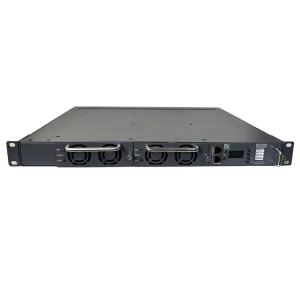
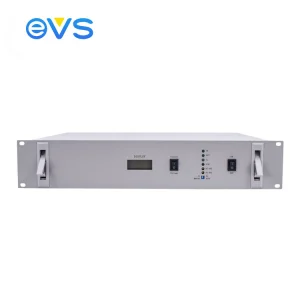
Explore our premium industrial-grade rectifiers, converters, and power supply systems engineered for modern telecom and smart grid deployments.
As global energy systems transition to decarbonized, decentralized, and bidirectional architectures, the demands on power electronics have increased exponentially. Traditional grids relied on centralized, synchronous generation with passive distribution. Today, the integration of utility-scale solar photovoltaics (PV), battery energy storage systems (BESS), electric vehicle (EV) fleet charging hubs, and microgrids demands active control over voltage and frequency.
At Guangzhou EVS Powers Co., Ltd., we engineer the high-performance power conversion interfaces that serve as the backbone for these smart grid systems. Our industrial-grade DC-DC converters, modular rectifier cabinets, and pure sine wave inverters act as the crucial intermediaries between intermittent renewable sources, battery storage mediums, and the utility grid. By operating at efficiency rates exceeding 95%, our conversion platforms minimize thermal losses, increase overall system longevity, and maximize the Return on Investment (ROI) for global utility operators.
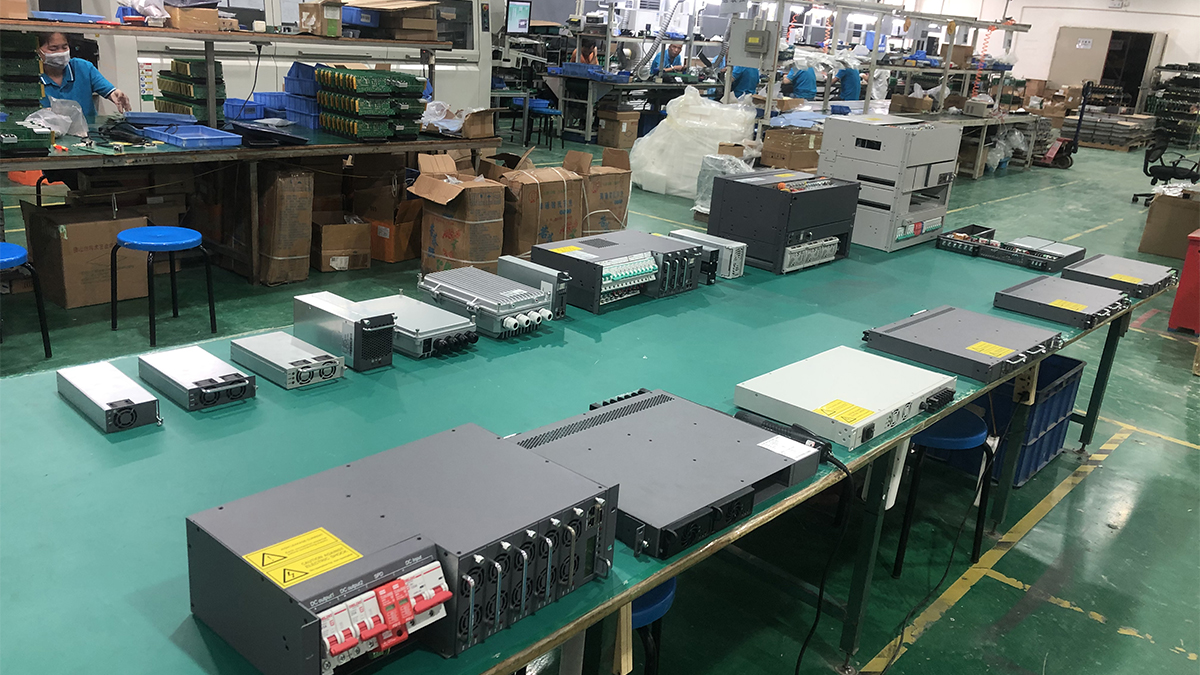
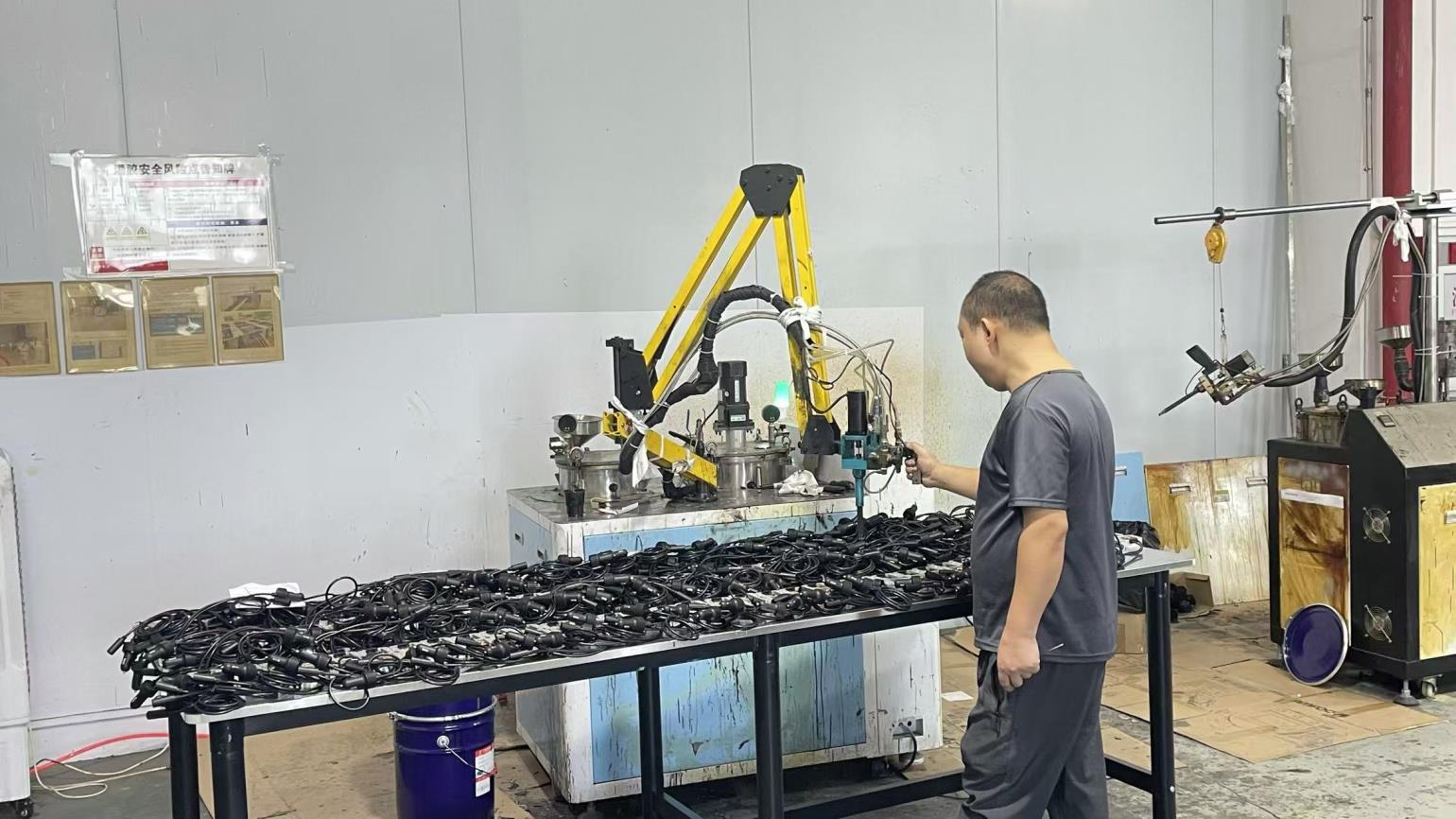
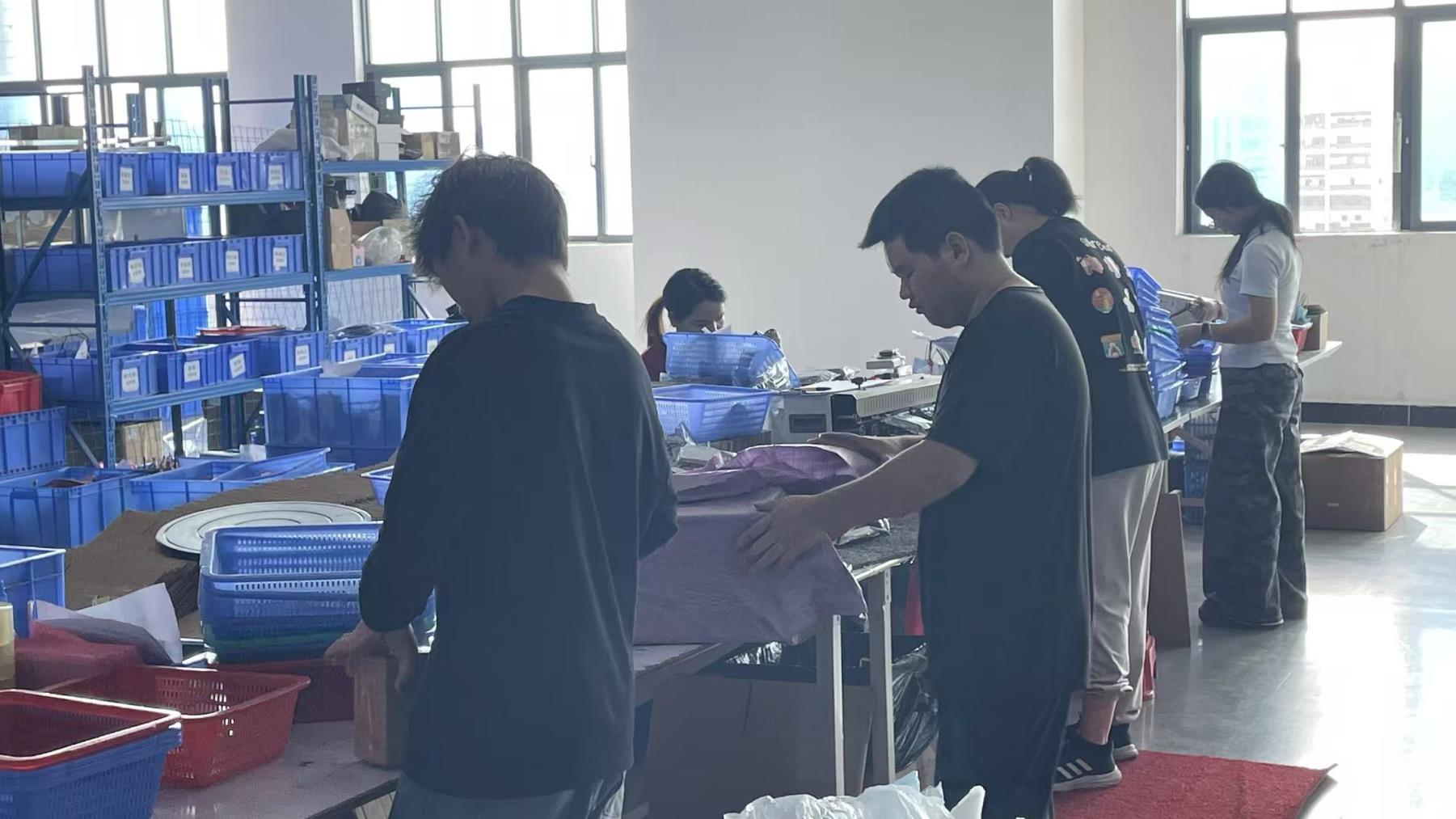
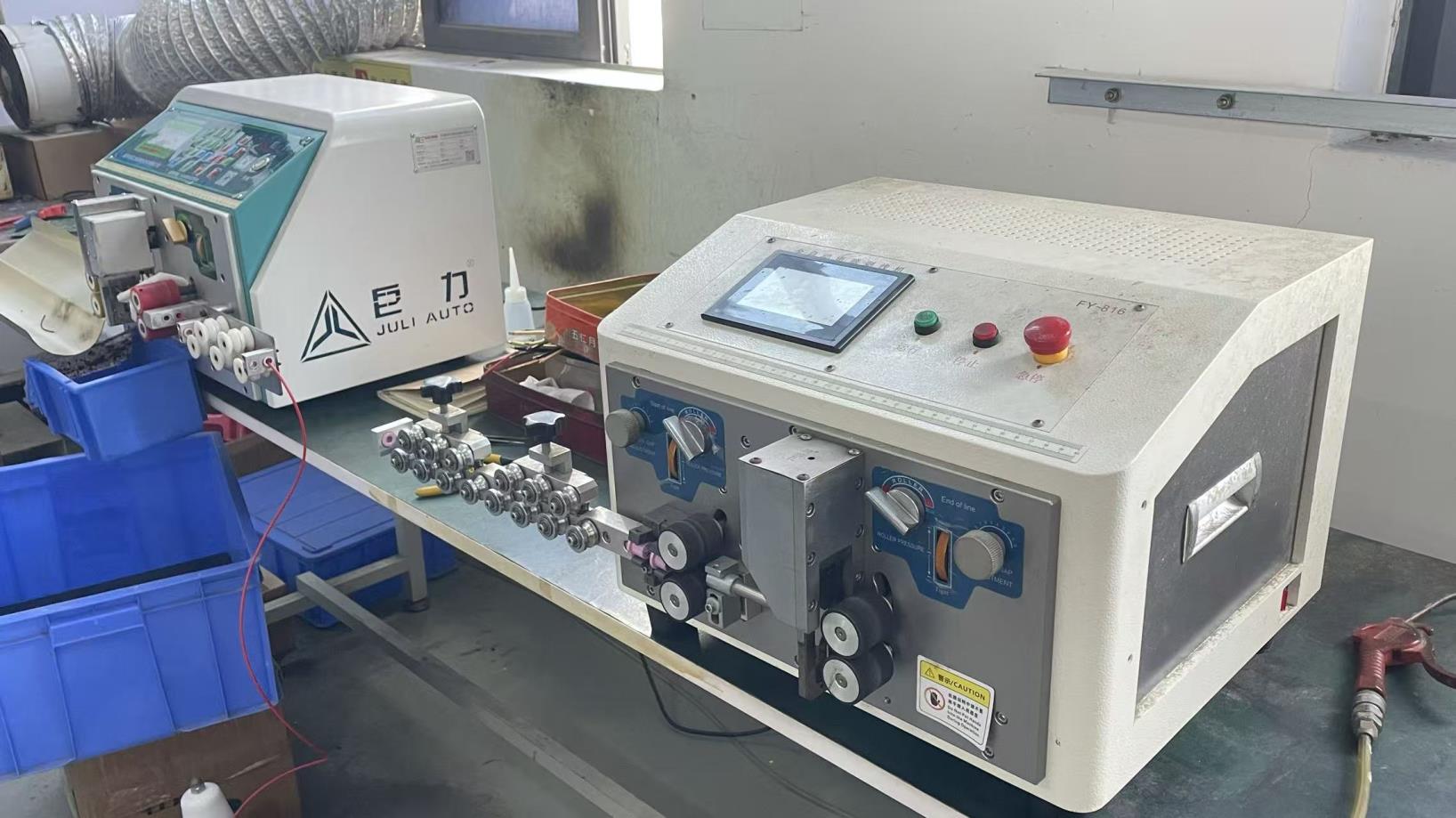
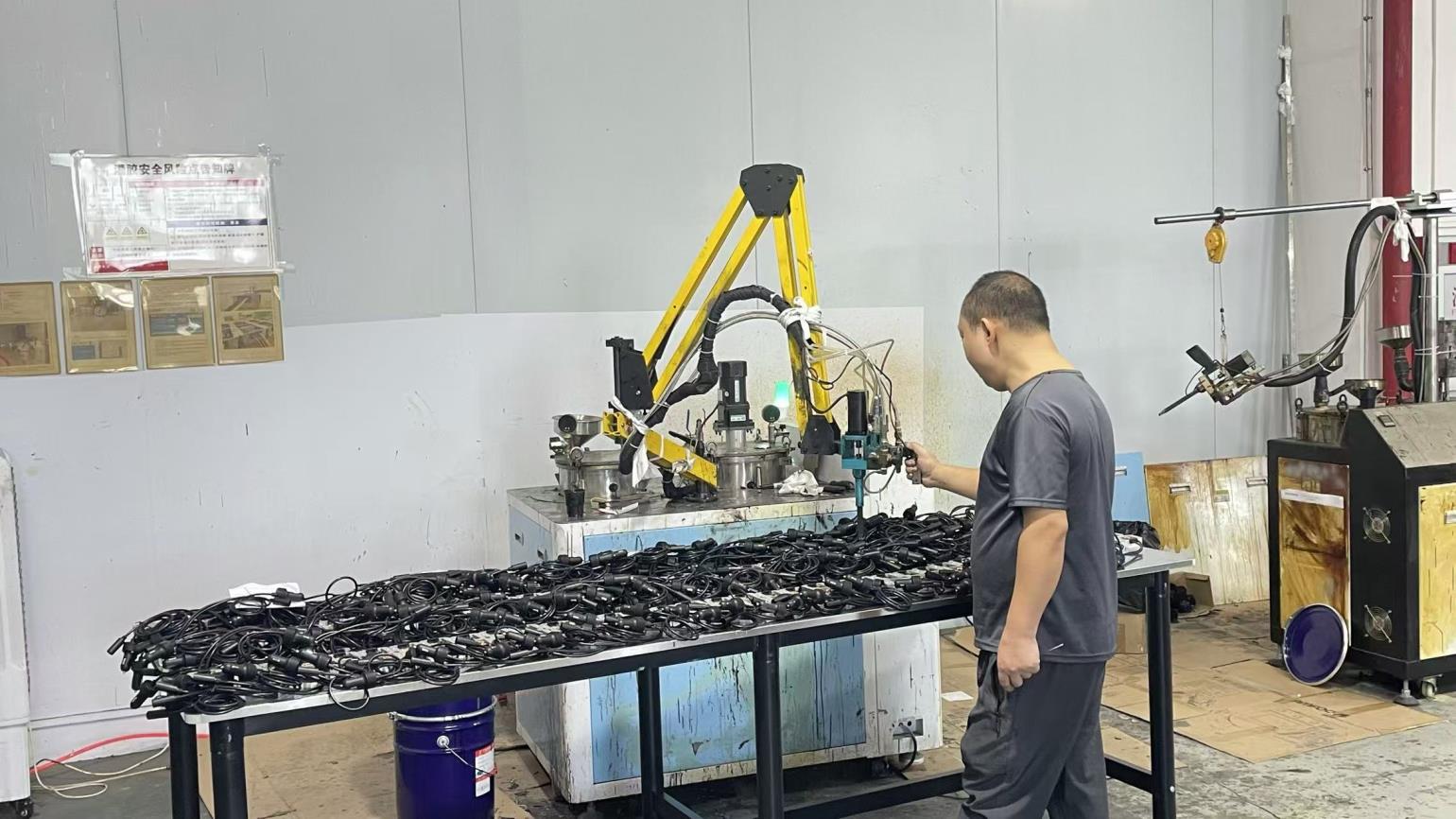
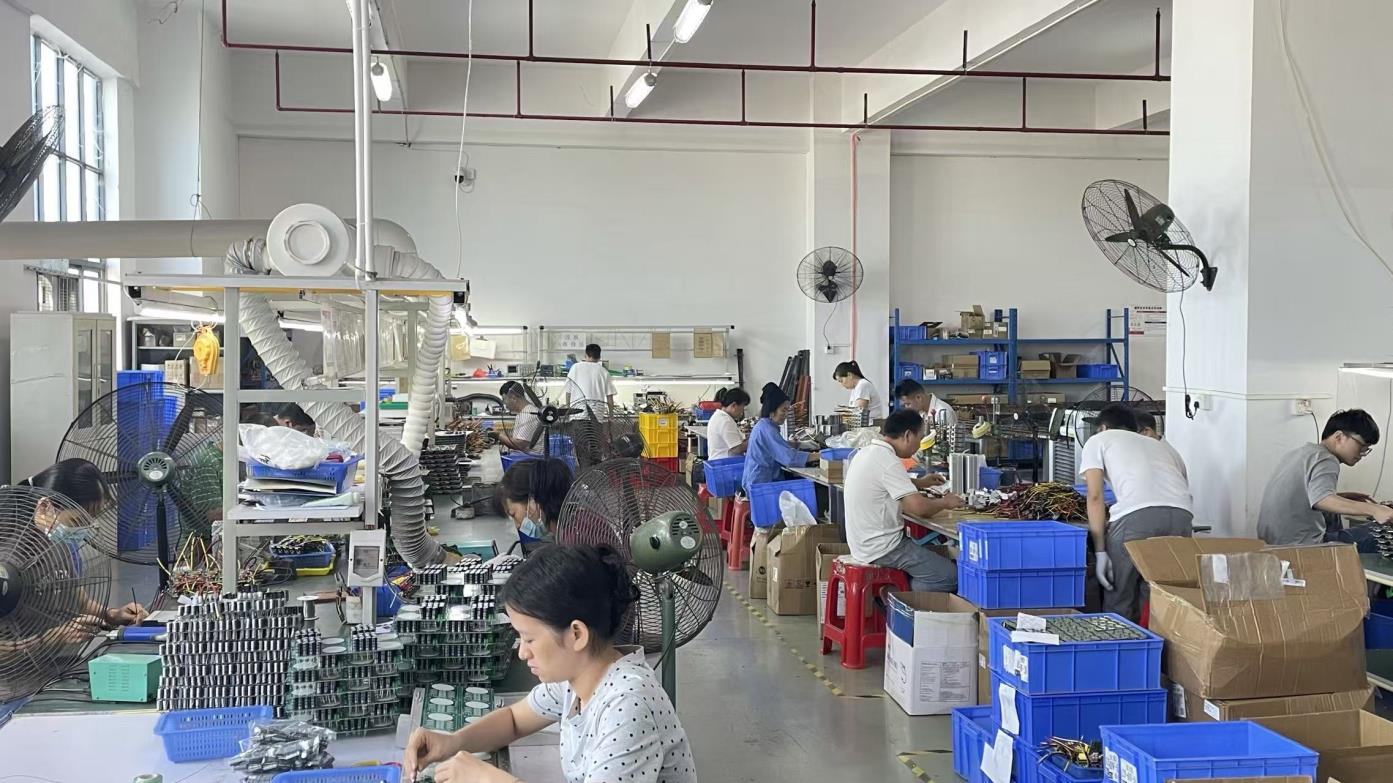
Guangzhou EVS Powers Co., Ltd. leverage advanced automation and localized supply chains to deliver high-quality, cost-competitive electronics at scale.
In the complex global landscape of B2B electrical procurement, supply chain resilience is a primary KPI. Guangzhou EVS Powers operates out of Guangzhou, one of the world's primary industrial hubs. We maintain deep integration with direct component manufacturers, ensuring consistent access to raw materials, high-grade silicon, copper wire, magnetics, and advanced PCB substrates. This geographic advantage protects our international clients from manufacturing delays and ensures rapid production turnarounds.
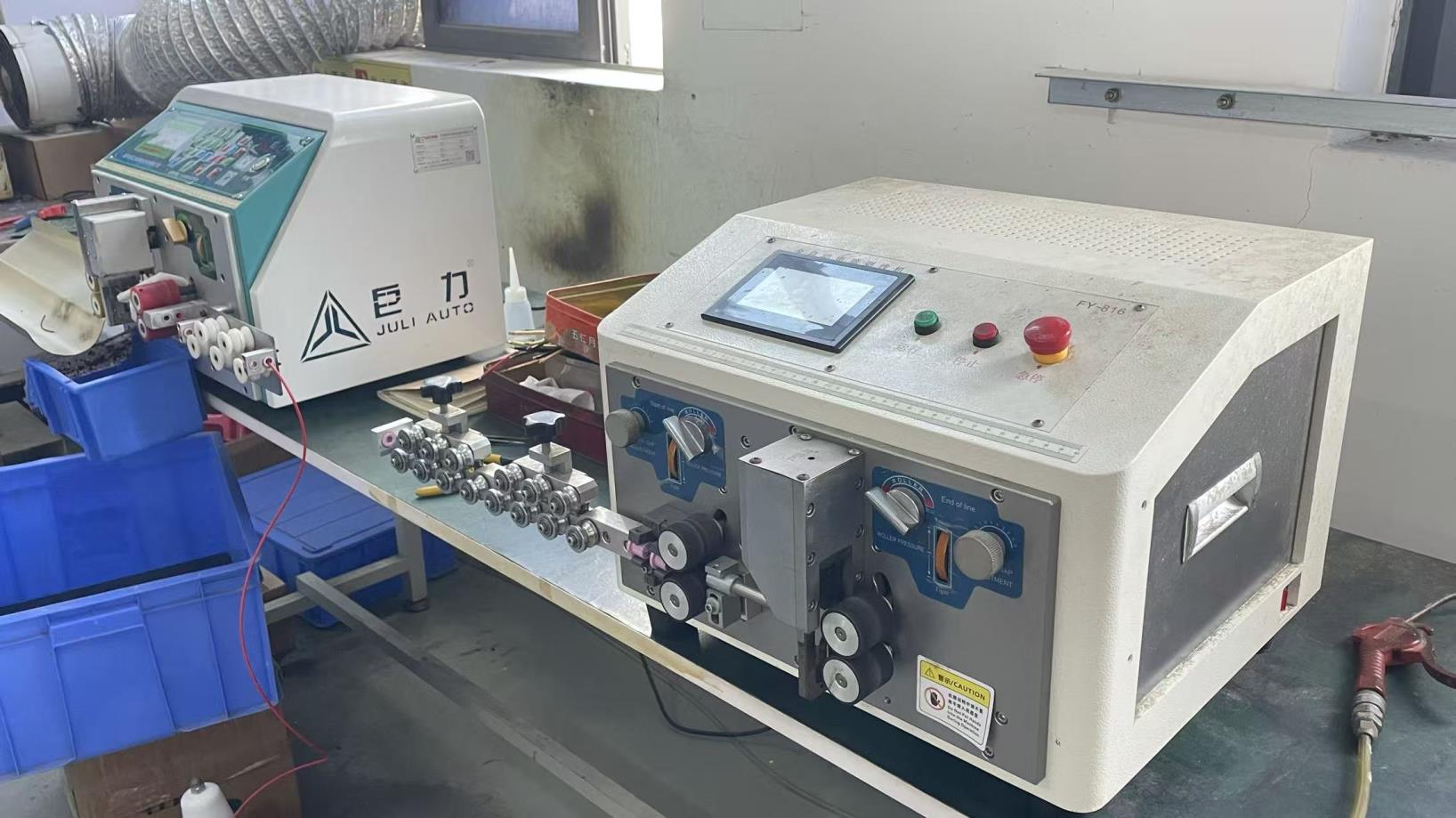
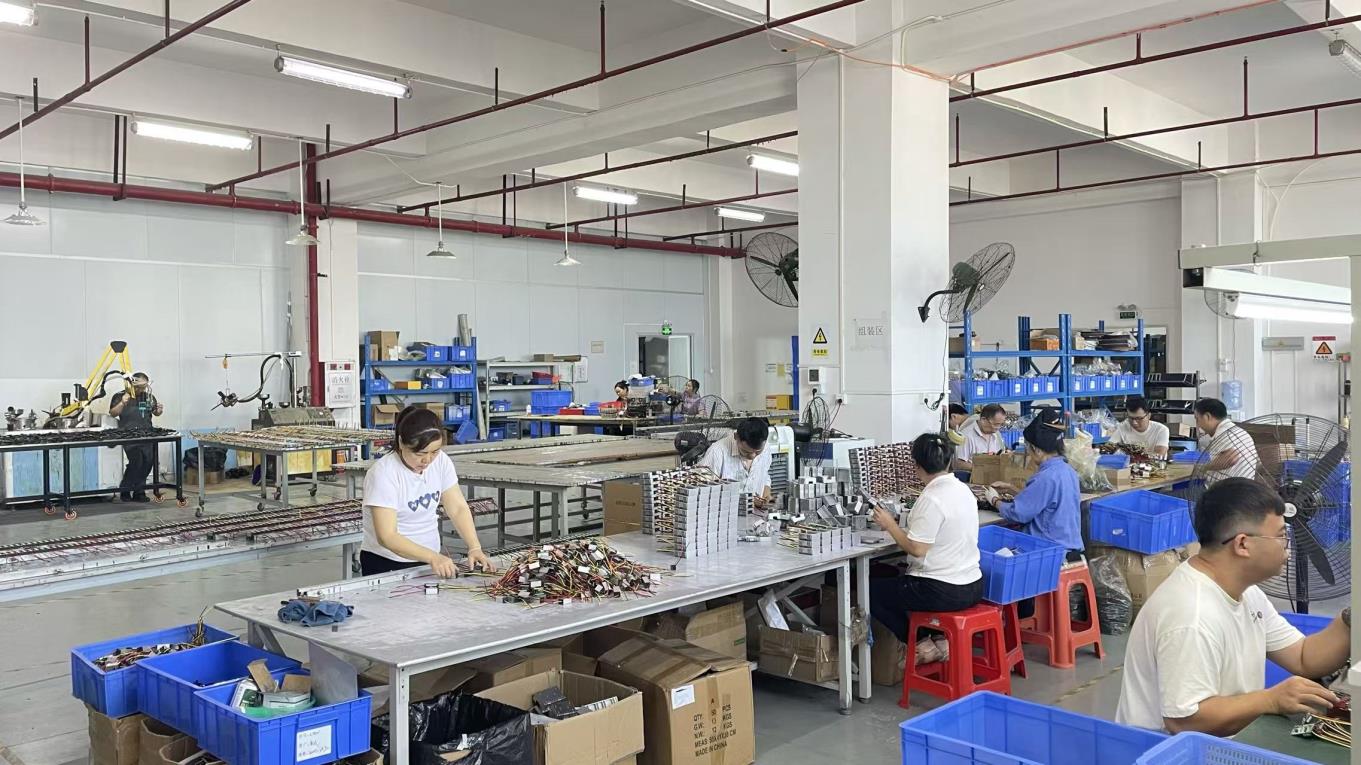
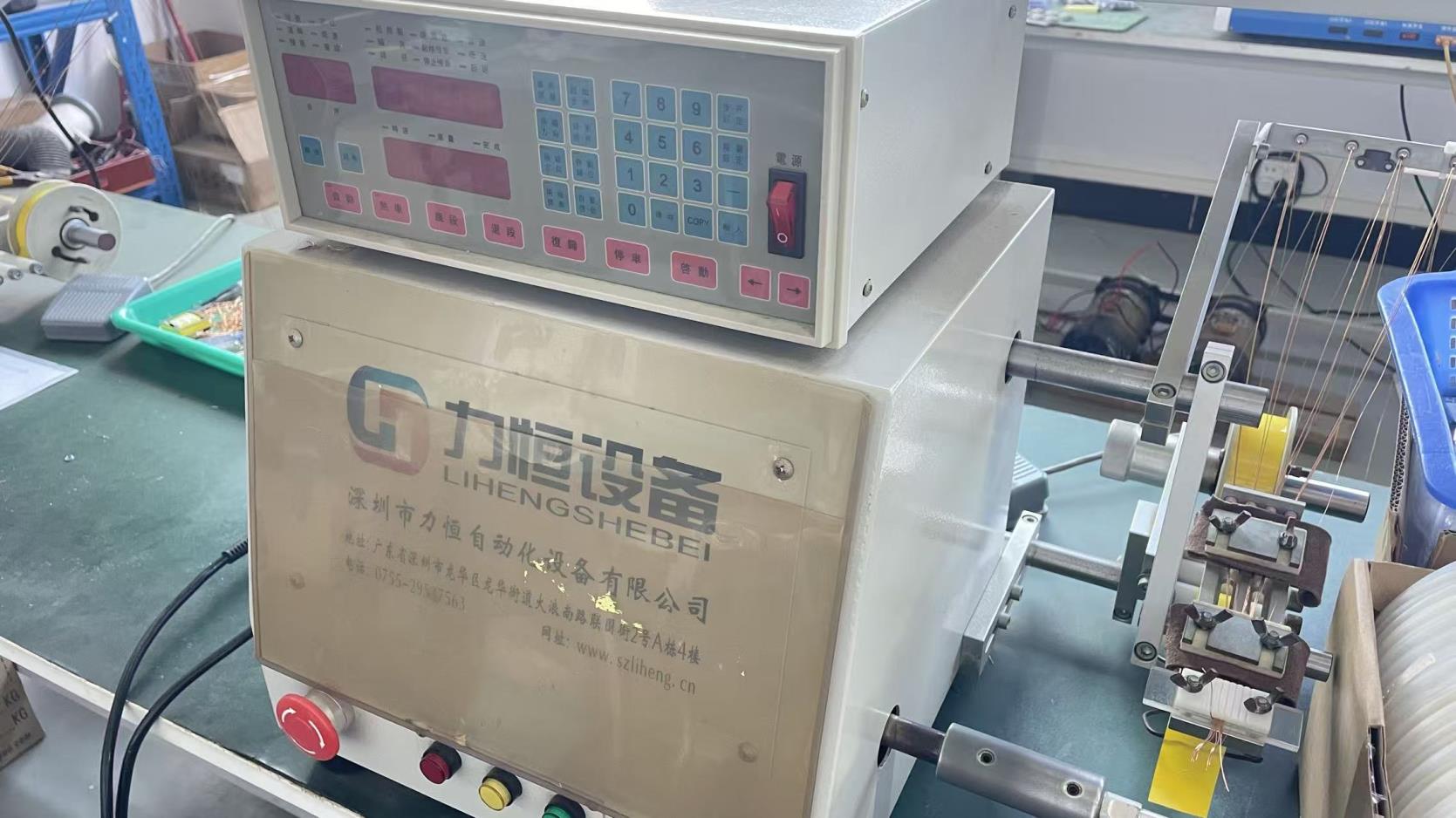
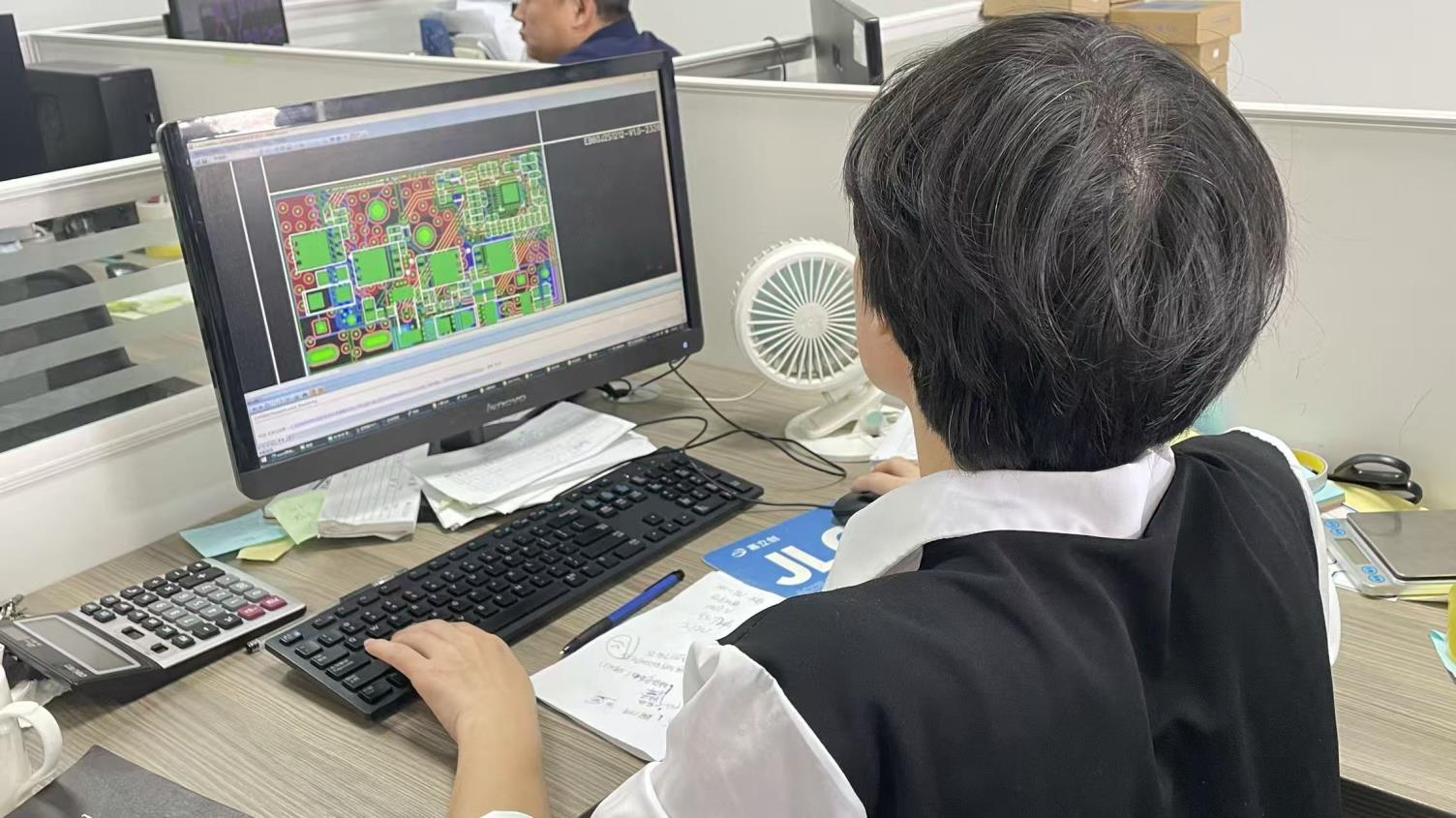
Our manufacturing philosophy is rooted in Industry 4.0 precision. By replacing manual operations with advanced robotics, we eliminate human variability in critical production steps. Our facility features automatic winding machines, CNC laser engraving, and automated soldering machinery to guarantee uniform thermal performance and mechanical durability across every batch.



An authoritative analysis of power electronics evolution, shifting from silicon-based semiconductors to wide-bandgap topologies.
Silicon Carbide (SiC) and Gallium Nitride (GaN) switches replace standard Silicon IGBTs. This technology permits higher switching frequencies, slashes heat sink sizes by 40%, and pushes conversion efficiencies above 97%.
Analog controllers are replaced by digital signal processing (DSP) units using real-time resonant soft-switching logic. This dynamic firmware modulation stabilizes voltages instantly, protecting grids from unexpected harmonic fluctuations.
Microgrids demand bidirectional power flow (V2G - Vehicle-to-Grid). Future power stages integrate buck-boost operations, allowing EV fleets and energy storage units to supply surplus power back to distribution grids.
Deployment of resonant soft-switching, DSP architectures, and IoT integrations (Modbus, RS485, SNMP) across utility systems.
Standardizing active bidirectional converters to connect municipal EV charging systems directly to distributed energy resource networks.
Embedding neural network processors in modular rectifier hubs to dynamically forecast regional load changes and manage automated load shedding.
How EVS technology solves critical power management challenges across telecom networks, heavy industrial complexes, and microgrid setups.
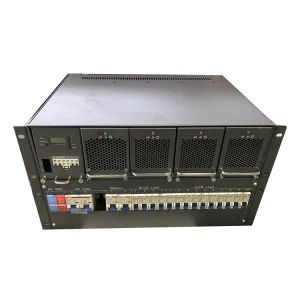
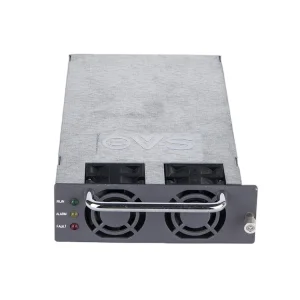
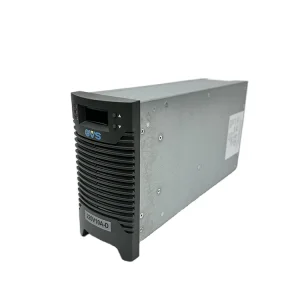
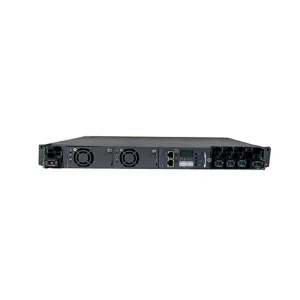
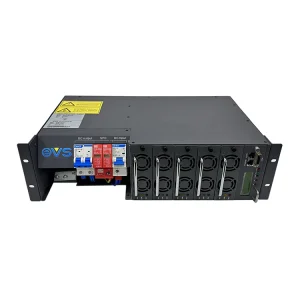
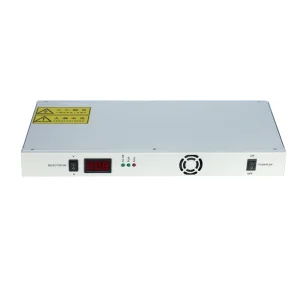
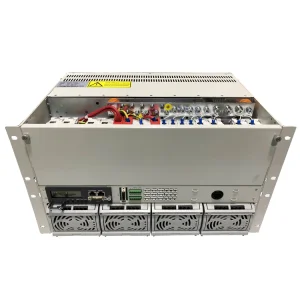
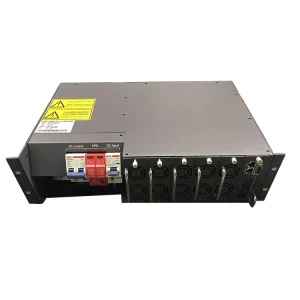
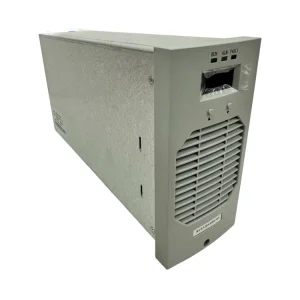
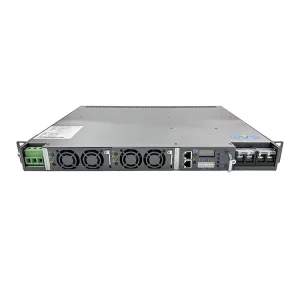
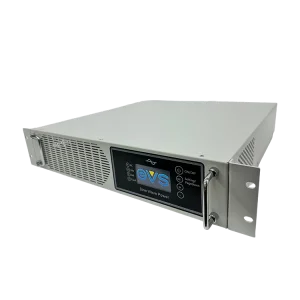
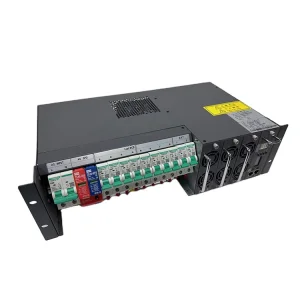
5G base stations require up to three times more power than legacy 4G systems, driving demand for dense, efficient power supplies. EVS designs modular rectifier systems (like the EVSPOWER 48V 60A and the ETP48100 6000W units) that install in standard 1U/2U racks. These systems offer integrated battery management, automated thermal control, and hot-swap compatibility, guaranteeing uninterrupted uptime for telecom providers across Europe and the Americas.
In grid-isolated sites, maintaining voltage stability requires precise conversion between varying battery states and the system bus. Our step-up boost converters (such as the 5000W 48V to 380V DC-DC booster systems) convert low battery voltages into high-voltage DC lines, minimizing conductor sizing requirements and reducing energy losses over long-distance wiring runs.
Industrial machinery generates severe electromagnetic interference (EMI) and line harmonics. EVS power supplies utilize active power factor correction (PFC) circuitry and robust shielding, securing cleaner power delivery, preventing control computer resets, and increasing the service life of automated shop floor equipment.
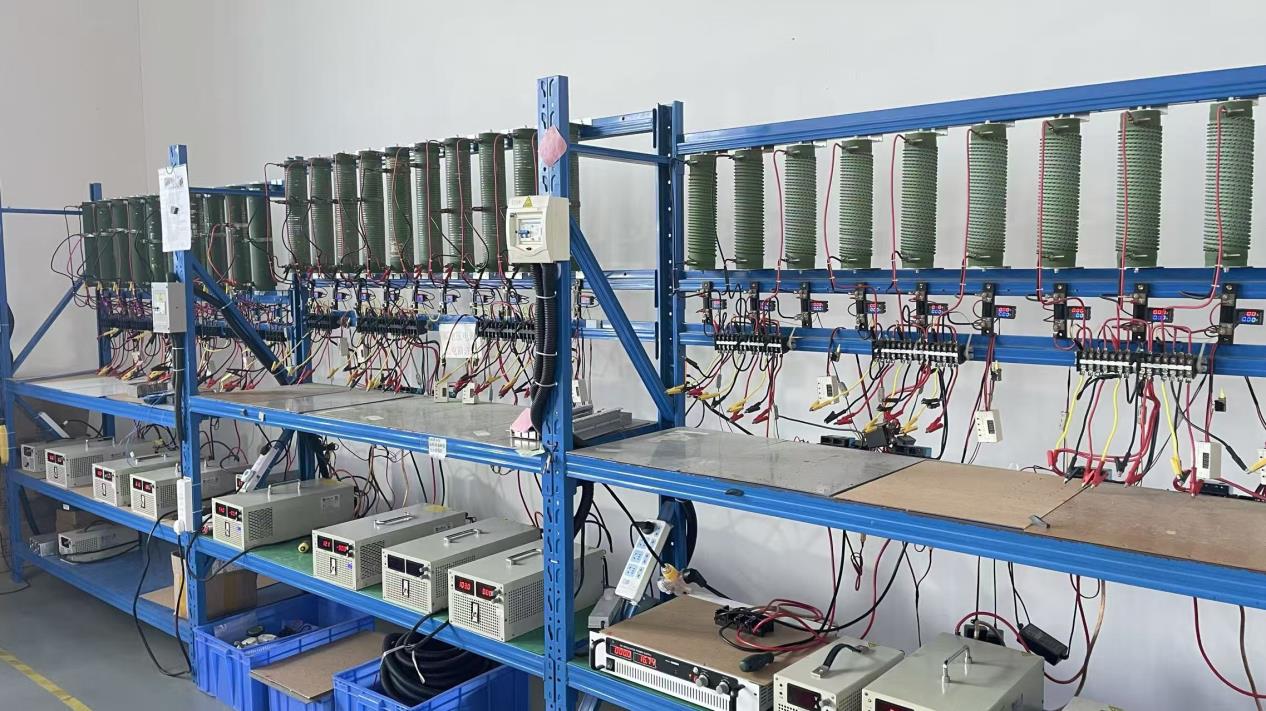
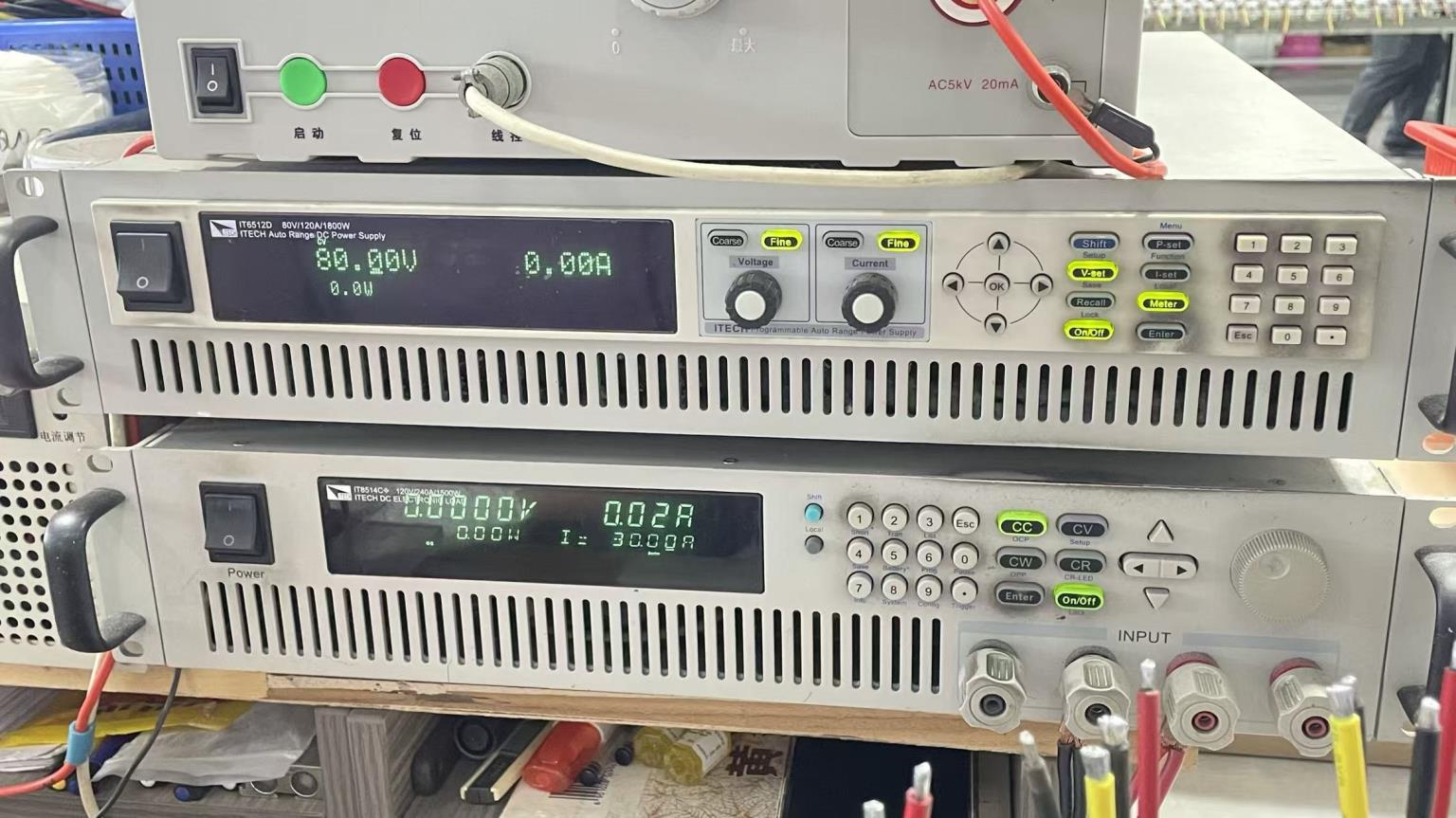
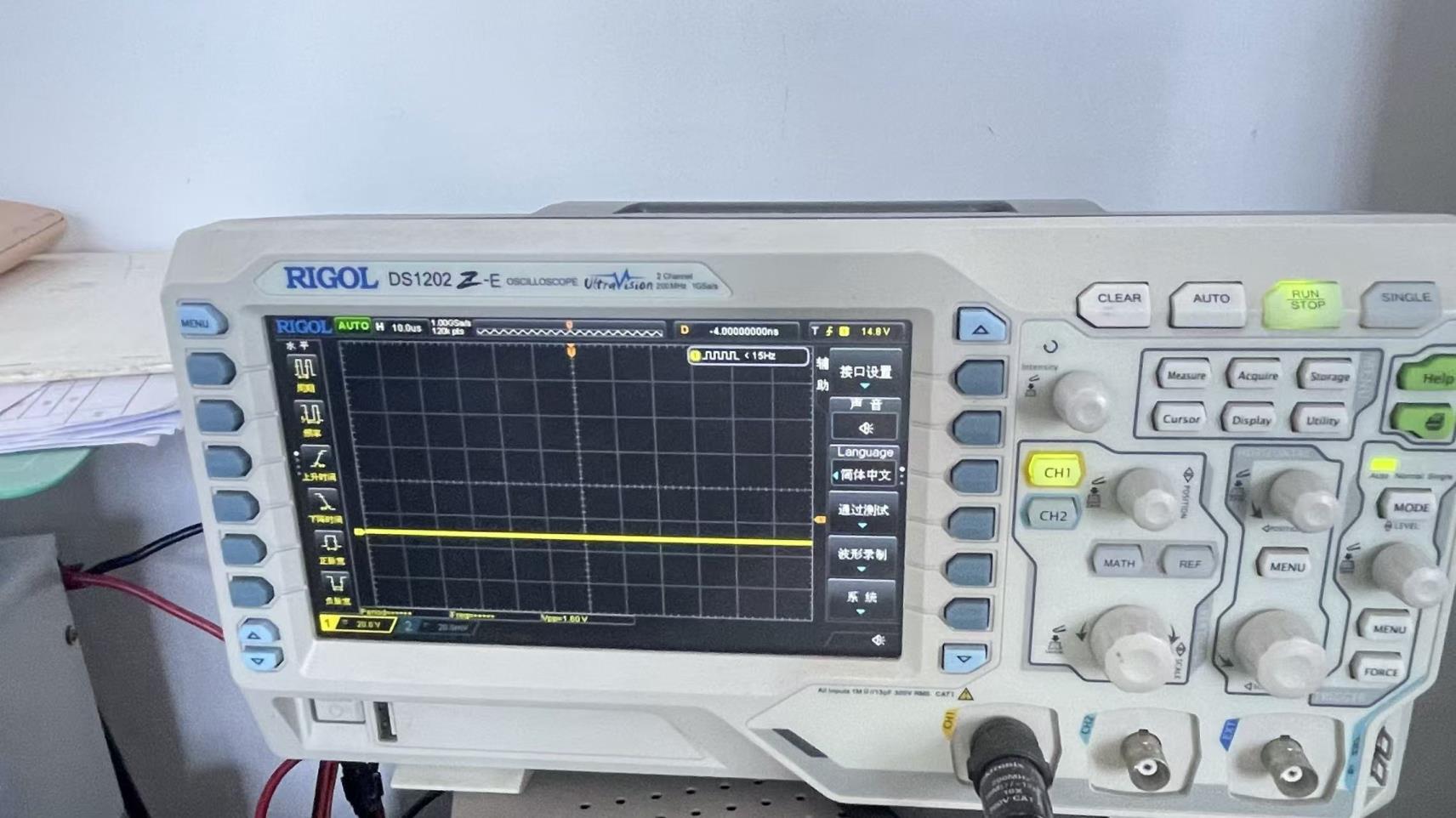
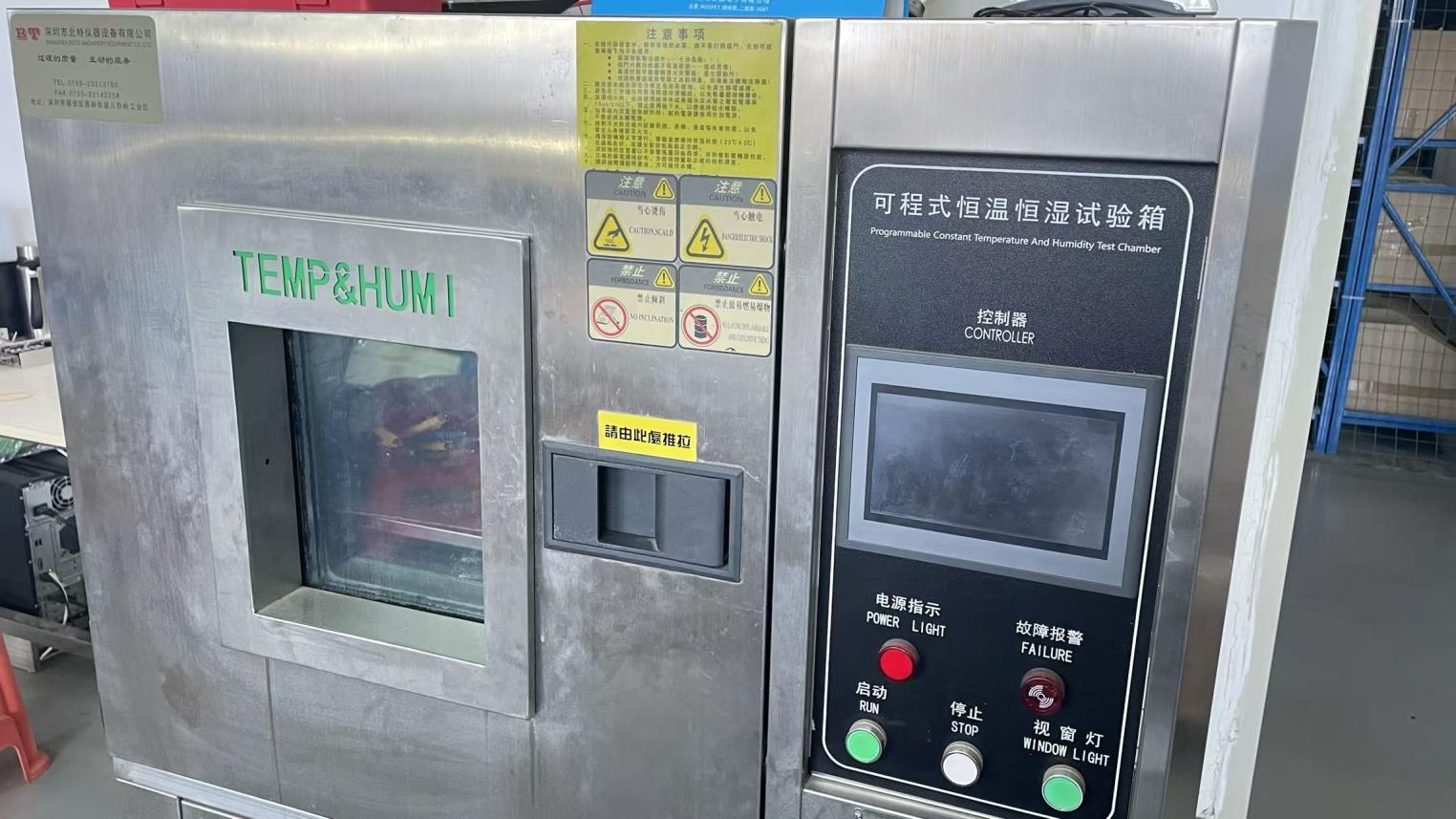
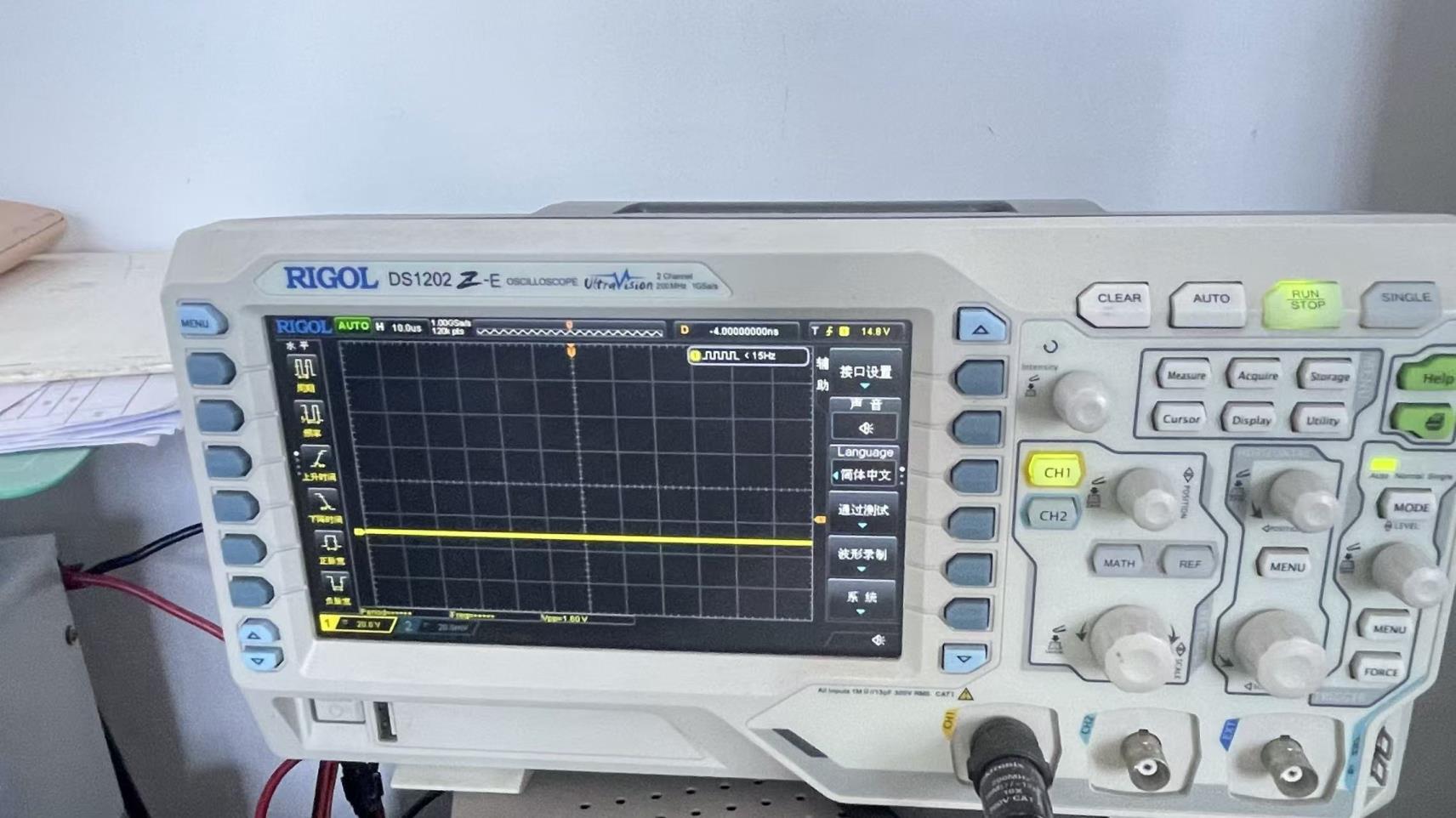
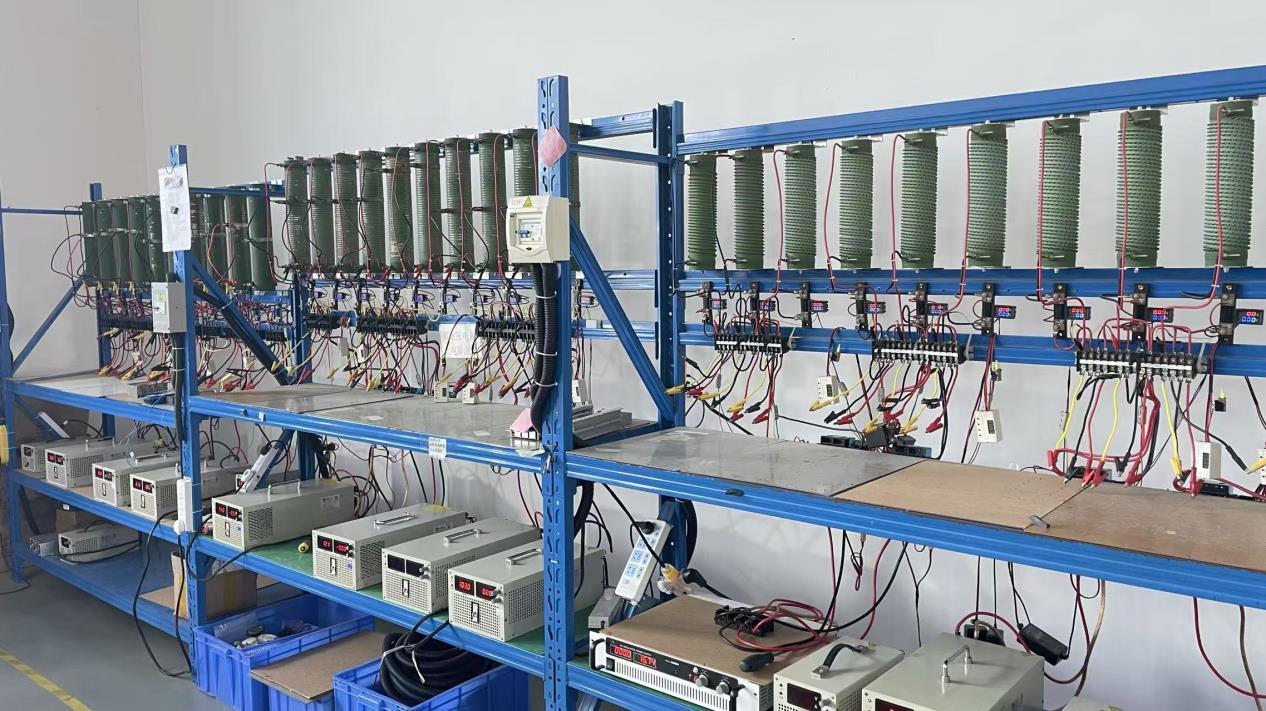
E-E-A-T Principle in action. A comprehensive inspection of EVS Powers' technical laboratory and rigorous verification protocols.

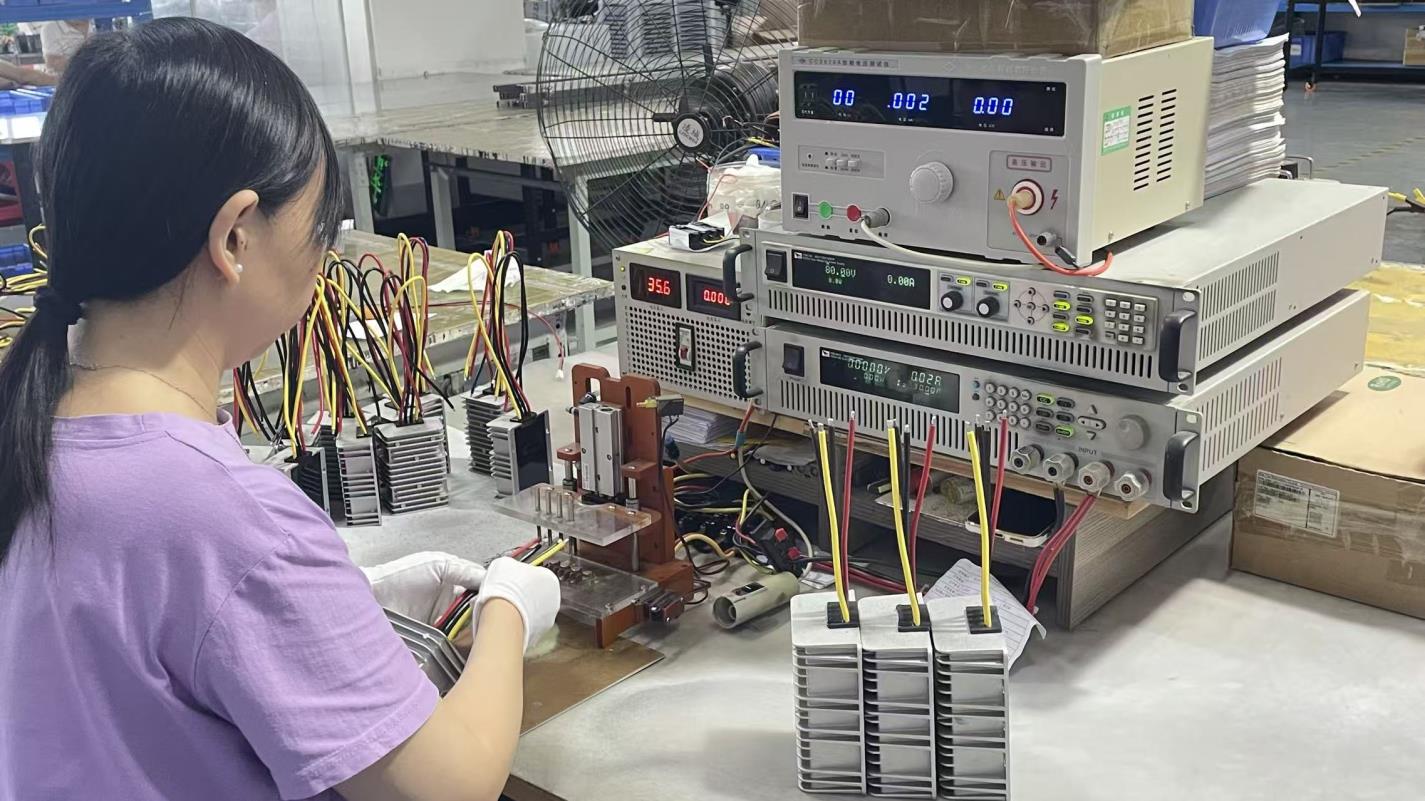
Every single power system leaving Guangzhou EVS Powers undergoes complete testing to prove its reliability in the field. Our state-of-the-art testing facility is equipped to simulate extreme operating conditions, including tropical humidity, arctic temperatures, voltage surges, and continuous vibration.
Our quality assurance program guarantees that every module complies with key international electrical and safety guidelines, meeting the rigorous demands of engineers worldwide.
How Guangzhou EVS Powers simplifies logistics, guarantees compliance, and streamlines operations for international buyers.
B2B sourcing involves complex challenges beyond simple unit costs. Global procurement directors must evaluate compliance, customs risks, warranty structures, and engineering support. At Guangzhou EVS Powers, we have optimized our commercial processes to serve international markets, including Europe, the Americas, Australia, the Middle East, and Southeast Asia.
We eliminate language barriers by providing direct channels to our design engineers. We supply comprehensive specifications, STEP/CAD models, thermal simulations, and MTBF analyses, allowing engineering teams to easily integrate our power supplies into their larger projects.
Every grid is unique. We provide customized chassis sizes, distinct cooling setups (conduction, convection, or forced air), specific connector interfaces, and customizable output profiles (voltage, current limits) to match the specifications of your project.
We design and manufacture our products to comply with major international directives. This includes standardizing CE, RoHS, FCC, and UL compliance options across our product catalog, ensuring smooth import procedures and quick system approvals.
Clear answers to the most common engineering and procurement questions regarding our power conversion platforms.
Choose from our specialized range of high-efficiency step-up, step-down, and bidirectional power conversion systems.
 EVS Powers