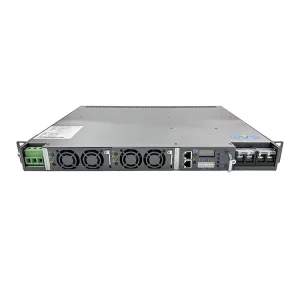
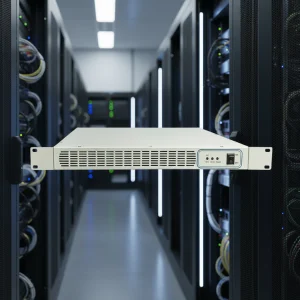
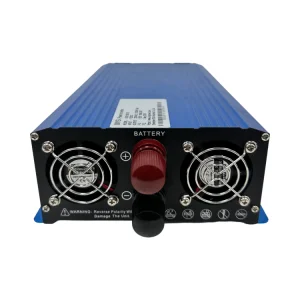
Engineered for efficiency, stability, and extreme reliability under industrial and telecommunication workloads.
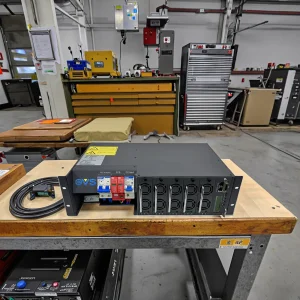
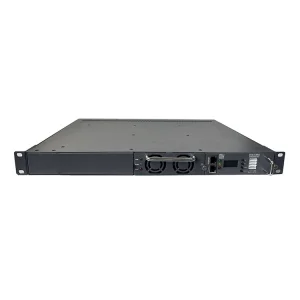
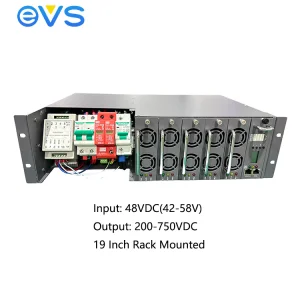

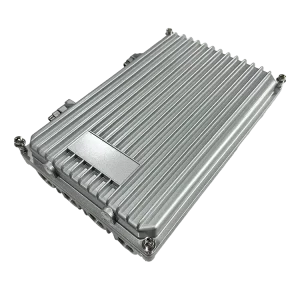
In modern electronic manufacturing, research labs, telecommunication infrastructures, and defense industries, the demand for clean, regulated, and precise electrical energy is paramount. The term AC Power Source refers to a broad spectrum of highly sophisticated instruments designed to simulate dynamic grid conditions, perform compliance tests, and provide reliable, regulated power conversions. Unlike standard step-down transformers, these advanced systems utilize digital signal processing (DSP) and high-frequency switching technology to generate pure, low-distortion voltage outputs under varying load parameters.
Across the globe, industrial developments such as grid modernization, smart microgrid deployment, high-voltage electric vehicle (EV) testing, and rapid base station densification are creating unprecedented requirements for power conversion equipment. For instance, testing a grid-tied solar inverter requires an AC power source capable of simulating voltage dips, surges, and frequency deviations to test the system's anti-islanding mechanisms. In the telecommunications sector, the transition from legacy networks to 5G calls for highly reliable rectifiers and inverters that operate consistently in harsh outdoor cabinet environments without thermal failure.
China has evolved from a basic electronics assembler into the world's primary hub for advanced power electronics manufacturing. Leading manufacturers like Guangzhou EVS Powers Co., Ltd. leverage a highly integrated industrial ecosystem in South China (Guangzhou-Shenzhen-Dongguan corridor). This localization provides immediate access to high-grade silicon, advanced magnetic components, high-density PCBs, and state-of-the-art aluminum enclosure extrusion facilities.
The core efficiency of Chinese manufacturers lies in their ability to combine vertical integration with agile R&D processes. EVS Powers achieves superior manufacturing throughput and strict cost controls by performing core processes—such as high-speed automated wire cutting, precision transformer winding, automatic soldering, laser engraving, polyurethane potting, and dynamic multi-hour burn-in testing—under one roof. This minimizes supply chain transit times, ensures consistent solder-joint integrity, and allows for rapid prototype customization for global buyers requiring specific voltage-bucking ranges or specialized IP-rated enclosures.
Guangzhou EVS Powers Co., Ltd., situated in the strategic international trading city of Guangzhou, stands as a premier designer and manufacturer of custom switching power supplies, high-efficiency DC/DC converters, industrial DC power systems, telecom rectifiers, and pure sine wave power inverters. EVS regards clients' satisfaction as our top task, products' quality as the basis of development, and cost-saving as our competitive advantage.
Through excellent credit standing and dedicated technical services, we have built long-term strategic relationships with customers across Europe, South and North America, Australia, the Middle East, and Southeast Asia. EVS Powers is committed to sharing our expertise, engineering technologies, and manufacturing experience with partners to drive mutual advancement in the electronic world.
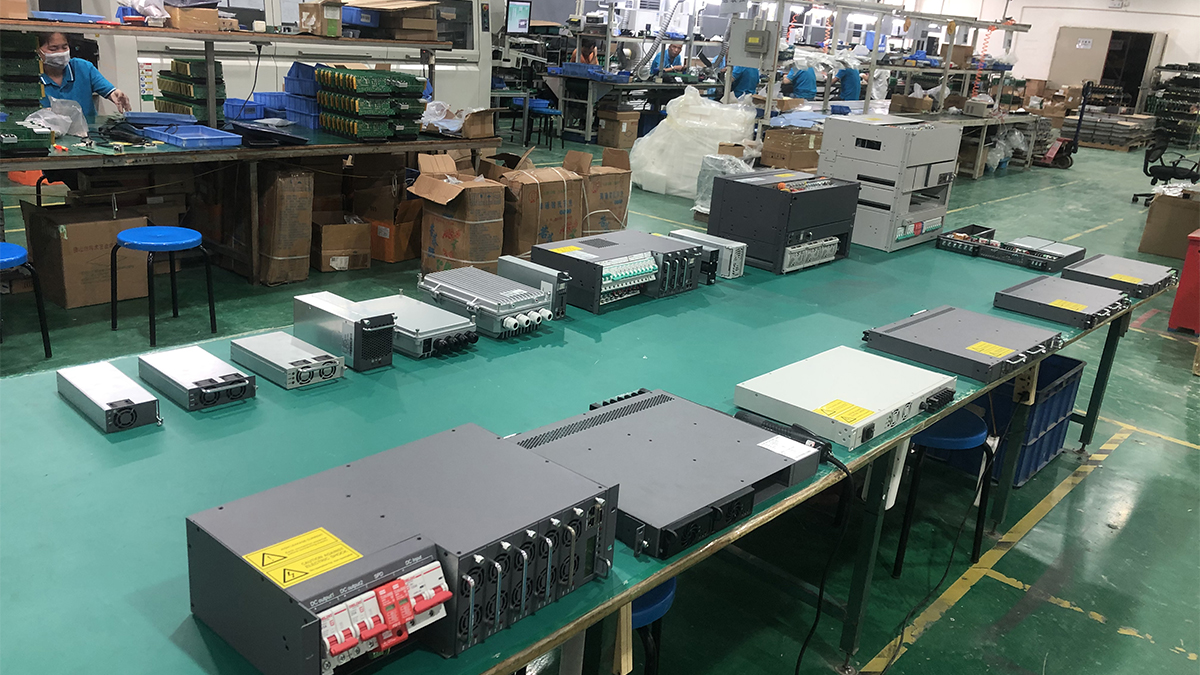
High quality is not an accident; it is the result of continuous, highly standardized industrial procedures. Below is a detailed view of the manufacturing workflow employed at EVS Powers' production plant:
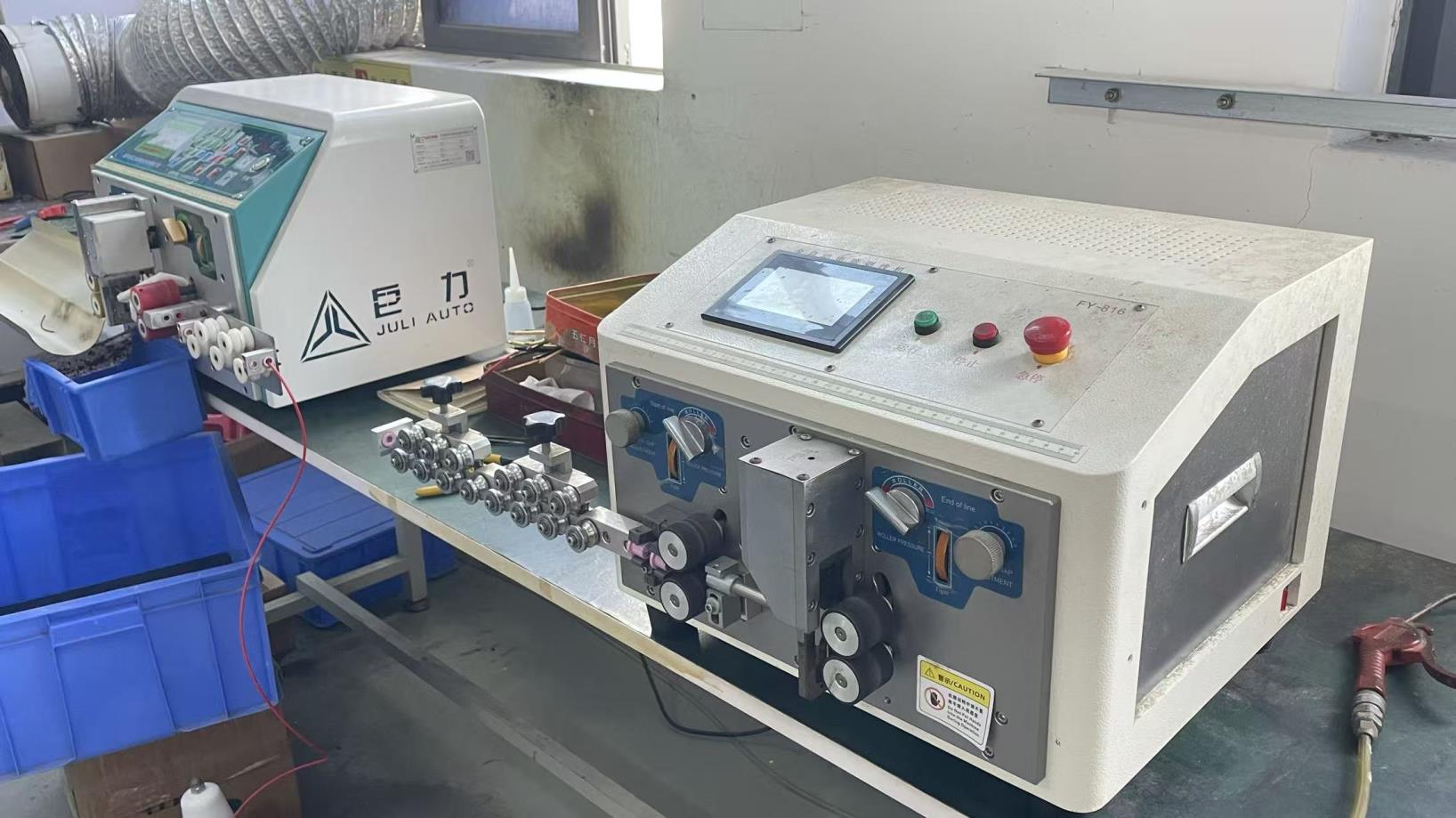 Wire Cutting
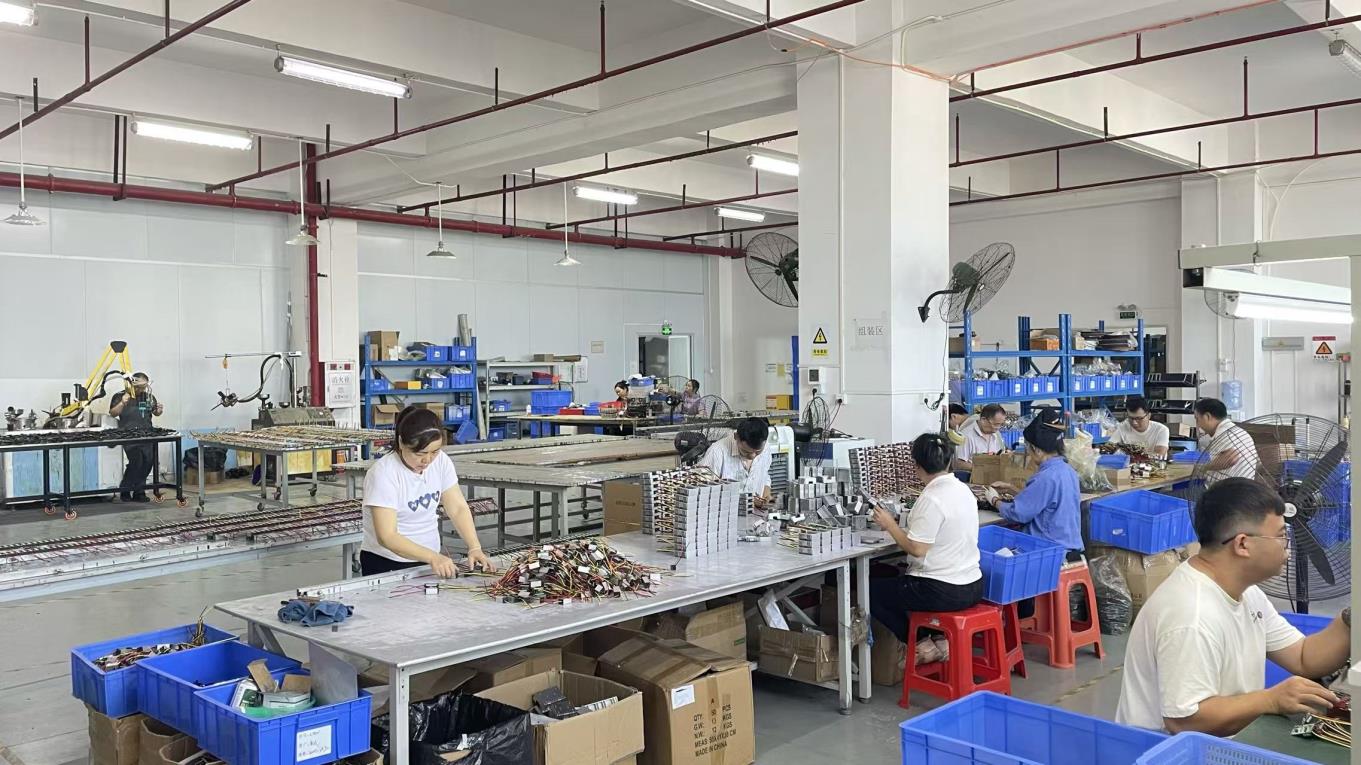 Plug-In
 Soldering Tin
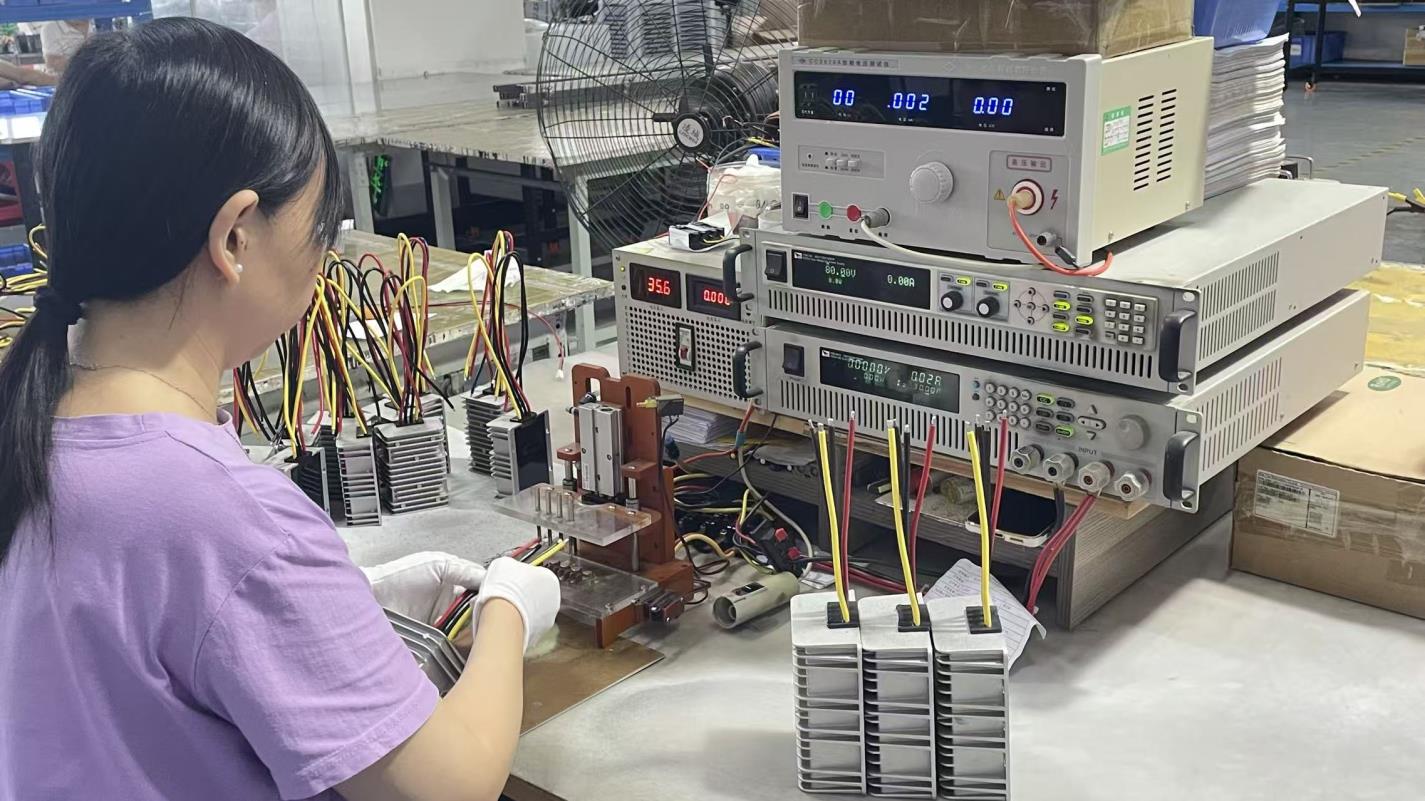 Test Stage
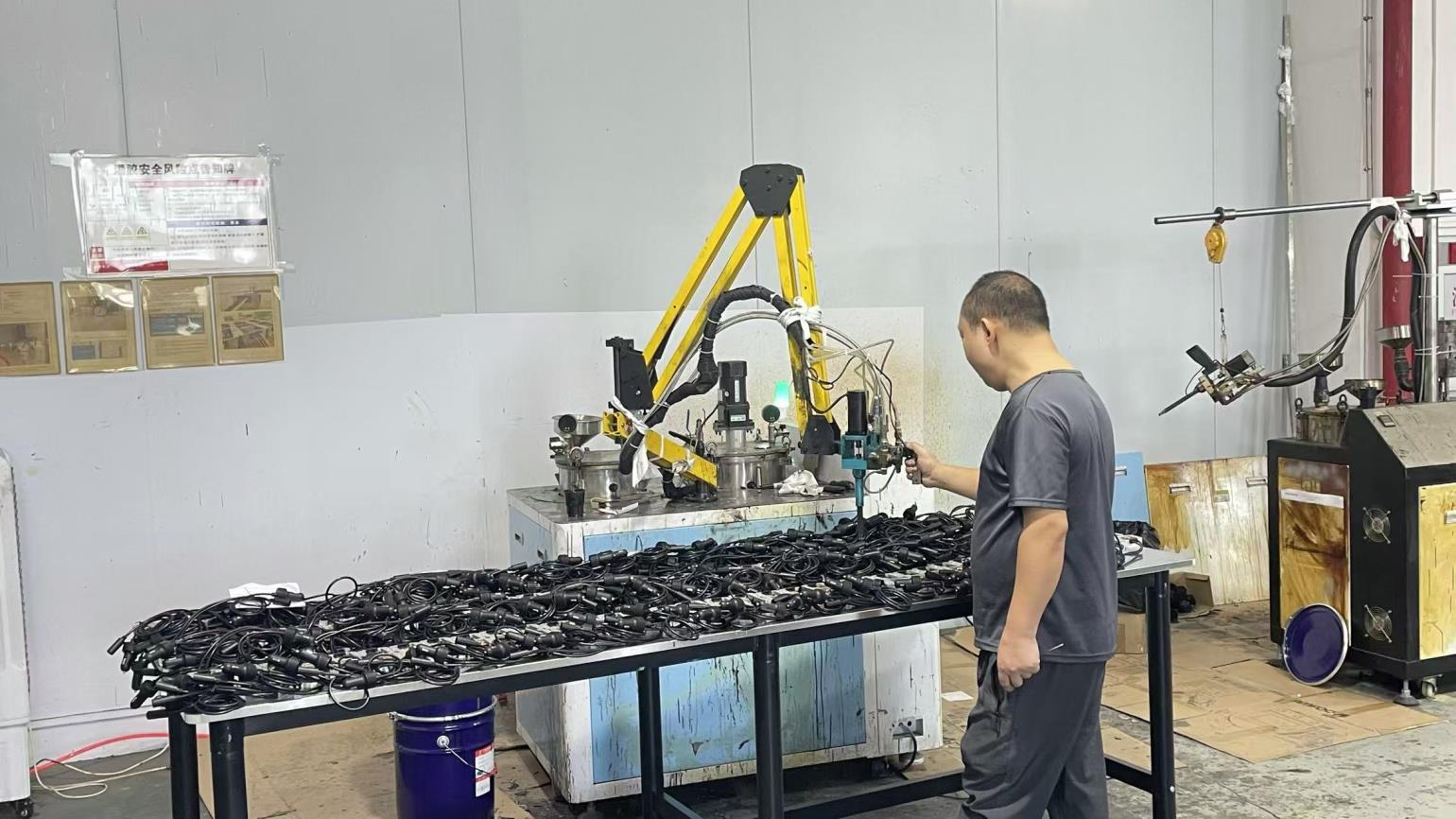 Glue Filling
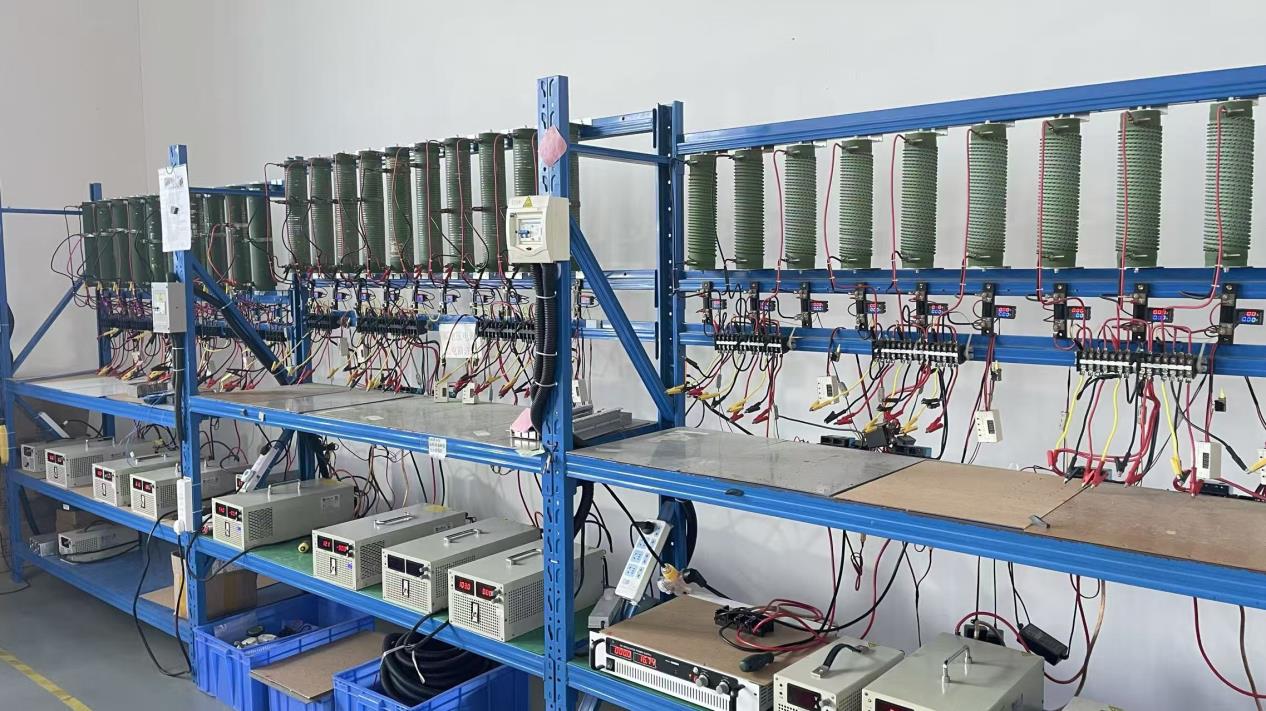 Burn-In Test
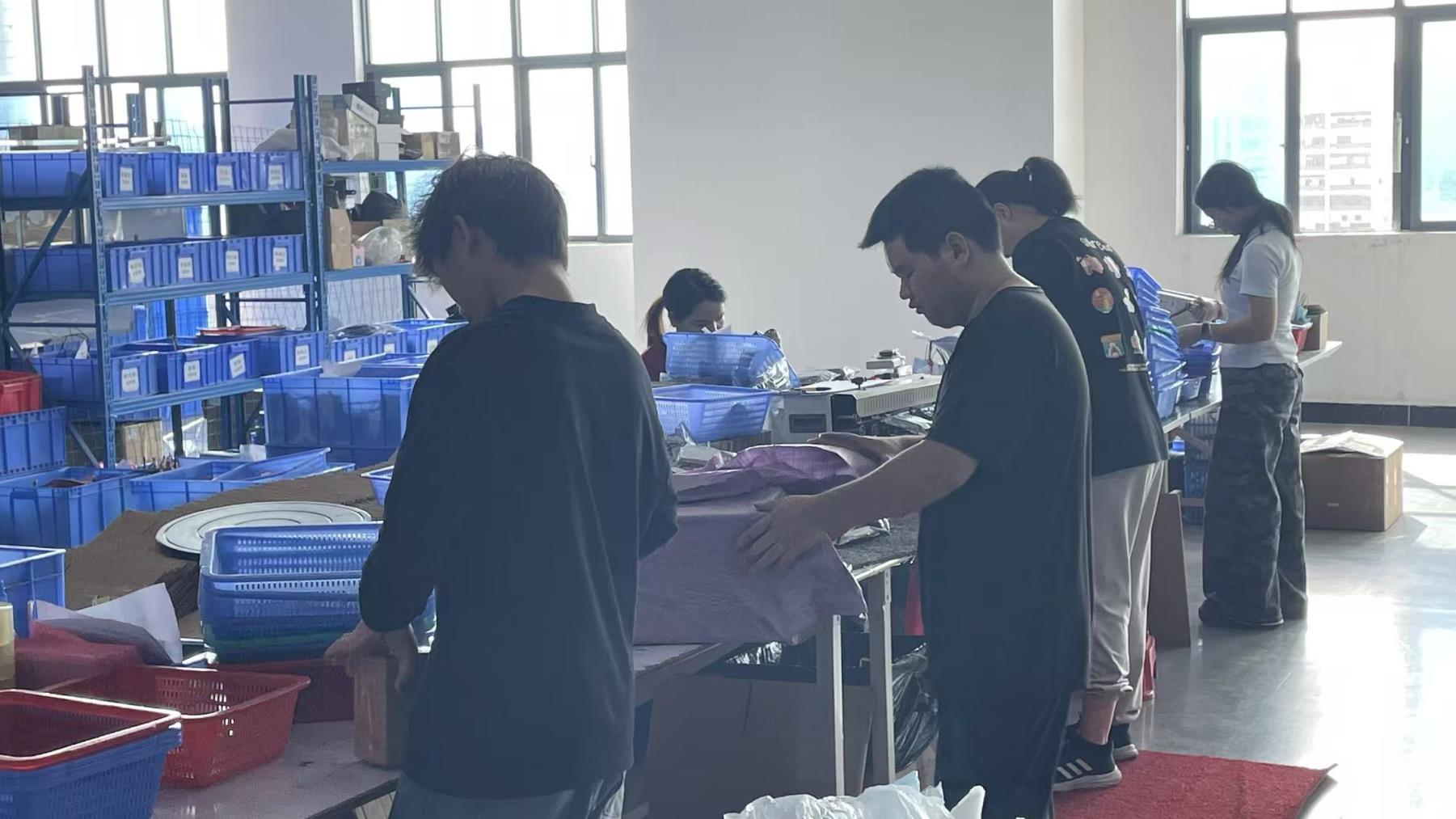 Packaging
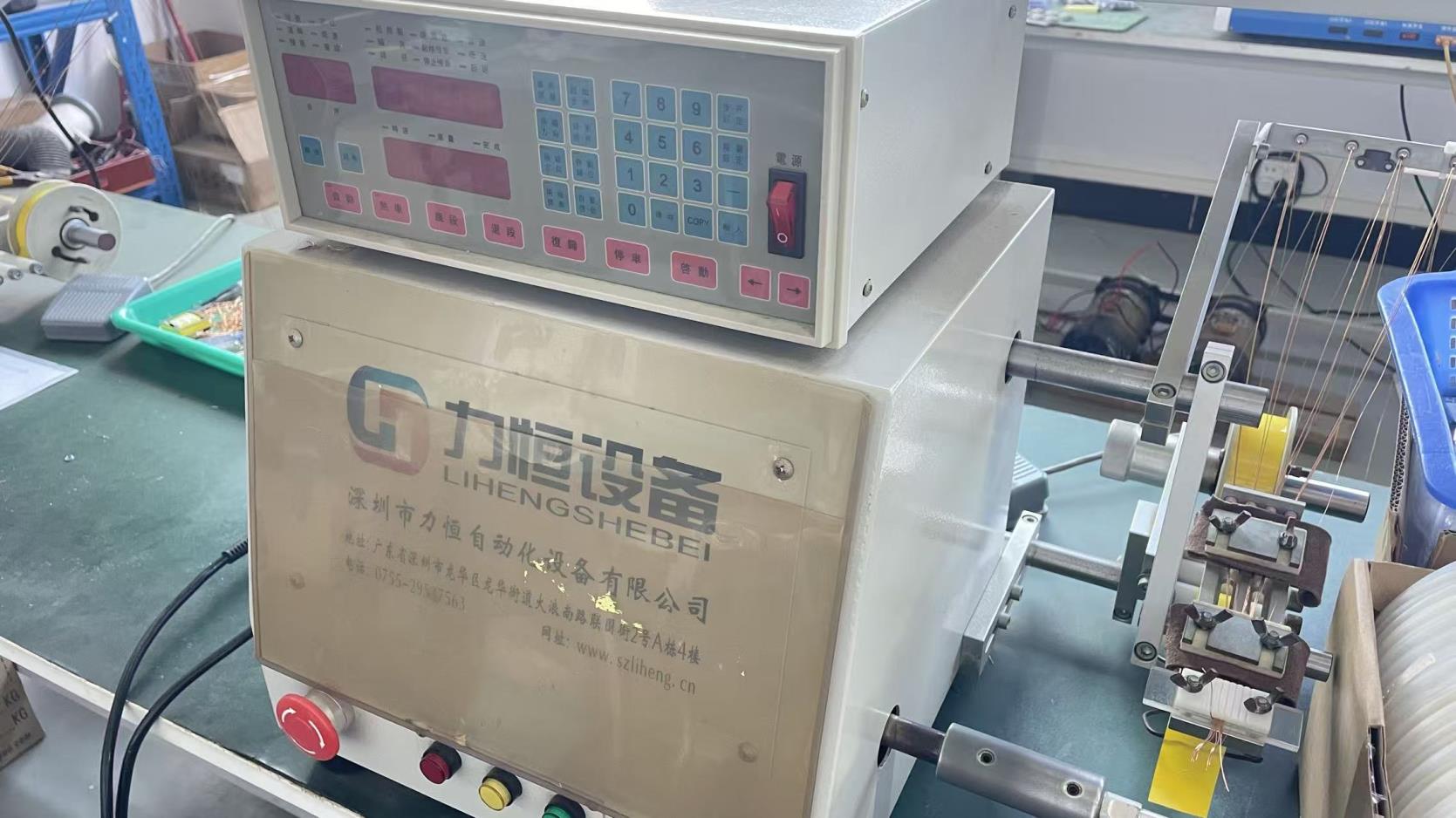 Winding Machine
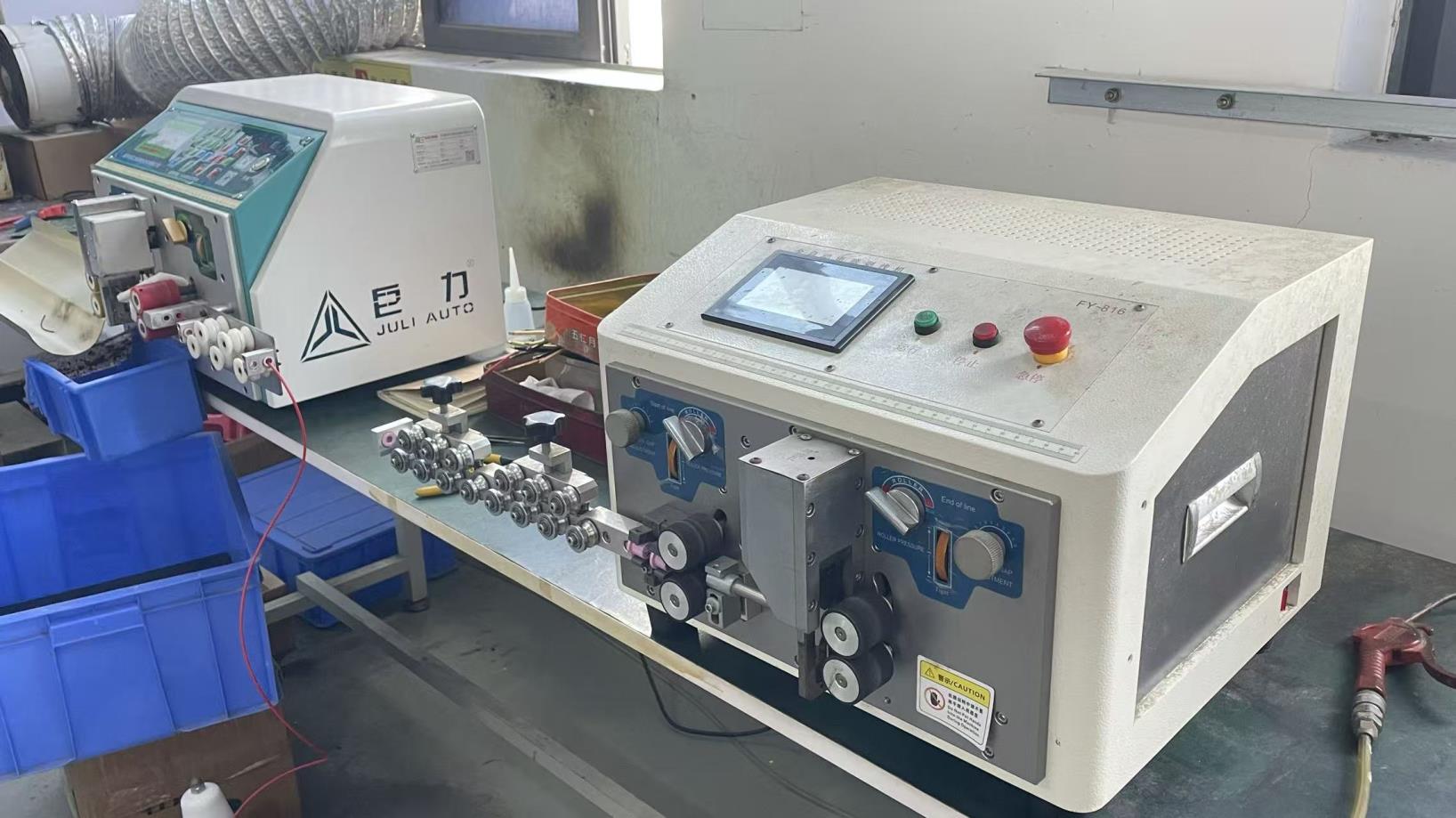 Wire Cutting Machine
 Automatic Soldering
 Laser Engraving
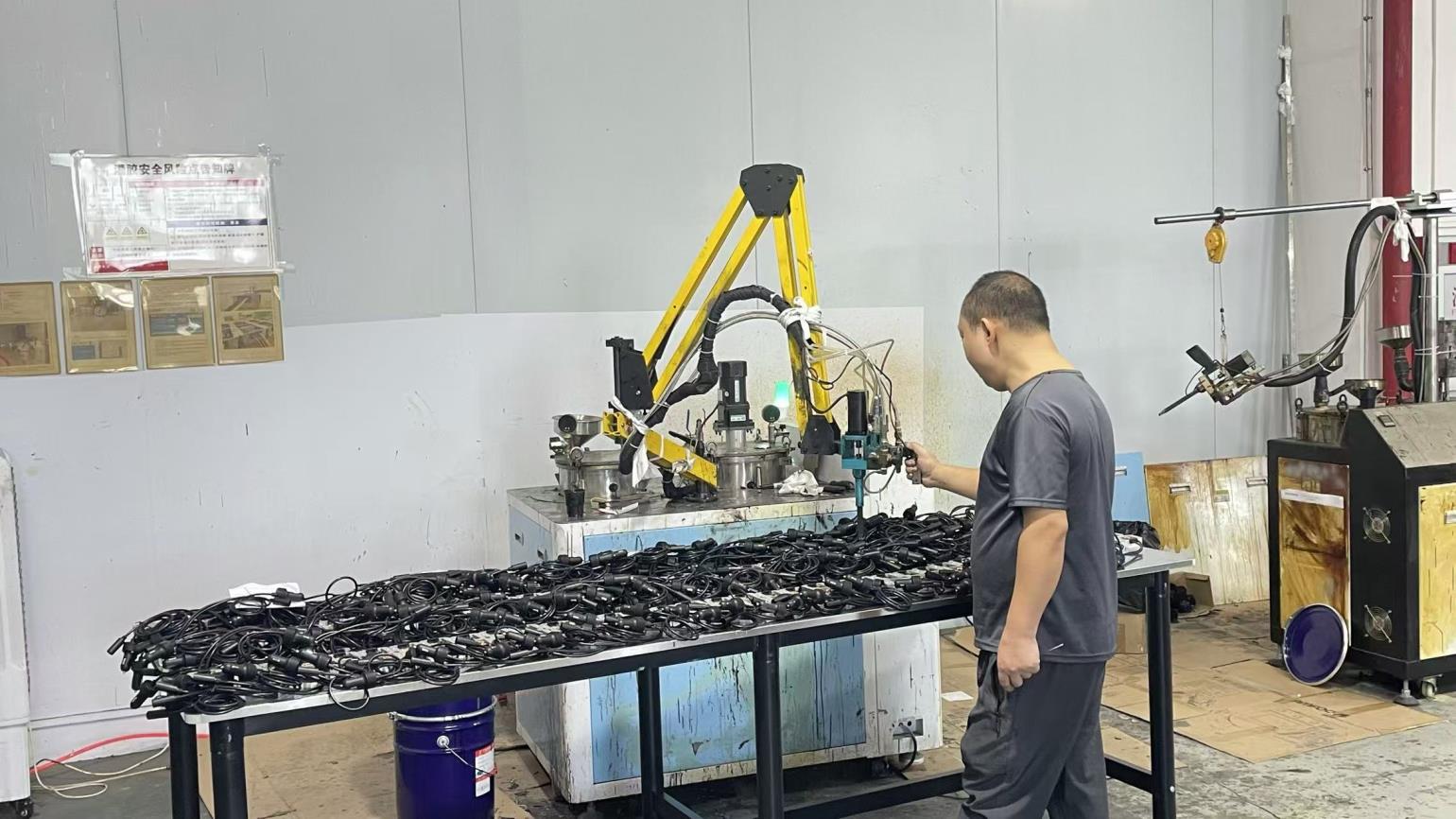 Canning Machine
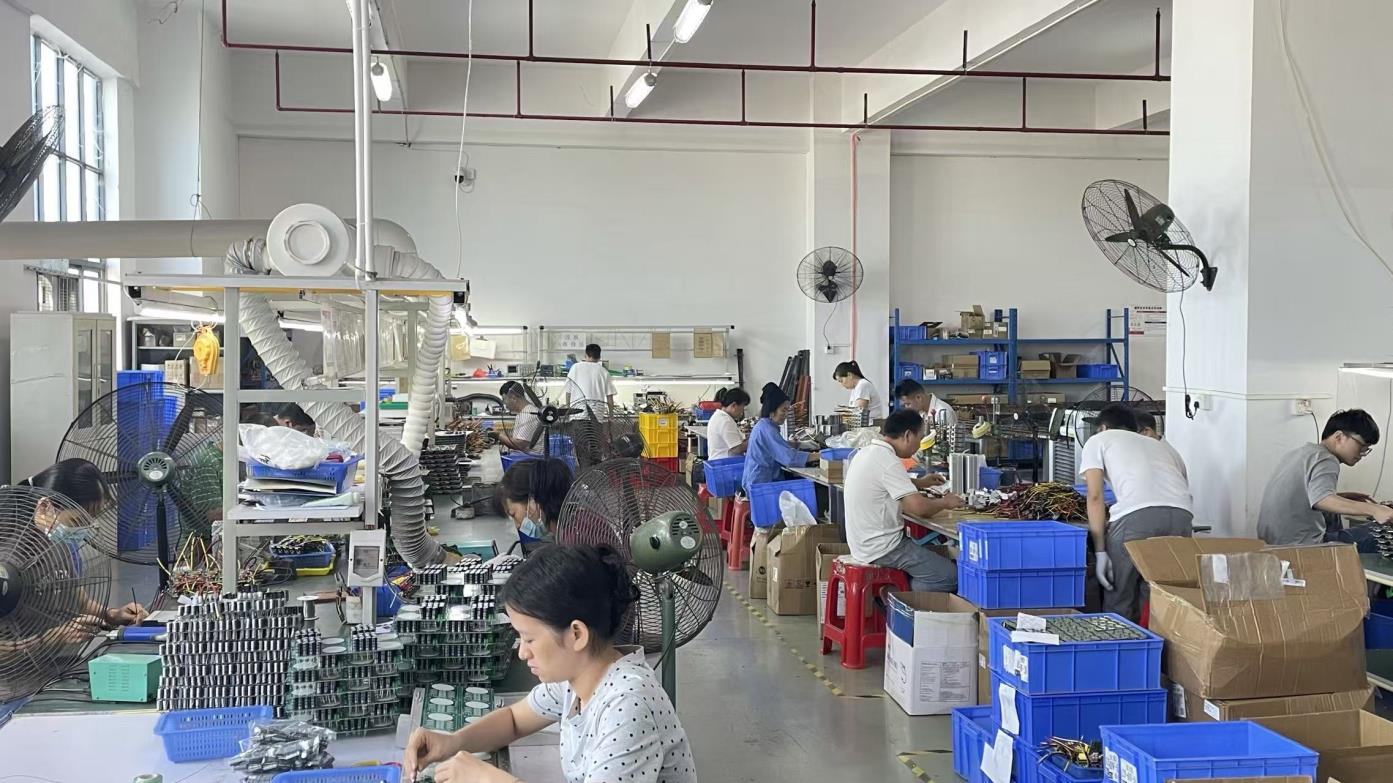 Assembly Line
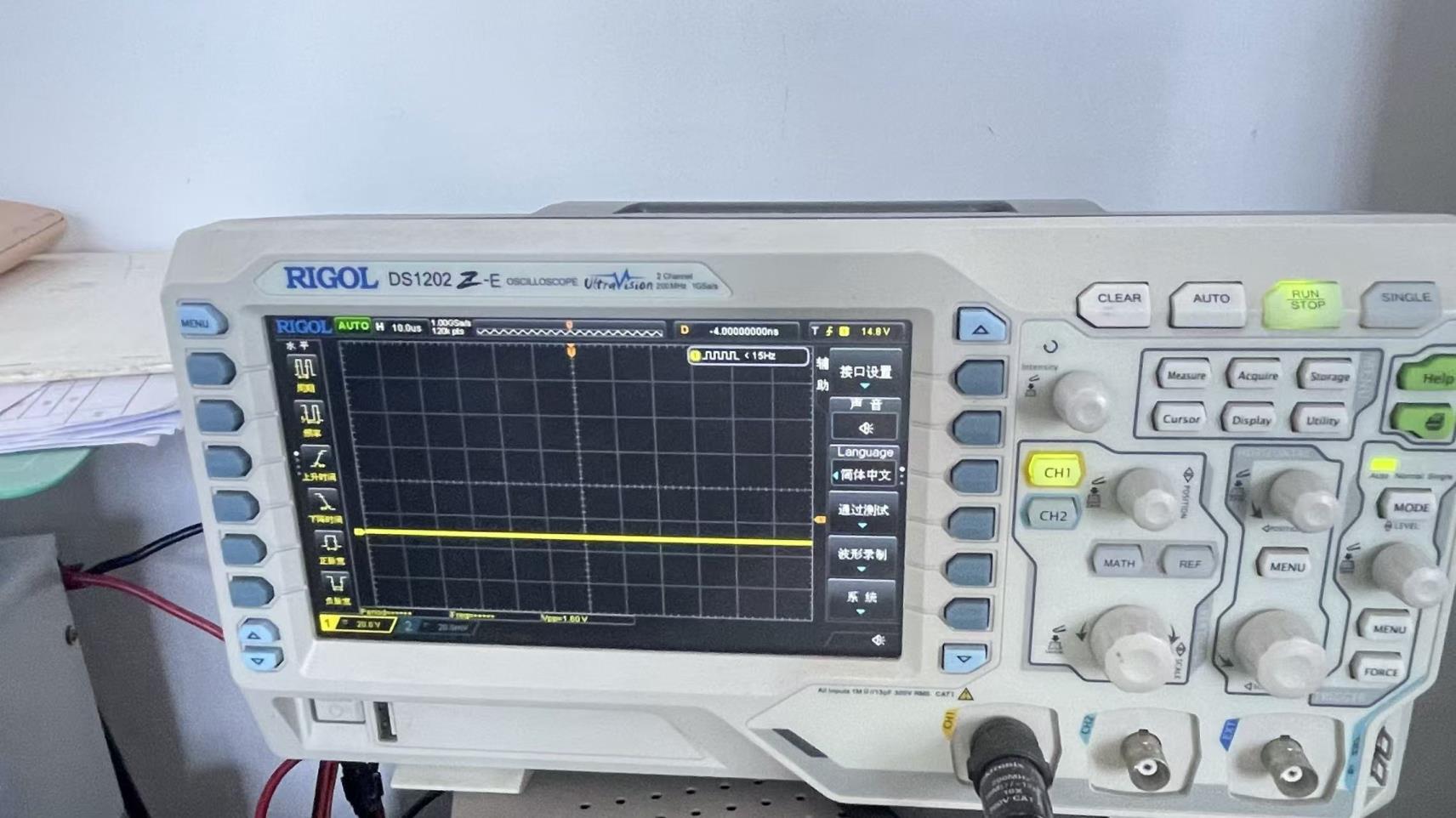
To comply with safety standards such as UL 60950, EN 62368, and FCC Part 15, EVS Powers maintains a fully equipped quality control laboratory. Testing is done at every step, starting from raw components to final product shipping, checking for thermal thresholds, electromagnetic interference, voltage surges, and overall long-term reliability.
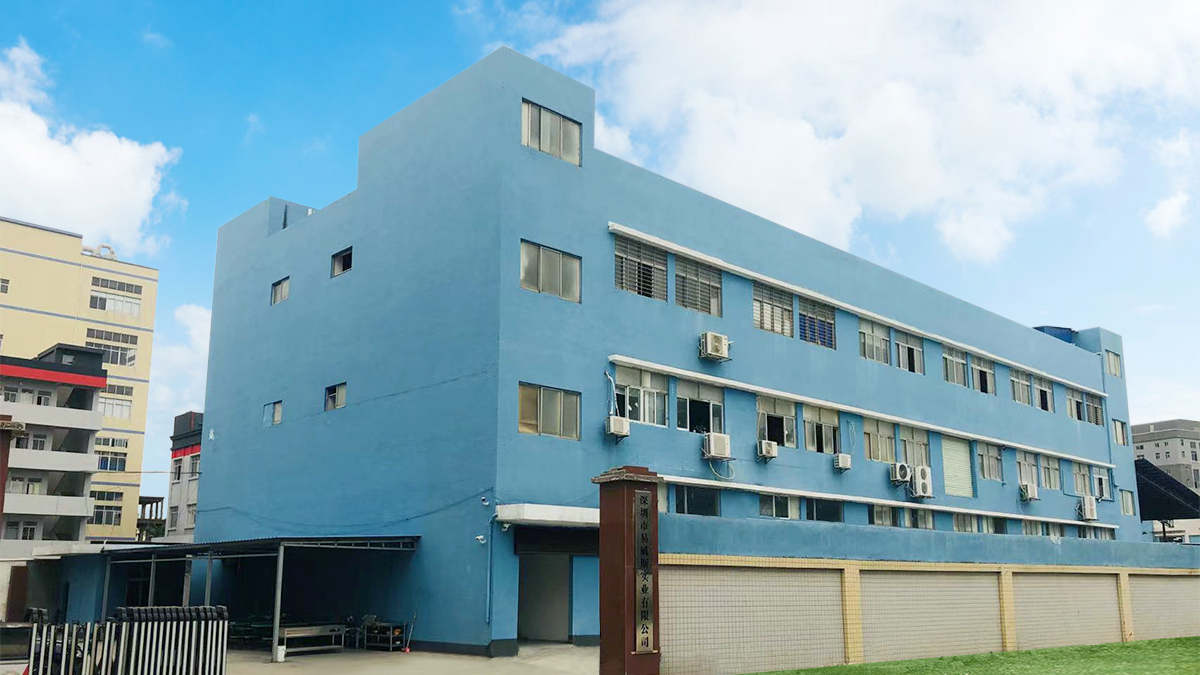
By exposing components to extreme environments, we are able to calculate Mean Time Between Failures (MTBF) accurately. For instance, our outdoor telecom rectifiers undergo high-humidity stress profiling, checking for insulation breakdown under 500V DC withstand testing.
This attention to detail ensures that critical network nodes, marine auxiliary systems, and industrial automation machines running on our DC/DC converters operate without failure.
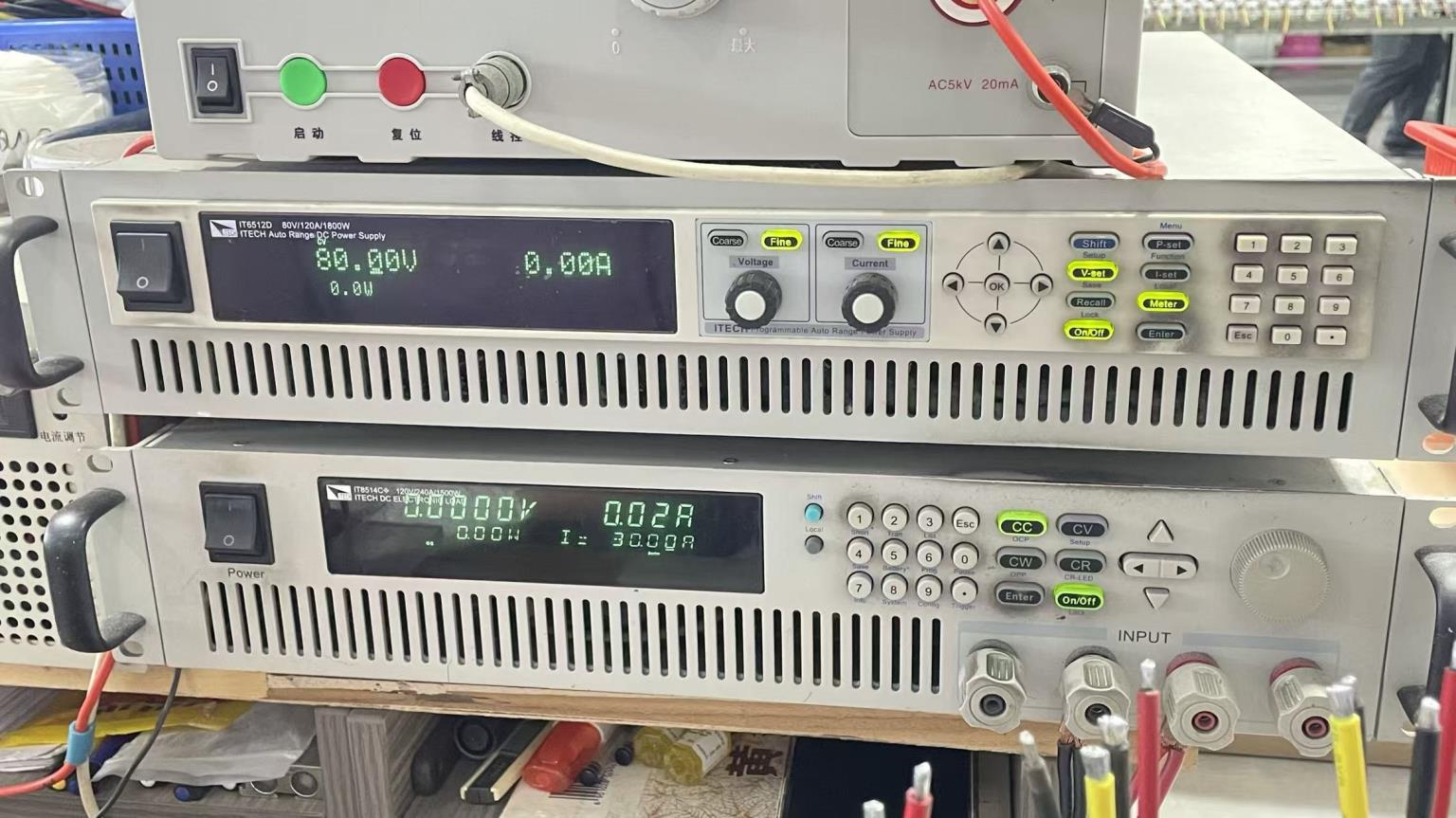 DC Power Supply Tester
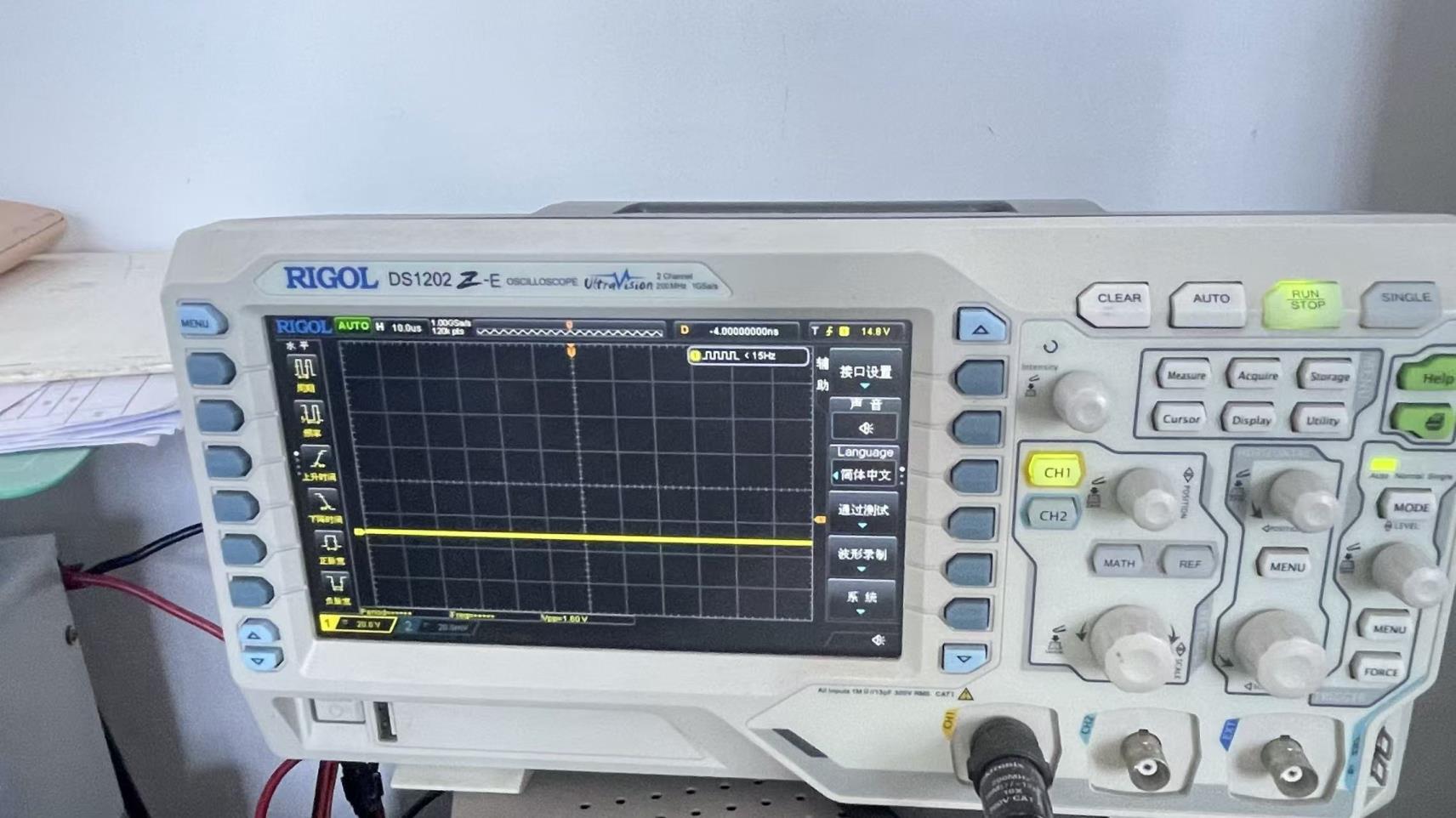 AC Withstand Voltage Tester
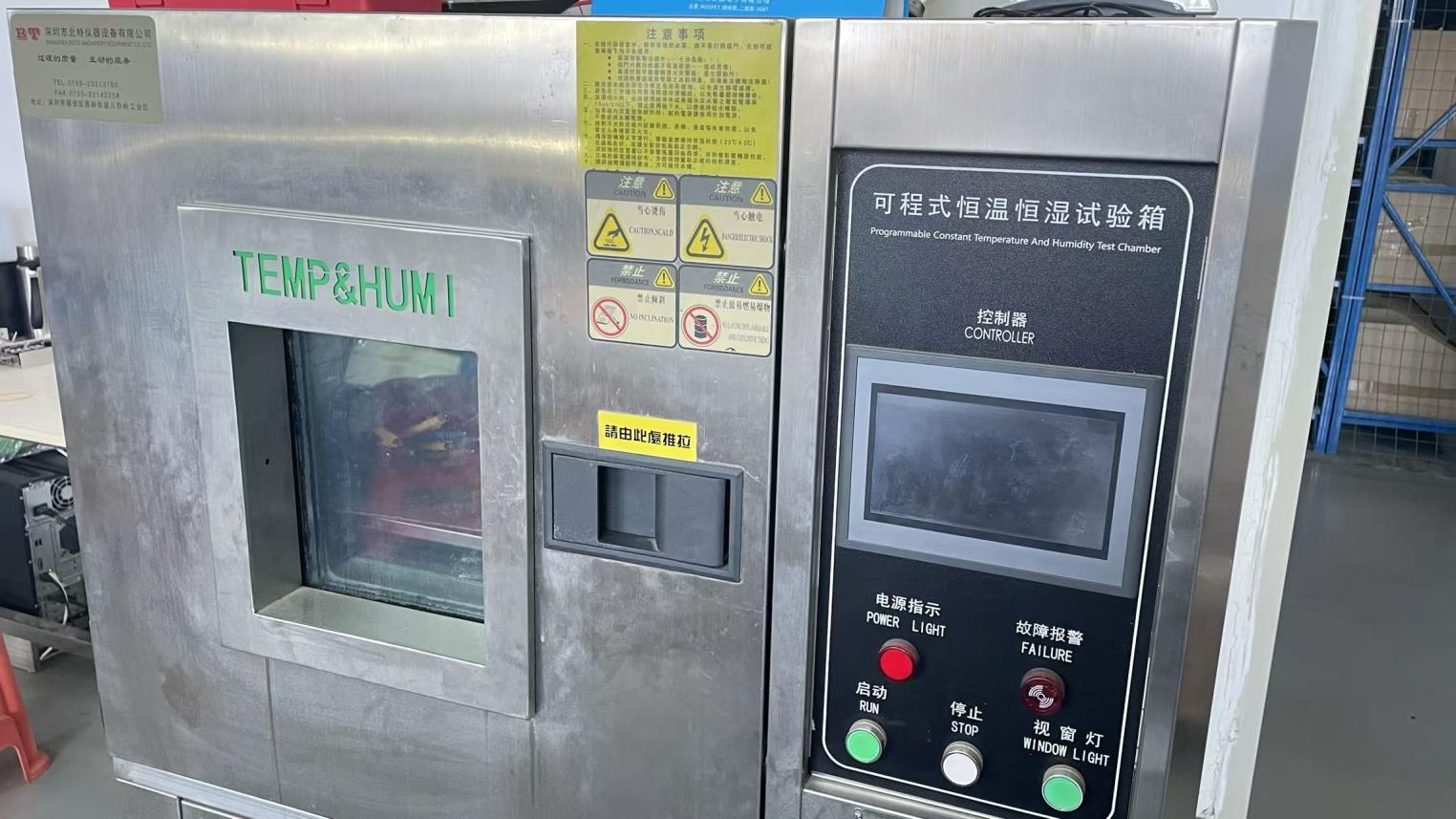 Environmental Chamber
 Optical Microscope QC
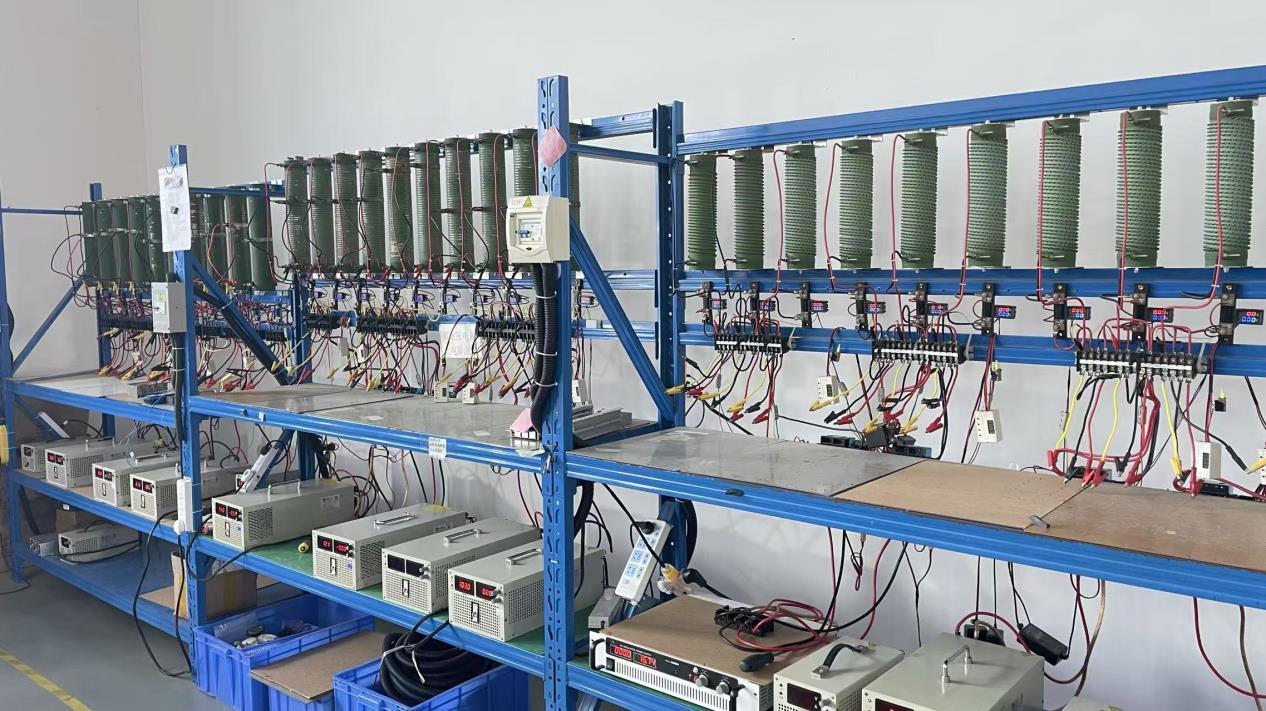 Aging Test Room
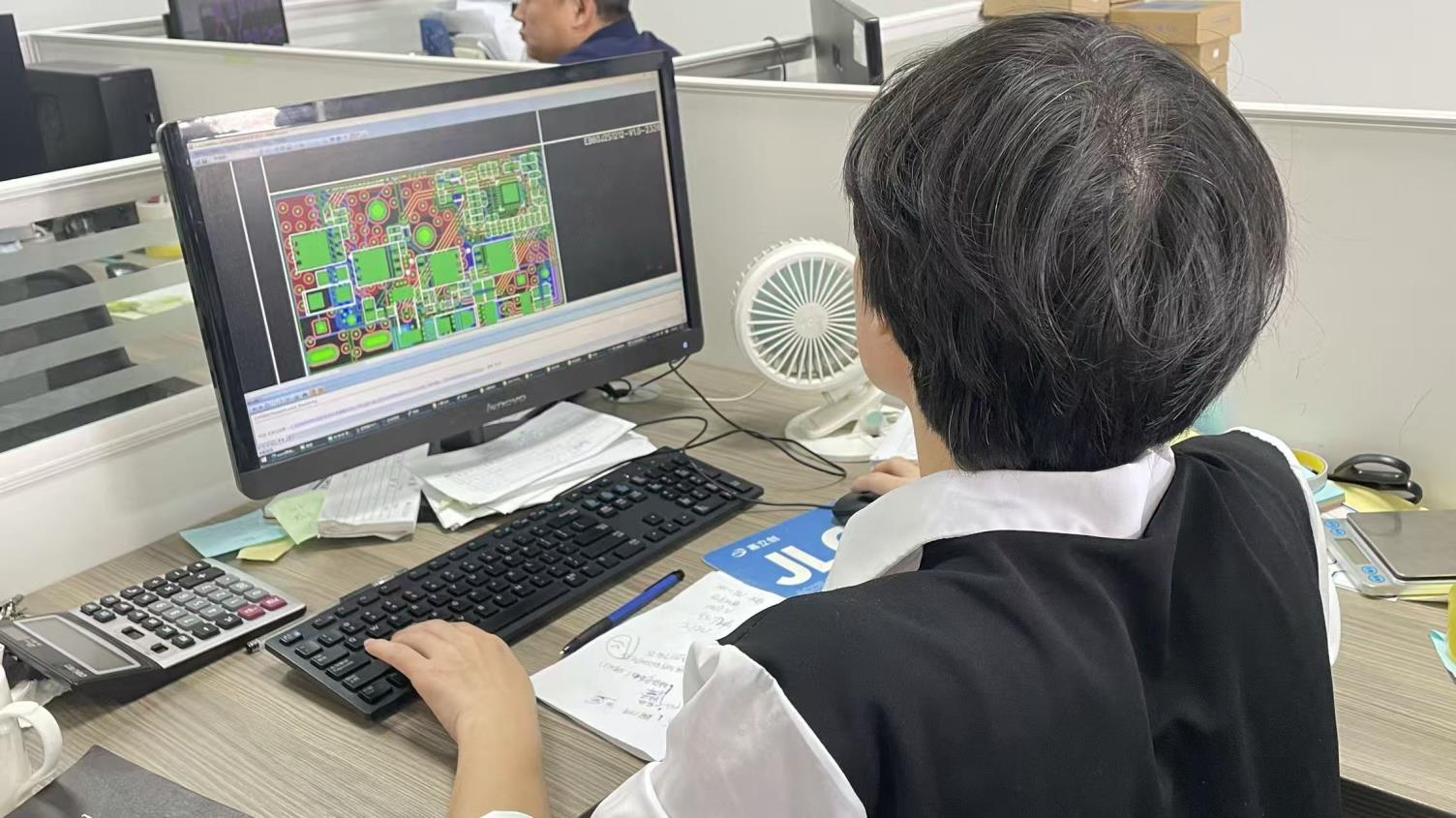 Design Department
AC/DC converters and power sources serve diverse industrial roles, each demanding specific engineering designs:
The power electronics landscape is transitioning away from traditional silicon transistors toward wide-bandgap (WBG) semiconductors, such as Silicon Carbide (SiC) and Gallium Nitride (GaN). These new materials enable switching frequencies to increase from the standard 50kHz up to several hundred kilohertz, allowing engineers to reduce the physical footprint of filtering inductors and capacitors by more than 40%.
Concurrently, digital interfaces like SNMP, CAN bus, and Modbus TCP/IP are now standard across most industrial topologies. Modern power systems are no longer isolated black boxes; they are active IoT telemetry nodes that report input/output voltages, thermal margins, ripple currents, and system aging indices directly to control centers. EVS Powers incorporates SNMP monitoring into our Telecom Pure Sine Wave Inverters, allowing telecom operators to monitor battery backup parameters remotely.
When procuring high-capacity AC/DC power sources or DC converters, procurement engineers should consider several factors:
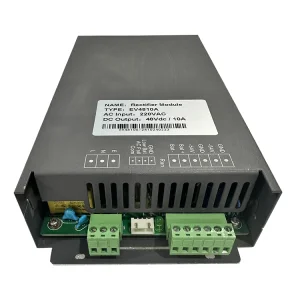
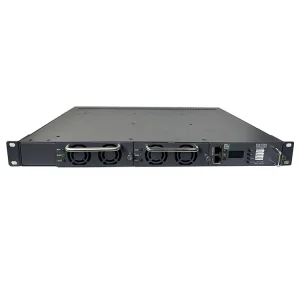
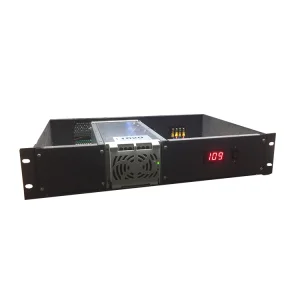
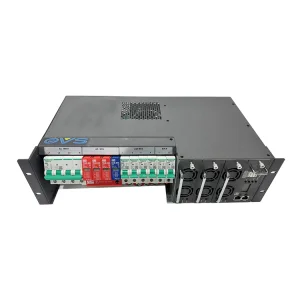
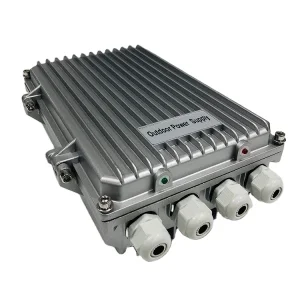
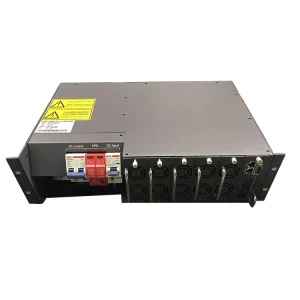
Designed for tough environments, telecommunication base stations, and high-efficiency systems.
 EVS Powers