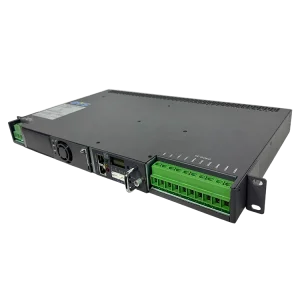
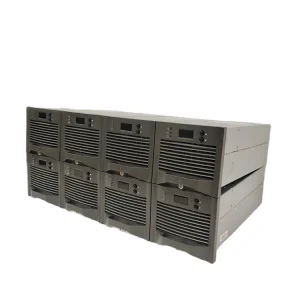
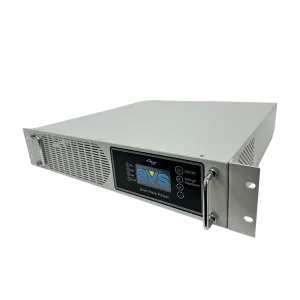
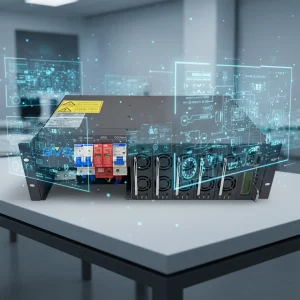
High-efficiency switching systems, rectifiers, and converters optimized for critical industrial infrastructures.
In the era of Industrial IoT (IIoT), smart grid expansion, and high-frequency telecommunication networks (5G/6G), the demand for robust, highly efficient, and smart power conversion architectures is escalating exponentially. The legacy passive power supply model is rapidly evolving. Today's global industry requires integrated telemetry, real-time power diagnostics, and dynamic heat-dissipation topologies to secure maximum reliability while minimizing the Total Cost of Ownership (TCO).
Smart power supplies serve as the backbone of modern power distribution. Equipped with advanced digital signal processors (DSPs) and embedded communication protocols (such as PMBus, Modbus, and CAN bus), these systems do not merely output fixed currents. They actively track input/output fluctuation, monitor battery health, balance loads across multiple parallel units, and adjust switching frequencies on-the-fly to guarantee energy efficiency levels up to 95% or higher.
Three primary trends dictate the development of current power electronics: high power density, thermal performance stability, and active remote management. Manufacturers globally are adopting advanced semiconductor materials like Gallium Nitride (GaN) and Silicon Carbide (SiC). These materials allow switching regulators to work at much higher speeds with negligible switching losses, facilitating compact form-factors without sacrificing structural or electrical integrity. Consequently, this lowers cooling overhead and shrinks rack spaces within telecom cabinets and server closets.
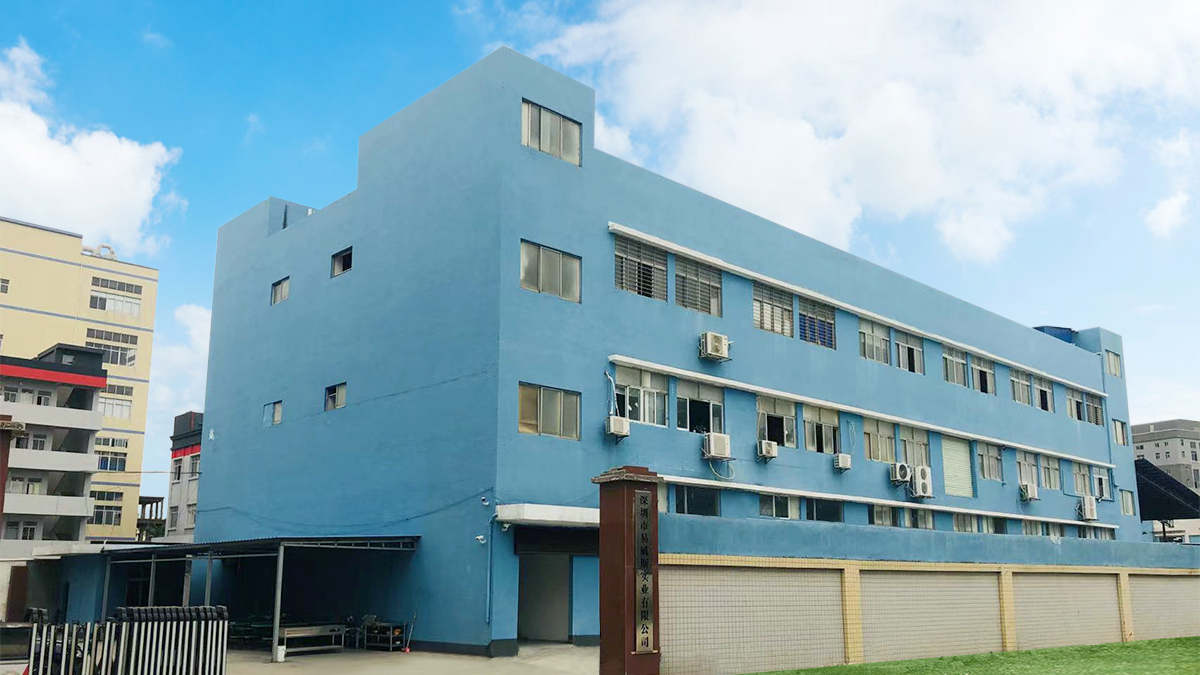
Guangzhou EVS Powers Co., Ltd. integrates advanced supply chain management and automated QC assemblies in Guangzhou, China.
Located in the international trade hub of Guangzhou, Guangzhou EVS Powers Co., Ltd. specializes in the professional design, OEM/ODM development, and manufacturing of switching power supplies, DC power systems, rectifier modules, DC-DC converters, and high-frequency pure sine wave inverters. We prioritize client satisfaction, consistent quality baselines, and optimizing production cost-structures to pass direct savings to our partners.
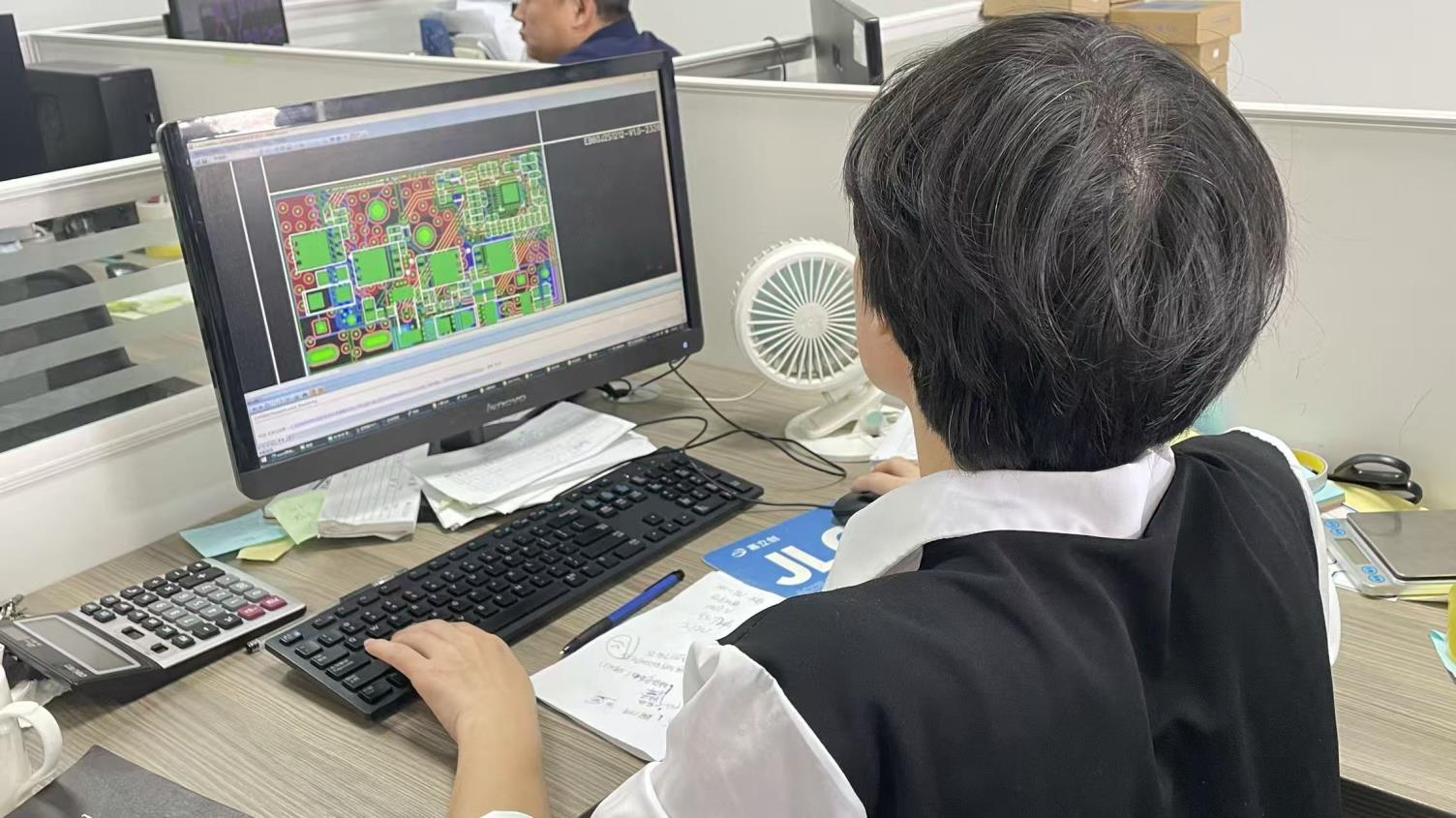
By leveraging China's dense industrial ecosystem, EVS Powers streamlines material sourcing, PCB assembly, magnetic component winding, and chassis design. Our structural efficiency ensures fast turnaround times for customized projects (OEM/ODM), reducing design cycles from months to weeks. Through years of strategic collaboration, we have secured long-term partnerships across Europe, North and South America, Australia, the Middle East, and Southeast Asia.
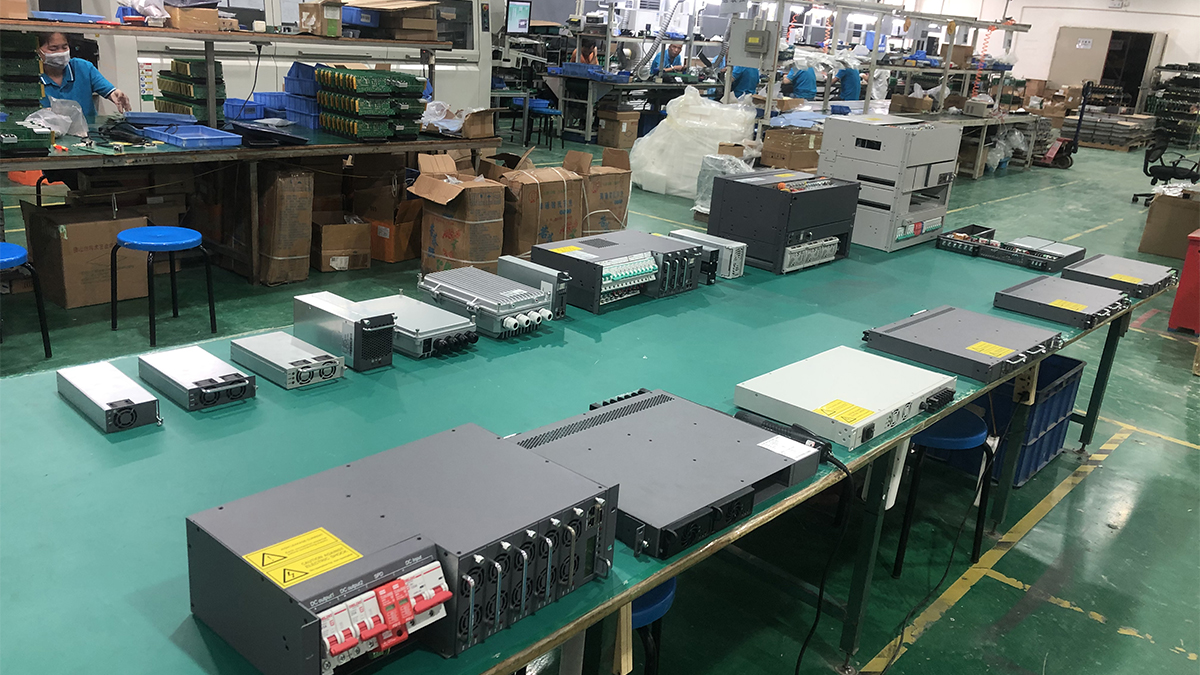
Every device under the EVS brand undergoes a strict 13-stage manufacturing process to guarantee long-term field stability under extreme thermal conditions:
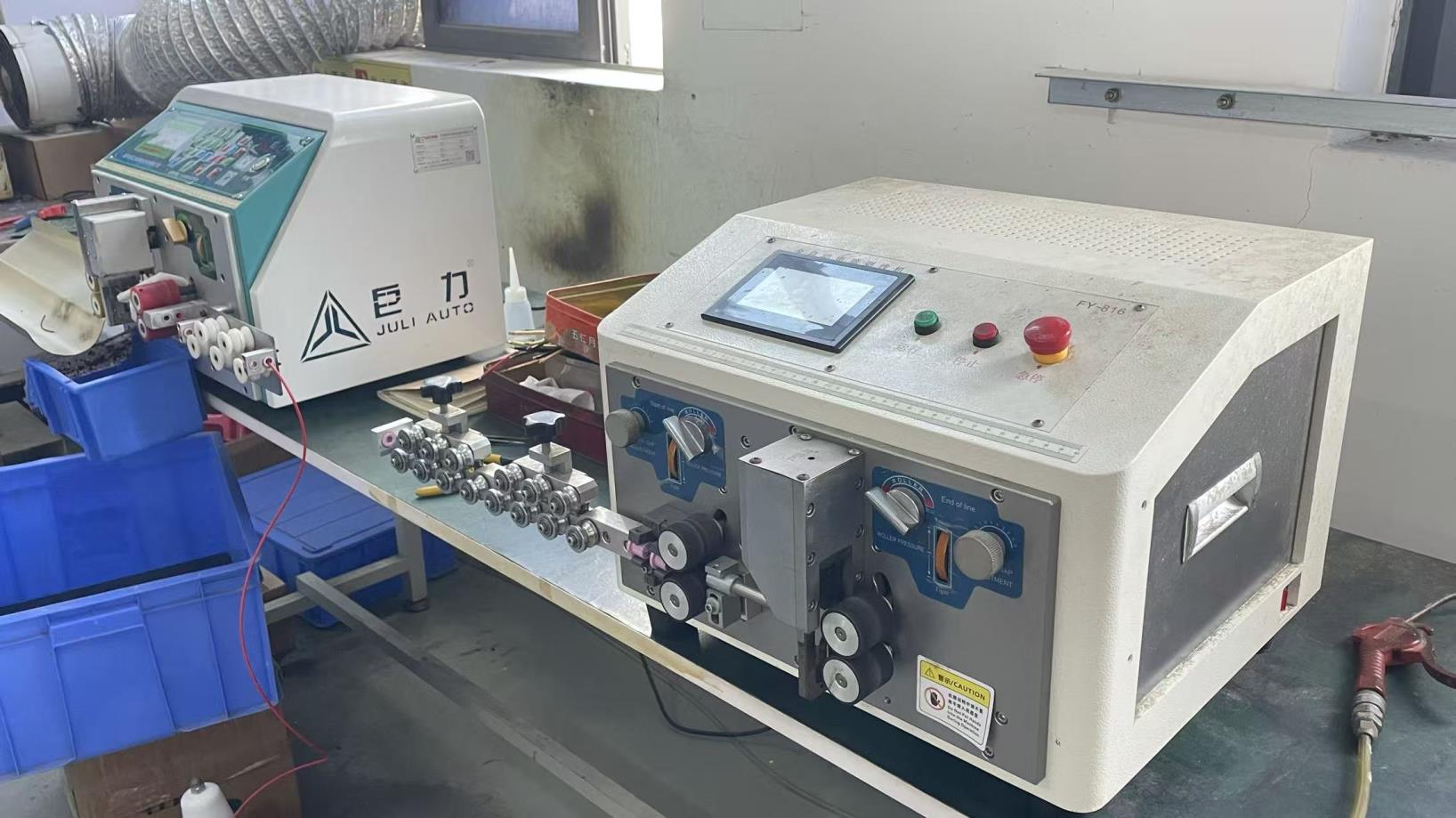
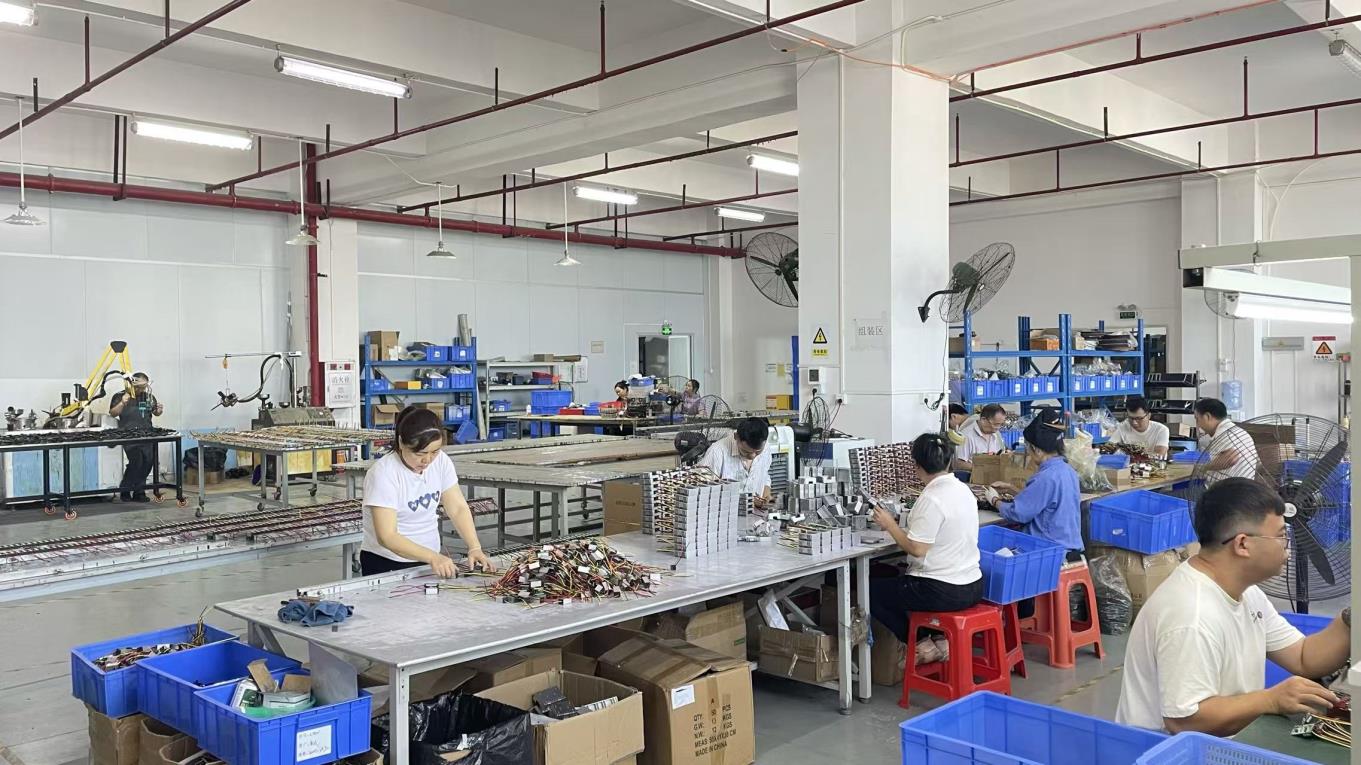

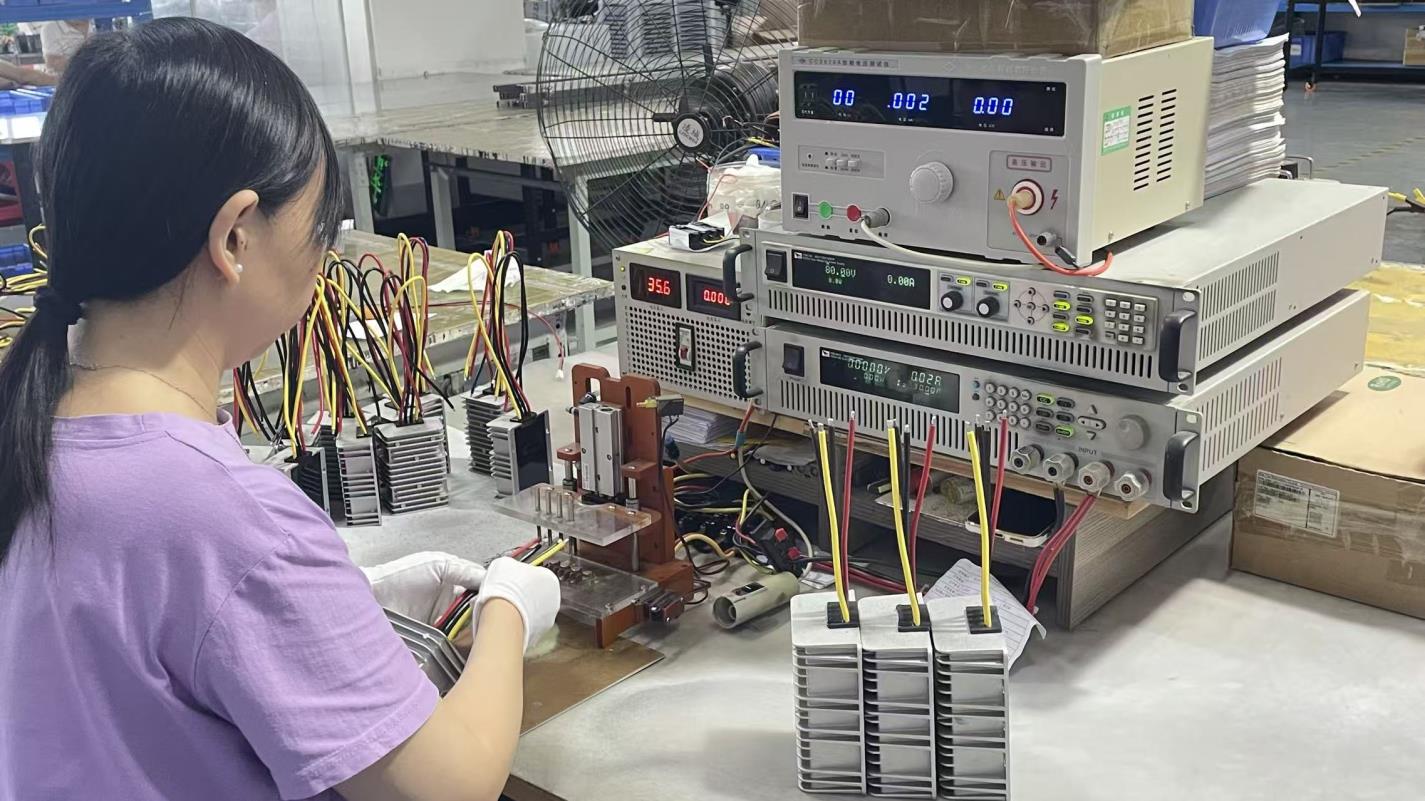
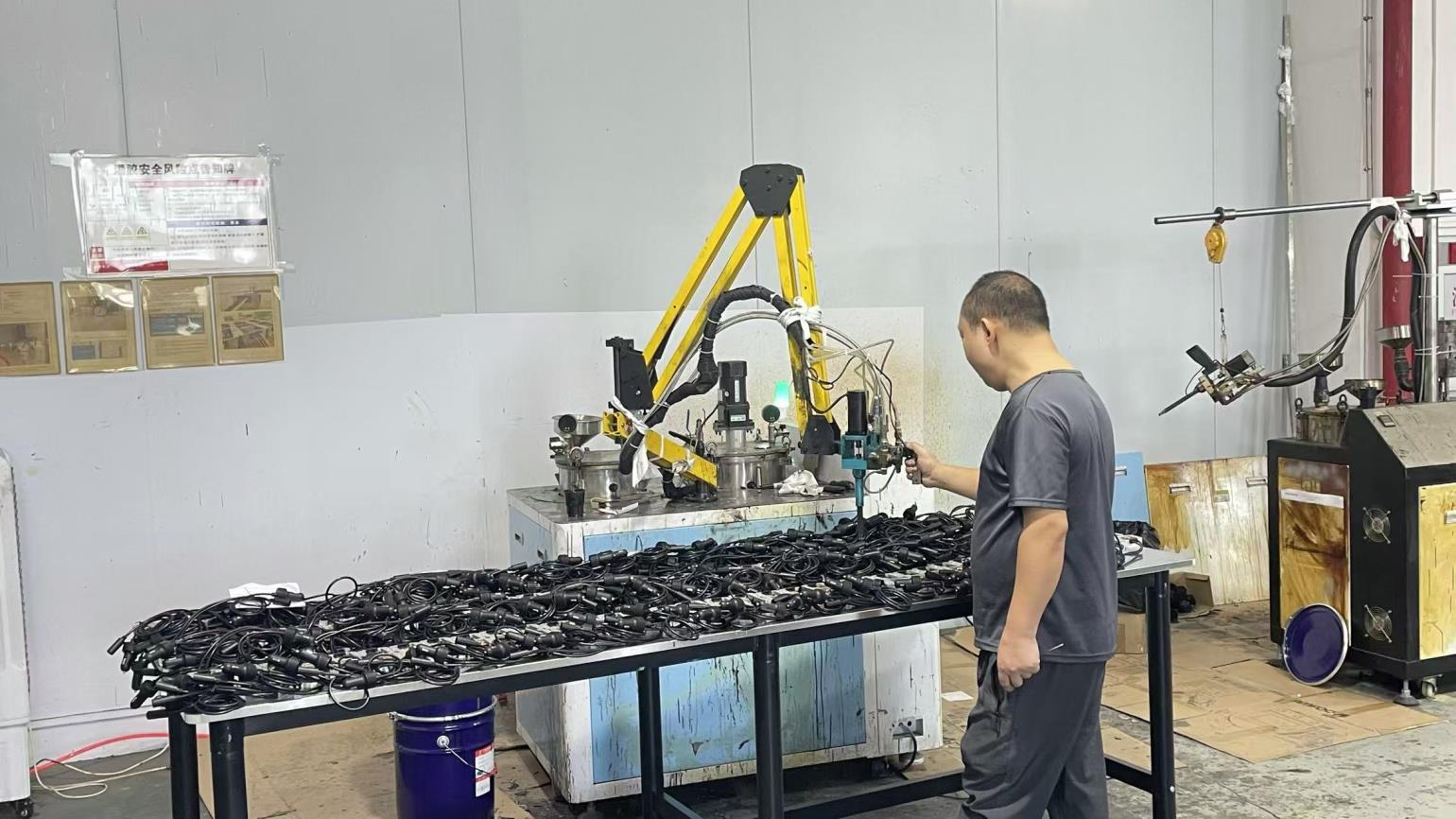
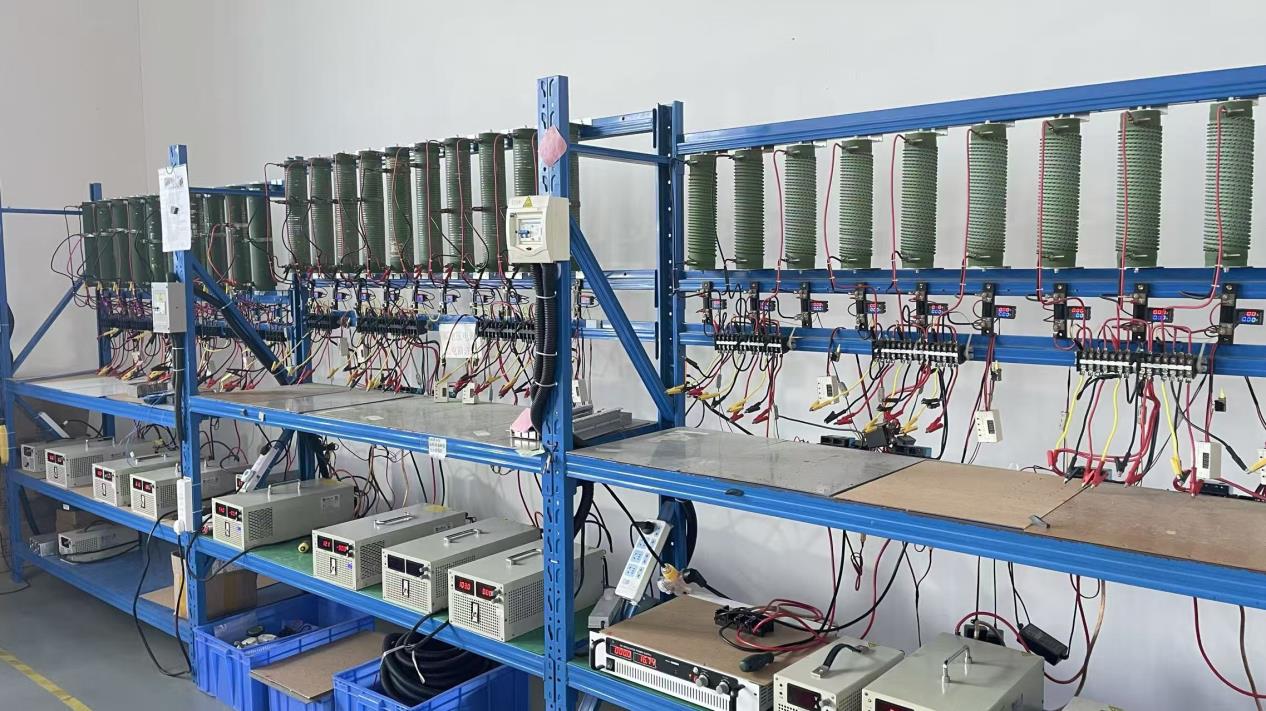
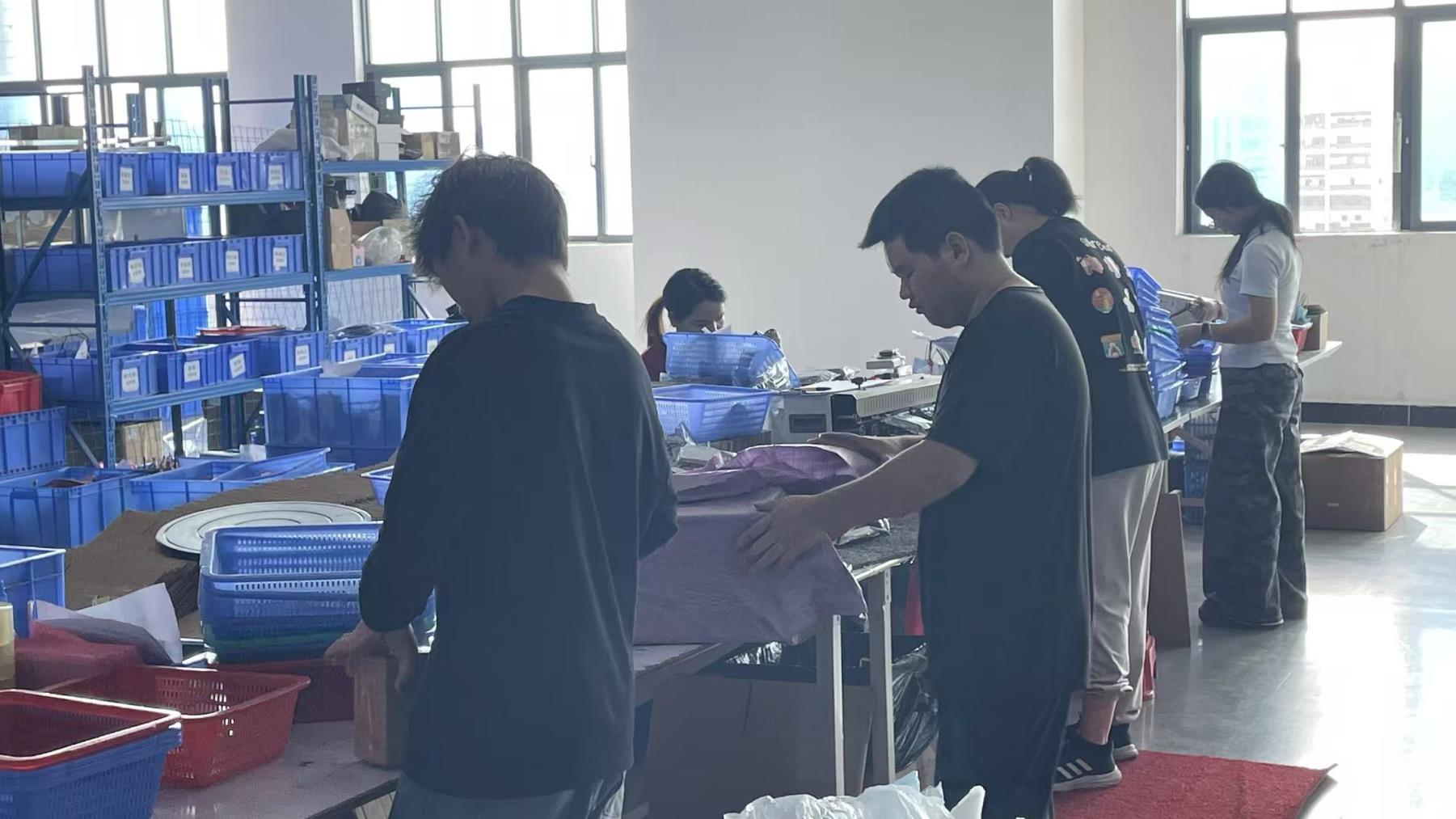
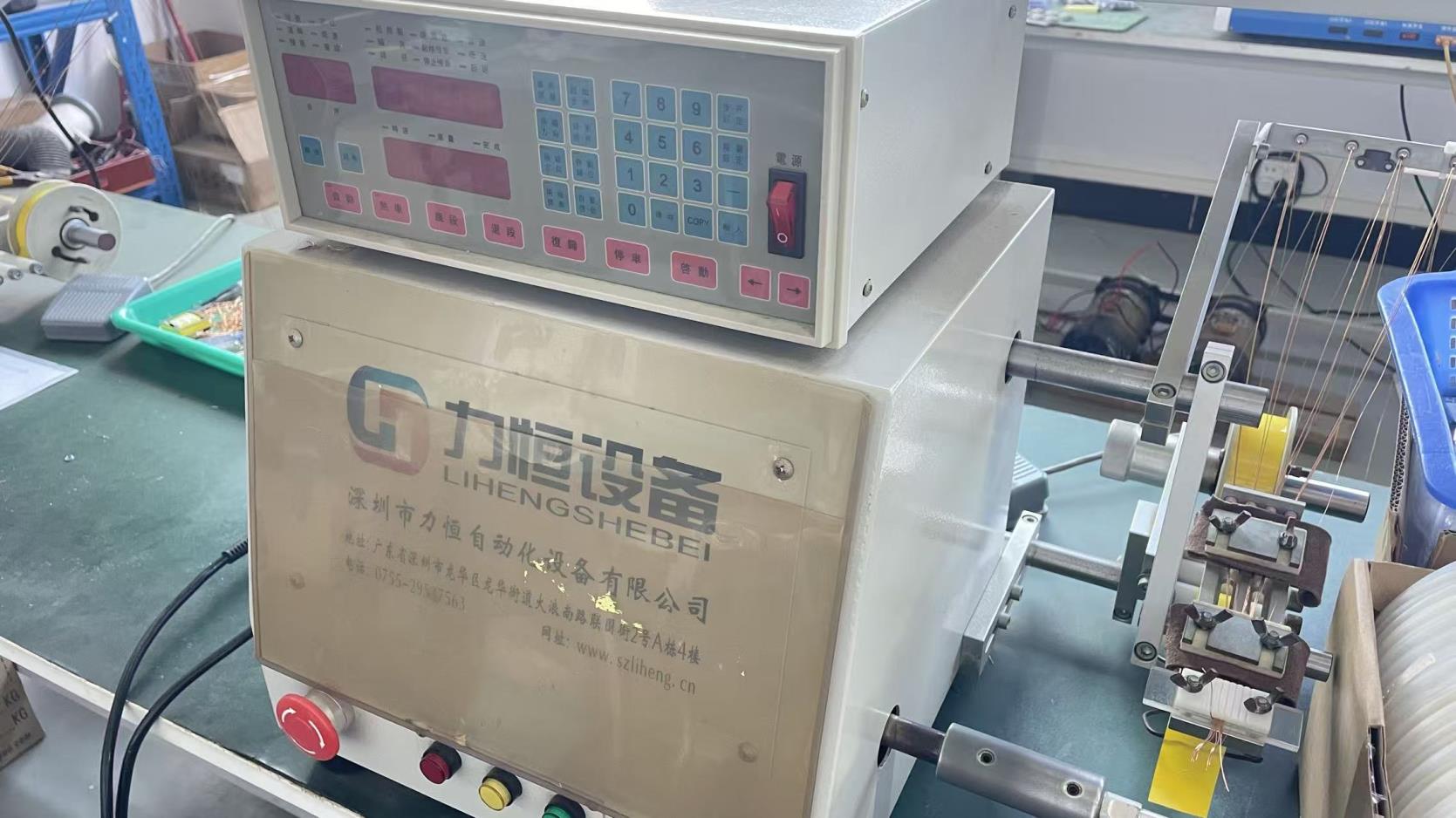
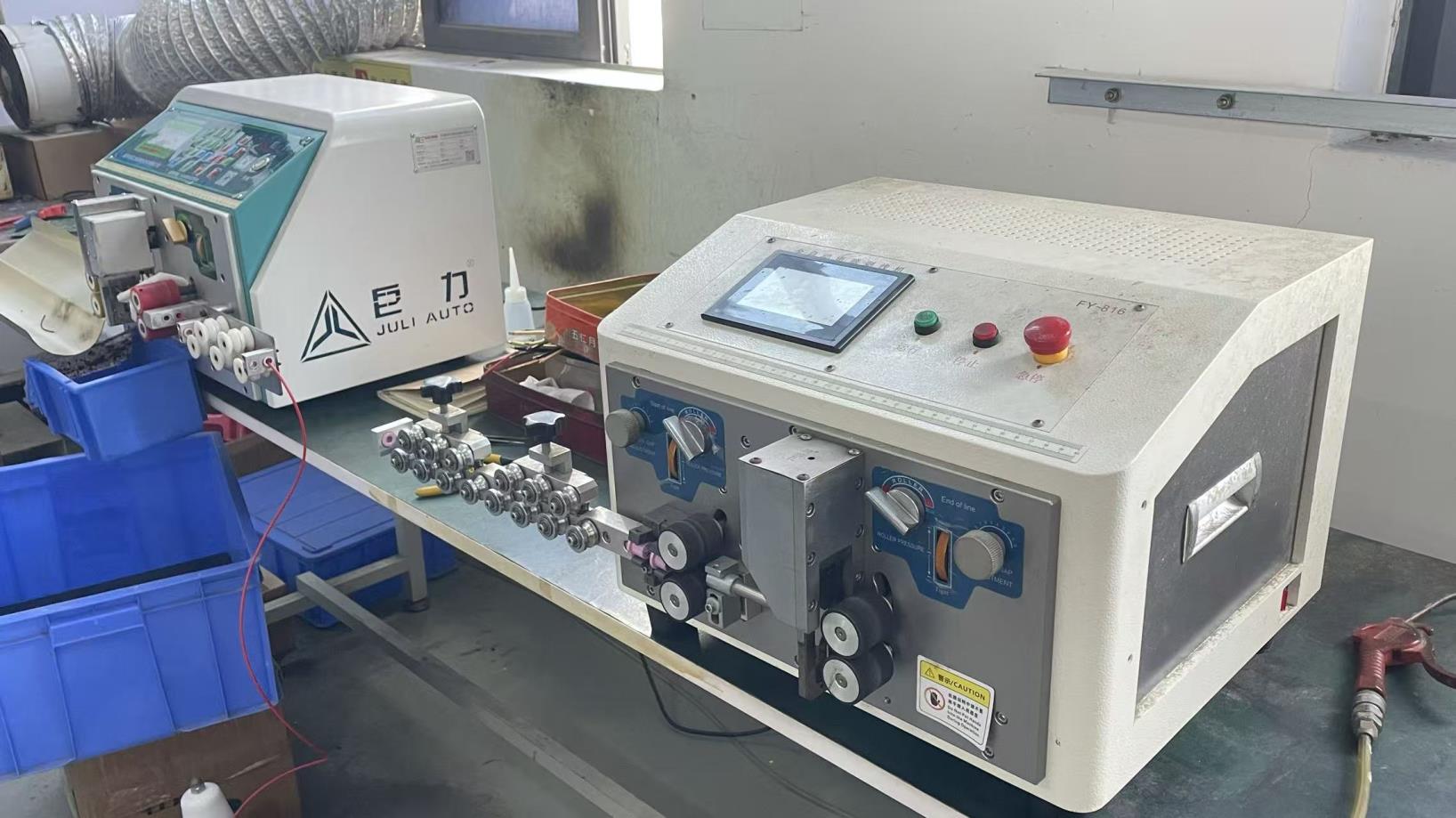


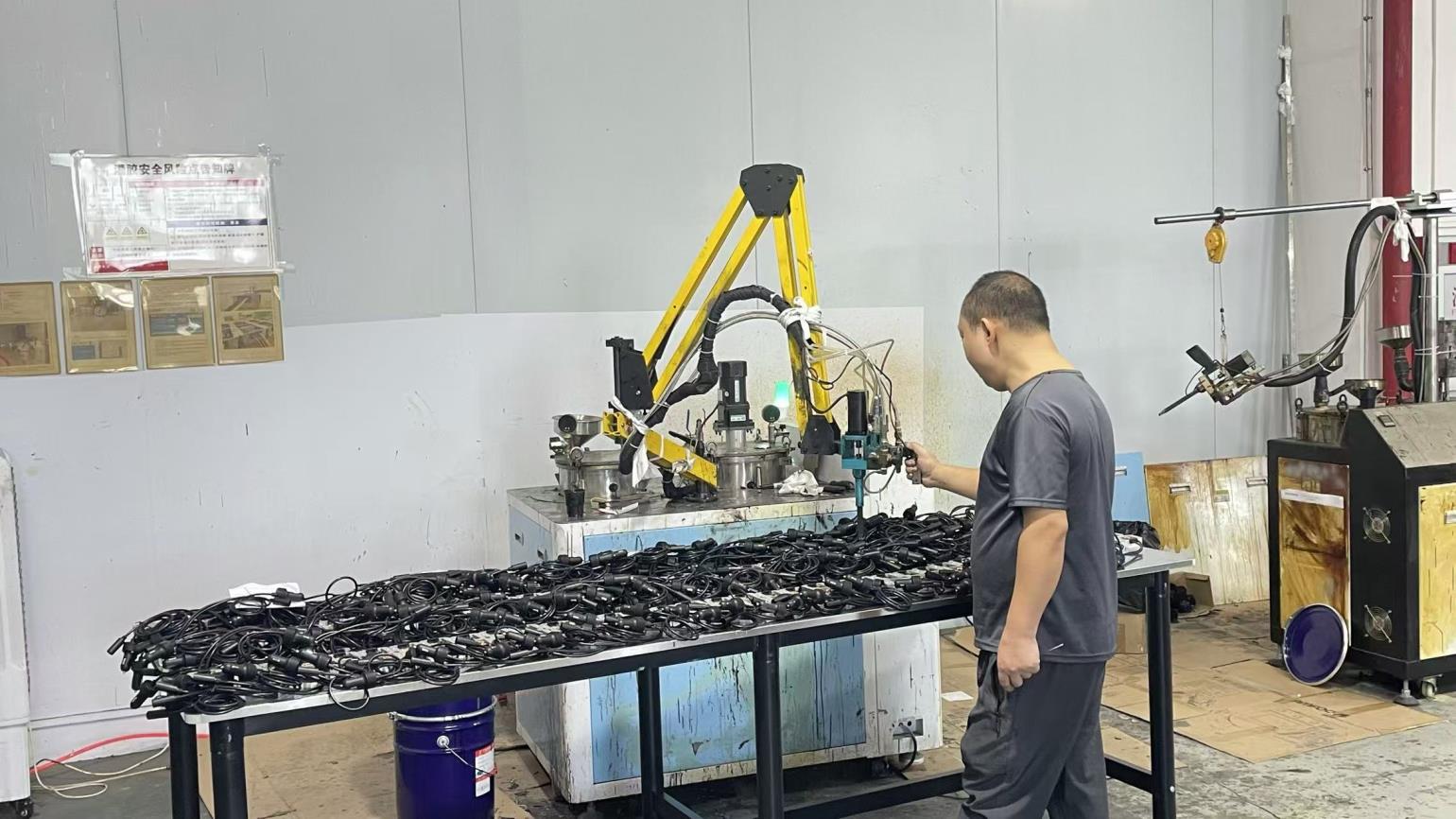
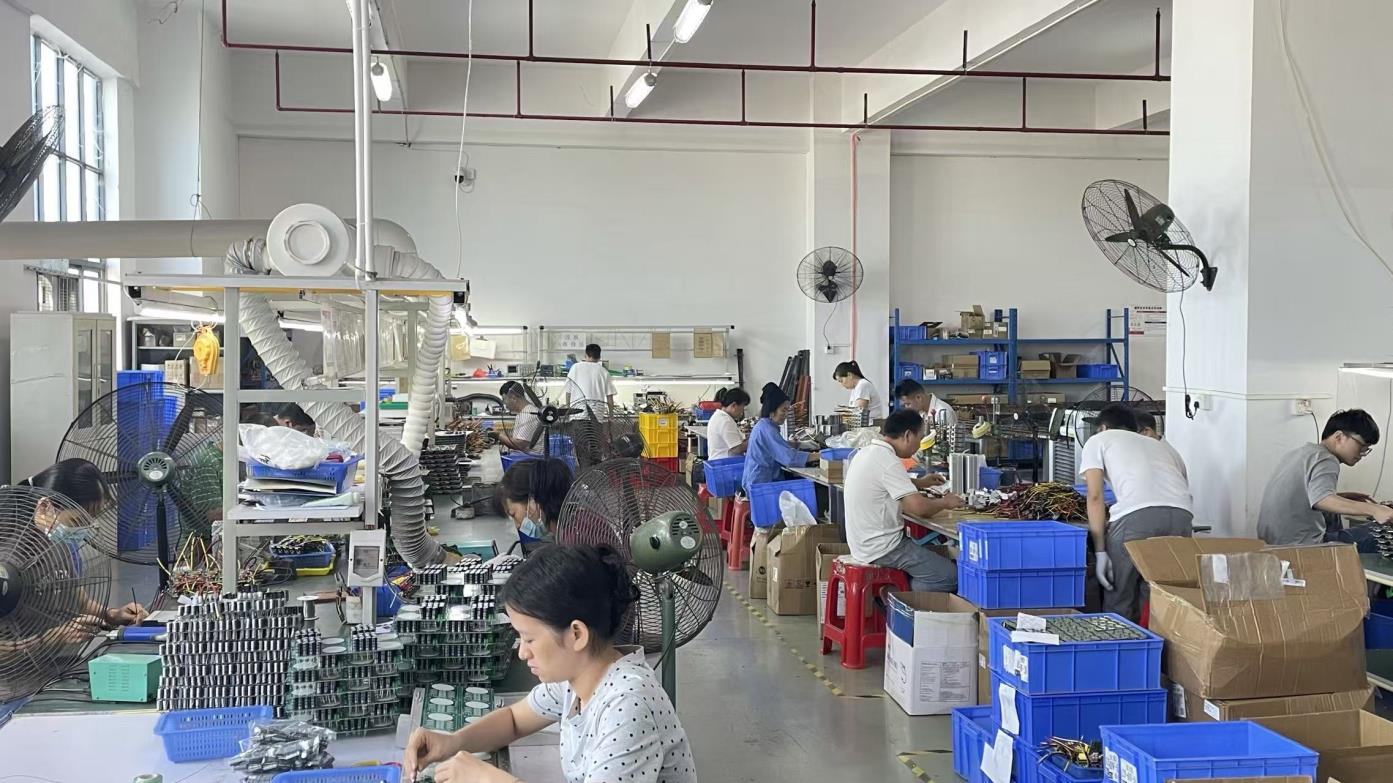
Underpinning our E-E-A-T credentials with traceably calibrated hardware tests, environmental Chambers, and precision analytics.
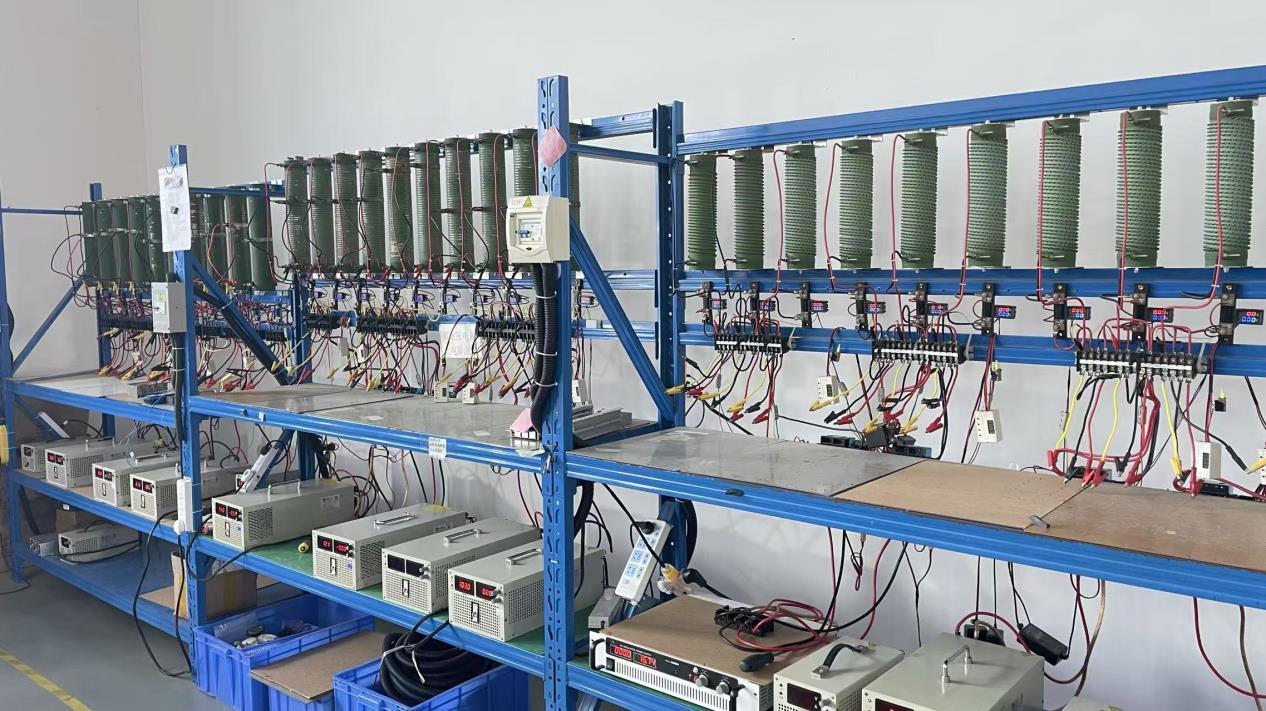
Electrical reliability is not an accident; it is the result of continuous stress testing. Our laboratory is equipped to replicate harsh grid surges, high-humidity environments, and load transitions that cause standard power units to fail. By subjecting prototype and production-run units to severe testing, we verify compliance with the CE Low Voltage Directive (LVD) and Electromagnetic Compatibility (EMC) regulations.
Our core analytical equipment and design methodologies include:
We utilize high-precision DC Power Supply Testers and AC Withstand Voltage Testers to measure leakage currents and dialectric breakdowns up to several kilovolts.
Our Constant Temperature and Humidity Chambers test unit performance in damp heat and sub-zero conditions to guarantee reliable operation in remote telecommunications setups.
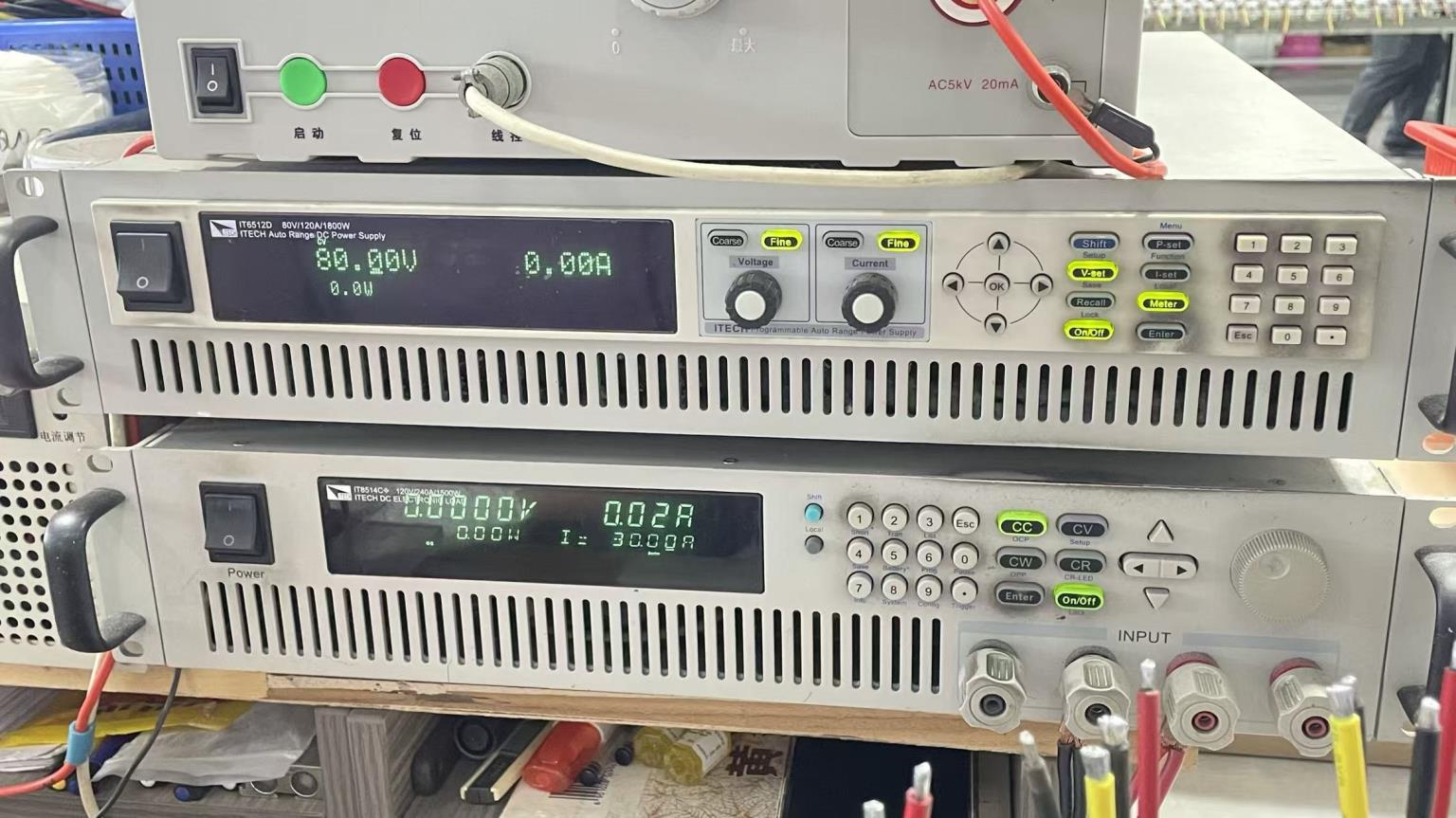
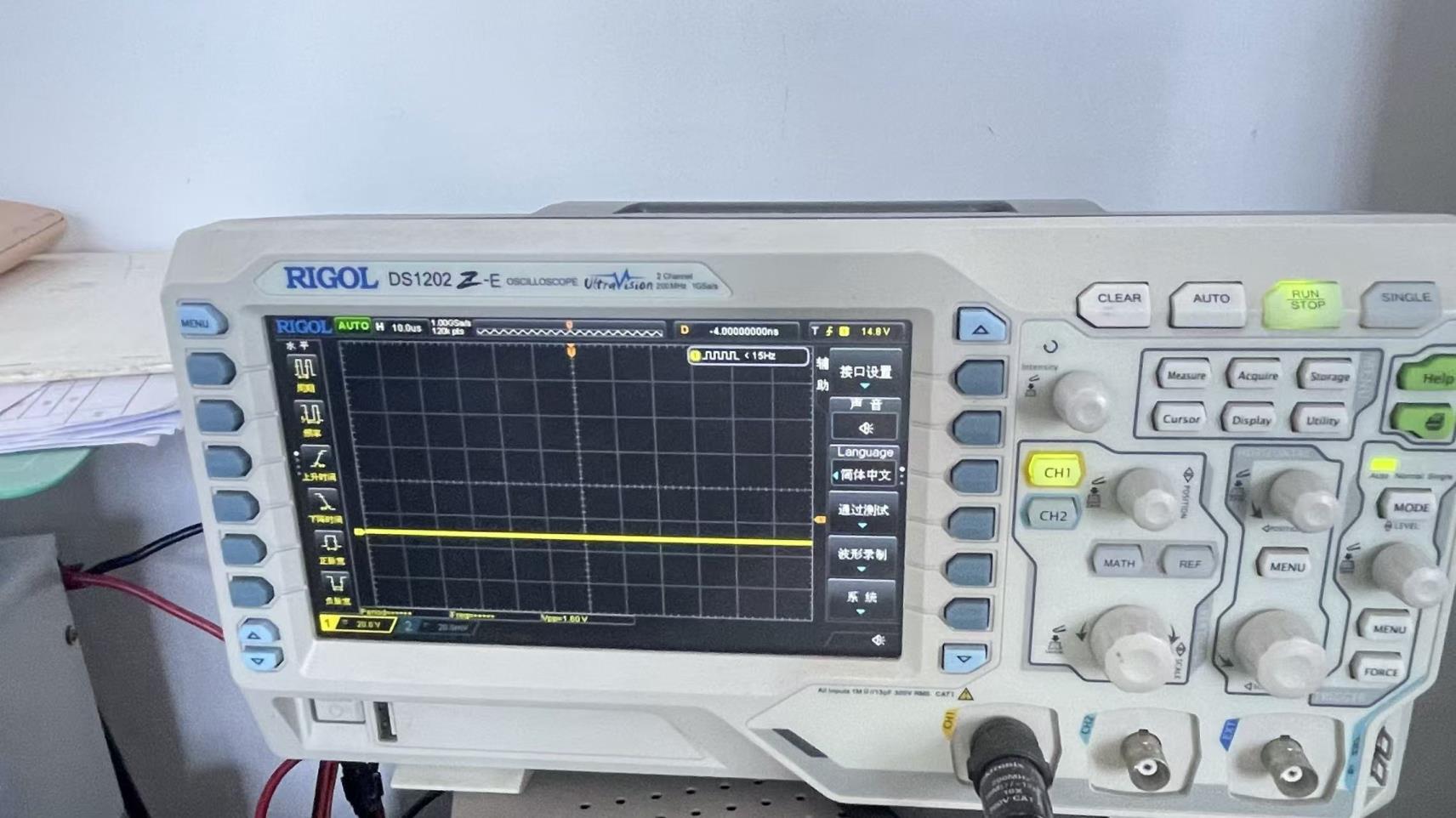
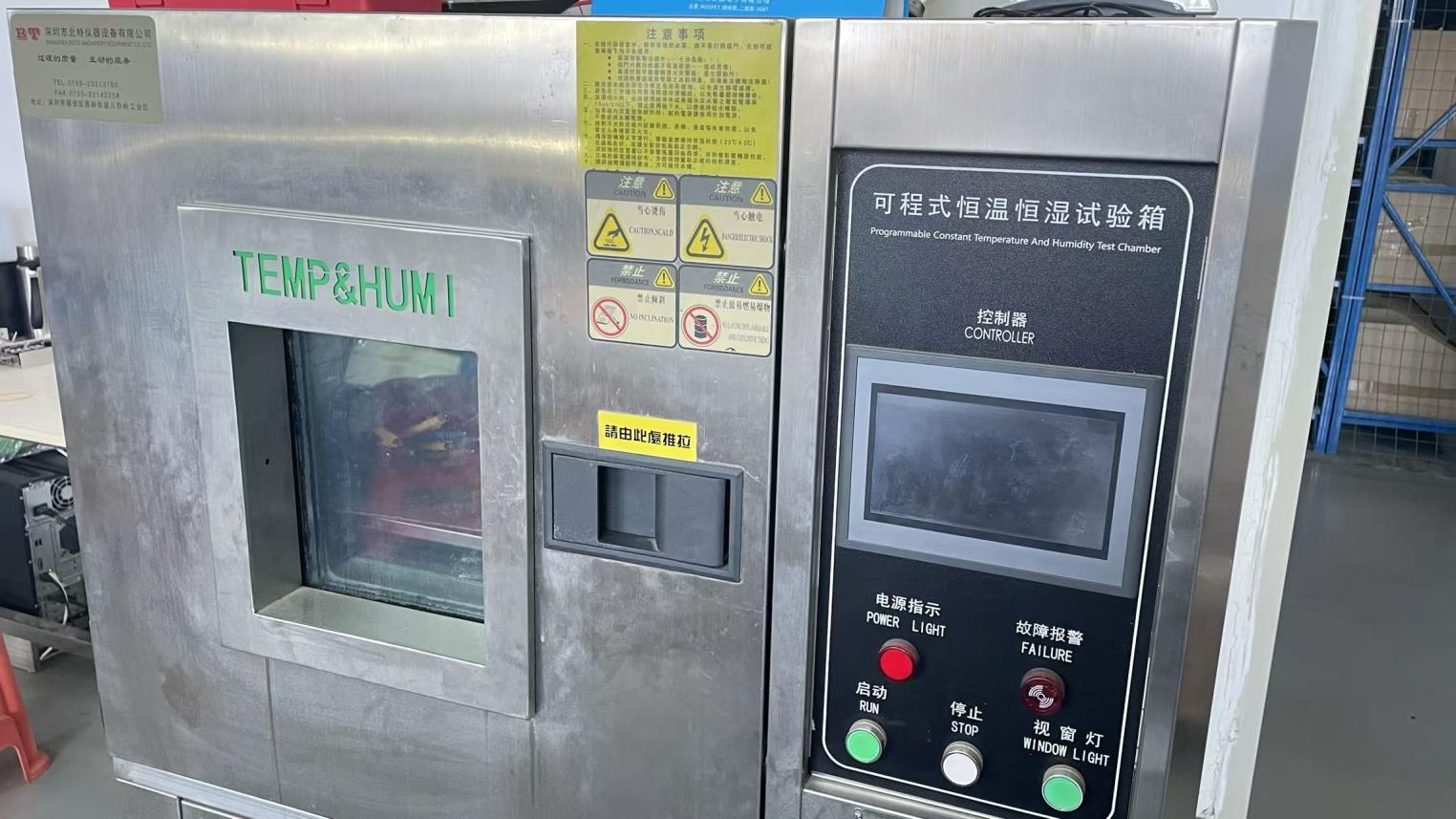
Modern power systems operate across a variety of localized and extreme environments. To help system integrators and engineers find the best configuration, we have categorized the main deployment environments for our smart power supply units:
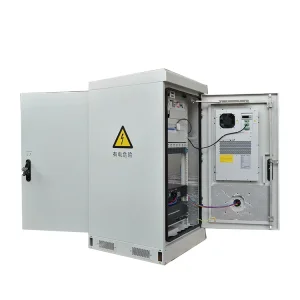
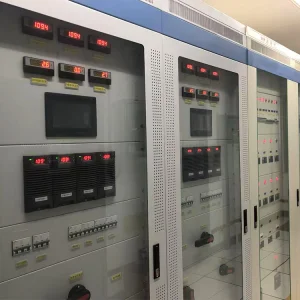
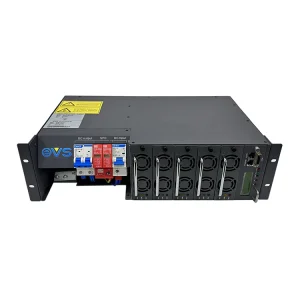
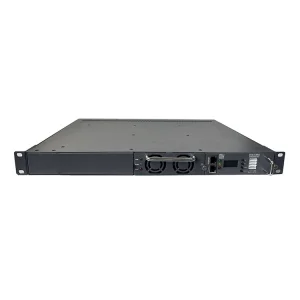
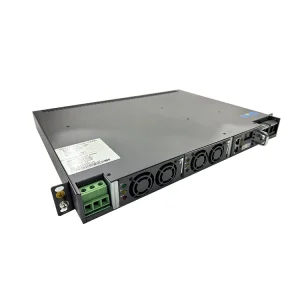
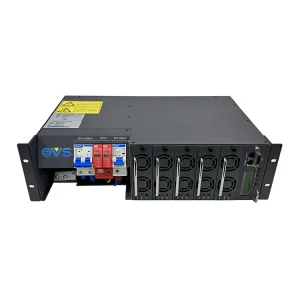
Remote telecom towers require continuous, clean DC output (mostly 48V) to sustain transceivers and signal hardware. EVS switching systems, like the 48V ETP48200P rectifier cabinet, incorporate hot-swappable module designs and active battery chargers. This configuration ensures that if a module fails or the primary AC line drops, backup batteries take over instantly, keeping base stations online without disruption.
Substations run on heavy relays, breakers, and monitoring PLCs requiring stable 110VDC or 220VDC control loops. Our AC-DC Power Supply Cabinets supply continuous, clean energy to prevent relay contact chatter and system micro-reboots during grid transitions. They feature over-voltage, over-temperature, and short-circuit protection to isolate faults and keep key controls online.
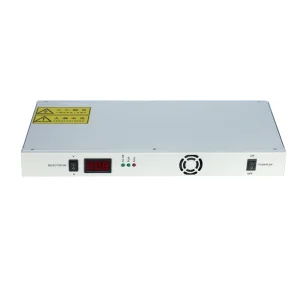
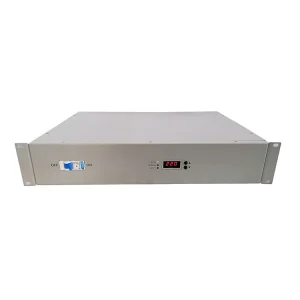
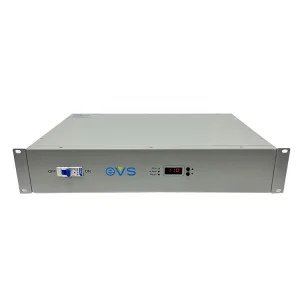
Global procurement managers evaluate suppliers on technical compliance first. Our systems address these needs directly: CE certification assures structural and electrical compliance, while high efficiency minimizes heating and limits operational costs. Configurable DC rails match global voltage standards, and standard modular enclosures fit neat 19-inch racks for clean integrations.
Get detailed answers on configuration options, international standards compliance, and EVS service models.
A: A smart power supply includes a microprocessor or digital signal processor (DSP) to handle control loops, monitor metrics, and manage system operations. It tracks parameters like voltage output, current, internal temperature, and battery life, and communicates this data via industrial interfaces like CAN bus, RS485, or Ethernet protocols.
A: CE certification shows that a product meets EU safety, health, and environmental requirements. For switching power supplies and DC systems, it proves compliance with the Low Voltage Directive (LVD) and Electromagnetic Compatibility (EMC) standards. This verification helps protect connected equipment from damage and ensures safe operation for personnel.
A: Step-up converters boost lower input voltages (such as 48Vdc batteries) to higher voltages (like 380Vdc or 480Vdc). This higher voltage matches the bus levels of industrial variable-frequency motor drives, allowing backup battery storage to power high-voltage motors during main power outages.
A: Yes. We offer comprehensive OEM/ODM options. Our engineering teams can adjust input/output configurations, modify protection thresholds, design custom enclosures, and integrate preferred communication interfaces to fit specific customer requirements.
A: Our cabinets include temperature-controlled cooling fans, anodized aluminum heatsinks, and automatic thermal throttling. If internal temperatures exceed preset limits, the system lowers output capacity or shuts down to protect components, restarting automatically once safe temperatures return.
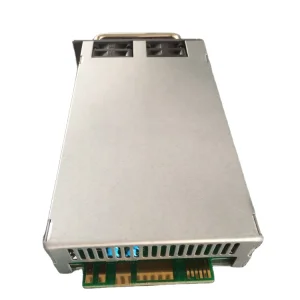
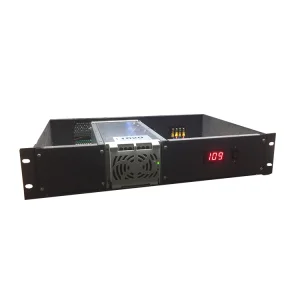
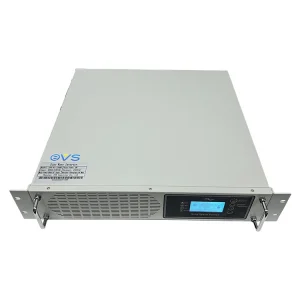
Explore our line of hot-swap rectifiers, step-up/step-down converters, and pure sine wave power inverters.
 EVS Powers