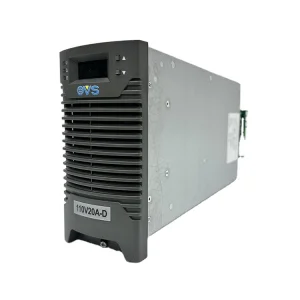
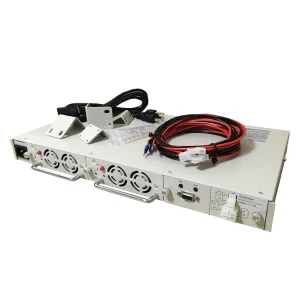
Explore our catalog of high-efficiency rectifiers, single-phase inverters, and heavy-duty battery chargers designed for grid robustness.
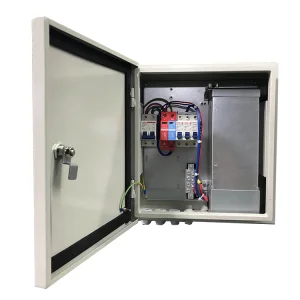

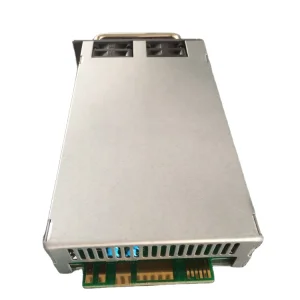
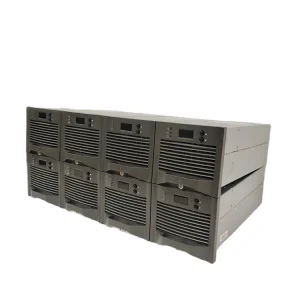
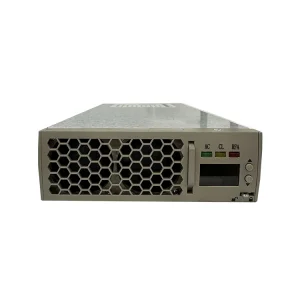
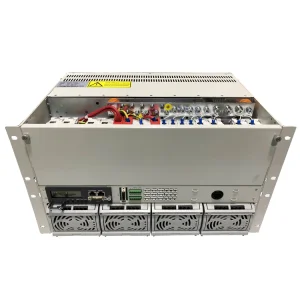
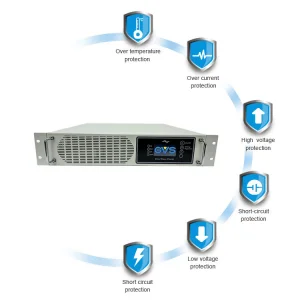
Modern electrical grids necessitate EV charging solutions that limit losses and Harmonic Distortion (THD). EVS Powers implements high-frequency Switching Mode Power Supply (SMPS) topologies that output stable DC with up to 95% efficiency, reducing operational heat signature and saving energy costs for global operators.
CE Certification serves as the standard regulatory passport for European deployment. All charging setups conform strictly to the Low Voltage Directive (LVD) and Electromagnetic Compatibility (EMC) guidelines. This validation promises reliable operation without generating safety hazards or compromising surrounding instrumentation.
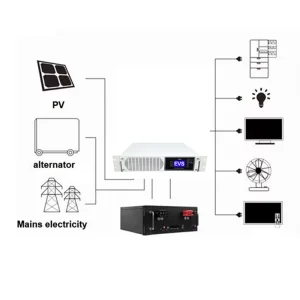
For systems handling critical loads—including sub-rack networks, telecom hubs, and warehouse automated guided vehicles (AGVs)—our platforms integrate dual switching topologies. These configurations prevent cascading grid failures and provide redundancy where operations cannot afford downtime.
Many procurement specialists overemphasize raw charging speed while neglecting the underlying electrical distribution grid compatibility. Integrating high-quality rectifiers directly minimizes high-frequency distortion, securing optimal power conversion across massive deployments, lowering systemic operational losses, and preventing micro-grid overloads.
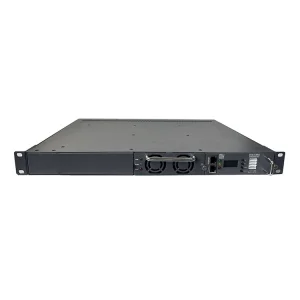
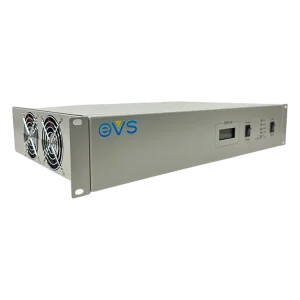
High-reliability power frameworks engineered to bridge the gap between volatile utility inputs and sensitive industrial battery networks.
Voltages vary significantly between continents—from 110V/120V single-phase formats typical in North American environments to 220V/380V distributions in EU regions. Industrial components require wide input-voltage tolerance to perform continuously. EVS Powers designs power rectifiers, battery chargers, and DC-DC converters capable of stabilizing volatile AC grid inputs into precise, steady DC outputs, ensuring the protection of large-scale vehicle fleets and logistics assets.
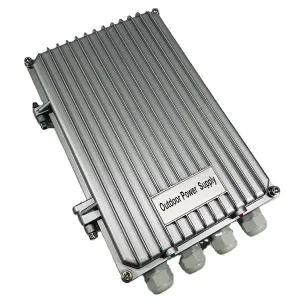
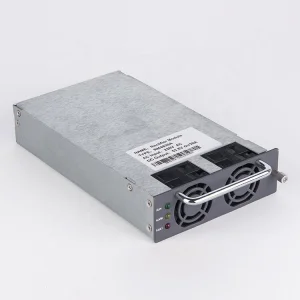
Equipped with optimized heat-sink fins, industrial-grade fan setups, and thermal potting (glue filling), EVS power products work seamlessly from -20°C up to +60°C environments.
System status telemetry is monitored continuously via Modbus/SNMP, ensuring easy integration with supervisory control (SCADA) systems and modern smart building interfaces.
Built-in high-isolation transformers segregate input grids from output circuits, ensuring complete safety for personnel and sensitive vehicle micro-electronics.
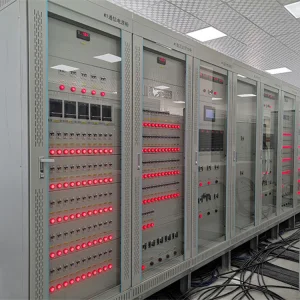
Behind every product lies a rigorous production methodology. From wire cut processing to automated laser diagnostics, EVS Powers maintains a standardized manufacturing process.
Guangzhou EVS Powers Co., Ltd., is located in international trade city Guangzhou. Our Company EVS is a professional manufacturer of switching power supplies, DC power systems, power supply units, DC-DC converters, power inverter series power system products, and other OEM/ODM electronics products tailored to customer requests. We regard clients' satisfaction as our top task, product quality as the basis of development, and cost-saving as our competitive advantage.
With an excellent credit standing and premier service, we have earned a high reputation and sustained long-term cooperation from customers domestically and globally—including Europe, South and North America, Australia, the Middle East, Southeast Asia, and other areas. Guided by good faith, we share our technical knowledge and engineering experience with partners to promote mutual growth and electronic innovation.
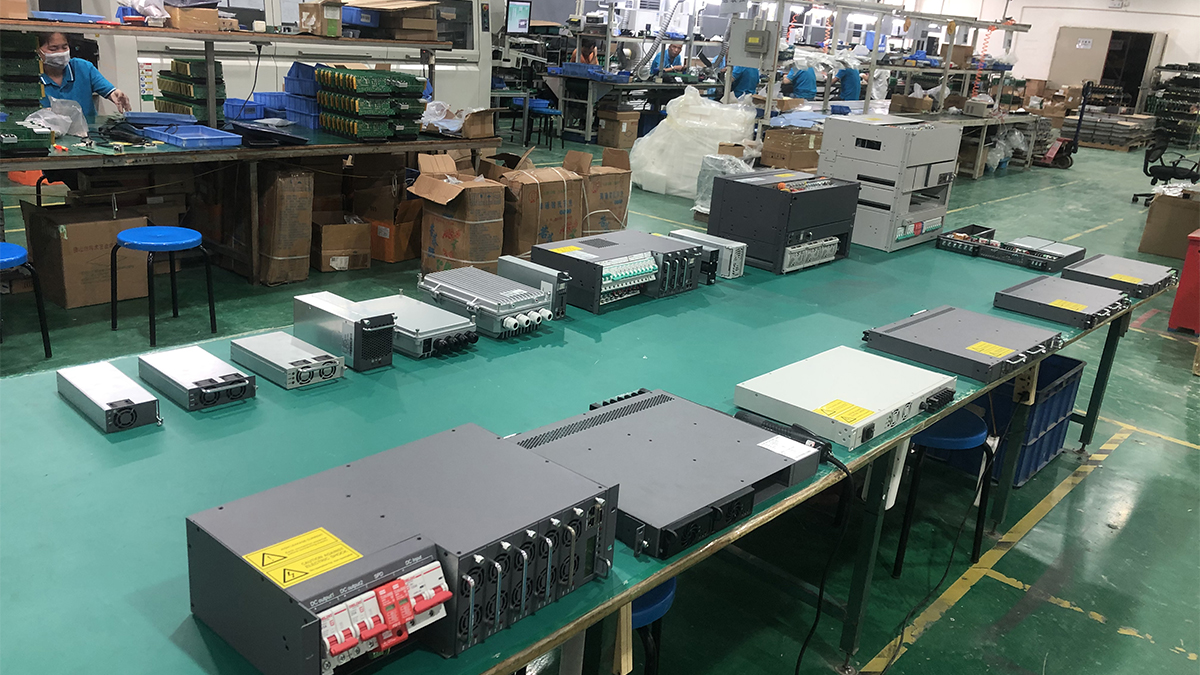
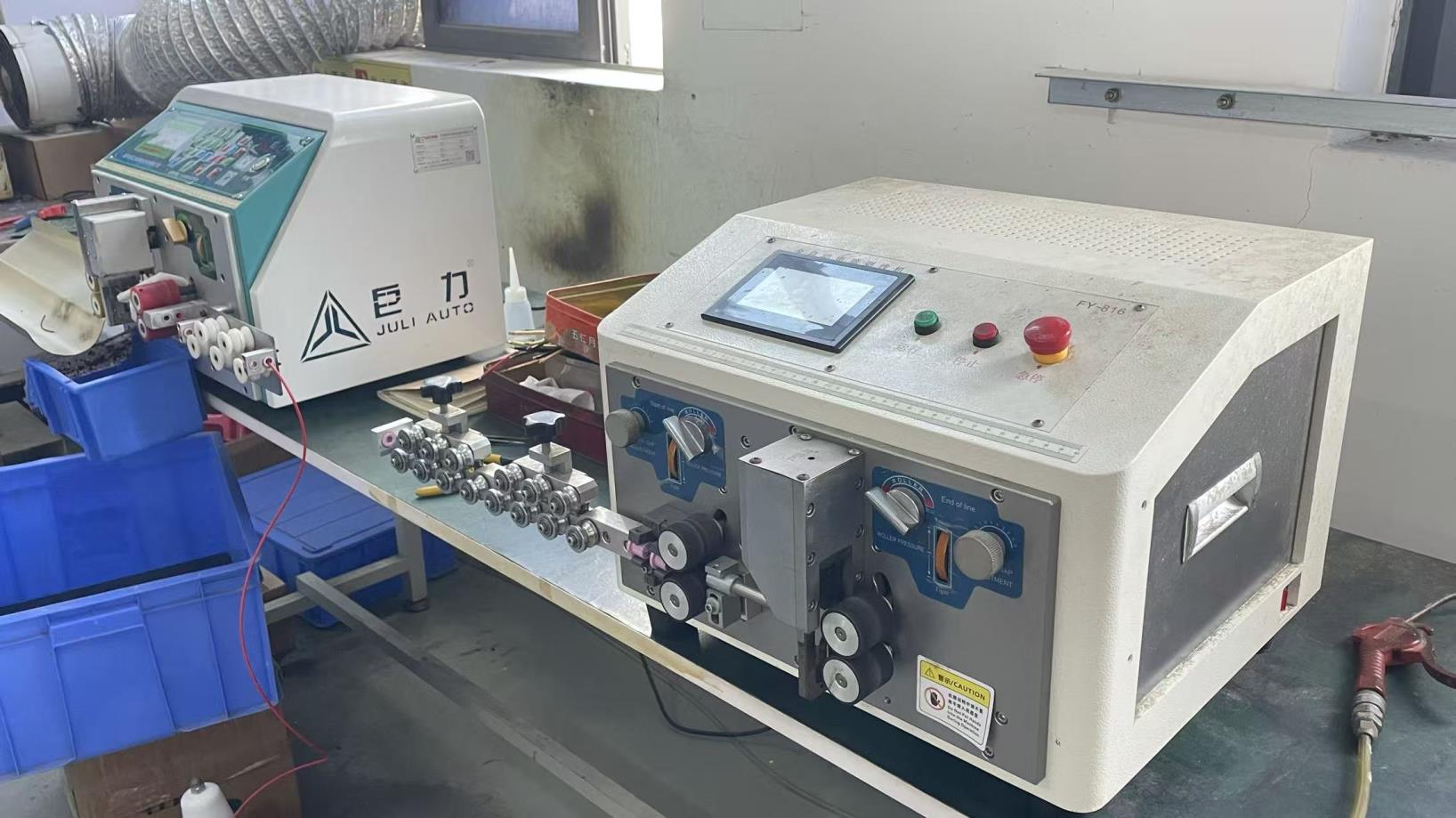 Wire Cutting
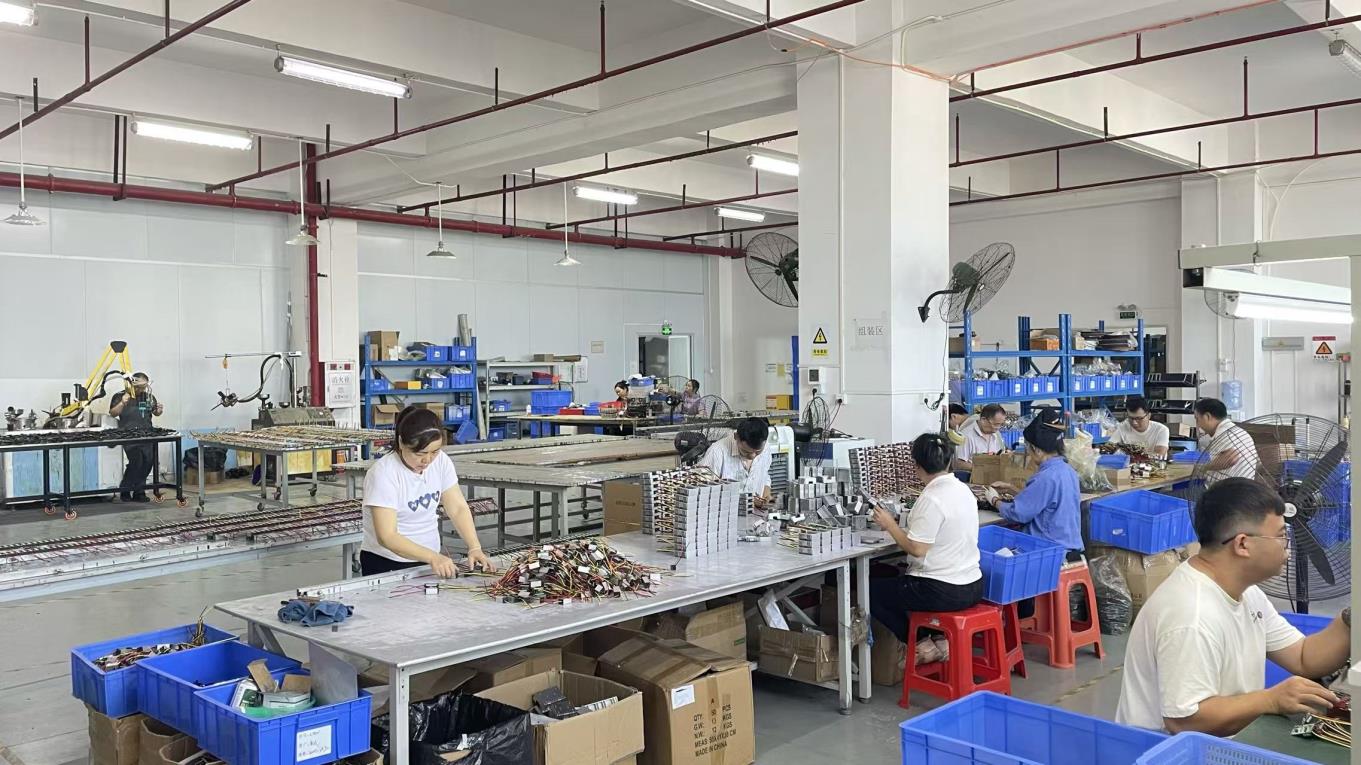 Plug-In
 Soldering Tin
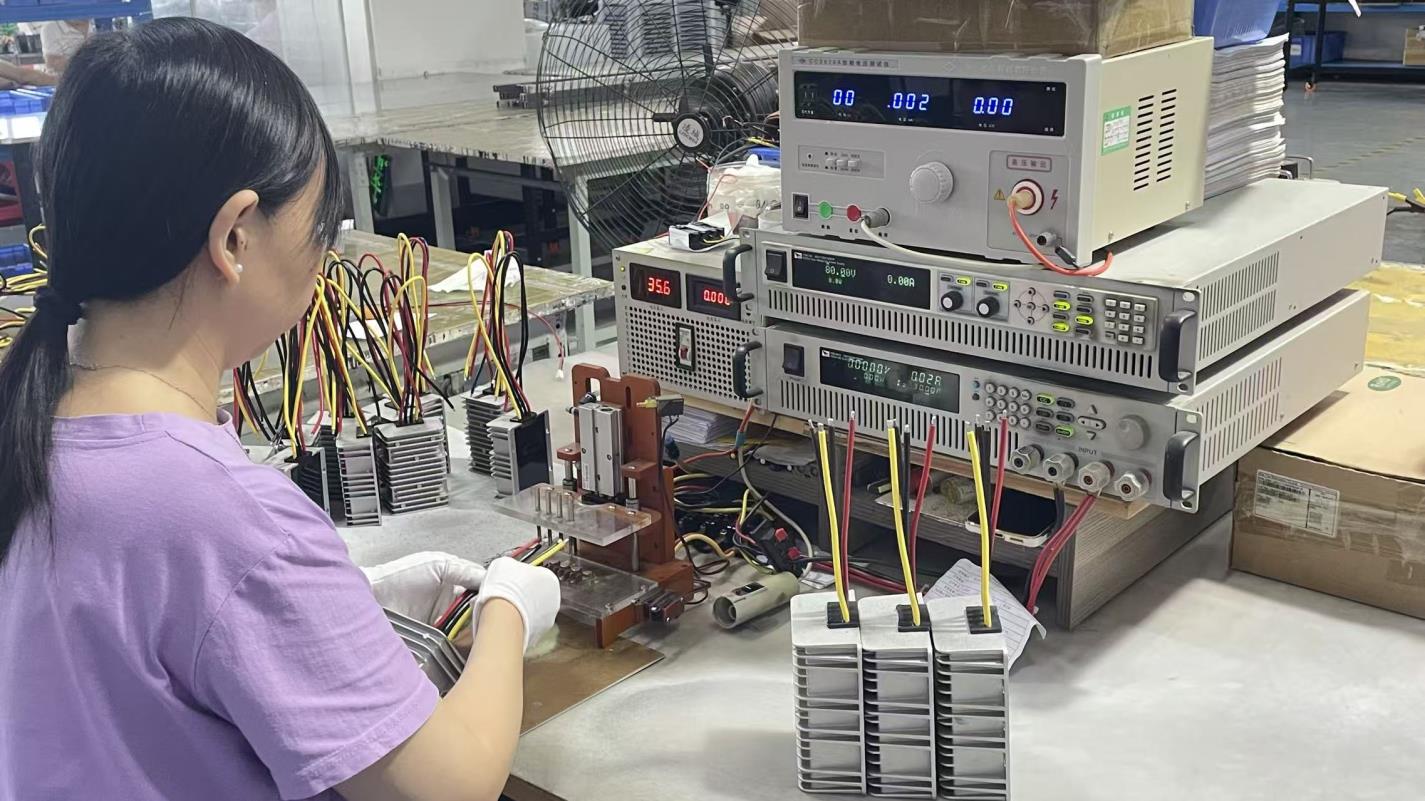 Test
Test
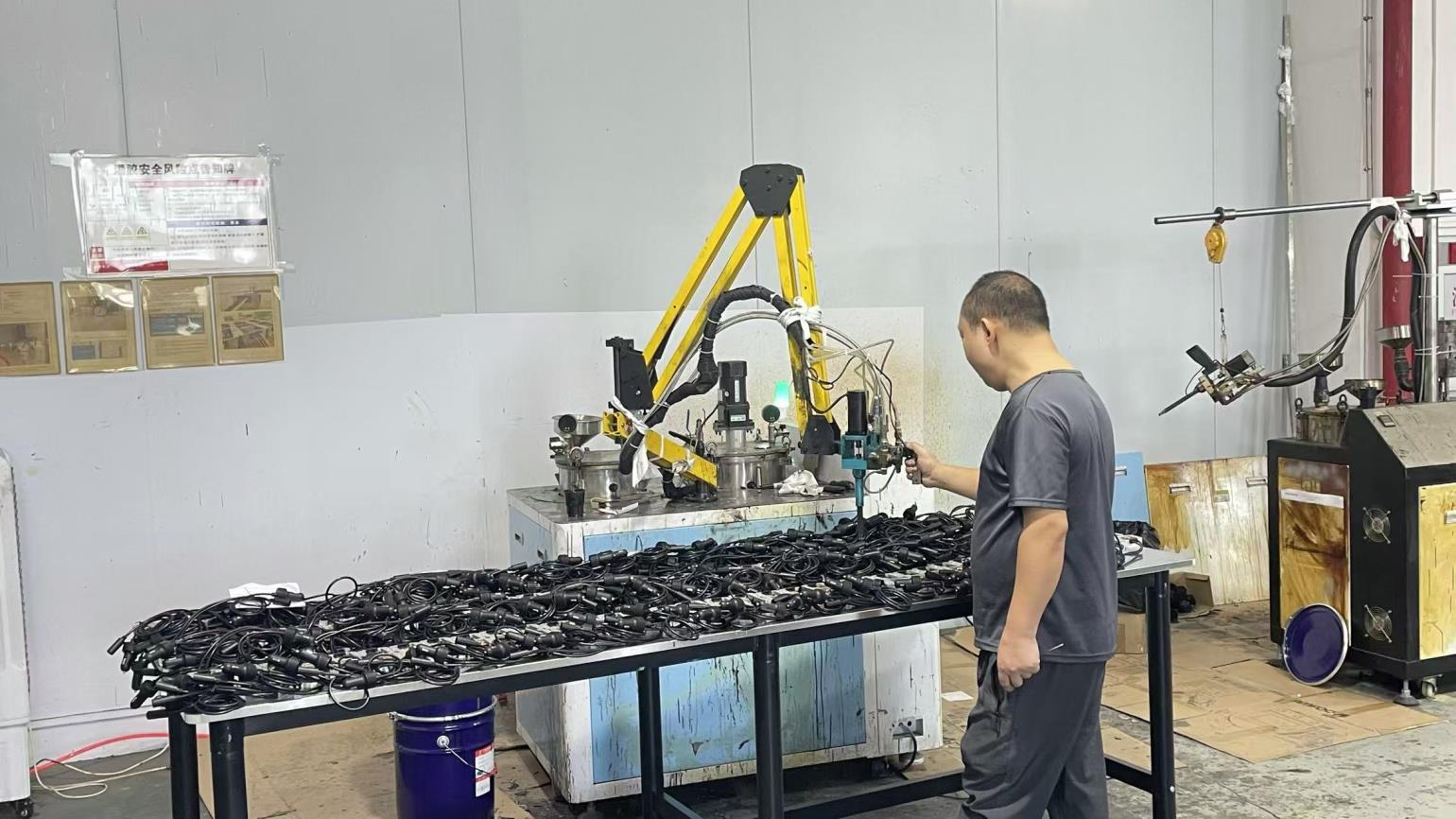 Glue Filling
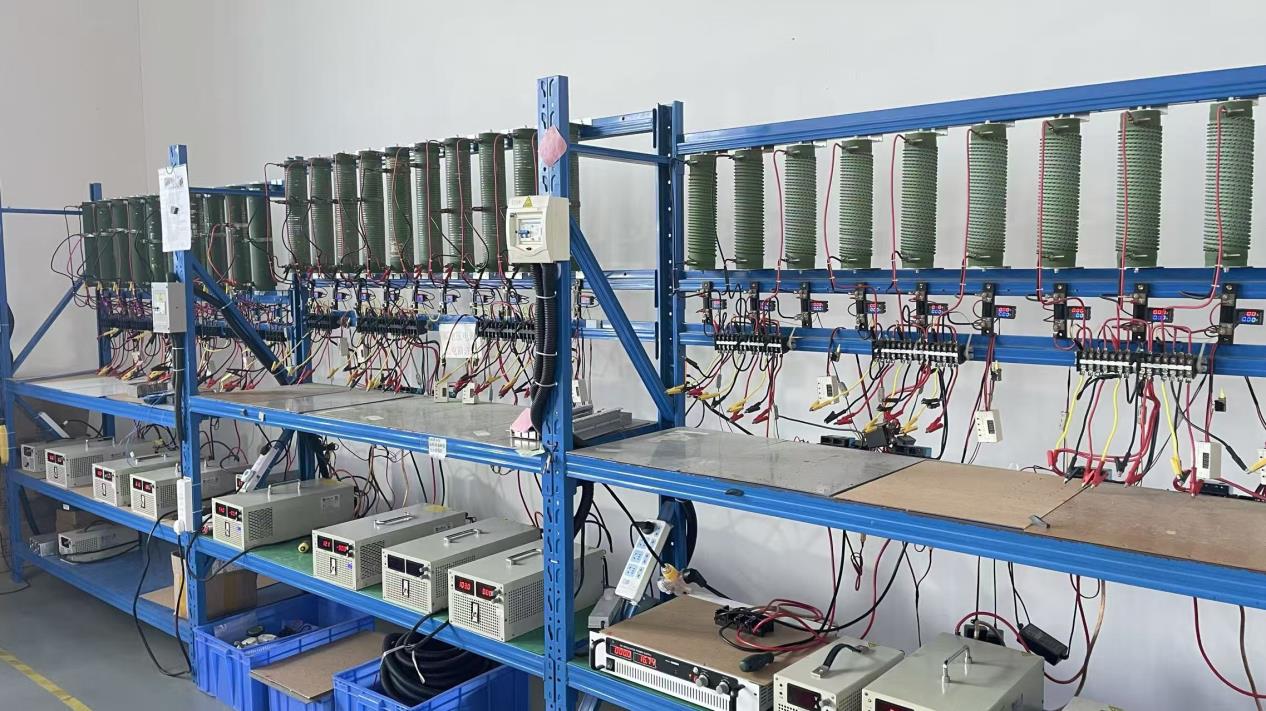 Burn-In Test
 Packaging
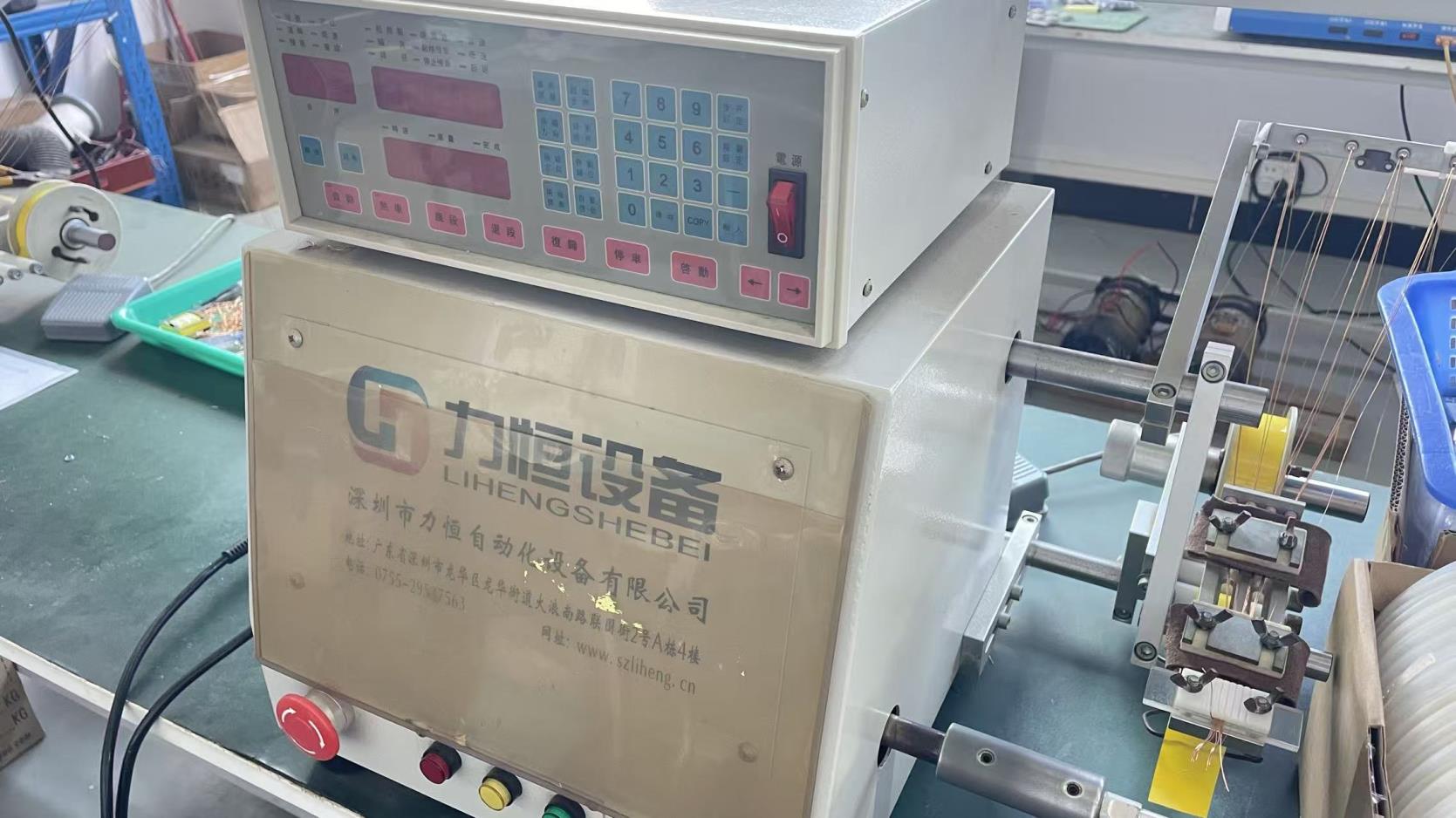 Winding Machine
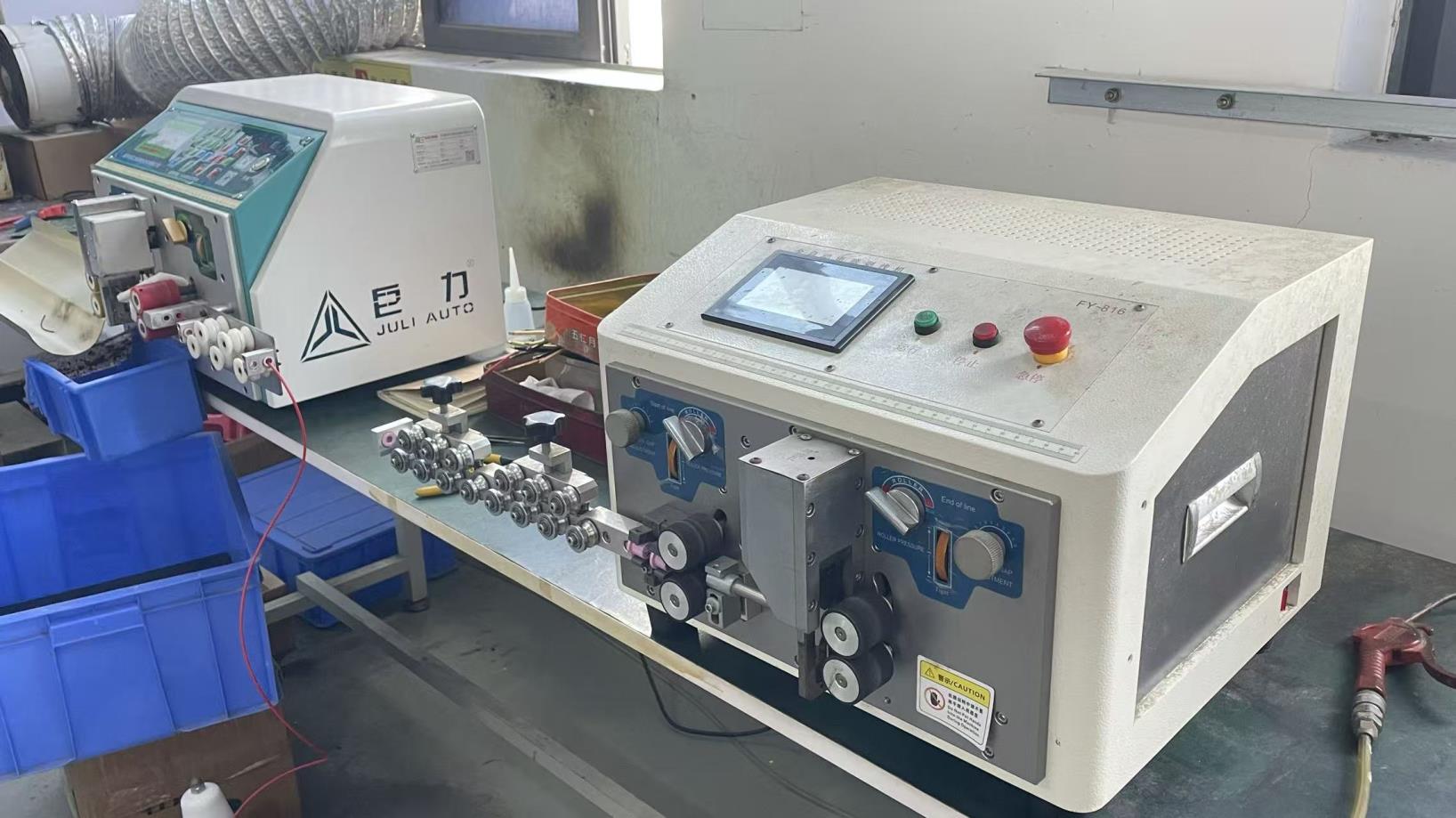 Wire Cutting Machine
 Automatic Soldering
 Laser Engraving
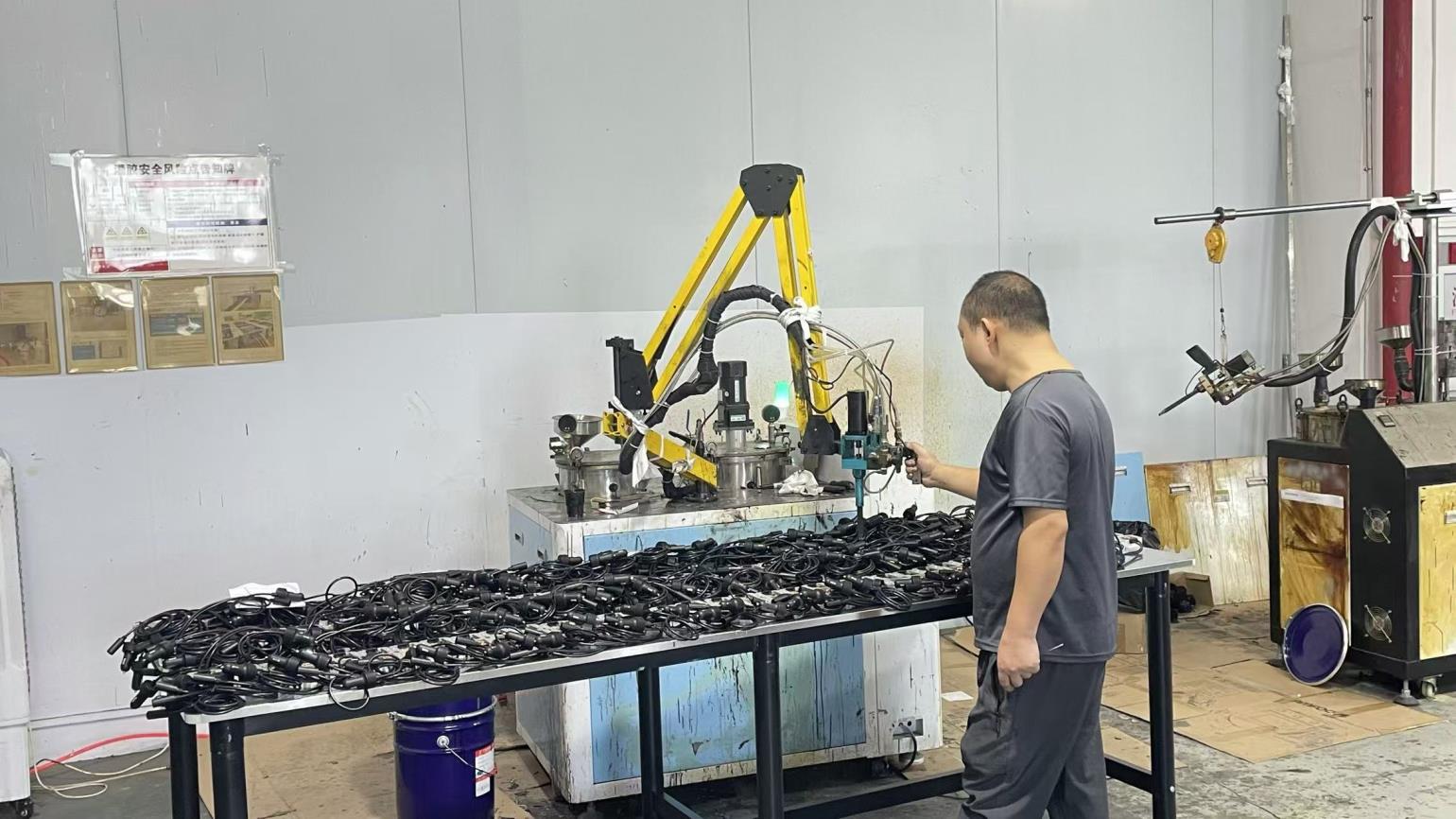 Canning Machine
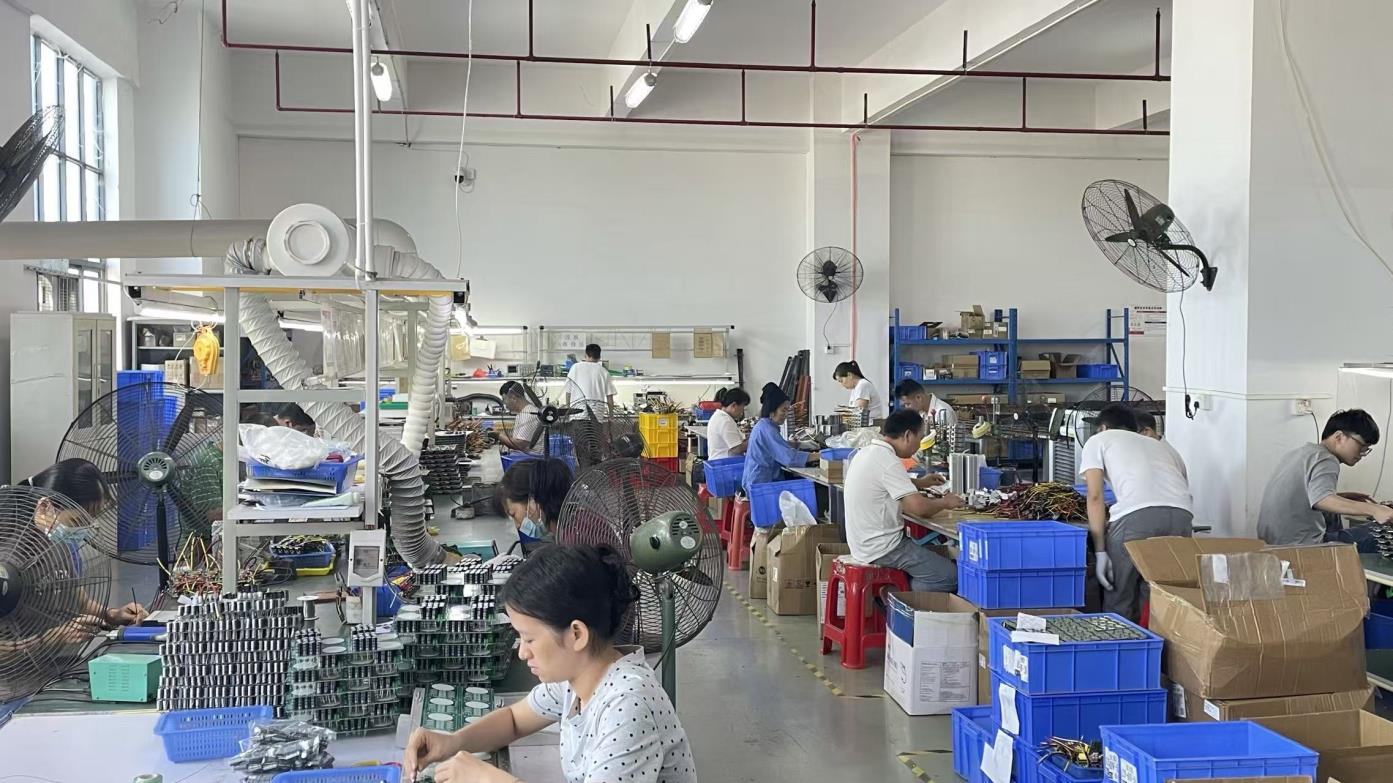 Comprehensive Assembly Line

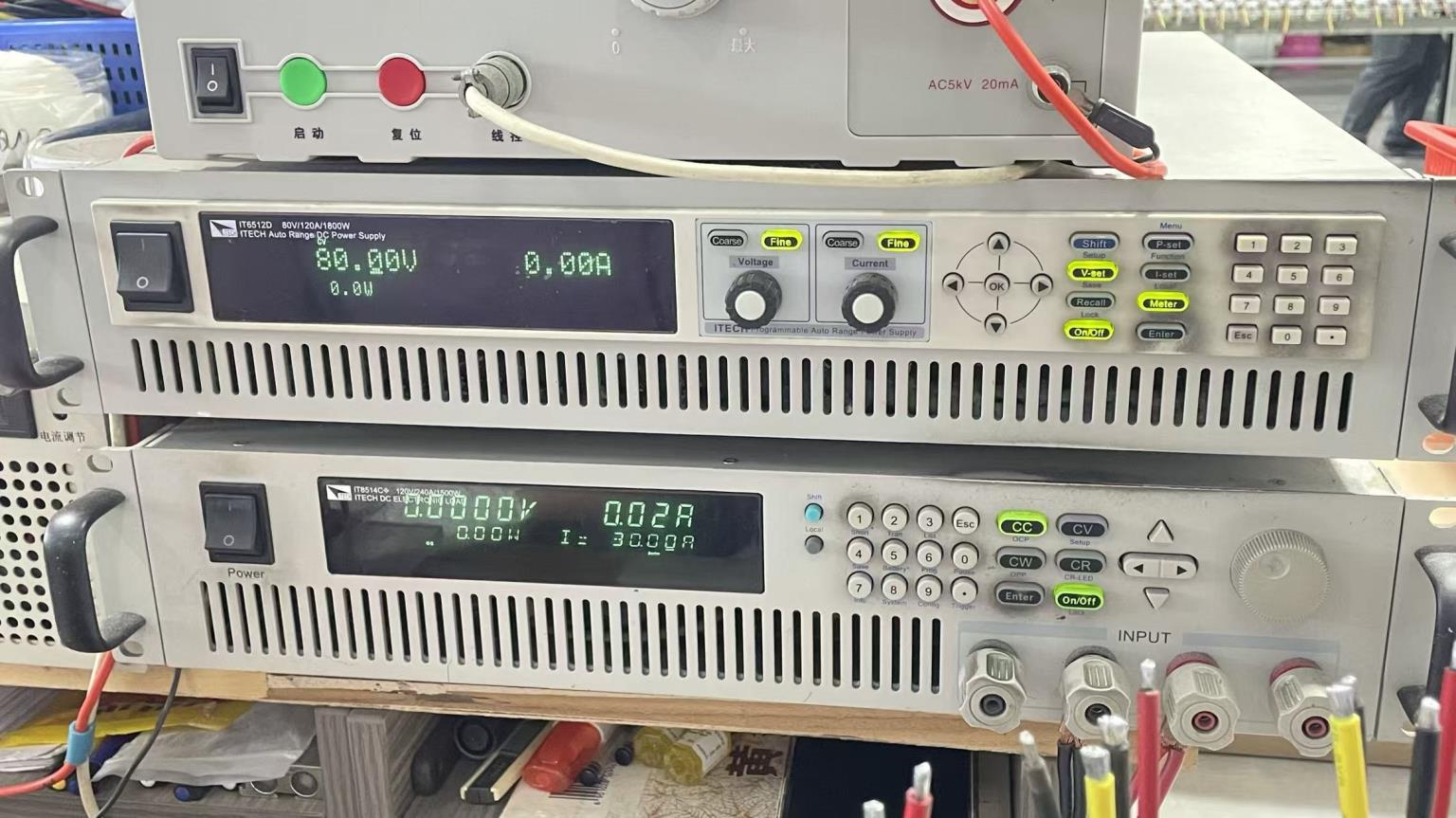 DC Power Supply Tester
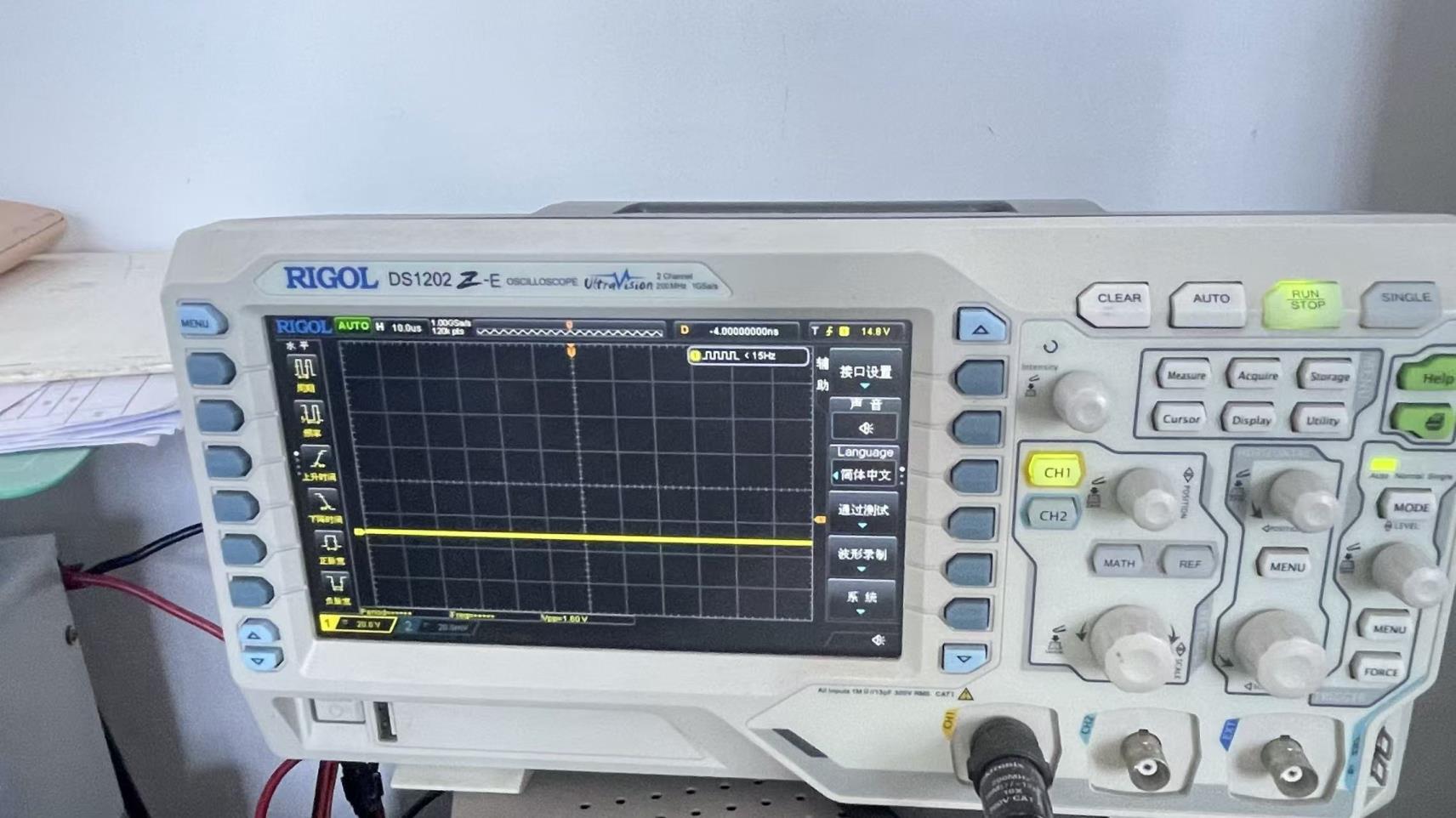 AC Withstand Voltage Tester
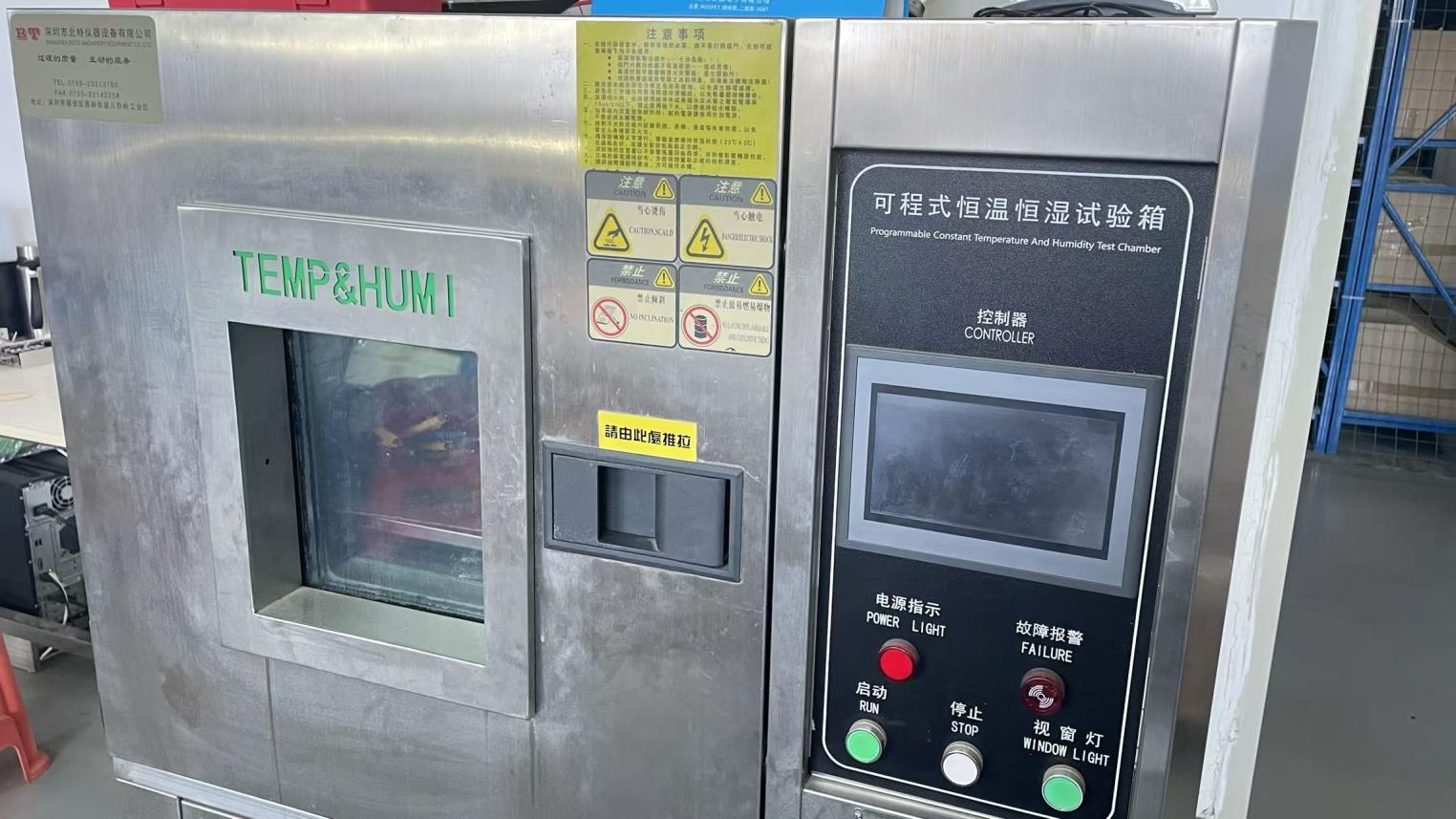 Constant temp & humidity chamber
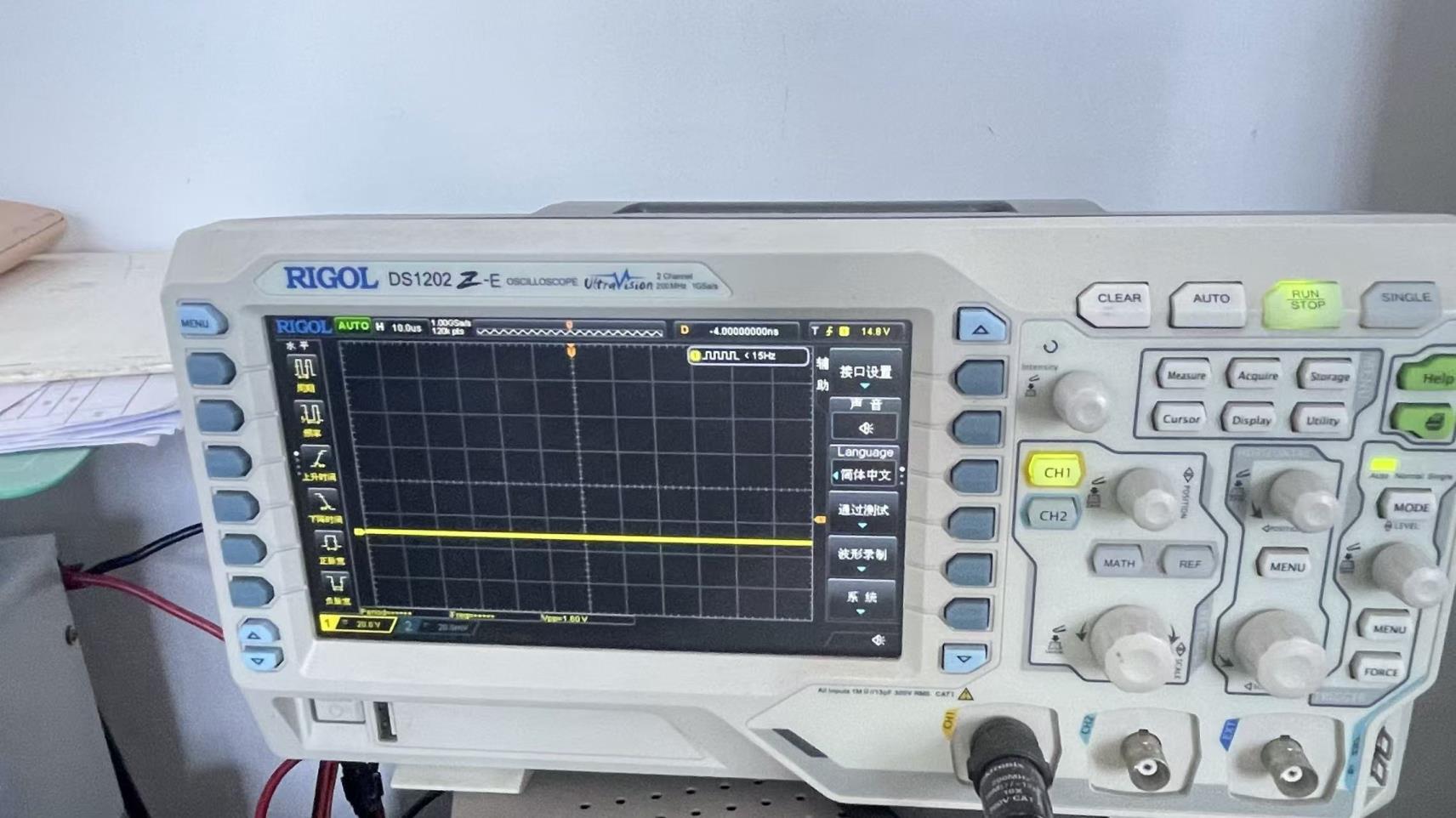 Optical microscope
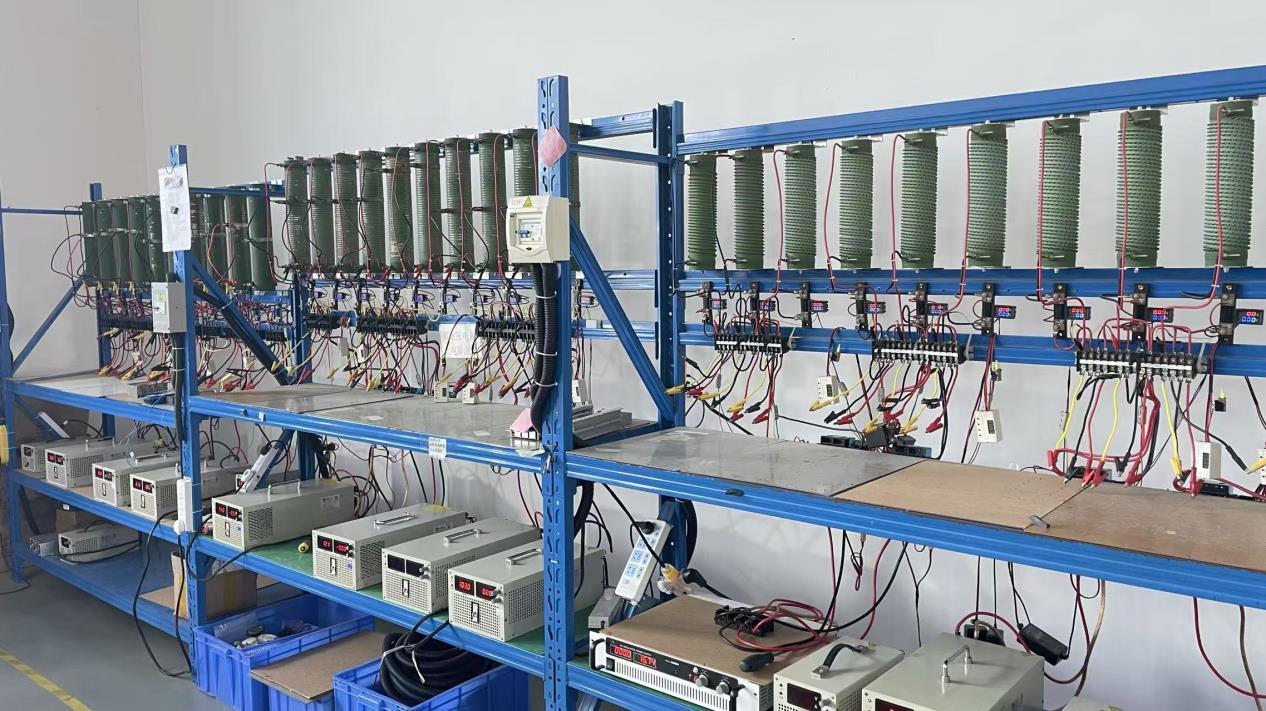 Aging test lab
 CAD & R&D Design
Why compliance is not just a label, but the definitive safeguard of industrial power assets.
Conforms to European standards for conductive charging systems, outlining strict control mechanisms, ground monitoring, and pilot signaling protocols.
Equipped with electromagnetic filters to suppress high-frequency feedback into the public grid, preventing system resets in adjacent precision instruments.
Mandatory for equipment in European markets. Ensures mechanical insulation, leakage current suppression, and overvoltage protections (OVP) are fully operational.
Looking ahead to the upcoming milestones in industrial power design, wide-bandgap semiconductors, and bi-directional topologies.
Integration of Silicon Carbide (SiC) and Gallium Nitride (GaN) components to achieve up to 98% efficiency, reducing system footprint and heat dissipation needs.
Implementing Vehicle-to-Grid (V2G) systems in standard modules, enabling EV batteries to act as peak-shaving backup systems for corporate operations.
AI-driven predictive diagnostic firmware monitoring thermal wear and real-time charging dynamics to double the service life of connected power supplies.
Answers to critical technical and regulatory questions for global sourcing directors and engineers.
Heavy-duty power systems designed for continuous operation under demanding grid requirements.
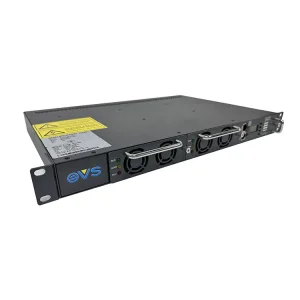
 EVS Powers