 EVS Powers
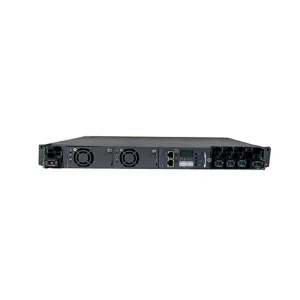
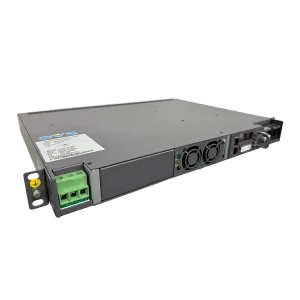
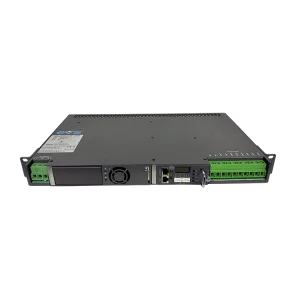
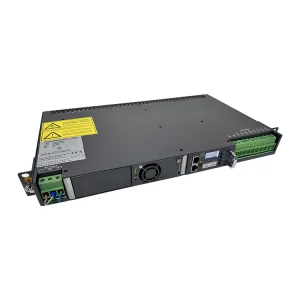
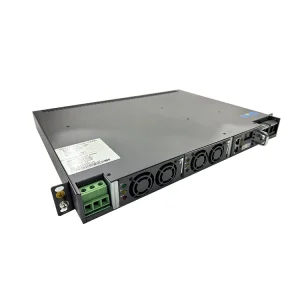
Engineered for extreme reliability, integrating high-efficiency rectifier modules and localized SNMP communications.
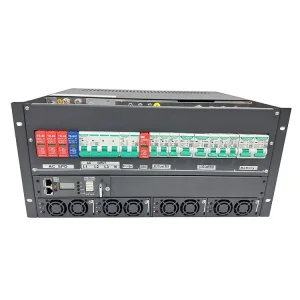
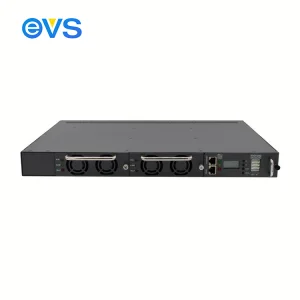
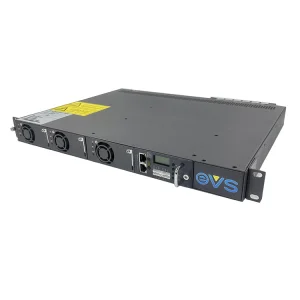
As the second-largest port in Europe and a vital digital logistics node in northern Germany, Hamburg demands robust energy systems for its telecommunications and data processing centers. The modernization of the Port of Hamburg (Port of Hamburg SmartPort initiatives) relies heavily on high-frequency, low-latency 5G private networks, massive IoT sensor deployments, and automated guided vehicle (AGV) tracking systems.
These advanced digital infrastructures cannot afford even millisecond-level power fluctuations. Here, -48VDC telecom power systems serve as the ultimate backbone. By providing continuous, highly efficient DC power coupled with active battery backup interfaces, our modular rectifier racks guarantee that Hamburg's logistics networks, offshore wind energy links, and transit command centers remain fully active 24/7/365.
Our solutions are designed to cope with the maritime atmospheric challenges of Northern Germany, including humidity and salt-fog conditions, ensuring thermal adaptability and a high Mean Time Between Failures (MTBF).
As global mobile networks transit to 5G Standalone (SA) and Edge computing architectures, the criteria for power density, smart control, and thermal resilience have risen exponentially.
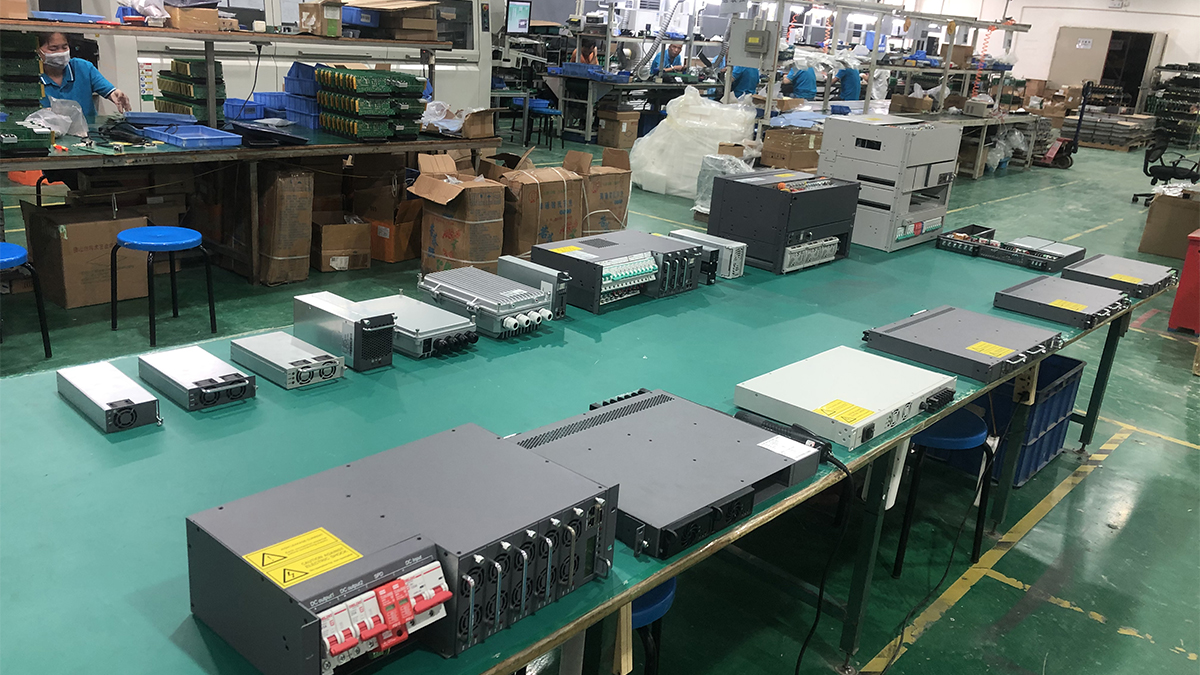
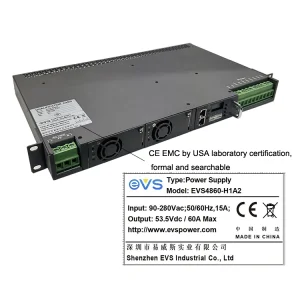
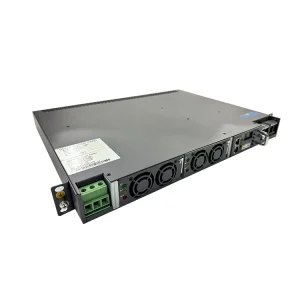
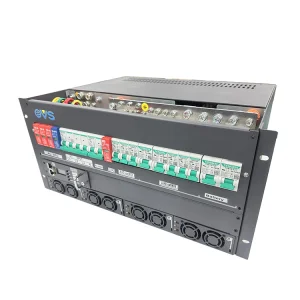
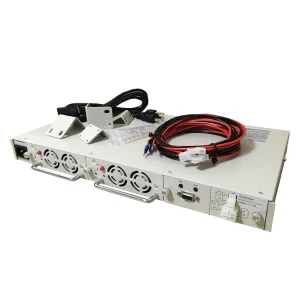
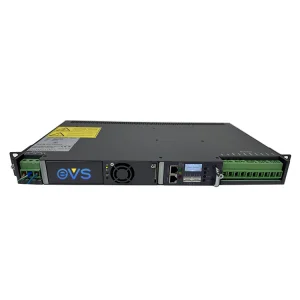
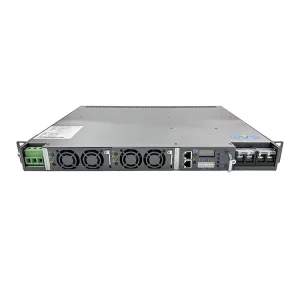
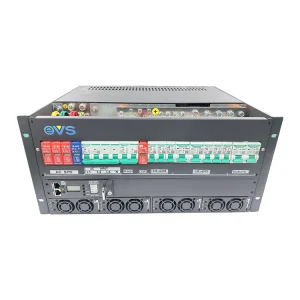
Modern telecommunication nodes require greater output wattage in smaller enclosures. Our 1U and 5U racks pack up to 12KW of power using high-efficiency hot-swappable rectifiers, maximizing cabinet space for processing and RF equipment.
Integrating renewable sources directly into the -48VDC busbar is crucial. In Hamburg’s coastal areas, combining solar photovoltaic and micro wind turbines with our modular rectifiers enables hybrid grid-tied operations to cut carbon emissions.
Utilizing embedded SNMP, Modbus, and secure HTTP interfaces allows network operations centers (NOCs) to perform remote diagnostics, configure voltage output thresholds, and predict battery wear cycles without on-site presence.
Selecting the correct system topology is critical for ensuring optimal energy metrics and MTBF. Below is a systematic review of EVS Power designs compared to traditional power architectures utilized in European industrial settings:
| Feature Set | EVS Embedded 48V Systems (EVS4860 / EVS48200) | Legacy Telecom Rectifiers | Standard AC-DC Power Packs |
|---|---|---|---|
| Power Conversion Efficiency | Up to 95.5% with Active Power Factor Correction (PFC) | 88% - 91% | 80% - 85% (No PFC) |
| Modular Redundancy | N+1 / N+N Hot-swappable configurations | Hardwired Parallel, non-hot swap | No internal redundancy options |
| Remote Interfaces | Integrated Web Server, SNMPv3, Modbus RTU | Basic dry contact relays only | None |
| Rack Dimension & Footprint | 1U to 5U compact 19-inch mounting systems | Large custom cabinets required | Chassis-mount, consuming large surface area |
| Battery Management | Dynamic charge control, temperature compensation, LVD | Basic trickle charging | Requires external charging logic circuit |
Guangzhou EVS Powers Co., Ltd. enforces strict testing protocols to guarantee industrial performance. Here is a step-by-step preview of our manufacturing and lab capabilities.
Guangzhou EVS Powers Co., Ltd. is a leading manufacturer specializing in industrial power conversion systems, including advanced telecom rack-mount rectifiers, DC-DC converter series, and customized backup power systems. We serve critical installations in Europe, North America, Australia, and the Middle East, prioritising high-grade component sourcing and full traceability across our production line.
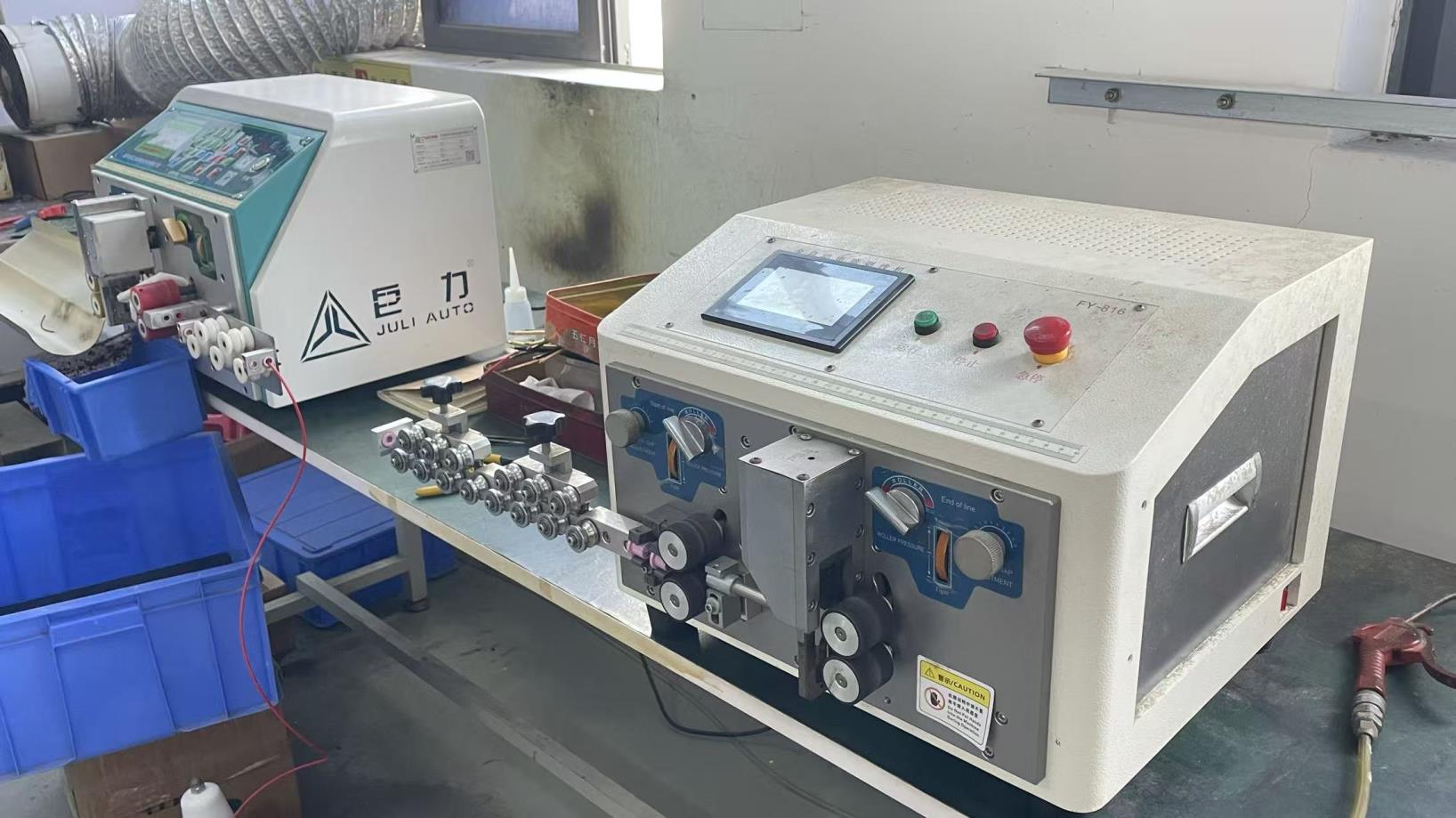 Wire Cutting
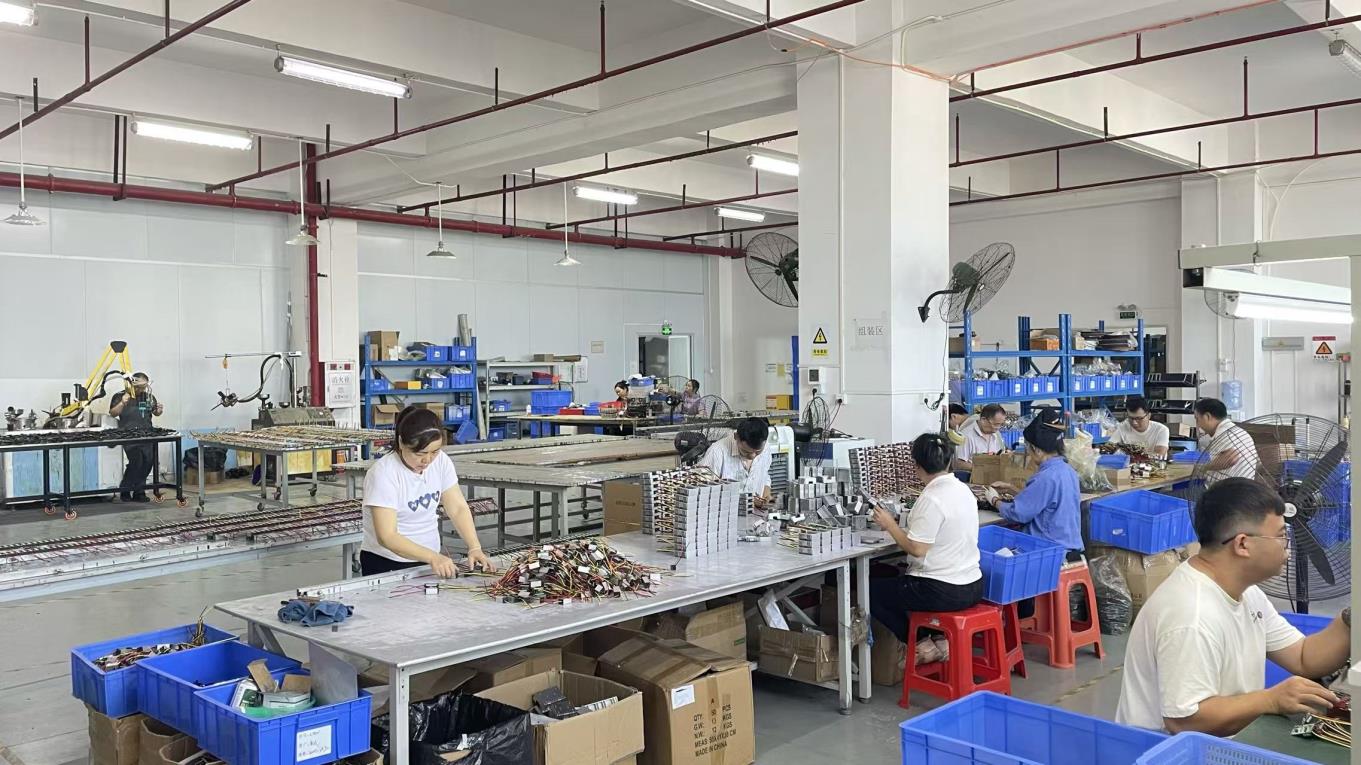 Plug-In
 Soldering Tin
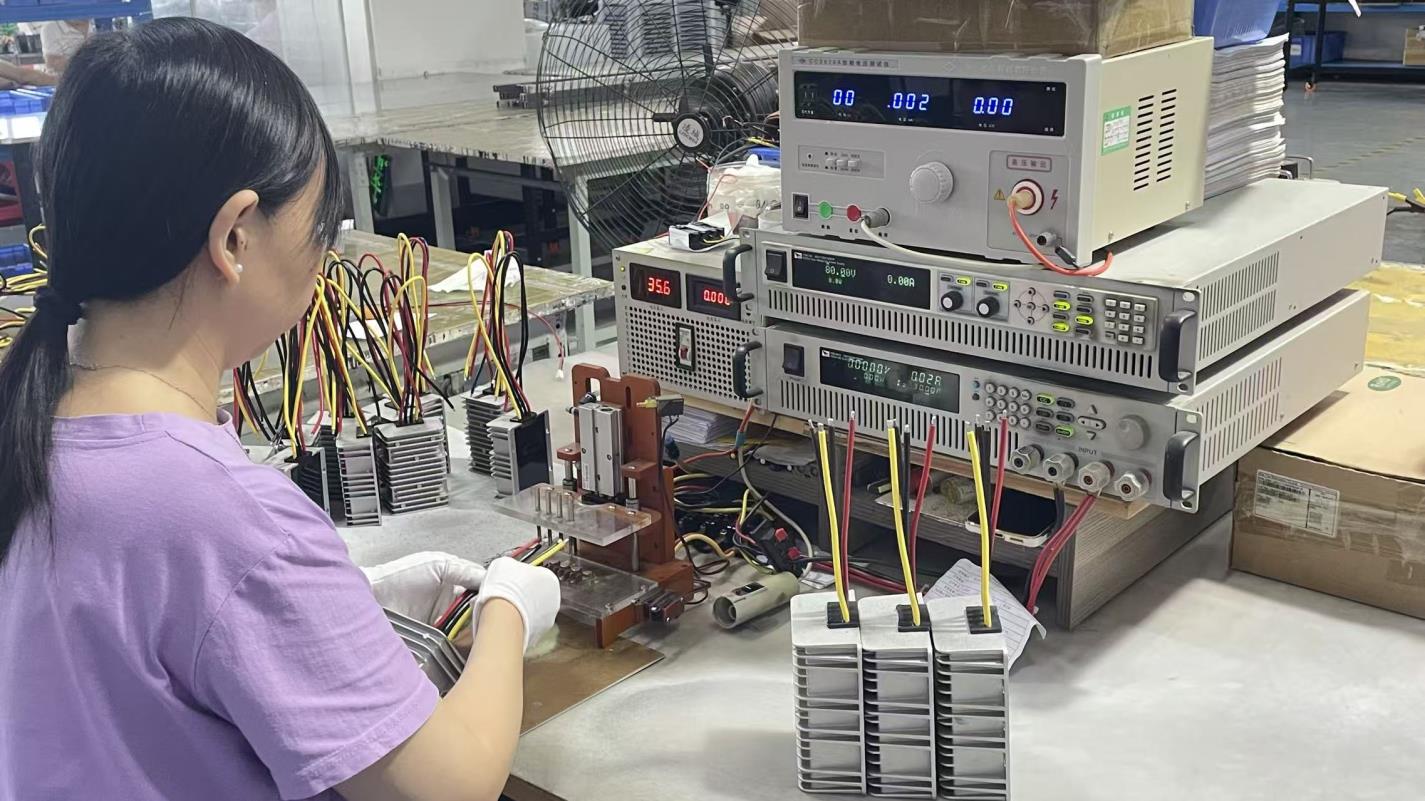 Test
Test
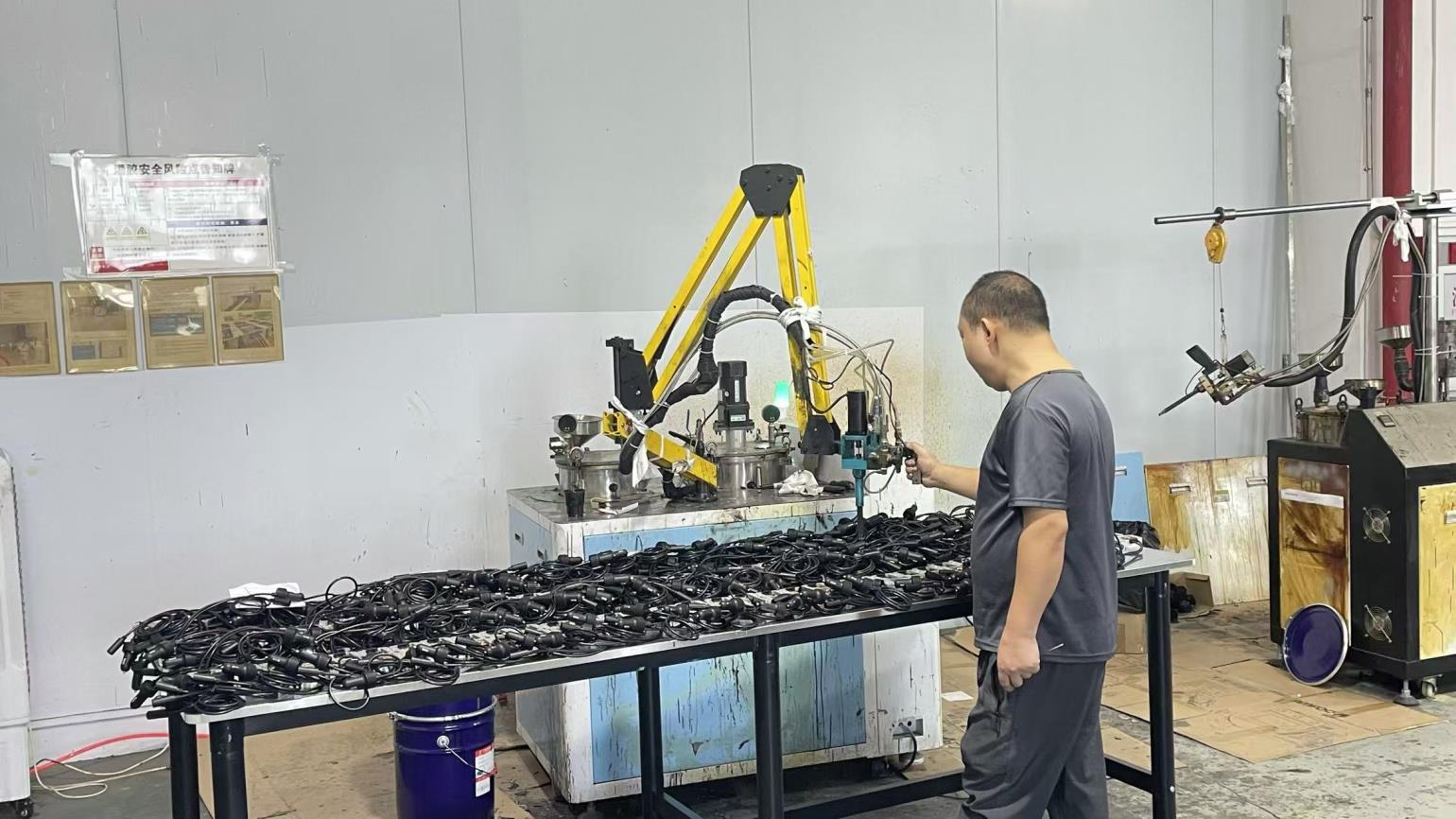 Glue Filling
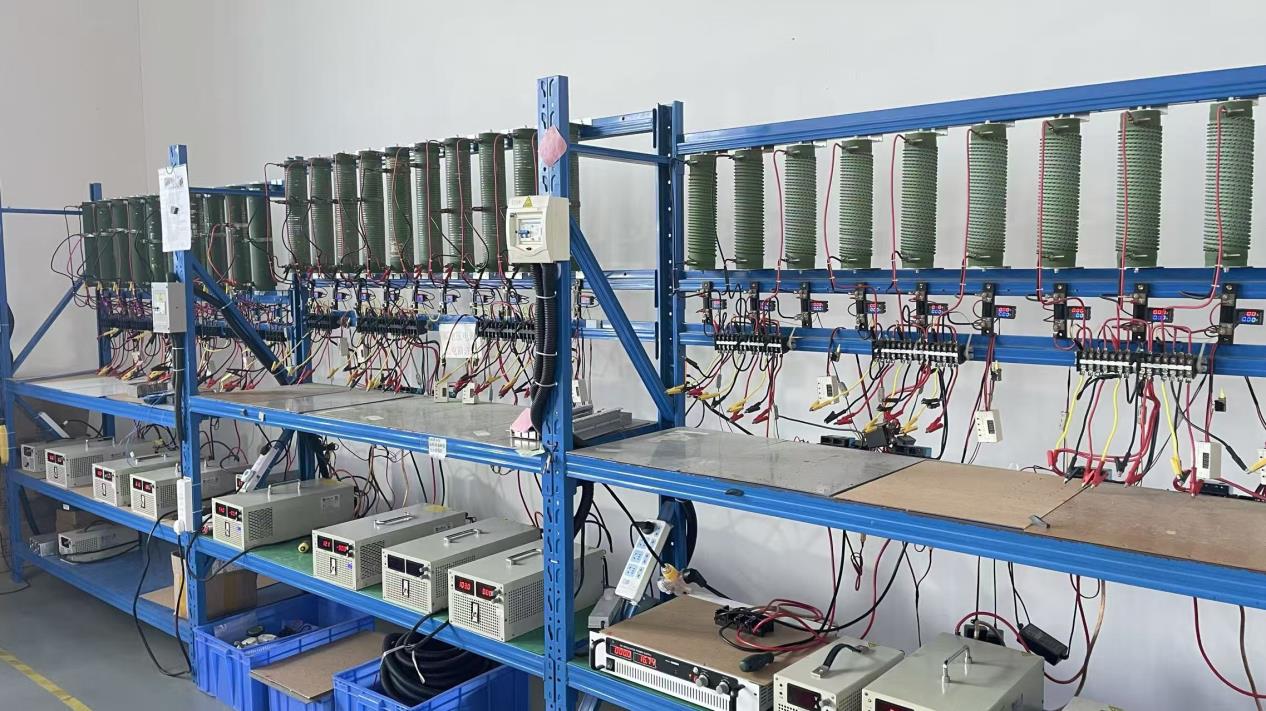 Burn-In Test
 Packaging
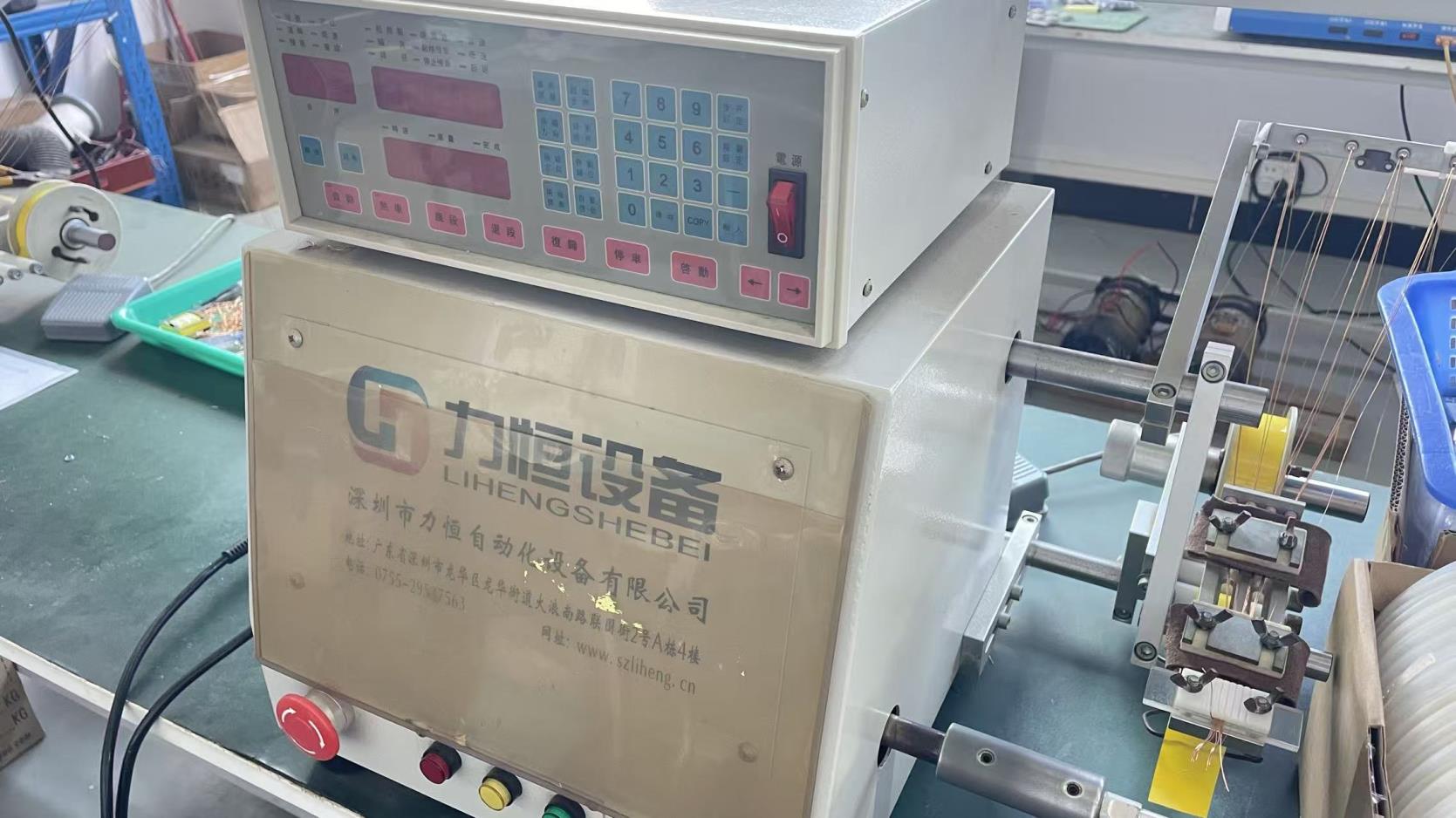 Winding Machine
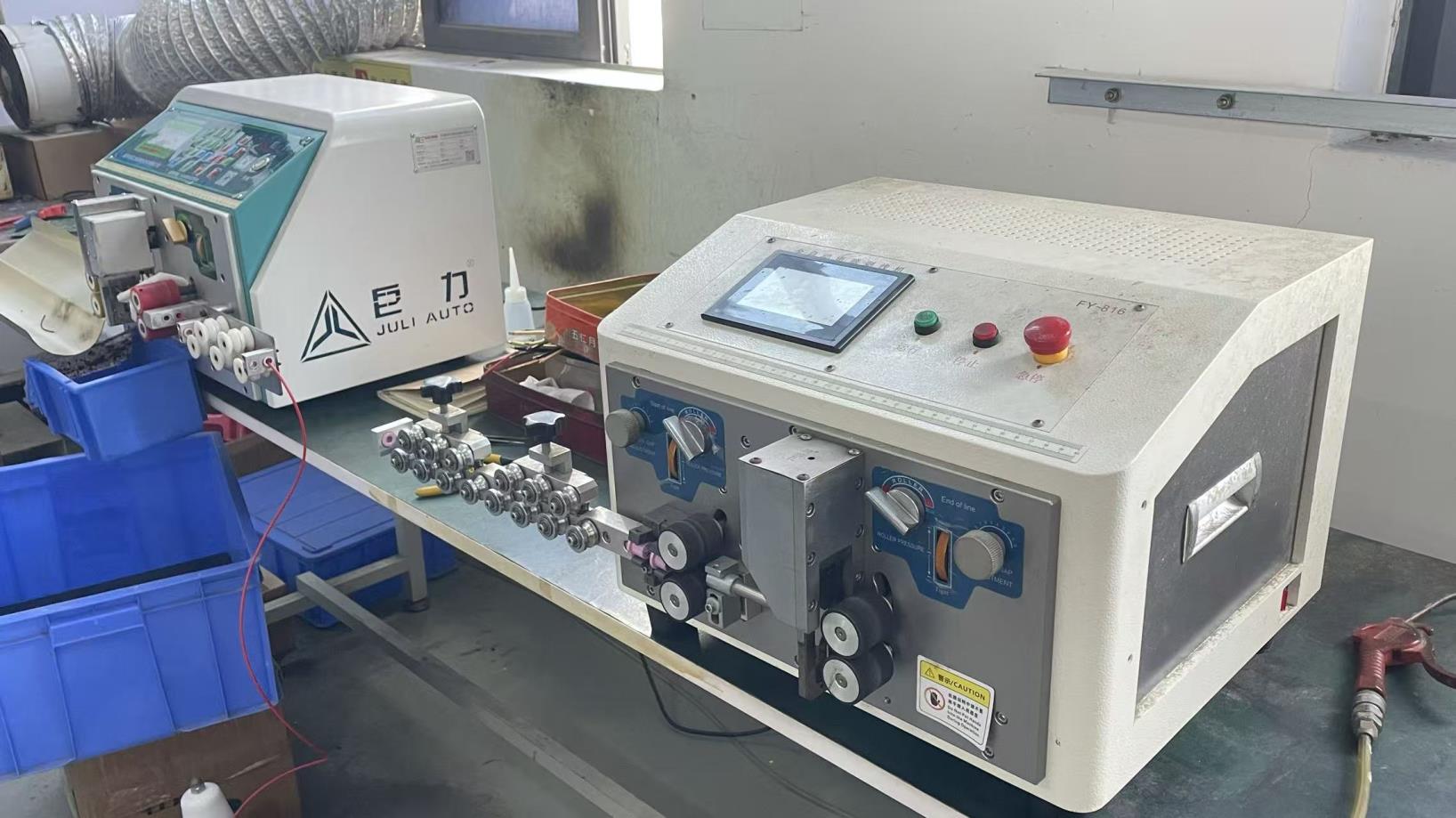 Wire Cutting Machine
 Automatic Soldering Machine
 Laser Engraving Machine
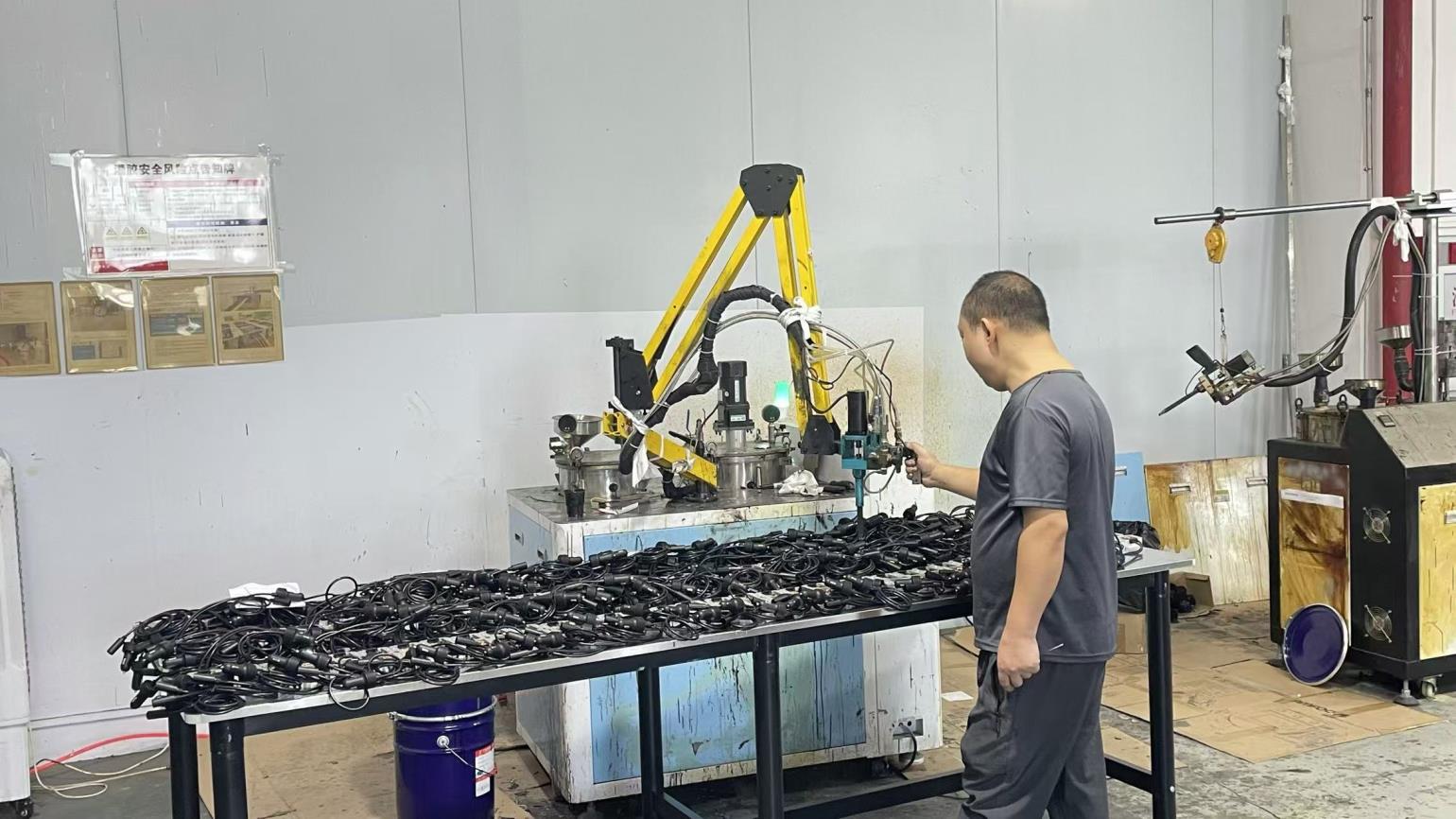 Canning machine
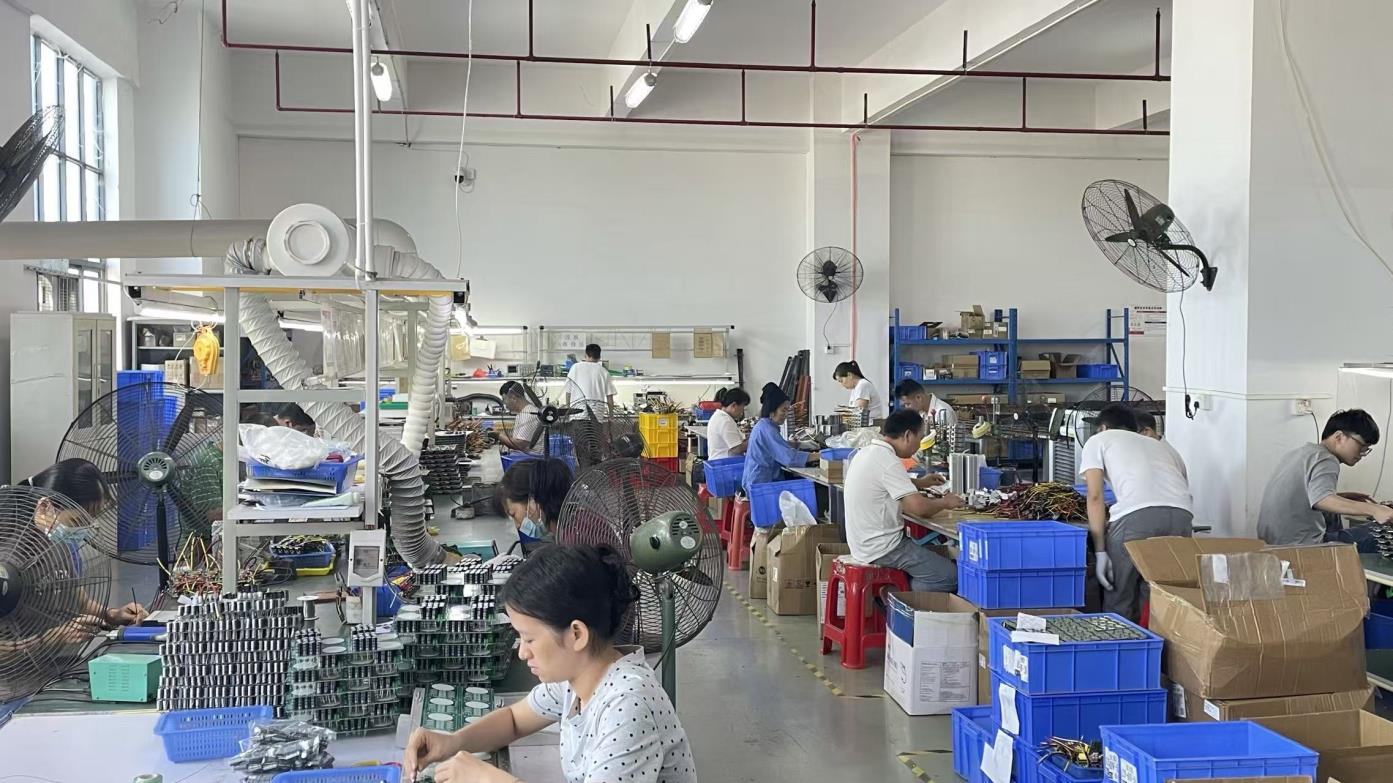 Assembly Line

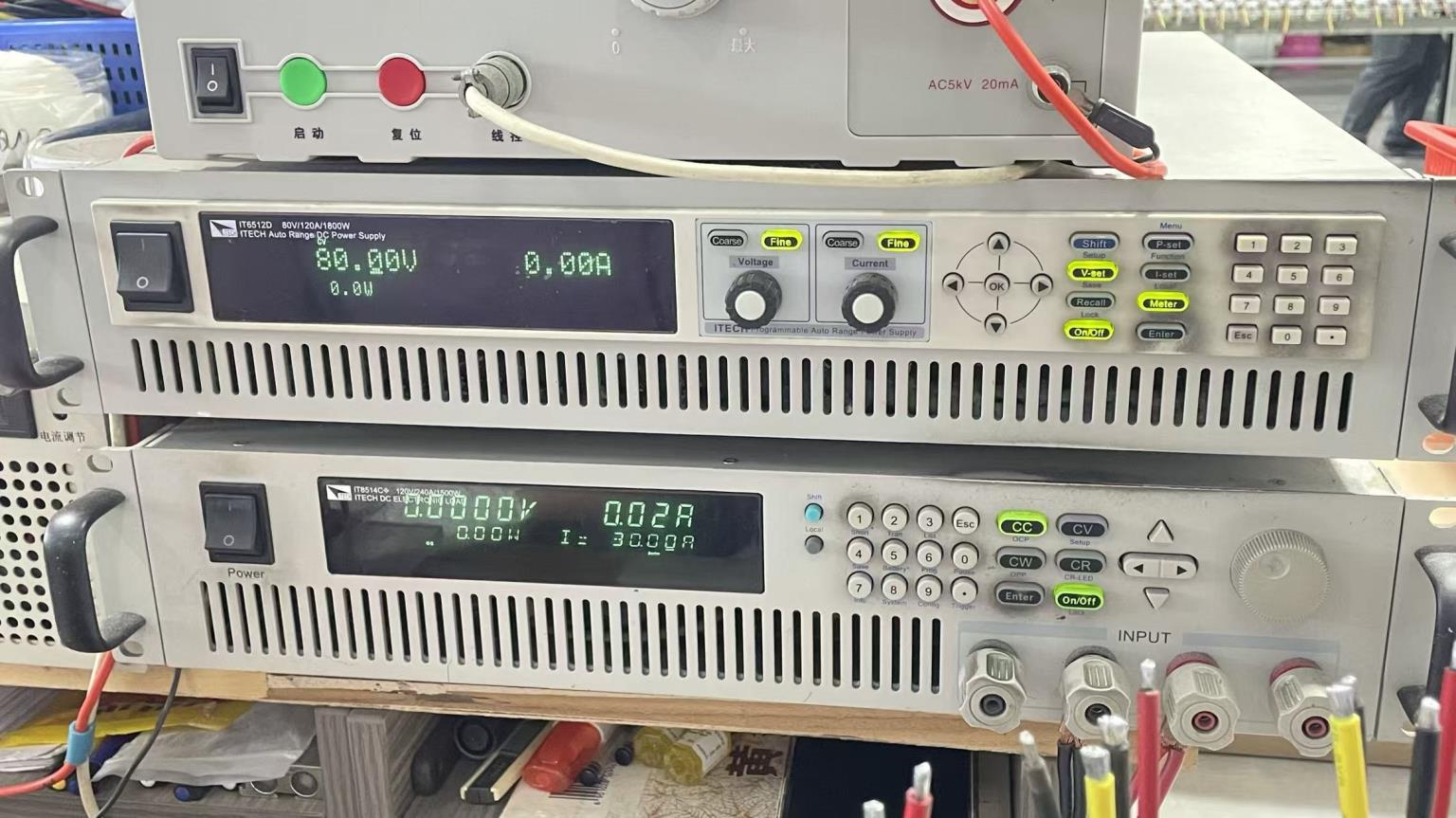 DC Power Supply Tester
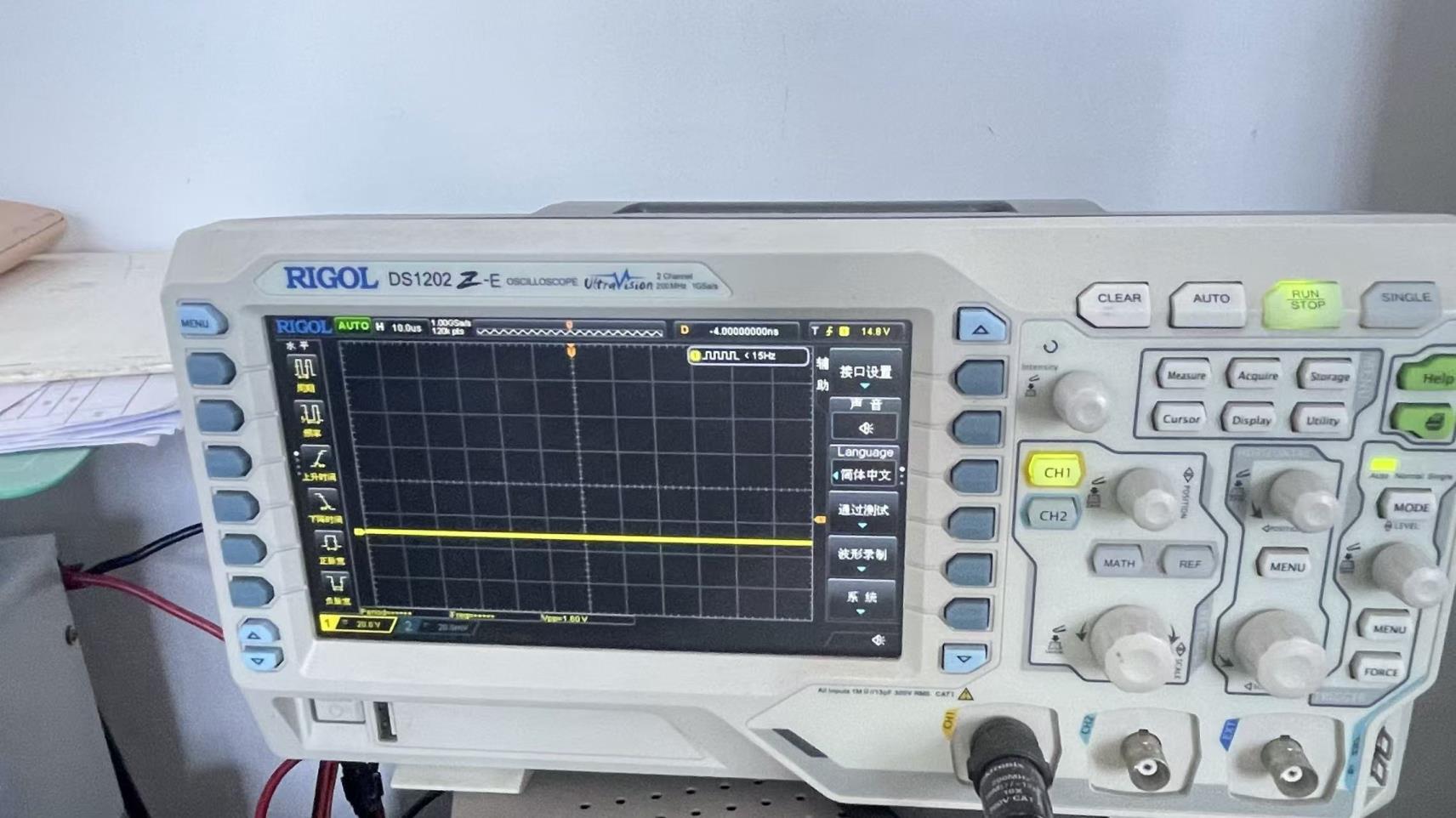 AC Withstand Voltage Tester
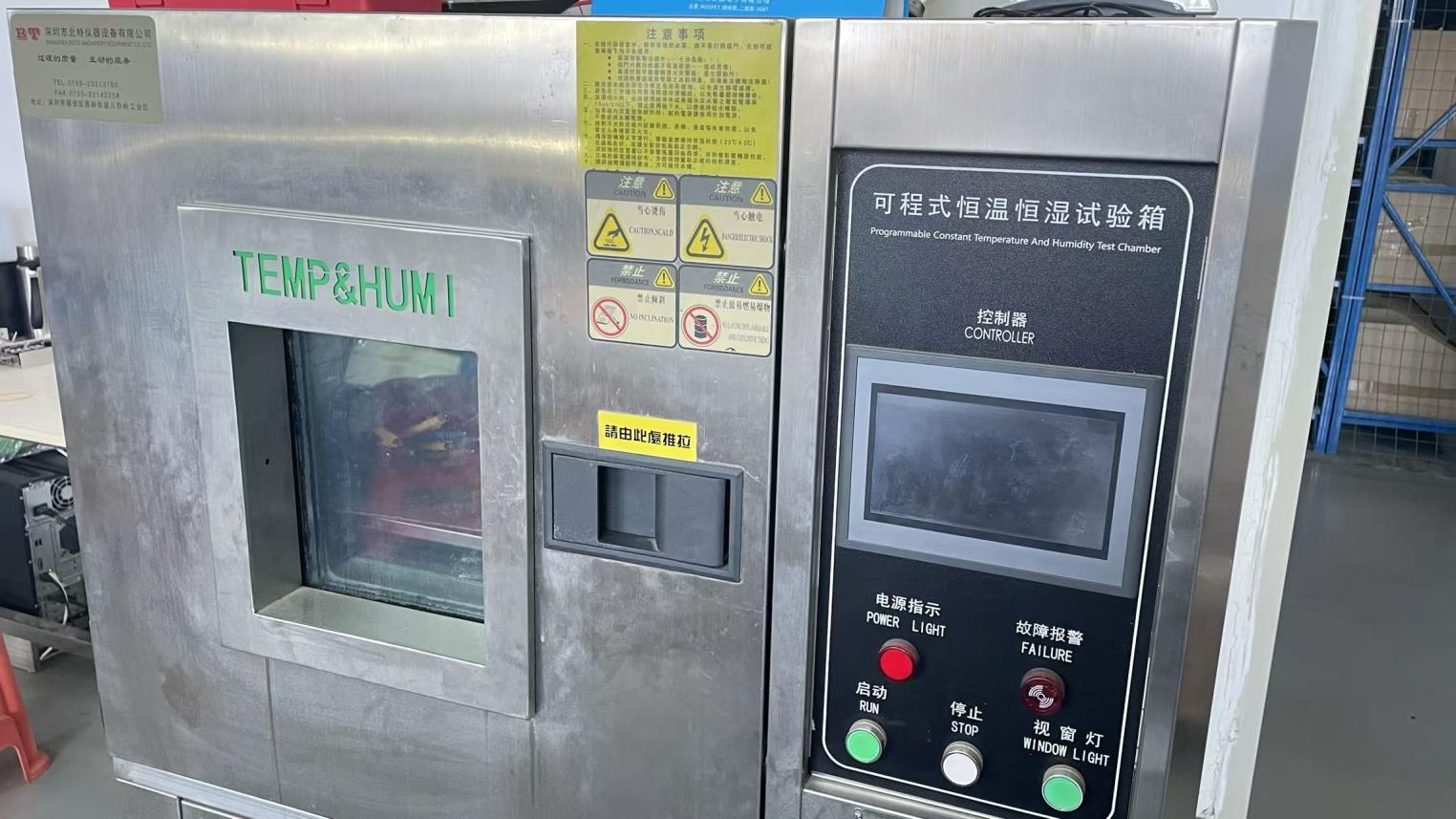 Constant temperature chamber
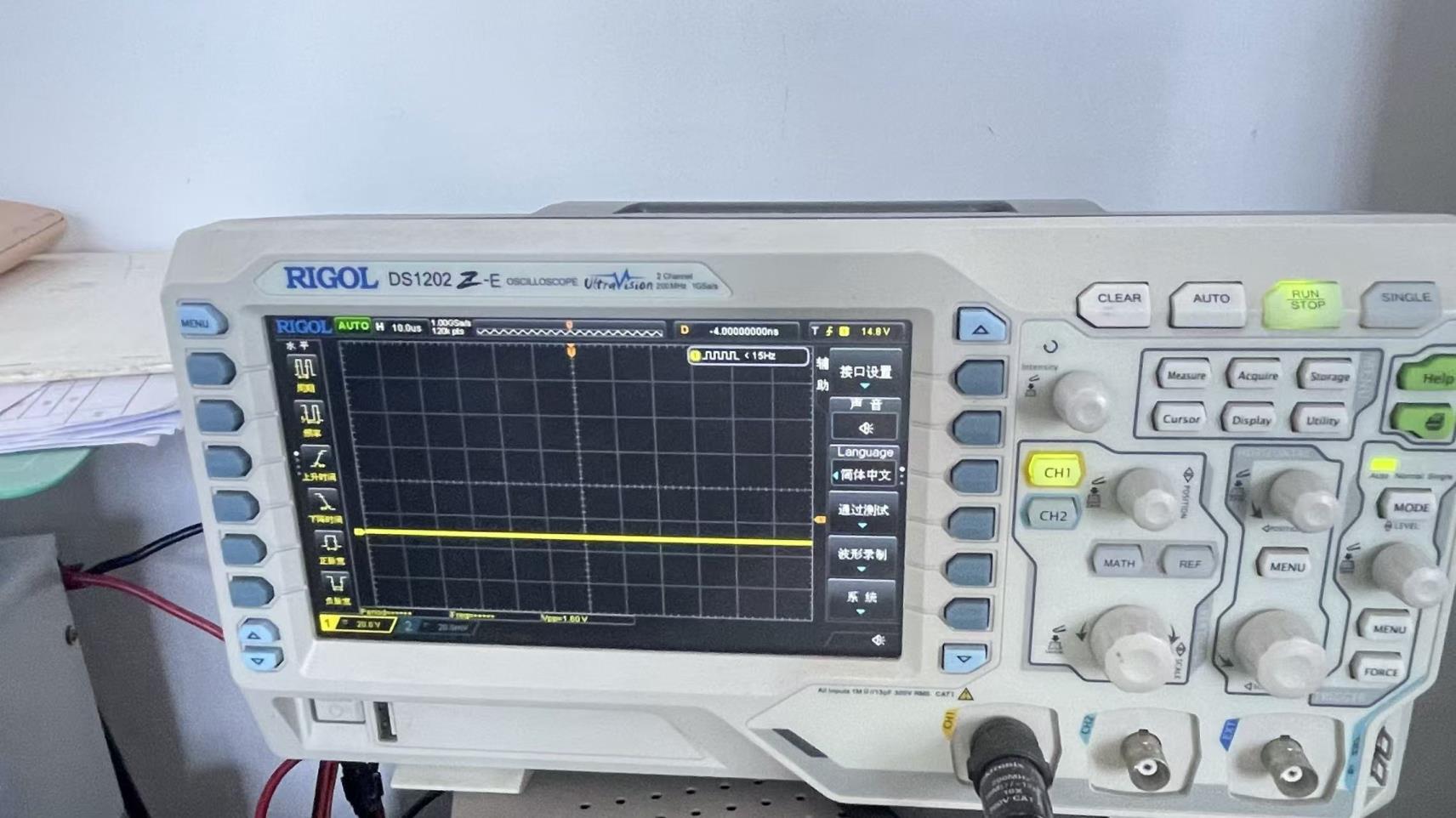 Optical microscope
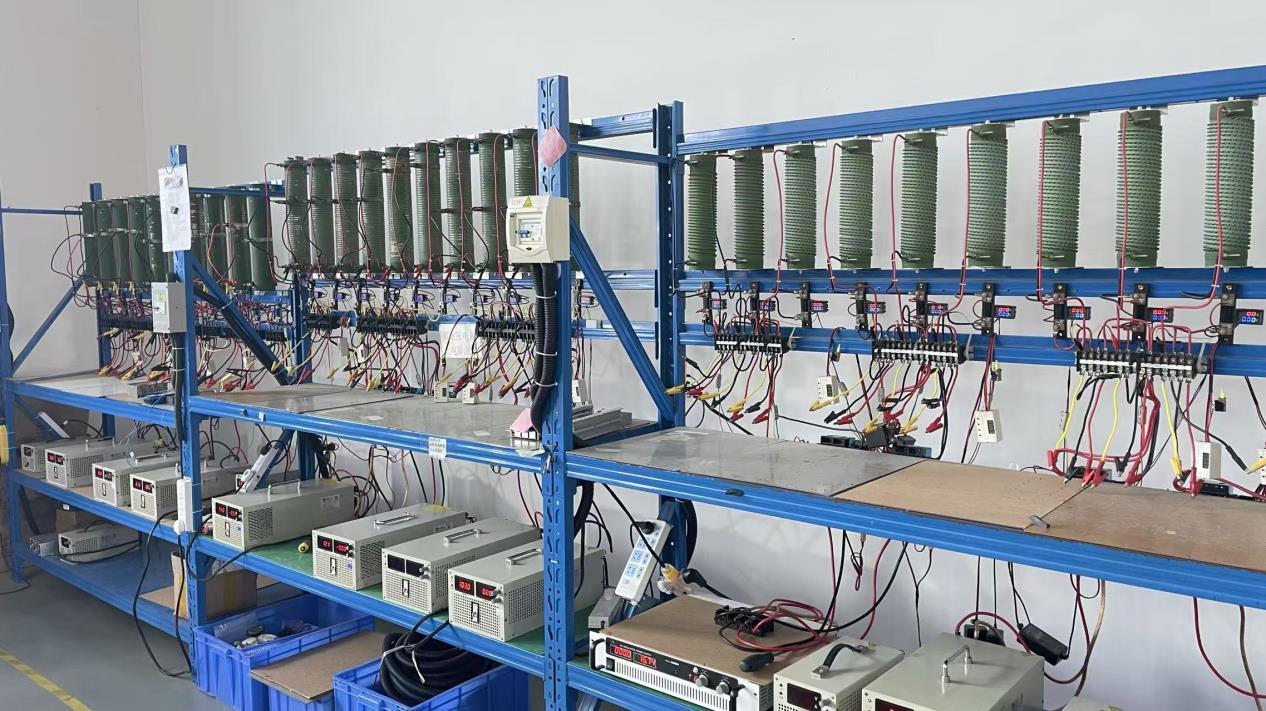 Aging test
 Engineering Design
Explore our expanded range of standard modules and sub-racks engineered for industrial integration, telecom grids, and charging networks.
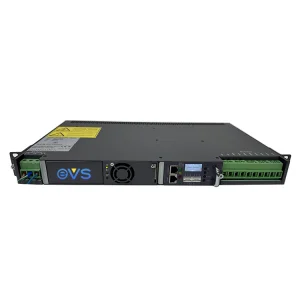
Critical questions answered by EVS Power engineering specialists on selection, integration, and field diagnostics.
Are you engineering a 5G base station node, an offshore industrial grid link, or upgrading a data facility in the Hamburg metropolitan region? Contact Guangzhou EVS Powers to review power designs, mounting requirements, and request OEM quotes.
Send Inquiry Now