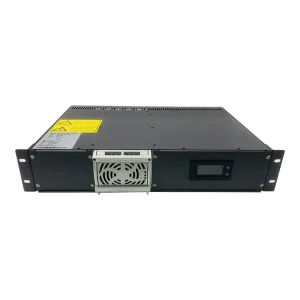
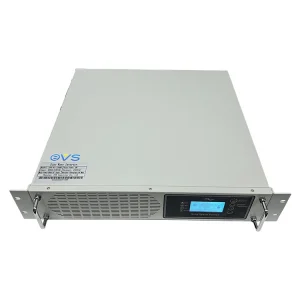
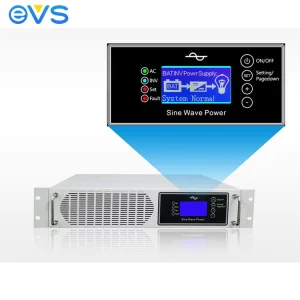
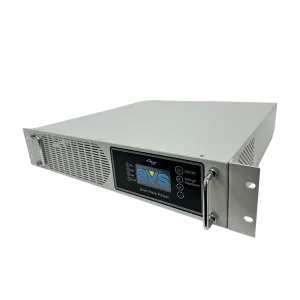
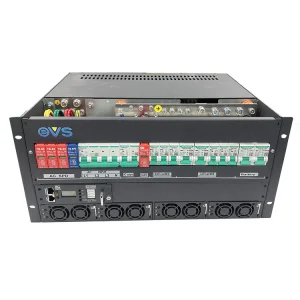
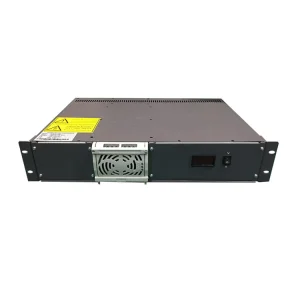
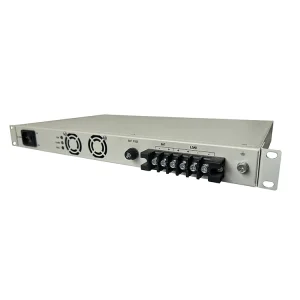
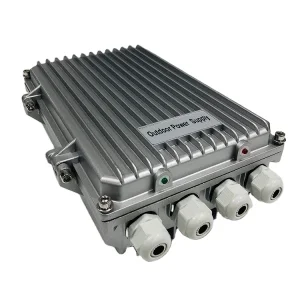
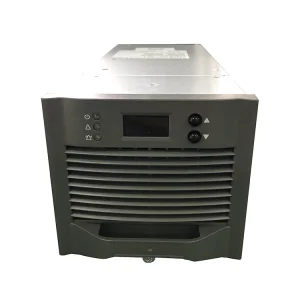
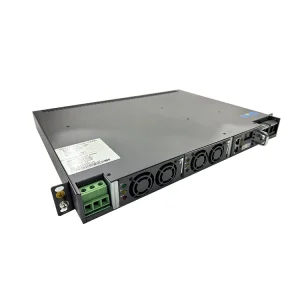
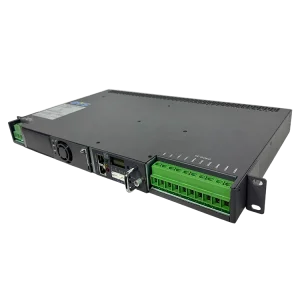
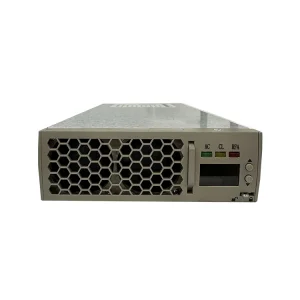
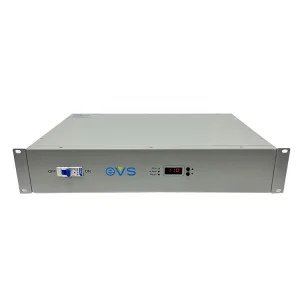
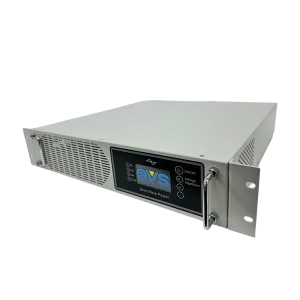
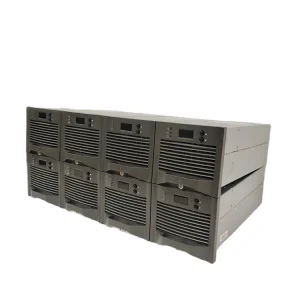
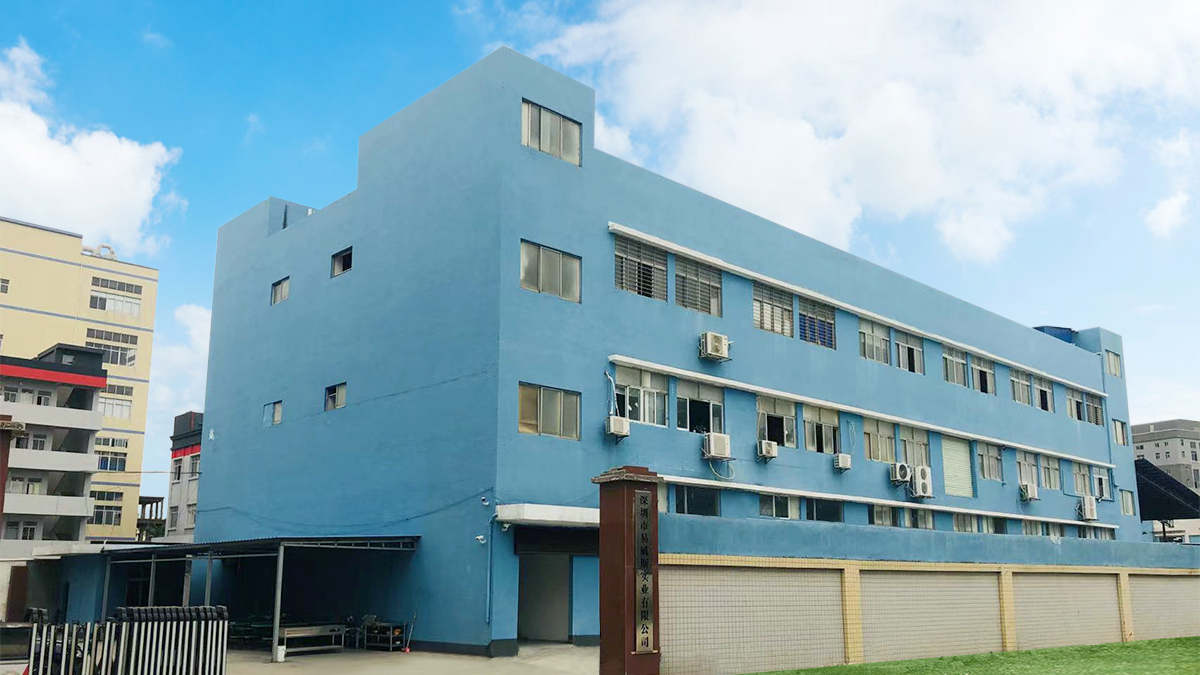
Operating from the global commerce hub of Guangzhou, Guangzhou EVS Powers Co., Ltd. stands as a premier manufacturer and designer of switching power supplies, complete DC power systems, modular power supply units, specialized DC-DC converters, and advanced power inverter configurations.
By integrating industry-leading power quality design with rapid custom OEM/ODM production processes, we enable worldwide clients to operate with optimized energy usage, robust equipment reliability, and strict compliance with global electrical grid standards. Client satisfaction is our primary benchmark; we drive development on quality engineering and secure structural cost advantages to build high-efficiency power ecosystems for international distribution.
Through long-term strategic relationships spanning Europe, the Americas, Australia, the Middle East, and Southeast Asia, EVS Powers shares domain knowledge, specialized engineering, and field experience to engineer a resilient electronic future.
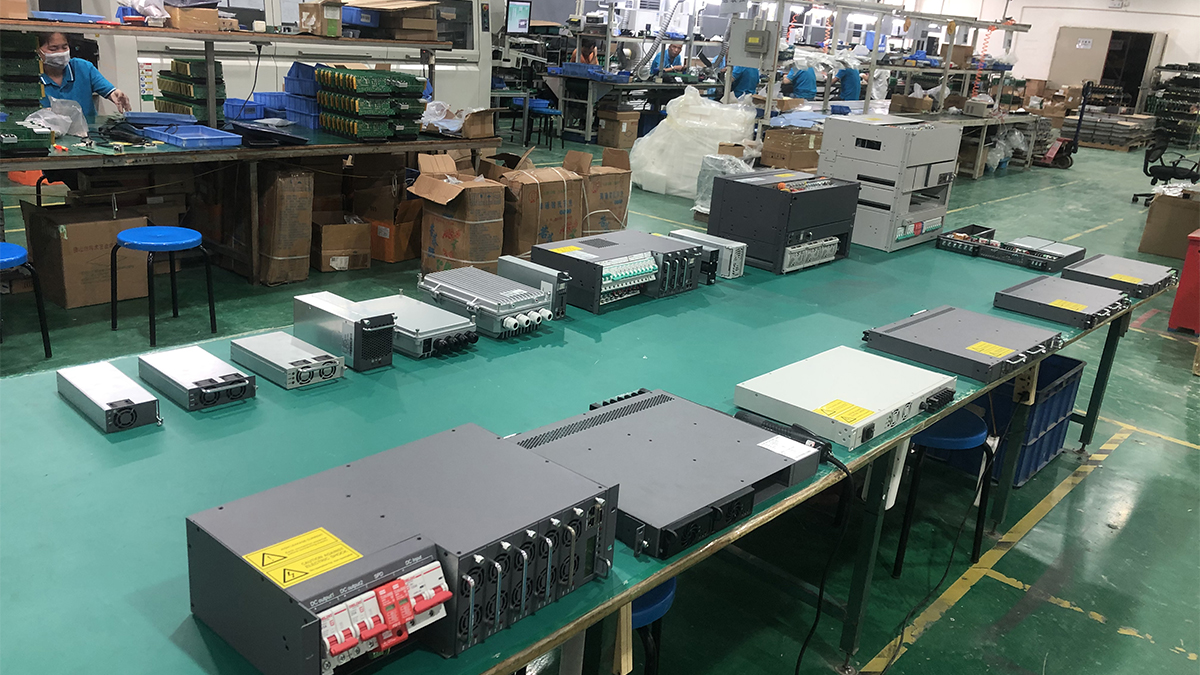
Precision-engineered rectifiers, converters, and inverters manufactured to meet critical performance demands in industrial and telecom sectors.
In modern commercial distribution networks and automation facilities, non-linear loads like Variable Frequency Drives (VFDs), server switching mode power supplies, rectifiers, and heavy arc furnaces deform electrical currents. This structural distortion gives rise to harmonics—current waves that run at integer multiples of the nominal grid frequency (50/60 Hz). Residual harmonics induce heat dissipation in transformer coils, trigger false trips in safety relays, disrupt precision controls, and decrease general system efficiency.
An Active Power Filter (APF) acts as an automated dynamic power regulator. Unlike passive filter networks that utilize static inductors and capacitors tuned to fixed frequencies, an APF actively scans the incoming grid current via current transformers (CT) in real-time. By utilizing high-speed digital signal processing (DSP) or field-programmable gate arrays (FPGA), the APF analyzes the harmonic profiles up to the 51st order. It then drives its internal insulated-gate bipolar transistor (IGBT) switches to inject a counter-phase compensation current, neutralizing harmonics instantly and bringing the current waveform back to a clean sinusoidal profile.
Tracks and compensates for unpredictable, fluctuating harmonic configurations on changing grids in less than 1 millisecond. Maintains Total Harmonic Current Distortion (THDi) below 3% to 5%.
Delivers reactive power compensation (both capacitive and inductive profiles) concurrently with harmonic filtering, improving displacement power factor close to 0.99.
Suppresses 3-phase current imbalances, stabilizes neutral line current loops, and eliminates resonance phenomena to protect sensitive electronic systems and transformers.
Global industrial grids are undergoing a major transition toward digital infrastructure and decentralized green energy integration. Hyperscale datacenters, semiconductor fabrication facilities, large telecom systems, and electrified transport hubs rely on non-linear semiconductor components. Because of this, traditional power systems face increasingly severe power quality disturbances.
National utility providers and regulatory authorities are enforcing stricter grid connection rules, such as IEEE 519, EN 50160, and local energy codes. Non-compliance results in heavy financial penalties, increased transmission losses, and operational downtime. Investing in active filtration mitigates grid instability issues, reduces equipment failure rates, improves energy efficiency, and lowers carbon emissions across enterprise networks.
Protects high-density blade servers, UPS power topologies, and cooling plants from zero-sequence harmonic heating, preventing critical system shutdowns.
Ensures programmable logic controllers (PLCs), robotics, and precision machine tools operate reliably without sensor signal contamination caused by variable speed drives.
Guarantees clean, hum-free DC power supply configurations for 5G telecommunication base stations, reducing electromagnetic interference (EMI) on communication lines.
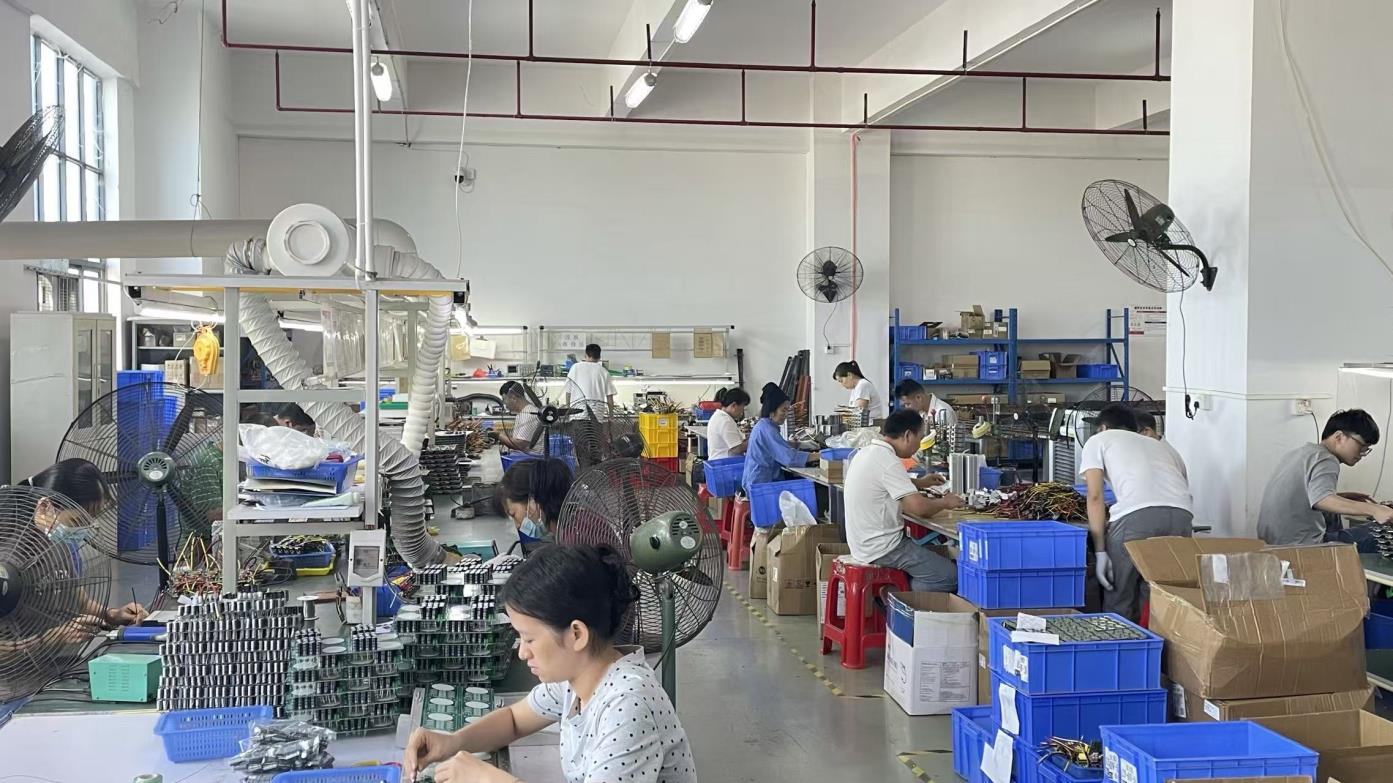
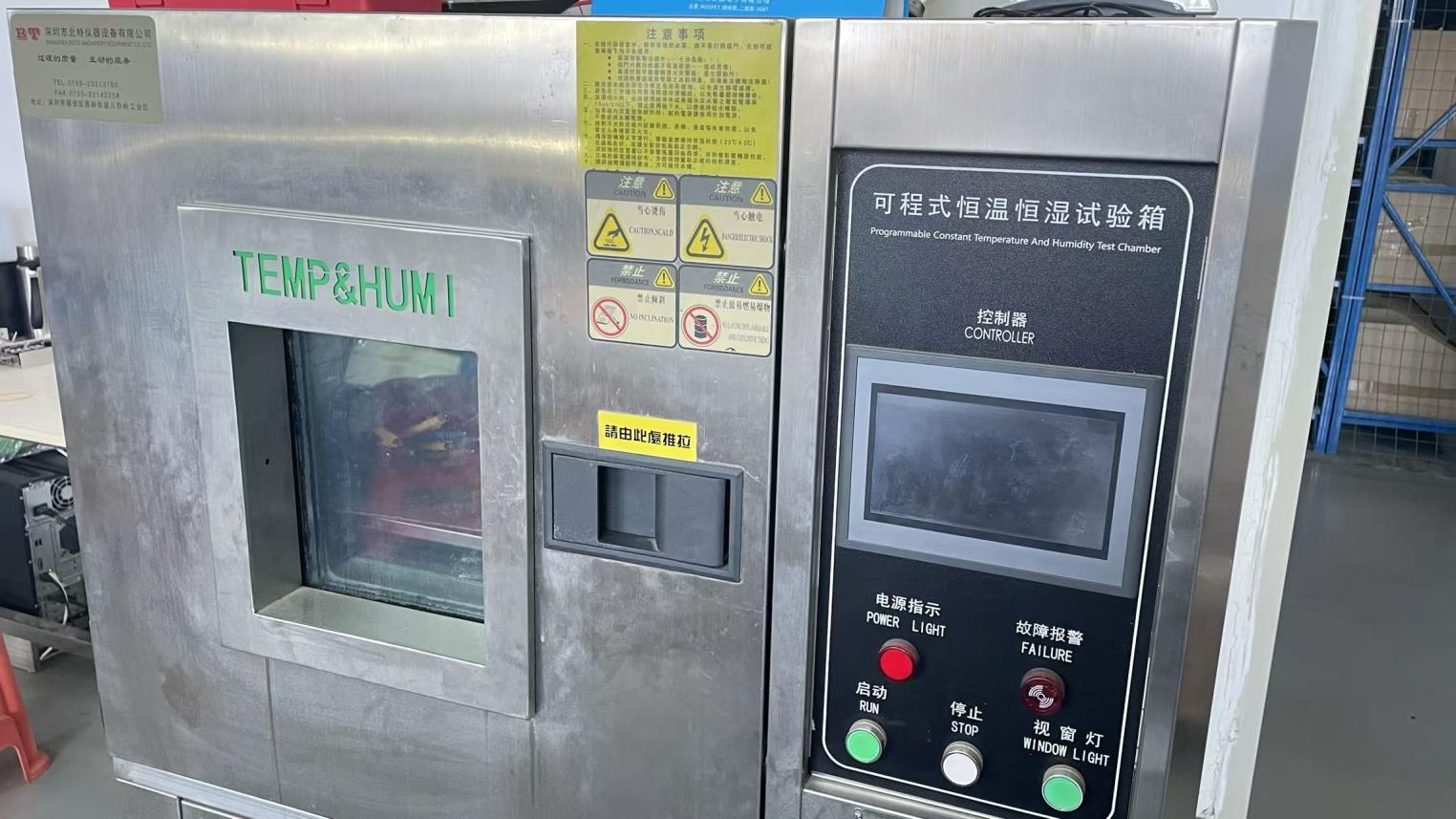
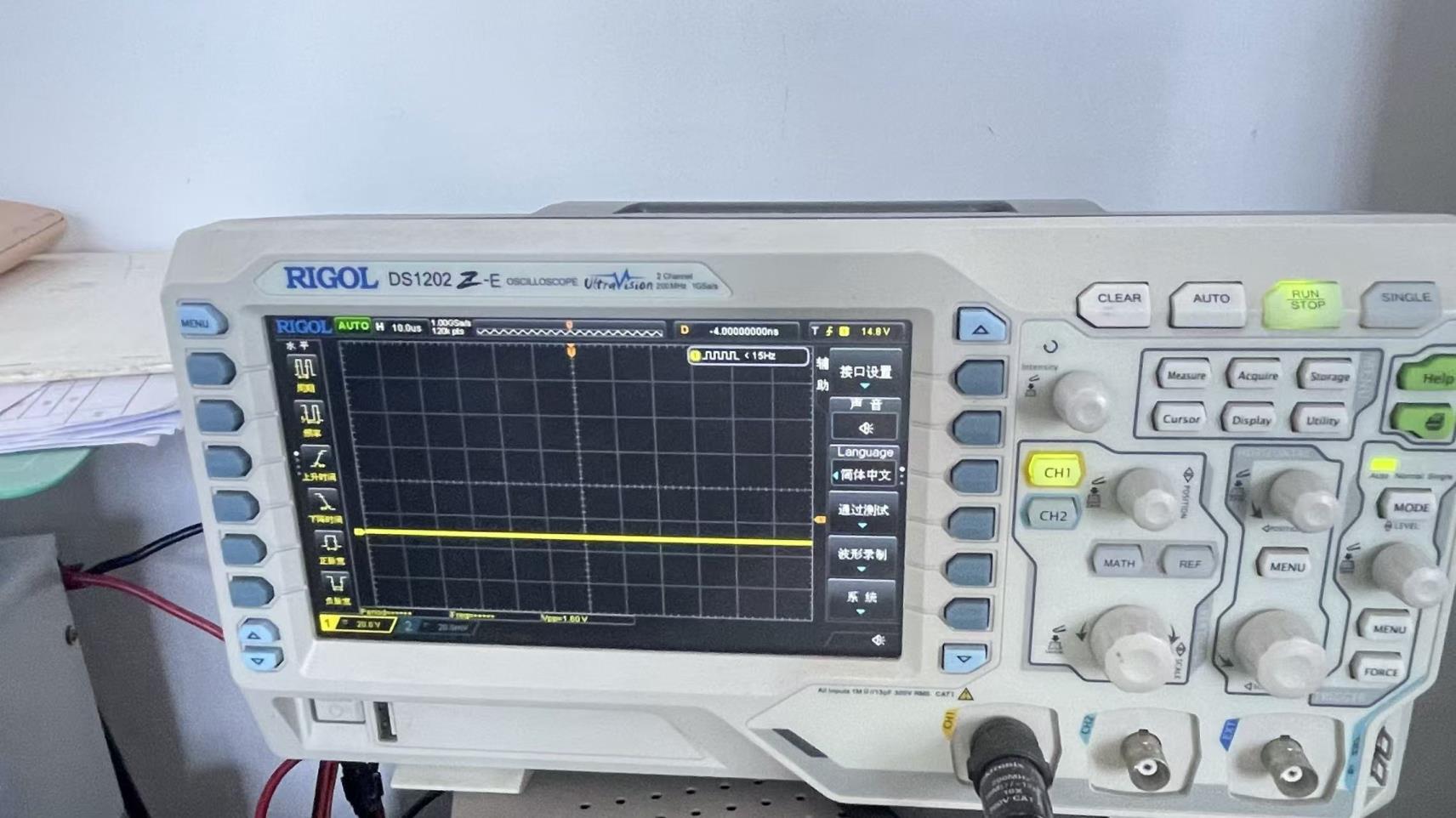
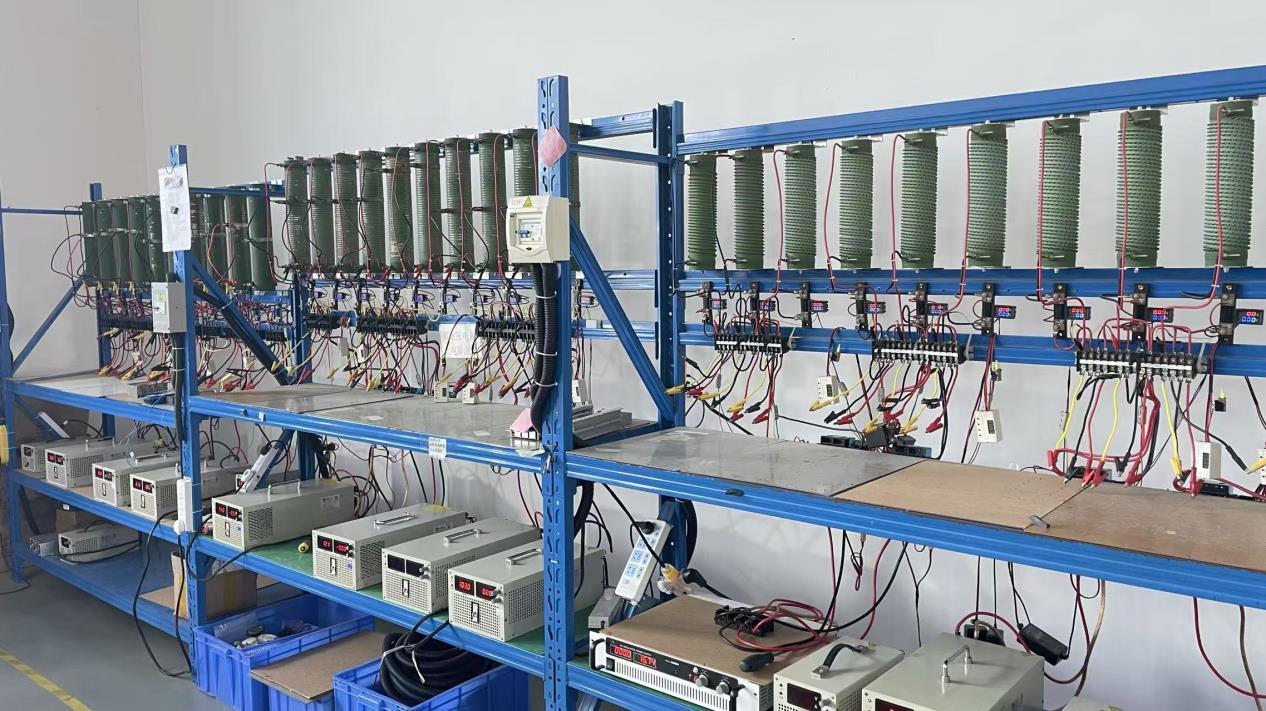
Our ISO-certified facility features specialized assembly, high-temperature aging chambers, and precise testing stations to ensure our products deliver reliable, long-term performance.
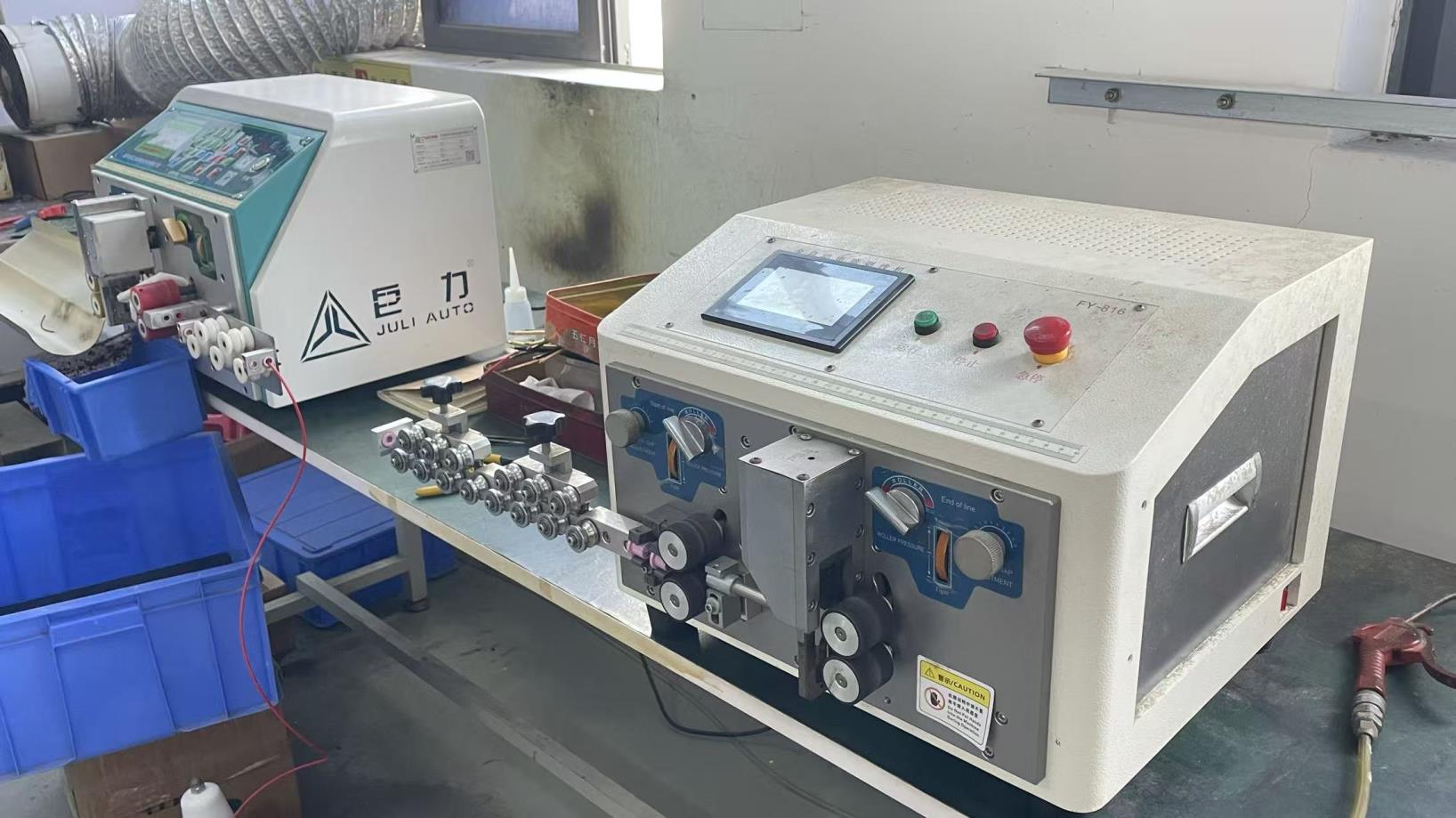
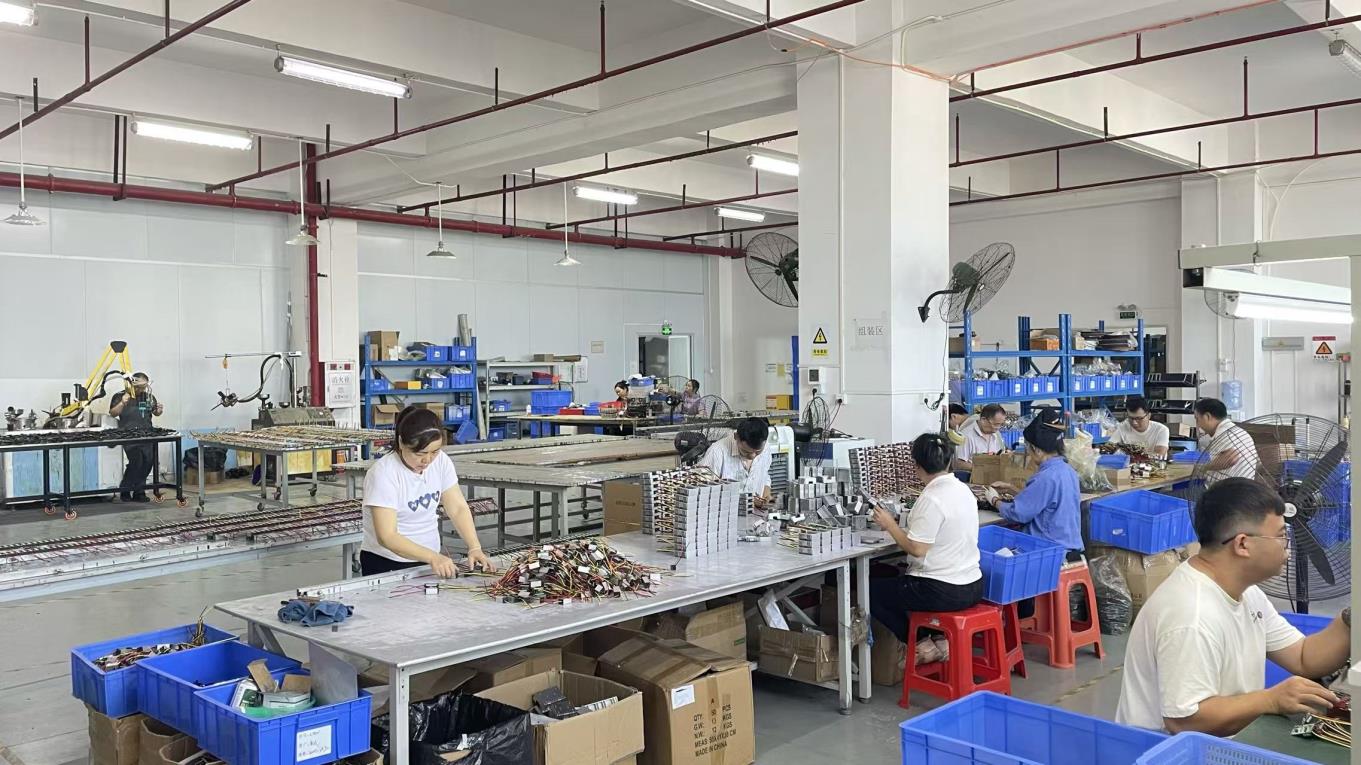

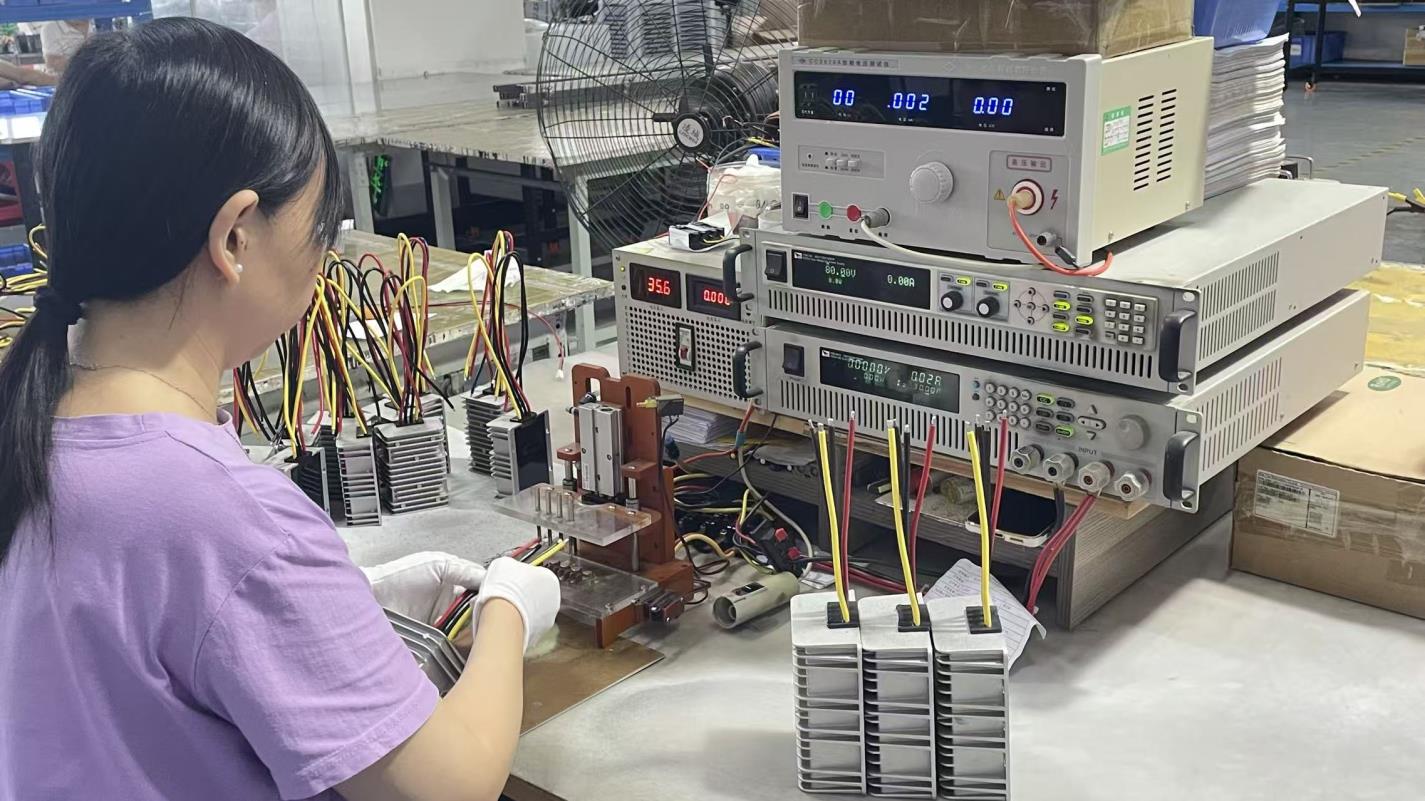
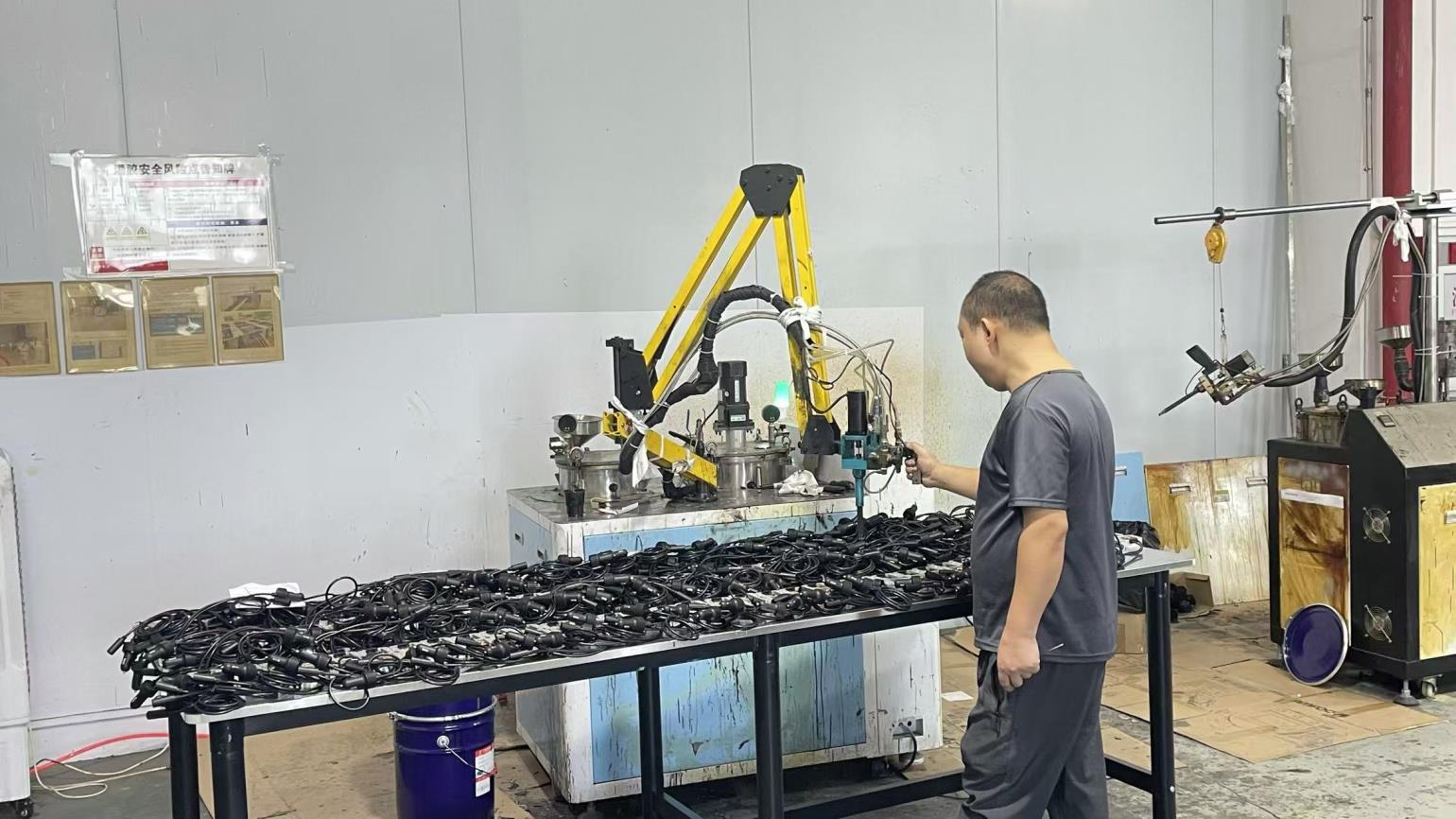
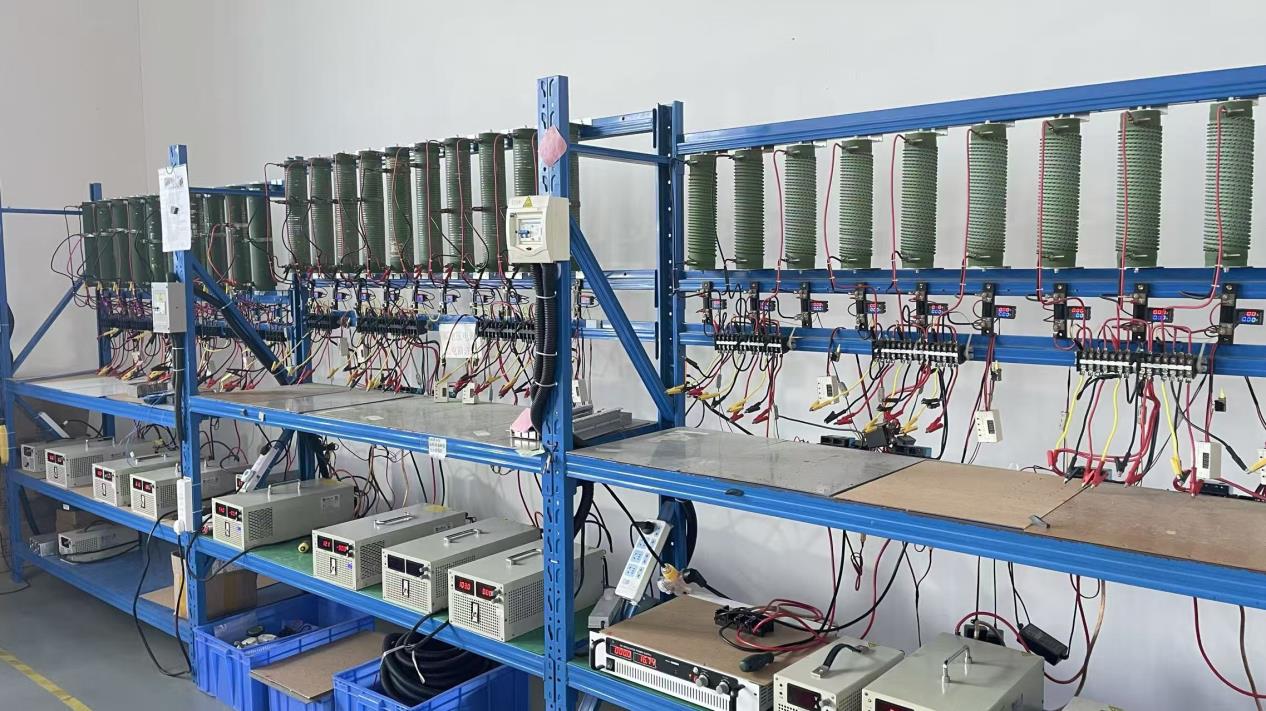

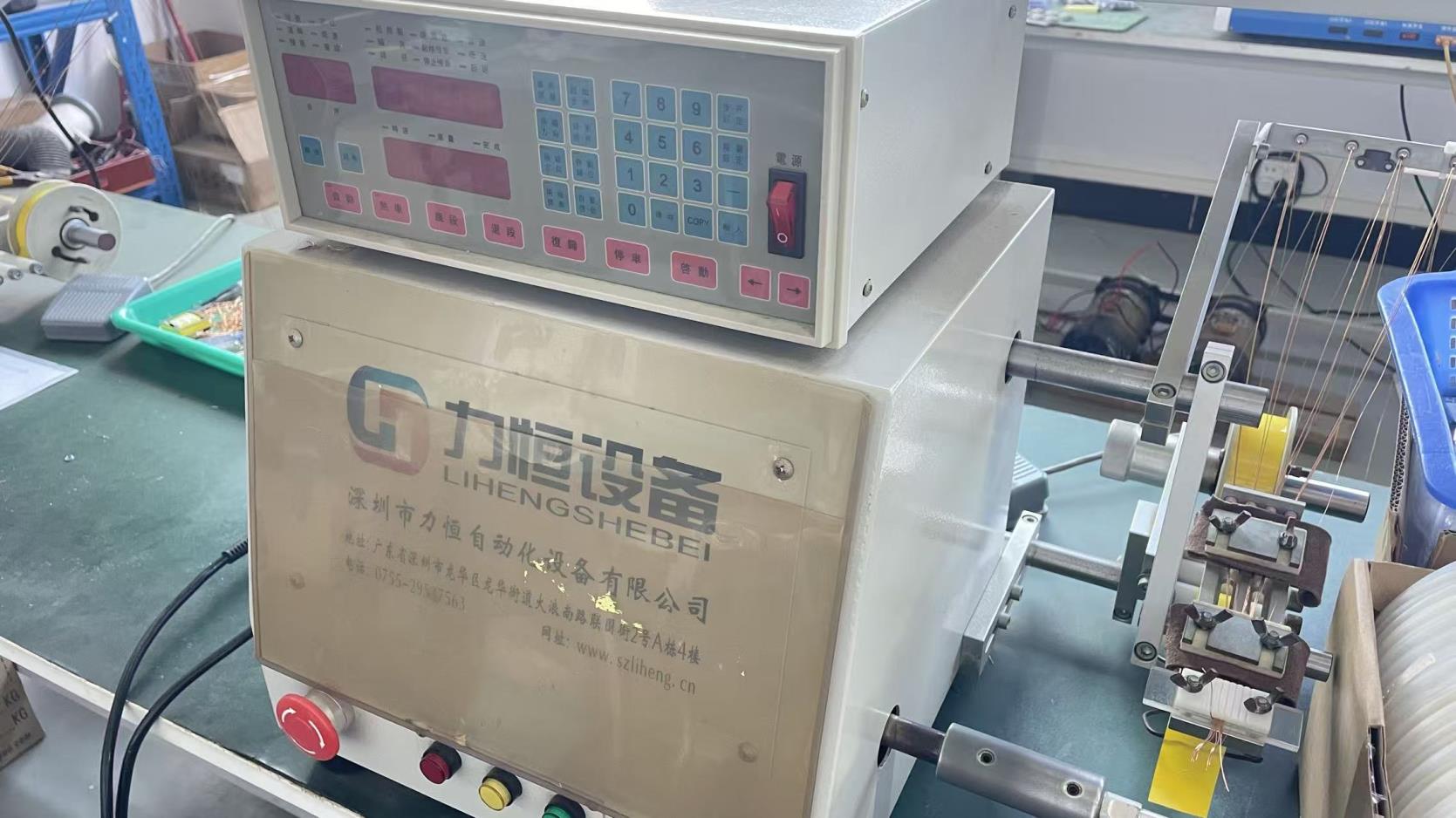
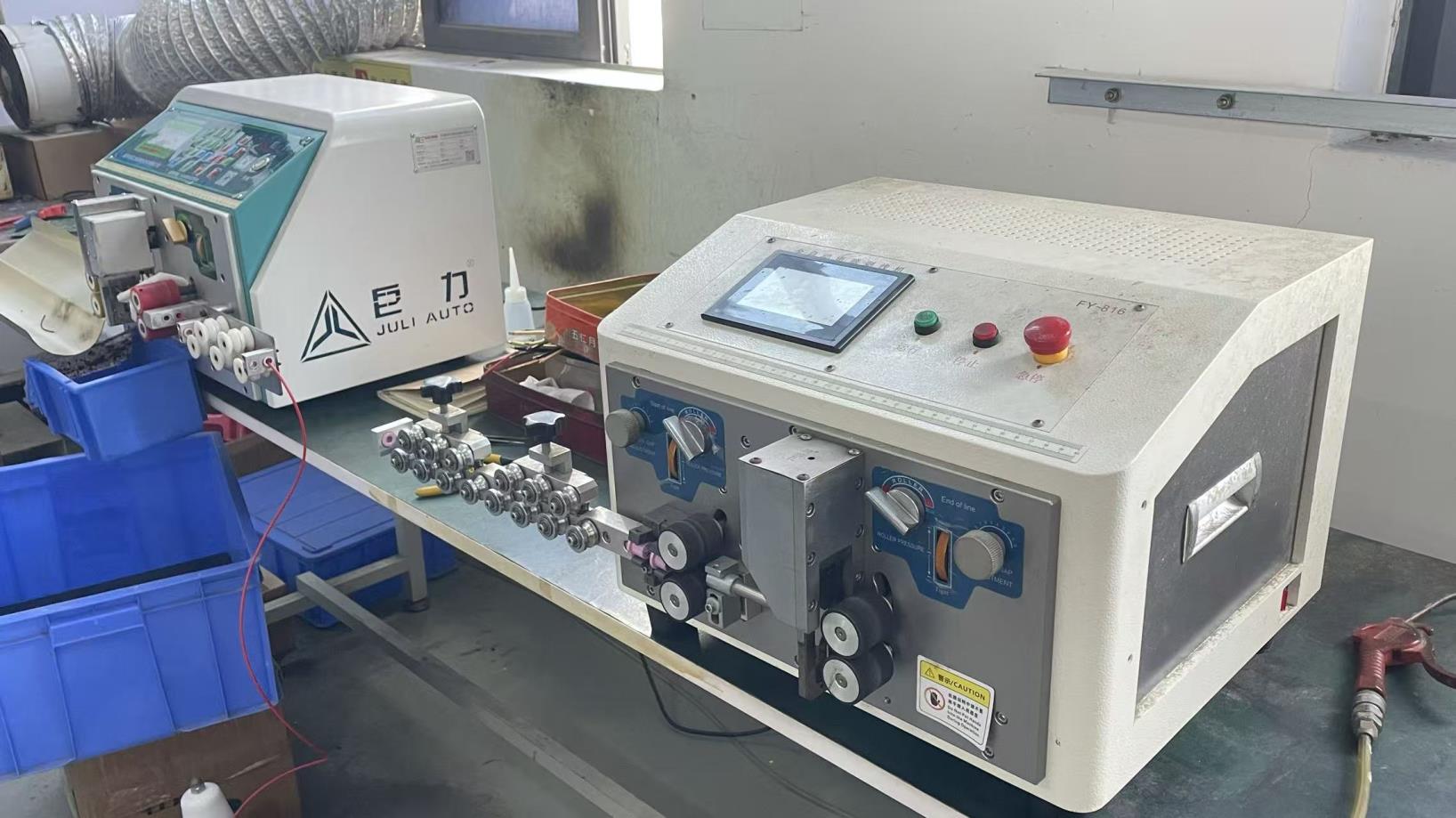


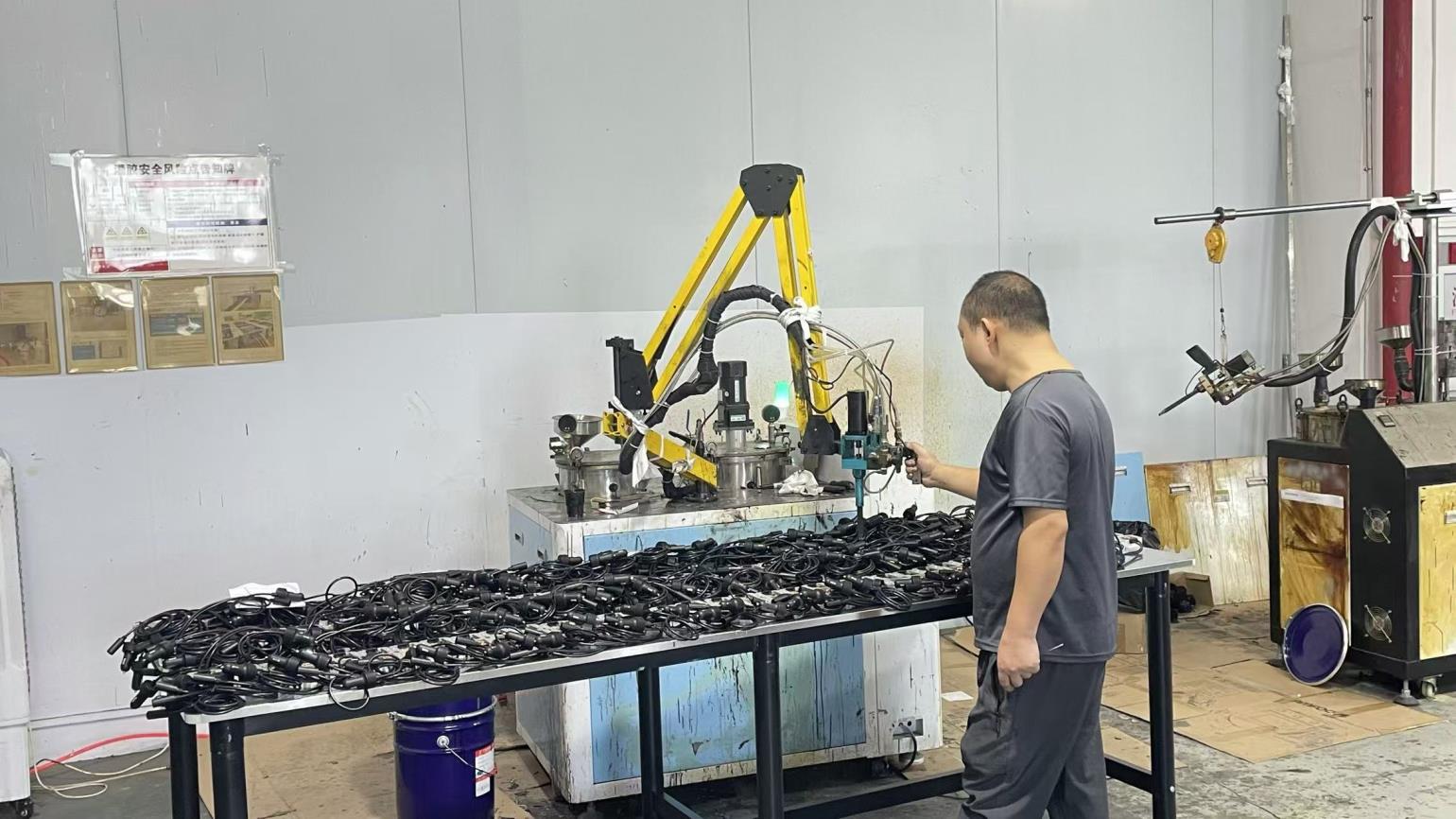
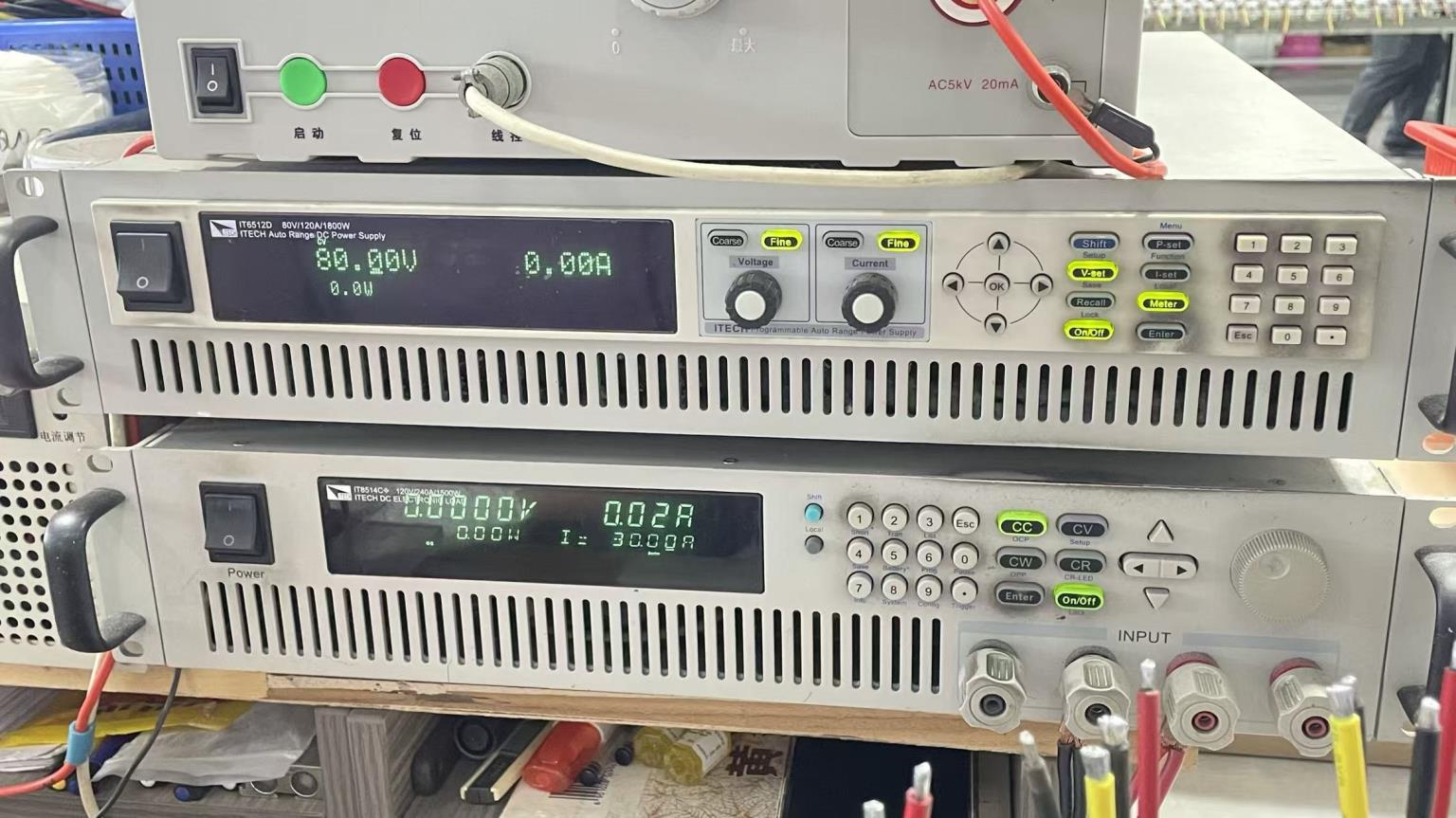
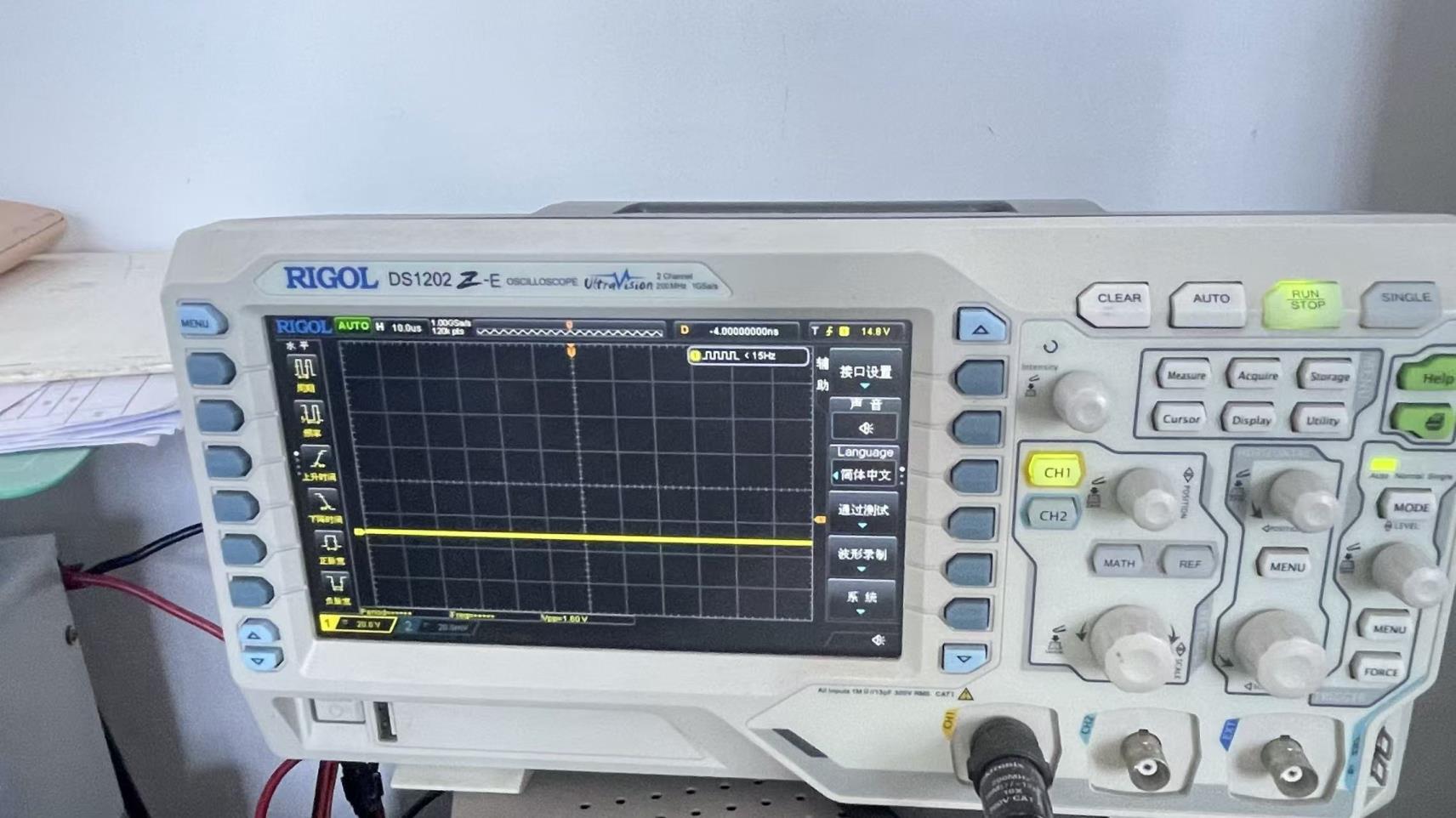
We deploy precise calibration instrumentation to verify electrical insulation, thermal tolerance, and power quality parameters under load conditions.

Our engineering teams continuously improve our power architectures to enhance utility density, heat dissipation, and micro-grid performance. Our current R&D focuses on several key areas:
Transitioning to SiC-based switching configurations allows for higher switching frequencies, lower thermal loss profiles, and more compact, energy-dense chassis footprints.
By incorporating AI algorithms into our DSP platforms, our active filters can predict non-linear load demands. This reduces response delay times to near zero microseconds.
Integrating network communication cards allows our power supplies to connect with building management systems, enabling remote performance monitoring and predictive diagnostics.
We design and build our equipment to meet the requirements of international certification bodies, ensuring safe installation and compliance with regional grid codes.
High-efficiency outdoor cabinets, switching systems, rectifiers, and chargers designed for telecom networks, industrial operations, and power grids.
Expert answers to common questions about harmonic distortion, active filtration, and power quality management.
 EVS Powers