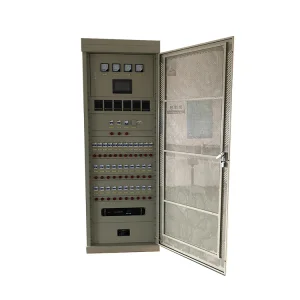
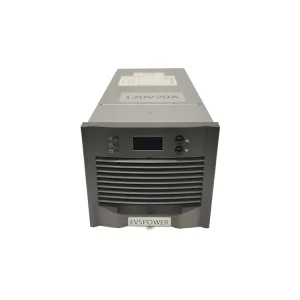
Browse our premier line of high-efficiency rectifiers, switching power supplies, and customized battery backup solutions built specifically for mission-critical telecom deployments.

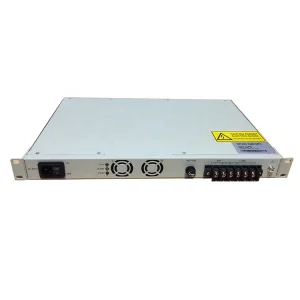
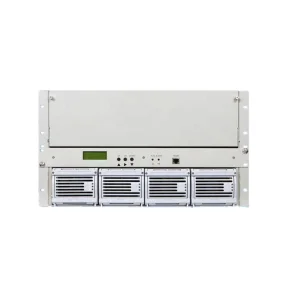
The global telecommunication sector is undergoing a massive architectural shift. Driven by 5G densification, internet of things (IoT) edge expansion, and artificial intelligence-powered workloads, network sites require unparalleled amounts of electrical energy. This trend is accompanied by an intensive push toward net-zero emissions, carbon neutrality, and decentralized renewable energy architectures.
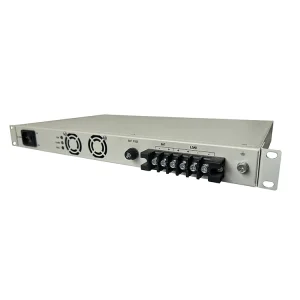
Traditional large-scale telecom exchanges are giving way to thousands of remote micro-sites, outdoor AAU (Active Antenna Units), and RRU (Remote Radio Units). Power supplies must scale down physically to fits 1U/2U configurations while retaining high operational stability under dynamic loads.
Modern telecommunication operations demand integration with solar PV arrays, wind generation, grid-tied architectures, and smart lithium iron phosphate (LiFePO4) battery packs. Power conversion systems must coordinate multiple input sources with sub-millisecond switching dynamics.
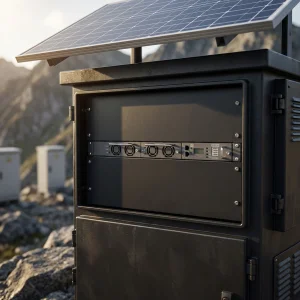
Outdoor cabinets face severe ambient heat parameters, dusty environments, and limited installation volume. Modern rectifiers must rely on smart forced-air cooling or natural thermal dissipation, maintaining performance up to +65°C without performance degradation.
For B2B procurement managers, technical directors, and infrastructure integrators, choosing a custom telecom energy vendor goes far beyond basic component pricing. Modern strategic procurement focuses on the following critical parameters:
Telecom installations are highly localized. Sourcing officers require absolute OEM/ODM flexibility to accommodate varied regional electrical grids, from unstable 110V/220V AC systems to robust 380V three-phase setups. EVS Powers provides tailored DC output voltages (12V, 24V, 48V, 110V, 220V, to 380V DC) aligned to legacy assets and ultra-modern systems alike.
Base stations situated in coastal regions, high-altitude mountains, or arid deserts demand IP20 to IP65 enclosures. The integration of high-reliability components, comprehensive conformal coating on PCBs, and mechanical vibration resistance is crucial to preventing expensive downtime.
International procurement mandates compliance with strict safety directives (CE, FCC, RoHS, and UL standards). Comprehensive electromagnetic interference (EMI) filtering is vital to prevent base station radio frequencies from interfering with neighboring grid infrastructure.
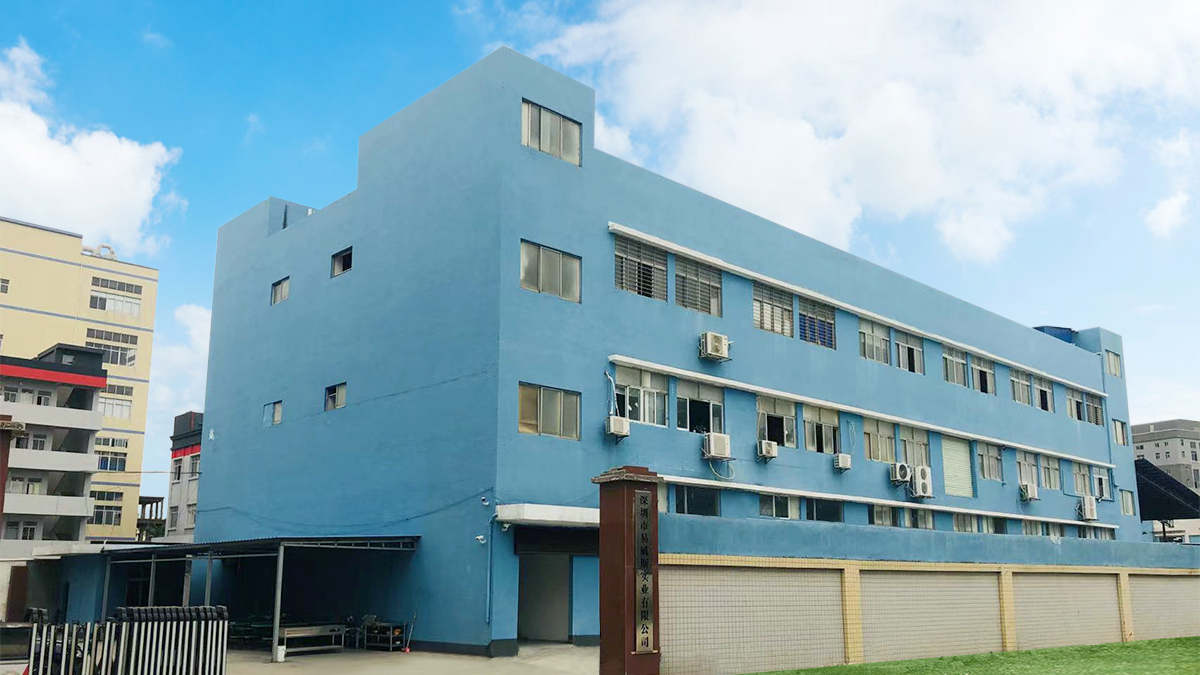
Guangzhou EVS Powers Co., Ltd. is located in the global trade capital of Guangzhou, China. We operate a highly responsive, vertically integrated Factory 4.0 infrastructure designed for precision OEM and ODM electronic production. By centralizing raw material sourcing, automated surface mounting, mechanical fabrication, and high-frequency magnetics production, we eliminate middle-man costs and guarantee robust supply chain continuity.
We regard clients' satisfaction as our top task, products' quality as the basis of development, and cost-saving as our competitive advantage. With excellent credit standing and premier services, we have won high reputations and long-term cooperation from customers across Europe, South and North America, Australia, the Middle East, and Southeast Asia. We continuously share our technical experience and engineering advancements with partners globally.
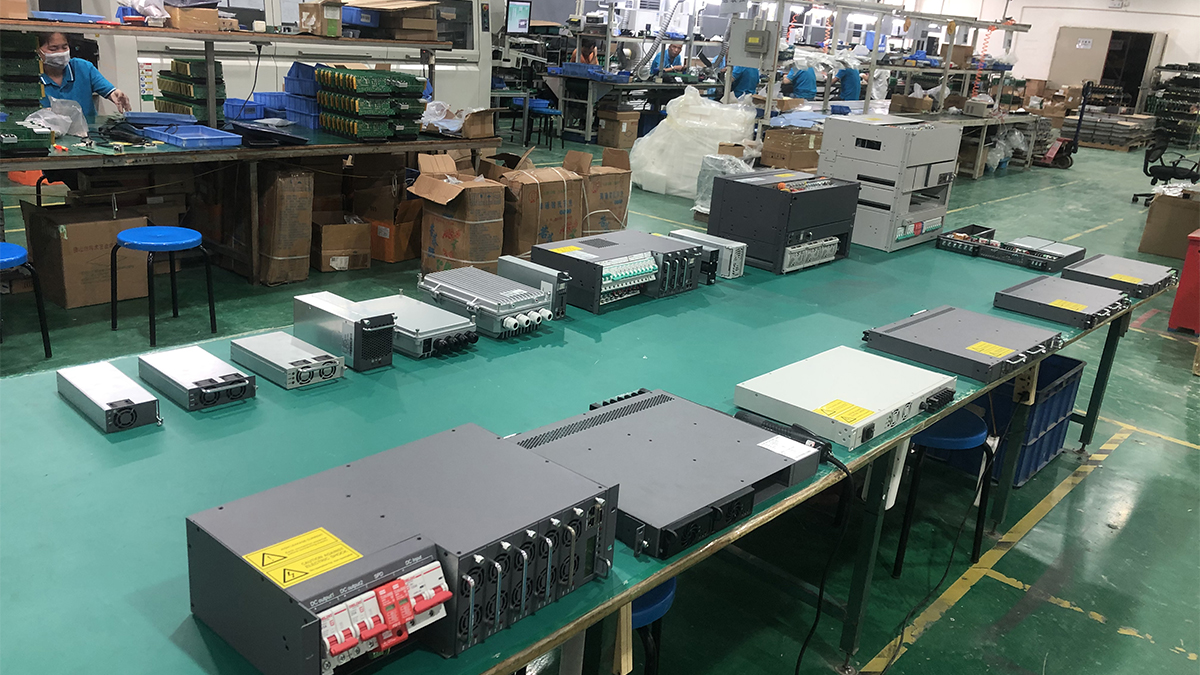
Each process is automated and closely monitored to maintain zero-defect standards for international deliveries:
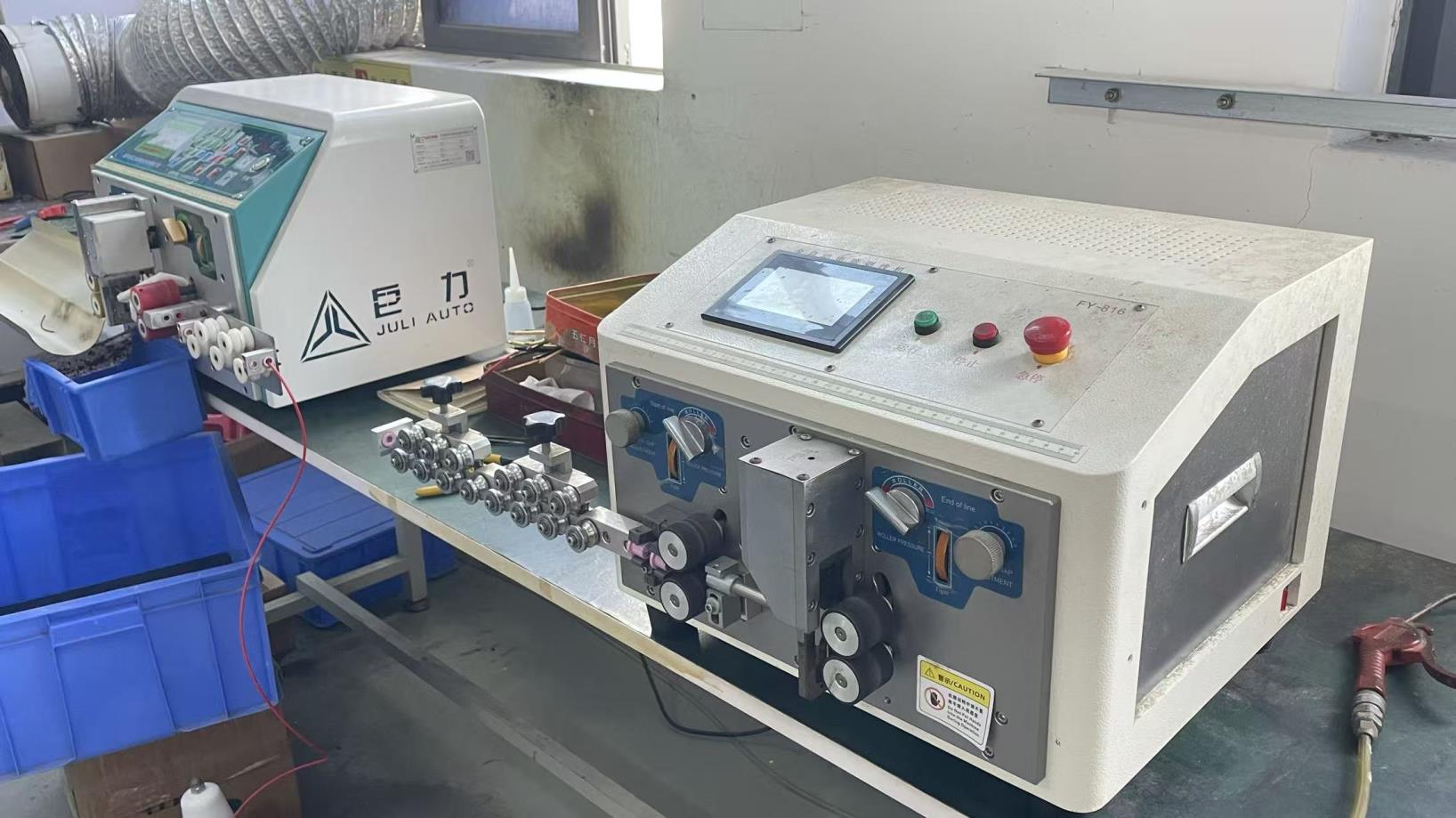 Wire Cutting
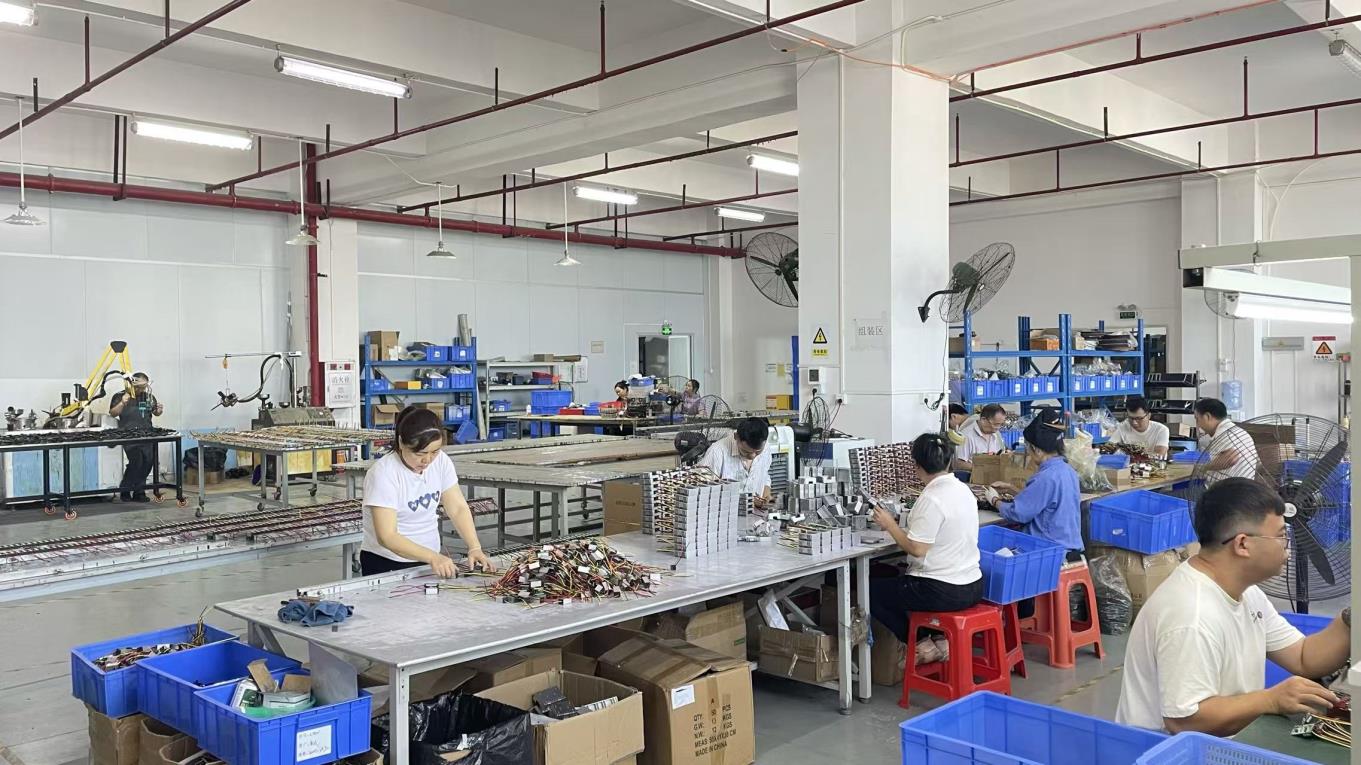 Plug-In
 Soldering Tin
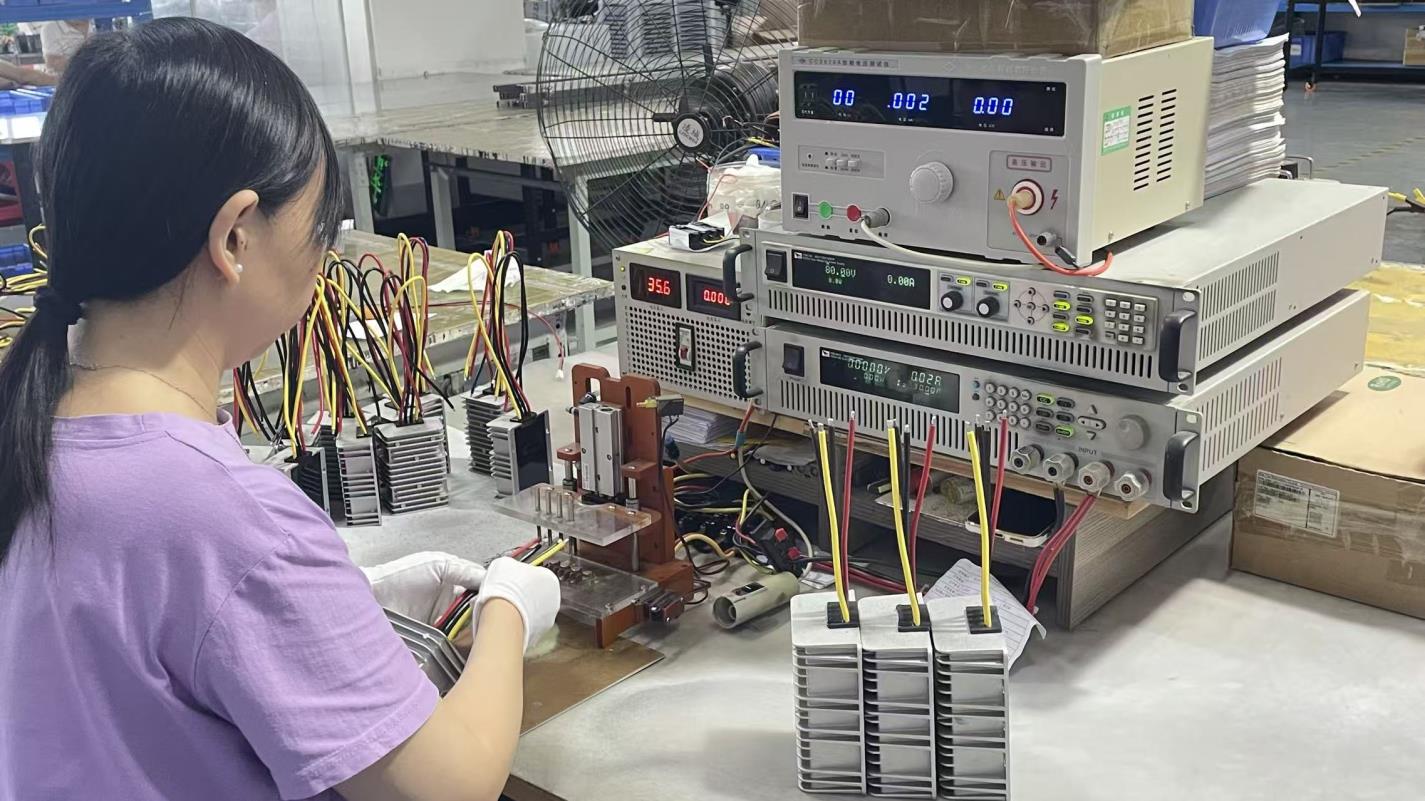 Test
Test
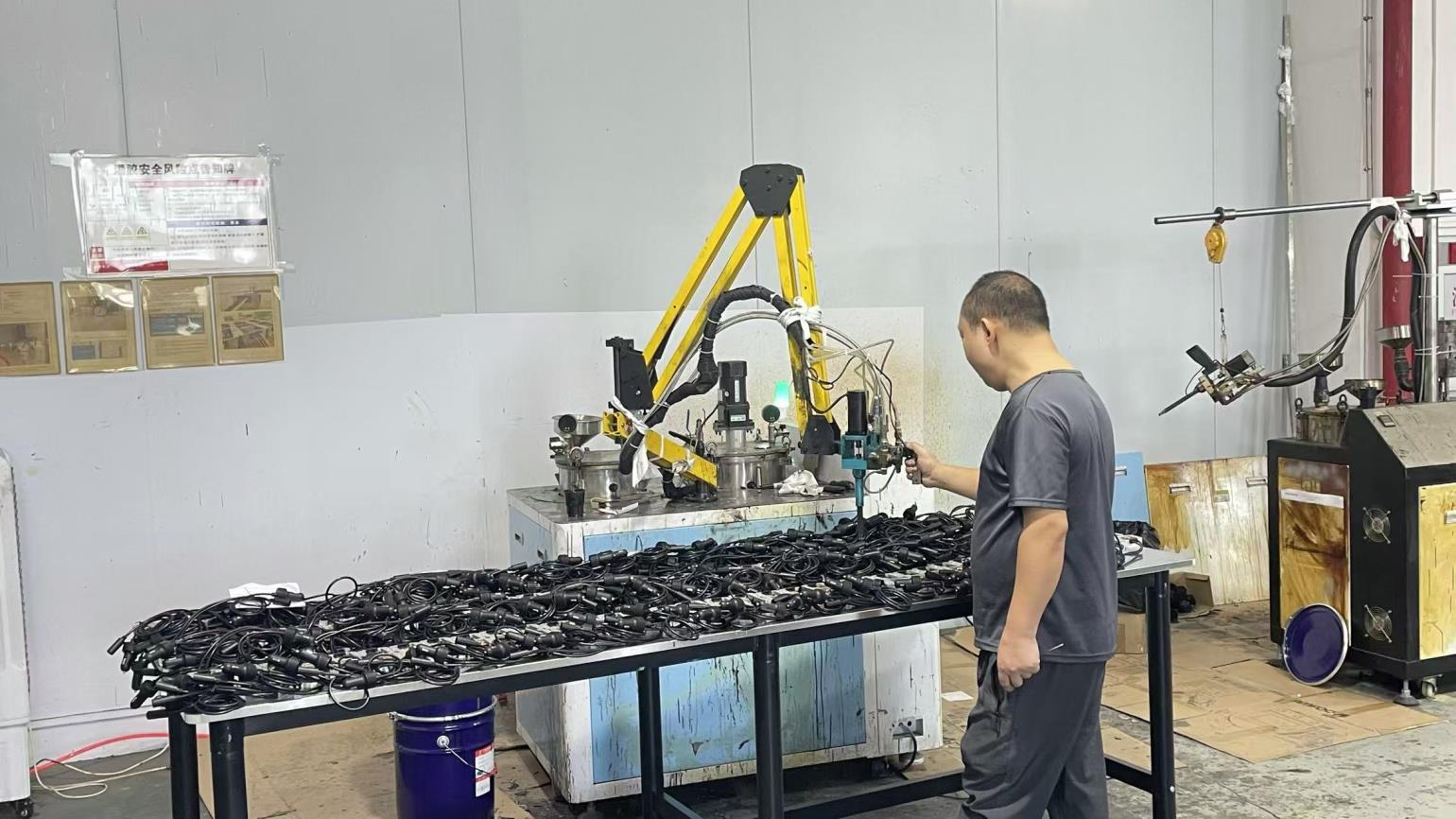 Glue Filling
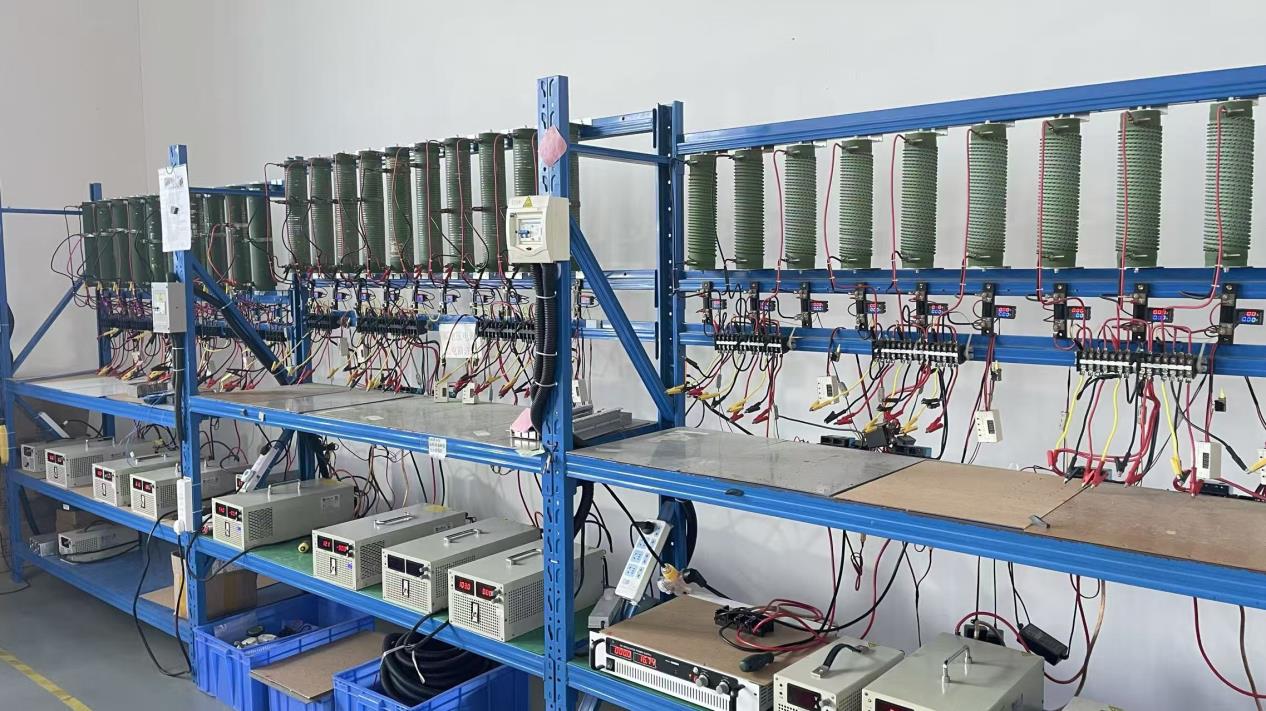 Burn-In Test
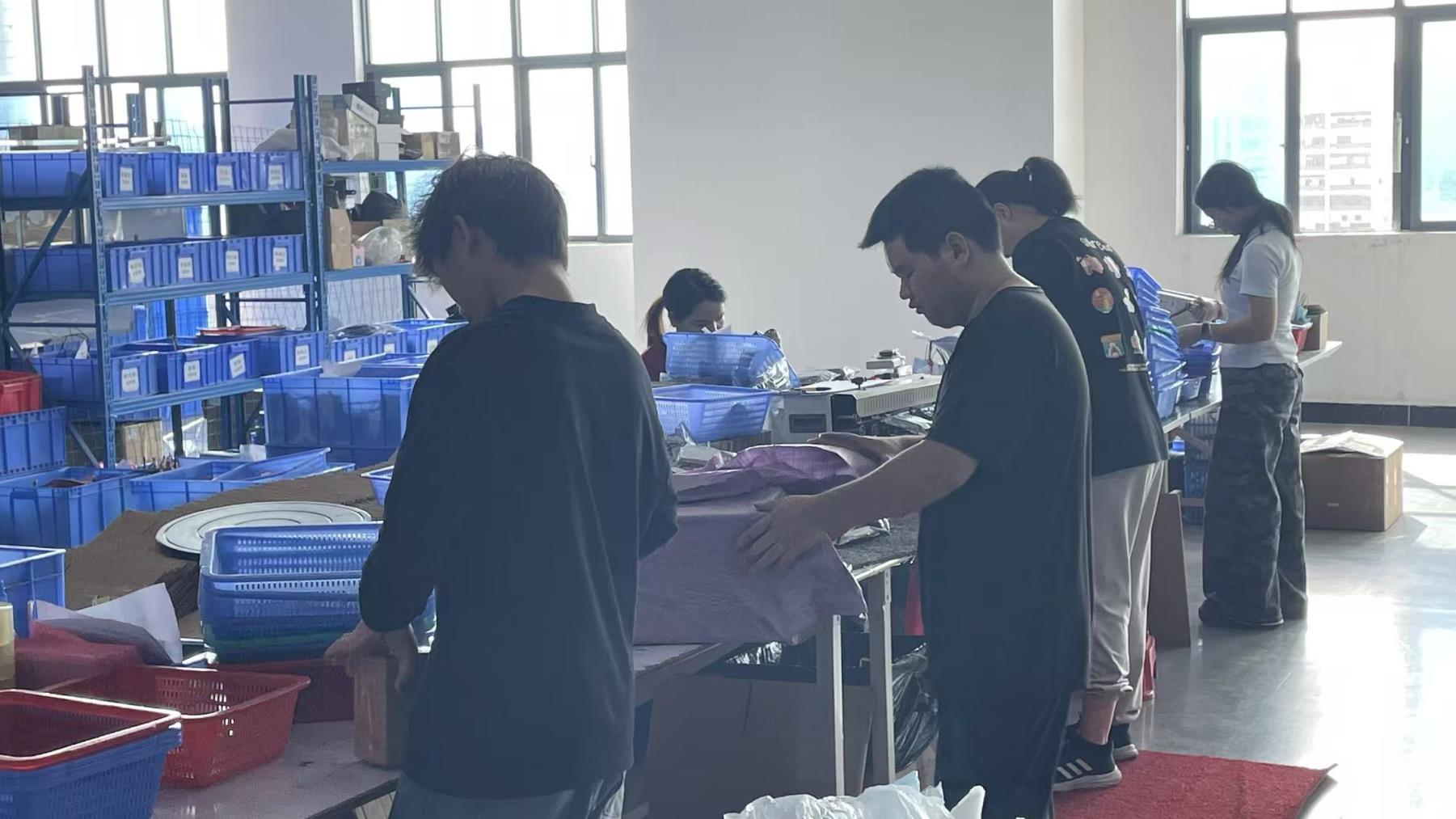 Packaging
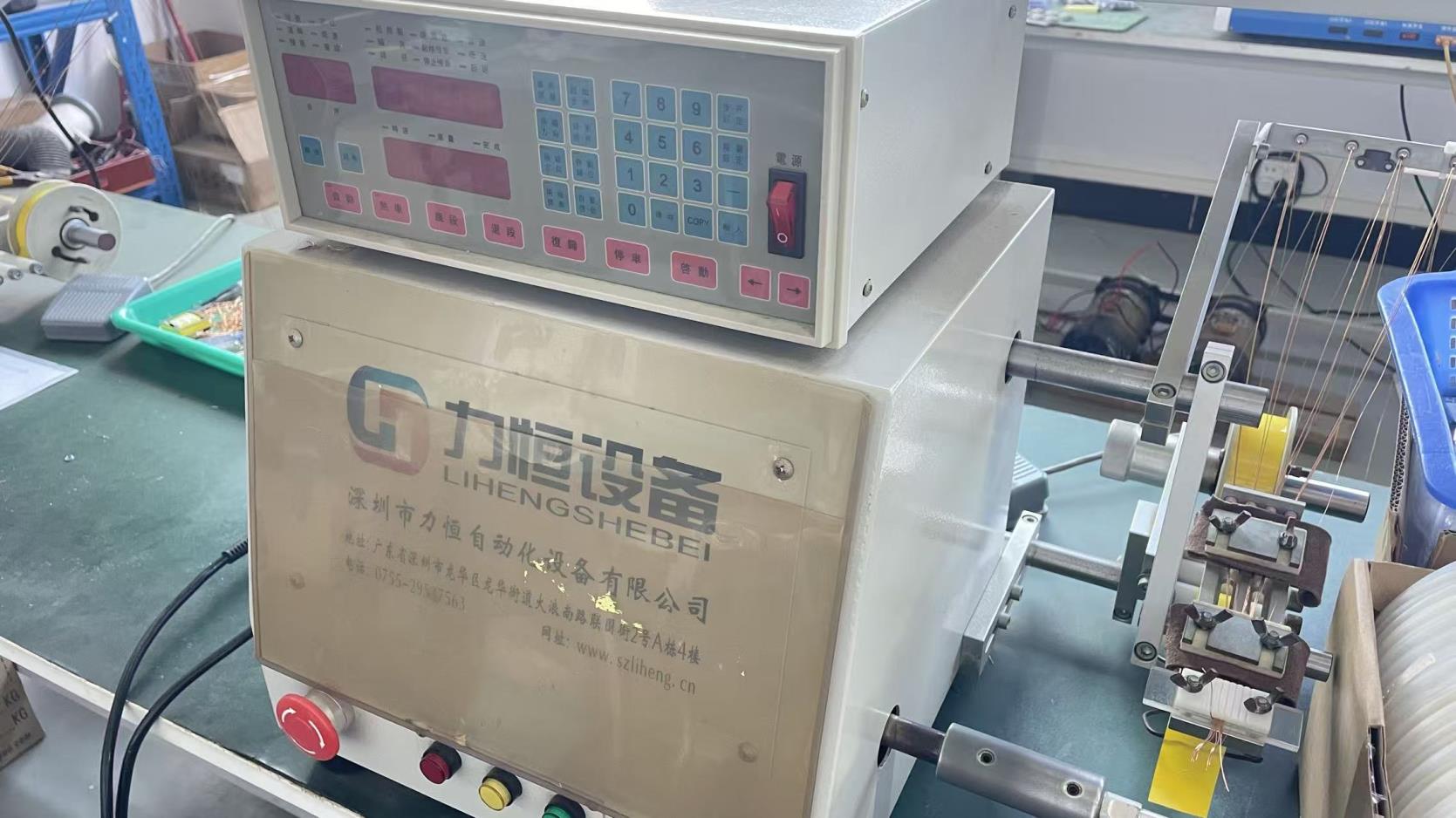 Winding Machine
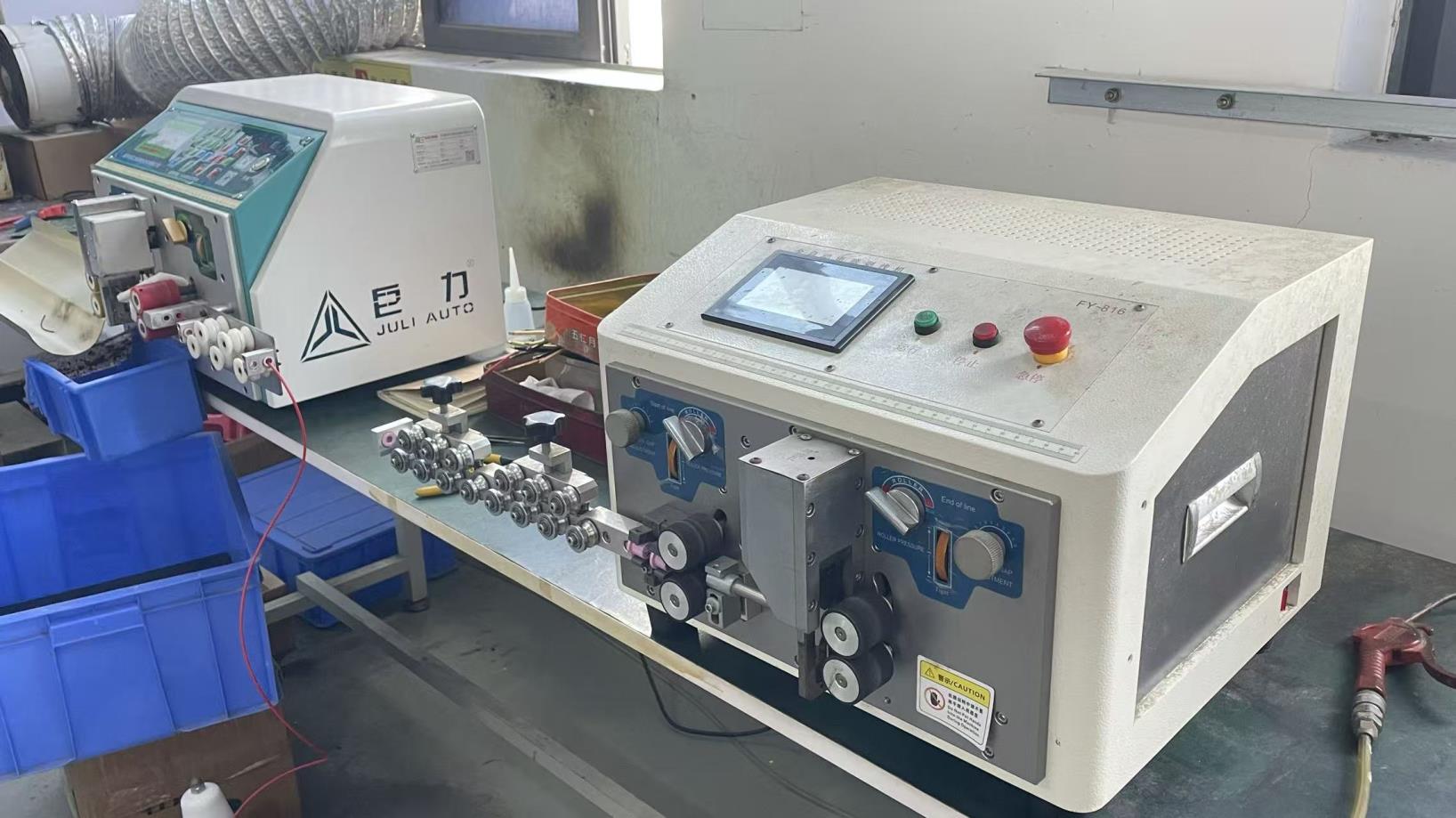 Wire Cutting Machine
 Automatic Soldering Machine
 Laser Engraving Machine
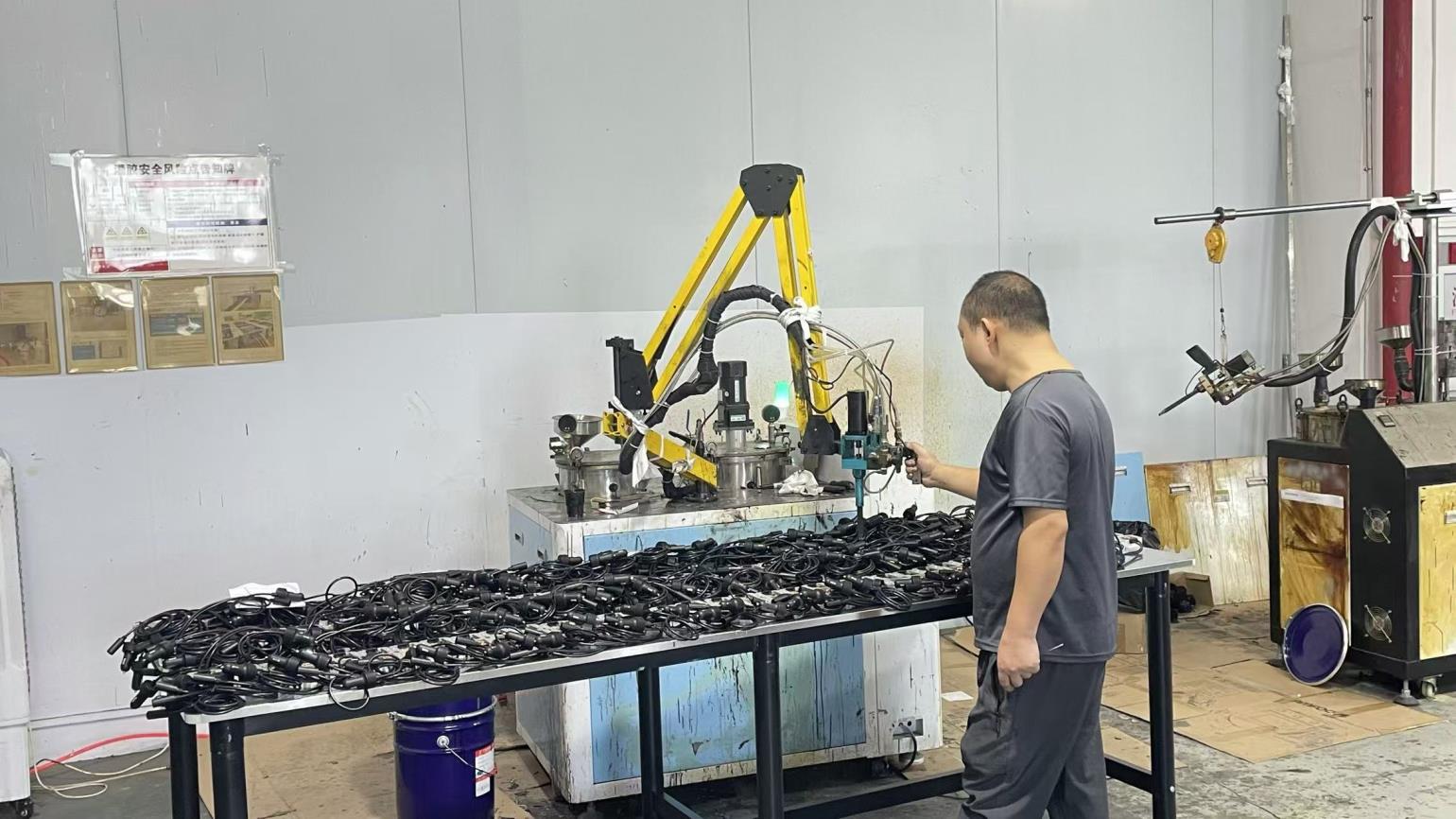 Canning machine
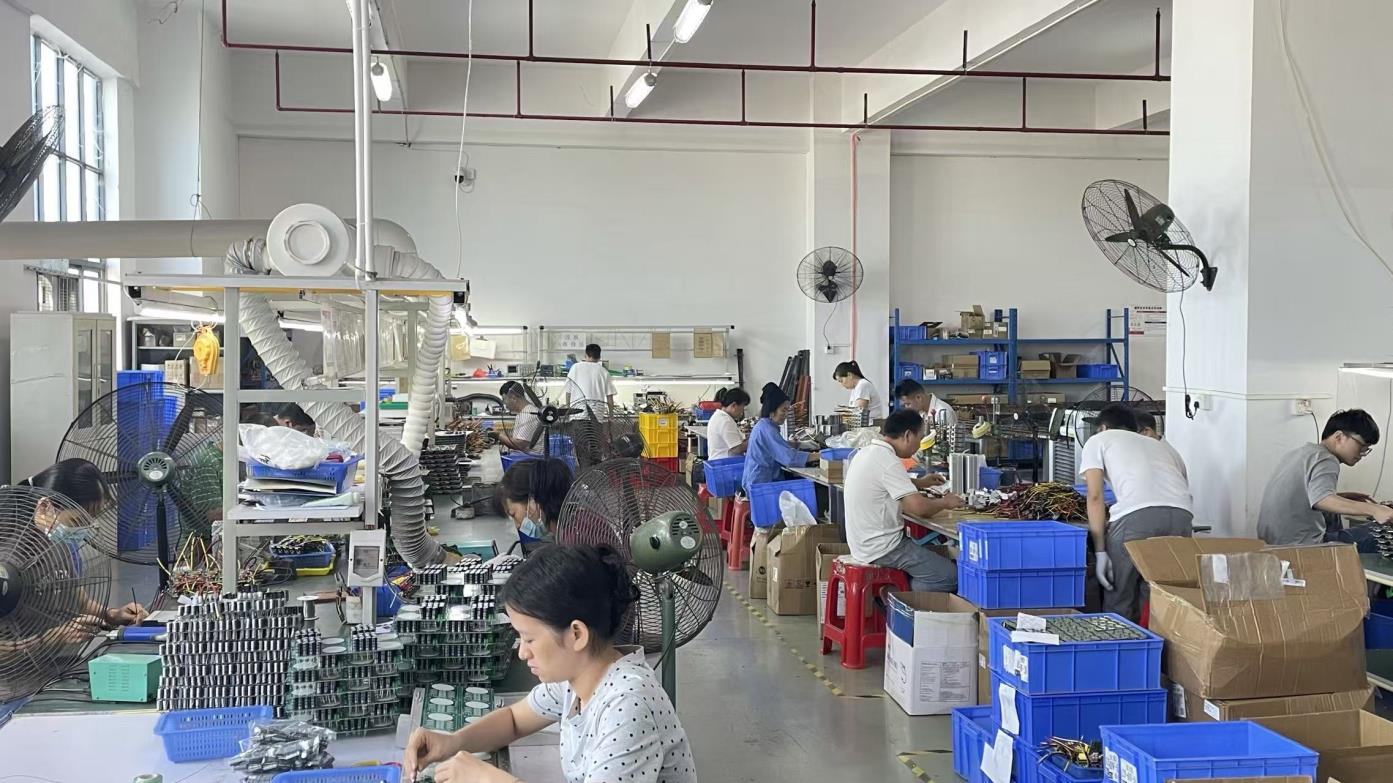 Assembly Line
To qualify for global telecom operators, products must pass severe verification matrices. EVS Powers maintains a state-of-the-art testing facility that executes mechanical, environmental, and electro-magnetic stresses on every production batch to guarantee absolute field reliability.
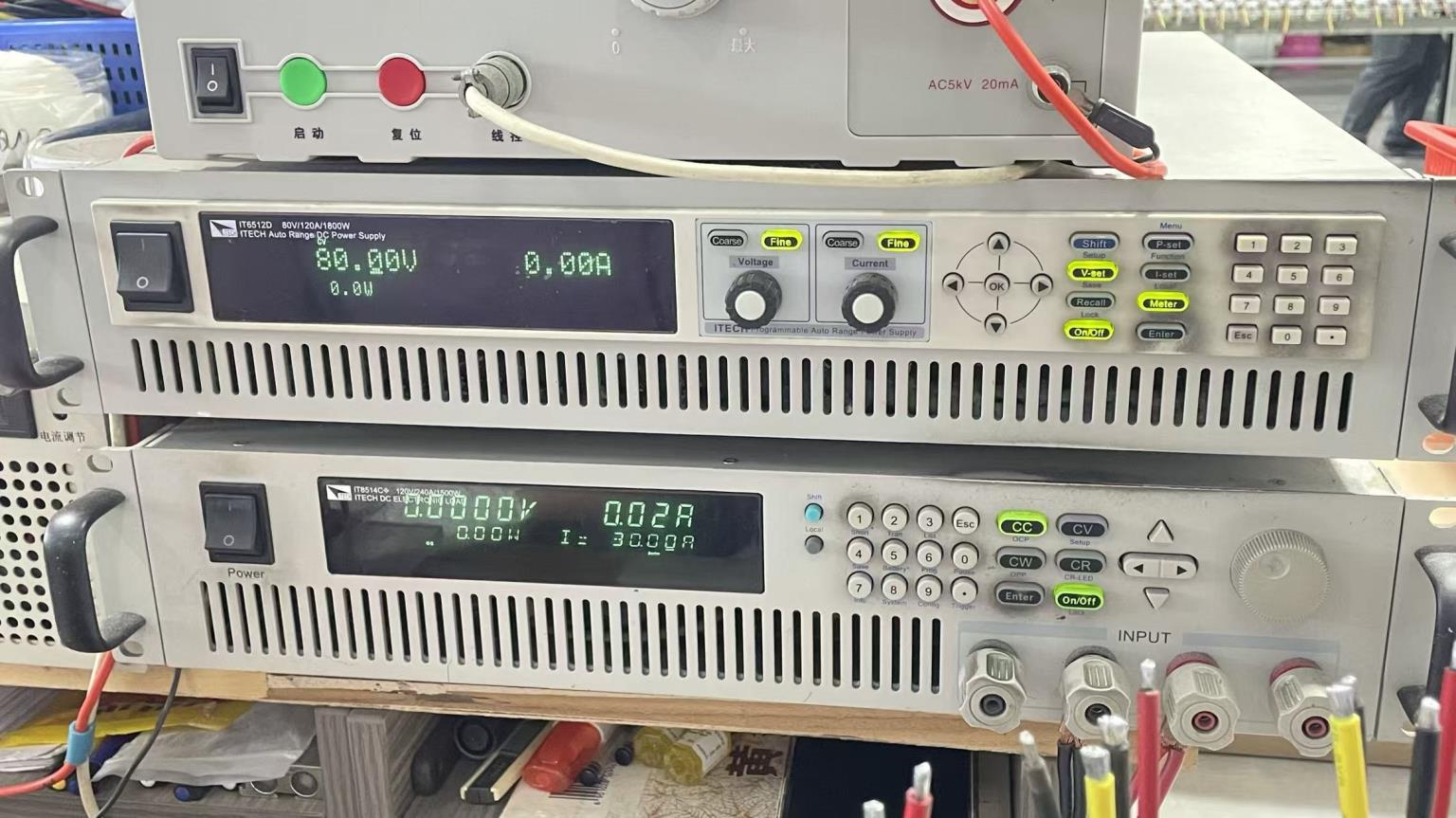 DC Power Supply Tester
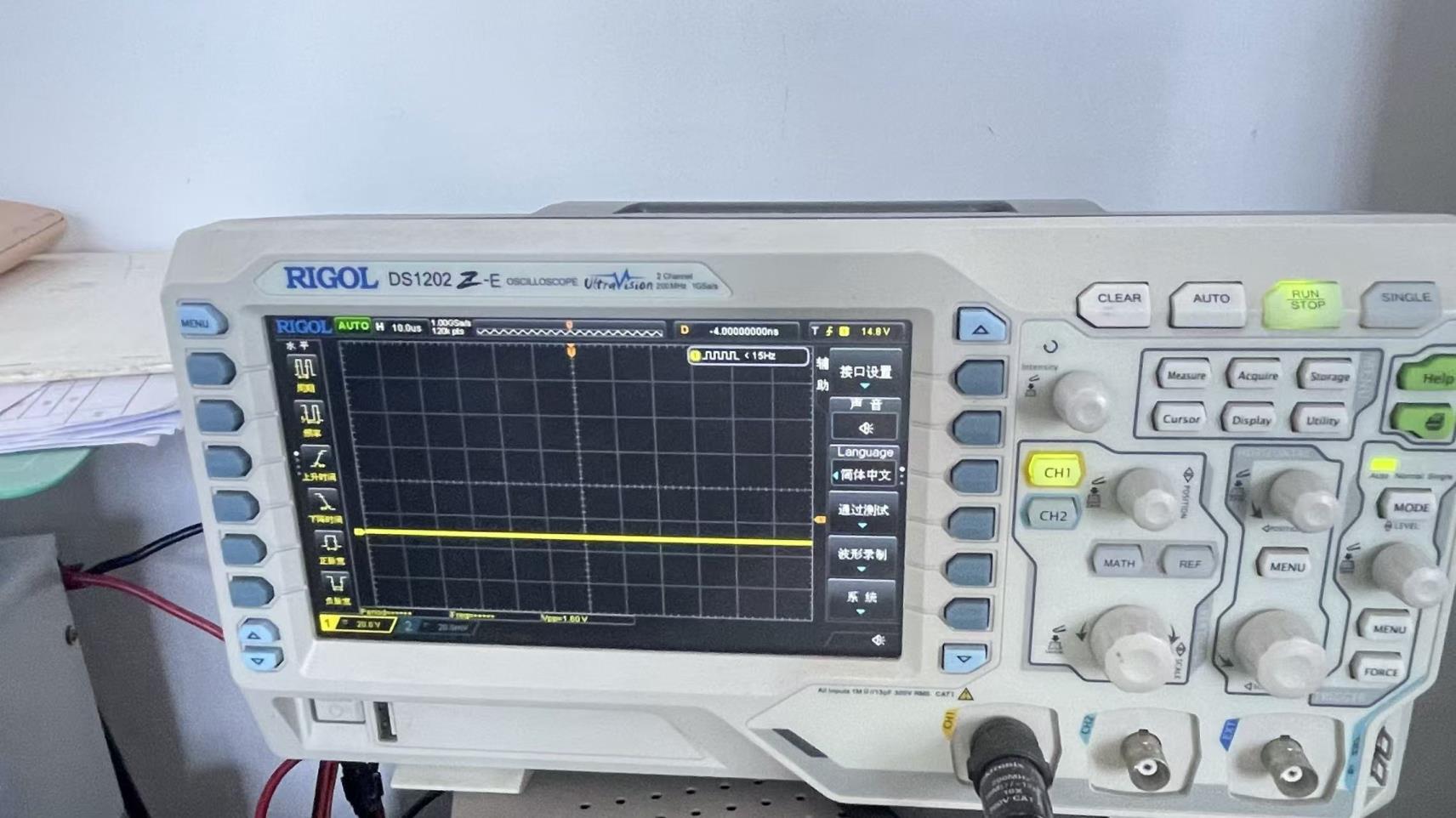
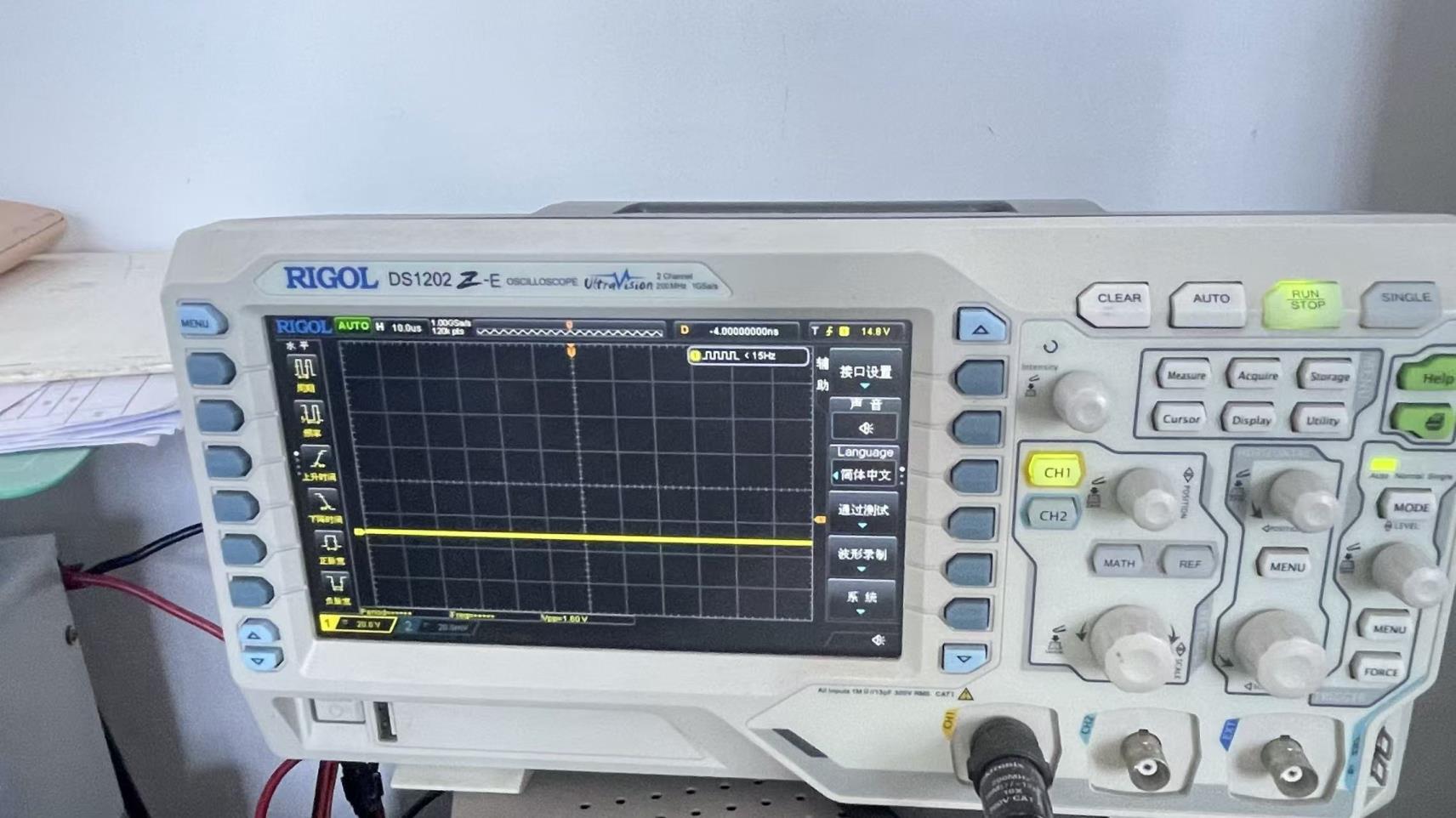 AC Withstand Voltage Tester
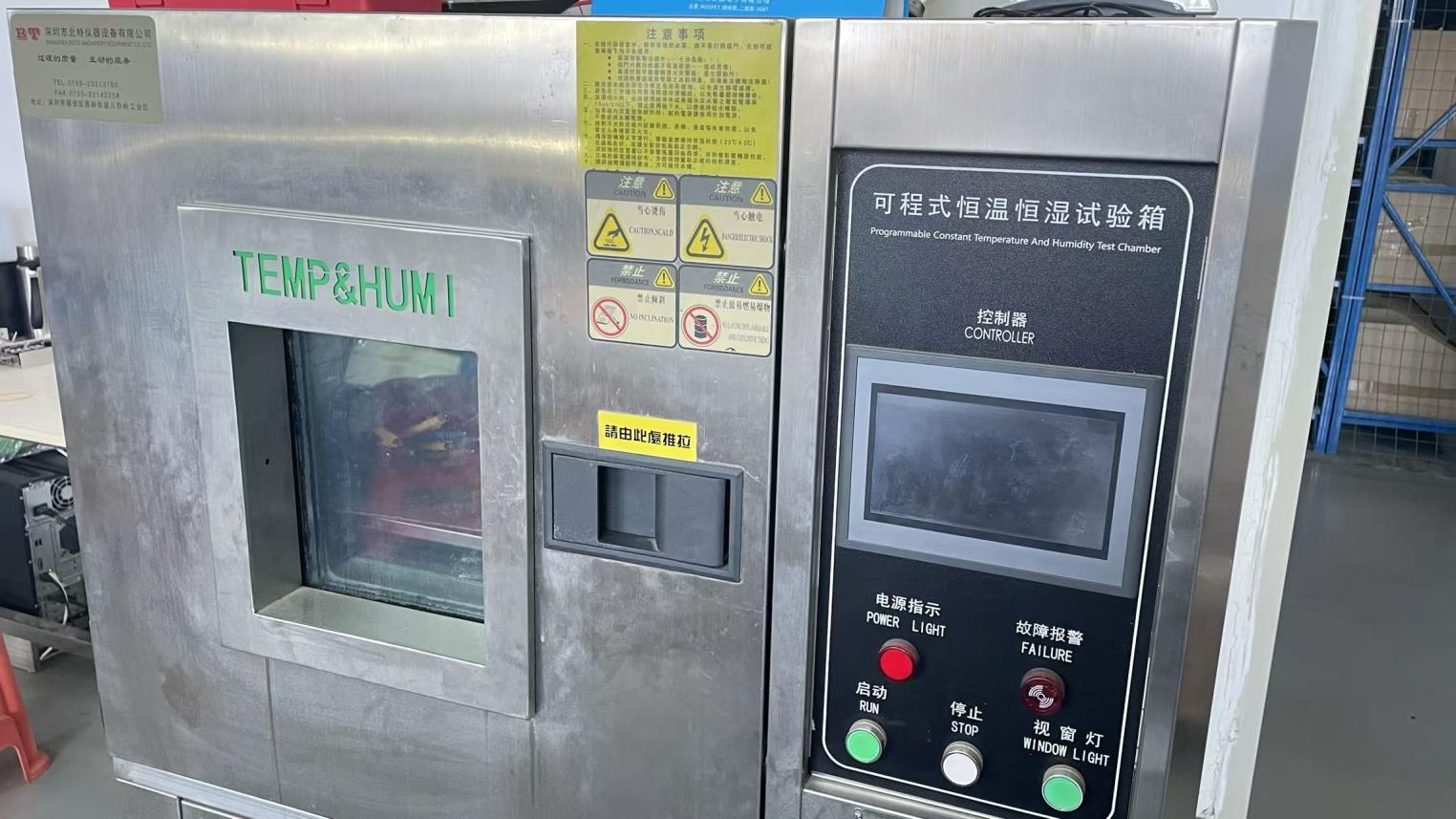 Constant temperature and humidity chamber
 Optical microscope
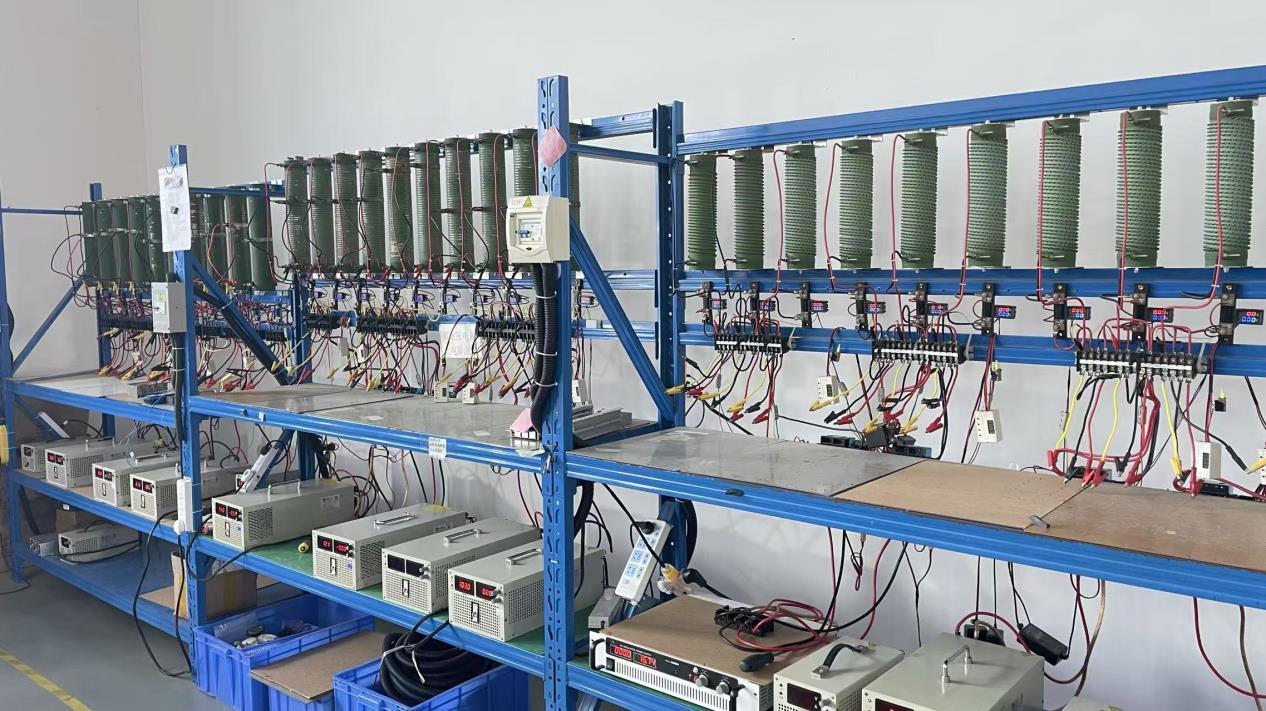 Aging test
 R&D Engineering Design
Telecom power supplies operate in distinct physical environments. EVS Powers designs systems geared toward the unique stressors of these deployment zones:
Placed atop remote rural towers, these require wall-mounted configurations like our 48V 60A DC Storage UPS. Engineered with wide input voltage tolerance range (176V - 264V AC) to handle unstable regional power grids without tripping.
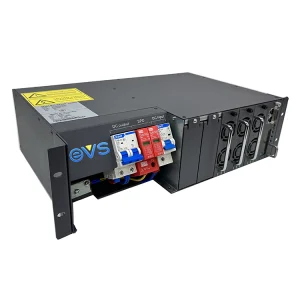
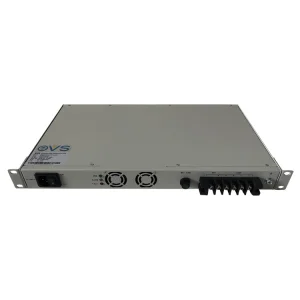
Standardized rack installations within climate-controlled networks rely on 1U/2U integrated power shelves. Incorporating SNMP cards allows automated real-time status and operational diagnostics via remote control centers.
Off-grid towers combining photovoltaic arrays with diesel generators use specialized high-current battery chargers and DC-DC converters to equalize transient battery loads and minimize generator operational runtimes.
Get quick answers to the most common configuration and engineering questions regarding telecom power systems.
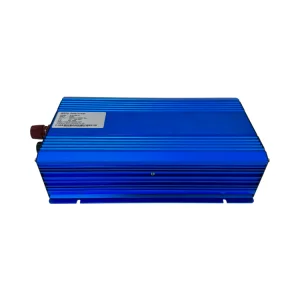
Choose from our advanced line of DC-AC pure sine wave inverters, high-capacity rack cabinets, and heavy-duty industrial DC-DC converters.

 EVS Powers