Explore our premium range of high-frequency UPS modules, battery chargers, DC-DC converters, and switching power supplies engineered for continuous operation.
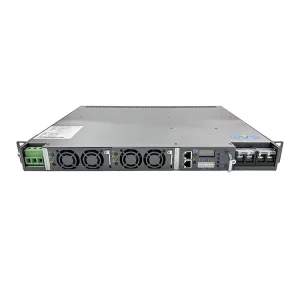
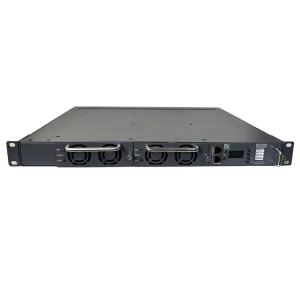
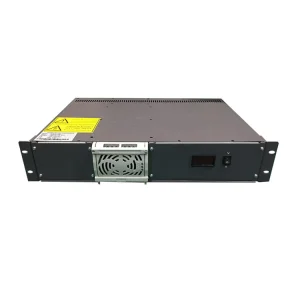
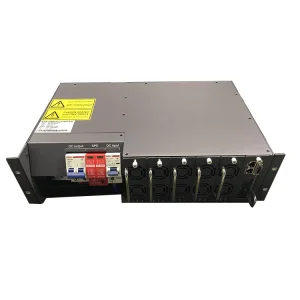
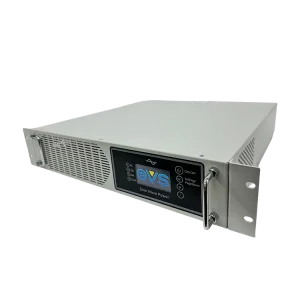
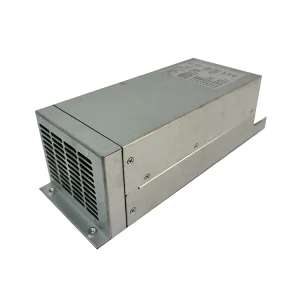
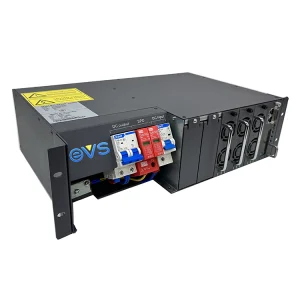
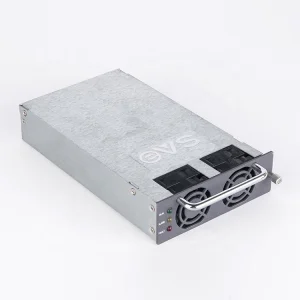
In the modern era of industrial automation, green energy integration, and global digital connectivity, high-power rectifiers form the vital link between raw alternating current (AC) power distribution grids and sensitive direct current (DC) operational equipment. As standard AC grids distribute power over vast distances, industrial applications such as telecommunications base stations, data hosting facilities, electrochemical processing, and electromobility infrastructure demand incredibly stable, clean, and highly efficient DC electricity. High-power rectifiers serve not only as basic converters but as active power quality management units that protect hardware assets, optimize energy consumption, and reduce operational overhead.
Selecting a qualified high-power rectifier manufacturer in China involves looking beyond nominal voltage and current limits. Engineering teams must evaluate dynamic heat dissolution profiles, electromagnetic compatibility (EMC), harmonic distortion levels, and communication protocols (such as CAN bus, Modbus, or SNMP) that facilitate smart monitoring. At Guangzhou EVS Powers Co., Ltd., we combine cutting-edge high-frequency switching topologies with state-of-the-art packaging to construct modular rectifier systems that deliver maximum power density with minimal physical footprint.
"Efficiency is no longer a secondary specification—it is a core operational requirement. Modern switching rectifiers utilizing soft-switching technology reduce grid energy loss by up to 40% compared to legacy phase-controlled silicon-controlled rectifiers (SCRs)."
The global energy landscape is currently undergoing a massive transformation. Driven by stringent international efficiency mandates, carbon neutrality initiatives, and the exponential expansion of cloud computing networks, the demand for modular, high-efficiency power supplies is surging. In regions such as the European Union and North America, strict limits on harmonic pollution (governed by standards like IEEE 519 and EN 61000-3-2) require rectifiers to feature active Power Factor Correction (PFC) circuitry. A high power factor (typically >0.99) ensures that the converter draws sinusoidal current, minimizing energy loss in distribution lines and preventing costly penalties from utility companies.
In developing regions across the Middle East, Southeast Asia, and South America, power quality can be highly volatile. Grid instability, brownouts, and voltage surges demand robust rectifier topologies capable of withstanding extreme input fluctuations without shutting down. Rectifiers must operate reliably across wide input voltage windows (e.g., 90V AC to 300V AC) while keeping a constant output voltage. They also need built-in surge protections to handle severe grid events. EVS Powers addresses these distinct regional requirements by designing modular power supplies with wide input ranges and comprehensive protective features, including Over-Voltage Protection (OVP), Under-Voltage Protection (UVP), Over-Current Protection (OCP), and thermal shutdown mechanisms.
| Application Scenario | Typical DC Output Range | Key Technical Requirement | Standard Protection Protocol |
|---|---|---|---|
| Telecom Systems | 48V DC (Nominal) | Ultra-low noise ripple, Hot-swap capability | LVD (Low Voltage Disconnect), OVP, OCP |
| EV Charging Infrastructure | 300V - 1000V DC | Wide output voltage sweep, High power density | Galvanic isolation, Short circuit protection |
| Industrial Battery Charging | 12V / 24V / 48V DC | Multi-stage charging algorithms (IUoU) | Reverse polarity protection, Thermal compensation |
| Grid-Tie Energy Storage | 220V - 400V DC | Bidirectional capability, High efficiency | Anti-islanding, Grid sync monitoring |
The future of industrial power conversion lies in the implementation of Wide Bandgap (WBG) semiconductors, specifically Silicon Carbide (SiC) and Gallium Nitride (GaN). Compared to traditional silicon (Si) MOSFETs, SiC and GaN devices offer significantly higher breakdown voltages, faster switching frequencies, and lower on-state resistance. These characteristics enable engineers to shrink the size of passive components—such as inductors and capacitors—dramatically reducing the total volume and weight of the rectifier module while boosting conversion efficiency beyond 97%.
Concurrently, the transition from analog controller loops to fully digital control architectures represents a major paradigm shift. Modern high-power rectifiers utilize advanced Digital Signal Processors (DSPs) to execute real-time control loop algorithms. This digital control layer allows for adaptive loop tuning, which optimizes efficiency across the entire load curve rather than just at a single design point. Digital architectures also facilitate predictive maintenance strategies by monitoring aging indicators, such as ESR changes in output capacitors, temperature spikes in the transformer core, and operating hour run-times.
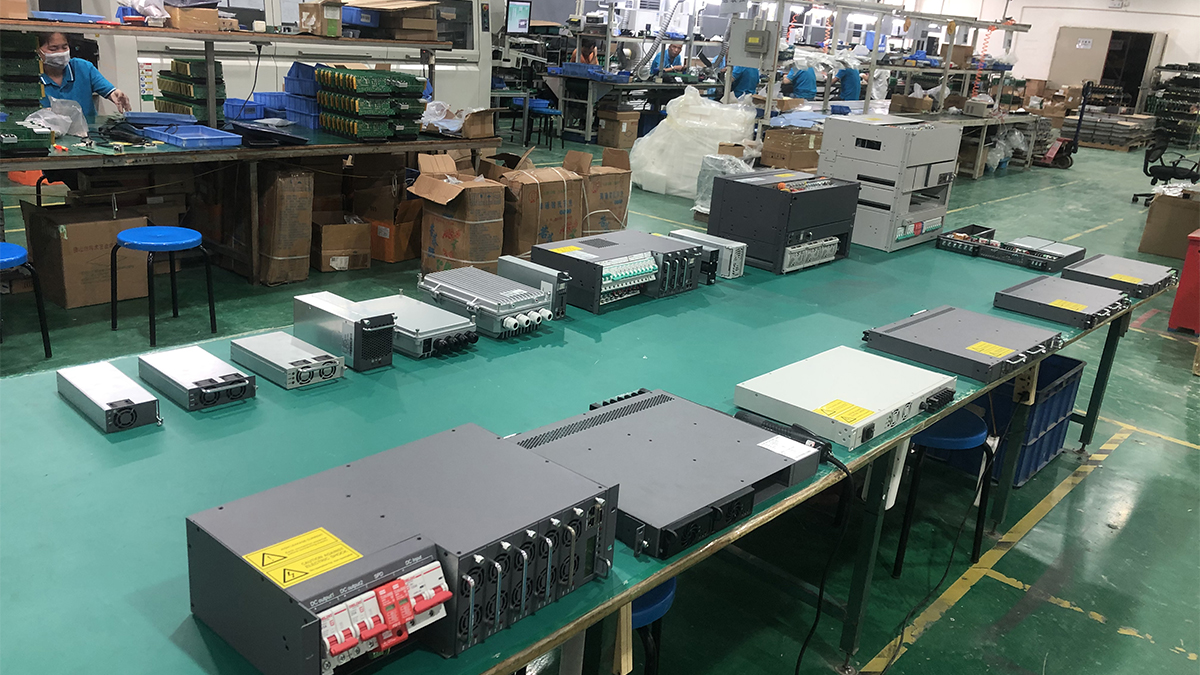
Excellence in production, rigorous testing protocols, and complete quality control paths form the foundation of our global manufacturing capability.
Strategically located in the international trade hub of Guangzhou, Guangzhou EVS Powers Co., Ltd. is a leading manufacturer specializing in industrial switching power supplies, DC power systems, modular rectifiers, DC-DC converters, and power inverters. Guided by a core commitment to customer satisfaction, premium build quality, and optimized manufacturing efficiency, we have established ourselves as a reliable partner for companies worldwide.
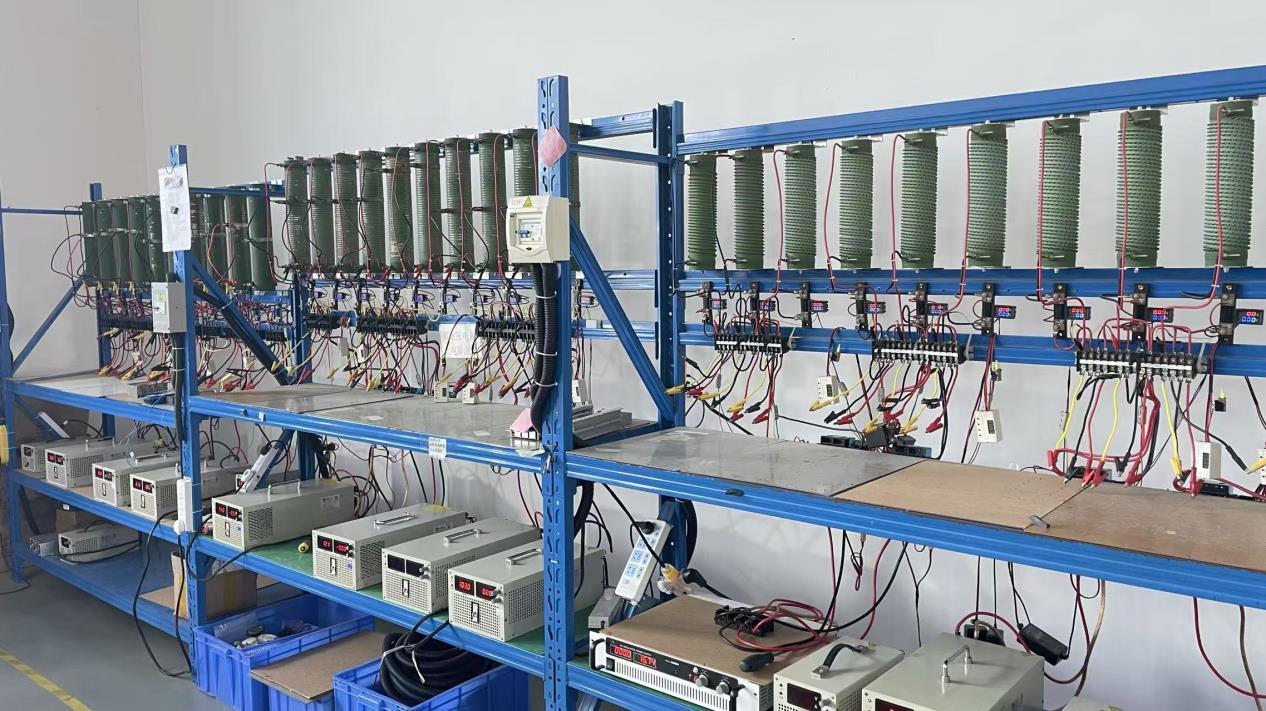
Our facility integrates advanced production machinery, rigorous component selection, and comprehensive testing equipment to guarantee that every power module leaving our line performs reliably in demanding environments. Our global network spans major markets across Europe, North and South America, Australia, the Middle East, and Southeast Asia. We continuously share our knowledge, technical expertise, and development experience with partners to build long-term, mutually beneficial relationships.
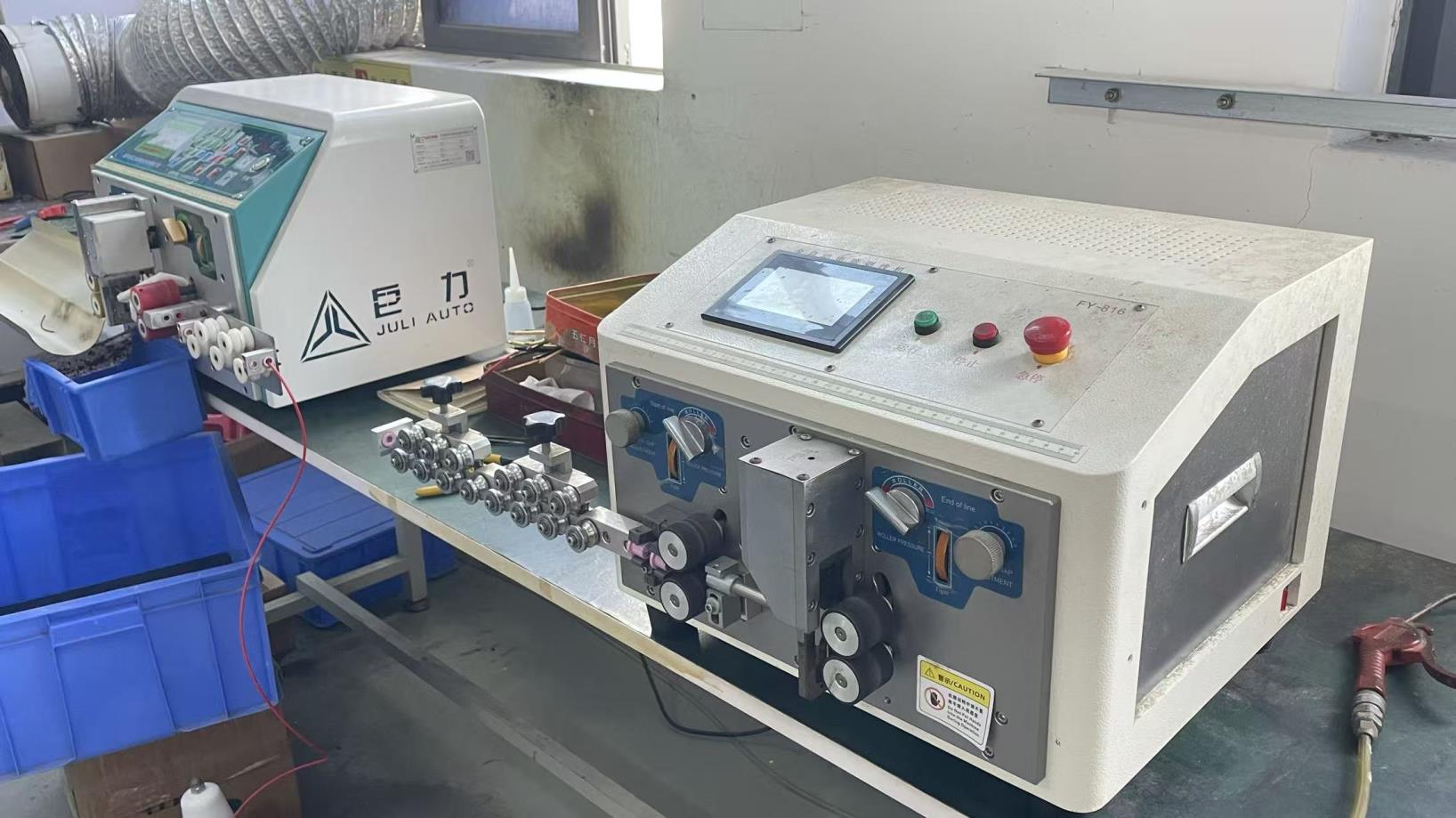
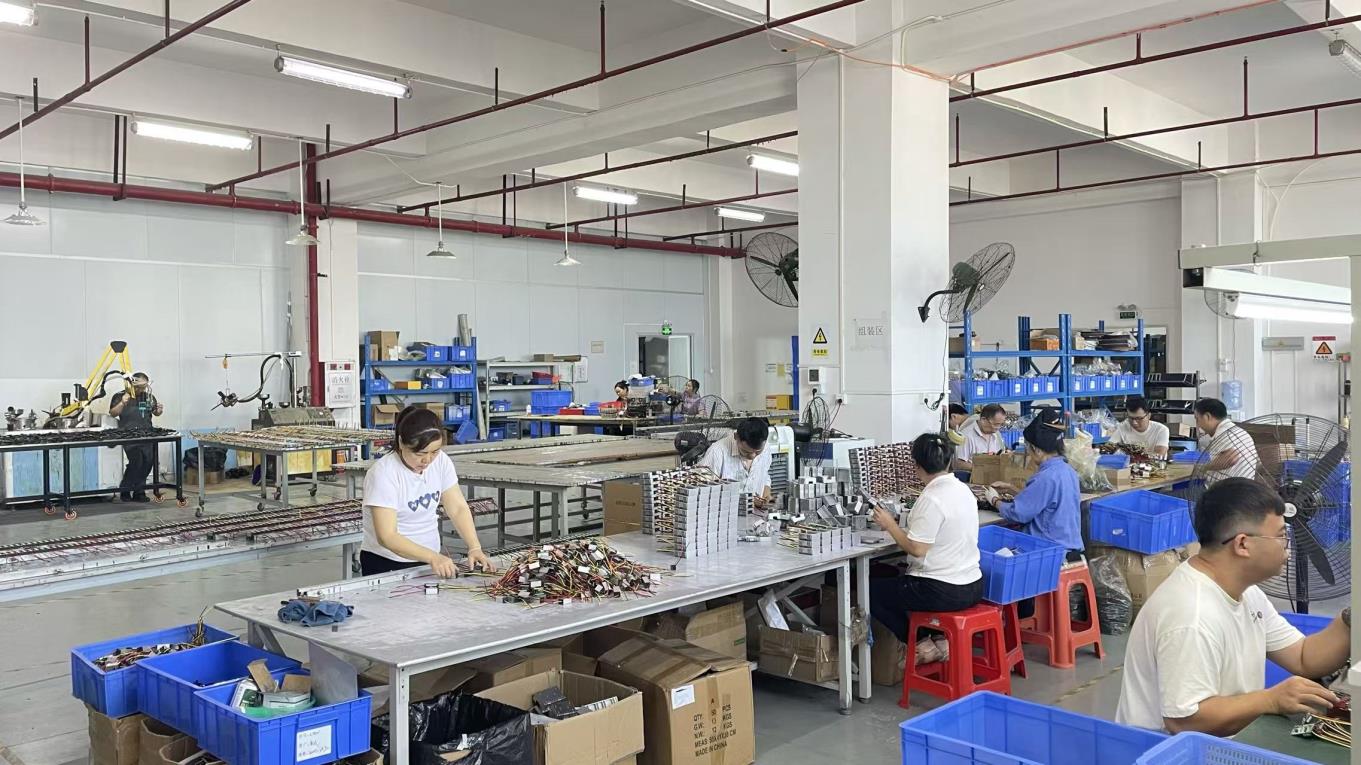

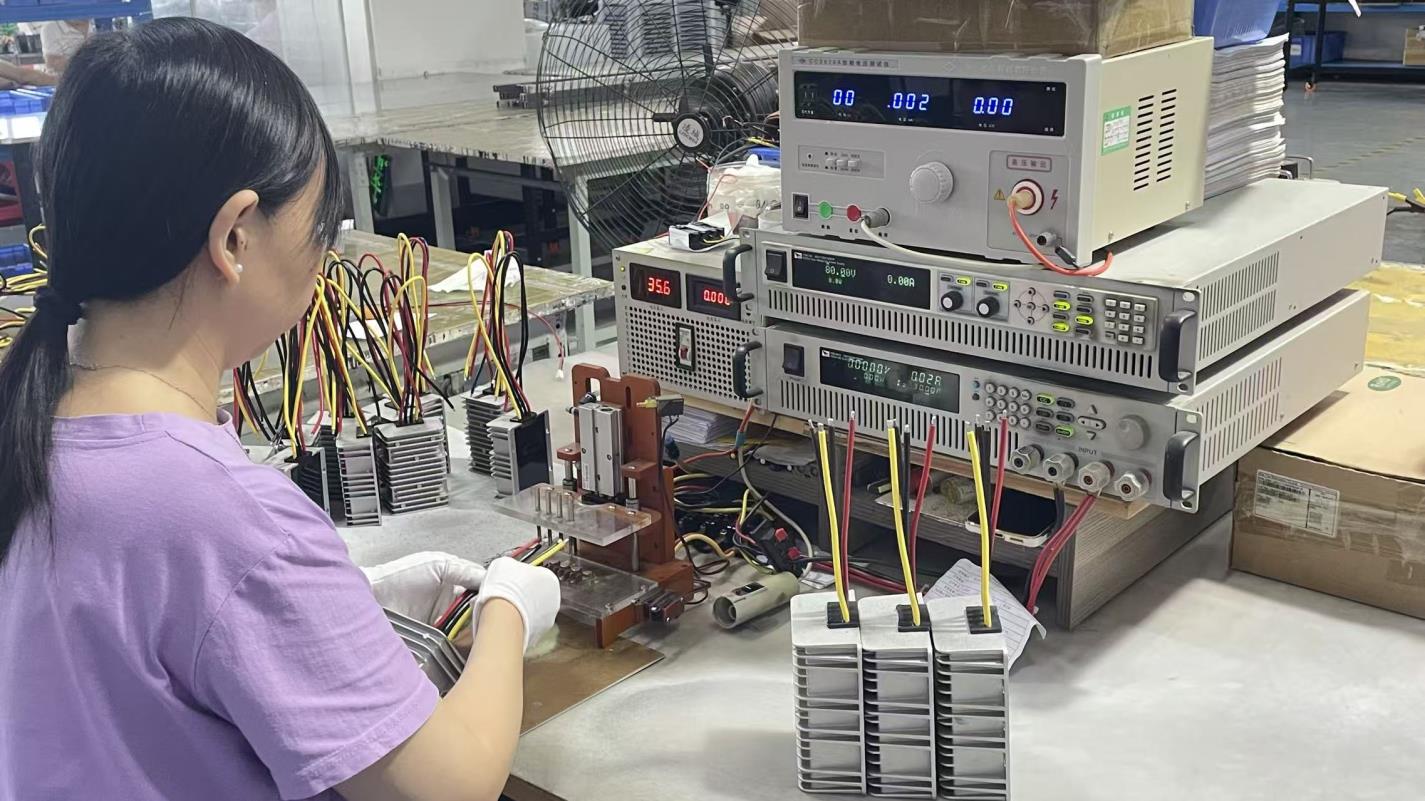
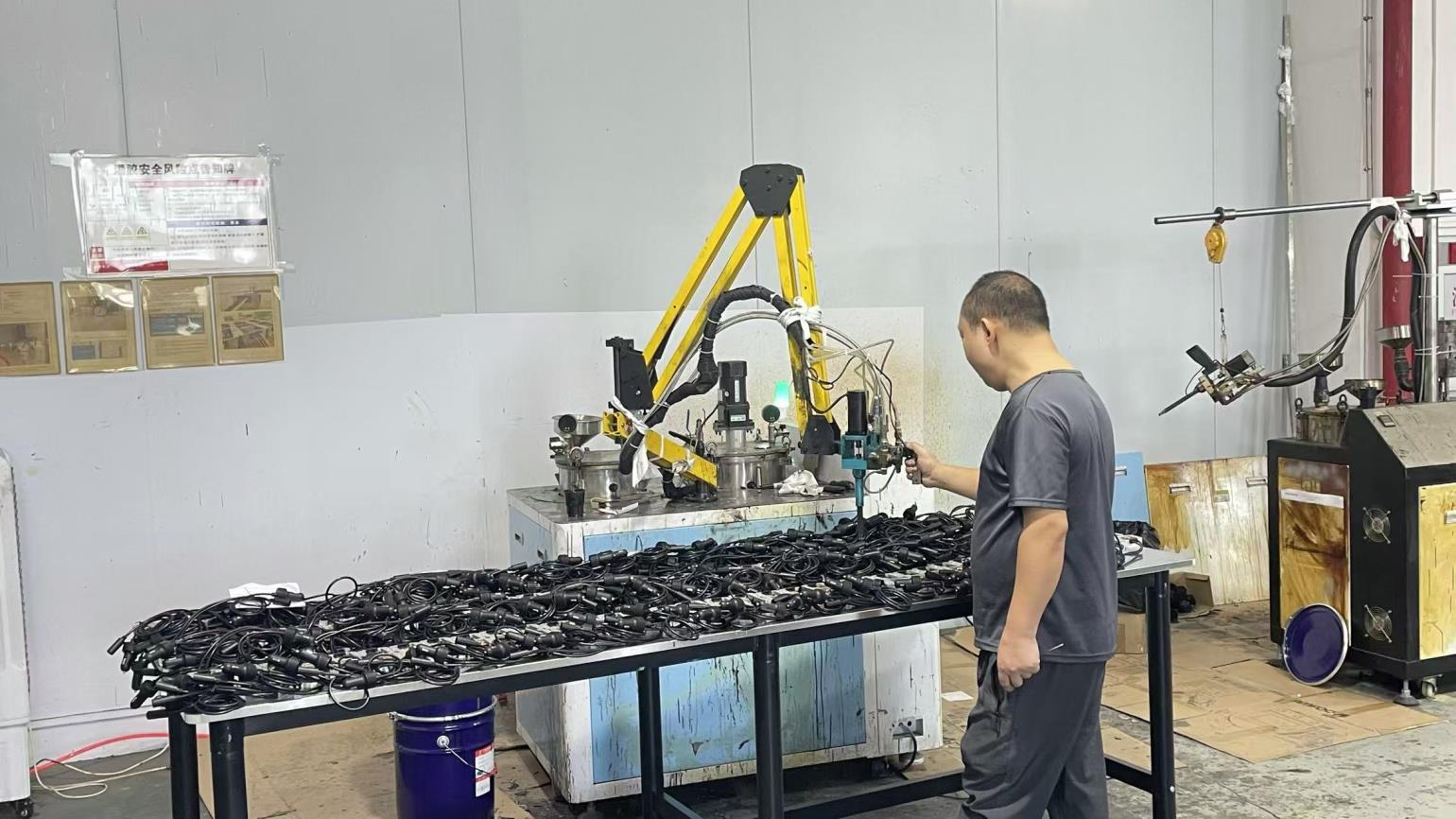
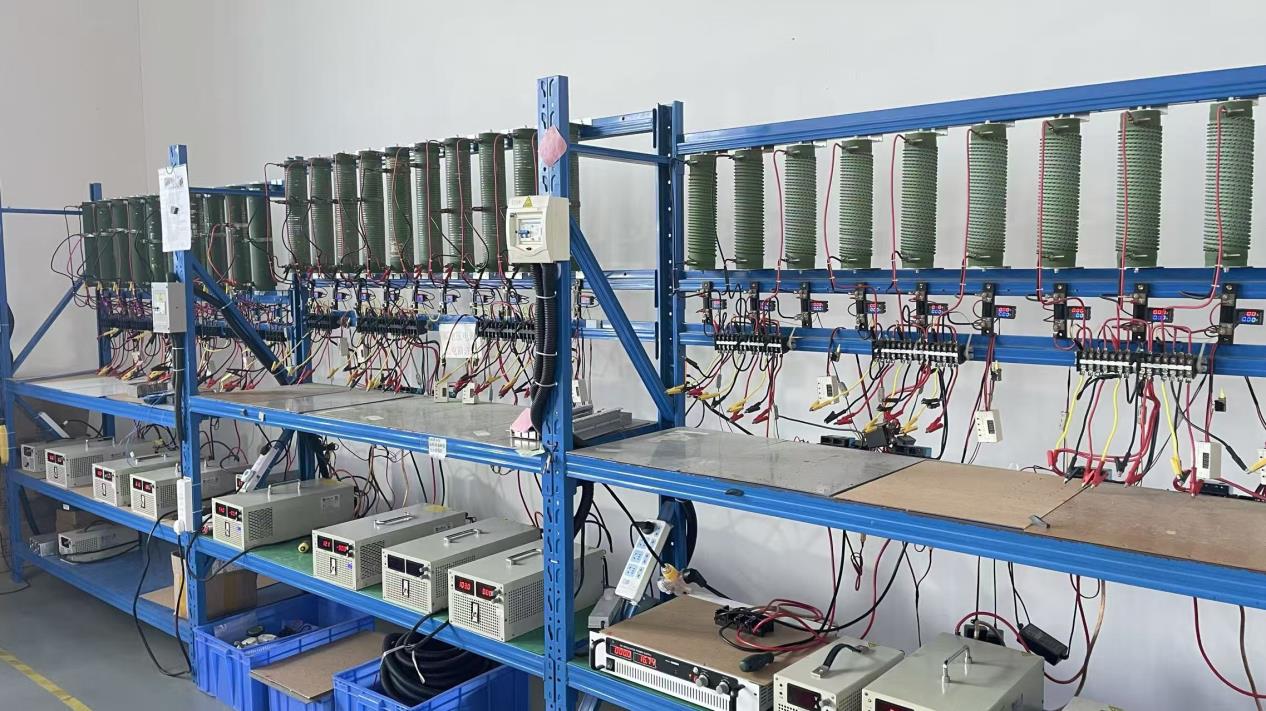

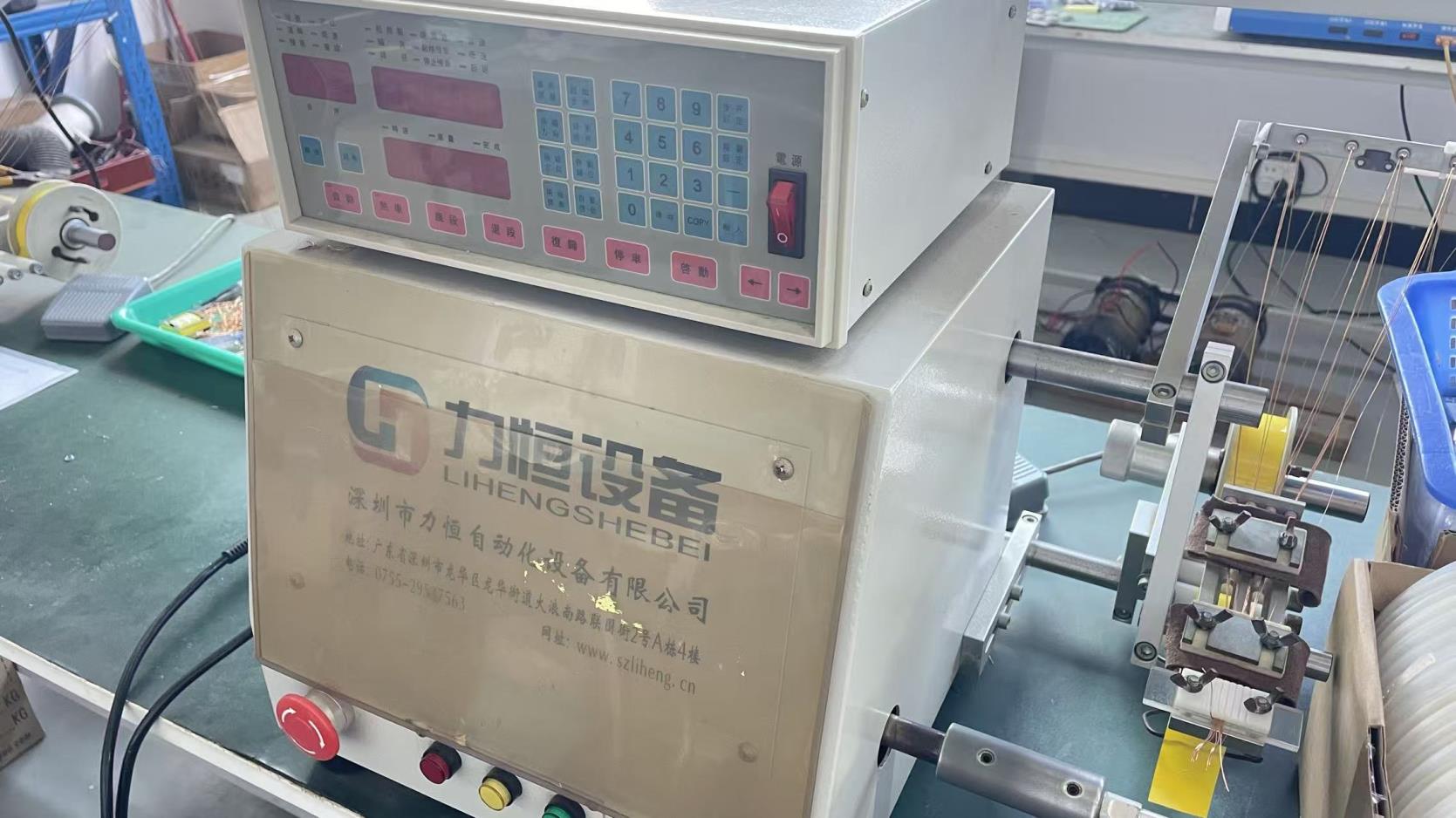
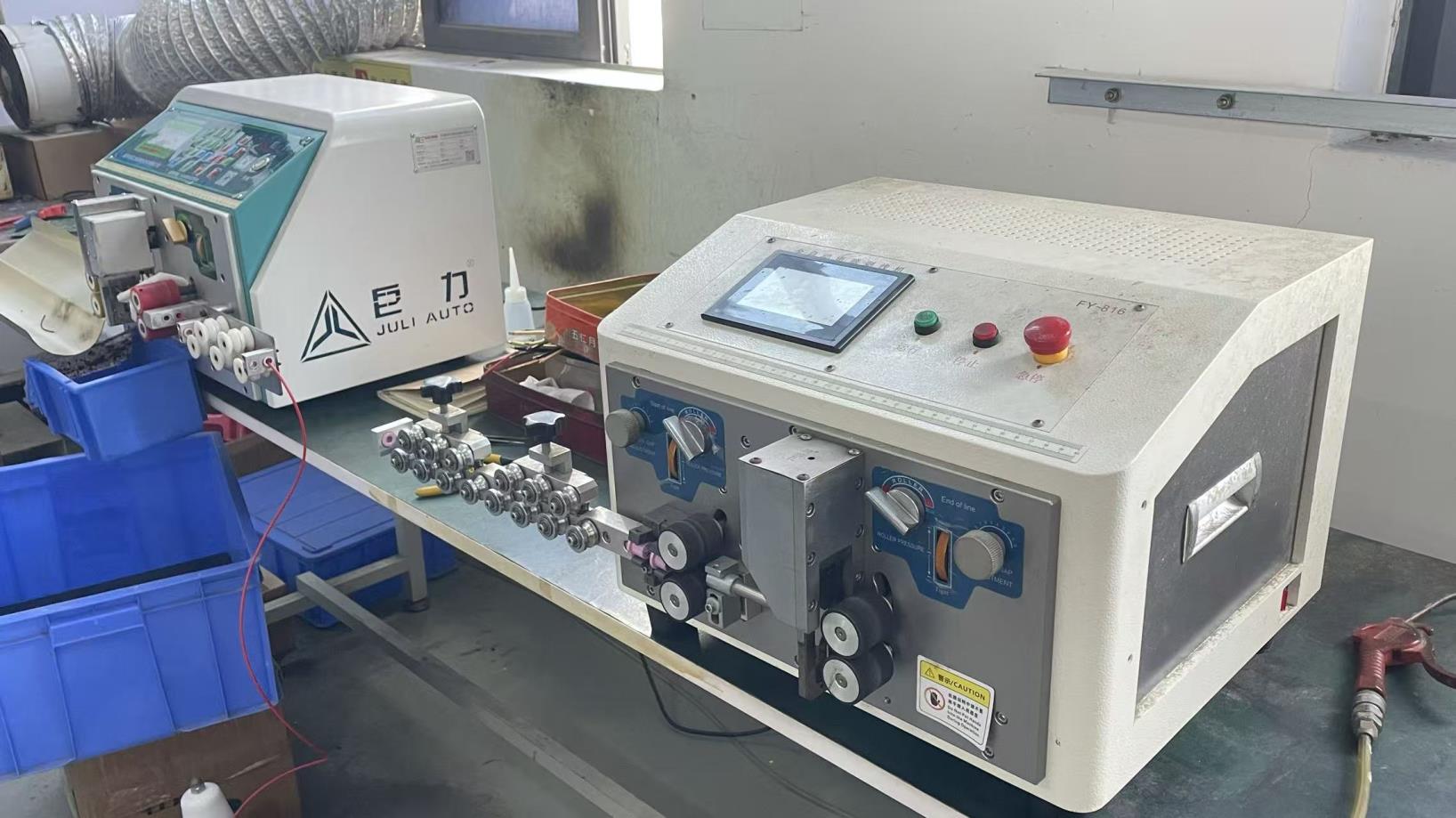


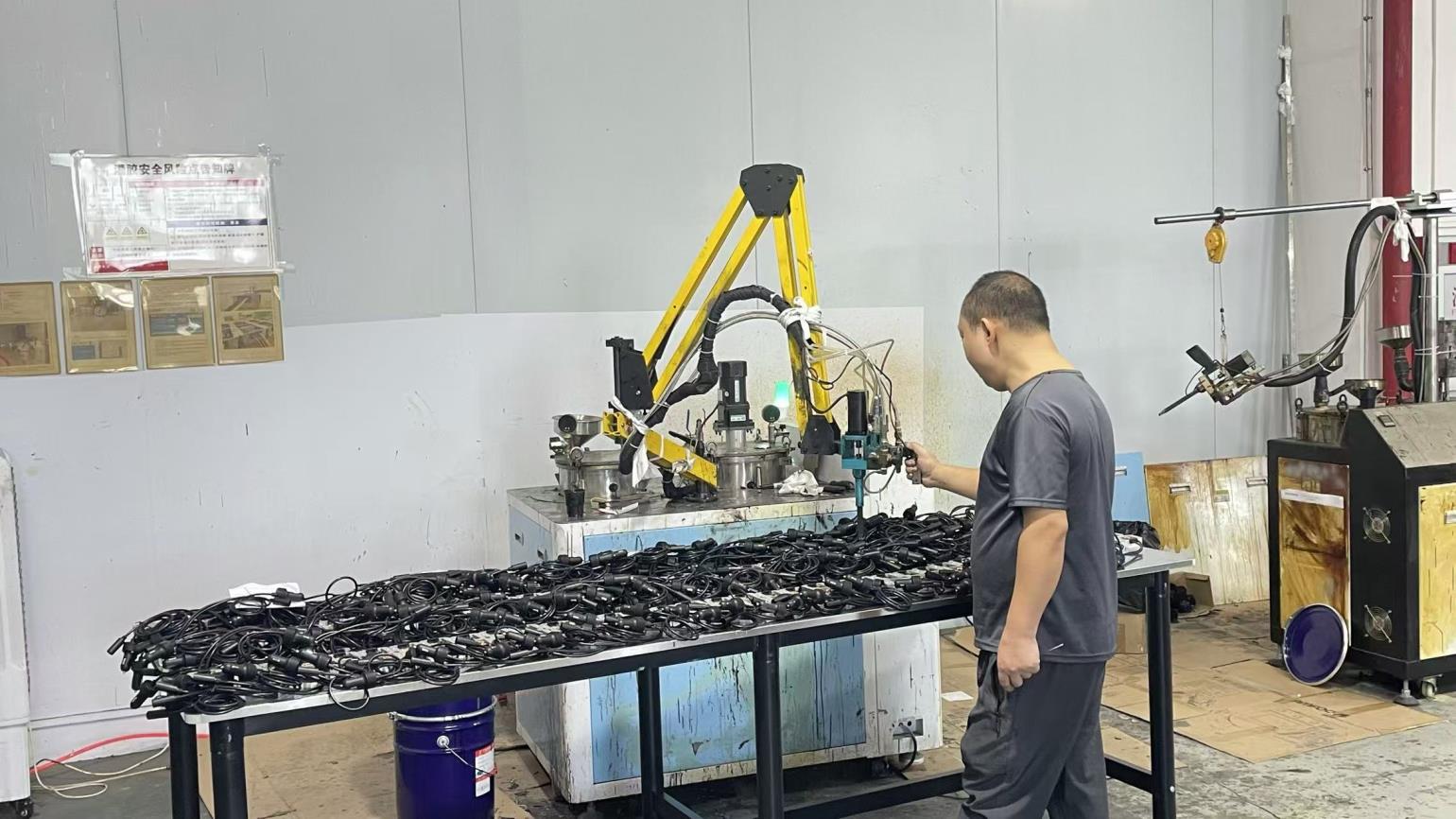
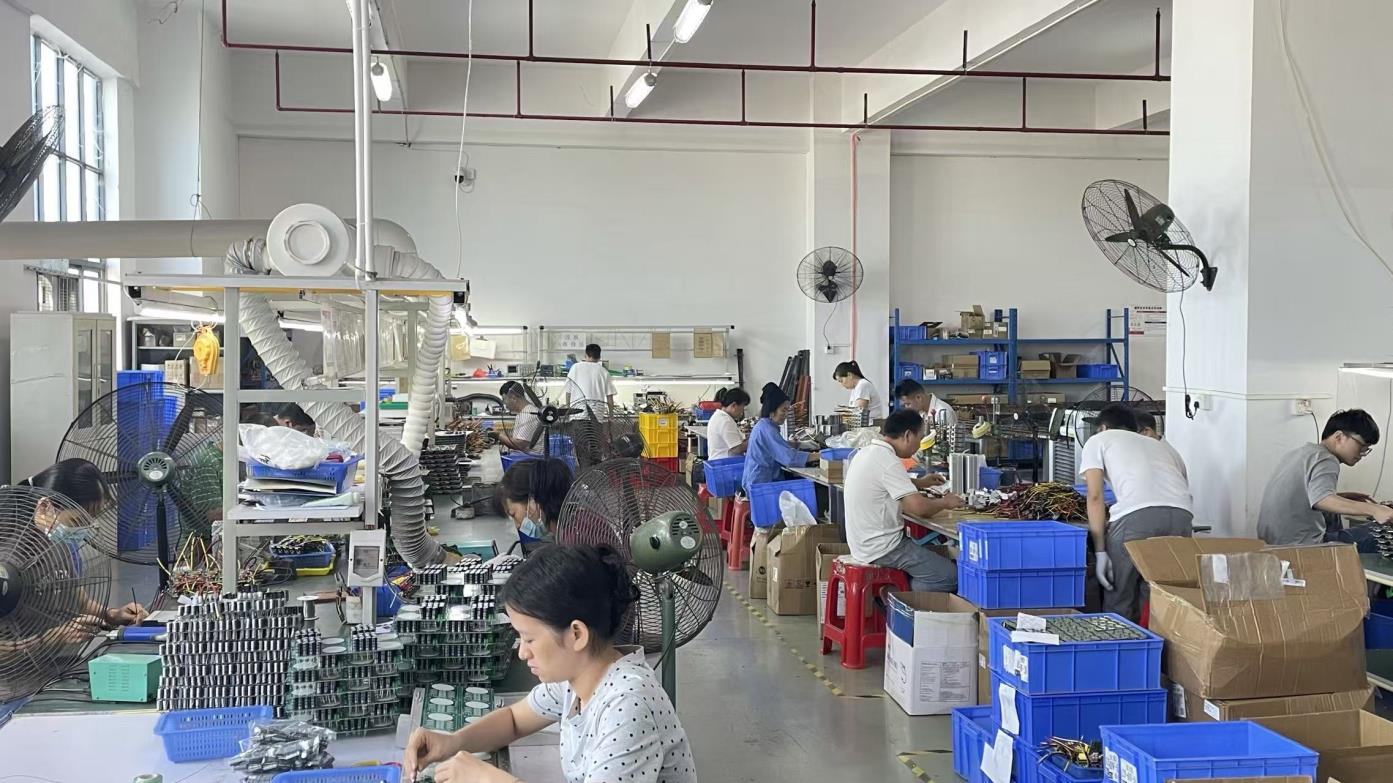

Reliability in high-power conversion requires uncompromising verification. EVS Powers maintains a specialized testing lab to evaluate power supplies under simulated harsh environments. Our testing process covers component-level checks, functional parameters, high-voltage insulation tests, and environmental simulation.
This complete testing procedure guarantees that our modules comply with international power quality, efficiency, and safety standards. Our testing equipment enables us to perform precision analysis on noise emissions, thermal stress tolerances, and component lifespans.
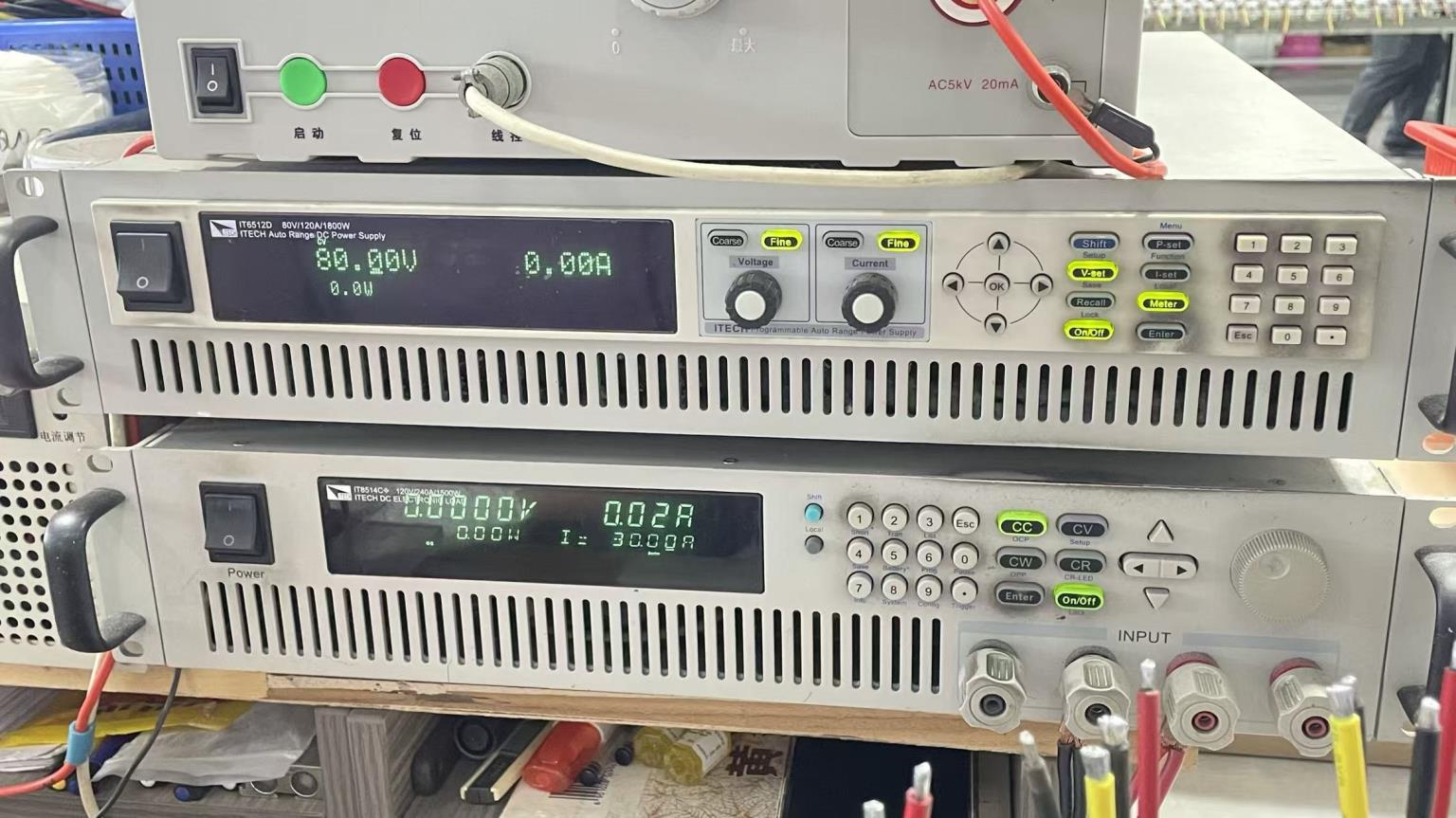
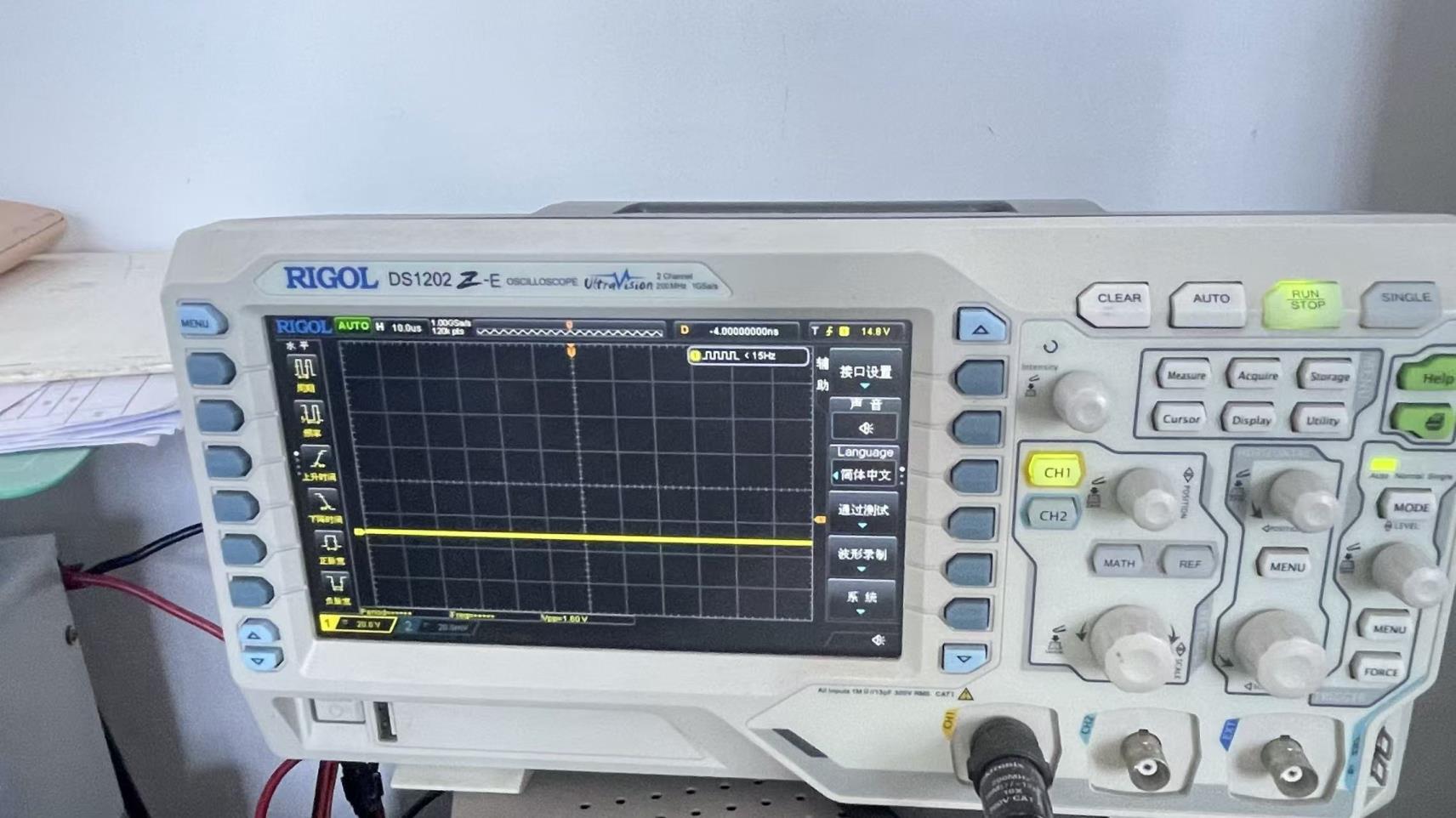
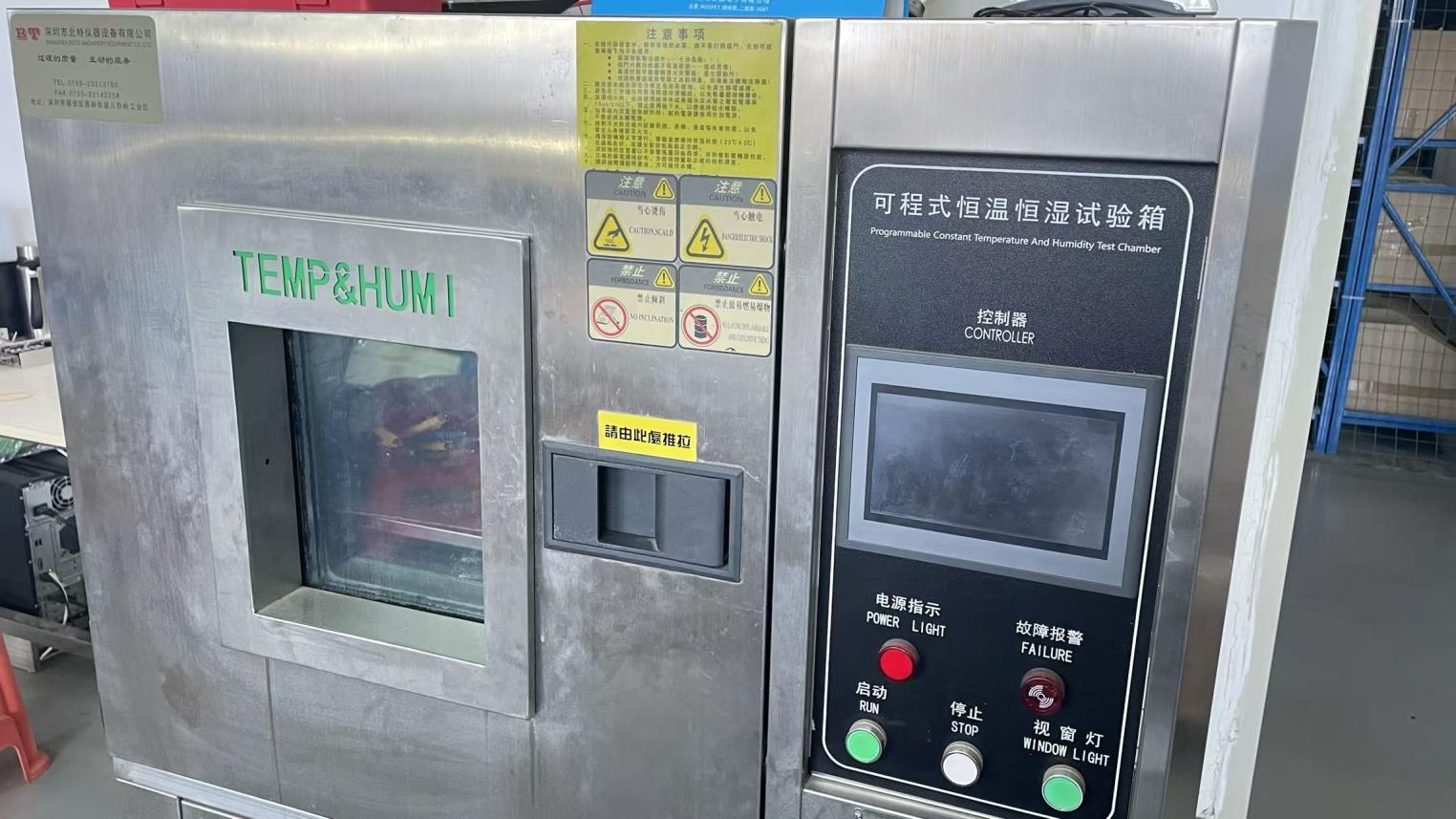
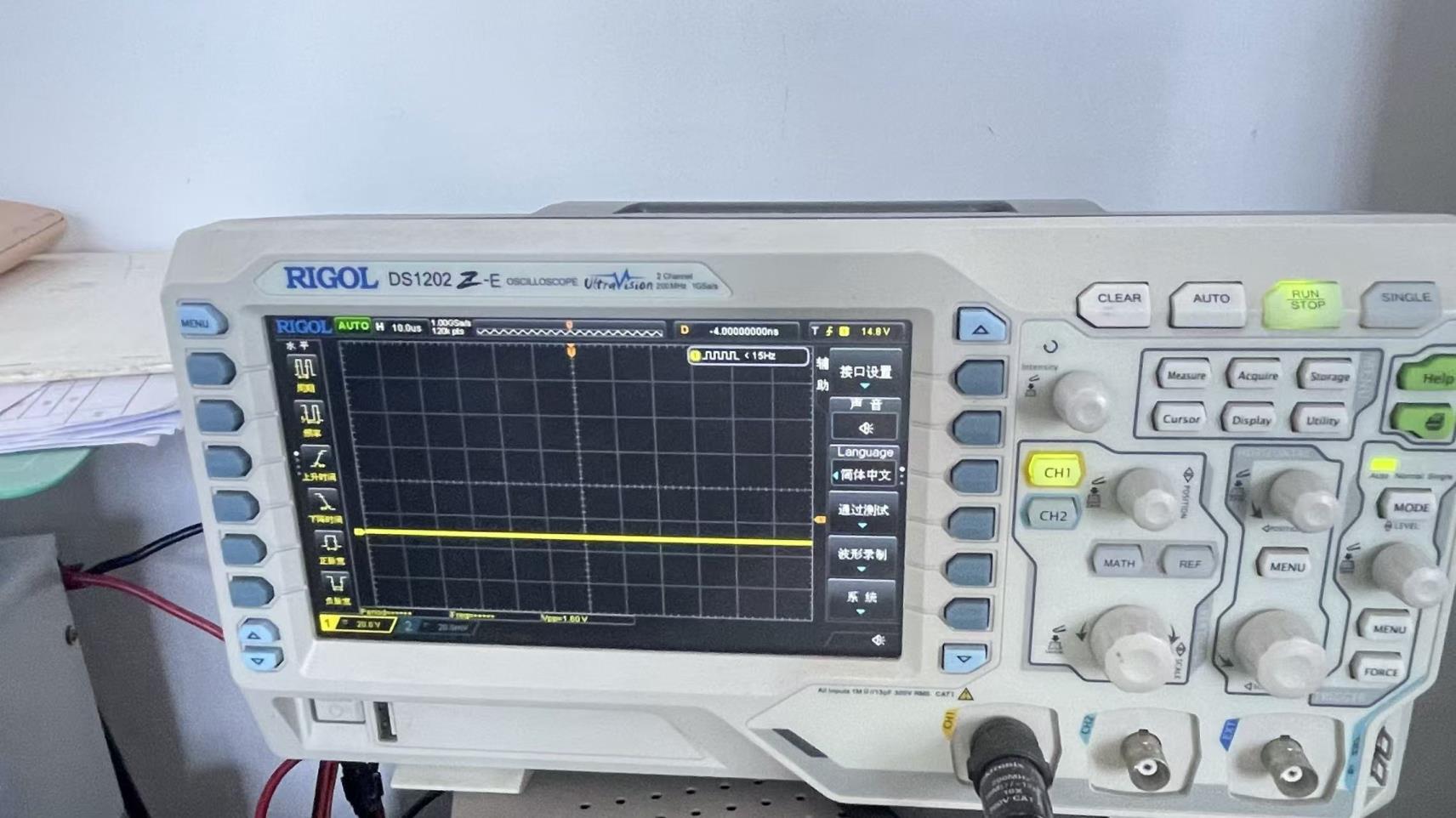

Global industrial installations face unique localized challenges. A rectifier deployed in an outdoor telecom enclosure in the desert of the Middle East must withstand extreme ambient temperatures up to 55°C without active air conditioning, demanding highly efficient passive conduction cooling and advanced thermal derating profiles. Conversely, rectifiers operating in near-coastal or tropical offshore wind arrays require specialized conformal coating protection on PCBs to prevent salt-mist corrosion and moisture-driven failures.
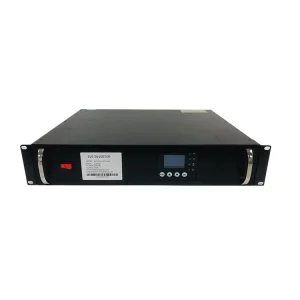
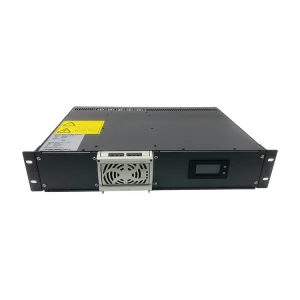
To meet these diverse needs, EVS Powers offers flexible OEM and ODM services. From customized mounting dimensions (such as standard 19-inch rack-mount configurations or DIN rail brackets) to modified output voltage limits, specialized wiring harnesses, and custom communications software integrations, our engineering team collaborates closely with your technical personnel to refine designs for your specific operating environment.
Navigating international compliance is critical for successful power system deployments. Industrial equipment must adhere to local market standards, including CE marking for Europe, UL listings for North America, and CCC certification for China. Each standard imposes strict guidelines on dielectric strength testing (AC withstand voltage), insulation clearances, leakage currents, and electromagnetic emissions.
At EVS Powers, we design and document our production procedures to facilitate smooth compliance integration. We supply detailed product test records, certificate copies, and complete technical datasheets containing detailed operation guidelines. This professional documentation streamlines your system-level certification process, minimizing risks, reducing engineering review cycles, and speeding up time-to-market.
Expert answers to critical engineering questions about power topologies, thermal management, reliability metrics, and system configuration.
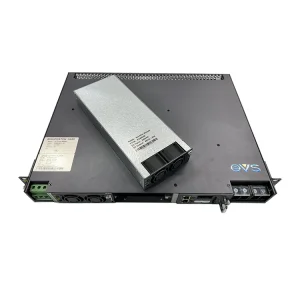
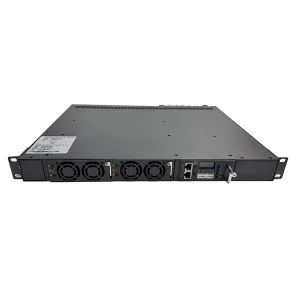
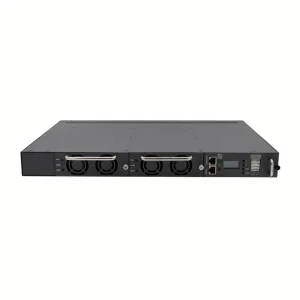
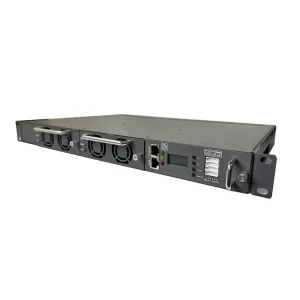
Explore our high-output embedded systems, rack-mount rectifiers, and high-efficiency converters designed for global telecommunications and heavy industrial setups.

 EVS Powers