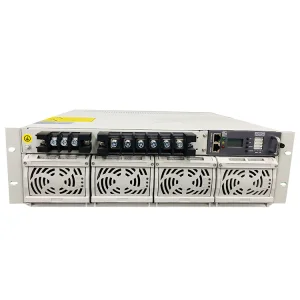
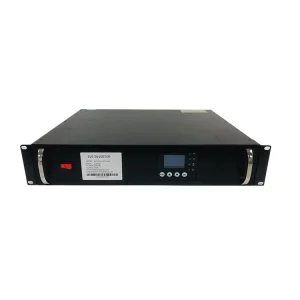
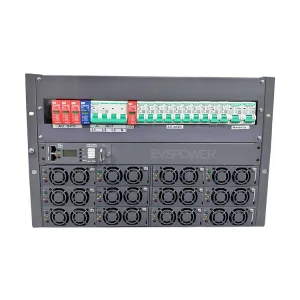
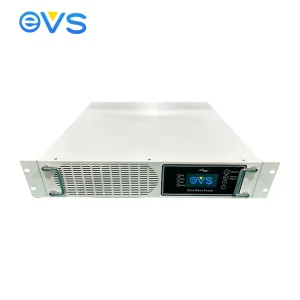
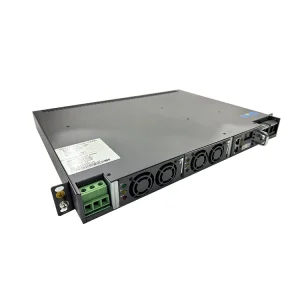
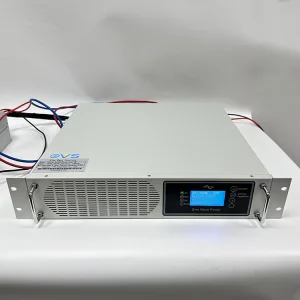
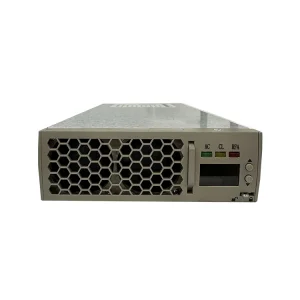
Explore our high-performance line of switching power supplies, hot-swap rectifiers, and modular DC-AC inverters designed to meet the rigorous energy demands of telecom base stations, manufacturing plants, and utilities.
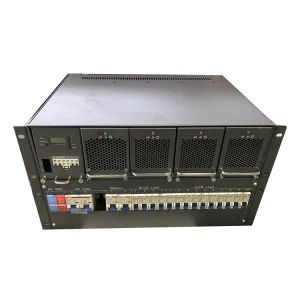
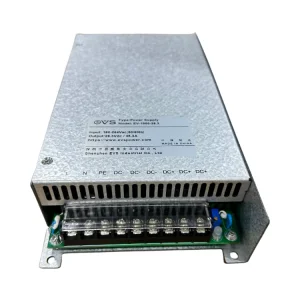
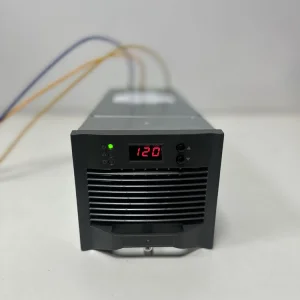
Understanding user intent and engineering challenges in industrial-scale power distribution systems.
Modern electrical grids and telemetry installations demand ultra-stable, highly efficient power conversion mechanisms to reduce operational expenses and prevent hardware fatigue. Selecting an adjustable power supply manufacturer requires assessing more than just voltage parameters; it involves understanding technical topologies (such as active power factor correction, high-frequency resonance converters, and modular hot-swap redundancy) that ensure uninterrupted workflow.
By implementing advanced switching topologies, EVS Powers delivers high-frequency AC-DC rectifiers and pure sine wave DC-AC inverters designed to maintain output stability within narrow limits, even under severe grid fluctuations. Our adjustable units support multiple control options (such as RS485 and digital interfaces), enabling seamless system integration for smart energy management.
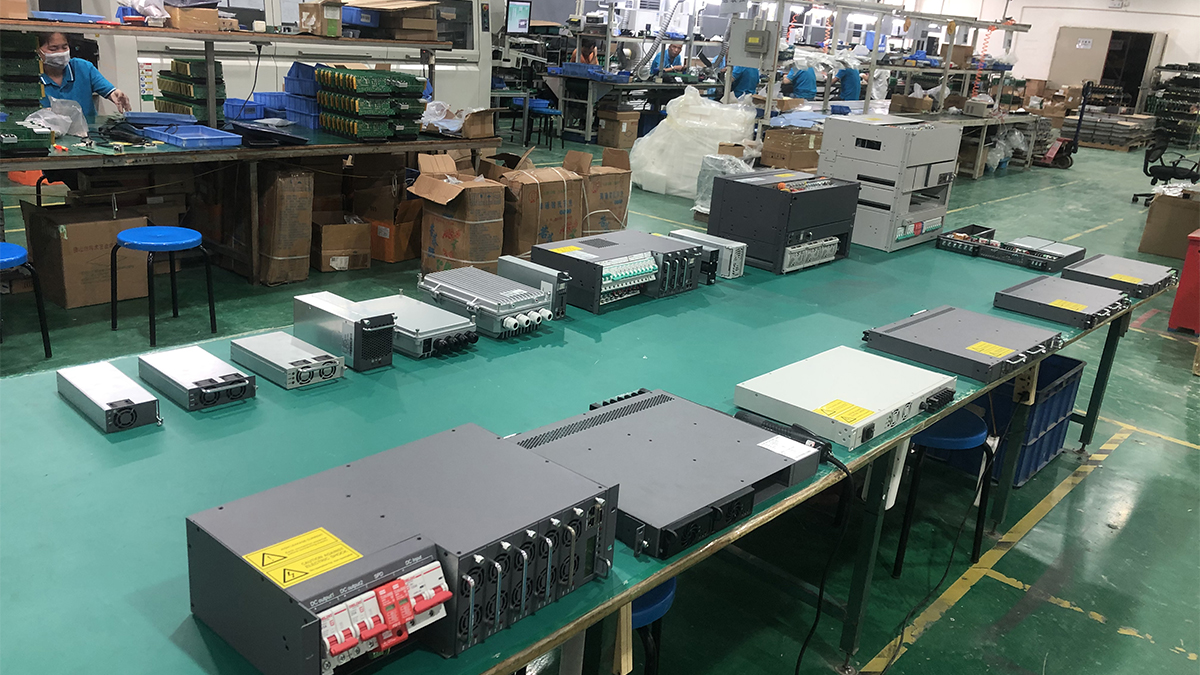
Dedicated to engineering precision power systems, OEM/ODM solutions, and global technical distribution.
Guangzhou EVS Powers Co., Ltd. is located in the international trade hub of Guangzhou. As a professional manufacturer, EVS specializes in designing and producing robust switching power supplies, integrated DC power systems, modular power supply units, DC-DC step-up/step-down converters, and heavy-duty power inverter systems. We offer custom OEM/ODM electronic design services to meet specific project needs.
We prioritize client satisfaction by delivering high-quality products, reliable performance, and cost-efficient solutions. With an established credit standing and dedicated technical service, we have built long-term partnerships with clients across Europe, North and South America, Australia, the Middle East, and Southeast Asia.
Guided by transparency and collaboration, we share our engineering expertise, design technology, and manufacturing resources with partners to achieve mutual growth. EVS is committed to offering competitive pricing, reliable support, and high-performance power electronics to our global client base.
Demonstrating technical capability and manufacturing volume to meet high-volume commercial demand.
A step-by-step look at our structured manufacturing workflow, ensuring product consistency from component prep to final packaging.
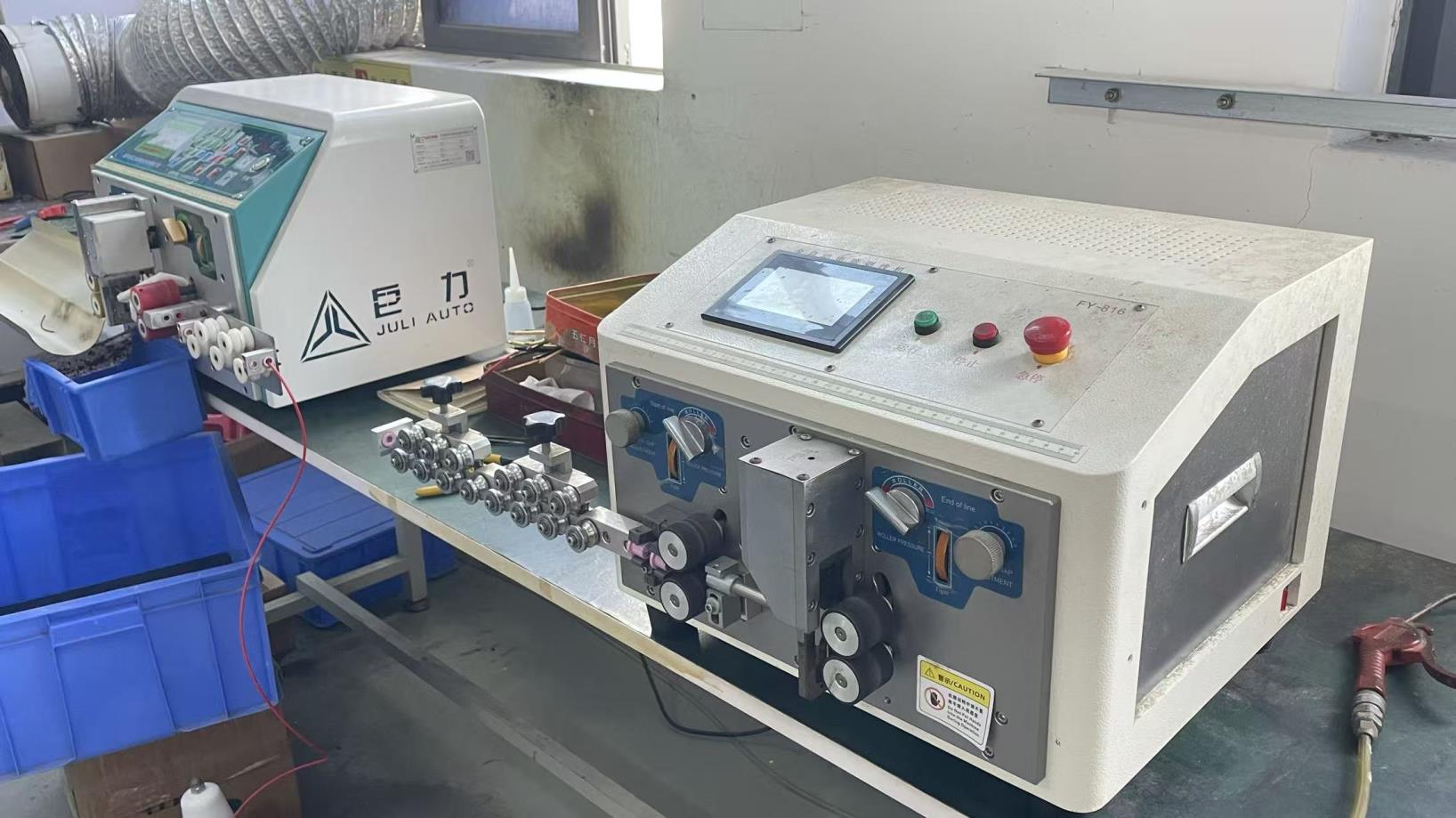
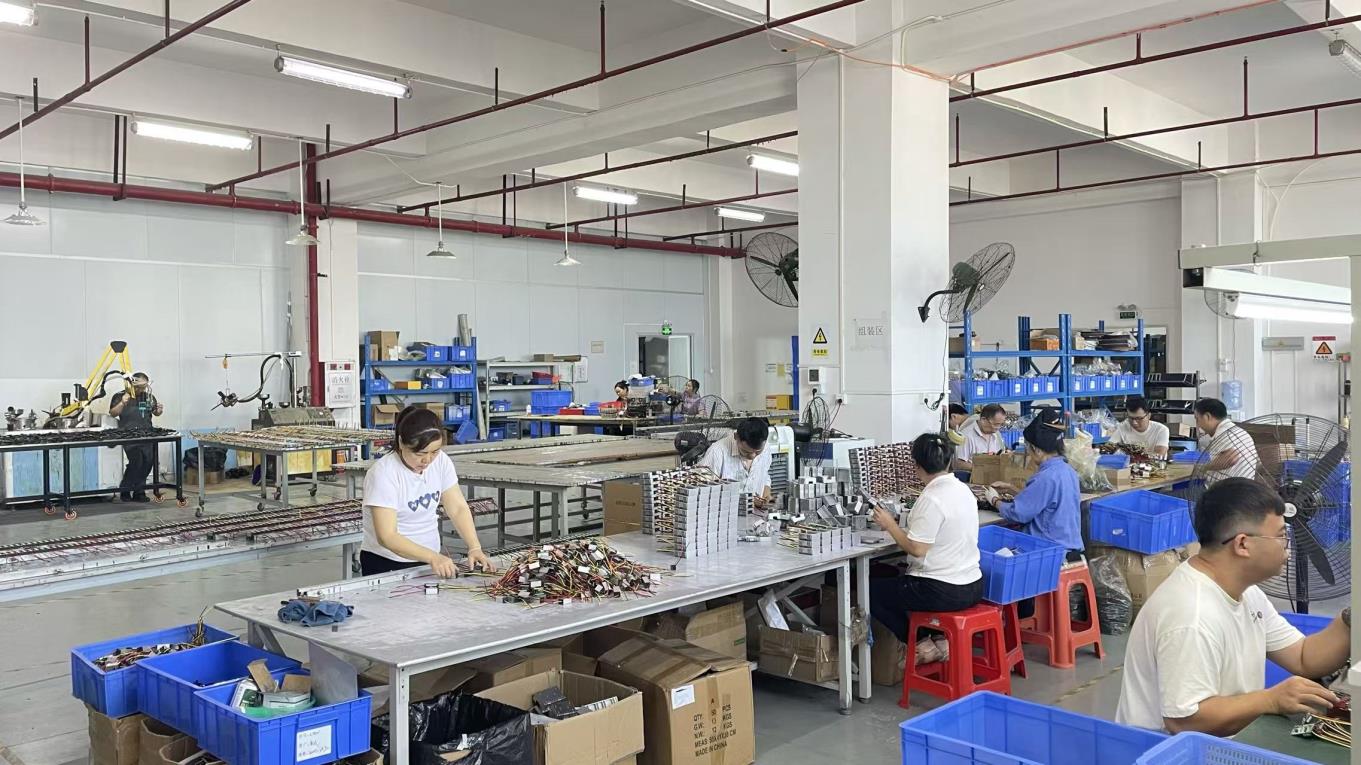

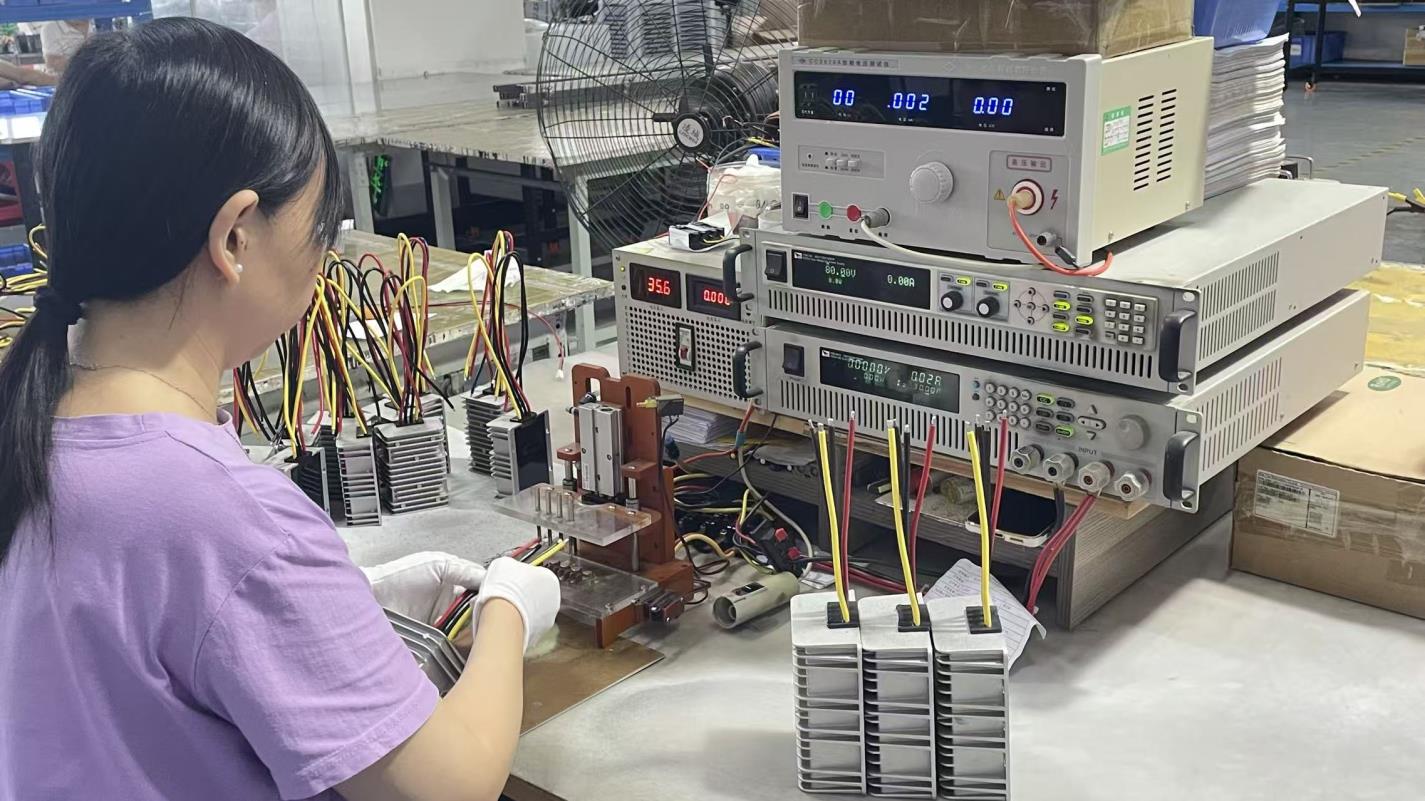
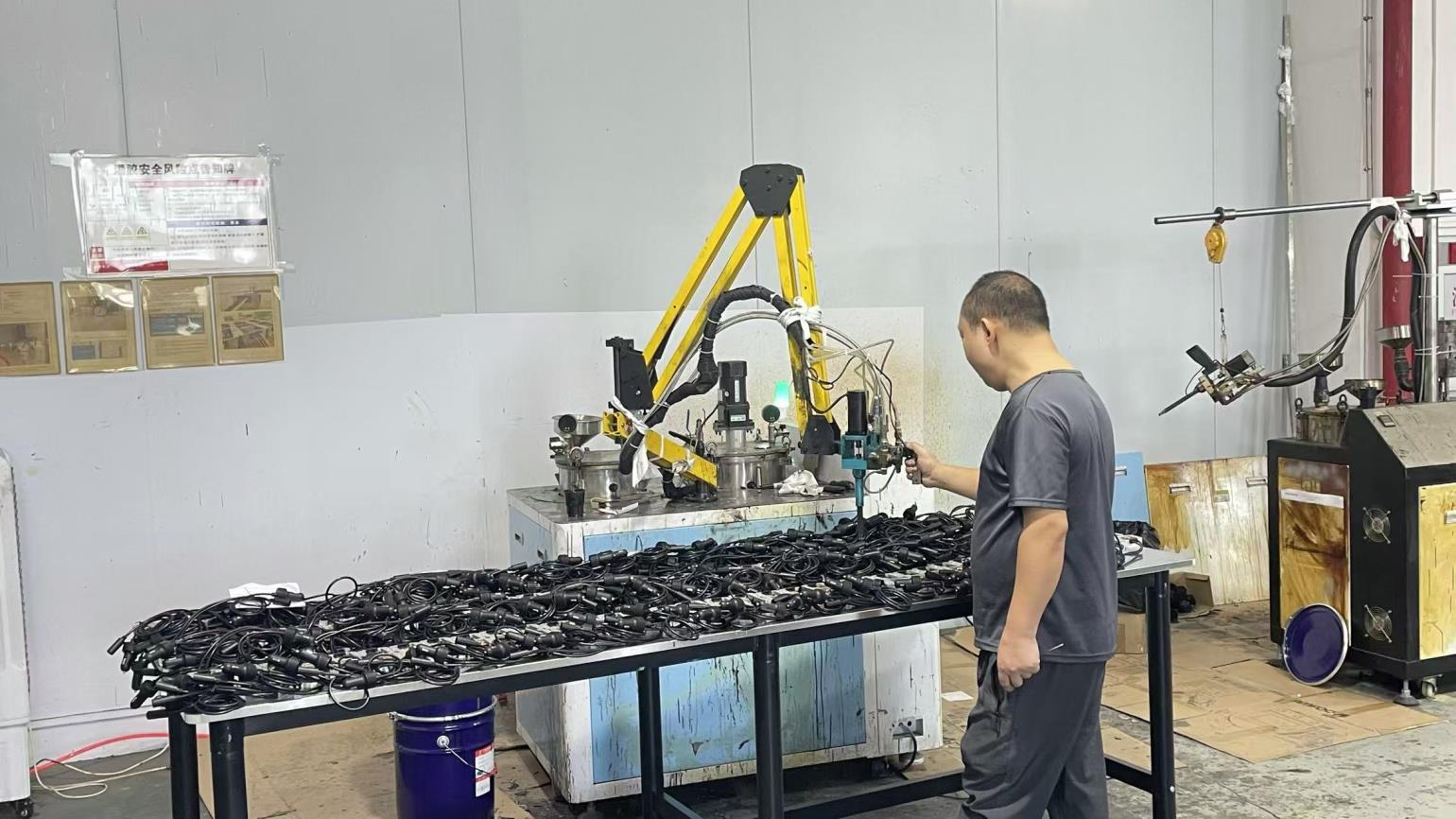
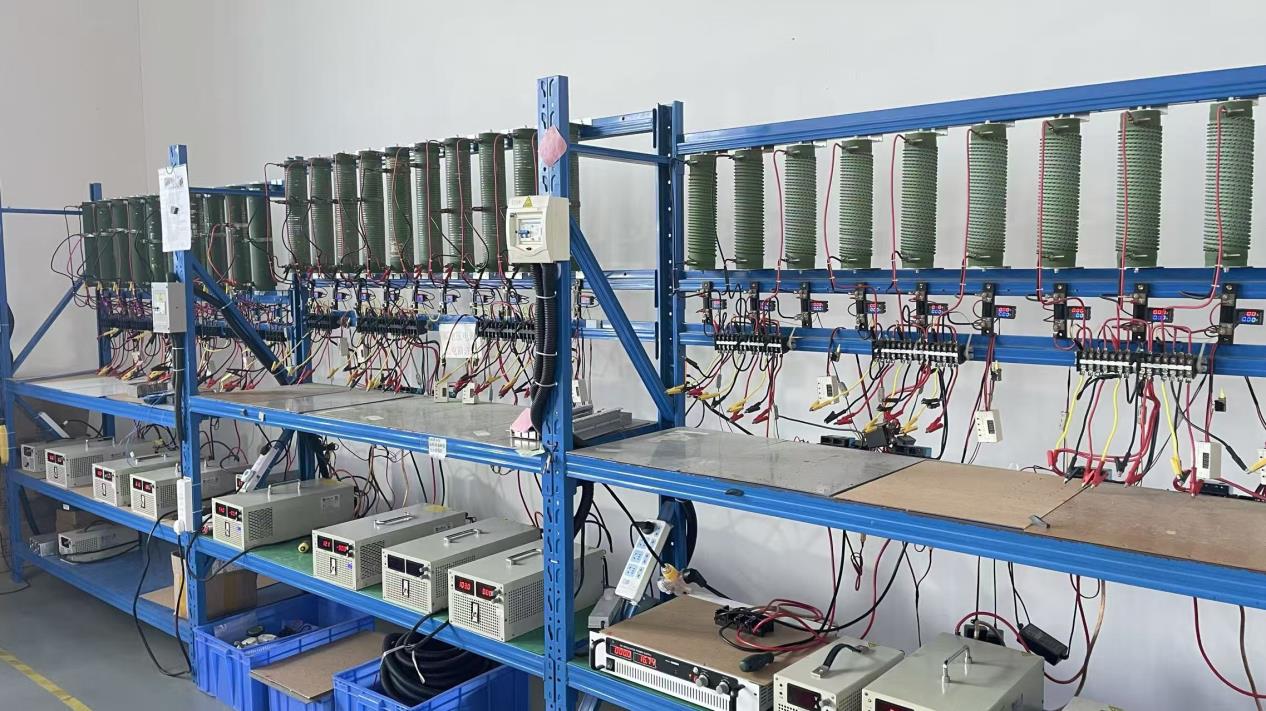

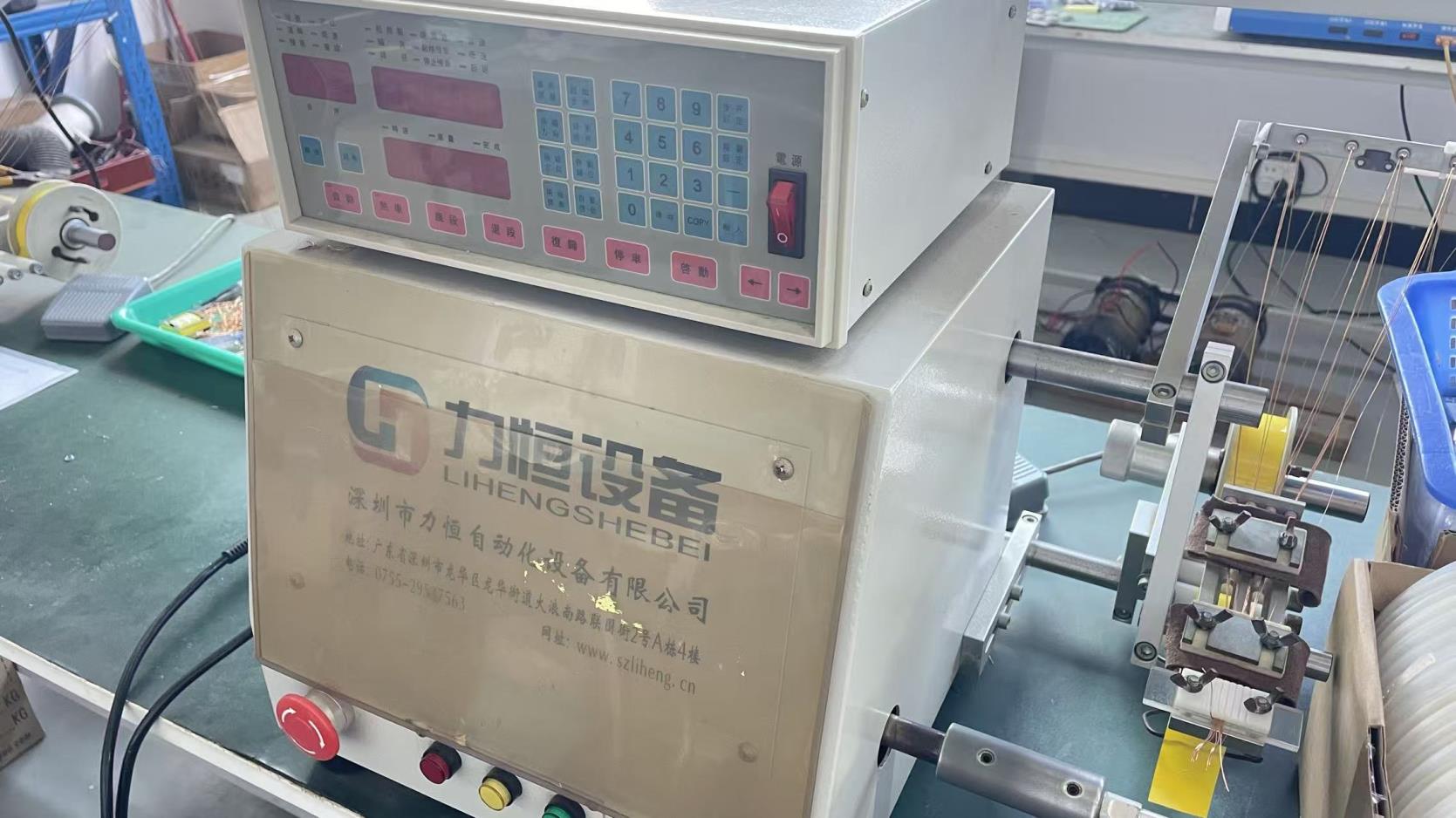
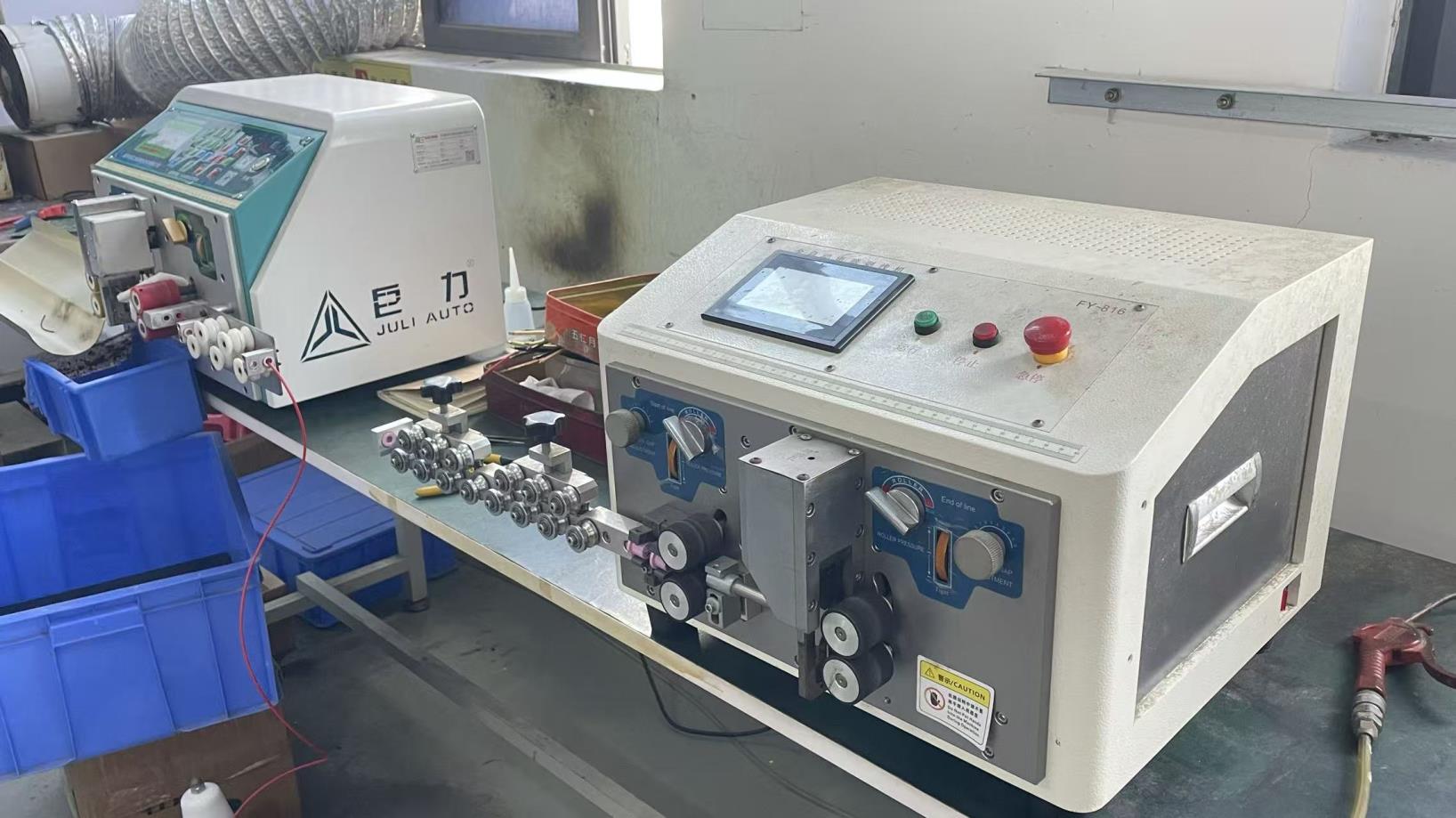


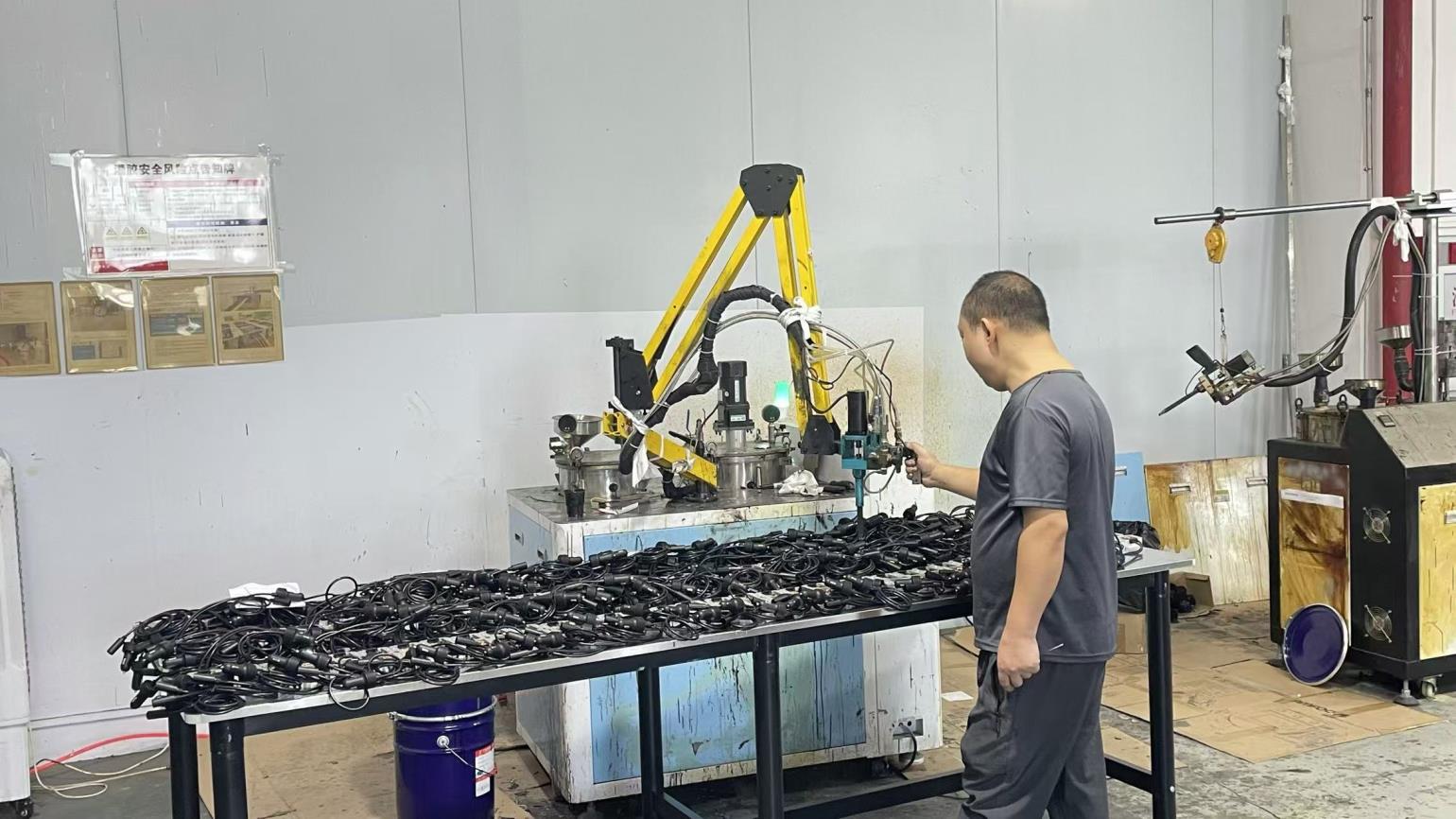
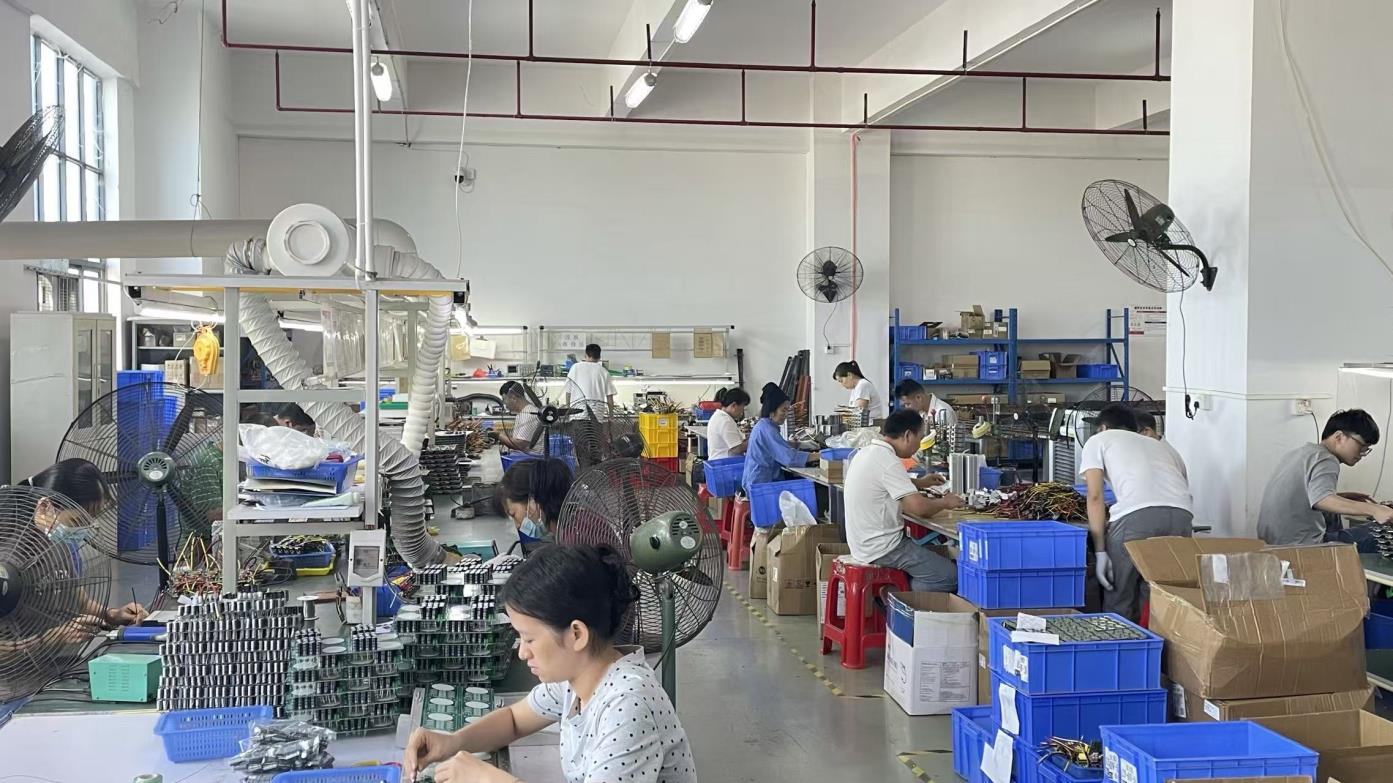
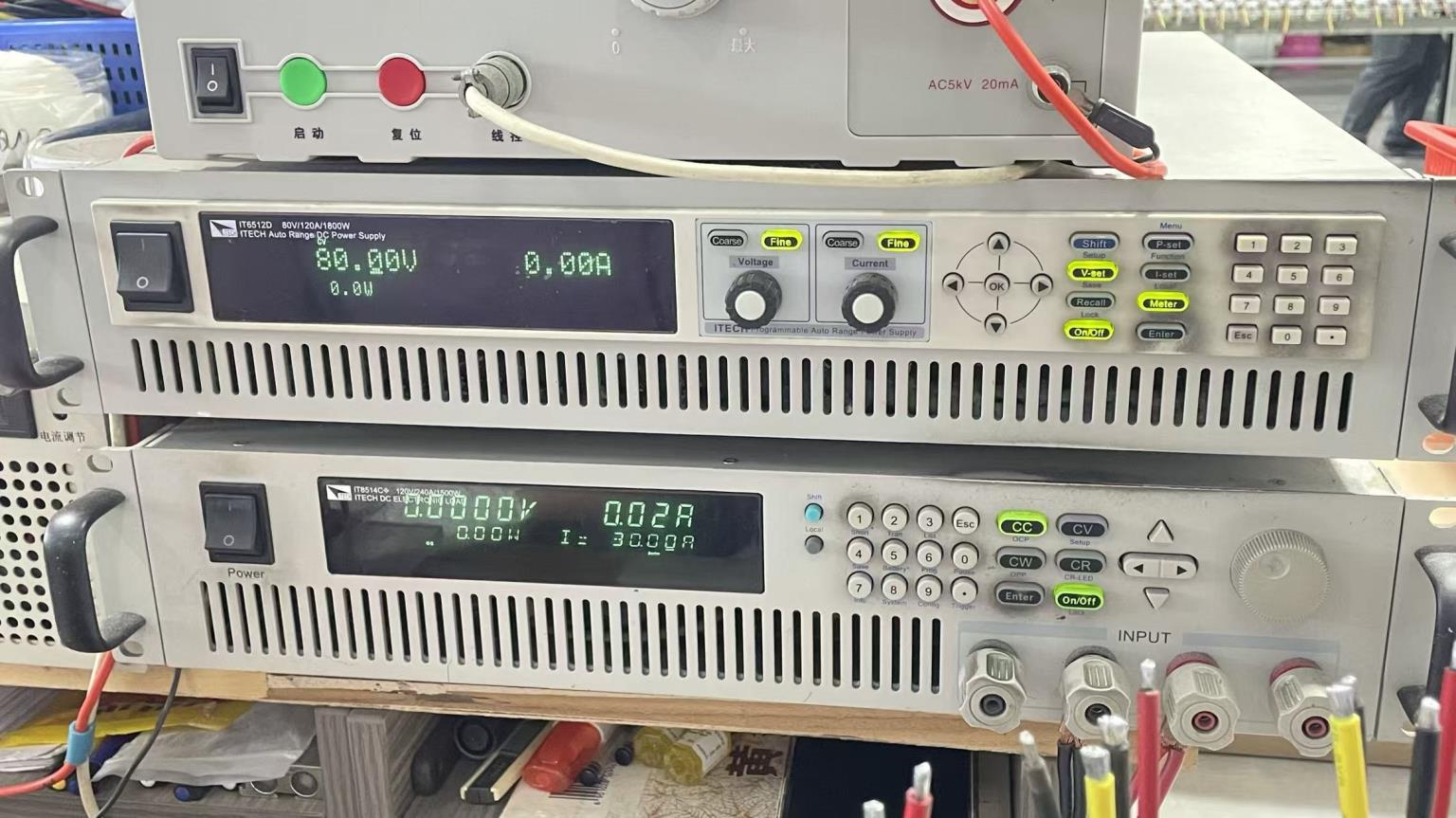
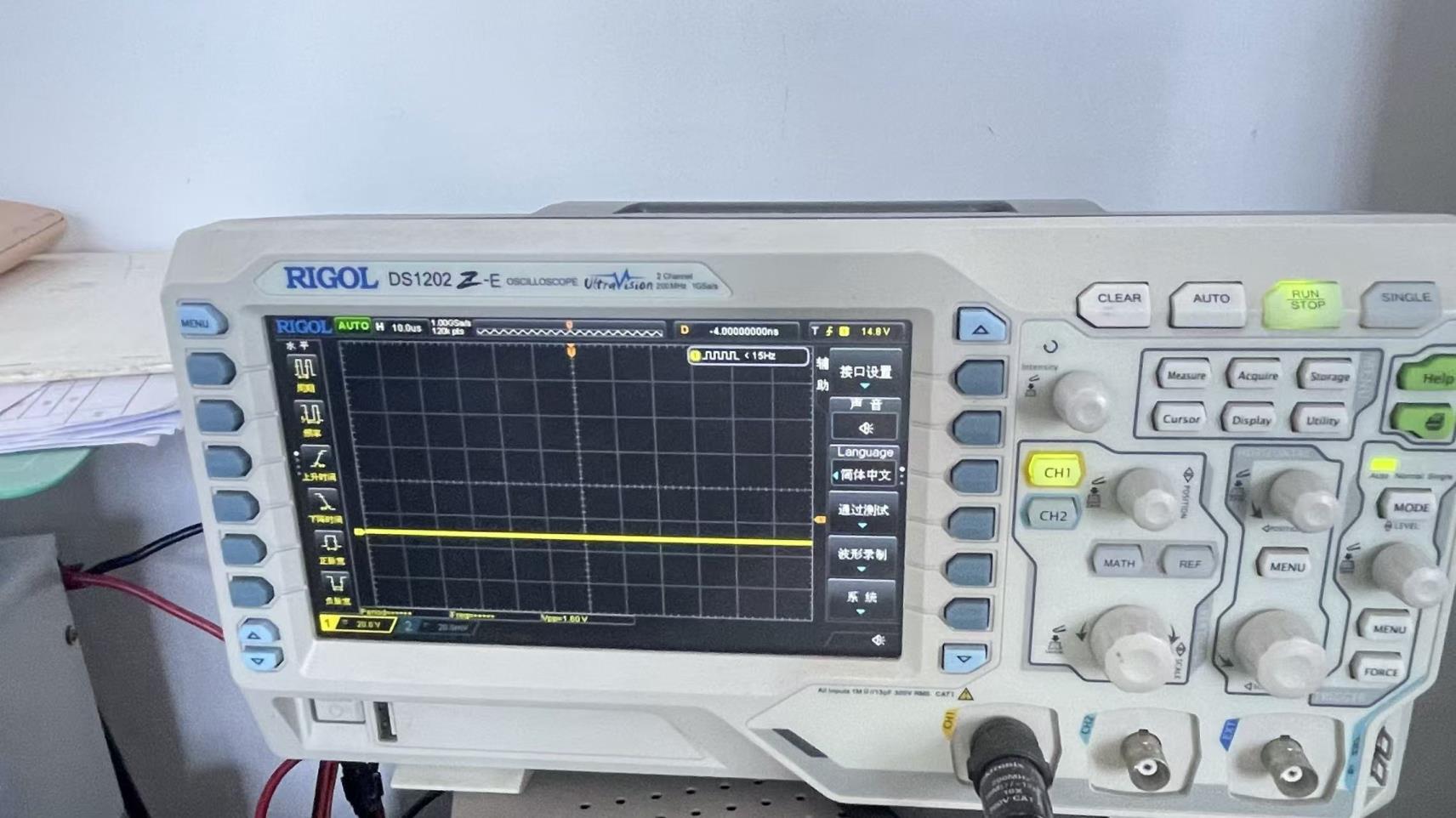
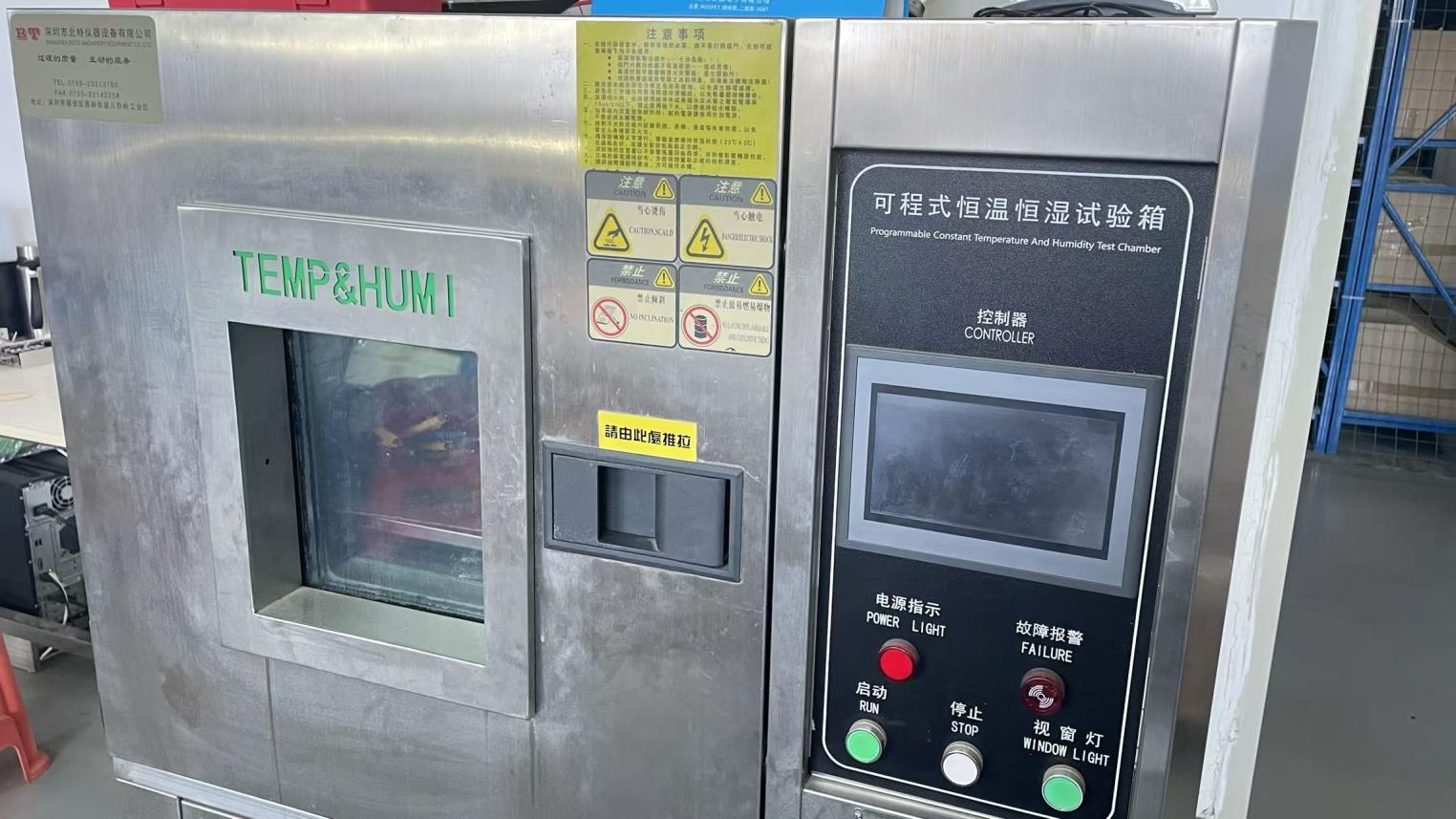
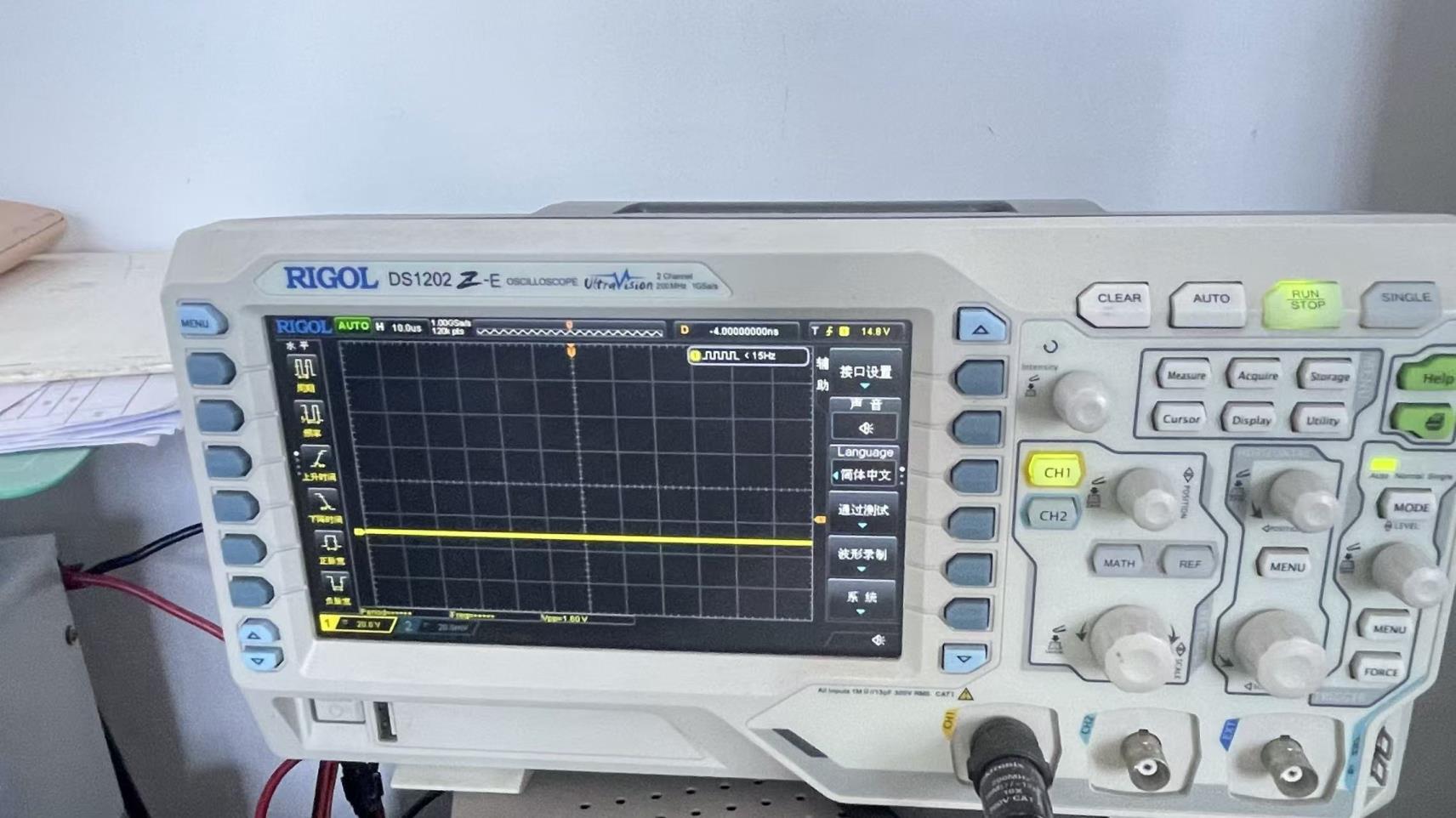
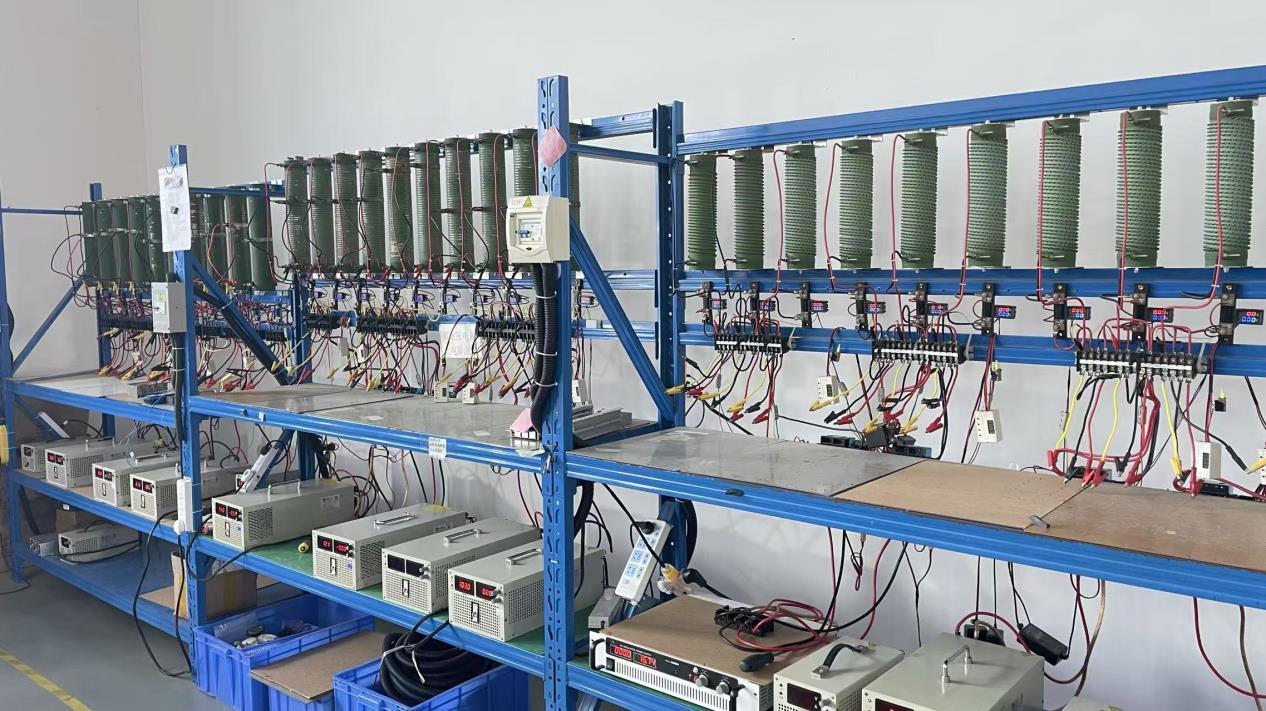
Our quality assurance program is backed by high-precision testing instruments to confirm reliability before delivery.


A B2B guide to the key engineering developments shaping the future of power electronics.
The transition from silicon to Gallium Nitride (GaN) and Silicon Carbide (SiC) semiconductors allows for higher switching frequencies, smaller overall dimensions, and improved thermal management in modular rectifiers.
Bi-directional DC-AC power systems, combined with digital controllers, enable modern utility setups to feed surplus solar and hydro power back into the grid while maintaining voltage balance.
Advanced filtering designs lower ripple and output noise to less than 40dB, protecting sensitive telecom circuitry and computing processors from signal interference.
Key checkpoints for international sourcing agents and logistics engineers.
Adjustable and switching power supplies must carry certifications like CE, FCC, RoHS, or UL/EN 62368-1. These standards confirm electrical safety, low electromagnetic emissions, and the absence of hazardous materials in construction.
For industrial applications, the Mean Time Between Failures (MTBF) should exceed 100,000 operating hours. This is achieved through active fan cooling or conformal coating/potting (glue filling), which protects internal components from humidity, dust, and corrosive environments.
B2B systems often require remote voltage trim, dynamic load balancing, or communications protocols like RS485, Modbus, or CAN bus. These features allow operators to manage and configure modular systems via central control networks.
Direct answers to common engineering questions regarding industrial switching systems, rectifiers, and inverters.
Modular systems offer N+1 redundancy, meaning if one module fails, the remaining units continue to power the load without interruption. They also allow for hot-swapping, enabling maintenance or replacement without shutting down the entire system.
Active PFC optimizes power draw, raising the power factor close to 0.99. This minimizes reactive energy losses, lowers utility costs, and reduces harmonic distortion on the factory grid, which helps protect nearby equipment.
Potting encloses sensitive electronic assemblies in a protective compound. This improves thermal transfer from hot internal components to the outer chassis, increases vibration resistance, and protects against dust, humidity, and chemical contaminants.
A pure sine wave inverter produces a clean AC output identical to grid power, which is necessary for sensitive telecom and medical equipment. Modified sine wave inverters are cheaper but produce electrical noise that can cause hum, heating, or malfunction in inductive loads.
Select specialized power conversion modules, grid-tie units, and battery charging systems designed for commercial and industrial use.
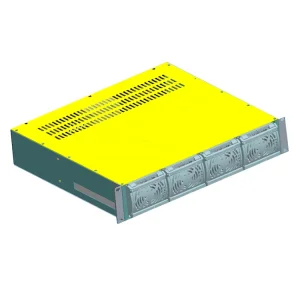
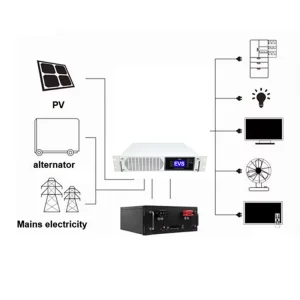
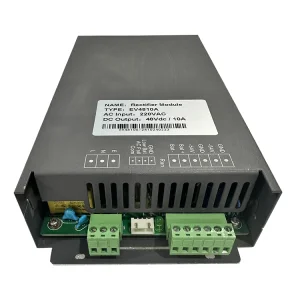
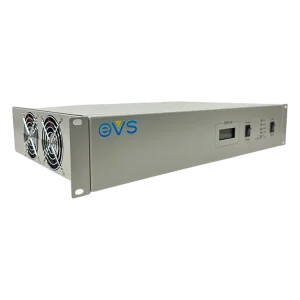
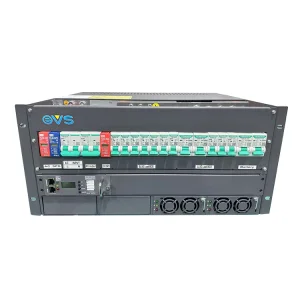
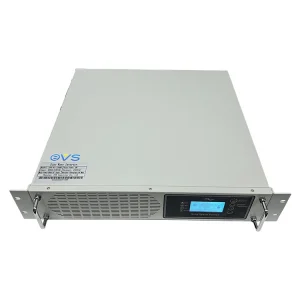
Whether you require a custom voltage output configuration, custom mounting designs, or have questions about testing validation, our team is available to assist.
Submit RFQ / Inquiry EVS Powers