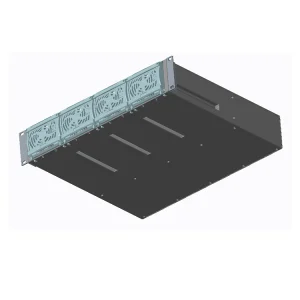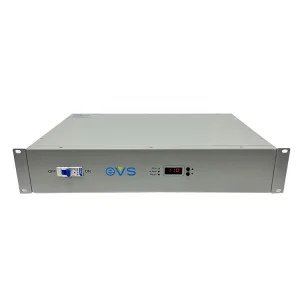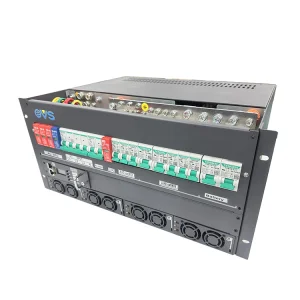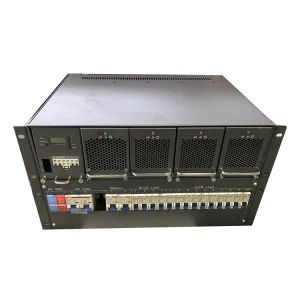

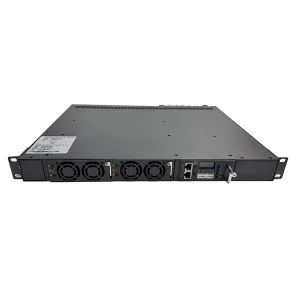
Analyzing the crucial components of high-efficiency rectification, telemetry, and power conversion in smart grid ecosystems.
Real-time data feeds from rectifiers and switch-mode converters feed central SCADA systems via Modbus and SNMP protocols, driving grid reliability.
Modular DC systems act as the lifeline for 5G micro stations, requiring intelligent monitoring to prevent voltage drops and optimize battery standby profiles.
Up to 95% efficiency designs diminish parasitic heat load, radically reducing cooling overheads in enclosed critical environments.
As the international manufacturing and data infrastructure sectors rush toward carbon neutrality, the integration of Energy Monitoring Systems (EMS) has transitioned from an operational option to a regulatory mandate. Industry statistics reveal that systems with integrated remote telemetry reduce localized plant downtime by up to 34% while optimizing overall grid utility draws.
At the center of these telemetry frameworks are robust power conversion nodes: high-capacity switch-mode rectifiers, DC-DC converters, and modular inverters. These devices convert and regulate raw industrial feed while reporting performance metrics (load current, temperature, efficiency fluctuations) back to centralized monitoring software. Without premium hardware capable of communication protocols such as Modbus and SNMP, high-level EMS platforms cannot gather the baseline telemetry required to manage load shedding or peak demand tariffs.
Global procurement teams select Chinese manufacturing clusters—specifically the technology hubs of Guangzhou—to scale their industrial power grids. The structural advantages go far beyond basic labor cost benefits:
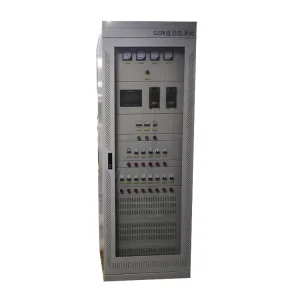
Deploying heavy-duty power conversion hardware demands customized topology designs based on site requirements. Common deployment frameworks include:
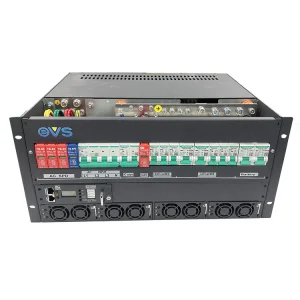
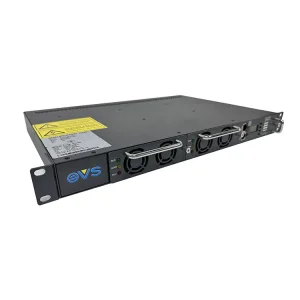
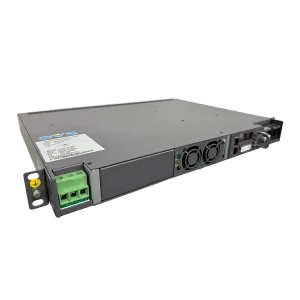
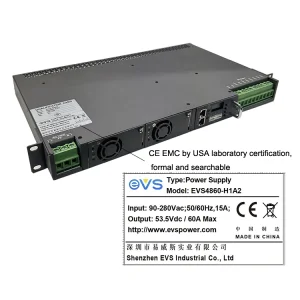
Telecommunication infrastructure deployed in remote zones relies on continuous 48V DC bus bars. To prevent dropouts, system engineers configure multiple 48V 1U modular rectifiers in an N+1 parallel redundancy array. If a single power brick fails, the integrated SNMP card triggers an automated alert to the maintenance center, allowing the remaining modules to share the load dynamically without system disruption.
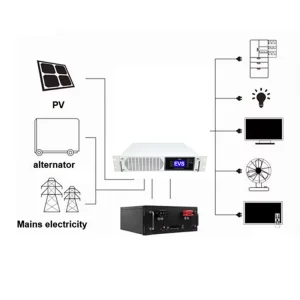
For smart grids incorporating local energy storage systems (BESS), high-power single-phase modular inverters and buck-boost converters bridge the physical gap between standard battery banks (often 48V or 110V DC) and dynamic AC loads (220V/380V). Here, digital control loops track line quality and dynamically shift conversion rates to stabilize frequency variations.
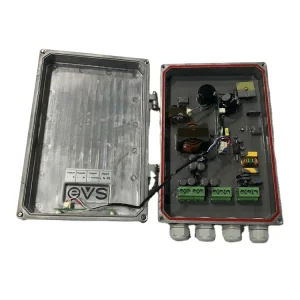
For industrial sites like petrochemical plants or maritime infrastructure, dust and moisture present existential threats. In these settings, wall-mounted IP55-rated converters or outdoor boxes with dynamic cooling fins ensure uninterrupted utility supply despite ambient moisture and debris.
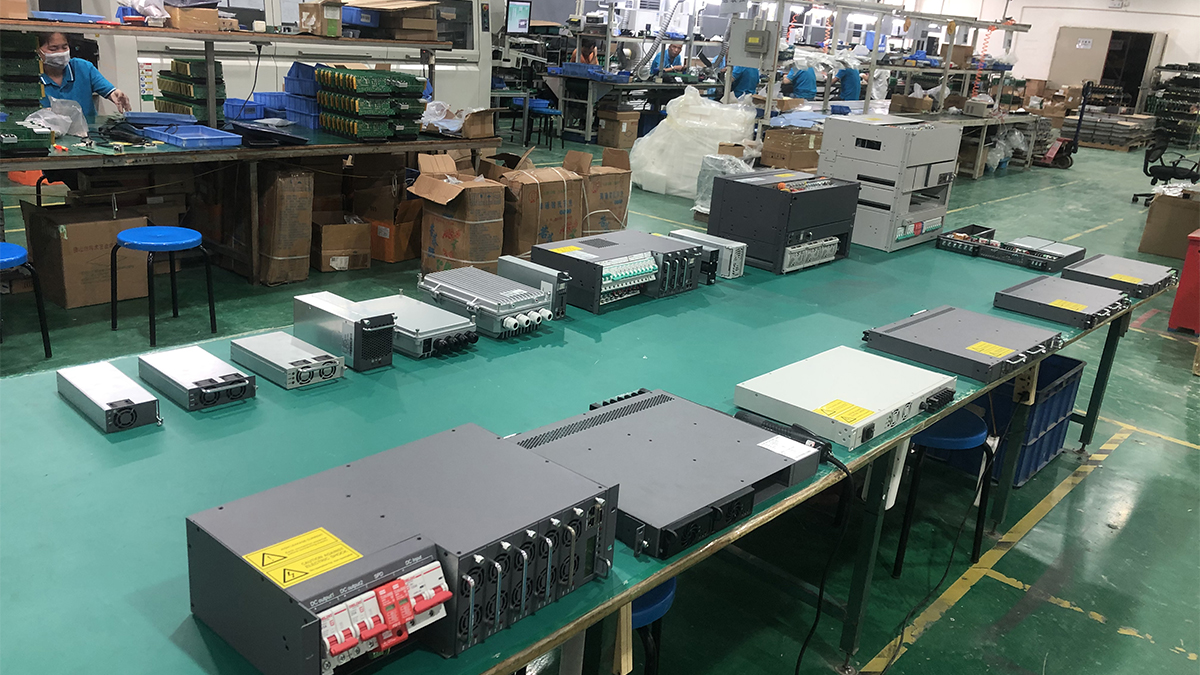
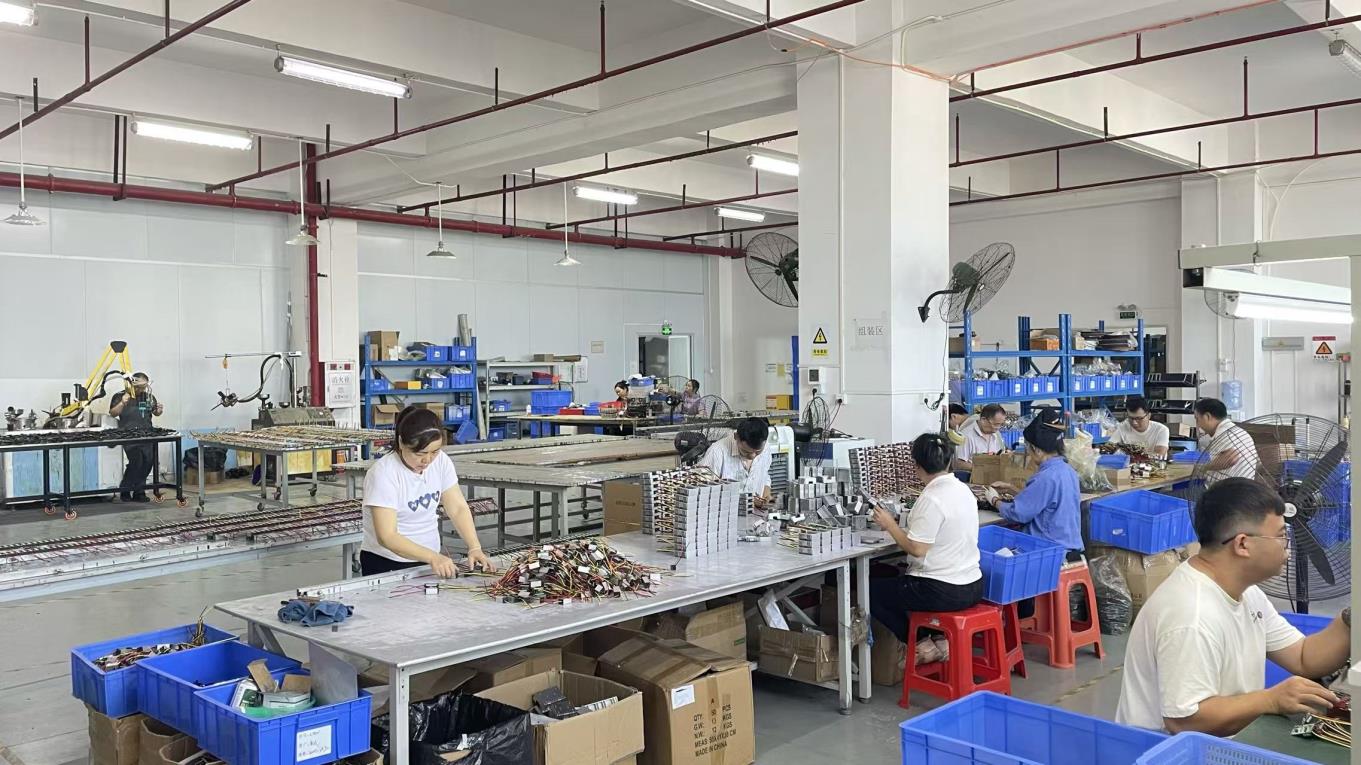
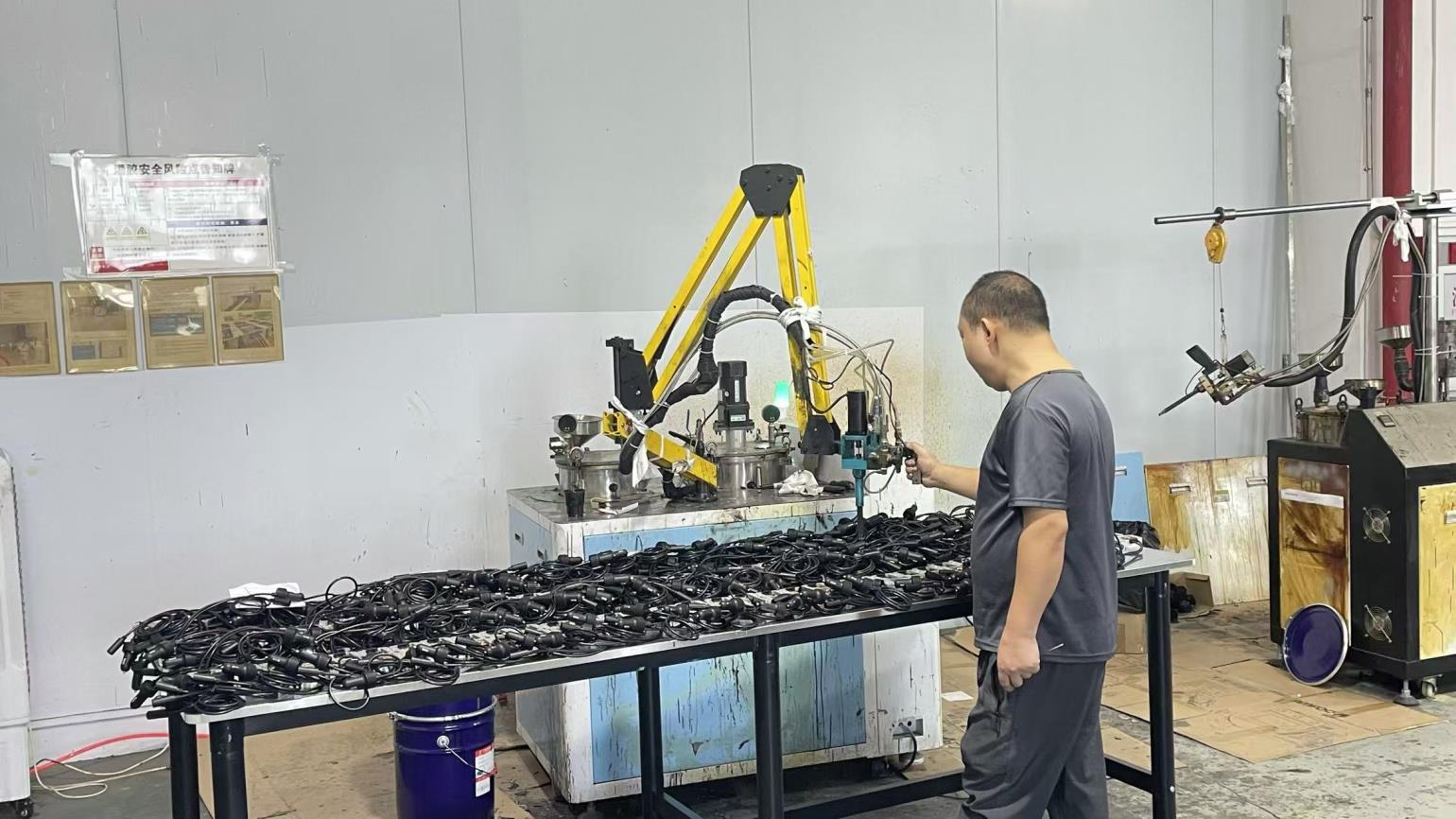
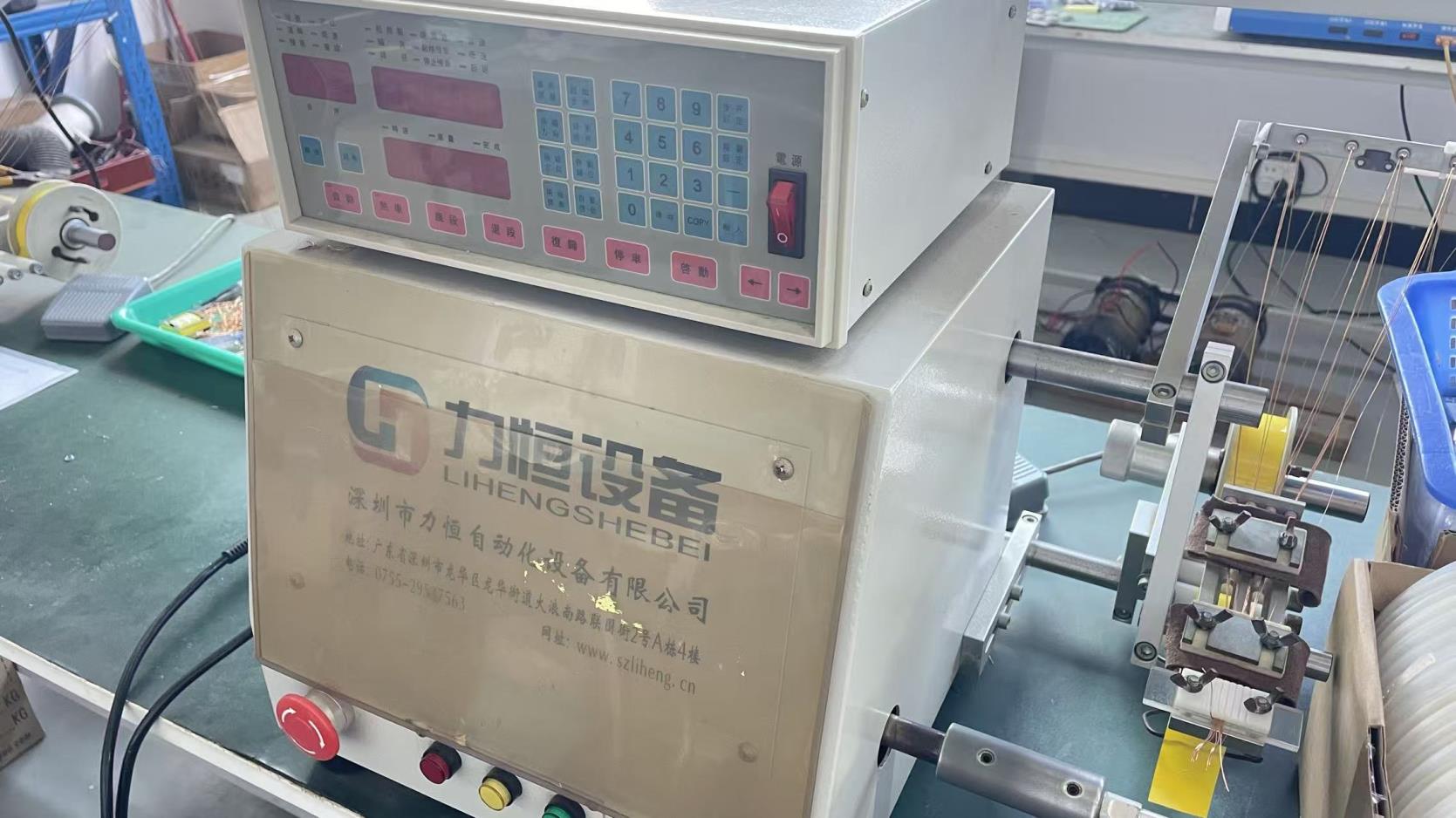
Located in the international trade city of Guangzhou, Guangzhou EVS Powers Co., Ltd. is a highly specialized developer and manufacturer of switching power supplies, DC power systems, modular rectifiers, DC-DC converters, and pure sine wave inverters. We design and deliver custom OEM and ODM configurations according to complex engineering profiles.
We treat operational reliability and client satisfaction as our primary objectives, optimizing manufacturing processes to build long-term international supply networks. Our engineering portfolios are trusted by clients throughout Europe, North and South America, Australia, the Middle East, and Southeast Asia.


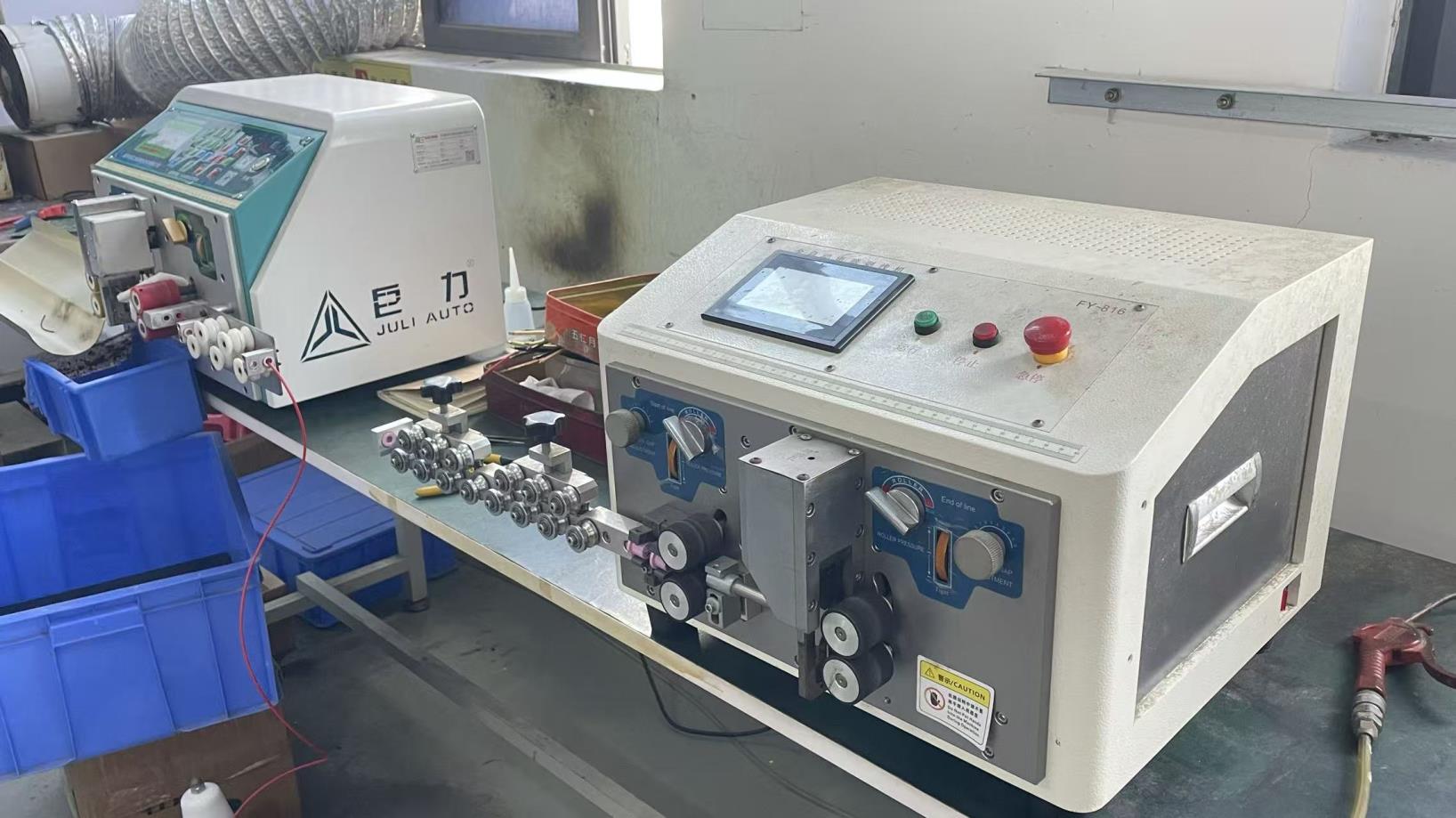


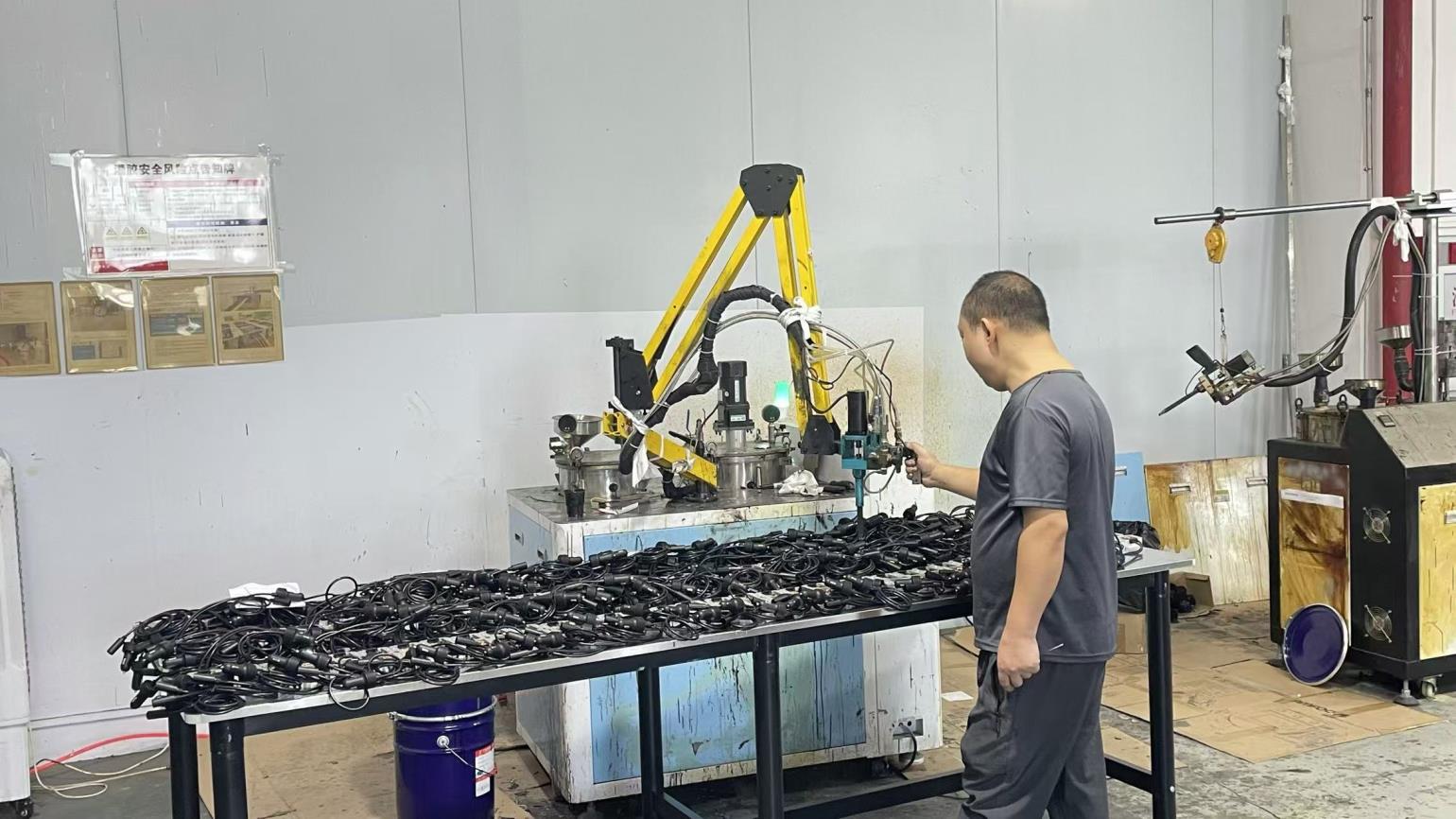
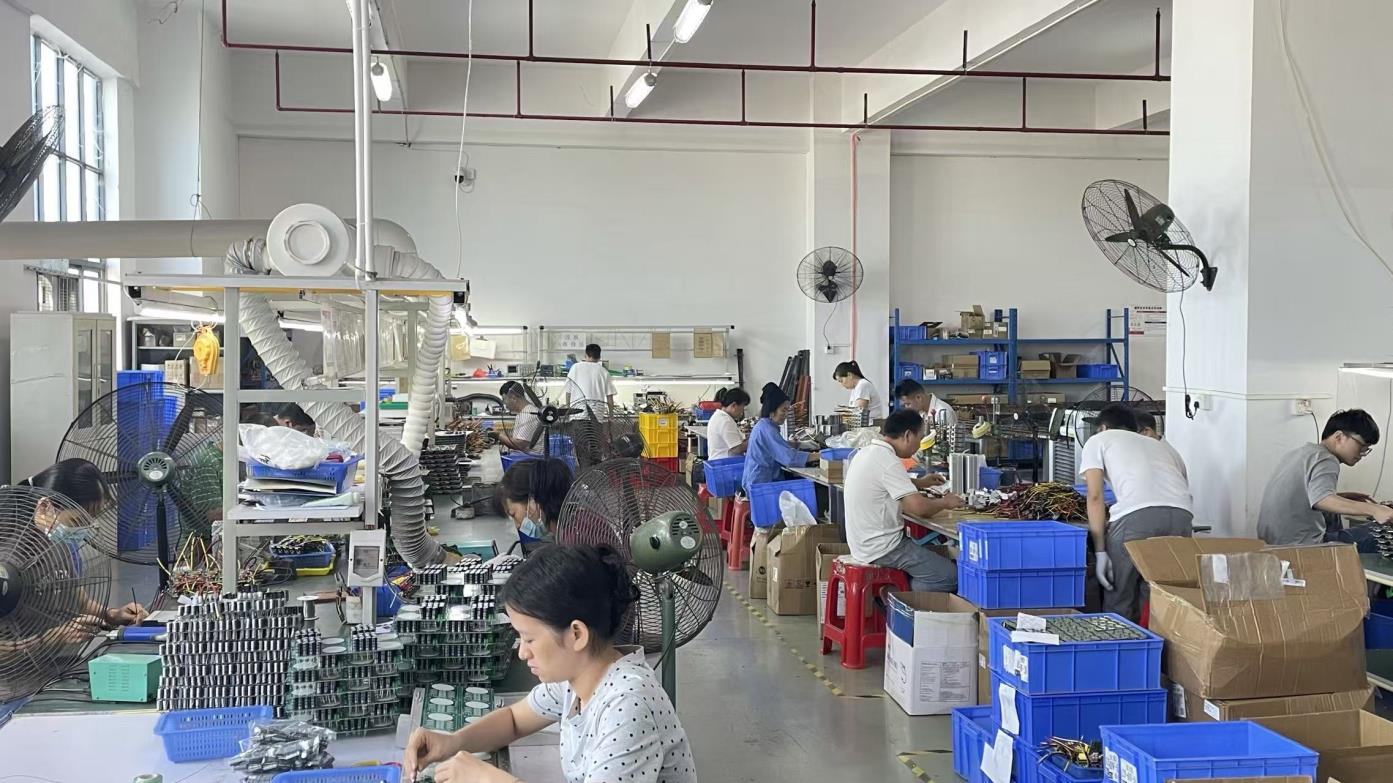
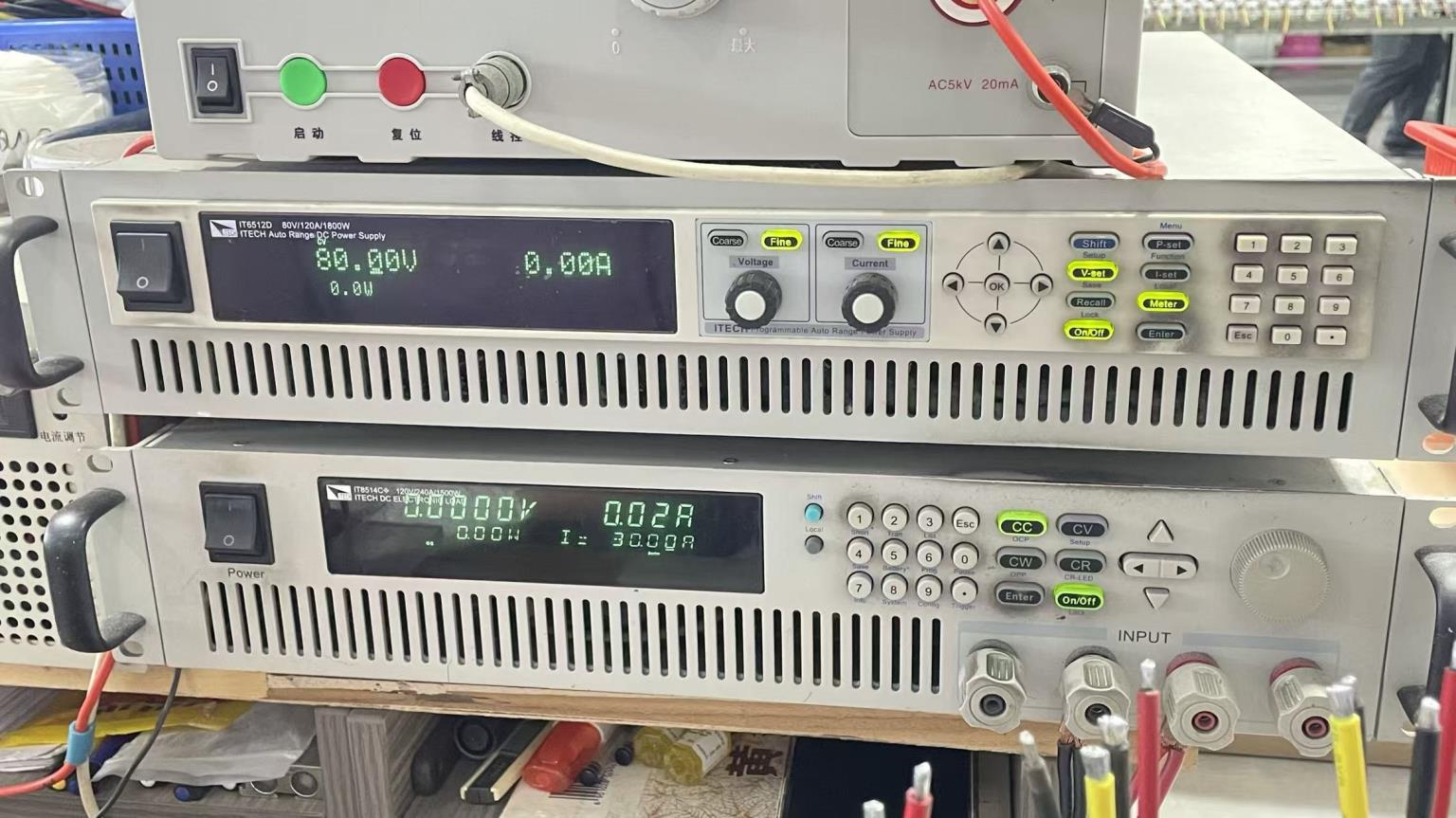

The convergence of power electronics and smart grids is driving several technological shifts:
When selecting modular power conversion components for utility networks, procurement parameters must extend beyond cost-per-watt metrics:
| Core Metric | Target Specification | Impact on Operations |
|---|---|---|
| Power Conversion Efficiency | ≥ 95% at nominal load | Lower heat generation, reduced AC utility bills. |
| Control & Telemetry Protocols | Modbus RTU / SNMP v2c & v3 | Allows native integration into SCADA software. |
| MTBF Profile | ≥ 100,000 Operating Hours | Reduces site dispatch and replacement cycles. |
| Redundancy Options | N+1 Parallel Configuration | Prevents single points of failure from causing downtime. |
Modern rectifiers act as physical monitoring nodes. When integrated via Modbus or SNMP protocols, they transmit continuous data streams regarding DC power draws, utility status, and temperature limits to a central SCADA or EMS. This telemetry allows factory systems to monitor energy flows, balance grid phases, and detect inefficiencies instantly.
An N+1 configuration uses redundant power modules to ensure continuous operation. If the load requires 'N' modules to run, the system includes '+1' extra module. If any module fails, the remaining units instantly balance the load without system interruption. Modular designs also allow for hot-swapping, so maintenance teams can replace faulty modules without shutting down the equipment.
Every efficiency percentage drop converts to heat energy. Improving efficiency from 90% to 95% reduces internal heat generation by half. This lower thermal load keeps sensitive electronics cooler, extends component lifespan (MTBF), and reduces the energy required by active ventilation and air conditioning systems.
Our industrial telecom rectifiers and switch-mode systems support industry-standard Modbus and SNMP (Simple Network Management Protocol) communication. These interfaces enable real-time telemetry, remote configuration changes, and automated fault alerts across local networks and cloud management consoles.
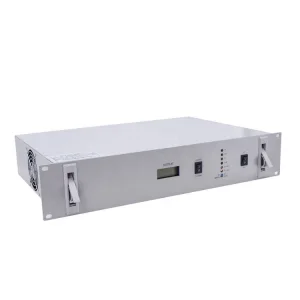
Yes, we offer comprehensive OEM and ODM services. We design and manufacture custom topologies, including wide range step-up/step-down (boost/buck) converters, specialized battery chargers, and rack-mount sub-racks tailored to your specific input/output voltages and power requirements.
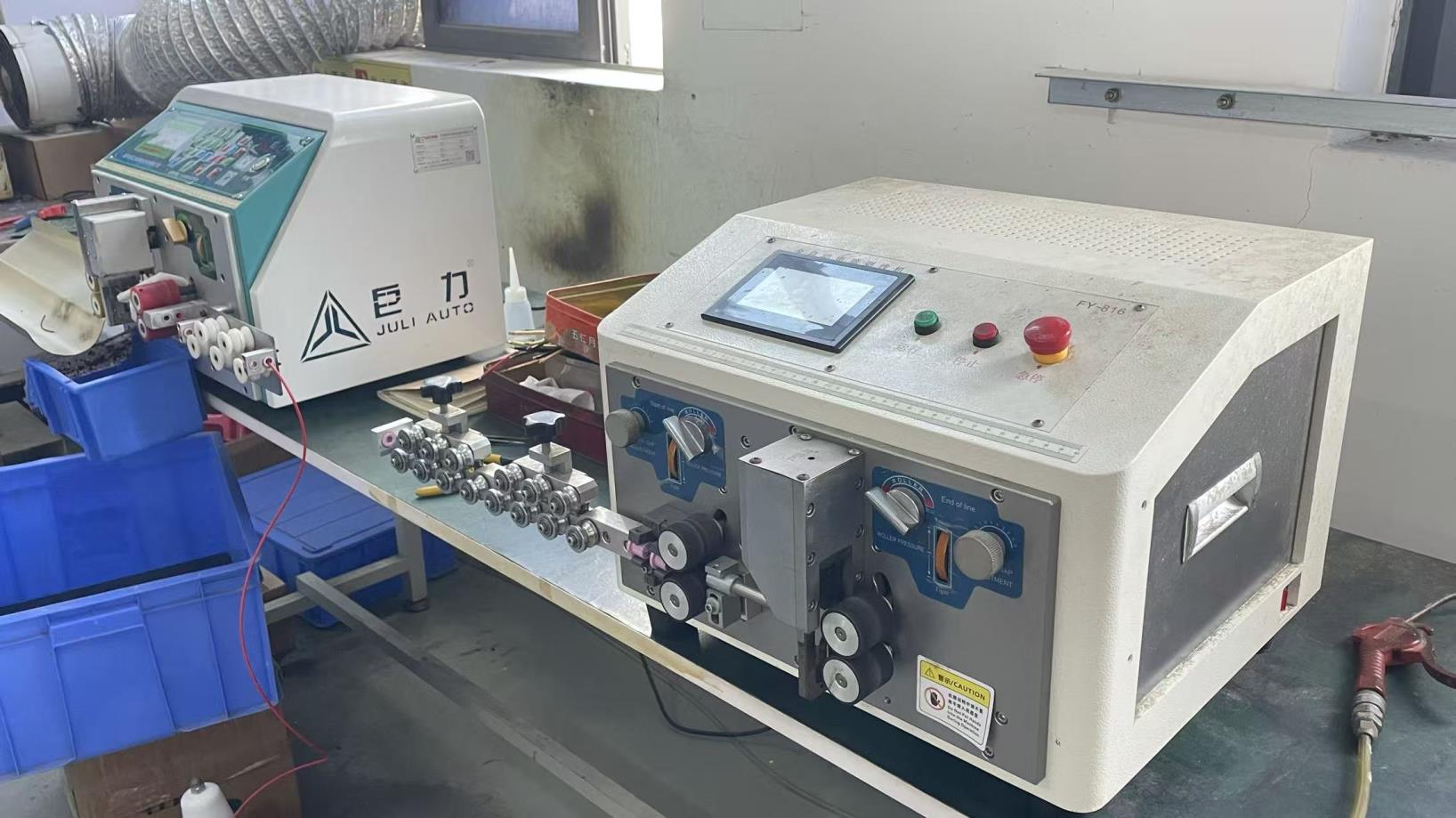
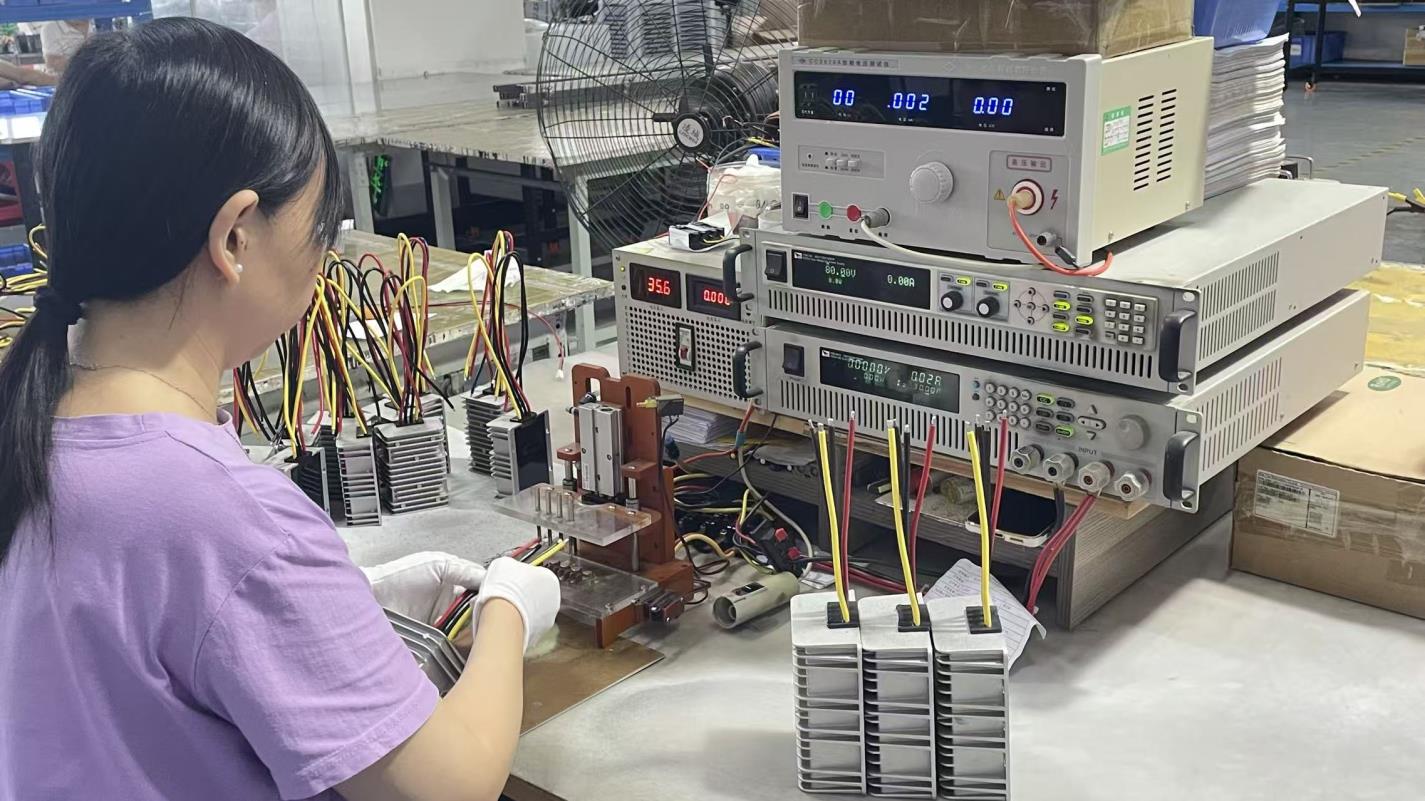
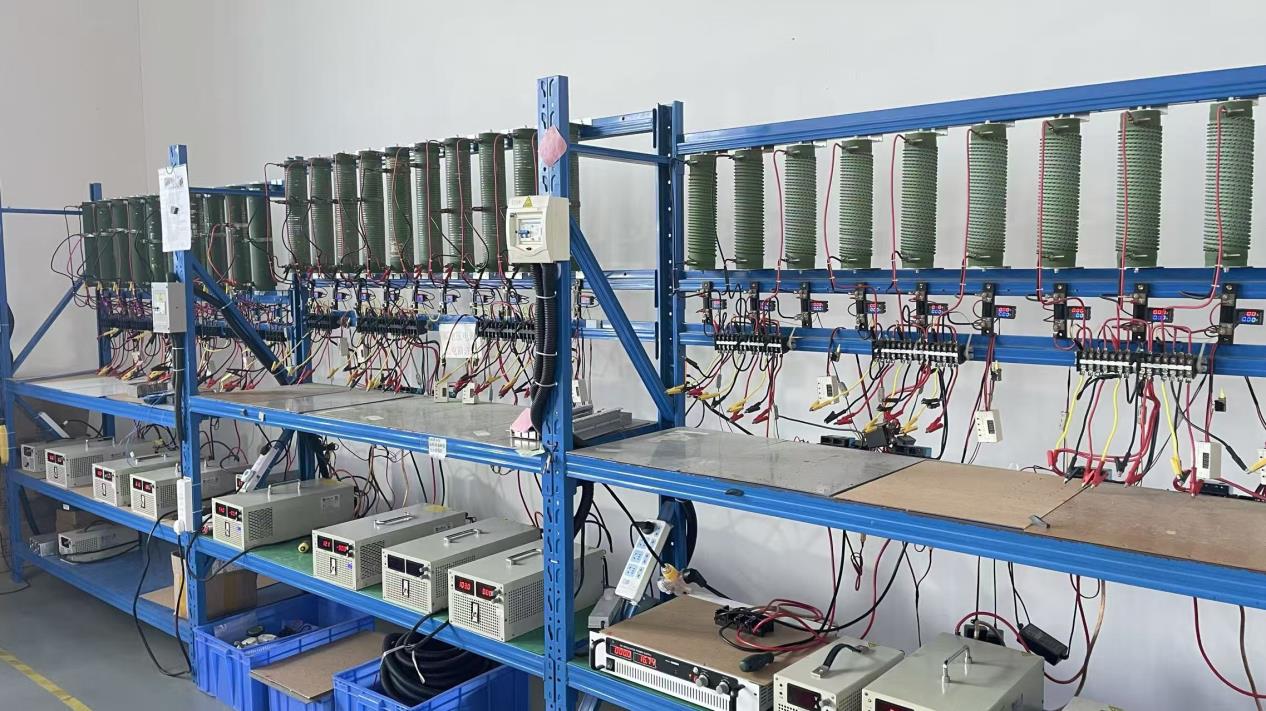
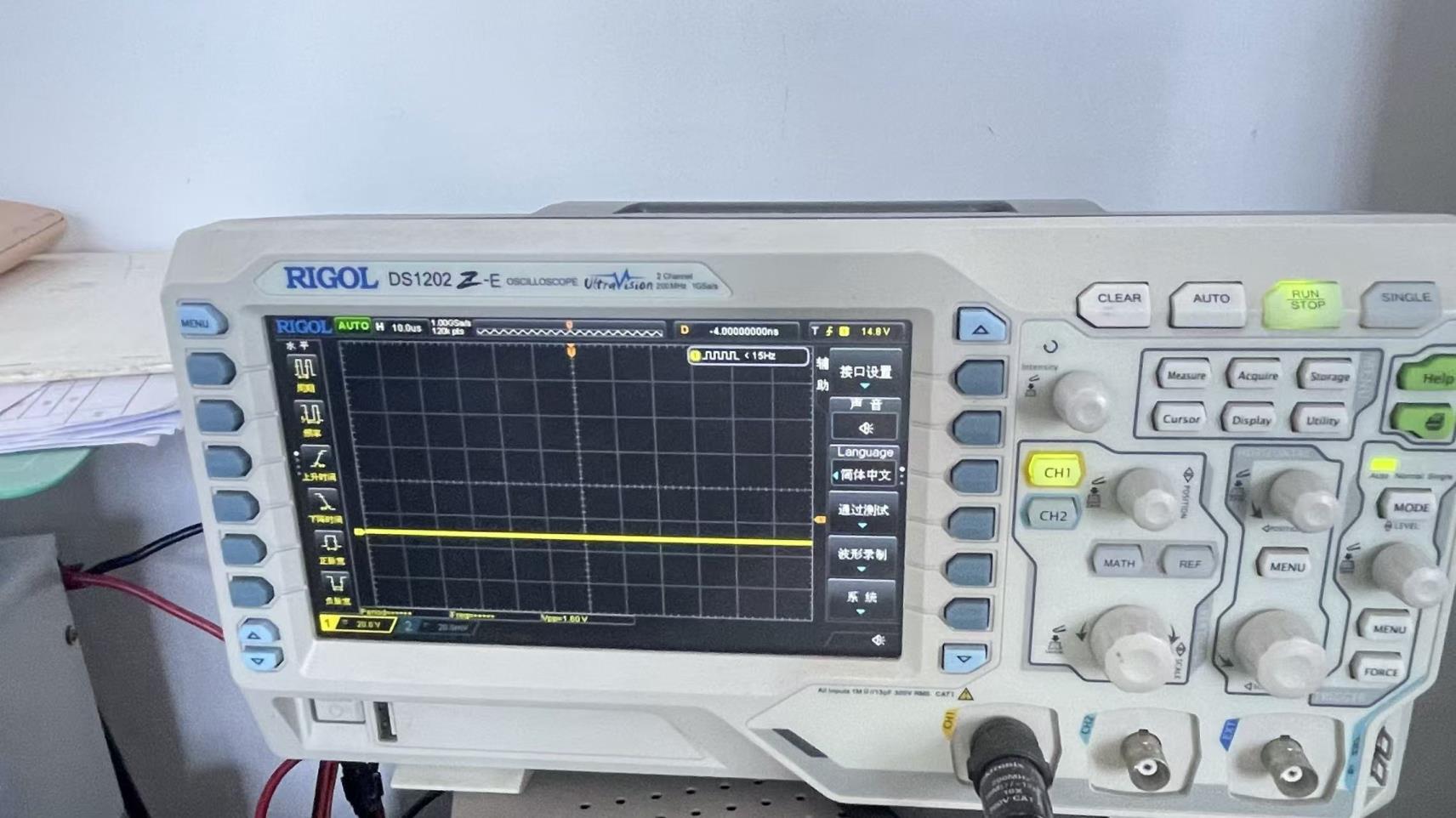
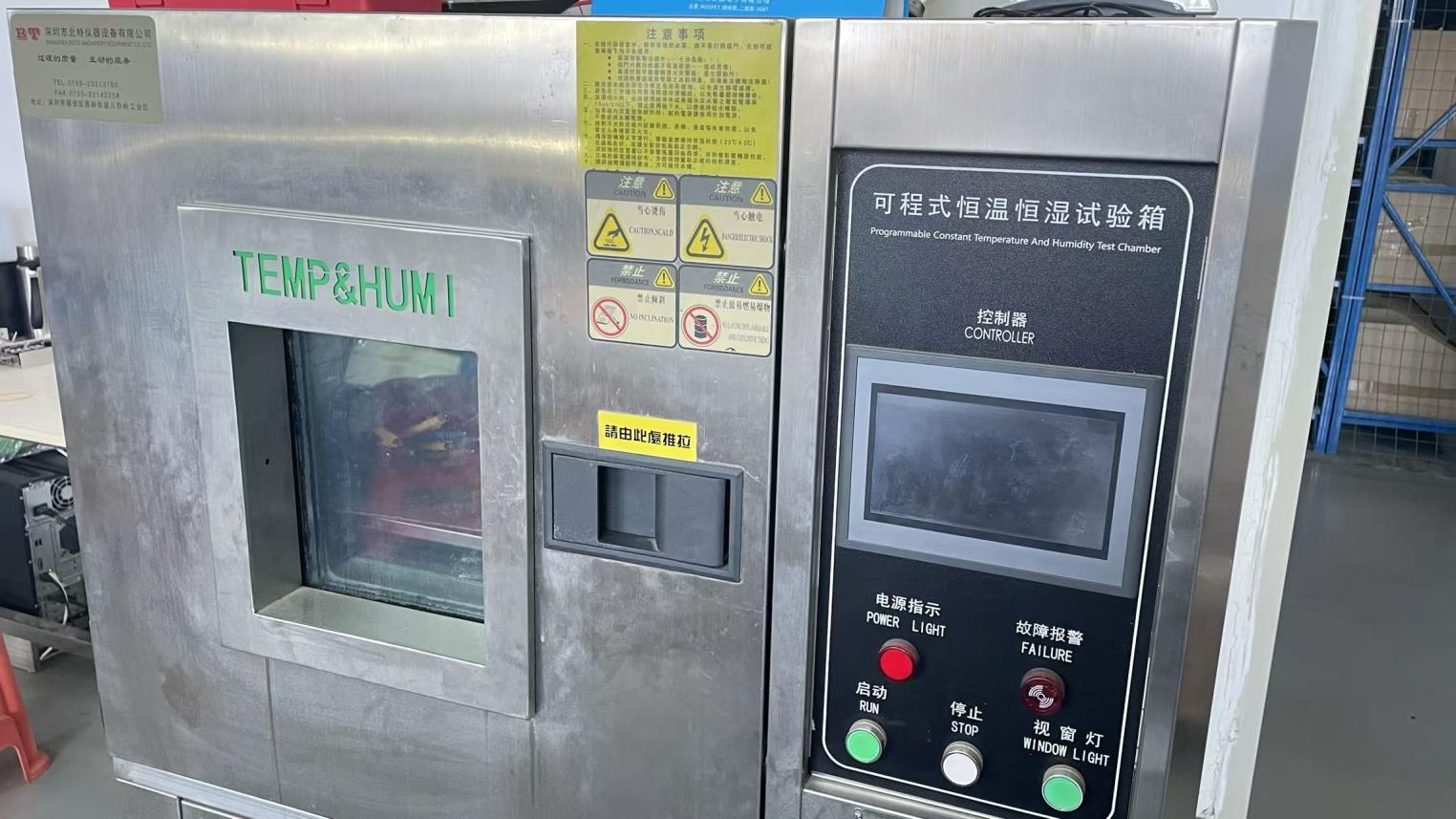
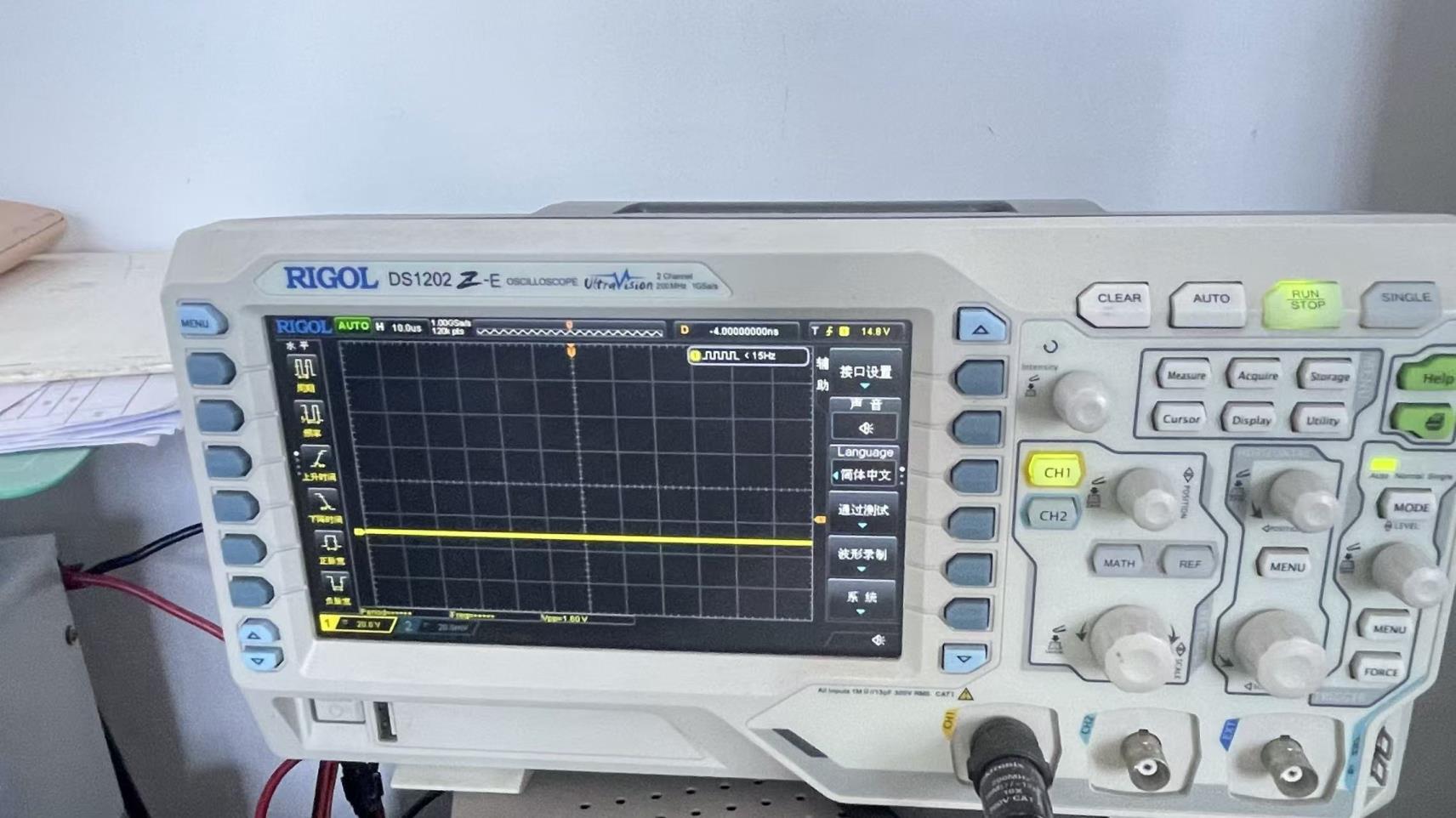
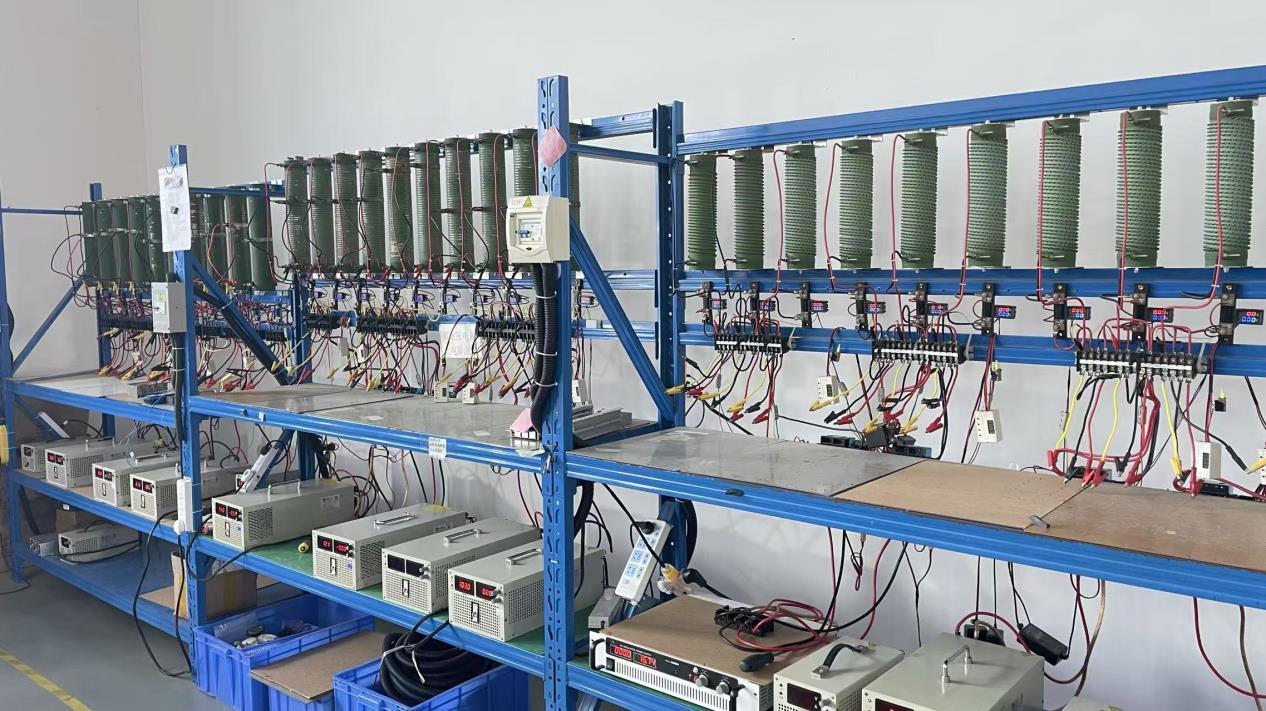
All EVS Powers units undergo rigorous verification steps: automated circuit testing, high-voltage AC withstand tests, environmental exposure in temperature/humidity chambers, and extended full-load burn-in tests to eliminate early component failures and ensure field reliability.
 EVS Powers