In today's technology-driven world, the importance of a Voltage Regulator cannot be overstated. Experts like Dr. Jane Morris, a leading authority in electrical engineering, emphasize, "A Voltage Regulator is essential for maintaining device stability." Many electronic devices rely on stable voltage. Fluctuating power can damage sensitive components.
Consider a smartphone or a computer. Both require consistent voltage for optimal performance. A voltage regulator ensures that devices receive the right amount of power. This simple yet effective component can prevent data loss and hardware failure. Despite its significance, not everyone recognizes its value. Many users overlook voltage regulation, leading to potential issues.
When discussing device longevity, understanding voltage regulation becomes crucial. The right voltage regulator can extend the lifespan of your devices. However, some may question their reliability, especially with newer technology. Poorly manufactured regulators can cause more harm than good. It’s necessary to choose quality components and understand their roles fully. Ensuring efficiency and safety in devices is paramount.
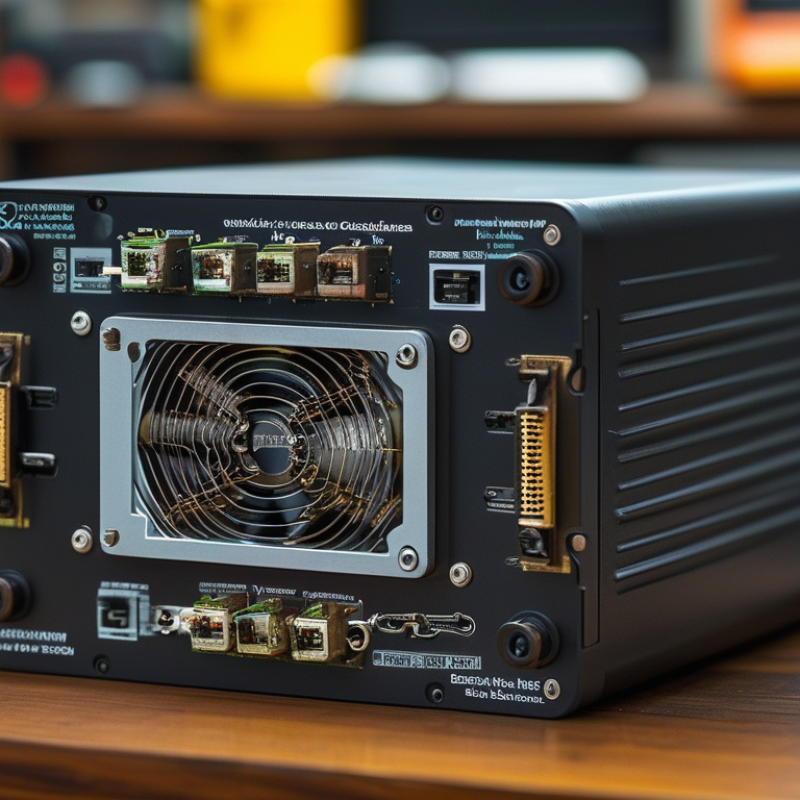
Understanding the Role of Voltage Regulators in Electronic Devices
Voltage regulators play a critical role in the operation of electronic devices. They ensure that the voltage supplied to various components remains stable and within prescribed limits. This is especially important because even slight fluctuations can damage sensitive electronics. According to the International Electrotechnical Commission, over 70% of electronic device failures can be traced back to power supply issues.
There are two primary types of voltage regulators: linear and switching. Linear regulators provide a steady output voltage by dissipating excess voltage as heat. They are simple and reliable but can be inefficient. On the other hand, switching regulators are more complex. They convert input voltage to an output voltage using inductors and capacitors, leading to higher efficiency rates. Industry reports suggest that switching regulators can achieve efficiencies exceeding 90%, making them suitable for applications where power conservation is crucial.
Understanding the specific needs of devices is vital. Not all regulators are ideal for every situation. For instance, devices requiring low noise levels may benefit from linear regulators. Meanwhile, high-power devices may need switching regulators to manage heat effectively. Balancing performance with efficiency is a constant challenge for engineers and tech developers.
Voltage Regulator Efficiency Across Different Load Conditions
This chart illustrates the efficiency of a voltage regulator under various load conditions. As the load increases, the efficiency tends to fluctuate, highlighting the importance of selecting the right voltage regulator for optimal performance in electronic devices.
Types of Voltage Regulators and Their Applications
Voltage regulators play a crucial role in ensuring that electronic devices operate efficiently and safely. There are mainly two types of voltage regulators: linear and switching. Linear regulators are simpler and provide a steady output voltage. They are ideal for low-power applications, such as simple microcontrollers. However, they have limitations, such as heat generation when the input voltage is significantly higher than the output.
Switching regulators are more efficient, especially in high-power applications. They convert input voltage to the desired level by rapidly switching on and off. This design minimizes wasted energy and reduces heat dissipation. These regulators are commonly used in power supplies for computers, smartphones, and other high-performance devices. Understanding the differences between these types can help in selecting the right regulator for specific devices.
Despite their advantages, both types have drawbacks. Linear regulators may not handle fast changes in load well, which could affect stability. Switching regulators can introduce noise, requiring careful circuit design to mitigate it. Evaluating the specific needs of your device is essential. Choosing the right voltage regulator can enhance performance and prolong the device's lifespan.
How Voltage Regulation Protects Your Devices from Power Variations
Voltage regulation is crucial for the longevity and performance of your electronic devices. Variations in power supply often occur due to fluctuations in the grid or demand spikes from other devices. For example, when multiple appliances are turned on, your device may receive too much voltage, leading to overheating or failure. A voltage regulator ensures a steady output, protecting sensitive components from these unexpected surges.
Consider how a small fluctuation can impact a microcontroller. These components typically operate within a narrow voltage range. A slight increase can cause erratic behavior or even permanent damage. By integrating a voltage regulator, the microcontroller receives consistent power, enhancing reliability. Devices like computers, TVs, and audio equipment rely on this technology to function correctly, preventing data loss or distortion.
While some users may overlook the importance of voltage regulation, it’s essential to understand the risks. Not every device is designed to tolerate power spikes. Ignoring this can lead to costly repairs or replacements. Investing in a high-quality voltage regulator might seem unnecessary until a malfunction occurs. Therefore, ensuring the right voltage levels for your devices helps avoid unforeseen complications in the long run.
Why Do You Need a Voltage Regulator for Your Devices? - How Voltage Regulation Protects Your Devices from Power Variations
| Device Type |
Voltage Rating (V) |
Current Requirement (A) |
Impact of Voltage Variation |
Recommended Voltage Regulator |
| Smartphone |
5 |
2 |
Overvoltage can damage the battery; undervoltage can cause malfunction. |
Linear Voltage Regulator |
| Laptop |
19 |
3 |
Voltage fluctuations can cause data loss and hardware damage. |
Buck Converter |
| LED Lights |
12 |
0.5 |
Excess voltage can cause overheating and shorten lifespan. |
Constant Current LED Driver |
| Home Router |
5 |
1 |
Voltage dips can interrupt connection and affect performance. |
Switching Regulator |
| Game Console |
12 |
2.5 |
Inconsistent power can cause resets and hardware failures. |
Linear Voltage Regulator |
The Importance of Voltage Stability for Device Performance and Longevity
Voltage stability is crucial for the optimal performance of electronic devices. Many devices operate within specific voltage ranges. If the voltage fluctuates outside this range, the components may suffer. A voltage regulator ensures that your devices receive a steady voltage, which helps in maintaining functionality and efficiency.
An unstable voltage can lead to unexpected shutdowns or erratic behavior in your devices. For example, computers may freeze or malfunction when the voltage dips. In the long run, these issues can damage sensitive components, reducing their lifespan. A regulated voltage supply can prevent these problems, offering peace of mind and better reliability.
However, achieving perfect voltage stability is challenging. Various factors can affect it, such as power surges or varying load conditions. This is where constant monitoring and adjustments become essential. While a voltage regulator mitigates many risks, it’s not foolproof. Regular maintenance and checks are necessary to ensure continued safety and efficiency. Embracing this complexity leads to better device care and ultimately enhances device longevity.
Common Issues Caused by the Absence of Voltage Regulation in Electronics
Electronics without proper voltage regulation can face significant issues. A study by the National Electrical Manufacturers Association found that improper voltage levels are responsible for around 30% of electronic failures. Fluctuations can lead to overheating, component damage, or even complete system failure. For instance, if a smartphone charges at an incorrect voltage, it could result in battery swelling or shortened lifespan.
Moreover, sensitive devices like computers and medical equipment are particularly vulnerable. Research from the Institute of Electrical and Electronics Engineers indicates that power surges can cause data corruption, leading to potential data loss. In critical settings, such as hospitals, this risk is alarming. A single voltage spike can disrupt life-saving devices, putting patient safety in jeopardy.
The absence of voltage regulation can also increase repair costs. A report from the Consumer Electronics Association emphasized that consumers spend billions annually on repairs due to electrical mishaps. Investing in voltage regulators can seem daunting, yet the long-term benefits outweigh the immediate expenses. Ignoring voltage stability today could lead to far more significant issues tomorrow.
FAQS
: Voltage regulation protects devices from power variations, enhancing their longevity and performance.
Fluctuations can cause erratic behavior or permanent damage, impacting the microcontroller's functionality.
Devices may overheat, suffer component damage, or even face complete system failure.
Yes, unstable voltage may cause unexpected shutdowns, freezes, or erratic behavior in devices like computers.
Regular checks are necessary to ensure they function correctly and maintain voltage stability.
No, many devices are not designed to tolerate power spikes, leading to potential risks.
Improper voltage levels account for around 30% of electronic failures, leading to high repair costs.
Yes, stable voltage helps protect sensitive data, especially in critical devices like medical equipment.
The immediate investment appears daunting until the device faces a malfunction due to unstable voltage.
Achieving perfect voltage stability is challenging due to various influencing factors, but regulation helps significantly.
Conclusion
A Voltage Regulator is a crucial component in electronic devices, ensuring a consistent supply of voltage despite variations in input power. By understanding the role of these regulators, users can appreciate their significance in maintaining device performance and longevity. There are various types of Voltage Regulators tailored for specific applications, each designed to tackle the challenges posed by fluctuating power sources.
The stability provided by Voltage Regulators protects devices from potential damage caused by power surges, drops, or other irregularities. Without proper voltage regulation, devices may experience common issues such as performance degradation, reduced lifespan, or even complete failure. Thus, incorporating a Voltage Regulator is essential for safeguarding electronic equipment and ensuring reliable operation over time.

 EVS Powers