How to Choose the Best Photovoltaic Inverter

Time:2026-10-07 Author:Aria
0%

Choosing the best Photovoltaic Inverter is not simply a matter of comparing prices or reading efficiency ratings. It requires understanding the entire solar system. Roof direction, module voltage, local temperature, shading, battery plans, and grid requirements all influence the correct choice. A model that performs well on a laboratory sheet may disappoint on a hot roof with partial afternoon shade.

Dr. Martin A. Green, a leading photovoltaic researcher, has often emphasized the importance of system performance, noting, “The inverter is a critical component of every photovoltaic system.” This practical view remains valuable. The inverter converts the panels’ direct current into usable alternating current. It also manages monitoring, protection, voltage control, and, in some systems, battery charging. Look for a high European or CEC efficiency rating, a suitable maximum input voltage, strong warranty coverage, and clear monitoring data. Check the installer’s experience too. Specifications matter, but installation quality matters just as much.

Small details can change the result. A quiet inverter may suit a home near a bedroom. A shaded array may need module-level electronics. A remote property may require reliable communications and simple fault diagnosis. We should also admit one limitation: no inverter is perfect. Efficiency declines under unusual loads, software can fail, and warranties may vary by region. I once overlooked service access when comparing equipment, and the later maintenance delay was avoidable. That mistake shaped my evaluation method. The best Photovoltaic Inverter is therefore not the most expensive model. It is the safest, most compatible, and most supportable choice for the site.
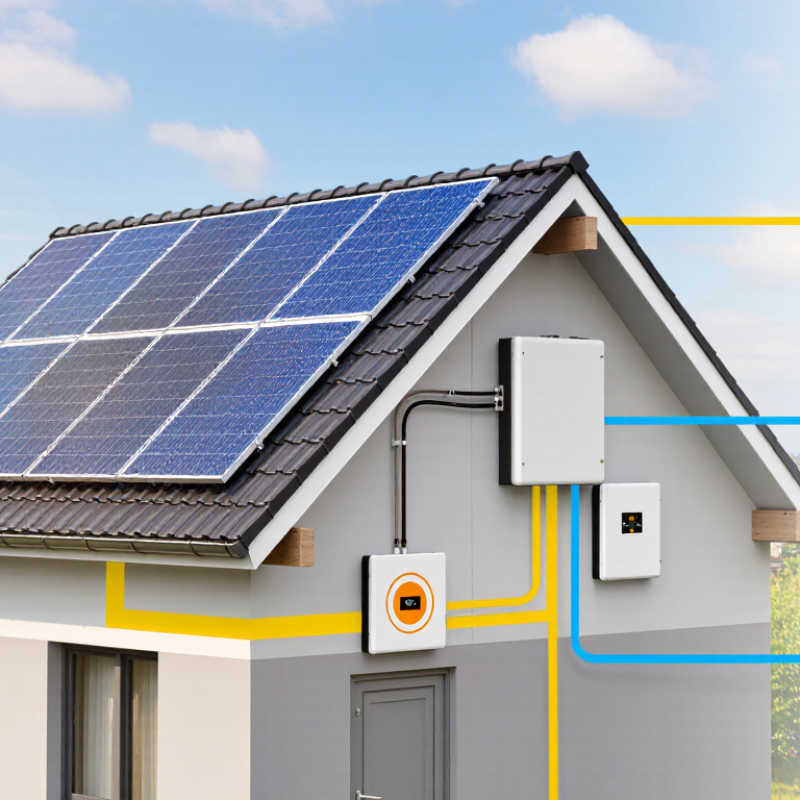
How to Choose the Best Photovoltaic Inverter

Define Inverter Types by System Size, Grid Code, and 97–99% Efficiency

Choosing a photovoltaic inverter starts with system size, not advertising claims. Small residential arrays often suit string inverters or microinverters. Larger commercial systems may require several string units or a central inverter. Battery storage adds another option: a hybrid inverter. I have seen undersized units clip production on bright summer afternoons. That lost energy is easy to miss without monitoring.

Grid code compatibility is equally important. Check anti-islanding protection, voltage limits, frequency response, and reactive power requirements. These rules differ by country and utility area. A qualified installer should verify the latest connection documents before purchase. Certification marks help, but they do not replace local engineering review. A technically efficient inverter can still fail approval.

Efficiency commonly ranges from 97% to 99% under rated conditions. That figure is not the whole story. Ask for weighted efficiency, low-load performance, and temperature derating data. A hot inverter beside a metal wall may perform differently from its laboratory result. Keep airflow clear. Think about shade, roof direction, cable length, and future expansion. I still recheck these details after selecting a model. Perfect choices are rare. Reliable data matters more than a polished specification sheet.

Match Inverter Capacity to PV Array Oversizing Ratios of 1.1–1.3

Choosing a photovoltaic inverter starts with the DC-to-AC ratio, also called inverter loading ratio. A 1.1–1.3 ratio means a 100 kW inverter serves a 110–130 kWp PV array. This adds energy during mornings, evenings, and cloudy periods, when panels rarely reach their rated output.

Lawrence Berkeley National Laboratory’s Utility-Scale Solar 2024 report found a median loading ratio of about 1.34 for projects built in 2023. That figure supports moderate oversizing, but it is not a universal target. An array at 1.2 may suit a hot site with east-west modules, while a cooler, south-facing site may justify 1.3. Higher ratios can increase clipping during clear midday hours. However, limited clipping may still improve annual yield and inverter utilization. The calculation is imperfect. Weather and operating losses rarely match the design model.

Tips: For a 100 kW inverter, begin by testing 110, 120, and 130 kWp designs. Check hourly clipping, module degradation, inverter temperature limits, and local grid rules. NREL’s Annual Technology Baseline also uses DC/AC ratios near 1.3 for utility-scale modelling, showing that this range reflects current engineering practice. Do not select the largest ratio automatically. Compare the extra module cost with lost clipped energy, and review the result with an independent engineer.

Compare MPPT Voltage Range, Startup Voltage, and 98%+ Peak Efficiency

How to Choose the Best Photovoltaic Inverter

Global solar additions reached about 456 GW in 2023, according to IEA PVPS Trends 2024. That growth makes inverter selection more important. Start with the MPPT voltage range. Each string should remain inside this window during hot afternoons and cold mornings. A wider range can improve harvest when module voltage changes. However, wider does not automatically mean better.

Check startup voltage separately. The inverter may need a higher threshold before producing power. If morning voltage stays below that point, production starts late. This matters on shaded roofs and short winter days. Fraunhofer ISE’s Photovoltaics Report 2024 lists leading inverter efficiencies near 98% to 99%. Still, peak efficiency is only one moment. I distrust a single efficiency number. Weighted efficiency, low-load performance, clipping, and standby losses describe real output more honestly.

Tips: Calculate the coldest open-circuit voltage before selecting an inverter. Keep maximum string voltage below the device limit. Then compare it with the MPPT window. Use the warmest operating condition to check minimum voltage. Ask for European or CEC weighted efficiency, not only peak efficiency. A 98.5% peak figure may look impressive, yet poor morning tracking can reduce annual yield. Field measurements are imperfect, and roof conditions rarely match laboratory tests.

How to Choose the Best Photovoltaic Inverter

Compare the MPPT voltage range, startup voltage, and peak efficiency before selecting an inverter. A wider MPPT range can support more PV array configurations, while a lower startup voltage may help the inverter begin operating earlier in the day.

Representative specifications based on commonly published datasheet ranges for modern residential and commercial string inverters. Always verify the exact operating range, maximum DC voltage, and efficiency curve in the final product datasheet.

Evaluate Safety Features, Including AFCI, Rapid Shutdown, and IP65 Ratings

When choosing a photovoltaic inverter, safety deserves more attention than efficiency alone. IRENA’s Renewable Capacity Statistics 2024 reported about 1,419 GW of global solar capacity at the end of 2023. That enormous installed base makes fault prevention increasingly important. An inverter with arc-fault circuit interruption (AFCI) can detect dangerous electrical arcing and disconnect the circuit quickly. Check its certification and testing basis, such as UL 1699B or the applicable local standard. AFCI is useful, but it is not perfect. Poor wiring, loose connectors, and damaged insulation still require careful inspection.

Rapid shutdown is equally important for rooftop systems. Under NEC 690.12, compliant designs reduce conductor voltage near the array after shutdown activation. This gives emergency responders a safer working area. Confirm the inverter, module-level devices, and shutdown initiator operate as one tested system. Do not rely on a product label alone. NREL reliability studies repeatedly show that installation quality and operating conditions strongly influence photovoltaic performance and risk.

Tips: Look for clear AFCI fault records and accessible reset controls. Test rapid shutdown during commissioning, not years later. For outdoor equipment, an IP65 rating indicates protection against dust and water jets under IEC 60529 testing. It does not prove resistance to standing water, salt mist, or direct sunlight. Leave drainage space below the inverter. Review seals after cable work. I would also inspect enclosure temperature, because a clean rating can still hide poor thermal design. Some decisions remain site-specific, and that is easy to underestimate.

Assess Warranties, Monitoring, and 10–25-Year Lifecycle Value

The best photovoltaic inverter is not always the one with the highest peak efficiency. Its warranty and service conditions often shape the real 10–25-year cost. Check the standard product period, extension fees, labor coverage, and replacement process. A ten-year warranty may exclude transport or installation after failure. Read the exclusions carefully. Ask whether coverage depends on approved installation, annual maintenance, or specific operating temperatures. A qualified installer should explain these points in writing, not during a rushed sales call.

Monitoring deserves equal attention. A useful system records daily energy, voltage, temperature, fault codes, and communication status. It should send clear alerts when production falls unexpectedly. During site checks, compare inverter data with meter readings and weather conditions. A dashboard can look reassuring while one string produces less power. Local data storage matters when internet service fails. So does practical access for technicians. Do not overvalue colorful graphs.

For lifecycle value, estimate energy yield across 10, 15, 20, and 25 years. Include efficiency losses, component wear, planned replacement, downtime, and service visits. A cheaper inverter can become expensive after one unplanned failure. A higher-priced unit is not automatically wiser. Compare total cost per kilowatt-hour using conservative production assumptions. I would also test the warranty claim route before signing. That step is easy to overlook. Forecasts are imperfect. A careful evaluation remains provisional until local heat, dust, grid limits, and installer response times are verified.

FAQS

How should I choose an inverter for my solar system size?

Start with system size, not advertising claims. Small home arrays often use string or microinverters. Larger systems may need multiple units or one central inverter. An undersized inverter can waste sunny afternoon production through clipping.

Why does grid-code compatibility matter?

The inverter must meet local anti-islanding, voltage, frequency, and reactive-power requirements. Rules vary between countries and utility areas. Ask a qualified installer to check current connection documents. Certification alone may not guarantee approval.

Is 97% to 99% efficiency enough?

It is only a starting point. Ask for weighted efficiency, low-load performance, and temperature derating data. A hot inverter beside a metal wall may perform below its laboratory result. Specifications can look better than reality.

What should I consider when planning future expansion?

Check unused capacity, roof direction, shade, cable length, and monitoring options. A system may grow later. Leaving no expansion room can become an expensive mistake.

What does AFCI protection do?

AFCI can detect dangerous electrical arcing and disconnect the circuit quickly. It does not replace careful wiring inspections. Loose connectors and damaged insulation remain serious concerns.

Why is rapid shutdown important for rooftop systems?

Rapid shutdown reduces conductor voltage near the solar array after activation. This creates a safer area for emergency work. Confirm that the inverter, module devices, and shutdown initiator operate as one tested system. Test it during commissioning.

What does an IP65 enclosure rating mean?

IP65 indicates protection against dust and water jets under standard testing. It does not prove resistance to standing water, salt mist, or strong sunlight. Leave drainage space below the enclosure. Check seals after cable work.

How can installation conditions affect inverter performance?

Clear airflow helps control heat. Shade, metal walls, cable length, and enclosure temperature can change real performance. Monitoring may reveal hidden energy losses. I still recheck these details. Perfect choices are uncommon.

Conclusion

Choosing the right Photovoltaic Inverter requires more than comparing price or headline power ratings. Start by identifying the system size, grid-code requirements, and suitable inverter type, while prioritizing reliable units with typical efficiencies of 97–99%. The inverter’s capacity should match the PV array and account for a sensible oversizing ratio, generally between 1.1 and 1.3, to improve energy harvest during varying sunlight conditions without creating excessive clipping.

Technical performance is also important. Compare the MPPT voltage range, startup voltage, and peak efficiency of at least 98% to ensure stable operation across changing weather and temperatures. Safety features such as arc-fault circuit interruption, rapid shutdown, and an IP65-rated enclosure can improve protection and installation flexibility. Finally, review warranty coverage, monitoring functions, service support, and expected maintenance needs. A dependable 10–25-year lifecycle value should balance long-term energy production, safety, operating costs, and replacement risks.

Aria

Aria

Aria is a dedicated marketing professional with a deep passion for innovative strategies and a keen understanding of our company's product offerings. With a wealth of experience in the industry, Aria excels at crafting engaging content that highlights the unique features and benefits of our......