In today's rapidly evolving technological landscape, the demand for robust and reliable High Voltage Power Supply solutions is more critical than ever. Industries, from renewable energy to telecommunications, require power systems that can withstand high voltage levels while ensuring safety and efficiency. As global buyers seek effective solutions, evaluating various options becomes essential.
Choosing the right High Voltage Power Supply involves understanding intricate details. Buyers often rely on experts and manufacturers with a proven track record. However, the sheer variety of products can lead to confusion. Some suppliers may overpromise, leaving customers in precarious situations. It’s vital to identify those that genuinely excel in quality and performance.
Reliability in High Voltage Power Supply is not just about meeting specifications. It's about matching the product to specific application needs. Some claims may not align with real-world performance. An informed decision involves careful consideration and sometimes, reflection on past experiences. This journey requires diligence, as the implications of incorrect choices can be significant.
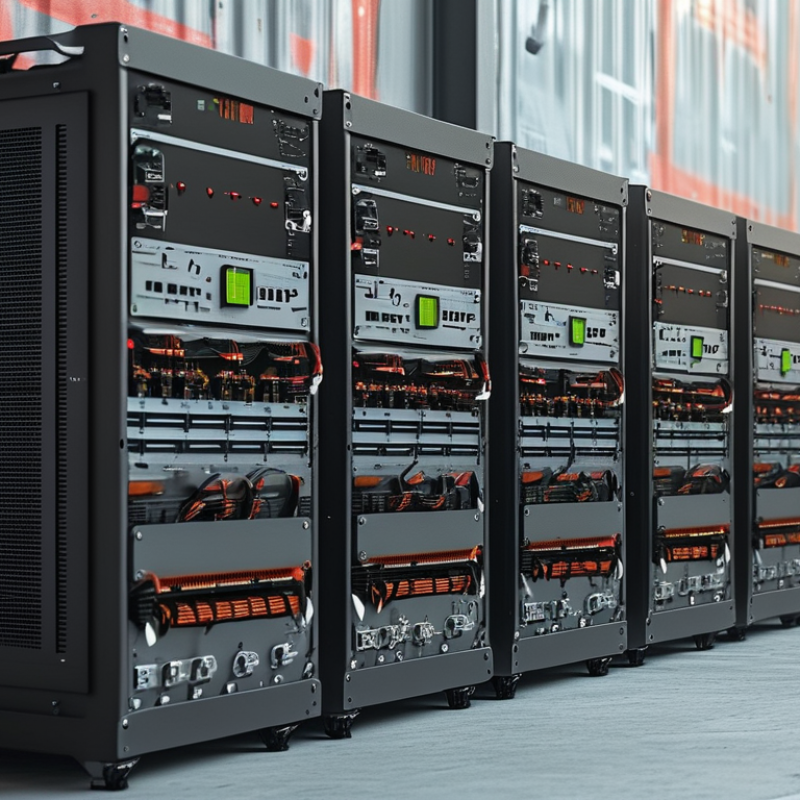
Overview of High Voltage Power Supply Solutions
High voltage power supply solutions play a crucial role in various industrial applications. These systems deliver the necessary voltage to power high-energy equipment. The range of applications includes scientific research, semiconductor fabrication, and electric vehicles. Each application has unique demands and requirements. Understanding these nuances is essential for selecting the right power supply.
Efficiency is a key factor in any high voltage power supply. Users often seek systems that minimize energy loss and maximize performance. However, achieving high efficiency can be challenging. Many products on the market claim high efficiency ratings but may not perform as expected under real-world conditions. Implementing proper testing and validation processes is critical.
Moreover, reliability is paramount. A failure in power supply can lead to costly downtime. Experience shows that not all solutions offer the same level of reliability. Users should investigate the long-term performance of different systems. While recommendations can guide choices, personal testing and evaluation will provide deeper insights into the best fit for specific needs.
Key Applications of High Voltage Power Supplies in Various Industries
High voltage power supplies play a vital role in various industries. They are essential in medical devices, telecommunications, and industrial equipment. These supplies ensure efficient performance and reliability. In the medical field, high voltage systems are used in imaging systems like MRI and CT scanners. According to a report by MarketsandMarkets, the global high voltage power supply market is expected to grow significantly, reaching over $1 billion by 2026.
In telecommunications, these power supplies stabilize and enhance signal transmission. They also support cell tower operations, improving coverage in urban areas. The demand for renewable energy sources, such as solar and wind, further drives the high voltage supply need. Energy providers require robust systems to manage grid stability and power distribution.
Tips: When selecting a high voltage power supply, consider the application requirements carefully. Evaluate voltage levels, current capacity, and thermal management. Test the power supply under operational conditions to ensure reliability.
Another critical application is in industrial settings. High voltage power supplies are used for electrostatic precipitators and plasma generation. A detailed analysis by Research and Markets highlights that the semiconductor industry is witnessing a rising demand for high voltage applications, impacting the entire supply chain. Understanding application needs will lead to better outcomes in performance and safety.
Criteria for Selecting the Right High Voltage Power Supply
When selecting high voltage power supplies, several criteria are essential. Reliability is paramount. A 2021 report from the Electrical Engineering Institute highlighted that 30% of equipment failures stem from inadequate power supplies. This statistic underscores the critical nature of dependable systems in various applications, from industrial to research settings.
Another vital aspect is output stability. Fluctuations in voltage can severely impact sensitive electronic components. Studies indicate that unstable supplies can lead to up to 40% efficiency loss. Users should look for supplies that provide consistent performance over varying load conditions. Evaluating specifications for load regulation and ripple voltage could be crucial.
Additionally, safety features shouldn't be overlooked. High voltage systems pose inherent risks. Many reports emphasize that integrated protection mechanisms can reduce accident rates by as much as 20%. Understanding the safety ratings and certifications of potential supplies is essential. Investing time in these criteria can lead to better long-term outcomes.
Leading Manufacturers and Their Product Offerings
High voltage power supply solutions are crucial for various industries. Many manufacturers specialize in creating reliable and efficient systems. This innovation aims to meet global demands while ensuring safety and performance.
Several leading manufacturers focus on different aspects of high voltage power supplies. Some excel in offering compact designs suitable for space-constrained applications. Others prioritize robustness and high output power for industrial uses. Understanding specific needs helps buyers choose the right solution.
Quality assurance is a critical aspect of these products. Manufacturers often conduct rigorous testing to ensure reliability. However, not all products meet the promised performance. Buyers should conduct thorough research before making a decision. Focusing on product specifications, including voltage range and current output, will help in selecting the right supplier.
Trends and Innovations in High Voltage Power Supply Technology
High voltage power supply technology is undergoing significant transformation. Factors such as demand for renewable energy and advancements in electronic systems drive innovations. According to the International Energy Agency, around 70% of new electricity generation will come from renewables by 2040. This shift necessitates efficient high voltage solutions that can maximize energy delivery and sustainability.
One key trend is the miniaturization of power supplies. Smaller components are essential for modern electronics, achieving efficiency while conserving space. Research shows that the global high voltage power supply market will grow at a CAGR of 5.7%, reaching $5.2 billion by 2026. Moreover, solid-state technology is becoming more prevalent. It offers improved performance and reliability over traditional systems, although some early models face challenges with thermal management and durability.
Digital control systems are transforming high voltage supplies, enhancing precision. These systems can adapt to varying loads quickly. However, they often require complex programming and integration efforts, posing challenges for manufacturers. The reliability of these systems remains critical. As the industry evolves, continual reflection on these trends is vital for sustainable advancements.
FAQS
: High voltage power supplies are essential in medical, telecommunications, and industrial industries.
They enhance performance in imaging systems like MRI and CT scanners, ensuring reliability.
They stabilize signals and improve cell tower operations, enhancing urban coverage.
Energy providers need robust systems for grid stability and power distribution as renewable sources grow.
Consider application requirements, such as voltage levels and current capacity, for optimal performance.
Many equipment failures are linked to inadequate power supplies, underscoring the need for dependable systems.
They can lead to significant efficiency loss, impacting performance and stability.
Yes, integrated protection mechanisms can significantly reduce accident rates, enhancing safety.
Look for specifications related to load regulation and ripple voltage to ensure consistent performance.
It leads to better performance and safety in high voltage applications across various settings.
Conclusion
The article "Top High Voltage Power Supply Solutions for Global Buyers" provides a comprehensive overview of high voltage power supply solutions and their significance in various industries. It discusses key applications such as in medical equipment, industrial machinery, and scientific research, highlighting how these power supplies are essential for operating high-performance systems.
Furthermore, the piece outlines the critical criteria for selecting the right high voltage power supply, including voltage requirements, efficiency, and reliability. It also explores current trends and innovations in high voltage power supply technology, showcasing the advancements that are shaping the future of this field. Understanding these aspects is vital for global buyers looking to make informed decisions in sourcing high voltage power supply solutions tailored to their specific needs.

 EVS Powers