In the world of electronics, a reliable programmable power supply is crucial. It provides flexibility and precision for testing and development. Many global buyers seek options that meet diverse requirements, from laboratory use to industrial applications.
Selecting the right programmable power supply can be challenging. Buyers must consider factors like voltage range, current capacity, and output precision. Many suppliers promote their products vigorously. However, not all options deliver the promised performance. It's essential to research and compare features.
A valuable power supply should also offer user-friendly interfaces and robust safety features. Additionally, reliability during operation is a must. Users often share their experiences, highlighting the importance of finding a trustworthy supplier. Ultimately, making an informed choice can lead to better results and fewer headaches in testing and development processes.
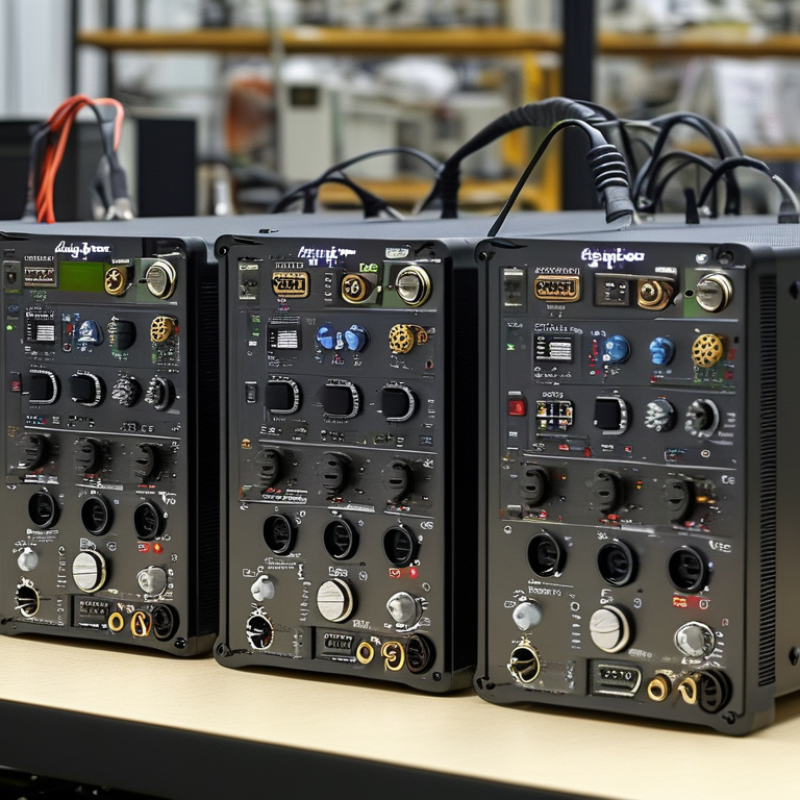
Programmable power supplies are essential tools in many industries, particularly in research and development. Their versatility allows users to control voltage and current precisely, which is crucial for testing electronic devices. According to a recent market research report, the global programmable power supply market is expected to grow at a CAGR of over 6% from 2022 to 2027, driven by the demand for innovative electronic solutions.
When selecting a programmable power supply, consider output range and resolution. Some models offer a wide voltage range, catering to diverse applications. A common mistake is underestimating the importance of ripple voltage and load regulation, which can significantly affect device performance.
**Tips:** Identify your specific requirements before making a purchase. Research user reviews to gauge reliability. Additionally, ensure the software compatibility with your existing systems. The right power supply can enhance productivity but requires careful evaluation.
This chart illustrates the key performance metrics of programmable power supplies, showing voltage output, current output, ripple voltage, load regulation, and temperature coefficient. These factors are critical for buyers looking for reliable and efficient power supplies in the market.
When selecting a programmable power supply, it's crucial to focus on specific key features. Voltage and current range are essential. Ensure the supply can meet your project’s requirements. A wide range allows versatility for different applications. Adjustable outputs are beneficial for fine-tuning results. Consider whether precise voltage readings and stable outputs are necessary.
Another critical aspect is user interface and control options. A clear display and intuitive controls can enhance usability. Look for models that support remote control via software. Communication interfaces such as USB or Ethernet can be advantageous for automated testing. Additionally, safety features like over-voltage protection and short-circuit protection merit attention. They can prevent damage to both the power supply and connected devices.
Lastly, while features are vital, remember the importance of reliability. How often do programmable power supplies fail? Researching user reviews can reveal patterns in performance. A good power supply should offer consistent performance over time. Be mindful of this when making your choice. It's easy to overlook such details, but they significantly impact outcomes.
Programmable power supplies have become essential tools in various industries, from electronics manufacturing to research labs. These devices allow users to set voltage and current levels precisely, ensuring that testing and development processes run smoothly. According to a recent market analysis, the global programmable power supply market is projected to reach over $1 billion by 2026, highlighting its growing importance.
When selecting a programmable power supply, it is critical to consider both the specifications and the brand reputation. High-end models often feature advanced functionalities, like remote access and programmable outputs. Users should seek devices that offer reliable performance, as inaccuracies can lead to costly errors in testing and production. Remember, not all power supplies are built equally. Some may not meet industry standards for safety and efficiency.
Tips: Always review customer feedback before purchasing. Real-world experiences provide insight that technical specs may miss. Assess your specific needs before making a decision. Standard models may fall short for specialized applications, leading to future inconveniences. Don't overlook support options; a solid warranty and customer service can make a difference in long-term satisfaction.
| Model | Output Voltage (V) | Output Current (A) | Power (W) | Precision | Interface Type |
|---|---|---|---|---|---|
| Model A | 0-30 | 0-10 | 300 | ±0.5% | USB, Ethernet |
| Model B | 0-60 | 0-5 | 300 | ±0.5% | RS-232, USB |
| Model C | 0-120 | 0-3 | 360 | ±0.1% | GPIB, Ethernet |
| Model D | 0-15 | 0-20 | 300 | ±0.5% | USB, LAN |
| Model E | 0-50 | 0-6 | 300 | ±0.5% | RS-232, USB |
When considering programmable power supplies, pricing is crucial. Prices vary widely based on features and capabilities. Basic models cost less, while advanced systems with multiple channels or higher precision are pricier. Buyers should take a moment to assess their specific needs before making a purchase.
Budgeting for these supplies can be challenging. It’s essential to set a clear budget that considers both initial costs and ongoing expenses. Users should consider potential upgrades or additional accessories. Sometimes, budget options lack vital features. This could lead to higher costs down the road.
Investing in a reliable power supply is a long-term decision. Look for models with good reviews from credible sources. Feedback from experienced users can provide insights into performance and reliability. Remember, a low price might not always mean a good deal. The risk of inadequate equipment can outweigh the cost benefits.
The landscape of programmable power supply technology is rapidly evolving. Recent advancements focus on integrating smart features, enhancing usability and efficiency. These power supplies now often come with user-friendly interfaces, allowing for easier configuration and monitoring. Users can expect more connectivity options, such as Wi-Fi and Bluetooth, facilitating remote adjustments and improved data logging.
Emerging trends also highlight sustainability. Many manufacturers are focusing on energy efficiency and reduced environmental impact. This shift aligns with global efforts to promote greener technologies. However, the adoption rate of these more sustainable options has been slow. Some buyers remain skeptical about their performance compared to traditional models.
Reliability continues to be a primary concern. Programmable power supplies must maintain consistent output under varying loads. Users often report issues with calibration, which can detract from their effectiveness. Ensuring accuracy in voltage and current settings is crucial. This is an area that requires ongoing attention and testing. Balancing innovation with reliability will define the future of programmable power supplies.
: They control voltage and current precisely, essential for testing electronic devices in various industries.
It's expected to grow over 6% CAGR from 2022 to 2027 due to demand for innovative electronics.
Focus on the output range, resolution, ripple voltage, and load regulation for optimal performance.
Ripple voltage affects device performance; underestimating it could lead to testing errors and device failures.
Research user reviews and real-world experiences. Feedback can highlight issues that technical specs do not.
Consider features like remote access and programmable outputs that support advanced testing needs.
No, not all models meet industry safety or efficiency standards. Consider real user experiences too.
Assess specific needs before purchasing. Standard models may not meet requirements for specialized applications.
A solid warranty and responsive customer service can enhance your experience and protect your investment.
Underestimating ripple voltage and not checking software compatibility can lead to issues in functionality.
Programmable Power Supplies are essential tools in various industries, providing precise control over electrical output for testing and experimentation. In the market today, they come with diverse features that cater to different user needs, such as programmable waveforms, output versatility, and communication interfaces. When selecting a programmable power supply, buyers should consider key aspects like output power range, voltage and current ratings, as well as user-friendly programming options.
As global demand grows, understanding pricing considerations and budgeting tips is crucial for both individuals and businesses. With technological advancements, future trends in programmable power supplies point towards enhanced automation, improved efficiency, and increased connectivity, enabling users to achieve more precise and reliable results in their applications.

EVS Powers