2026 Top Smart Power Supply Trends for Global Buyers?

Time:2026-08-23 Author:Mason
0%

In the rapidly evolving technology landscape, the concept of "Smart Power Supply" stands out. This innovation has transformed how devices manage energy, ensuring efficiency and reliability. As global buyers seek sustainable solutions, smart power supplies offer numerous benefits. They optimize power usage and feature advanced monitoring systems.

However, not all smart power supplies are created equal. Many products flood the market, leading to confusion over which ones truly deliver value. Buyers must navigate through a plethora of options, focusing on design, energy efficiency, and scalability. It is essential to consider the specific needs of applications in various sectors.

Looking ahead to 2026, several trends will shape smart power supply technologies. From artificial intelligence integration to enhanced connectivity, these trends promise to redefine energy management. Consumers will need to remain informed, evaluating products critically to ensure they are making wise investments in this essential technology.
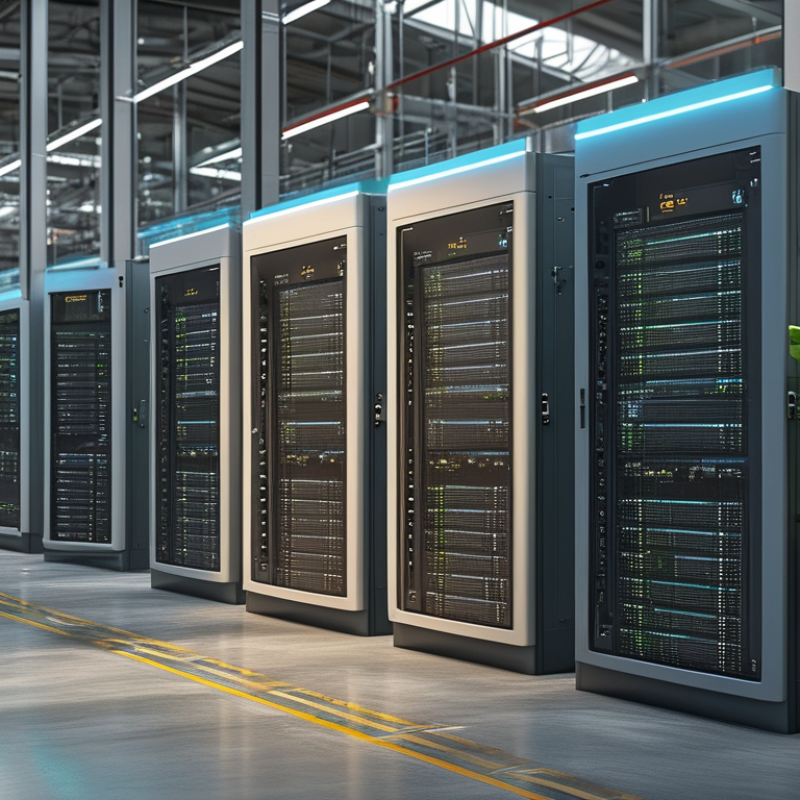
2026 Top Smart Power Supply Trends for Global Buyers?

Emerging Technologies Driving Smart Power Supply Innovations

Emerging technologies are reshaping the landscape of smart power supply systems. According to a recent report from the International Energy Agency, the global market for smart power supplies is expected to grow by 15% annually through 2026. Key innovations include advanced energy management software and IoT integration. These technologies allow real-time monitoring and optimize energy consumption.

The adoption of AI in smart power supplies is a game-changer. Machine learning algorithms can predict energy usage trends, offering insights that lead to better efficiency. A study by MarketsandMarkets indicates that the AI segment could account for 30% of the smart power supply market by 2026. However, reliance on these technologies raises questions about data privacy and cybersecurity. As systems become more interconnected, the risk of vulnerabilities increases.

Renewable energy integration is also crucial for future advancements. Smart power supplies can manage energy from solar, wind, and other sources more effectively. A report by Bloomberg New Energy Finance highlights that by 2025, over 50% of global energy generation could come from renewables. Still, achieving this goal requires substantial upgrades to existing infrastructure, which may not be feasible for all regions. These challenges illustrate the complexity of implementing smart power supply innovations.

2026 Smart Power Supply Innovations Overview

Key Features of Next-Generation Smart Power Supplies

The trend for smart power supplies is rapidly evolving. Next-generation devices are integrating features that enhance efficiency and sustainability. According to a recent industry report, over 70% of manufacturers are prioritizing energy efficiency in their designs. This focus reflects an increased demand for eco-friendly technology, driven by both consumer preference and regulatory pressures.

A crucial feature of modern smart power supplies is their ability to monitor energy usage in real-time. This allows users to optimize power consumption, reducing waste. The introduction of AI algorithms further augments this capability; they can predict energy needs and adjust output dynamically. Industry data reveals that power supplies with these advanced features can reduce energy costs by up to 20%.

The integration of IoT capabilities is also noteworthy. This ensures that power supplies can communicate with other devices, promoting an interconnected ecosystem. However, not all manufacturers are keeping pace with these advancements. Some still produce outdated models, risking inefficiency and customer dissatisfaction. Continuous vigilance in selecting products is essential for buyers.

Considering these trends, it’s vital to evaluate specifications carefully. Look for models that offer scalable designs. Ensure they have strong data reporting features too. Balancing performance with sustainability should be a priority for all buyers.

Sustainability Trends Impacting Smart Power Supply Designs

Sustainability is reshaping the smart power supply landscape. According to a report by the International Energy Agency, energy efficiency initiatives could cut global electricity consumption by 10% by 2030. This trend pushes designers toward greener solutions. Older power supplies often waste energy during conversion. New designs focus on improving this efficiency.

Innovative materials are also playing a key role. A study from Allied Market Research highlights that the global green technology market, valued at $10 trillion, will heavily influence smart power supply designs. Components that employ renewable materials are becoming the norm. However, challenges remain. Shifting to these materials can increase production costs and complicate sourcing.

Regulatory frameworks are evolving. The European Union has introduced stricter energy efficiency directives. Compliance adds pressure but also drives innovation in design. The need for higher efficiency must meet performance requirements. Balancing sustainability against functionality remains a complex task. As the industry progresses, stakeholders must navigate this ongoing challenge.

Market Dynamics and Demand Forecast for Smart Power Solutions

The global market for smart power solutions is experiencing significant growth. This trend is driven by increased energy demands and the push for sustainability. Companies are focusing on efficiency and integration of advanced technologies. Smart power supplies optimize performance, making them attractive options across industries. Key applications include renewable energy systems and electric vehicle charging.

Demand forecasting indicates a shift toward smarter infrastructure. Growth is expected in residential, commercial, and industrial sectors. Adopting IoT and AI technologies is essential for these systems. These innovations enhance monitoring and management capabilities. However, the integration of these technologies poses challenges. Many organizations struggle to find skilled personnel to implement and maintain smart power systems.

Data privacy and cyber-security concerns also exist. Protecting valuable energy data is paramount. Companies must invest in robust security measures to mitigate risks. Additionally, the cost of transitioning to smart power solutions can be a barrier. Small industries may find initial investment daunting. Thus, while the market shows promise, navigating these complexities requires careful planning and foresight.

Global Regional Insights on Smart Power Supply Adoption Trends

The adoption of smart power supplies is accelerating globally. According to a recent market report, over 50% of businesses in North America have integrated smart power solutions into their operations. This shift highlights a significant trend towards energy efficiency and enhanced monitoring capabilities.

In Europe, the transition is equally notable, driven by stringent regulatory standards. Data shows that 60% of European companies are prioritizing smart power supply investments. These solutions provide real-time data on energy consumption, allowing for smarter decision-making. However, challenges remain, such as the initial costs associated with upgrading existing infrastructure.

Asia-Pacific is witnessing rapid growth as well, with forecasts indicating a compound annual growth rate (CAGR) of 15% through 2026. While the potential is immense, there is a need for education on smart technologies. Many organizations lack awareness of the benefits, resulting in missed opportunities for optimization. Addressing these gaps will be crucial for the broader adoption of smart power supplies worldwide.

FAQS

: What are emerging technologies in smart power supply systems?

: Emerging technologies include advanced energy management software and IoT integration for real-time monitoring.

How does AI contribute to smart power supplies?

AI uses machine learning algorithms to predict energy trends, enhancing efficiency and consumption management.

What is the expected growth of the smart power supply market?

The market is expected to grow by 15% annually through 2026.

What challenges does renewable energy integration face?

Upgrades to existing infrastructure are needed, which may not be feasible for all regions.

How do energy efficiency initiatives impact consumption?

These initiatives could reduce global electricity consumption by 10% by 2030, driving greener solutions.

What role do innovative materials play in power supply design?

New materials using renewable resources are becoming common, though they can increase production costs.

How is regulatory change influencing smart power supply designs?

Stricter efficiency directives impose pressure but encourage innovation while balancing sustainability and functionality.

What percentage of North American businesses have adopted smart power solutions?

Over 50% of North American businesses have integrated smart power solutions.

Why is education on smart technologies crucial in Asia-Pacific?

Many organizations lack awareness of benefits, causing missed optimization opportunities.

What ongoing challenges do stakeholders face in smart power supply implementation?

Balancing regulatory demands against functional performance while managing costs is a complex task.

Conclusion

The article "2026 Top Smart Power Supply Trends for Global Buyers" explores the evolving landscape of Smart Power Supply technologies that are poised to transform energy management solutions. It delves into the emerging technologies that are driving innovations in smart power systems, highlighting key features of next-generation designs, such as enhanced efficiency and advanced monitoring capabilities. Additionally, the article examines sustainability trends influencing the development of these power supplies, reflecting the growing emphasis on environmentally friendly solutions.

Market dynamics and demand forecasts indicate a robust growth trajectory for smart power solutions, with insights into how various regions are adopting these technologies differently. The analysis underlines the importance of understanding regional insights and varying rates of adoption among global markets, which can help buyers make informed decisions in selecting smart power supply configurations that best fit their needs. Overall, the future of Smart Power Supply is bright, with significant advancements and trends shaping its role in energy management.

Mason

Mason

Mason is a seasoned marketing professional with a deep expertise in the company's offerings and a passion for driving brand awareness. With a strong background in digital marketing strategies, he has an innate ability to connect with diverse audiences and effectively communicate product benefits.......